









Key Takeaways
Incorporating natural stone into your design offers a blend of historic grandeur and modern versatility. Understanding the specific qualities of these materials ensures a beautiful, functional installation that lasts for years.
- The contrast of light and dark marbles creates a timeless, high-contrast aesthetic suitable for any design style.
- Natural stone varies in veining and tone, ensuring that every installation provides a completely unique visual character.
- Proper maintenance, including regular sealing and gentle cleaning, is essential to protect the surface from etching.
- Selecting the correct finish—polished, honed, or textured—directly impacts both the visual warmth and slip resistance of your project.
- Professional installation techniques, such as precise layout planning and color-matched grouting, are vital for achieving seamless patterns.
The aesthetic appeal of black and white marble
The choice of a black and white marble tile scheme brings a sense of formal elegance to any interior, bridging the gap between old-world luxury and contemporary minimalism. This pairing is frequently celebrated for its inherent balance, drawing the eye while remaining neutral enough to layer with furniture and textiles of varying colors and textures. By utilizing natural classic black and white tiles, homeowners can transform standard residential spaces into high-end environments that reflect a sophisticated, artistic vision.
Achieving a classic checkerboard look
The checkerboard pattern is perhaps the most iconic way to showcase this material, evoking the charm of historic Italian palazzos. When you balance the deep, dramatic tones with clean, bright white accents, the floor becomes the primary focal point of the room. This layout works remarkably well in entryways where a strong first impression is desired, and homeowners often turn to Surfaces Galore for the premium natural stone needed to execute this high-end flooring design with precision.
Balancing high-contrast palettes in modern spaces
Bringing balance to a room with bold contrasts requires an understanding of how to distribute light and dark elements evenly throughout the space. When the floor features heavy bold black-and-white flooring, it is often beneficial to keep the walls or surrounding cabinetry in lighter, more neutral shades to prevent the room from feeling closed in. This careful equilibrium ensures the space feels expansive and airy while maintaining that striking, high-contrast energy that designers love.
Creating visual movement with geometric patterns
Geometric layouts like herringbone or intricate mosaic weaves inject a sense of kinetic energy into otherwise static rooms. Small-format tiles allow for more complex designs that guide the eye across a space, effectively hiding subtle floor irregularities while creating a bespoke, artisanal appearance. These dynamic arrangements turn floors into a canvas, making them an excellent choice for those who value unique, non-traditional aesthetics over standard grid patterns.
Understanding the material composition

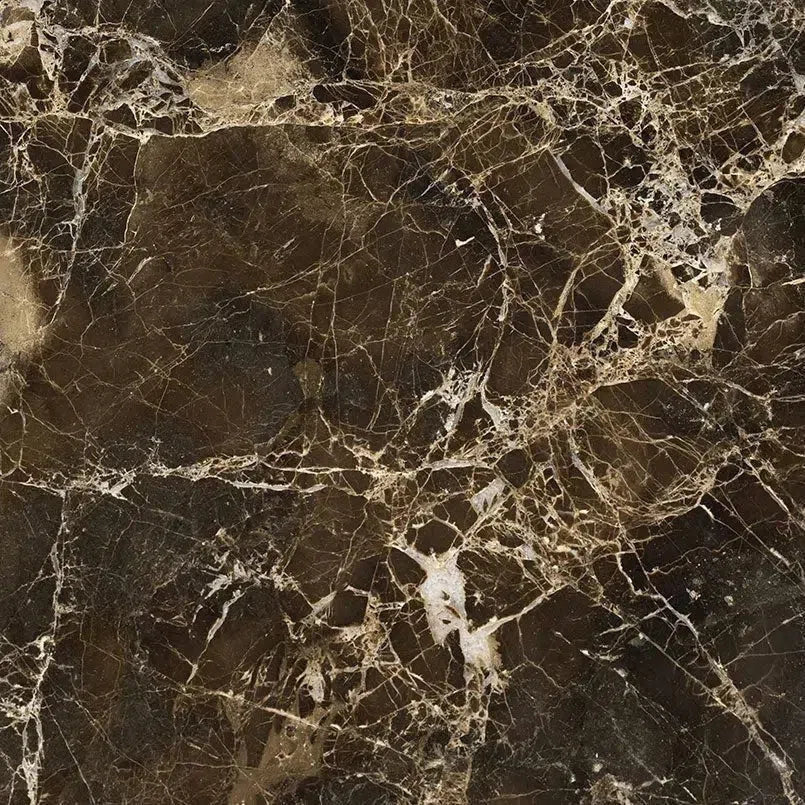
Selecting the right stone involves more than just color; it requires an appreciation for the structural personality of each piece, from the crisp white of Italian imports to the dark, moody depth of Spanish quarry selections. Natural stone is formed over millennia, leading to variations in density, porosity, and veining that give your finished project its one-of-a-kind appearance. Understanding these geological distinctions helps you make informed choices about where to place different stones to ensure they perform well under daily use.
Nero Marquina for deep black tones
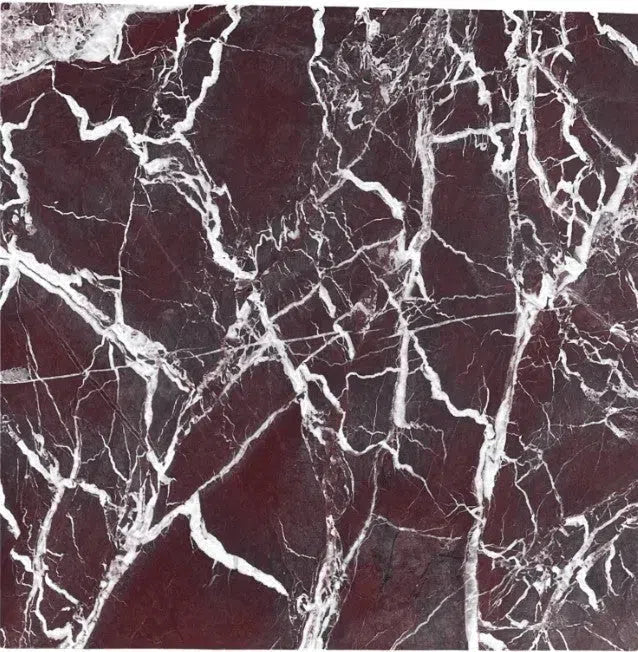
Nero Marquina is prized for its intense, velvety background, often traversed by striking white mineral veins that provide a dramatic contrast. When sourced from the finest Spanish blocks, this premium marble tile offers a level of depth that is difficult to replicate with synthetic materials. It provides a luxurious foundation for bathrooms and kitchen backsplashes, acting as the perfect moody anchor against lighter fixtures.
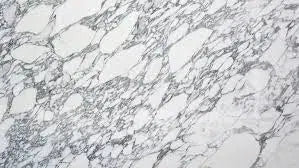
Carrara and Statuary for brilliant white foundations
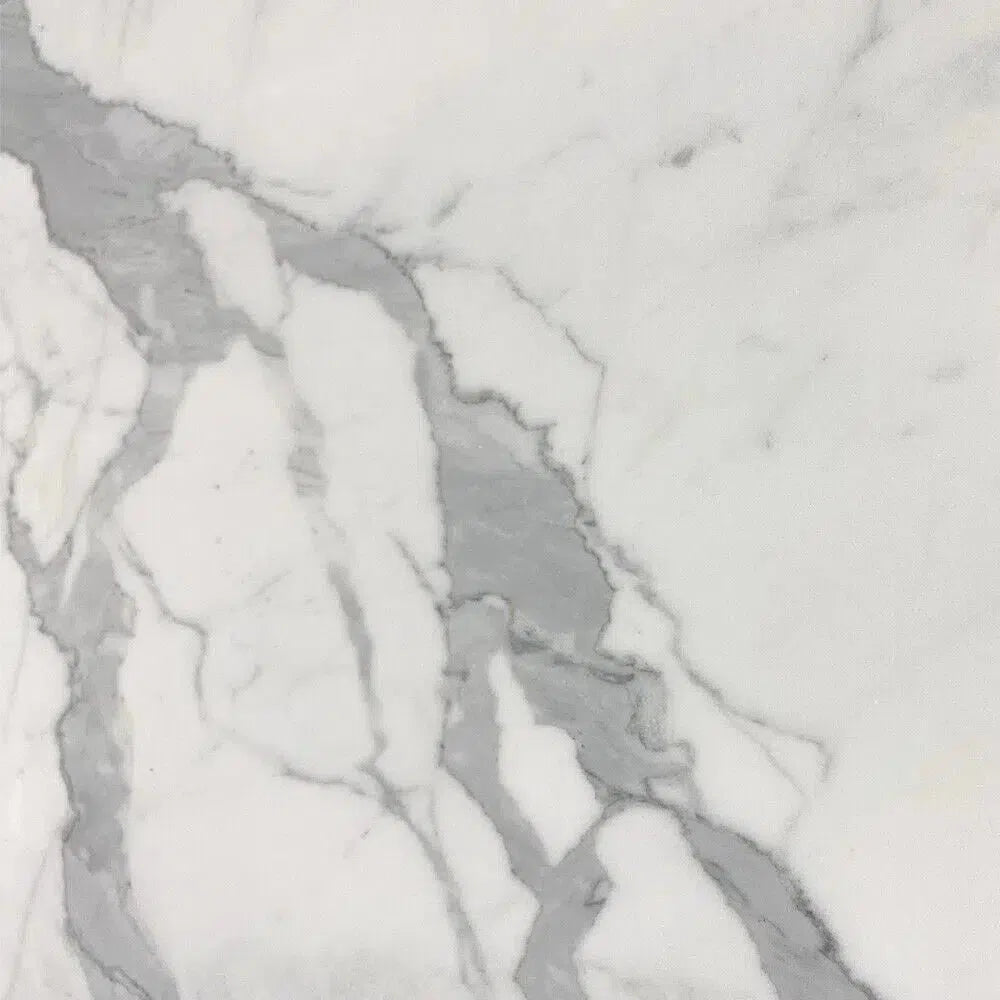
Carrara and Statuary marbles are the bedrock of white stone design, providing a brighter, cleaner aesthetic compared to warmer or creamier varieties. These stones are popular not only for their luminosity but also for their ability to reflect natural light, which helps smaller rooms feel larger and more open. Many professionals recommend these stones for areas where a sense of purity and airiness is requested, often highlighting their role in creating a sophisticated, high-end luxury stone flooring experience.
Natural variations and unique veining characteristics
Natural stone is never perfectly uniform, and that is a significant part of its enduring appeal rather than a flaw. Veining can vary from soft, wispy grey lines to more pronounced, darker patterns that cross the entire slab, influenced by the specific minerals present in the quarry. Because of these distinct differences, it is wise to order enough material to maintain consistency across the entire project area, allowing for a balanced, harmonious look during your installation.
Design applications for every room
When we look at residential design, specific room types naturally call for different stone characteristics to handle the environment they are placed in. Whether you want to add character to a hallway or create a spa-like retreat in the bathroom, the durability and beauty of marble remain unmatched. By planning the application carefully, you ensure the stone lives up to both its aesthetic promise and its structural requirements in high-traffic or high-moisture zones.
Grand foyer and entryway flooring statements
An entryway is the perfect stage for a bold design, serving as the introduction to the rest of the home. Large-format tiles create a seamless canvas that is visually grounding, while smaller mosaic borders can add a touch of formality that feels both welcoming and intentional. To ensure you maintain a flat and even surface throughout these public areas, many professionals use a modern tile leveling system to prevent lippage while the thinset cures.
Sophisticated kitchen backsplash and wall cladding
Kitchen walls deserve a finish that feels elevated and clean, and nothing achieves this quite like polished stone. Because the backsplash is at eye level, it is the ideal spot to showcase the intricate veining of premium natural stone. You should consider how the stone interacts with under-cabinet lighting, as the natural sheen of polished marble can bounce light beautifully, adding a hidden layer of depth to the kitchen workspace.
Luxurious master bathroom and shower layouts
Bathroom design often prioritizes the cooling properties of natural stone, which can make the space feel like a dedicated sanctuary. Using larger pieces for walls can minimize grout lines, providing a cleaner look, while smaller mosaic floor tiles can improve drainage and offer more grip under wet conditions. This creates a refined, spa-inspired atmosphere where beauty and daily function meet seamlessly.
Selecting the right finish for your project

Choosing the finish of your stone is one of the most important decisions in the selection process, as it changes how a space handles light and how it feels beneath your feet. While glossy surfaces offer a formal, reflective elegance, matte surfaces provide a down-to-earth durability that often proves more practical in busy households. Balancing these choices according to the specific needs of your room is key to long-term success.
Benefits of a high-gloss polished finish for light reflection
The polished finish is essentially a high-sheen surface that highlights the true, deep colors and intricate veining of the marble. This finish is perfect for rooms that lack natural light, as it acts almost like a mirror, bouncing available ambient light across the space to brighten the corners. It is the classic choice for a sophisticated formal room aesthetic, though it does require more attention to maintenance since light scratches can be visible.
Why honed finishes offer a softer, matte appearance
Honed finishes involve a grinding process that results in a smooth, non-reflective surface that feels incredibly soft and natural. This finish is ideal for high-traffic zones because it resists small scratches more effectively than polished stone and provides a slightly better grip underfoot. It offers a more understated, contemporary charm, allowing the natural character of the stone to take center stage without the distraction of surface glare.
Durability considerations for specific traffic zones
Understanding the intensity of use in a room helps guide your final finish decision. The following table provides a general summary of how different finishes perform in specific areas of the home.
| Finish Type | Best For | Foot Traffic Level | Slip Resistance |
|---|---|---|---|
| Polished | Walls & Backsplashes | Low | Moderate |
| Honed | Living Rooms | Moderate/High | Better |
| Flamed | Outdoor Patios | High | Best |
This table illustrates why an entryway might benefit from a honed surface compared to a polished one, as the grit and moisture brought inside can eventually dull a high-gloss finish.
Maintenance and care for long-lasting beauty
Maintaining the striking look of natural stone is fundamentally about protection and timely care. Marble is porous, meaning it can absorb liquids and acidic substances if left untreated, which is why your strategy should focus on prevention rather than reaction. A proactive care routine keeps the stone's surface from prematurely weathering in high-use areas of your home.
Proper sealing techniques for porous natural stone
Sealing is the single most effective way to ensure your investment stays pristine; it acts as a barrier that slows the absorption of spills. You should apply a high-quality stone sealer before the first use and maintain it annually or as directed by the product instructions. This process is straightforward and critical for high-traffic areas, ensuring the stone effectively repels liquids before they can penetrate the surface.
Daily cleaning practices to prevent etching
Daily care should be gentle, as even mild cleaning agents store hazardous or acidic components that can quickly dull the marble's surface. We recommend using a soft microfiber cloth and pH-neutral cleaners specifically formulated for natural stone. Avoid the common mistake of using lemon, vinegar, or harsh bleach, as these can cause immediate and lasting damage to the finish.
Stain prevention strategies for busy households
In a busy house, accidents are inevitable, so maintaining a clear path for quick cleanup is your best defense against stains. You might consider the following steps to minimize daily wear and tear:
- Place high-quality mats at both exterior and interior entries to catch gritty dirt.
- Keep coasters on all stone tables or counters to manage condensation.
- Wipe up acidic spills like coffee, wine, or citrus juice immediately.
- Use chair felt pads on furniture legs to prevent accidental dragging scratches.
Implementing these basic habits allows you to enjoy the elegance of your stone without constant fear of damage, ensuring the surface retains its original luster for years to come.
Expert installation tips for pattern success
Successful installation is where high-quality stone meets precision craftsmanship, and it is usually the difference between a floor that looks good and one that looks truly professional. Proper planning accounts for the variations inherent to natural marble, allowing for adjustments that make the finished layout look intentional and refined rather than piecemeal. Investing time in your layout strategy, particularly when dealing with complex patterns, saves significant effort and material costs down the road.
Calculating layout waste for diagonal tile installations
Diagonal installations often yield more dramatic results, but they also require a higher allowance for waste compared to traditional grid patterns. You should always include at least 15% extra material to account for the numerous angled cuts required along the room's perimeter. It is better to have pieces left over for future repairs than to run short; when you source from American Stone Center, you ensure that your materials arrive consistently from similar batches.
Achieving precise alignment with complex geometric designs
Geometric designs require exact measurements to ensure the pattern carries evenly, as even a quarter-inch deviation can become visibly obvious once the room is complete. Using a dry-lay method before you set the tiles in thinset is a common trick used by contractors to see how the veining patterns interact across the floor. This allows you to rotate or swap specific tiles to achieve the most balanced and aesthetically pleasing configuration before the final installation.
Selecting the right grout color to define or blend patterns
The color of your grout changes the entire outcome of the room by either emphasizing the layout or making it disappear into a seamless floor. A high-contrast grout color will highlight the geometric shape of every single tile, creating a sharp, graphic look that defines the boundaries of your marble. Conversely, selecting a grout that closely matches the background tone of your stone provides a unified look, softening the visible pattern into a textural floor that feels consistent and expansive.
Conclusion
Choosing a black and white marble tile aesthetic is a lasting commitment to style that elevates your home with a sense of classical luxury and modern graphic drama. From the deep, moody veining of Nero Marquina to the bright, clean foundation of Bianco Carrara, these stones offer durability and timeless appeal that will anchor any interior renovation. By properly caring for your surfaces and prioritizing precision in your installation, you ensure that your selected stone remains a beautiful and functional feature for generations to come.
Frequently Asked Questions
Can I use black and white marble tile in a bathroom shower?
Yes, marble is a frequent choice for bathroom showers, though it requires sealing and proper installation since it is a natural stone. It is a good idea to choose a honed finish or smaller mosaic pieces for shower floors to ensure the surface has more grip under wet conditions.
Does marble require a lot of difficult maintenance?
While marble does need care, it is not overly difficult to maintain if you are proactive about sealing and cleaning. Regular, gentle cleaning with pH-neutral products and occasional resealing are usually enough to keep the surface looking beautiful, provided you clean up spills quickly.
Can marble tile be used with radiant floor heating?
Yes, marble is an excellent conductor of heat and works very well with radiant floor systems. It retains warmth efficiently and stays comfortable throughout the colder seasons, making it a popular choice for high-end master bathrooms.
Is marble flooring slippery when wet?
You should always be mindful of slip resistance when choosing tiles for wet zones like bathrooms or kitchens. Polished marble can become quite slick, so designers often recommend honed, brushed, or textured finishes in these areas to provide better traction underfoot.
Will the sunlight fade my black marble floors?
Black marble is generally colorfast and will not fade from exposure to natural sunlight. While the stone may feel warmer in direct sun, its color and veining will remain remarkably consistent over time due to the natural minerals that define its dark tone.
How do I handle scratches or etching on my stone?
Minor superficial scratches can often be buffed out, and professional stone restoration can remove deeper etches. However, the best approach is to prevent damage by using mats and avoiding acidic cleaners, which are the main culprits for dulling or etching a polished marble finish.
Is it best to seal the tile before or after installation?
It is often recommended to apply a coat of sealer to the tiles before grouting, as this keeps the porous stone from absorbing the grout color. A final, light coat can then be applied after the grout has fully cured to ensure the surface remains protected as a complete, unified floor.