








Key Takeaways
Choosing the right natural stone can elevate your home significantly, blending beauty with enduring durability for any design scheme.
- Natural marble provides unique veining patterns that offer a one-of-a-kind look in any kitchen or bathroom remodel.
- Understanding the distinction between polished, honed, and tumbled finishes helps define the overall texture and atmosphere of your space.
- Proper substrate preparation and the use of the correct thin-set mortar are critical for long-term stone stability and performance.
- Implementing a regular sealing schedule protects your stone from moisture, staining, and the everyday wear of a busy household.
- Thoughtful layout planning, including pattern choices and trim integration, creates a cohesive look that highlights the beauty of natural stone.
Understanding natural stone varieties for your backsplash
Selecting a natural stone for your home is more than just a renovation; it is an investment in timeless architectural beauty. As a direct importer of natural stone surfaces, Surfaces Galore sources high-quality materials that transform ordinary walls into custom design statements. We explore the nuances of stone selection to ensure your project achieves its full potential.
Exploring premium Italian marble options
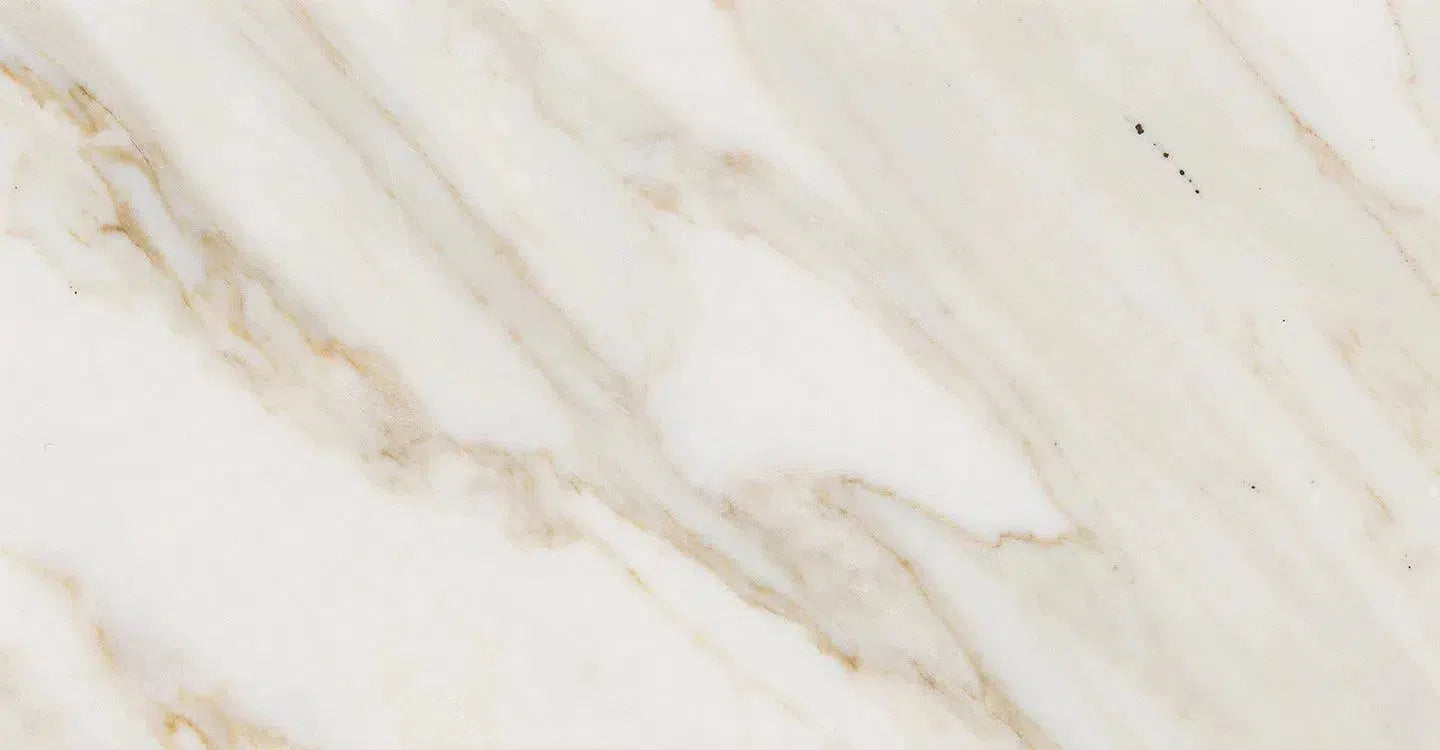
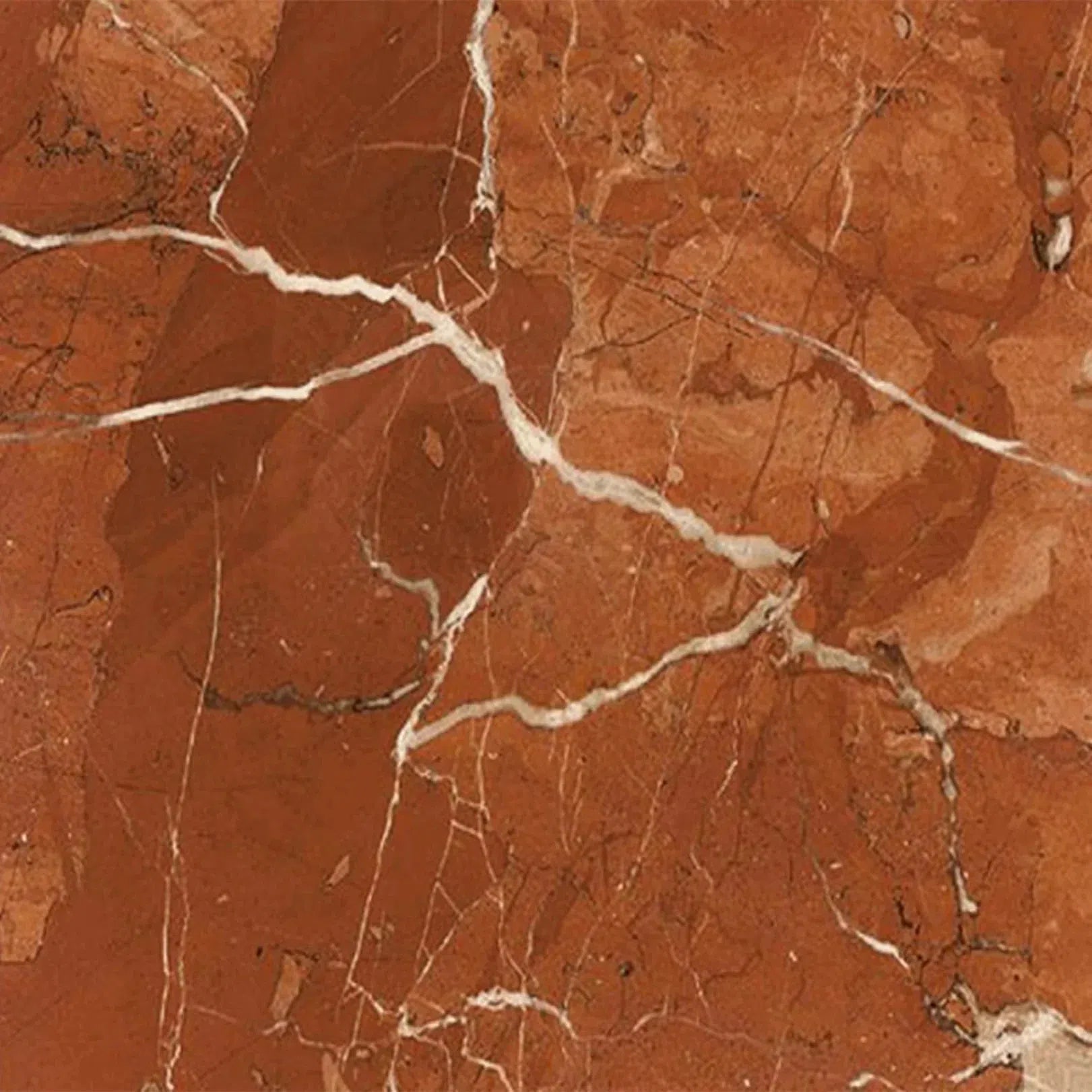
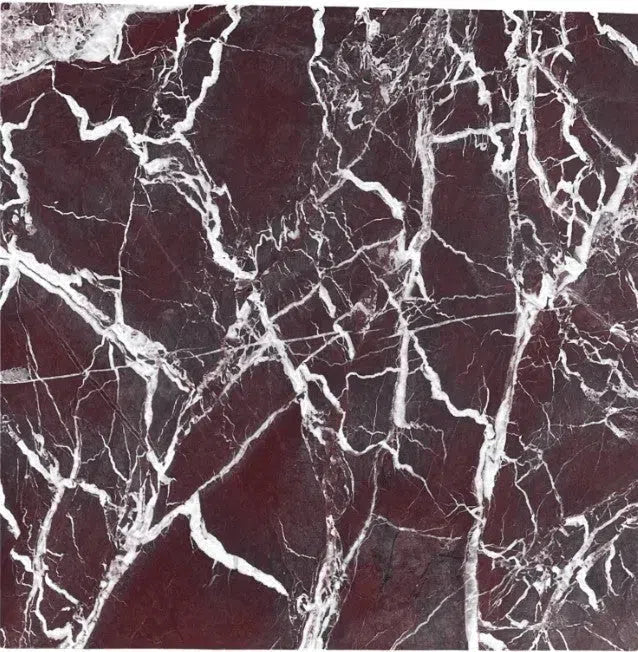
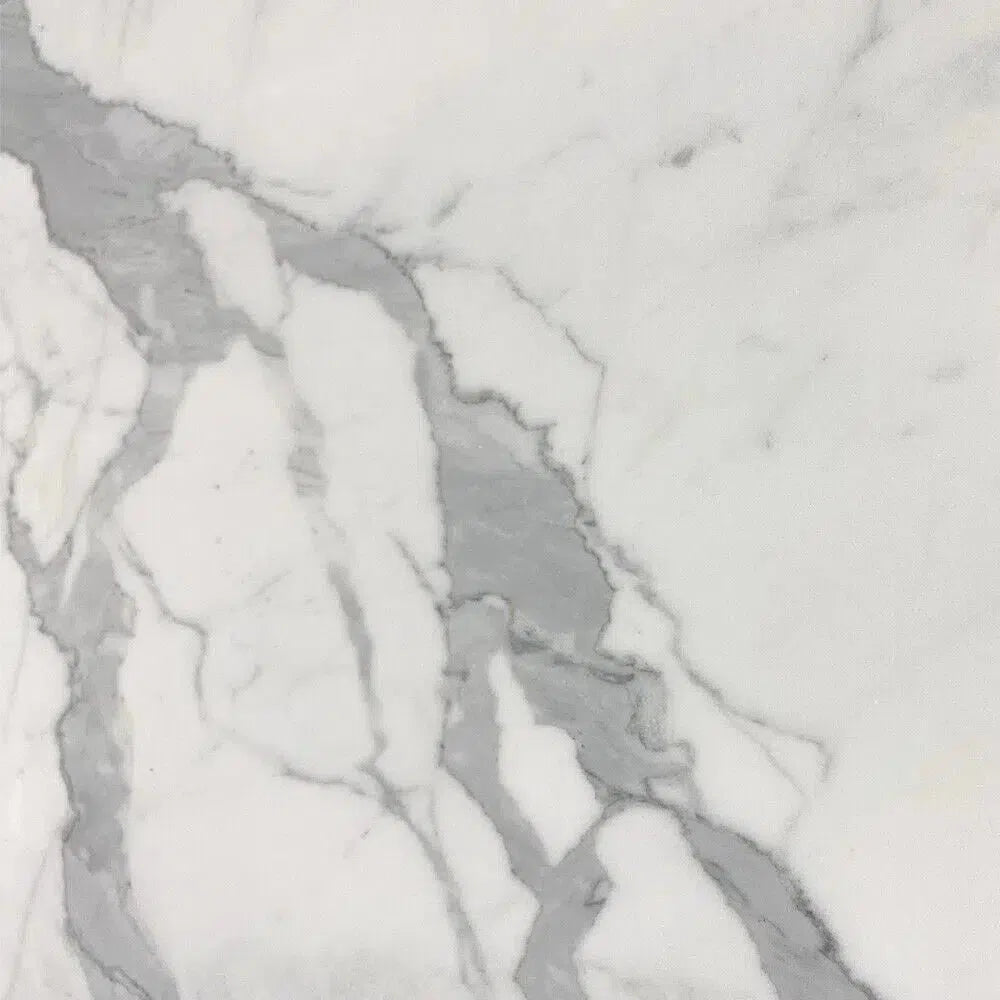
Premium Italian materials bring an unmatched heritage to any interior design project. From the iconic white backgrounds of Carrara marble to the dramatic veining found in Statuary white, these stones are celebrated for their classic contrast and elegance. When you browse marble backsplash tiles at an established supplier, you gain access to stone that has been refined by centuries of quarrying expertise.
Comparing light versus dark marble palettes
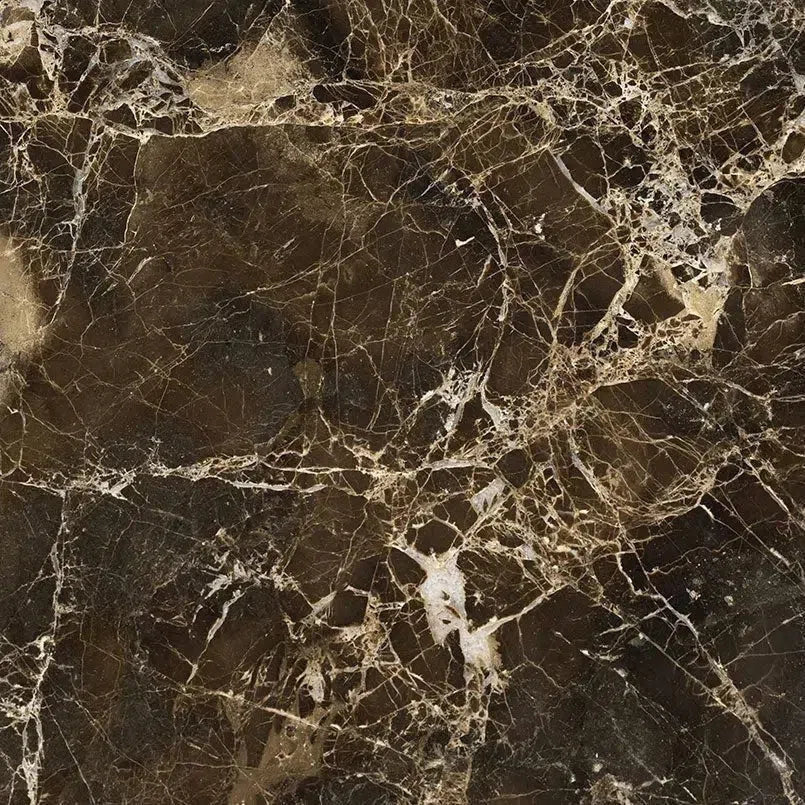
Deciding between light and dark palettes changes the scale and mood of your room entirely. Light marbles can brighten smaller spaces and provide a clean, airy feel that complements modern minimalism. Conversely, dark stones offer a dramatic, luxurious touch that pulls the focus to the wall, making it a powerful design element within your home.
Evaluating mosaic versus subway tile formats
Choosing the right shape allows you to play with visual rhythm and space perception. While traditional subway shapes are celebrated for their clean lines, mosaics can introduce complex geometry or classic patterns that draw the eye.
- Subway tiles for a timeless, linear aesthetic that feels professional and tidy.
- Mosaic tiles for intricate focal points that add texture and artistic personality.
- Herringbone patterns to create movement and depth in smaller kitchen areas.
- Large-format slabs to minimize grout lines for a seamless, bold appearance.
These formats allow for varying degrees of visual complexity, ranging from understated backgrounds to bold centerpiece designs.
Selecting the right finish for your kitchen or bath

The way a stone surface catches the light depends heavily on its finishing process. Surfaces Galore offers specialized collections that include multiple surface textures, each designed to suit different lifestyle demands and aesthetic goals. Understanding these finishes is essential for balancing visual desire with practical maintenance.
Polished finishes for reflective sophistication
Polished stone provides a high-gloss surface that reflects light, making spaces feel larger and cleaner. This finish is perfect for those who want a dramatic, sparkling look that enhances the vibrancy of natural color variations and crystalline structures within the tile.
Honed textures for a soft, matte appearance
Honed surfaces offer a smooth, tactile experience without the mirror-like shine of polished marble. This matte finish looks sophisticated and soft, making it an excellent choice for a space where you want to minimize glare while showcasing the subtle beauty of the stone's organic veining.
Tumbled stone for rustic or vintage charm
Tumbled finishes are achieved by processing stones to mimic the look of natural weathering and age. The softened edges and textured faces provide a vintage or rustic feel, ideal for country-style kitchens or bathrooms that demand a weathered, cozy atmosphere.
Design considerations for marble backsplash patterns
Design choices regarding patterns dictate how a viewer interacts with your space visually. Whether you are creating a marble backsplash or a feature wall, the arrangement of your tiles influences the flow and balance of the room. It is vital to consider how individual shapes interact with mortar lines and adjacent materials.
Arranging classic herringbone and chevron layouts
Classic patterns like herringbone effectively introduce a sense of dynamic energy to a wall. These layouts are particularly popular because they elevate the tile installation from simple functional cladding to a genuine work of architectural art, often serving as a central kitchen backsplash design element.
Utilizing modern hexagon and picket tile geometry
Modern geometry moves away from traditional squares, offering instead shapes that provide a contemporary edge. Hexagon tiles break up linear sightlines, while elongated picket tiles draw the eye upward, effectively creating an optical illusion of height in smaller or lower-ceilinged rooms.
Integrating natural stone trims and decorative moldings
Finishing your backsplash requires attention to detail at the edges where tile meets cabinetry or drywall. Natural stone trim and pencil liners provide a professional, polished edge that protects your edges and frames your stone installation beautifully.
| Pattern Type | Aesthetic Influence | Complexity Level |
|---|---|---|
| Herringbone | Dynamic movement | High |
| Subway Stack | Clean minimalism | Low |
| Hexagon | Modern energy | Medium |
Selecting a specific pattern allows you to craft a lasting aesthetic transformation for your kitchen that reflects your personal flair while maintaining structural integrity.
Preparation and installation best practices

Successful installation begins long before the first tile is set against the wall. Our experts at Surfaces Galore emphasize that proper handling and adherence to standard wall preparation guidelines are the foundation of any successful stone project. Always check your substrate to ensure it is clean, dry, and structurally capable of supporting the weight of natural stone.
Assessing substrate requirements for natural stone
Before you begin, verify that your wall surface is flat and capable of holding mortar. Uneven substrates often lead to cracked tiles or lippage, where one tile edge sits higher than its neighbor. Taking the time to patch and level the wall makes subsequent steps significantly smoother.
Selecting the correct thin-set mortar for marble
Marble is sensitive to moisture and color migration, so using a high-quality, manufacturer-recommended mortar is necessary. White thin-set is typically preferred for light-colored marble to ensure the translucent nature of the stone remains clear and unclouded.
Preventing common alignment and spacing issues
Maintain consistent spacing using specialized tile leveling clips or spacers during the curing process. Frequent checking of your level ensures that the geometry remains crisp across the entire length of your marble backsplash installation.
Protecting your stone investment with proper sealing
Natural stone is porous, which means protecting it from external elements is a non-negotiable step for long-term health. Because stone serves as a functional kitchen surface, it will inevitably be exposed to moisture and cooking residues. Proper sealing provides a barrier that prevents absorption while allowing the material to retain its original appearance.
Understanding the necessity of penetrating sealers
Penetrating sealers work by soaking into the pores of the marble to provide protection from within. They do not change the texture of the stone, but they block liquid penetration, which helps avoid dark spots or permanent etching from acids frequently found in kitchen ingredients like lemon or vinegar.
Choosing high-quality professional-grade products
Using industry-grade products ensures that your protection lasts longer. Cheap alternatives often degrade quickly or provide uneven coverage, requiring more frequent reapplications and potentially putting your stone at risk between treatments.
Establishing a maintenance and resealing schedule
Routine maintenance involves wiping down surfaces with mild soap and water. Resealing is generally recommended every six to twelve months, depending on the volume of activity in the kitchen and the specific variety of marble you have installed.
Styling your marble backsplash with complementary fixtures
The final step in a successful project is tying your stone installation into the broader room design. Your marble should not exist in isolation; it must harmonize with its surroundings. By considering how hardware and light interact with your chosen natural stone surfaces, you curate a balanced and intentional interior.
Matching metallic hardware to stone veining colors
Pulling color tones from your marble veins and pairing them with cabinet pulls or faucets creates a cohesive visual bridge. A warm brass fixture can pull out the gold or cream flecks in a complex marble, while cool chrome emphasizes the crispness of a white and grey palette.
Balancing intricate tile patterns with cabinet tones
If you choose a busy or intricate pattern, consider simpler, solid-colored cabinetry to let the stone stand out as the primary visual interest. Conversely, a simple tile allows for more experimental cabinet finishes or bold kitchen island choices.
Using effective lighting to highlight natural stone texture
Task lighting mounted under your upper cabinets is the single best way to showcase the depth and three-dimensionality of marble. By casting light across the surface of the stone rather than straight at it, you create shadows in the natural textured variations that highlight the organic authenticity of your materials.
Conclusion
Investing in a high-quality marble backsplash elevates the heart of your home with beauty that matures gracefully over time. By carefully selecting your stone variety, finishes, and patterns, and committing to proper maintenance, you ensure that your design serves as a sophisticated, durable, and inspiring focal point for years to come.
Frequently Asked Questions
How often does a marble backsplash require sealing?
Typically, a marble backsplash should be treated with a high-quality penetrating sealer every 6 to 12 months, depending on usage and cleaning frequency.
Can marble backsplashes develop stains easily?
Marble is naturally porous and can be susceptible to staining from oils or acids, which is why periodic sealing is essential to protect the surface integrity.
What is the difference between polished and honed marble?
Polished marble has a reflective, high-gloss surface that brings out stone colors, whereas honed marble features a matte, non-reflective finish that hides fine scratches.
Is marble suitable for use behind a kitchen stovetop?
Yes, marble is frequently used behind stovetops, though it is crucial to seal the area properly and wipe up any splashes or spills immediately to maintain its finish.
Should I choose matching grout for my backsplash tiles?
Matching grout creates a seamless, monolithic appearance that emphasizes the shape of the stone, while contrasting grout highlights the specific geometric pattern of the installation.
How do I safely clean a marble backsplash?
Use a pH-neutral cleaner specifically formulated for natural stone and a soft, non-abrasive cloth to prevent scratching the surface of the tile.
Can I install a marble backsplash as a DIY project?
While it is possible for experienced DIYers, installing natural stone requires careful substrate preparation, correct mortar selection, and precise alignment to ensure long-term stability.