

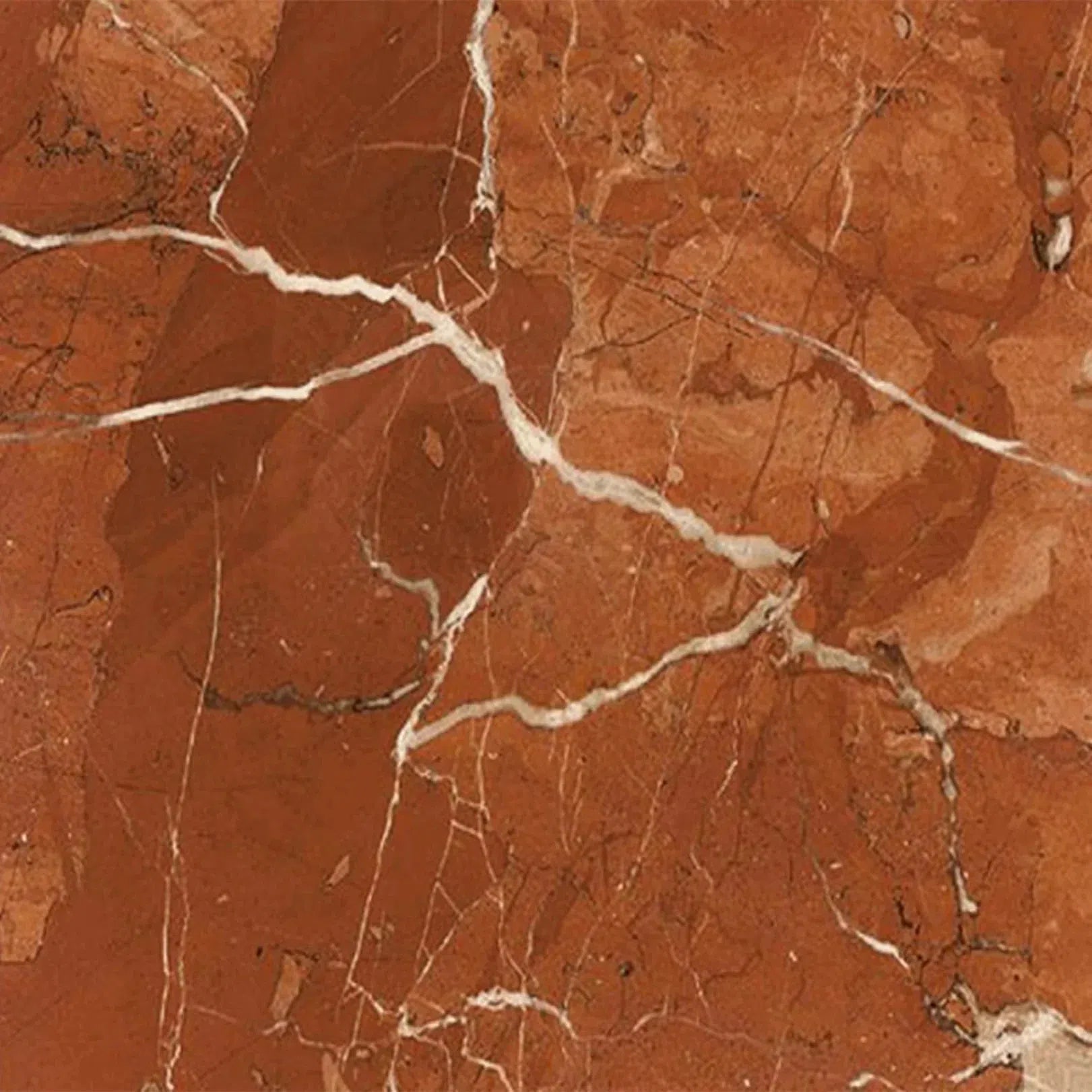
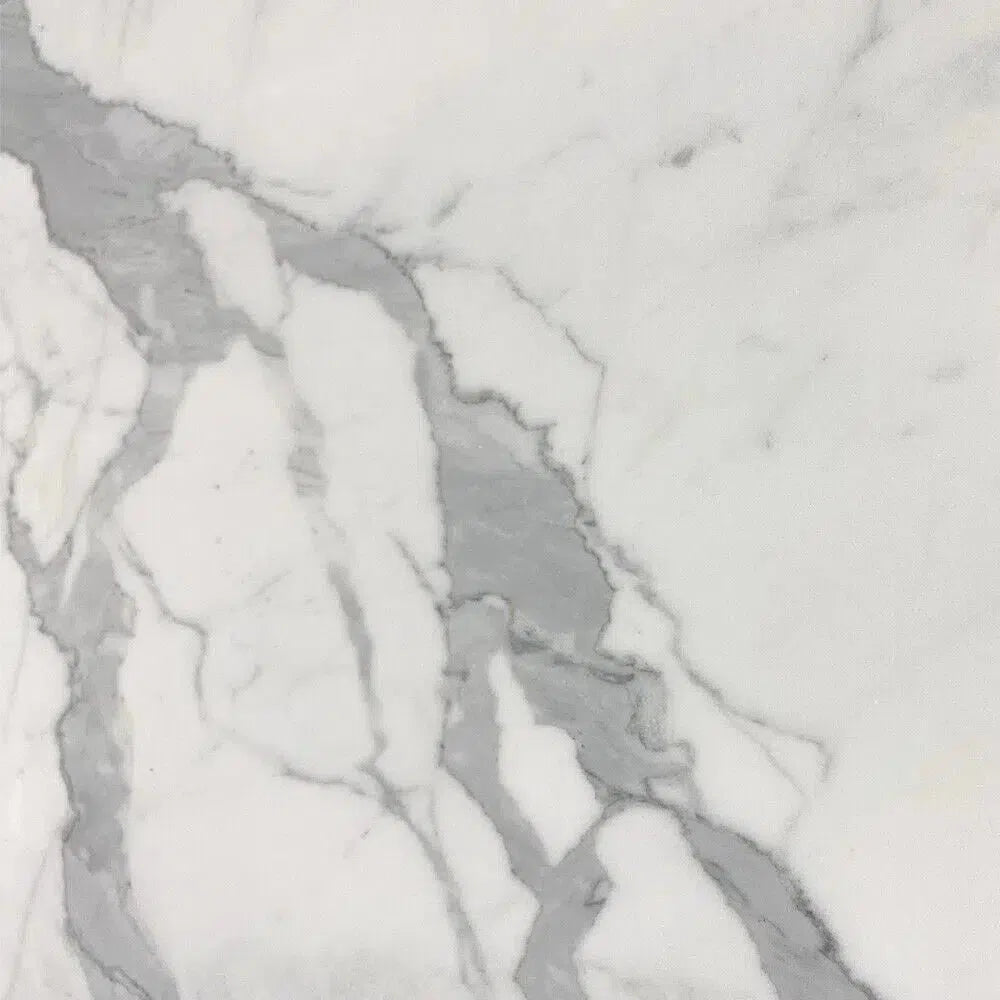

Thinking about that classic travertine look for your home but worried about the upkeep or the price tag? It's a common dilemma. Natural travertine is beautiful, no doubt about it. But sometimes, it just doesn't fit the bill for every project or budget. That's where clever design comes in. We're talking about porcelain tile that looks just like the real thing. It's a way to get that timeless elegance without all the usual headaches.
Key Takeaways
- Porcelain tile can now perfectly mimic the look and feel of natural travertine.
- This material offers the beauty of travertine with the durability of porcelain.
- It requires much less maintenance than real travertine, resisting stains and moisture.
- Porcelain travertine is a more budget-friendly option compared to natural stone.
- It's suitable for high-traffic areas and even outdoor spaces due to its toughness.
- The consistent quality and color variations are a major advantage.
- You can achieve authentic travertine aesthetics, including textures and patterns.
- It's a versatile choice for various rooms and design styles in your home.
The Enduring Appeal of Travertine
Understanding Travertine's Natural Beauty
Travertine is a type of limestone formed over thousands of years, often near mineral springs. What makes it so special is its unique formation process, which creates those characteristic pits and natural voids. These aren't flaws; they're part of its charm, giving each piece a distinct personality. It's this natural variation that designers and homeowners have loved for ages.
The Timeless Charm of Travertine's Texture
The texture of travertine is what really sets it apart. You'll notice subtle undulations, a slightly porous surface, and sometimes gentle banding. This isn't a perfectly smooth, manufactured look. Instead, it offers a tactile quality that feels grounded and authentic. It’s a texture that speaks of age and natural processes, making any space feel more lived-in and sophisticated.
Why Travertine Remains a Coveted Material
Even with all the new materials out there, travertine keeps its place as a top choice. Why? Because it just looks good, and it has for centuries. Think about ancient Roman buildings – many used travertine, and they still stand today, looking magnificent. This stone has a proven track record of durability and timeless style. It’s a material that doesn't really go out of fashion. It’s a material that doesn't really go out of fashion, offering a sense of permanence and classic beauty that’s hard to replicate.
Travertine's Rich History in Design
Travertine's story is long and impressive. From the Colosseum in Rome to modern-day luxury homes, this stone has been a go-to for architects and designers. Its use spans millennia, symbolizing strength, elegance, and a connection to the earth. This deep history lends a certain gravitas to any project that incorporates it. It’s more than just a building material; it’s a piece of history you can bring into your home. Travertino Romano is a prime example of this historical significance.
The Unique Character of Natural Stone
Every slab of natural travertine is one of a kind. The patterns, the colors, the size and depth of the pores – no two pieces are exactly alike. This individuality is a huge part of its appeal. It means your floor or wall will have a look that's entirely your own, a natural work of art. This uniqueness is something manufactured materials often struggle to match.
Achieving a Classic Aesthetic
If you're aiming for a look that feels both classic and current, travertine is a solid choice. It has a way of making spaces feel grounded, warm, and inviting. Whether you prefer a more rustic, tumbled finish or a smooth, honed surface, travertine can adapt to your vision. It’s a versatile material that lends itself well to creating a sense of established elegance.
The Warmth and Depth of Travertine
There's a certain warmth that natural stone brings to a room, and travertine is no exception. Its earthy tones, ranging from creamy beiges to rich browns, create a cozy and welcoming atmosphere. The subtle variations in color and texture add a depth that makes a space feel more dynamic and interesting. It’s a material that feels alive underfoot and to the eye.
A Foundation for Elegant Interiors
Travertine serves as an excellent foundation for a wide range of interior design styles. Its neutral color palette and natural patterns make it easy to pair with different furniture, decor, and accent colors. It provides a sophisticated backdrop that allows other elements in the room to shine, contributing to an overall sense of refined beauty. Travertine flooring is a popular choice for creating these elegant spaces.
Introducing Porcelain Tile with Travertine Look
The Innovation of Porcelain Mimicking Natural Stone
It feels like just yesterday that if you wanted that beautiful, earthy look of travertine, you were pretty much stuck with the real thing. And while natural travertine has its own charm, it also comes with a list of considerations – things like sealing, potential staining, and the fact that it can chip if you look at it funny. But technology marches on, doesn't it? Now, we have porcelain tile that's gotten incredibly good at looking like travertine. This isn't just a basic imitation; it's a sophisticated replication. Manufacturers are using advanced printing techniques to capture the subtle variations in color and texture that make travertine so appealing. It’s a smart way to get that natural stone vibe without all the fuss.
Capturing Travertine's Essence in Porcelain
Think about what makes travertine, well, travertine. It’s those soft, pitted surfaces, the gentle swirls of color, and that warm, inviting feel. Porcelain tile makers have really studied this. They’re looking at the natural veining, the characteristic pores, and even the slight imperfections that give natural stone its character. Then, they translate that onto porcelain. It’s about more than just a print; it’s about understanding the soul of the material and finding a way to express it in a new form. The goal is to make you do a double-take, to really believe you’re looking at genuine travertine.
The Best of Both Worlds: Durability and Aesthetics
This is where porcelain tile really shines. You get the stunning visual appeal that mimics natural travertine – the warm tones, the natural patterns, the overall elegance. But underneath that beautiful surface, you have the inherent strength of porcelain. This means it’s tough, resistant to scratches, and can handle a lot more wear and tear than natural stone. It’s a practical choice for busy homes, kitchens, bathrooms, and even high-traffic areas. You don't have to sacrifice looks for longevity anymore; you can have both. It’s a win-win for homeowners and designers alike.
Achieving Authentic Travertine Appearance
Getting that authentic look means paying attention to the details. Porcelain manufacturers are now able to replicate the distinct pores and subtle color variations found in natural travertine. They’re also mastering the art of mimicking different finishes, like the smooth, honed look or the more rustic, tumbled appearance. This attention to detail means you can achieve a truly convincing travertine aesthetic in your home. It’s about creating a surface that feels as natural and inviting as the real stone, but with the added benefits of modern tile technology. You can explore different travertine looks to see the range available.
Exploring the Nuances of Porcelain Travertine
When you look at porcelain tile designed to mimic travertine, you'll notice the incredible detail. Manufacturers are using high-definition digital printing to capture the natural veining and color variations that make each piece of travertine unique. They’re also working on replicating the subtle textural differences, so it doesn't just look like travertine, it feels closer to it too. This means you can get that warm, earthy tone and the visual depth that genuine travertine offers, but in a material that’s much easier to care for. It’s a thoughtful approach to design, blending nature’s beauty with modern material science.
A Smart Alternative for Your Design
Choosing porcelain tile that looks like travertine is a really practical decision for many projects. It offers a way to achieve a high-end, natural stone look without the higher cost and maintenance associated with real travertine. This makes it accessible for a wider range of budgets and design plans. Whether you're renovating a whole house or just updating a single room, this type of tile provides a beautiful and durable foundation. It’s a smart way to get the look you love, knowing it will perform well for years to come.
The Realistic Replication of Travertine Patterns
It’s pretty amazing how closely porcelain tile can now mimic the patterns found in natural travertine. The digital printing technology used is so advanced that it can reproduce the subtle shifts in color, the linear veining, and even the characteristic pitting that gives travertine its unique character. This means you can create spaces that have the authentic feel of natural stone without the inherent variability or potential issues that can come with it. The patterns are not just copied; they are thoughtfully recreated to give a sense of depth and natural variation, making your design look truly authentic.
Embracing Modern Material Technology
This whole trend of porcelain mimicking natural stone is a testament to how far material technology has come. We're no longer limited to the properties of a single material. Now, designers and homeowners can select surfaces that offer the best of both worlds: the aesthetic appeal of natural materials like travertine, combined with the performance benefits of engineered products like porcelain. It opens up a lot of creative possibilities, allowing for beautiful, durable, and practical design solutions for virtually any space in your home. It’s an exciting time for interior design.
Unveiling the Advantages of Porcelain Travertine
Superior Durability for High-Traffic Areas
Porcelain tile, especially when designed to mimic natural stone like travertine, offers incredible toughness. Think about floors in busy entryways or kitchens – they take a beating. Porcelain stands up to this constant foot traffic, resisting chips and cracks far better than many other materials. It's built to last, making it a smart choice for areas that see a lot of action.
Exceptional Resistance to Stains and Moisture
One of the biggest wins for porcelain is its low porosity. This means liquids, spills, and moisture don't soak in easily. Cleaning up messes becomes much simpler, and you don't have to worry as much about permanent stains ruining the look. This makes it a great option for bathrooms, kitchens, and even outdoor spaces where weather can be a factor.
Low Maintenance for Effortless Living
Forget the constant sealing and special cleaners that natural stone sometimes requires. Porcelain travertine is remarkably easy to care for. A simple sweep and occasional mop are usually all that's needed to keep it looking fresh. This low-maintenance aspect really appeals to homeowners who want beauty without a lot of upkeep.
Consistent Quality and Color Throughout
Unlike natural stone, which can have variations from one slab to another, porcelain tile offers a predictable and uniform appearance. When you choose a specific travertine look, you can be confident that every tile will match. This consistency simplifies design planning and ensures a cohesive look across your entire project, whether you're tiling a small bathroom or a large living area.
Frost Resistance for Outdoor Applications
Many porcelain tiles are designed with frost resistance in mind. This means they can handle freezing temperatures without cracking or degrading. This opens up a world of possibilities for outdoor living spaces, allowing you to extend the elegant travertine look onto patios, walkways, and pool decks. You get the beauty of stone with the resilience needed for the elements.
Ease of Installation and Care
While professional installation is always recommended for the best results, porcelain tile is generally straightforward to work with. Its uniform size and thickness make laying it out more predictable. Once installed, as mentioned, the care is minimal. This combination of easier installation and simple upkeep makes it a practical choice for many renovation projects.
A Long-Term Investment in Your Home
When you choose porcelain travertine, you're not just picking a flooring material; you're making an investment. Its durability means it will look good for years, resisting wear and tear that would damage softer materials. This longevity translates to value for your home, providing a beautiful and reliable surface that stands the test of time.
Hygienic Surfaces for Healthier Living
Because porcelain is non-porous and doesn't absorb liquids, it's also a more hygienic choice. It's less likely to harbor bacteria or mold compared to materials that can absorb moisture. This makes it an excellent option for kitchens, bathrooms, and any area where cleanliness is a top priority. You get a beautiful surface that also contributes to a healthier home environment.
Achieving Authentic Travertine Aesthetics
Getting that genuine travertine look with porcelain tile is all about the details. It’s not just about the color; it’s about how the surface feels and looks, mimicking the natural stone’s unique character.
Replicating Travertine's Distinctive Pores
Natural travertine is known for its characteristic pits and pores, formed by gas bubbles escaping as the stone solidifies. High-quality porcelain tile aims to replicate this. Manufacturers use advanced printing techniques to create subtle indentations and variations that mimic these natural voids. This attention to detail makes the porcelain tile look and feel much more like real travertine. It’s these small imperfections that give travertine its authentic charm.
Mimicking the Natural Veining and Color Variation
No two pieces of natural travertine are exactly alike. Each slab has its own unique veining and color patterns, ranging from creamy beiges to warm earthy browns. Porcelain tile achieves this realism through high-definition digital printing. This technology allows for intricate patterns and a wide spectrum of natural-looking colors, ensuring that each tile has a distinct appearance. This variation is key to avoiding a repetitive, artificial look. You can find tiles that capture the subtle shifts in tone and the characteristic linear patterns found in natural stone.
Capturing the Subtle Textural Differences
Beyond the visual, texture plays a big role in travertine's appeal. The way light plays off its surface, the slight roughness of a tumbled finish, or the smooth feel of a honed surface – these are all elements that porcelain aims to reproduce. Manufacturers achieve this through specialized surface treatments and molds that create tactile variations. This helps the porcelain tile feel more grounded and natural underfoot, contributing to its authentic appearance.
The Realistic Look of Honed and Tumbled Finishes
Travertine is often found in honed (smooth, matte) or tumbled (worn, softened edges) finishes. Porcelain tile manufacturers offer these same looks. A honed finish on porcelain provides that soft, elegant sheen without being overly glossy, perfect for a sophisticated space. The tumbled finish, on the other hand, gives a more rustic, aged feel, ideal for creating a cozy, traditional atmosphere. These finishes are critical for achieving the desired aesthetic.
Achieving the Warm, Earthy Tones
Travertine's natural color palette is a big part of its appeal, offering warmth and a connection to nature. Porcelain tile captures these earthy tones exceptionally well. From soft creams and warm beiges to deeper tans and subtle grays, the color options are vast. The goal is to reproduce the natural, organic hues that make travertine so inviting. This allows you to bring that same sense of warmth and natural beauty into your home, whether you're looking at kitchen floors or bathroom walls.
Faithful Reproduction of Natural Patterns
Manufacturers study natural travertine quarries to understand the stone's inherent patterns. They then use this knowledge to create porcelain tiles that faithfully reproduce these natural designs. This includes the way veins flow, the distribution of color, and the overall visual texture. The aim is to create a tile that, at first glance and even upon closer inspection, looks and feels like the real thing.
The Visual Depth of Genuine Travertine
Genuine travertine has a certain depth and character that comes from its natural formation. Porcelain tile achieves this visual depth through multi-layered printing and texturing techniques. This creates subtle variations in shade and tone across the tile's surface, giving it a more three-dimensional appearance. It’s this depth that prevents the tile from looking flat or one-dimensional, contributing significantly to its authentic look.
Creating an Unmistakable Travertine Impression
Ultimately, the goal is to create a porcelain tile that leaves an unmistakable impression of travertine. This is achieved by combining all these elements: the pores, the veining, the texture, the finishes, and the colors. When done well, the result is a tile that offers the beauty and character of natural travertine with the practical benefits of porcelain. It’s a smart way to get that timeless look for your U.S. projects.
Design Versatility with Porcelain Travertine
Porcelain tile that looks like travertine isn't just about mimicking a natural stone; it's about bringing that classic beauty into virtually any space with incredible flexibility. Think about it – you get the warm, inviting look of travertine without being limited by its natural properties or cost.
Transforming Kitchens with Timeless Style
Kitchens are often the heart of the home, and porcelain travertine tiles can make them feel both grounded and elegant. Imagine a backsplash that echoes the subtle veining of real travertine, or durable flooring that can handle spills and foot traffic with ease. It’s a way to get that high-end look without the worry of staining or etching that can sometimes come with natural stone in a busy kitchen environment. This material really shines when you want a kitchen that feels both classic and ready for modern life.
Elevating Bathrooms with Spa-Like Serenity
Bathrooms are where we go to relax and recharge, and the earthy tones and textures of travertine-inspired porcelain are perfect for creating a spa-like atmosphere. Its resistance to moisture makes it an ideal choice for shower walls, floors, and even vanity areas. You can achieve a cohesive, tranquil look that feels both luxurious and practical. The consistent quality means you won't have to worry about water damage or difficult cleaning routines in a high-humidity space.
Creating Inviting Living and Dining Spaces
In living and dining areas, porcelain travertine can set a warm, welcoming tone. Whether you're going for a rustic farmhouse feel or a more polished, contemporary look, the natural patterns and colors of these tiles can adapt. They provide a solid, dependable foundation that complements a wide range of furniture and decor styles. It’s a way to bring a touch of the outdoors in, creating a space that feels both comfortable and sophisticated.
Designing Elegant Entryways and Hallways
First impressions matter, and your entryway or hallway is the first space guests experience. Porcelain travertine tiles offer a durable and attractive solution for these high-traffic zones. They can withstand the daily wear and tear of shoes, bags, and pets while maintaining their beautiful appearance. A well-chosen travertine-look tile can make a grand statement, hinting at the style and quality found throughout the rest of your home. It’s a smart way to add lasting appeal to these transitional areas.
Enhancing Outdoor Patios and Pool Decks
Don't limit the beauty of travertine-inspired porcelain to just indoors. Many of these tiles are frost-resistant and designed for outdoor use, making them perfect for patios, walkways, and pool decks. You get the natural stone aesthetic without the high cost and maintenance of real travertine outdoors. They offer a slip-resistant surface that's also easy to clean, ensuring your outdoor living spaces are both beautiful and functional.
Complementing Various Interior Design Styles
One of the best things about porcelain travertine is its adaptability. It fits beautifully into:
- Traditional and Classic Decor: Its natural patterns and warm colors lend themselves well to timeless designs.
- Modern and Contemporary Homes: Sleek, honed finishes in neutral tones can provide a sophisticated, minimalist backdrop.
- Rustic and Farmhouse Styles: Tumbled or textured finishes enhance the natural, earthy feel.
- Mediterranean and Tuscan Themes: The characteristic colors and textures evoke warmth and old-world charm.
A Sophisticated Choice for Any Room
From grand foyers to cozy bedrooms, porcelain tile that mimics travertine offers a design solution that is both beautiful and practical. It’s a material that doesn't just look good; it performs well, making it a smart choice for homeowners and designers alike who want the look of natural stone with the benefits of modern porcelain. You can achieve that authentic travertine appearance in almost any setting.
Selecting the Perfect Porcelain Travertine
Choosing the right porcelain tile that mimics travertine is a bit like picking out a favorite piece of art – you want it to feel just right for your space. It’s not just about picking a pretty pattern; it’s about finding something that fits your home’s vibe and your lifestyle. Let’s break down how to make that choice.
Understanding Different Travertine Looks
Travertine itself comes in a few main styles, and the porcelain versions try to capture these. You've got the classic, creamy beige tones that feel warm and inviting. Then there are richer, earthier browns and tans, offering a more grounded feel. Some porcelain tiles even mimic the subtle gray and greige variations you see in natural stone, giving a cooler, more modern edge. It’s important to see which of these natural stone looks speaks to you the most. Think about the overall color story you want to create in your home. Are you going for a bright, airy feel, or something more cozy and traditional?
Choosing the Right Color Palette
This ties right into the looks. The color of your porcelain travertine will set the mood. Warm beiges and creams are super versatile and work with almost any decor. Earthy browns can add a sense of depth and richness, especially in living areas or entryways. Greige tones offer a nice middle ground, blending the warmth of brown with the coolness of gray, making them a great choice for contemporary spaces. Consider how the natural light in your room will interact with the tile's color throughout the day. A light color can make a small room feel bigger, while a darker shade can make a large room feel more intimate.
Considering Surface Finishes and Textures
This is where you get to feel the tile, literally. You'll find finishes that mimic the smooth, matte look of honed travertine, which is super popular for its understated elegance. Then there are tumbled finishes, which give a more rustic, aged appearance with softened edges. Some porcelain tiles even replicate the subtle pitting and natural texture of real travertine. Don't underestimate the power of texture to add character. A tile that feels slightly rough underfoot can add a tactile dimension that smooth, glossy tiles just can't match. It’s about finding a finish that feels good and looks authentic.
Matching Tile Size to Your Space
Tile size can really change how a room feels. Larger format tiles, like 12x24 or even larger, can make a space look more expansive and reduce the number of grout lines, creating a cleaner, more modern look. Smaller tiles, or mosaic patterns, can add detail and are great for accent areas or smaller rooms where they won't overwhelm the space. For a classic travertine feel, you might lean towards larger format tiles that mimic natural stone slabs. It’s a good idea to look at different travertine floor tile options to see how various sizes are used.
Evaluating the Quality of Porcelain Travertine
Not all porcelain tiles are created equal. Look for tiles with a high PEI rating (Porcelain Enamel Institute) if you're concerned about durability, especially for floors. Check the tile's thickness and density. High-quality porcelain will feel substantial. Also, examine the print quality – the more realistic the pattern and color variation, the better it will mimic natural travertine. You want a tile that looks and feels like the real deal, not a cheap imitation.
Visualizing the Tile in Your Project
This is a big one. Staring at a small sample in a store is one thing, but seeing how it looks in your actual room, with your lighting and furniture, is another. Try to get a feel for the tile's appearance in different lights – morning, afternoon, and evening. Does the color change drastically? Does the texture come through as you hoped?
The Importance of Samples
Seriously, get samples. It’s the best way to truly judge the color, texture, and finish. Lay them out on your floor or hold them up against your walls. See how they look next to your cabinets, countertops, or paint colors. This step can save you a lot of headaches down the road. You can often order samples directly from the manufacturer or retailer, sometimes even for a small fee that might be credited back if you place an order.
Consulting with Design Professionals
If you're still feeling unsure, don't hesitate to talk to a designer or architect. They have a trained eye for these things and can help you see possibilities you might have missed. They can also advise on the best type of porcelain travertine for specific applications, like a busy kitchen floor versus a serene bathroom wall. They can help you find the perfect fit from the many travertine floor tile choices available.
The Craftsmanship Behind Porcelain Travertine
It’s pretty amazing what they can do these days with porcelain tile, isn't it? When you see a tile that looks just like natural travertine, you might wonder how they pull it off. It’s not just about slapping a picture on a tile; there’s some serious skill and technology involved. They really put a lot of thought into making these tiles look and feel like the real deal.
Advanced Manufacturing Techniques
Making porcelain tile that mimics natural stone is a pretty involved process. It starts with really fine clay and other minerals that get mixed together and then put under a lot of pressure. This makes the tile super dense and strong. This high-density structure is what gives porcelain its impressive durability and low water absorption. It’s a far cry from older ceramic tiles; this is a modern material built to last.
Digital Printing for Realistic Detail
This is where the magic really happens for the look. Instead of old-school methods, they use high-definition digital printers. These machines can spray ink onto the tile surface with incredible accuracy. They can replicate the complex patterns, the subtle color shifts, and even the tiny imperfections you find in natural travertine. It’s like taking a high-resolution photo of a beautiful piece of stone and printing it onto the tile, but way more advanced.
The Art of Mimicking Natural Stone
It’s not just about printing a pattern; it’s about capturing the essence of travertine. Designers study real travertine quarries, looking at how the stone forms, the way the veins run, and the natural variations in color. They then translate this into digital designs that can be printed. They aim to reproduce that unique, earthy feel that makes travertine so popular in the first place.
Ensuring Color Consistency and Depth
One of the challenges with natural stone is that no two pieces are exactly alike, which can be beautiful but also tricky for large projects. Porcelain tile manufacturers work hard to get a consistent look. They use advanced color matching and printing techniques so that the tiles in one box look very similar to the tiles in another. This means you get that beautiful travertine look without worrying about big, unexpected color differences across your floor or wall. The printing process also adds a visual depth that makes the pattern look more realistic.
The Precision of Modern Kiln Firing
After printing, the tiles go into massive kilns. These kilns fire the tiles at very high temperatures. This process vitrifies the tile, meaning it becomes glass-like and non-porous. The controlled heating and cooling cycles are critical for the tile's strength and stability. Getting the firing temperature and time just right is key to preventing warping and ensuring the tile meets its durability standards.
Quality Control in Production
Before any tile leaves the factory, it goes through strict quality checks. They look at everything: the size and shape of the tiles, the flatness, the color consistency, and the strength. Any tile that doesn’t meet the high standards is rejected. This attention to detail means that when you buy porcelain travertine, you’re getting a product that’s reliable and looks great.
Innovation in Tile Design
The companies making these tiles are always looking for ways to improve. They invest in new printing technologies, better glazes, and more sophisticated design software. This drive for innovation means that the porcelain tiles available today look more realistic and perform better than ever before. They’re constantly pushing the boundaries of what’s possible in tile manufacturing.
The Science of Durability and Aesthetics
Ultimately, it’s a blend of art and science. The aesthetic appeal comes from the careful study and replication of natural travertine, while the durability comes from the advanced material science and manufacturing processes. It’s this combination that allows you to have the timeless beauty of travertine with the practical benefits of porcelain tile. If you're planning a project, understanding how these tiles are made can help you appreciate their quality. For those looking to install these beautiful tiles, a guide on how to install travertine tiles can be very helpful.
Maintaining the Beauty of Your Porcelain Travertine
Porcelain tile that looks like travertine is fantastic because it's so easy to care for. You don't have to worry about sealing it like natural stone, which is a big plus. Still, a little bit of regular attention goes a long way to keep it looking its best.
Simple Cleaning Routines for Daily Care
For everyday messes, a quick sweep or vacuum is usually all you need. This gets rid of dust and grit that could scratch the surface over time. When it's time for a proper clean, just grab a damp mop and some warm water. A pH-neutral cleaner is your best friend here; it gets the job done without damaging the tile's finish. You can find good options specifically for stone-look tiles, which work great. Just avoid anything too harsh.
Effective Methods for Stain Removal
Accidents happen, right? If you spill something, try to wipe it up quickly. For tougher spots, a paste made from baking soda and water can often do the trick. Gently apply it to the stain, let it sit for a bit, and then wipe it away. For showers, a quick scrub after each use with a microfiber towel or squeegee helps prevent water spots and keeps the tile looking fresh. Preventing hard water stains is key in bathrooms.
Protecting Your Tile Investment
Think of your porcelain travertine like any other nice surface in your home. Using doormats at entrances can catch dirt and moisture before it gets tracked onto your floors. For furniture, consider felt pads under legs to prevent scratches, especially on chairs that get moved around a lot. It’s these small steps that really help maintain the look for years.
Avoiding Harsh Cleaning Chemicals
This is a big one. Bleach, ammonia, and abrasive cleaners can actually dull the finish of your porcelain tile over time, or worse, damage the printed pattern that gives it that realistic travertine look. Stick to mild, pH-neutral cleaners. If you're unsure, always check the tile manufacturer's recommendations or use plain water. It's better to be safe than sorry.
The Durability That Simplifies Maintenance
One of the best parts about porcelain tile is its inherent toughness. It's non-porous, meaning liquids don't soak in easily, which makes it resistant to stains and moisture. This means you spend less time scrubbing and worrying about spills. It's a material that's built to handle daily life, making upkeep much less of a chore compared to its natural stone counterparts. Weekly mopping with a damp mop is usually sufficient for most homes.
Keeping Grout Lines Clean and Fresh
While the tile itself is low-maintenance, grout can sometimes be a bit trickier. Regular sweeping helps keep grout lines free of debris. For cleaning, a grout brush and a mixture of water and a mild cleaner work well. You can also find specialized grout cleaners, but always test them in an inconspicuous spot first. Keeping grout clean makes a huge difference in the overall appearance of your tiled area.
Long-Term Care for Lasting Elegance
Porcelain travertine is designed to last. With basic cleaning and a little care, it will continue to look beautiful for decades. Avoid dragging heavy furniture directly across the floor, and address any significant spills promptly. The goal is to preserve that authentic travertine appearance without a lot of fuss.
Enjoying Effortless Beauty for Years
Ultimately, the maintenance for porcelain tile mimicking travertine is straightforward. It's about simple, consistent care that allows the tile's natural beauty to shine through without demanding too much of your time. You get the look of luxury stone with the practicality of modern materials, making your home look great with minimal effort.
Porcelain Tile with Travertine Look for Every Budget
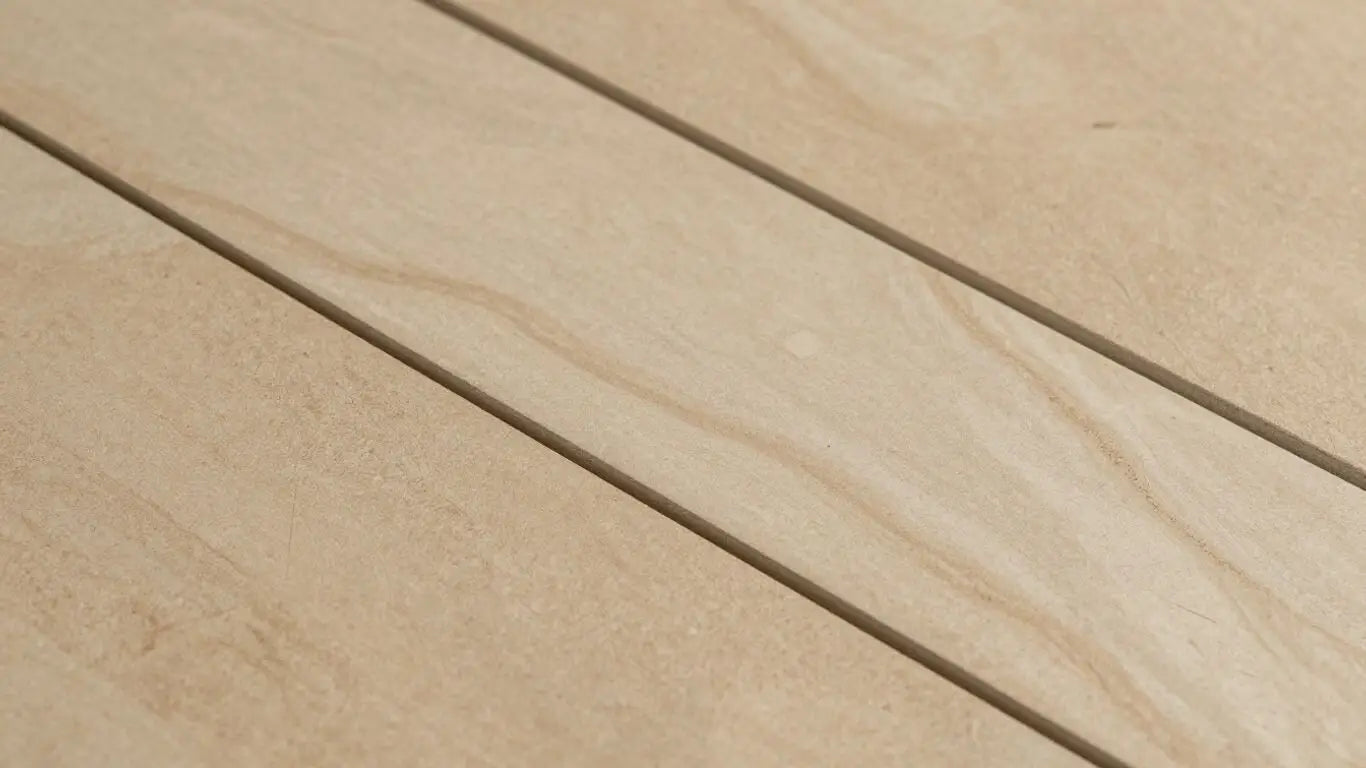
Achieving that sought-after travertine look doesn't have to break the bank. Porcelain tile designed to mimic natural travertine offers a fantastic way to get the elegance and warmth of stone without the hefty price tag. It's a smart choice for homeowners and designers looking to maximize their budget while still creating a high-end feel. You can get that luxurious, earthy vibe that travertine is known for, but with a material that's often much more accessible.
Cost-Effective Elegance for Your Home
When you're planning a renovation or building a new home, every dollar counts. Porcelain tile that looks like travertine provides a way to bring the beauty of natural stone into your project without the premium cost associated with genuine travertine. This means you can afford to tile larger areas, or perhaps use the savings for other design elements you've been dreaming of. It’s about getting more design bang for your buck, making sophisticated spaces achievable for a wider range of projects across the U.S.
Achieving Luxury Without the Premium Price
Natural travertine is beautiful, no doubt about it. But its cost can be a barrier for many. Porcelain tile offers a clever workaround. Through advanced printing technologies, manufacturers can replicate the unique patterns, veining, and subtle textures of travertine with incredible accuracy. This allows you to achieve a look that's virtually indistinguishable from the real thing, but at a fraction of the cost. Think of it as getting the designer look you love, but with a more practical price tag.
Value Proposition of Porcelain Travertine
Porcelain tile with a travertine appearance isn't just cheaper upfront; it often provides better long-term value. Because it's a manufactured product, you get consistent quality and fewer imperfections compared to natural stone. This means less waste during installation and a more predictable outcome. Plus, its inherent durability means it stands up well to daily wear and tear, reducing the need for costly repairs or replacements down the line. It’s a smart investment for any home.
Smart Investment for Renovation Projects
Planning a renovation? Porcelain travertine is a fantastic material to consider. It offers the aesthetic appeal of natural stone, which is always a plus for home value, but without the high maintenance or susceptibility to staining that natural stone can sometimes have. This makes it ideal for kitchens, bathrooms, and high-traffic areas where durability and ease of cleaning are key. You get the look and feel of luxury, with the practicality that busy households need.
Comparing Costs with Natural Travertine
Let's talk numbers. While natural travertine can range significantly in price depending on its origin and quality, porcelain tile mimicking its look is generally more budget-friendly. For instance, a high-quality natural travertine might cost anywhere from $5 to $20+ per square foot, not including installation. Porcelain tile with a realistic travertine finish can often be found in the $2 to $10 per square foot range. This significant difference can free up a substantial portion of your renovation budget, allowing for more extensive use of the tile or other desired upgrades. You can explore a wide selection of floor and wall tiles, including stone-look travertine options, to perfectly complement your décor [cb05].
Long-Term Savings Through Durability
Beyond the initial purchase price, porcelain tile offers long-term savings. Its non-porous nature makes it highly resistant to stains and moisture, unlike some natural stones that require regular sealing. This means fewer cleaning products and less worry about spills. Furthermore, its exceptional durability means it’s less likely to chip, crack, or wear down over time, especially in busy areas. This longevity translates into fewer replacement costs and less maintenance hassle over the years, making it a truly economical choice.
Affordable Sophistication for Any Space
Whether you're updating a small powder room or a large living area, porcelain tile with a travertine look brings an air of sophistication without demanding a luxury budget. It’s versatile enough to suit various design styles, from rustic farmhouse to modern minimalist. You can achieve that warm, inviting ambiance that travertine is famous for, creating beautiful and welcoming spaces that feel much more expensive than they actually are. For example, Seville porcelain tile offers the warm, elegant, and authentic rustic look of travertine [c7f6].
Maximizing Your Design Budget
Porcelain tile that mimics travertine is a game-changer for budget-conscious design projects. It allows you to achieve the high-end aesthetic of natural stone in areas where it might otherwise be out of reach. This smart material choice means you don't have to compromise on style or quality. You can create stunning floors, accent walls, or even outdoor living spaces that exude timeless elegance, all while keeping a close eye on your spending. It’s about making smart decisions that lead to beautiful, lasting results.
The Environmental Considerations
When planning a home renovation or design project, thinking about the environmental impact of your material choices is becoming more important. It's not just about how a material looks or performs, but also how it's made and where it comes from. Porcelain tile, especially when designed to mimic natural stone like travertine, offers some interesting environmental advantages.
Sustainable Sourcing and Manufacturing
Porcelain tile production has advanced significantly, focusing on more sustainable practices. Unlike quarrying natural stone, which can be resource-intensive, porcelain manufacturing often uses readily available materials like clay and feldspar. The process is designed to be efficient, minimizing waste. This approach means less disruption to natural landscapes compared to large-scale quarry operations. Many manufacturers are also investing in cleaner production methods to reduce their footprint.
Reduced Environmental Impact Compared to Natural Stone Extraction
Extracting natural travertine involves quarrying, which can alter landscapes and require significant energy. Porcelain tile, on the other hand, uses materials that are processed and manufactured. While all manufacturing has an impact, the specific methods for porcelain can be more controlled and less disruptive to natural ecosystems. This makes it a more responsible choice for many projects, especially when you want that natural stone look without the extensive quarrying. Porcelain tiles offer a durable and aesthetically pleasing alternative to natural stone.
Longevity and Reduced Replacement Needs
One of the biggest environmental benefits of any material is its lifespan. Porcelain tile is incredibly durable and resistant to wear, moisture, and stains. This means it lasts for a very long time, often decades, without needing replacement. When you choose a material that doesn't need to be replaced frequently, you're reducing the demand for new materials and the waste associated with disposal and installation. It's a long-term investment that's good for your home and the planet.
Energy Efficiency in Production Processes
Modern porcelain tile factories are increasingly focused on energy efficiency. This includes using advanced kiln technologies that require less energy to fire the tiles and implementing heat recovery systems. While energy is still needed, the trend is towards optimizing these processes to lower consumption. Some facilities even utilize renewable energy sources, further reducing the carbon footprint associated with manufacturing.
A Greener Choice for Conscious Design
Choosing porcelain tile with a travertine look aligns with a more conscious approach to design. You get the aesthetic appeal of natural stone with a material that often has a lower environmental impact from sourcing and production. It's about making informed decisions that balance beauty, performance, and responsibility. This thoughtful selection contributes to a more sustainable built environment.
Durability That Minimizes Waste
The inherent strength and resilience of porcelain tile mean it stands up exceptionally well to daily use. It resists chipping, cracking, and fading, even in high-traffic areas or challenging conditions. This durability translates directly into less waste over time. You won't be dealing with cracked tiles that need to be thrown out or replaced prematurely. It's a material built to last, reducing the cycle of consumption and disposal.
The Role of Porcelain in Sustainable Building
Porcelain tile is increasingly recognized as a key material in sustainable building practices. Its longevity, low maintenance needs, and the potential for recycled content in some formulations contribute to its green credentials. When you select porcelain, you're often choosing a product that supports healthier indoor environments and reduces the overall environmental burden of a building project. It's a smart material for modern, eco-aware construction.
Responsible Material Selection
Ultimately, choosing porcelain tile with a travertine look is an act of responsible material selection. It allows designers and homeowners to achieve a desired aesthetic while being mindful of environmental factors. It's about finding materials that perform well, look beautiful, and align with a commitment to sustainability. This thoughtful approach helps create spaces that are not only stylish but also more considerate of our planet.
Transforming Spaces with Travertine-Inspired Porcelain
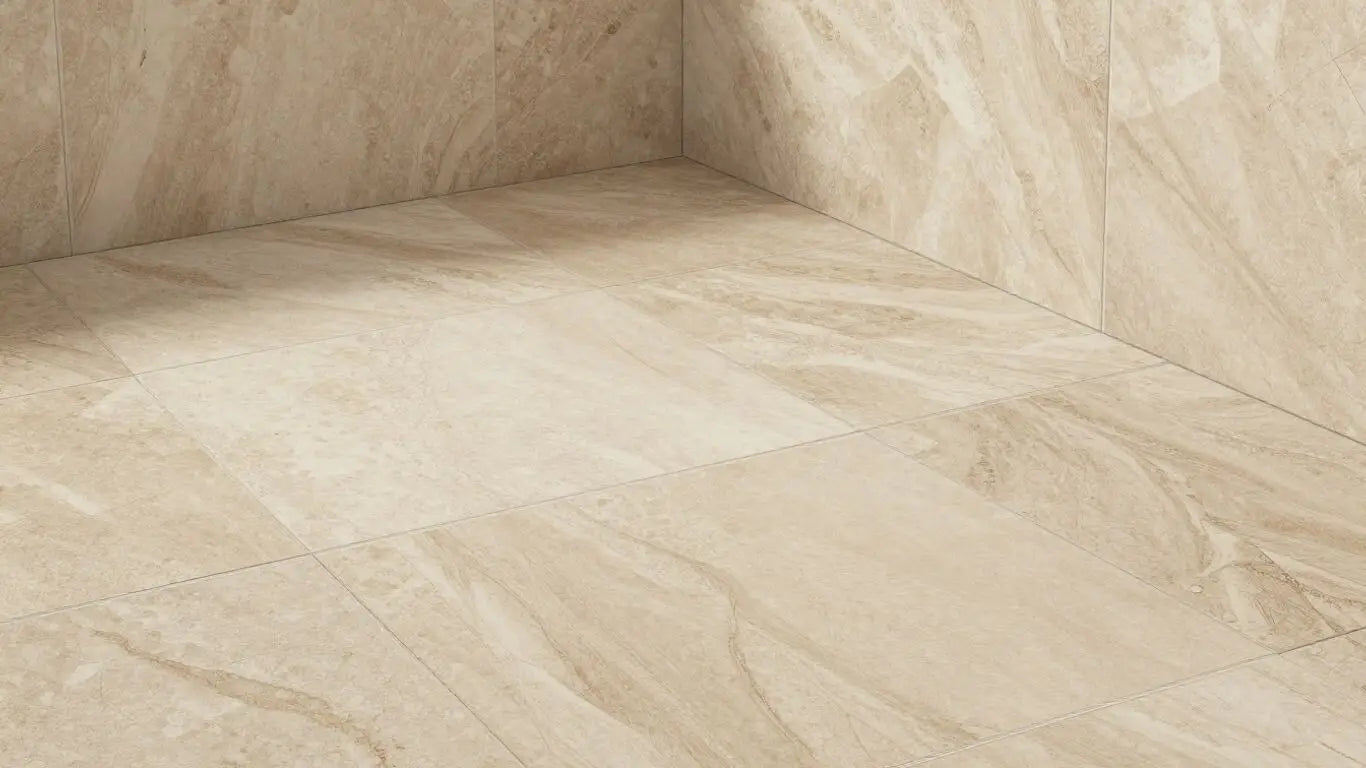
Travertine-look porcelain tile is a game-changer for home design, offering the classic beauty of natural stone without the usual fuss. It’s like getting the best of both worlds, letting you create stunning interiors and exteriors that feel both luxurious and practical. This material really lets you get creative with your living areas.
Creating a Welcoming Entryway
First impressions count, right? Using porcelain tile that looks like travertine in your entryway sets a sophisticated tone the moment someone steps into your home. Its earthy colors and subtle textures create a warm, inviting atmosphere. Imagine walking into a space that feels grounded and elegant, all thanks to the realistic stone appearance.
Designing a Luxurious Bathroom Retreat
Bathrooms are meant to be sanctuaries, and travertine-look porcelain can help achieve that spa-like feel. Its resistance to moisture makes it a perfect fit for wet areas like shower walls and floors. You get the visual appeal of natural stone, but with the peace of mind that comes from a material built to handle humidity and water.
Updating Kitchen Backsplashes and Floors
Kitchens are high-traffic zones, and they need materials that can keep up. Porcelain tile mimicking travertine is incredibly durable and easy to clean, making it ideal for both kitchen floors and backsplashes. Spills and splatters are no match for its tough surface, and the timeless aesthetic ensures your kitchen will look stylish for years to come. It’s a smart choice for busy households.
Enhancing Living Areas with Natural Warmth
Bring the cozy, natural vibe of travertine into your living and dining rooms. This tile adds a layer of warmth and texture that makes any space feel more comfortable and lived-in. Whether you're aiming for a rustic charm or a modern minimalist look, the versatile patterns and colors of travertine-inspired porcelain can fit right in. It’s a great way to add character without being overpowering.
Bringing the Outdoors In with Patios
Don't limit the beauty of travertine-look porcelain to just indoors. Many varieties are frost-resistant and designed for outdoor use, making them perfect for patios, decks, and outdoor kitchens. You can create a seamless transition from your indoor living space to your outdoor entertaining area, extending the elegant aesthetic throughout your property. It’s a fantastic way to expand your usable living space.
Achieving a Cohesive Design Flow
One of the biggest advantages of using porcelain tile with a travertine look is its ability to tie different areas of your home together. You can use the same tile in your entryway, kitchen, and even on your patio for a unified and flowing design. This consistency creates a sense of spaciousness and sophistication that's hard to achieve with other materials. It really helps your home feel more put-together.
Adding Value and Appeal to Your Property
Upgrading your home with high-quality materials like travertine-look porcelain can significantly boost its market value. Buyers are often drawn to the timeless elegance and perceived luxury of natural stone, and this tile offers that look at a more accessible price point. Plus, its durability and low maintenance mean it's a smart, long-term investment that requires less upkeep down the line.
Inspiring Interior Design Possibilities
The possibilities with travertine-inspired porcelain are vast. Its natural patterns and color variations mean each tile has a unique character, much like real stone. This allows for a truly custom look, whether you're going for a classic, traditional feel or a more contemporary design. It’s a material that offers both beauty and practicality, making it a top choice for designers and homeowners alike. You can even find tiles that mimic specific travertine finishes, like honed or tumbled, for an even more authentic appearance. Porcelain tile designed to mimic travertine provides the elegant look of natural stone while offering superior durability and requiring less upkeep.
The Nuances of Travertine-Look Finishes
When we talk about porcelain tile that looks like travertine, it's not just about the color. The finish is a huge part of what makes it look so real. Think about natural travertine – it has this unique feel and appearance depending on how it's treated after it's quarried. Porcelain tile makers have gotten really good at copying these different looks, giving you options that feel authentic without the fuss of real stone.
Understanding Honed vs. Polished Travertine Looks
Natural travertine often comes in two main finishes: honed and polished. A honed finish is matte, smooth, and not shiny at all. It gives off a more subdued, natural vibe. On the other hand, a polished finish is buffed to a high shine, making the colors pop and giving it a more formal, elegant feel. Porcelain tiles can mimic both of these. You can find porcelain that has that soft, matte look of a honed finish, which is great for a relaxed feel, or one that's polished to a high sheen for a more glamorous space. The choice really depends on the overall style you're going for.
The Appeal of Tumbled and Antiqued Finishes
Some travertine has a tumbled finish. This is where the stone is put into a machine with other materials to knock down the edges and create a worn, softened look. It feels a bit rustic and old-world. Porcelain tiles can replicate this tumbled effect, giving you that charming, aged appearance right out of the box. It’s a fantastic way to add character to a room, especially if you like a more traditional or farmhouse style. It’s like getting the history of the stone without the actual wear and tear.
Achieving a Natural, Unfilled Travertine Appearance
Natural travertine has these little holes, or pores, that are part of its charm. Sometimes these are filled during the finishing process, and sometimes they're left open for a more natural look. Porcelain tiles can be made to look unfilled, showing those characteristic pits and indentations. This gives the tile a more authentic, earthy feel. It’s these little details that make the imitation so convincing. You get the visual texture without the actual porosity of natural stone, which is a big win for maintenance.
The Subtle Variations in Color and Tone
Just like real travertine, porcelain versions come with variations in color and tone. You won't get a perfectly uniform look, and that's a good thing! Manufacturers design these tiles to have slight differences from one to the next, mimicking the natural patterns found in quarries. This variation prevents the floor from looking too flat or artificial. It’s this subtle play of light and shadow across different shades that gives the surface depth and makes it look so much like the real thing. You can explore different travertine tile finishes to see how these variations play out.
Recreating the Characteristic Pitting
Those little pits and voids are a hallmark of travertine. Porcelain manufacturers use advanced printing techniques to create realistic-looking pits and pores on the tile's surface. They aren't just printed on; sometimes, the texture is actually pressed into the tile during manufacturing. This gives the surface a tactile quality that really sells the illusion. It’s not just about the look; it’s about how it feels underfoot, too.
The Matte Finish for Understated Elegance
For a look that’s sophisticated but not flashy, the matte finish on porcelain travertine is perfect. It absorbs light rather than reflecting it, creating a soft, natural appearance. This finish is incredibly versatile and works well in almost any room, from a busy kitchen to a serene bathroom. It’s a choice that speaks to quiet luxury and timeless style. It’s easy to clean and doesn’t show smudges as easily as a high-gloss finish.
Exploring Different Textural Effects
Beyond the basic honed or tumbled looks, porcelain tile can achieve a range of textural effects. Some might have a slightly rougher surface, others might feel smoother. Manufacturers are constantly innovating to create finishes that mimic the subtle variations you'd find in natural stone. This attention to detail is what makes porcelain travertine such a convincing alternative. It’s about capturing the full sensory experience of travertine.
The Realistic Depth of High-Definition Printing
Modern technology plays a big role here. High-definition digital printing allows manufacturers to capture the intricate details, veining, and color variations of natural travertine with incredible accuracy. This isn't like the old days of blurry stone patterns. Today's printing can create a depth and realism that’s truly impressive. It’s this advanced printing that allows porcelain to capture the authentic travertine impression so effectively.
Why Choose Porcelain Tile with Travertine Look Over Natural Travertine
So, you're drawn to the classic beauty of travertine, right? It's got that old-world charm, that earthy feel that just makes a space feel… well, real. But before you commit, let's talk about a smart alternative that gives you all the looks without some of the headaches: porcelain tile designed to mimic travertine. It’s not just about saving a few bucks, though that’s part of it. This is about getting the best of both worlds for your U.S. projects.
Unmatched Durability and Stain Resistance
Natural travertine is beautiful, no doubt. But it's also porous. That means spills can soak in, leaving stains that are tough to get out. Think red wine on your kitchen floor or coffee in the entryway. Porcelain, on the other hand, is practically non-porous. It shrugs off spills like they're nothing. This makes it a much better choice for busy kitchens, bathrooms, or any area that sees a lot of action. You get that travertine look without the constant worry about damage.
Significantly Lower Maintenance Requirements
Cleaning natural travertine can be a whole production. You need special cleaners, you have to be careful not to scratch it, and sealing it regularly is a must. It’s a commitment. Porcelain tile? It’s pretty much wipe-and-go. A simple sweep and a damp mop usually do the trick. No special sealers, no harsh chemicals needed. It’s a huge time-saver for homeowners and designers alike.
Consistent Appearance and Quality
Nature doesn't do 'uniform'. Natural travertine tiles can vary quite a bit in color, veining, and pattern from one piece to the next. While some love that unique character, it can make achieving a perfectly cohesive look a challenge, especially for larger installations. Porcelain travertine, thanks to modern manufacturing, offers a much more consistent look across every single tile. You get the beautiful travertine patterns you want, but with predictable quality and color, making your design vision easier to execute.
Cost-Effectiveness for Large Projects
Let's be honest, natural travertine can get pricey, especially when you factor in installation costs and potential waste from natural variations. Porcelain tile that looks like travertine offers a more budget-friendly way to achieve that high-end aesthetic. You can cover large areas, like entire homes or extensive patios, without breaking the bank. This makes luxury accessible for more homeowners and renovation projects nationwide.
Superior Water and Frost Resistance
If you're thinking about outdoor spaces – patios, pool decks, or even just areas prone to moisture – porcelain is the clear winner. Natural travertine can be susceptible to damage from freezing temperatures and constant moisture. Porcelain tile, however, is designed to withstand these elements. It won't crack or degrade when exposed to frost, and its low water absorption rate means it holds up beautifully in wet environments. This makes it a fantastic option for extending that elegant travertine look from your indoors to your outdoors.
Ideal for High-Traffic and Wet Areas
Combining the durability, water resistance, and low maintenance, porcelain tile mimicking travertine is simply a more practical choice for areas that get a lot of use or are frequently damp. Think entryways, mudrooms, bathrooms, and kitchens. You get the visual appeal of natural stone without the fragility that can come with it. It’s a smart material choice for modern living.
Choosing porcelain tile that replicates travertine means you're opting for a material that's as practical as it is beautiful. It offers peace of mind for busy households and simplifies upkeep for everyone.
A Practical Choice for Modern Lifestyles
Ultimately, porcelain tile with a travertine look offers a compelling blend of authentic aesthetics and modern performance. It addresses many of the practical concerns associated with natural stone, making it an excellent option for homeowners and designers who want timeless style without the demanding upkeep. It’s a way to get that coveted look with less worry and more enjoyment. If you're trying to decide between the two, it's worth looking at travertine look tiles to see how they stack up.
Bringing Global Inspiration Home
Travertine's appeal isn't confined to one region; its beauty has graced structures and interiors across the globe for centuries. When you choose porcelain tile that mimics travertine, you're not just selecting a material; you're bringing a piece of that international design heritage into your own home. Think about the sun-drenched villas of the Mediterranean or the grand public buildings of ancient Rome – travertine has played a role in them all.
The Influence of European Architecture
European design, particularly from Italy and France, has long favored travertine for its natural elegance and durability. Imagine the timeless charm of Parisian apartments or the rustic beauty of Tuscan farmhouses. These spaces often feature travertine, lending them an air of sophisticated history. Porcelain tiles can capture this same feeling, offering a way to achieve that classic European look without the complexities of sourcing and maintaining natural stone. It’s about bringing that old-world charm into modern living.
Capturing the Essence of Mediterranean Design
The Mediterranean aesthetic is all about warmth, light, and natural materials. Travertine, with its earthy tones and subtle textures, fits perfectly into this style. It evokes images of coastal homes and sun-baked landscapes. Using porcelain travertine can help you recreate that relaxed yet luxurious Mediterranean vibe in your own kitchen, bathroom, or patio. It’s a fantastic way to infuse your space with a sense of vacation and tranquility.
Travertine's Role in Timeless Interiors
Across different cultures and eras, travertine has consistently been a material of choice for creating spaces that feel both grounded and elegant. Its natural variations mean that no two installations are exactly alike, adding a unique character. Porcelain tiles are designed to replicate these variations, giving you that same sense of individuality and timeless appeal. This makes it a great choice for interior design trends for 2026 that focus on natural textures.
Sourcing Inspiration from Ancient Sites
From the Colosseum in Rome to ancient ruins in Turkey, travertine has been a building block of history. Its enduring presence in these iconic locations speaks volumes about its strength and aesthetic qualities. When you select porcelain tile with a travertine look, you're tapping into this rich history. It’s a way to connect with the past while enjoying the benefits of modern materials. This connection adds a layer of depth and story to your design.
The Global Appeal of Natural Stone Aesthetics
People worldwide are drawn to the organic beauty and unique patterns found in natural stone. Travertine, with its characteristic pitting and veining, offers a visual richness that's hard to replicate. Porcelain manufacturers have become incredibly skilled at capturing these nuances, allowing you to experience the global appeal of natural stone aesthetics in a practical, accessible format. It’s a way to get that high-end look that’s appreciated everywhere.
Translating Quarry Beauty to Your Home
Think about the journey of natural stone from the quarry to a finished product. The subtle shifts in color, the natural imperfections – these are what give travertine its soul. Advanced printing technologies used in porcelain tile manufacturing allow for incredibly faithful reproductions of these quarry-inspired looks. You get the visual depth and character that makes natural stone so desirable, but with the added advantages of porcelain. This means you can achieve that authentic travertine tile appearance in virtually any setting.
A Touch of International Sophistication
Incorporating elements inspired by global design can add a unique flair to your home. Porcelain travertine offers a sophisticated foundation that can be adapted to various international styles, from minimalist Scandinavian to opulent Moroccan. Its neutral tones and natural patterns act as a versatile backdrop, allowing you to layer in other decorative elements that reflect your personal taste and global influences. It’s about creating a space that feels curated and worldly.
Embracing Worldly Design Trends
As design becomes increasingly globalized, materials that offer a connection to different cultures and histories are highly sought after. Porcelain tile that mimics travertine allows you to participate in this trend, bringing a sense of international style and timeless elegance into your home. It’s a smart way to stay current with design while honoring the enduring beauty of natural materials. This approach makes your home feel both fashionable and deeply rooted.
The Role of Color and Tone
When we talk about travertine, the colors and tones are a big part of what makes it so appealing. It’s not just about the texture; it’s the whole earthy vibe it brings. Porcelain tile that mimics travertine does a pretty good job of capturing this.
Warm Beige and Creamy Tones
Think of classic travertine, and you probably picture those soft, warm beiges and creamy whites. These colors are super versatile. They make spaces feel cozy and inviting, and they work with almost any decor style you can imagine. These neutral tones are a big reason why travertine-inspired looks are so popular nationwide. They provide a calm backdrop that lets other design elements shine.
Rich Earthy Browns and Tans
Beyond the lighter shades, travertine also comes in richer, earthier browns and tans. These deeper tones add a sense of groundedness and warmth. They can make a room feel more intimate and sophisticated. If you're going for a more rustic or natural feel, these colors are a great choice. They really bring the outdoors in, so to speak.
Subtle Gray and Greige Variations
Lately, we're seeing more interest in the gray and greige (that's gray-beige, by the way) variations of travertine. These cooler tones offer a more modern take on the classic look. They can provide a sophisticated contrast in a room and pair well with contemporary furniture and decor. It’s a nice way to get that natural stone look without it feeling too traditional.
Achieving a Consistent Color Story
One of the challenges with natural stone is that no two pieces are exactly alike. While this is part of its charm, it can make planning a large project tricky. Porcelain tile, on the other hand, offers a more consistent color story. Manufacturers can control the batch-to-batch color variation, which is a big plus for designers and homeowners working on extensive renovations across U.S. projects.
How Light Affects Travertine Hues
Just like with natural stone, the way light hits porcelain travertine can change how the colors appear. Bright, natural light can make the lighter tones pop and feel airy. In rooms with less light, the warmer, deeper tones can create a cozier atmosphere. It’s something to consider when you’re picking out tiles for a specific space. You want to think about the natural and artificial light sources.
Selecting Colors to Complement Your Decor
Choosing the right color is key. If your furniture is already quite colorful, a more neutral travertine tone might be best. If you have a more minimalist setup, you might want to explore some of the richer or more unique color variations. It’s all about creating a balanced look. Think about the overall mood you want to set.
The Natural Palette of Travertine
Ultimately, the appeal of travertine colors lies in their natural origin. They are inspired by the earth, giving them an organic feel that’s hard to replicate. Whether you choose a light cream, a deep brown, or a soft greige, you’re bringing a piece of nature’s artistry into your home. This connection to the natural world is what makes these tones so enduring.
Creating Ambiance with Color Choice
Your color choice directly impacts the ambiance of a room. Light, neutral tones tend to make spaces feel larger and more open, perfect for smaller homes or areas where you want a sense of airiness. Deeper, warmer tones can make a large room feel more intimate and comfortable. It’s a simple yet effective way to influence the feel of your interior design. For example, a bathroom might benefit from the serene, spa-like feel of creamy tones, while a living area could embrace the warmth of earthy browns.
Designing with Texture and Pattern
Travertine's appeal isn't just about its color; it's deeply rooted in its unique texture and the natural patterns it displays. When we talk about porcelain tile mimicking travertine, capturing these tactile and visual elements is key to achieving that authentic look.
The Tactile Experience of Travertine
Natural travertine is known for its characteristic pits and natural voids, which give it a distinctive feel. These aren't flaws; they're part of its charm. Porcelain tiles aim to replicate this, offering a surface that feels grounded and organic underfoot or to the touch. The subtle variations in texture are what make natural stone so captivating.
Mimicking Natural Pitting and Cavities
Manufacturers use advanced printing techniques to recreate the look of travertine's natural pores and small holes. Some styles might even have a slightly uneven surface to better mimic the feel of real stone. This attention to detail means you get the visual depth without the practical challenges of natural stone.
The Beauty of Travertine's Linear Veining
Travertine often features soft, linear veining that adds a sense of movement and elegance. Porcelain tiles capture this by printing these patterns with high definition, ensuring the lines flow naturally across the tile and from one tile to the next. This creates a cohesive and sophisticated look for any room.
Creating Visual Interest with Subtle Patterns
Beyond veining, travertine has subtle variations in tone and mineral deposits that create unique patterns. Porcelain versions replicate this by using a range of digital designs, so no two tiles look exactly alike. This variation is what prevents a space from feeling too uniform or sterile.
The Effect of Different Finishes on Texture
Finishes play a big role. A honed travertine look offers a smooth, matte surface, while a tumbled finish gives a more worn, aged appearance with softened edges. These different finishes dramatically change the perceived texture and overall style, allowing you to match the tile to your specific design vision. You can find options that feel smooth and cool, or ones that have a more rustic, tactile quality.
Achieving a Hand-Chiseled Look
Some porcelain tiles are designed to mimic the look of hand-chiseled or cut stone. This can involve slightly irregular edges or surface textures that suggest artisanal craftsmanship. It adds a layer of authenticity and a touch of old-world charm to modern spaces.
The Organic Flow of Natural Stone Patterns
When laying tiles, the way the patterns and veining connect is important. High-quality porcelain travertine is designed with this in mind, offering a natural flow that mimics how travertine would appear if quarried and laid as a single slab. This continuity is vital for a high-end look.
Adding Depth Through Surface Variation
Surface variation is key to making porcelain look like real travertine. This includes not just the visual patterns but also slight differences in the surface itself. Think about how light plays on natural stone; porcelain aims to capture that same play of light and shadow, giving the surface a realistic depth and dimension. It's this careful replication of natural stone's inherent characteristics that makes porcelain travertine such a convincing and beautiful choice for your home.
The subtle imperfections and variations found in natural stone are precisely what give it character. Porcelain tile designers work hard to replicate these nuances, ensuring that the final product feels as authentic and visually rich as the natural material it imitates. This dedication to detail is what sets high-quality porcelain apart.
Porcelain Travertine for Modern Living
Modern homes are all about smart design and practical choices. That's where porcelain tile with a travertine look really shines. It brings that classic, warm stone feel into today's busy households without all the fuss.
Seamless Integration into Contemporary Homes
Think about it: you want a home that feels current but also has a sense of history and warmth. Porcelain travertine fits right in. Its natural patterns and earthy tones blend well with clean lines and minimalist decor often found in contemporary spaces. It’s a way to get that natural stone vibe without compromising on a sleek, up-to-date look. It works great with other materials too, like wood accents or metal fixtures, making your design choices feel cohesive.
The Blend of Classic Style and Modern Functionality
This tile gives you the best of both worlds. You get the timeless beauty of travertine, a material that’s been used for centuries, combined with the tough, easy-care nature of porcelain. This means you don't have to choose between a beautiful aesthetic and a floor that can handle real life. It’s a practical choice for homeowners who appreciate style but need durability.
Low-Maintenance Solutions for Busy Lifestyles
Let's be honest, who has time for constant upkeep? Porcelain travertine is a dream for busy families or anyone who prefers spending time enjoying their home rather than cleaning it. It resists stains and is super easy to wipe down. Spills? No problem. Muddy footprints? Just a quick sweep. This tile makes maintaining a beautiful home much simpler.
Durable Surfaces for Active Families
Kids, pets, the general chaos of daily life – porcelain travertine can handle it. It’s incredibly strong and resistant to scratches and chips, so it holds up well in high-traffic areas like kitchens and entryways. You can have gorgeous floors that look great even with a lot of activity.
Achieving a Sophisticated Yet Practical Aesthetic
This tile offers a way to bring a touch of luxury into your home without being overly fussy or high-maintenance. The look of natural travertine adds a sense of depth and character, making any room feel more inviting and put-together. It’s that subtle elegance that makes a big difference.
The Appeal of Timeless Design in Modern Spaces
Travertine has a look that just doesn't go out of style. By choosing porcelain that mimics it, you're investing in a design that will look good for years to come. It’s a way to create a home that feels both current and enduring, avoiding the need for frequent trend-driven updates. You can find beautiful options for nationwide shipping.
Effortless Elegance for Everyday Life
Imagine walking into a home that feels both stylish and welcoming every single day. Porcelain travertine contributes to this feeling by providing a beautiful, stable foundation. It’s the kind of material that makes your home look good without demanding constant attention, letting you simply live and enjoy.
A Smart Choice for Future-Proofing Your Home
When you choose materials that are durable and have a classic look, you're making a smart investment. Porcelain travertine is a material that adds lasting value and appeal to your property. It’s a choice that makes sense now and will continue to be appreciated down the line, fitting well with modern design applications.
The Impact on Home Value
When you're thinking about home improvements, it's natural to wonder how they'll affect your property's worth. Choosing the right materials can make a big difference, and that's where porcelain tile that looks like travertine really shines. It offers a high-end appearance without the potential drawbacks of natural stone, making it a smart choice for homeowners looking to boost their home's appeal and marketability.
Enhancing Curb Appeal with Elegant Flooring
First impressions matter, and your flooring is a huge part of that. A beautiful, consistent floor can make a home feel more welcoming and well-maintained from the moment someone walks in. Porcelain tile mimicking travertine provides that sophisticated look, giving a sense of quality and timeless style that buyers notice. It’s a way to add that touch of luxury that can make a property stand out in a crowded market.
Creating Desirable Kitchen and Bathroom Features
Kitchens and bathrooms are often the most scrutinized areas by potential buyers. Using porcelain travertine in these high-impact zones can significantly increase their appeal. Its resistance to moisture and stains means it holds up well in these demanding environments, looking great for years. This durability translates to perceived value, as buyers see a space that is not only beautiful but also practical and easy to maintain.
The Perceived Value of Natural Stone Aesthetics
People generally associate natural stone with luxury and quality. Porcelain tile that accurately replicates the look of travertine taps into this perception. It offers the visual warmth and unique patterns of real stone, giving a home a more upscale feel. This aesthetic appeal can lead buyers to believe the home is of higher quality overall. It’s a way to get that coveted natural stone look without the associated concerns about maintenance or cost.
A Long-Term Investment in Your Property
Unlike trends that come and go, the classic look of travertine is timeless. When you choose porcelain tile with this aesthetic, you're investing in a style that won't quickly go out of fashion. This longevity means the value it adds to your home is likely to endure. It’s a material that appeals to a broad range of tastes, making your property more attractive to a wider pool of potential buyers.
Timeless Style That Appeals to Buyers
Buyers are often looking for homes that feel current yet classic. The natural, earthy tones and subtle textures of travertine-inspired porcelain fit this bill perfectly. It complements various decor styles, from modern minimalist to more traditional settings. This versatility means that buyers can easily envision their own furniture and style fitting into the space, which is a huge plus when they're making a decision.
The Durability Factor in Home Resale
When a home is up for sale, buyers are keen on materials that won't require immediate replacement or extensive upkeep. Porcelain tile is known for its incredible durability. It resists scratches, chips, and wear, even in high-traffic areas. This means less worry for the new homeowner and a stronger selling point for you. It signals a well-built, low-maintenance home, which is always a desirable trait.
Adding a Touch of Luxury and Sophistication
Porcelain travertine can instantly make a home feel more luxurious. The way it mimics the natural variations in color and texture of real travertine creates a rich, inviting atmosphere. This sense of sophistication can set your home apart, making it more memorable and desirable. It’s a way to add that premium feel that buyers are often willing to pay more for.
Making Your Home More Marketable
Ultimately, the goal is to make your home as attractive as possible to potential buyers. Using porcelain tile that looks like travertine is a strategic move. It combines the visual appeal of a high-end natural material with the practical benefits of modern porcelain. This combination results in a beautiful, durable, and low-maintenance surface that ticks all the boxes for today's discerning homebuyers, potentially leading to a faster sale and a better price. It's a smart way to invest in your property's future.
Beyond Floors: Versatile Applications
While porcelain tile that looks like travertine is often thought of for flooring, its uses go way beyond just covering your floors. This material is surprisingly adaptable, letting you bring that classic travertine look to almost any surface in your home or even outdoors.
Stunning Wall Cladding Options
Think about transforming a plain wall into a feature. Porcelain travertine tiles can be used as wall cladding, giving a room an instant upgrade. It’s a great way to add texture and a natural stone feel without the weight or cost of real stone. Imagine a living room accent wall or a dramatic entryway that really makes a statement. This approach works well for both interior and exterior walls, offering a consistent look across different areas.
Elegant Shower Enclosures
Bathrooms are a prime spot for porcelain tile, and the travertine look is no exception. It’s a fantastic choice for shower enclosures because it’s water-resistant and easy to clean. Unlike natural stone, you don't have to worry as much about sealing and potential staining in a wet environment. You can create a spa-like feel with the warm, earthy tones of travertine-inspired porcelain, making your bathroom a true retreat. This is especially true for wet rooms where water resistance is key. Porcelain tile is the most durable option for bathrooms.
Stylish Backsplashes for Kitchens and Baths
Kitchen backsplashes are a perfect canvas for showcasing the beauty of travertine-look porcelain. It offers a durable surface that’s simple to wipe clean after cooking. The patterns and colors mimic natural travertine so well, you get that high-end look without the upkeep. Subway tile formats, for instance, can give a classic yet fresh feel. Travertine look subway tiles are a popular choice for this very reason.
Durable Fireplace Surrounds
Give your fireplace a facelift with porcelain travertine. It can handle the heat and potential sparks, providing a beautiful and resilient surround. The natural stone appearance adds warmth and a focal point to your living space, making it feel more inviting and luxurious.
Beautiful Wainscoting and Accent Walls
Beyond just a fireplace, consider using these tiles for wainscoting in dining rooms or hallways. It adds a layer of architectural interest and protects the lower part of your walls from scuffs and wear. Accent walls in bedrooms or home offices can also benefit from the unique texture and color variation that porcelain travertine provides.
Outdoor Kitchen and Bar Areas
Don't limit this versatile material to the indoors. Porcelain travertine is often frost-resistant and can withstand outdoor elements, making it ideal for outdoor kitchens, bar areas, or even as a decorative element around a patio. It brings the sophisticated look of natural stone to your outdoor living spaces, creating a cohesive design from inside to out.
Creating Feature Walls with Impact
Feature walls are all about making a visual statement. Whether it's behind a bed, in a dining area, or even in a commercial space, porcelain travertine can create a memorable backdrop. The realistic patterns and textures give the impression of genuine stone, adding depth and character to any room.
The Adaptability of Porcelain Tile
What's great about porcelain tile is its sheer adaptability. It can be cut into various shapes and sizes, allowing for creative installations. This means you're not just limited to standard tile layouts. You can achieve intricate designs or simple, clean lines, all while benefiting from the durability and low maintenance that porcelain offers. It’s a material that truly works with your design vision, not against it.
The Future of Travertine-Inspired Surfaces
The world of tile is always moving forward, and the look of travertine is no exception. We're seeing some really cool advancements that make these tiles even more convincing and versatile. It's pretty exciting stuff for anyone looking to get that natural stone vibe without all the fuss.
Continued Innovation in Porcelain Technology
Manufacturers are getting seriously good at making porcelain tiles look and feel like the real deal. They're using better printing techniques, like high-definition digital imaging, to capture every little detail – the subtle color shifts, the natural pits, and the unique veining that makes travertine so special. This means you get a much more authentic look than ever before. It's not just about a basic pattern anymore; it's about replicating the complex beauty found in natural stone quarries.
Expanding Range of Realistic Travertine Looks
We're starting to see a wider variety of travertine styles available in porcelain. Think beyond the standard creamy beige. Designers are now offering porcelain tiles that mimic the richer, earthier tones, the more dramatic veining, and even the tumbled or honed finishes that give natural travertine its character. This gives you more options to match your specific design vision, whether you're going for a rustic feel or something more modern. It’s about having that natural stone aesthetic available in more forms.
New Textures and Finish Developments
Beyond just the visual, the feel of the tile is getting a major upgrade. New manufacturing processes are creating textures that mimic the subtle roughness or smoothness of natural travertine. You can find finishes that replicate the look of honed, tumbled, or even unfilled travertine, adding another layer of realism. This tactile quality is a big deal for creating spaces that feel genuinely natural and inviting.
The Growing Demand for Durable, Beautiful Materials
People are really starting to appreciate materials that offer both good looks and practicality. Travertine-look porcelain hits that sweet spot. It gives you the timeless elegance of travertine but with the added benefits of porcelain – like being super durable, easy to clean, and resistant to water and stains. This combination is exactly what homeowners and designers are looking for in today's busy world.
Advancements in Sustainable Production
There's a big push towards more eco-friendly building materials, and porcelain tile manufacturers are responding. They're finding ways to produce these tiles using less energy and fewer resources. Plus, because porcelain is so long-lasting, it means fewer replacements over time, which is also a win for the environment. It’s a smart choice for those who care about their impact.
Personalized Design Options
Looking ahead, we might see even more customization. Imagine being able to tweak the color variations or patterns to perfectly suit a unique project. While it's still early days, the technology is advancing rapidly, opening doors for more tailored design solutions. This could mean getting a look that's truly one-of-a-kind.
The Evolution of Mimicking Natural Stone
It's clear that the goal is to get as close as possible to the real thing. The technology is constantly improving, making it harder and harder to tell the difference between high-quality porcelain travertine and natural stone. This evolution means you can achieve that luxurious, natural stone look in more places and with fewer compromises.
Setting New Standards in Tile Design
Ultimately, the future of travertine-inspired surfaces is about pushing boundaries. It's about creating materials that are not only beautiful and authentic-looking but also incredibly practical and sustainable. We can expect to see even more innovative designs that blend the best of nature's artistry with modern material science, making timeless elegance more accessible than ever for projects across the U.S. nationwide shipping is making these advanced options available everywhere.
Travertine-inspired surfaces are becoming super popular, bringing a touch of natural beauty and timeless style to homes. These surfaces mimic the unique look of real travertine stone, offering a similar earthy charm and elegant feel without the high cost or upkeep. They're perfect for creating warm and inviting spaces, whether you're designing a kitchen, bathroom, or living area.
Want to see how these beautiful surfaces can transform your home? Visit our website today to explore our stunning collection and find the perfect travertine-inspired look for your next project!
Timeless Beauty, Smart Choice
So, you've seen how porcelain tile can really capture that beautiful, earthy look of travertine without all the fuss. It's a way to get that warm, inviting feel in your home, whether you're redoing the kitchen or just want to spruce up the entryway. Think about it – you get the style you love, but with less worry about upkeep. It’s a smart move for anyone looking for that classic elegance that just doesn't go out of style. Plus, with so many options out there, finding the perfect match for your space is easier than you might think. It’s a win-win for style and practicality.
Frequently Asked Questions
What exactly is porcelain tile that looks like travertine?
It's a special kind of tile made from clay baked at very high temperatures. This makes it super strong and durable. The cool part is that it's designed to look just like real travertine stone, with all its natural colors and patterns, but it's actually porcelain.
Is porcelain tile that looks like travertine as good as real travertine?
It's different, but often better for many homes! Real travertine is beautiful but can be soft and stain easily. Porcelain is much tougher, doesn't stain, and is easier to clean. You get the gorgeous look without the fuss.
Will it look exactly like natural travertine?
Manufacturers work hard to make it look very real. They use advanced printing to copy the unique holes, lines, and color changes you see in natural travertine. It's hard to tell the difference, especially from a distance.
Is this type of tile good for busy areas like kitchens or entryways?
Absolutely! This tile is super strong and can handle lots of walking and spills. It's way more resistant to scratches and stains than real travertine, making it perfect for places where life happens.
How do I clean and care for porcelain tile that looks like travertine?
Cleaning is a breeze! Usually, just a sweep or mop with water and a mild cleaner is all you need. It doesn't soak up spills like natural stone, so stains are much less likely to be a problem.
Can I use this tile outside, like on a patio?
Yes, many types of this porcelain tile are made to be tough enough for outdoor use. They can handle rain, sun, and even freezing temperatures without cracking or fading, which is great for patios or pool areas.
Is it more affordable than real travertine?
Generally, yes. While prices can vary, porcelain tile that mimics travertine is often less expensive than buying and installing real travertine stone. You get a similar high-end look for a lower cost.
Does it come in different colors and styles, like real travertine?
You bet! You can find it in all the popular travertine shades, from creamy beiges and warm tans to soft grays. There are also different finishes, like smooth or slightly rough, to match the look you want.
Is it slippery when wet?
Many porcelain tiles designed to look like travertine have a textured surface that provides good grip, even when wet. It's always a good idea to check the slip-resistance rating for the specific tile you choose, especially for bathrooms or outdoor areas.
How long does this kind of tile last?
Porcelain tile is incredibly durable and can last for decades, often 50 years or more, with proper care. It's a long-lasting choice that holds up very well over time.
Can I install it myself?
While it's possible for DIYers with some experience, installing tile can be tricky. Porcelain is heavy and requires precise cuts. If you're unsure, hiring a professional installer is usually the best way to ensure a perfect finish.
Does it add value to my home?
Definitely! This tile offers a luxurious, natural stone appearance that buyers find very attractive. Its durability and low maintenance also make it a practical and appealing feature for potential home buyers.