
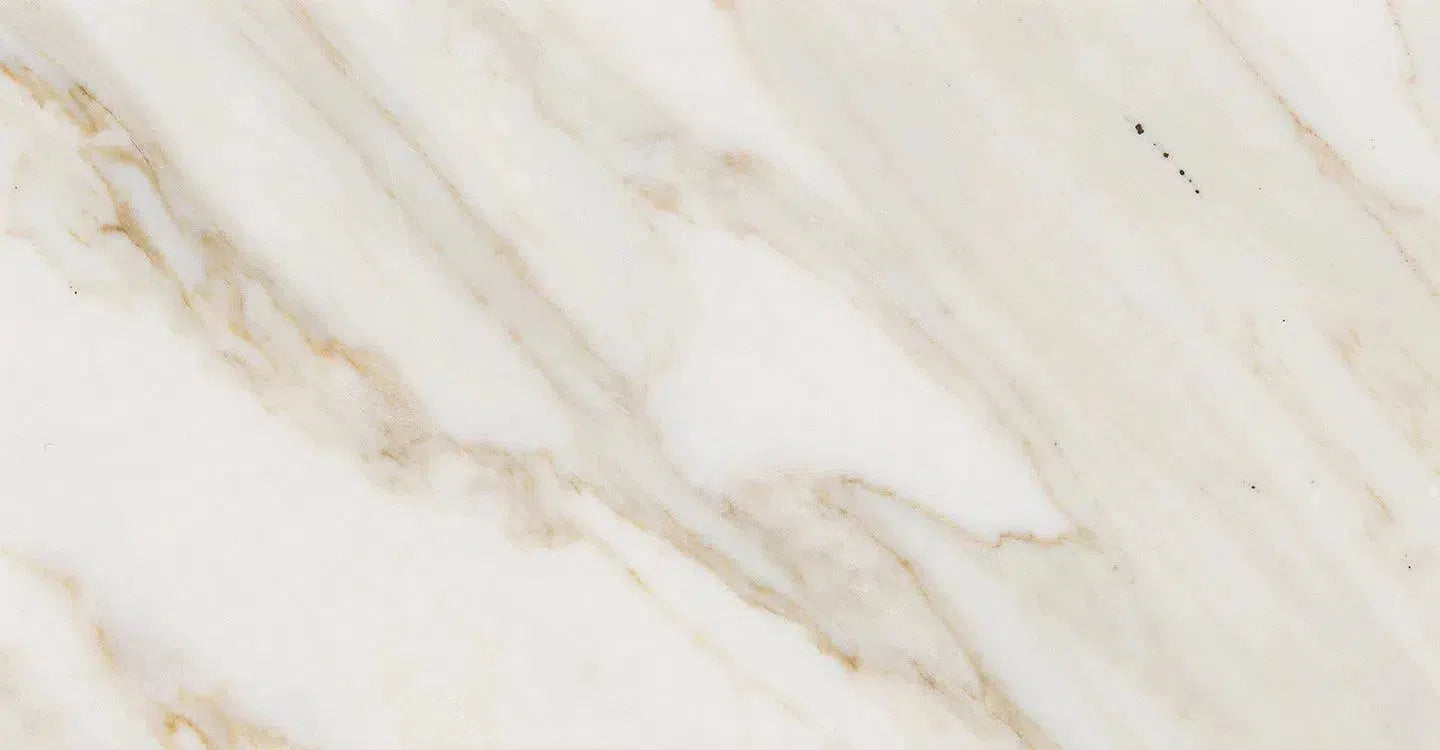
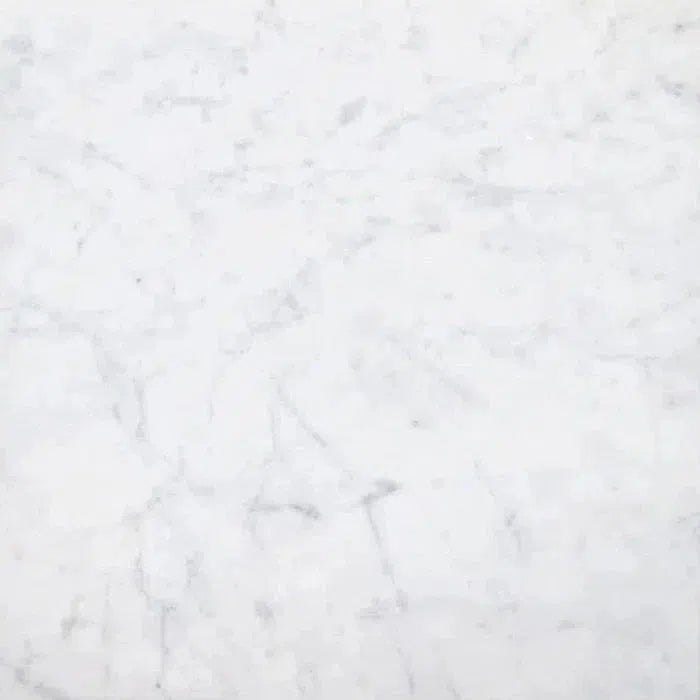
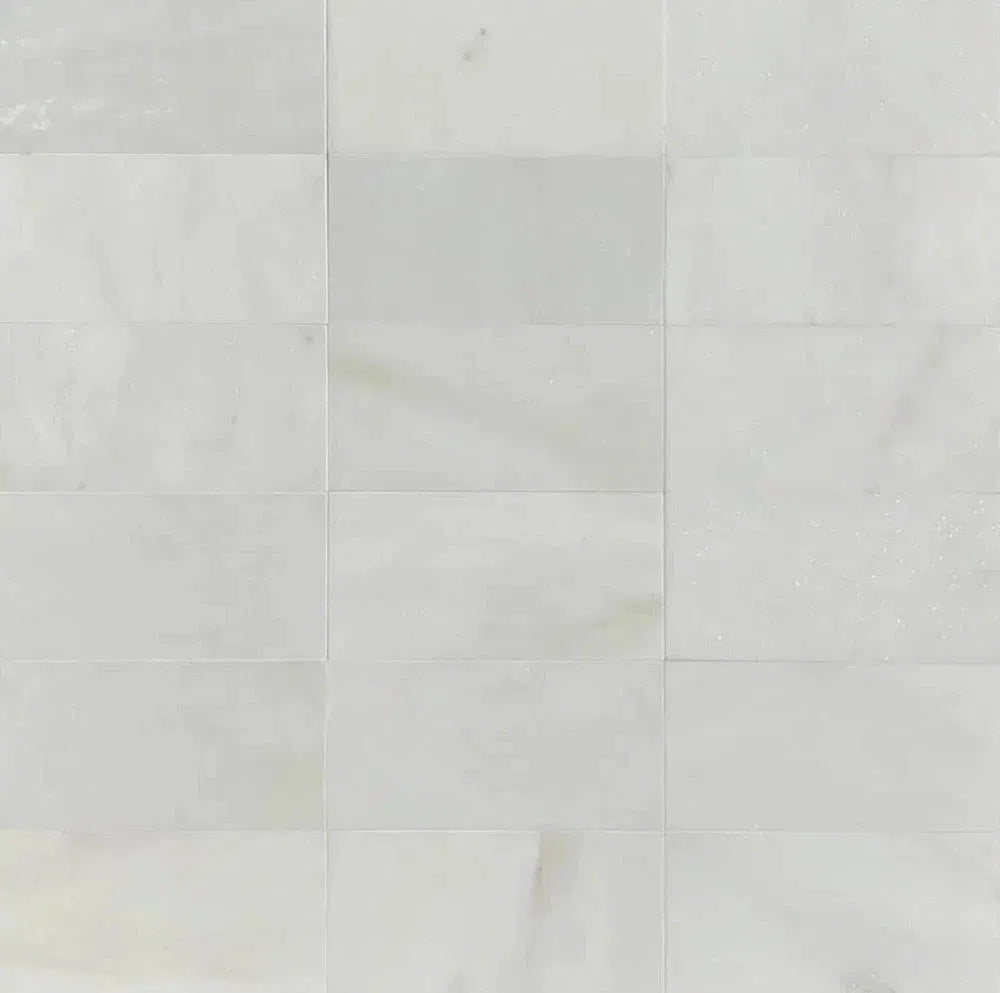
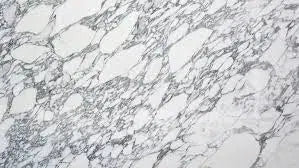

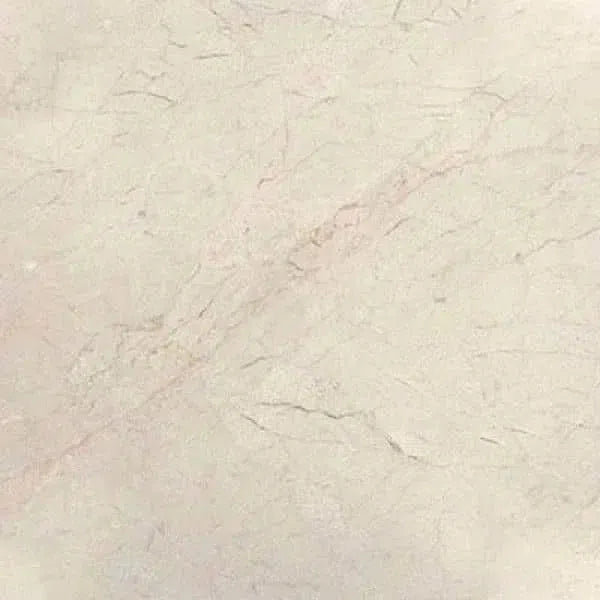
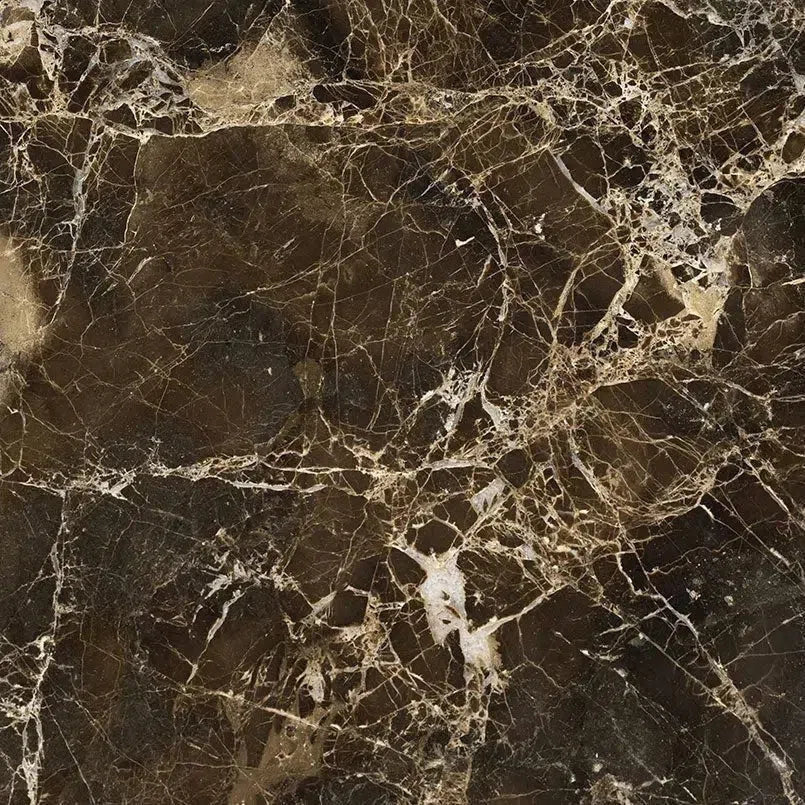
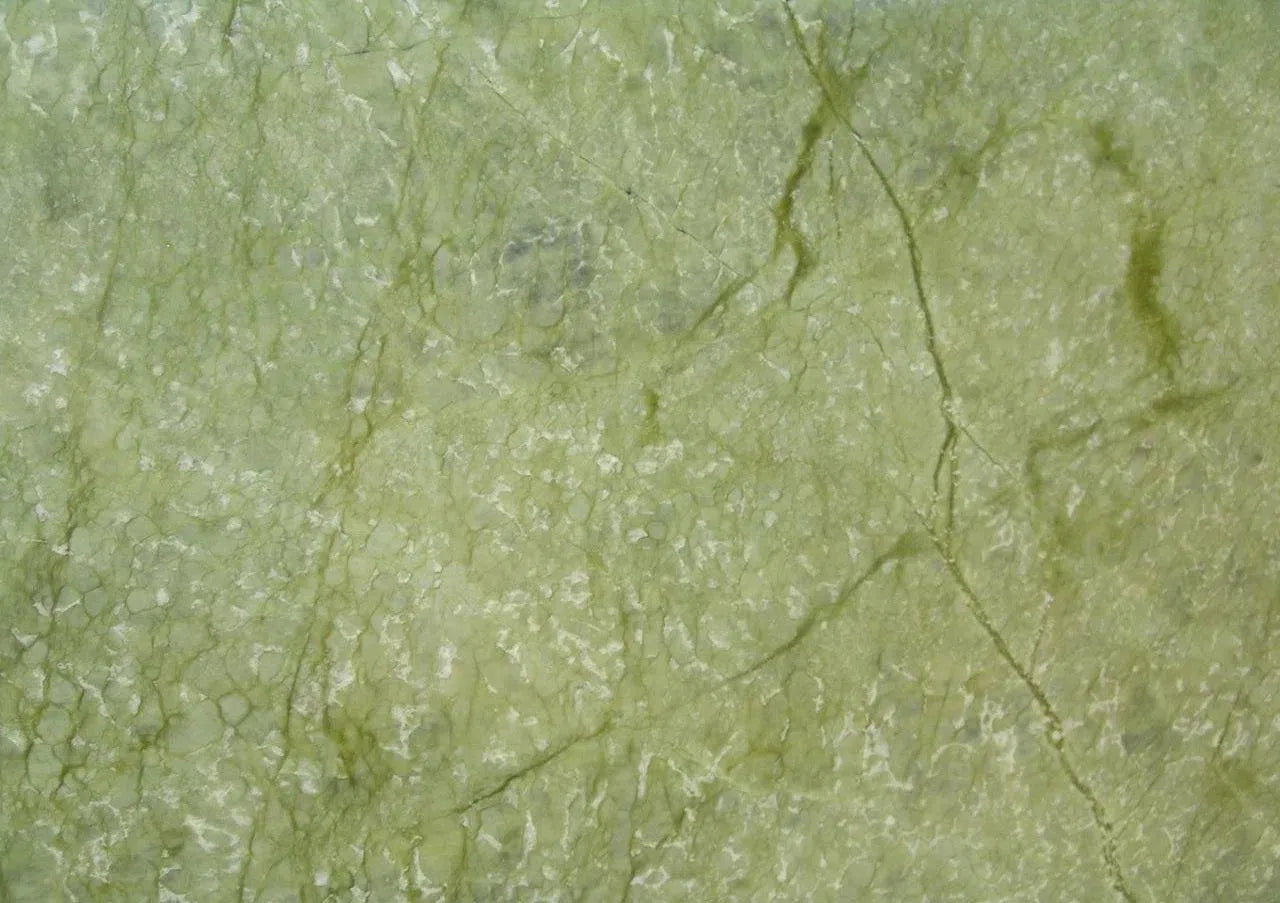
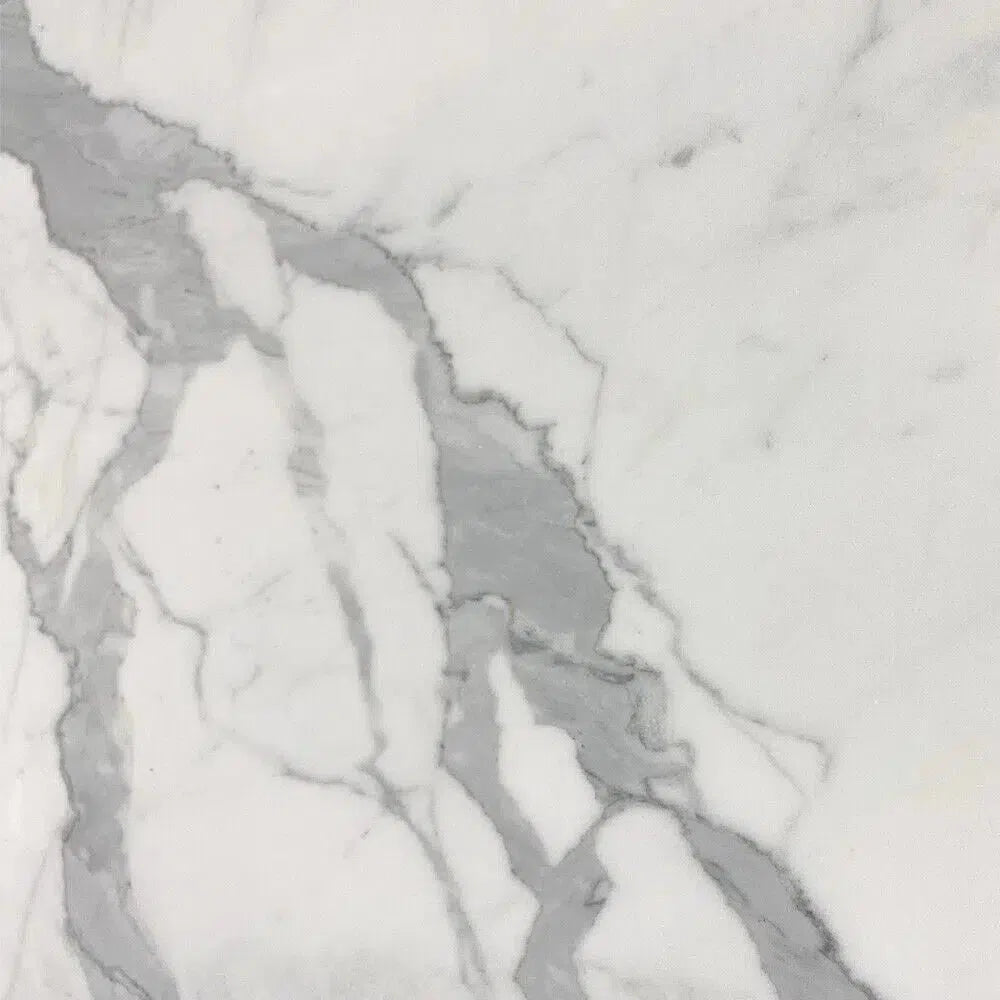

So, you like the look of travertine, right? It's got that old-school charm and feels really warm. But maybe you're worried about how it holds up over time, or maybe it's just a bit much for your budget. Well, there's a pretty neat solution these days: porcelain tile that looks just like travertine. It gives you that same cozy vibe and fancy appearance, but with some serious practical perks that natural stone just can't match. Let's check out why this might be the perfect fit for your next project.
Key Takeaways
- Porcelain tile with travertine look offers the warm, natural appearance of real travertine without the high maintenance.
- Advanced printing technology makes these tiles incredibly realistic, mimicking the color variations and textures of genuine travertine.
- Porcelain is tough stuff – it's resistant to stains, scratches, and water, making it great for busy areas and bathrooms.
- These tiles are generally low maintenance, meaning less scrubbing and sealing compared to natural stone.
- You can use porcelain tile with travertine look in almost any room, from kitchens and bathrooms to living areas and even outdoor spaces.
- It's a budget-friendly way to get the luxurious look of travertine, often costing less than the real thing.
- Choosing porcelain means you get consistent color and pattern, which can be easier to work with than natural stone's variations.
- This tile option is a smart choice for anyone wanting the beauty of travertine with added durability and ease of care.
The Enduring Appeal of Travertine
Travertine has been a go-to material for builders and designers for centuries, and it's easy to see why. It brings a certain gravitas and timeless beauty to any project, whether you're working on a grand estate or a cozy home.
Timeless Elegance for Every Space
Think about ancient Roman structures – many of them still stand today, showcasing the incredible durability and classic look of travertine. This stone isn't just about looking good; it's about lasting. It adds a touch of sophistication that just doesn't go out of style, making it a smart choice for floors, walls, and even outdoor features. It really gives a space a feeling of permanence and class.
The Natural Beauty of Travertine
What makes travertine so special is its unique natural patterns. Each slab is different, with its own swirls, veins, and characteristic pits. These aren't flaws; they're part of its charm, telling a story of its formation deep within the earth. This natural variation means your project will be truly one-of-a-kind. It’s this organic beauty that draws people to it, offering a connection to nature that manufactured materials often can't replicate.
A Touch of Old-World Charm
There's something inherently romantic and historic about travertine. It evokes images of Mediterranean villas, grand European architecture, and sun-drenched courtyards. Using travertine can bring that same sense of history and old-world charm into your own home, creating an atmosphere that feels both grounded and luxurious. It’s like bringing a piece of history indoors.
Versatility in Design Applications
Travertine isn't limited to just one look or feel. It can be honed for a smooth, matte finish, polished to a high shine, or left with its natural texture. This adaptability means it can fit into a wide range of design styles, from rustic and traditional to modern and minimalist. You can use it in kitchens, bathrooms, living areas, and even outdoors, making it incredibly versatile for any U.S. project.
Creating Inviting Ambiance
The natural colors of travertine, often in warm earthy tones, contribute to a welcoming and comfortable atmosphere. It has a way of making spaces feel more grounded and serene. Whether you're aiming for a cozy den or a sophisticated living room, travertine helps set a mood that's both relaxing and elegant. It just feels good to be around.
The Allure of Earthy Tones
Travertine typically comes in a palette of natural, earthy colors – think creamy beiges, warm tans, soft ivories, and subtle grays. These colors are incredibly easy to work with, pairing well with almost any other color scheme. They provide a neutral yet rich foundation that can be dressed up or down, allowing your other decor elements to shine.
A Foundation for Lasting Style
When you choose travertine, you're not just picking a material; you're investing in a style that endures. Its classic beauty and natural appeal mean it won't fall out of fashion. It provides a solid, stylish base for your home's design, ensuring that your spaces remain beautiful and relevant for years to come. It’s a choice that offers both immediate impact and long-term satisfaction.
Introducing Porcelain Tile with Travertine Look
Capturing Travertine's Essence
Travertine has this undeniable charm, right? It’s that warm, earthy feel that makes a space feel instantly welcoming. For years, people have loved it for its natural beauty and the sense of history it brings. But let's be real, natural travertine can be a bit high-maintenance. That's where innovation steps in. We're talking about porcelain tile that’s been designed to look exactly like real travertine. It’s like getting the best of both worlds – that gorgeous, natural stone look without all the fuss.
The Innovation of Porcelain
Porcelain tile has come a long way. It's not just about durability anymore; it's about aesthetics. Manufacturers are using some pretty advanced techniques to create porcelain that truly mimics the look and feel of natural materials. This means you can get that classic travertine appearance in a material that’s built to last and easier to care for. It’s a smart choice for anyone who loves the look of stone but needs something more practical for everyday life.
Authentic Visual Replication
When you see these new porcelain tiles, you might do a double-take. They’ve gotten really good at replicating the subtle details that make travertine so special. Think about those unique pits and natural fissures, the gentle color variations, and the characteristic veining. These tiles capture that authentic look so well, it’s hard to tell the difference. It’s all about bringing that natural stone character into your home with a material that performs exceptionally.
Mimicking Natural Variations
One of the things that makes natural stone so appealing is its uniqueness. No two pieces are exactly alike. Porcelain tile manufacturers understand this and work hard to replicate that natural variation. You won't find repetitive patterns here. Instead, you get a range of looks within the same batch, just like you would with real travertine. This ensures your floor or wall covering looks organic and full of character, not manufactured.
Achieving the Travertine Aesthetic
So, how do they do it? It’s a combination of high-definition printing and advanced texturing. Digital printers can lay down incredibly detailed images, capturing the fine lines and color depth of travertine. Then, textured surfaces are often applied to mimic the feel of natural stone. The result is a tile that not only looks like travertine but also has a tactile quality that adds to its realism. It’s a sophisticated design choice that offers the look you desire.
A Sophisticated Design Choice
Choosing porcelain tile with a travertine look is a smart move for designers and homeowners alike. It offers a way to achieve a high-end, natural stone aesthetic without the associated costs and maintenance challenges of natural travertine. You get the visual appeal, the warmth, and the timeless elegance that travertine is known for, all within a durable and practical porcelain format. It’s a win-win for style and function.
The Look You Desire, The Performance You Need
Ultimately, this type of tile is all about giving you what you want. You get the beautiful, natural appearance of travertine that can transform any room. But you also get the incredible durability, water resistance, and ease of maintenance that porcelain is famous for. It’s the perfect solution for kitchens, bathrooms, living areas, and even outdoor spaces where you want that classic stone look but need a material that can stand up to daily life. It’s a practical way to get a luxurious finish.
Unveiling the Advantages of Porcelain
When you're looking for that classic travertine look without the fuss, porcelain tile really shines. It’s not just about the appearance, though that’s a big part of it. Porcelain brings a whole set of practical benefits that make it a smart choice for many homes and projects across the U.S.
Exceptional Durability and Strength
Porcelain tile is known for being tough. It's made from a denser, finer clay mixture that's fired at higher temperatures than standard ceramic. This process makes it incredibly strong and less likely to chip or crack, even in busy areas. Think of it as a workhorse that can handle daily life.
Resistance to Stains and Scratches
One of the best things about porcelain is how well it holds up against spills and daily wear. Because it's so dense, liquids don't soak in easily, which means stains are less likely to set. It also resists scratches pretty well, keeping its good looks even with regular use. This makes it a great option for kitchens or entryways where spills and scuffs are common.
Waterproof Qualities for Any Room
Porcelain tile has a very low water absorption rate, often less than 0.5%. This means it's practically waterproof. It's an excellent choice for bathrooms, showers, laundry rooms, or anywhere moisture is a concern. You don't have to worry about water damage like you might with other materials. This low absorption rate is a key difference from natural stone like travertine, which is more porous and requires sealing [fce0].
Low Maintenance for Busy Lifestyles
If you have a busy schedule, you'll appreciate how easy porcelain is to care for. Regular sweeping or vacuuming and occasional mopping are usually all it takes to keep it looking good. There's no need for special cleaners or constant upkeep, which is a big plus for homeowners.
Frost Resistance for Outdoor Use
Many porcelain tiles are frost-resistant, meaning they can handle freezing temperatures without cracking. This opens up possibilities for using them outdoors on patios, walkways, or even as exterior cladding. It's a versatile material that can extend your living space beyond the walls of your home.
Color Stability Under Sunlight
Worried about your floors fading in sunny rooms? Porcelain tile generally has excellent color stability. The colors are baked into the tile during manufacturing, so they won't fade or change when exposed to direct sunlight over time. This means the beautiful travertine look you choose will last for years.
Hygienic and Easy to Clean Surfaces
Because porcelain is non-porous and doesn't absorb liquids, it's a very hygienic surface. It doesn't harbor bacteria or odors easily, making it a good choice for kitchens and bathrooms. Cleaning is straightforward, contributing to a healthier home environment.
The Craftsmanship Behind the Look
It’s pretty amazing what they can do these days with tile, isn't it? When you see porcelain tile that looks just like natural stone, you have to wonder how they pull it off. It’s not just about slapping a picture on a tile; there’s a whole lot of skill and technology involved. The goal is to capture the soul of natural stone, like travertine, and put it into a material that’s built to last.
Advanced Printing Technologies
Think about how a printer works for paper. Now imagine that on a much, much larger scale, with incredibly fine detail and special inks. That's kind of what's happening here. High-definition digital printing is the main player. It allows manufacturers to print intricate patterns directly onto the tile surface. This isn't like the old days where you'd see a repeating pattern every few tiles. Modern tech means each tile can have its own unique look, just like real stone.
Realistic Texture and Veining
It’s not just the color that matters, though. Travertine has this distinctive texture and veining that gives it character. Manufacturers use specialized techniques to replicate this. They might use textured rollers or digital glazes that create a raised effect, mimicking the natural pits and lines you’d find in real travertine. This adds a tactile dimension, making the tile feel more authentic to the touch, not just to the eye. It’s this attention to detail that really sells the travertine look.
Attention to Detail in Design
Creating a convincing travertine look involves more than just a single print. Designers spend a lot of time studying real travertine. They look at the subtle shifts in color, the way the veins flow, and even the small imperfections that make each piece unique. This information is then translated into digital designs. They create multiple patterns and variations so that when the tiles are laid, the overall effect is natural and varied, not repetitive or artificial. It’s a careful process, kind of like how a painter would study a landscape before starting a canvas.
Recreating Natural Stone Imperfections
Real travertine isn't perfect, and that's part of its charm. You'll see small holes, subtle color variations, and unique veining patterns. The best porcelain tiles don't shy away from these characteristics; they embrace them. Manufacturers intentionally incorporate these 'flaws' into the design. This might involve digital printing that mimics the look of natural pores or slight variations in the glaze that give the impression of natural wear and tear. It’s this commitment to authenticity that makes the imitation so convincing.
The Art of Digital Glazing
Digital glazing is a game-changer. It allows for precise application of different finishes and textures onto the tile surface. This means manufacturers can create areas that look matte, others that have a slight sheen, and even mimic the subtle variations in depth you see in natural stone. It’s a sophisticated process that adds layers of realism, making the porcelain tile look and feel much more like its natural counterpart. This technology is key to achieving that high-end finish.
Achieving Depth and Dimension
To really nail the travertine look, manufacturers focus on creating a sense of depth. This is achieved through a combination of high-resolution printing, textured surfaces, and the strategic use of glazes. The goal is to make the tile look like it has layers, much like real stone that has been formed over millennia. When you look at it, you should get a sense of looking into the material, not just at a flat surface. This visual depth is what makes the tile so appealing and believable.
Mastering the Travertine Finish
Ultimately, it all comes down to the finish. Whether it's a honed, tumbled, or polished look, the craftsmanship is evident in how well the porcelain tile replicates these natural stone finishes. The best tiles will have a subtle variation in sheen and texture that mirrors the natural stone. This mastery of the finishing process is what separates a good imitation from a truly convincing one. It’s about capturing that specific tactile and visual quality that makes travertine so desirable. You can find some of the best examples of this craftsmanship when you explore natural stone products from reputable importers.
Transforming Your Home with Travertine-Look Porcelain
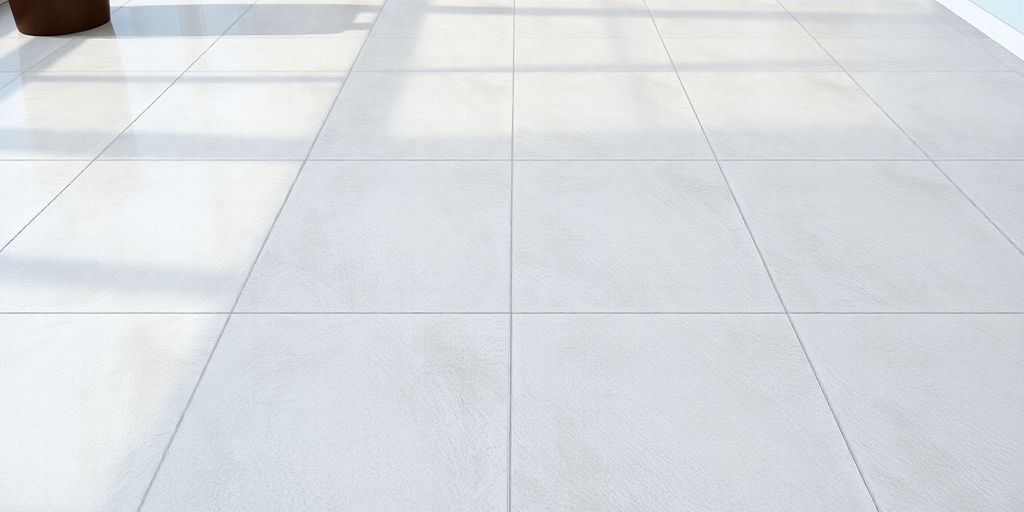
Elevating Kitchen Aesthetics
Think about your kitchen. It's often the heart of the home, right? You want it to look good, but also be practical. Travertine-look porcelain tiles can really change things up. They give you that warm, natural stone feel without all the fuss. Imagine a backsplash that looks like real travertine, but you don't have to worry about splatters or spills. These tiles bring a touch of natural elegance to your kitchen space. They work well with different cabinet styles, whether you're going for modern or more traditional. Plus, cleaning up after cooking is way easier.
Creating Spa-Like Bathrooms
Who doesn't want a bathroom that feels like a mini-getaway? Travertine has always been a go-to for that luxurious, spa vibe. Now, with porcelain tiles that mimic travertine, you can get that same feeling, even in a high-moisture area like a bathroom. These tiles are great for shower walls, floors, and vanity areas. They hold up well against water and humidity, which is a big plus. You get the visual appeal of natural stone without the worry of water damage or staining. It’s a smart way to make your bathroom feel more like a retreat.
Enhancing Living Area Ambiance
Your living room is where you relax, entertain, and just live life. Using travertine-look porcelain tiles on your floors or even as an accent wall can make a huge difference. They add a sense of warmth and sophistication that's hard to beat. The earthy tones and subtle variations in the tiles create a cozy and inviting atmosphere. It’s a versatile choice that can complement various decor styles, from minimalist to rustic. You can achieve that high-end look without the high-end maintenance.
Designing Inviting Entryways
First impressions matter, and your entryway is the first thing guests see. Travertine-look porcelain tiles can make a grand statement right from the start. They offer a durable and attractive surface that can handle foot traffic while still looking stylish. Imagine walking into a home with floors that have the rich texture and color of natural travertine. It sets a welcoming tone and shows attention to detail. This is a great way to add lasting style to one of the most used areas of your home.
Extending Beauty to Patios and Decks
Why stop the beauty indoors? Travertine-look porcelain tiles are also fantastic for outdoor spaces like patios and decks. They are designed to withstand the elements – sun, rain, and temperature changes – much better than natural stone. You get the beautiful travertine aesthetic outdoors, but with added benefits like slip resistance and frost proofing. This allows you to create a cohesive look that flows from your indoor living areas to your outdoor entertaining spaces, making your home feel larger and more connected.
Adding Value to Your Property
When you're looking to make improvements to your home, you want them to add value. Using high-quality materials like travertine-look porcelain tiles can be a smart investment. They not only improve the look and feel of your home but also signal quality to potential buyers. The durability and low maintenance of porcelain mean that your floors and walls will look great for years to come, reducing the need for costly repairs or replacements down the line. It’s a choice that pays off both aesthetically and financially.
A Seamless Blend of Style and Function
Ultimately, the biggest win with travertine-look porcelain is how it combines good looks with practical performance. You don't have to choose between a beautiful design and a floor that can handle everyday life. These tiles offer the best of both worlds. They provide the visual warmth and character of natural travertine while giving you the strength, water resistance, and ease of care that porcelain is known for. It’s a smart, stylish, and functional solution for almost any room in your house.
Selecting the Perfect Porcelain Travertine
Choosing the right tile can feel like a big decision, especially when you want that classic travertine look without the upkeep. It’s all about finding the piece that speaks to your style and fits your project perfectly. Think of it like picking out a favorite outfit – it needs to feel right and work for the occasion.
Exploring a Spectrum of Colors
Travertine itself comes in a range of beautiful, natural shades, and porcelain tiles do a fantastic job of replicating them. You'll find everything from creamy ivories and warm beiges to deeper earthy browns and even subtle grays. These colors are inspired by the natural stone, offering a palette that feels grounded and inviting. The goal is to find a hue that complements your existing decor or sets the mood for a new design.
Understanding Different Finishes
Just like natural stone, porcelain tiles come with various finishes. You might see options that mimic a honed, matte, or even a slightly tumbled look. A honed finish offers a smooth, low-sheen surface, while a matte finish provides a more natural, less reflective appearance. Consider where the tile will be used; a matte finish might offer better slip resistance in a bathroom, for example.
Choosing the Right Size and Shape
Porcelain tiles designed to look like travertine are available in a wide array of sizes. From smaller mosaics that can add intricate detail to large format tiles that create a more expansive, uninterrupted look, the options are plentiful. Large format tiles, in particular, can really make a space feel bigger and more cohesive. Think about the scale of your room and the overall aesthetic you're aiming for.
Matching Your Interior Design
When selecting your porcelain travertine, keep your current interior design in mind. If your home has a more traditional feel, you might lean towards warmer, classic travertine tones. For a modern space, perhaps a cooler gray or a larger format tile would work best. It’s about creating a harmonious flow throughout your home. You can find some great travertine look porcelain options that fit various styles.
Considering the Application Area
Where will the tile be installed? This is a big question. For high-traffic areas like entryways or living rooms, you'll want a durable option. For bathrooms or kitchens, water resistance is key. Thankfully, porcelain is generally a strong performer in all these areas, but the specific look and finish might be better suited for certain spots. For instance, a more textured finish might be ideal for an outdoor patio.
Visualizing the Final Result
It’s tough to picture how a few small samples will look across an entire floor or wall. Try to get a feel for how the tiles look together. Lay out several tiles side-by-side to see the natural variation that mimics real stone. Some people find it helpful to look at photos of completed projects online or even use design software if available.
The Importance of Samples
Never underestimate the power of a sample. Ordering samples is a small step that makes a huge difference in visualizing the final outcome. It allows you to see the color, texture, and finish in your own lighting conditions, next to your furniture and paint colors. This is where you can really confirm if the tile is the right fit for your project before committing to a larger purchase. It’s a smart move that saves potential headaches down the line.
Installation Considerations for Porcelain
Getting porcelain tile installed correctly is pretty important if you want it to look good and last a long time. It's not usually a DIY job for most people, and hiring a pro makes a big difference. They know all the little tricks to make sure the finished floor or wall is perfect.
Preparing the Subfloor
Before any tiles go down, the surface underneath needs to be just right. This means it has to be clean, dry, and really solid. Any bumps, dips, or movement in the subfloor can cause problems later on, like tiles cracking or grout lines looking uneven. For wood subfloors, making sure they're properly supported and don't flex too much is key. Concrete needs to be checked for any cracks or unevenness too. A good installer will spend time making sure this base is as perfect as possible.
Proper Adhesive Selection
Choosing the right glue, or adhesive, is a big deal. Porcelain tile is dense and can be heavy, so it needs a strong bond. The type of adhesive depends on the tile itself and where it's going. For example, you might need a different kind for a bathroom that gets wet compared to a living room. Using the wrong adhesive can lead to tiles coming loose over time, which is a real headache.
Ensuring Level and Even Surfaces
Nobody likes a floor that feels bumpy or has tiles sticking up. Installers use tools like levels and straight edges to make sure every tile is set at the same height. This not only makes the floor feel better underfoot but also makes it look much more professional. It's all about creating a smooth, consistent surface.
Grouting Techniques for a Seamless Look
Grout fills the gaps between tiles and helps tie the whole look together. The color of the grout can really change how the tile looks, so picking the right shade is important. For a really clean, modern look, installers often aim for tight grout lines. They also make sure the grout is packed in properly so there are no air bubbles or gaps.
Sealing for Enhanced Protection
While porcelain itself is very water-resistant, the grout lines can sometimes absorb moisture or stains. Many installers recommend sealing the grout after it's fully cured. This adds an extra layer of protection, making it easier to clean and preventing discoloration. It's a simple step that really helps keep things looking fresh.
Professional Installation Recommended
Honestly, for the best results, hiring a professional tile installer is the way to go. They have the experience and the right tools to handle all these steps properly. They know how to work with different tile sizes, cut pieces accurately, and deal with any tricky spots, like around doorways or corners. A good installation means your beautiful travertine-look porcelain will last for years and look fantastic.
Maintaining the Integrity of the Tile
Proper installation isn't just about how it looks right away; it's about making sure the tile stays put and stays strong for the long haul. This includes things like making sure there's enough expansion space around the edges of the room, especially in larger areas or places that might get hot or cold. This little bit of give prevents the tiles from buckling under pressure. It’s a detail that really matters for the longevity of your floor or wall.
Long-Term Care and Maintenance
Keeping your travertine-look porcelain tile looking its best for years to come is surprisingly simple. Unlike natural stone, porcelain is quite forgiving, but a little regular attention goes a long way.
Daily Cleaning Routines
For everyday upkeep, a quick sweep or vacuum is usually all that's needed. This removes any loose dirt or grit that could potentially scratch the surface over time. If you notice any spots or smudges, a damp mop with plain water or a very mild, pH-neutral cleaner will do the trick. Regular light cleaning prevents the buildup of grime.
Tackling Spills and Stains
One of the big wins with porcelain is its resistance to stains. Most common household spills – think coffee, wine, or juice – can be wiped up easily with a soft cloth. For tougher spots, a gentle, non-abrasive cleaner specifically designed for tile should work. Always test any cleaner in an inconspicuous area first, just to be safe.
Avoiding Harsh Cleaning Agents
This is important. You'll want to steer clear of abrasive cleaners, steel wool, or harsh chemicals like bleach or ammonia. These can dull the finish or even damage the protective glaze over time. Stick to the mild stuff; your tile will thank you.
Protecting Against Heavy Impact
While porcelain is tough, it's not indestructible. Be mindful of dropping heavy objects, especially near edges or corners, as this could cause chipping. Using felt pads on the bottom of furniture legs is a smart move, especially for items that get moved around frequently.
Maintaining Grout Lines
Grout can sometimes be the trickiest part. For porcelain tile, especially if it has a good quality grout, regular cleaning with a soft brush and a mild cleaner should keep it looking fresh. If you notice staining, there are specific grout cleaners available, but always follow the product instructions carefully.
Preserving the Natural Look
To keep that beautiful travertine aesthetic alive, avoid letting dirt or moisture sit for too long. A clean surface reflects the light better and maintains the depth of the color and texture. It’s about consistency rather than deep scrubbing.
Ensuring Longevity of Your Investment
By following these simple care steps, you're not just keeping your floors clean; you're actively protecting your investment. Porcelain tile is built to last, and with minimal effort, it will continue to look fantastic for decades. It’s a practical choice that pays off in the long run, offering both beauty and resilience for your U.S. home projects.
The Environmental Benefits of Porcelain
Choosing materials for your home project isn't just about looks and durability anymore; it's also about making choices that are kinder to our planet. Porcelain tile, especially when it mimics the look of natural stone like travertine, offers some pretty good environmental advantages. It’s a material that’s becoming a favorite for many reasons, and its eco-friendliness is definitely one of them.
Sustainable Material Sourcing
Porcelain tile is made from natural, abundant materials like clay and feldspar. These are readily available resources, and their extraction generally has a lower environmental impact compared to quarrying some other building materials. The manufacturing process is designed to be efficient, using these raw components to create a product that lasts for a very long time.
Energy-Efficient Manufacturing
While firing porcelain at high temperatures does require energy, modern manufacturing facilities are increasingly focused on energy efficiency. Many plants now use advanced kilns that recover heat and optimize the firing process. Some even utilize renewable energy sources, further reducing the carbon footprint associated with production. This means the energy used to create your beautiful tile is becoming cleaner.
Longevity Reduces Replacement Needs
This is a big one. Because porcelain tile is so incredibly durable and resistant to wear, it doesn't need to be replaced very often. Think about it – a well-installed porcelain floor or wall can last for decades. This significantly cuts down on the waste generated from frequent renovations and material replacements. Less waste in landfills is always a win.
Low VOC Emissions for Healthier Homes
Volatile Organic Compounds (VOCs) can be released by many building materials, affecting indoor air quality. Porcelain tile is naturally inert and does not emit VOCs. This makes it a healthier choice for your home environment, contributing to better air quality for you and your family. It's a material that looks good and is good for you.
Recyclable Components
At the end of its very long life, porcelain tile can often be recycled. Old tiles can be crushed and repurposed as aggregate for new construction projects or even as a base layer for roads. This circular approach to material use helps minimize waste and conserve resources.
Water Conservation in Production
Many porcelain tile manufacturers are implementing water-saving techniques in their production processes. This includes recycling water used in manufacturing and optimizing processes to require less water overall. It’s a conscious effort to reduce the strain on local water resources.
A Greener Choice for Your Project
When you choose porcelain tile with a travertine look, you're not just getting a stylish and practical surface. You're also making a choice that supports more sustainable building practices. It’s a way to achieve the natural stone aesthetic you love without the environmental drawbacks often associated with natural stone extraction and maintenance. It’s a smart, responsible decision for your home and for the planet.
Comparing Porcelain to Natural Travertine
When you're looking at flooring options, natural travertine and porcelain tile that looks like travertine often come up. They both have that beautiful, earthy look, but they're really quite different under the surface. It’s like comparing a perfectly aged wine to a really well-made, modern craft beer – both good, but in their own way.
Durability vs. Natural Porosity
Natural travertine is gorgeous, no doubt about it. It has those unique pits and natural variations that give it so much character. However, it's a porous stone. This means it can absorb liquids, which can lead to staining if spills aren't cleaned up quickly. It also means it can be more susceptible to etching from acidic substances. Porcelain tile, on the other hand, is fired at extremely high temperatures, making it incredibly dense and virtually non-porous. This density means it's much more resistant to stains, water, and general wear and tear. For busy homes or areas prone to spills, like kitchens or entryways, this difference is pretty significant.
Maintenance Requirements
Because natural travertine is porous, it usually needs to be sealed regularly to protect it from stains and moisture. This sealing process needs to be repeated every year or two, depending on the traffic and the type of sealant used. It's an extra step that adds to the upkeep. Porcelain tile, because it's non-porous, generally doesn't require sealing. Cleaning is usually a simple sweep and mop with a mild cleaner. This makes porcelain a much lower-maintenance option for many homeowners across the U.S. projects.
Cost-Effectiveness Over Time
While the initial cost of natural travertine might sometimes seem comparable to high-quality porcelain, the long-term costs can differ. The need for regular sealing, potential repairs from chips or cracks due to its softer nature, and the possibility of needing replacement sooner in high-traffic areas can add up. Porcelain tile, with its superior durability and resistance to damage, often proves to be more cost-effective over the lifespan of the installation. You're investing in a material that's built to last.
Consistency in Appearance
Natural travertine is celebrated for its unique, natural variations. Every slab or tile is different, which is part of its charm. However, if you're aiming for a very specific, uniform look, or if you need to match a particular batch years down the line, this can be a challenge. Porcelain tile, especially with modern digital printing technology, can achieve a remarkable consistency in appearance. While still mimicking natural variations, you can be more confident in getting a predictable and repeatable look for your design.
Performance in High-Moisture Areas
For bathrooms, showers, or laundry rooms, moisture is a big concern. Natural travertine, being porous, can absorb water, which can lead to issues like mold or mildew if not properly managed and sealed. It can also be more prone to damage from constant moisture exposure. Porcelain tile's non-porous nature makes it an excellent choice for these wet areas. It won't absorb water, resists mold and mildew growth, and holds up beautifully even with consistent exposure to humidity and splashes. This makes it a worry-free option for bathrooms and showers.
Suitability for Outdoor Environments
While some natural travertine can be used outdoors, it requires careful selection and proper sealing due to its susceptibility to freeze-thaw cycles and staining from outdoor elements. Porcelain tile, particularly frost-resistant varieties, is often a more robust and reliable choice for patios, decks, and outdoor living spaces. It stands up better to harsh weather, temperature fluctuations, and UV exposure without degrading or losing its color.
The Best of Both Worlds
Ultimately, the choice between natural travertine and porcelain depends on your priorities. If you're drawn to the authentic, unique character of natural stone and are prepared for the maintenance involved, travertine is a classic choice. However, if you desire that same warm, elegant look but need superior durability, low maintenance, and consistent performance, especially in demanding environments, porcelain tile offers a fantastic solution. It truly gives you the aesthetic you love with the practical benefits you need for modern living.
Achieving a Luxurious Travertine Finish
Getting that high-end travertine look without the natural stone price tag is totally achievable these days. It’s all about how the porcelain tile is made and what details they focus on. You know, the stuff that makes travertine look so good in the first place.
The Role of High-Definition Printing
Think about how real travertine has those cool, subtle patterns and color shifts. High-definition printing on porcelain tiles is what really brings that to life. It’s not just a flat print; it’s like they’re layering colors and textures to mimic the real thing. This technology is key to getting that authentic feel. It means you get a lot of variation from tile to tile, which is exactly what you want when you're going for a natural stone look.
Capturing the Subtle Textures
Beyond just the colors, the feel of the tile matters. Manufacturers are getting really good at replicating the slight roughness or smoothness you find in natural travertine. They use special techniques to give the surface a tactile quality. This isn't just about looks; it adds to the overall sensory experience of the space.
Replicating Natural Veining Patterns
Travertine's veining is iconic. The best porcelain tiles don't just slap on a generic pattern. They study real travertine and reproduce those flowing lines and mineral deposits. You'll see different types of veining, from delicate wisps to bolder streaks, all designed to look like they came straight from the earth. It’s this attention to detail that makes the imitation so convincing.
The Importance of Edge Details
Even the edges of the tile play a part. Some porcelain tiles are made with rectified edges, meaning they're cut precisely for very thin grout lines. Others might have a slightly tumbled edge, mimicking the worn look of natural stone. The way the edges are finished can really change the final appearance, making it look more like laid travertine or something more modern.
Achieving a Matte or Honed Appearance
Natural travertine often has a matte or honed finish, not super shiny. Porcelain tiles designed to look like travertine usually aim for this same low-sheen look. It feels more sophisticated and less reflective, which is great for creating a calm, inviting atmosphere. It also tends to hide minor scuffs better than a high-gloss finish.
Creating Depth with Color Variation
One of the things that makes travertine so appealing is its depth, which comes from variations in color. Porcelain tiles achieve this through advanced printing, layering different shades within the same tile and across multiple tiles. This prevents a repetitive look and gives the floor or wall a more natural, organic feel. It’s this visual complexity that really sells the travertine aesthetic.
The Artistry of Travertine-Look Porcelain
Ultimately, creating a luxurious travertine finish with porcelain is an art. It combines advanced manufacturing with a deep appreciation for natural stone. When you see tiles that really nail the look, you can tell there was a lot of thought put into replicating the subtle imperfections and unique character of real travertine. It’s about getting that timeless elegance and warmth that travertine is known for, but with the practical benefits of porcelain. If you're looking for this kind of sophisticated style, exploring Travertine Look Porcelain Tiles can be a great starting point for your project.
Designing with Porcelain Tile's Travertine Look
When you're aiming for that classic travertine vibe without the fuss, porcelain tile is a seriously smart move. It lets you get the look you love for your U.S. projects, but with a lot more flexibility and less worry. Think about how you can really make your space sing with these tiles.
Harmonizing with Existing Decor
One of the best things about porcelain tiles that look like travertine is how easily they blend in. They come in a range of earthy tones, from soft creams to deeper browns, that just naturally fit with most interior styles. Whether your home is modern, rustic, or somewhere in between, these tiles can tie everything together. You can find some great beige wall tile ideas that work perfectly with this look.
Creating Contrasting Accents
Don't be afraid to mix things up! While travertine-look porcelain is great for a cohesive feel, it can also be used to create interesting contrasts. Imagine pairing a warm, travertine-style floor with sleek, modern furniture or using a darker shade of the tile as an accent wall. This approach adds depth and personality to your design.
Utilizing Large Format Tiles
For a truly authentic and expansive feel, consider using large format porcelain tiles. These minimize grout lines, giving you a more continuous surface that closely mimics natural stone. This is especially effective in larger rooms or open-plan living areas, making the space feel bigger and more unified.
Incorporating Mosaic Patterns
Want to add a touch of intricate detail? Travertine-look porcelain tiles are also available in mosaic patterns. These can be used as backsplashes, decorative borders, or even as a feature floor in smaller areas like powder rooms. They bring a handcrafted feel and visual interest that can really make a statement.
Pairing with Complementary Materials
These tiles play well with others. Think about pairing them with natural wood elements for a warm, inviting atmosphere, or with metal accents for a more contemporary edge. They also look fantastic alongside natural stone elements, creating a rich, layered look. The key is to balance the textures and colors to achieve your desired aesthetic.
Defining Zones Within Open Spaces
In open-concept homes, using travertine-look porcelain can be a clever way to define different functional areas. For example, you could use it for the kitchen flooring and transition to a different material in the living area, or use a different color or pattern of the same tile to visually separate the dining space.
Inspiring Unique Design Concepts
Ultimately, porcelain tile with a travertine look offers a fantastic canvas for your creativity. It provides the beauty of natural stone with the practicality of porcelain, allowing you to achieve stunning results for your projects nationwide. Don't forget that while porcelain mimics the look, natural travertine has its own unique charm if you're leaning towards a purely natural material.
The Value Proposition of Porcelain Travertine
When you're looking at flooring and wall options, it's easy to get drawn to the classic look of travertine. It has that old-world charm, you know? But then you start thinking about the practical side of things – how it holds up, how much work it is to keep looking good. That's where porcelain tile with a travertine look really shines. It’s not just about getting a pretty surface; it’s about making a smart choice for your home that pays off in the long run.
Long-Term Investment in Your Home
Think of installing porcelain tile as putting money into your house. Unlike trends that fade or materials that wear out quickly, a good quality porcelain floor is built to last for decades. It’s a solid investment that adds lasting beauty and value. You're not just buying tiles; you're buying peace of mind and a foundation that will serve you well for years to come. It’s a decision that makes sense financially and aesthetically.
Reduced Need for Frequent Replacements
This is a big one. Natural materials can be beautiful, but they often require more upkeep and are prone to damage. Travertine, for instance, can chip, stain, or etch if not cared for meticulously. Porcelain, on the other hand, is incredibly tough. It resists wear and tear from daily life – think kids, pets, dropped items – much better. This means you won't be facing the expense and hassle of replacing damaged tiles or an entire floor anytime soon. It’s a set-it-and-forget-it kind of deal, almost.
Lower Maintenance Costs
Let's talk about upkeep. Natural stone often needs regular sealing to protect it from stains and moisture. This can be time-consuming and costly. Porcelain tile, especially the high-quality kind, is non-porous. It doesn't absorb liquids, making it naturally resistant to stains. Cleaning is usually just a simple sweep and mop. This dramatically cuts down on the need for special cleaners or professional maintenance, saving you money and effort over the life of the tile. It’s a practical choice for busy households.
Enhanced Property Appeal
When it comes time to sell your home, buyers notice the details. A beautiful, well-maintained floor makes a strong positive impression. Porcelain tile that mimics the look of natural travertine offers that high-end aesthetic without the potential drawbacks. It signals quality and good taste to potential buyers, which can translate into a quicker sale and a better offer. It’s a way to make your home more attractive in the market.
Protection Against Wear and Tear
Life happens, and floors take a beating. Porcelain is engineered for durability. It's much harder and denser than many natural stones, making it highly resistant to scratches, chips, and heavy foot traffic. This means that even in busy areas like kitchens, entryways, or hallways, your porcelain travertine-look floor will maintain its good looks. You don't have to worry as much about everyday accidents or the constant shuffle of feet. It's a surface that can handle real life.
Consistent Beauty Over Years
One of the challenges with natural stone is that no two pieces are exactly alike, and variations can become more pronounced over time. While this is part of its charm for some, others prefer a more predictable and consistent look. Porcelain tile offers this consistency. The patterns and colors are digitally printed, so you get a uniform appearance across your entire installation. This means the floor you love today will look just as good in ten years, without unexpected changes in color or texture. It’s a reliable aesthetic.
A Smart Choice for Budget-Conscious Design
While the initial cost of some premium porcelain tiles might be comparable to certain natural stones, the overall value proposition is often superior. When you factor in the reduced installation costs (sometimes simpler installation), the minimal maintenance, and the long lifespan, porcelain tile becomes a very economical choice. You get the luxurious look you desire without the ongoing expenses associated with natural stone. It's a way to achieve a high-end finish without breaking the bank. For many U.S. projects, this makes it a go-to option for designers and homeowners alike.
Porcelain tile offers a compelling blend of aesthetics and practicality. It provides the visual appeal of natural stone with performance characteristics that make it ideal for modern living. This makes it a sound financial decision for homeowners looking for lasting beauty and low maintenance.
Choosing porcelain tile with a travertine look means you're not sacrificing style for substance. You're getting both. It's a smart, practical, and beautiful solution for almost any space in your home. Consider exploring the wide range of travertine-inspired porcelain options available to find the perfect fit for your next renovation.
Exploring Travertine-Inspired Color Palettes
Travertine's natural beauty comes in a range of earthy tones that can bring warmth and character to any room. When choosing porcelain tile that mimics this look, you have a fantastic spectrum of colors to work with, all while getting the durability you need. It’s about finding that perfect shade that speaks to your style and complements your home's existing design.
Warm Beige and Cream Hues
These are probably the most classic travertine colors. Think soft, inviting shades that make a space feel cozy and welcoming. They work with almost any decor style, from modern minimalist to rustic farmhouse. These versatile tones are a safe bet for creating a timeless look. They can brighten up a room without feeling stark, offering a gentle, natural feel.
Rich Earthy Browns
For a deeper, more grounded aesthetic, consider the rich brown variations. These shades bring a sense of natural depth and can add a touch of rustic elegance. They pair wonderfully with natural wood elements and can create a cozy, enveloping atmosphere in living areas or bedrooms. Imagine a living room floor in a deep walnut-brown travertine look – it just feels so grounded and warm.
Subtle Gray Undertones
If you're leaning towards a more contemporary or sophisticated look, travertine-inspired porcelain tiles with subtle gray undertones are a great choice. These shades offer a modern twist on natural stone, providing a neutral backdrop that can be dressed up or down. They work particularly well in spaces where you want a clean, refined appearance without sacrificing warmth.
Classic Ivory Shades
Similar to the beige and cream tones, ivory offers a light, airy feel. It's a sophisticated neutral that can make smaller spaces feel larger and brighter. Ivory travertine-look tiles can bring a touch of understated luxury, making them ideal for entryways, hallways, or even bathrooms where you want a clean, elegant finish.
The Nuances of Walnut Tones
Walnut tones in travertine-inspired porcelain offer a beautiful balance between warmth and sophistication. These shades often have a bit more depth and character than a simple beige, sometimes with hints of reddish-brown or darker streaks. They can add a luxurious feel to dining rooms or studies, creating an environment that feels both rich and inviting.
Creating a Natural Color Flow
When selecting colors, think about how they'll flow throughout your home. Using similar tones in adjacent rooms can create a sense of continuity. For example, moving from a lighter cream in the hallway to a slightly deeper beige in the living room can create a subtle, pleasing transition. It’s all about building a cohesive look that feels natural and intentional.
Selecting Colors to Complement Your Space
Consider the other elements in your room. What color are your cabinets, furniture, and wall paint? Travertine-inspired colors are generally quite neutral, making them easy to pair. However, a warm beige might look best with cooler-toned furniture, while a richer brown could complement warmer wood finishes. Don't be afraid to order samples to see how different shades look in your actual lighting conditions. It makes a big difference!
The Durability Factor in Porcelain
Understanding Porcelain's Composition
Porcelain tile isn't just any tile; it's made from a denser, finer clay mixture that's fired at much higher temperatures than standard ceramic. This process, often exceeding 2,000 degrees Fahrenheit, fuses the clay particles together, creating an incredibly strong and dense material. This makes porcelain tile exceptionally resistant to wear and tear, a key reason it's a top choice for busy homes across the U.S. It's this robust composition that gives porcelain its impressive durability.
Resistance to Heavy Foot Traffic
Think about the floors in your home. The entryway sees constant comings and goings, the kitchen gets a lot of action, and living areas are often high-traffic zones. Porcelain tile handles this kind of use with ease. Unlike softer materials that can scratch or dent, porcelain's density means it can withstand years of footsteps, furniture movement, and everyday life without showing significant wear. It’s a material built to last, making it a smart choice for any area that sees a lot of action. For projects nationwide, this means fewer worries about floor upkeep.
Impact Resistance for Longevity
Accidents happen, right? Dropping a pot in the kitchen or a heavy item in the living room can be a concern with some flooring. Porcelain tile, however, is engineered to be quite resistant to impact. While no material is completely indestructible, porcelain's strength means it's far less likely to chip or crack from everyday impacts compared to many other flooring options. This resilience contributes directly to its long lifespan, meaning your floors will look great for decades.
Scratch and Abrasion Proof Qualities
Scratches can really age a floor, making it look worn out even if it's structurally sound. Porcelain tile is known for its excellent resistance to scratches and abrasions. Whether it's pet claws, furniture legs, or even grit tracked in from outside, porcelain surfaces hold up remarkably well. This means you can enjoy the beautiful travertine look without constantly worrying about maintaining its pristine surface. It’s a practical benefit for homeowners who want style without the constant upkeep.
Maintaining Surface Integrity
What does surface integrity mean for your floors? It means the tile's surface stays looking good, resisting things like fading, staining, and wear. Porcelain's dense, non-porous nature plays a big role here. It doesn't easily absorb liquids, which helps prevent stains from setting in. Plus, the color is often baked deep into the tile, so even if it gets scratched (which is rare), the color underneath is usually the same. This consistent quality means your floors will maintain their appearance over time, a key aspect of long-term durability.
A Foundation Built to Last
When you choose porcelain tile, you're not just picking a floor; you're investing in a foundation for your home that's designed to endure. Its inherent strength, resistance to daily wear, and ability to maintain its appearance make it a standout choice. This means less worry about replacements and more time enjoying your beautifully tiled spaces. It’s a material that truly stands the test of time, offering peace of mind for homeowners across the country.
Peace of Mind for High-Use Areas
Ultimately, the durability of porcelain tile translates to peace of mind. Knowing your floors can handle the demands of daily life – from kids and pets to busy entertaining – allows you to relax and enjoy your home. This resilience is a significant advantage, especially when you're looking for a flooring solution that combines the natural beauty of travertine with the practical needs of a modern household. It's a choice that offers both aesthetic appeal and reliable performance, making it a smart investment for any U.S. project.
Water Resistance and Porcelain Tile
When you're thinking about flooring, especially for areas that see a lot of moisture, water resistance is a big deal. Nobody wants tiles that warp, stain, or get damaged by spills. That's where porcelain tile really shines, particularly when it's designed to look like natural travertine.
The Non-Porous Nature of Porcelain
Porcelain tile is made differently than ceramic tile. It's fired at much higher temperatures and uses a denser mix of clay and other minerals. This process makes the tile itself incredibly dense and, importantly, virtually non-porous. What does that mean for you? It means water has a really hard time soaking into the tile. This low absorption rate is key to its water-resistant properties. For projects across the U.S., this is a huge advantage, especially in humid climates or areas prone to spills. You can find great options for residential and commercial applications.
Ideal for Bathrooms and Showers
Think about your bathroom. It's a room that's constantly exposed to water, whether it's from showers, sinks, or even just humidity. Porcelain tile, with its water-repelling qualities, is a perfect fit. You don't have to worry as much about water seeping into the grout lines or the tile itself, which can lead to mold and mildew issues. This makes it a much more practical choice than some other materials.
Kitchen Backsplashes and Floors
Kitchens are another hotspot for moisture and spills. Splashes from the sink, cooking mishaps, or even condensation can all affect your flooring and wall tiles. Porcelain's resistance to water means it can handle these everyday kitchen challenges without breaking a sweat. It's also resistant to stains, which is a big plus when you're dealing with food and drinks.
Preventing Mold and Mildew Growth
Because porcelain doesn't absorb much water, it creates an environment that's not very friendly to mold and mildew. These pesky organisms thrive in damp, porous materials. By choosing porcelain tile, you're significantly reducing the risk of these issues developing in your home. This contributes to a healthier living space, which is always a good thing.
Performance in Humid Environments
If you live in a region with high humidity, you know how it can affect materials in your home. Wood can swell, and other finishes might degrade over time. Porcelain tile, however, holds up exceptionally well in these conditions. Its stable nature means it won't be easily affected by changes in moisture levels, maintaining its appearance and integrity.
Protecting Against Water Damage
Water damage can be a costly and frustrating problem. By using porcelain tile in areas where water is a concern, you're adding a protective layer to your home. It acts as a barrier, preventing water from reaching the subfloor or walls, which could otherwise lead to more serious structural issues. It's a smart way to safeguard your investment.
A Worry-Free Solution for Wet Areas
Ultimately, porcelain tile offers a sense of security for any room that deals with water. Whether it's a busy family bathroom, a frequently used kitchen, or even an outdoor patio, you can have peace of mind knowing your flooring is built to withstand moisture. It's a practical, durable, and beautiful choice that simplifies upkeep and protects your home. You can find excellent options for outdoor living spaces too.
Achieving Authenticity with Porcelain
The Evolution of Tile Manufacturing
It wasn't that long ago that getting a tile to look like natural stone meant, well, using natural stone. But tile technology has really come a long way. We're talking about leaps and bounds in how realistic these manufactured tiles can get. It’s pretty wild when you think about it. The old days of basic patterns are long gone.
Digital Printing for Realistic Detail
This is where the magic really happens. High-definition digital printing allows manufacturers to capture the intricate details of natural travertine. Think about the subtle color variations, the tiny fissures, and the unique veining that makes each piece of travertine special. These advanced printing techniques can replicate those characteristics with incredible accuracy. It’s not just a printed image; it’s a textured, multi-dimensional reproduction that fools the eye.
Mimicking Natural Stone's Character
Natural travertine isn't perfect, and that's part of its charm. It has those little imperfections, those slight shifts in tone, and the way the light hits it. Modern porcelain tiles are designed to mimic this character. You'll see variations from tile to tile, preventing that repetitive, artificial look you might find in older tile products. This attention to natural character is key to achieving an authentic feel.
The Importance of Surface Texture
Beyond just the visual, the feel of the tile matters. Manufacturers are now focusing on surface textures that mimic the feel of real travertine. Whether it's a slightly rough, honed finish or a smoother, polished look, the texture plays a big role in how authentic the tile appears and feels underfoot. It adds another layer to the illusion, making it hard to tell the difference.
Capturing Subtle Color Variations
Travertine naturally has a range of earthy tones, from creamy beiges to deeper browns and grays. The best porcelain tiles with a travertine look don't just stick to one shade. They incorporate subtle shifts in color across the tile and between different tiles in the batch. This variation is what gives natural stone its depth and prevents a space from looking flat or monotonous. It’s all about that natural flow.
Creating a Believable Travertine Effect
Putting it all together, the goal is to create a believable travertine effect. This involves a combination of the visual printing, the surface texture, and the color variation. When all these elements work together, you get a porcelain tile that truly captures the essence of natural travertine. It’s a sophisticated design choice that brings the warmth and elegance of stone into your home without the typical drawbacks. You can explore a wide range of these realistic options when you look at porcelain tiles expertly crafted.
The Art of Deception in Design
Ultimately, it's an art form. Designers and manufacturers are getting incredibly good at creating these illusions. They study natural stone meticulously, understanding its nuances before translating them into porcelain. The result is a product that offers the aesthetic appeal of travertine with the practical benefits of porcelain. It’s a smart way to get the look you love, with performance you can count on for projects across the U.S.
Enhancing Outdoor Living Spaces
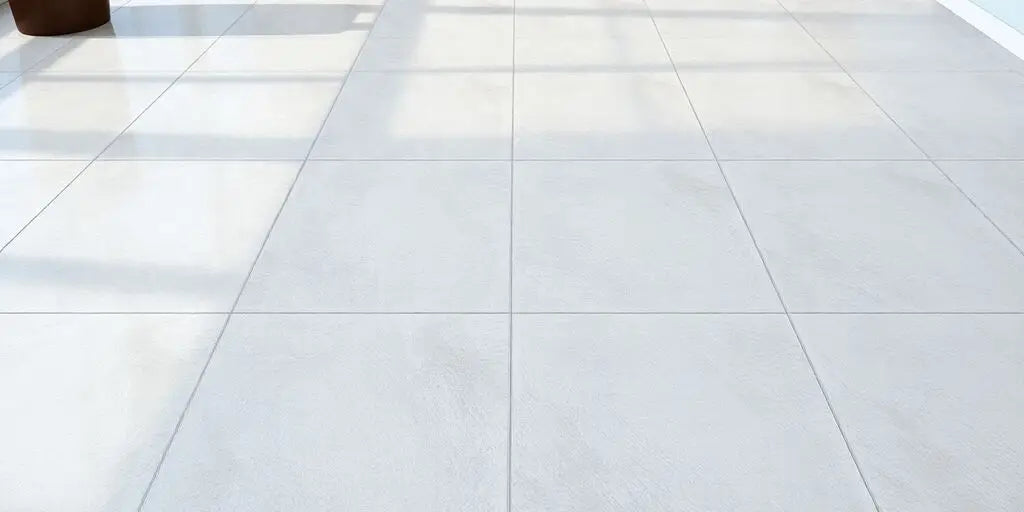
Thinking about sprucing up your patio or deck? You know, the area where you actually want to spend time outside? Well, using tiles that look like travertine can really make a difference. It’s not just about looks, though. These tiles are built tough, which is exactly what you need when they’re going to be out in the elements.
Travertine-Look Porcelain for Patios
When you're planning an outdoor space, you want something that feels natural and inviting, right? That's where the travertine look comes in. It brings that warm, earthy vibe that just makes you want to relax. But here's the thing: natural travertine can be a bit high-maintenance outdoors. It can stain, and it's porous, meaning water can get in and cause problems, especially if you get freezing temperatures. That's why porcelain tile designed to mimic travertine is such a smart move. You get all the visual appeal without the headaches.
Durability Against Weather Elements
Let's talk about what these tiles can handle. They're made to stand up to sun, rain, and whatever else Mother Nature throws at them. Unlike some materials that fade or crack after a season or two, porcelain holds its color and its structure. This means your patio will look great for years, not just a few months. It's a big deal when you're investing in your home's outdoor area.
Slip-Resistant Surface Options
Safety is a big one, especially around pools or on steps. Many travertine-look porcelain tiles come with textured surfaces designed to give you better grip. This is super important for preventing slips and falls, making your outdoor space safer for everyone, from kids running around to older folks enjoying a quiet afternoon.
UV Stability for Color Retention
Ever seen a patio set that looked faded and sad after just one summer? That's usually because the material wasn't UV stable. Porcelain tile, especially the kind made for outdoor use, is designed to resist fading from the sun. So, those beautiful earthy tones you picked out will stay true, keeping your patio looking fresh and vibrant.
Creating Seamless Indoor-Outdoor Flow
One of the coolest things you can do is use the same or a very similar tile inside and outside. This makes your living space feel bigger and more connected. Imagine walking from your living room straight onto a patio that looks like a natural extension of your home. It really opens things up and makes entertaining a breeze.
Low Maintenance for Exterior Areas
Who wants to spend their weekends scrubbing their patio? Not me, that's for sure. Porcelain tile is incredibly easy to clean. A quick sweep and a mop with some water and mild soap usually do the trick. It resists stains from spills like barbecue sauce or spilled drinks, and you don't have to worry about sealing it like you would with natural stone.
Extending Your Living Space Outdoors
Basically, using travertine-look porcelain tiles transforms your outdoor area into a real living space. It’s not just a patch of concrete anymore; it’s a place for dining, relaxing, and entertaining. It adds value to your home and gives you more room to enjoy your property. It’s a practical choice that looks fantastic and holds up over time, making it a win-win for any U.S. project.
The Ease of Porcelain Maintenance
Simple Cleaning Methods
Keeping your porcelain tile looking its best is surprisingly straightforward. Forget about complicated routines or expensive cleaners. For daily upkeep, a simple sweep or vacuum will take care of loose dirt and dust. When it's time for a more thorough clean, a damp mop with a mild soap or a pH-neutral cleaner is usually all you need. This low-effort approach means you spend less time cleaning and more time enjoying your beautiful floors.
Resisting Common Household Stains
One of the biggest headaches with natural stone is its tendency to absorb spills, leading to stubborn stains. Porcelain tile, however, is non-porous. This means liquids like wine, coffee, or oil simply sit on the surface, making them easy to wipe away before they have a chance to soak in. You won't have to worry about those accidental spills ruining the look of your floor.
No Need for Sealing (Typically)
Unlike natural stone such as travertine, which often requires regular sealing to prevent staining and moisture absorption, porcelain tile generally does not need sealing. Its manufacturing process creates a dense, impermeable surface. This saves you time, money, and the hassle of re-sealing every year or two. You can trust that your tile's protective qualities are built-in for the long haul.
Maintaining a Pristine Appearance
Porcelain's inherent durability means it holds up exceptionally well against daily wear and tear. It resists scratches and fading, so even in high-traffic areas, your floors will maintain their original beauty for years. You don't have to tiptoe around your own home or constantly worry about scuffs and marks.
Effortless Upkeep for Busy Lives
Let's face it, life gets busy. The last thing you want is a flooring material that demands constant attention. Porcelain tile offers a practical solution for modern, fast-paced households. Its resistance to stains, water, and wear means you can clean it quickly and effectively, getting back to what matters most. It's a smart choice for anyone who values both style and convenience.
Keeping Your Floors Looking New
Over time, many flooring materials can start to look dull or worn. Porcelain tile, with its robust composition, is designed to resist these effects. Its color is baked into the tile itself, preventing fading from sunlight or wear. This means your floors will continue to look fresh and vibrant, much like the day they were installed. It’s a lasting beauty that doesn't fade.
A Practical Choice for Modern Homes
When you combine the stunning aesthetics of travertine with the practical benefits of porcelain, you get a winning combination. The ease of maintenance is a significant advantage, making it an ideal choice for kitchens, bathrooms, entryways, and any area that sees a lot of action. You get the look you love without the high-maintenance demands of natural stone. It's a truly practical solution for contemporary living.
A Sustainable Choice for Your Project
When you're planning a home renovation or a new build, thinking about the environmental impact of your material choices is becoming more important. It’s not just about how a material looks or performs, but also how it's made and how long it lasts. Porcelain tile, especially those designed to mimic natural stone like travertine, offers a really compelling option for the eco-conscious consumer.
Reduced Environmental Impact
Porcelain tile production has come a long way. Manufacturers are increasingly focused on minimizing their footprint. This often involves using recycled materials in the tile composition itself, which helps divert waste from landfills. Think about it – using recycled porcelain offers an eco-friendly solution means less raw material is extracted and processed. It's a smart way to get a beautiful finish while being kinder to the planet.
Longevity Minimizes Waste
One of the biggest environmental wins for porcelain tile is its incredible lifespan. Unlike materials that degrade quickly or require frequent replacement, high-quality porcelain is built to last for decades. This means fewer resources are consumed over time for repairs or full remodels. A durable tile is a sustainable tile, plain and simple. You invest once, and it stays beautiful and functional for years, reducing the need for constant manufacturing and disposal.
Energy-Efficient Production Processes
Many porcelain tile manufacturers are investing in more energy-efficient kilns and production methods. While firing porcelain does require energy, advancements in technology are making the process cleaner and less resource-intensive. Some facilities even utilize renewable energy sources. This focus on efficiency means that the embodied energy in the tile – the total energy required to produce it – is steadily decreasing.
Healthier Indoor Air Quality
Porcelain tile is naturally inert, meaning it doesn't off-gas harmful volatile organic compounds (VOCs) into your home. This is a significant advantage over some other flooring and wall materials that can release chemicals, impacting indoor air quality. Choosing porcelain contributes to a healthier living environment for you and your family. It’s a material that looks good and is good for you.
Durable Materials Last Longer
We touched on this, but it's worth repeating. The inherent durability of porcelain tile means it stands up exceptionally well to daily life. It resists scratches, stains, and moisture, which are common culprits for material failure in other products. This resilience means your tile will look great for a very long time, avoiding the premature replacement that contributes to waste. It’s a practical choice that also happens to be environmentally responsible.
A Responsible Design Decision
Opting for porcelain tile with a travertine look is a smart move for both your home and the environment. You get the aesthetic appeal of natural stone without the associated environmental costs of quarrying and transport, especially when considering the porosity and maintenance needs of natural travertine is an eco-friendly material itself. It’s about making informed choices that align with your values and contribute to a more sustainable future for construction and design across the U.S.
Looking for a building material that's both tough and beautiful? Our natural stone and marble tiles are a fantastic choice for any project. They bring a touch of elegance that lasts. Ready to see what we offer? Visit our website today to explore our stunning collection and find the perfect stone for your needs!
The Best of Both Worlds
So, there you have it. You can get that beautiful, warm look of travertine without all the fuss. Porcelain tile really does a great job of mimicking the real thing, but it holds up way better to daily life. Think spills, kids, pets – it handles it all. It’s a smart choice for anyone wanting that natural stone vibe but needing something tough and easy to care for. If you're looking to bring that kind of style into your home, it’s definitely worth checking out what’s out there. You get the look you love, plus the peace of mind that it’s going to last.
Frequently Asked Questions
What exactly is travertine-look porcelain tile?
It's a type of tile made from porcelain that's designed to look just like real travertine stone. It gives you the beautiful look of travertine without some of the downsides.
Is this tile really as strong as it looks?
Yes! Porcelain tile is known for being super tough. It can handle a lot of walking and doesn't scratch or chip easily, making it great for busy areas.
How is porcelain tile made to look so much like travertine?
Companies use special printing technology, like high-definition printers, to put a realistic image of travertine onto the tile. They also add textures so it feels more like the real stone.
Can I use this tile in my bathroom or kitchen where it gets wet?
Absolutely! Porcelain tile doesn't soak up water, so it's perfect for bathrooms, kitchens, and even outdoor spaces. It helps prevent mold and mildew too.
Is travertine-look porcelain hard to clean?
Not at all! It's very easy to clean. Just a simple sweep or mop usually does the trick. Spills don't usually stain it either.
Does the color fade in the sun?
The colors in these tiles are made to last. They don't fade easily, even when they get direct sunlight, which is great for rooms or patios that get a lot of light.
Is it better to get the real travertine or the porcelain look-alike?
The porcelain version is often a better choice because it's more durable, easier to care for, and less likely to get stained or damaged. It's also usually more affordable over time.
Can I use this tile outside on my patio?
Yes, many travertine-look porcelain tiles are made to be tough enough for outdoor use. They can handle different weather conditions like rain, sun, and even freezing temperatures.
Will it look exactly the same everywhere, or will there be natural-looking differences?
The tiles are designed to have some natural-looking variations in color and pattern, just like real stone. This makes the final look more authentic and interesting.
Do I need to seal porcelain tile like I might need to seal natural stone?
Generally, no. Porcelain tile is naturally non-porous, meaning it doesn't absorb liquids, so it usually doesn't need sealing. This makes maintenance even simpler.
How does the cost compare to real travertine?
Often, porcelain tile that looks like travertine is more budget-friendly than using real travertine, especially when you consider the costs of installation and long-term care.
Can I get samples of the tile before I decide?
Yes, you can usually order samples. This is a great way to see the color and texture up close and make sure it fits perfectly with your home's style.