




So, you've got these beautiful travertine tiles, and maybe you're wondering if you can just grab the bleach bottle to get rid of a tough spot. It's a common thought, right? We all want our floors and counters to look their best. But when it comes to natural stone like travertine, things can get a little tricky. Before you go reaching for harsh chemicals, let's talk about what you really need to know about bleach and your travertine. It’s not as straightforward as you might think, and a wrong move could end up costing you more than just a clean spot.
Key Takeaways
- Travertine is a natural stone, and it's quite porous, meaning it can soak up liquids easily.
- Bleach is a harsh chemical that can damage the surface of travertine, causing etching or discoloration.
- Using bleach can weaken the stone over time, leading to bigger problems down the road.
- There are many gentler cleaning options available that work well without harming your travertine.
- For tough stains, making a poultice is often a safer and more effective method than bleach.
- Sealing your travertine regularly is key to protecting it from stains and damage.
- If you're unsure about a stain or cleaning method, it's always best to consult a professional stone specialist.
- The short answer to 'can you bleach travertine tile?' is generally no, due to the high risk of permanent damage.
Understanding Travertine's Porous Nature
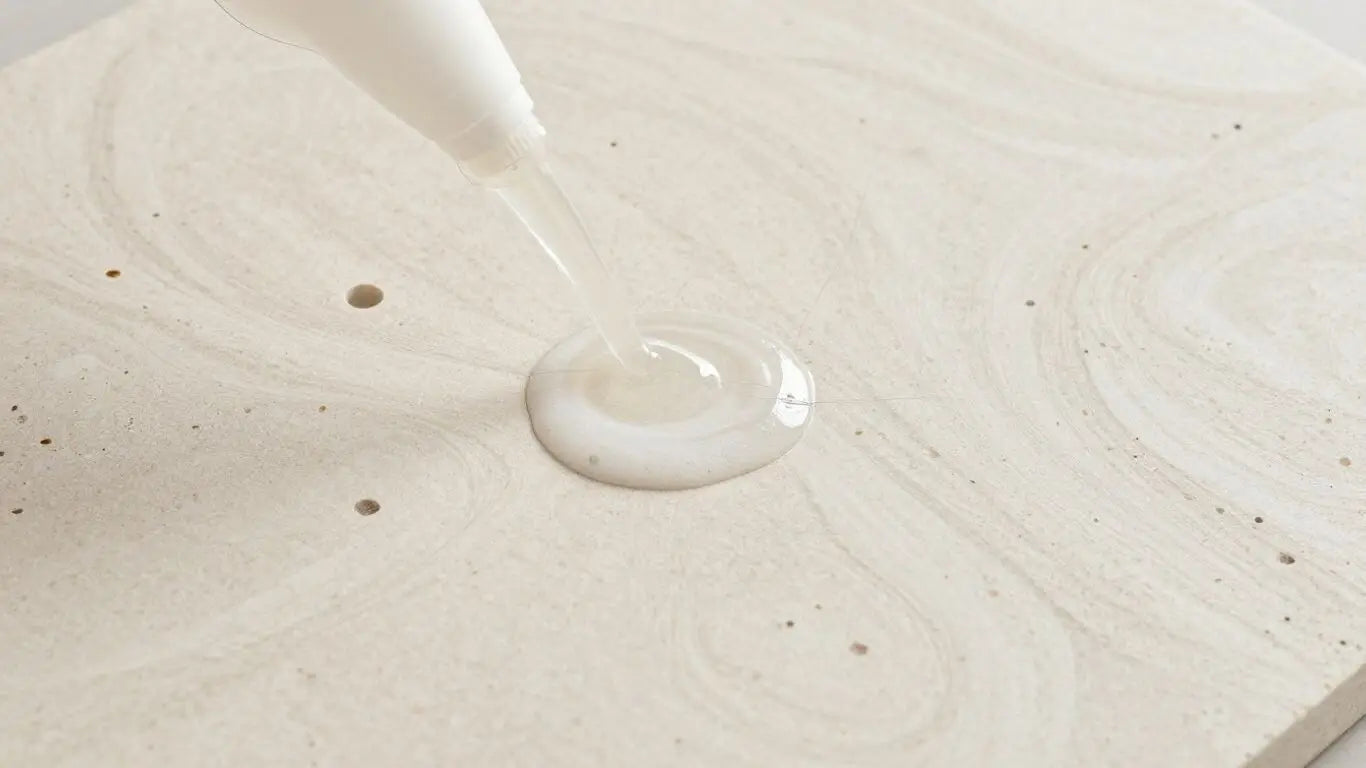
Travertine is a beautiful natural stone, but it's also quite porous. This means it has tiny holes and pits on its surface, kind of like a sponge. This natural absorbency is a key characteristic that affects how we clean and care for it.
The Unique Composition of Travertine Stone
Travertine forms in mineral springs, often hot springs. Over thousands of years, minerals like calcite deposit and compress, creating the distinctive look of travertine. This process results in a stone that's strong but also has these natural voids. It's this composition that gives travertine its unique texture and appearance, making each tile one-of-a-kind.
Why Porosity Matters for Cleaning
Because travertine is porous, it can soak up liquids. Think about spilling a glass of red wine or some olive oil on your floor. If the stone isn't sealed properly, those liquids can seep into the tile instead of just sitting on top. This is where cleaning challenges often start, as stains can become trapped within the stone itself. Proper cleaning tools and methods are essential to preserve its beauty and prevent long-term issues.
How Travertine Absorbs Liquids
Imagine pouring water onto a dry sponge. The water gets absorbed quickly, right? Travertine acts similarly. The tiny pores and fissures in the stone draw in liquids. The rate of absorption depends on the type of travertine and how it's been finished. A polished finish might absorb a bit slower than a tumbled or honed finish, but absorption is always a factor.
The Impact of Surface Treatments
How travertine is finished—like polished, honed, or tumbled—can change how it looks and how it interacts with liquids. Polished surfaces are smoother and less absorbent than honed or tumbled ones, which have a more textured feel. These treatments don't change the stone's inherent porosity, but they can affect how readily liquids penetrate the surface.
Identifying Different Travertine Finishes
- Polished: This finish is smooth and shiny, giving a more formal look. It's less porous than other finishes.
- Honed: This finish is smooth but not shiny. It has a matte appearance and is more porous than polished.
- Tumbled: This finish gives a worn, antique look with softened edges. It's the most porous of the common finishes.
The Role of Sealants in Protection
This is where sealants come in. A good quality sealant acts as a barrier, filling in some of those tiny pores. It doesn't make the stone non-porous, but it significantly slows down liquid absorption. This gives you more time to wipe up spills before they can cause a stain. Think of it as giving your travertine a protective coat.
Common Misconceptions About Travertine
People sometimes think travertine is like ceramic tile, which is non-porous and easy to clean with almost anything. That's not the case. Another misconception is that once sealed, it's completely stain-proof. While sealing helps a lot, it's not foolproof. Travertine tiles are porous and can easily stain if not cleaned properly. Spills and dirt can penetrate the surface, leading to stubborn stains that are challenging to remove.
The Risks of Using Bleach on Travertine
When it comes to cleaning your beautiful travertine tile, you might be tempted to reach for the bleach, especially for tough stains or a deep clean. It seems like a powerful solution, right? But here's the thing: travertine is a natural stone, and it's quite sensitive. Using bleach on travertine is generally a bad idea and can lead to some serious problems.
How Bleach Can Damage Natural Stone
Bleach, typically a chlorine-based product, is a strong chemical. Natural stones like travertine have a porous structure, meaning they have tiny little holes that can absorb liquids. When you apply bleach, it doesn't just sit on the surface; it can seep into these pores. This penetration is where the trouble starts. Instead of lifting stains, it can react with the stone's minerals in ways that are hard to undo.
The Chemical Reaction with Travertine
Travertine is primarily made of calcium carbonate, which is quite reactive. Bleach, especially when concentrated, can cause a chemical reaction with this calcium carbonate. This reaction can break down the stone's surface over time. It's not like cleaning a synthetic material; you're dealing with a material that has its own unique composition.
Potential for Etching and Discoloration
One of the most common issues you'll see is etching. Etching is when a chemical or abrasive substance dulls or damages the surface of the stone, making it look lighter or cloudy. Bleach can definitely cause this. You might also notice discoloration. The bleach could react with pigments in the stone or even strip away any existing color, leaving behind uneven patches or a generally faded appearance. This is particularly noticeable on darker travertine tiles.
Weakening the Stone's Structure
Beyond just surface damage, repeated or strong exposure to bleach can actually weaken the travertine itself. Think of it like repeatedly soaking something brittle in a harsh liquid; it starts to break down. This weakening can make the tiles more susceptible to chips, cracks, and general wear and tear over time. It compromises the integrity of your flooring or wall covering.
Long-Term Effects of Bleach Exposure
The damage from bleach isn't always immediate. Sometimes, the effects build up over time with repeated use. What might seem like a minor dull spot today could become a significant issue in a few months or years. The porous nature of travertine means these chemicals can linger and continue to react long after you've rinsed the surface.
Irreversible Damage to the Surface
This is the part that really stings: many of the damages caused by bleach are permanent. You can't just 'un-etch' a stone or easily restore a color that's been stripped away. Trying to fix bleach damage often requires professional intervention, and even then, a perfect restoration isn't always possible. It's much easier to prevent the damage in the first place than to try and repair it later.
When Bleach Might Seem Like a Solution
Sometimes, people turn to bleach because they're dealing with mold or mildew, especially in damp areas like bathrooms or kitchens. It's true that bleach is a disinfectant. However, for travertine, there are much safer and more effective ways to tackle these issues without risking damage to your stone. You might think it's a quick fix for a stubborn stain, but the potential for harm far outweighs any perceived benefit. For a truly effective and safe cleaning approach, consider exploring gentle alternatives to bleach.
The allure of a quick fix with strong chemicals like bleach often blinds us to the long-term consequences for delicate natural materials. Travertine deserves a more thoughtful approach to cleaning and maintenance.
Assessing Stains on Your Travertine
Dealing with stains on travertine can feel like a puzzle, and figuring out what you're up against is the first step to solving it. Travertine, being a natural stone, has its own personality, and that includes how it reacts to spills and messes. Understanding the nature of the stain is key to choosing the right cleaning method.
Identifying the Source of the Stain
Sometimes, the stain is obvious – a spilled glass of red wine or some greasy kitchen drips. Other times, it might be less clear. Was it something that sat there for a while, or a fresh spill? Knowing what caused the mark helps immensely. For instance, a coffee stain will need a different approach than a rust mark from a metal object left on the floor.
Differentiating Between Types of Stains
Stains generally fall into a few categories, and this helps determine the best way to tackle them. It's not just about the color; it's about what the stain is made of.
Organic vs. Inorganic Stains
- Organic stains come from things like food, plants, pet waste, or mold. They often have a brownish or yellowish tint and can sometimes be treated with milder solutions.
- Inorganic stains are usually from things like rust, metal marks, or even some types of paint. These can be trickier and might require specific treatments.
Oil-Based vs. Water-Based Stains
- Oil-based stains are from things like cooking oil, grease, or cosmetics. They tend to spread and darken the stone.
- Water-based stains are from things like juice, coffee, or tea. They might leave a ring or a general discoloration.
The Importance of Prompt Stain Removal
When it comes to travertine, acting fast is your best friend. The longer a spill sits, the more it can soak into the stone's pores. The quicker you can address a stain, the higher your chances of removing it completely without leaving a trace. This is especially true for liquids that can easily penetrate the surface.
Recognizing Deep-Set Stains
Sometimes, despite your best efforts, a stain seems to have sunk deep into the travertine. These are the ones that might require more specialized techniques, like using a poultice. A poultice is a paste that draws the stain out of the stone. You can find great instructions on how to create an effective poultice for stubborn stains here.
When to Seek Professional Advice
If you're unsure about the type of stain, or if your attempts at cleaning haven't worked, don't hesitate to call in the pros. They have the tools and knowledge to identify and treat even the most challenging stains without damaging your beautiful travertine. For more on maintaining your floors, check out this advice on travertine floor care.
Gentle Alternatives to Bleach for Cleaning
When it comes to cleaning your beautiful travertine tile, especially in projects across the U.S., harsh chemicals like bleach are a definite no-go. They can do more harm than good to natural stone. Thankfully, there are plenty of effective and much gentler ways to keep your travertine looking its best. You don't need strong stuff to get things clean.
pH-Neutral Cleaners for Natural Stone
Think of pH-neutral cleaners as the best friend for your travertine. Natural stone, including travertine, has a specific pH level it likes to stay at. Cleaners that are too acidic or too alkaline can mess with this balance. A pH-neutral cleaner works to lift dirt and grime without stripping away any protective sealants or causing etching on the stone's surface. It's like giving your tile a gentle bath instead of a harsh scrub. Many brands offer specific stone cleaners, and they're usually pretty easy to find.
The Power of Mild Dish Soap
Seriously, sometimes the simplest solutions are the most effective. A little bit of mild dish soap mixed with warm water can work wonders on everyday dirt and spills. You don't need a lot – just a few drops in a bucket of water is usually enough. This is often all you need for regular cleaning. Make sure to use a soap that doesn't have added degreasers or harsh additives, as those can sometimes leave a residue.
Using Warm Water Effectively
Warm water alone can be surprisingly effective for light cleaning. It helps to loosen up dirt and grime without any risk to the stone. For routine dusting or wiping down surfaces, a damp mop or cloth with just warm water can do the trick. It's a great way to maintain the shine between deeper cleans. Remember, with travertine, it's always better to use less moisture rather than more. Working in small sections with controlled moisture is key.
Creating a Gentle Cleaning Solution
For a slightly tougher, but still gentle, cleaning solution, you can combine a few simple ingredients. A common and effective mix involves:
- Warm water
- A few drops of mild dish soap
- (Optional) A tiny splash of rubbing alcohol for extra disinfecting power, but use this sparingly and test first.
Always mix your solution in a bucket and use a soft mop or cloth. Avoid spraying cleaners directly onto the floor, as this can lead to excess moisture pooling.
The Benefits of Microfiber Cloths
Microfiber cloths are fantastic for cleaning travertine. They are super absorbent and great at picking up dust and dirt without scratching the surface. You can use a dry microfiber cloth for dusting or a slightly damp one for wiping down spills. They also help in drying the stone quickly, which is important for preventing water spots. For polishing, a clean, dry microfiber cloth can bring back a lovely sheen.
Regular Maintenance for Prevention
Honestly, the best way to keep your travertine looking good is through consistent, gentle cleaning. This means:
- Wiping up spills the moment they happen.
- Regular dusting or sweeping to prevent grit from scratching the surface.
- Using doormats at entrances to catch dirt before it gets tracked onto the tile.
This kind of daily care makes deep cleaning much less of a chore and helps prevent stains from setting in.
Testing Cleaning Solutions in an Inconspicuous Area
Before you go all-in with any new cleaning solution, even a gentle one, it's always smart to test it out. Find a spot that's not usually visible, like inside a closet or a corner of the room. Apply a small amount of your chosen cleaner, let it sit for a bit (as you would during normal cleaning), and then wipe it dry. Check for any changes in color, texture, or finish. This simple step can save you a lot of potential headaches down the road and is a key part of maintaining the stone's integrity.
When it comes to natural stone like travertine, think of cleaning as a gentle conversation, not a shouting match. You want to coax the dirt away, not force it. Gentle methods preserve the stone's natural beauty and its protective sealants, saving you from costly repairs later on. For projects across the U.S., choosing the right cleaning approach is just as important as selecting the right tile.
Effective Stain Removal Techniques
Dealing with stains on your beautiful travertine can feel like a real headache, especially when you're worried about damaging the stone. But don't panic! There are some solid ways to tackle those marks without resorting to harsh chemicals. The key is to be smart about it and use the right methods for the type of stain you're facing.
Creating a Poultice for Stubborn Stains
A poultice is like a special paste that draws stains out of porous materials like travertine. It's a go-to for those really tough spots that just won't budge with regular cleaning. Think of it as a targeted treatment for your stone.
Ingredients for an Effective Poultice
What goes into a good poultice depends on the stain, but common bases include kaolin clay, diatomaceous earth, or even plain white paper towels. For the liquid part, you'll mix your chosen base with a cleaning agent that's appropriate for the stain. For example, water is often used for general stains, while hydrogen peroxide can be good for organic marks. The goal is a thick, peanut-butter-like consistency.
Applying and Removing a Poultice
First, make sure the area is clean and dry. Then, spread the poultice about a quarter-inch thick over the stain, extending slightly beyond its edges. Cover it with plastic wrap and tape down the edges to keep it moist. Let it sit for 24 to 48 hours. As it dries, it pulls the stain out. Once dry, gently scrape it off with a plastic putty knife and rinse the area with clean water. You might need to repeat this process for stubborn stains.
Dealing with Oil and Grease Stains
Oil and grease stains are common, especially in kitchens. For these, you'll want a poultice that can absorb the oily residue. A good option is to mix baking soda with a small amount of water to form a paste, or use a poultice with a solvent like mineral spirits (use in a well-ventilated area). Apply as described above. For lighter stains, sometimes just sprinkling baking soda directly on the spot and letting it sit for a few hours before vacuuming can help.
Tackling Organic Stains Naturally
Organic stains, like those from coffee, tea, wine, or food, can often be lightened with a poultice made with a mixture of water and hydrogen peroxide. A 12% hydrogen peroxide solution is often recommended for stone, but always test it first. You can also try a poultice made with plain water if the stain is fresh. For outdoor travertine, like pool decks, algae stains might need a specific stone-safe cleaner. Cleaning travertine pool decks often involves similar poultice techniques for oil, but different solutions for organic growth.
The Role of Hydrogen Peroxide (Diluted)
Hydrogen peroxide is a mild oxidizer that can break down organic stains without being as harsh as bleach. It's generally safe for travertine when diluted, but it's always best to test it in an inconspicuous spot first. A common mixture is one part 12% hydrogen peroxide to four parts water. Apply it with a cloth or as part of a poultice.
Patience in the Stain Removal Process
Stain removal isn't always a quick fix. Some stains, especially older or deeper ones, might require multiple applications of a poultice or other cleaning method. Don't get discouraged if the first attempt doesn't completely remove the mark. Consistent, gentle treatment is often more effective than aggressive scrubbing. Remember to always rinse thoroughly and allow the stone to dry completely between treatments. If you're unsure or dealing with a particularly difficult stain, it might be time to consult a professional stone restoration service.
The Importance of Sealing Travertine
Travertine is a beautiful natural stone, but it's also quite porous. Think of it like a sponge; it can soak up liquids if it's not protected. That's where sealing comes in. Sealing your travertine tile is one of the most important steps you can take to keep it looking great for years to come. It creates a barrier that helps prevent stains and makes cleaning much easier.
How Sealants Protect Your Tile
When you seal travertine, you're essentially filling in the tiny pores on the surface of the stone. This makes it much harder for liquids, oils, and other common household spills to penetrate the stone. Without a sealant, a spilled glass of red wine or a greasy splatter from cooking could quickly become a permanent mark. A good sealant gives you more time to clean up messes before they cause damage. It's like giving your beautiful stone floor a protective shield.
Choosing the Right Type of Sealant
Not all sealants are created equal, and the type you choose can make a difference. For interior travertine, you'll typically want to use a penetrating sealer. These soak into the stone and protect it from within, without changing the look or feel of the surface. For outdoor travertine, like on patios or pool decks, you might need a different type of sealer that offers UV protection and can withstand harsher weather conditions. Always check the product label to make sure it's suitable for natural stone and your specific application. Some sealers can even add a bit of sheen if that's something you're going for.
When to Reapply Sealant
Sealant doesn't last forever. Over time, foot traffic, cleaning products, and general wear and tear can break down the protective layer. A good rule of thumb is to reapply sealant every 1-3 years, depending on the traffic in the area and the type of sealant used. You can test your travertine's seal to see if it's still protected. If water no longer beads up on the surface but instead soaks in, it's probably time to reseal. Grouting and sealing travertine tile is a process that needs regular attention.
Testing Your Travertine's Seal
Testing your travertine's seal is pretty straightforward. Grab a small bowl of water and pour a little bit onto the surface of your tile in a few different spots. Let it sit for about 10-15 minutes. If the water beads up and stays on the surface, your sealant is still doing its job. If the water starts to soak into the stone and darken the tile, it's a sign that the sealant has worn off and it's time to reapply. This simple test can save you a lot of potential headaches down the road.
The Benefits of a Properly Sealed Surface
A properly sealed travertine surface offers a lot of advantages. For starters, it makes cleaning a breeze. Most spills can be wiped up with just a damp cloth. It also helps maintain the natural beauty of the stone by preventing discoloration from stains. Plus, it adds to the overall longevity of your flooring or surfaces. Think of it as an investment in keeping your home looking its best. For outdoor projects, sealing outdoor travertine is just as vital.
Maintaining the Sealant's Integrity
To keep your sealant working effectively, you need to be mindful of what you use to clean your travertine. Harsh chemicals, acidic cleaners, and abrasive scrubbing pads can strip away the sealant over time. Stick to pH-neutral cleaners specifically designed for natural stone. Wiping up spills quickly also helps reduce the amount of time the liquid has to potentially seep into the stone, even with a sealant. Regular, gentle cleaning is key to preserving the sealant's protective qualities.
Understanding Sealant Limitations
While sealants are incredibly helpful, they aren't magic. They significantly reduce the risk of staining and make cleaning easier, but they don't make travertine completely stain-proof or waterproof. It's still important to clean up spills promptly and use appropriate cleaning methods. Sealants buy you time; they don't eliminate the need for careful maintenance. Always remember that natural stone requires a bit of care to maintain its elegance.
Professional Cleaning and Restoration
Sometimes, even with the best care, your travertine tile might need a little more than your usual cleaning routine. This is where professional cleaning and restoration services come into play. They have the specialized knowledge and equipment to tackle issues that go beyond everyday maintenance, bringing your stone back to its former glory.
When to Call the Experts
There are several signs that indicate it's time to bring in the pros. If you notice deep-set stains that won't budge with your DIY efforts, significant etching or dullness on the surface, or if the grout lines are looking particularly grimy and discolored, it might be time to seek professional help. For projects across the U.S., finding a reputable stone specialist is key to getting the right results.
What Professional Cleaning Entails
Professional cleaning goes much deeper than a simple wipe-down. Technicians use specialized equipment, like high-powered but gentle cleaning machines and specific cleaning solutions, to remove embedded dirt, grime, and even old sealant residue. They can also address issues like filling holes or cracks that may have appeared over time, a common need for travertine.
Deep Cleaning Methods for Travertine
Deep cleaning often involves techniques like honing or polishing to remove the top layer of the stone and reveal a fresh surface. For particularly stubborn stains or damage, professionals might use a poultice, similar to what you might make at home but often with more potent, specialized ingredients. They can also re-grout or re-color grout to make it look new again.
Restoration Services for Damaged Tile
If your travertine has suffered significant damage, such as deep scratches, chips, or widespread discoloration, restoration services are your best bet. Professionals can often repair these issues, sometimes even replacing individual tiles if necessary, to make the floor look uniform and beautiful again. This is especially important for high-traffic areas or statement pieces in your design.
Preventing Future Damage
Part of professional restoration is advising you on how to prevent future damage. This often includes recommending the right type of sealant for your specific travertine and usage, and providing guidance on proper cleaning and maintenance routines. A well-maintained travertine surface can last for decades.
The Cost-Effectiveness of Professional Care
While it might seem like an added expense, professional cleaning and restoration can be cost-effective in the long run. By addressing issues early and correctly, you can prevent minor problems from becoming major, expensive repairs. It also saves you the time and potential frustration of trying to fix things yourself with the wrong methods.
Finding a Reputable Stone Specialist
When looking for a professional, do your research. Look for companies with experience specifically with natural stone, and especially travertine. Check reviews, ask for references, and get detailed quotes. Services like [a7b5] offer specialized travertine restoration, which can be a good starting point for finding local experts in your area.
Understanding Travertine's Reaction to Chemicals
Travertine tile brings such natural luxury to any space, but it's surprisingly sensitive to everyday cleaning chemicals that might seem harmless. Misusing these products can lead to permanent marks, surface dullness, or even crumbling over time. Whether you're specifying travertine for an upscale residential project or a busy office lobby, knowing how your stone will react to cleaning products is vital for a long-lasting, stunning finish.
The Sensitivity of Natural Stone
Travertine is a softer, calcium-based stone. Unlike granite, it reacts quickly to both acids and strong bases. Even a splash of bathroom cleaner or kitchen degreaser could leave a faded patch, so caution truly matters for design professionals and homeowners alike.
Acids and Their Corrosive Effects
Acidic substances, like vinegar or citrus-based cleaners, will eat away at travertine. The result is often a dull spot or even pitting that no "polish" can fix. Here's what to know:
- Acids dissolve calcium carbonate, the main ingredient in travertine
- Etching happens almost instantly
- Drinks like juice or wine can cause the same problem if not wiped up
Alkaline Cleaners and Their Impact
On the other extreme, very alkaline cleaners can be just as harsh. Think of oven cleaners or bleach-based products: these may break down the surface sealant, exposing raw stone to stains. Even routine mopping with the wrong solution adds up fast.
The Danger of Abrasive Cleaners
Gritty powders and scrubbing pads scratch travertine's finish. Over time, even gentle scouring can turn a glossy tile matte and leave behind microscopic grooves that trap dirt. The best approach is always soft cloths or microfiber mops.
Why Harsh Chemicals Are a No-Go
It can be tempting to grab a heavy-duty cleaner for stubborn stains, but for travertine, that shortcut almost always backfires. Harsh chemicals break down the sealant, damage the stone, and may void any warranty you have with your installer or supplier. For everyday care, stick to a pH-neutral solution—see advice for keeping floors sparkling.
Reading Cleaning Product Labels Carefully
Label reading isn't just for food: it saves your stone! Look for these red flags before you use a new cleaning product:
- Citric acid
- Vinegar
- Sodium hypochlorite (bleach)
- Ammonia
- Any mention of "deep clean" for tile/grout (often too concentrated)
Protecting Your Investment from Chemical Damage
If you've invested in premium travertine for your U.S. project, smart cleaning is non-negotiable. Here are some simple steps:
- Test any new product on a hidden area
- Use only pH-neutral formulas specifically labeled for natural stone
- Immediately wipe up spills—especially acidic beverages
- Schedule regular professional sealant applications
Even with the right cleaner, less is more—gentle cleaning preserves the natural look and feel of handpicked travertine.
For luxury projects with nationwide shipping needs, getting the right advice means your travertine shines for decades, not just months.
Maintaining the Beauty of Your Travertine
Keeping your travertine looking its best isn't a huge chore, but it does require a little attention. Think of it like tending to a garden; regular care prevents bigger problems down the line. Consistent, gentle cleaning is the secret to a long-lasting, beautiful travertine surface.
Daily Cleaning Routines
For everyday upkeep, a simple sweep or dry mop is usually all that's needed. This gets rid of dust, dirt, and grit that can scratch the surface over time. If you notice any spills, especially liquids like juice or wine, wipe them up right away. Travertine is porous, so the longer a spill sits, the more likely it is to soak in and cause a stain.
Deep Cleaning Schedules
Beyond the daily sweep, plan for a more thorough cleaning every week or two, depending on how much traffic your floors get. This involves using a damp mop and a pH-neutral cleaner specifically made for natural stone. Avoid harsh chemicals or acidic cleaners, as they can damage the stone's finish. A good routine helps keep your travertine looking fresh and prevents buildup.
Protecting Against Foot Traffic
High-traffic areas, like hallways or entryways, take a beating. To protect your travertine, consider using area rugs or runners. These not only add a decorative touch but also act as a barrier against dirt and wear. Just make sure the backing of the rug won't scratch the stone itself.
Using Mats at Entrances
Speaking of protection, placing doormats both outside and inside your entrances is a smart move. The outdoor mat scrapes off the worst of the dirt and grit from shoes, while the indoor mat catches anything that made it past the first line of defense. It's a simple step that makes a big difference in keeping your floors cleaner for longer.
Wiping Up Spills Immediately
This one is worth repeating because it's so important. Travertine's natural porosity means it can absorb liquids quickly. The faster you address a spill, the less chance it has of becoming a permanent stain. Keep a clean cloth or paper towel handy for quick cleanups.
Avoiding Dragging Furniture
Moving furniture can be a real hazard for your travertine floors. Always lift, don't drag, chairs, tables, or any heavy items. If you must slide something, use felt pads on the bottom of the furniture legs. This simple precaution can prevent deep scratches that are difficult to repair.
The Long-Term Value of Consistent Care
Taking these steps might seem like a lot at first, but they really pay off. Consistent care not only keeps your travertine looking beautiful but also protects your investment. Properly maintained travertine can last for decades, adding value and elegance to your home. For more detailed advice on keeping your stone in top shape, consider consulting with professionals who specialize in natural stone care.
Regular maintenance is key to preserving the natural beauty and integrity of your travertine. It's about prevention and gentle, consistent action rather than dealing with damage later.
Can You Bleach Travertine Tile Safely?
So, you're wondering if you can just grab that bottle of bleach to tackle a tough stain on your beautiful travertine tile. It's a common thought, especially when you're looking for a quick fix. But here's the straightforward answer: generally, no, you should not use bleach on travertine.
The Direct Answer: Generally No
Travertine is a natural stone, and like many natural materials, it's quite sensitive. Bleach is a harsh chemical, and its primary function is to break down organic matter and lighten colors. While this sounds effective for stains, it can cause significant problems for your stone.
Why Bleach is Not Recommended
Bleach, especially when undiluted or used frequently, can react poorly with the calcium carbonate that makes up travertine. This reaction can lead to etching, which is essentially a dulling or roughening of the stone's surface. It can also cause discoloration, sometimes making the stone appear lighter or even yellowed in spots where the bleach was applied. This damage is often permanent and can really detract from the natural beauty of your tile.
Potential for Permanent Damage
Think of travertine like a delicate piece of art. You wouldn't use harsh solvents to clean a painting, right? The same principle applies here. The porous nature of travertine means it can absorb liquids, and bleach is no exception. Once it penetrates the surface, it can weaken the stone's structure over time. This isn't just about a temporary spot; it's about the long-term health and appearance of your flooring or surfaces. For projects across the U.S., preserving the stone's integrity is key.
Safer Alternatives for Disinfection
If you're concerned about disinfecting your travertine, there are much safer ways to go about it. Mild, pH-neutral cleaners are the go-to for natural stone. Sometimes, a good scrub with warm water and a bit of mild dish soap is all you need. For tougher jobs, consider specialized stone cleaners designed to be effective without being damaging. You can find many options for gentle cleaning solutions that won't harm your investment.
When a Mild Solution Might Be Considered (with extreme caution)
In very rare, specific situations, a highly diluted bleach solution might be considered for certain organic stains on sealed travertine, but this comes with significant risk. It would require extensive testing in an inconspicuous area first. You'd need to dilute it significantly, apply it for a very short time, rinse thoroughly, and dry immediately. However, the potential for etching and discoloration is so high that it's almost always better to avoid it altogether.
The Risks Outweigh the Benefits
When you weigh the potential for permanent damage against the temporary benefit of a quick clean, the risks just aren't worth it. Bleach is an aggressive chemical that can strip away sealants and damage the stone itself. It's far better to invest a little more time in a safe cleaning method than to risk ruining your beautiful travertine.
Prioritizing Stone Health Over Quick Fixes
Your travertine tile is a significant investment, and its natural beauty is part of its appeal. Taking the time to use the right cleaning products and techniques will pay off in the long run. Always opt for methods that preserve the stone's integrity and appearance. If you're unsure about a stain or cleaning method, it's always best to consult with a stone care professional or test any new product in a hidden spot first.
Spot Testing Cleaning Solutions
The Crucial First Step
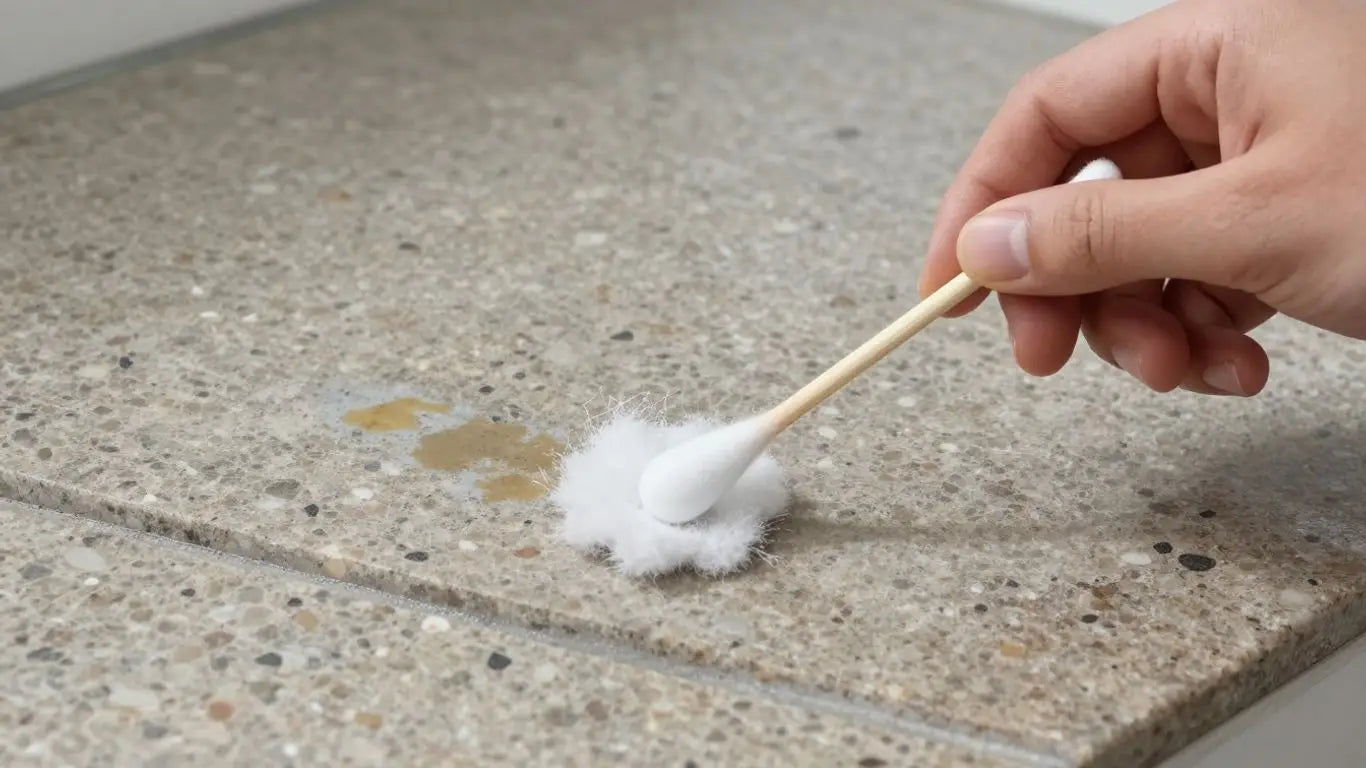
Before you even think about applying a new cleaner to your entire travertine floor or backsplash, you absolutely have to test it first. Seriously, don't skip this. Travertine is a natural stone, and like all natural stones, it can be sensitive. What works wonders on one surface might just wreck your beautiful tile. This simple step can save you a lot of heartache and money down the road. It’s all about being proactive and protecting your investment.
Choosing an Unobtrusive Location
So, where do you test this mystery cleaner? You want a spot that’s not going to be front and center if something goes wrong. Think about a corner of the room that doesn't get much foot traffic, or maybe behind a piece of furniture that you rarely move. If you have a spare tile from the original installation, that's even better. The goal is to find a place where any potential discoloration or etching won't be immediately obvious.
Applying a Small Amount of Cleaner
Grab a clean, white cloth or sponge. Apply just a small amount of the cleaning solution you plan to use onto this cloth. Then, gently rub it onto the chosen test area. You don't need to saturate the stone or scrub aggressively. Just a light application is enough to see how the stone reacts. Remember, we're trying to mimic normal cleaning, not a deep scrub.
Observing for Any Adverse Reactions
This is where you need to be patient and observant. After applying the cleaner, watch closely for any changes. Look for:
- Discoloration: Does the stone darken or lighten in that spot?
- Etching: Does the surface look duller or feel rougher, almost like a chalky residue?
- Surface Changes: Are there any visible marks or alterations to the finish?
Give it a few minutes to see if any immediate reactions occur.
Allowing Adequate Drying Time
Once you've applied the cleaner and observed for immediate reactions, let the area air dry completely. Sometimes, reactions aren't visible until the stone is fully dry. This might take an hour or even longer, depending on your home's humidity and airflow. Don't rush this part. You need to see the stone's true reaction after the cleaner has evaporated.
Interpreting the Results
After the test spot has dried, examine it closely again. Compare it to the surrounding, untouched travertine. If you see any signs of damage – dullness, spots, or color changes – then that cleaner is a no-go for your travertine tile. If the area looks exactly the same as it did before, with no visible changes, then it's likely safe to use. It’s better to be safe than sorry when it comes to your beautiful natural stone.
Ensuring Compatibility Before Full Application
This whole process might seem like a bit of a hassle, but it's a small price to pay for maintaining the integrity and beauty of your travertine. Always perform a spot test before cleaning your entire surface. This applies whether you're using a commercial product or a DIY solution. If you're ever in doubt, sticking to a simple, pH-neutral cleaner is usually the safest bet for your U.S. projects.
Protecting Your Travertine Investment
Travertine tile is a beautiful natural stone, and like any investment, it needs proper care to keep it looking its best for years to come. Think of it like a classic car; you wouldn't just leave it out in the elements, right? Your travertine deserves that same level of attention.
The Value of Natural Stone
Natural stone, like travertine, brings a unique warmth and elegance to any space. It's not something you can replicate with manufactured materials. Each piece has its own subtle variations in color and pattern, making your floors or walls truly one-of-a-kind. This inherent beauty is why people choose travertine for their homes and businesses across the U.S. projects. Investing in quality natural stone is investing in timeless style.
Preventative Measures for Longevity
Prevention is always better than cure, especially with porous materials like travertine. The best way to protect your investment is to stop problems before they start. This means being mindful of what comes into contact with your stone.
- Wipe up spills immediately: Liquids can seep into the pores if left to sit.
- Use coasters and placemats: Protect surfaces from condensation and heat.
- Place mats at entrances: These catch dirt and grit that can scratch the surface.
Choosing the Right Products
When it comes to cleaning and maintenance, the products you use make a big difference. Harsh chemicals can strip sealants and even damage the stone itself. Stick to pH-neutral cleaners specifically designed for natural stone. For tougher jobs, a poultice can be effective, but always test it first. If you're unsure, Miracle Sealants 511 Impregnator is a good option for sealing and protecting your travertine.
Educating Household Members
Sometimes, the biggest threat to your travertine isn't dirt or spills, but simply a lack of awareness. Make sure everyone in your household knows how to care for the stone. A quick chat about not dragging furniture, using coasters, and wiping up messes promptly can save a lot of potential damage.
Regular Inspections of Your Tile
Periodically take a good look at your travertine. Are there any areas that seem duller? Are the grout lines looking a bit grimy? Catching these small issues early makes them much easier to fix. It’s also a good time to check if your sealant is still working effectively. A simple water test can tell you a lot.
The Role of Professional Guidance
Don't hesitate to seek advice from professionals. Whether it's a stone care specialist or a reputable supplier, they can offer insights tailored to your specific travertine and its environment. They can help you choose the right sealants, recommend cleaning routines, and advise on any repairs needed. Getting it right the first time saves headaches and money down the line.
Ensuring a Beautiful Finish for Years
Ultimately, protecting your travertine investment is about consistent, mindful care. By understanding the stone's nature and taking simple preventative steps, you can maintain its natural beauty and ensure it remains a stunning feature in your home for decades. It’s about treating your beautiful stone right, so it continues to look its best.
Keeping your travertine looking great is important. This beautiful stone needs a little care to stay its best. Learn how to protect your investment and keep it shining for years to come. Visit our website for simple tips and tricks.
So, About Bleaching Your Travertine...
Alright, so we've talked about travertine and bleach. The short answer? It's generally not a good idea. Bleach can mess with the stone's natural look, sometimes making it look dull or even causing damage over time. Think of travertine like a fine piece of furniture – you wouldn't just slap any old cleaner on it, right? For keeping your travertine looking its best, sticking to cleaners made for natural stone is the way to go. If you're unsure, it's always smart to test a small, hidden spot first or just reach out to the pros. Keeping your floors and surfaces beautiful doesn't have to be complicated, and with the right care, your travertine will stay lovely for years.
Frequently Asked Questions
Can I use bleach to clean my travertine tiles?
It's generally not a good idea to use bleach on travertine. Bleach is a strong chemical that can harm the natural stone. It might cause the tile to lose its color or even create tiny holes, making it look dull and damaged. There are much safer ways to clean your tiles.
Why is travertine so sensitive to cleaning products?
Travertine is a natural stone, and like many natural materials, it's a bit delicate. It has tiny pores, which means it can soak up liquids. Harsh cleaners, especially acidic ones like bleach or vinegar, can react with the stone, causing it to etch (look dull) or change color. It's like how your skin can get irritated by strong soaps.
What are the risks of using bleach on travertine?
Using bleach can seriously damage your travertine. It can strip away the sealant, etch the surface making it look dull and worn, and even cause permanent discoloration. Sometimes, the damage might not be obvious right away, but it can weaken the stone over time.
What's the best way to clean travertine without bleach?
The best approach is to use gentle cleaners. A pH-neutral stone cleaner is ideal. You can also use a little bit of mild dish soap mixed with warm water. Always use a soft cloth, like microfiber, to avoid scratching the surface. Rinse thoroughly with clean water afterward.
How do I get rid of tough stains on my travertine?
For stubborn stains, you can make a paste called a 'poultice.' Mix baking soda or diatomaceous earth with water (or a specific cleaner for the stain type) to form a thick paste. Apply it to the stain, cover it with plastic wrap, and let it sit for 24-48 hours. Then, gently scrape it off and clean the area. This draws the stain out of the stone.
What if I spill something on my travertine? What should I do?
Act fast! Blot up spills immediately with a clean cloth. Don't wipe, as that can spread the spill. The quicker you get to a spill, the less likely it is to soak into the stone and become a permanent stain. For oily spills, you might need a special cleaner or a poultice.
Does travertine need to be sealed?
Yes, sealing travertine is very important! Sealant acts like a protective shield, helping to prevent liquids from soaking into the stone and causing stains or damage. It makes cleaning easier and keeps your tiles looking beautiful for longer.
How often should I seal my travertine floors?
How often you need to reseal depends on the type of sealant used and how much traffic the area gets. A good rule of thumb is to test the seal every year or two. If water beads up on the surface, the sealant is still working. If it soaks in, it's time to reseal.
How can I test if my travertine is still sealed?
It's easy! Just put a small amount of water on the tile in an inconspicuous spot. Let it sit for about 10 minutes. If the water beads up, your sealant is doing its job. If the water darkens the stone or soaks in, it means the sealant has worn off and needs to be reapplied.
What's the difference between organic and inorganic stains on travertine?
Organic stains come from things like food, coffee, tea, or plants. They often look brownish or yellowish. Inorganic stains can be from rust or mineral deposits. Knowing the type of stain helps you choose the right cleaning method. For organic stains, gentle cleaners or diluted hydrogen peroxide might work.
When should I call a professional for my travertine?
If you have very deep stains that won't come out, or if the stone looks etched or damaged, it's best to call a professional stone restorer. They have special tools and knowledge to fix serious issues without causing more harm. It's often worth the cost to protect your beautiful stone.
Are there any 'natural' cleaners that are safe for travertine?
Yes, mild options like warm water and a soft cloth are great for daily cleaning. For tougher jobs, a very small amount of pH-neutral dish soap can work. Diluted hydrogen peroxide can sometimes help with organic stains, but always test it in a hidden spot first to be sure it won't affect the stone's color.