

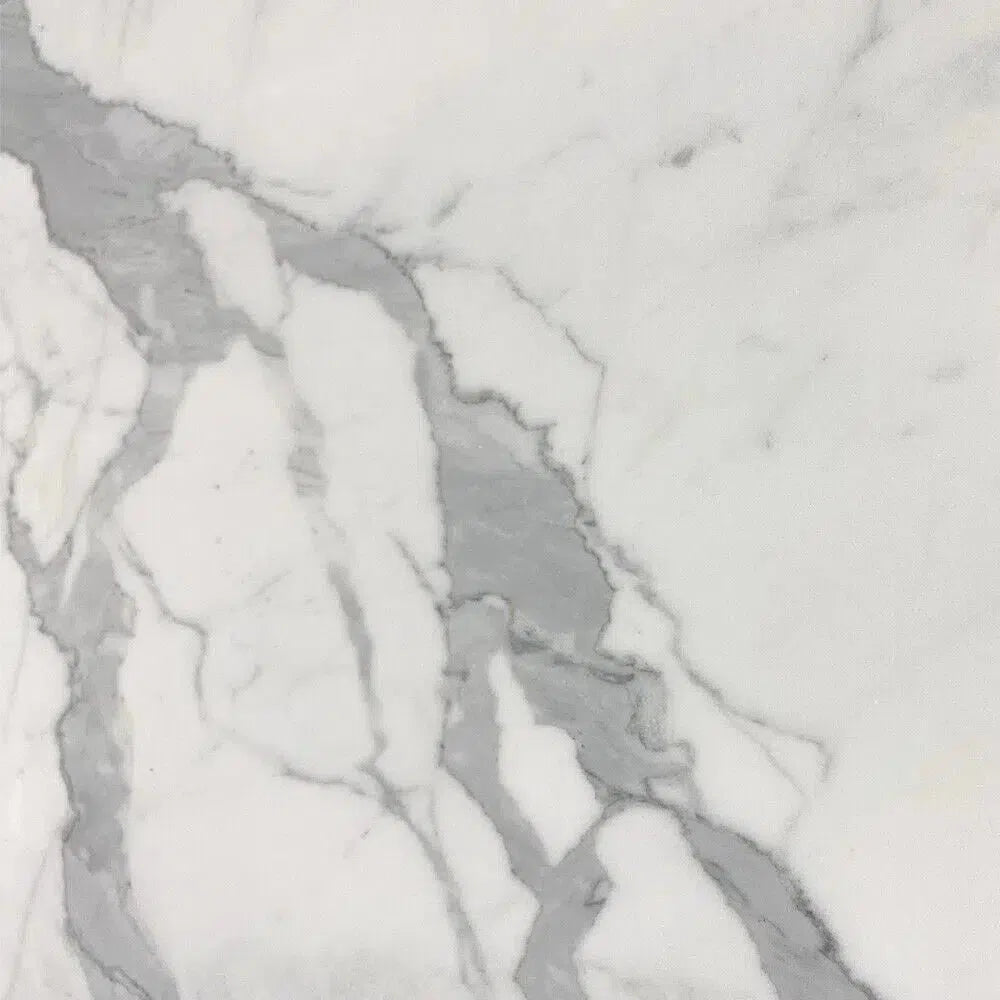

So, you've got these beautiful travertine tiles, right? They look amazing, but keeping them that way can feel like a puzzle. One of the biggest pieces of that puzzle is choosing the right sealant. It's not just about slapping something on; you need to pick the one that actually works for your specific stone and how you use the space. This guide breaks down what you need to know about sealant for travertine tile, so your floors and walls stay looking great without a ton of hassle.
Key Takeaways
- Travertine is porous and needs protection from stains and etching, making sealant a must-have.
- There are different types of sealants: penetrating (invisible), topical (surface coating), and color-enhancing.
- When picking a sealant for travertine tile, think about how long it will last, if it changes the look, and how easy it is to apply.
- Proper prep, including cleaning and drying your travertine thoroughly, is super important before sealing.
- Applying sealant in thin, even coats and letting it cure properly makes a big difference in protection.
- Regular cleaning with mild products and knowing when to reapply sealant keeps your travertine looking good.
- The best sealant for travertine tile depends on where it's used – kitchens, bathrooms, and outdoor areas have different needs.
- Testing sealants on a small, hidden spot first helps avoid problems like discoloration or streaks.
Understanding Travertine and Its Unique Needs
Travertine is a beautiful natural stone, but it's not like granite or quartz. It has a unique structure that means it needs a bit of special care. If you're working with travertine for a project across the U.S., understanding these needs is the first step to keeping it looking great.
The Porous Nature of Travertine
Travertine is formed in mineral springs, and because of this, it has tiny holes and pockets. Think of it like a sponge, but made of rock. These pores are what give travertine its distinctive look, but they also mean it can absorb liquids. This is a big deal when it comes to spills and stains.
Why Travertine Requires Specific Protection
Because it's porous, travertine is more susceptible to staining and etching than denser stones. Acids, oils, and even some common household cleaners can leave marks or dull the surface. Proper protection is key to maintaining its natural beauty. Without it, your travertine might not last as long or look as good as you'd hoped.
Common Issues Travertine Faces Without Sealing
Without a good sealant, travertine can quickly develop problems. You might see:
- Stains: From wine, coffee, oil, or food.
- Etching: Dull spots caused by acidic substances like lemon juice or vinegar.
- Discoloration: From UV exposure or certain cleaning products.
- Wear and Tear: Especially on floors, the surface can get scratched or worn down faster.
The Role of Sealant in Travertine Maintenance
A sealant acts like a shield for your travertine. It soaks into the pores and creates a barrier that helps prevent liquids from penetrating the stone. This makes it much easier to clean up spills before they become permanent stains. It's a vital part of travertine floor care.
Identifying Different Types of Travertine Finishes
Travertine comes in a few different finishes, and this affects how it looks and how it should be sealed:
- Honed: A smooth, matte finish with a velvety feel. It's less reflective than polished.
- Polished: A high-gloss finish that makes the stone look very shiny and reflective.
- Tumbled: An aged look where the edges are softened and the surface has a worn appearance.
Assessing Your Travertine's Current Condition
Before you seal, take a good look at your travertine. Is it already stained? Are there any chips or cracks? Is the existing sealant (if any) wearing off? You can do a simple water test: drop a little water on the surface. If it beads up, the sealant is likely still working. If it soaks in quickly, it's time to reseal.
The Importance of a Quality Sealant for Travertine Tile
Choosing the right sealant is not just about protection; it's about preserving the investment you've made in your beautiful travertine. A quality product will offer long-lasting defense without changing the stone's natural look or feel. We only offer handpicked A+ top-quality natural stone products, ensuring your travertine gets the best protection available.
Exploring Different Types of Sealant for Travertine Tile
When it comes to protecting your beautiful travertine tile, not all sealants are created equal. It’s a bit like choosing the right outfit for an occasion – you want something that looks good, does the job, and lasts. Travertine, with its unique porous nature, really benefits from a sealant that’s chosen with care. We're going to look at the main players in the sealant world, so you can figure out what’s best for your U.S. projects.
Penetrating Sealants: The Invisible Barrier
These sealants work by soaking into the pores of the travertine. They don't really change the look or feel of the stone, which is a big plus for many people who love the natural appearance of their tile. Think of it as an invisible shield that guards against spills and stains from the inside out. This type of sealant is great for maintaining the original look of your travertine. They are often water-based, making them easier to work with and generally better for the environment. Because they go into the stone, they tend to last longer than surface sealants and are less likely to peel or wear away quickly.
Topical Sealants: Enhancing Appearance and Protection
Unlike penetrating sealants, topical sealants form a protective layer on the surface of the travertine. This can offer a bit more protection against wear and tear, especially in high-traffic areas. Some topical sealants can also add a sheen, making your travertine look richer and more vibrant. However, they can sometimes alter the natural feel of the stone, making it feel a bit more like plastic. It’s important to choose a quality topical sealant that won’t yellow over time or become slippery, especially in areas like bathrooms or kitchens. These are often easier to clean but might require reapplication more frequently than penetrating types.
Color-Enhancing Sealants: Adding Depth and Richness
If you want your travertine to really pop, a color-enhancing sealant might be the way to go. These sealants are designed to deepen the natural colors of the stone, giving it a richer, more luxurious look. They can make darker stones appear more intense and lighter stones seem warmer. This is a fantastic option if you're looking to add a bit of drama to your design. Keep in mind that they do change the appearance, so it’s always a good idea to test them in an inconspicuous spot first. They work by penetrating the stone and reacting with its minerals to bring out its inherent beauty. They offer good stain protection too.
Impregnating Sealants: Deep Protection for Travertine
Impregnating sealants are very similar to penetrating sealants, often used interchangeably. Their main job is to soak into the stone and protect it from within. They don't form a film on the surface, so the natural look and feel of the travertine are preserved. This makes them a popular choice for those who want to protect their stone without altering its appearance. They are particularly effective against water-based stains and can help prevent the absorption of oils and grease. For many homeowners across the U.S., this offers the best balance of protection and natural aesthetics for their travertine tile.
Understanding Water-Based vs. Solvent-Based Sealants
When you're looking at sealants, you'll notice they come in either water-based or solvent-based formulas. Water-based sealants are generally easier to clean up, have less odor, and are considered more environmentally friendly. They are often a good choice for indoor applications. Solvent-based sealants, on the other hand, can sometimes penetrate deeper into the stone and may offer a more robust level of protection, especially against oil-based stains. However, they typically have stronger fumes and require more careful handling and ventilation. The choice often comes down to personal preference, the specific needs of your travertine, and your comfort level with application.
The Benefits of Natural Look Sealants
For many, the appeal of travertine lies in its natural, earthy beauty. Natural look sealants are designed to protect the stone without changing its color or finish. They penetrate the pores, offering protection from stains and moisture while leaving the surface feeling and looking exactly as it did before sealing. This is ideal for homeowners who want to preserve the authentic character of their stone. These sealants are perfect for maintaining the original aesthetic of your travertine. They are a popular choice for both interior and exterior applications where the natural look is paramount.
Choosing Between Matte and Glossy Sealant Finishes
Sealants can also come with different finishes, most commonly matte or glossy. A matte finish offers a very natural, non-reflective look, similar to how the travertine might appear without any sealant at all. It’s subtle and understated. A glossy finish, on the other hand, adds a sheen to the stone, making it look polished and potentially enhancing its color. This can create a more dramatic effect. The choice between matte and glossy often depends on the overall design of the space and the desired aesthetic. For kitchens and bathrooms, a matte finish might be preferred to avoid glare, while a glossy finish could work well in a living area for a touch of elegance.
Key Factors When Selecting a Sealant for Travertine Tile
Choosing the right sealant for your travertine tile is a big decision, and it’s not something to rush. You want something that protects your beautiful stone without changing its look too much, right? Let’s break down what really matters when you’re picking out that perfect bottle.
Durability and Longevity of Protection
Think about how much foot traffic your travertine gets. A high-traffic area like a kitchen floor or entryway needs a sealant that can stand up to a lot of wear and tear. Some sealants last longer than others, meaning you won’t have to reapply as often. Look for products that specifically mention long-lasting protection. The goal is to find a balance between how often you have to reseal and how well the sealant holds up.
Resistance to Stains and Etching
Travertine, especially in its more porous forms, can be susceptible to stains from spills like wine, oil, or coffee. It can also be etched by acidic substances like lemon juice or vinegar. A good sealant acts as a barrier, giving you more time to clean up spills before they soak in and cause damage. Some sealants are better than others at resisting these common household culprits.
Impact on Travertine's Natural Appearance
This is a big one for many people. Do you want your travertine to look exactly as it does now, or are you looking to deepen its color or add a bit of sheen? Sealants can range from completely invisible, maintaining the stone's natural look, to those that add a wet look or a glossy finish. Always check the product description to see how it will affect the appearance of your specific travertine finish.
Ease of Application and Maintenance
Are you a DIY kind of person, or will you be hiring someone? Some sealants are simple to apply with a roller or cloth, while others might require more specialized tools or techniques. Consider how easy it will be to maintain the sealant over time. Will you need special cleaners, or can you use your regular routine? Simplicity in application and upkeep can save you a lot of hassle down the road.
Suitability for High-Traffic Areas
As mentioned before, high-traffic zones need robust protection. Sealants designed for commercial use or heavy foot traffic are often more durable. If your travertine is in a busy hallway, living room, or kitchen, prioritize sealants known for their resilience. A sealant that can't handle the pressure will wear out quickly, leaving your stone vulnerable.
Environmental and Health Considerations
Many sealants contain chemicals that can have strong odors or release volatile organic compounds (VOCs). If you're sensitive to smells or concerned about indoor air quality, look for water-based or low-VOC options. These are often better for your health and the environment, and many perform just as well as their solvent-based counterparts.
Compatibility with Existing Travertine Finishes
If your travertine has already been sealed or has a specific finish (like honed, polished, or tumbled), you need to make sure the new sealant is compatible. Applying the wrong type of sealant could lead to issues like cloudiness, peeling, or an uneven appearance. It’s always a good idea to test the sealant in an inconspicuous spot first, especially if you’re unsure.
Here’s a quick rundown of what to look for:
- Durability: How long will it last?
- Appearance: Will it change the look?
- Protection: How well does it resist stains and etching?
- Application: Is it easy to put on?
- Health: Are there any strong fumes or VOCs?
Making the right choice upfront means your travertine will look great and stay protected for years to come, saving you time and money on future repairs and maintenance.
Preparing Your Travertine for Sealing
Getting your travertine tile ready before sealing is one of the most important steps in protecting your investment. Proper prep helps the sealant bond well, blocking out stains and dirt and keeping your tiles looking great for years. Here’s a breakdown of what to focus on before you open that bottle of sealant, whether you’re working on a home bathroom or a modern commercial space with nationwide shipping for U.S. projects.
Thorough Cleaning of Travertine Surfaces
Start by cleaning your travertine tiles with a pH-neutral cleaner. Skip harsh chemicals or acidic solutions—they can eat into the stone. Sweep away debris, then mop with your cleaner and a soft cloth. This removes oils, dirt, and residue that might keep the sealant from soaking in evenly. Using pH-neutral cleaners is especially important for preserving the natural stone’s integrity.
- Sweep dust and grit with a soft broom
- Mop with a pH-neutral stone cleaner
- Rinse well and let air-dry
Removing Old Sealant Residue
Sometimes, old layers of sealant or wax build up—especially if a previous owner used the wrong product. You want your new sealant to stick directly to the tile, not an old flaky mess.
- Use a sealant stripper designed for natural stone
- Work in small sections
- Rinse thoroughly and allow to completely dry
Ensuring Travertine is Completely Dry
Even a little moisture trapped in the tile can cause blotching or milky spots beneath your new sealant.
| Step | Drying Tip |
|---|---|
| After cleaning | Wait at least 24 hours |
| Check moisture | Use a fan or open windows |
| Touch test | Surface should feel cool, not damp |
Don’t rush this step: residual moisture leads to peeling sealant and uneven color.
Testing Sealant in an Inconspicuous Area
Always test your chosen sealant first, especially with a premium stone like travertine. Apply a little in a closet corner or behind an appliance. Wait for it to dry and check for unwanted color change or texture.
Protecting Surrounding Materials
Tape off cabinets, walls, appliances, and baseboards with painter’s tape. It’s a simple way to keep sealant off painted or wood surfaces.
- Cover adjacent flooring and backslashes
- Use plastic drop cloths for large areas
- Remove tape soon after sealing, before it dries
Gathering Necessary Application Tools
Here’s a quick list of what you’ll need to do a clean, even job:
- Microfiber applicator pads
- Clean, lint-free cloths
- Paint tray or small bucket
- Soft brushes for grout lines
- Gloves (especially with solvent-based products)
Understanding Surface Preparation for Different Travertine Types
Travertine comes in honed, tumbled, polished, and brushed finishes—and each absorbs sealant a bit differently. For smoother finishes, use less product. For tumbled or more porous stone, expect to apply more and let it absorb longer.
Prepping your travertine tile is your first real shield against future headaches like stains, etching, and moisture damage. Don’t skip details here—careful preparation leads to a professional finish and lasting results for all U.S. renovation projects. Ready to seal? Check out our next section for an easy application guide.
Applying Sealant for Optimal Travertine Protection
Sealing travertine tile isn’t just about protecting your investment—it also keeps floors, walls, and countertops looking their best for years. Whether you’re working on new construction or updating a classic design, understanding how to apply sealant correctly is just as important as choosing the right brand. Let’s break down each part of the process so you can achieve great results on any U.S. project, even if you’re planning nationwide shipping or a high-profile renovation.
Step-by-Step Application Guide
Before starting, gather your gloves, lint-free applicator pad, painter’s tape, and the sealant itself. Read the product instructions carefully, since different formulas may require different drying times or application methods. Here’s a good basic approach:
- Clean the travertine thoroughly and let it dry (see notes on cleaning and drying travertine).
- Mask off any areas you don’t want to seal.
- Pour a small amount of sealant into a tray or bowl.
- Apply evenly with a lint-free applicator pad (usually, a sweeping motion works well).
- Allow the recommended time for absorption. Wipe away any excess before it dries.
- Wait the specified time before adding another coat, if needed.
Achieving an Even Sealant Coat
Getting that perfect, streak-free finish isn’t hard but does require a little patience. Work in small sections to make sure every tile is covered. Move the applicator in a consistent direction and check for drips as you go. Overlapping each pass slightly helps avoid missed spots.
The Importance of Multiple Thin Coats
Two or even three thin layers protect better than a single heavy application. Each layer soaks into the stone, building a stronger, more uniform barrier against stains, moisture, and etching. Heavy application, on the other hand, can lead to messy buildup, streaks, or sticky spots that are hard to remove.
Allowing Adequate Drying and Curing Times
Don’t rush the process—good things take time. Sealants need anywhere from a few hours to overnight to fully cure. Always follow the product’s cure-time guidelines. Walk on the floor only when it’s completely dry.
| Step | Typical Wait Time |
|---|---|
| Between coats | 30-60 minutes |
| Before light traffic | 4-6 hours |
| Before heavy use | 24-48 hours |
Take your time to let each coat dry. A quality finish isn’t just about what you put on—it's about how you let it set.
Techniques for Different Travertine Finishes
Polished tiles may show streaks if too much sealant is left on the surface. Buff them gently with a microfiber cloth. Honed or tumbled travertine is more porous and soaks up more product; apply an extra coat here, but always keep your layers thin.
Tips for Applying Sealant to Grout Lines
Don’t forget the grout—it’s just as vulnerable as the tile itself. Use a small brush or detail applicator to work sealant deep into the joints. This prevents dirt and liquid from settling between tiles and causing stains.
Troubleshooting Common Application Issues
If you notice streaks, blotchy spots, or the sealant isn’t drying right, don’t panic:
- Wipe up excess product quickly—it’s easier before it sets.
- If one coat looks patchy, add a light second coat.
- For sticky residue or stubborn marks, buff gently with a dry microfiber.
- Always test a small hidden patch before doing the full surface (find application tips on using lint-free cloths and applicator pads).
Not sure where to begin or which product matches your finish? Many suppliers offer expert consultations—perfect for contractors, architects, and homeowners who want reliable results on everything from commercial entries to residential patios. And don’t forget: keeping things simple and following each step will leave your travertine looking rich and protected with minimal hassle.
Maintaining Your Sealed Travertine Tile
Keeping your sealed travertine in top shape isn't complicated, but being consistent is what really matters. Regular care helps you avoid problems like stains and dullness, so your floors, showers, and backsplashes stay beautiful for years. Below, we’re breaking it down into hands-on steps and simple habits guaranteed to make your travertine last.
Daily Cleaning Practices for Sealed Travertine
Don’t overthink your routine—simple is best. Sweep or vacuum daily to pick up dust and grit. A quick mop with water or a damp cloth does the trick to keep life’s messes from settling in the stone. Staying regular with cleaning helps keep your travertine looking fresh without extra effort. Here’s a simple checklist:
- Sweep or dust mop daily
- Mop with clean, damp water a few times a week
- Wipe spills right away
Using pH-Neutral Cleaners
Always choose pH-neutral cleaning products for your sealed travertine. Anything acidic or too alkaline breaks down the sealant, leaving your tiles exposed to stains or etching. pH-neutral cleaners let you keep things spotless without sacrificing that protective barrier. If you’re not sure which product to use, look for those labeled safe for natural stone.
Avoiding Harsh Chemicals and Abrasives
Never use bleach, vinegar, or abrasive scrubbing pads—they’ll damage both the sealant and the stone. Stick with soft mops, microfiber cloths, and gentle soaps. If something doesn’t clearly say it’s safe for travertine, it probably isn’t.
Addressing Spills Promptly
Travertine is porous, so even sealed stone needs fast spill cleanup. Blot—not wipe—liquids right away to avoid stains setting in. Common spills like red wine, coffee, or oils can still cause trouble if left ignored.
Consistency matters more than perfection when it comes to spill cleanup; even small efforts go a long way to protect the stone.
Recognizing Signs of Sealant Wear
How do you know if the sealant is wearing out? Look for these signs:
- Water doesn’t bead up, but soaks in instead
- Surface looks dull even after cleaning
- Stains appear more easily than before
A quick water beading test can help—just drip a small amount on the tile. If it beads, your seal is good. If not, it’s time to think about resealing.
The Reapplication Schedule for Sealant
Sealant doesn’t last forever. For most U.S. projects, plan to reapply every 1–2 years, or sooner for high-traffic zones.
| Area | Typical Reseal Interval |
|---|---|
| Floors (low-traffic) | Every 2 years |
| Kitchens/Bathrooms | Annually |
| Outdoor Areas | Every 1–2 years |
Weather and use can change these timeframes, so check your tile’s condition regularly.
Professional Cleaning and Maintenance Options
Sometimes, it pays to bring in the pros. If stains won’t come up, or you notice cloudy or worn patches that regular cleaning can’t fix, a professional service can restore the surface and reseal it right. For large projects or luxury spaces, professional care keeps that premium stone looking its best for years.
If you want even more tips on keeping your floors spotless day to day, check out how to easily clean travertine floors at home to avoid common mistakes to maintain the beauty and longevity of your travertine floors.
Taking a few minutes each week to stay on top of care and watching for signs of wear means your travertine will turn heads for years. Whether you’ve got a family kitchen in Texas or a hotel lobby in New York, smart maintenance protects your investment and keeps it looking as good as the day it was installed.
Sealant Considerations for Specific Travertine Applications
When it comes to protecting travertine tile, the type of space and usage really shape your sealant decision. Kitchens, bathrooms, floors, and outdoor areas each present their own unique challenges. Select the right sealant based on the environment to get the most out of your investment. If you’re designing for a U.S. residential or commercial project, consider nationwide shipping options to get the best products fast.
Sealant Choices for Travertine Kitchens
- Look for food-safe, non-toxic sealants to keep cooking spaces safe.
- Choose sealants that repel oil and prevent staining from food spills.
- Go with a formula that’s easy to clean, so daily kitchen messes don’t leave marks.
Travertine in the kitchen needs periodic care. Using a gentle cleaner specifically designed for natural stone can make ongoing maintenance simple and safe. Read more about it in these travertine tile cleaner tips.
Protecting Travertine in Bathrooms
- Water resistance is the top priority.
- Sealants with antimicrobial properties help stop mildew and mold.
- Go for a product rated for high humidity and frequent splashes.
| Bathroom Challenges | Sealant Feature Needed |
|---|---|
| Frequent moisture | Hydrophobic barrier |
| Soap scum buildup | Easy-clean finish |
| Mold risks | Antimicrobial formula |
Outdoor Travertine Sealing Strategies
- Sealants must handle UV exposure, rain, and temperature swings.
- Breathable formulas allow moisture to escape, reducing freeze-thaw damage.
- For patios or pool decks, slip-resistant properties are a must.
List for outdoor sealant selection:
- UV resistance for color stability
- Weatherproof performance
- Slip resistance for wet conditions
Sealant for Travertine Shower Walls
- Opt for maximum moisture lock to avoid water seeping into the stone.
- Mold-preventing sealants help keep walls fresh.
- Pick a formula that won’t yellow over time.
Travertine Flooring Sealant Requirements
- Durability is key for busy hallways and living areas.
- The sealant should handle frequent foot traffic and scrub clean easily.
- Consider whether you want a matte, natural look or a bit of shine.
Sealing Travertine Backsplashes
- Stain resistance matters for kitchen and bathroom backsplash tiles.
- A water-based sealant works well for quick touch-ups.
- Quick-drying products make installation much easier.
Considerations for Travertine Pool Decks
- Pool chemicals can break down weaker sealants, so pick a chemical-resistant option.
- Look for non-slip, UV-protected sealants for safety and lasting appearance.
- Regular resealing is often required due to outdoor exposure.
Using the best sealant for each area keeps travertine looking beautiful and resilient. When you’re ready to purchase, check that your supplier provides quick, safe shipping options to anywhere in the U.S.—that way your project won’t miss a beat. Need top-quality natural stone? We offer handpicked A+ travertine with reliable nationwide delivery and expert support for your next renovation or build.
Understanding Sealant Performance and Longevity
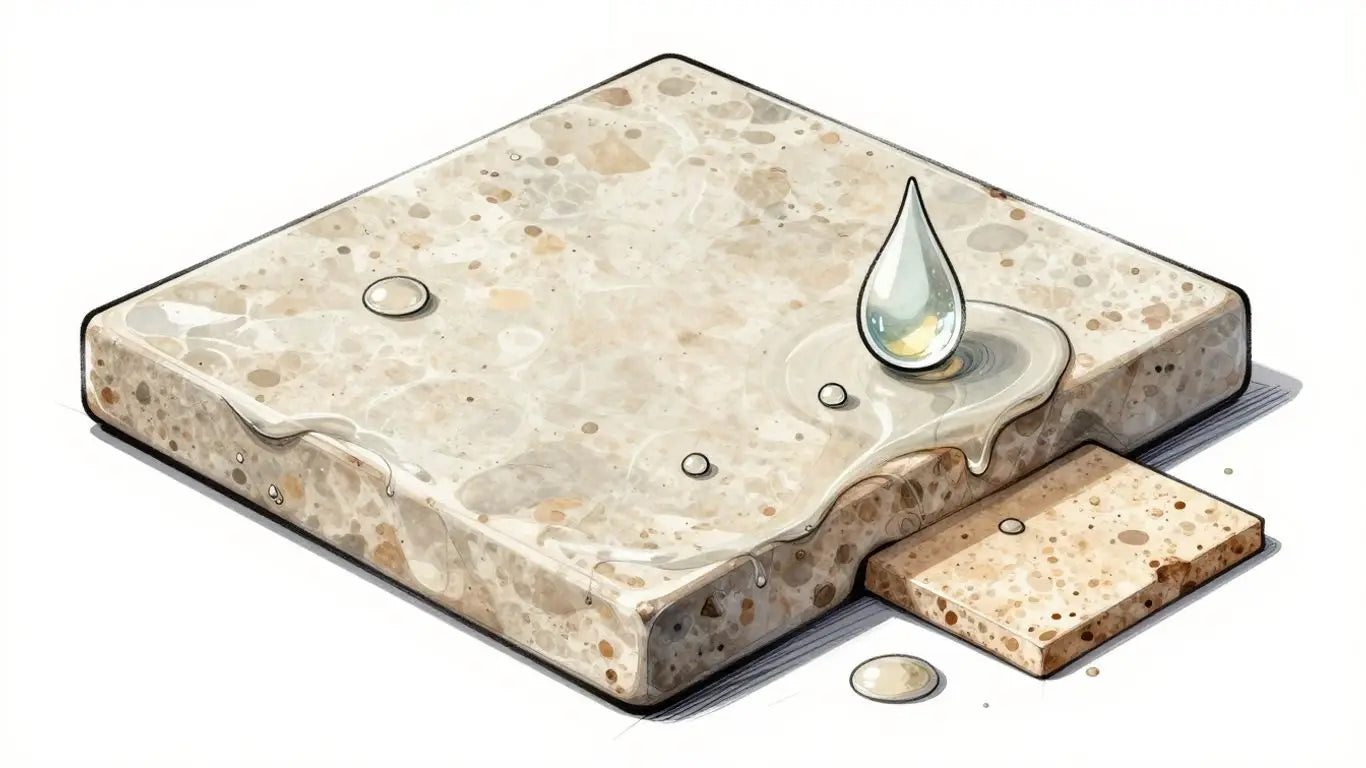
So, you've sealed your beautiful travertine, and it looks fantastic. But how long is that protection going to last? It's a common question, and the answer isn't always straightforward. Several things play a role in how well your sealant holds up over time.
How Long Does Travertine Sealant Last?
Generally, a good quality penetrating sealant applied correctly can last anywhere from 1 to 5 years. Some high-performance sealants might even go longer. It really depends on the type of sealant used, the quality of the travertine itself, and how much wear and tear the surface gets. Think of it like waxing your car; you can't just do it once and expect it to stay shiny forever.
Factors Affecting Sealant Lifespan
Several factors can shorten or lengthen the life of your sealant:
- Traffic: High-traffic areas like entryways and main hallways will wear down sealant faster than a low-use guest bathroom.
- Cleaning Habits: Using harsh chemicals or abrasive scrubbers can strip away sealant prematurely. Sticking to pH-neutral cleaners is key for maintaining stone tiles.
- Spills: Promptly cleaning up spills, especially acidic ones like wine or citrus juice, prevents them from etching the stone and potentially compromising the sealant.
- Environmental Exposure: For outdoor travertine, things like UV rays, freeze-thaw cycles, and harsh weather can degrade sealant more quickly.
- Sealant Quality: Not all sealants are created equal. Higher-quality, penetrating sealants tend to offer longer-lasting protection than cheaper, topical ones.
The Water Beading Test for Sealant Effectiveness
One of the easiest ways to check if your sealant is still working is the water beading test. Just put a few drops of water on the surface. If the water beads up nicely, like it would on a waxed car, your sealant is still doing its job. If the water soaks into the stone and darkens it, it's a sign that the sealant has worn off and it's time to reapply.
Signs Your Travertine Needs Resealing
Besides the water test, you might notice other signs:
- The stone looks dull or faded.
- Stains are starting to penetrate the surface more easily.
- The grout lines seem to be absorbing moisture.
- The surface feels more porous than it used to.
Extending the Life of Your Travertine Sealant
Want to get the most out of your sealant? It's all about proper care. Regular, gentle cleaning with the right products is your best bet. Avoid steam cleaners or harsh acids. Also, be mindful of what you're placing on the surface – coasters and placemats can prevent scratches and wear.
Comparing Sealant Durability Across Brands
When you're shopping for sealants, you'll see a lot of different brands and claims. It can be confusing. Generally, penetrating sealants from reputable stone care companies tend to offer better durability than generic DIY store brands. Look for products specifically designed for natural stone, and check reviews if possible. We focus on providing handpicked A+ top-quality stone products, and that extends to the care products we recommend.
The Impact of Foot Traffic on Sealant
Foot traffic is a major factor, especially on floors. The constant friction from shoes, even soft-soled ones, will gradually wear down the sealant. This is why areas with more foot traffic, like hallways and living rooms, will need resealing more often than a bedroom floor. It's just a fact of life for natural stone surfaces.
Choosing Sealants for Enhanced Travertine Aesthetics
When you're working with travertine, you're often choosing it for its natural beauty. The goal with sealing isn't just protection; it's also about making sure that beauty really shines through. The right sealant can actually make your travertine look even better, bringing out its natural colors and textures without making it look artificial.
Achieving a Natural, Unaltered Look
Many homeowners and designers prefer sealants that don't change the way travertine looks or feels. These are often called 'natural look' or 'invisible' sealants. They soak into the stone, providing protection from within. This means you get the durability benefits without any added shine or color alteration. It's like the stone is protected, but it still looks and feels like natural travertine. This is especially popular for honed or tumbled finishes where the matte texture is a key part of the appeal.
Deepening Travertine's Rich Tones
Some sealants are designed to add a bit of depth to the stone's color. These are often called 'color-enhancing' or 'wet-look' sealants. They can make darker travertine shades richer and lighter ones more vibrant. It's a subtle change, but it can really make the veining and natural patterns pop. This effect is great for areas where you want the travertine to be a focal point, like a fireplace surround or a feature wall. Just be sure to test this type of sealant in a hidden spot first to see how it affects your specific stone.
Creating a Subtle Sheen or High Gloss
Beyond color enhancement, sealants can also alter the finish of your travertine. You can opt for a matte finish that maintains the stone's natural, non-reflective look, or you can choose a sealant that adds a subtle sheen. For a more dramatic effect, some sealants offer a high-gloss finish, which can make polished travertine look even more luxurious and reflective. This is often chosen for high-traffic floor areas where a bit of shine can make the space feel brighter and more open. Remember, a glossier finish might also show scuffs or wear more readily than a matte one.
How Sealants Affect Travertine's Color
It's important to understand that sealants can alter the color of travertine. Some sealants, particularly those that enhance color, will darken the stone slightly, giving it a richer, 'wetter' appearance. Others, designed for a natural look, aim to leave the color virtually unchanged. The porosity of the travertine itself plays a role; more porous stones might absorb more of the sealant, leading to a more noticeable color change. Always test the sealant on a spare tile or an inconspicuous area before applying it to your entire project. This helps you see exactly how it will interact with your specific travertine's hue and undertones.
Selecting Sealants for Light vs. Dark Travertine
When choosing a sealant, consider the color of your travertine. For lighter travertine, a natural-look sealant is often best to maintain its airy feel. If you want to add a bit of warmth, a mild color-enhancing sealant might work, but be cautious not to make it look muddy. Darker travertine can often handle color-enhancing sealants very well, allowing their deep tones and intricate veining to become more pronounced. For both light and dark stones, a quality sealant is key to preserving its appearance.
The Role of Sealant in Preventing Fading
Travertine, especially when used outdoors or in areas with direct sunlight, can be susceptible to fading over time. A good sealant acts as a protective barrier, not only against stains but also against UV rays that can degrade the stone's natural pigments. While no sealant can offer complete UV protection indefinitely, it significantly slows down the fading process, helping your travertine maintain its original color and vibrancy for longer. This is particularly important for outdoor patios and pool decks where the stone is constantly exposed to the elements.
Balancing Protection with Visual Appeal
Ultimately, the best sealant for enhancing travertine's aesthetics is one that strikes the right balance between protection and visual appeal. You want a product that safeguards your investment while also highlighting the stone's inherent beauty. Whether you're aiming for a completely natural look, a richer color, or a specific finish like matte or gloss, there's a sealant out there that can meet your needs. Taking the time to understand these options and test them properly will lead to a beautiful and long-lasting result for your U.S. projects.
Addressing Common Travertine Sealing Myths
It's easy to get confused when you start looking into sealing travertine. There's a lot of information out there, and not all of it is accurate. Let's clear up some of the most common myths so you can make the best choice for your beautiful stone.
Myth: All Sealants Are the Same
This is a big one. You might think a sealant is a sealant, but that's really not the case. Different sealants are designed for different purposes and different types of stone. Some are water-based, some are solvent-based. Some penetrate the stone, while others form a protective layer on top. Using the wrong type can lead to problems like discoloration or a sealant that just doesn't work. Choosing the right sealant is key to protecting your travertine without altering its look. For instance, a penetrating impregnating sealant is often recommended for travertine because it soaks into the pores without changing the surface feel or appearance, which is great for maintaining that natural stone look.
Myth: Sealing Makes Travertine Stain-Proof
While sealing significantly improves a travertine's resistance to stains, it doesn't make it completely stain-proof. Think of it more like giving your stone a really good shield. Spills, especially acidic ones like wine or lemon juice, should still be wiped up promptly. The sealant buys you time, making it easier to clean up messes before they can soak in and cause damage. The level of stain resistance depends heavily on the type of sealant used and how well it was applied.
Myth: Travertine Doesn't Need Sealing
This is a dangerous myth! Travertine is a natural stone, and like most natural stones, it's porous. This means it can absorb liquids, which can lead to staining, etching, and discoloration over time. Sealing creates a barrier that helps prevent these issues. While some travertine finishes might appear less porous, they still benefit greatly from a good sealant to maintain their appearance and integrity. Protecting your natural stone surfaces is always a good idea.
Myth: Sealing Travertine Changes Its Texture
This myth often comes from using the wrong type of sealant. Many modern sealants, especially penetrating ones, are designed to be invisible and undetectable to the touch. They soak into the stone, offering protection from within. Topical sealants, on the other hand, can sometimes create a slight sheen or a different feel, but even these can be chosen to maintain a natural look. If you're worried about texture changes, opt for a natural-look penetrating sealant.
Myth: You Only Need to Seal Travertine Once
Sealant doesn't last forever. Over time, foot traffic, cleaning products, and general wear and tear can break down the sealant. It's important to reapply sealant periodically. The frequency depends on the type of sealant used, the amount of traffic the travertine gets, and the cleaning products you use. A simple water test can tell you if it's time to reseal.
Myth: Any Cleaner is Safe on Sealed Travertine
Even with a sealant, harsh chemicals can damage your travertine or break down the sealant itself. Always use pH-neutral cleaners specifically designed for natural stone. Avoid abrasive scrubbers, acidic cleaners (like vinegar or lemon-based products), and bleach, as these can etch the stone or strip away the protective sealant layer.
Myth: Topical Sealants Damage Travertine
Topical sealants, which form a protective layer on the surface, don't necessarily damage travertine. However, they can sometimes wear away unevenly or create a plastic-like appearance if not chosen or applied carefully. Penetrating sealants are often preferred for travertine because they work from within the stone. If you choose a topical sealant, look for one specifically formulated for natural stone that offers breathability and a natural finish.
The Environmental Impact of Sealant Choices
When you're picking out a sealant for your beautiful travertine tile, it's not just about how it looks or how well it protects. We should also think about what's in it and how it affects our homes and the planet. It’s a good idea to be aware of the options out there.
Low-VOC Sealant Options for Travertine
Volatile Organic Compounds, or VOCs, are chemicals that can be released into the air from many products, including sealants. Some VOCs can be harmful to your health and the environment. Looking for sealants labeled as "low-VOC" or "zero-VOC" is a smart move. These products release fewer of these chemicals, making your home's air quality better, especially when you're applying the sealant indoors. This is particularly important for projects in U.S. homes where indoor air quality is a growing concern.
Understanding Sealant Ingredients
It's worth taking a moment to check the ingredient list on the sealant you're considering. Many sealants are water-based, which is generally a good sign for environmental impact. Others might contain stronger solvents. Knowing what you're putting on your stone helps you make a more informed choice. Some brands are really upfront about their ingredients, which makes it easier for us to pick something we feel good about.
Choosing Eco-Friendly Sealant Brands
There are brands out there that really focus on being green. They might use recycled packaging, source their materials responsibly, or have specific environmental certifications. While they might sometimes cost a little more, choosing an eco-friendly brand can be a way to support companies that are trying to do better for the planet. It’s a small step, but it adds up.
The Importance of Proper Sealant Disposal
What do you do with leftover sealant or empty containers? Most sealants aren't something you can just pour down the drain or toss in the regular trash. Check the product label or your local waste disposal guidelines for how to get rid of them safely. Proper disposal prevents chemicals from getting into our water systems or landfills.
Healthier Alternatives for Travertine Protection
Beyond traditional sealants, there are sometimes other ways to protect your travertine. Some natural oils or waxes might be suitable for certain finishes, though they often require more frequent reapplication and may not offer the same level of stain resistance. Always test these alternatives in an inconspicuous spot first to see how they interact with your specific travertine.
Sealants with Minimal Odor
If you're sensitive to smells or working in a space with limited ventilation, a low-odor sealant is a big plus. Many low-VOC options also happen to have less of a smell. This makes the application process much more pleasant and safer for everyone in the vicinity, whether it's a residential project or a commercial space across the U.S.
Sustainable Practices in Travertine Care
Thinking about sustainability doesn't stop with the sealant itself. Consider the tools you use for application. Reusable applicators, for example, are better than disposable ones. Also, buying the right amount of sealant for your project means less waste. Planning ahead can help you avoid having a lot of leftover product that needs disposal later.
Advanced Sealant Technologies for Travertine
Nanotechnology Sealants Explained
When we talk about advanced sealant technologies for travertine, nanotechnology is a big one. Basically, these sealants use incredibly small particles, measured in nanometers. Think of it like filling in all the microscopic pores and imperfections in the stone much more effectively than older types of sealants. This creates a tighter, more uniform barrier against liquids and stains. It's a pretty neat way to get deep protection without changing how the travertine looks or feels.
Hydrophobic and Oleophobic Properties
Many of these newer sealants are designed to be both hydrophobic (water-repelling) and oleophobic (oil-repelling). This is a game-changer for travertine, especially in kitchens or bathrooms where spills are common. Water just beads up and rolls off, and oils and grease have a much harder time soaking in. This means fewer stains and easier cleanup. It’s like giving your travertine an invisible, high-tech shield.
Breathable Sealants for Natural Stone
One of the most important features for any stone sealant is breathability. Travertine is a natural material, and it needs to be able to release moisture. Advanced sealants achieve this by creating a barrier that stops liquids from penetrating but still allows water vapor to escape. This prevents issues like efflorescence (white powdery deposits) and keeps the stone from degrading over time. It’s a balance between protection and letting the stone do its natural thing.
The Latest Innovations in Travertine Protection
Beyond nano-tech and repellency, there are always new things coming out. Some sealants now offer enhanced UV resistance, which is great for outdoor travertine applications that get a lot of sun. Others are formulated for extreme temperature fluctuations. The goal is always to make the sealant last longer and perform better under tough conditions. We're seeing sealants that are not only protective but also environmentally friendly, with low VOCs (Volatile Organic Compounds).
Understanding Sealant Curing Mechanisms
How a sealant cures is pretty important for its performance. Some cure by evaporation, where the carrier liquid (water or solvent) dries out, leaving the protective polymers behind. Others might react chemically with the stone or the air to form a stronger bond. Understanding this helps you know how long it takes for the sealant to reach its full protective potential and what conditions are best for application. It’s not just about slapping it on; there’s a science to it.
Future Trends in Stone Sealant Development
Looking ahead, expect sealants to become even smarter. We might see self-healing properties, where minor scratches can repair themselves. There's also a push for sealants that can actively resist microbial growth, which is a big plus for humid areas like bathrooms. The focus will continue to be on long-lasting protection that’s easy to apply and safe for both people and the environment. The industry is always working on making stone care simpler and more effective.
High-Performance Sealants for Demanding Environments
For areas with heavy foot traffic, extreme weather, or constant exposure to spills, high-performance sealants are key. These are often solvent-based and designed for maximum durability and stain resistance. They might offer a slightly different finish than water-based options, so it’s worth considering the aesthetic impact. If you're working on a commercial project or a high-traffic residential area, looking into these specialized products is a good idea. For example, technologies like Klean-Bloc are designed for just these kinds of challenging applications, offering robust protection.
Sealant Application Tools and Techniques
Applying sealant to your travertine tile might seem straightforward, but using the right tools and techniques makes a big difference in the final look and how well the protection holds up. It’s not just about slapping it on; there’s a bit of an art to it, really.
Choosing the Right Applicator Pad
When you're picking out how to get that sealant onto your stone, the applicator is key. For most penetrating sealants, a good quality, lint-free applicator pad is your best bet. These pads help spread the sealant evenly without leaving behind fuzzy bits that can get trapped in the stone's pores. Think of it like painting – a good brush makes the job smoother. You want something that holds the sealant well but also releases it onto the surface without too much waste.
Using Sprayers for Even Coverage
Some sealants, especially water-based ones, can be applied effectively with a garden sprayer or a dedicated pump sprayer. This method is great for covering large areas quickly and can help achieve a very uniform coat. Make sure the sprayer nozzle is adjustable to a fine mist; you don't want big drips. It’s also important to use a sprayer that’s specifically rated for chemical use, as some sealants can degrade plastic over time. Always test the spray pattern in an inconspicuous area first.
The Benefits of Microfiber Applicators
Microfiber applicators are fantastic for travertine. They are highly absorbent, which means they can hold a good amount of sealant, and they apply it smoothly. Because they don't shed fibers, you avoid that annoying lint problem. They work well for both penetrating and topical sealants. For a natural look, these are often preferred.
Techniques for Edge and Corner Sealing
Edges and corners can be tricky. You don't want sealant pooling up or running over the sides onto adjacent surfaces. For these areas, a smaller brush, like a paintbrush or a specialized applicator brush, can be more precise. Work carefully, applying the sealant only to the tile edge and immediately wiping away any excess that might drip. This attention to detail prevents unsightly build-up.
Wiping Off Excess Sealant Effectively
This step is super important, especially with topical sealants, but also relevant for penetrating ones. After letting the sealant sit for the manufacturer's recommended time (usually a few minutes), you need to wipe off any excess that hasn't been absorbed or dried. Use clean, lint-free cloths. For penetrating sealants, this removes any residue that could cause a hazy appearance. For topical sealants, it prevents sticky spots or an uneven sheen. Don't let excess sealant dry on the surface.
Tools for Grout Sealing
Don't forget the grout lines! They are just as porous as the travertine itself. You can use a small brush, a grout sealer applicator bottle with a fine tip, or even a cotton swab for precise application directly onto the grout. Make sure to wipe any excess sealant off the tile faces immediately after applying it to the grout. Proper grout sealing is key to preventing stains in those narrow spaces. You can find more tips on how to grout tiles effectively on our site.
Maintaining Your Application Tools
After you're done, clean your tools right away. If you used water-based sealants, soap and water usually do the trick. For solvent-based products, you'll need the appropriate solvent recommended by the sealant manufacturer. Dried-on sealant is a real pain to remove, so don't put off cleaning. Storing your tools properly will also make them last longer for future projects.
Proper preparation and application are just as important as the sealant itself. Taking the time to use the right tools and follow the correct techniques will result in a much better, longer-lasting finish for your beautiful travertine.
Troubleshooting Sealant Issues on Travertine
Problems with travertine sealant can be annoying. Even if you’ve followed every step, sometimes things still go sideways. Here’s how to spot common issues and fix them before they turn into disasters, whether you’re a designer, homeowner, or working on a U.S. renovation with nationwide shipping options.
Dealing with Uneven Sealant Application
When sealant goes on unevenly, it can leave patchy or dull spots on your travertine tile.
- Always start with a clean, dry surface.
- Use a quality applicator pad and apply with steady, overlapping strokes.
- Work in small sections to catch missed areas before the sealant cures.
If you notice unevenness after drying, you can gently buff the area with a soft microfiber cloth or carefully reapply a thin layer.
Resolving Streaky or Cloudy Sealant Marks
Cloudy or streaky finishes usually happen when too much sealant is applied or it hasn’t been wiped evenly. Try these steps:
- Use a dry, clean towel to buff out fresh streaks right away.
- For dried cloudiness, apply a bit more sealant on a cloth and rub to reactivate the old layer, then wipe dry.
- Avoid using water until the problem is resolved.
Addressing Sealant Failure or Peeling
Peeling sealant often means poor adhesion, sometimes from leftover residue or moisture. Here’s what to do:
- Strip away the peeling areas using a sealant remover.
- Let the travertine dry thoroughly before reapplying.
- Always test a sample section first.
How to Fix Sealant That Doesn't Dry Properly
If the sealant stays tacky or sticky, here’s a quick fix:
- First, check room temperature and humidity—cool or damp conditions slow down drying.
- Wipe up excess sealant.
- Give it more time—sometimes patience is all you need.
Removing Sealant from the Wrong Surfaces
Accidentally got sealant on painted walls or fixtures? Don’t panic:
- Use a damp cloth for fresh spills.
- For dried spots, a plastic scraper or a pH-neutral cleaner often helps. Avoid anything abrasive that could scratch.
Correcting Over-Application of Sealant
When the surface looks greasy, you probably added too much. Just:
- Buff with a clean, dry cloth right away to remove excess.
- If already cured, apply a bit more sealant to soften, then wipe off.
Save yourself future headaches by reading your sealant’s directions carefully and testing in a hidden spot before a full application. A small step now saves big repairs later.
When to Call a Professional for Sealant Problems
Sometimes, the issue is beyond DIY fixes—deep discoloration, stubborn peeling, or repeated failures. It’s smart to reach out for repairs from expert travertine repair services if the problem keeps coming back or risks damaging your tile investment.
A little troubleshooting knowledge goes a long way. Remember: pay attention, don’t rush, and your travertine finish will stay stunning for years.
Understanding Sealant Compatibility with Travertine
Selecting the right sealant for travertine tile is not as straightforward as grabbing the first bottle off the shelf. Travertine is a unique type of natural stone, and not every sealant out there will deliver the results you want—especially if you're aiming for long-term protection and a consistent look across your project.
Testing Sealant on a Sample Piece
Before applying any sealant to all of your travertine, it's smart to run a test on a small piece or an out-of-sight section. Here’s what you should do:
- Apply a small amount of the sealant to the test surface.
- Let it dry completely (always wait as long as the manufacturer recommends).
- Check for any unwanted changes—color shifts, unwanted sheen, or residue.
- Ensure it doesn't cloud or “bleed” into the pores unevenly.
If the test passes, you’re clear to seal the rest. It's a quick extra step, but it can save a lot of trouble down the line.
Ensuring Sealant Won't Alter Travertine Color
One of the biggest concerns for designers and homeowners is keeping travertine’s natural color intact. Some sealants may darken the stone or add a slight sheen—others preserve the original look entirely. Always check the packaging to see if the product is described as “natural look” or “color-enhancing.” If you want the stone to look untouched, opt for a penetrating or impregnating sealant that’s meant for natural stone.
Compatibility with Different Travertine Honing Levels
Travertine finishes range from tumbled and honed to polished. Not all sealants work well for every type:
- Honed/Matte: Most sealants are compatible. Matte finishes can absorb sealant more deeply, so coverage rates may vary.
- Polished: Some sealants may sit on the surface rather than soak in, leading to streaking or uneven protection.
- Tumbled: Requires more sealant due to open pores.
Review the manufacturer’s label for information on finish compatibility, and, if in doubt, check travertine flooring sealing requirements to make sure your choice lines up.
Avoiding Sealants That Yellow Over Time
Sealant durability can vary dramatically. One hidden hazard: yellowing. Lower-quality topical sealants may discolor as they age. Stick with professional-grade products meant for natural stone to avoid this—these are clearly labeled as “non-yellowing.”
Sealant Interactions with Cleaning Products
After sealing, you’ll be cleaning your floors or walls regularly. Make sure the sealant you pick is resistant to pH-neutral cleaners, as well as common household products. High-alkaline or acidic cleaners can break down some sealants over time, so it pays to choose one designed for use with natural stone care products.
The Importance of Manufacturer Recommendations
Always read the manufacturer’s guidelines—these will mention if the sealant is safe for your specific type of travertine, and outline any prep or maintenance steps unique to the product. Even among high-quality brands, formulas can vary seasonally or by region, so always double-check.
Choosing Sealants Approved for Natural Stone
Finally, the single safest step is to select a sealant specifically designed for natural stone, especially travertine. Look for these words on the label, and consider connecting with suppliers who focus solely on premium, handpicked travertine and marble products. They’ll understand the unique requirements of U.S. renovation projects, from kitchens to pool decks.
For the best results, don't rush the selection process. Choosing a compatible, high-quality sealant means your travertine will stay beautiful and well-protected for years—even in areas with nationwide shipping or high-traffic, coast-to-coast projects.
The Lifespan and Reapplication of Travertine Sealant
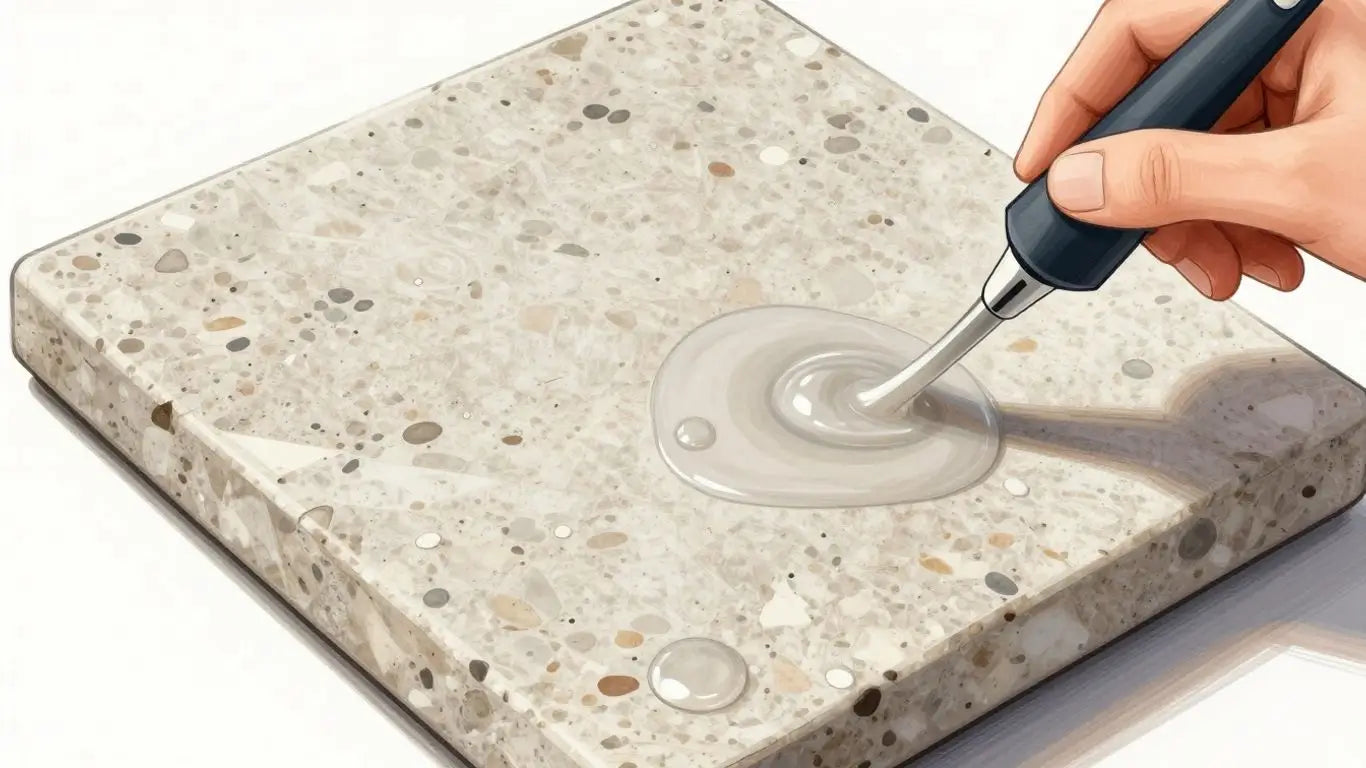
So, you've sealed your beautiful travertine, and it looks fantastic. But how long does that protection actually last? It's a common question, and the answer isn't a simple one-size-fits-all. Several things play a role in how long your sealant will keep your stone looking its best.
Typical Sealant Lifespan Expectations
Generally, penetrating sealants, which are popular for natural stone like travertine, can last anywhere from 1 to 5 years. Some high-performance products might even go longer, but it's good to have a realistic expectation. The type of sealant you used, the quality of the product, and how much wear and tear the surface gets all factor into this.
Factors Influencing Reapplication Frequency
Think about where your travertine is. A travertine kitchen island [5903] that sees daily chopping, spills, and hot pans will need resealing much more often than a travertine tile in a low-traffic guest bathroom. High-traffic areas, exposure to harsh cleaning chemicals, and even the specific type of travertine finish can all shorten the sealant's lifespan. For example, outdoor travertine might need more frequent attention due to weather exposure.
Performing the Water Drop Test
This is your best friend for checking if it's time to reseal. Just put a few drops of water on the surface and wait a few minutes. If the water beads up and sits on top, your sealant is still doing its job. If the water starts to soak into the stone, looking like a dark spot, it's a clear sign that the sealant has worn down and needs reapplication. It’s a simple test, but it tells you a lot.
Recognizing When Sealant Protection Has Diminished
Besides the water test, you might notice other signs. Stains might start to penetrate the stone more easily, or the surface might just start to look duller, even after cleaning. You might also see areas where the sealant looks like it's wearing thin or peeling, especially in high-use spots. These are all indicators that the protective layer isn't as strong as it used to be.
Preparing Travertine for Reapplication
Before you slap on another coat, proper prep is key. You need to make sure the travertine is thoroughly cleaned. Any old, failing sealant residue should be removed if possible. The stone must be completely dry before you apply new sealant. Skipping these steps can lead to uneven application or the new sealant not bonding properly.
The Process of Re-Sealing Travertine
Re-sealing is usually pretty straightforward, especially if you're using the same type of sealant. You'll typically apply it with an applicator pad or sprayer, making sure to get an even coat. It's often recommended to apply multiple thin coats rather than one thick one. Always follow the manufacturer's instructions for drying and curing times. Some advanced sealants offer impressive properties like permanent hydrophobicity.
Benefits of Regular Sealant Maintenance
Keeping up with sealant maintenance isn't just about looks; it's about protecting your investment. Regular resealing helps prevent permanent staining, etching, and damage to the travertine itself. It keeps the stone looking vibrant and new for longer. For premium products, proactive planning for sealant replacement can extend their life significantly, sometimes between 15-20 years with proper care [5fc3]. Consistent care means your beautiful stone surfaces will last for years to come.
Sealant Options for Travertine Countertops
Travertine countertops are beautiful, but they need the right protection. Choosing the correct sealant is key to keeping them looking great and preventing damage. It's not just about sealing; it's about picking the right sealant for a kitchen environment.
Food-Safe Sealants for Kitchen Countertops
When you're prepping food, the last thing you want to worry about is what's in your sealant. For kitchen countertops, it's really important to use a product that's specifically labeled as food-safe. This means it won't leach any harmful chemicals into your food. Many penetrating sealants fit this bill, creating a barrier within the stone itself rather than just on the surface. This is a big plus for busy kitchens.
Protecting Against Kitchen Stains and Acids
Kitchens are notorious for spills – think wine, coffee, citrus juice, and tomato sauce. Travertine is porous, so without proper sealing, these can quickly become permanent stains or cause etching. A good quality sealant acts as a shield. It gives you a little more time to wipe up spills before they soak in. For countertops, you'll want a sealant that offers strong resistance to both common household stains and acidic substances. This is where a stain-resistant stone sealer can make a real difference.
Maintaining the Natural Look of Travertine Counters
One of the best things about travertine is its natural beauty. You don't want a sealant that changes the color or makes it look artificial. Many sealants are designed to be invisible, penetrating the stone without altering its appearance. This preserves the unique veining and texture that makes your travertine countertop so special. If you're aiming for that untouched, natural look, look for sealants that explicitly state they maintain the stone's original finish.
Sealant Durability for High-Use Surfaces
Countertops, especially in kitchens, see a lot of action. They're used for chopping, placing hot pans (though trivets are always recommended!), and general daily living. The sealant needs to hold up. Penetrating sealants generally offer longer-lasting protection than topical ones because they bond with the stone. Consider how often you're willing to reapply sealant. Some high-performance options can last for years, providing robust defense against daily wear and tear.
Ease of Cleaning Sealed Travertine Countertops
Once sealed, cleaning your travertine countertops becomes much simpler. Spills bead up on the surface, making them easy to wipe away. You'll want to stick to pH-neutral cleaners to avoid damaging the sealant or the stone itself. Harsh chemicals can break down the sealant over time, reducing its effectiveness. A well-sealed surface means less scrubbing and less worry about accidental damage from cleaning products.
Preventing Etching on Travertine Surfaces
Etching is a common issue with natural stones like travertine, especially when exposed to acidic foods and drinks. While sealants can't make travertine completely etch-proof, they can significantly reduce the risk. By creating a barrier, the sealant slows down the reaction between the acid and the stone. Prompt cleanup of acidic spills is still the best defense, but a good sealant buys you valuable time and minimizes the damage if a spill is missed.
Choosing the Right Sealant for Your Kitchen Design
Think about the overall look you want for your kitchen. Do you prefer a matte finish that looks completely natural, or a slight sheen that adds a touch of elegance? Sealants come in various finishes, from no-sheen to high-gloss. For countertops, a natural or matte finish is often preferred to avoid glare and maintain the stone's inherent character. Always check the product details to see how the sealant might affect the final appearance of your travertine.
Sealant Considerations for Travertine Showers
Showers are a whole different ballgame when it comes to protecting your travertine. All that constant moisture, soap scum, and potential for mold means you need a sealant that can really stand up to the challenge. It's not just about making it look good; it's about preventing damage before it even starts.
Moisture Resistance in Wet Environments
Travertine in a shower is constantly exposed to water. Without the right protection, this moisture can seep into the stone, leading to discoloration, weakening, and even freeze-thaw damage if you're in a colder climate. A good penetrating sealant acts like a shield, making the stone less absorbent. This is your first line of defense against water damage. You want something that repels water effectively, so it beads up and doesn't soak in. Think of it like waxing a car – the water just rolls off.
Preventing Mold and Mildew Growth
High humidity in bathrooms is a breeding ground for mold and mildew. When travertine absorbs moisture, it creates an ideal environment for these unwanted guests to grow, especially in the grout lines. A properly sealed surface makes it harder for mold and mildew to take hold. Some sealants even have antimicrobial properties built-in, offering an extra layer of protection. Regular cleaning is still key, but a good sealant makes the job much easier.
Sealant Performance Against Soap Scum
Soap scum is a common shower nuisance, and it can be tough to remove, especially from porous surfaces like travertine. Certain sealants can create a smoother surface that makes soap scum less likely to adhere strongly. This means easier cleaning and less scrubbing. You'll find that water-based sealants often perform well here, creating a barrier that doesn't react negatively with soap residue.
Maintaining Traction on Shower Floors
This is a big one. You don't want your beautiful travertine shower floor to become a slip hazard. Fortunately, most sealants designed for travertine, especially penetrating ones, don't make the stone slippery. They soak into the pores rather than forming a slick film on top. Some topical sealants might add a slight sheen, but they generally don't compromise slip resistance significantly. Always check the product details if this is a major concern for you.
Choosing Sealants Safe for Shower Use
When selecting a sealant for your shower, look for products specifically designed for wet areas or natural stone in bathrooms. Water-based sealants are often a good choice because they tend to have lower VOCs (Volatile Organic Compounds) and are generally safer to use indoors. Brands like Aqua Mix Sealer's Choice Gold are well-regarded for their performance on natural stone in high-moisture areas. Always ensure the product is suitable for travertine and won't cause yellowing or discoloration over time.
The Importance of Regular Sealant Checks in Showers
Because showers are so demanding, the sealant doesn't last as long as it might on a dry wall or floor. You'll need to check it more often. A simple water test – dropping a little water on the surface and seeing if it beads up or soaks in – can tell you a lot. If the water soaks in quickly, it's probably time to reapply. This might be needed annually or even more frequently depending on usage and the specific sealant used. Don't wait until you see signs of staining or discoloration.
Protecting Travertine from Hard Water Stains
Hard water, common in many areas, can leave mineral deposits on your travertine. While sealing won't make your travertine completely immune to hard water stains, it can make them easier to clean. A good sealant creates a barrier that prevents these minerals from penetrating deeply into the stone. Promptly wiping down surfaces after use can also help minimize the impact of hard water. For stubborn spots, use a cleaner specifically designed for natural stone and hard water removal.
The Role of Sealant in Travertine Floor Care
Sealing travertine floors is the backbone of long-lasting beauty and resilience. Many homeowners will admit, keeping travertine looking its best is no small feat—especially if you want the natural stone's authentic charm to make an impression for years in busy spaces.
Protecting Travertine Floors from Wear and Tear
Daily foot traffic, gritty shoes, and spills can damage unsealed travertine quickly. A good sealant acts like a shield, reducing the odds of scratches, etching, and staining. For busy households or commercial projects, sealed floors are a way to keep natural stone from losing its appeal prematurely.
Enhancing Slip Resistance on Travertine Tiles
Floor sealants can help with slip resistance, depending on their finish type. If you're worried about safety in entryways or bathrooms, look for products labeled as non-slip or enhanced-traction. Many topical sealants add this benefit, but always check the manufacturer's specifications first.
Sealant Benefits for High-Traffic Hallways
Busy entry corridors and hallways see the most wear. Sealants make it possible to maintain travertine's elegance, even in those high-traffic zones. As explained on protecting them against stains and etch marks, sealed floors require less intensive cleaning and make maintenance easier.
Maintaining the Shine of Polished Travertine Floors
Polished travertine floors can lose their shine fast without proper sealing. The right sealant helps the stone retain a soft luster and keeps dust, dirt, and spilled liquids from causing dull spots. Choose a product designed for polished finishes if you want that signature sheen to last.
Preventing Dirt and Grime Penetration
Because travertine is porous, it tends to soak up everything—dirt, coffee, even muddy paw prints. Sealant forms an invisible barrier just beneath the surface, so cleaning becomes a daily wipe-down rather than a deep-scrub event.
Sealant Choices for Travertine Entryways
Entryways need extra protection. These busy areas benefit from durable sealants that fend off rainwater, road salt, and whatever else the season brings in. Choose a sealant rated for outdoor use if your entry opens directly to the outside.
The Impact of Sealant on Travertine Floor Maintenance
- Simplifies routine cleaning
- Reduces the need for harsh chemicals
- Extends intervals between deep cleans
Homeowners often notice their sealed travertine keeps a fresh appearance with barely any extra effort compared to unsealed tile.
If you’re looking to ship nationwide or seeking quality for U.S. design projects, investing in a quality travertine sealant is a smart move. The right product protects your investment, saves you time, and keeps your space looking inviting.
Understanding Sealant Coverage and Yield
When you're planning your travertine project, figuring out how much sealant you'll need is a big part of the process. It's not just about buying a bottle; it's about making sure you have enough to do the job right without overspending or running out halfway through. The amount of sealant a product covers, often called its yield, can change quite a bit depending on a few things.
Estimating Sealant Needs for Your Project
Before you even buy, take a good look at the area you need to seal. Measure the square footage carefully. This is your starting point. Think about whether you're sealing just the tiles, or the grout lines too. Grout can soak up more sealant than the stone itself, so it's something to keep in mind. Accurate measurements are key to avoiding last-minute trips to the store.
Factors Affecting Sealant Coverage Rates
Several things can influence how much sealant you actually use. The porosity of your travertine is a major player. Denser, less porous stone will absorb less sealant than a more open, porous type. The finish of the travertine also matters; a honed finish might take more product than a polished one. Even the application method can make a difference – using a sprayer might use more product than a roller or applicator pad if not done carefully.
Reading Sealant Product Labels for Yield
Product labels are your best friend here. Most sealant manufacturers will give you an estimated coverage rate, usually in square feet per gallon or per quart. This is a good guideline, but remember it's an estimate. They often test under ideal conditions. Always check if the label specifies the type of stone or finish it was tested on, as this can give you a better idea of how it might perform on your specific travertine.
Calculating How Much Sealant to Buy
Once you have your square footage and the product's estimated yield, you can do the math. Divide your total square footage by the coverage rate per unit (e.g., square feet per gallon). This gives you the number of gallons you'll need. It's always a good idea to buy a little extra, maybe 10-15% more, just in case. This accounts for variations in the stone, potential spills, or needing a second coat in certain areas.
The Impact of Travertine Porosity on Coverage
Travertine isn't uniform. Some pieces are denser, while others have more visible pores and natural holes. The more porous the stone, the more sealant it will drink up. This means you might get less coverage than what's stated on the label. For very porous travertine, you might even need more than one coat to get adequate protection, which will naturally increase the amount of sealant you use.
Tips for Maximizing Sealant Efficiency
To get the most out of your sealant, apply it evenly. Don't let it pool up in one spot or dry out in another. Using the right applicator can help. Work in manageable sections. If you're using a sprayer, make sure you're not spraying too close or too far, which can waste product. Wiping off excess sealant promptly, as recommended by the manufacturer, also helps ensure you're not just leaving product sitting on the surface where it's not needed.
Understanding Square Footage per Gallon
Let's break down what "square feet per gallon" really means. If a sealant states it covers 400 sq. ft. per gallon, it means that one gallon of that product, when applied correctly in a single coat, should cover an area of 400 square feet. For a 1000 sq. ft. floor, you'd theoretically need 2.5 gallons (1000 / 400 = 2.5). However, considering porosity and potential second coats, you might want to round up to 3 gallons to be safe. Always check the specific product's instructions, as these numbers can vary significantly between brands and types of sealants.
Figuring out how much sealant you'll need can be tricky. Our guide breaks down sealant coverage and yield, making it simple to understand. Learn how to get the most out of your sealant and avoid waste. Visit our website to discover more tips and find the perfect sealant for your project!
Wrapping Up Your Travertine Sealing Project
So, picking the right sealant for your travertine tile really makes a difference, doesn't it? It’s not just about making it look good, but also about keeping it protected for years to come. We’ve gone over the different types, how to apply them, and what to look out for. Remember, a little effort now can save you a lot of headaches later. If you’re still unsure or have more questions, don't hesitate to check out our FAQ page or reach out to our team. We’re here to help you get that beautiful, long-lasting finish for your stone.
Frequently Asked Questions
What exactly is travertine, and why does it need special care?
Travertine is a cool type of natural stone, like marble but with its own personality. It's famous for its cool, earthy look. Because it has tiny holes and is a bit soft, it can get stained or damaged easily if you don't protect it. Think of it like a fancy sponge – it soaks things up!
What does a sealant do for travertine?
A sealant is like a shield for your travertine. It sinks into the stone and blocks spills and dirt from getting in. This keeps your travertine looking great and makes it much easier to clean. It’s a must-have for keeping your stone looking its best for years.
Are there different kinds of sealants for travertine?
Yes, there are! Some sealants just add a protective layer without changing how the stone looks. Others can make the colors richer, giving it a deeper, more vibrant appearance. You can also choose between sealants that give a natural look, a matte finish, or a shiny gloss.
How do I know which sealant is best for my travertine?
Think about what you want. Do you want the stone to look totally natural? Or do you want to boost its colors? Also, consider where it's going. High-traffic areas need a tougher sealant. Always check if the sealant is made for natural stone like travertine.
What’s the difference between water-based and solvent-based sealants?
Water-based sealants are usually easier to clean up and have less smell, making them a bit friendlier to use indoors. Solvent-based ones can sometimes penetrate deeper and dry faster, but they often have stronger fumes. Both can work well if used correctly.
How do I get my travertine ready for sealing?
First, you have to clean it really well. Get rid of all the dirt, grime, and any old sealant. Then, you must let it dry completely – this is super important! You don't want to trap moisture under the new sealant. Test a small, hidden spot first.
How should I put the sealant on?
Usually, you'll apply it with a pad or a sprayer, making sure to cover the whole surface evenly. It’s often best to put on a few thin coats rather than one thick one. Let each coat dry before adding the next, and follow the instructions on the sealant bottle.
How long will the sealant last on my travertine?
It really depends on the sealant and how much wear and tear it gets. A good sealant might last anywhere from 1 to 5 years. You can do a simple water test – if water beads up, the sealant is still working. If it soaks in, it's time to reseal.
What's the best way to clean sealed travertine?
Stick to gentle cleaning. Use a soft mop and a cleaner that's not too harsh, meaning it has a neutral pH. Avoid strong chemicals or scrubby pads, as these can wear down the sealant and even damage the stone itself over time.
Can sealing travertine make it totally stain-proof?
Sealants help a lot against stains, but they don't make travertine completely invincible. It's still a good idea to wipe up spills quickly, especially acidic ones like wine or lemon juice, to prevent any marks.
Does sealing change the way travertine looks or feels?
It depends on the sealant! Some sealants are designed to look completely natural, so you won't even know they're there. Others might add a slight sheen or deepen the colors. If you want to keep the original look, choose a natural-finish sealant.
How often do I need to reapply sealant to my travertine?
You'll likely need to reseal your travertine every 1 to 5 years. The best way to know is to check how well it repels water. If water starts soaking into the stone instead of beading up, it’s a clear sign that it’s time for another coat of sealant.