




Travertine is a beautiful natural stone, but let's be honest, it can be a bit of a diva when it comes to stains. You know, spills happen. Whether it's a rogue glass of red wine or that greasy pizza slice, stains on travertine can feel like a real headache. But don't panic! Dealing with these marks doesn't have to be a major ordeal. With the right approach, you can get your travertine looking its best again. This guide will walk you through how to tackle common stains and keep your stone looking great.
Key Takeaways
- Understand that travertine's natural pores make it prone to absorbing liquids, leading to stains.
- Act fast on fresh spills by blotting, not rubbing, to prevent stains from setting into the stone.
- Organic stains like wine or pet accidents can often be lifted with hydrogen peroxide or a poultice.
- Oil and grease stains need absorbent materials like baking soda or a specialized poultice to draw out the residue.
- Water spots and mineral deposits can usually be cleaned with mild solutions or distilled water.
- Rust stains require specific rust removers, and testing in an unseen area is important.
- Poultices are effective for deep-set stains by drawing the stain out of the stone as they dry.
- Regular sealing and prompt cleanup are the best ways to prevent future stains on travertine.
Understanding Travertine and Its Susceptibility to Stains
Travertine is a beautiful natural stone, but it does have its quirks when it comes to stains. It's not like granite or quartz, which are much denser and less likely to absorb spills. Understanding why travertine behaves the way it does is the first step to keeping it looking great.
The Natural Porosity of Travertine
Travertine is formed in hot springs and caves, and this process gives it a unique, porous structure. Think of it like a sponge, but made of rock. These tiny holes and pits are what give travertine its characteristic look, but they also mean it can soak up liquids easily. The more porous the stone, the more likely it is to stain. This is why sealing travertine is so important.
Common Culprits Behind Travertine Stains
So, what kind of things typically cause stains on travertine? It's usually everyday items:
- Organic materials: Coffee, tea, wine, fruit juices, food spills.
- Oils and grease: Cooking oils, butter, lotions, makeup.
- Metals: Rust from metal objects left on the surface.
- Dyes: Ink, markers, some colored liquids.
- Hard water: Mineral deposits left behind after water evaporates.
Why Travertine Stains Differ from Other Surfaces
Unlike engineered surfaces, travertine is a natural material. This means its composition can vary, and its pores are open. Engineered stones often have resins or polymers mixed in, making them less absorbent. Even other natural stones, like granite, are generally harder and less porous than travertine, meaning they resist stains better.
The Impact of Travertine's Unique Formation
Travertine's formation process, often involving dissolved calcium carbonate, creates those distinctive holes and voids. These aren't just aesthetic; they are entry points for staining agents. The way the stone is cut and finished can also affect its porosity. A polished finish might be slightly less porous than a tumbled or honed finish, but the underlying structure remains.
Identifying Different Types of Travertine Stains
Knowing the type of stain you're dealing with is key to choosing the right cleaning method. Is it a dark, organic stain from coffee? Or a greasy mark from cooking? Perhaps it's a reddish-brown rust stain. Each type requires a different approach.
The Role of Travertine's Color in Stain Visibility
Lighter colored travertine will show stains more readily than darker varieties. A dark coffee spill on a cream-colored travertine will be much more noticeable than on a deep brown or beige piece. However, even dark travertine can be stained by oils or rust, which might appear as lighter or discolored spots.
Preventative Measures for Travertine Surfaces
The best way to deal with travertine stains is to prevent them in the first place. This involves:
- Sealing: Applying a quality stone sealer creates a barrier that helps prevent liquids from penetrating the pores.
- Prompt cleanup: Wiping up spills immediately is critical.
- Using coasters and mats: Protect surfaces from drinks and wet items.
By understanding travertine's nature, you can take the right steps to protect its beauty for years to come. We offer handpicked A+ top-quality travertine, perfect for projects across the U.S. Our direct importer advantage means you get premium stone without the commercial grade markup, and we often provide same-day shipping for your convenience.
Immediate Action for Fresh Travertine Stains
When a spill happens on your beautiful travertine, acting fast is key. The longer a substance sits, the more likely it is to soak in and leave a lasting mark. Don't panic, though; a quick, calm response can often save your stone.
The Urgency of Addressing New Stains
Travertine is a natural stone with tiny pores, which means it can absorb liquids. Think of it like a sponge. The quicker you can get to a spill, the less chance it has to penetrate deep into the stone. This is especially true for colored liquids like wine, coffee, or juice. For projects across the U.S., knowing this can save a lot of headaches.
Gentle Blotting Techniques for Liquids
For any liquid spill, the first step is always to blot, not rub. Grab a clean, soft cloth or paper towel and gently press down on the spill. Start from the outside of the spill and work your way in. This helps to absorb the liquid without spreading it further across the surface or pushing it deeper into the stone's pores.
Removing Surface Debris Without Spreading
If the spill involves solid bits, like food crumbs or dirt, carefully scoop them up. Use a spoon or a soft brush to lift the debris away. Avoid sweeping or wiping, as this can drag the particles across the travertine and potentially scratch the surface or spread the staining agent.
Using Absorbent Materials for Wet Spills
Once you've blotted up most of the liquid, you can use an absorbent material to draw out any remaining moisture. A common household item like baking soda or cornstarch works well. Sprinkle a generous amount over the damp area and let it sit for several hours, or even overnight. The powder will absorb any residual liquid.
Avoiding Rubbing to Prevent Stain Setting
It might seem natural to scrub at a stain, but this is usually the worst thing you can do. Rubbing can push the staining substance deeper into the travertine's pores, making it much harder to remove. It can also damage the stone's surface, especially if you're using an abrasive material. Always stick to blotting and gentle lifting.
Initial Steps for Oily or Greasy Stains
Oily spills, like those from cooking or salad dressing, need a slightly different approach. After blotting up any excess oil, immediately apply an absorbent powder like baking soda, cornstarch, or even talcum powder directly to the stain. Let it sit for at least 30 minutes to an hour to soak up as much grease as possible before cleaning.
When to Call a Professional for Fresh Stains
While most fresh spills can be handled with these immediate steps, there are times when you should call in the pros. If the spill is from a particularly aggressive substance (like strong chemicals or dyes), if the stain seems to be setting very quickly, or if you're simply not comfortable tackling it yourself, don't hesitate. Our team offers nationwide shipping on premium travertine, and we can connect you with experts for challenging situations.
Tackling Organic Stains on Travertine
Organic stains, like those from food, drinks, or even plants, can be a real nuisance on beautiful travertine surfaces. Because travertine is porous, these substances can seep in and leave a mark if not dealt with quickly. But don't worry, with the right approach, you can often get these stains out.
Identifying Common Organic Stain Sources
Think about what might have caused the stain. Common culprits include:
- Food and Drink: Coffee, tea, wine, fruit juice, tomato sauce, and greasy food spills.
- Plants: Leaves, flowers, or even sap from houseplants or outdoor greenery that's been brought inside.
- Pets: Urine or other accidents.
- Mold and Mildew: Often found in damp areas like bathrooms.
The Power of Hydrogen Peroxide for Organic Stains
Hydrogen peroxide is a fantastic cleaner for organic stains because it has a mild bleaching effect that can lift color without damaging most natural stones. For lighter stains, a simple application might do the trick. You can often find it readily available in most homes.
Creating a Poultice for Stubborn Organic Marks
When a stain is a bit more set in, a poultice is your best bet. A poultice is essentially a paste made from an absorbent material and a cleaning agent. It works by drawing the stain out of the stone as it dries.
For organic stains, you can mix baking soda or diatomaceous earth with hydrogen peroxide to form a thick paste, similar to peanut butter. This consistency is key – too thin and it won't hold the stain, too thick and it won't spread easily.
Applying and Removing an Organic Stain Poultice
- Apply: Spread the poultice over the stained area, making sure it extends slightly beyond the stain's edges. Aim for about a quarter to half an inch thick.
- Cover: Gently cover the poultice with plastic wrap and tape down the edges. This keeps it moist and allows it to work longer.
- Wait: Let it sit for at least 24 to 48 hours. The longer it stays damp, the more stain it can pull out.
- Remove: Once dry, carefully scrape off the poultice with a plastic putty knife. Rinse the area with clean water and a soft cloth.
Natural Cleaning Solutions for Fruit and Wine Stains
For fresh fruit or wine spills, acting fast is important. Blot up as much as you can immediately. Then, try a solution of mild dish soap mixed with water. If that doesn't fully lift it, a hydrogen peroxide application might be needed. Remember to always test any cleaner in an inconspicuous spot first.
Dealing with Pet-Related Organic Stains
Pet stains can be tricky due to their acidity and potential for odor. After cleaning up the mess, use a solution of water and a pH-neutral stone cleaner. For lingering odors or tougher stains, a poultice with hydrogen peroxide can be effective. Enzyme cleaners specifically designed for pet stains can also work well, breaking down the organic matter.
Rinsing and Drying Travertine After Treatment
After any cleaning or poultice treatment, it's really important to rinse the area thoroughly with clean water. Any leftover cleaning solution can attract dirt or even damage the stone over time. Use a soft, clean cloth to dry the area completely. Letting travertine air dry can sometimes leave water spots, so a good wipe-down is best.
Conquering Oil and Grease Stains on Travertine
Oil and grease stains can be a real headache on travertine. Because travertine is a natural stone, it's porous, meaning it can soak up liquids, including oily ones. When that happens, you can end up with dark spots that really mar the look of your beautiful stone. It’s not like cleaning a tile with a glazed surface; this stuff can really sink in.
The Challenge of Oily Residue on Travertine
Oily substances, whether from cooking, food spills, or even certain cosmetics, have a way of penetrating the pores of travertine. Unlike water-based stains that might evaporate or be wiped away more easily, oil tends to linger. It can spread out within the stone, making the stain appear larger and darker over time. The longer an oil stain sits, the harder it will be to remove. This is why acting fast is always best, but we'll get to that.
Utilizing Baking Soda for Grease Absorption
Baking soda is a fantastic, gentle absorbent that can be a lifesaver for fresh grease spills. It's a mild alkali, which helps break down grease, and its fine, powdery texture makes it great for drawing out moisture and oil. For a fresh spill, you can simply sprinkle a generous amount of baking soda directly onto the spot. Let it sit for several hours, or even overnight, to soak up as much of the grease as possible. Then, gently sweep or vacuum it up. This is a great first step before moving on to more intensive treatments.
Crafting an Effective Oil Stain Poultice
When baking soda alone isn't enough, or for older, set-in stains, a poultice is your best bet. A poultice is essentially a paste made from an absorbent material and a cleaning agent. It works by drawing the stain out of the stone and into the absorbent material as it dries.
Here’s how to make one:
- Choose your absorbent: Common choices include baking soda, diatomaceous earth, kaolin clay, or even paper towels. For oil stains, baking soda or diatomaceous earth are often very effective.
- Select your cleaning agent: For oil and grease, a mild liquid dish soap (one designed for grease-cutting) or a specialized stone degreaser can work well. You can also try a small amount of acetone, but test it first.
- Mix to a paste: Combine your absorbent and cleaning agent with just enough water (or the cleaning agent itself, if liquid) to create a thick paste, similar to peanut butter or toothpaste. It should be spreadable but not runny.
Application and Removal of Grease Poultices
Once your poultice is ready, apply it directly to the stained area. Spread it about 1/4 to 1/2 inch thick, extending slightly beyond the edges of the stain. Cover the poultice with plastic wrap and tape down the edges to keep it moist. Let it sit for at least 24 to 48 hours. During this time, the poultice will dry, and the absorbent material will pull the oil out of the travertine. After the dwell time, remove the plastic wrap and let the poultice dry completely. Scrape away the dried paste with a plastic scraper or putty knife, then clean the area with a pH-neutral stone cleaner and water. Rinse thoroughly and allow the stone to dry completely. You might need to repeat the process for stubborn stains.
Commercial Degreasers Safe for Travertine
If DIY methods aren't cutting it, there are commercial degreasers specifically formulated for natural stone. When choosing one, always look for products labeled as safe for travertine or natural stone. Avoid harsh chemicals or acidic cleaners, as these can damage the stone's surface. Always follow the manufacturer's instructions carefully and test the product in an inconspicuous area first. Proper ventilation is also important when using commercial cleaners.
Preventing Future Oil and Grease Stains
Prevention is always easier than removal. Regularly sealing your travertine is the most effective way to protect it. A good quality sealant creates a barrier that makes it harder for liquids, including oils, to penetrate the stone. Using coasters under drinks and placemats during meals can also help. Wipe up spills immediately, especially oily ones. Being mindful in the kitchen and dining areas can go a long way in keeping your travertine looking its best.
Assessing the Effectiveness of Oil Stain Removal
After attempting to remove an oil stain, let the travertine dry completely. Sometimes, a stain might appear less noticeable when wet. Once dry, examine the area in good light. If the stain is gone or significantly faded, you've succeeded! If it's still visible, you may need to repeat the poultice process or try a different cleaning agent. Don't get discouraged; some deep-set stains require multiple treatments. For projects across the U.S., remember that consistent care is key to maintaining the luxury of your natural stone.
Eliminating Water Spots and Mineral Deposits
Water spots and mineral deposits can be a real nuisance on travertine surfaces. They often show up as dull rings or cloudy patches, especially in areas with hard water. Don't worry, though; dealing with them is usually straightforward.
Understanding the Cause of Water Stains
These marks typically form when water evaporates, leaving behind dissolved minerals like calcium and magnesium. If the water isn't wiped up promptly, these minerals can build up over time, creating visible deposits. The longer water sits on travertine, the more likely it is to leave a mark.
Gentle Methods for Removing Hard Water Marks
For light water spots, sometimes a simple wipe-down with a damp cloth is all you need. If that doesn't work, try using a soft sponge or cloth with a bit of mild dish soap mixed with water. Gently scrub the affected area, then rinse thoroughly with clean water and dry completely.
The Role of Distilled Water in Cleaning
When cleaning travertine, especially to remove mineral deposits, using distilled water can be a game-changer. Unlike tap water, distilled water has had most of its minerals removed. This means it won't contribute to new mineral buildup while you're trying to clean existing spots. It's a simple switch that makes a difference.
Using Mild Acids for Mineral Buildup
For tougher mineral deposits, a very mild acidic solution can sometimes help break them down. A common household option is a diluted solution of white vinegar and water (about a 1:1 ratio). Always test this mixture in an inconspicuous spot first, as acids can etch travertine if left on too long or used too concentrated. After applying, let it sit for a minute or two, then scrub gently and rinse thoroughly with plain water. Follow up by drying the area completely.
Protecting Travertine from Future Water Damage
Prevention is key. Make it a habit to wipe up spills and standing water immediately. Consider using coasters under glasses and placing mats in areas prone to moisture, like near sinks or shower entrances. Ensuring your travertine is properly sealed also provides a protective barrier against water penetration.
Polishing Away Faint Water Rings
Sometimes, faint water rings can be buffed out. After cleaning and drying the area, you can try using a soft, dry cloth to gently polish the spot. For a bit more power, you can use a marble polishing powder specifically designed for natural stone, following the product's instructions carefully. This can help restore the shine and remove subtle marks.
When Water Stains Indicate Sealing Issues
If you notice water spots appearing frequently or becoming difficult to remove, it might be a sign that your travertine's sealant is wearing thin. A properly sealed surface should resist water absorption. Performing a simple water test – by dripping a small amount of water onto the surface and seeing if it beads up or soaks in – can help determine if resealing is needed. If the water soaks in quickly, it's time to reapply a quality travertine sealant. We offer handpicked A+ top-quality stone sealants, ensuring your travertine stays protected. Nationwide shipping is available for all your projects across the U.S.
Addressing Rust Stains on Travertine Surfaces
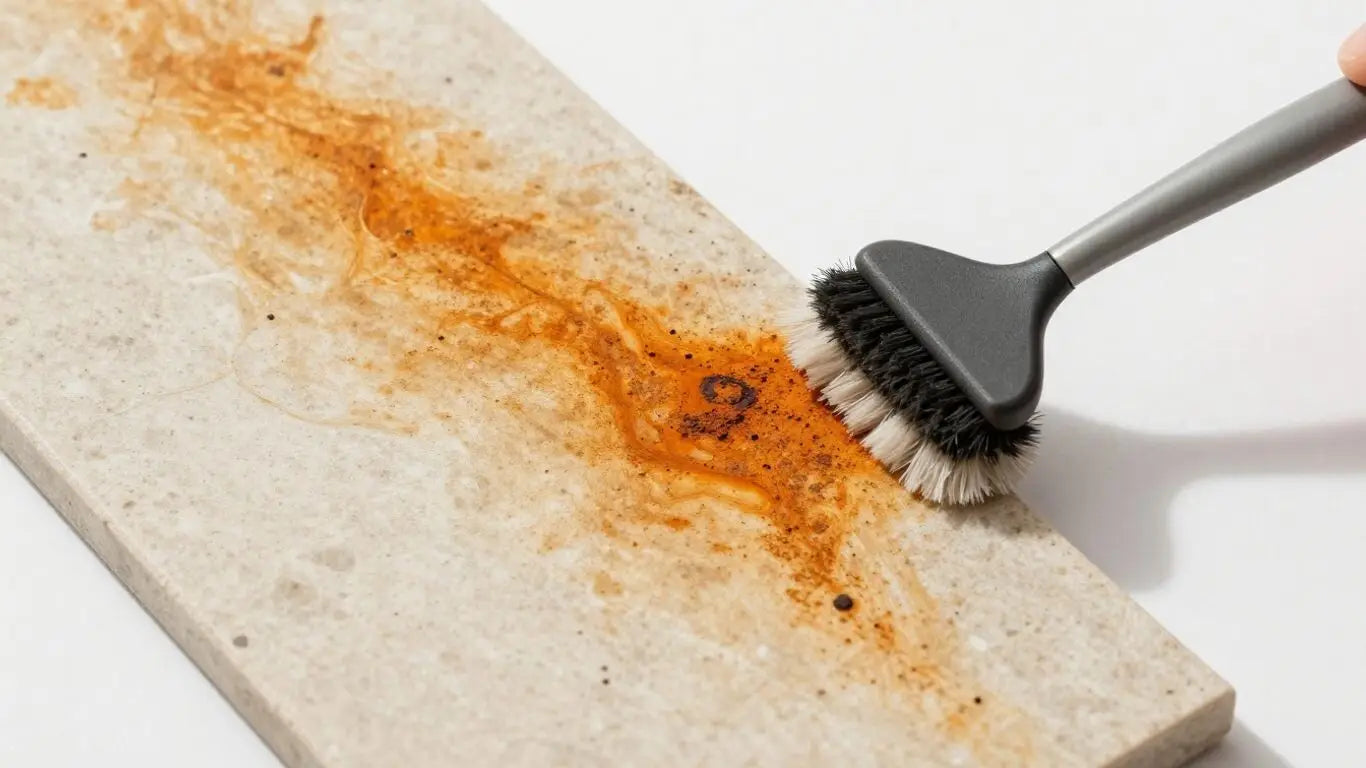
Rust stains on travertine can be a real eyesore, turning a beautiful natural stone surface into something that looks neglected. These reddish-brown marks often appear when iron particles in the stone or from external sources come into contact with moisture and oxygen. It’s a common issue, especially in areas prone to water or where metal objects have been left sitting.
Sources of Rust Stains on Travertine
Rust can originate from a few places. Sometimes, it's the iron content within the travertine itself reacting over time. More often, it's from external sources like metal furniture legs, planters, tools, or even water with high iron content. If you have metal fixtures or decorative items near your travertine, they can be the culprits. Identifying the source is the first step to preventing future stains.
Specialized Rust Removers for Natural Stone
When you spot rust, you'll want to act fast, but not with just any cleaner. Harsh chemicals can damage travertine. Look for products specifically designed for natural stone. For instance, a Stone Safe Rust Remover is formulated to tackle rust without harming the stone's surface. These specialized cleaners often come in powder or liquid form and are designed to lift the stain effectively.
DIY Rust Stain Removal Techniques
Sometimes, you can tackle rust stains with common household items. A paste made from lemon juice and salt can sometimes work on lighter stains. Apply the paste, let it sit for a short while (but don't let it dry completely), and then gently wipe it away. Another method involves using a poultice. You can create one using baking soda and water, or for tougher stains, a bit of hydrogen peroxide. Always test any DIY solution on an inconspicuous area first to see how the travertine reacts.
The Importance of Testing Removers in an Inconspicuous Area
Before you go all-in on treating a visible rust stain, it's super important to test your chosen cleaner. Find a hidden spot – maybe under a rug or in a corner that doesn't get much attention. Apply a small amount of the cleaner and wait to see if it causes any discoloration, etching, or other damage to the travertine. This simple step can save you a lot of trouble and potential repair costs.
Poultices for Deep-Seated Rust Stains
For rust stains that have really sunk into the stone, a poultice is often the best bet. A poultice is essentially a paste made from an absorbent material (like kaolin clay, diatomaceous earth, or even paper towels) and a cleaning agent. For rust, the cleaning agent could be a commercial rust remover or a mild acidic solution. You apply the paste thickly over the stain, cover it with plastic wrap, and let it dry completely. As it dries, it draws the stain out of the stone. You then scrape off the dried poultice and clean the area.
Preventing Rust Formation on Travertine
Prevention is definitely easier than removal. Regularly sealing your travertine is key. A good sealant creates a barrier that stops moisture and contaminants from penetrating the stone. Also, be mindful of metal items. Use coasters under metal cans or furniture legs, and avoid leaving wet metal objects on the surface for extended periods. If you have outdoor travertine, consider using rust-proof furniture or protective pads.
Restoring Travertine After Rust Removal
Once the rust stain is gone, you might notice the area looks a bit different, maybe duller. You might need to gently polish the spot to match the surrounding travertine. If the rust was particularly stubborn and required a stronger cleaner, it might have slightly etched the surface. In such cases, a stone polish or even a professional restoration might be needed to bring back the original shine and uniformity. For delicate surfaces, using a product like HMK® R179 Rust Remover for Soft Stone can help minimize the risk of damage during the cleaning process.
Removing Ink and Dye Stains from Travertine
Ink and dye stains can be particularly tricky on travertine. Because travertine is a porous stone, these colorful culprits can seep into the surface, making them harder to lift than a simple spill. It’s not impossible, though. With the right approach, you can tackle these stubborn marks.
The Difficulty of Ink and Dye Penetration
Think about how ink or dye works – it’s designed to color and bind. When it lands on your travertine, especially if the stone isn't sealed properly, it finds those tiny pores and sinks in. This deep penetration is what makes ink and dye stains a bit more challenging than, say, a water spot. The longer the stain sits, the deeper it goes, and the tougher it becomes to remove.
Using Rubbing Alcohol for Ink Marks
For fresh ink marks, rubbing alcohol can sometimes do the trick. It acts as a solvent, helping to break down the ink. Start by dabbing a small amount of isopropyl alcohol onto a clean white cloth. Gently blot the stain, working from the outside in to avoid spreading it. You might need to repeat this a few times with a fresh part of the cloth. Always test this in an inconspicuous spot first to make sure it doesn't affect your travertine's finish.
Hydrogen Peroxide for Colored Dye Stains
Hydrogen peroxide is a mild bleaching agent that can be effective against certain dye stains, especially those from food or beverages. You can use a 3% solution, often found in drugstores. Apply it directly to the stain or, for more stubborn spots, create a paste by mixing it with a bit of baking soda. Let it sit for a short while, then gently wipe away. Like with alcohol, a test patch is a good idea.
Creating a Poultice for Ink and Dye Removal
When blotting and direct application don't quite cut it, a poultice is your next best bet. A poultice is essentially a paste made from an absorbent material and a cleaning agent. For ink and dye, you can mix baking soda or diatomaceous earth with hydrogen peroxide or rubbing alcohol to form a thick paste, similar to peanut butter. This paste is applied to the stain, covered, and allowed to dry. As it dries, it pulls the stain up from the stone's pores.
Testing Cleaning Agents on a Small Area
I can't stress this enough: always test any cleaning solution you plan to use on a hidden part of your travertine first. Maybe it's a corner of the floor or a small area on a backsplash. This simple step can save you from accidentally damaging a larger, visible area. You want to see how the stone reacts to the cleaner – does it discolor? Does it etch? Knowing this beforehand is key.
Rinsing Thoroughly to Prevent Residue
After you've treated a stain, whether with alcohol, peroxide, or a poultice, it's really important to rinse the area well. Use clean water and a soft cloth. Any leftover cleaning agent can potentially attract dirt or even damage the stone over time. A good rinse ensures you're left with just clean travertine.
Sealing Travertine After Ink Stain Treatment
Once you've successfully removed an ink or dye stain and the area is completely dry, it's a smart move to reapply a quality travertine sealer. This step is vital because the stain removal process, especially if it involved stronger agents, might have compromised the existing seal. Re-sealing adds a protective layer, making your travertine more resistant to future spills and stains. If you're unsure about the sealing process, consider exploring options for professional stone cleaning services.
Regular cleaning is also important. For daily upkeep, sweep regularly with a soft bristle broom or dry dust mop to remove debris.
The Art of the Poultice for Deep Stains
Sometimes, stains on travertine don't just sit on the surface; they sink in. This is where a poultice comes in handy. Think of it like a special mask for your stone that pulls the stain out.
What is a Poultice and How Does It Work?
A poultice is basically a paste made from an absorbent material and a cleaning agent. You apply it to the stain, cover it, and let it dry. As it dries, it draws the stain up from the stone's pores into the absorbent material. It's a gentle yet effective way to tackle those stubborn, set-in marks.
Choosing the Right Absorbent Material for Poultices
There are a few good options for the absorbent part of your poultice. You want something that can soak up liquid well. Some common choices include:
- Diatomaceous Earth: This is a fine powder made from fossilized aquatic organisms. It's very absorbent and works great.
- Kaolin Clay: Also known as china clay, it's a fine, soft white clay that's excellent for drawing out stains.
- Baking Soda: A common household item that's readily available and effective for many types of stains.
- Paper Towels or Cotton Balls: For smaller or less intense stains, these can sometimes work in a pinch, though they might not be as effective for deep-set issues.
Selecting the Appropriate Cleaning Agent for Your Poultice
The cleaning agent you choose depends on the type of stain you're dealing with. For instance:
- Organic Stains (food, wine, pet accidents): Hydrogen peroxide is often a good choice. You can use a 12% solution for tougher stains.
- Oil and Grease Stains: A strong degreaser or even just a bit of ammonia can help break down these types of stains.
- Rust Stains: Specialized rust removers designed for natural stone are usually necessary here.
- Ink or Dye Stains: Rubbing alcohol or a diluted hydrogen peroxide solution might be effective.
Mixing the Perfect Poultice Consistency
Getting the consistency right is key. You want a paste that's thick enough to stay put but not so dry that it crumbles. Aim for something like peanut butter or thick toothpaste. You should be able to spread it easily without it running off the stain. Add your cleaning agent to the absorbent material slowly, mixing until you reach that ideal texture. It shouldn't be watery at all.
Applying the Poultice Correctly to Travertine
Once your poultice is mixed, apply it directly to the stained area. Make sure the paste is about 1/4 to 1/2 inch thick and extends slightly beyond the edges of the stain. This ensures you're covering the entire affected area and giving the poultice room to work. Don't spread it too thin!
Allowing Adequate Dwell Time for Poultice Effectiveness
After applying the poultice, cover it with plastic wrap. Tape down the edges of the plastic wrap to seal it. This keeps the poultice moist and allows the cleaning agent to work its magic for a longer period. Let it sit for at least 24 to 48 hours. You'll know it's time to remove it when the poultice is completely dry and has pulled the stain out.
Removing the Dried Poultice and Cleaning the Area
Carefully remove the plastic wrap and scrape away the dried poultice using a plastic putty knife or spatula. Avoid using metal, as it can scratch the travertine. Once the bulk of the poultice is removed, clean the area with a pH-neutral stone cleaner and water. Rinse thoroughly with clean water and dry the area completely with a soft cloth. You might need to repeat the process for very old or deep stains. For projects across the U.S., remember that patience is key with these deep-set issues.
DIY Cleaning Solutions for Travertine Stains
Sometimes, you don't need fancy chemicals to get your travertine looking good again. A lot of common household items can actually do a pretty good job on many types of stains. It’s all about knowing what to use and how to use it without damaging that beautiful stone.
Leveraging Household Ingredients for Cleaning
Think about your kitchen pantry. You've probably got a few things in there that can tackle a surprising number of travertine issues. The key is to start gentle and only move to stronger methods if needed. Always test any cleaning solution on a small, inconspicuous area first to make sure it doesn't discolor or etch your travertine.
The Gentle Power of Mild Dish Soap
For everyday spills and light grime, a little bit of mild dish soap mixed with warm water can go a long way. It's great for general cleaning and won't strip any sealants you might have on your stone. Just a few drops in a bucket of water is usually enough. Wipe down the area with a soft cloth or sponge, then rinse thoroughly with clean water and dry with a soft towel.
Using Baking Soda as a Mild Abrasive
Baking soda is a real workhorse for cleaning. When mixed with water to form a paste, it can act as a gentle abrasive. This is particularly useful for lifting slightly tougher stains or marks that haven't fully set in. You can apply this paste directly to the stain, let it sit for a bit, and then gently scrub with a soft brush or cloth. For light discoloration and water spots on travertine, a gentle DIY approach involves creating a paste of baking soda and water. This method is effective for mild stains without causing damage to the stone. Learn more about stone care.
The Stain-Lifting Properties of Hydrogen Peroxide
Hydrogen peroxide is a fantastic option for organic stains, like those from coffee, tea, or wine. It has mild bleaching properties that can help break down the stain. You can apply it directly to the stain or, for more stubborn spots, create a poultice (more on that later). Be cautious with colored or dyed fabrics nearby, as peroxide can sometimes lighten them.
Vinegar's Role in Travertine Stain Removal (with Caution)
Vinegar, especially white vinegar, is acidic. While acids can be effective on certain mineral deposits, they can also etch travertine if left on too long or used too frequently. If you choose to use vinegar, dilute it significantly with water (at least 1:1 ratio, or even more diluted) and use it sparingly. Always rinse the area thoroughly with plain water immediately after using vinegar to neutralize any acidity.
Creating a Paste for Targeted Stain Treatment
For more localized stains, making a paste is often the best approach. You can use baking soda, a bit of water, or even hydrogen peroxide as your base. The idea is to create a thick mixture that you can apply directly to the stain. This allows the cleaning agent to work directly on the problem area without spreading too much.
Rinsing and Drying Your Travertine After DIY Cleaning
No matter what DIY solution you use, rinsing is super important. You want to make sure all the cleaning residue is gone. Use clean water and a damp cloth. After rinsing, dry the area completely with a soft, clean towel. This prevents water spots and helps maintain the natural look of your travertine. Proper care is key for projects across the U.S.
Commercial Cleaners for Stubborn Travertine Stains
Sometimes, the usual household remedies just don't cut it. When you're facing a particularly tough stain on your beautiful travertine, it might be time to look at commercial cleaners. These products are often formulated with specific ingredients to tackle stubborn marks that simpler solutions can't handle. But, you have to be careful. Not all cleaners are made for natural stone, and using the wrong one can actually damage your travertine, leaving it dull or etched. So, it's a bit of a balancing act.
When DIY Solutions Aren't Enough
We've all been there. You've tried the baking soda paste, the hydrogen peroxide soak, maybe even a gentle scrub with dish soap. If those haven't made a dent in that stubborn stain, it's a clear sign that you need something a bit more potent. This is where commercial cleaners come into play. They're designed for specific types of stains and can be very effective, but they require a careful approach. Think of them as specialized tools for a specific job.
Choosing pH-Neutral Stone Cleaners
This is probably the most important rule when picking a commercial cleaner for travertine. Travertine is sensitive to acids and strong alkalis. Always look for cleaners that are specifically labeled as pH-neutral or safe for natural stone. Acidic cleaners, like those containing vinegar or lemon juice (even in commercial forms), can etch the surface, making it look dull and chalky. Highly alkaline cleaners can also cause discoloration or damage over time. A pH-neutral cleaner works with the stone, not against it.
Understanding Specialized Stain Removers
Commercial cleaners aren't one-size-fits-all. You'll find products designed for specific problems:
- Oil and Grease Removers: These often contain solvents or degreasers to break down oily residues.
- Rust Removers: Formulated to lift iron-based stains without damaging the stone.
- Organic Stain Removers: Aimed at tackling stains from food, wine, coffee, or pet accidents.
- General Stone Cleaners: For everyday dirt and grime, but often not strong enough for set-in stains.
It's vital to match the cleaner to the type of stain you're dealing with for the best results.
Following Product Instructions Precisely
This might sound obvious, but it's where many people go wrong. Commercial cleaners are powerful, and their instructions are there for a reason. They'll tell you:
- How to apply the cleaner (spray, pour, apply with a cloth).
- How long to let it dwell on the stain (dwell time is key!).
- How to remove it (rinse, wipe, blot).
- Any necessary precautions (like ventilation).
Never deviate from the manufacturer's instructions. Using more product or leaving it on longer than recommended can cause damage.
Testing Commercial Cleaners on a Hidden Spot
Before you even think about applying a new cleaner to the main stain, find an inconspicuous area of your travertine. This could be a corner of the floor that's usually covered by furniture or a small, less visible tile. Apply the cleaner there according to the instructions and let it sit for the recommended time. Rinse it off and let it dry completely. Check for any changes in color, texture, or finish. If it looks good, you can proceed with treating the actual stain.
The Importance of Proper Ventilation
Many commercial cleaners, especially stronger ones, can release fumes. When you're working with these products, especially indoors, it's really important to make sure the area is well-ventilated. Open windows and doors, and if you have fans, use them to circulate the air. This not only makes the cleaning process more comfortable but also helps to dissipate any potentially harmful fumes. Some products might even suggest wearing gloves or a mask, and it's wise to follow those recommendations.
Rinsing Away All Cleaner Residue
Once you've treated the stain and followed the product's removal instructions, the job isn't quite done. You need to make sure you rinse the area thoroughly with clean water. Any leftover cleaner residue can attract dirt, cause discoloration, or even damage the stone over time. Use a damp cloth or a mop with plain water, and rinse the area multiple times if necessary. Then, dry the travertine completely with a clean, soft towel. This final step helps restore the stone's natural appearance and prevents future issues.
Protecting Your Travertine from Future Stains
Keeping your travertine looking its best means thinking ahead. Once you've tackled existing stains, the next big step is making sure new ones don't become a problem. It’s all about creating a defense system for your beautiful stone.
The Crucial Role of Sealing Travertine
Travertine is a natural stone, and like many natural materials, it has pores. These tiny openings can easily soak up spills, leading to stains. Sealing your travertine is the most effective way to prevent this. A good sealant fills these pores, creating a barrier that liquids can't easily penetrate. Think of it like putting a protective coat on your stone. This is especially important for high-traffic areas or surfaces prone to spills, like kitchen countertops or bathroom vanities. Without proper sealing, even simple spills can turn into stubborn marks. For projects across the U.S., ensuring your travertine is sealed is a key step in its long-term care. Travertine requires sealing to maintain its appearance and protect it from spills.
Understanding Different Types of Sealants
Not all sealants are created equal. You'll find a few main types, each with its own benefits:
- Impregnating Sealers: These soak into the stone and create a barrier within the pores. They don't typically change the look of the stone, which is great if you want to keep its natural finish.
- Topical Sealers: These form a protective layer on the surface of the stone. They can offer a bit more protection but might alter the sheen or feel of the travertine.
- Color Enhancing Sealers: These not only protect but also deepen the color of the stone, giving it a richer, more vibrant look.
Choosing the right one depends on the specific travertine you have and the look you're going for. It's worth looking into what works best for your particular stone.
When to Reapply Travertine Sealant
Sealant doesn't last forever. Over time, wear and tear, cleaning products, and even just regular use can break down the protective layer. How often you need to reapply depends on the type of sealant used and how much traffic the area gets. A good rule of thumb is to perform a simple water test.
Performing the Water Test for Sealant Effectiveness
This test is super easy and tells you if your sealant is still doing its job. Just put a small puddle of water on the travertine surface. Let it sit for about 10-15 minutes. If the water beads up and stays on the surface, your sealant is likely still effective. However, if the water starts to soak into the stone and darken the area, it's a sign that the sealant has worn off and it's time to reapply. This simple check can save you a lot of trouble down the line.
Regular Cleaning Practices to Prevent Stains
Beyond sealing, consistent cleaning habits are your next best defense. Wiping up spills immediately is the most obvious, but it's also about using the right cleaning methods. Stick to pH-neutral cleaners designed for natural stone. Avoid harsh chemicals, acidic cleaners (like vinegar or lemon juice), or abrasive scrubbers, as these can damage the sealant and the stone itself. A soft cloth or mop is usually all you need for daily upkeep.
Using Coasters and Mats Diligently
It sounds simple, but it makes a big difference. Place coasters under drinks, especially those with condensation or acidic content. Use placemats for meals, and consider a rug or mat at entryways to catch dirt and moisture before it gets tracked onto your travertine floors. These small habits add up to significant protection over time.
Promptly Cleaning Up Spills
This really can't be stressed enough. The longer a spill sits on travertine, the more likely it is to soak in and cause a stain, even if the stone is sealed. Keep a soft cloth handy for quick cleanups. For oily spills, a bit of baking soda can help absorb the grease before you wipe it away. Acting fast is your best strategy against new stains.
Restoring Travertine's Natural Beauty After Stain Removal
After you've successfully tackled those stubborn stains, it's time to bring your travertine back to its former glory. It's not just about getting rid of the mark; it's about making sure the stone looks its best again. This step is often overlooked, but it makes a big difference.
Assessing the Surface After Cleaning
First things first, take a good look at the area. Did the cleaning process leave any residue? Is the surface smooth, or does it feel a bit rough? Sometimes, aggressive cleaning can slightly alter the texture. Check for any lingering dullness or unevenness where the stain was. This initial assessment helps you decide what comes next.
Gentle Polishing Techniques for Travertine
Once you've assessed the area, gentle polishing can work wonders. For minor dullness, a soft cloth might be enough. If you need a bit more, a specialized stone polishing compound can be used. Always work in a circular motion and apply light pressure. You're aiming to bring back the shine, not to grind down the stone. For projects across the U.S., finding the right polishing tools is key.
Using Stone Enhancers for a Deeper Look
Stone enhancers can really make your travertine pop. These products penetrate the stone slightly, darkening the color and bringing out its natural veining and depth. They're particularly effective on darker travertine or areas that might have become a bit lighter after cleaning. It's like giving your stone a fresh coat of its natural color.
Addressing Any Etching or Dullness
Etching, which looks like a dull, lighter mark, can happen if acidic cleaners were used. Removing etching requires a different approach, often involving a poultice or even professional honing. For minor dullness from cleaning, a good polish might suffice. If you're unsure, it's always best to consult with a stone care professional.
The Benefits of Professional Travertine Restoration
Sometimes, stains and cleaning can leave more than just a mark; they can cause actual damage like etching or deep discoloration. This is where professional travertine restoration comes in. Experts have specialized equipment and knowledge to fix more serious issues. They can resurface, hone, or polish your travertine to look brand new. For complex projects nationwide, professional help is often the most reliable route.
Maintaining the Shine of Your Travertine
Keeping that restored shine means sticking to a good maintenance plan. Regular, gentle cleaning with pH-neutral cleaners is vital. Avoid harsh chemicals that can strip sealants or damage the stone. Promptly wiping up spills also prevents new stains from forming. Think of it as ongoing care to keep your stone looking its best.
Long-Term Care for Pristine Travertine
Long-term care is all about prevention and consistent upkeep. This includes periodic resealing of your travertine to maintain its protective barrier against spills. Using coasters, placemats, and rugs in high-traffic areas also helps protect the surface. By following these steps, you can ensure your travertine remains beautiful for years to come, a true testament to quality natural stone in your home or project.
Identifying Stain Types for Targeted Treatment
Spotting a stain on your beautiful travertine is never fun, but knowing what caused it is half the battle when it comes to getting it out. Travertine, with its natural beauty, can be a bit sensitive, so using the right cleaning method for the right stain is super important. Trying to tackle a grease stain with something meant for wine, for example, just won't work and might even make things worse.
The Importance of Accurate Stain Identification
Before you grab the first cleaner you see, take a moment to figure out what you're dealing with. Correctly identifying the stain type is the most critical step in choosing an effective removal method. This saves you time, effort, and prevents potential damage to your stone. Different substances penetrate the porous travertine in different ways, requiring specific treatments.
Recognizing Water-Based vs. Oil-Based Stains
Water-based stains are usually from things like coffee, tea, juice, or even just plain water left to sit. They tend to be lighter in color and might leave a ring. Oil-based stains, on the other hand, come from cooking oils, grease, lotions, or makeup. These often darken the stone and can feel a bit greasy to the touch.
Distinguishing Between Organic and Inorganic Stains
Organic stains are from plant or animal sources – think food spills, wine, pet accidents, or mold. They often have a brownish or pinkish hue. Inorganic stains are typically from mineral deposits, rust, or metal. Rust, for instance, has a very distinct reddish-brown color.
Spotting Metal-Based Stains Like Rust
Rust stains are pretty unmistakable. They usually appear as a bright orange or reddish-brown mark. These often come from metal objects left on the travertine, like planters, cans, or even some furniture legs, especially if they're exposed to moisture. Dealing with rust requires specific rust removers designed for natural stone.
Understanding the Nature of Dye and Ink Stains
Ink and dye stains are some of the trickiest because they contain strong pigments that can penetrate deeply and quickly. Think about spilled ink from a pen, hair dye, or even colored craft supplies. These stains can be stubborn and often require specialized cleaning agents or poultices.
Common Household Substances That Stain Travertine
Lots of everyday items can cause stains. Coffee, wine, tomato sauce, cooking oil, soap scum, and even certain cleaning products can leave their mark. Even seemingly harmless things like acidic fruit juices can etch the surface if left untreated. It’s good to know what’s in your kitchen and bathroom!
When to Seek Expert Advice for Stain Diagnosis
If you're unsure about the type of stain, or if a stain has been there for a long time and seems set in, it might be time to call in the pros. Trying to guess can sometimes lead to more damage. Professionals have the tools and knowledge to accurately diagnose and treat even the most difficult stains on your travertine floors.
Identifying the stain is the first step. Once you know what you're dealing with, you can select the most appropriate and least aggressive cleaning method. This approach helps preserve the natural beauty of your travertine and avoids unnecessary damage.
Advanced Techniques for Difficult Travertine Stains
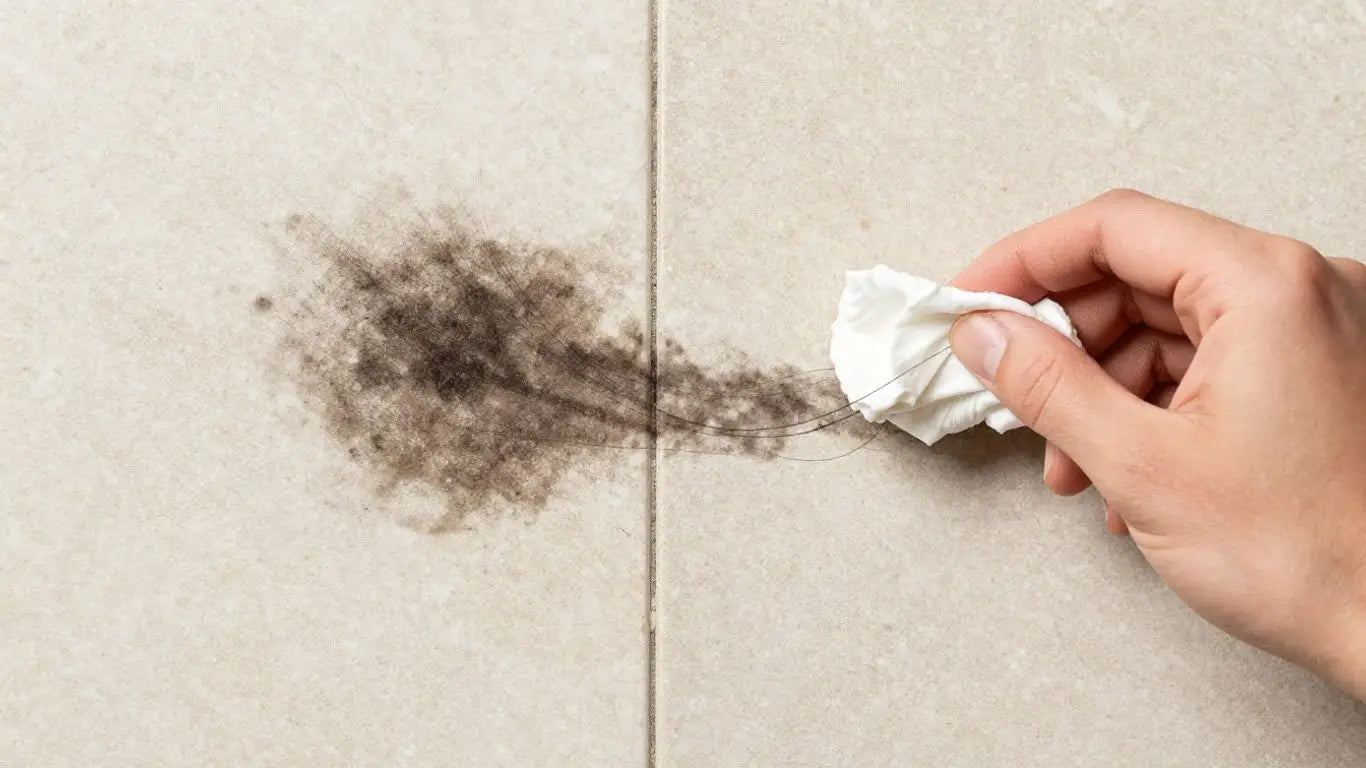
Sometimes, the usual cleaning tricks just don't cut it. When you're facing a really stubborn stain on your travertine, it's time to bring out the heavy hitters. These aren't your everyday spills; we're talking about marks that have really set in or come from tough sources.
The Science Behind Stain Lifting
Stain removal on porous materials like travertine is all about drawing the offending substance out of the stone's tiny holes. It's a bit like a reverse osmosis process. The key is using an agent that can break down the stain and an absorbent material to pull it out. The longer a stain sits, the deeper it penetrates, making removal more challenging. Think of it as a race against time, but for really old stains, it's more like a marathon.
Utilizing Chemical Reactions for Stain Removal
Certain stains respond best to specific chemical reactions. For instance, organic stains (like wine or coffee) might break down with oxidizing agents, while inorganic stains (like rust) need different treatments. It's important to know what you're dealing with before you start. Using the wrong chemical can actually make the stain worse or damage the stone itself. Always test in a hidden spot first!
The Role of pH Levels in Cleaning Travertine
Travertine is sensitive to acids and strong alkalis. Acids can etch the surface, making it look dull and chalky, while very strong alkaline cleaners can also cause damage over time. Most effective stain removers for travertine aim for a neutral or slightly alkaline pH. This balance is key to lifting stains without harming the stone's natural beauty. You can find pH-neutral cleaners specifically designed for natural stone, which are a safe bet for most situations.
Understanding the Penetration Depth of Stains
How deep a stain has gone into the travertine is a major factor in how hard it will be to remove. Fresh spills that are blotted up quickly have a shallow penetration. Older, set-in stains, however, can soak deep into the pores. This is where techniques like poultices become really important. They are designed to sit on the stain for an extended period, giving the cleaning agent time to work its way down and draw the stain upwards. For deep stains, you might need multiple applications of a poultice. It's a process that requires patience.
Combining Methods for Complex Stain Scenarios
Sometimes, a single approach isn't enough. You might have a stain that has both organic and inorganic components, or one that has been treated incorrectly in the past, making it harder to lift. In these cases, combining different techniques might be necessary. For example, you might start with a specific chemical treatment to break down the bulk of the stain, followed by a poultice to draw out any remaining residue. Always proceed with caution and test each step.
When to Consider Professional Stone Restoration
If you've tried multiple methods and the stain is still visible, or if you're worried about damaging your beautiful travertine, it's time to call in the pros. Professional stone restoration services have access to specialized equipment and stronger, yet safe, cleaning agents. They can assess the stain and the stone type to develop the most effective treatment plan. They can also address any etching or dullness that might have occurred during your own cleaning attempts. For projects across the U.S., finding a reputable specialist is key to restoring your stone's original look. Professional travertine cleaning can save you time and prevent costly mistakes.
Patience as a Key Ingredient in Stain Removal
No matter what technique you use, stain removal from travertine often requires patience. Rushing the process can lead to incomplete results or damage to the stone. Allow cleaning agents adequate dwell time, let poultices dry completely, and be prepared to repeat treatments if necessary. The reward for your patience is a beautifully restored travertine surface.
Preventing Stains Before They Happen
It’s a lot easier to stop a stain from happening in the first place than it is to get rid of it later. Travertine, with its natural beauty, deserves a little proactive care. Think of it like giving your stone a protective shield. This isn't about making your life harder; it's about keeping that gorgeous surface looking its best for years to come.
The First Line of Defense: Sealing
Sealing your travertine is probably the single most important step you can take to prevent stains. It fills in those tiny pores that love to soak up spills. Without a good seal, even a simple splash of coffee can become a lasting mark. We recommend sealing your travertine regularly, especially in high-traffic areas or kitchens where spills are more common. It’s a simple process that makes a huge difference.
Choosing the Right Sealant for Your Travertine
Not all sealants are created equal, and the type you choose matters. For travertine, you'll generally want to look for impregnating sealers. These soak into the stone rather than just sitting on top. They offer good protection without changing the look or feel of the stone too much. Some sealers can darken the stone slightly, giving it a richer, 'wet' look, while others aim to maintain the original appearance. Consider the aesthetic you're going for when making your selection. It’s always a good idea to test a small, hidden area first to see how the sealant affects the color and finish.
Regular Maintenance for Stain Resistance
Beyond sealing, consistent cleaning is key. Dust and dirt can act like sandpaper underfoot, dulling the surface and making it more susceptible to stains over time. A quick sweep or dust mop daily can prevent this. For actual cleaning, stick to pH-neutral cleaners. Avoid acidic cleaners like vinegar or lemon juice at all costs, as they can etch the stone's surface, creating dull spots that are hard to fix. Using the wrong cleaner can do more harm than good, so always check the label and opt for products specifically designed for natural stone. You can find great options for natural stone cleaners nationwide.
Educating Household Members on Spill Management
Sometimes, the biggest culprits are the people living in the house! A quick chat with family members or housemates about wiping up spills immediately can go a long way. It’s a simple habit to adopt: see a spill, clean it up. This applies to everything from red wine and coffee to cooking oil and pet accidents. Making everyone aware of the importance of prompt cleanup can significantly reduce the chances of permanent stains.
Strategic Placement of Mats and Rugs
Think about where spills are most likely to happen. Placing doormats at entrances helps trap dirt and moisture before it even gets onto your travertine floors. In kitchens and dining areas, consider using rugs or runners. These act as a buffer zone, catching drips and spills before they reach the stone. Just be sure the rugs have a non-slip backing that won't scratch the travertine.
Immediate Cleanup of Potential Stain Sources
Be mindful of items that are known stain culprits. For instance, if you're doing a craft project involving dyes or paints, lay down a protective sheet. Keep cleaning supplies, especially anything acidic, stored away from your travertine surfaces. If you have plants, use saucers to catch any overflow from watering. It’s all about anticipating potential problems and taking simple steps to avoid them.
Understanding Travertine's Reaction to Cleaning Agents
Travertine is a beautiful natural stone, but it's also a bit sensitive. It’s not like tile or laminate where you can just grab any cleaner under the sink. You really need to know how travertine reacts to different cleaning agents, or you could end up doing more harm than good. It’s all about understanding its unique makeup.
Why Travertine Requires Special Care
Travertine is a type of limestone, formed over thousands of years from mineral deposits, often in hot springs. This process gives it those characteristic pits and natural holes you see. Because of this formation, travertine is naturally porous. This means it can absorb liquids, and it's also softer than granite or quartz. This porosity and relative softness are why it needs a gentler approach to cleaning. Think of it like a sponge – it can soak things up, and it can be scratched more easily.
The Danger of Acidic Cleaners on Travertine
Acids are a big no-no for travertine. Things like vinegar, lemon juice, or even some bathroom cleaners can cause etching. Etching isn't really a stain; it's more like damage to the stone's surface. It looks like a dull, lighter-colored spot where the acid has eaten away at the stone's finish. Once etching happens, it can be tough to fix, sometimes requiring professional polishing. So, always check the pH of your cleaners. You want to stick to neutral or slightly alkaline options.
Alkaline Cleaners and Their Potential Impact
While acids are the main concern, very high alkaline cleaners can also cause problems. We're talking about things like ammonia or strong degreasers. These can sometimes dull the surface of travertine or even cause discoloration over time, especially if left on the stone for too long. It’s a bit of a balancing act; you need cleaners strong enough to tackle stains but gentle enough not to damage the stone itself. For tough jobs, it's often best to look for cleaners specifically designed for natural stone, like those found at American Stone Center.
The Importance of pH-Neutral Solutions
This is where pH-neutral cleaners come in. They are formulated to clean effectively without altering the stone's surface. Many everyday spills and dirt can be handled with a simple solution of water and a mild, pH-neutral dish soap. This is usually the safest bet for daily cleaning and light messes. For more specific stain removal, you might need something a bit more targeted, but always start by checking the pH level.
Testing Cleaning Products Safely
Before you go slathering a new cleaner all over your travertine floor or countertop, do a spot test. Find an inconspicuous area – maybe a corner of the floor that doesn't get much traffic, or the underside of a countertop edge. Apply a small amount of the cleaner and let it sit for the recommended time, then wipe it off and check for any changes in color or texture. This simple step can save you a lot of headaches later on.
How Different Stain Removers Interact with Travertine
Different types of stains require different approaches, and the cleaning agent needs to be compatible with travertine. For instance:
- Organic Stains (wine, coffee, food): Often respond well to hydrogen peroxide or mild alkaline cleaners.
- Oil-Based Stains (grease, cooking oil): Need absorbents like baking soda or specialized degreasers.
- Water Spots/Mineral Deposits: May require a very mild acidic solution (used with extreme caution) or gentle scrubbing.
- Rust Stains: Typically need specific rust removers designed for natural stone.
Avoiding Abrasive Scrubbing Tools
Beyond the chemicals, the tools you use matter too. Avoid abrasive scrubbers like steel wool or stiff-bristled brushes. These can easily scratch the surface of travertine, leaving permanent marks. Opt for soft cloths, microfiber mops, or non-abrasive sponges. Gentle cleaning is key to maintaining that beautiful, natural look of your stone.
Professional Help for Persistent Travertine Stains
Sometimes, no matter how hard you try, those stubborn stains just won't budge. It's frustrating, right? When your DIY efforts hit a wall, it's time to consider bringing in the pros. Professional stone restoration services have the tools and knowledge to tackle even the most challenging travertine issues. They can often remove stains that seem impossible to lift on your own, saving you time and preventing further damage to your beautiful stone.
Recognizing When to Call the Experts
There are a few signs that tell you it's time to stop experimenting and call a specialist. If a stain has penetrated deep into the stone, or if you've tried multiple cleaning methods without success, it's a good indicator. Also, if you notice etching, dullness, or any physical damage to the travertine surface, professional intervention is usually necessary. Don't risk making the problem worse with the wrong approach.
The Benefits of Professional Stone Cleaning
Professionals bring a level of skill and equipment that most homeowners don't have access to. They understand the nuances of natural stone and use specialized cleaning agents and techniques tailored to travertine. This means they can often remove stains more effectively and safely than DIY methods. For projects across the U.S., finding a reputable local service is key.
Advanced Stain Removal Equipment and Techniques
Think of it like this: a professional has a whole toolbox of tricks up their sleeve. This can include specialized poultices, pH-balanced cleaning solutions, and even low-abrasion polishing equipment. They know how to work with the stone's natural properties, not against them. This careful approach is what helps restore the stone's original look.
Restoration Services for Damaged Travertine
Beyond just stains, professionals can handle other issues like etching, chips, or cracks. They can re-hone or re-polish surfaces to bring back their original sheen. If your travertine has seen better days, these services can make a significant difference. Companies like Gooses Carpet and Stone Cleaning offer comprehensive restoration.
Cost-Effectiveness of Professional Intervention
While it might seem like an added expense, hiring a professional can actually be cost-effective in the long run. They can prevent costly mistakes that might require more extensive repairs later. Plus, their work often lasts longer, meaning you won't have to deal with the same issues repeatedly. It's an investment in the longevity and beauty of your travertine.
Finding a Reputable Travertine Specialist
When looking for help, do your homework. Ask for recommendations, check online reviews, and look for specialists with experience specifically in travertine. A good specialist will be transparent about their methods and provide a clear estimate. For those in the Tampa Bay area, LCS Stone Care is a well-regarded option.
Preventative Maintenance Plans from Professionals
Once your travertine is looking its best, a professional can also help you keep it that way. Many offer maintenance plans that include regular cleaning, sealing, and inspections. This proactive approach is the best way to prevent future stains and keep your stone looking pristine for years to come.
Maintaining the Long-Term Beauty of Travertine
Keeping your travertine looking its best isn't a one-time job; it's about a consistent approach to care. Think of it like tending a garden – regular attention prevents bigger problems down the road and keeps everything vibrant. It’s not complicated, but it does require a little know-how.
Establishing a Consistent Cleaning Routine
Daily or every-other-day cleaning is your first line of defense. For most travertine surfaces, especially floors, a simple sweep or a dust mop does the trick. This removes grit and debris that can scratch the stone over time. When you do need to wash it, always use a pH-neutral cleaner specifically designed for natural stone. Water is often enough for light messes, but if you need something more, a mild stone cleaner is your best bet. Avoid anything acidic, like vinegar or lemon-based products, as these can dull the finish.
The Role of Regular Sealing in Protection
Travertine is naturally porous, meaning it can absorb liquids. Sealing fills these tiny pores, making it harder for spills to penetrate and cause stains. How often you need to reseal depends on the type of sealant used and the amount of traffic your travertine gets. A good rule of thumb is to perform a water test every 6-12 months. If water beads up on the surface, your sealant is likely still effective. If it soaks in, it's time to reseal.
Quick Response to Spills and Accidents
This is probably the most important tip. The faster you address a spill, the less likely it is to become a permanent stain. For liquids, blot them up immediately with a soft cloth or paper towel. Don't rub, as this can spread the spill and push it deeper into the stone. For oily or greasy spills, sprinkle an absorbent material like baking soda or cornstarch on the spot right away to soak up as much as possible before cleaning.
Using the Right Tools for Daily Cleaning
When it comes to cleaning tools, gentleness is key. For sweeping, use a soft-bristle broom or a dust mop. For washing, a soft mop head is ideal. Avoid abrasive scrub brushes, steel wool, or harsh scouring pads, as these can scratch the surface of your travertine. Even a vacuum cleaner can be problematic if it has a beater bar that spins; stick to the hard floor setting.
Periodic Deep Cleaning for Travertine Floors
Even with regular care, travertine can benefit from a more thorough cleaning now and then. This might involve using a slightly stronger (but still pH-neutral) stone cleaner and a bit more elbow grease. Pay attention to high-traffic areas or spots that seem dull. This type of cleaning helps remove any buildup that daily wiping might miss and can help restore some of the stone's natural luster. You can find good stone cleaners for travertine tile projects.
Protecting Travertine from Heavy Furniture
Heavy furniture can cause dents or scratches, especially on softer stones like travertine. Using felt pads on the legs of chairs, tables, and sofas is a simple yet effective way to prevent damage. For very heavy items, consider using furniture coasters or sliders. Regularly check these pads to make sure they are clean and haven't accumulated grit that could scratch the floor.
Enjoying Your Beautifully Maintained Travertine
With a little consistent effort, your travertine will maintain its natural elegance for years to come. It’s about building good habits that protect your investment and keep your home looking its best. Regular care not only prevents stains but also preserves the unique character and beauty of this natural stone.
Keeping your travertine looking great for years to come is easier than you might think! Simple cleaning and care can prevent dullness and damage. Want to learn the best ways to protect your beautiful stone floors? Visit our website for expert tips and advice on maintaining the long-term beauty of travertine.
Keeping Your Travertine Beautiful
So, there you have it. Dealing with stains on your travertine doesn't have to be a huge headache. With the right approach and a bit of patience, you can keep your beautiful stone looking its best. Remember, acting fast is usually your best bet, and always test any cleaning method in a hidden spot first. If you're ever unsure or dealing with a really tough spot, don't hesitate to reach out to the pros. Taking good care of your travertine means it'll stay a gorgeous part of your home for years to come.
Frequently Asked Questions
What makes travertine different from other stone floors?
Travertine is a type of limestone that forms near hot springs. It has tiny holes and a unique, natural look. Because of these little holes, it can soak up spills more easily than some other stones, which is why it needs a little extra care.
How quickly should I clean up a spill on my travertine?
You should clean up spills right away! The faster you act, the less chance the spill has to soak into the stone and leave a stain. Think of it like a race against the clock to keep your floor looking great.
What's the best way to clean up a liquid spill?
Don't rub it! Gently blot the spill with a clean cloth or paper towel. Rubbing can spread the mess and push it deeper into the stone. Just dab, dab, dab until it's all gone.
Can I use regular household cleaners on travertine?
Be careful with regular cleaners. Many are too strong or acidic, which can damage travertine's surface, making it look dull. It's usually best to use cleaners made for natural stone or very mild soap and water.
What are common things that stain travertine?
Things like red wine, coffee, juice, oil, grease, and even some pet messes can leave marks. Anything colorful or oily has the potential to stain if left to sit.
How do I get rid of oily stains like from cooking?
For oily spots, try making a paste with baking soda and a little water. Let it sit on the stain for a while to soak up the grease, then gently wipe it away. Sometimes a special stone degreaser works best.
What about stains from things like fruit or wine?
These are often organic stains. A good trick is to use a paste made from hydrogen peroxide and baking soda. Apply it to the stain, let it dry, and then gently clean it off. Always test in a small spot first!
What is a 'poultice' and how is it used?
A poultice is like a special paste made from an absorbent material (like baking soda or paper towels) and a cleaning liquid. You apply it to a stain, cover it, and let it dry. As it dries, it pulls the stain out of the stone.
How do I prevent water spots or rings?
Wipe up any water left standing, especially from glasses or bottles. Using coasters under drinks is a simple but effective way to stop water marks from forming in the first place.
What causes rust stains, and how do I remove them?
Rust often comes from metal objects left on the stone, like flower pots or metal furniture legs. Special rust removers for stone are available, but use them carefully and test first. Sometimes a poultice is needed for deep rust.
Should I seal my travertine floors?
Yes, sealing is super important! It creates a protective layer that helps stop spills from soaking in. You should reseal it every year or two, or whenever water stops beading up on the surface.
When should I call a professional for travertine stains?
If you've tried gentle cleaning methods and the stain is still there, or if you're worried about damaging the stone, it's best to call a pro. They have special tools and knowledge for tough stains and restoration.