








Key Takeaways
Choosing the right natural stone can transform a room from ordinary to extraordinary, provided you understand the nuances of the material. Consider these essential points when planning your renovation:
- Select your marble type based on the specific color profile and atmospheric mood you want to capture in each room.
- Match the finish—polished, honed, or tumbled—to the function of the space to balance beauty with utility.
- Incorporate varied layouts like herringbone or checkerboard to create movement and visual interest across your flooring.
- Extend the reach of marble beyond the floor by utilizing it for fireplace surrounds, feature walls, and decorative molding.
- Build a consistent maintenance schedule to ensure your natural stone retains its luster and integrity for years to come.
Selecting the right marble for your space
Selecting the perfect stone involves more than just picking a color you happen to like. You need to consider how the light in your specific room interacts with the stone's veining and surface properties, which can dramatically change the feel of your home. By working with a direct importer like Surfaces Galore, you can find authentic pieces that bring a timeless elegance to your residential or commercial projects.
Understanding marble varieties and color profiles
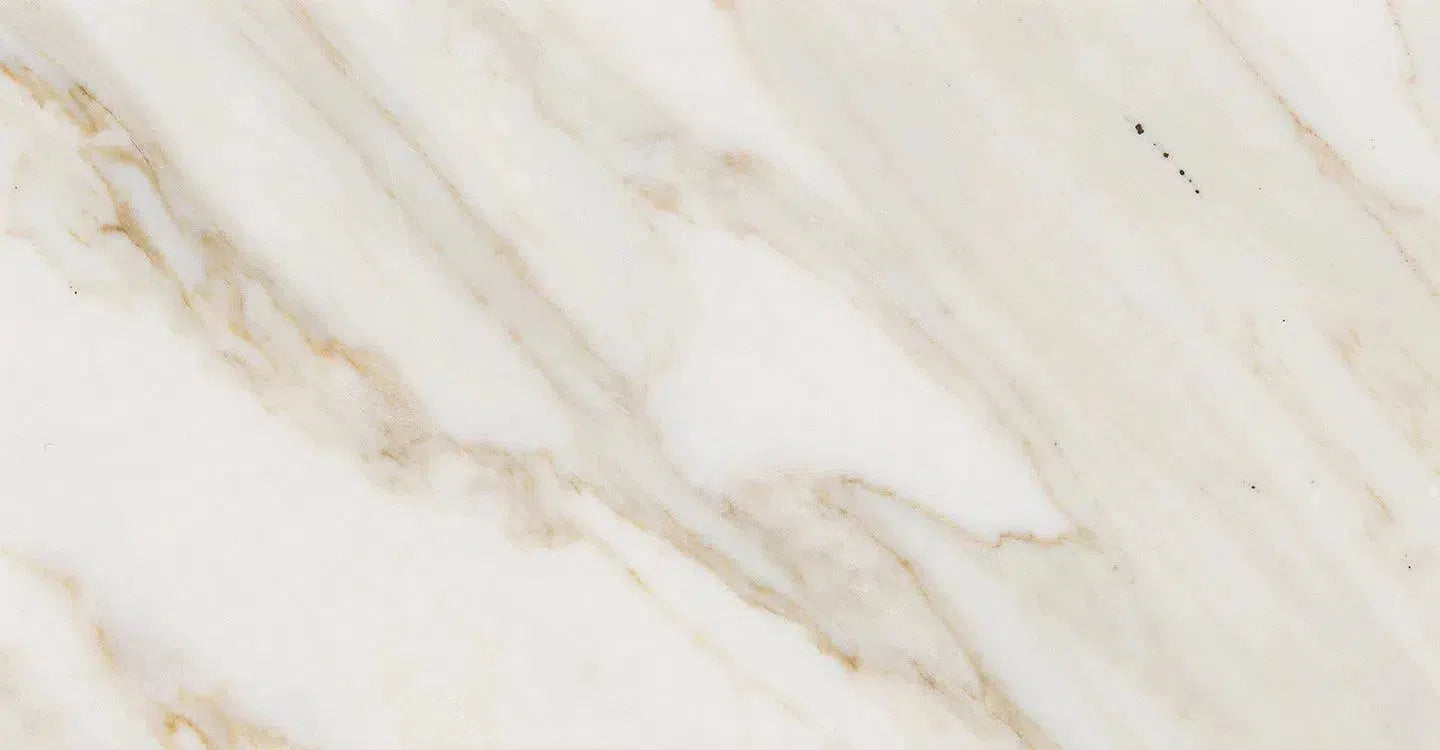
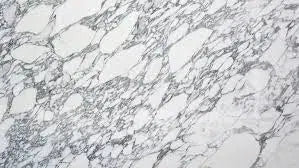
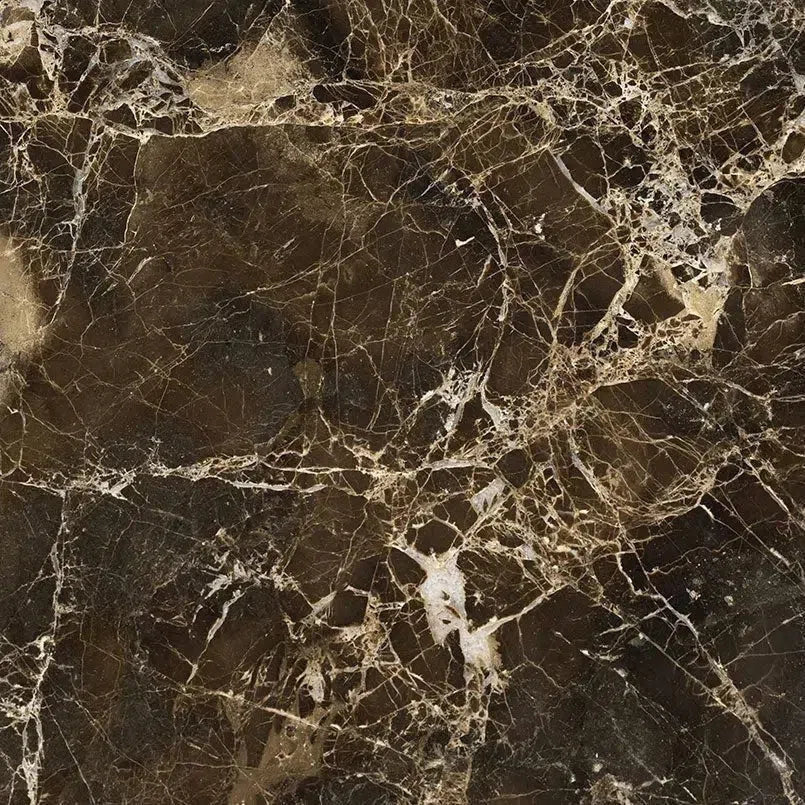
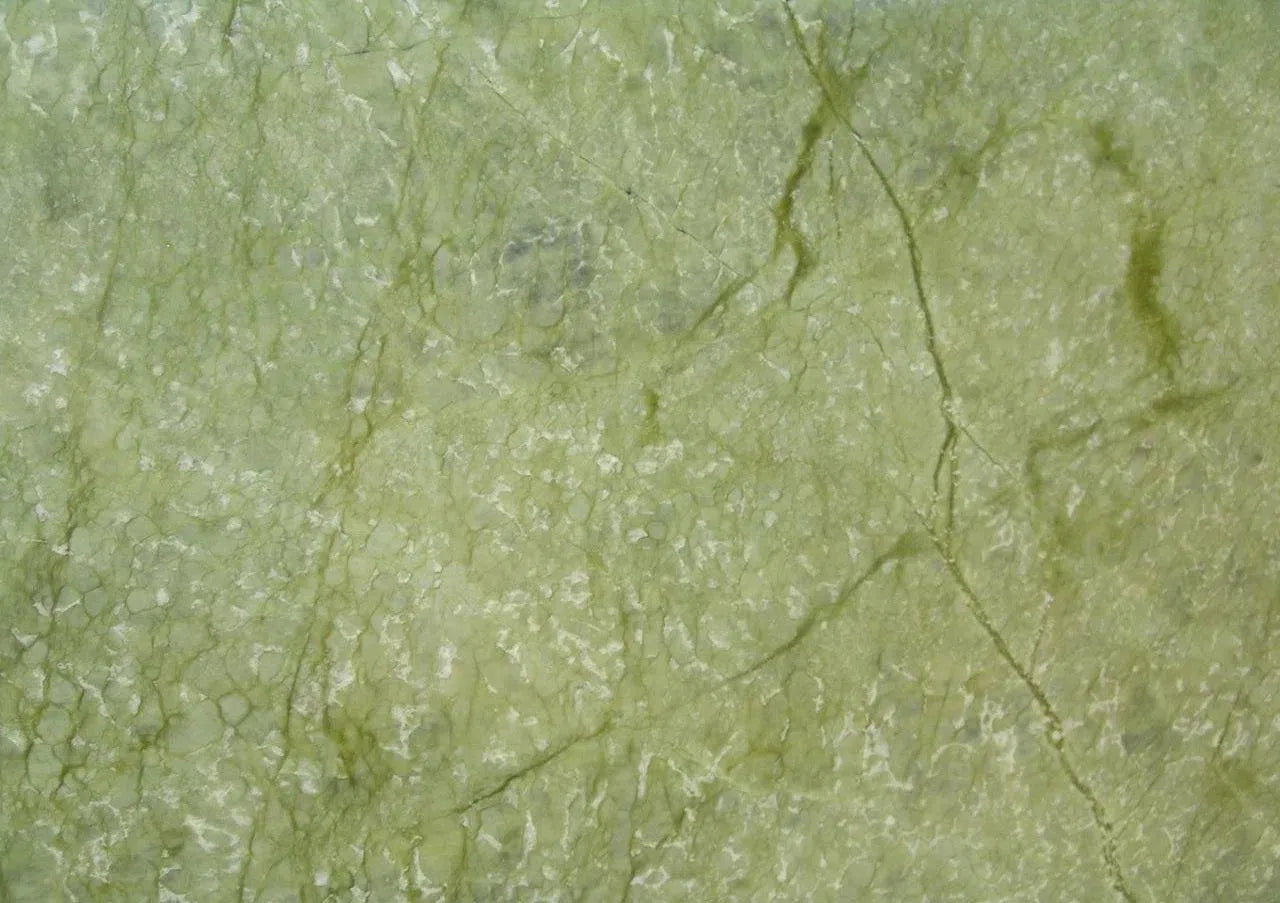
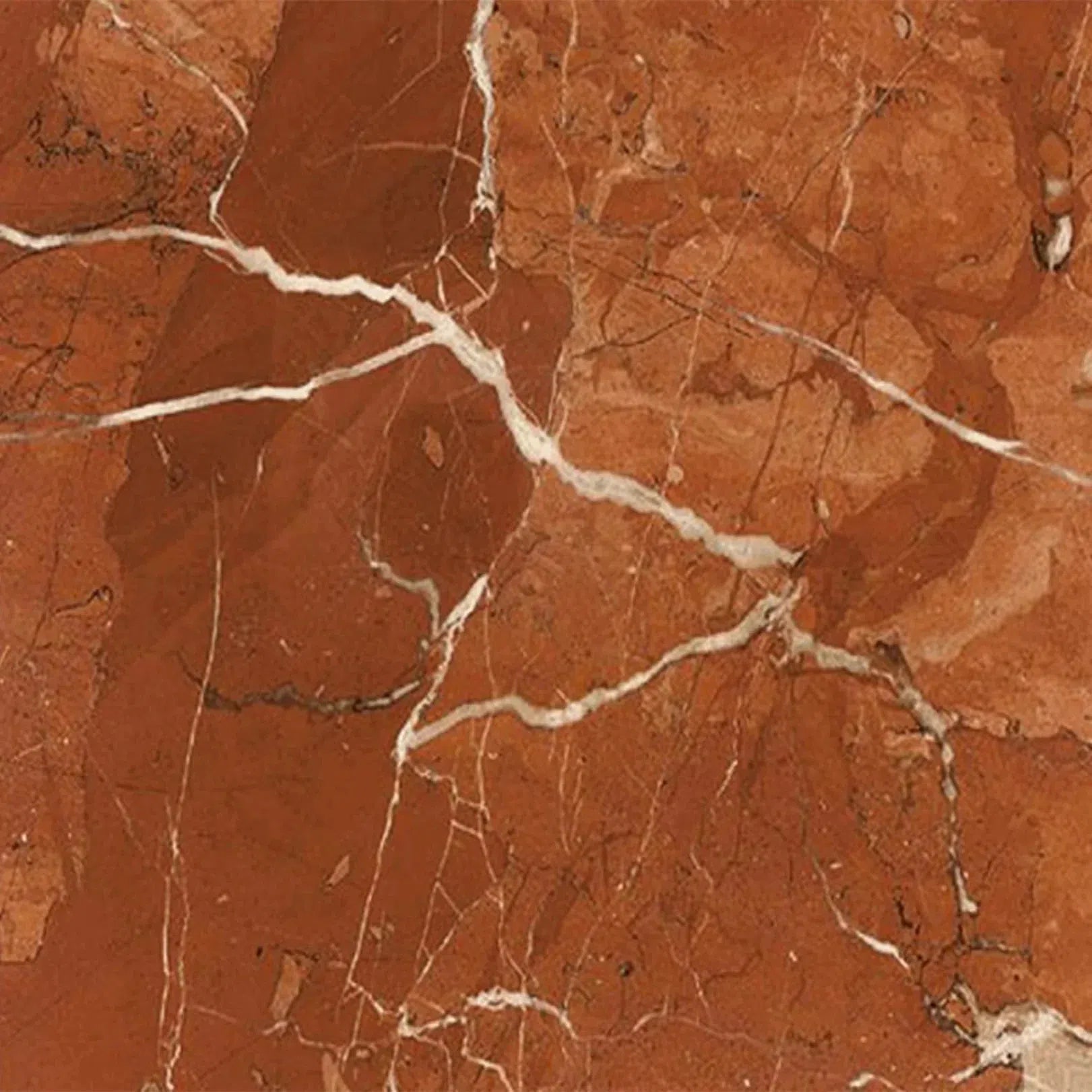
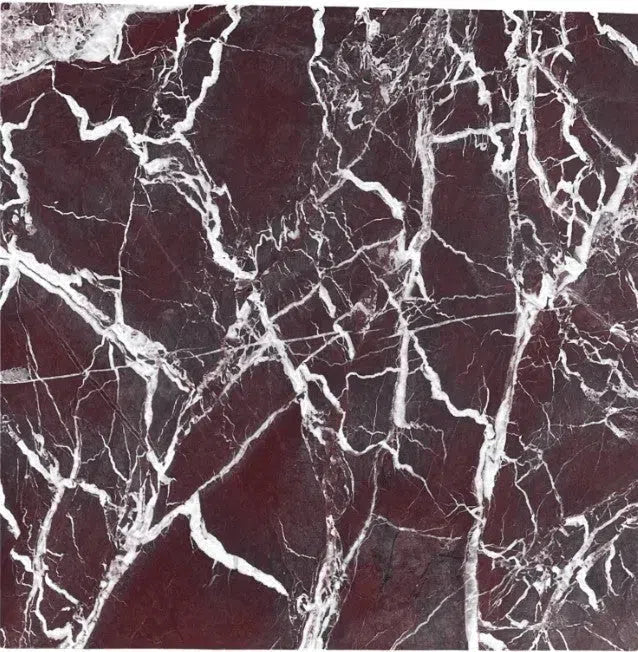
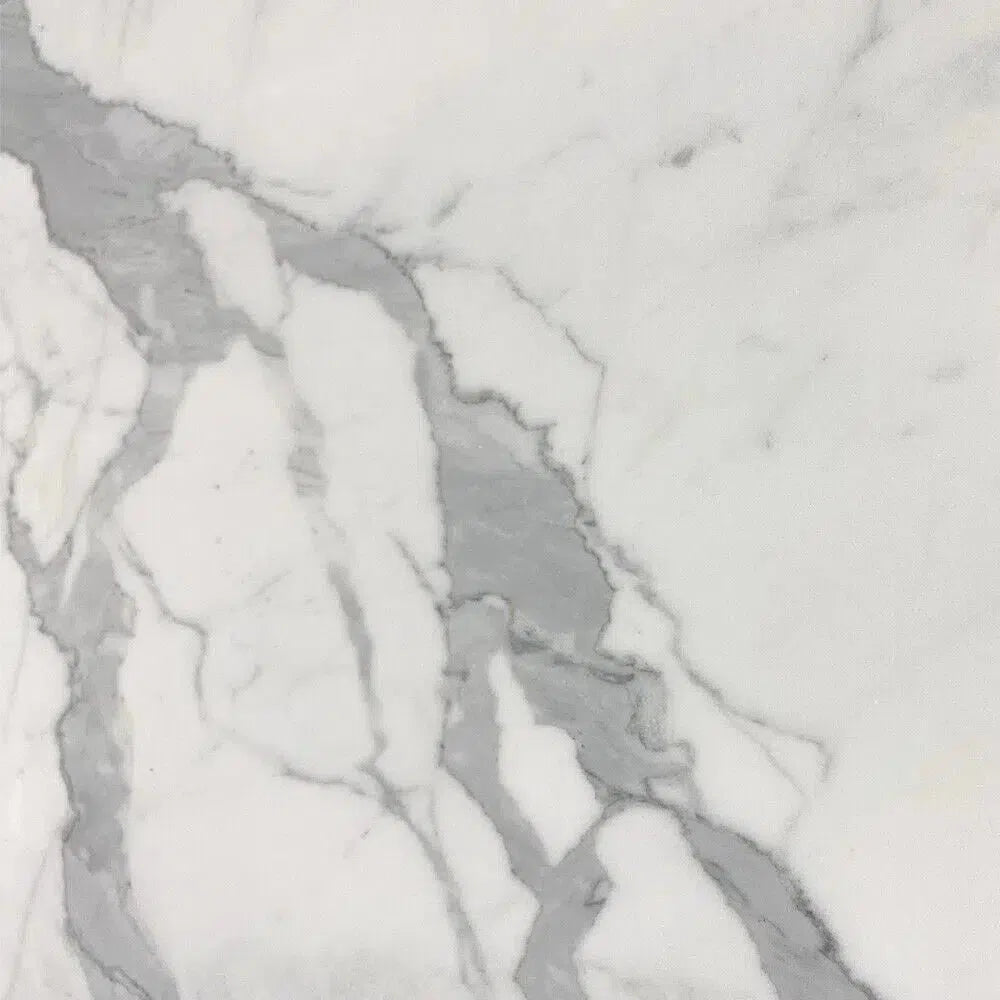
Every marble variety carries a unique narrative told through its color and mineral composition. Whether you are drawn to the pure, clean white tones of Statuary White or the deep, dramatic charcoal hues found in Pietra Notte, the choice of marble acts as the primary anchor for your interior design. Think of these stones as the canvas upon which your room's furniture and accents will rest, ensuring your space feels cohesive.
Choosing between polished, honed, and tumbled finishes
| Marble Finish | Ideal Application | Aesthetic Effect |
|---|---|---|
| Polished | Living Rooms | High gloss, high reflection |
| Honed | Bathrooms/High Traffic | Matte texture, soft feel |
| Tumbled | Outdoor/Rustic | Aged look, textured surface |
Selecting the finish is a practical decision that affects both safety and style. A polished finish offers a mirror-like shine that brightens up a formal dining room, while a honed finish provides a softer, tactile experience that feels gentle underfoot in a bathroom or private lounge. Much like how one might evaluate a Signature Solitaire Collection for its structural brilliance, you must consider how each light-catching surface influences the overall mood of the area.
Matching stone durability to room traffic requirements
Some areas of a home demand more robust materials than others due to the frequency of use. While you might want the most delicate, intricate veining for a feature wall, your primary entryway floors require stones known for their structural endurance and density. Just as you might use a free heart rate widget to track intensity in a workout, assessing foot traffic ensures your flooring choice stays resilient without showing early signs of excessive wear.
Design patterns and layout techniques

Laying tile is an art form that can completely redefine the scale of a room through precise geometry and pattern selection. When you lean into classic configurations, you create a sense of heritage that feels both expensive and deeply intentional. Whether you are planning a grand foyer or a private retreat, thinking carefully about your pattern will make the final result feel balanced and sophisticated.
Creating a timeless checkerboard aesthetic
The checkerboard pattern remains a staple of high-end design because it effortlessly draws the eye and anchors a room with structural balance. By alternating light and dark stones, you generate a rhythmic contrast that makes even the most classic interiors feel fresh and dynamic. It is a bold move that signals a confidence in your design, turning floors into a central statement of architectural beauty that never goes out of style.
Implementing classic herringbone and basketweave patterns
Herringbone patterns offer a sense of direction, helping to elongate narrow hallways or guide guests into larger living spaces. Basketweave layouts, by contrast, add a sense of intricate detail that works perfectly in smaller areas like mudrooms or powder rooms where personality is key. These patterns allow you to discover the best glass meal prep containers for organized living and beautiful spaces simultaneously, proving that utility and high-end design can coexist in your home foundation.
Integrating intricate waterjet and geometric mosaic accents
Sometimes, the most memorable parts of a home are the smaller, highly detailed moments that show off artisanal craftsmanship. Using waterjet technology, designers can create incredibly precise geometric mosaics that serve as centerpieces or decorative borders. These accents allow you to introduce sophisticated curves and complex shapes that would be impossible to achieve with standard square tiles, giving your project a bespoke identity.
Incorporating marble decor beyond the floor
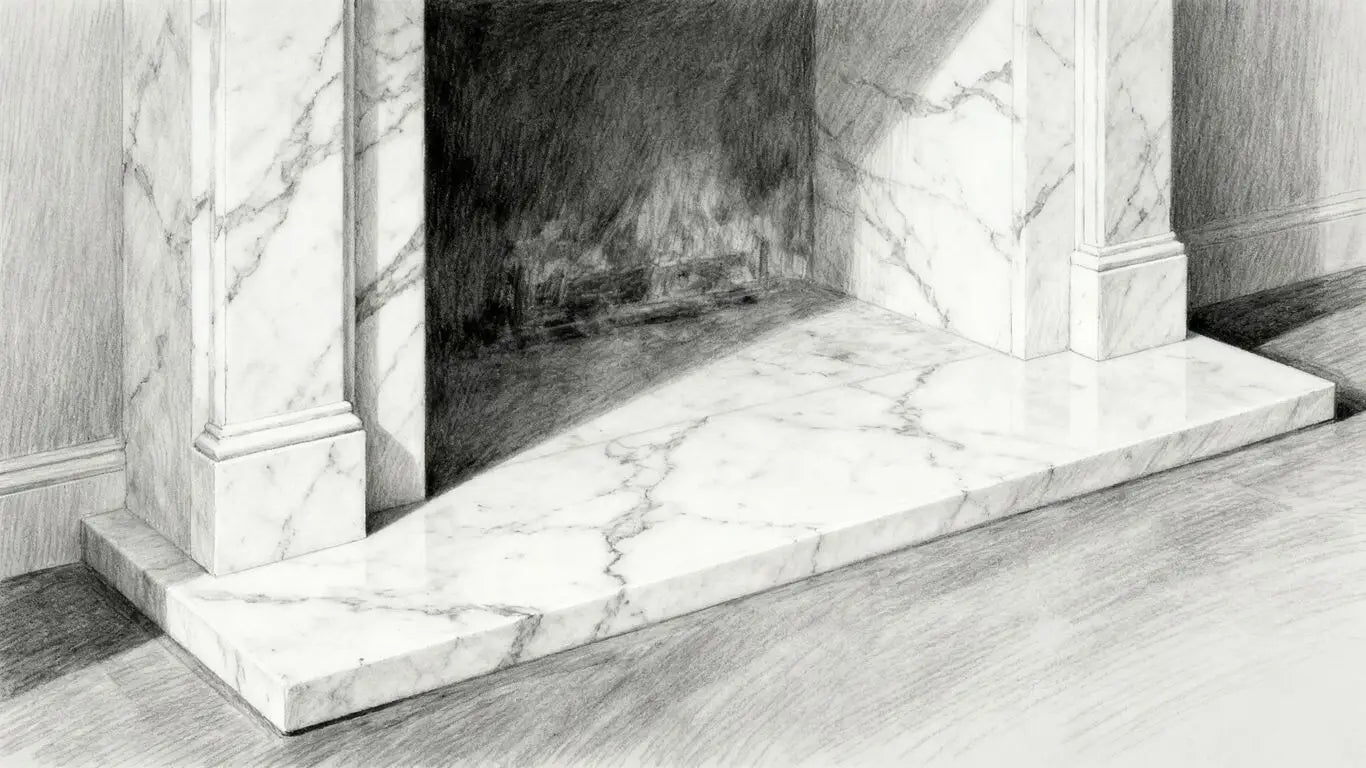
The impact of marble is not confined to what lies beneath your feet; it provides a structural luxury to every vertical surface it touches. Bringing natural stone up to the walls or onto fireplace surrounds creates a seamless, immersive environment that feels like a boutique gallery space. When Surfaces Galore provides high-quality slabs for these elements, you are investing in a cohesive visual language that ties together disparate architectural features.
Designing seamless marble fireplace surrounds
Installing marble around a fireplace transforms a standard heating element into a major focal point. Because marble is naturally heat-resistant, it is an excellent candidate for framing a hearth, offering a clean, cool contrast to the warmth of a fire. It creates a striking transition between the functional firebox and the rest of the decor in your living area, making the space feel finished and curated.
Adding sophisticated wall cladding and feature wall elements
Wall cladding is a powerful way to add substance to a room without the visual clutter of heavy wallpaper or paint. Using large-format marble tiles, you can achieve a sophisticated, monolithic look that feels calm and minimalist. It is an ideal way to turn a bland wall into a texture-rich background, especially if the stone exhibits bold, natural movement in its veining.
Accenting spaces with decorative marble trim and moldings
Sometimes, it is the subtle detailing that elevates an entire renovation into something truly exceptional. Decorative marble trims, chair rails, and baseboards provide a finished look that makes tile work feel like a permanent part of the home's structure. These small additions act much like the evidence in a slip and fall lawsuit, where every small detail serves as proof of a well-constructed argument or, in this case, a well-constructed room.
Coordinating marble with interior design elements
Balancing your stone surfaces with the rest of your home requires an awareness of textures and light. You want your marble to stand out as a luxury material without creating a space that feels cold, sterile, or overwhelming. It is important to remember that design is a dialogue between your natural materials and the softer, warmer elements in your living space.
Pairing cool natural stone with warm wood textures
Wood acts as the perfect companion to the cool, smooth surface of marble because it introduces immediate organic warmth. Placing a light oak dining table atop a polished white marble floor creates an inviting, breathable atmosphere. This balance of the old and new, the soft wood grain against the hard stone surface, makes for a space that is comfortable to inhabit even at its most elegant.
Using metal fixtures to complement veining patterns
Selecting hardware that mirrors the colors within your marble's veins is a expert-level way to create harmony. For example, if your stone features subtle hints of gold or amber, choosing brushed gold or brass faucets and cabinet pulls makes those colors pop. This thoughtful coordination ensures that your metal fixtures don't just sit on top of the stone but instead interact with it for a unified, designer appearance.
Balancing minimalist furniture with bold marble statements
When you have dramatic marble, you should allow it to be the star of the show. Minimalist modern furniture with clean lines often works best, as it does not compete with the complex, natural movement found in your marble tile floor and decor. By curating your space to highlight the stone, you enable it to speak for itself while maintaining a functional and uncluttered lifestyle.
Maintenance and care for lasting beauty
- Keep stone surfaces clean with a neutral pH cleanser to prevent etching.
- Wipe up spills immediately, especially acidic substances like lemon or wine.
- Apply professional-grade sealers annually to block staining and moisture penetration.
- Use protective felts on the bottom of all furniture legs to avoid scratches.
- Consult with your supplier if you encounter any ozone suppositories for UTIs style questions regarding niche chemical maintenance.
Establishing a rigorous care routine is essential to keep your investment looking fresh and vibrant for decades. While marble is exceptionally durable, it is also a porous natural material that benefits immensely from regular, mindful maintenance. By being proactive, you avoid the need for larger, disruptive repairs later on.
Establishing a regular cleaning and maintenance routine
Daily care does not need to be complicated, but it should be consistent. Keeping your surfaces free of grit and dust prevents the microscopic scratches that can dull a polished surface over time. Surfaces Galore recommends a simple, gentle approach that respects the natural integrity of the stone while ensuring that your home's most beautiful spaces remain hygienic and bright.
Managing professional sealing and stain protection
Sealing is the primary defense your stone has against the realities of daily life, such as spills or heavy traffic. Think of a high-quality sealant as an invisible shield that buys you the time needed to clean mishaps before they soak into the stone. While the frequency depends on usage, a professional annual review can ensure that your stone remains as resilient as the day it was installed.
Handling signs of natural wear and minor surface repairs
Even with the best care, natural stone may age, and that aging process is part of its charm. Minor surface chips or dulling can often be addressed through professional polishing or specialized repair kits. Understanding how to handle these signs of wear means you can maintain the high value and aesthetic appeal of your home surfaces indefinitely.
Conclusion
Elevating your home through the thoughtful application of premium stone creates an environment of lasting style and sophisticated charm. Whether you choose the bold contrast of a checkerboard floor or the refined elegance of a marble fireplace, these additions enhance both the feel and the market value of your residence. By leaning on the quality materials available through trusted sources like Surfaces Galore, you ensure that your design projects remain beautiful and durable for years to come.
Frequently Asked Questions
Can marble be installed in high-traffic areas like entryways?
Yes, marble is a strong and durable material suitable for high-traffic zones, provided it is installed correctly and matched with a resilient finish. Regular sealing and proper maintenance ensure it endures daily use while maintaining its elegant appearance.
How does the finish affect the slipperiness of marble floors?
Polished marble is naturally smoother and may become slick when wet, whereas honed or tumbled finishes provide more surface texture and grip. For wet environments like bathrooms or outdoor areas, a honed or tumbled finish is generally recommended for increased safety.
Is marble tile compatible with radiant floor heating systems?
Marble is an excellent choice for radiant heating because it is a natural stone that effectively conducts and retains thermal energy. This combination provides a comfortable, warm floor surface that enhances the luxury of your living area during cooler months.
Should I be concerned about staining on my marble surfaces?
While marble is porous and can absorb liquids, most potential staining is preventable with the correct sealer application and a quick response to spills. Avoid using harsh acidic cleaners and focus on immediate cleanup to keep surfaces pristine.
How often does marble flooring need to be resealed?
Generally, marble floors should be resealed every 6 to 12 months depending on the level of foot traffic and exposure. Always perform a water bead test; if water no longer beads on the surface, it is time for a fresh coat of quality sealer.
Can I mix different types of marble in one design project?
Mixing marble varieties can create a stunning, custom look, provided you coordinate them by finish or color undertones. Pairing different stones is a common design strategy to define zones within a room while maintaining a cohesive, high-end visual flow.
Does real natural marble require a specialized installer?
Because of the precision required for pattern alignment and the specific sealing needs of natural stone, working with an experienced tile setter is recommended. A professional installer ensures that the material is laid leveled, properly set, and sealed for long-term endurance.