





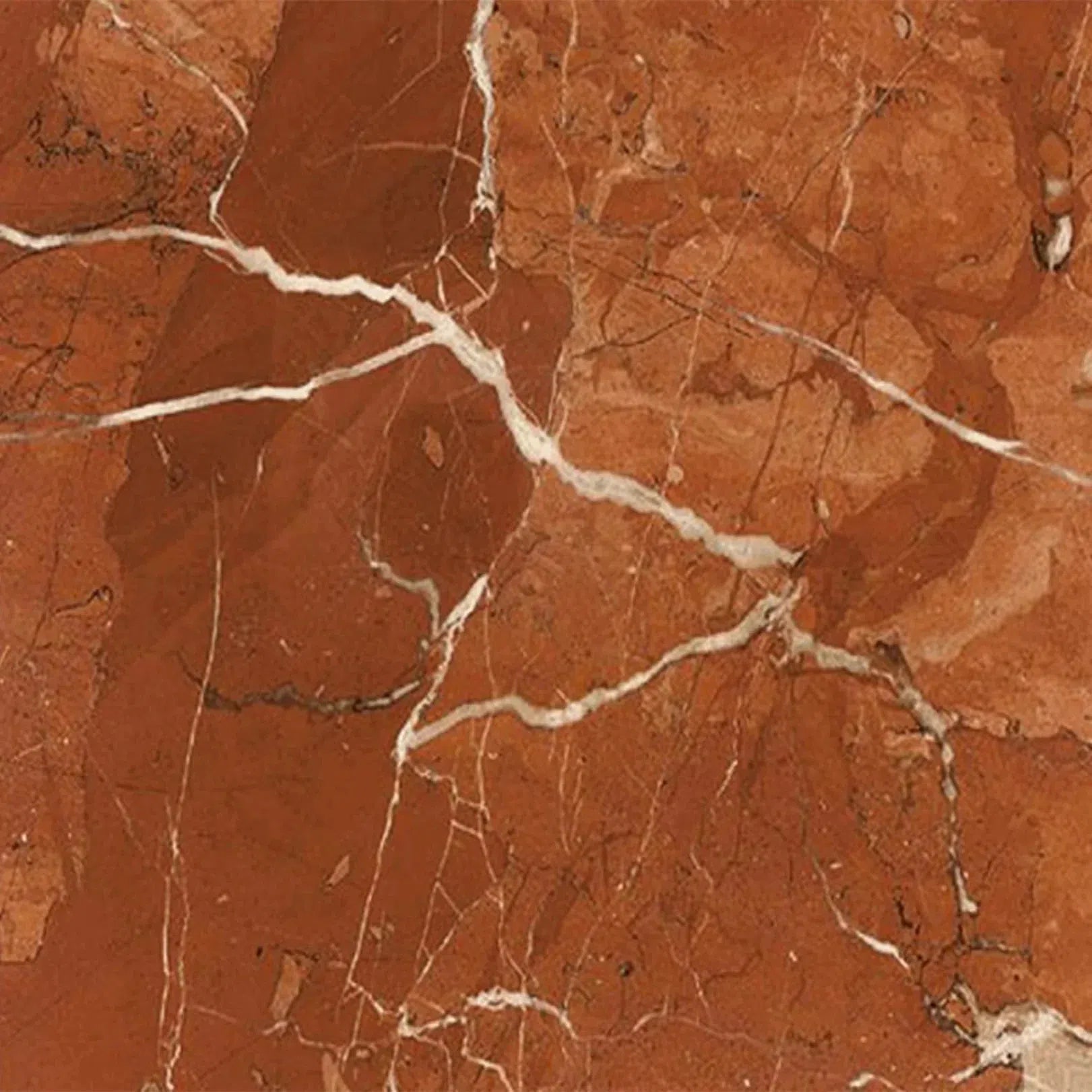
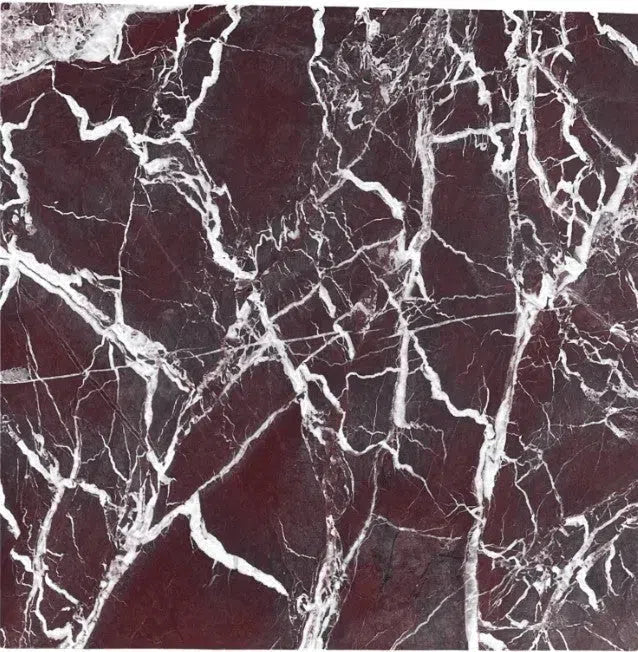


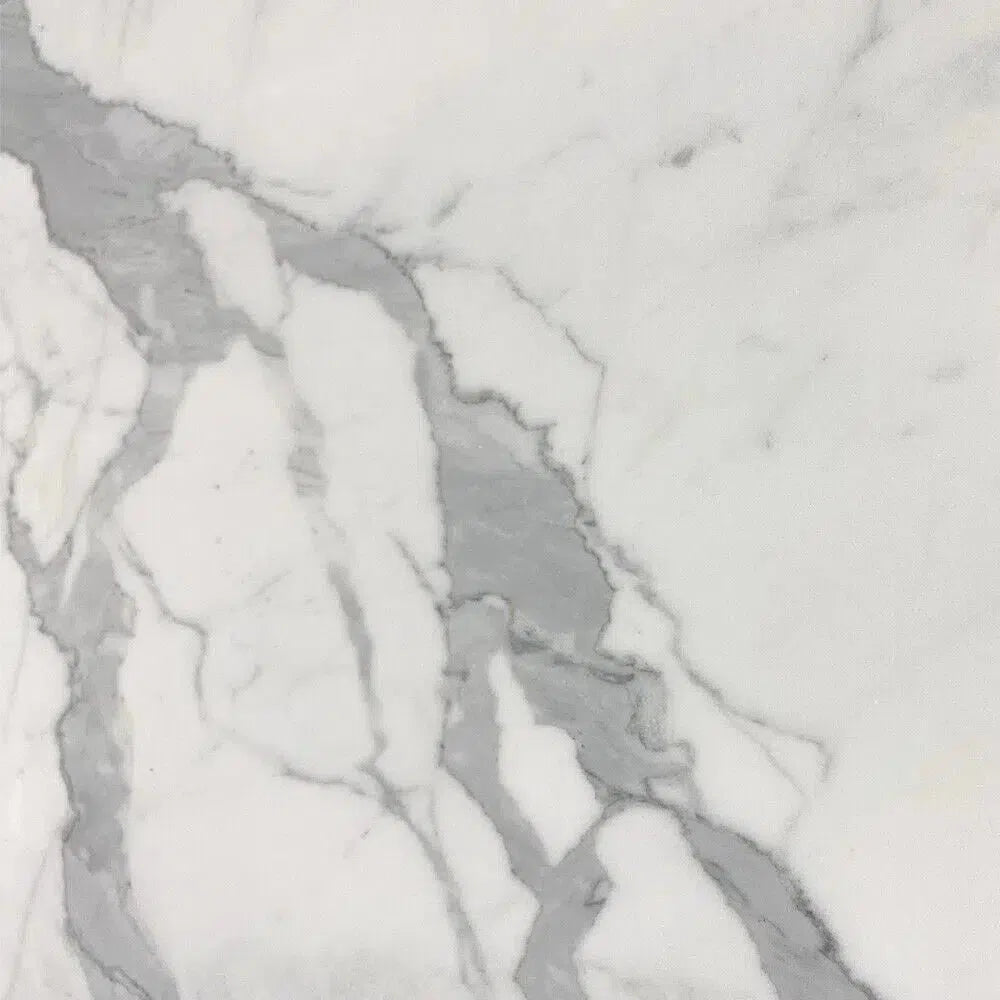

Marble is beautiful, right? It makes kitchens and bathrooms look fancy. But keeping it looking good takes a bit of effort. If you just ignore it, it can get dull or stained pretty fast. This guide is all about the maintenance of marble, so you can keep that shine for a long time. We'll go over the basics, what to use, and what to stay away from. It’s not rocket science, but knowing a few things makes a big difference.
Key Takeaways
- Marble is porous and sensitive to acids, so be gentle.
- Clean spills right away to prevent stains.
- Always use pH-neutral cleaners; avoid harsh chemicals.
- Poultices are great for lifting tough stains.
- Sealing marble is important for protection.
- Use coasters and trivets to prevent etching and heat damage.
- Protect marble from scratches by using felt pads and cutting boards.
- Regular cleaning and occasional professional help keep marble looking its best.
Understanding Your Marble's Unique Nature
Marble. It's beautiful, it's classic, and it can really make a space feel special. But let's be real, it's not like other materials you might have in your home. It's got its own quirks, and knowing them is half the battle when it comes to keeping it looking good. Think of it like getting to know a new friend – the better you understand them, the smoother things go.
The Porous Personality of Marble
One of the first things to get your head around is that marble is porous. This means it has tiny little holes, kind of like a sponge. Because of this, it can soak up liquids. Spills, especially colored ones like red wine or coffee, can seep in if you don't wipe them up quickly. This is why sealing your marble is so important; it helps fill those little holes and makes it harder for things to penetrate. It’s a natural stone, and marble is a metamorphic rock formed under intense heat and pressure, which gives it this characteristic.
Recognizing Marble's Sensitivity to Acids
This is a big one. Marble really doesn't like acids. Things like lemon juice, vinegar, or even some common household cleaners can react with the calcium carbonate in the stone. This reaction doesn't usually cause a stain, but rather an etch mark. It looks like a dull spot, almost like the shine has been removed. You'll see this happen more often on polished surfaces. It's not permanent damage, but it does require attention to fix.
Appreciating Marble's Natural Veining and Color Variations
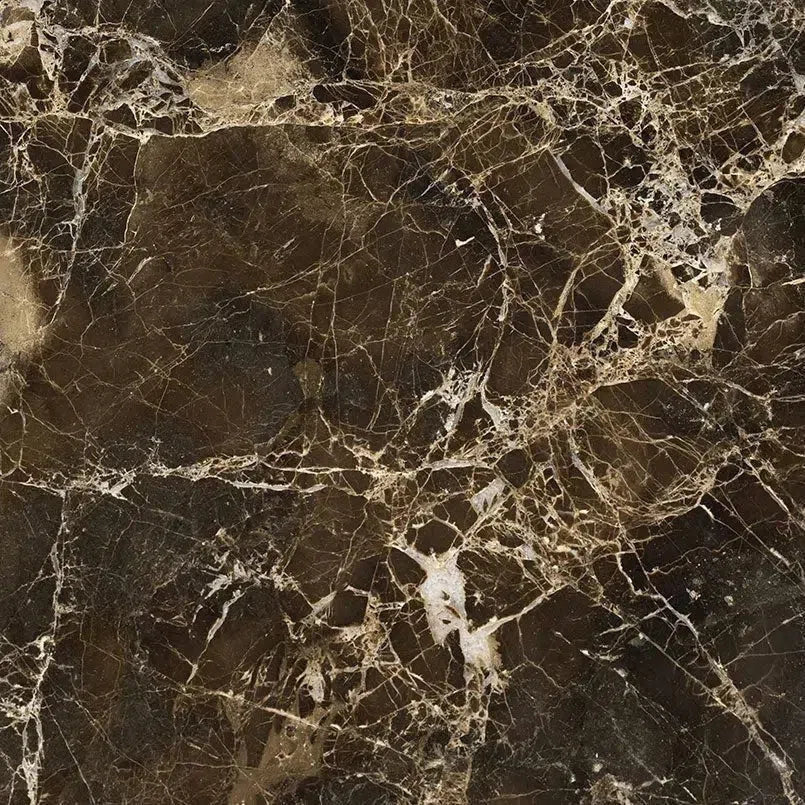
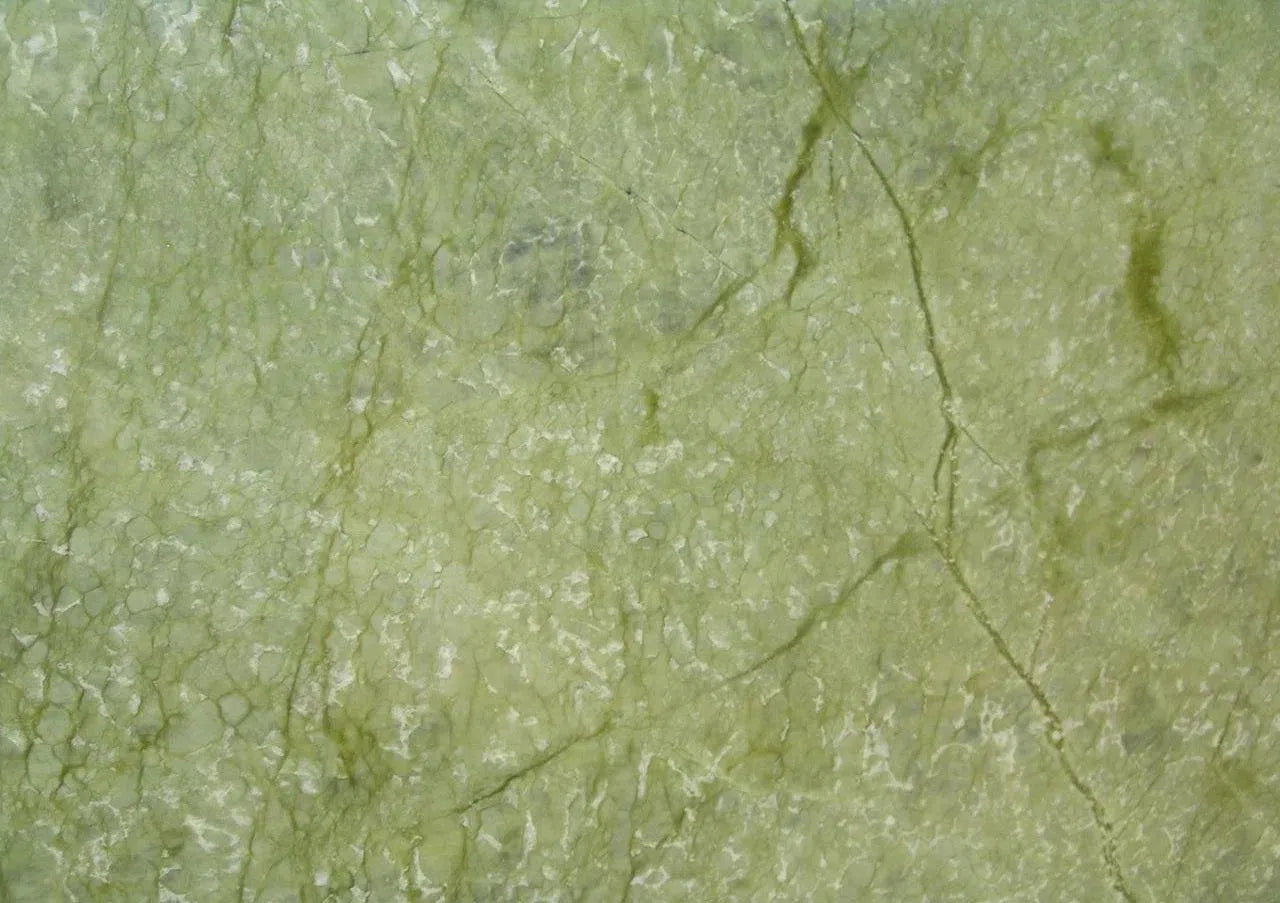
No two pieces of marble are exactly alike. That's part of its charm! The veining, the swirls, the subtle shifts in color – these are all natural features. They come from the minerals present when the stone was formed. So, if you notice variations from one slab to another, or even within the same piece, that's perfectly normal. It's what makes your marble unique to your project.
Identifying Different Marble Finishes
Marble can come in a few different finishes, and they affect how it looks and how it behaves. The most common are polished, honed, and leathered.
- Polished: This is the shiny, mirror-like finish. It really makes the colors pop but also shows etches and scratches more easily.
- Honed: This finish is matte, with a smooth, low-sheen surface. It's more forgiving when it comes to etching and everyday wear.
- Leathered: This has a textured, slightly uneven surface, often with a matte finish. It hides minor imperfections well and gives a more rustic feel.
The Importance of Marble's Origin
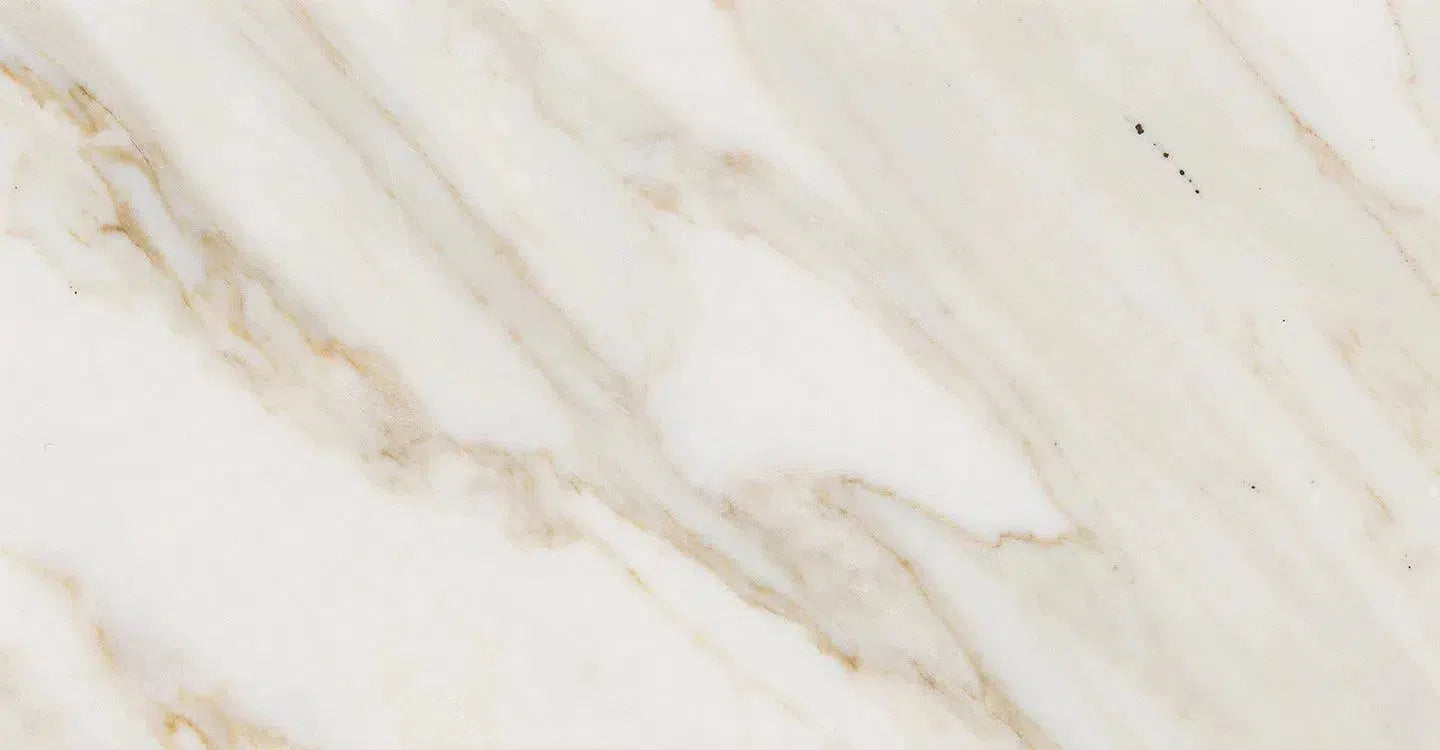
Where your marble comes from can actually matter. Different quarries produce stones with distinct characteristics. For example, Carrara marble from Italy is known for its soft, grey veining, while Calacatta marble, also from Italy, often has bolder, darker veining and a whiter background. Knowing the origin can give you clues about its specific properties and how it might perform in your home.
Marble's Reaction to Heat and Cold
Marble is pretty good with heat, but it's not indestructible. Extreme, sudden temperature changes can cause issues, like cracking or thermal shock, especially if the stone is already stressed. You wouldn't want to put a scorching hot pan directly on a cold marble surface. Similarly, in very cold climates, especially for exterior applications, freezing temperatures can cause damage if moisture gets into the stone and expands.
Understanding Marble's Lifespan Potential
With the right care, marble can last for generations. Seriously, think about the marble countertops or floors in historic buildings – they've been around for centuries! Proper maintenance is key to unlocking its full lifespan. Neglecting it, however, can lead to premature wear and tear, making it look tired much sooner than it should. It’s an investment, and like any good investment, it needs looking after.
Establishing a Consistent Cleaning Routine
Keeping your marble looking its best isn't about complicated procedures; it's about building simple, regular habits. Think of it like tending to a garden – consistent care prevents bigger problems down the line. A regular cleaning routine is your first line of defense against dullness and damage.
Daily Wiping for Surface Grime
Marble surfaces, especially countertops and floors, can pick up dust and small particles throughout the day. These seemingly harmless bits can act like sandpaper underfoot or when you wipe them. A quick wipe-down with a dry, soft microfiber cloth each day is usually enough to whisk away this surface grit. This simple step prevents tiny scratches that can dull your marble's natural shine over time. It’s a small effort that makes a big difference in maintaining that pristine look.
Weekly Deep Cleaning for Lasting Shine
Once a week, it’s time for a slightly more thorough clean. This involves using a damp cloth with a pH-neutral cleaner specifically designed for natural stone. Avoid anything acidic or abrasive, as these can etch or dull the surface. Gently wipe down all marble surfaces, paying attention to areas that see more use. Rinse the cloth frequently and wipe again with a clean, damp cloth to remove any cleaner residue. Finally, buff the surface dry with a clean, soft cloth to bring out its natural luster. This weekly ritual helps keep your marble looking vibrant and well-cared for.
Monthly Stain Assessment and Treatment
Set aside some time each month to really look at your marble. Check for any new spots or discoloration that might have appeared. Sometimes, spills that weren't immediately noticed can start to set in. If you find a stain, don't panic. The method for removal often depends on the type of stain. For common issues, a poultice made from baking soda and water can work wonders. For tougher stains, you might need a specialized cleaner. It’s always a good idea to test any treatment in an inconspicuous area first. Addressing stains promptly is key to preventing permanent marks on your beautiful marble surfaces.
Seasonal Polishing for Enhanced Luster
Think of seasonal polishing as a spa treatment for your marble. A couple of times a year, you might want to give your marble a bit of extra attention to really make it shine. This doesn't necessarily mean a full-on buffing session, but rather using a marble polishing compound. These products can help fill in tiny imperfections and restore some of the original gleam. Always follow the product instructions carefully and work in small sections. This can be a great way to refresh the look of your marble, especially in areas that get a lot of light.
Immediate Spill Response Protocols
This is perhaps the most critical part of marble care: act fast when spills happen. Marble is porous, meaning liquids can seep in if left sitting. For most spills, a simple blot with a clean, dry cloth is the first step. If liquid remains, use a damp cloth to wipe the area. For sticky or colored spills, a bit of pH-neutral soap might be needed. The faster you address a spill, the less likely it is to leave a permanent mark or stain. Don't let spills linger; a quick response is your best strategy for maintaining the integrity of your stone.
Maintaining marble isn't about being overly cautious; it's about being mindful. Understanding how marble reacts to different substances and acting quickly when accidents happen will go a long way in preserving its beauty for years to come. It’s about building good habits that become second nature.
The Role of pH-Neutral Cleaners
When it comes to cleaning marble, the pH level of your cleaning agent is super important. Marble is a natural stone that can be sensitive to acids and strong alkaline substances. Using a cleaner with a neutral pH (around 7) is the safest bet. These cleaners won't strip away the sealant or etch the surface. You can find many commercially available marble cleaners that are specifically formulated to be pH-neutral. Even a very mild dish soap diluted in water can often do the trick for everyday cleaning, as long as it's truly mild and rinsed well. Always check the label to be sure.
Avoiding Abrasive Scrubbing Techniques
It might be tempting to scrub away at a stubborn spot, but with marble, this can do more harm than good. Abrasive cleaners or scrubbing tools, like steel wool or stiff-bristled brushes, can easily scratch the surface of your marble. These scratches might be minor at first, but over time, they accumulate and make the stone look dull and worn. Instead of scrubbing hard, focus on using the right cleaning agents and allowing them to do the work. For tougher spots, a gentle, circular motion with a soft cloth or sponge is usually sufficient. Patience is key when cleaning marble.
Selecting the Right Cleaning Agents
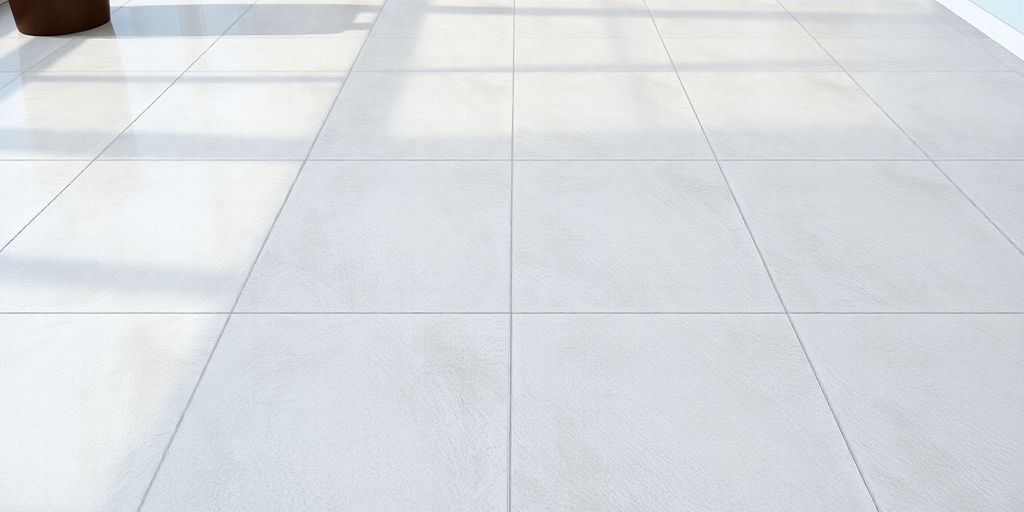
When it comes to keeping your marble looking its best, picking the right cleaning stuff is pretty important. You can’t just grab any old bottle from under the sink; marble is a bit particular, you know?
The Power of pH-Neutral Soaps
For day-to-day cleaning, you really want to stick with pH-neutral soaps. Think of it like this: marble has a natural balance, and these soaps won't mess with it. They get the job done without causing any harm. A good quality, mild dish soap diluted in water is often all you need. This is your go-to for most general cleaning tasks.
Why Harsh Chemicals Are a Marble's Nemesis
Stuff like bleach, ammonia, or even some all-purpose cleaners can be really bad news for marble. They're often too aggressive and can actually etch the surface, leaving dull spots or even changing the color. It’s like giving your marble a sunburn – it just doesn’t recover the same way.
Understanding the Impact of Vinegar and Lemon
I know, I know, vinegar and lemon juice are natural cleaners, right? Well, yes, but they're also acidic. Marble is calcium carbonate, and acids react with it. This reaction is called etching, and it’s not a stain; it’s actually damage to the stone itself. So, while they might be great for your kitchen counters (if they're not marble!), keep them far away from your marble surfaces.
Choosing Specialized Marble Cleaners
There are plenty of cleaners out there specifically made for natural stone, and marble in particular. These are usually a safe bet because they're formulated to be gentle and effective. They often have a pH-neutral base and are designed to clean without stripping away any sealers you might have applied.
The Benefits of Mild Dish Soap Solutions
As mentioned, a little bit of mild dish soap mixed with warm water can be surprisingly effective. It cuts through light grease and grime without being harsh. Just make sure you rinse thoroughly afterward to avoid any soap residue, which can dull the finish over time.
Water Quality and Its Effect on Cleaning
Sometimes, the water you use can make a difference. If you have very hard water, it can leave mineral deposits that look like spots or a dull film. Using distilled water for your cleaning solution can help prevent this, especially if you notice issues with your tap water.
Testing Cleaners in Inconspicuous Areas
Before you go slathering a new cleaner all over your beautiful marble vanity or floor, do a test run. Find a spot that's not easily visible – maybe the back corner of a countertop or a small area on a floor. Apply the cleaner there and see how the marble reacts. This simple step can save you a lot of heartache later on.
Always remember that marble is a natural material with its own unique characteristics. Treating it with the right products and a gentle touch will help maintain its beauty for years to come. Think of it as a long-term relationship; you need to treat it right from the start.
Mastering Stain Removal Techniques
Marble is beautiful, but let's be real, it can be a bit of a drama queen when it comes to spills and stains. Don't panic though! Most of the time, you can tackle these issues yourself with a little know-how. The first step is always figuring out what kind of mess you're dealing with, because the fix for a coffee ring is totally different from what you'd do for a grease spot.
Identifying the Type of Stain
Knowing your enemy is half the battle. Is it something organic, like wine or fruit juice? Or is it oil-based, like cooking oil or makeup? Maybe it's a rust stain from a metal object left too long, or just a water spot that won't budge. Each type needs a specific approach. Trying the wrong method can sometimes make things worse, so take a moment to observe.
Creating Poultices for Organic Stains
Organic stains are pretty common, especially in kitchens and dining areas. Think berries, coffee, tea, or even pet accidents. For these, a poultice is your best friend. You can make one using baking soda mixed with a little water to form a paste, or even use plain white paper towels layered on the spot. The idea is to create a thick paste that you apply to the stain, cover with plastic wrap, and let it sit for at least 24 hours. This paste will slowly draw the stain out of the marble. The key is patience; don't rush the process.
Tackling Oil-Based Stains Effectively
Oil stains are a bit trickier because they tend to soak in. For these, you'll want an absorbent material. A common method is to use a poultice made from baking soda or diatomaceous earth mixed with a solvent like mineral spirits or even just a bit of ammonia. Apply the paste, cover it, and let it work its magic. You might need a few applications for really stubborn oil stains on marble. Remember to test any solvent in an inconspicuous spot first.
Addressing Rust Stains with Caution
Rust stains usually come from metal items left on the marble, like cans or tools. These can be tough. You can try a commercial rust remover specifically designed for natural stone, but be super careful. Always follow the product instructions precisely. Sometimes, a poultice made with a rust remover can help contain the chemical and draw out the stain more effectively. If you're unsure, it's often best to call a professional for rust removal.
Removing Water Spots and Rings
Water spots, especially on polished marble, are usually caused by minerals left behind after water evaporates. Often, a gentle buffing with a soft, dry microfiber cloth is enough. If it's a bit more stubborn, you can try a cleaner specifically made for marble. For etched water rings (which are actually damage to the finish, not just a surface stain), you might need to re-polish the area. This is where professional stone restoration services can really help.
The Art of Gentle Stain Erasure
No matter the stain, always start with the gentlest method possible. Aggressive scrubbing or harsh chemicals can damage the marble's surface, leading to more problems than you started with. Work from the outside of the stain inward to avoid spreading it. Blotting is almost always better than rubbing.
When to Call a Professional for Stubborn Stains
Sometimes, despite your best efforts, a stain just won't budge. Or maybe you're worried about causing more damage. That's perfectly okay! There's no shame in calling in the pros. They have specialized tools and knowledge to deal with even the most challenging stains and can often restore your marble to its former glory. It's better to pay for expert help than to risk ruining a beautiful marble surface.
The Crucial Role of Sealing Marble Surfaces
Marble is beautiful, no doubt about it. But it's also a bit sensitive. Think of it like a fancy fabric – you wouldn't just toss it in the wash with everything else, right? Marble needs a little extra care, and that's where sealing comes in. Sealing marble is your first line of defense against everyday mishaps. It's not about making it indestructible, but it does give it a fighting chance against stains and moisture.
Understanding the Purpose of Sealants
So, what exactly does a sealant do? Basically, it soaks into the pores of the marble, creating a barrier. This barrier makes it harder for liquids and oils to seep in and cause trouble. Without it, spills can quickly turn into permanent marks, and that's something nobody wants. It helps maintain the stone's natural beauty and makes cleaning up much easier. It's a pretty important step for any marble surface, whether it's a kitchen island or a bathroom vanity.
Choosing the Appropriate Marble Sealer
Not all sealers are created equal. You'll find different types out there, and you want to pick one that's right for your specific marble and where it's installed. Some are impregnators, meaning they go deep into the stone, while others form a sort of protective film on top. For most residential uses, an impregnating sealer is usually the way to go. It's best to do a little research or ask for advice to find the best fit for your project. We recommend looking into sealers that are specifically designed for natural stone to get the best results.
The Application Process for Optimal Protection
Applying the sealer isn't rocket science, but you do need to do it right. First, make sure your marble is clean and completely dry. Seriously, any dirt or moisture trapped underneath will be sealed in. Then, you usually apply the sealer with a cloth or a brush, making sure to cover the entire surface evenly. You'll often need to apply a couple of coats, letting each one dry according to the product's instructions. It's a bit of a process, but worth it for the protection it offers. Don't rush this step; patience is key.
Frequency of Re-Sealing Marble
How often do you need to re-seal? That really depends on the type of sealer used, the type of marble, and how much traffic the area gets. For high-use areas like kitchen countertops, you might need to re-seal every few months. Other areas might be fine for a year or even longer. A good rule of thumb is to do the water test: if water stops beading up and starts soaking in, it's probably time for another coat. You can find more details on marble countertops generally require resealing.
Recognizing When Sealing is Needed
How do you know if your marble needs sealing? The easiest way is the water test. Just put a small puddle of water on the surface and wait a few minutes. If the water beads up like it's on a waxed car, your sealer is still doing its job. If the water starts to darken the marble or soak in, it's a sign that the sealer has worn off and it's time to re-apply. It's a simple test that can save you a lot of trouble down the line.
The Water Beading Test
This test is super simple. Grab a small cup of water and pour a little bit onto your marble surface. Let it sit for about 5-10 minutes. If you see nice, round beads of water sitting on top, that's great news! It means your sealer is working and repelling the liquid. But if the water starts to spread out and soak into the stone, making the area look darker, that's your cue. It's time to think about sealing marble is crucial again.
Benefits of a Well-Sealed Marble Surface
Honestly, the benefits are pretty straightforward. A properly sealed marble surface is much more resistant to stains from things like wine, coffee, or oil. It also makes cleaning easier because spills just wipe away. Plus, it helps protect against etching and general wear and tear. It's all about preserving that gorgeous look and making your life a little bit simpler. You get peace of mind knowing your beautiful stone is better protected.
Protecting Your Marble from Etching
Marble is a beautiful natural stone, but it can be a bit sensitive. One of the main things you need to watch out for is etching. It's not quite the same as staining, and it can really change the look of your stone if you're not careful.
Understanding What Causes Etching
Etching happens when acidic substances come into contact with your marble. Think of it like a mild acid burn on the stone's surface. It doesn't add color like a stain does; instead, it actually dulls the polished finish, making the area look lighter or chalky. It's a physical change to the stone's surface, not a discoloration.
The Impact of Acidic Substances
Lots of common household items are acidic. This includes things like:
- Citrus fruits (lemons, oranges, limes)
- Vinegar
- Tomato-based products
- Certain cleaning agents (especially those not made for natural stone)
- Even some sodas can cause etching if left to sit.
The key is that these substances react with the calcium carbonate in the marble.
Using Coasters Religiously
This is probably the easiest way to prevent etching on tables, vanities, or any surface where drinks are placed. Always use coasters, especially for glasses containing acidic beverages like juice or wine. It’s a simple habit that saves a lot of potential headaches. You can find some really nice decorative coasters that add to your home's style too.
Wiping Spills Immediately
Don't let spills sit, especially if they're acidic. Keep a soft cloth handy and wipe up any messes right away. This is particularly important in the kitchen and bathroom, where you're more likely to encounter acidic foods and products. For U.S. projects, this simple step is a game-changer for maintaining that polished look.
Avoiding Direct Contact with Certain Foods
While you can't avoid all food contact, be mindful of placing acidic foods directly onto your marble surfaces. For instance, don't slice lemons or tomatoes directly on your marble countertop. Use a cutting board! It’s a small step that makes a big difference in preventing those tell-tale dull spots.
The Difference Between Etching and Staining
It's important to know the difference. Stains are usually discoloration that has soaked into the stone. Etching is damage to the surface itself, making it look dull or matte. You can often remove stains with a poultice, but etching requires a different approach, often involving polishing to restore the shine. Preventing marble etching is key to keeping its natural beauty.
Restoring Etched Marble Surfaces
If etching does occur, don't panic. For very light etching, sometimes a marble polishing powder can help restore the shine. You can try this yourself, but be gentle. For deeper etching, or if you're not comfortable doing it yourself, it's best to call a professional stone restoration specialist. They have the tools and knowledge to bring your marble back to its former glory without causing further damage.
Preventing Scratches and Chips
Marble is a beautiful natural stone, but it's not indestructible. Little things can leave their mark, like scratches or chips. It’s a bummer when that happens, but thankfully, there are ways to keep your marble looking good.
The Importance of Felt Pads on Furniture
Think about all the furniture that sits on your marble surfaces, whether it's a coffee table on a marble top or chairs resting on a marble floor. Even the slightest movement can cause scratches. Attaching felt pads to the bottom of furniture legs is a simple yet super effective way to prevent this. It creates a soft barrier that slides instead of scrapes. It’s a small step that makes a big difference over time, especially for high-traffic areas like dining rooms or living rooms.
Using Cutting Boards in the Kitchen
Your kitchen countertops are workhorses, but they need protection. Knives can easily scratch marble, and nobody wants that. Always use a cutting board when chopping or slicing. This goes for anything sharp, really. It’s not just about knives, either; even the bottom of a ceramic bowl can leave a faint mark if slid across the surface. A good cutting board is your best friend here.
Avoiding Dragging Heavy Objects
This one seems obvious, but it’s easy to forget when you’re moving things around. Whether it’s a heavy appliance, a large decorative vase, or even a rug, dragging it across a marble surface is a recipe for disaster. Always lift, don’t drag. If you have to move something heavy, consider putting a blanket or a piece of cardboard underneath it first. It’s better to be safe than sorry.
Proper Handling of Utensils and Cookware
In the kitchen, think about how you place pots and pans. Sliding a hot cast-iron skillet directly onto a marble surface, even if it’s sealed, isn’t a great idea. Use trivets or hot pads. The same goes for utensils. Don’t rest a metal spoon directly on the counter; use a spoon rest. These small habits add up to significant protection for your beautiful stone.
Protecting Edges and Corners
Edges and corners are often the most vulnerable parts of a marble installation. They can chip more easily than the flat surfaces. Be mindful when placing items near the edge of a counter or table. If you have a marble island, for instance, try not to lean heavy items on the edge or let children bump into it repeatedly. Some people even opt for a slightly rounded edge profile during fabrication, which can be less prone to chipping than a sharp, square edge.
The Role of Protective Mats
For areas that see a lot of activity, like entryways or kitchens, protective mats can be a lifesaver. A good quality mat can catch dirt and debris that might otherwise scratch the floor, and it can also provide a buffer against dropped items. For countertops, consider a mat when doing messy tasks like food prep or crafts.
Repairing Minor Surface Scratches
Sometimes, despite your best efforts, a minor scratch might appear. Don't panic! Many small scratches can be addressed. For very light surface scratches, sometimes a bit of marble polishing compound can help blend them in. For deeper issues, like chips, marble chips can typically be repaired using epoxy fillers. It’s often best to consult a professional for more significant damage to ensure a seamless repair.
Maintaining Marble in High-Traffic Areas
Marble is beautiful, no doubt about it. But when it's in a spot where people are constantly walking, or things are being set down, it needs a little extra attention. Think entryways, busy hallways, or even a well-used kitchen island. These areas take a beating, and your gorgeous marble can show it if you're not careful.
Increased Cleaning Frequency for Entryways
Entryways are the first line of defense against dirt and debris tracked in from outside. For marble in these high-traffic zones, a quick wipe-down daily is a good idea. This isn't about a deep scrub every day, just a simple pass with a soft cloth to pick up dust and grit that can scratch the surface over time. Keeping this area clean prevents those tiny particles from being ground into the stone.
Using Area Rugs Strategically
Placing rugs in high-traffic areas is a smart move. They act as a buffer, catching a lot of the dirt and moisture before it even reaches your marble. Make sure the rugs have a non-slip backing so they don't slide around, which could be a hazard. Also, remember to lift and clean under the rugs periodically to prevent moisture buildup or discoloration.
Sealing for Enhanced Durability
Sealing your marble is always important, but it's especially critical in areas that see a lot of action. A good sealant helps to fill the pores of the stone, making it more resistant to stains and moisture. For busy spots, you might need to reseal more often than in quieter parts of your home. Regular sealing is key to protecting your investment. Testing the seal periodically can help you know when it's time to reapply more protection.
Prompt Spill Management
This rule applies everywhere, but it's even more vital in high-traffic zones where spills can happen more frequently. Don't let liquids sit on the marble. Even water can leave a mark if left too long. Grab a soft cloth and wipe up spills immediately. This simple habit can prevent a lot of potential headaches down the road.
Regular Inspections for Wear and Tear
Take a few minutes each week to just look over your marble surfaces in these busy areas. Are there any new scratches? Any dull spots? Noticing small issues early allows you to address them before they become bigger problems. Sometimes, a simple buff with a marble polish can bring back the shine to minor scuffs.
Considering Professional Deep Cleaning
Even with diligent daily care, high-traffic marble can benefit from a professional deep clean every so often. Professionals have specialized tools and cleaning agents that can remove buildup and restore the stone's original luster. This is especially helpful for areas that might be harder to reach or clean thoroughly on your own.
Educating Household Members on Care
Make sure everyone in your household understands the importance of caring for the marble. A quick chat about wiping up spills, using coasters, and not dragging heavy items can make a big difference. When everyone is on board, maintaining those beautiful marble surfaces becomes a shared effort.
Caring for Marble in Kitchen Environments
Your kitchen is the heart of the home, and if you've chosen marble for this busy space, you've made a statement of elegance. But let's be real, kitchens get messy. From cooking splatters to accidental spills, marble here needs a little extra attention. Don't worry, though; keeping your marble looking its best isn't rocket science.
Immediate Wipe-Down of All Spills
This is probably the most important rule for your kitchen marble. Marble is porous, meaning it can absorb liquids. If you leave a spill, especially something acidic like orange juice or wine, it can leave a mark or even etch the surface. So, as soon as something spills, grab a soft cloth and wipe it up. Seriously, don't wait. It takes seconds and can save you a lot of trouble later.
Consistent Use of Trivets and Hot Pads
While marble can handle some heat, extreme temperature changes can cause issues, like thermal shock, which might lead to cracks. Plus, placing a scorching hot pan directly on the surface can cause discoloration or even damage. Always use trivets or hot pads under hot dishes, pots, and pans. It’s a simple habit that protects your beautiful stone.
Avoiding Direct Contact with Citrus and Vinegar
We all love cooking with fresh ingredients, but acidic items like lemons, limes, and vinegar are marble's arch-nemesis. They can quickly etch the surface, leaving dull spots that look like stains but are actually a change in the stone's finish. Try to keep these items away from your marble surfaces, or if you must use them, do so quickly and wipe up any drips immediately. For projects across the U.S., understanding these sensitivities is key to long-term beauty.
Sealing for Stain Resistance
Sealing your marble is like giving it a protective shield. A good quality sealer penetrates the pores of the stone, making it less likely to absorb liquids and therefore more resistant to stains. How often you need to reseal depends on the type of sealer and how much your kitchen is used, but it's a vital step in protecting your investment. You can test if it's time to reseal by dripping a little water on the surface; if it beads up, you're good. If it soaks in, it's time to reseal.
Gentle Cleaning After Each Use
After you're done cooking or cleaning up the kitchen, give your marble surfaces a quick wipe-down. Use a soft microfiber cloth and a pH-neutral cleaner specifically designed for natural stone. This regular cleaning removes food particles and grease before they have a chance to set in. It keeps your marble looking fresh and prevents buildup that can dull its shine over time. You can find great pH-neutral stone cleaners online.
Understanding Marble's Reaction to Food Acids
It's worth repeating: acids are a problem. Many common kitchen foods contain acids, not just citrus and vinegar. Tomatoes, for example, are acidic. Even some dairy products can be mildly acidic. Being aware of this helps you be more mindful during meal prep and cleanup. The goal is to minimize contact time between acidic substances and your marble.
The Importance of a Dedicated Cutting Board
While some people might be tempted to chop directly on their marble, please resist the urge! Marble is a relatively soft stone and will scratch easily. Always use a cutting board for chopping, slicing, and dicing. This simple practice preserves the pristine surface of your marble and keeps your knives sharper, too. It’s a win-win for your kitchen and your marble tile.
Preserving Marble in Bathroom Settings
Bathrooms are humid places, and marble, while beautiful, needs a little extra attention to keep it looking its best. It’s not just about making it shine; it’s about protecting it from the daily onslaught of moisture and products.
Wiping Down Surfaces After Use
This is probably the simplest, yet most effective, step you can take. After each shower or bath, take a few seconds to wipe down the marble surfaces – the vanity top, shower walls, even the floor if it gets splashed. A quick swipe with a soft cloth or squeegee removes excess water before it can sit and potentially cause issues. This simple habit prevents water spots and keeps the stone from absorbing moisture. It’s a small effort that makes a big difference in the long run.
Protecting Against Soaps and Shampoos
Many bathroom products contain chemicals that can be harsh on marble. Things like certain soaps, shampoos, and even toothpaste can leave marks or dull the finish if left to sit. Try to keep these products in trays or caddies that catch any drips. If a spill does happen, clean it up right away. It’s better to be proactive than to deal with a stubborn stain later.
Addressing Water Spots and Rings Promptly
Water spots are common in bathrooms, especially on polished marble. They’re essentially mineral deposits left behind when water evaporates. You can usually tackle these with a soft cloth and a bit of water. For tougher spots, a mild, pH-neutral cleaner specifically designed for stone can work wonders. Remember, the key is to act fast. The longer a water spot sits, the harder it can be to remove. For persistent issues, consider professional cleaning services.
Sealing Against Moisture Penetration
Sealing your marble is a big deal, especially in a bathroom. A good sealant acts as a barrier, making it harder for water and other liquids to soak into the stone. Think of it like a raincoat for your marble. How often do you need to reseal? It really depends on the sealant used and the amount of traffic, but generally, resealing by a professional every year or two is a good idea for bathrooms. A simple water bead test can tell you if it's time – if water soaks in rather than beading up, it’s time to reseal.
Avoiding Harsh Bathroom Cleaners
This is a big one. Many common bathroom cleaners are acidic or abrasive, and they can seriously damage marble. Things like bleach, ammonia, or general-purpose bathroom sprays can etch the surface, leaving it looking dull and chalky. Always opt for cleaners that are specifically labeled as safe for natural stone or are pH-neutral. If you’re unsure, a simple solution of mild dish soap and water is often the safest bet for regular cleaning. You can find great options for cleaning marble that won't harm its finish.
Ventilation to Reduce Humidity
Good ventilation is your friend in a bathroom. Using an exhaust fan during and after showers helps remove excess moisture from the air. This not only helps prevent mold and mildew but also reduces the amount of humidity that can affect your marble surfaces. Keeping windows open when possible also helps. Less humidity means less chance for moisture to linger on and potentially penetrate the stone.
Dealing with Toothpaste Smudges
Toothpaste can be surprisingly tough on marble, especially if it contains abrasive ingredients. If you notice toothpaste smudges on your vanity, wipe them away as soon as possible with a soft, damp cloth. For dried-on toothpaste, a little bit of mild soap can help loosen it. The goal is to remove it before it has a chance to etch or dull the polish.
The Art of Polishing Marble for Brilliance
Polishing your marble isn't just about making it look shiny; it's about bringing out its natural depth and character. Over time, even the most beautiful marble can lose some of its luster due to daily wear and tear. Thankfully, with the right approach, you can restore that original brilliance.
Understanding Different Polishing Methods
There are a few ways to go about polishing marble, depending on the current state of your stone and the finish you're aiming for. For a quick refresh, a simple buffing with a soft cloth might do the trick. For more significant dullness, you might need to use a marble polishing compound. If your marble has lost its shine due to scratches or etching, a more involved process, sometimes involving light honing, might be necessary. This is where professionals often come in, using specialized equipment to resurface the stone.
Using Marble Polishing Compounds
Marble polishing compounds are designed to gently abrade the surface, smoothing out minor imperfections and bringing back the shine. When choosing a compound, look for one specifically made for natural stone. Always follow the manufacturer's instructions carefully. Applying the compound with a soft, lint-free cloth in a circular motion is usually the best way to start. You'll want to work in small sections, buffing away any residue as you go.
The Technique for Achieving a High Shine
Getting that mirror-like finish takes a bit of patience. After applying the polishing compound, you'll need to buff the area thoroughly. This often involves using a clean, dry microfiber cloth to remove all traces of the compound and bring out the gleam. For really stubborn dullness, you might need to repeat the process. It's a bit like waxing a car; the more you buff, the better the shine.
Frequency of Polishing for Optimal Results
How often you need to polish depends on where your marble is located and how much it's used. High-traffic areas like kitchen countertops or bathroom vanities might benefit from a polish every few months. Less used areas, like a marble accent table, might only need it once a year. The key is to observe your marble and polish it when it starts to look dull.
DIY Polishing vs. Professional Services
For minor touch-ups and maintaining an existing shine, DIY polishing is perfectly achievable. You can pick up marble polishing compounds at most home improvement stores. However, if your marble has deep scratches, significant etching, or has lost its polish due to heavy wear, it might be time to call in the pros. Professionals have access to industrial-grade equipment and diamond abrasives that can achieve a level of restoration that's difficult to match at home. They can even perform grinding to remove unevenness and deep scratches if needed.
Restoring Dull or Worn Marble
When marble looks dull and worn, it's usually a sign that the protective layer has been compromised. Gentle cleaning is the first step to remove any surface grime. Then, a good quality marble polish can often bring back a lot of the lost shine. For more severe wear, a light honing process might be required before polishing. This essentially removes a very thin layer of the stone to reveal a fresh surface underneath.
The Importance of a Clean Surface Before Polishing
Before you even think about polishing, make sure your marble surface is completely clean. Any dirt, dust, or grime left on the surface can get ground into the stone during the polishing process, potentially causing more scratches. A thorough wipe-down with a pH-neutral cleaner and a soft cloth is a must. Always ensure the marble is completely dry before applying any polishing compounds.
Addressing Deep-Set Stains and Discoloration
Sometimes, despite our best efforts, stains can really sink into marble. These aren't the spills you can just wipe away. We're talking about those stubborn marks that have had time to really set in, or discoloration that seems to come from within the stone itself. It can be frustrating, but there are ways to tackle them.
The Poultice Method for Absorption
The go-to technique for deep stains is the poultice. Think of it as a special paste designed to draw the stain out of the marble. It works by combining an absorbent material with a cleaning agent. The paste is applied to the stain, covered, and allowed to dry. As it dries, it pulls the stain with it.
Choosing the Right Absorbent Material
What you mix your cleaning agent with matters. Common choices for absorbent materials include:
- Paper towels: Good for smaller, less intense stains.
- Diatomaceous earth: A fine powder that's very effective.
- Kaolin clay: Another excellent absorbent, often used for tougher jobs.
- Baking soda: Readily available and works well for many common stains.
Selecting the Appropriate Chemical Agent
The cleaning agent depends on the type of stain. For organic stains like coffee or tea, hydrogen peroxide is often effective. For oil-based stains, a strong degreaser or even ammonia might be needed. Always test in an inconspicuous area first!
Patience During the Drying Process
This is where you really need to slow down. The poultice needs time to work. Covering it with plastic wrap and taping the edges helps keep it moist initially, allowing the cleaning agent to penetrate. Then, you let it air dry completely. This can take 24 to 48 hours, sometimes longer. Don't rush this step; it's key to success.
Repeating Treatments for Persistent Stains
If the first attempt doesn't fully remove the stain, don't despair. You might need to repeat the poultice process. Sometimes, a stain is just that deep-set and requires multiple applications to lift it completely. You can find great poultice materials for marble stain removal.
Understanding the Cause of Discoloration
Sometimes, what looks like a stain is actually discoloration from the marble itself. This could be due to the natural minerals within the stone reacting over time, or even issues with the subfloor showing through. Identifying the cause helps determine the best course of action.
When to Seek Expert Restoration
If you've tried multiple poultice treatments and the stain or discoloration persists, or if you're dealing with a very large or complex issue, it might be time to call in the pros. Professional stone restoration services have specialized tools and knowledge to handle even the most challenging marble problems, helping to maintain your stone's beauty for years to come.
Understanding Marble's Reaction to Heat
Marble is a beautiful natural stone, and it can handle a good amount of heat, but it's not invincible. You know how some things just can't handle sudden changes? Marble is a bit like that.
Marble's Natural Heat Resistance
Marble itself is formed under intense heat and pressure deep within the earth, so it's naturally quite resistant to warmth. This is why it's often used for things like fireplace surrounds or even baking surfaces in some high-end kitchens. It doesn't scorch or melt easily like some synthetic materials might. However, this doesn't mean you can just put a scorching hot pan directly on it without a second thought.
The Risk of Thermal Shock
What you really need to watch out for is something called thermal shock. This happens when there's a really rapid and extreme change in temperature. Imagine taking a pizza stone straight out of a super hot oven and placing it onto a cool marble countertop. That sudden temperature difference can cause the marble to crack or even shatter. It's like a sudden jolt that the stone just can't handle.
Using Trivets and Hot Pads
This is where simple precautions come into play. Always, always use trivets or hot pads under anything hot. This creates a buffer between the heat source and your marble surface. It's a small step that makes a big difference in protecting your investment. We recommend using quality trivets to keep your surfaces safe.
Avoiding Direct Placement of Hot Pans
Even if your marble is sealed, it's best practice to avoid placing hot pots, pans, or dishes directly onto the surface. Think of it as giving your marble a little extra protection. It's better to be safe than sorry when it comes to these beautiful natural stones.
The Impact of Rapid Temperature Changes
It's not just about direct heat from cookware. Rapid temperature changes can also come from other sources. For example, if you have a marble tabletop near a window that gets intense, direct sunlight all day, and then a cold draft hits it, that's a temperature fluctuation. While less dramatic than a hot pan, repeated exposure to such changes can weaken the stone over time.
Protecting Marble from Direct Sunlight
Speaking of sunlight, prolonged exposure to intense UV rays can actually cause some types of marble to fade or discolor over time. While this isn't directly a heat issue, it's related to environmental factors that affect the stone's appearance. If you have marble in a sunny spot, consider using blinds or curtains during the peak sun hours.
Long-Term Effects of Excessive Heat
While marble is durable, consistently exposing it to high temperatures without protection can lead to subtle changes. Over many years, it might affect the sealant, making it less effective, or potentially cause minor surface discoloration. Regular maintenance and mindful use are key to keeping your marble looking its best for decades.
The Importance of Professional Marble Care
Sometimes, no matter how careful you are, your marble might need a little extra attention. That's where professional marble care comes in. It's not just about cleaning; it's about preserving the beauty and value of your investment for years to come. Think of it like taking your car in for a tune-up – it keeps things running smoothly and prevents bigger problems down the road.
When to Enlist Expert Help
There are a few signs that tell you it's time to call in the pros. If you're seeing deep scratches that you can't buff out, or if there are persistent stains that just won't budge with your usual cleaning methods, it's probably time. Also, if your marble surfaces have lost their shine and look dull, even after a good cleaning, a professional can often bring back that original luster. Don't wait until minor issues become major headaches.
Benefits of Professional Deep Cleaning
Professionals have access to specialized equipment and cleaning agents that go beyond what's available for home use. They can effectively remove built-up grime, oils, and residue that regular cleaning might miss. This process not only makes your marble look better but also helps to prepare the surface for sealing or other treatments. It’s about getting a truly clean slate, revealing the stone's natural beauty. This deep cleaning process can make a surprising difference.
Expert Stone Restoration Services
For more serious issues like chips, cracks, or significant etching, professional restoration is key. These experts have the skills and materials to repair damage, re-polish surfaces, and even match colors to make repairs nearly invisible. They can tackle problems that are beyond the scope of DIY fixes, bringing your marble back to its former glory. For projects in the Florida area, Absolutely Marbleous offers top-notch restoration.
Understanding Professional Sealing Techniques
Sealing is vital for protecting your marble, and professionals know the best ways to do it. They can assess the type of marble you have and recommend the most effective sealer. The application process is also critical; professionals ensure even coverage and proper curing, which leads to longer-lasting protection against stains and etching. This is a step that really pays off in the long run.
The Value of Periodic Inspections
Regular check-ups by a marble care specialist can catch potential problems early. They can spot developing issues like hairline cracks or areas where the sealant might be wearing thin before they become noticeable or cause damage. This proactive approach saves you time and money by preventing more extensive repairs later.
Choosing a Reputable Marble Specialist
When looking for a professional, do your homework. Ask for recommendations, check reviews, and look for specialists who have experience with the specific type of marble you own. A good specialist will be transparent about their methods and costs. Companies like Stone Guys NY provide a wide range of services for different stone types.
Maintaining Marble's Long-Term Beauty
Ultimately, professional marble care is an investment in the longevity and appearance of your stone. While regular home maintenance is important, sometimes you need the specialized knowledge and tools that only experts can provide. Don't hesitate to call them when your marble needs a little extra TLC to keep it looking its best.
Revitalizing Dull or Worn Marble
Over time, even the most beautiful marble can start to look a little tired. Maybe it's lost its shine, or perhaps it just seems duller than it used to be. Don't worry, it's usually not a lost cause. There are ways to bring back that lovely luster.
Assessing the Level of Wear
First things first, take a good look at your marble. Is it just a bit dusty, or has it seen better days? Check for dull spots, light scratches, or areas where the finish seems to have faded. Understanding the extent of the wear is key to choosing the right approach. Sometimes, what looks like a big problem is just surface-level grime.
Gentle Cleaning to Remove Buildup
Before you try anything fancy, give your marble a really good clean. Use a soft microfiber cloth and a pH-neutral cleaner. You want to get rid of any dirt, grime, or residue that might be dulling the surface. Sometimes, this step alone makes a surprising difference. For floors, a soft dust mop is a good start [bdc4].
The Role of Marble Revitalizers
There are products out there specifically designed to revive marble. These aren't cleaners, exactly, but more like a pick-me-up for the stone. They can help bring back some of the depth and color that might have faded. Always follow the product instructions carefully.
Light Honing for Surface Renewal
If cleaning isn't enough, you might consider light honing. This is a bit more involved and gently sands down the very top layer of the marble. It can help remove light scratches and dullness. It's a good step before polishing if the surface is noticeably worn.
Polishing to Restore Shine
Once the surface is clean and any dullness is addressed, it's time to polish. You can use a marble polishing compound. Apply it with a soft cloth and buff in a circular motion. This step really brings back that beautiful, reflective shine that marble is known for. This process can help repair dull etched marks [4348].
Understanding the Limits of DIY Restoration
While many dullness issues can be fixed at home, it's important to know when to stop. Deep scratches, significant chips, or widespread etching might be beyond simple DIY fixes. Pushing too hard or using the wrong products could actually cause more damage.
Seeking Professional Advice for Significant Damage
If your marble is heavily worn, deeply scratched, or has extensive staining, it's probably time to call in the pros. Stone restoration specialists have the tools and knowledge to handle serious issues. They can often bring marble back from the brink, restoring its original beauty. We only offer handpicked A+ top-quality stone, so if yours needs serious work, it might be worth investing in professional help to maintain its premium quality.
Protecting Marble from Environmental Factors
Marble is a beautiful natural stone, but it can be sensitive to its surroundings. Think of it like a delicate piece of art; you wouldn't leave a masterpiece out in the rain, right? The same applies to your marble surfaces. Keeping them looking good means being mindful of the environment they're in.
The Impact of Humidity on Marble
High humidity, especially in places like bathrooms or basements, can be a problem for marble. It doesn't exactly soak up water like a sponge, but prolonged exposure to damp air can sometimes lead to issues. Over time, moisture can weaken the sealant, making the stone more susceptible to stains and even minor damage. It's a good idea to keep these areas well-ventilated. Using exhaust fans when showering or cooking really helps.
Shielding from Direct Sunlight Exposure
Direct sunlight might seem harmless, but it can actually affect marble's appearance. Intense, prolonged sun exposure can cause the stone to fade over time, especially if it has vibrant colors or veining. It can also heat up the surface considerably. To protect your marble, consider using curtains or blinds to block direct sun during the hottest parts of the day. This is particularly important for marble tabletops or flooring that gets a lot of sun.
Preventing Damage from Freezing Temperatures
If you have marble installed outdoors or in areas that might freeze, this is a big one. Water trapped in the pores of the marble can freeze and expand. This expansion can cause the stone to crack or spall (chip away). It's why you rarely see marble used for exterior applications in very cold climates without significant precautions. If you're in a region with freezing temperatures, it's best to avoid using marble outdoors or ensure it's properly sealed and protected during winter months.
The Role of Proper Ventilation
Good airflow is key to keeping marble happy. As mentioned with humidity, ventilation helps prevent moisture buildup. It also helps dissipate any cleaning product fumes or airborne particles that might settle on the surface. Think of it as giving your marble room to breathe. This is especially true for kitchens and bathrooms where steam and odors can be common.
Managing Indoor Air Quality
What's in the air inside your home can also impact marble. Airborne pollutants, dust, and even certain aerosols can settle on the surface. While regular cleaning usually takes care of this, maintaining good overall indoor air quality means less 'stuff' is landing on your marble in the first place. This ties back into ventilation but also includes things like using air purifiers if needed.
Protecting Exterior Marble Installations
For any marble used outside, like on patios or as decorative elements, extra care is needed. These installations face the full brunt of environmental factors – rain, sun, wind, and temperature changes. Proper sealing is absolutely critical here. You'll likely need to re-seal more often than you would for indoor marble. Also, be mindful of planting anything too close that might leach substances onto the stone.
Seasonal Considerations for Marble Care
Your marble's needs might change with the seasons. In summer, you're dealing with more sun and potentially higher humidity. In winter, it's about temperature fluctuations and potential freezing. Being aware of these seasonal shifts helps you adjust your care routine. For instance, you might want to check your sealant more often before the rainy season or ensure outdoor pieces are covered before a cold snap. It's all about proactive care to keep your marble surfaces looking their best year-round.
Choosing the Right Tools for Marble Maintenance
When it comes to keeping your marble looking its best, the tools you use really matter. It’s not just about the cleaning solution; it’s about how you apply it and what you use to do the job. Using the wrong tools can actually do more harm than good, leading to scratches or dullness that you’ll then have to deal with. Think of it like this: you wouldn't use steel wool to clean a delicate painting, right? Marble deserves the same kind of thoughtful approach.
Soft Microfiber Cloths for Daily Cleaning
For everyday dusting and wiping up minor smudges, nothing beats a soft microfiber cloth. These cloths are fantastic because they trap dust and dirt without scratching the surface. They're also great for buffing away water spots or fingerprints. Keep a few handy for quick cleanups. You can use them dry for dusting or slightly damp for a gentle wipe-down. They really help maintain that polished look between deeper cleans.
Non-Abrasive Sponges for Tougher Spots
Sometimes, you encounter a spot that needs a little more attention than a dry cloth can handle. For these situations, reach for a non-abrasive sponge. Look for ones specifically labeled as safe for natural stone or delicate surfaces. These sponges have a gentle scrubbing power that can lift grime without scratching. They’re perfect for tackling dried-on spills or light marks on your marble surfaces. Just make sure to rinse the sponge thoroughly after use to avoid spreading dirt.
Soft-Bristled Brushes for Grout
If you have marble tile, the grout lines can sometimes be a challenge. For cleaning these areas, a soft-bristled brush is your best friend. Avoid stiff brushes that can damage the grout or even scratch the marble edges. A toothbrush-style brush or a small grout brush with soft nylon bristles works well. You can use it with your pH-neutral cleaner to gently scrub away any buildup in the grout lines. Remember to work carefully to avoid flicking cleaner onto the main marble surface.
pH-Neutral Cleaning Sprayers
Using a spray bottle filled with a pH-neutral cleaner is a convenient way to apply your cleaning solution evenly. This method helps you control the amount of liquid used, preventing oversaturation. It’s a much better approach than pouring cleaner directly onto the marble. Many specialized marble cleaners come in spray bottles, or you can mix your own mild solution. Just be sure to label your spray bottle clearly so everyone in the household knows what it’s for. This is a simple step that makes a big difference in how you clean marble tile.
Quality Poultice Materials
When dealing with stubborn stains, a poultice is often the go-to solution. A poultice is essentially a paste made from an absorbent material and a cleaning agent. The absorbent material draws the stain out of the stone as it dries. Common materials include kaolin clay, diatomaceous earth, or even paper towels. The key is to use a material that is fine enough to create a smooth paste and effective at absorbing. You can find these materials at most stone care suppliers.
Protective Gloves for Cleaning Agents
While we’re focusing on gentle cleaning, it’s still wise to protect your hands. Some cleaning agents, even pH-neutral ones, can dry out your skin over time. Wearing a pair of rubber or nitrile gloves is a good habit to get into, especially if you have sensitive skin or are doing a more thorough cleaning. It’s a small step that adds a layer of comfort and safety to your marble maintenance routine.
The Importance of Clean Water Buckets
Always use clean buckets filled with clean water when cleaning your marble. Dirty water can re-deposit grime onto the surface, defeating the purpose of cleaning. If you’re doing a large area, you might even want to have two buckets: one for your cleaning solution and one for rinsing your mop or cloth. This helps ensure you’re always working with fresh water and a clean tool. It’s a simple detail that contributes to a better overall clean and helps maintain the shine on your marble floors.
When selecting tools for marble care, always prioritize softness and gentleness. The goal is to clean and protect, not to abrade or damage the stone's natural beauty. Think of your tools as extensions of your care and attention to detail for your beautiful marble surfaces.
Understanding Marble's Lifespan and Longevity
Marble is a beautiful natural stone, and when you take care of it, it can last a really, really long time. We're talking about something that can be a part of your home for generations. It's not like some trendy material that fades out of style or wears out quickly. The enduring nature of quality marble is one of its biggest selling points.
The Enduring Nature of Quality Marble
When you choose marble, you're investing in a material that has stood the test of time, literally. Quarried from mountains, it's formed under immense pressure over millions of years. This gives it a natural strength and beauty that's hard to replicate. Of course, it's not as hard as granite, but that doesn't mean it's fragile. It just means it needs a bit more attention to keep it looking its best. Think of it like a classic car – it needs regular tune-ups to run smoothly, but when it's maintained, it's a showstopper.
How Proper Maintenance Extends Life
This is where the rubber meets the road, or rather, where the microfiber cloth meets the marble. Regular cleaning, prompt spill response, and proper sealing are not just about keeping your marble looking good day-to-day; they're about protecting its long-term health. Skipping these steps is like ignoring a small leak in your roof – it might seem minor now, but it can lead to bigger problems down the line. Consistent care is the key to unlocking marble's full lifespan.
Factors Affecting Marble Durability
Several things can impact how long your marble lasts. The type of marble itself plays a role – some varieties are denser and more resistant than others. Where it's installed matters too. Marble in a busy kitchen entryway will likely see more wear than a marble accent piece in a low-traffic guest bathroom. And, of course, how it's treated day in and day out makes a huge difference. Are spills wiped up quickly? Are hot pans placed on trivets? These daily habits add up.
The Role of Sealing in Preservation
Sealing is like giving your marble a protective shield. It helps prevent liquids from seeping into the stone, which can cause staining and etching. While marble is beautiful, it is a porous material, and sealing helps mitigate that. You'll need to reseal it periodically, usually about once a year, depending on usage and the type of sealer used. It's a small step that offers significant protection for your marble surfaces.
Recognizing Signs of Aging in Marble
Marble doesn't typically
Educating Your Household on Marble Care
Marble is beautiful, no doubt about it. But it's also a natural material that needs a little respect. Getting everyone in your home on the same page about how to treat your marble surfaces can make a huge difference in keeping them looking great for years. It’s not about being overly strict, but more about building good habits.
Communicating the Importance of Gentle Handling
Think of your marble like a fine piece of furniture – you wouldn't drag heavy items across it, right? The same applies here. Explain that marble can scratch if rough objects are slid across it. This is especially true for marble countertops and floors. Encourage everyone to lift items rather than slide them. This simple action prevents a lot of potential damage.
Teaching Children About Coasters and Mats
Kids are often the biggest culprits when it comes to spills and marks. Make it a rule: no drinks directly on the marble without a coaster. This applies to juice boxes, milk, and anything else that might leave a ring or a sticky residue. The same goes for placemats at the dining table. It might seem like a small thing, but it really adds up. You can find some really nice, decorative coasters and placemats that fit your home's style, so it doesn't have to look like a construction site.
Explaining the 'No Harsh Chemicals' Rule
This is a big one. Many common household cleaners, especially those with vinegar, lemon, or bleach, can actually damage marble. They can etch the surface, making it look dull. It’s important to explain why these cleaners are bad for marble. A simple explanation like, "This cleaner is too strong for our special stone and can make it look cloudy" usually does the trick. Stick to pH-neutral cleaners specifically made for natural stone. You can find good options online or at stone supply stores.
Demonstrating Proper Spill Cleanup
Spills happen, especially in busy households. The key is to clean them up quickly. Show everyone how to blot spills with a soft cloth instead of wiping, which can spread the mess. For sticky spills, a damp cloth followed by a dry one is usually enough. Immediate spill response is your best defense against stains. If you have a spill on a marble countertop, like wine or coffee, grab a paper towel and blot it up right away. It makes a world of difference.
Setting Clear Expectations for Use
Be clear about which marble surfaces are for everyday use and which are more decorative. For example, a marble kitchen island might see more action and potential for spills than a marble coffee table in the living room. If you have a marble fireplace hearth, make sure everyone knows not to place hot items directly on it without protection. Setting these expectations upfront helps prevent misuse.
Creating a Shared Responsibility for Care
Make marble care a team effort. Assign small tasks, like wiping down the bathroom vanity after use or making sure coasters are put out in the living room. When everyone feels involved, they're more likely to take ownership of protecting the marble. It’s about building a household culture that values and respects the beautiful natural stone you have.
The Benefits of a Marble-Aware Household
When everyone in the house understands and follows these simple care tips, you'll notice a big difference. Your marble will maintain its shine and beauty for much longer. It means less worry for you and a more elegant home for everyone. Plus, it sets a good example for children about taking care of nice things. It’s a win-win situation for your home and your marble surfaces.
Keeping your marble looking great at home is easier than you think! We've put together some simple tips to help everyone in your family learn how to care for your beautiful marble surfaces. From wiping up spills quickly to knowing what cleaning products to use (and avoid!), these easy steps will help keep your marble shining for years to come. Want to learn more about keeping your marble in top shape? Visit our website for detailed guides and expert advice!
Keeping Your Marble Beautiful
So, taking care of your marble doesn't have to be a huge chore. A little regular attention goes a long way in keeping that natural stone looking its best. Think of it like tending to a garden – a bit of consistent care means you get to enjoy the beauty for years. From gentle cleaning to knowing what to avoid, these simple steps help protect your investment. And if you ever need more guidance or are looking for top-quality stone for your next project, remember places like American Stone Center are there to help. They offer handpicked, A+ quality stone and know their stuff, so you can trust you're getting the real deal. Enjoy your stunning marble!
Frequently Asked Questions
What's the best way to clean my marble countertops every day?
For daily cleaning, just use a soft cloth, maybe a little damp, to wipe away crumbs and dust. It's like giving your marble a quick, gentle pat-down to keep it looking nice.
Can I use regular bathroom cleaners on my marble shower walls?
Definitely not! Most bathroom cleaners are too strong and can hurt your marble. Stick to mild, pH-neutral soaps, the kind that won't cause damage. Think gentle, not harsh.
What should I do if I spill something acidic like juice on my marble table?
Act fast! Blot up the spill right away with a soft cloth. Acids can leave marks, so the quicker you clean it up, the less likely it is to cause a problem.
How often does marble need to be sealed to protect it?
It depends on how much you use it, but generally, sealing every 6 to 12 months is a good idea. It's like giving your marble a protective shield against stains.
Will putting hot pans directly on marble hurt it?
It's best not to. Marble can handle some heat, but very hot pans can cause dark spots or even cracks. Always use trivets or hot pads to be safe.
What causes those dull spots, or etching, on marble?
Etching happens when something acidic, like lemon juice or vinegar, touches the marble. It doesn't stain it, but it can make the shiny surface look dull or rough.
How can I prevent scratches on my marble floors?
Put felt pads on the bottom of furniture legs, like chairs and tables. Also, try not to drag heavy things across the floor. It’s all about being careful to keep it smooth.
Is it okay to use vinegar to clean my marble?
No, absolutely not. Vinegar is acidic and will damage the marble's surface, causing etching. You need cleaners that are specifically made for stone or are pH-neutral.
What's the best way to get rid of an oil stain on marble?
For oil stains, you can make a paste, called a poultice, using baking soda and water. Apply it to the stain, cover it, let it dry, and then gently wipe it away. It helps pull the oil out.
Can marble be polished at home to make it shiny again?
Yes, you can polish marble at home to bring back some shine, especially if it's looking a bit dull. There are special marble polishing powders and compounds you can use, but be gentle.
Why is it important to know where my marble comes from?
Different marble types have unique qualities. Knowing the origin helps you understand how it might react to cleaners, its natural color, and how durable it will be. It's like knowing a person's background.
What if I have a really tough stain that I can't remove?
For stubborn stains that just won't budge, it's often best to call a professional stone restorer. They have special tools and knowledge to fix deep problems without harming your beautiful marble.