

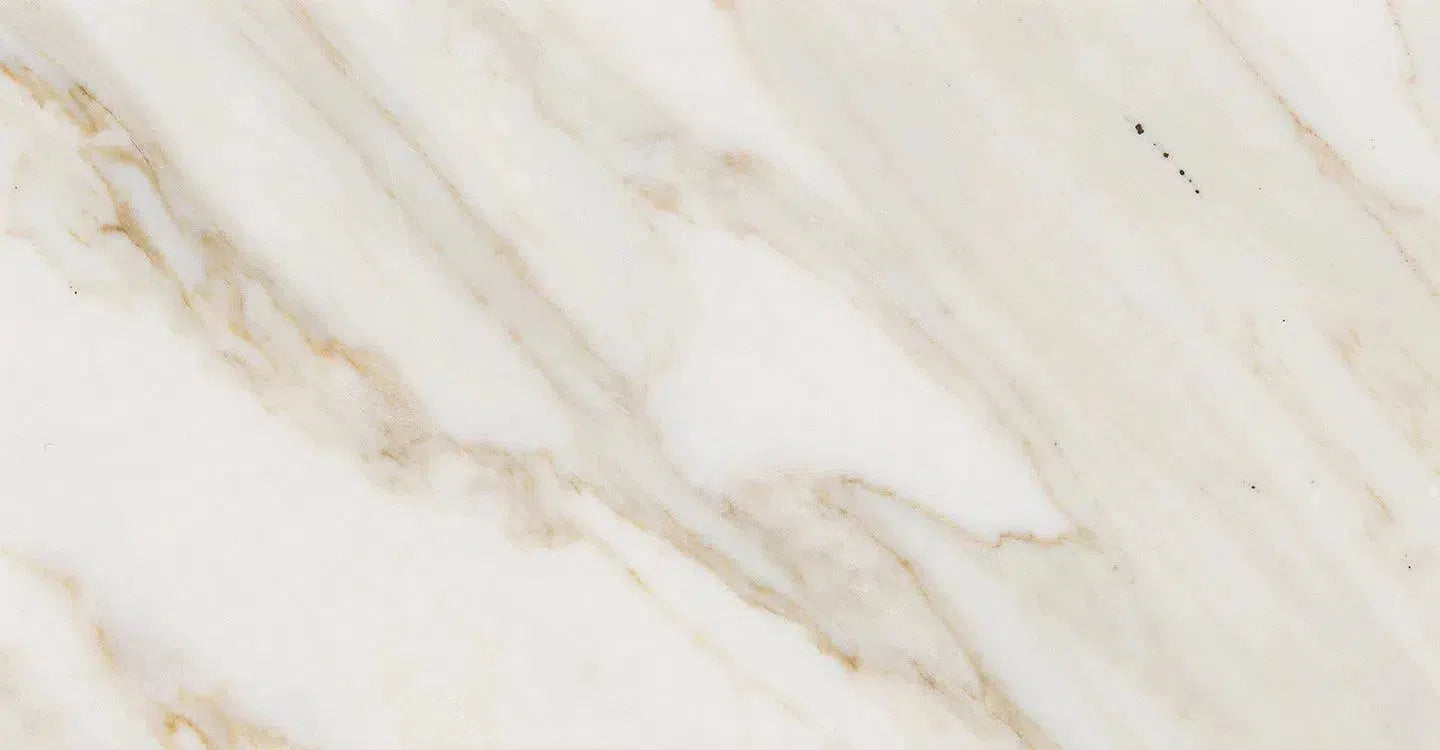
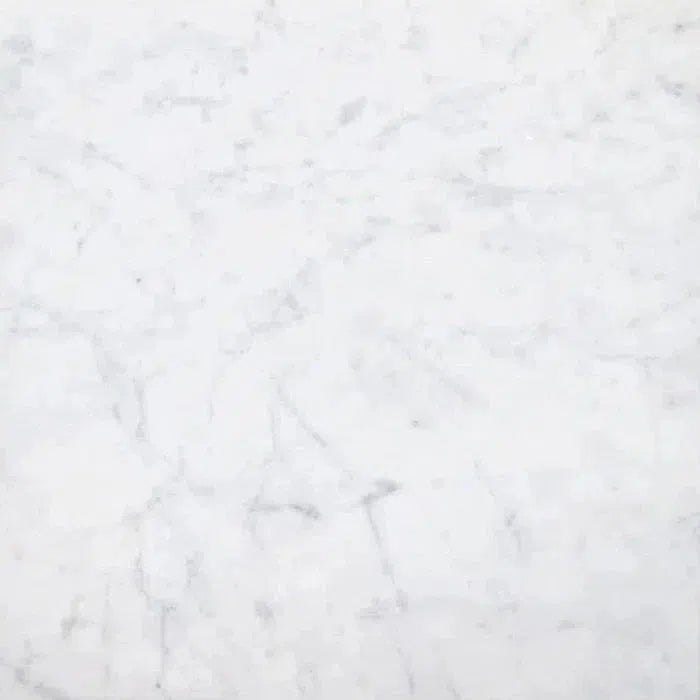
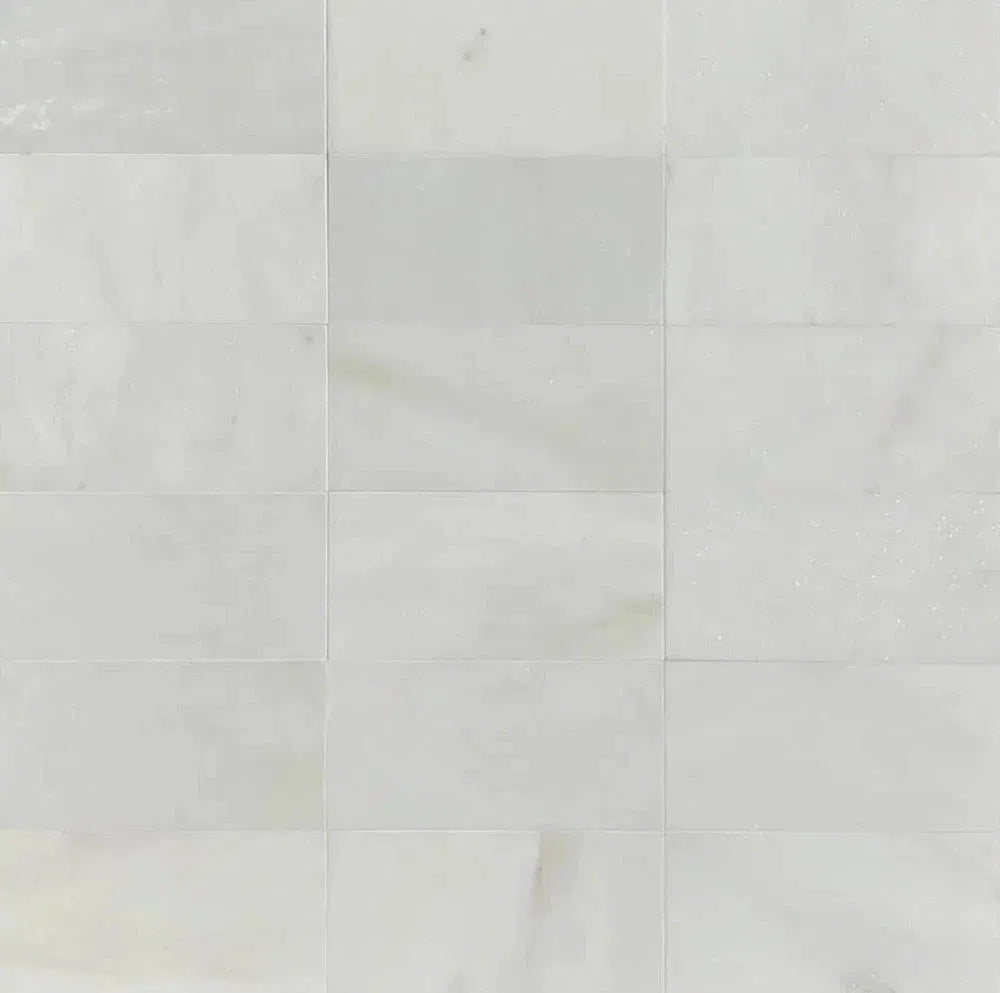



Ever wondered about those cool, textured stones with bits of shell embedded in them? They're called limestone shells, and they've got a pretty interesting story. Basically, they're made from the remains of tiny sea creatures that piled up over ages, eventually turning into rock. It's like nature's way of recycling, creating something beautiful and lasting from what was once alive. This article looks at how these limestone shell formations happen and why they're so special, from their rocky beginnings to how we use them today.
Key Takeaways
- Limestone shells are formed from the accumulation and lithification of marine organism remains, primarily shells.
- The process involves ancient seas, shell debris, and geological forces that turn soft material into hard stone over vast time scales.
- Microscopic examination reveals the intricate structures of shells, composed of minerals like aragonite and calcite, offering clues about ancient marine life.
- These stones possess a natural aesthetic appeal due to varied colors, textures, and embedded shell patterns.
- Limestone shells are durable and suitable for various architectural applications, including flooring, walls, and facades.
- Sourcing premium limestone shell materials involves understanding quality, authenticity, and working with reputable, often direct, importers.
- The presence of fossilized shells within limestone provides paleontological insights into past marine environments and climate conditions.
- Expert consultation is advised for selecting and installing limestone shells to ensure project success and material longevity.
Unveiling the Essence of Limestone Shells
Limestone shells are more than just pretty rocks; they're a window into Earth's ancient past. These formations, often found in beautiful natural stone products, tell a story of marine life and geological processes that have unfolded over millions of years. When you see limestone with visible shell fragments, you're looking at a piece of history, a testament to the power of nature.
The Intricate Nature of Limestone Shell Formations
Limestone, particularly the kind rich in shell fragments, isn't just a random collection of bits. It's a complex sedimentary rock where the remains of marine organisms, like shells, corals, and even tiny plankton, have accumulated. Over vast stretches of time, these organic materials undergo a transformation, becoming cemented together. The sheer variety of shell types and their arrangement within the stone creates unique patterns and textures. This intricate layering is what gives each piece its distinct character, making it a fascinating material for designers and homeowners alike.
Understanding the Geological Origins of Limestone Shells
The story of limestone shells begins in ancient seas. These environments were teeming with life, and as organisms lived and died, their hard parts – primarily shells – settled on the seabed. This process, known as biological accumulation, is a key factor in the formation of many limestone deposits. Over eons, layers upon layers of these shell fragments built up, eventually being buried under more sediment. The immense pressure and the slow chemical changes that followed turned this debris into solid rock. It's a slow, natural process that results in the durable and beautiful stone we use today.
The Role of Marine Life in Creating Limestone Shells
Marine organisms are the unsung heroes behind limestone shells. Think of the countless creatures that inhabit our oceans – mollusks, crustaceans, and tiny planktonic organisms. Their shells, made primarily of calcium carbonate, are the building blocks. As these organisms perish, their shells sink to the ocean floor. This continuous deposition of organic material is the primary driver for the formation of shell-rich limestone. Without this constant contribution from marine life, many of the stunning natural stone tiles and slabs we admire wouldn't exist. It’s a direct link between the vibrant life in ancient oceans and the elegant materials used in modern interior design.
Identifying Distinctive Features of Limestone Shells
Spotting limestone shells is usually straightforward. The most obvious clue is the presence of visible shell fragments, ranging from tiny specks to larger, recognizable pieces. These inclusions can vary in color and shape, adding visual interest. You might also notice a slightly porous texture, a result of the original shell structures. Unlike other sedimentary rocks, the organic origin is often quite apparent.
- Visible Shell Fragments: The most telling sign.
- Varied Textures: From smooth to slightly rough, depending on the shell types.
- Fossilized Imprints: Sometimes, only the impression of a shell remains.
- Coloration: Often includes earthy tones, but can vary based on mineral content.
Exploring the Varied Textures and Patterns
The textures and patterns in limestone shells are incredibly diverse. This variation comes from the different types of marine organisms that contributed to the rock's formation, as well as the geological processes that followed. Some limestones might have a fine, almost uniform texture, while others are coarse, with large, distinct shell pieces clearly visible. The patterns can be swirling, layered, or even chaotic, each telling a unique story of its origin. This natural artistry is what makes limestone so appealing for architectural applications.
The Significance of Fossilized Shells within Limestone
Fossilized shells within limestone are like nature's time capsules. They offer invaluable insights into past ecosystems, climate conditions, and the evolution of marine life. Paleontologists study these fossils to reconstruct ancient environments and understand geological history. For designers and homeowners, these fossilized elements add a layer of depth and narrative to the stone, transforming a simple surface into a conversation piece. They represent a connection to a world long gone, captured in a durable, beautiful material.
Distinguishing Limestone Shells from Other Sedimentary Rocks
While limestone shells share some characteristics with other sedimentary rocks, their distinct features make them identifiable. The most significant difference is the clear presence of fossilized shells and shell fragments. Other sedimentary rocks, like sandstone or shale, are formed from different materials (sand grains or clay particles, respectively) and lack these organic inclusions. The texture and visual appearance are usually quite different, with limestone shells often exhibiting a more varied and visually complex surface due to the embedded marine remains. This makes them stand out, offering a unique aesthetic for projects across the U.S.
The Genesis of Limestone Shell Deposits
Limestone shells, those beautiful remnants of ancient marine life, don't just appear overnight. Their formation is a fascinating geological journey, a slow transformation from delicate shells to solid stone. It all starts in the vast, ancient oceans.
Ancient Seas and the Accumulation of Shell Debris
Imagine oceans teeming with life millions of years ago. As marine creatures like mollusks, corals, and plankton lived and died, their shells and skeletons, primarily made of calcium carbonate, settled on the seafloor. Over eons, these tiny fragments and larger shell pieces accumulated, forming thick layers of sediment. This debris was the raw material, the foundation for what would eventually become limestone shells. These deposits could be quite substantial, especially in areas with high marine productivity. The conditions in these ancient seas were key to the sheer volume of material that gathered. Think of it as nature's way of recycling, piling up the building blocks for future geological wonders. This process is similar to how chalk deposits form from microscopic marine organisms, as described in the Chalk Group formation.
The Process of Lithification: Turning Shells into Stone
Accumulation is just the first step. The real magic happens during lithification. This is the process where loose sediment, in this case, shell fragments, gets compacted and cemented together to form solid rock. As more layers pile up, the weight from above squeezes the lower layers, reducing the space between the shell pieces. Water circulating through these sediments carries dissolved minerals, primarily calcite, which act like a natural glue, filling the gaps and binding the fragments. Over vast stretches of time, this cementation hardens the entire mass into limestone. It’s a slow, steady process that requires the right conditions to occur effectively. This transformation is what turns a pile of shells into a durable stone.
Environmental Conditions Favoring Limestone Shell Formation
Not all marine environments are equally good at creating limestone shells. Warm, shallow, clear waters are ideal. These conditions support a rich diversity of shell-producing organisms. The water needs to be relatively calm to allow the delicate shell fragments to settle and accumulate without being too broken up by strong currents or waves. Also, the water chemistry plays a big role. It needs to be saturated with calcium carbonate, the building block of most shells, to allow organisms to create their hard parts and for the cementation process to occur later. Areas with low levels of sediment input from land are also preferred, as too much mud or sand can dilute the shell material and prevent the formation of pure limestone. The formation of limestones is highly dependent on these specific environmental factors.
The Impact of Water Chemistry on Shell Preservation
Water chemistry is a silent but powerful force in shaping limestone shells. The pH and saturation of calcium carbonate in the water directly affect how well shells are preserved. In waters that are too acidic, shells can actually start to dissolve, even before they have a chance to become part of a limestone deposit. Conversely, in waters rich in calcium carbonate, shells are more likely to survive and contribute to the accumulating sediment. This preservation is vital for the subsequent lithification process. If shells dissolve too quickly, there won't be enough material to form solid rock. The balance of minerals in the water dictates the fate of these ancient marine structures.
Sedimentary Layers and Their Contribution to Limestone Shells
Limestone shells are rarely found in isolation. They are typically part of larger sedimentary sequences. These layers tell a story of changing sea levels, ancient coastlines, and different marine environments. A layer of limestone shell might be sandwiched between layers of sandstone, shale, or even other types of limestone. Each layer represents a different period of deposition. Understanding these surrounding layers helps geologists date the limestone shell deposit and reconstruct the history of the area. It's like reading pages in a geological book, with each stratum providing clues about the past. The sequence of these layers is a key indicator of the geological history of a region.
Geological Time Scales Involved in Formation
The formation of limestone shells is not a quick process; it happens over immense geological timescales. We're talking millions, sometimes tens or even hundreds of millions of years. The accumulation of shell debris can take ages, and the subsequent lithification process is equally slow. Compaction, cementation, and the geological pressures involved all require vast amounts of time to occur. This slow pace is why these deposits are so significant; they are snapshots of ancient Earth, preserved through time. When you look at a piece of limestone shell, you're holding a piece of history that has been millions of years in the making.
The Influence of Ocean Currents on Shell Deposition
Ocean currents play a surprisingly important role in where and how shell debris accumulates. While strong currents can break up shells, gentler currents can transport shell fragments over distances, concentrating them in specific areas like offshore banks or protected basins. These currents can sort the debris, leaving finer shell material in some places and coarser fragments in others. They can also influence the overall shape and extent of the sedimentary layers. Understanding the patterns of ancient ocean currents can help geologists predict where large deposits of limestone shells might be found. It's a complex interplay between biological activity and physical oceanography that leads to these stone formations.
Microscopic Marvels Within Limestone Shells
When we think about limestone shells, we often picture the larger, visible fossils. But there's a whole world hidden within these stones, visible only under magnification. It’s like discovering a secret city inside a mountain. These tiny details tell a much bigger story about how the stone formed and the ancient life it once held.
Examining the Microstructure of Individual Shell Fragments
Even a small piece of a shell, when viewed up close, shows incredible detail. You can see the layers that made up the original shell, like the rings on a tree. These layers are often made of tiny mineral crystals. The arrangement of these crystals is key to understanding the shell's original strength and how it has changed over time. Sometimes, you can even spot the remnants of organic material that once held the shell together. It’s a fascinating look at nature’s building blocks.
The Role of Aragonite and Calcite in Shell Composition
Most marine shells are originally built from a mineral called aragonite. It's a form of calcium carbonate, but it has a different crystal structure than calcite, another common form of calcium carbonate. Over time, especially under pressure and heat deep within the earth, aragonite often changes into calcite. This process, called diagenesis, can alter the shell's microstructure. While both are calcium carbonate, their different structures affect how the shell preserves and how it looks microscopically. Think of it like clay turning into pottery – a transformation that changes its properties.
Biomineralization Processes in Marine Organisms
Marine creatures are amazing chemists. They take dissolved minerals from seawater and use them to build their shells and skeletons. This process is called biomineralization. Different organisms have unique ways of arranging these minerals, leading to the diverse shell structures we find. It’s not just random; it’s a highly controlled biological process. This biological engineering is what gives shells their strength and intricate patterns, even at a microscopic level. It’s a testament to the sophisticated life that existed in ancient oceans.
Microscopic Evidence of Ancient Marine Ecosystems
Looking at the microscopic details within limestone shells can reveal a lot about the ancient environments they came from. You might find evidence of algae, tiny plankton, or even the microscopic structures of larger organisms. These clues help scientists piece together what the ancient seafloor was like. Were the waters clear or murky? What kind of life thrived there? These tiny fossils are like puzzle pieces for understanding past marine life. They paint a picture of vibrant ecosystems that existed millions of years ago, long before humans walked the earth. Some microscopic tunnels found in similar rocks are thought to be the work of ancient microbes, though their exact identity remains a mystery [46c4].
Understanding the Porosity of Limestone Shells
Limestone shells aren't solid blocks. They have tiny holes and spaces, known as pores. This porosity comes from several places: the natural structure of the original shells, spaces between shell fragments, and sometimes from the dissolution of minerals over time. Porosity affects how the stone behaves – how it absorbs water, how it weathers, and even how it feels. It’s an important characteristic for architects and designers when choosing stone for different applications, especially for projects across the U.S. where climate conditions vary widely.
The Impact of Diagenesis on Microscopic Structures
Diagenesis is the fancy word for all the changes a rock undergoes after it’s first formed. For limestone shells, this can mean a lot. Minerals can recrystallize, pore spaces can fill up, or existing structures can be altered. Sometimes, these changes can obscure the original shell details, while other times, they can even enhance certain features. Understanding diagenesis helps us interpret the rock's history and appreciate how it evolved from loose shells into solid stone. It’s a natural process that shapes the final look and feel of the material.
Tools for Revealing the Microscopic World of Shells
To really see these microscopic wonders, we need special tools. Microscopes, of course, are the primary way to view these tiny structures. Electron microscopes can magnify things even further, revealing incredible detail. Thin-section analysis, where a very thin slice of the rock is prepared and viewed under a microscope, is a common technique. These methods allow geologists and material scientists to study the intricate details that are invisible to the naked eye, giving us a deeper appreciation for the complexity within limestone shells.
The Aesthetic Appeal of Limestone Shells
Limestone shells bring a unique kind of beauty to any space. It's not just about the stone itself, but the story it tells. Think about the colors – you'll find soft creams, warm beiges, and sometimes even hints of gray or pink. These aren't random; they come from the minerals present when the shells were forming and getting buried over ages.
Color Variations and Their Geological Significance
The colors in limestone shells are like a geological diary. Different minerals, like iron oxides or organic matter, get trapped within the shell fragments and the surrounding sediment as it turns into stone. This gives each piece its own distinct hue. These natural color variations mean no two projects will ever look exactly the same. It’s this individuality that designers and homeowners love.
The Natural Beauty of Embedded Shell Patterns
When you look at limestone shells, you often see the actual shapes of the shells or fragments embedded within. These patterns can be quite striking. Sometimes they're whole, recognizable shells, and other times they're just swirls and textures left behind. It’s a direct connection to the ancient marine life that created them.
How Light Interacts with Limestone Shell Surfaces
The way light plays on limestone shell surfaces adds another layer of appeal. A polished finish will reflect light, making the colors and shell patterns pop. A honed or tumbled finish will give a softer, more matte look. It really depends on the vibe you're going for in your design.
Creating Visual Interest with Natural Shell Inclusions
These shell inclusions aren't just filler; they're natural art. They break up the uniformity of the stone, adding texture and depth. Imagine a wall or floor where each piece has its own subtle, embedded treasure. It’s a way to bring a bit of the natural world indoors.
The Timeless Elegance of Shell-Infused Limestone
There's a certain timelessness to limestone shells. They feel classic and sophisticated, yet also grounded and natural. This makes them a great choice for a variety of design styles, from modern minimalist to rustic farmhouse. They just have a way of fitting in.
Designing with the Unique Character of Limestone Shells
When you're designing, think about how these unique characteristics can work for you. Do you want a bold statement with large, visible shell fragments? Or a more subtle look with fine shell dust creating a gentle texture? The possibilities are pretty wide open.
Achieving a Sophisticated Look with Natural Stone
Ultimately, limestone shells offer a way to achieve a sophisticated look without feeling stuffy or artificial. It’s natural beauty, refined. It’s the kind of material that makes a space feel both luxurious and welcoming. If you're looking for natural stone that truly stands out, consider the unique charm of limestone shells for your next project. We offer handpicked A+ top-quality stone, directly imported for unmatched beauty. Discover premium natural stone for your U.S. project.
Limestone Shells in Architectural Applications
Limestone shells bring a unique, natural beauty to architectural projects across the U.S. These stones, formed over eons from marine life, offer a connection to history and nature that manufactured materials just can't match. They're not just building blocks; they're pieces of Earth's story.
Utilizing Limestone Shells for Timeless Flooring
When it comes to flooring, limestone shells provide a look that's both classic and durable. Imagine walking on floors that have a subtle texture and visual depth, with the natural patterns of ancient shells peeking through. This material holds up well, making it a solid choice for areas with a lot of foot traffic. It’s a way to bring the elegance of natural stone right into your home or business.
Creating Elegant Walls with Limestone Shell Features
Walls clad in limestone shells can transform a space. Whether used for an entire feature wall or as accents, the natural variations in color and the embedded shell fragments create a dynamic and sophisticated surface. It adds a tactile quality and a visual richness that draws the eye. This stone works well in both modern and traditional settings, offering a versatile design element.
The Durability of Limestone Shells in High-Traffic Areas
One of the big advantages of using limestone shells in architecture is their toughness. They are naturally resistant to wear and tear, which is why they're a great pick for floors, entryways, and commercial spaces. Unlike some softer stones, limestone shells can handle daily use without showing significant damage. This means your design will look good for a long time.
Incorporating Limestone Shells into Exterior Facades
Limestone shells aren't just for interiors. They can add a distinctive character to building exteriors. Their natural look can soften the hard lines of modern architecture or complement traditional styles. The stone's ability to withstand weather conditions makes it a practical choice for facades, providing both beauty and protection. It’s a way to make a building stand out with natural elegance.
Designing Luxurious Bathrooms with Shell Accents
For bathrooms, limestone shells can create a spa-like atmosphere. Think of shower walls, vanity backsplashes, or even flooring that incorporates these natural elements. The subtle colors and textures can bring a sense of calm and luxury. Because it's a natural stone, it adds a touch of organic warmth that’s hard to replicate. It’s a material that feels both grounded and refined.
The Versatility of Limestone Shells in Interior Design
What's great about limestone shells is how adaptable they are. They can be used in almost any room, from kitchens and living areas to hallways and bedrooms. Their natural patterns mean that no two installations will ever be exactly alike, giving each project a unique feel. This stone can be a subtle backdrop or a bold statement piece, depending on how it's used.
Enhancing Kitchen Spaces with Natural Stone Elegance
Kitchens benefit greatly from the use of limestone shells. Imagine a backsplash that features the subtle beauty of embedded shells, or flooring that adds warmth and character to the heart of the home. This stone is not only visually appealing but also practical for kitchen environments. It’s a material that can handle the demands of a busy kitchen while adding a touch of natural luxury. We offer handpicked A+ top-quality stone for your projects nationwide.
Limestone shells are a testament to nature's artistry, transforming the remnants of ancient life into enduring architectural elements. Their use connects us to geological history while providing practical beauty for modern spaces.
Here's a quick look at how limestone shells can be applied:
- Flooring: Durable and visually rich for high-traffic areas.
- Walls: Adds texture, depth, and a unique focal point.
- Facades: Provides natural beauty and weather resistance for exteriors.
- Bathrooms: Creates a serene, luxurious, spa-like feel.
- Kitchens: Offers practical elegance for backsplashes and floors.
When considering materials for your next project, think about the timeless appeal and natural character that limestone shells can bring. They are a choice that speaks to both quality and a connection with the natural world. For those seeking premium natural stone, direct importer advantages mean you get the best without compromise. American Stone Center is a direct importer, sourcing stone directly from quarries around the world.
Durability and Longevity of Limestone Shell Stone
When you're looking at natural stone for your home or project, you want something that's going to last, right? Limestone shells are pretty amazing in this regard. They've already survived millions of years, so they've got a head start on durability.
Assessing the Hardness and Resilience of Limestone Shells
Limestone, especially the kind formed from shells, is generally quite hard. Think about how tough a shell has to be to survive in the ocean for ages. This natural resilience means it can stand up to a lot of use. It's not as hard as granite, for sure, but it's definitely tougher than some other stones you might consider. We only work with handpicked A+ top-quality natural stone, so you know you're getting the best.
Resistance to Wear and Tear in Natural Stone
Because of its composition, limestone shell stone holds up well against everyday wear and tear. This makes it a good choice for areas that get a lot of foot traffic, like hallways or entryways. It resists scratching better than softer materials, though it's always a good idea to be mindful of sharp objects. For busy kitchens, you might want to look into stones that are less prone to etching, as acidic substances can affect some types of limestone [d648].
Factors Affecting the Long-Term Performance
Several things play a role in how well your limestone shell stone performs over time. The specific type of limestone, how it was quarried, and how it's finished all matter. Also, where it's installed is a big factor. A floor in a busy commercial space will see more wear than a decorative wall in a quiet room. Proper installation is key, and we work with trusted professionals to make sure your stone is set right.
Proper Care and Maintenance for Limestone Shell Surfaces
Taking care of your limestone shell surfaces isn't complicated, but it does require a bit of attention. The most important thing is to clean up spills quickly, especially acidic ones like wine or citrus juice. Use pH-neutral cleaners – avoid anything harsh or abrasive. Regular sealing also helps protect the stone from stains and moisture.
- Wipe up spills immediately.
- Use mild, pH-neutral cleaners.
- Avoid abrasive pads or harsh chemicals.
- Consider periodic resealing.
The Enduring Quality of Handpicked Natural Stone
When you choose handpicked A+ top-quality natural stone, you're investing in something that's built to last. Unlike manufactured materials that can degrade or go out of style, natural stone has a timeless appeal. Its unique patterns and textures mean each piece is one-of-a-kind. This enduring quality means your investment will look beautiful for years, even generations.
Protecting Your Investment in Premium Limestone
To keep your premium limestone looking its best, think about protective measures. For floors, using rugs in high-traffic areas can reduce wear. For countertops, trivets and cutting boards are your friends. Understanding the stone's properties, like its porosity, helps you know how best to care for it. We are a direct importer, which means we can offer you consistent quality you can trust.
The natural beauty and strength of limestone shells are a testament to the power of nature. These stones have already stood the test of time, offering a durable and elegant solution for many applications.
Ensuring Lasting Beauty for Generations
Limestone shell stone isn't just for today; it's for the future. Its inherent durability means it can be passed down, becoming a part of your home's history. With the right care, these stones maintain their appeal, adding character and value to your property. We pride ourselves on providing luxury natural stone that you can trust for any U.S. project.
Sourcing Premium Limestone Shell Materials
Finding the right limestone shell material is like searching for treasure. It’s not just about picking any stone; it’s about finding pieces that have character, quality, and a story to tell. We focus on sourcing only the best, because we know that the foundation of any beautiful project starts with superior materials.
The Advantages of Direct Importer Relationships
Working directly with quarries means we cut out the middlemen. This isn't just about saving a few bucks, though that's nice too. It means we have a closer connection to where the stone comes from. We can talk to the people who extract it, understand the specific veins and layers, and make sure we're getting exactly what our clients need. It helps us keep a consistent supply of premium quality stone, and it means we can offer it at a better price. Think of it as getting the freshest ingredients straight from the farm, not from a supermarket shelf. We're proud to be a direct importer, bringing you the finest natural stone without unnecessary markups. You can explore options for limestone and sandstone from suppliers like Cobra Stone who also focus on quality sourcing.
Ensuring A+ Top-Quality Natural Stone Selection
We don't mess around with anything less than A+ top-quality. Forget commercial grade or standard stuff you see everywhere. Every single piece of limestone shell we select is handpicked. This means we're looking at the color, the pattern, the shell inclusions, and the overall integrity of the stone. It’s a careful process, and it’s how we guarantee that what you get is truly exceptional. This commitment to quality is what sets our materials apart.
Identifying Reputable Suppliers for Natural Stone
Finding good suppliers is key. It’s about building relationships with quarries and processors who share our dedication to quality and ethical practices. We look for partners who have a long history in the business, like Citadel Stone with their 50 years of experience. Reputation matters. We want to know they're reliable, that they care about the stone they produce, and that they can consistently deliver the kind of material our clients expect. It’s a partnership built on trust and shared standards.
The Importance of Authenticity in Stone Sourcing
In a world full of manufactured materials, there's something special about genuine natural stone. Limestone shells are a perfect example – they are literally pieces of history, formed over millions of years. Authenticity means you're getting a material that is unique, with natural variations that add character. It’s not something that can be replicated. We make sure that every piece we source is 100% natural, so you can be confident you're investing in something real and timeless.
Navigating Global Quarries for Unique Materials
Our search for the best limestone shells takes us far and wide. We explore quarries across the globe, looking for those unique deposits that offer distinct colors, textures, and shell patterns. Each region has its own geological story, and by sourcing from different locations, we can bring you a wider variety of beautiful, one-of-a-kind materials. It’s an ongoing adventure to find those special stones that will make your project stand out.
Building Trust Through Transparent Sourcing Practices
We believe you should know where your materials come from. Transparency is a big part of how we operate. We’re happy to share information about our sourcing process, the quarries we work with, and what makes our limestone shells special. This open approach helps build trust, so you can feel good about the natural stone you choose for your home or project. We want you to be as confident in our materials as we are.
Choosing Stone That Reflects Unmatched Quality
Ultimately, it comes down to choosing stone that speaks for itself. When you see our premium limestone shells, you’ll notice the difference. The depth of color, the intricate shell patterns, the solid feel – it all points to unmatched quality. We make it easy for you to select stone that not only looks incredible but also performs beautifully for years to come. It’s about making a choice that you’ll be happy with, time and time again.
The Environmental Story Within Limestone Shells
Limestone shells aren't just pretty building materials; they're like tiny time capsules, holding secrets about ancient oceans and the planet's past. When you look at a piece of limestone with embedded shells, you're seeing a snapshot of a world that existed millions of years ago. It’s pretty wild to think about.
Paleontological Insights from Fossilized Shells
These shells, especially when fossilized, give us a direct look at the marine life that once thrived. Paleontologists can study the types of shells found to understand what kinds of creatures lived in those waters. This helps us reconstruct ancient food webs and ecosystems. It's like piecing together a giant, ancient puzzle. Different shell shapes and sizes tell different stories about the environment they came from.
Reconstructing Ancient Marine Environments
By examining the shells and the surrounding rock, scientists can figure out a lot about the conditions of ancient seas. Was it shallow or deep? Warm or cold? Salty or brackish? The answers are often hidden within the very structure of the shells and the sediment they're found in. This kind of information is super important for understanding how Earth's environments have changed over vast stretches of time. It gives us a clearer picture of Earth's surface evolution.
Understanding Past Climate Conditions Through Shells
Shells can also hold clues about past climates. The chemical makeup of a shell can reflect the temperature and chemistry of the water it grew in. By analyzing these chemical signatures, scientists can get a sense of ancient ocean temperatures and even atmospheric conditions. It’s a bit like reading a natural thermometer that’s been around for ages.
The Role of Limestone Shells in Carbon Sequestration
Marine organisms that build shells use calcium carbonate, which they pull from the ocean water. When these organisms die and their shells form limestone, that carbon gets locked away for potentially millions of years. This process, known as carbon sequestration, plays a significant role in regulating the Earth's atmosphere over geological timescales. It's a natural way the planet stores carbon.
Biodiversity Clues Embedded in Sedimentary Layers
Each layer of sedimentary rock, including those rich in shells, tells a story of changing biodiversity. As environments shift, different species appear and disappear. The fossilized shells within limestone act as markers, showing us which creatures were present during specific periods. This helps us track the history of life on Earth.
Geological Markers of Earth's History
Limestone shells are more than just remnants of past life; they are geological markers. They help geologists date rock layers and understand the sequence of events in Earth's history. Their presence or absence, and the types of shells found, can indicate major geological or environmental shifts.
The Natural Cycle of Marine Life and Stone Formation
Ultimately, limestone shells represent a natural cycle. Marine life builds shells, shells accumulate, and over immense periods, they transform into stone. This process connects the living ocean to the solid earth, showing how biological activity directly shapes geological formations. It’s a beautiful example of nature's long-term processes at work.
Distinguishing Limestone Shells from Other Stones
Limestone shells have a look all their own, and knowing how to spot them can help when you're picking out stone for your project. It's not always obvious, but there are a few key things to look at.
Key Visual Differences in Texture and Pattern
One of the first things you'll notice is the texture. Limestone shells often have a more varied surface compared to, say, a uniform granite. You might see smooth areas right next to rougher patches, and the patterns can be quite intricate. Think of it like looking at a close-up of a beach – lots of different shapes and sizes all mixed together. The presence of distinct shell imprints is the most telling visual cue. Other stones might have veining or speckles, but the clear shapes of fossilized shells are unique to this type of limestone.
Understanding the Mineral Composition Variations
While limestone is primarily made of calcium carbonate, the way it forms with shells changes things. You're essentially looking at compressed and hardened marine life. This means you'll find a higher concentration of organic material remnants compared to stones formed purely from mineral precipitation. This difference in composition affects how the stone looks and how it behaves over time.
The Presence of Visible Fossilized Shells
This is the big one. If you can clearly see the shapes of shells, or even fragments of them, embedded within the stone, you're likely looking at limestone shells. These aren't just random inclusions; they are the building blocks of the stone itself. Sometimes they're whole, sometimes just pieces, but their presence is a dead giveaway.
Comparing Hardness and Density Characteristics
Limestone, in general, is softer than granite or quartzite. Limestone shells are no different. They can be scratched more easily than harder stones. Density also plays a role; limestone shells might feel a bit lighter for their size compared to denser rocks. This is something to keep in mind for high-traffic areas where durability is a major concern.
Identifying Unique Veining and Inclusions
While some limestones have veining, the 'veins' in limestone shells are often related to the original shell structures or the way minerals filled in around them. You might see lines that follow the curve of a shell or patterns that look like the internal structure of a fossilized organism. Other inclusions might be bits of other marine debris, like small pebbles or fragments of other shells.
The Feel and Tactile Qualities of Limestone Shells
Run your hand over it. Limestone shells often have a tactile quality that's distinct. You might feel the subtle ridges of shell fragments or the smoother, polished surface where the stone has been finished. It can feel organic and natural, a direct connection to its marine origins. It’s a different sensation than the uniform coolness of marble or the gritty texture of some sandstones.
Consulting Experts for Accurate Identification
When in doubt, it's always best to ask. Our team works with handpicked A+ top-quality natural stone every day. We don't sell commercial grade – only premium materials. As direct importers, we have the knowledge to help you identify the perfect stone for your project, whether it's limestone shells or another beautiful natural material. We can guide you through the selection process, ensuring you get exactly what you're looking for. We offer fast, reliable shipping nationwide for your U.S. projects.
The Craftsmanship Behind Limestone Shell Products
When you choose limestone shells for your project, you're not just getting a material; you're getting a piece of art shaped by skilled hands. It’s a process that goes way beyond just quarrying stone. Think about the artisans who select each piece, looking for those unique patterns and the perfect shell inclusions. They’re not just picking rocks; they’re curating natural beauty.
The Art of Selecting Premium Natural Stone
It all starts with the selection. We don't deal in just any stone. Our focus is on handpicked, A+ quality natural stone. This means we bypass the commercial-grade stuff entirely. Every single piece we carry represents the best of the best, sourced directly from quarries around the world. This direct importer advantage means you get authentic, premium quality without the middleman markup. It’s about finding those rare finds that truly stand out.
Precision Cutting and Finishing Techniques
Once selected, the stone moves to the cutting and finishing stage. This isn't done with just any saw. Precision is key here. Whether it's tiles for a floor or slabs for a feature wall, the cuts need to be exact. The finishing techniques are just as important. Polishing can bring out the natural luster of the shells, while a honed finish offers a softer, more subtle look. It’s about respecting the material and bringing out its inherent character. Think of the skill involved in carving hard stones like basalt with primitive tools; it’s a similar dedication to mastery, passed down through generations, like in Indigenous American art.
Highlighting the Natural Beauty of Each Piece
Craftsmanship is also about knowing what to emphasize. With limestone shells, the natural beauty is already there – the embedded fossils, the varied textures, the subtle color shifts. The goal of good craftsmanship is to highlight these features, not mask them. This might mean arranging tiles to create a specific pattern or ensuring that the natural veining flows beautifully across a larger surface. It’s a collaborative effort between nature’s design and the artisan’s skill.
The Skill Involved in Creating Stone Tiles
Creating stone tiles, especially from a material like limestone with its unique shell inclusions, requires a specific kind of skill. It’s not just about making squares. It’s about understanding how the shells will look once cut, how the patterns will align, and how the finished tile will feel underfoot. This attention to detail is what separates a standard tile from a piece of natural art. It’s a craft that demands patience and a keen eye, much like the historical Belgian craft traditions.
Attention to Detail in Every Selection
Detail is everything. From the initial selection of the raw block to the final inspection of a finished tile, every step matters. This includes checking for any imperfections, ensuring consistent sizing, and verifying the quality of the finish. It’s this meticulous attention to detail that guarantees the premium quality we promise. We want you to feel confident that you’re receiving a product that’s been carefully considered at every stage.
Transforming Raw Stone into Elegant Surfaces
Ultimately, the craftsmanship is about transformation. Taking raw, natural stone, with all its rugged beauty, and turning it into elegant surfaces that can grace any home or project. This involves a deep respect for the material and a commitment to revealing its best qualities. The result is a product that is both durable and beautiful, a testament to the skill of the craftspeople involved.
The Dedication to Superior Workmanship
What ties all of this together is dedication. The dedication to sourcing only the finest materials, the dedication to precise fabrication, and the dedication to customer satisfaction. It’s this commitment to superior workmanship that defines the products we offer. We believe that natural stone should be treated with the respect it deserves, and that’s reflected in every piece that leaves our facility.
Enhancing Spaces with Limestone Shell Tiles
Limestone shell tiles bring a unique touch of natural history right into your home. These aren't just any tiles; they're pieces of ancient seas, carefully selected and shaped for your projects across the U.S. They add a story to your floors, walls, and more.
Creating Luxurious Bathroom Retreats
Imagine stepping into a bathroom that feels like a serene escape. Limestone shell tiles can make that happen. Their natural patterns and textures create a spa-like atmosphere. They work well for shower floors, walls, or even as a decorative accent. The subtle variations in each tile mean no two bathrooms will ever look exactly alike.
Elevating Kitchen Backsplashes with Natural Stone
Your kitchen backsplash is a focal point. Using limestone shell tiles here adds both beauty and a conversation starter. They're practical, too, standing up to splashes and everyday use. Think about how the embedded shell fragments catch the light – it's a subtle, natural sparkle that manufactured materials just can't replicate.
Designing Inviting Living Areas
Limestone shell tiles can transform a living room. They can be used for flooring, creating a warm and grounded feel. They also work beautifully as a feature wall behind a fireplace or entertainment center. The natural colors blend well with various decor styles, from rustic to modern.
Adding Elegance to Outdoor Patios
Don't limit these beautiful tiles to indoors. Limestone shell tiles are quite durable and can add a touch of class to your outdoor living spaces. Patios, walkways, or even pool surrounds can benefit from the natural beauty and texture they provide. They offer a connection to nature that manufactured pavers often lack.
The Impact of Natural Stone on Home Value
When you choose natural materials like limestone shell tiles, you're making an investment. Homes featuring high-quality natural stone often see an increase in perceived value. Buyers appreciate the durability, timeless look, and the inherent quality that comes with genuine stone.
Achieving a Cohesive Design Aesthetic
One of the best things about limestone shell tiles is their versatility. They can tie different elements of a design together. Whether you're aiming for a coastal vibe, a rustic farmhouse feel, or a sophisticated modern look, these tiles can adapt. Their natural origin means they harmonize well with other natural materials like wood and metal.
Selecting the Perfect Tile for Your Vision
Choosing the right tile is important. Consider:
- Shell Size: Do you prefer tiles with large, prominent shell fragments or a more subtle, scattered pattern?
- Color Tone: Limestone shells come in various shades, from creamy whites and soft beiges to deeper earth tones. Pick one that complements your existing color scheme.
- Finish: Tiles can be polished for a sleek look or honed for a more matte, natural feel. Each finish affects the overall appearance and texture.
Working with natural stone means embracing its inherent variations. Each piece tells a unique story, shaped by time and the ancient marine life it contains. This individuality is what gives limestone shell tiles their distinct charm and lasting appeal.
The Value Proposition of Limestone Shell Stone
When you're looking at materials for your next project, whether it's a home renovation or a new build across the U.S., you want something that looks good, lasts long, and makes sense financially. Limestone shell stone really hits that sweet spot. It’s not just about pretty patterns; it’s about getting a solid return on your investment.
Competitive Pricing Through Direct Importation
One of the biggest advantages of limestone shell stone is how we get it to you. We work directly with quarries, cutting out the middlemen. This means we can offer you top-tier natural stone without the inflated prices you might see elsewhere. It’s about getting premium quality at a price that makes sense. Think of it as getting that luxury feel without the luxury price tag. This direct importer advantage is something we're proud of.
The Long-Term Investment in Natural Stone
Sure, the initial cost might be a consideration, but limestone shell stone is a long-term play. This isn't a material that needs replacing every few years. Its natural durability means it holds up well against daily wear and tear. For projects nationwide, this means fewer repairs and replacements down the line. It's an investment in a material that will look great for decades, adding real value to your property.
Unmatched Quality Compared to Commercial Grades
We don't deal in the standard stuff. Our focus is strictly on handpicked A+ top-quality natural stone. You won't find commercial-grade limestone shell here. Every piece is selected for its beauty, integrity, and unique character. This commitment to quality means you're getting a product that stands out, offering a level of elegance and durability that commercial grades just can't match. It’s the difference between a fleeting trend and timeless style.
The Authenticity of Genuine Natural Materials
There's something special about real natural stone. Limestone shell stone brings the beauty of the earth right into your space. Each piece has its own story, its own subtle variations in color and pattern, thanks to the fossilized shells within. This authenticity is something manufactured materials struggle to replicate. It adds a depth and character to your design that feels truly organic and unique. You can explore some beautiful white limestone options that showcase this natural appeal.
Delivering Exceptional Value to Customers
Our goal is simple: provide you with the best possible value. This means combining that direct import pricing with superior quality and reliable service. We want you to feel confident in your choice, knowing you're getting a beautiful, durable material that will enhance your space for years to come. We process orders quickly, and most shipments go out the same day, so you can start your project without unnecessary delays.
Balancing Affordability with Premium Quality
It might seem like a balancing act, but we manage to offer premium quality limestone shell stone at competitive prices. By streamlining our sourcing and cutting out unnecessary markups, we make luxury natural stone accessible. You get the look, feel, and longevity of high-end material without breaking the bank. It’s about smart choices for beautiful, lasting results.
The True Worth of Timeless Beauty
Ultimately, the value of limestone shell stone lies in its timeless beauty and enduring performance. It’s a material that doesn't go out of style. It adds a touch of natural elegance to any setting, from modern homes to classic architectural designs. When you choose limestone shell stone, you're not just buying material; you're investing in a piece of natural art that will be admired for generations. It’s a choice that speaks to quality, authenticity, and lasting appeal.
Navigating the Selection of Limestone Shells
Choosing the right limestone shells for your project can feel like a big decision, but it doesn't have to be overwhelming. Think of it like picking out the perfect piece of art for your home – you want something that speaks to you and fits the space just right. We're here to help you sort through the options.
Understanding Color Palettes and Tones
Limestone shells come in a surprising range of colors. You'll find everything from soft creams and warm beiges to deeper grays and even hints of earthy reds. The color often depends on where the stone was quarried and the minerals present during its formation. Consider the existing colors in your space and choose a limestone that complements them. For instance, a light, creamy limestone can brighten a room, while a darker gray might add a sense of grounding. It’s about finding that natural harmony.
Assessing Texture and Finish Options
The way a limestone shell is finished makes a big difference in its look and feel. You might see options like polished, honed, or tumbled. A polished finish gives a smooth, reflective surface, really making those shell patterns pop. Honed is more of a matte look, softer and less reflective. Tumbled finishes give a more rustic, aged appearance, with softened edges. Each finish changes how the light plays on the stone and how it feels to the touch. Think about the overall style you're going for – modern, traditional, or something in between.
Considering the Scale of Shell Inclusions
One of the most captivating things about limestone shells is, of course, the shells themselves! These can range from tiny, almost imperceptible fragments to larger, clearly visible fossilized pieces. The size and density of these shell inclusions will greatly impact the stone's visual character. Do you prefer a subtle texture with small shell bits, or a bolder statement with prominent fossils? This is where personal preference really comes into play. It’s like choosing between a delicate pattern and a bold print.
Requesting Samples for Visual Confirmation
Pictures are great, but seeing and touching the stone in person is best. We always recommend ordering samples. This lets you see the true color and texture in your own lighting conditions. You can place them next to your cabinets, paint swatches, or furniture to get a real feel for how they'll look in your project. It’s a small step that can prevent big regrets later on. You can request a sample right through our website.
Seeking Expert Guidance for Project Needs
Sometimes, you just need a second opinion. Our team is made up of people who know natural stone inside and out. We can help you think through the practical aspects, like how a certain finish will hold up in a high-traffic area or what type of limestone might be best for a bathroom floor. We’ve helped countless homeowners and designers across the U.S. find the perfect stone for their projects, whether it's for a driveway in Lafayette, Louisiana, or a kitchen backsplash in California. Don't hesitate to reach out for advice.
Matching Stone to Your Design Intentions
Ultimately, the selection comes down to your vision. Are you aiming for a serene spa-like bathroom? A warm, inviting kitchen? Or a grand entryway? Limestone shells can fit many styles. Consider the overall mood you want to create. A stone with larger shells might feel more dramatic, while one with finer fragments could feel more subdued and elegant. Let the stone inspire the rest of your design choices.
Making Confident Choices for Lasting Impact
Selecting limestone shells is about more than just picking a material; it’s about choosing a piece of natural history for your home. By considering the color, finish, and shell size, and by getting expert advice, you can make a choice you’ll be happy with for years to come. We pride ourselves on providing handpicked A+ top-quality natural stone, so you know you're getting the best. This isn't commercial-grade material; it's premium stone that brings timeless beauty to any space.
The Role of Limestone Shells in Sustainable Design

Choosing building materials that are kind to the planet is becoming more important for everyone, from homeowners to architects. Limestone shells, with their natural origins and enduring qualities, fit right into this picture. They aren't just beautiful; they represent a thoughtful choice for eco-conscious projects across the U.S.
The Natural Origin of Limestone Shell Materials
Limestone shells are, at their core, a product of nature. Formed over vast stretches of time from the accumulated remains of marine organisms, these stones are a testament to geological processes. Unlike manufactured materials that require significant energy and chemical processes to create, limestone shells are ready-made by the earth. This natural genesis means they have a lower environmental footprint from the start. Think about it: no factories, no intense processing – just stone quarried and shaped for use. This makes them a solid choice for anyone looking to build more sustainably.
Longevity Reduces the Need for Replacement
One of the biggest wins for sustainability is durability. Limestone shells are known for their toughness and resistance to wear. This means that structures built with them, whether it's flooring in a busy home or an exterior facade, tend to last a very long time. When a material lasts for decades, or even centuries, it cuts down on the need for frequent replacements. Less replacement means less waste, fewer resources used for new materials, and a reduced impact on landfills. It’s a simple concept: build it right, build it to last.
Low Embodied Energy Compared to Manufactured Materials
Embodied energy refers to the total energy consumed in the extraction, manufacturing, and transportation of building materials. Natural stones like limestone shells generally have a much lower embodied energy than many man-made alternatives. For instance, materials like concrete, steel, or even some types of tile require substantial energy input during their production. Sourcing and shaping limestone shells, while involving some energy for quarrying and transport, is typically far less intensive. This makes them a more energy-efficient option for construction projects nationwide.
The Potential for Recyclability of Natural Stone
While often thought of as permanent, natural stone, including limestone shells, can be recycled. Old buildings that are demolished can sometimes yield stone that can be repurposed for new projects. This might involve crushing it for aggregate in new concrete mixes or, in some cases, carefully salvaging pieces for reuse in decorative applications or new stonework. This circular approach to material use further bolsters the sustainable credentials of limestone shells, aligning with principles of waste reduction and resource conservation. Some innovative architects are even exploring 3D-printed limestone materials using recycled waste, offering sustainable solutions for building.
Contributing to Healthier Indoor Environments
Natural materials often contribute to better indoor air quality compared to synthetic options. Limestone shells don't typically off-gas Volatile Organic Compounds (VOCs) like some manufactured materials can. This means that spaces finished with limestone shells can be healthier places to live and work. For projects aiming for green building certifications or simply prioritizing occupant well-being, this is a significant advantage. It’s about creating spaces that are not only beautiful but also good for the people who use them.
Choosing Materials That Endure Over Time
Sustainability isn't just about the immediate environmental impact; it's also about long-term value and resourcefulness. By selecting materials like limestone shells that are built to last, designers and homeowners are making a choice that benefits future generations. It’s about investing in quality that doesn't need constant upkeep or replacement, reducing the overall resource drain over the lifespan of a building. This approach aligns with a broader philosophy of mindful consumption and responsible building practices.
A Commitment to Responsible Sourcing
When we talk about sustainability, responsible sourcing is key. This means working with suppliers who are mindful of their environmental impact and ethical practices. For limestone shells, this can involve quarries that manage their operations with care, minimize disruption, and adhere to environmental regulations. Partnering with direct importers who prioritize quality and authenticity in their sourcing can help ensure that the materials you choose align with your project's sustainability goals. It’s about knowing where your stone comes from and the practices involved in bringing it to your project.
Preserving the Integrity of Limestone Shell Surfaces
Limestone shells, with their natural beauty and embedded history, add a unique character to any space. But like any natural stone, they need a little care to keep them looking their best for years to come. It’s not complicated, really, just a matter of knowing what to do and what to avoid.
Gentle Cleaning Methods for Natural Stone
Keeping your limestone shell surfaces clean is pretty straightforward. The key is to be gentle. For everyday messes, a soft cloth or sponge with warm water usually does the trick. If you need a bit more cleaning power, a mild, pH-neutral soap can be used. Just be sure to rinse thoroughly with clean water afterward to remove any soap residue. Always test any cleaning solution on an inconspicuous area first to make sure it doesn't affect the stone's finish.
Avoiding Harsh Chemicals and Abrasives
This is a big one. You'll want to steer clear of anything that could scratch or etch the surface. That means no abrasive cleaners, scouring pads, or steel wool. Also, avoid strong chemicals like bleach, ammonia, or acidic cleaners (like vinegar or lemon-based products). These can break down the natural minerals in the limestone and dull its appearance. Think of it like this: you wouldn't use sandpaper on your favorite piece of furniture, right? Same idea here.
The Importance of Prompt Spill Cleanup
Accidents happen, especially in busy kitchens or bathrooms. When spills occur, especially those involving acidic liquids like wine, juice, or coffee, it's best to clean them up right away. The longer a spill sits, the more chance it has to soak into the stone or cause etching. A quick wipe-up with a damp cloth can save you a lot of trouble down the line. It’s a simple step that makes a real difference in maintaining the stone’s original look.
Using pH-Neutral Sealers for Protection
Sealing your limestone shell surfaces is a good idea, especially in areas prone to spills or heavy use. Sealers help to fill the pores in the stone, making it more resistant to staining and moisture. We recommend using a quality, penetrating sealer that is specifically designed for natural stone. These sealers typically need to be reapplied periodically, depending on the type of sealer and the amount of wear the surface gets. It’s a good idea to check with your installer or a stone care professional about the best sealing schedule for your specific project.
Understanding the Effects of Etching
Etching is what happens when acidic substances come into contact with the calcium carbonate in limestone. It doesn't remove material like a scratch, but it can dull the surface, making it look like a duller spot or a water ring. You can sometimes buff out very light etching with a specialized stone polishing powder, but it's always better to prevent it in the first place by cleaning up spills quickly and avoiding acidic cleaners. This is why choosing the right cleaning products is so important.
Professional Maintenance Recommendations
While routine cleaning is usually enough for most homeowners, sometimes a professional touch is needed. For deep cleaning, stain removal, or if you notice significant dulling or damage, consider hiring a professional stone restoration specialist. They have the tools and knowledge to address more complex issues and can often restore your limestone shell surfaces to their former glory. It’s a good investment to keep your premium natural stone looking its absolute best.
Ensuring the Longevity of Your Stone
Taking these simple steps will go a long way in preserving the beauty and integrity of your limestone shell surfaces. It’s about respecting the natural material and giving it the care it deserves. With the right maintenance, your stone will continue to be a source of natural elegance and a focal point in your design for many years to come. Remember, we only offer handpicked A+ top-quality natural stone products, and proper care helps maintain that premium quality.
The Unique Character of Each Limestone Shell Piece
When you look at limestone shells, it's pretty amazing how no two pieces are exactly alike. It’s not like manufactured tiles where everything is uniform. Each piece has its own story, shaped by nature over millions of years. This natural variation is actually a big part of what makes them so appealing for design projects across the U.S.
Embracing Natural Variations in Color and Pattern
The colors in limestone shells can range from soft creams and beiges to deeper earthy tones, sometimes with hints of gray or even subtle pinks. These color differences come from the minerals present when the shells were forming and later during the lithification process. The patterns, too, are entirely unique. You might see swirling lines, distinct shell imprints, or even the subtle texture of ancient seafloor sediment. This inherent variability means your project will have a truly one-of-a-kind look. It’s a far cry from the predictable uniformity of mass-produced materials.
The Beauty of Imperfection in Natural Stone
Sometimes, what might seem like an 'imperfection' is actually a sign of authenticity. A slight chip, a subtle color shift, or a visible fossil fragment are all part of the stone's history. These aren't flaws; they're characteristics that tell a story. For designers and homeowners looking for something special, these natural quirks are precisely what they seek. It’s about appreciating the raw beauty that nature provides, rather than striving for an artificial, sterile perfection. Think of it as a signature from the earth itself.
How Each Shell Tells a Geological Story
Every fragment of shell embedded in limestone is a tiny time capsule. It offers clues about the ancient marine life that once inhabited the area. You can sometimes make out the intricate structures of the original shells, like the layered patterns of a bivalve or the spiral of a gastropod. These visible fossils are a direct link to past ecosystems. For instance, the Loyalhanna limestone, found in places like Laurel Caverns State Park, showcases distinctive cross-bedding, a testament to ancient geological processes [38d7]. It’s like having a piece of natural history right in your home or building.
Creating a One-of-a-Kind Aesthetic
Using limestone shells means you're not just choosing a material; you're selecting a piece of art. The interplay of colors, textures, and the embedded shell fragments creates a visual depth that's hard to replicate. This makes it ideal for creating statement floors, elegant wall features, or unique countertops. The natural patterns can guide design choices, adding a layer of organic sophistication to any space. It’s a way to bring the timeless beauty of the natural world into modern architecture and interior design.
The Appeal of Handpicked, Distinctive Materials
When you choose limestone shells, you're often opting for materials that have been carefully selected. We focus on handpicked A+ top-quality natural stone, avoiding commercial-grade material. This means each piece is chosen for its beauty and character. The direct importer advantage also means you get access to unique selections sourced from quarries worldwide. This commitment to quality ensures that the distinctive nature of the stone is preserved and presented in its best light. It’s about investing in something truly special.
Celebrating the Uniqueness of Earth's Creations
Ultimately, the unique character of each limestone shell piece is a celebration of nature's artistry. It’s a reminder that the most beautiful designs often come from the earth itself. These materials bring an organic warmth and timeless elegance that manufactured products simply can't match. They offer a connection to the past and a sense of enduring beauty that will last for generations. It’s a choice that speaks to a refined taste and an appreciation for authentic, natural materials.
Designing with Individuality in Mind
When planning your project, whether it's a new build or a renovation, consider how these unique characteristics can work for you. The visible fossil pieces embedded in a matrix of calcite mud or sand [838c] provide a natural texture and visual interest that can define a space. Embrace the variations; let them inspire your design. This approach leads to spaces that are not only beautiful but also deeply personal and full of character. It’s about creating something that truly stands out.
Limestone Shells as a Symbol of Natural Elegance

Limestone shells bring a touch of the earth's own artistry into your spaces. They aren't just building materials; they're pieces of natural history, whispering tales of ancient oceans. This timeless appeal comes from the very essence of nature itself.
The Timeless Appeal of Earth-Derived Materials
There's something undeniably grounding about using materials that come straight from the earth. Limestone shells, with their embedded fossils and organic patterns, connect us to geological time. They offer a sense of permanence and authenticity that manufactured materials just can't replicate. Think about the subtle variations in color and texture – no two pieces are ever exactly alike, and that's part of their charm. It’s like bringing a curated piece of a natural landscape right into your home or project.
Bringing the Outdoors In with Natural Stone
Using limestone shells is a fantastic way to blur the lines between indoor and outdoor living. The natural patterns and earthy tones create a calming atmosphere, reminiscent of coastal landscapes or ancient seabeds. This connection to nature can make any room feel more serene and inviting. It’s a way to introduce organic beauty without sacrificing sophistication. For projects across the U.S., this natural aesthetic is increasingly sought after.
Creating a Sense of Serenity and Sophistication
The visual texture of limestone shells, often featuring the delicate imprints of ancient marine life, adds a layer of quiet luxury. It’s not about being flashy; it’s about understated elegance. The way light plays across the surface, highlighting the natural variations and fossil inclusions, creates a dynamic yet peaceful ambiance. This makes it a perfect choice for spaces where tranquility is key, like bathrooms or quiet living areas. We source only handpicked A+ top-quality stone for these applications.
The Enduring Charm of Fossilized Elements
What truly sets limestone shells apart is the presence of fossils. These aren't just decorative; they are tangible links to the past. Each fossilized shell fragment tells a story, offering a glimpse into ecosystems that existed millions of years ago. This adds a unique depth and character to the stone that is both fascinating and beautiful. It’s a conversation starter, a piece of art, and a geological record all in one. For those looking for unique building materials, consider Indiana limestone for its rich history.
Elevating Interior Design with Organic Textures
In interior design, organic textures bring warmth and depth. Limestone shells provide exactly that. Their natural variations, from smooth, polished finishes to more rugged, textured surfaces, can complement a wide range of design styles. Whether you're aiming for a modern minimalist look with subtle natural accents or a more rustic, earthy feel, limestone shells adapt beautifully. They provide a tactile experience that invites touch and interaction.
A Touch of Luxury Rooted in Nature
Luxury doesn't always mean ornate or artificial. True luxury can be found in the authenticity and natural beauty of materials like limestone shells. Their inherent elegance, derived from millions of years of geological processes, speaks volumes. It’s a sophisticated choice that signifies an appreciation for quality and natural artistry. This is the kind of material that makes a lasting impression.
The Lasting Impression of Authentic Beauty
When you choose limestone shells, you're not just selecting a material; you're choosing a statement. It's a statement about valuing natural beauty, timeless design, and the enduring power of the earth. The authentic character of each piece ensures that your project will stand out, offering a unique aesthetic that ages gracefully. It’s a choice that brings lasting beauty and a sense of natural wonder to any environment.
The Future of Limestone Shell Applications
Limestone shells, with their inherent beauty and geological history, are poised for exciting new roles in design and construction. As we look ahead, innovations in how we source, process, and apply these natural materials are opening up fresh possibilities for architects, designers, and homeowners across the U.S. It’s not just about aesthetics anymore; it’s about creating spaces that are both beautiful and built to last.
Innovations in Stone Cutting and Installation
Modern technology is changing the game for natural stone. Precision cutting techniques mean we can achieve incredibly fine details and consistent finishes, making limestone shells more adaptable to various design needs. Think intricate patterns or perfectly matched large-format tiles that were once difficult to produce. Installation methods are also evolving, leading to quicker, more secure applications, which is a big plus for any project timeline. This means you can get that timeless beauty in your home or commercial space faster than ever.
Exploring New Design Possibilities
The versatility of limestone shells is really starting to shine. Beyond traditional flooring and wall cladding, designers are finding unique ways to incorporate them. We're seeing them used in custom furniture pieces, decorative screens, and even as artistic elements within larger architectural designs. The natural variations in color and shell patterns mean each application is truly one-of-a-kind, offering a distinct character that manufactured materials just can't replicate.
The Growing Demand for Natural and Authentic Materials
There's a clear shift towards natural, authentic materials in today's design world. People are looking for elements that connect them to nature and tell a story. Limestone shells fit this perfectly, offering a tangible link to ancient marine environments. This trend is driving demand for materials that provide both visual appeal and a sense of history, making limestone shells a prime choice for conscious design projects.
Integrating Limestone Shells with Modern Aesthetics
Don't think of limestone shells as just a rustic choice. They integrate surprisingly well with modern and minimalist designs. Their natural textures and subtle color variations can provide a warm, organic contrast to sleek lines and contemporary finishes. This blend of natural history and modern design creates spaces that feel both grounded and sophisticated. It’s about using the stone’s inherent qualities to add depth and interest to clean, current aesthetics.
Advancements in Stone Sealing and Protection
Keeping natural stone looking its best is always a concern, but advancements in sealers and protective treatments are making limestone shells even more practical. New formulations offer superior protection against stains and wear without altering the stone's natural look or feel. This means you can enjoy the beauty of limestone shells in high-traffic areas or even in kitchens and bathrooms with greater confidence in their longevity.
The Continued Relevance of Timeless Stone
Limestone shells have been used for centuries, and their appeal isn't fading. Their durability, natural beauty, and connection to geological history give them a timeless quality. As design trends come and go, the inherent elegance of natural stone like limestone shells remains a constant. They offer a lasting value that transcends fleeting fads, making them a smart choice for any project aiming for enduring style. The market for these materials continues to grow, partly due to their use in carbon-removal technologies.
Inspiring Future Generations of Designers
As designers and architects continue to explore the potential of limestone shells, they are creating new benchmarks for natural material application. The ongoing innovation in processing and design means that future generations will have even more ways to utilize this remarkable stone. It’s a material that offers endless inspiration, encouraging creativity and a deeper appreciation for the natural world within our built environments.
Understanding the Formation of Fossilized Shells
The Process of Fossilization in Marine Environments
Fossilized shells are like tiny time capsules, offering us a peek into ancient oceans. The process starts when marine creatures, like clams or oysters, die. Their shells, often made of calcium carbonate, sink to the seafloor. Over vast stretches of time, layers of sediment – sand, mud, and other organic bits – pile up on top. This burial is key. It protects the shells from being completely destroyed by the elements or scavengers. The surrounding water plays a big role, too, as minerals within it start to seep into the shell's structure. This slow infiltration is the first step in turning a fragile shell into something much more permanent.
Mineral Replacement and Preservation of Shell Structures
As those sediments build up, the pressure increases. This pressure, along with chemical changes in the environment, helps to preserve the shell's original shape. Often, the original material of the shell, like aragonite, might recrystallize into calcite, a more stable form of calcium carbonate. Sometimes, minerals from the surrounding water completely replace the original shell material, molecule by molecule. This process, called permineralization, means the fossilized shell is essentially a mineral copy of the original. It's amazing how these delicate structures can survive for millions of years, preserving shell structures that tell us so much about past life.
Identifying Different Types of Fossilized Shells
When you look at limestone, you'll often see different kinds of shell fossils. Some are whole, perfectly formed shells, while others are just fragments. You might see the spiral shape of a gastropod or the distinct halves of a bivalve. The size can vary wildly, from tiny, almost microscopic shell pieces to large, impressive specimens. Identifying them often comes down to recognizing these characteristic shapes and patterns. It’s like a treasure hunt, finding these remnants of ancient sea life embedded in the stone.
The Significance of Fossils as Geological Records
These fossilized shells aren't just pretty; they're incredibly important for geologists. They act as index fossils, helping scientists date rock layers. If you find a specific type of fossilized shell in one rock formation and the same type in another, you know those layers are roughly the same age. They also give us clues about the environment where the rock formed. Finding certain marine fossils tells us that this area was once underwater, perhaps a shallow sea or a deep ocean. This information helps us piece together the Earth's history, one fossil at a time.
How Shell Fossils Contribute to Limestone
Limestone, especially the kind we often see in building materials or decorative stone, is frequently made up of countless fossilized shells and shell fragments. Think of it as a giant, ancient seashell graveyard that has been compressed and cemented together over eons. These shells, along with other marine organisms like coral and plankton, are the primary building blocks for many limestone deposits. The sheer volume of shell material accumulated over millions of years is what forms these massive rock formations. It’s a testament to the incredible productivity of ancient marine ecosystems.
Interpreting the Ancient Life Forms Captured
Each fossilized shell is a snapshot of a creature that lived long ago. By studying their shape, size, and any growth patterns, scientists can learn about the organism's life. Were they filter feeders? Did they burrow in the sand? What kind of predators might have preyed on them? Sometimes, you can even see evidence of healed injuries on a shell, showing the struggles of life in the ancient seas. It’s a fascinating way to connect with creatures that swam in oceans millions of years before humans even existed.
The Role of Time and Pressure in Fossil Creation
It's easy to forget just how much time and pressure are involved in creating fossilized shells. We're talking about millions of years, with sediments piling up layer after layer. This immense weight compacts the shells and surrounding material. The heat and pressure also drive the chemical reactions that replace or recrystallize the shell's minerals. Without these long periods of burial and geological activity, those delicate shells would likely have disintegrated long ago. It’s a slow, powerful process that transforms organic remains into stone, creating the beautiful natural stone products available today for projects across the U.S.
The Importance of Expert Consultation for Limestone Shells
Working with limestone shells, especially for significant projects across the U.S., can feel a bit overwhelming. These natural stones have so much character, but that also means they have unique needs and variations. That's where getting some advice from the pros really makes a difference. It’s not just about picking a pretty stone; it’s about making sure it’s the right fit for your specific application and that it will last.
Guidance from Experienced Natural Stone Professionals
When you're looking at materials like limestone shells, you're dealing with something that's been millions of years in the making. Professionals in the natural stone industry have seen it all. They understand the subtle differences between various types of limestone, how different shell inclusions affect the stone's properties, and what works best for different environments. They can help you avoid common pitfalls, like choosing a stone that's too porous for a wet area or one that won't hold up to heavy foot traffic. Think of them as your guides through the world of natural stone, helping you find exactly what you need.
Assistance in Selecting the Ideal Material
Selecting the perfect stone involves more than just a quick glance. Experts can help you understand the nuances of color, texture, and pattern. They know how different finishes, like polished versus honed, will affect the look and feel of the stone, and how it will perform over time. For instance, a highly polished surface might look stunning but could be more prone to showing scratches in a busy kitchen. They can also advise on the scale of shell inclusions – some prefer larger, more prominent shells, while others lean towards a more subtle, micritic texture, similar to what you might find in micritic limestone formations.
Understanding Project-Specific Requirements
Every project is different. What works for a bathroom floor might not be suitable for an exterior facade or a kitchen backsplash. An expert will ask the right questions about your project's location, expected wear and tear, and desired aesthetic. They can explain the durability characteristics of limestone shells, such as their resistance to weathering and staining, and how they compare to other natural stones. This detailed consideration helps ensure the stone you choose will not only look good but also perform well for years to come.
Ensuring Proper Installation Techniques
Even the most beautiful stone can be ruined by improper installation. Professionals understand the best practices for cutting, laying, and sealing limestone shells. They know about the appropriate adhesives, grouts, and sealers to use, and how to prepare the subfloor or wall surface. Getting this right is key to preventing issues like cracking, chipping, or discoloration down the line. Proper installation is just as important as selecting the right stone itself.
Maximizing the Beauty and Longevity of Your Stone
Consulting with experts isn't just about the initial selection and installation; it extends to the long-term care of your limestone shells. They can provide advice on cleaning methods, recommended sealers, and what to avoid to keep your stone looking its best. This guidance helps protect your investment and ensures that the natural elegance of the stone is preserved for decades. It’s about making sure your beautiful natural stone remains a source of pride, not a headache.
Building Trust Through Knowledgeable Support
When you work with knowledgeable professionals, you build confidence in your choices. They can explain the sourcing of the materials, the quality grading (like A+ top-quality), and the advantages of direct importation. This transparency helps you understand the value you're getting and trust that you're making a sound decision for your home or commercial project. It’s about having a reliable partner who genuinely cares about the outcome of your project.
Your Partner in Achieving Design Excellence
Ultimately, seeking expert consultation is about partnering with someone who shares your vision for a beautiful and lasting space. They can help translate your design ideas into reality, ensuring that the limestone shells you choose contribute perfectly to the overall aesthetic. Whether you're a homeowner embarking on a renovation or an architect designing a new building, their insights are invaluable for achieving a result that is both stunning and functional.
When dealing with limestone shells, getting advice from someone who really knows their stuff is super important. These natural wonders can be tricky, and an expert can help you understand their value and how to care for them properly. Don't guess when it comes to these special items; make sure you get the best information. Visit our website today to learn more and connect with specialists who can guide you.
More Than Just Rocks
So, we've talked about how limestone shells form and why they matter. It’s pretty neat how tiny sea creatures, over a really long time, build up these structures that eventually become the stone we use for our homes and buildings. It’s not just about pretty floors or fancy walls, though. These shells tell a story about the past, about oceans and life that existed long ago. And when we choose natural stone, like the handpicked A+ quality marble and travertine we offer, we're bringing a piece of that history and natural beauty into our own spaces. It’s a connection to something much bigger than ourselves, a reminder of the earth’s incredible processes. Plus, knowing you're getting premium, authentic stone, directly imported and shipped fast, just makes the whole thing feel right. It’s a choice for quality that lasts.
Frequently Asked Questions
What exactly are limestone shells?
Limestone shells are basically rocks made from the leftover shells of tiny sea creatures. Over a super long time, these shells piled up, got squashed together, and turned into stone. Think of it like a giant, ancient beach made of shells that hardened over millions of years.
How do these shell rocks form?
It starts with ancient oceans! Millions of tiny sea animals with shells lived and died. Their shells sank to the ocean floor, creating huge piles. Then, with lots of pressure from layers of dirt and rock above, and minerals from the water, these shell piles slowly turned into solid rock, which we call limestone shells.
Can you see the shells in the rock?
Often, yes! Many limestone shells have parts of the original shells, or even whole tiny fossils, visible right on the surface or inside the rock. This is what makes them look so interesting and unique, showing you a piece of ancient life.
Are limestone shells strong?
Yes, they are quite strong and last a very long time. Because they are natural stone, they can handle a lot of wear and tear, making them a great choice for floors or walls that get a lot of use. They are built to endure!
What makes limestone shells look different from other rocks?
The biggest difference is usually seeing those shell pieces or fossils. Other rocks might be smoother or have different patterns. Limestone shells often have a natural, earthy look with variations in color and texture because of the shells inside.
Where do these shell rocks come from?
They come from quarries all over the world where ancient seabeds are found. Companies like American Stone Center import these special stones directly from these locations, bringing beautiful, natural materials to projects everywhere.
Are limestone shells good for building or decorating?
Absolutely! Their natural beauty and strength make them perfect for floors, walls, bathrooms, kitchens, and even outside areas. They add a touch of timeless elegance and a connection to nature to any space.
How do I take care of limestone shell surfaces?
It's pretty simple. Just use mild cleaners and avoid anything too harsh or acidic, which can dull the stone. Wiping up spills quickly and sealing the stone occasionally helps keep it looking its best for years.
Is limestone shell stone a good investment?
Definitely. Because it's a natural, durable material that looks beautiful and lasts for generations, it adds lasting value to your home or project. It's a choice that stays stylish and strong over time.
Can I get a sample of limestone shell stone?
Yes, you can! Seeing and touching a sample is a great way to know if you like the color and texture for your project. You can usually request one from the supplier.
What does 'direct importer' mean for limestone shells?
It means the company buys the stone straight from the quarry, cutting out middlemen. This usually means you get better prices and can be sure of the stone's quality and authenticity, like getting A+ top-quality material.
Do limestone shells tell us anything about the past?
Yes, they are like history books! The types of shells and fossils found in them can tell scientists about ancient oceans, the kinds of sea life that existed, and even past climates. They offer amazing clues about Earth's history.