

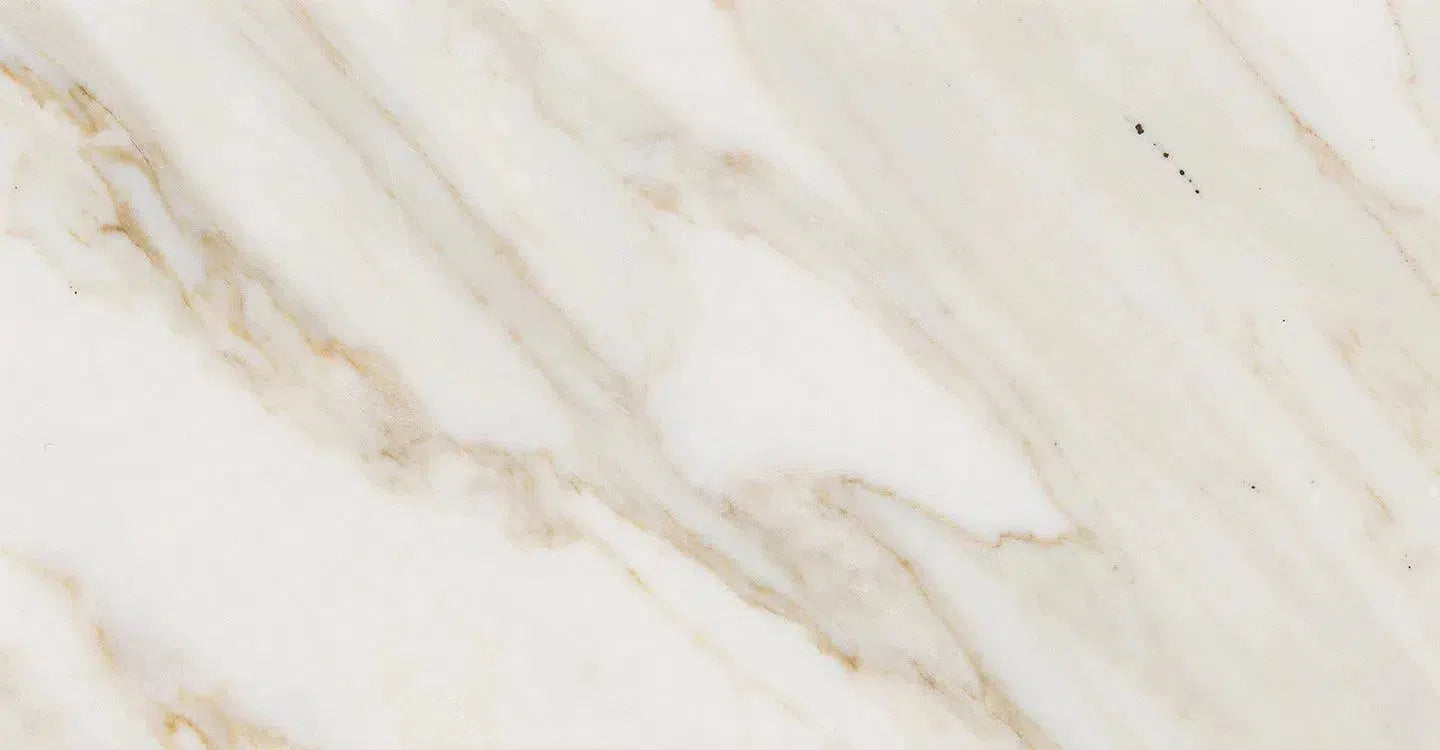

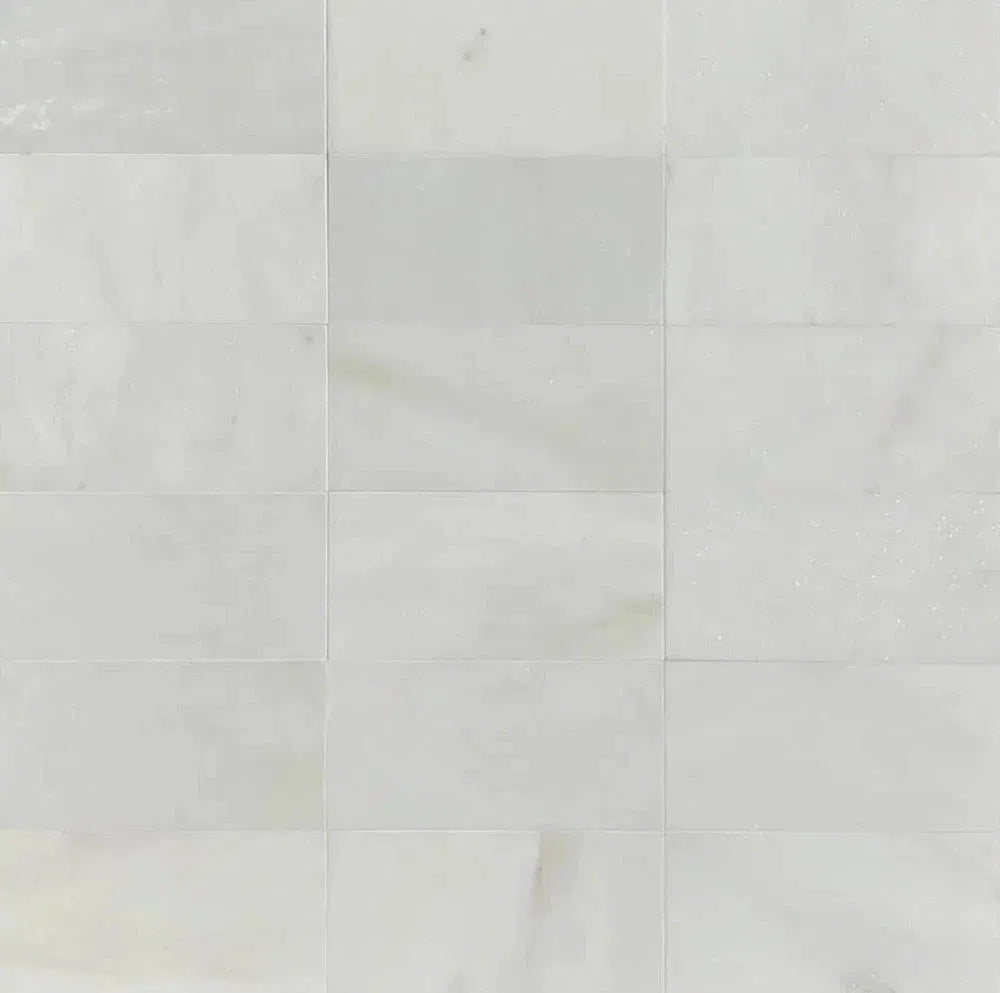


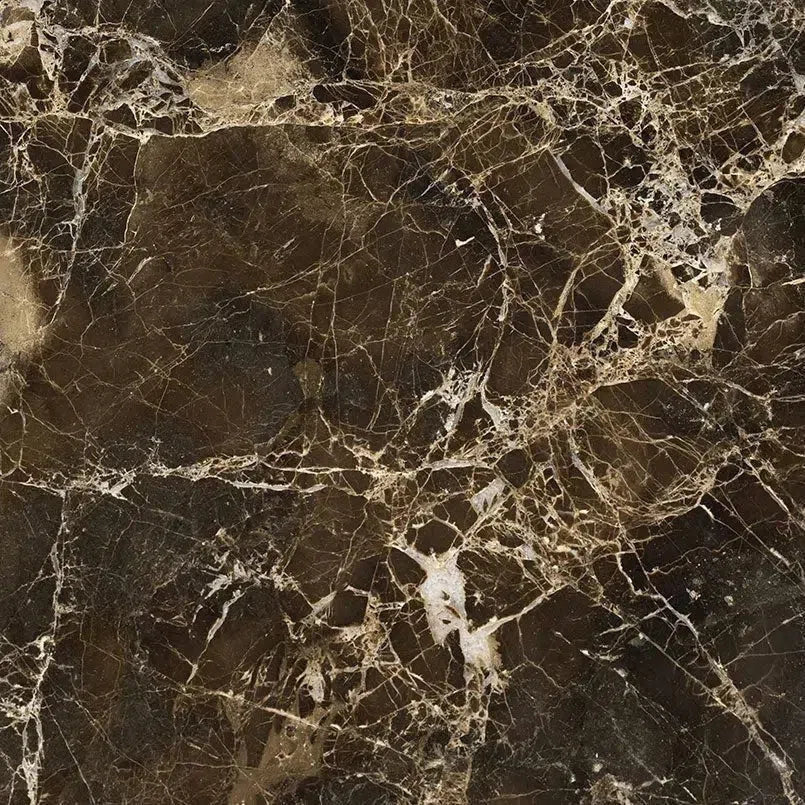
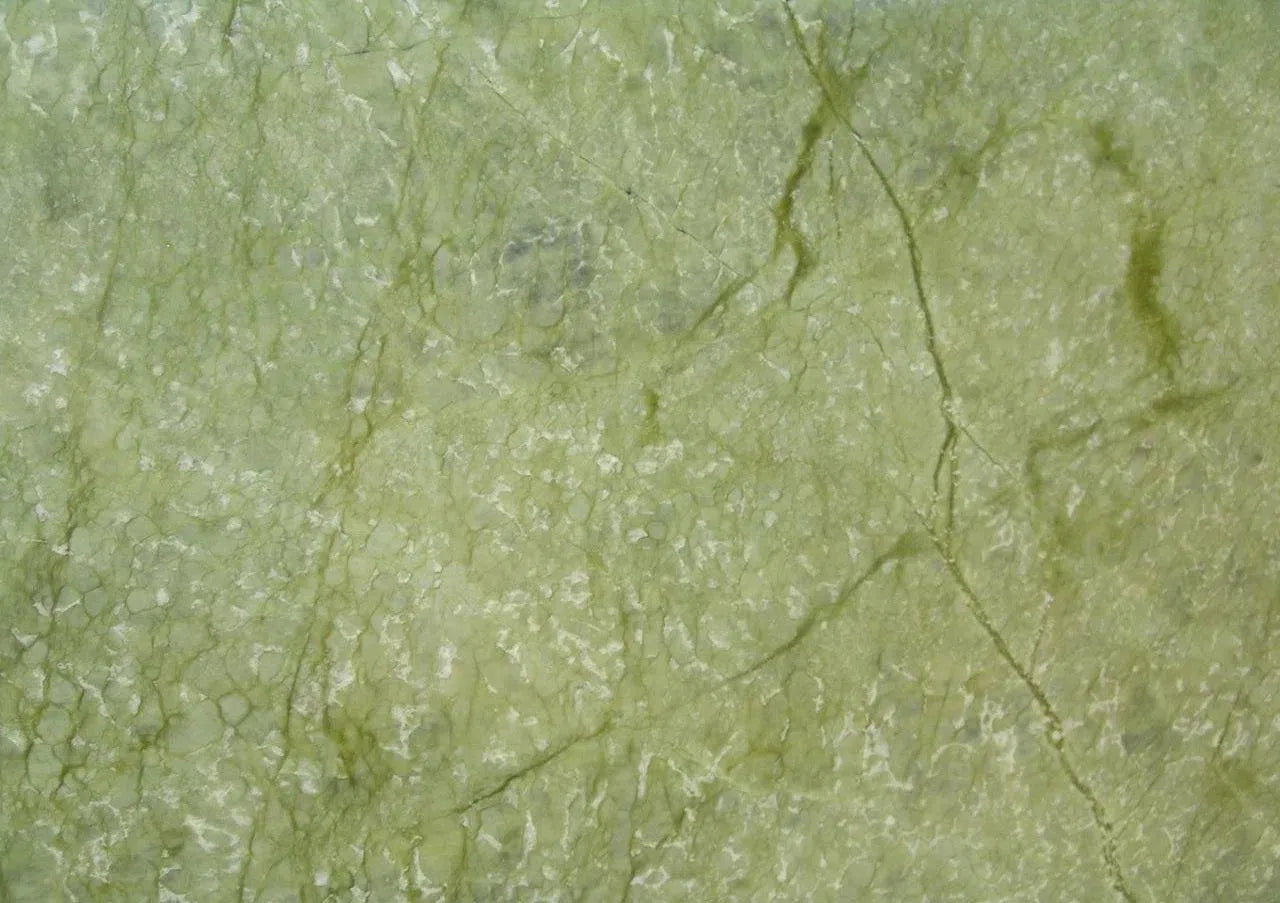
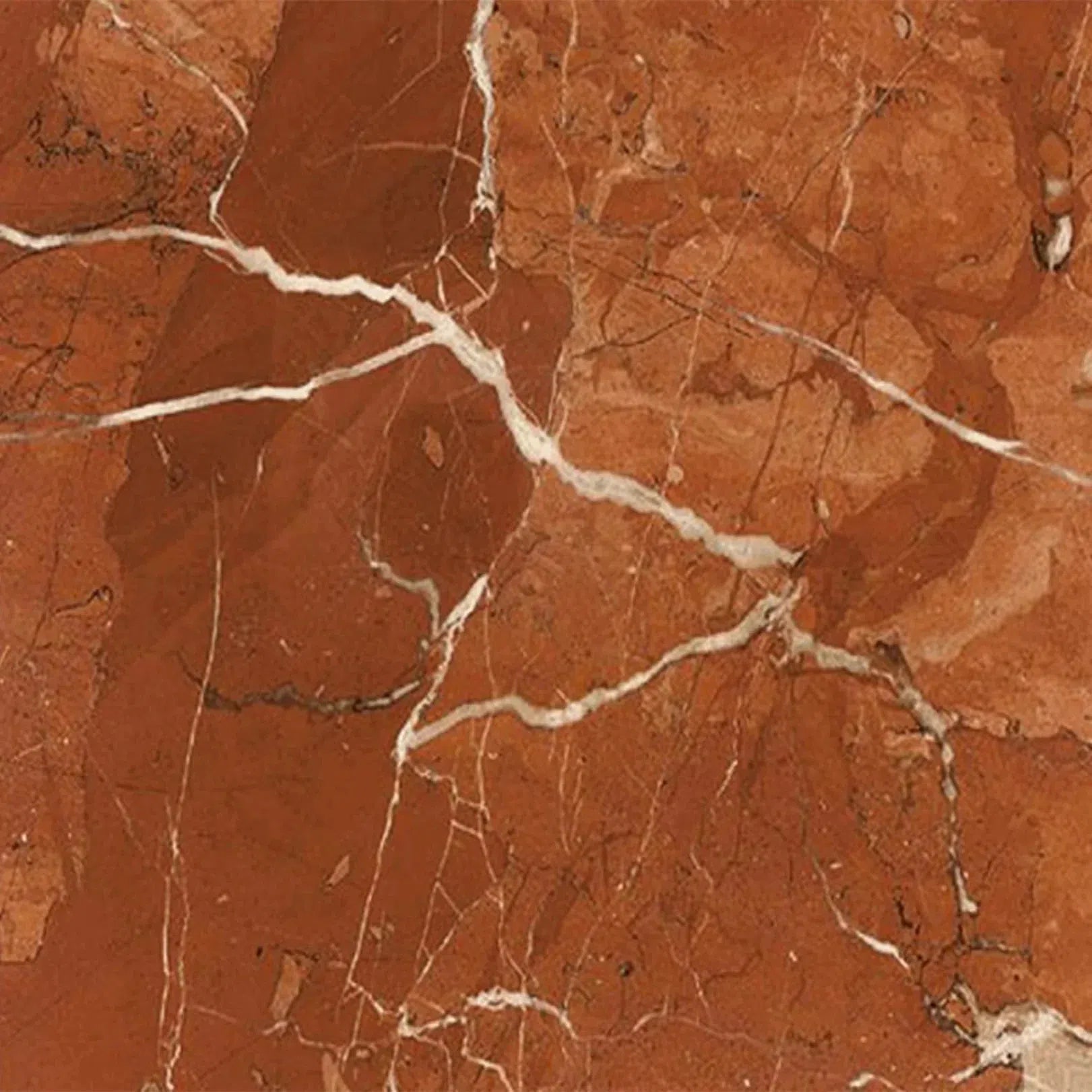
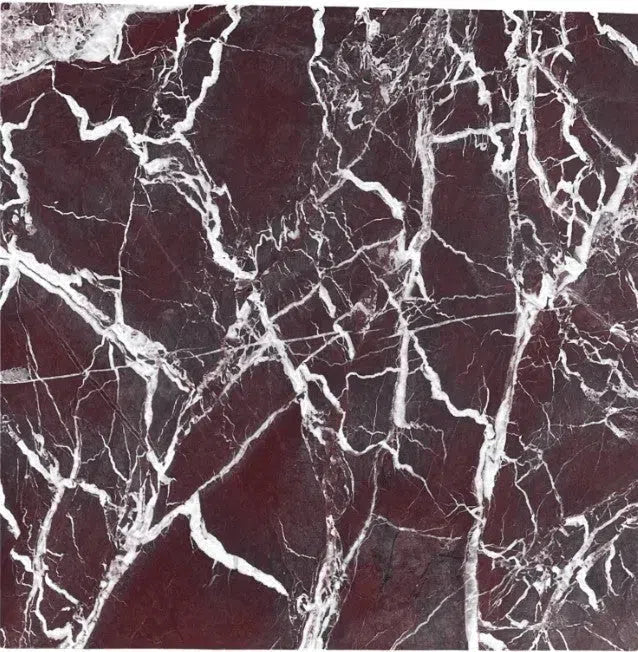


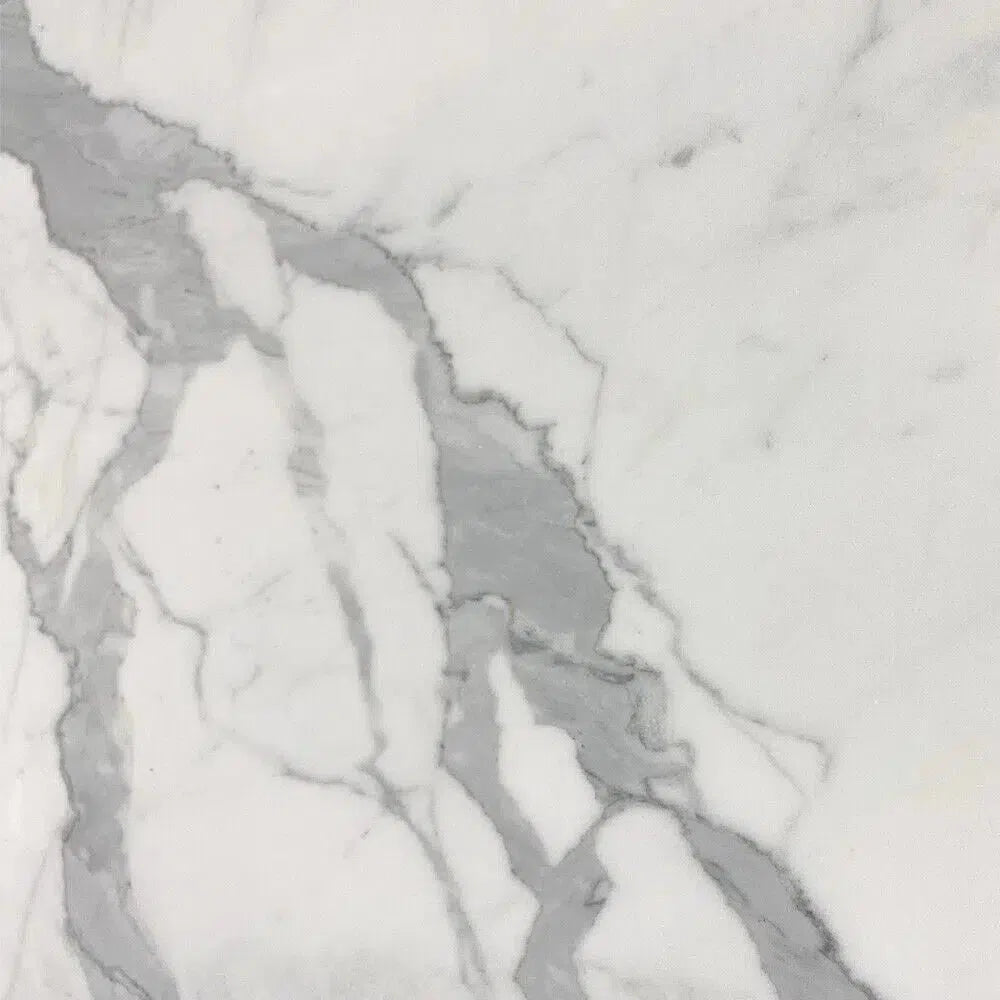

Choosing between honed vs polished tile can really change the look and feel of your home. It's not just about what looks pretty; it's about how the tile performs day-to-day. One gives you a soft, matte look, while the other offers a bright, reflective shine. Let's break down the differences so you can pick the perfect finish for your space.
Key Takeaways
- Honed tile has a smooth, matte finish that doesn't reflect much light, offering a soft, understated look. Polished tile, on the other hand, has a high-gloss, mirror-like surface that reflects light, making spaces feel brighter and larger.
- The texture of honed tile is smooth but not slippery, making it a safer choice for areas prone to moisture, like bathrooms and kitchens. Polished tile can be quite slippery when wet, posing a safety concern in these areas.
- Honed finishes tend to hide minor scratches and water spots better than polished surfaces, which can show every little imperfection. This makes honed tile often easier to maintain for busy households.
- Polished tile can make colors appear richer and more vibrant due to its reflective quality. Honed tile presents colors in a more muted, natural tone.
- When considering honed vs polished tile, think about the overall design. Honed tile fits well with natural, rustic, or modern minimalist styles, while polished tile suits more luxurious, contemporary, or classic aesthetics.
- Direct importers like American Stone Center offer premium, handpicked A+ quality natural stone, avoiding commercial-grade materials. This means you get authentic, high-quality stone at a better value.
- Maintenance for honed tile is generally simpler, requiring less frequent sealing and being more forgiving with daily use. Polished tile needs regular cleaning and sealing to maintain its shine and prevent etching.
- Ultimately, the choice between honed vs polished tile depends on your lifestyle, the room's function, and the desired aesthetic. Consider safety, maintenance, and how the finish will interact with light and color in your home.
Understanding Honed vs Polished Tile Finishes
When you're picking out tile for your home, you'll notice they come with different surface treatments. Two of the most common are honed and polished. They might look similar at first glance, but these finishes really change how the tile looks and feels. It’s not just about shine; it affects everything from light reflection to how easy it is to keep clean. Let's break down what makes each one unique so you can make the best choice for your project.
The Subtle Differences Between Honed and Polished
Honed tile has a smooth, matte surface. Think of it as a satin finish – it's not shiny, but it's not rough either. It’s achieved by stopping the polishing process before a high gloss is reached. This gives the stone a more natural, understated look. Polished tile, on the other hand, goes through a more extensive polishing process. This creates a mirror-like sheen that really makes colors pop and reflects light intensely. The difference is quite noticeable, especially when you see them side-by-side.
Visualizing the Honed Tile Aesthetic
Honed finishes offer a sophisticated, low-sheen appearance. They tend to look more natural, like the stone was simply smoothed and left as is. This makes them a great choice if you're going for a rustic, modern, or minimalist vibe. The matte surface can hide minor imperfections better than a polished finish, which is a big plus for busy homes. It’s a look that feels grounded and timeless.
Exploring the Gleam of Polished Tile
Polished tile is all about that high-gloss shine. It’s dramatic and eye-catching, reflecting light beautifully. This finish is perfect for making a space feel more luxurious and open. The intense shine can make smaller rooms feel larger by bouncing light around. However, that high shine also means it can show smudges, water spots, and scratches more readily than a honed finish. It’s a statement piece that requires a bit more attention.
How Finish Affects Light Reflection
The way a tile reflects light is a major factor in its overall impact. Polished surfaces act like mirrors, bouncing light back into the room. This can brighten a space significantly, especially if you have limited natural light. Honed surfaces absorb more light than they reflect. This creates a softer, more diffused illumination, reducing glare and making the room feel calmer. The difference in light play is one of the most significant distinctions between the two.
The Role of Texture in Tile Choice
While both honed and polished tiles are generally smooth, there's a subtle difference in texture. Honed finishes can sometimes have a very slight, almost imperceptible texture that adds to their natural feel. Polished finishes are typically slick and uniform. This textural difference can influence the tactile experience underfoot and how the tile interacts with light and shadow. It’s a detail that contributes to the overall sensory appeal of the material.
Considering the Overall Design Impact
Your choice of finish will significantly impact your home's design. A honed finish can lend a sense of calm and understated elegance, fitting well with many decor styles. It’s versatile and forgiving. A polished finish brings a sense of drama and luxury, often used to make a bold statement or to maximize light in a room. Think about the mood you want to create – serene and natural, or bright and glamorous?
Key Distinctions for Homeowners
For homeowners, the main takeaways are: honed tile offers a matte, natural look that’s generally more forgiving with daily wear and tear and glare. Polished tile provides a high-shine, luxurious appearance that reflects light but may require more diligent cleaning and care. Both have their place, and the best choice depends on your personal style, the room's function, and how much maintenance you're willing to do. Understanding these unique characteristics is the first step to selecting the perfect tile for your U.S. project.
The Appeal of Honed Tile Surfaces
When you're thinking about tile, especially natural stone, the finish makes a big difference. Honed tile offers a look that's a bit more subdued than its polished counterpart. It's not shiny, but it's not completely flat either. Think of it as a soft sheen, a bit like satin. This finish is really popular because it feels more relaxed and natural.
Achieving a Sophisticated Matte Look
Honed surfaces give you that elegant, matte appearance that many designers and homeowners are after. It’s a look that feels grounded and sophisticated without being flashy. This finish is excellent at hiding minor scuffs and smudges, which is a huge plus for busy households. It means your floors and walls will look good for longer with less fuss.
The Natural Beauty of Honed Stone
One of the best things about honed stone is how it lets the natural character of the material shine through. The subtle texture and lack of high gloss mean you can really see and feel the stone's unique patterns, veins, and colors. It’s like bringing a piece of the earth into your home, showcasing its raw beauty in a refined way. This makes each tile feel special and adds a layer of authenticity to your design.
Creating a Soft, Inviting Atmosphere
Because honed tile doesn't reflect light intensely, it creates a softer, more inviting ambiance. It’s less about making a bold statement and more about creating a comfortable, welcoming space. This makes it a great choice for living rooms, bedrooms, or any area where you want to feel relaxed and at ease. The gentle finish contributes to a calm and serene environment.
Honed Tile's Resistance to Glare
If you have a room with a lot of natural light or bright artificial lighting, polished tile can sometimes create uncomfortable glare. Honed tile, with its matte finish, absorbs light rather than reflecting it. This means you get a more consistent and comfortable visual experience, free from distracting reflections. It's a practical choice for spaces where light control is important.
Ideal Applications for Honed Finishes
Honed finishes are incredibly versatile. They work wonderfully on floors, especially in high-traffic areas where durability and a less slippery surface are key. They're also a fantastic choice for walls, backsplashes, and even shower surrounds. Because they hide imperfections well, they are a good choice for busy areas like kitchens and entryways. A honed finish offers a consistently attractive look even in busy spaces [6051].
The Tactile Experience of Honed Tile
Beyond how it looks, honed tile has a distinct feel. Running your hand over a honed surface reveals a smooth, yet subtly textured quality. It’s not slick like polished stone; there’s a pleasant, almost velvety feel to it. This tactile element adds another dimension to the sensory experience of your home, making spaces feel more grounded and real.
Maintaining the Understated Elegance
Keeping honed tile looking its best is generally straightforward. Because it doesn't show smudges or water spots as readily as polished tile, cleaning is often less frequent. A simple sweep or mop with a pH-neutral cleaner is usually all that's needed to maintain its understated elegance. This makes it a practical choice for homeowners who want beauty without a demanding upkeep routine.
The Allure of Polished Tile Surfaces
Polished tile surfaces bring a distinct kind of glamour to any room. They have this mirror-like shine that really catches the eye. If you're aiming for a look that feels a bit more upscale or dramatic, polished finishes are definitely worth considering. They reflect light in a way that can make a space feel brighter and more open, which is a nice trick for smaller areas.
The Mirror-Like Shine of Polished Tile
This finish is achieved by grinding and buffing the tile surface with progressively finer abrasives until it reaches a high gloss. The result is a smooth, reflective surface that can almost act like a mirror. It's this intense shine that gives polished tile its luxurious appeal. Think of it as a sophisticated sparkle that can transform a simple room into something quite special. It really shows off the natural beauty of stones like marble, making the veining and colors pop.
Enhancing Space with Reflective Qualities
One of the biggest advantages of polished tile is its ability to bounce light around a room. This can make a space feel larger and more airy, which is great for areas that don't get a lot of natural light. In smaller bathrooms or entryways, a polished floor or wall can create a sense of openness. It's like adding an extra light source without actually installing more fixtures. This reflective quality is a key reason why many designers choose polished finishes for projects across the U.S.
Showcasing the Richness of Natural Stone
When you have a beautiful natural stone, like a richly veined marble or a deep-colored granite, a polished finish really lets it shine. The high gloss brings out the depth, color, and intricate patterns in the stone. It makes the material look more vibrant and alive. This is why polished finishes are so popular for statement pieces or when you want the stone itself to be the star of the show. It’s a way to really appreciate the natural artistry of the material.
Polished Tile for a Luxurious Feel
There's no denying that polished tile has a luxurious feel. The smooth, glossy surface just looks and feels high-end. It's often associated with upscale homes, hotels, and commercial spaces. If you want to add a touch of elegance and sophistication to your project, polished tile is a solid choice. It can make even a simple design feel more refined and special. This is a finish that speaks of quality and attention to detail.
Where Polished Finishes Shine Brightest
Polished tiles are fantastic for living rooms, dining rooms, and entryways where you want to make a grand impression. They also work well in master bathrooms or powder rooms to create a spa-like atmosphere. However, it's important to be mindful of their slip resistance, especially in areas that might get wet. While they look stunning, safety should always be a consideration. For areas like kitchens, polished porcelain tiles offer excellent stain resistance due to their non-absorbent, smooth, glassy surface, making them easy to clean and maintain under normal use. Polished porcelain tiles offer a smooth, sealed surface that is less porous and easier to clean and maintain compared to matte tiles. This characteristic makes them a practical choice for various applications where ease of upkeep is a priority.
The Dramatic Impact of Polished Surfaces
Polished surfaces create a visual drama that honed finishes can't quite match. The way they reflect light can highlight architectural features or create a dazzling effect. This makes them ideal for creating focal points or adding a touch of glamour. It’s a bold choice that can really make a space memorable. The high shine can also make colors appear more intense, adding to the overall visual impact.
Caring for a High-Gloss Finish
Maintaining that beautiful shine does require a bit of care. Polished tiles can show water spots and smudges more easily than honed tiles. Regular cleaning with a pH-neutral cleaner and a soft cloth is key. You'll want to wipe up spills promptly to prevent staining. While they are generally easy to clean, the high gloss means you'll need to be a bit more diligent to keep them looking their best. It's a trade-off for that stunning reflective quality.
Durability and Maintenance: Honed vs Polished Tile
When you're picking out tile for your home, it's not just about looks. You've got to think about how it's going to hold up over time and how much work it'll take to keep it looking good. This is where the finish really matters. Honed and polished tiles, while both beautiful, have different personalities when it comes to durability and upkeep.
Scratch Resistance: A Closer Look
Polished tile has a super smooth, glossy surface. This shine can sometimes make minor scratches more noticeable because they disrupt that perfect reflection. Think of a car's shiny paint job – a tiny scratch really stands out. Honed tile, on the other hand, has a more matte, less reflective surface. Because it's not as smooth and shiny, small scratches tend to blend in a bit better. This doesn't mean honed tile is scratch-proof, but the visual impact of a scratch is often less obvious. For busy households with pets or kids, this can be a big plus.
Stain Vulnerability and Protection
Both honed and polished natural stone tiles can be vulnerable to stains, especially if they're porous materials like marble or limestone. The key to protection for both finishes is proper sealing. A good quality sealer creates a barrier that helps prevent liquids from soaking into the stone. However, the porous nature of the stone itself is the primary factor, not the finish. Regular sealing, typically every 6-12 months depending on traffic and the specific stone, is important for both types. If you spill something, wiping it up quickly is always the best defense against stains.
Ease of Cleaning for Each Finish
Cleaning honed tile is generally straightforward. A simple sweep or mop with a pH-neutral cleaner is usually all that's needed. Because it's not reflective, you don't have to worry as much about streaks from cleaning solutions. Polished tile requires a bit more care. You'll want to use cleaners specifically designed for polished stone to avoid dulling the finish. Wiping dry after cleaning can help prevent water spots and maintain that mirror-like shine. It's not difficult, but it does require a bit more attention to detail to keep it looking its best.
Long-Term Wear and Tear Considerations
Over many years, both finishes will show signs of wear. Polished surfaces can gradually lose some of their high gloss in heavily trafficked areas, becoming slightly more matte over time. This is a natural process. Honed surfaces tend to age gracefully, maintaining their soft look. If you're looking for a finish that will maintain its original appearance with minimal fuss over decades, honed might have a slight edge. However, with proper care, both can last a lifetime. Remember, we only offer handpicked A+ top-quality natural stone products, so you're starting with a superior material regardless of the finish.
Repairing Minor Imperfections
Fixing minor issues is different for each finish. Small chips or scratches on polished tile can sometimes be buffed out or repaired with specialized kits, but it can be tricky to match the exact sheen. For honed tile, minor scratches might be less visible, but deeper ones might require professional honing to restore the uniform matte look. If a tile is severely damaged, replacement is often the best route for both finishes. It's good to know that less than 5% of orders experience breakage, and all shipments are fully insured, so you’re always covered if a tile arrives damaged.
The Impact of Sealing on Durability
Sealing is a critical step for the durability of both honed and polished natural stone. It helps protect against stains and etching, which can dull the surface. For polished tiles, sealing is particularly important to maintain that high gloss. Without it, spills can penetrate and cause discoloration or etching, which is harder to fix on a shiny surface. For honed tiles, sealing helps prevent deep stains and makes cleaning easier. A properly sealed tile is more resistant to daily wear and tear, regardless of its finish. Chat with us now if you need help choosing the right stone for your project.
Choosing Based on Lifestyle Needs
Ultimately, your lifestyle should guide your choice. If you have a busy home with lots of activity, pets, or kids running around, a honed finish might be more forgiving and require less constant attention to keep it looking pristine. It offers a more relaxed vibe. If you're aiming for a dramatic, high-end look and don't mind a bit of extra care to maintain that sparkle, polished tile can be stunning. It's about balancing the aesthetic you desire with the practical realities of your daily life. We provide premium quality natural stone you can trust for any project across U.S. projects.
Safety and Slip Resistance
When picking out tile for your home, it’s easy to get caught up in how it looks. But what about how it feels underfoot, especially when things get wet? Safety, particularly slip resistance, is a big deal, and the finish of your tile plays a major role.
Understanding Surface Friction
Surface friction is basically how much grip a surface provides. A tile with high friction will feel more secure to walk on, while a tile with low friction can become quite slick, especially when wet. This is where the difference between honed and polished finishes really comes into play.
Honed Tile's Advantage in Wet Areas
Honed tile surfaces have a more matte, less reflective appearance. This texture naturally offers better grip compared to a polished finish. For areas like bathrooms, pool decks, or entryways that often get damp, a honed finish is generally a safer bet. It reduces the likelihood of slips and falls, giving you more peace of mind. Think about a steamy bathroom after a shower; you want a floor that feels secure.
Polished Tile and Potential Slippage
Polished tile, with its mirror-like shine, is beautiful but can be significantly more slippery, particularly when wet. The smooth, glassy surface offers very little resistance. While stunning in living rooms or bedrooms, using polished tile in high-moisture zones requires careful consideration and often additional safety measures.
Strategies to Enhance Grip on Polished Surfaces
If you absolutely love the look of polished tile but are concerned about safety, there are ways to improve its grip. Using area rugs with non-slip backing in high-traffic or potentially wet areas can help. You can also explore specialized sealants or treatments designed to increase the slip resistance of polished stone, though these might slightly alter the finish over time. For U.S. projects, always check local building codes for specific requirements.
Assessing Risk in High-Traffic Zones
Consider the daily use of the space. A busy kitchen where spills are common, or a hallway with constant foot traffic, needs a tile that can handle both wear and tear and provide reliable footing. The risk of slippage increases with the amount of activity and the potential for moisture.
Safety First: Bathroom and Kitchen Considerations
Bathrooms and kitchens are prime candidates for slip-related accidents. In bathrooms, the combination of water, soap, and shampoo creates a slick environment. In kitchens, dropped food or liquids can quickly turn a polished floor into a hazard. Choosing a honed finish for these areas is often the most practical and safest decision for homeowners.
Making an Informed Decision for Your Home
Ultimately, the choice between honed and polished tile involves balancing aesthetics with safety. While polished tile offers a dramatic, luxurious look, honed tile provides a more practical and secure surface, especially in areas prone to moisture. Always think about who will be using the space and the potential for accidents when making your final selection. You can find a wide variety of natural stone tile options to suit your needs.
Aesthetic Considerations for Your Space
Choosing the right tile finish is more than just picking a color; it's about how the surface interacts with light, texture, and the overall mood of your room. The finish you select can dramatically alter the perception of your space, making it feel larger, cozier, or more luxurious. Let's look at how honed and polished tiles play different roles in your home's design.
Matching Tile Finish to Room Style
Think about the vibe you're going for. A polished finish often leans towards a more formal or contemporary look, reflecting light and adding a bit of sparkle. It's great for entryways or living rooms where you want a bit of drama. On the other hand, a honed finish offers a softer, more relaxed feel. It's perfect for creating a cozy atmosphere in a family room or a tranquil spa-like bathroom. The finish should complement, not compete with, your existing decor.
How Finish Influences Color Perception
The way a tile reflects light can change how you see its color. Polished surfaces tend to make colors appear more vibrant and saturated because they bounce light back directly. This can make darker stones look richer and lighter stones seem brighter. Honed finishes, with their matte appearance, absorb more light. This can soften colors, making them appear more muted and subtle. If you have a bold color or intricate veining in your stone, a honed finish might present it in a more understated way, while polished will make it pop.
Creating Focal Points with Tile
Both finishes can be used to create focal points, but they do it differently. A highly polished tile, especially in a dark, dramatic color or with striking veining, can act like a mirror, drawing the eye and becoming a central feature. Imagine a polished marble fireplace surround – it's bound to catch attention. A honed finish can also create a focal point, but more subtly. A large-format honed tile in a natural, earthy tone can ground a space, making a seating area or a feature wall feel more intentional and defined.
The Role of Lighting with Each Finish
Lighting is key when deciding between honed and polished. Polished tiles are excellent for maximizing natural light and making spaces feel brighter and more open. They reflect light around the room, which can be a big plus in smaller or darker areas. However, they can also create glare, especially under direct artificial lighting. Honed tiles are much better at diffusing light and reducing glare. They offer a more consistent look under various lighting conditions, making them a safer bet if you have tricky lighting or want a more even illumination.
Achieving a Seamless Look
If you're aiming for a continuous, flowing look, especially across large areas or between different rooms, the finish plays a role. Polished tiles can help create a sense of expansiveness due to their reflective quality. They can make a hallway feel longer or a living area seem more connected. Honed tiles can also contribute to a seamless appearance, particularly when used with grout that closely matches the tile color. Their matte surface provides a smooth, unbroken visual plane.
Visualizing the Final Outcome
It's always a good idea to see samples in your actual space, under your home's specific lighting conditions. What looks great in a showroom might appear different in your kitchen or bathroom. Consider the overall color palette, the texture of other materials in the room (like wood or fabric), and the amount of natural light you get. Visualizing how the tile will interact with these elements is crucial for making the right choice.
Personalizing Your Home's Design
Ultimately, the choice between honed and polished tile comes down to your personal style and the specific atmosphere you want to create. Do you prefer the understated elegance of a matte finish or the dazzling shine of a high-gloss surface? Both offer unique benefits and can be used to craft a beautiful, personalized space. For a truly luxurious natural stone experience, consider exploring options like premium marble that showcase these finishes beautifully.
Choosing the Right Stone for Your Finish
When you're picking out natural stone for your home, the finish is just as important as the stone itself. It really changes how the material looks and feels. Let's talk about how different stones behave with honed versus polished finishes.
Marble's Transformation: Honed vs Polished
Marble is a classic choice, and its finish makes a big difference. A polished marble surface has a high shine, almost like a mirror. This really brings out the deep colors and intricate veining, giving it a luxurious, formal look. Think of a grand entryway or a sophisticated bathroom vanity. On the other hand, honed marble has a softer, matte appearance. It's less reflective, which can make the colors appear a bit more muted but also more natural. This finish is great for a more relaxed, everyday feel, like in a kitchen or a family room. Polished marble can be more prone to showing water spots and scratches, while honed marble hides minor imperfections better.
Travertine's Unique Character by Finish
Travertine is known for its natural pits and texture. A polished travertine finish fills in some of those natural voids, creating a smoother, more uniform surface with a noticeable sheen. This can give travertine a more refined look, suitable for areas where you want a bit of elegance. However, many people love travertine precisely for its earthy, natural character. A honed finish preserves and even highlights the stone's natural texture and subtle color variations. It offers a more rustic, grounded feel, perfect for creating a warm, inviting atmosphere in living spaces or covered patios.
Granite's Versatility in Finishes
Granite is a tough stone, and both finishes work well. Polished granite offers a brilliant shine that makes its bold patterns and colors pop. It's a popular choice for kitchen countertops because the high gloss is striking and relatively easy to wipe clean. Honed granite has a more subdued, satin-like appearance. This finish can make granite look softer and less intense, which might be preferable if the stone's pattern is very busy or if you're aiming for a more understated look. Honed granite also tends to show fingerprints and smudges less than polished granite.
Limestone's Subtle Elegance
Limestone is naturally softer and often has a more uniform color. Polished limestone can look quite elegant, with a gentle sheen that highlights its smooth texture. It's a good option if you want a clean, minimalist look. However, limestone is quite porous, and a polished finish can sometimes make it appear even more so. Honed limestone offers a very natural, earthy feel. Its matte surface is forgiving and can create a wonderfully serene ambiance, especially in bathrooms or bedrooms. The honed finish really lets the subtle color variations of limestone shine through without being overpowering.
The Impact of Veining and Color
When you're choosing a stone, think about its natural features. If a marble has dramatic, flowing veins, a polished finish will make those veins look like they're moving across the surface with a high-definition clarity. A honed finish will soften those veins, giving them a more painterly, artistic quality. For stones with a lot of color variation, like some granites or travertines, a polished finish can intensify those colors, making them look richer and deeper. A honed finish might present those colors in a more natural, less saturated way.
Selecting Stone Based on Desired Look
Ultimately, the best finish depends on the look you're going for. If you want a space that feels grand, luxurious, and bright, polished finishes often do the trick. They reflect light well and can make a room feel larger. If you prefer a more relaxed, natural, and grounded atmosphere, or if you're concerned about glare and minor wear, a honed finish is likely your best bet. It's about matching the stone's inherent beauty with the effect you want to create in your home.
Expert Advice on Stone Pairings
Our team is here to help you find the perfect match. We offer handpicked A+ top-quality natural stone products, and we don't sell commercial grade – only premium. As direct importers, we have a wide selection and can guide you based on your project's needs and your aesthetic preferences. We can show you how a specific marble or travertine looks in both honed and polished finishes, helping you visualize the final result. Remember, fast, reliable, and often same-day shipping is available nationwide for your U.S. projects, making it easier than ever to get the luxury natural stone you can trust.
Installation and Professional Insights
When it comes to installing your chosen tile, whether it's a smooth honed finish or a gleaming polished surface, there are a few things to keep in mind. It's not always as straightforward as it looks in those DIY videos. Professional installers often have their own preferences, and understanding these can help your project go more smoothly.
Installer Preferences for Honed Tile
Many installers find honed tile a bit more forgiving. Its matte surface means less worry about accidental scratches during the installation process. It's generally easier to handle and less prone to showing minor imperfections that can happen when moving materials around a job site. This can translate to a quicker, less stressful installation.
Challenges with Polished Tile Installation
Polished tile, on the other hand, demands extra care. Because it has that mirror-like finish, even the slightest scuff or scratch from tools, shoes, or dropped items can be very noticeable. Installers need to be extra diligent about protecting the surface throughout the entire process. This often means using more protective coverings and taking slower, more deliberate actions, which can sometimes add to the labor time.
Protecting Finishes During Installation
Regardless of the finish, protecting the tile is key. This usually involves:
- Using clean drop cloths or protective coverings on floors and surfaces.
- Carefully handling boxes to avoid dropping or scraping edges.
- Ensuring tools are clean and free of debris that could scratch the tile.
- Wearing clean, soft-soled shoes on the job site.
The Importance of Proper Grouting
Grouting is a critical step for both honed and polished tiles. The wrong grout color can clash with the tile, and improper application can lead to staining or unevenness. For polished tiles, it's especially important to clean off excess grout promptly and thoroughly to avoid haze that can be difficult to remove later. With honed finishes, while slightly more forgiving, a clean grout line still makes a big difference in the final look.
Ensuring a Flawless Final Appearance
A flawless finish isn't just about the tile itself; it's about the details. This includes:
- Precise cuts around edges and obstacles.
- Consistent grout lines.
- Thorough cleaning after installation.
- Proper sealing, if required for the specific stone.
When to Call the Professionals
While some homeowners tackle tile installation themselves, complex projects or working with delicate materials like polished marble often benefit from professional help. If you're unsure about the process, have intricate patterns, or are working with expensive stone, hiring an experienced installer is a wise choice. They have the tools, knowledge, and techniques to achieve a high-quality result.
Post-Installation Care Recommendations
Once the installation is complete, proper care is vital to maintain the beauty of your tile. This includes:
- Following the manufacturer's or installer's cleaning recommendations.
- Using pH-neutral cleaners, especially for natural stone.
- Sealing the tile and grout as advised to protect against stains.
- Addressing spills immediately to prevent them from setting in.
Choosing the right finish is just the first step; understanding the installation process and the care required for both honed marble and polished surfaces will help you achieve a beautiful and lasting result for your U.S. project.
Budgetary Factors: Honed vs Polished Tile
When you're planning a renovation or building a new home, the budget is always a big consideration. The finish you choose for your natural stone tile, whether honed or polished, can definitely play a role in your overall project costs. It's not just about the price tag of the stone itself; there are other factors to think about too.
Initial Cost Differences
Generally speaking, honed tile often comes with a slightly lower price tag than its polished counterpart. This is because achieving a polished finish usually requires more intensive processing and more steps at the quarry or factory. Think of it like this: getting a smooth, matte surface is a bit simpler than buffing it to a mirror-like shine. While the difference might not be huge on a per-square-foot basis, it can add up across a large project. For example, the cost of natural stone flooring can vary widely, with material expenses typically ranging from $4 to over $18 per square foot, and the finish is one of those variables [0a02].
Long-Term Value and Investment
While polished tile might cost a bit more upfront, some homeowners feel its luxurious appearance adds more long-term value to a home. It can make spaces feel grander and more open. Honed tile, on the other hand, offers a timeless, understated elegance that also holds its appeal. The 'value' often comes down to personal preference and the overall design aesthetic you're aiming for. Both premium honed and polished natural stones represent a significant investment in your property.
Maintenance Expenses Over Time
This is where things can get interesting. Polished surfaces, with their high gloss, can sometimes show scratches or etching more readily than honed finishes. This might mean you need to be more careful with cleaning and potentially invest in specialized cleaning products or even professional polishing down the line to maintain that showroom shine. Honed finishes tend to be a bit more forgiving with everyday wear and tear, potentially leading to lower maintenance costs over the years.
The Cost of Professional Installation
Installation costs are influenced by many things, including the material, size, finish, and how complex the job is. Sometimes, installers might charge a bit more for polished tile because it can be more challenging to work with. It shows fingerprints and smudges easily during installation, and any mistakes are more visible. Proper preparation, trims, grout, and waste are all part of the total cost of tile installation [9c3b].
Impact on Resale Value
Both finishes can contribute positively to resale value, but in different ways. A beautifully polished marble floor can create a 'wow' factor that attracts buyers looking for luxury. A well-executed honed limestone or travertine can appeal to those seeking a more natural, relaxed, yet sophisticated vibe. The key is quality installation and ensuring the finish complements the home's overall style.
Finding Premium Quality Within Budget
It's absolutely possible to find beautiful, premium quality stone in either finish without breaking the bank. As a direct importer, we source handpicked A+ top-quality natural stone directly from quarries worldwide. This direct importer advantage means we can offer authentic, luxury natural stone you can trust at competitive prices. We don’t sell commercial grade – only premium.
Understanding the Direct Importer Advantage
Working with a direct importer like us cuts out the middlemen. This means you get access to the finest marble and travertine, often with better pricing than you'd find through traditional retail channels. Plus, we pride ourselves on fast, reliable, and often same-day shipping across the U.S. projects, so your dream space can come together quicker.
Transforming Kitchens with Tile Finishes
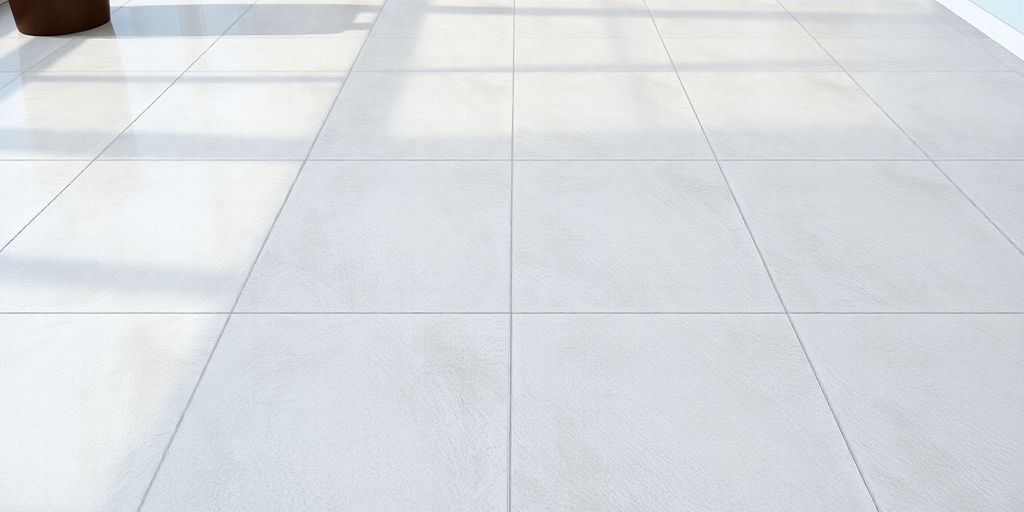
Upgrading your kitchen with the right tile finish can completely change the mood, function, and value of your space. Whether you want warmth, a modern feel, or something bold for your project anywhere in the U.S., the choice between honed and polished tile matters.
Honed Tile for a Warm Kitchen Ambiance
Honed tiles are known for their smooth, matte surface that doesn't reflect much light. This finish brings a calm, understated atmosphere to any kitchen, making it inviting and practical. It's ideal if you want a comfortable space where fingerprints and smudges won't stand out. Many designers reach for honed natural stone for:
- A cozy, lived-in look
- Minimizing glare from kitchen lighting
- Hiding minor wear from everyday use
Polished Tile for a Sleek, Modern Kitchen
Choosing polished tile will give your kitchen a high-shine, polished look that catches and reflects light. This finish adds a sense of openness and luxury—perfect for homeowners who love a bright, modern aesthetic. Polished surfaces are often used to:
- Make smaller kitchens appear larger
- Highlight the deep veining and color of quality natural stone
- Create a sophisticated, elegant feel
Backsplash Brilliance: Honed or Polished?
Your backsplash is usually a focal point, so here’s what to consider:
| Feature | Honed | Polished |
|---|---|---|
| Appearance | Soft, matte | Shiny, reflective |
| Maintenance | Hides smudges, easy upkeep | Easier to wipe clean, but shows spots |
| Visual Focus | Subtle, blends with decor | Pops, draws attention |
A backsplash in either finish provides both beauty and durability. It just depends if you want a gentle touch or a bit of shine right above your counters.
Flooring Choices for Durability and Style
Kitchen floors see a lot of foot traffic and spills. Here are key points for each finish:
- Honed tiles have more grip, which means fewer slips.
- They’re better at disguising dirt and everyday marks.
- Polished tiles look stunning but can be slippery when wet—great for low-traffic, showpiece kitchens.
Countertop Considerations (if applicable)
When using stone for kitchen countertops, finish plays a clear role:
- Honed counters are more forgiving of etching and scratches, which is useful in busy family kitchens.
- Polished counters offer a luxe, high-gloss look that can make the stone’s natural pattern stand out.
Balancing Aesthetics and Practicality
Ask yourself a few questions to match practicality with style:
- How busy is your kitchen?
- Do you prefer a space that’s easy to keep looking clean?
- Is safety a top priority, especially with kids or pets?
- Want your kitchen to wow guests, or keep it relaxed and inviting?
Creating Your Dream Kitchen Space
You can mix honed and polished finishes for layered styles—think honed floors and counters, paired with a polished backsplash. Looking for top-quality marble or travertine nationwide? Premium natural stone tiles, handpicked for U.S. projects, can bring your design to life.
Ready for a kitchen transformation? Explore samples, consult an expert, or order with confidence knowing you’re getting fast, reliable delivery and only the highest-quality authentic stone. Your kitchen deserves nothing less.
Elevating Bathrooms with Tile Finishes
Bathrooms are personal sanctuaries, and the right tile finish can make all the difference in creating the mood you want. Whether you're aiming for a calm retreat or a spa-like luxury experience, the choice between honed and polished tile plays a big role. Let's look at how each finish can transform your bathroom.
Honed Tile for Serene Bathroom Retreats
A honed finish offers a soft, matte look that feels incredibly calming. It's like stepping into a peaceful spa every time you enter your bathroom. This finish is great for creating a relaxed atmosphere, making your bathroom a true escape from the everyday hustle. The understated elegance of honed tile promotes tranquility. It doesn't reflect light harshly, which can make a smaller bathroom feel more spacious and less overwhelming.
Polished Tile for Spa-Like Luxury
If you're after that high-end, luxurious feel, polished tile is the way to go. Its mirror-like shine bounces light around the room, making it feel brighter and more open. This is especially effective in bathrooms that might not get a lot of natural light. Polished surfaces can give your bathroom a glamorous, hotel-suite vibe. It really showcases the depth and richness of natural stone, making a statement.
Shower Walls: Safety and Style
When choosing tile for shower walls, safety is a big consideration. Honed finishes generally offer better grip than polished ones, which is important in a wet environment. However, both can work beautifully. For polished tile in showers, consider using it on walls where slip resistance is less of a concern, or pair it with a honed or textured tile for the floor. A honed finish on shower walls can provide a sophisticated, non-slip surface.
Flooring in Wet Environments
For bathroom floors, especially in areas prone to getting wet like around the tub or shower, slip resistance is key. Honed tile naturally has a bit more texture, making it a safer choice. Polished tile, while beautiful, can become quite slippery when wet. If you love the look of polished tile for your bathroom floor, you might want to explore options with a slightly textured surface or consider using smaller tiles with more grout lines to increase traction.
Vanity Area Elegance
The area around your vanity is a great place to play with finishes. A polished tile here can add a touch of glamour and make the space feel brighter as you get ready. Honed tile can offer a more subdued, elegant backdrop. You could even mix finishes – perhaps a polished tile on the floor and a honed tile for a vanity backsplash to create visual interest.
The Impact of Humidity on Finishes
Natural stone, regardless of finish, can be affected by humidity. Both honed and polished surfaces should be properly sealed to protect against moisture and staining. While a polished finish might show water spots more readily due to its reflective nature, a honed finish can sometimes absorb liquids more easily if not sealed correctly. Regular maintenance is key for both.
Designing Your Personal Oasis
Ultimately, the best tile finish for your bathroom depends on the look and feel you want to achieve. For a calm, natural retreat, honed tile is a wonderful choice. For a more dramatic, luxurious space, polished tile can truly shine. Consider the natural light in your bathroom, the overall style you're aiming for, and, of course, safety. We offer handpicked A+ top-quality natural stone products, perfect for creating your dream bathroom. Chat with our experts today to find the ideal marble or travertine for your U.S. project.
Outdoor Spaces and Tile Finishes
Creating outdoor areas that are both stylish and durable hinges on choosing the right tile finish. From patios to walkways, the finish of each tile plays a major role in the feel, performance, and safety of your space.
Honed Tile for Patios and Walkways
Honed tile, with its soft matte surface, is a popular choice for outdoor settings.
- Dulls reflections, keeping glare minimal in bright sunlight
- Provides reliable grip even in damp or rainy conditions
- Naturally blends with landscaping and outdoor furniture
Honed tiles often make decks, pool surrounds, and terraces look casual yet high-end. For instance, a limestone finish can add that understated warmth that puts guests at ease while standing up to foot traffic. For more insights on finishes beyond honed and polished, see this short guide on choosing the right limestone finish.
If you've ever walked barefoot on a honed surface outdoors, you know how comfortable and slip-resistant it feels, especially around water features or kids' play zones.
Polished Tile: A Daring Outdoor Choice?
Polished finishes aren’t the go-to for exteriors, but in some climates or covered patios, a polished stone can make a bold statement.
- Striking shine sets a dramatic scene, especially for small entertainment nooks
- Works best where exposure to rain and mud is low
- Needs frequent cleaning to maintain that crisp look
Keep in mind, polished tiles are slicker when wet, so avoid them in spots where puddles can form or where safety is a concern.
Weather Resistance of Different Finishes
Tiles outside deal with sun, frost, and sudden downpours. Here’s how finishes stack up:
| Finish | UV Resistance | Freeze-Thaw Tolerance | Maintenance Intensity |
|---|---|---|---|
| Honed | High | High | Low |
| Polished | Moderate | Moderate | High |
Slip Resistance in Outdoor Settings
Safety is a big factor for patios, pool decks, and garden paths.
- Honed finishes offer better traction
- Some honed tiles can be textured for even more grip
- Polished tile surfaces aren’t as forgiving after rain or watering the lawn
Enhancing Curb Appeal
There’s nothing like a well-chosen stone to increase your home’s first impression. Premium natural tiles, cut from top-grade stone, set your home apart. A softer finish lets the stone’s unique qualities steal the show without being flashy.
Maintenance in Exterior Environments
- Sweep debris often to avoid scratching
- Hose down patios or walkways as needed
- Reapply sealer periodically to keep stains at bay (especially for honed finishes)
Creating Inviting Outdoor Living Areas
Every outdoor tile project is a chance to reflect your personal style:
- Match finishes to the mood—relaxed, modern, classic, or rustic
- Mix and match honed and tumbled stones for depth and function
- Remember: you don’t need to travel far for quality—nationwide shipping makes shopping easy
If you’re designing an outdoor space from scratch or refreshing an existing patio, picking a finish that pairs beauty with practicality can help you enjoy every square foot for years down the road.
The Role of Lighting on Tile Finishes
Lighting plays a huge part in how your tile looks, and the finish you choose really changes things up. It's not just about how bright a room gets; it's about the mood and the overall feel.
Maximizing Natural Light with Polished Tile
Polished tiles are like little mirrors. They bounce light all around the room, making it feel bigger and brighter. This is great for smaller spaces or rooms that don't get a lot of sun. Think about a bathroom with a small window; polished tile can really open it up. The reflective quality of polished surfaces can make a significant difference in how much natural light is utilized. It's a simple trick that designers use a lot. If you're looking to make a space feel airy and expansive, polished is a good way to go. It's like adding extra windows, visually speaking. You can see how this works with polished marble – it really shines.
Reducing Glare with Honed Tile
On the flip side, honed tiles have a softer, more matte look. They don't reflect light as much, which means less glare. This is a big deal if you have a room with lots of windows or direct sunlight. That harsh reflection from polished surfaces can be pretty annoying sometimes. Honed finishes absorb light more gently, creating a calmer atmosphere. This makes them a good choice for bedrooms or living areas where you want a relaxed vibe. It's a more subtle beauty, less in-your-face.
Artificial Lighting Strategies
When you're thinking about lamps, spotlights, or overhead fixtures, the tile finish matters. With polished tile, you might need to be more careful with lighting placement to avoid creating distracting reflections. Sometimes, a softer, diffused artificial light works best. For honed tile, you have more freedom. The light just seems to soak into the surface, giving it a warm glow. You can use brighter lights without worrying as much about harsh reflections. It's about working with the light, not against it.
How Finish Affects Mood and Ambiance
The way light interacts with your tile finish directly impacts the room's mood. Polished tiles, with their high reflectivity, tend to create a more formal, luxurious, and even dramatic feel. They can make a space feel more energetic and glamorous. Honed tiles, however, contribute to a more relaxed, natural, and understated ambiance. They bring a sense of calm and warmth, making a space feel more grounded and inviting. It’s a subtle shift, but it changes the whole feeling of a room.
Creating Dramatic Effects
If you want to make a statement, the interplay of light and polished tile can be very dramatic. Think of a grand entryway with a chandelier reflecting off a polished stone floor. It’s eye-catching and sophisticated. Honed tiles can also create drama, but it's a different kind – more about depth and texture. Spotlighting a honed surface can highlight its natural patterns and create subtle shadows, adding a rich, tactile dimension.
Achieving a Bright and Airy Feel
For that bright, airy feel, polished finishes are often the go-to. They reflect light so well that they can make even a small room feel much larger and more open. This is why they're popular in smaller homes or apartments. Honed tiles can still contribute to a bright space, especially if you use lighter colors and plenty of light sources, but they do it in a softer, less intense way. It’s about the quality of the light, not just the quantity.
Illuminating Your Tile Choice
Ultimately, the best way to see how lighting affects your tile is to look at samples in your own space. Bring them home, place them where you plan to install them, and see how they look at different times of day, with both natural and artificial light. This will give you a real sense of the final outcome. Remember, the right lighting can transform any tile, but the finish you choose will dictate how that transformation happens. Consider how natural stone can be presented differently based on its finish and the light it receives.
Understanding Natural Stone Variations
Natural stone is beautiful because it's not perfect. Each slab has its own story, told through unique patterns, colors, and textures. This variation is what makes natural stone so appealing, setting it apart from manufactured materials. When you choose natural stone, you're choosing a piece of the earth, with all its inherent character.
The Beauty of Imperfection in Stone
Think about it – no two trees are exactly alike, and the same goes for natural stone. Veins, mineral deposits, and subtle color shifts are all part of the charm. These aren't flaws; they're signatures of authenticity. Embracing these natural variations means your space will have a one-of-a-kind look. It’s this individuality that designers and homeowners love.
How Finish Highlights Natural Patterns
The way a stone is finished can really change how you see its natural patterns. A polished finish might make the veins pop with a high-contrast shine, almost like a mirror reflecting the stone's inner beauty. On the other hand, a honed finish softens these patterns, giving them a more subtle, matte appearance. It’s like looking at the same artwork under different lighting – the details shift.
Consistency in Honed vs Polished
While both honed and polished finishes showcase natural stone, they do so differently. Polished surfaces tend to amplify color saturation and contrast, making the stone appear more vibrant. Honed finishes, however, offer a more muted, earthy tone. This difference is important when you're trying to match existing materials or achieve a specific mood in your project. For example, if you're looking at marble's transformation, the finish plays a huge role in its final look.
The Impact of Veining on Appearance
Veining is one of the most striking features in many natural stones, like marble or travertine. The thickness, color, and flow of these veins are entirely natural. A honed finish might make the veins look softer, almost like brushstrokes, while a polished finish can make them appear sharper and more dramatic. It really depends on the specific stone and the look you're going for.
Color Saturation and Finish
Generally, polished finishes tend to make colors appear richer and more saturated. The smooth, reflective surface bounces light back, intensifying the stone's hues. Honed finishes, with their matte surface, absorb more light, resulting in a softer, more subdued color palette. This can be a deciding factor if you want your stone to be a bold statement or a subtle backdrop.
Embracing the Unique Qualities of Each Slab
When you select natural stone, you're not just picking a material; you're selecting a unique piece of art from nature. Whether it's the subtle mottling in limestone or the bold patterns in granite, each slab has its own personality. This uniqueness is a core part of the appeal of natural stone. It’s what gives your home character and a sense of timeless elegance.
Selecting Stone That Speaks to You
Ultimately, choosing the right stone comes down to personal preference and the overall design vision for your space. Do you prefer the dramatic flair of a polished finish or the understated elegance of a honed surface? Consider how the stone's natural variations will complement your furniture, lighting, and the room's function. For instance, granite's versatility in finishes means it can suit many different styles.
Trend Watch: Honed vs Polished Tile
It feels like every few years, design trends do a little dance, shifting between what's considered 'in' and what's 'out.' When it comes to tile finishes, especially natural stone, this dance often involves honed versus polished surfaces. So, what's catching the eye of designers and homeowners right now?
Current Design Preferences
Right now, there's a noticeable lean towards finishes that feel more grounded and less flashy. This often translates to a preference for honed surfaces. They offer a sophisticated, matte look that pairs well with a variety of interior styles, from minimalist to rustic. Think about it: a honed marble floor in a bathroom just feels more serene, doesn't it? It's less about making a bold statement and more about creating a calm, inviting space. This aligns with a broader trend of creating personal sanctuaries within our homes.
Timeless Appeal of Honed Surfaces
Honed finishes have a way of looking like they've always belonged. They possess a natural beauty that doesn't scream for attention but rather whispers elegance. This understated quality means they don't go out of style quickly. Unlike a super-glossy finish that might feel dated in a decade, a honed surface maintains its charm. It's a choice that offers longevity, both in terms of durability and aesthetic appeal. For many, this timeless quality is a major draw, especially when considering projects that need to stand the test of time, like flooring in high-traffic areas.
The Resurgence of Polished Glamour
While honed is certainly having a moment, don't count polished finishes out! There's a definite resurgence of polished stone, particularly in spaces where a touch of luxury and drama is desired. Think of a polished marble vanity top reflecting light beautifully, or a polished granite floor in an entryway that makes a grand first impression. Polished surfaces bring a sense of opulence and can make a space feel larger and brighter due to their reflective qualities. It’s a look that says, "I appreciate the finer things."
Mixing Finishes for a Modern Look
One of the most exciting trends is the intentional mixing of finishes. Designers are increasingly pairing honed and polished tiles within the same project to create visual interest and depth. For example, you might see honed marble on the walls of a shower and a polished marble floor in the bathroom. Or perhaps a honed stone backsplash in the kitchen with polished granite countertops. This approach allows you to play with texture and light, creating a dynamic and personalized design. It’s a way to get the best of both worlds, using each finish where its strengths shine brightest.
Influences from Global Design
Global design trends are also playing a role. Many international styles favor natural, earthy textures and a more subdued elegance, which naturally lends itself to honed finishes. However, there's also a growing appreciation for the bold, statement-making qualities of polished stone, often seen in more contemporary or high-end European designs. This global perspective encourages a broader acceptance and appreciation for both finishes.
Predicting Future Tile Trends
Looking ahead, it's likely that both honed and polished finishes will continue to coexist and evolve. We might see more innovative ways to combine them, perhaps with textured or patterned tiles that incorporate both matte and glossy elements. There's also a growing interest in finishes that mimic natural wear and tear, which often aligns with the softer look of honed stone. However, the inherent glamour of polished surfaces ensures they'll always have a place in design, especially for accent pieces or areas where a high-impact look is desired. Ultimately, the choice will continue to be driven by personal style and the specific needs of the project, whether it's creating a calm bathroom retreat or a dazzling entryway.
Staying Ahead of the Curve
To stay ahead of the curve, pay attention to what's happening in high-end design magazines, on popular home renovation shows, and even in hospitality design. Notice how different finishes are used in various settings. Don't be afraid to experiment with samples. Seeing and feeling the difference between a honed and polished finish in your own space is the best way to decide what works for you. Remember, the most enduring trend is often creating a space that you truly love and that functions perfectly for your lifestyle. We pride ourselves on offering handpicked A+ top-quality natural stone, so you can be confident in your choice, no matter the finish. Our direct importer advantage means you get premium materials without the premium markup.
Sample Selection and Visualization
Picking out tile for your home project can feel like a big decision, and honestly, it is! You want it to look just right. That's where getting samples comes in. It’s like test-driving a car before you buy it – you need to see how it feels and looks in your own space.
The Importance of Ordering Samples
Look, photos online are great, but they don't always tell the whole story. Lighting in a showroom is different from the light in your kitchen. Colors can appear a bit off, and you can't really get a feel for the texture. Ordering samples is a small step that makes a huge difference in avoiding costly mistakes. It lets you see the actual material, its true color, and how it interacts with your home's existing decor and light.
Assessing Finish Under Different Lights
Tiles can look completely different depending on the light. That soft, matte finish of honed tile might look a little dull in a dimly lit room, or that high-gloss polished tile could be blinding under direct sunlight. Take your samples and move them around your house throughout the day. See how they look in the morning sun, under your kitchen lights in the evening, and even in dimmer conditions. This helps you understand how the finish will perform in its intended location.
Testing Texture and Feel
Beyond just looks, the feel of the tile matters. Honed finishes often have a smoother, almost velvety texture, while polished tiles are slick and glassy. Run your hand over the samples. Does the texture feel pleasant? Is it something you'll enjoy walking on or touching every day? This tactile experience is something you just can't get from a picture.
Comparing Honed vs Polished Side-by-Side
This is where the real magic happens. Place your honed sample right next to your polished sample. Now you can clearly see the contrast. Notice how the honed finish diffuses light, creating a softer look, while the polished finish reflects it, making the colors appear deeper and more vibrant. This direct comparison is invaluable for making a clear choice.
Visualizing Scale and Pattern
If you're looking at tiles with veining or patterns, samples are key. A small sample might not show the full range of variation in a natural stone. Seeing a larger piece (even a sample) gives you a better idea of how the pattern will repeat or how the veining will flow across a larger area like a floor or wall. It helps you imagine the overall visual impact.
How Samples Aid Decision-Making
Ultimately, samples remove the guesswork. They allow you to:
- Confirm color accuracy.
- Evaluate the texture and feel.
- See how the finish interacts with your home's lighting.
- Compare different options directly.
- Get a realistic preview of the final look.
This process helps you feel confident in your selection, knowing you've made the best choice for your project's aesthetic and function.
Requesting Your Premium Samples
We understand how important this step is. That's why we make it easy to get your hands on samples of our handpicked, A+ top-quality natural stone. We don't deal in commercial grade – only premium materials. When you request samples, you're getting a true representation of the luxury natural stone you can trust for your U.S. project. Contact us today to start visualizing your dream space with tangible pieces of premium marble and travertine.
Expert Guidance for Your Project
When it comes to selecting the right tile finish, having professional support can save you stress and shorten your decision-making time. Whether you're an architect working on a luxury build or a homeowner upgrading your kitchen, getting the advice you need upfront will help you avoid costly mistakes. Let’s break down how expert help can streamline your project.
Consulting with Design Professionals
Experience counts when matching tile finishes to design goals. Working with a designer or architect means you get guidance that’s tailored to your vision and practical needs. These professionals can point out how different honed and polished finishes react in real settings, preventing surprises after installation. Often, they know which suppliers are reliable and what finishes will stand up best in busy areas, or help you achieve the look that’s been trending in U.S. projects.
- Designers translate your ideas into a cohesive plan
- They know what materials pair well—visually and functionally
- Professionals often spot issues before they become expensive headaches
Making choices with help from an expert can speed up your renovation, reduce uncertainty, and help you create a space that stands out for all the right reasons.
Understanding Material Specifications
There’s more to a tile than looks—it needs to meet the demands of your space. Specs guide you here. Honed and polished finishes affect durability, slip-resistance, and maintenance demands. For example, a honed marble floor in the entryway may perform differently than a polished marble wall in a shower. Always ask for detailed product sheets and compare them to your project’s requirements.
Getting Personalized Recommendations
A good supplier will take time to learn about your needs. This is especially true if you're working on a larger project or need something for heavy-traffic areas. If you’re not sure what finish will work for your kitchen or bathroom, many suppliers will send you free samples. Physical samples show true color and texture, something photos just can't match.
The Value of Direct Importer Knowledge
When you buy directly from an importer, you get access to a wider range of stone selections and reliable pricing. Plus, the direct importer advantage means you skip the middleman, ensuring you’re getting premium, handpicked stone fast—and, in many cases, nationwide shipping. Comparing the pros and cons of polished and honed marble can also provide a clearer direction for your own project.
Navigating Complex Design Choices
Sometimes, deciding between different tile finishes, colors, or installation patterns gets tricky—especially if you’re mixing and matching materials. Pros can present options, mockups, and practical advice so you don’t get overwhelmed. And if you're unsure about product compatibility, these experts clear up the confusion fast.
Ensuring Project Success
Professional insight means your project timeline is realistic, and you’re less likely to face unexpected snags. Installers can recommend best practices for each finish type, while retailers ensure your order is shipped quickly, insured, and with the right quantities. Even minor details like grout color or joint lines can make a big difference in appearance and durability.
Partnering for Beautiful Results
By teaming up with experienced designers, architects, and reliable suppliers, you can expect:
- Personal support through the entire process
- Fewer delays or product quality issues
- Final results that last and look great year after year
If you’re not sure what finish is best, or you want support from sample selection to aftercare, don’t hesitate to reach out to a trusted stone supplier. They’re there to make your job easier, and your finished space even more stunning.
The Long-Term Value of Your Tile Choice
When you're picking out tile for your home, it's easy to get caught up in the immediate look and feel. But what about down the road? Thinking about the long-term value your tile choice brings is pretty important. It's not just about how it looks today, but how it holds up and contributes to your home's worth over the years.
Durability Translating to Longevity
Some tile finishes, like honed surfaces, tend to show wear less obviously than their polished counterparts. While polished tile can develop micro-scratches over time that dull its shine, a honed finish often has a more forgiving surface. This means your floors and walls can maintain their attractive appearance for longer periods without needing frequent touch-ups or replacements. Choosing a durable tile finish is an investment in lasting beauty. This is especially true for natural stone, where the inherent strength of the material, combined with a suitable finish, can mean decades of service.
Maintaining Aesthetic Appeal Over Years
Think about how a high-gloss finish might look after years of foot traffic. It can start to lose its mirror-like quality, becoming scuffed and less impressive. Honed tile, with its matte or satin appearance, often ages more gracefully. Minor scuffs and scratches are less noticeable, allowing the tile to retain its intended look for a longer time. This means less worry about your tile looking tired or worn out, contributing to a consistently pleasant home environment.
Impact on Home's Overall Value
High-quality tile, regardless of finish, generally adds value to a home. However, a finish that is known for its durability and timeless appeal can have a more significant positive impact. Buyers often look for homes that require less immediate maintenance. A well-chosen, long-lasting tile finish signals quality and care, making your property more attractive on the market. It's a detail that can make a difference when it comes time to sell.
Cost-Effectiveness of Premium Materials
While premium natural stone might have a higher upfront cost, its longevity can make it more cost-effective over the life of your home. Instead of replacing less durable materials every few years, investing in quality stone means fewer expenses down the line. You're paying for a material that is built to last, reducing the need for repeat purchases and installation costs. This is where the direct importer advantage can really shine, offering premium materials without the inflated retail markup.
Investing in Timeless Beauty
Trends come and go, but certain aesthetics remain classic. Honed finishes, with their understated elegance, often fit into this category. They provide a sophisticated backdrop that doesn't feel dated quickly. Polished finishes can also be timeless, but their high-impact look might feel more trend-driven to some. Investing in a finish that has enduring appeal means your home will feel stylish and current for many years, avoiding the need for frequent renovations just to keep up with design fads.
Reducing Future Renovation Needs
Choosing a tile finish that is resistant to common issues like staining or scratching can significantly reduce future renovation headaches. For instance, honed marble is less prone to etching from acidic substances compared to polished marble. This means fewer worries about accidental spills damaging the surface. By selecting a finish that aligns with your lifestyle and the demands of the space, you're essentially future-proofing your design and minimizing the likelihood of costly repairs or premature replacement.
A Choice That Endures
Ultimately, the long-term value of your tile choice comes down to its ability to perform and impress year after year. Whether you opt for the soft matte of a honed finish or the brilliant shine of polished stone, consider how that finish will age. A well-selected tile, installed correctly, and suited to its environment, is a decision that pays dividends in both aesthetic satisfaction and financial return. It's about creating a home that not only looks good now but continues to do so, becoming a source of pride and comfort for years to come. When selecting floor tiles, think about how they'll look after a decade of daily life.
Achieving a Cohesive Design Scheme
Bringing a design vision to life means making sure all the elements work together. When you're choosing between honed and polished tile finishes, think about how they'll fit into the bigger picture of your home. It’s not just about the tile itself, but how it plays with other materials, colors, and the overall mood you want to create.
Harmonizing Tile with Other Materials
Your tile choice needs to play nicely with everything else in the room. Consider the other surfaces you have – wood cabinets, metal fixtures, fabrics in your upholstery. A highly polished marble might look stunning next to a rough-hewn wood table, creating a nice contrast. On the other hand, a matte honed finish could blend more subtly with natural wood tones, offering a softer feel. It’s about finding that balance where the tile complements, rather than competes with, its surroundings. Think about the textures and finishes of your existing elements and how a new tile will interact with them. For example, a sleek, polished tile might be perfect for a modern kitchen with stainless steel appliances, while a more textured, honed finish could suit a rustic bathroom with natural wood vanities.
Creating Flow Between Rooms
If you're using tile in multiple areas, especially in open-plan living spaces, consistency is key. You don't necessarily need to use the exact same tile everywhere, but the finishes should feel related. Using a honed finish in your living area and then carrying a similar matte aesthetic into an adjoining dining space can create a smooth transition. Or, perhaps you use a polished finish in a grand entryway and then a complementary honed finish in a nearby powder room. The goal is to guide the eye and create a sense of unity throughout your home. This helps make the space feel larger and more thoughtfully designed. It’s like telling a continuous story with your design choices.
The Role of Grout Color
Don't forget about the grout! The color of your grout can dramatically change the look of your tile, whether it's honed or polished. A contrasting grout color can make each tile pop, highlighting the pattern and texture. This can be a great way to add visual interest, especially with simpler tile designs. Conversely, a grout color that closely matches the tile can create a more uniform, blended appearance, making the surface look more monolithic. This is often preferred when you want the tile itself to be the star, or when you're aiming for a very clean, minimalist look. Consider how the grout will affect the overall perception of the tile finish.
Balancing Textures and Finishes
Mixing textures and finishes is where things can get really interesting. A room with a variety of textures feels more dynamic and inviting. You might pair a smooth, polished tile floor with a textured wallpaper or a rough-hewn wooden accent wall. Or, perhaps you use a honed tile backsplash in the kitchen and complement it with sleek, modern cabinetry. The key is to create a pleasing contrast without overwhelming the space. Think about how different materials feel to the touch and how they look under various lighting conditions. This interplay of textures adds depth and character to your design. It’s about creating a sensory experience for anyone in the space.
Designing with Light and Shadow
Both honed and polished tiles interact with light differently, and this can significantly impact your room's ambiance. Polished surfaces reflect light, making spaces feel brighter and more open. They can bounce light around, which is great for smaller or darker rooms. Honed finishes, however, absorb light, creating a softer, more diffused glow. They reduce glare, which can be more comfortable in spaces with a lot of natural light or where you want a relaxed atmosphere. When planning your design, think about the natural and artificial light sources in the room and how each tile finish will respond. This is especially important for areas like bathrooms where lighting can greatly affect the mood.
Achieving Your Vision
Ultimately, the goal is to create a space that feels like you. Whether you're drawn to the dramatic shine of polished marble or the understated elegance of a honed finish, the choice should align with your personal style and how you intend to use the space. Don't be afraid to experiment with samples. Seeing how different finishes look in your actual home, under your specific lighting conditions, is invaluable. This is where you can really start to visualize the final outcome and make confident decisions. Remember, the right tile finish can tie everything together, making your design scheme feel complete and intentional.
Crafting a Unified Aesthetic
Creating a unified aesthetic means that every element, from the largest surface to the smallest detail, contributes to a harmonious whole. When selecting your tile, consider its role in this larger composition. A polished finish might be the statement piece, drawing attention and adding a touch of glamour, while a honed finish could serve as a sophisticated backdrop, allowing other design elements to shine. By carefully considering how your tile choice interacts with other materials, colors, lighting, and textures, you can craft a truly cohesive and beautiful space. This thoughtful approach ensures that your home not only looks good but also feels balanced and inviting. It’s about making sure every piece of the puzzle fits perfectly, resulting in a design that is both beautiful and functional. We offer handpicked A+ top-quality natural stone products that can help you achieve this.
Creating a look that flows well from room to room is key. Think about how colors and styles can connect different spaces, making your home feel like one beautiful, unified place. It's all about making smart choices that tie everything together. Want to see how we can help you achieve this? Visit our website to explore stunning options that will make your design dreams a reality!
Making Your Final Choice
So, honed or polished tile – which one wins for your home? It really comes down to the look and feel you're going for. Polished tiles give you that super sleek, almost mirror-like shine, perfect for a dramatic, high-end vibe. They can make a space feel bigger and brighter, but watch out for smudges and scratches. Honed tiles, on the other hand, offer a softer, more muted finish. They're great if you want a relaxed, natural look and they tend to hide everyday wear and tear a bit better. Think about the room, how you use it, and what kind of atmosphere you want to create. Whichever you pick, remember that quality matters. Choosing handpicked, A+ top-quality natural stone, like what you find at American Stone Center, means you're getting something that looks amazing and will last for years. Don't forget you can always reach out to their experts or even order samples to see how they'll look in your own space before you commit. Happy tiling!
Frequently Asked Questions
What's the main difference between honed and polished tile?
Think of it like this: polished tile is super shiny, almost like a mirror. Honed tile has a softer, more matte look, not shiny at all. Polished reflects a lot of light, while honed has a smooth, non-glossy surface.
Which type of tile is better for a bathroom?
Honed tile is often a safer bet for bathrooms, especially on the floor. Because it's not slippery when wet, it's a good choice for areas where water is common. Polished tile can be quite slick when wet.
Does the tile finish affect how colors look?
Yes, it does! Polished tiles can make colors look deeper and richer because of the shine. Honed tiles might make colors appear a bit softer or more muted. It's like looking at a bright photo versus a softer watercolor painting.
Are honed tiles harder to clean than polished ones?
Generally, neither is super hard to clean, but they require different care. Polished tiles show smudges and water spots more easily because of their shine. Honed tiles can hide minor marks better but might need sealing more often to prevent stains.
Can I use polished tile outside?
It's usually not recommended to use highly polished tile for outdoor areas like patios or walkways. They can become very slippery when wet, posing a safety risk. Honed or textured finishes are much better for outdoor use.
Which tile finish is more resistant to scratches?
This can vary depending on the stone itself, but often, honed finishes can hide minor scratches better than polished ones. A scratch on a shiny, polished surface is usually more noticeable than on a matte, honed surface.
Does the finish change how light bounces off the tile?
Absolutely! Polished tiles are highly reflective, meaning they bounce a lot of light around the room. This can make a space feel brighter and larger. Honed tiles absorb more light, giving a softer, less glare-filled effect.
Is one type of finish more expensive than the other?
Often, polished finishes can be a bit more costly because they require more steps and effort to achieve that high shine. However, the price can also depend heavily on the type of natural stone you choose.
What kind of look does honed tile give a room?
Honed tile creates a sophisticated, natural, and understated look. It's perfect for achieving a calm and inviting atmosphere, offering a soft elegance without the intense shine.
What's the main appeal of polished tile?
The main draw of polished tile is its luxurious, mirror-like finish. It really makes the natural beauty and colors of the stone pop, adding a sense of glamour and high-end style to any space.
Can I get samples of both honed and polished tiles?
Yes, you absolutely should! Ordering samples is a great way to see how each finish looks in your home's lighting and how it feels to the touch. It's a crucial step before making a big decision.
How does the finish affect the feel of the tile?
Polished tile feels very smooth and sleek to the touch, almost glassy. Honed tile also feels smooth, but it has a softer, more velvety texture without the slickness of polish.