








Your kitchen backsplash is more than just a pretty face; it's a workhorse protecting your walls from splashes and grease. But over time, the grout lines can get pretty grimy, making the whole area look less than stellar. Don't worry, though! Cleaning grout on backsplash doesn't have to be a huge chore. This guide will walk you through everything you need to know, from identifying your grout type to tackling those stubborn stains, so you can get that backsplash looking like new again.
Key Takeaways
- Understanding the type and condition of your grout on backsplash is the first step to effective cleaning.
- Gather all necessary cleaning supplies, including appropriate solutions and tools, before you start.
- Prepare your backsplash area by clearing it and protecting surrounding surfaces.
- Start with gentle cleaning methods for everyday grime, like mild soap and water or baking soda paste.
- For tougher stains on grout on backsplash, consider hydrogen peroxide, commercial cleaners, or oxygen bleach.
- Special care is needed for natural stone backsplashes, using pH-neutral cleaners and avoiding harsh chemicals.
- Proper rinsing and thorough drying are critical steps after cleaning to prevent residue and water spots.
- Sealing your grout on backsplash after cleaning offers protection against future stains and makes maintenance easier.
Understanding Your Backsplash Grout
Your backsplash grout might seem like a small detail, but it plays a pretty big role in how your kitchen looks and functions. It's not just there to fill the gaps between tiles; it actually helps hold everything together and keeps moisture from getting behind your beautiful tiles. Think of it as the unsung hero of your kitchen backsplash.
The Crucial Role of Grout on Backsplash
Grout is the material that fills the spaces between your tiles. On a backsplash, it's not just about looks. It seals the deal, preventing water, grease, and food particles from seeping into the tiny cracks and potentially causing damage or mold behind the tiles. A well-maintained grout line contributes to the overall integrity and hygiene of your kitchen.
Identifying Different Grout Types for Backsplashes
Not all grout is created equal. You'll mostly find a few main types:
- Cementitious Grout: This is the most common type, made from cement, water, and sand. It's affordable and works well for most tile projects. It can be sanded (for wider grout lines) or unsanded (for narrower ones).
- Epoxy Grout: This is a more durable and stain-resistant option, made from epoxy resins and a filler powder. It's great for areas that get a lot of use or are prone to spills, like kitchens.
- Furan Grout: This is a less common, highly chemical-resistant grout, usually used in industrial settings. You probably won't find this in a typical home kitchen.
Knowing what type of grout you have is the first step to cleaning it properly.
Assessing the Condition of Your Backsplash Grout
Take a good look at your grout lines. Are they looking a bit dingy? Are there any cracks or crumbling bits? Sometimes, grout can just get dirty over time, but other times, it might be a sign of a bigger issue. Checking for cracks or missing pieces is important because that's where moisture can really get in.
Recognizing Common Grout Stains and Discoloration
Backsplash grout can pick up all sorts of things. Common culprits include:
- Grease and food splatters: Especially around the stovetop.
- Soap scum: If your backsplash is near a sink.
- Mold and mildew: Often found in damp areas.
- General grime: Just everyday kitchen dust and dirt.
These can turn your once-clean grout lines into a dingy mess.
The Impact of Grout on Your Kitchen's Aesthetic
Clean grout makes your whole backsplash look better. Dirty, stained grout can really bring down the look of your kitchen, making it feel less clean and inviting. On the flip side, bright, clean grout lines can make your tiles pop and give your kitchen a fresh, polished appearance. It's amazing what a difference it can make!
Why Maintaining Grout on Backsplash Matters
Beyond just looks, maintaining your grout is about protecting your investment. Clean grout means a cleaner kitchen, which is always a good thing. It also helps prevent bigger problems down the line, like water damage or mold growth, which can be costly to fix. Regular care keeps your backsplash looking great and functioning as it should.
Grout's Contribution to Backsplash Durability
Properly installed and maintained grout adds to the overall durability of your backsplash. It provides a flexible yet strong bond between tiles, absorbing minor shifts and impacts. When grout is in good condition, it helps your backsplash last longer and withstand the daily wear and tear of kitchen life. It's a small detail that contributes significantly to the longevity of your tile work.
Gathering Your Grout Cleaning Essentials
Before you start scrubbing away at that backsplash grout, it’s a good idea to get all your supplies together. Trying to clean and then realizing you’re missing something can really slow you down. Think of it like prepping for a big meal – you wouldn’t start cooking without all your ingredients, right? The same goes for tackling grout.
Selecting the Right Cleaning Solutions for Grout
Choosing the correct cleaner is super important. You don't want to use something too harsh that could damage your grout or the surrounding tile, especially if you have natural stone backsplashes. For everyday grime, a simple mix of mild dish soap and water often does the trick. If you're dealing with tougher spots, baking soda paste can be a good option. For those really stubborn stains, you might need something a bit stronger, like a dedicated grout cleaner or even a hydrogen peroxide solution. Always check the cleaner's label to make sure it's suitable for your specific grout and tile type. If you're unsure, it's always best to start with the gentlest option available.
Choosing Appropriate Scrubbing Tools for Backsplash
Your choice of scrubbing tool matters too. A stiff-bristled nylon brush is usually a good bet for most grout lines. They're firm enough to get into the nooks and crannies but generally won't scratch your tile. For wider grout lines or really tough jobs, you might consider an old toothbrush or even a specialized grout brush. Avoid using metal brushes, as they can easily damage the grout and tile. If you have delicate natural stone, you'll want something even softer, perhaps a soft-bristled brush or even a microfiber cloth.
Essential Protective Gear for Grout Cleaning
Don't forget to protect yourself! Grout cleaners, especially the stronger ones, can be harsh on your skin and eyes. Wearing rubber gloves is a must to keep your hands from drying out or getting irritated. If you're working with strong chemicals or if you're sensitive to fumes, a pair of safety glasses and even a mask can be a good idea. It’s better to be safe than sorry when you're dealing with cleaning agents.
Preparing Your Workspace for Grout Maintenance
Before you even open a bottle of cleaner, take a moment to prep the area. Clear away any items from your countertop that might get in the way or get splashed. You might want to lay down some old towels or newspaper on your counters and floor to catch any drips or spills. This makes cleanup afterward much easier and protects your surfaces from cleaning solutions. A little preparation goes a long way in making the cleaning process smoother.
The Importance of Microfiber Cloths for Grout
Microfiber cloths are fantastic for grout cleaning. They're super absorbent, which is great for rinsing and drying. Plus, their fine fibers are effective at picking up dirt and grime without scratching surfaces. Keep a few handy – one for applying cleaner, one for scrubbing (if you're not using a brush), and a couple for rinsing and drying. They really do make a difference in getting that final clean, streak-free look.
Gathering Supplies for Natural Stone Backsplashes
If your backsplash is made of natural stone, like marble or travertine, you need to be extra careful. Harsh chemicals can etch or discolor these beautiful materials. Stick to pH-neutral cleaners. You'll want soft brushes or cloths, and always test any cleaner in an inconspicuous spot first. For natural stone, it’s often best to consult the stone manufacturer's recommendations or stick to very mild soap and water. You can find some great options for gentle cleaners that are safe for stone.
What to Avoid When Selecting Cleaning Agents
There are a few things you should definitely steer clear of when choosing grout cleaners. Avoid anything with high acidity (like undiluted vinegar or lemon juice) or strong alkalis, as these can damage grout and certain types of tile. Also, steer clear of abrasive powders or steel wool, which can scratch surfaces. For most backsplashes, especially those with natural stone, it's best to avoid bleach unless you know for sure it's safe for your specific material and you're using it very carefully. Always read the product labels and understand what you're applying to your backsplash.
Prepping Your Backsplash for Cleaning
Before you even think about scrubbing, taking a few minutes to prep your backsplash area is a smart move. It makes the whole cleaning process smoother and helps protect your kitchen surfaces. Think of it like getting your tools ready before a big project – it just makes sense.
Clearing the Backsplash Area of Obstructions
First things first, clear everything off the counter space directly in front of your backsplash. This means moving small appliances, utensil holders, spice racks, and anything else that might be in your way. You need a clear path to work without bumping into things or getting cleaning solutions on items you don't want them on. It’s also a good time to give those counter surfaces a quick wipe down.
Protecting Surrounding Surfaces from Cleaning Agents
Some cleaning solutions, especially stronger ones, can potentially damage or discolor adjacent materials like your countertops or cabinets. It’s wise to cover these areas with old towels, plastic sheeting, or even painter's tape. This creates a barrier and gives you peace of mind, knowing that drips and spills won't cause unintended damage. This is particularly important if you're working with natural stone backsplashes, which can be more sensitive.
Testing Cleaning Solutions in an Inconspicuous Area
This is a really important step, especially if you're trying a new cleaner or have a delicate backsplash material. Find a small, hidden spot – maybe behind a toaster or in a corner near the range hood – and test your chosen cleaning solution there. Let it sit for the recommended time, then wipe and rinse. Check for any signs of discoloration, etching, or damage before you proceed with cleaning the entire backsplash. Always test first to avoid costly mistakes.
Removing Loose Debris from Grout Lines
Before applying any wet cleaners, take a moment to brush away any loose crumbs, dust, or dried-on food particles from the grout lines and the tile surface. A dry brush, a soft-bristled toothbrush, or even a vacuum cleaner with a brush attachment works well for this. Getting rid of this surface debris prevents it from turning into a muddy mess when you start cleaning.
Ensuring Adequate Ventilation During Preparation
Even during the prep stage, it's a good idea to open a window or turn on your kitchen's exhaust fan. This helps circulate air and removes any initial odors from cleaning products you might be handling or preparing. Good airflow makes the whole experience more pleasant and safer.
Pre-Wetting Grout Lines for Optimal Cleaning
For tougher cleaning jobs, pre-wetting the grout lines can make a big difference. Lightly misting the grout with water or a very diluted cleaning solution helps to loosen dried-on grime and allows the main cleaning agent to penetrate more effectively. Don't drench it, just a light dampening is usually sufficient. This step is often recommended before applying a baking soda paste for stain removal.
Understanding Surface Compatibility Before Cleaning
It’s worth repeating: know your backsplash material. Different materials react differently to cleaning agents. What works wonders on ceramic tile might damage marble or travertine. Always check the manufacturer's recommendations for your specific tile and grout type. If you're unsure, err on the side of caution and use the mildest cleaning method possible. For many natural stone projects, using pH-neutral cleaners is the safest bet.
Gentle Cleaning Methods for Everyday Grime
Life happens, and sometimes your backsplash grout just needs a little pick-me-up. For those everyday smudges and light grime, you don't always need heavy-duty chemicals. A simple, consistent approach can keep your grout looking good without much fuss. The key is regularity – tackling small messes before they become big problems.
Using Mild Soap and Water for Light Cleaning
This is your go-to for general upkeep. Mix a few drops of mild dish soap with warm water. Grab a soft cloth or sponge and give your backsplash a gentle wipe-down. It’s effective for removing light grease splatters and general kitchen dust. Rinse with a clean, damp cloth afterward to remove any soap residue.
The Power of Baking Soda Paste for Mild Stains
For slightly tougher spots that soap and water can't handle, baking soda is your friend. Mix baking soda with a little water to form a paste. Apply this paste directly to the stained grout lines. Let it sit for about 10-15 minutes, then gently scrub with a soft brush or an old toothbrush. Rinse thoroughly. This method is great for mild discoloration and is a bit more abrasive than just soap and water.
Vinegar Solutions for Natural Stone Backsplashes
If your backsplash is made of natural stone, you need to be careful. Harsh cleaners can damage the stone. For light cleaning on natural stone grout, a diluted vinegar solution can work. Mix equal parts white vinegar and water. Apply with a cloth, let it sit for a few minutes, and then rinse very well. Always test this in an inconspicuous spot first, as vinegar can etch some types of stone.
Applying Gentle Scrubbing Techniques
When scrubbing, always use a soft-bristled brush, an old toothbrush, or a microfiber cloth. Avoid abrasive pads or steel wool, as these can scratch the grout and the surrounding tile. Work in small sections, using a circular motion to lift dirt. Don't apply too much pressure; let the cleaning solution do most of the work.
Rinsing Thoroughly After Mild Cleaning
This step is super important, no matter what cleaning solution you use. Leftover soap or cleaner residue can attract more dirt and leave a dull film. Use a clean, damp cloth or sponge and wipe down the grout lines multiple times to make sure all traces of the cleaner are gone. For larger areas, a spray bottle filled with clean water can help with rinsing.
Drying Your Backsplash and Grout Lines
After rinsing, dry the backsplash and grout lines with a clean, dry microfiber cloth. This prevents water spots and helps stop moisture from seeping into the grout, which can lead to mildew over time. Make sure the grout is completely dry before moving on to other tasks or sealing.
Frequency of Gentle Cleaning for Backsplash Grout
Aim to do a quick wipe-down with mild soap and water at least once a week. For baking soda paste or vinegar solutions, use them as needed for mild stains, perhaps once or twice a month, depending on your kitchen's usage. Consistent, gentle cleaning is the best way to maintain your grout's appearance and prevent the need for more aggressive methods later on. If you're looking for effective commercial options, Consumer Reports has tested various grout cleaners to help you choose.
Tackling Tough Stains on Backsplash Grout
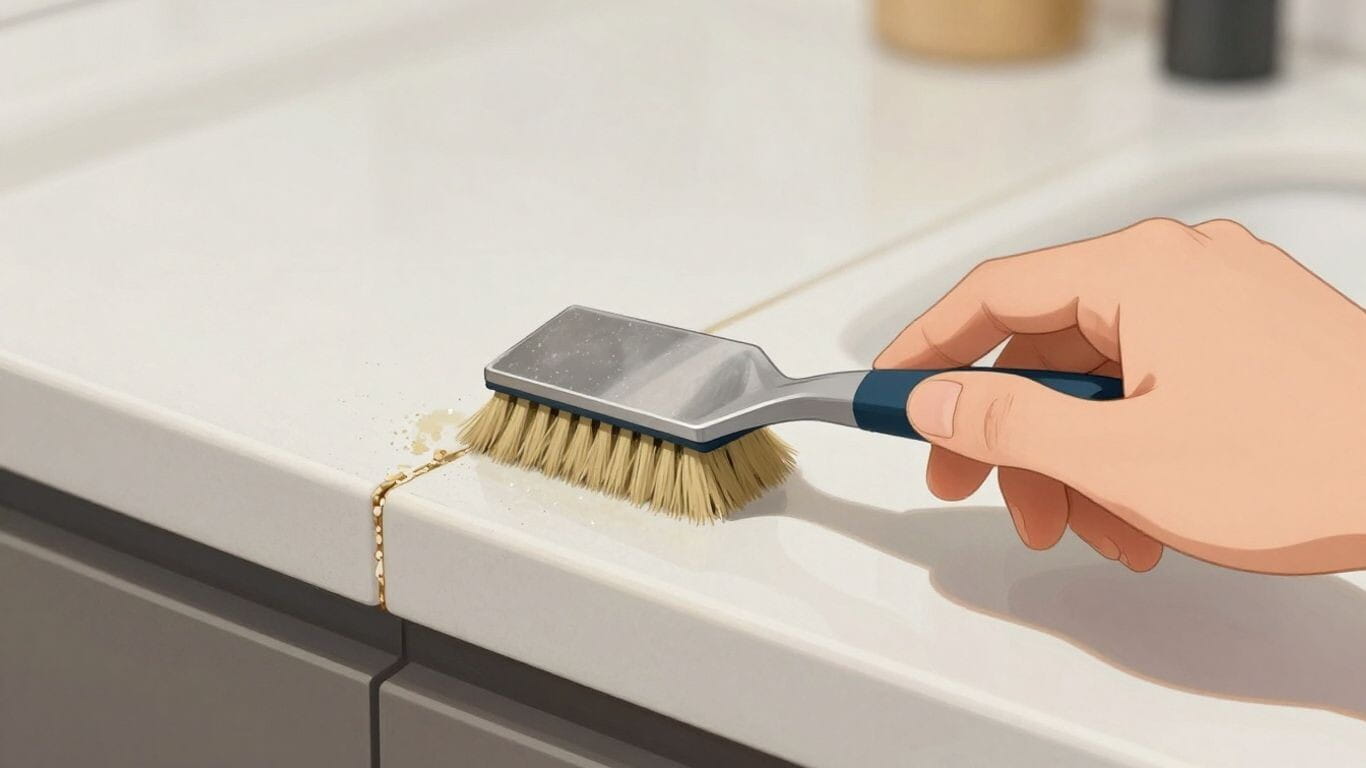
Sometimes, gentle cleaning just doesn't cut it. You've got those stubborn spots on your backsplash grout that just won't budge, making the whole area look dingy. Don't worry, we've all been there. It's time to bring out the heavy hitters for those really tough stains.
Identifying Stubborn Grout Discoloration
First things first, figure out what you're dealing with. Is it grease splatter from cooking, wine spills, or maybe some old coffee drips? Different stains respond better to different treatments. Look closely at the color and texture of the stain. Is it a dark, oily spot, or more of a general discoloration? Knowing this helps you pick the right cleaner.
Utilizing Hydrogen Peroxide for Stain Removal
Hydrogen peroxide is a surprisingly effective cleaner for grout, especially for organic stains like mold or mildew, and it's generally safer than bleach. You can use it straight or mix it with a little baking soda to make a paste. Apply the paste to the stained grout line, let it sit for about 10-15 minutes, then scrub gently. This is a great option for lifting those darker, set-in stains.
Commercial Grout Cleaners for Deep Cleaning
If DIY solutions aren't doing the trick, it might be time for a commercial grout cleaner. These are formulated to break down tough grime and discoloration. Always follow the product instructions carefully, as some can be quite strong. Make sure the cleaner is suitable for your specific grout type and backsplash material. You can find these at most hardware or home improvement stores.
The Role of Oxygen Bleach in Stain Removal
Oxygen bleach is another powerful option for tackling stubborn grout stains, particularly those that have caused discoloration. Unlike chlorine bleach, it's often considered a bit gentler and works by releasing oxygen when mixed with water, which helps to lift stains. You can usually find it in powder form. Mix it with water to create a paste or a cleaning solution, apply it to the grout, let it work its magic for a while, and then scrub.
Applying Poultices for Deep-Set Stains
For really deep-set stains, a poultice can be a lifesaver. A poultice is essentially a paste made from an absorbent material (like baking soda, diatomaceous earth, or even paper towels) mixed with a cleaning agent (like hydrogen peroxide or a commercial cleaner). You apply this thick paste directly to the stain, cover it with plastic wrap, and let it sit for 24-48 hours. The absorbent material draws the stain out of the grout as it dries. This method is particularly useful for porous materials like natural stone backsplashes.
Scrubbing Techniques for Challenging Stains
When scrubbing tough stains, don't go at it with all your might right away. Start with a stiff-bristled grout brush or an old toothbrush. Work in small sections, applying steady pressure. If the stain isn't lifting, you might need to try a different cleaner or let the cleaner sit longer. For very tough spots, an electric scrubbing tool can make a big difference, saving your arms some serious work. Remember to clean a kitchen backsplash with care.
Rinsing and Drying After Intensive Cleaning
After you've battled those tough stains, thorough rinsing is super important. You don't want any cleaning residue left behind, as it can attract more dirt or even damage the grout over time. Use a damp cloth or sponge to wipe away all traces of the cleaner. Once rinsed, dry the grout lines completely with a clean, dry microfiber cloth. This prevents water spots and helps you see the results of your hard work.
Restoring White and Light-Colored Grout
The Challenge of Keeping White Grout Pristine
White and light-colored grout can look amazing when it's new, really making your backsplash pop. But let's be honest, keeping it that way is a whole other story. Kitchens and bathrooms are busy places, and grout in these areas tends to pick up all sorts of grime, grease, and discoloration. It's like a magnet for anything that can stain. The biggest hurdle is that light grout shows everything much more than darker colors do. A little splash of tomato sauce or a bit of coffee drip can leave a noticeable mark that’s hard to ignore.
Effective Methods for Whitening Grout
When your white grout starts looking less than stellar, don't despair. There are several ways to bring back its original brightness. For everyday dirt, a simple paste made from baking soda and water can work wonders. Just apply it to the grout lines, let it sit for a bit, and then gently scrub with a brush. For tougher stains, you might need something a bit stronger. Hydrogen peroxide is a good option; it has mild bleaching properties that can lift stains without being too harsh. Always test any cleaning solution in a small, hidden spot first to make sure it doesn't damage your tile or grout.
Using Bleach Carefully on White Grout
Bleach is a powerful tool for whitening grout, but it needs to be handled with care. Never use undiluted bleach, as it can damage the grout and is harmful to inhale. Mix bleach with water – a common ratio is one part bleach to three parts water. Apply the solution to the grout lines using a small brush or an old toothbrush. Let it sit for about 10-15 minutes, then scrub gently. Rinse thoroughly with clean water afterward. Make sure the area is well-ventilated when using bleach, and wear gloves to protect your skin.
Natural Alternatives for Brightening White Grout
If you prefer to avoid harsh chemicals, there are natural ways to brighten your white grout. Besides the baking soda paste mentioned earlier, lemon juice can also help. Its natural acidity can break down some stains. You can apply it directly to the grout lines and let it sit before scrubbing. Another option is a paste made from hydrogen peroxide and baking soda, which combines the stain-lifting power of both. These natural methods are generally safer for your home and the environment, though they might require a bit more elbow grease and repeated applications for stubborn stains.
Addressing Yellowing and Graying of Grout
Over time, grout can start to yellow or turn gray, even with regular cleaning. This is often due to absorbed oils, soap scum, or mineral deposits. For yellowing, a paste of baking soda and hydrogen peroxide can be quite effective. For graying, which often indicates dirt that has settled deep into the pores, a slightly stronger approach might be needed. Consider a commercial grout cleaner specifically designed for deep cleaning, or try the bleach solution mentioned above, always with caution. Sometimes, the discoloration is permanent and may indicate the need for re-grouting or sealing.
The Importance of Thorough Rinsing for White Grout
No matter what cleaning solution you use, rinsing is a super important step, especially for white grout. If you leave cleaning product residue behind, it can actually attract more dirt and grime, making your grout look dingy again even faster. Use a clean, damp cloth or sponge to wipe down the grout lines multiple times. Make sure you're rinsing your cloth frequently in clean water. You want to remove every last bit of the cleaner. Getting all the residue off is key to a truly clean finish.
Preventing Future Stains on Light Grout
Once you've got your white grout looking its best, you'll want to keep it that way. The best defense is a good offense, right? Regular, light cleaning is your best friend. Wipe down your backsplash after cooking, especially if you’ve had any splatters. Address spills immediately – don't let them sit and soak in. Consider sealing your grout. A good quality grout sealer creates a barrier that helps prevent stains from penetrating the porous surface. Reapplying the sealer periodically, usually once a year or so, will keep your grout looking brighter for longer. It really makes a difference in how much effort you have to put in later.
Cleaning Grout on Natural Stone Backsplashes
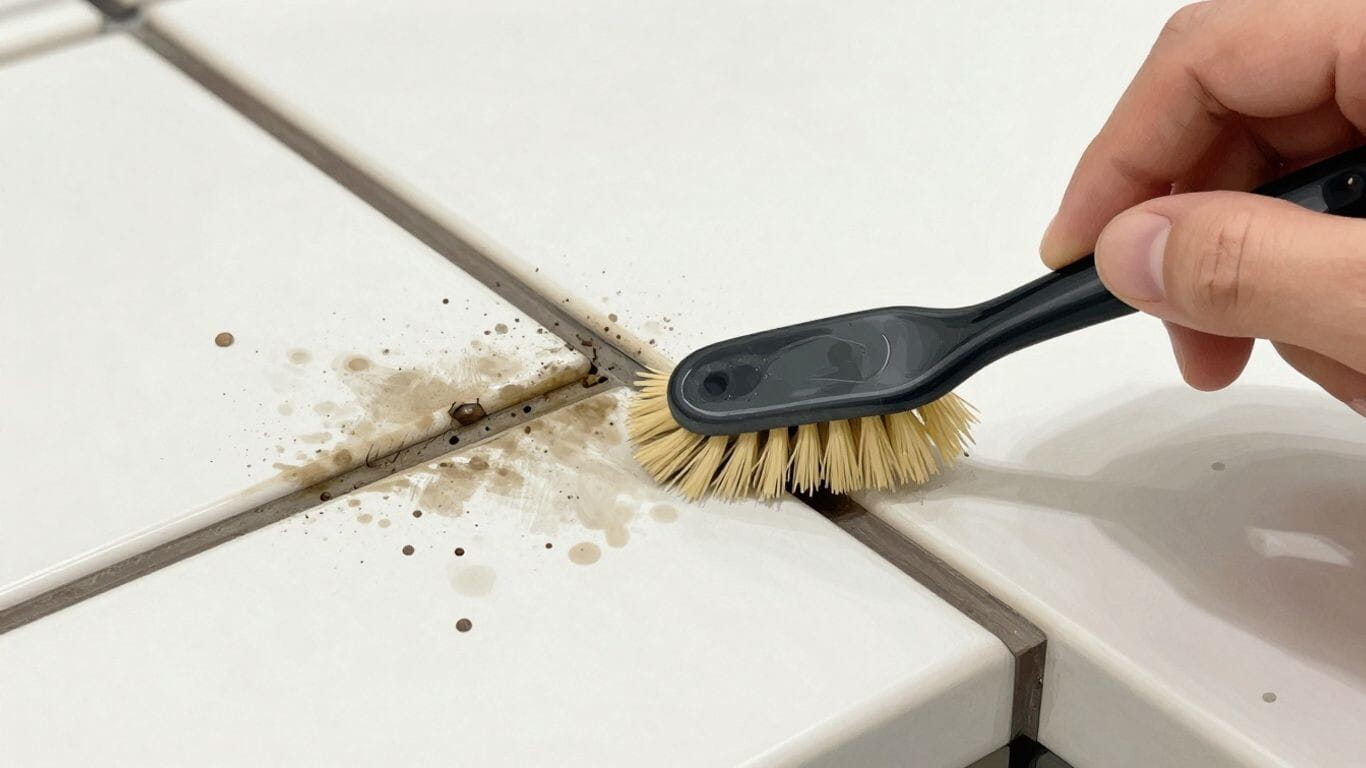
Working with natural stone backsplashes, like marble or travertine, means you need to be a bit more careful with cleaning. These materials are beautiful, but they can be sensitive. You can't just grab any old cleaner off the shelf and expect good results. In fact, using the wrong stuff can actually damage your stone, which is definitely not what we want.
Understanding Natural Stone Sensitivity
Natural stones have pores, and some are more porous than others. This means they can absorb liquids, which can lead to staining or discoloration if not treated properly. Acids, in particular, are a big no-no. They can etch the surface, leaving dull spots that are hard to fix. It's all about being gentle and using the right products.
Choosing pH-Neutral Cleaners for Stone
When it comes to cleaning the grout on your natural stone backsplash, always reach for a pH-neutral cleaner. These cleaners are specifically formulated to be safe for delicate surfaces like marble, limestone, and travertine. They get the job done without stripping away the stone's natural sealant or causing etching. You can find these at most home improvement stores or specialty tile shops. For projects across the U.S., many suppliers offer nationwide shipping of these specialized cleaners.
Avoiding Harsh Chemicals on Marble and Travertine
This is a big one. Things like vinegar, lemon juice, or even some all-purpose cleaners can be too harsh. They have a low pH, meaning they're acidic. For marble and travertine, this can mean permanent damage to the finish. Always check the label to make sure a cleaner is safe for natural stone. If you're unsure, it's better to err on the side of caution and stick to what you know is safe.
Gentle Scrubbing for Stone Grout Lines
When it's time to scrub, use a soft-bristled brush or an old toothbrush. Avoid anything too stiff that could scratch the stone or damage the grout itself. Work in small sections, applying gentle pressure. You're aiming to lift the grime, not to scrub the finish off the stone. A little patience goes a long way here.
The Importance of Immediate Spill Cleanup
Spills happen, especially in the kitchen. With natural stone, it's really important to wipe them up right away. The longer a spill sits, the more likely it is to soak into the stone or grout, leading to stains. Keep a clean cloth handy for quick cleanups. This simple habit can save you a lot of trouble down the line.
Sealing Natural Stone Grout for Protection
Once your grout is clean and dry, sealing it is a smart move. A good quality grout sealer creates a barrier that helps prevent stains and moisture from penetrating the grout lines. This makes future cleaning much easier and protects your beautiful backsplash. It's a step that really pays off in the long run for stone tile projects.
Professional Advice for Delicate Stone Backsplashes
If you have a particularly rare or delicate type of natural stone, or if you're dealing with a stubborn stain, don't hesitate to seek professional advice. Sometimes, a professional cleaner or restorer has the specialized knowledge and products to handle tricky situations without causing damage. It's better to get expert help than to risk ruining your investment.
Advanced Techniques for Stubborn Grout Issues
Sometimes, even with regular cleaning, grout can get really stubborn. You know, those deep-set stains or that persistent mildew that just won't budge? Don't worry, there are a few more advanced tricks up your sleeve.
Steam Cleaning for Deep Grout Sanitization
Steam cleaning is a fantastic way to really get into the grout lines. The high heat can break down grime and kill bacteria without harsh chemicals. It's especially good for sanitizing, making your backsplash healthier. Just be sure your grout and surrounding tile can handle the heat.
Using a Grout Brush for Precision Cleaning
For those really tight spots or detailed tile work, a dedicated grout brush is your best friend. These brushes have stiff bristles designed to get into the narrow grout lines. You can pair them with your chosen cleaning solution for targeted scrubbing. It takes a bit more elbow grease, but the results can be impressive.
The Benefits of Electric Scrubbing Tools
If you're dealing with a large backsplash or just want to save your arms, an electric grout scrubber can be a game-changer. These tools do the hard work for you, vibrating or rotating to lift away dirt and stains. They can speed up the process significantly and are great for tackling tough jobs across many U.S. projects.
Addressing Mold and Mildew in Grout Lines
Mold and mildew are not just unsightly; they can be a health concern. For persistent mold, you might need a stronger approach. Hydrogen peroxide or a specialized mold and mildew remover can be effective. Always ensure good ventilation when using these products. If the problem is widespread, it might indicate a moisture issue behind the tile that needs professional attention.
Revisiting Stains with Targeted Treatments
Sometimes, a stain just needs a second go. If your initial cleaning didn't fully remove a tough spot, try applying your cleaning solution directly to the stain again. Let it sit for a bit longer before scrubbing. This focused approach can often tackle those lingering marks.
The Art of Grout Spot Treatment
Instead of cleaning the entire backsplash, sometimes you just need to spot-treat problem areas. This saves time and product. Apply your cleaner directly to the stained grout line, let it work its magic, and then wipe it away. It's a quick way to maintain the overall look without a full deep clean.
When to Consider Professional Grout Restoration
If you've tried everything and your grout still looks bad, or if you notice cracking or crumbling, it might be time to call in the pros. They have specialized tools and knowledge to assess the situation and can perform deep cleaning, re-grouting, or sealing to bring your backsplash back to life. For delicate natural stone backsplashes, professional advice is always a good idea.
Rinsing and Drying Your Backsplash Grout
So, you've tackled those stubborn grout stains and your backsplash is looking much better. Great job! But don't stop now. The rinsing and drying stages are just as important as the cleaning itself. Skipping these steps can undo all your hard work, leaving behind residue or even new problems.
The Critical Step of Thorough Rinsing
This is where you remove all the cleaning solution and loosened grime. If you don't rinse well, you'll end up with a hazy film on your tiles and grout, or worse, the cleaning agents can continue to react with the grout, potentially causing damage over time. Think of it like washing your hair – you wouldn't stop rinsing just because some soap is gone, right?
Removing All Cleaning Solution Residue
Use a clean sponge or a damp microfiber cloth to wipe down the entire backsplash area. You might need to rinse your sponge or cloth multiple times. For tougher cleaning jobs, you might even want to use a spray bottle filled with clean water to mist the area and then wipe it down again. This ensures no sticky or chalky residue is left behind. Make sure to get into all the nooks and crannies of the grout lines.
Techniques for Effective Grout Drying
Once everything is rinsed, it's time to dry. Don't just let it air dry, especially if you have hard water. Water spots can be just as annoying as grout stains. Grab a clean, dry microfiber cloth and wipe down the entire backsplash, paying special attention to the grout lines. Microfiber is great because it absorbs a lot of water without leaving lint behind.
Preventing Water Spots on Your Backsplash
To avoid those unsightly water spots, especially on darker tiles or grout, dry the area immediately after rinsing. If you have a large backsplash, you might want to work in sections. For really stubborn water spots, a very mild solution of distilled water and a tiny bit of white vinegar (if your grout can handle it – check compatibility first!) can sometimes help, but always rinse thoroughly afterward.
Ensuring Grout is Completely Dry Before Sealing
This is super important if you plan on sealing your grout next. Sealing damp grout is a big no-no. Moisture trapped under the sealer can cause it to fail prematurely or even lead to mold growth. You want the grout to be bone dry before applying any sealant. This might take a few hours, depending on your home's humidity and ventilation.
The Role of Air Circulation in Drying
Open a window or turn on your kitchen fan to help speed up the drying process. Good air circulation makes a big difference. It helps evaporate the moisture more quickly and efficiently, reducing the time you have to wait before moving on to the next step, like sealing. It also helps clear out any lingering cleaning fumes.
Checking for Dampness in Grout Lines
Before you consider the job done, give the grout lines a good feel. Press your finger into a few different spots. If it feels cool or damp, it's not dry yet. You can also use a paper towel and press it firmly into the grout line; if any moisture transfers, you need to keep drying. Patience here pays off for long-lasting results. If you're dealing with a lot of grout, consider using a paste of baking soda and water for cleaning, as it's generally easier to rinse and dry how to clean tile grout.
Sealing Your Backsplash Grout for Protection
After all that scrubbing and cleaning, you've got a backsplash that looks fantastic. But here's the thing: grout is porous. That means it can soak up spills and stains all over again if you don't protect it. Sealing is like putting a shield on your grout lines, making them much easier to keep clean in the future.
Why Sealing Grout on Backsplash is Essential
Think of sealing as a preventative measure. Unsealed grout is like a sponge, ready to absorb grease splatters, coffee drips, or tomato sauce. Once those get in, they can be really tough to get out, leading to discoloration and that dingy look you worked so hard to fix. A good sealant creates a barrier, repelling liquids and making cleanup a breeze. This simple step can significantly extend the life and appearance of your backsplash. It's a small effort for a big payoff in maintaining that fresh, clean look throughout your kitchen.
Choosing the Right Grout Sealer
Not all sealers are created equal, and the type you choose depends on your grout and stone. For most standard cementitious grout, an impregnating sealer is a good bet. These penetrate the grout pores without leaving a film on the surface. If you have natural stone, like marble or travertine, you'll want to be extra careful. Always opt for a pH-neutral sealer that won't etch or damage the stone. Some sealers are water-based, while others are solvent-based; water-based ones are generally easier to work with and have less odor. Always check the product label to make sure it's suitable for your specific backsplash material.
Preparing Grout for Application of Sealer
Before you can seal, the grout needs to be completely clean and dry. Any dirt or residue left behind will get trapped under the sealant, defeating the purpose. Make sure you've thoroughly rinsed away all cleaning solutions from the previous steps. Then, let the grout dry completely. This can take anywhere from 24 to 72 hours, depending on humidity and air circulation. You can test if it's dry by pressing a piece of tape onto the grout line; if it lifts cleanly without any moisture, it's ready. If you're unsure, give it another day. A damp grout line will prevent the sealer from penetrating properly.
Applying Grout Sealer Evenly
Application is pretty straightforward. You can use a small brush, like a foam or bristle brush [f28b], or a specialized applicator bottle. The key is to apply a thin, even coat directly onto the grout lines, trying to avoid getting too much on the tile itself, especially if it's a polished surface. Work in small sections. For larger areas, some people find spraying the sealer on and then wiping off the excess works well [319a].
Here’s a quick rundown of the application process:
- Apply: Use your chosen applicator to apply a thin layer of sealer to the grout lines.
- Wipe Excess: Immediately wipe away any excess sealer from the tile surface with a clean, dry cloth before it starts to dry.
- Work in Sections: Tackle one small area at a time to prevent the sealer from drying on the tile.
- Second Coat (if needed): Some manufacturers recommend a second coat after a specific waiting period. Check the product instructions.
Allowing Adequate Drying Time for Sealant
Once applied, the sealer needs time to cure. This is different from just drying to the touch. Most sealers require at least 24 hours to fully cure, but some can take up to 72 hours. During this time, try to keep the backsplash dry and avoid heavy use. Refer to the sealer manufacturer's instructions for the exact curing time. Proper curing is vital for the sealant to form an effective protective barrier.
Understanding Sealer Lifespan and Reapplication
Sealers don't last forever. Their lifespan depends on the type of sealer used, the amount of traffic and use the backsplash gets, and the cleaning products you use. Generally, you might need to reapply sealer every 1-3 years. A good way to check if it's time to reseal is the water test: sprinkle a little water on the grout. If it beads up, the sealer is still working. If it soaks in [4742], it's time to reapply.
Benefits of Sealed Grout on Backsplash
Sealed grout means:
- Easier cleaning: Spills wipe away without staining.
- Stain resistance: Protection against common kitchen culprits like grease and food.
- Mold and mildew prevention: A drier grout line is less hospitable to these issues.
- Longer-lasting appearance: Keeps your backsplash looking newer for longer.
- Hygienic surface: Reduces the places where bacteria can hide.
Preventative Measures for Cleaner Grout
Keeping your backsplash grout looking good doesn't always mean scrubbing. A lot of it comes down to what you do before it gets dirty. Think of it like this: it's way easier to stop a stain before it starts than to try and get it out later. We're talking about simple habits that make a big difference over time, especially for those busy kitchen areas where splatters are just part of life. A little bit of prevention goes a long way in keeping your grout looking fresh and clean.
Regular Wiping Down of Backsplash Surfaces
This might sound obvious, but it's the first line of defense. After cooking, or even just at the end of the day, give your backsplash a quick wipe. Use a damp cloth, maybe with a tiny bit of mild dish soap if needed. This removes grease and food particles before they have a chance to settle into the grout lines. It’s a habit that takes maybe two minutes but saves you a lot of scrubbing down the road. For those who appreciate the finer things, consider how this simple step protects your investment in beautiful natural stone backsplashes.
Immediate Cleanup of Spills and Splatters
Accidents happen, especially in the kitchen. If you spill something, especially something colorful like tomato sauce or coffee, don't let it sit. Grab a cloth or paper towel and wipe it up right away. The longer a spill sits, the more likely it is to soak into the grout. This is particularly important if you have lighter colored grout, as it shows stains more readily. For projects across the U.S., quick cleanup is a universal tip.
Using Backsplash Guards During Cooking
If you do a lot of frying or cooking that tends to splatter, think about using a splatter guard. These mesh or metal screens sit over your pan and catch most of the grease and food bits, preventing them from hitting your backsplash. It’s a simple tool that can significantly cut down on the amount of grime that reaches your grout. Some people even use a temporary shield made of foil or parchment paper for particularly messy tasks.
Maintaining Good Kitchen Ventilation
Good ventilation helps in more ways than one. Using your range hood not only clears out cooking smells but also helps to remove airborne grease particles before they settle on your backsplash and grout. Less airborne grease means less buildup to clean later. It’s a small step that contributes to a cleaner kitchen environment overall.
Avoiding Harsh Cleaning Chemicals Regularly
While we often talk about cleaning tough stains, it’s also important to avoid using harsh chemicals for everyday cleaning. Strong cleaners can break down the grout over time, making it more porous and susceptible to staining. Stick to mild soap and water or specialized low-pH cleaners for grout for regular maintenance. This preserves the integrity of your grout and the beauty of your backsplash.
The Impact of Daily Habits on Grout Longevity
Your daily routine plays a huge role in how long your grout stays looking good. Simple actions, like wiping down surfaces after use and cleaning up spills promptly, are far more effective than infrequent, aggressive cleaning. These consistent, small efforts prevent deep-set stains and wear, ultimately extending the life and appearance of your grout. It’s about building a mindful approach to kitchen upkeep.
Educating Household Members on Grout Care
If you live with others, make sure everyone is on the same page about grout care. A quick chat explaining why immediate spill cleanup is important or how to properly wipe down the backsplash can make a big difference. When everyone contributes to these small preventative steps, the overall maintenance burden is lighter, and the backsplash stays cleaner for longer. It's a team effort for a nicer-sparkling kitchen.
Troubleshooting Common Grout Cleaning Challenges
Sometimes, even with the best intentions and cleaning supplies, your backsplash grout can put up a fight. Don't get discouraged if you run into a few snags. We've all been there, staring at a stubborn stain or a persistent odor and wondering what went wrong. Let's look at some common issues and how to sort them out.
Dealing with Persistent Grout Odors
That funky smell coming from your grout isn't just unpleasant; it can be a sign of trapped moisture or even mildew. If a regular clean doesn't cut it, try a paste made from baking soda and water. Let it sit for a few hours, then scrub and rinse. For tougher odors, a diluted solution of hydrogen peroxide can help kill odor-causing bacteria. Make sure to ventilate the area well when using any cleaning products.
Addressing Grout That Won't Come Clean
When your usual cleaning methods aren't making a dent, it's time to step up your game. For light-colored grout, a paste of baking soda and a little bit of hydrogen peroxide can work wonders. Apply it, let it sit for about 15-20 minutes, then scrub gently with a grout brush. Rinse thoroughly. If you have natural stone backsplashes, always test any new cleaner in a hidden spot first. You might need to try a specialized grout cleaner designed for your specific tile type. Remember, patience is key here; sometimes, multiple applications are needed.
What to Do About Grout Cracking or Crumbling
Cracked or crumbling grout is usually a sign that it's time for a repair, not just a clean. This can happen due to age, moisture getting behind the tiles, or even physical impact. Small cracks can sometimes be filled with a grout repair caulk. For larger areas, you might need to remove the old grout and reapply new grout. This is a bit more involved, but it's important for the integrity of your backsplash. If you're not comfortable doing this yourself, it might be time to look into professional backsplash tile repair.
Managing Grout Discoloration After Cleaning
It can be frustrating to clean your grout only to find it's changed color or has new spots. This can sometimes happen if cleaning solutions aren't fully rinsed away, leaving residue that attracts dirt. Or, if you used a cleaner that was too harsh for the grout type. Always rinse multiple times to remove all traces of cleaner. If discoloration persists, you might need to try a different cleaning approach or consider a grout colorant if the issue is widespread.
When Cleaning Efforts Seem Ineffective
If you've tried a few different methods and your grout still looks dingy, it might be time to reassess. Are you using the right tools? A stiff-bristled grout brush is often more effective than a sponge. Are you giving the cleaners enough time to work? Some stains require a longer dwell time. Also, consider the age and type of your grout. Older grout can be more porous and harder to clean. Sometimes, a deep clean just isn't enough, and you might need to think about sealing or even regrouting.
Recognizing Signs of Grout Damage
Beyond just looking dirty, grout can show signs of wear and tear. Look out for:
- Cracks or holes
- Loose or crumbling sections
- Discoloration that doesn't come out with cleaning
- Areas that feel soft or spongy (indicating moisture)
- Mold or mildew growth that keeps returning
These are all indicators that your grout needs more than just a surface clean. Addressing these issues promptly can prevent more significant problems down the line.
Seeking Expert Advice for Persistent Issues
Sometimes, you just can't get your grout looking the way you want, or you suspect underlying damage. Don't hesitate to reach out to a professional. They have specialized tools and knowledge to diagnose and fix even the toughest grout problems. Whether it's deep-set stains, mold issues, or structural damage, an expert can help restore your backsplash to its former glory. It's often worth the investment to get it right.
Maintaining the Beauty of Your Backsplash Grout
Keeping your backsplash grout looking its best isn't just about appearances; it's about preserving the integrity and longevity of your kitchen's focal point. A well-maintained grout line prevents moisture from seeping behind your backsplash, which can lead to bigger problems down the road. Think of it as giving your kitchen a little spa treatment – regular attention makes a big difference.
Establishing a Consistent Grout Cleaning Routine
Consistency is key when it comes to grout care. You don't need to deep clean every day, but a little bit of regular upkeep goes a long way. Aim for a quick wipe-down after cooking, especially if you've had any splatters. For a more thorough clean, a weekly or bi-weekly session with a mild cleaner should do the trick for most situations. This prevents grime from building up and becoming a real headache.
- Daily: Wipe down the backsplash and grout lines with a damp cloth to remove fresh splatters.
- Weekly/Bi-Weekly: Use a mild soap and water solution or a baking soda paste for a more targeted clean.
- Monthly: Inspect grout for any signs of discoloration or wear and address them promptly.
The Long-Term Benefits of Grout Maintenance
When you commit to maintaining your grout, you're not just cleaning; you're investing in your kitchen. Properly cared-for grout lines mean your backsplash stays looking sharp and new for longer. This protects the material itself and prevents the need for costly repairs or replacements down the line. It's a proactive approach that pays off.
Keeping Your Backsplash Looking Its Best
Your backsplash is often a statement piece in your kitchen. Clean grout lines make the tile pop and contribute to a polished, put-together look. Even the most beautiful tile can be let down by dingy, stained grout. Regular cleaning ensures your backsplash continues to be a source of pride, not a point of stress. For those looking for premium materials, consider exploring handpicked A+ top-quality stone options that truly stand out.
Protecting Your Investment in Your Kitchen
Backsplashes, especially those made from natural stone, can be a significant investment. Protecting that investment means taking care of all its components, including the grout. Sealing your grout, as discussed in previous sections, is a major step, but regular cleaning is the ongoing protection that keeps it looking good and functioning well. It's about preserving the value and beauty of your kitchen.
Enhancing the Overall Appeal of Your Home
A clean and well-maintained kitchen, right down to the grout lines, contributes to the overall appeal of your home. It signals attention to detail and care. When you're entertaining or just enjoying your space, knowing that every part of your kitchen looks its best adds a layer of comfort and satisfaction. It's a small detail that makes a big impression.
The Satisfaction of a Sparkling Clean Backsplash
There's a genuine sense of accomplishment that comes with a sparkling clean backsplash. Seeing those grout lines bright and fresh after a good cleaning session is incredibly satisfying. It's a tangible result of your effort and care. This feeling of accomplishment can make the cleaning process itself feel worthwhile.
Enjoying a Hygienic and Beautiful Kitchen Environment
Ultimately, maintaining your grout contributes to a more hygienic kitchen. Clean grout lines are less likely to harbor bacteria and mold, especially when properly sealed and maintained. This means you're not just looking at a beautiful kitchen; you're enjoying a healthier one too. It’s a win-win for both aesthetics and well-being. If you're dealing with tough stains, remember that classic DIY solutions like baking soda and vinegar can be quite effective for last-minute preparations [c609].
Keeping your backsplash grout looking great is important. A little effort goes a long way in making your kitchen or bathroom shine. Want to learn the best ways to clean and protect your grout? Visit our website for expert tips and product recommendations to keep your backsplash looking its best for years to come!
Your Backsplash, Sparkling Again
So there you have it! Cleaning your grout doesn't have to be a huge chore. With a little elbow grease and the right approach, you can get that backsplash looking fresh and clean again. It's amazing what a difference it makes to the whole kitchen, right? Remember, regular upkeep is key to keeping it looking its best. If you're looking for materials that stand the test of time and add a touch of elegance, check out places that offer premium natural stone. They really do make a space feel special. Happy cleaning!
Frequently Asked Questions
What's the best way to clean everyday dirt off my backsplash grout?
For light dirt, a simple mix of mild soap and warm water works wonders. Gently scrub the grout lines with a soft brush or an old toothbrush. After cleaning, rinse the area well with clean water and dry it with a soft cloth. Doing this regularly keeps your grout looking good without much effort.
How can I get rid of tougher stains on my backsplash grout?
Stubborn stains might need a bit more power. A paste made from baking soda and water is a great natural cleaner. For really tough spots, hydrogen peroxide or a specialized commercial grout cleaner can be effective. Always test any cleaner in a small, hidden spot first to make sure it doesn't damage the grout or tile.
Is it safe to use bleach on my white backsplash grout?
You can use bleach on white grout, but be very careful. Dilute it with water and use it sparingly. Always wear gloves and ensure good ventilation. Rinse the area thoroughly afterward to remove all bleach residue. For a gentler option, consider a paste of baking soda and hydrogen peroxide.
My backsplash is made of natural stone. How do I clean the grout without harming the stone?
Natural stone like marble or travertine is sensitive. Always use pH-neutral cleaners. Avoid harsh chemicals like vinegar or bleach, as they can etch the stone. A gentle scrub with a soft brush and a mild soap solution is usually best. Make sure to rinse and dry thoroughly.
What are the best tools for cleaning grout lines?
A small, stiff-bristled brush, like an old toothbrush or a dedicated grout brush, is perfect for scrubbing grout lines. For larger areas or tougher jobs, an electric scrubbing tool can save time and effort. Always use a brush that won't scratch your tiles.
Why is it important to seal my backsplash grout?
Sealing grout creates a protective barrier. This barrier helps prevent stains from soaking into the porous grout material, making it easier to clean and keeping it looking fresh for longer. It also helps protect against moisture and mold.
How often should I seal my backsplash grout?
The need for re-sealing depends on the type of grout and how much it's used. Generally, grout should be sealed every 6 to 12 months. You can test if it needs sealing by dripping a little water on it; if the water soaks in and darkens the grout, it's time to reseal.
What should I do if my grout has mold or mildew?
For mold and mildew, a solution of equal parts water and hydrogen peroxide can be effective. You can also use a commercial mold and mildew remover specifically designed for grout. Scrub the affected area thoroughly and rinse well. Ensure good ventilation and wear protective gear.
My grout looks dull and discolored. Can I restore its original color?
Yes, often you can! Start with gentle cleaning methods. If that doesn't work, try stronger cleaners like hydrogen peroxide or a commercial grout brightener. For very stubborn discoloration, especially on white grout, a carefully applied bleach solution might be necessary. Sometimes, re-grouting or using a grout colorant is the best solution.
How do I prevent my backsplash grout from getting dirty so quickly?
Regular maintenance is key! Wipe down your backsplash after cooking to clean up splatters immediately. Sweep or wipe away loose crumbs and dust daily. Avoid using harsh cleaners regularly, as they can break down the grout over time. Quick cleanups make deep cleaning much easier.
What's the difference between cleaning grout on ceramic tile versus natural stone?
Ceramic tile grout can usually handle slightly stronger cleaners. Natural stone grout, however, needs very gentle, pH-neutral cleaners to avoid damaging the stone's surface. Always check the manufacturer's recommendations for your specific tile and grout type.
When should I consider hiring a professional for grout cleaning?
If you've tried various cleaning methods without success, or if your grout is heavily stained, cracked, or crumbling, it might be time to call a professional. They have specialized tools and knowledge to restore grout effectively and can advise on necessary repairs or re-grouting.