




So, you've got a gorgeous natural stone tile shower. That's pretty great, right? It looks amazing, feels luxurious, but then comes the cleaning part. It can feel a bit daunting, especially when you hear how sensitive natural stone can be. Don't worry, though. Learning how to clean natural stone tile shower spaces doesn't have to be a headache. We'll walk through it step-by-step, keeping things simple so your shower stays beautiful without any fuss.
Key Takeaways
- Always use a pH-neutral cleaner specifically made for natural stone. Harsh chemicals can damage the surface.
- Gentle cleaning is best. Stick to soft cloths, sponges, and brushes. No steel wool or abrasive pads!
- Daily habits like squeegeeing and wiping down walls make a big difference and reduce the need for deep cleaning.
- Address stains quickly. For tough spots, the poultice method can work wonders by drawing out the stain.
- Grout needs attention too. Use a dedicated grout cleaner and consider sealing it to prevent stains and mold.
- Sealing your stone is vital. It protects against water and stains, making cleaning much easier.
- Avoid common mistakes like using acidic cleaners (vinegar, lemon) or abrasive scrubbers, which can etch or scratch your stone.
- Regular maintenance and prompt attention to issues will keep your natural stone shower looking its best for years.
Understanding Your Natural Stone Shower Tile
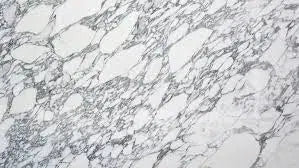
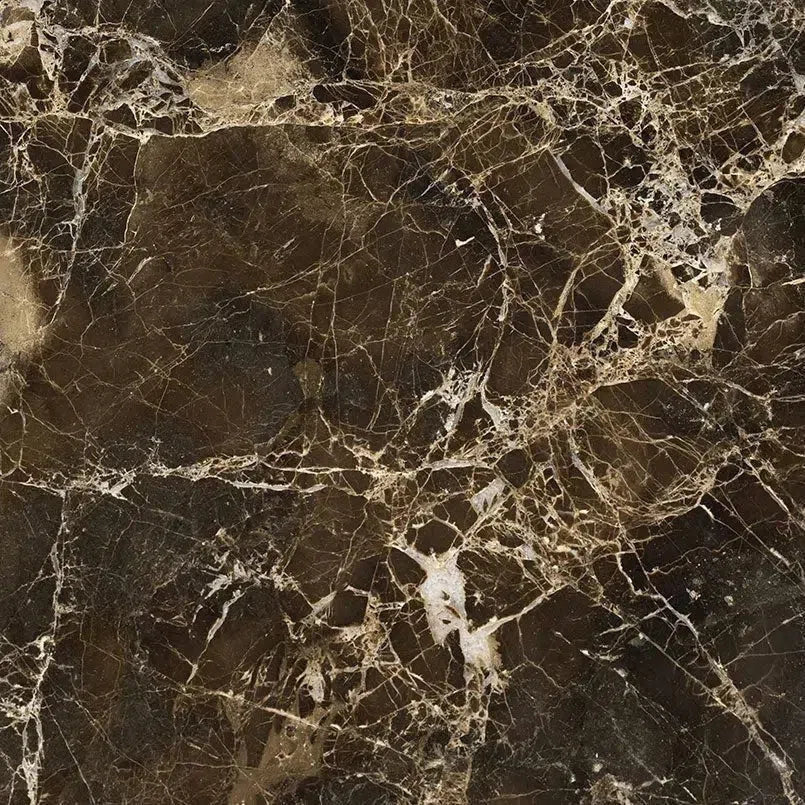
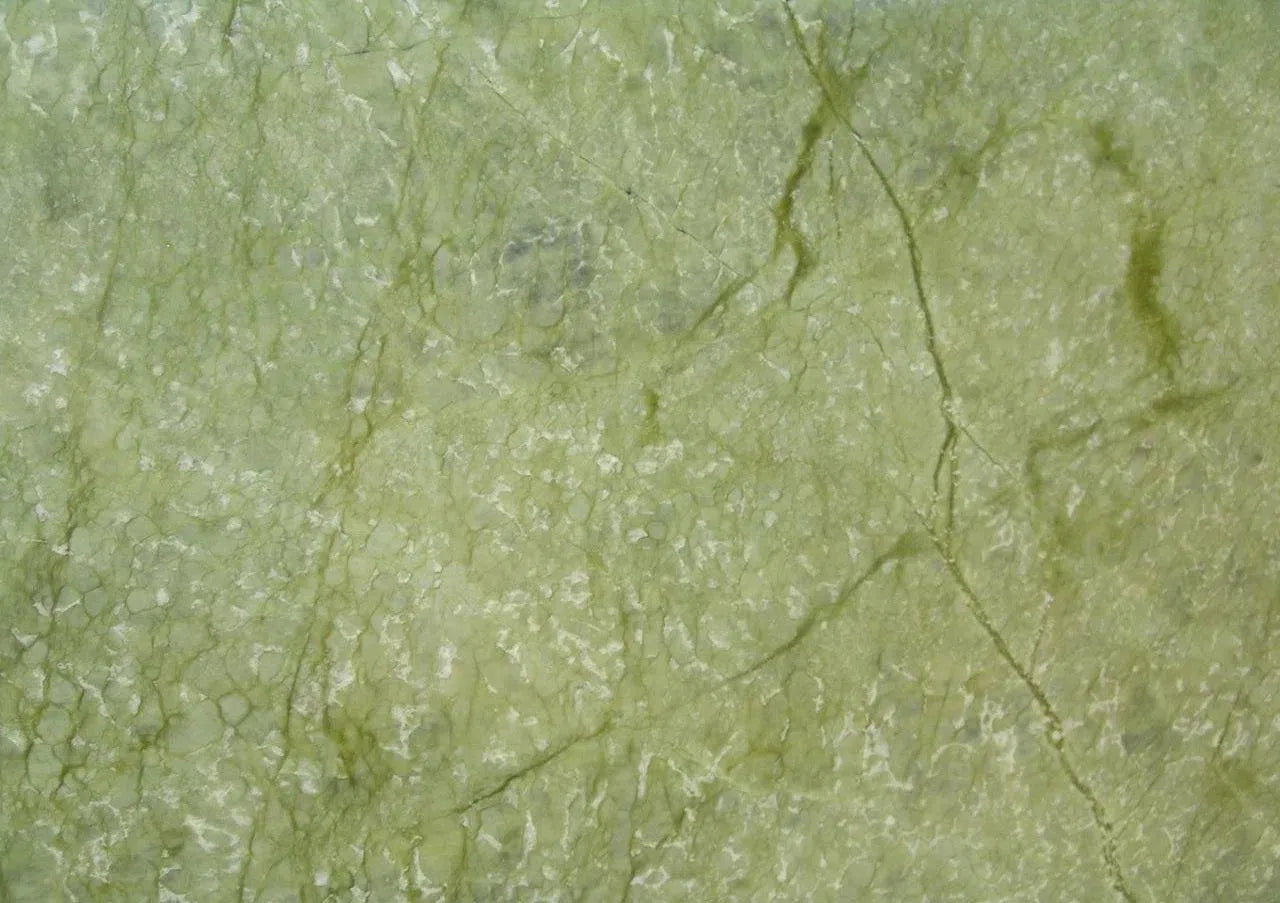
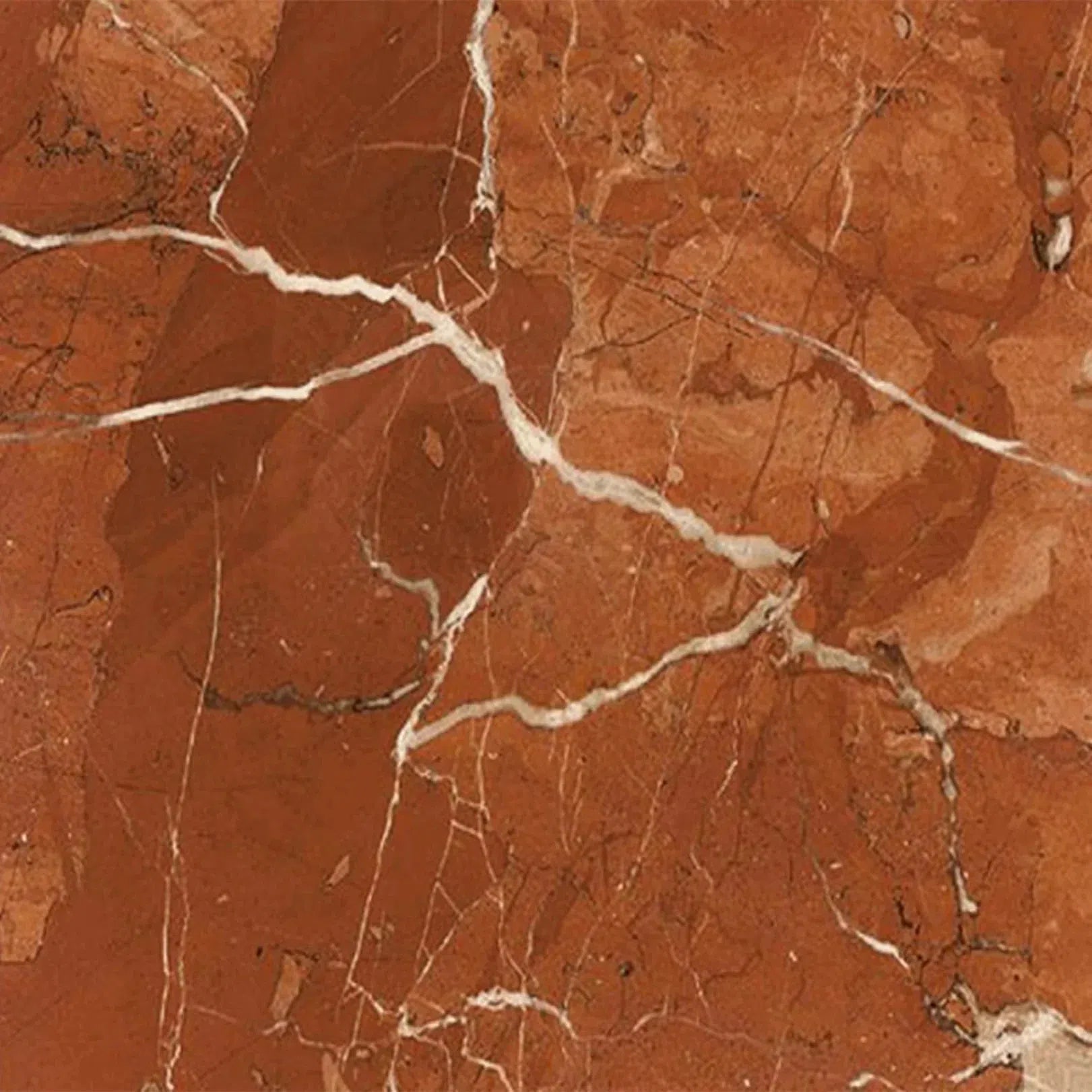
Natural stone tiles bring a unique kind of beauty to any bathroom, especially in a shower. Unlike manufactured tiles, each piece of natural stone has its own character, with variations in color, veining, and texture. This means your shower will be truly one-of-a-kind. Think of it as bringing a piece of nature's artistry right into your home.
The Unique Beauty of Natural Stone
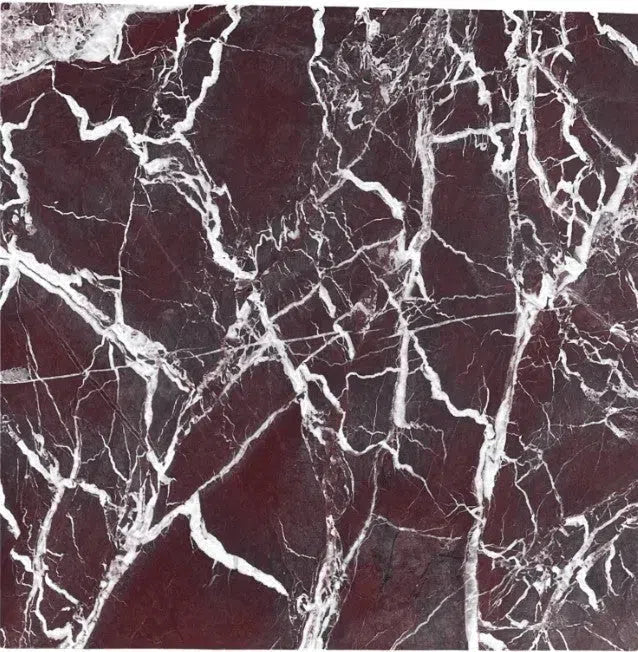
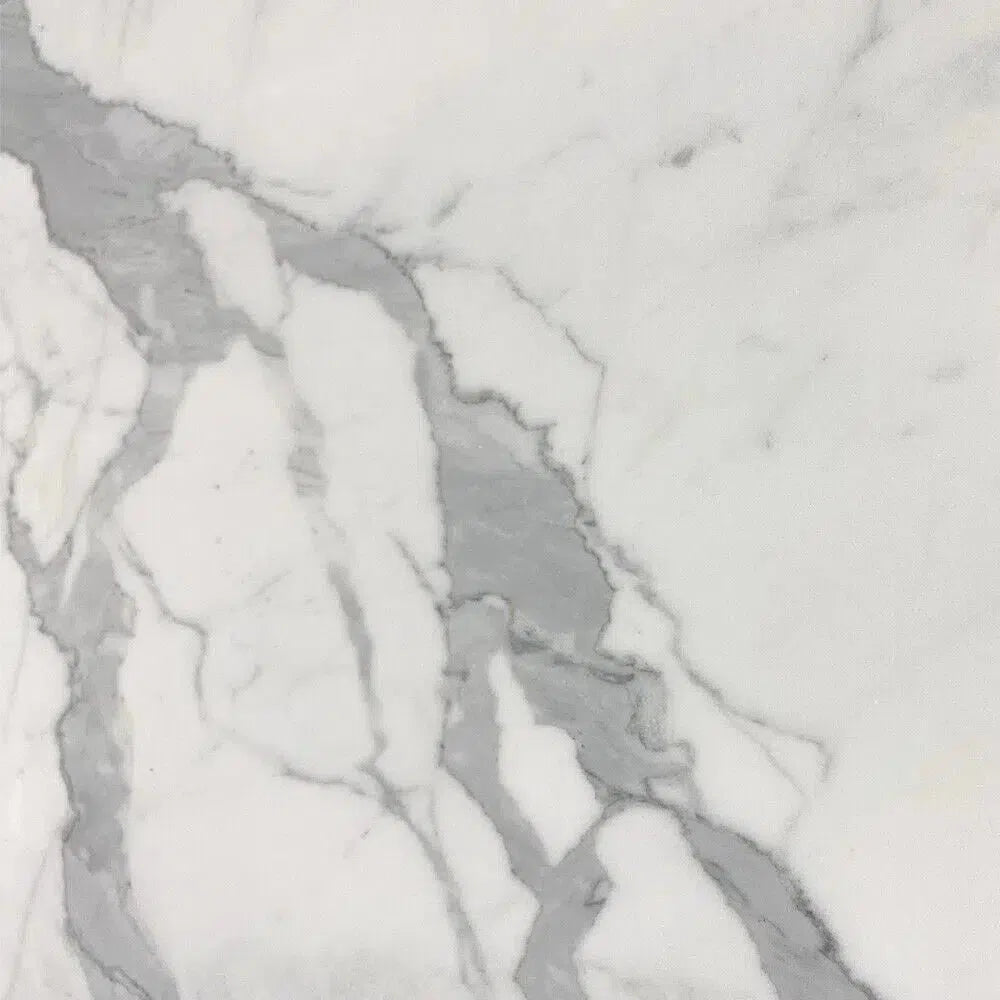
Natural stone tiles like marble, travertine, and slate add depth and a lived-in feel to spaces. Their unique veining and textures create a rich, layered aesthetic. This natural variation is what makes stone so appealing. It’s not about perfect uniformity; it’s about the subtle shifts and patterns that tell a story. This inherent uniqueness is a major reason why people choose natural stone for their homes.
Identifying Your Stone Type
Knowing what kind of stone you have is the first step to proper care. Common choices for showers include marble, travertine, granite, slate, and limestone. Each has different properties that affect how it should be cleaned and maintained. For example, marble is softer and more prone to etching than granite. If you're unsure, check your original purchase records or consult with a stone professional. Getting this right is key to avoiding damage.
Why Natural Stone Requires Special Care
Natural stone is porous, meaning it can absorb liquids. This makes it susceptible to staining and damage from harsh chemicals. Acids, in particular, can etch the surface, leaving dull spots. Because of this, standard bathroom cleaners often aren't suitable. You need products and methods that respect the stone's natural composition. It's about gentle cleaning, not aggressive scrubbing.
The Benefits of a Natural Stone Shower
Beyond its stunning looks, a natural stone shower offers several advantages. It adds a touch of luxury and can increase your home's value. It's also a durable material when cared for properly. Plus, it creates a spa-like atmosphere, turning your daily shower into a more relaxing experience. The tactile feel and visual depth of stone are hard to replicate.
Common Challenges in Stone Shower Maintenance
Showers present unique maintenance challenges due to constant moisture, soap residue, and potential hard water buildup. Soap scum can cling to the surface, and mineral deposits from water can leave unsightly marks. Mold and mildew can also be a concern in damp environments. Addressing these issues requires consistent effort and the right cleaning approach.
Setting Expectations for Stone Longevity
With proper care, natural stone can last for decades, even a lifetime. However, it's not indestructible. Expect some wear and tear over time, especially in high-traffic areas like a shower. Minor etching or slight changes in appearance are normal. The goal is to maintain its beauty and integrity for as long as possible, not to keep it looking brand new forever. Think of it as aging gracefully.
Choosing the Right Stone for Your Bathroom
When selecting stone for your shower, consider its properties. Granite and quartzite are very hard and resistant to stains and etching, making them great for busy bathrooms. Marble offers unparalleled beauty but requires more diligent care. Travertine has a unique, earthy look and is also a popular choice. Always consider how the stone will perform in a wet environment and how much maintenance you're willing to do. Consulting with stone experts can help you make the best choice for your project.
Essential Supplies for Cleaning Natural Stone
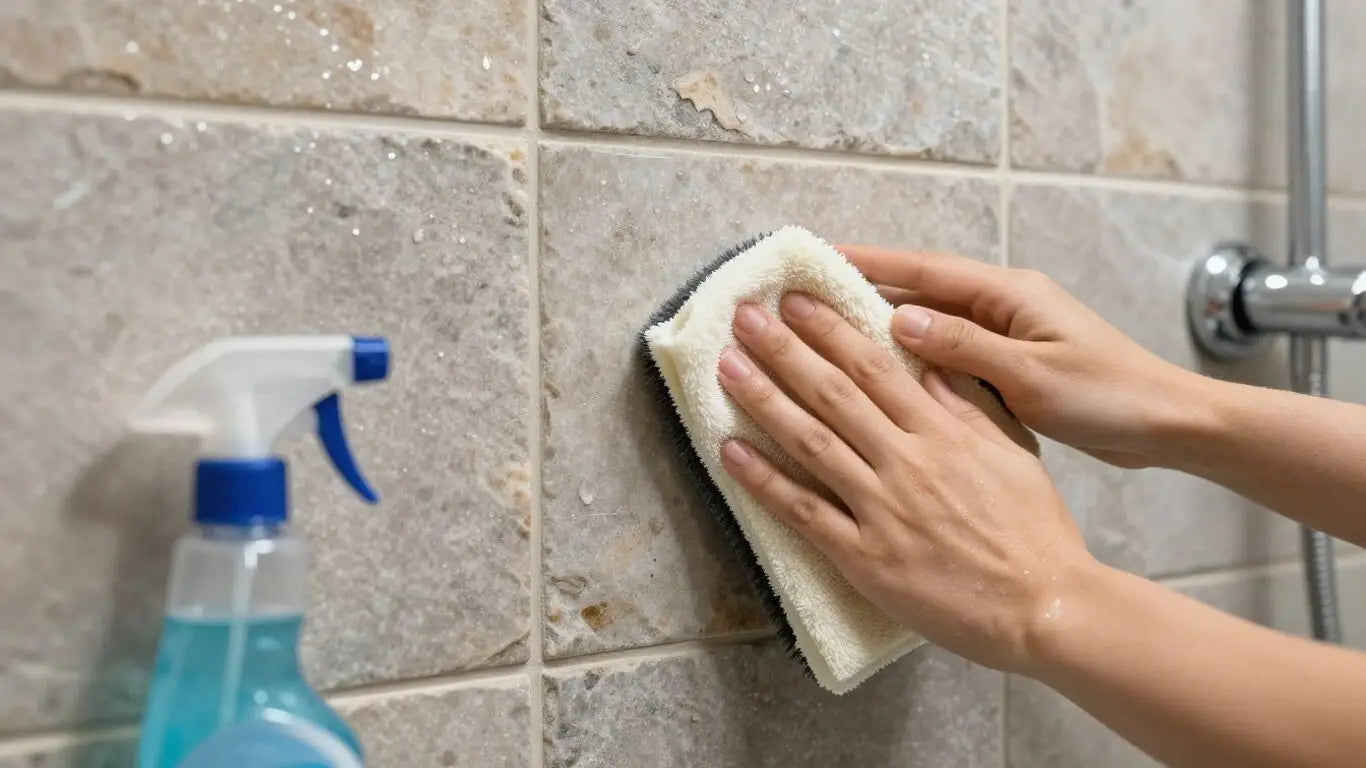
Keeping your natural stone shower looking its best doesn't require a cabinet full of specialized products. In fact, using the wrong cleaners can do more harm than good. The key is to stick to gentle, stone-safe options. Think of it like treating a delicate fabric – you wouldn't throw it in with your heavy-duty work clothes, right? Your stone shower deserves the same thoughtful approach.
pH-Neutral Stone Cleaner Selection
This is your absolute go-to. A pH-neutral cleaner is the most important item on your list. Why? Because acidic or alkaline cleaners can etch, dull, or even permanently damage the surface of natural stone. Look for cleaners specifically labeled for natural stone or "pH-neutral." These are formulated to clean effectively without stripping away the stone's natural beauty or its sealant. Many brands offer excellent options, and some are even plant-based, like ATTITUDE Tile & Shower Cleaner, which is great for daily upkeep.
Soft Bristle Brushes and Non-Abrasive Sponges
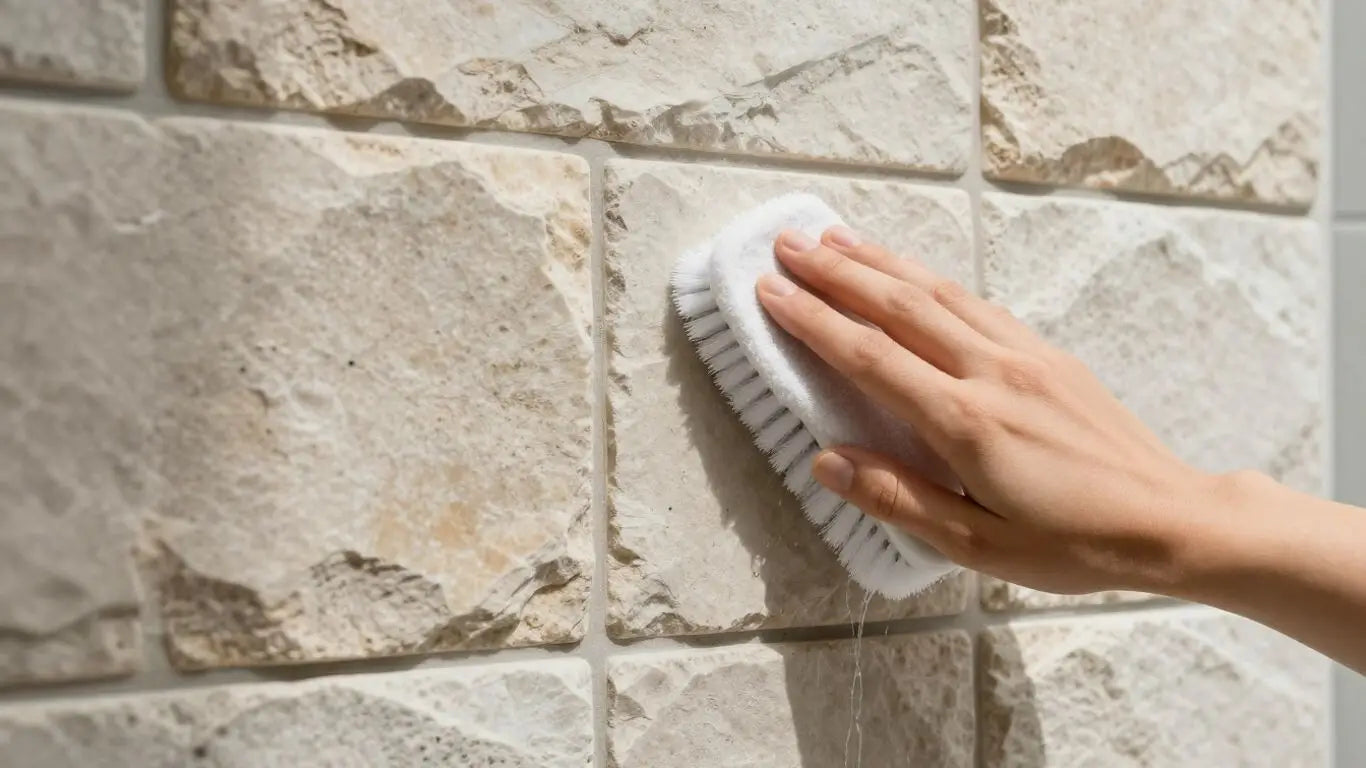
When it comes to scrubbing, gentleness is key. Avoid anything that feels rough or scratchy. Soft bristle brushes, like those used for detailing cars or even a soft-bristled toothbrush for grout lines, are perfect. For larger areas, a non-abrasive sponge or a soft cloth will do the trick. The goal is to lift dirt and grime, not to scour the stone's surface.
Microfiber Cloths for Drying and Polishing
Microfiber cloths are a game-changer for stone care. They're incredibly absorbent, making them ideal for drying your shower after cleaning to prevent water spots. They also work wonders for buffing the stone to a shine. Keep a few on hand – one for washing, one for rinsing, and one for drying and polishing.
Gentle Cleaning Solutions to Avoid
This is just as important as knowing what to use. Steer clear of:
- Vinegar and lemon juice: Their high acidity will etch most natural stones.
- Ammonia-based cleaners: These can break down the sealant and dull the stone.
- Bleach: While it disinfects, it can also discolor and damage certain types of stone, especially marble.
- Abrasive powders or scouring pads: These will scratch the surface.
Protective Gear for Your Hands
Even with gentle cleaners, it's a good idea to protect your skin. Wearing rubber gloves will keep your hands from drying out and protect them from any cleaning residue. It's a simple step that makes the cleaning process more comfortable.
Water Source and Bucket Essentials
All you really need is access to clean water. Have at least two buckets: one for your cleaning solution and one for rinsing your tools or the stone itself. This prevents you from spreading dirty water back onto the clean surfaces.
Optional: Stone Sealer and Applicator
While not strictly a cleaning supply, a good quality stone sealer is vital for protecting your shower between cleanings. It helps prevent stains and makes cleaning easier. You'll also need an applicator, often a clean cloth or a specialized applicator pad, to apply it evenly. If you're unsure about sealing, Granite Gold 24 oz. Multi-Surface Shower and Tub Cleaner is a good option that can help maintain your stone's finish.
Remember, the goal is to maintain the natural beauty of your stone, not to strip it down. Using the right tools and cleaners makes all the difference in keeping your shower looking luxurious and new for years to come.
Preparing Your Natural Stone Shower for Cleaning
Before you start scrubbing, a little prep work goes a long way in making your natural stone shower sparkle. Think of it like getting ready for a big project – you wouldn't just jump in, right? Taking a few minutes to set things up properly means the actual cleaning will be smoother, faster, and way more effective. Plus, it helps protect your stone and the rest of your bathroom.
Clearing the Shower Space
First things first, get everything out of the shower. This means shampoo bottles, soap dishes, razors, loofahs – you name it. Move them to a dry spot outside the shower area. This gives you clear access to all the tile and grout surfaces without anything getting in the way or getting splashed with cleaning solution. It’s amazing how much stuff can accumulate in a shower!
Rinsing Away Loose Debris
Give the entire shower a good rinse with plain water. Use your showerhead or a bucket to wash away any loose dirt, hair, or soap residue. This step prevents you from just pushing around loose particles with your cleaner, which can scratch the stone. It’s like sweeping the floor before mopping – a simple but important step.
Testing Cleaning Solutions in an Inconspicuous Area
This is super important, especially if you're trying a new cleaner. Find a small, hidden spot – maybe behind a shampoo bottle or in a corner near the floor – and test your chosen cleaner there. Apply a little, let it sit for the recommended time, and then rinse. Check for any discoloration, etching, or other negative reactions. Always test first to avoid damaging your beautiful stone. If it looks good, you're probably in the clear for the rest of the shower.
Ensuring Proper Ventilation
Open up the bathroom! Turn on the exhaust fan and open a window if you have one. Cleaning products, even gentle ones, can create fumes. Good airflow helps dissipate these fumes, making the cleaning process safer and more pleasant for you. It also helps the surfaces dry faster afterward.
Protecting Surrounding Fixtures
While you're focused on the stone, don't forget about the metal fixtures like faucets, showerheads, and drain covers. Some cleaners can cause these to tarnish or discolor. You can cover them with old towels or plastic wrap if you're worried about overspray. It’s better to be safe than sorry when it comes to shiny chrome or brushed nickel.
Pre-Wetting Stone Surfaces
For a deeper clean, especially if you have stubborn soap scum, pre-wetting the stone can help. Lightly mist the walls and floor with clean water. This can help the cleaner penetrate better and work more effectively. It also prevents the cleaner from drying out too quickly on the surface, giving it more time to break down grime.
Gathering All Cleaning Tools
Have everything you need within reach before you start. This includes your pH-neutral cleaner, soft brushes, sponges, microfiber cloths, and a bucket of clean water for rinsing. Having your supplies ready means you can move from one step to the next without interruption. It makes the whole process feel less like a chore and more like a streamlined task. You can find great stone care supplies online that are perfect for this.
Daily Habits for Maintaining Your Stone Shower
Keeping your natural stone shower looking its best doesn't have to be a huge chore. It's all about building a few simple habits into your routine. Think of it like brushing your teeth – a quick, regular thing that prevents bigger problems down the line. These small efforts make a big difference in preserving the beauty and longevity of your stone.
Squeegee After Every Shower
This is probably the single most effective thing you can do. Grab a squeegee right after you finish showering and run it down the walls and glass doors. This removes the majority of water droplets before they have a chance to dry and leave spots. It takes maybe 30 seconds, but it drastically cuts down on water spots and mineral buildup, especially if you have hard water. It’s a game-changer for keeping your stone looking fresh.
Wipe Down Walls and Doors
Even after squeegeeing, a quick wipe-down with a microfiber cloth can catch any missed drips. This is especially helpful around fixtures and edges where the squeegee might not reach perfectly. A dry microfiber cloth will absorb any lingering moisture and prevent water spots from forming. It’s a good habit to get into, especially if you notice water tends to pool in certain areas.
Address Water Spots Promptly
If you do notice a water spot forming, don't let it sit. For minor spots, a quick wipe with a dry microfiber cloth is often enough. If it's a bit more stubborn, a slightly damp cloth followed by immediate drying can work. The key is to tackle them before they become etched into the stone. This proactive approach saves you from needing more intensive cleaning later.
Ventilate the Bathroom Thoroughly
Good ventilation is super important for any bathroom, but especially for natural stone showers. After showering, open a window or turn on the exhaust fan and leave it running for at least 20-30 minutes. This helps to dry out the space quickly, reducing humidity and preventing mold and mildew growth. A dry environment is a happy environment for your stone.
Avoid Leaving Soaps Directly on Stone
Soaps, especially bar soaps, can leave behind residue that can dull the stone's surface over time. Try to use a soap dish that allows water to drain away, or better yet, switch to liquid soaps in dispensers. If you do use bar soap, make sure to rinse the area where it sits after each use. This prevents that sticky, dull film from building up.
Quickly Clean Up Spills
Whether it's spilled shampoo, conditioner, or anything else, wipe it up immediately. Some products can be acidic or contain dyes that could potentially stain or etch the stone if left to sit. A quick blot with a paper towel or cloth is all it takes. It’s a simple step that protects your beautiful stone surfaces.
Regularly Check for Mold or Mildew
While daily habits help prevent it, it's still wise to do a quick visual check for any signs of mold or mildew, especially in grout lines or corners. If you spot any, address it right away with a pH-neutral cleaner. Catching it early makes it much easier to remove and prevents it from spreading. This is part of the general upkeep that keeps your shower looking and feeling clean. For more on dealing with these issues, check out our guide on maintaining a pebble shower floor.
Building these small habits into your daily routine will significantly reduce the need for deep cleaning and help your natural stone shower maintain its stunning appearance for years to come. It’s about consistent, gentle care rather than infrequent, harsh scrubbing. Remember, a little effort each day goes a long way in preserving the luxury of your stone.
Deep Cleaning Your Natural Stone Tile Shower
Even with daily upkeep, your natural stone shower will eventually need a more thorough cleaning. This isn't about scrubbing away at every little spot, but rather a systematic approach to remove built-up grime, soap scum, and any lingering dullness that daily habits might miss. A deep clean revitalizes the stone and grout, bringing back its original beauty.
Applying the pH-Neutral Cleaner
First things first, you need the right cleaner. For natural stone, this means a pH-neutral solution. Acidic or alkaline cleaners can etch or damage the stone's surface, so always check the label. You can find safe and effective cleaning solutions specifically designed for natural stone. Spray the cleaner generously over the entire shower area, allowing it to sit for a few minutes to start breaking down dirt and grime. Don't let it dry on the surface, though.
Gentle Scrubbing Techniques
Now, grab your soft-bristle brush or a non-abrasive sponge. Work in small sections, using gentle, circular motions. You're not trying to scour the stone; you're coaxing the dirt away. Pay attention to areas where water tends to pool or where soap residue is more visible. For tougher spots, you might need to apply a little more pressure, but always with caution.
Focusing on Grout Lines
Grout can be a magnet for mildew and grime. Use a smaller grout brush or an old toothbrush to get into these lines. Work the cleaner into the grout, again using gentle but firm strokes. If you're dealing with stubborn stains in the grout, a dedicated grout cleaner might be necessary, but always test it in an inconspicuous spot first. Some products like Stonetech Mold & Mildew Stain Remover are formulated for this purpose.
Rinsing the Stone Thoroughly
This step is super important. Once you've scrubbed the entire shower, you need to rinse away all the cleaner and loosened dirt. Use your showerhead or a bucket of clean water. Make sure to rinse from top to bottom, ensuring no cleaner residue is left behind. Residue can attract more dirt or leave a dull film.
Avoiding Harsh Chemicals
It bears repeating: steer clear of anything acidic (like vinegar or lemon juice) or highly alkaline (like ammonia or bleach). These can cause permanent damage to your natural stone. If you're unsure about a cleaner, it's always best to err on the side of caution and stick to products specifically labeled for natural stone.
Dealing with Soap Scum Effectively
Soap scum is a common enemy in showers. For natural stone, the best approach is prevention with daily squeegeeing. However, during a deep clean, a pH-neutral cleaner should break down most soap scum. If it's particularly stubborn, you might need a specialized stone-safe soap scum remover. Apply it according to the product's instructions, let it dwell, and then gently scrub and rinse.
The Importance of Complete Rinsing
Seriously, don't skimp on the rinsing. Any leftover cleaner or dissolved grime can create a sticky surface that attracts more dirt, or worse, dull the natural shine of your stone. A good rinse ensures that the stone is clean and ready for drying and polishing. You want that beautiful, natural look to shine through.
Tackling Tough Stains on Natural Stone
Even with the best daily care, sometimes stubborn stains find their way onto your beautiful natural stone shower tiles. Don't panic! Most stains can be managed with the right approach. The key is to act quickly and use methods appropriate for your specific stone type.
Identifying the Stain Type
Before you grab any cleaner, take a moment to figure out what kind of stain you're dealing with. Is it oil-based, like from a lotion or makeup? Is it water-based, like from hard water or rust? Or is it organic, like from mold or mildew? Knowing the source helps you choose the most effective removal method. For instance, oil stains need a different treatment than rust spots.
Poultice Method for Absorption
For many common stains, especially those that have had a little time to set in, a poultice is your best friend. A poultice is essentially a paste made from an absorbent material (like kaolin clay, diatomaceous earth, or even baking soda) mixed with a cleaning agent. You apply this paste directly to the stain, cover it with plastic wrap, and let it sit for 24-48 hours. The absorbent material draws the stain out of the stone's pores as it dries.
Specific Stain Removal Agents
Different stains call for different cleaning agents within your poultice or for direct application:
- Organic Stains (mold, mildew, food stains): Hydrogen peroxide or a diluted bleach solution (use with caution and test first, especially on darker stones). Learn about cleaning bathroom tiles for general tips.
- Oil-Based Stains (grease, cosmetics): A strong alkaline cleaner or ammonia. Baking soda mixed with water can also work.
- Rust Stains: Commercial rust removers specifically designed for natural stone. These often contain mild acids, so follow instructions carefully.
- Water Spots/Hard Water Stains: A specialized hard water remover or a very mild acidic cleaner like diluted vinegar (use sparingly and rinse thoroughly).
Patience During Stain Treatment
Natural stone is porous, meaning stains can soak in. Removing them often requires patience. Don't expect a miracle overnight. You might need to repeat the poultice process a few times for stubborn stains. Rushing the process or using overly aggressive methods can damage the stone, so slow and steady wins the race here.
Testing Poultices on Small Areas
Always, always, always test your chosen poultice mixture and cleaning agent on a small, inconspicuous area of your stone first. This could be a corner of the shower floor or an area hidden behind a fixture. You want to make sure the cleaner doesn't discolor or etch the stone before you apply it to the main stain.
Rinsing and Drying After Poultice Use
Once the poultice has done its work and you've scraped it away, rinse the area thoroughly with clean water. Use a soft cloth or sponge. Then, dry the stone completely with a microfiber cloth. Any remaining moisture can leave water spots or make the stone look dull.
When to Call a Professional Stone Cleaner
If you've tried multiple methods and the stain just won't budge, or if you're dealing with a very large or complex stain, it might be time to call in the pros. Professional stone restoration services have specialized tools and knowledge to tackle even the most challenging issues without damaging your valuable stone. They can often work wonders where DIY methods fall short.
Caring for Your Stone Shower Grout
While the stone tiles in your shower get a lot of attention, the grout lines between them are just as important for the overall look and function of your bathroom. Grout can easily absorb moisture and stains, leading to discoloration and potential issues if not cared for properly. Keeping your grout clean and sealed is key to a long-lasting, beautiful stone shower.
Understanding Grout Porosity
Natural stone grout, especially cement-based grout, is porous. This means it can soak up liquids, dirt, and soap residue. Over time, this can lead to staining and make the grout look dingy. Different types of grout have varying levels of porosity, but all benefit from a little extra attention.
Using a Dedicated Grout Cleaner
When it's time for a deeper clean, reach for a cleaner specifically designed for grout. Avoid using general bathroom cleaners, as they can sometimes be too harsh for natural stone or its grout. A good grout cleaner will lift away grime without damaging the surrounding stone. You can find effective DIY grout cleaners, like a simple paste of baking soda and water, that work well for many common issues [b6e2].
Gentle Scrubbing for Grout Lines
Use a stiff-bristled brush, like a grout brush or an old toothbrush, to work the cleaner into the grout lines. Scrub gently but firmly. You don't need to go at it with all your might; let the cleaner do most of the work. For tougher spots, you might need to apply a bit more pressure or let the cleaner sit for a few minutes before scrubbing.
Avoiding Bleach on Natural Stone Grout
Bleach might seem like a powerful solution for grout stains, but it's generally not recommended for natural stone. Bleach can sometimes discolor certain types of stone or even damage the grout itself over time. Stick to pH-neutral cleaners or specialized grout cleaners to be safe.
Rinsing Grout Thoroughly
After scrubbing, it's vital to rinse the grout lines completely. Any leftover cleaner residue can attract dirt or leave a hazy film. Use clean water and a sponge or cloth to wipe away all traces of the cleaner. Make sure to rinse thoroughly, especially if you've used a stronger cleaning solution.
Sealing Your Grout for Protection
Once your grout is clean and completely dry, sealing it is a smart move. A good quality grout sealer creates a barrier that helps prevent stains and moisture from penetrating the porous surface. This makes future cleaning much easier and helps maintain the grout's appearance. You can find sealers specifically made for natural stone grout.
Repairing Damaged Grout
Sometimes, grout can crack or crumble over time, especially in a wet environment like a shower. If you notice small cracks or holes, you can often repair them yourself with a grout repair caulk or epoxy. For larger areas of damage, it might be best to consult with a professional to ensure a proper and lasting repair.
The Role of Sealing in Stone Shower Care
Why Sealing is Crucial for Natural Stone
Think of your beautiful natural stone shower tiles like a sponge. Without a proper seal, they can soak up water, soap residue, and minerals. This can lead to stains, discoloration, and even damage over time. Sealing creates a protective barrier that helps keep your stone looking its best and makes cleaning a lot easier. It’s a key step in protecting your investment.
Choosing the Right Stone Sealer
Not all sealers are created equal, and picking the wrong one can actually do more harm than good. For most natural stone showers, you'll want to look for a penetrating sealer. These soak into the stone and grout, providing protection from within without changing the look or feel of the surface. Some sealers can darken the stone, so it's always a good idea to test a small, hidden area first. We recommend sealers specifically designed for natural stone applications, ensuring compatibility with materials like marble and travertine.
How to Apply Stone Sealer Correctly
Applying sealer is a straightforward process, but it requires a bit of care. First, make sure your shower is completely clean and dry. Any dirt or moisture trapped under the sealer will be there for a long time! Then, using a clean applicator pad or a soft cloth, apply the sealer evenly. Work in small sections, and don't let the sealer pool on the surface. Wipe away any excess immediately. It usually takes a few hours to dry, and you'll want to avoid using the shower for at least 24 hours after application to let it fully cure.
Frequency of Re-Sealing
How often you need to reseal depends on a few things, like how much you use the shower and the type of stone. Generally, most natural stone showers benefit from resealing every one to two years. A simple water test can tell you if it's time. Just sprinkle some water on the stone; if it beads up, the seal is good. If it soaks in and darkens the stone, it's time to reseal. Areas with heavy use or constant moisture might need attention more often. Resealing every 1-2 years is a good starting point.
Testing Your Stone's Sealant
This is the easiest way to know if your stone is still protected. After your shower has completely dried, sprinkle a small amount of water onto a few different areas of the tile and grout. If the water beads up and sits on the surface, your sealant is still doing its job. If the water absorbs into the stone, darkening it or leaving a wet spot, it's a clear sign that the sealant has worn off and it's time to reapply. This simple test saves a lot of potential headaches down the road.
Benefits of a Properly Sealed Shower
When your stone shower is properly sealed, you'll notice a big difference. Stains are less likely to set in, making cleanup much simpler. You'll also see a reduction in water spots and mineral buildup. Plus, a good seal helps prevent mold and mildew from growing in the grout lines. It really helps maintain that fresh, clean look and feel of your bathroom. It's all about creating a moisture barrier that protects your beautiful stone.
Signs Your Stone Needs Re-Sealing
Besides the water test, there are other visual cues. If you notice water spots that are difficult to wipe away, or if the stone seems to be absorbing cleaning products more readily, it might be time for a new coat of sealer. Discoloration or a dull appearance can also indicate that the protective layer is gone. Don't wait until you see significant staining or damage; regular checks will keep your shower looking its best.
Avoiding Common Mistakes in Stone Shower Cleaning
It's easy to make a misstep when cleaning natural stone, especially in a wet environment like a shower. These surfaces are beautiful but can be sensitive. Let's talk about some common errors people make and how to steer clear of them so your stone stays looking great.
The Danger of Acidic Cleaners
This is a big one. Many common bathroom cleaners, like those for toilets or limescale, are acidic. Think vinegar-based or citric acid cleaners. When these hit natural stone, especially marble or travertine, they can cause etching. This isn't a stain; it's damage to the stone's surface, leaving dull spots that are hard to fix. Always check the label and opt for pH-neutral cleaners specifically made for natural stone. If you're unsure, it's better to err on the side of caution. For shower surfaces, avoid bleach when dealing with mold or mildew. Instead, opt for a stabilized hydrogen peroxide solution designed for stone to effectively eliminate spores and clean your shower safely and efficiently. This guide offers essential advice for maintaining shower tiles over a decade.
Why Abrasive Scrubbers Damage Stone
We often reach for the stiffest brush or the most abrasive sponge when we think we need a deep clean. However, with natural stone, this can actually scratch the surface. Over time, these tiny scratches add up, making the stone look dull and worn. Instead, use soft-bristled brushes or non-abrasive sponges. Microfiber cloths are also your best friend for gentle cleaning and drying.
Over-Wetting Stone Surfaces
While showers are wet places, leaving standing water or excessive moisture on natural stone for long periods isn't ideal. This can lead to water spots, mineral buildup, and potentially encourage mold or mildew growth, especially in grout lines. After cleaning, make sure to rinse thoroughly and then dry the surfaces with a clean microfiber cloth. Don't let water just sit there.
Neglecting Regular Maintenance
It's tempting to wait until things look really bad to do a deep clean. But with natural stone, a little bit of regular upkeep goes a long way. Daily habits like squeegeeing the shower walls and drying down surfaces can prevent many issues from developing in the first place. Addressing small water spots or soap residue promptly is much easier than tackling a big, set-in problem later.
Using the Wrong Cleaning Products
This ties back to the acidic cleaner point, but it's worth repeating. Many household cleaners are formulated for different materials like ceramic tile or porcelain, which are much less sensitive than natural stone. Using these can strip sealants, cause etching, or leave behind a dull film. Always look for products that explicitly state they are safe for natural stone. If you're looking for premium natural stone for your project, remember that we only offer handpicked A+ top-quality stone products and don’t sell commercial grade material. Our experts are here to assist in choosing the right stone for your needs.
Skipping the Sealing Process
Natural stone is porous, meaning it can absorb liquids. Sealing creates a barrier that helps prevent stains and moisture from penetrating the stone. If your stone isn't sealed, or if the sealant has worn off, it's much more susceptible to damage from spills, soap scum, and hard water. Regularly checking and reapplying sealant is a key part of stone care.
Ignoring Manufacturer's Care Instructions
Every type of natural stone can have slightly different needs, and the manufacturer or installer of your specific stone likely provided care guidelines. These instructions are tailored to the stone's properties and any finishes applied. Ignoring these recommendations is a common mistake that can lead to premature wear and damage. Always refer back to them if you're unsure about a cleaning method or product.
Restoring Shine and Luster to Your Stone
Polishing Natural Stone Surfaces
Over time, even the most beautiful natural stone shower tiles can start to look a bit dull. Daily use, soap residue, and mineral deposits can wear away at the surface, making it lose its original sparkle. But don't worry, bringing back that shine is totally doable. It's all about using the right methods and products. The goal is to gently remove the dull layer and bring out the stone's natural depth and color.
Using Stone-Specific Polishing Compounds
When you're ready to polish, you'll want to grab a polishing compound made specifically for natural stone. These aren't your average household cleaners. They're formulated to work with the stone's composition without causing damage. You can find these compounds at specialty stone care stores or online. They come in different grits, kind of like sandpaper, but for stone. For a good shine, you'll likely want a finer grit compound. If you're dealing with some minor etching or scratches, a slightly coarser compound might be needed first, followed by a finer one. This process is key to achieving a smooth, reflective surface. You can find great options for restoring stone's appearance that work wonders.
Buffing Techniques for Maximum Shine
How you buff makes a big difference. Start by applying a small amount of the polishing compound to a clean, soft cloth or a polishing pad. Work in small, circular motions over a section of the stone. Don't press too hard; let the compound do the work. You'll want to cover the entire surface evenly. As you buff, you'll start to see the shine returning. It's a bit of a workout, but the results are worth it. For larger areas, a low-speed buffer with a polishing pad can speed things up, but be careful not to overheat the stone. Always follow the manufacturer's instructions for the specific compound you're using.
Addressing Dull Spots
Dull spots often appear in high-traffic areas or where water tends to sit. These are usually signs of surface wear. The polishing process mentioned above is the best way to tackle these. If a spot is particularly stubborn, you might need to repeat the polishing process or use a slightly more aggressive compound, but always test in an inconspicuous area first. Sometimes, a dull spot is actually a sign that the stone's sealant has worn away, and it might need re-sealing after polishing.
The Importance of Clean Tools
This might sound obvious, but using clean tools is super important. Any dirt or grit on your cloths or pads can actually scratch the stone while you're trying to polish it. So, make sure your microfiber cloths and polishing pads are thoroughly washed and free of debris before you start. It’s a small step that prevents a big problem.
Achieving a Streak-Free Finish
Once you've finished polishing, you'll need to remove any residue. Use a clean, damp microfiber cloth to wipe away the polishing compound. Then, immediately follow up with a dry microfiber cloth to buff the stone to a final, streak-free shine. Buffing in different directions can help catch any missed spots and ensure an even finish. The key is to remove all the compound before it dries on the surface.
Maintaining the Polished Look
Keeping your stone looking its best after polishing involves a few simple habits. Continue with your daily cleaning routine, using pH-neutral cleaners and a soft cloth. Avoid abrasive materials and harsh chemicals. Regular light buffing with a dry microfiber cloth can help maintain the shine between deeper polishing sessions. If you notice the shine starting to fade again, it might be time to re-evaluate your cleaning routine or consider professional stone restoration if the wear is significant.
Dealing with Hard Water Stains on Stone
Hard water stains can be a real nuisance in a natural stone shower. Those chalky white or sometimes rusty-looking spots are mineral deposits left behind when water evaporates. They don't just look bad; they can actually etch into softer stones if left untreated for too long.
Understanding Hard Water Deposits
Basically, hard water has a high mineral content, mostly calcium and magnesium. When this water sits on your stone tile and then dries, it leaves these minerals behind. Over time, these deposits build up, creating those stubborn stains. It’s a common issue, especially in areas with naturally hard water. The key is to tackle them before they become deeply ingrained.
Gentle Removal Methods
For light hard water spots, you might be able to get away with a simple approach. Start by rinsing the affected area with warm water. Then, try using a pH-neutral stone cleaner. This type of cleaner is specifically designed not to harm natural stone surfaces. Apply it according to the product's instructions, usually letting it sit for a few minutes before gently wiping it away with a soft cloth or sponge. For tougher spots, a paste made from baking soda and water can sometimes work. Apply the paste, let it sit for a bit, then gently scrub and rinse. Remember, always test any cleaning method on a small, inconspicuous area first.
Using Specialized Hard Water Removers
If gentle methods aren't cutting it, there are specialized cleaners formulated to tackle hard water stains on natural stone. Look for products that specifically state they are safe for marble, travertine, or your particular type of stone. These often contain mild acids or chelating agents that break down mineral deposits without damaging the stone itself. Always follow the manufacturer's directions precisely and ensure good ventilation when using these products. You can find some effective options for removing hard water spots from limestone shower walls that might be suitable.
Preventing Future Buildup
Prevention is always better than cure, right? The best way to avoid hard water stains is to minimize the water's contact time with the stone.
- Squeegee after every shower: This is probably the single most effective step. Get rid of excess water before it has a chance to evaporate.
- Wipe down surfaces: Use a microfiber cloth to quickly dry walls, doors, and fixtures.
- Improve ventilation: Ensure your bathroom is well-ventilated to help moisture dissipate faster.
The Role of Water Softeners
If you consistently struggle with hard water issues throughout your home, installing a whole-house water softener might be a worthwhile investment. A water softener reduces the mineral content in your water, significantly decreasing the likelihood of hard water stains forming on your stone shower and other surfaces. While it's a bigger upfront cost, it can save you a lot of cleaning time and potential damage in the long run.
Rinsing and Drying After Treatment
No matter what method you use to remove hard water stains, thorough rinsing is key. You want to make sure all cleaning residues are gone. After rinsing, dry the stone completely with a clean microfiber cloth. This prevents new water spots from forming immediately after you've cleaned. A good rinse and dry cycle is just as important as the cleaning itself for maintaining that spotless look.
Protecting Your Stone from Mineral Stains
Regular sealing of your natural stone is also a vital part of protecting it from mineral stains. A good sealant creates a barrier that helps prevent water and minerals from penetrating the stone's surface. Re-sealing your shower periodically, as recommended for your specific stone type, will make cleaning much easier and keep your stone looking its best. If you're looking for ways to tackle these issues on various stone surfaces, exploring methods for hard water stains on countertops can offer additional insights.
Natural Stone Shower Cleaning Frequency Guide
Keeping your natural stone shower looking its best isn't about one big cleaning session; it's about a consistent routine. Think of it like tending a garden – regular attention prevents bigger problems down the road. The frequency of cleaning really depends on how much you use your shower and the type of stone you have, but here’s a general guide to help you out.
Daily Quick Maintenance Routines
This is your first line of defense against water spots and soap buildup. It takes just a few minutes but makes a huge difference.
- Squeegee: After every shower, use a squeegee on the walls, doors, and even the floor. This removes most of the water before it can dry and leave marks.
- Wipe Down: Give the walls and any fixtures a quick wipe with a microfiber cloth. This is especially helpful if you notice any soap residue.
- Ventilate: Open a window or turn on the exhaust fan for at least 20-30 minutes. Good airflow helps dry things out and prevents mold.
Weekly Deep Cleaning Schedule
Once a week, you'll want to do a more thorough clean. This tackles any grime that daily habits might miss.
- Apply Cleaner: Spray a pH-neutral cleaner specifically designed for natural stone all over the shower surfaces. Proper cleaning ensures the longevity and beauty of your natural stone surfaces.
- Gentle Scrub: Use a soft-bristle brush or a non-abrasive sponge to gently scrub the stone and grout lines. Don't scrub too hard; you don't want to damage the stone.
- Rinse Thoroughly: Rinse all surfaces completely with clean water. Make sure no cleaning solution is left behind.
- Dry: Use a clean microfiber cloth to dry everything. This prevents water spots and leaves a nice shine.
Monthly Grout and Sealing Checks
Every month or so, take a closer look at your grout and check the sealant.
- Inspect Grout: Look for any signs of staining, mold, or mildew in the grout lines. Address these promptly.
- Test Sealant: Sprinkle a little water on the stone. If it beads up, your sealant is likely still working. If it soaks in quickly, it might be time to reapply.
Seasonal Stain Treatments
Depending on your water quality and usage, you might need to tackle specific issues a few times a year.
- Hard Water Stains: If you see mineral deposits, use a specialized cleaner for hard water on natural stone. Always test in a small area first.
- Soap Scum: Persistent soap scum might require a dedicated stone-safe soap scum remover. Follow the product instructions carefully.
- Poultice for Stains: For tougher stains, a poultice can draw them out. This process takes time and patience.
Adjusting Frequency Based on Usage
Life happens, and your shower might see more action than others. If you have a busy household or kids who love long baths, you might need to clean more often. Conversely, a guest bathroom that's rarely used might get away with less frequent deep cleans. Listen to your stone – it will tell you when it needs attention.
Recognizing When More Cleaning is Needed
- Visible soap scum or grime buildup.
- Dullness or loss of shine on the stone surfaces.
- Water spots that don't wipe away easily.
- Any signs of mold or mildew, especially in grout lines.
- The stone absorbs water quickly, indicating the sealant has worn off.
Long-Term Stone Care Planning
Consistent care is key to maintaining the beauty and integrity of your natural stone shower for years to come. By following a regular cleaning schedule and addressing issues as they arise, you protect your investment and keep your shower looking like a luxurious spa retreat. Remember, using the right products and techniques is just as important as the frequency of cleaning. For those undertaking larger projects across the U.S., consider the benefits of direct importer advantage for sourcing premium materials.
Choosing Premium Stone for Your Shower
When it comes to your shower, settling for anything less than the best just doesn't make sense. You're looking for something that feels luxurious, lasts a long time, and makes your bathroom a place you actually want to spend time in. That's where premium natural stone comes in. We're talking about handpicked A+ top-quality stone, not the commercial-grade stuff you find everywhere else. This is stone that brings a unique character and lasting beauty to your U.S. projects.
The Allure of Marble in Bathrooms
Marble has been a symbol of luxury for centuries, and for good reason. Its veining is like a work of art, with each piece being completely unique. In a shower, marble can transform a simple space into a spa-like retreat. Think about the classic elegance it brings – it just feels special. It's a material that truly elevates your bathroom's design. While it does require a bit more care, its beauty is unmatched for those who appreciate fine craftsmanship. If you're considering marble, it's worth looking into the different types available for shower walls, as they each offer a distinct look and feel.
Travertine's Timeless Appeal
Travertine is another fantastic option, known for its earthy tones and distinctive pitted texture. It has a warm, inviting feel that works well in many bathroom styles. Unlike marble, travertine often has a more matte finish and can offer a slightly more rustic or natural look. It's also quite durable, making it a practical choice for a high-moisture area like a shower. Its natural variations mean no two showers will ever look exactly alike, adding to its charm. You can find travertine tile that pairs beautifully with both warm and cool fixtures, offering a lot of design flexibility.
Other Exquisite Natural Stone Options
Beyond marble and travertine, there are other stones worth considering for a premium shower experience. Consider limestone, which offers a soft, natural look and can be quite versatile in design. Slate is another excellent choice, particularly for its slip-resistant qualities and rich, deep colors. It adds a touch of sophistication and can create a very grounding atmosphere in your bathroom. Each stone has its own personality and performance characteristics, so it's about finding the right fit for your specific needs and aesthetic.
Understanding Stone Durability Grades
Not all natural stone is created equal when it comes to durability, especially in a shower environment. While we focus on premium, top-quality materials, understanding their inherent properties is still important. Some stones are harder and less porous than others, meaning they'll stand up better to daily use and moisture. For instance, granite is generally very hard-wearing, while softer stones like some marbles might be more prone to etching if not properly sealed and maintained. It’s about matching the stone’s characteristics to the demands of a shower.
Consulting with Stone Experts
Choosing the right premium stone can feel overwhelming with so many beautiful options. That's where our experts come in. We can guide you through the selection process, helping you understand the nuances of each stone type and how it will perform in your specific shower project. We don't sell commercial-grade material; we offer only the finest, handpicked selections. Getting advice from someone who truly understands natural stone is invaluable.
The Direct Importer Advantage
As a direct importer, we source our premium natural stone directly from quarries around the world. What does this mean for you? It means you get authentic, high-quality stone without the middleman markups. This direct relationship allows us to maintain consistent quality control and offer you better pricing on luxury natural stone you can trust. It’s a key part of how we deliver exceptional value.
Selecting Stone for Aesthetic and Function
Ultimately, the best premium stone for your shower is one that balances stunning aesthetics with practical function. You want a stone that looks incredible and also holds up well to the daily demands of a wet environment. Think about the color palette, the texture, and how the stone will feel underfoot. We are dedicated to providing only the best in marble and travertine, ensuring your shower is not only beautiful but also a lasting investment in your home. We often ship orders quickly, so you can start planning your project without long waits.
Maintaining the Integrity of Your Stone Shower
Keeping your natural stone shower looking its best isn't just about cleaning; it's about protecting the stone itself. Over time, even the toughest natural stone can show wear if not cared for properly. Think of it like maintaining a classic car – regular attention keeps it running smoothly and looking sharp.
Protecting Against Etching
Etching happens when acidic substances come into contact with your stone, especially marble and limestone. It doesn't remove material like a scratch, but rather dulls the surface, making it look like a water spot that won't go away. This is why it's so important to avoid harsh cleaners. Even things like lemon juice or certain bathroom products can cause etching if left to sit. Wipe up spills immediately to prevent them from sitting on the surface and causing damage. For marble showers, this is a non-negotiable step.
Preventing Cracks and Chips
While natural stone is durable, it's not indestructible. Heavy impacts can lead to cracks or chips, particularly on edges or thinner pieces. Be mindful of dropping heavy items like glass bottles or metal containers in the shower. If you notice a small chip, it's often best to address it sooner rather than later. Sometimes, a stone repair epoxy can fill minor imperfections, but for larger issues, you might need professional help.
Addressing Mold and Mildew Proactively
Mold and mildew love damp environments, and your shower is prime real estate for them. Beyond being unsightly and potentially unhealthy, they can also stain certain types of natural stone over time. Regular cleaning, good ventilation, and using a squeegee after each shower are your first lines of defense. If you do spot mold or mildew, tackle it with a cleaner specifically designed for stone, avoiding bleach which can damage the stone itself [b54d].
The Impact of Harsh Cleaning Agents
This is a big one. Many common household cleaners are too acidic or alkaline for natural stone. Using the wrong product can strip away the sealant, etch the surface, or even cause discoloration. Always opt for pH-neutral cleaners designed for natural stone. It might seem like more work to find the right product, but it saves you from costly repairs down the line. Remember, we only sell handpicked A+ top-quality natural stone products, and using the wrong cleaner can ruin that premium finish.
Ensuring Proper Drainage
Standing water is the enemy of natural stone. It can lead to water spots, mineral buildup, and can even encourage mold growth. Make sure your shower floor slopes correctly towards the drain and that the drain itself isn't clogged. Regularly check that water isn't pooling in any areas after you've finished showering. Good drainage is key to keeping your stone dry and healthy.
Regular Inspections for Wear and Tear
Just like you'd check your car for tire wear or oil leaks, give your stone shower a once-over periodically. Look for any changes in color, dull spots, or areas where the sealant might be wearing thin. Catching these issues early makes them much easier and cheaper to fix. It's part of the ongoing care that keeps your stone looking its best for years to come.
Professional Stone Restoration Options
Sometimes, despite your best efforts, your stone shower might need a little extra help. This is where professional stone restoration comes in. Experts can re-hone dull surfaces, repair chips and cracks, and re-seal your stone to bring back its original beauty. If you're looking to restore a truly premium look to your bathroom, consider consulting with stone care specialists. They have the tools and knowledge to handle even the most challenging stone issues.
Advanced Techniques for Stone Shower Care
Steam Cleaning for Natural Stone
While regular cleaning keeps your stone shower looking good, sometimes you need to go a bit deeper. Steam cleaning is one of those advanced techniques that can really make a difference. It uses hot vapor to break down grime and kill bacteria without any harsh chemicals. This method is fantastic for getting into those tiny pores and grout lines where dirt likes to hide. It's a gentler approach than scrubbing with strong cleaners, which is always a plus when you're dealing with delicate natural stone. Just make sure your stone is properly sealed before you start, as excessive moisture can sometimes be an issue for unsealed or poorly sealed surfaces.
Using Specialized Stone Conditioners
Think of stone conditioners like a deep-conditioning treatment for your hair, but for your shower. These products are designed to replenish the natural oils in certain types of stone, like marble or travertine, helping to maintain their luster and prevent them from drying out. They can also add a bit of extra protection against stains and etching. Applying them is usually pretty straightforward – often just a spray-on, wipe-off process. It’s a good idea to check if your specific stone type benefits from a conditioner; not all stones require it, but for those that do, it can be a game-changer for long-term beauty.
Deep Cleaning Porous Stones
Porous stones, like unsealed travertine or certain types of limestone, can be a bit trickier to keep clean. They absorb liquids more readily, which means stains can set in faster and deeper. For these types of stones, a specialized deep cleaning solution might be necessary. These are often poultice-based, meaning they draw the stain out of the stone. You'll typically mix a powder with a liquid to create a paste, apply it to the stained area, cover it, and let it sit for a while. It sounds a bit involved, but it's often the most effective way to tackle stubborn stains on highly absorbent stones. We only offer handpicked A+ top-quality natural stone products, so you can trust the quality you're working with for your U.S. projects.
Revitalizing Dull Stone Surfaces
Over time, even the most beautiful natural stone can start to look a bit dull. This can be due to mineral buildup, soap residue, or just general wear and tear. Revitalizing the surface often involves a gentle polishing process. You might use a specific stone polishing compound, applied with a soft cloth or a low-speed buffer. The key is to work in small sections and use light pressure. The goal is to bring back the stone's natural shine without causing any damage. It’s amazing what a little bit of focused attention can do to bring back that original sparkle.
Professional Stone Restoration Options
Sometimes, despite your best efforts, a stone shower might need more than just a DIY touch. This is where professional stone restoration comes in. Experts have specialized tools and knowledge to deal with serious issues like deep etching, widespread staining, or even cracks and chips. They can re-hone or re-polish surfaces to like-new condition. If you're looking at significant damage or just want to bring your shower back to its absolute best, calling in a professional stone care specialist is often the most effective route. They can assess the situation and recommend the best course of action for your specific stone.
Troubleshooting Common Natural Stone Issues
Even with the best care, natural stone showers can sometimes present a few quirks. Don't worry, most issues are fixable with a little know-how. Let's look at some common problems and how to sort them out.
Dealing with Efflorescence on Stone
Ever seen a white, powdery film on your stone or grout? That's likely efflorescence. It's basically salts from within the stone or substrate that migrate to the surface with moisture and then crystallize. It's not usually harmful, but it doesn't look great. The good news is, it often dries out and disappears on its own. If it's persistent, you can try gently brushing it away with a dry, soft brush once the stone is completely dry. For stubborn cases, a specialized efflorescence remover might be needed, but always test it in a hidden spot first.
Addressing Discoloration in Stone
Discoloration can happen for a few reasons. Organic stains, like from mold or mildew, might appear as pinkish or greenish spots. These can often be treated with a poultice made from baking soda and water, or a mild hydrogen peroxide solution. Non-organic stains, like rust from metal objects, need a different approach, often requiring a specific rust remover poultice. It's important to identify the source of the stain before attempting removal.
Fixing Minor Chips and Scratches
Small chips or scratches can be a bummer, especially on polished surfaces. For very minor surface scratches on polished stone, you might be able to buff them out with a stone polishing compound. Deeper chips or cracks are trickier. Sometimes, a color-matched epoxy or stone repair kit can work wonders for filling them in. For anything significant, it's probably best to consult a professional stone restoration service.
Managing Soap Scum Buildup
Soap scum is a common enemy in bathrooms. It's that dull, grayish film that builds up over time. The best way to manage it is prevention – squeegeeing and wiping down after each use helps a lot. For existing scum, avoid harsh chemical cleaners. Instead, try a pH-neutral stone cleaner specifically designed for bathrooms. You might need to gently scrub with a soft brush. For really tough soap scum, a specialized bathroom cleaner formulated for natural stone can be effective, but always rinse thoroughly.
Preventing Mold Growth in Grout
Mold loves damp, dark places, and shower grout can be a prime spot. Regular cleaning and good ventilation are your first lines of defense. If you spot mold, tackle it quickly. A paste of baking soda and water, or a solution of equal parts water and hydrogen peroxide, can work well. For persistent mold, you might need a dedicated grout cleaner. Never use bleach on natural stone grout, as it can damage the stone itself [f0b4].
Restoring Water-Damaged Stone
Water damage can manifest as staining, discoloration, or even a weakening of the stone if it's left unchecked for too long. If you notice water pooling or slow drainage, address the plumbing issue first. For surface stains caused by water, try allowing the area to dry completely and see if the stain fades. If not, a poultice might be necessary. For more severe issues, like water that has penetrated deeply, professional assessment is recommended.
When to Seek Expert Stone Repair
Sometimes, a problem is just beyond a DIY fix. If you're dealing with large cracks, significant chips, widespread staining that won't budge, or if you're unsure about the type of stone or stain, it's time to call in the pros. Professionals have specialized tools and knowledge to handle complex repairs without causing further damage. They can assess the situation and provide the best solution, whether it's repair, restoration, or even replacement of damaged sections. For projects across the U.S., finding a reputable stone care specialist is key.
The Long-Term Value of Natural Stone Showers
When you choose natural stone for your shower, you're not just picking a material for today; you're investing in something that adds lasting appeal and worth to your home. It's a decision that pays off over time, both aesthetically and financially. Natural stone offers a timeless elegance that synthetic materials just can't replicate.
Enhancing Your Home's Appeal
A natural stone shower can really make a bathroom stand out. It brings a touch of the outdoors in, creating a spa-like feel that many homeowners and potential buyers find incredibly attractive. Think about it – walking into a bathroom with a beautifully tiled stone shower feels luxurious, right? It's a feature that can significantly boost your home's overall charm and desirability.
The Durability of Quality Stone
One of the biggest draws of natural stone is its toughness. We're talking about materials like marble and travertine that have stood the test of time for centuries. They're naturally resistant to scratches, chips, and the general wear and tear that a busy shower environment throws at them. This means your shower will look great for years, not just months. It's a solid choice for high-traffic areas. Stone is a durable and beautiful material for bathrooms.
Investing in Timeless Elegance
Unlike trendy materials that can quickly go out of style, natural stone has a classic beauty that remains appealing. Its unique patterns and textures mean no two showers are exactly alike. This individuality adds a layer of sophistication that contributes to a home's perceived value. It’s a design choice that doesn’t fade with the seasons.
Natural Stone as a Sustainable Choice
Many natural stones are quarried responsibly, making them a more sustainable option compared to manufactured materials. They are formed over millions of years and, when sourced properly, represent a connection to the earth. This can be a significant factor for homeowners looking to make environmentally conscious decisions for their renovations.
Increasing Property Value
Upgrading your bathroom with natural stone isn't just about making it look good now; it's a smart move for your property's value. Homes featuring high-quality natural stone finishes, especially in key areas like bathrooms and kitchens, often command higher prices on the market. It's a tangible asset that appeals to buyers looking for quality and luxury. Natural stone is a durable and beautiful material that can enhance the value of a home.
The Satisfaction of a Beautiful Space
Beyond the monetary value, there's the simple joy of living with beautiful, natural materials. A well-designed stone shower creates a personal sanctuary, a place to relax and recharge. The tactile quality and visual appeal of stone contribute to a sense of well-being that's hard to put a price on.
Caring for Your Investment for Generations
With proper care and maintenance, your natural stone shower can last for generations. This longevity means you won't have to worry about frequent replacements or costly renovations. It's a true investment that continues to give back, maintaining its beauty and value over the long haul. We only offer handpicked A+ top-quality natural stone products, ensuring you get the best for your project.
Ensuring a Safe and Healthy Stone Shower Environment
Keeping your natural stone shower looking great is one thing, but making sure it's also a safe and healthy spot is just as important. Nobody wants a slippery hazard or a place where mold can thrive. Let's talk about how to keep your stone shower both beautiful and a genuinely pleasant space to be in.
Preventing Slippery Surfaces
Natural stone, especially when wet, can get slick. This is a big concern for any shower. To help prevent slips, make sure your stone has a good finish that offers some grip. For some stones, a honed or textured finish might be better than a high polish. Also, consider using non-slip mats or strips in high-traffic areas of the shower floor. Regularly checking the condition of your stone and grout can also help identify areas that might become more slippery over time.
Using Non-Toxic Cleaning Solutions
When it comes to cleaning, what you use matters. Harsh chemicals can not only damage your stone but also leave behind fumes that aren't great for your air quality. Stick to pH-neutral cleaners specifically made for natural stone. These get the job done without harming the material or releasing nasty stuff into the air. You can find good options for cleaning stone shower tile that are effective and safe.
Maintaining Air Quality in the Bathroom
Good ventilation is key here. A steamy bathroom can become a breeding ground for mold and mildew if the air doesn't move. Make sure your bathroom has a working exhaust fan and use it every time you shower. Leaving the door open after a shower can also help.
Addressing Mold and Mildew Concerns
Mold and mildew aren't just unsightly; they can affect air quality and even your health. The best way to deal with them is prevention. Drying off surfaces after each use is a simple yet effective step. This means wiping down walls, doors, and especially the grout lines where moisture likes to hide. If you do spot mold or mildew, tackle it immediately with a stone-safe cleaner.
The Importance of Proper Ventilation
We've touched on this, but it's worth repeating. Proper ventilation helps dry out the shower space quickly after use. This is the number one defense against mold and mildew growth. If your exhaust fan seems weak, it might be time to have it checked or consider upgrading it. A well-ventilated bathroom is a healthier bathroom.
Keeping Grout Lines Clean and Sealed
Grout is porous, meaning it can absorb water and harbor bacteria or mold. Keeping grout clean is part of keeping the shower healthy. Regular cleaning, as mentioned, is important. Even more so, consider sealing your grout. A good sealant acts as a barrier, making it harder for moisture and grime to penetrate. This makes cleaning easier and helps prevent issues down the line.
Creating a Hygienic Shower Space
Ultimately, a safe and healthy stone shower is one that's kept clean and dry. It's about consistent habits: squeegeeing, wiping down, ventilating, and using the right cleaning products. By paying attention to these details, you can enjoy the luxury of your natural stone shower without worrying about slips or unhealthy conditions. It's about making smart choices for both the beauty and the well-being of your bathroom space.
Professional Assistance for Your Stone Shower
Sometimes, even with the best intentions and the right supplies, a natural stone shower can present challenges that are best left to the pros. Whether it's a stubborn stain that won't budge, a persistent mold issue, or just a general feeling that your shower isn't as clean as it could be, professional help is a smart option. It's not a sign of failure; it's a practical step towards maintaining the beauty and integrity of your investment.
When to Hire a Stone Cleaning Specialist
There are a few clear indicators that it might be time to call in the experts. If you've tried various cleaning methods without success, especially on tough stains or grout lines, a specialist has access to commercial-grade products and techniques that aren't available to the public. Persistent mold or mildew that keeps returning, even after cleaning, could signal a deeper issue that requires professional attention. Also, if you're noticing etching or dull spots that DIY polishing can't fix, it's a good sign that specialized knowledge is needed. Don't let minor issues become major problems; professional intervention can save your stone's finish.
What to Expect from Professional Services
When you hire a professional stone cleaning service, you can anticipate a thorough assessment of your shower's condition. They'll typically start by identifying the type of stone and any specific issues present. The cleaning process itself will likely involve specialized equipment and pH-neutral cleaners designed for natural stone. They'll pay close attention to grout lines and any problem areas. After cleaning, they might offer sealing services to protect your stone moving forward. You can expect a detailed explanation of the work performed and advice on ongoing maintenance. Many services, like Tru-Clean Surface Care, focus on restoring the stone's original look and feel.
Choosing the Right Stone Care Professional
Selecting the right professional is key. Look for services that specifically mention experience with natural stone, not just general tile cleaning. Check for reviews and testimonials from previous clients, especially those with similar stone showers. Ask about their cleaning methods and the products they use – they should be stone-safe. It's also wise to inquire about their insurance and any guarantees they offer on their work. A reputable company will be transparent about their process and pricing. For those in specific regions, you might find services that offer professional tile cleaning tailored to your needs.
Understanding Stone Restoration Costs
Costs can vary widely depending on the size of your shower, the type of stone, the extent of the problem, and the services required. A basic deep clean might be relatively affordable, while stain removal, grout restoration, or re-sealing will add to the overall price. It's always best to get a detailed quote upfront after an on-site assessment. Remember that this is an investment in preserving the beauty and value of your home. While it might seem like a significant expense, the results can be well worth it, especially when compared to the cost of repairing or replacing damaged stone.
Preventative Maintenance Plans
Some professional stone care companies offer ongoing maintenance plans. These plans can be a great way to ensure your stone shower stays in top condition year-round without you having to worry about it. They typically involve scheduled cleanings, inspections, and re-sealing as needed. This proactive approach can prevent minor issues from escalating and help maintain the stone's natural luster and protective seal. It's a convenient option for homeowners who want to keep their stone looking its best with minimal effort on their part.
Benefits of Expert Stone Care
Partnering with professionals brings several advantages. They possess the knowledge and tools to handle delicate natural stone without causing damage. Their specialized cleaners and techniques can achieve results that are difficult to replicate with DIY methods. Furthermore, they can identify potential problems early on, preventing costly repairs down the line. Ultimately, expert care ensures your natural stone shower remains a beautiful and functional feature of your bathroom for years to come.
Maintaining Your Stone's Warranty
In some cases, improper cleaning or maintenance can void the warranty on your natural stone. Using harsh chemicals or abrasive tools can lead to damage that manufacturers won't cover. Hiring professionals who understand stone care requirements can help you adhere to warranty stipulations. Always check the terms of your stone's warranty and discuss your cleaning plan with the installer or manufacturer if you have any doubts. Professionals can often provide documentation of the services performed, which can be helpful if warranty claims arise.
The Art of Natural Stone Shower Design
Designing a natural stone shower is about more than just picking a pretty tile; it's about creating a personal sanctuary that blends beauty with function. When you're thinking about the look and feel of your bathroom, the stone you choose plays a starring role. It’s not just about color, but also texture, veining, and how it all comes together.
Selecting the Perfect Stone Palette
Choosing the right colors and patterns for your shower is key. Do you want something calm and serene, or bold and dramatic? Think about the overall color scheme of your bathroom. If your walls are a neutral tone, a stone with more movement and character can be a great focal point. Conversely, if you're using a statement tile elsewhere, a more subdued natural stone might be best. We only offer handpicked A+ top-quality natural stone products, so you know you're getting the best for your project.
- Consider the undertones: Natural stone can have warm or cool undertones. Make sure they complement your existing bathroom fixtures and finishes.
- Mix and match textures: Combining different stone finishes, like polished and honed, can add depth and visual interest.
- Think about scale: Large slabs can make a small shower feel more expansive, while smaller tiles can create a more intricate pattern.
Integrating Stone with Bathroom Decor
Your stone shower shouldn't exist in a vacuum. It needs to work with the rest of your bathroom's design. This means coordinating the stone's color and style with your vanity, flooring, and even your hardware. For instance, a rustic travertine might pair well with wood accents, while a sleek marble could complement modern chrome fixtures. The goal is a cohesive look that feels intentional and stylish.
Creating a Spa-Like Atmosphere
Natural stone has an inherent ability to make a space feel luxurious and calming, much like a high-end spa. To really lean into this, consider using larger pieces of stone, like large-format slabs with aligned veining, to create a seamless, flowing look. This technique minimizes grout lines and gives the shower a more monolithic, tranquil appearance. Soft lighting also plays a big part in setting a relaxing mood.
The Role of Lighting on Natural Stone
Lighting can dramatically change how your natural stone looks. Direct sunlight can highlight the stone's natural variations and sparkle, while softer, diffused lighting can create a more subdued and tranquil environment. Consider the type of lighting you'll use – recessed lights, sconces, or even LED strips – and how they will interact with the stone's surface. Proper lighting can truly bring out the best in your chosen stone.
Designing for Durability and Beauty
While aesthetics are important, a shower needs to be practical. Natural stone is durable, but some types are more porous or prone to etching than others. When selecting your stone, think about how it will hold up to daily use, moisture, and cleaning. For example, marble is beautiful but can be more sensitive to acids than granite. Understanding these differences helps you choose a stone that is both gorgeous and long-lasting for your U.S. projects.
Exploring Unique Stone Textures
Beyond color, the texture of natural stone offers a tactile dimension to your design. From the smooth, polished finish of marble to the slightly rougher, tumbled look of travertine, each texture brings a different feel to the space. Don't be afraid to explore these variations to find something that speaks to you. You can even mix textures for added depth, perhaps using a textured stone on the walls and a smoother, more slip-resistant finish on the shower floor.
Achieving a Cohesive Design
Ultimately, a well-designed natural stone shower feels like a natural extension of the entire bathroom. It should draw the eye, invite relaxation, and stand the test of time. By carefully considering your stone palette, integrating it with your decor, and paying attention to details like lighting and texture, you can create a truly stunning and functional space. Remember, we are a direct importer, sourcing stone directly from quarries around the world, which means better pricing and authentic products for you.
Designing a shower with natural stone can make your bathroom feel like a spa. Think about beautiful marble or elegant granite. These stones can transform a plain shower into a stunning focal point. Imagine stepping into a space that feels luxurious and calming every day. It's a great way to add a touch of class to your home. Ready to see how natural stone can upgrade your bathroom? Visit our website to explore stunning options and get inspired!
Keep That Shine Going
So there you have it – a simple way to keep your natural stone shower looking its best. It’s not too hard, right? Just a little regular care goes a long way in making sure your beautiful stone stays that way for years. Remember, using the right stuff and being gentle is key. If you ever need more advice or are looking for top-quality stone for your next project, check out American Stone Center. They’ve got the good stuff, the handpicked A+ kind, and they really know their marble and travertine. Happy cleaning!
Frequently Asked Questions
What's the best way to clean my natural stone shower every day?
To keep your stone shower looking great daily, just give it a quick wipe-down after you use it. Using a squeegee on the walls and doors helps a lot. Also, make sure to let the bathroom air out well to keep things dry.
Can I use regular bathroom cleaners on my stone shower?
No, it's really important not to use harsh or acidic cleaners. Things like bleach or strong bathroom sprays can damage the stone and make it look dull. Always stick to cleaners made just for natural stone, which are gentle.
How often should I do a deep clean of my stone shower?
A good deep clean is usually needed about once a week. This is when you'll want to use your special stone cleaner and give everything a gentle scrub, paying attention to the grout lines too.
What are those white, chalky spots on my stone?
Those white spots are likely mineral deposits from hard water, or sometimes it's called efflorescence. They can usually be wiped away gently with a cleaner made for stone or sometimes just water and a soft cloth.
My grout looks dirty. How can I clean it without hurting the stone?
For grout, use a cleaner specifically made for it, and a small, soft brush. Gently scrub the grout lines. Rinse very well afterward. Avoid using bleach, as it can discolor and weaken the grout, especially on natural stone.
Do I really need to seal my stone shower?
Yes, sealing is super important! It helps protect the stone from stains and water damage. Think of it like a shield for your beautiful stone. You'll need to re-seal it every so often to keep that protection strong.
How do I know if my stone needs to be sealed again?
A simple test: splash a little water on the stone. If the water beads up and sits on the surface, the seal is good. If it soaks in quickly and darkens the stone, it's time to re-seal.
What's a poultice and when would I use one?
A poultice is like a paste that helps pull stains out of the stone. You'd use it for tough spots, like oil or rust. You mix a powder with a liquid, apply it to the stain, cover it, and let it work its magic.
Can I use a magic eraser or scrub brush on my stone?
Definitely not! Rough scrubbers, steel wool, or even magic erasers can scratch and dull the surface of your natural stone. Always use soft cloths, non-abrasive sponges, and soft-bristled brushes.
What if I get a tough stain that won't come out?
For stubborn stains, try the poultice method first. If that doesn't work, or if the stain is really bad, it might be best to call a professional who specializes in cleaning natural stone. They have special tools and knowledge.
Why is it called 'natural stone' and what types are common in showers?
Natural stone means it's stone that comes straight from the earth, like marble or travertine. They're popular because they look so unique and beautiful. Each piece is different, adding a special touch to your bathroom.
How can I make my stone shower look shiny again?
To bring back the shine, you can use a special stone polish after cleaning. Gently rub it onto the surface with a soft cloth, buffing it well. This helps restore the natural gleam and makes your stone look its best.