



So, your beautiful travertine tile has seen better days, huh? Maybe there's a chip, a stubborn stain, or it just looks a bit dull. Don't worry, fixing travertine tile isn't as hard as it might seem. We're going to walk through how to get it looking good again, step by step. You don't need to be a pro to handle most of these fixes. Let's get your floors or surfaces back in shape!
Key Takeaways
- First, check out the damage on your travertine tile. See if it's just a little chip, a crack, a stain, or if the whole tile is loose. Knowing what you're dealing with helps pick the right repair.
- Get your supplies ready. You'll likely need a repair kit, some filler that matches the color, sandpaper, and maybe a sealer.
- Clean the area you're going to fix. Make sure it's totally dry and free of any gunk before you start repairing the travertine tile.
- For chips and cracks, mix up your filler and carefully apply it. Smooth it out and let it dry completely before sanding.
- Stains can be tricky. Try different cleaners or a poultice, and always test in a small spot first to see if it works on your travertine tile.
- If your travertine tile looks dull or etched, you might need to polish it. Sometimes a special compound works, other times it's best left to the pros.
- After you've made repairs, it's smart to re-seal your travertine tile to protect it from future problems.
- If a tile is loose, gently lift it, clean off the old glue, put down new adhesive, and press it back in place. Then, re-grout if needed.
Assessing Travertine Tile Damage
Before you can fix your travertine, you really need to know what you're dealing with. It’s like going to the doctor – they need to figure out what’s wrong before they can give you medicine, right? Travertine is a natural stone, and it can get damaged in a few different ways. Taking a good, close look at the problem areas is the first step to a successful repair.
Cracks and chips are probably the most common issues you'll see. They can range from tiny surface-level hairline cracks to larger, deeper chips that take a chunk out of the tile. Look for any breaks in the tile's surface, especially along edges or in high-traffic areas. Sometimes a chip might look small, but if you run your finger over it, you can feel a rough edge or a divot. These are the spots that need attention.
Travertine is porous, which means it can soak up liquids. This can lead to stains and discoloration. Think about what might have spilled on the floor. Was it red wine? Coffee? Oil? Different types of stains need different treatments. You might see dark spots, rings, or just a general dulling of the color in certain areas. It's important to identify the source of the stain if possible, as this will guide your cleaning method.
Sometimes, it's not a stain or a crack, but a change in the surface finish. Acidic substances, like lemon juice or vinegar, can etch the surface of travertine, making it look dull or chalky. This is different from a stain because it's actually a change in the stone itself. You'll notice a lack of shine in the affected spots, and they might feel a bit rougher than the surrounding, undamaged areas. This is a common problem, especially in kitchens and bathrooms.
Give the tiles a gentle push. Do any of them feel loose or wobbly? Sometimes, the adhesive underneath can fail, or the grout can break down, causing a tile to become loose. Tap on the tiles with your knuckle; a solid sound means it's well-adhered, while a hollow sound often indicates a problem with the subfloor or adhesive. This is more common with floor tiles than wall tiles.
Once you've found the damage, try to gauge how deep it goes. Is it just a surface scratch, or does it go all the way through the tile? For chips, how much of the tile is missing? For cracks, are they just on the surface, or do they go deep into the stone? This will help you decide what kind of repair material you'll need. A shallow chip might just need a bit of filler, while a deep void will require something more substantial. You can often use a thin blade or a toothpick to gently probe the depth of a crack or chip.
Are we talking about one tiny chip, or is your entire floor looking a bit rough? Knowing the scope of the problem helps you plan your repair time and budget. A single chip might take minutes to fix, while a large area of etching could take hours. Consider if the damage is isolated to a few tiles or spread across a larger section. This assessment will also help you determine if you need a simple repair kit or a more involved restoration process.
Remember that travertine is porous. This means it absorbs liquids, which is why stains happen. It also means that repair materials need to bond well to the stone. If the surface isn't clean and dry, fillers and sealers might not stick properly. Understanding this natural characteristic is key to making repairs that last. It also means that proper sealing is super important for preventing future issues.
Gathering Essential Repair Supplies
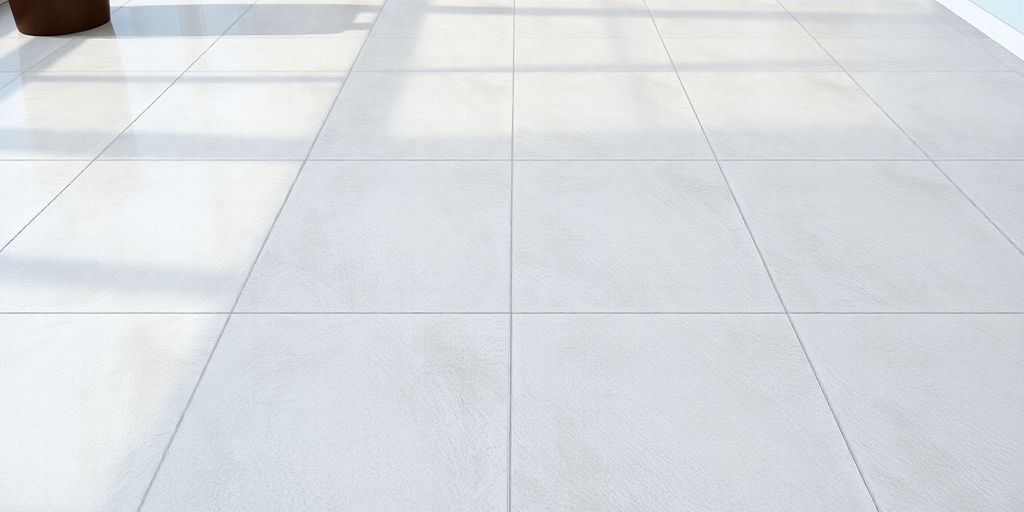
Before you start patching up that travertine, you'll need to make sure you have all your tools and materials ready. Trying to fix something without the right stuff is just asking for more trouble, trust me. It’s like trying to bake a cake without flour – it just won’t work out.
Selecting the Right Travertine Repair Kit
For most common issues like small chips and cracks, a good travertine repair kit is your best bet. These kits usually come with a filler material and sometimes colorants to help you match the stone. Look for a kit specifically designed for natural stone, and ideally, for travertine. Some generic "all-purpose" fillers might not bond well or could even damage the stone over time. You can find these kits online or at specialty stone supply stores. We ship premium quality natural stone products nationwide, so you can get the right supplies delivered right to your door.
Choosing Appropriate Color-Matching Fillers
Travertine isn't just one color; it has veins and variations. The filler you choose needs to blend in. Many repair kits include a base filler that you can tint with included colorants. You might need to mix a few colors to get a perfect match. It's better to start with a lighter shade and gradually add darker colors until you get close to your tile's hue. Don't be afraid to test the color on a scrap piece of material if you have one, or in an inconspicuous spot first.
Acquiring Fine-Grit Sandpaper
Once the filler dries, you'll likely need to sand it down to make it flush with the tile surface. For this, you'll want fine-grit sandpaper, usually something in the 220 to 400-grit range. Using sandpaper that's too coarse can scratch the surrounding travertine, creating more work for you. You're aiming for a smooth, level surface, not a rough patch.
Finding a Reliable Putty Knife or Scraper
A putty knife or a small scraper is handy for applying the filler, especially into cracks, and for scraping away any excess filler before it fully cures. A flexible blade can be helpful for conforming to the tile's surface. Just make sure it's clean before you use it, so you don't transfer any dirt or debris into your repair.
Securing a Quality Sealer for Travertine
After you've made your repairs, especially if you've sanded the area, you'll need to re-seal it. This protects the stone and the repair from stains and moisture. Choose a sealer specifically made for natural stone, and check if it's suitable for travertine. There are different types, like impregnating sealers that soak into the stone, and others that form a surface barrier. Your repair kit might include a small amount of sealer, but it's often best to have a dedicated, high-quality product on hand.
Preparing Cleaning Solutions for Travertine
Before you begin any repair, the area needs to be clean. You'll want a pH-neutral cleaner. Avoid anything acidic or alkaline, as these can damage travertine. A simple solution of water and a mild dish soap can work, but make sure to rinse thoroughly. You'll also need clean cloths or sponges for washing and drying.
Gathering Protective Gear for Safety
Don't forget your safety gear! This includes gloves to protect your hands from the repair materials and cleaners, and safety glasses to keep dust and debris out of your eyes, especially when sanding. If you're working with stronger chemicals or in a poorly ventilated area, a mask might be a good idea too.
Preparing the Travertine Surface
Before you can even think about patching up those chips or tackling those stubborn stains, you've got to get the travertine surface ready. It’s kind of like prepping a canvas before you paint – you wouldn’t just slap paint on a dirty, bumpy surface, right? Same idea here. A clean, smooth surface is key for any repair material to stick properly and for the final result to look good.
Thoroughly Cleaning the Damaged Area
First things first, let's get this area clean. You want to remove any surface dirt, grime, or anything else that might be sitting on top of the travertine. A good scrub with a soft brush and a pH-neutral cleaner is usually the way to go. For really tough spots, you might need something a bit firmer, but always test it in a hidden area first. You don't want to accidentally make things worse. We want to get rid of the loose stuff, not scrub away the stone itself.
Removing Loose Debris and Grout
If you've got any loose bits of tile, old grout, or just general gunk hanging around the damaged spot, you need to get rid of it. Use a putty knife or a small scraper to gently lift away anything that isn't firmly attached. This is especially important if a tile is loose; you need to clear out all the old adhesive or debris so the new adhesive has a clean surface to bond to. Think of it as clearing the way for a fresh start.
Ensuring the Tile is Completely Dry
This is a big one, folks. Water is the enemy of most repair materials, especially adhesives and fillers. You absolutely must make sure the area you're working on is bone dry. After cleaning, let it air dry for a good while. You can even use a hairdryer on a low setting to speed things up, just don't get it too hot. Travertine is porous, so it can hold onto moisture longer than you might think. A damp surface means your repair might not stick, or worse, it could lead to mold later on.
Masking Off Surrounding Areas
Now, let's protect the parts of the travertine you don't want to mess with. Use painter's tape or masking tape to carefully outline the area you'll be repairing. This is super helpful for keeping repair materials, cleaners, or even dust from getting onto the surrounding, undamaged tile. It makes cleanup a breeze and helps keep your repair looking neat and contained. It’s a simple step that makes a huge difference in the final appearance.
Lightly Sanding Minor Imperfections
Sometimes, even after cleaning, there might be slight rough spots or unevenness. A very light sanding with fine-grit sandpaper can help smooth these out. You're not trying to remove stone here; you're just aiming to create a more uniform surface for the repair material. If you're dealing with a chip, sanding the edges slightly can help the filler blend better. Just be gentle and check your progress often.
Wiping Down the Surface for Dust Removal
After any sanding or scraping, there's always dust. You need to get rid of every last bit of it. Use a clean, dry cloth or a tack cloth to wipe down the entire prepared area. If you skip this, that dust can get mixed into your filler or adhesive, weakening the bond and potentially showing up as little bumps or imperfections later. A clean slate is what we're after.
Inspecting the Prepared Area for Readiness
Take a good look at what you've done. Is the area clean? Is it dry? Is it free of loose debris? Are the edges smooth enough? Does the tape look secure? Give it a final once-over. This is your last chance to catch anything before you move on to the actual repair. A properly prepped surface is the foundation for a successful travertine repair. If everything looks good, you're ready for the next step: gathering your supplies and starting the repair itself. You can find great cleaning supplies for natural stone tiles on our site natural stone tiles.
Repairing Chips and Cracks
Chips and cracks can happen to even the most durable travertine tiles, especially in high-traffic areas or after an accidental drop. Don't worry, though; fixing them is usually quite manageable. The key is to address the damage promptly before it worsens.
Mixing Travertine Repair Epoxy or Filler
Most repair kits come with a two-part epoxy or a pre-mixed filler. If you're using a two-part system, follow the instructions on the package carefully. Usually, it involves mixing equal parts of the resin and the hardener. Getting the mix right is important for proper curing. You want a consistent, paste-like consistency, not too runny and not too stiff. If you're using a pre-mixed filler, you might just need to stir it well. Always work in a well-ventilated area, as some of these products can have strong odors.
Applying Filler to Chips and Small Cracks
For small chips and hairline cracks, you can often apply the filler directly from the tube or with a small putty knife. Gently press the filler into the damaged area, making sure to fill the void completely. Don't overfill at this stage; you can always add more if needed. The goal is to get the filler flush with the surrounding tile surface.
Building Up Filler in Deeper Voids
If you're dealing with a deeper chip or crack, you'll likely need to apply the filler in layers. Trying to fill a deep void all at once can lead to shrinkage or improper curing. Apply a thin layer, let it set slightly according to the product's instructions, and then add another layer. Repeat this process until the void is filled to just above the tile's surface. This layered approach helps ensure the repair is solid all the way through.
Smoothing Excess Filler Before Curing
Once the void is filled, use your putty knife or a plastic scraper to gently smooth the excess filler. Try to match the contour of the surrounding tile as closely as possible. Wipe away any significant excess from the tile surface before it hardens. Some fillers are easier to sand down if you miss a bit, but it's always best to get it as smooth as you can at this stage. This step saves you a lot of sanding later.
Allowing Adequate Curing Time
This is a critical step that many people rush. Travertine repair materials need time to cure properly. Check the product's instructions for the recommended curing time, which can range from a few hours to 24 hours or more. Do not touch or disturb the repaired area during this time. Trying to sand or move on too soon can compromise the strength and appearance of the repair. Patience here pays off.
Sanding Repaired Areas Smooth
Once the filler has fully cured, it's time to sand it down. Start with a fine-grit sandpaper (around 220 grit) and gently sand the repaired area until it's flush with the surrounding tile. You're aiming for a smooth transition. If the filler is slightly higher than the tile, sand it down carefully. If it's a bit low, you might need to apply another thin layer of filler and repeat the curing and sanding process. For deeper repairs, you might need to use a block sander to keep the surface even. Remember, the goal is to make the repair blend in.
Repeating Filler Application if Necessary
Sometimes, after the first sanding, you might notice the repaired area is slightly lower than the surrounding tile, or perhaps a small air bubble was revealed. This is where repeating the filler application comes in handy. You can apply another thin layer of filler, let it cure, and then sand it down again. This iterative process allows you to achieve a perfectly level and integrated repair. For extensive damage, it's not uncommon to go through this process a couple of times to get it just right. This method is designed to restore the integrity and appearance of damaged stone surfaces repairing deep chips and cracks.
Always test your repair material in an inconspicuous spot first if you're unsure about color or texture matching. This small step can save you from a noticeable repair later on.
Addressing Stains and Discoloration
Travertine, with its beautiful natural patterns, can sometimes pick up unwanted marks. Dealing with stains and discoloration is a common part of keeping your stone looking its best. The good news is, most of these issues can be tackled with the right approach.
Identifying the Type of Stain
Before you grab any cleaner, it’s important to figure out what kind of stain you’re dealing with. Is it oil-based, like grease from cooking? Or is it organic, like coffee or wine? Knowing this helps you choose the most effective treatment. For instance, oil stains often need a different method than water spots.
Using Poultices for Deep Stains
For those stubborn, set-in stains that seem to have soaked into the stone, a poultice can be a real lifesaver. A poultice is basically a paste made from an absorbent material (like baking soda, diatomaceous earth, or even paper towels) mixed with a cleaning agent. You apply this paste to the stain, cover it with plastic wrap, and let it sit for 24-48 hours. The idea is that the poultice draws the stain out of the stone as it dries.
Applying Specific Stain Removers
Sometimes, a general approach isn't enough. You might need a cleaner specifically designed for the type of stain. For rust stains, you'll look for a rust remover. For hard water spots, a mild acidic cleaner might do the trick. Always read the product label carefully and make sure it's safe for natural stone like travertine.
Testing Cleaning Solutions in an Inconspicuous Area
This is a big one. Before you go slathering a new cleaner all over your travertine, test it somewhere hidden. Maybe a corner of the floor or behind a piece of furniture. This way, you can see if it causes any discoloration or damage without ruining a large visible area.
Rinsing the Travertine Thoroughly
After you've treated a stain, it's super important to rinse the area well. Leftover cleaning solution can sometimes leave its own residue or even damage the stone over time. Use clean water and a soft cloth or sponge to wipe the area down. Make sure you get all the cleaner off.
Allowing the Area to Dry Completely
Give the cleaned spot plenty of time to dry. Travertine is porous, so it can hold moisture. You want to make sure it's fully dry before you move on to the next step, especially if you plan to re-seal the area. Sometimes, a damp spot can look like a new stain, so patience here is key.
Evaluating Stain Removal Success
Once everything is dry, take a good look. Did the stain lift? Is the color back to normal? If you can still see a faint mark, you might need to repeat the process or try a different method. Don't get discouraged if it takes a couple of tries. Persistent stains often require patience and a methodical approach.
Restoring Etched or Dull Surfaces
Understanding Etching on Natural Stone
Travertine, with its beautiful natural pores, can sometimes lose its luster. This often happens when acidic substances, like lemon juice or certain cleaning products, come into contact with the stone. This reaction is called etching. It doesn't actually remove material, but it can dull the surface, making it look less vibrant. It’s like a faint scratch, but it’s a chemical change.
Using a Mild Acidic Cleaner for Light Etching
For very light etching, sometimes a specialized mild acidic cleaner designed for natural stone can help. You have to be careful with this, though. Always test it in a hidden spot first. You don't want to make the problem worse. Apply a small amount, let it sit for a minute or two, then wipe it clean. It’s a delicate process.
Employing a Travertine Polishing Compound
If the etching is more noticeable, a travertine polishing compound is usually the next step. These compounds contain very fine abrasives that can help buff out the dullness and bring back some of the shine. Think of it like polishing a car – you’re gently removing the damaged top layer to reveal a smoother surface underneath.
Buffing the Surface to Restore Sheen
Once you've applied the polishing compound, you'll need to buff it in. A soft cloth or a buffing pad on a low-speed polisher works well. Work in small sections, applying even pressure. You're looking to bring back that natural sheen that makes travertine so attractive. It takes a bit of elbow grease, but the results can be quite rewarding.
Working in Small, Manageable Sections
Don't try to tackle the whole floor or countertop at once. Break it down into smaller areas, maybe a few square feet at a time. This way, you can focus on getting each section right before moving on. It also helps you keep track of where you've already worked and what still needs attention.
Checking for Uniformity in Shine
As you work, constantly check that the shine you're achieving is consistent across the entire area. You don't want one spot looking super shiny and the next looking dull. Keep comparing the repaired section to the surrounding, undamaged travertine to make sure it blends in well.
Considering Professional Honing for Severe Etching
If the etching is deep or covers a large area, you might need to consider professional help. A stone restoration specialist can hone the surface. Honing is a more aggressive process than polishing and can remove deeper etches, essentially re-surfacing the stone. It’s a good option when DIY methods just aren't cutting it anymore.
Re-sealing Travertine After Repairs
After you've put in the work to fix those chips, cracks, or stains on your travertine, the last thing you want is for the repair to be short-lived. That's where sealing comes in. It's not just a good idea; it's pretty much a requirement to keep your stone looking good and protected, especially after it's been disturbed by repairs. Think of it like giving your newly mended tile a fresh coat of armor.
Importance of Sealing Repaired Travertine
Travertine is naturally porous, meaning it can soak up liquids. When you repair it, you might disturb the existing seal or the filler itself might not be as resistant to stains as the original stone. Sealing creates a barrier. This barrier helps prevent future spills from penetrating the stone and causing new stains, and it also protects the repair material itself from wear and tear. A good seal is your best defense against future damage.
Choosing the Correct Travertine Sealer
Not all sealers are created equal, and the wrong one can actually harm your travertine. For most repairs, you'll want an impregnating sealer. These types of sealers penetrate the stone's pores without leaving a film on the surface. This allows the stone to breathe, which is important for natural stone. You can find these at most home improvement stores or specialty stone suppliers. Make sure the product is specifically labeled for use on natural stone, and ideally, travertine.
Applying the Sealer Evenly
Application is pretty straightforward. You'll want to use a clean, lint-free cloth or a foam applicator. Work in small sections, applying a thin, even coat. Don't let the sealer pool up on the surface. You're aiming for consistent coverage across the repaired area and the surrounding tiles to avoid any splotchy appearance. It's often recommended to apply two thin coats rather than one thick one. You can find detailed steps for sealing travertine tiles on our website.
Wiping Away Excess Sealer Promptly
This is a really important step. Most impregnating sealers have a working time. After you've applied a coat and let it sit for the manufacturer's recommended time (usually 10-15 minutes), you need to wipe off any excess sealer that hasn't been absorbed into the stone. If you let it dry on the surface, it can leave a hazy or sticky residue that's difficult to remove later and can ruin the look of your repair. Use a clean, dry cloth for this.
Allowing the Sealer to Cure Fully
Don't rush this part. The sealer needs time to cure and fully bond with the stone. The packaging will tell you how long this typically takes, but it's usually at least 24-48 hours before you can resume normal use of the area. During this time, keep the area dry and avoid heavy foot traffic. The stone might look a little darker when it's first sealed, but this should even out as it cures.
Performing a Water Test to Check Sealing
Once the sealer has fully cured, you can do a simple water test to see if it's working. Drip a small amount of water onto the sealed surface. If the water beads up and sits on top of the stone, your sealer is doing its job. If the water soaks in and darkens the stone, it means the sealer hasn't fully penetrated or needs another coat. Repeat the sealing process if necessary.
Understanding Re-sealing Frequency
How often you need to re-seal depends on a few things: the type of sealer used, the amount of traffic the area gets, and what kind of cleaners you use. Generally, you might need to re-seal every 1-3 years. The water test is your best indicator. If water starts soaking in, it's time to re-seal. Regular maintenance and using the right cleaning products will help extend the life of your seal.
Fixing Loose or Hollow Travertine Tiles
Sometimes, travertine tiles can start to feel a bit wobbly or sound hollow when you walk on them. This usually means the adhesive underneath has failed, or there's been some movement. Don't worry, it's often a fixable problem without needing to replace the whole tile.
Gently Removing the Loose Tile
First things first, you need to carefully get that loose tile out. If it's really loose, you might be able to gently pry it up with a putty knife. For tiles that are still somewhat attached, you might need to carefully chip away at the grout around the edges to loosen it. The goal here is to remove the tile without damaging the surrounding ones. It can be a bit tedious, but patience is key.
Cleaning Old Adhesive and Debris
Once the tile is out, you'll see the old adhesive and probably some dust or small bits of grout. You need to scrape all of that away. Use your putty knife or a scraper to get the subfloor as clean as possible. If there's any old adhesive that's really stuck on, you might need a stiff brush or even a bit of gentle sanding to get it smooth. A clean surface is super important for the new adhesive to stick properly.
Applying New Tile Adhesive
Now it's time for the new adhesive. You can use a tile adhesive specifically made for natural stone, or a good quality tile mastic. Spread a thin, even layer over the clean subfloor using a notched trowel. Make sure you cover the entire area where the tile will sit. Don't glob it on too thick, as it'll just squeeze out everywhere.
Pressing the Tile Firmly into Place
Carefully place the travertine tile back into its spot. Give it a good, firm press. You can even gently twist it a little to help the adhesive spread and make good contact. It's vital to ensure the tile is level with its neighbors. You might need to use a level and a rubber mallet to tap it down gently if it's sitting too high. If it's too low, you might need to take it up and add a tiny bit more adhesive.
Using Spacers for Consistent Grout Lines
Just like when the tiles were first laid, use tile spacers to keep the grout lines consistent between the repaired tile and the surrounding ones. This makes the repair look much more natural and professional. Leave them in place until the adhesive has had a chance to set up a bit.
Allowing Adhesive to Cure Properly
This is a waiting game. You need to let the adhesive cure completely according to the manufacturer's instructions. This usually takes at least 24 hours, sometimes longer depending on the product and humidity. Try not to walk on the tile or put any weight on it during this time. You can find good repair adhesives like Fix-A-Floor Repair Adhesive that are designed for this purpose.
Regrouting Around the Repaired Tile
Once the adhesive is fully cured, remove the spacers. Now you can mix up some grout – use a color that matches your existing grout as closely as possible. Apply the grout into the gaps around the tile using a grout float, pressing it in to fill the space completely. Wipe away the excess grout with a damp sponge, cleaning the tile surface as you go. Let the grout cure, then do a final clean-up.
Advanced Travertine Repair Techniques
Sometimes, the damage to your travertine goes beyond a simple chip or stain. For these more involved situations, there are advanced techniques that can make a big difference. These methods require a bit more care and precision, but the results can be quite impressive, often making repairs nearly invisible.
Color Matching Fillers for Seamless Repairs
Getting the color just right is key. Travertine isn't a uniform color; it has natural variations. For advanced repairs, you'll want to mix different shades of filler or epoxy to mimic these natural tones. It's not just about picking one color that looks close. You might need a base color, then add tiny amounts of darker or lighter shades, or even a hint of the stone's undertones, like beige, cream, or even subtle pinks or grays. The goal is to create a filler that looks like it grew there naturally.
Using Epoxy Resin for Structural Integrity
For deeper cracks or areas where the stone might be compromised, epoxy resins are a good choice. They offer superior strength and durability compared to standard fillers. When you're dealing with a crack that goes deep into the tile, or if a piece has broken off and needs to be reattached, epoxy provides a strong bond. It's often a two-part system that you mix together. Make sure you work relatively quickly once mixed, as it can set up fast.
Techniques for Large Crack Repair
Repairing a large crack isn't just about filling it. You might need to clean out the crack thoroughly first, removing any loose bits. Sometimes, you can use a fine-grit sandpaper to create a slightly rougher surface inside the crack, which helps the filler adhere better. For very wide cracks, you might need to build up the filler in layers, allowing each layer to cure partially before adding the next. This prevents shrinkage and ensures a stronger repair.
Dealing with Travertine Spalling
Spalling happens when the top layer of the travertine starts to flake or peel away. This is often due to moisture or freeze-thaw cycles. Repairing spalling can be tricky. You'll need to carefully remove any loose material. Then, you can use a specialized stone repair epoxy or a cementitious filler designed for this purpose. The key is to fill the affected area flush with the surrounding stone and then carefully shape and smooth it before it cures.
Achieving a Natural Finish Post-Repair
After the filler has cured, the sanding process is critical. Start with a slightly coarser grit sandpaper to shape the repair, then move to finer grits to smooth it out. You're aiming for a surface that feels and looks like the original travertine. Sometimes, a light buffing with a polishing compound can help blend the repaired area with the surrounding stone, especially if the original tile had a bit of a sheen.
Blending Repaired Areas with Existing Tile
This is where artistry comes in. Beyond color matching, think about the texture and sheen. If your travertine is honed, you want the repair to be matte. If it's polished, you'll need to polish the repair. Sometimes, using a very fine grit sandpaper (like 1000 or even higher) or a polishing pad can help achieve this. It's all about making the repair disappear into the natural beauty of the stone.
When to Call a Professional Stone Restorer
While many repairs can be handled DIY, some situations are best left to the pros. If you have extensive damage, like large areas of spalling, deep structural cracks, or if the tile is severely discolored or etched, a professional stone restorer has specialized tools and knowledge. They can often perform techniques like honing and polishing that are difficult to replicate at home. Don't hesitate to call an expert if you're unsure or if the damage is significant.
Maintaining Repaired Travertine
So, you've put in the work to fix up your travertine, and it looks great! But now comes the important part: keeping it that way. It’s not super complicated, but you do need to pay a little attention to how you clean and care for it. Think of it like this: you wouldn't just buy a fancy car and then never change the oil, right? Same idea here.
Daily Cleaning Practices for Travertine
For everyday upkeep, stick to the simple stuff. Warm water and a mild, pH-neutral cleaner are your best friends. Seriously, don't overthink it. A damp mop works wonders. You want to avoid soaking the floor, though. Too much water can sneak into the grout lines and cause issues down the road. It’s a bit like trying to dry dishes with a sponge that’s already dripping wet – not very effective and can lead to more work later.
Avoiding Harsh Cleaning Chemicals
This is a big one. Travertine is a natural stone, and it can be sensitive. Things like bleach, ammonia, or even some acidic bathroom cleaners can actually damage the surface, especially if you've just done repairs. They can strip away sealers and even etch the stone itself. It’s best to stick with cleaners specifically made for natural stone or those gentle, pH-neutral options we talked about. If you're unsure about a cleaner, test it in a hidden spot first. Better safe than sorry, right?
Promptly Addressing Spills and Stains
Accidents happen, especially in busy households. If something spills on your travertine, especially something acidic like wine, juice, or coffee, try to wipe it up as soon as possible. The longer it sits, the more likely it is to stain or etch the stone. Keep a clean cloth handy for quick cleanups. For tougher spots, you might need a specialized stone cleaner, but for most everyday spills, a quick wipe with a damp cloth is usually enough.
Regularly Inspecting for New Damage
It’s a good habit to just give your travertine a quick look-over now and then. Are there any new chips or cracks forming? Is the sealer still beading up on the surface, or is it soaking in? Catching small issues early can save you a lot of trouble later. Think of it as a quick check-up for your floors. You don't need to spend hours on it, just a few minutes every week or two can make a difference.
Understanding the Lifespan of Repairs
Repairs are great, but they aren't always permanent. The lifespan of a repair depends on a lot of things: the type of repair, the quality of the materials used, and how well you maintain the area. A well-done epoxy fill for a chip might last for years, while a grout repair might need touching up sooner. Just be aware that some wear and tear is normal over time. It’s part of having natural stone in your home.
Periodic Re-sealing Schedule
Sealing is super important for protecting your travertine, especially after repairs. It helps prevent stains and makes cleaning easier. How often you need to reseal depends on the type of sealer used and how much traffic the area gets. A good rule of thumb is to reseal every 12 to 18 months. You can easily check if it's time by dripping a little water on the surface. If it beads up, you're good. If it soaks in, it's time to reseal. We recommend checking out professional cleaning and sealing services to keep your stone looking its best.
Protecting Travertine from Heavy Traffic
Areas with a lot of foot traffic, like entryways or main hallways, will naturally show more wear. Consider using area rugs or runners in these spots to help protect the stone. Make sure the rugs have a good backing so they don't slip, and be aware that some rug backings can also cause discoloration over time, so check underneath periodically. This simple step can really help extend the life of your repaired travertine.
Troubleshooting Common Repair Issues
Sometimes, even with the best intentions and supplies, travertine tile repairs don't go exactly as planned. It's frustrating when you've put in the effort, and the result isn't quite what you hoped for. Don't worry, though; most common issues have straightforward solutions. Let's look at some frequent problems and how to fix them.
Filler Not Adhering Properly
This is a common headache. If your filler or epoxy isn't sticking, it's usually due to a couple of things. First, the surface might not have been clean enough. Any dust, grease, or old sealant left behind will prevent a good bond. Make sure you've thoroughly cleaned and dried the area before applying any filler. Sometimes, the filler itself might be too old or improperly mixed. If you're using a two-part epoxy, ensure you've followed the mixing ratios exactly. Using a bonding agent specifically designed for stone can also help create a stronger connection.
Color Mismatch After Repair
Seeing a patch that's a different shade than the surrounding tile is disappointing. Travertine has natural variations, and getting a perfect color match can be tricky.
- Assess the undertones: Look closely at the surrounding tiles. Are there hints of beige, gray, or even pink? Try to match these subtle colors.
- Mix small batches: It's better to mix a tiny amount of filler and test it. You can always mix more.
- Layer colors: Sometimes, you might need to apply a base color and then lightly tint the surface to blend it in. This is where having a few different colorants for your filler comes in handy.
Remember, natural stone has inherent variations, so aiming for a close match is often more realistic than a perfect one. For truly invisible repairs, you might need to explore advanced techniques like those used for marble floor repair.
Repaired Area Remains Dull
If your repaired spot looks matte while the rest of the tile has a sheen, it's usually a finishing issue. This often happens after sanding. The filler might have a different texture than the original stone, or the sanding process might have altered the surface.
- Gentle polishing: Try using a travertine polishing compound. Work it into the repaired area with a soft cloth. You might need to buff it for a while to bring back the shine.
- Check the filler type: Some fillers are designed to be polished, while others are meant to be left as is. Make sure you're using a product compatible with your desired finish.
- Consider the original finish: Was your travertine honed, polished, or tumbled? Try to replicate that finish. For severe dullness, professional honing might be necessary.
New Stains Appearing on Repaired Sections
It's disheartening when a freshly repaired area gets stained. This usually points to inadequate sealing. If the filler or the surrounding tile wasn't properly sealed after the repair, it becomes more porous and susceptible to staining. Always re-seal after making repairs.
If you're dealing with stubborn stains, a poultice can be a lifesaver. It draws the stain out of the stone. Just be sure to test it in an inconspicuous spot first.
Cracks Reappearing Over Time
If a crack reappears, it might mean the underlying issue wasn't fully addressed. This could be due to movement in the subfloor or the initial crack being deeper than you thought. For hairline cracks, a good quality filler should hold. However, if you see larger cracks returning, it might indicate a structural problem that needs a more robust solution, possibly involving professional assessment.
Sealer Not Penetrating the Travertine
Sometimes, a sealer just beads up on the surface instead of soaking in. This can happen if the travertine is already fully sealed, if the sealer is old, or if the surface is contaminated with wax or grease.
- Clean thoroughly: Ensure the surface is spotless and free of any contaminants. A good degreaser might be needed.
- Test the sealer: Try applying the sealer to a small, hidden area first. If it still beads up, the sealer might be incompatible or expired.
- Consider the sealer type: Different sealers work best on different finishes. Make sure you're using an impregnating sealer designed for natural stone.
Difficulty Achieving a Smooth Finish
Getting that perfectly smooth, integrated finish can be tough. If your filler feels rough or uneven after curing, it's likely a sanding issue.
- Use the right grit: Start with a medium-grit sandpaper and progressively move to finer grits (like 220 or higher) for a smooth feel.
- Sand evenly: Don't just focus on one spot. Sand the entire repaired area and a little beyond to blend it in.
- Wipe away dust: After sanding, wipe the area with a damp cloth to remove all dust. This helps you see the true finish and prepares it for sealing. Proper grouting techniques are also key to a clean look, especially when you're installing new tiles.
Dealing with these common repair hiccups is part of the process. With a little patience and the right approach, you can overcome them and achieve a beautiful, lasting repair for your travertine.
Understanding Travertine's Unique Properties
Travertine isn't just any stone; it's a natural wonder with characteristics that make it both beautiful and sometimes a bit tricky to care for. Knowing these traits helps a lot when you're planning repairs or just daily upkeep. It's formed over thousands of years, usually near mineral springs, which gives it that distinctive look.
The Natural Formation of Travertine
Travertine is a type of limestone deposited by mineral springs, especially hot springs. Think of it like stalactites and stalagmites forming in caves, but on a larger scale. This process creates the stone's characteristic holes and layers. These natural voids are a key feature that sets travertine apart from other stones.
Variations in Travertine Color and Pattern
Because it's a natural material, no two travertine tiles are exactly alike. You'll find a range of colors, from creamy whites and beiges to richer tans and even some reddish hues. The patterns can also vary, with linear veining or more chaotic, swirling designs. This natural variation is part of its charm, but it also means repairs need careful color matching.
Travertine's Natural Pores and Their Impact
Those little holes you see? They're natural pores. Travertine is a porous stone, meaning it can absorb liquids. This is super important to remember because spills can soak in if not wiped up quickly, leading to stains. It also means sealers are a must to protect the stone.
Sensitivity to Acids and Harsh Chemicals
Travertine is sensitive to acidic substances like lemon juice, vinegar, and even some common household cleaners. These can etch the surface, making it look dull or chalky. It's why using pH-neutral cleaners is so important for maintaining its finish.
The Importance of Proper Sealing
Sealing travertine fills those pores, creating a barrier against stains and moisture. It doesn't make the stone waterproof, but it significantly slows down absorption. Regular sealing is key to keeping your travertine looking its best and preventing damage.
How Travertine Ages and Develops Patina
Over time, travertine can develop a beautiful patina, which is a natural aging process. This can include slight changes in color or a softening of the surface. While some homeowners love this aged look, others prefer to maintain the original finish. Understanding this helps manage expectations for how your stone will look over the years.
Choosing the Right Travertine Finish
Travertine comes in different finishes, most commonly honed (matte) or polished (shiny). Honed finishes are more forgiving with scratches and etching, while polished finishes offer a high-gloss look but show imperfections more readily. The finish you choose impacts both the appearance and the maintenance required.
Achieving a Professional Finish
Getting your travertine repairs to blend in perfectly can feel like a bit of an art form. It's not just about filling a hole; it's about making that repair almost disappear. This is where attention to detail really pays off, turning a DIY fix into something that looks like it was done by a pro. We're talking about making those repaired spots look like they were never even damaged.
The Art of Color Matching Travertine
This is probably the most important part of making a repair look good. Travertine isn't just one color; it has veins, subtle shifts, and variations. You can't just grab any old filler and expect it to match. You need to look closely at the surrounding stone. Is it creamy, beige, or does it have hints of gray or even pink? Getting the color right is half the battle.
Using Multiple Filler Shades for Realism
Sometimes, a single color just won't cut it. To really mimic the natural look of travertine, you might need to mix a couple of different shades of filler. Think of it like painting – you layer colors to create depth. Start with a base color that's close, then add tiny amounts of a slightly lighter or darker shade, or even a different undertone, to match the natural mottling. It takes patience, but the result is worth it.
Achieving a Seamless Transition
Once your filler is cured and sanded, the goal is to make the transition from the repaired area to the original stone invisible. This means ensuring the surface is perfectly level. If there's a slight lip or dip, it will catch the light and draw attention to the repair. A smooth, even surface is key to that 'invisible' repair.
Polishing Repaired Areas to Match Sheen
Travertine has a certain sheen, whether it's honed, polished, or tumbled. Your repair needs to match that. After sanding, you might need to use a specific polishing compound to bring the repaired area back to the same level of shine as the rest of the tile. If the surrounding tile is matte, you'll want your repair to be matte too. A mismatch in sheen is a dead giveaway.
The Role of Lighting in Assessing Repairs
Always check your work in different lighting conditions. Natural daylight is best, but also look at the tile under artificial lights, especially if your room has specific lighting. What looks good in one light might show imperfections in another. This is a good time to check if you need to refine the repair further.
Final Touches for an Invisible Repair
Before you call it a day, give the area a final wipe-down. Sometimes, a bit of dust or residue can make a repair look off. If you've done everything right – matched the color, achieved a smooth transition, and matched the sheen – the repair should be very hard to spot. It's all about those small details that make a big difference.
Ensuring Durability of the Repair
While making it look good is important, the repair also needs to last. Using the right materials and allowing them to cure fully, as per the manufacturer's instructions, is vital. A repair that looks great but falls apart in a few months isn't really a success. For larger issues or structural concerns, sometimes removing the tile and starting fresh is the best long-term solution.
Preventing Future Travertine Damage
Nobody wants to deal with damaged travertine, right? It’s a beautiful natural stone, and keeping it looking good means taking some steps to avoid problems before they start. Think of it like preventative maintenance for your floors or walls. It's way easier to stop damage from happening than to fix it later.
Strategic Placement of Area Rugs
Area rugs are your travertine's best friend, especially in high-traffic zones like hallways or entryways. They act as a buffer, catching dirt, grit, and moisture before they can scratch or stain the stone. Choosing rugs with a dense, flat weave is best, as high-pile rugs can trap dust and debris that might still abrade the surface over time. Make sure the rug backing is also travertine-friendly; some rubber backings can discolor the stone. It’s a simple step that makes a big difference in protecting your floors.
Using Furniture Pads
Moving furniture, even just a little, can cause serious scratches on travertine. To avoid this, stick felt or rubber pads on the bottom of all furniture legs – tables, chairs, sofas, you name it. This is especially important for items that get moved around often, like dining chairs. It’s a small effort that saves your travertine from unsightly gouges and scrapes. You can find these pads at most hardware stores.
Implementing a Strict No-Shoes Policy
This is a big one, especially for indoor travertine. Shoes track in all sorts of things: dirt, small pebbles, sand, and chemicals from sidewalks. All of these can scratch and wear down the travertine surface over time. Asking everyone to remove their shoes at the door is one of the most effective ways to keep your travertine looking pristine. It might take some getting used to, but the payoff in preserving your stone is huge.
Wiping Spills Immediately
Travertine is porous, meaning it can absorb liquids. Spills, especially from acidic substances like wine, citrus juice, or certain cleaning products, can etch the surface if left to sit. Wipe up any spills the moment they happen with a soft cloth. For tougher messes, use a damp cloth and a pH-neutral cleaner. This habit prevents stains and etching from becoming permanent problems.
Choosing Appropriate Cleaners
Harsh chemicals are a travertine's enemy. Avoid anything acidic (like vinegar or lemon-based cleaners) or alkaline (like bleach or ammonia). These can dull the finish, etch the stone, or even damage the sealant. Stick to cleaners specifically designed for natural stone or a simple solution of water and a mild, pH-neutral soap. Using the right cleaning products makes a world of difference in maintaining the stone's natural beauty.
Regular Maintenance and Sealing
Consistent care is key. Beyond daily cleaning, periodic sealing is vital. Sealant acts as a barrier, helping to prevent stains and moisture from penetrating the stone. How often you need to reseal depends on the type of sealant used and the amount of traffic the travertine gets, but typically every 2-5 years is a good guideline. Checking the sealant's effectiveness with a simple water test (if water beads up, the sealant is working) can help you decide when it's time to reapply.
Special Considerations for Travertine Flooring
Travertine flooring is beautiful, but it needs a little extra care, especially when it comes to repairs. Unlike walls or countertops, floors take a beating from foot traffic, furniture, and spills. So, when you're fixing up your travertine floors, you've got to think a bit differently.
Repairing Travertine Floor Tiles
When a travertine floor tile gets damaged, the first thing to do is assess if it's just a surface issue or if the tile is loose. If it's loose, you'll need to gently pry it up. Sometimes, you can reuse the old tile if the damage isn't too bad. Make sure to clean off all the old adhesive from both the tile and the subfloor. Applying new adhesive evenly is key to a solid repair. Then, press the tile back down firmly. You might need to put some weight on it while the adhesive cures. If you're replacing a tile, pick one that matches the color and pattern as closely as possible. We source handpicked A+ top-quality stone, so you can be confident in the material you choose for your project.
Addressing Grout Lines Between Floor Tiles
Grout lines can get dirty or even chip away over time. Cleaning them is usually straightforward – a stiff brush and a pH-neutral cleaner work wonders. For deeper damage, you might need to remove the old grout and reapply new grout. Make sure the new grout matches the old color. It’s a bit tedious, but it makes a big difference in how the floor looks overall. Don't forget to seal the grout after it cures to protect it from stains.
Dealing with Traffic Wear on Floors
Floors, especially in high-traffic areas, show wear differently than other surfaces. You might notice dull spots or slight scratches. For minor dullness, a good travertine polishing compound can often bring back the shine. If you have deeper scratches, you might need to use a fine-grit sandpaper, but be very careful not to damage the surrounding tile. Regular cleaning and prompt spill cleanup are your best defense against traffic wear.
Maintaining the Shine of Travertine Floors
Keeping travertine floors looking their best involves a few simple habits. Regular sweeping or vacuuming (with a soft brush attachment) removes grit that can scratch the surface. Wipe up spills immediately – travertine is porous and can stain easily. Use only cleaners specifically made for natural stone; harsh chemicals can damage the finish. Periodically, you'll need to reseal your floors. For limestone floors, resealing is typically needed every 12-18 months, but this can vary based on use. Testing the seal is a good idea.
Repairing Travertine Floor Seams
Floor seams, where tiles meet or where flooring transitions to another material, can sometimes crack or wear down. If the seam is just dirty, cleaning it might be enough. If it's damaged, you might need to use a flexible caulk or a stone-specific epoxy to fill the gap. Make sure the color matches the surrounding grout or flooring. This is especially important for a clean look across your floors.
Ensuring Floor Stability After Repair
After any repair, especially if you had to lift tiles, stability is key. Make sure any adhesive or grout used has fully cured according to the manufacturer's instructions. Walk on the repaired areas gently at first. If a tile feels loose or uneven, you may need to address it again. A stable floor is a safe floor, and it looks much better too.
Choosing the Right Floor Finish
Travertine comes in different finishes, like polished, honed, or tumbled. When you repair a tile, try to match the original finish as closely as possible. If you're unsure, a honed finish is often a safe bet as it's less prone to showing scratches and dullness than a polished finish. If you're looking for premium natural stone for your project, we can help you find the perfect fit.
Working with Travertine Countertops
Travertine countertops are beautiful, adding a touch of natural elegance to any kitchen or bathroom. But like any surface that sees daily use, they can sometimes get damaged. Don't worry, though; most issues are fixable with a little know-how. We'll walk you through how to handle common problems.
Repairing Chips on Counter Edges
Chips on the edges of your travertine countertops can happen from dropped items or accidental bumps. The good news is that these are usually straightforward to repair. You'll want to start by cleaning the chipped area thoroughly. Then, you'll use a travertine repair kit, often an epoxy or a specialized filler, to fill the void. Carefully match the color of the filler to your countertop for the best look. Once it's cured, you'll sand it down smooth. It might take a couple of applications for deeper chips to build up the filler properly.
Addressing Stains on Counter Surfaces
Travertine is porous, which means spills can soak in and leave stains if not cleaned up quickly. Different types of stains need different treatments. For organic stains like coffee or wine, a poultice made from baking soda and water can work wonders. For oil-based stains, you might need a stronger absorbent. Always test any cleaning solution in an inconspicuous spot first. After treating the stain, rinse the area well and let it dry completely. Sometimes, a stubborn stain might require a repeat treatment. Proper sealing helps prevent future stains, so keep that in mind.
Restoring Shine to Countertops
Over time, the surface of your travertine countertop might lose its shine due to daily wear and tear or contact with acidic substances. Etching, which looks like dull spots, is a common issue. For light etching, a mild acidic cleaner specifically designed for natural stone can sometimes help. If that doesn't do the trick, a travertine polishing compound can often restore the sheen. You'll want to work this in with a soft cloth, buffing the area until the shine returns. For severe dullness or etching, you might need to consider professional honing, but for most cases, a good polish will do the job. Remember to avoid abrasive cleaners and the rough side of sponges, as these can scratch the stone. Don't place hot pans directly on the surface.
Sealing Travertine Countertops Effectively
Sealing is super important for protecting your travertine countertops. It creates a barrier that helps prevent stains and etching. After any repairs, it's a good idea to re-seal the entire countertop. Choose a quality impregnating sealer designed for natural stone. Apply it evenly with a clean cloth or applicator, making sure to cover the entire surface. Wipe away any excess sealer promptly before it dries. Allow the sealer to cure fully according to the product instructions. A simple water test—if water beads up, the sealer is working—can confirm your success. Regular sealing is key to maintaining your travertine repair and its beauty.
Preventing Etching from Kitchen Acids
Kitchens are notorious for acidic substances like lemon juice, vinegar, and tomato sauce. These can etch the surface of your travertine countertops, leaving dull spots. The best defense is a good offense: clean up spills immediately. Don't let acidic liquids sit on the surface. Also, be mindful when preparing food; use cutting boards and trivets to protect the stone. If etching does occur, you might be able to buff it out with a polishing compound, but prompt cleanup is always the easiest solution.
Maintaining Countertop Integrity
Keeping your travertine countertops looking great long-term involves consistent, gentle care. Avoid using harsh chemicals or abrasive cleaners, as these can damage the stone and its sealer. Stick to pH-neutral cleaners specifically made for natural stone. Regularly inspect your countertops for any new chips or stains, and address them as soon as possible. With proper care and timely repairs, your travertine countertops will remain a beautiful feature in your home for years to come.
Travertine in Bathrooms and Wet Areas
Bathrooms and other wet areas present unique challenges for natural stone. Travertine, with its natural pores, needs special attention to prevent issues common in high-moisture environments. Proper sealing and regular maintenance are key to keeping your travertine looking its best and preventing damage.
Repairing Travertine Shower Walls
Shower walls are constantly exposed to water, soap, and humidity. Small chips or cracks can form over time, especially if the grout or sealer has degraded. For minor chips, a travertine repair epoxy or filler can be used, similar to how you'd fix floor tiles. Ensure the area is completely dry before applying any filler. For larger cracks or areas where grout has failed, you might need to re-grout sections. Always use a grout specifically designed for wet areas and ensure it's fully cured before exposing it to water again.
Addressing Mold and Mildew on Travertine
Mold and mildew love damp environments, and travertine's porous nature can make it a target. Regular cleaning with a pH-neutral cleaner is your first line of defense. If you spot mold or mildew, try a solution of water and a small amount of mild bleach or a specialized stone cleaner. Always test any cleaning solution in an inconspicuous spot first. For stubborn cases, a poultice might be necessary to draw out the discoloration. Prevention is better than cure, so ensuring good ventilation in your bathroom is important.
Dealing with Water Spots and Mineral Buildup
Hard water can leave unsightly spots and mineral deposits on travertine surfaces. These are often a result of dissolved minerals left behind after water evaporates. Gently scrubbing with a soft cloth and a solution of water and white vinegar (diluted, as vinegar is acidic) can help. Rinse thoroughly afterward. For more persistent buildup, a specialized stone cleaner designed to tackle mineral deposits might be needed. Remember, travertine is sensitive to acids, so use acidic cleaners sparingly and rinse well.
Sealing Travertine in High-Moisture Zones
Sealing is absolutely critical for travertine in bathrooms. A good quality penetrating sealer will soak into the stone's pores, creating a barrier against moisture and stains. For bathrooms, consider a sealer specifically formulated for wet conditions. Applying a premium penetrating sealer can help protect your travertine floors in bathrooms against future moisture and staining [fbc2]. Re-sealing should be done periodically, typically every 1-3 years, depending on traffic and exposure.
Preventing Soap Scum Accumulation
Soap scum is a common issue in showers. It's a combination of soap residue and mineral deposits from hard water. Regular cleaning with a non-acidic bathroom cleaner or a dedicated stone cleaner will help prevent buildup. After showering, a quick squeegee of the walls and floor can significantly reduce the amount of soap scum that adheres to the travertine.
Maintaining Travertine Shower Floors
Shower floors see the most direct water exposure and foot traffic. Keeping them clean and well-sealed is paramount. Sweep or vacuum loose debris regularly. Clean with a pH-neutral cleaner and a soft brush or cloth. Pay attention to grout lines, as they can trap dirt and soap scum. A well-maintained shower floor will resist staining and wear much better over time.
Choosing Grout for Wet Environments
The type of grout you use matters in wet areas. For shower walls and floors, consider using an epoxy grout or a high-performance cementitious grout with a sealer additive. These are more resistant to water penetration and staining than standard grout. Ensure the grout is fully cured before use, as this is vital for its protective qualities.
Outdoor Travertine Applications
Travertine is a fantastic choice for outdoor spaces, bringing a touch of natural elegance to patios, walkways, and pool decks across the U.S. However, the elements can be tough on natural stone. Understanding how to repair and maintain your outdoor travertine is key to keeping it looking great for years.
Repairing Travertine Patios and Walkways
Outdoor travertine surfaces face constant exposure to weather, foot traffic, and sometimes even spills from outdoor cooking. Chips and cracks can develop over time, especially with freeze-thaw cycles. For minor chips, a good quality travertine tile repair kit can work wonders. You'll want to clean the area thoroughly first, then mix and apply the filler according to the product instructions. For larger cracks, you might need to build up the filler in layers. The goal is to make the repair blend in as much as possible.
Addressing Freeze-Thaw Damage
In regions with cold winters, the expansion and contraction of water within the stone's pores can lead to spalling or flaking. This type of damage often requires more than just a simple filler. Sometimes, it means replacing a damaged section or using a more robust repair compound. It's important to address this early before it compromises the entire tile.
Dealing with Moss and Algae Growth
Moisture and shade can encourage moss and algae to grow on outdoor travertine, making surfaces slippery and unsightly. Regular cleaning with a pH-neutral cleaner is your first line of defense. For stubborn growth, a specialized stone cleaner or a diluted bleach solution (used cautiously and tested in an inconspicuous spot first) might be necessary. Always rinse thoroughly afterward.
Sealing Outdoor Travertine
Sealing is non-negotiable for outdoor travertine. It helps protect the stone from water penetration, staining, and freeze-thaw damage. Choose a breathable, penetrating sealer designed for natural stone. Apply it evenly, following the manufacturer's directions. A well-sealed surface will bead water, not absorb it.
Preventing Cracking from Ground Movement
Outdoor installations can be subject to ground movement, which can cause tiles to shift or crack. Proper installation with a stable base is the best prevention. If cracks appear due to movement, assess if it's a structural issue with the base or just the tile itself. Repairs might involve re-setting the tile or filling cracks as needed.
Maintaining Travertine Pool Decks
Pool decks are constantly wet and exposed to pool chemicals. This can lead to etching and staining. Promptly wipe up spills, and be mindful of chemical splashes. Regular sealing is vital here. Consider using a non-slip sealer additive if slipperiness is a concern. A good restoration process might be needed periodically to keep the surface looking its best.
Choosing Durable Outdoor Finishes
When selecting travertine for outdoor use, consider finishes like tumbled or honed, which can be more forgiving of wear and tear than highly polished surfaces. These finishes also tend to offer better slip resistance. Remember, even the most durable stone benefits from proper care and timely repairs to maintain its beauty and longevity.
Understanding Travertine Repair Materials
When you're looking to fix up your travertine, knowing what materials to use is half the battle. It’s not just about slapping some filler in a crack; the right stuff makes all the difference between a repair you can see from across the room and one that blends right in. Let's break down the common options you'll run into.
Epoxy Resins vs. Cementitious Fillers
These are the two main players when it comes to filling holes and cracks in travertine. Epoxy resins are generally stronger and more durable. They're often a two-part system that you mix together. This stuff really holds up, making it a good choice for areas that get a lot of wear and tear. Cementitious fillers, on the other hand, are more like a thick paste or powder you mix with water. They can be easier to work with for some people and are often used for grout lines or larger voids. The choice often comes down to the type of damage and how much traffic the area sees.
Choosing the Right Colorant for Fillers
This is where the magic happens, or where it can go wrong if you're not careful. Most repair kits come with a base filler, but you'll often need to add colorants to match your specific travertine. These colorants are usually pigments. You'll mix them in small amounts until you get a shade that looks like it belongs. It takes patience, and sometimes you need a few different shades to get the depth right. Getting the color match perfect is key to an invisible repair.
Water-Based vs. Solvent-Based Sealers
Once your repairs are done and cured, you'll want to seal the area. Sealers protect the stone from stains and moisture. Water-based sealers are generally easier to clean up and have less odor. They penetrate the stone to provide protection from within. Solvent-based sealers can sometimes offer a deeper penetration and a slightly different finish, but they usually require more ventilation and careful handling. For most DIY projects, a good quality water-based sealer is a solid choice for your travertine tile.
The Role of Impregnating Sealers
Impregnating sealers are designed to soak into the pores of the travertine. They don't form a film on the surface, which means they don't change the look or feel of the stone much. This makes them great for maintaining that natural travertine appearance while still offering protection against spills and stains. They are a popular choice for both floors and countertops.
Surface Sealers for Enhanced Protection
Surface sealers, also known as topical sealers, create a protective layer on top of the travertine. They can offer a higher level of stain resistance and are sometimes used to add a bit of sheen or a matte finish, depending on the product. However, they can wear down over time with traffic and cleaning, and they might alter the natural look of the stone more than impregnating sealers.
Understanding Filler Viscosity
Viscosity just refers to how thick or thin a liquid is. For travertine repair fillers, viscosity matters. A thicker filler might be better for filling larger cracks or voids because it won't run out. A thinner filler might be easier to spread into smaller chips or hairline cracks. Some products are adjustable, allowing you to thin them down or thicken them slightly to suit your needs.
Selecting Non-Yellowing Repair Compounds
This is a big one, especially for lighter-colored travertine. You don't want your repair to turn a dingy yellow over time, especially when exposed to sunlight. Look for repair compounds that specifically state they are non-yellowing or UV-stable. This will help keep your repairs looking fresh and natural for much longer.
Long-Term Travertine Care Strategies
Keeping your travertine looking its best for years to come involves a bit of consistent attention. It’s not complicated, but knowing what to do and what to avoid makes a big difference. Think of it like maintaining a classic car – a little regular upkeep prevents major headaches down the road.
Developing a Routine Cleaning Schedule
Consistency is key here. Aim to do a quick sweep or dust mop of your travertine surfaces daily, especially in high-traffic areas like entryways and kitchens. This prevents grit from scratching the surface. Then, plan for a more thorough wet cleaning about once a week, or as needed, depending on how much use the area gets. This routine prevents dirt and grime from building up and becoming harder to remove.
Educating Household Members on Care
This might sound simple, but it's surprisingly effective. Make sure everyone in your home knows the basics: wipe up spills immediately, don't drag heavy furniture, and use coasters. A quick chat can save your travertine a lot of potential damage. It’s about building good habits for everyone who uses the space.
Using pH-Neutral Cleaners
Travertine is a natural stone, and it can be sensitive. Harsh chemicals, especially acidic ones like vinegar or lemon-based cleaners, can etch the surface, making it look dull. Stick to cleaners specifically designed for natural stone or a mild, pH-neutral soap mixed with water. Always test any new cleaner in an inconspicuous spot first.
Protecting Travertine from Direct Sunlight
While travertine is durable, prolonged exposure to direct sunlight can cause some types to fade over time. If you have large windows or skylights, consider using blinds or curtains during the sunniest parts of the day, especially in rooms where the travertine gets a lot of direct light. This helps maintain its original color.
Understanding the Impact of Foot Traffic
Heavy foot traffic, especially from shoes that track in dirt or grit, can wear down the surface of your travertine over time. In areas with very high traffic, like hallways or main living spaces, consider using area rugs or runners. This is a simple way to protect the stone from constant abrasion. Remember to lift rugs periodically to clean underneath and allow the stone to breathe.
Knowing When to Seek Professional Restoration
Sometimes, despite your best efforts, travertine can develop issues that are beyond simple cleaning. Deep scratches, significant etching, or widespread dullness might require professional attention. A stone restoration specialist has the tools and knowledge to address these more serious problems, like polishing your travertine to bring back its original shine. Don't hesitate to call in the pros when needed.
The Benefits of Consistent Maintenance
Regular care isn't just about keeping your travertine looking good; it's about preserving its value and longevity. A well-maintained travertine floor or surface can last for decades, adding beauty and elegance to your home. Consistent maintenance prevents minor issues from becoming major, costly repairs. It’s an investment in the long-term appeal of your property.
Keeping your travertine looking its best for years to come is easier than you think. Simple steps can prevent damage and keep its natural beauty shining. Want to learn more about how to properly care for your travertine surfaces? Visit our website for detailed guides and tips.
Bringing Your Travertine Back to Life
So, there you have it. Fixing up your travertine tile might seem a bit daunting at first, kind of like trying to assemble IKEA furniture without the instructions. But with these steps, you can totally tackle those chips and cracks yourself. It’s really satisfying to see those imperfections disappear, making your floors look great again. Remember, taking care of your stone means it’ll last for ages. If you ever need more help or are looking for top-quality natural stone for your next project, check out places like American Stone Center. They’ve got the good stuff, the handpicked A+ kind, and they ship it out fast. Happy fixing!
Frequently Asked Questions
What kind of damage can happen to travertine tiles?
Travertine tiles can get chips, cracks, and scratches. Sometimes they get dull or stained, especially if something acidic spills on them. You might also notice tiles becoming loose or making a hollow sound when you step on them.
What do I need to fix travertine tiles?
You'll need a travertine repair kit, which usually has a filler or epoxy. Make sure you get one that can be colored to match your tile. You'll also want sandpaper with a fine grit, a putty knife, a good sealer, and cleaning supplies. Don't forget safety gear like gloves and glasses!
How do I prepare the tile before repairing it?
First, clean the damaged spot really well. Get rid of any loose bits or old grout. It's super important that the tile is totally dry before you start. You might want to tape off the area around the tile to keep it clean.
How do I fix a chip or crack in travertine?
Mix the repair filler according to the kit's instructions. Carefully apply it to the chip or crack, making sure to fill the space completely. Smooth out any extra filler before it hardens. Once it's dry, gently sand it down until it's smooth and matches the rest of the tile.
What's the best way to get rid of stains on travertine?
For tough stains, a 'poultice' is often best. This is like a paste that pulls the stain out. You can buy special stain removers too. Always test any cleaner on a hidden spot first to make sure it doesn't damage the stone.
My travertine looks dull. How can I make it shiny again?
If it's just a little dull from etching (like from lemon juice), you might be able to buff it with a special travertine polishing compound. For really dull or damaged surfaces, you might need professional help to get the shine back.
Why do I need to seal my travertine after repairing it?
Sealing protects the tile, especially the repaired area, from getting stained or damaged again. It helps keep liquids from soaking into the stone. Think of it like a protective coat.
How do I fix a tile that feels loose?
You might need to gently lift the loose tile. Clean off all the old glue and gunk from the back of the tile and the floor. Then, spread new tile adhesive and press the tile back into place firmly. Let it dry completely before walking on it.
Can I match the color of the repair filler to my tile?
Yes, most repair kits come with colorants, or you can buy them separately. It takes a bit of practice, but you can mix different shades to get a really close match. The goal is to make the repair blend in as much as possible.
How often should I reseal my travertine?
It depends on how much traffic the area gets and what kind of sealer you used. A good rule of thumb is to check every 6-12 months. You can do a simple water test: if water beads up, it's still sealed. If it soaks in, it's time to reseal.
What should I avoid using to clean travertine?
Definitely avoid anything acidic, like vinegar or lemon juice, and harsh chemical cleaners. These can etch and damage the stone. Stick to pH-neutral cleaners specifically made for natural stone.
When is it better to call a professional for travertine repair?
If the damage is widespread, very deep, or if you're dealing with large areas of discoloration or structural issues, it's often best to call a stone restoration expert. They have special tools and knowledge for tricky jobs.