







So, you're looking at stone for your kitchen or bathroom and you keep hearing about marble. It looks amazing, right? But then you see something called dolomite and wonder, 'Wait, is dolomite marble?' It's a common question because they can look pretty similar. Let's break down what makes them different and why it matters for your project.
Key Takeaways
- Dolomite is a distinct mineral, primarily calcium magnesium carbonate, while marble is mostly calcium carbonate.
- Marble forms through metamorphism (heat and pressure) of limestone, whereas dolomite is typically a sedimentary rock.
- Dolomite is generally harder and more resistant to etching and staining than marble.
- Marble is known for its classic, often dramatic veining, while dolomite's patterns can be more subtle.
- Both stones can be polished to a high sheen, but their underlying composition affects their long-term durability and maintenance needs.
- The key difference lies in their chemical makeup: marble is CaCO3, and dolomite is CaMg(CO3)2.
- While visually similar in some cases, dolomite is not a type of marble from a geological standpoint.
- Understanding these differences helps in choosing the right stone for specific applications based on durability and appearance.
Deciphering Dolomite: A Stone's Identity
What Constitutes Dolomite Stone?
Dolomite, at its core, is a mineral and a rock type. Geologically speaking, it's an anhydrous carbonate mineral composed of calcium magnesium carbonate, with the formula CaMg(CO₃)₂. When this mineral makes up a significant portion of a rock, that rock is also called dolomite. It's a bit like how quartz is a mineral, but quartzite is a rock primarily made of quartz. So, when we talk about dolomite stone, we're usually referring to a sedimentary rock where dolomite mineral is the main component.
The Geological Formation of Dolomite
Dolomite typically forms through a process called dolomitization. This happens when magnesium-rich groundwater interacts with calcium carbonate sediments, like limestone. Over time, the magnesium ions in the water essentially swap places with some of the calcium ions in the original calcium carbonate. This chemical exchange transforms the limestone into dolomite. It's a slow process, often occurring deep within the Earth's crust over millions of years. Think of it as a natural chemical alteration of existing carbonate rocks.
Key Mineral Composition of Dolomite
The defining characteristic of dolomite is its mineral composition. It's primarily calcium magnesium carbonate (CaMg(CO₃)₂). Pure dolomite contains roughly equal molar amounts of calcium carbonate (CaCO₃) and magnesium carbonate (MgCO₃). However, natural dolomite can vary. Sometimes it's a solid solution, meaning magnesium can substitute for calcium to a certain extent, or vice versa. The presence of magnesium is what really sets it apart from pure limestone.
Dolomite's Place in the Mineral Kingdom
In the grand scheme of minerals, dolomite belongs to the carbonate group. Specifically, it's an isomorphous carbonate, meaning it shares a crystal structure with other minerals like calcite (calcium carbonate) and siderite (iron carbonate). Its crystal system is trigonal, and it often forms rhombohedral crystals. Understanding its place in the mineral kingdom helps us appreciate its chemical relationships with other common minerals found in the Earth's crust.
Understanding Dolomite's Unique Structure
The crystal structure of dolomite is quite ordered. Unlike calcite, where calcium and magnesium ions are randomly distributed if present together, dolomite has distinct layers of calcium and magnesium ions within its crystal lattice. This ordered structure influences its physical properties, such as its hardness and cleavage. It's this specific arrangement that gives dolomite its unique identity and differentiates it from other carbonate minerals.
Distinguishing Dolomite from Other Minerals
One of the easiest ways to distinguish dolomite from calcite, another common carbonate mineral, is through its reaction to acid. While calcite fizzes vigorously with dilute hydrochloric acid, dolomite reacts much more slowly, especially if it's cold. You often need a stronger acid or a powdered sample to see a significant reaction. This difference in reactivity is a direct result of its chemical composition and crystal structure.
The Natural Occurrence of Dolomite Deposits
Dolomite deposits are found all over the world. They are most commonly found in sedimentary sequences, often interbedded with limestone or shale. Large formations of dolomite rock can be extensive, forming entire mountain ranges or significant layers within the Earth's crust. These deposits are a testament to the widespread geological processes that have occurred over vast periods.
Exploring Dolomite's Physical Characteristics
Dolomite is generally harder than calcite, ranking around 3.5 to 4 on the Mohs hardness scale. It typically appears white, gray, or sometimes pinkish or brownish, depending on impurities. It has a vitreous to pearly luster and exhibits perfect rhombohedral cleavage, meaning it breaks along specific planes to form rhomb-shaped fragments. Its density is also slightly higher than that of calcite due to the presence of magnesium.
The Essence of Marble: A Timeless Material
Defining Marble's Metamorphic Origins
Marble is a metamorphic rock, which means it wasn't formed that way initially. It starts its life as limestone, a sedimentary rock. Over vast stretches of time, deep within the Earth, this limestone is subjected to intense heat and pressure. This geological transformation is what recrystallizes the original calcite in the limestone, creating the distinct crystalline structure we recognize as marble. This metamorphic process is key to marble's unique beauty and characteristics. It's a process that takes millions of years, making each piece of marble a testament to geological history.
The Recrystallization Process of Marble
When limestone, primarily made of calcite (calcium carbonate), gets buried deep underground, the heat and pressure cause its mineral grains to change. The original, often fossil-rich, structure of the limestone breaks down. The calcite then reforms into new, interlocking crystals. This recrystallization is what gives marble its characteristic granular texture and its ability to take a high polish. The size and shape of these new crystals can vary, influencing the final look and feel of the marble. It’s this internal rearrangement that truly defines marble.
Calcium Carbonate: Marble's Primary Component
At its core, marble is almost entirely composed of calcium carbonate (CaCO3). This is the same mineral found in seashells and chalk. The purity of the calcium carbonate significantly impacts the marble's appearance and properties. Pure calcium carbonate typically results in white marble. However, the presence of other minerals and impurities during the formation process introduces a wide range of colors and veining patterns. Understanding this basic chemical makeup is the first step in appreciating marble's diversity.
Identifying Marble's Characteristic Veining
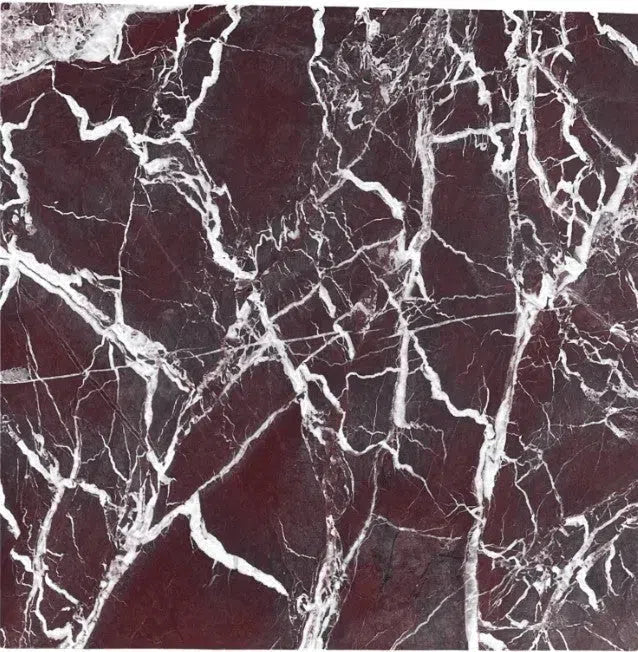
Marble is famous for its distinctive veining, which are essentially lines or streaks running through the stone. These veins are not cracks, but rather lines of other minerals that were present in the original limestone or were introduced during the metamorphic process. Common vein minerals include quartz, feldspar, mica, and iron oxides. The color, thickness, and pattern of these veins are unique to each slab, contributing to marble's artistic appeal. Some marbles have subtle, wispy veins, while others feature bold, dramatic streaks.
Marble's Diverse Color Palette Explained
While pure white marble is highly sought after, marble can come in a surprising array of colors. These colors are due to trace amounts of impurities present during its formation. For example:
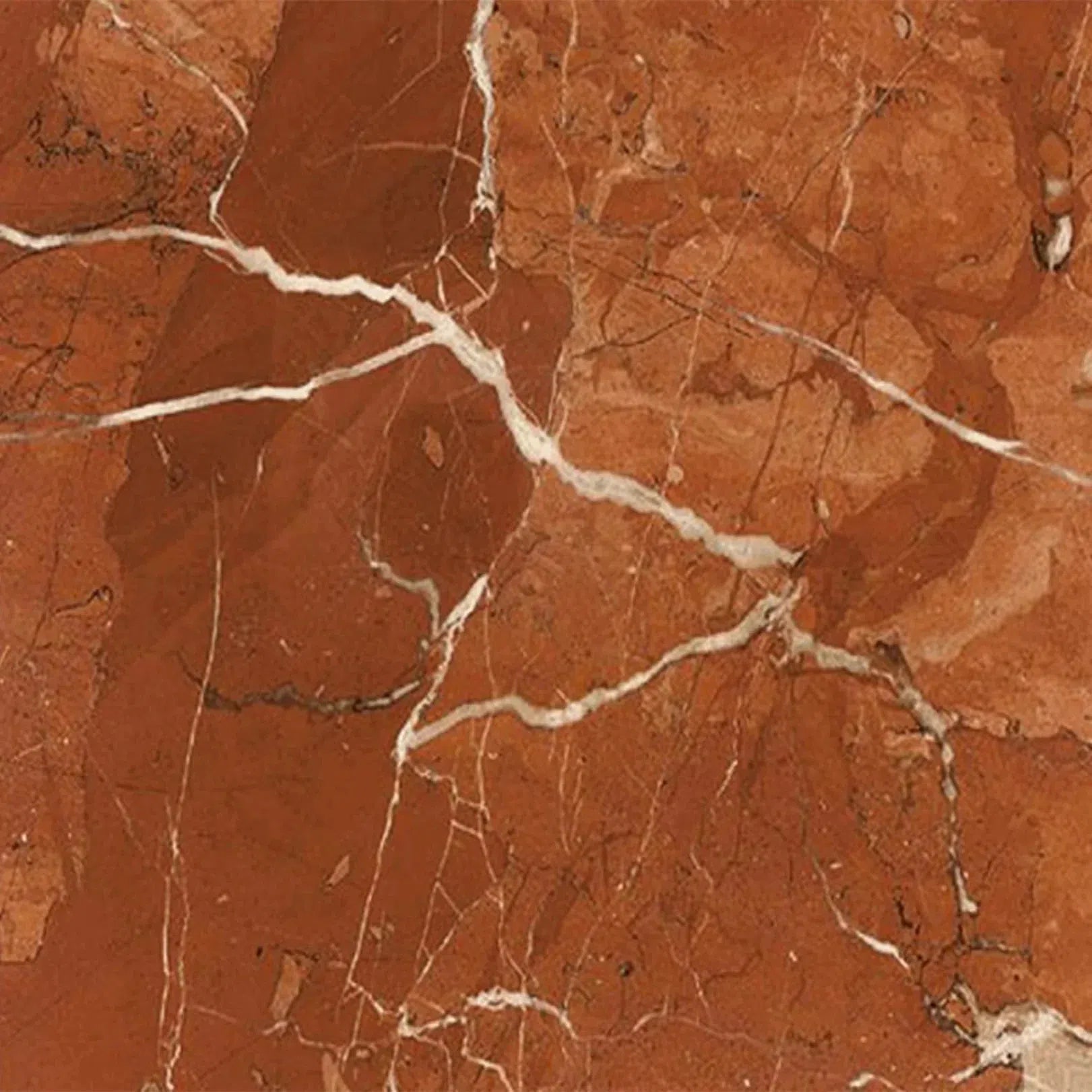
- Reds and Pinks: Often caused by iron oxides.
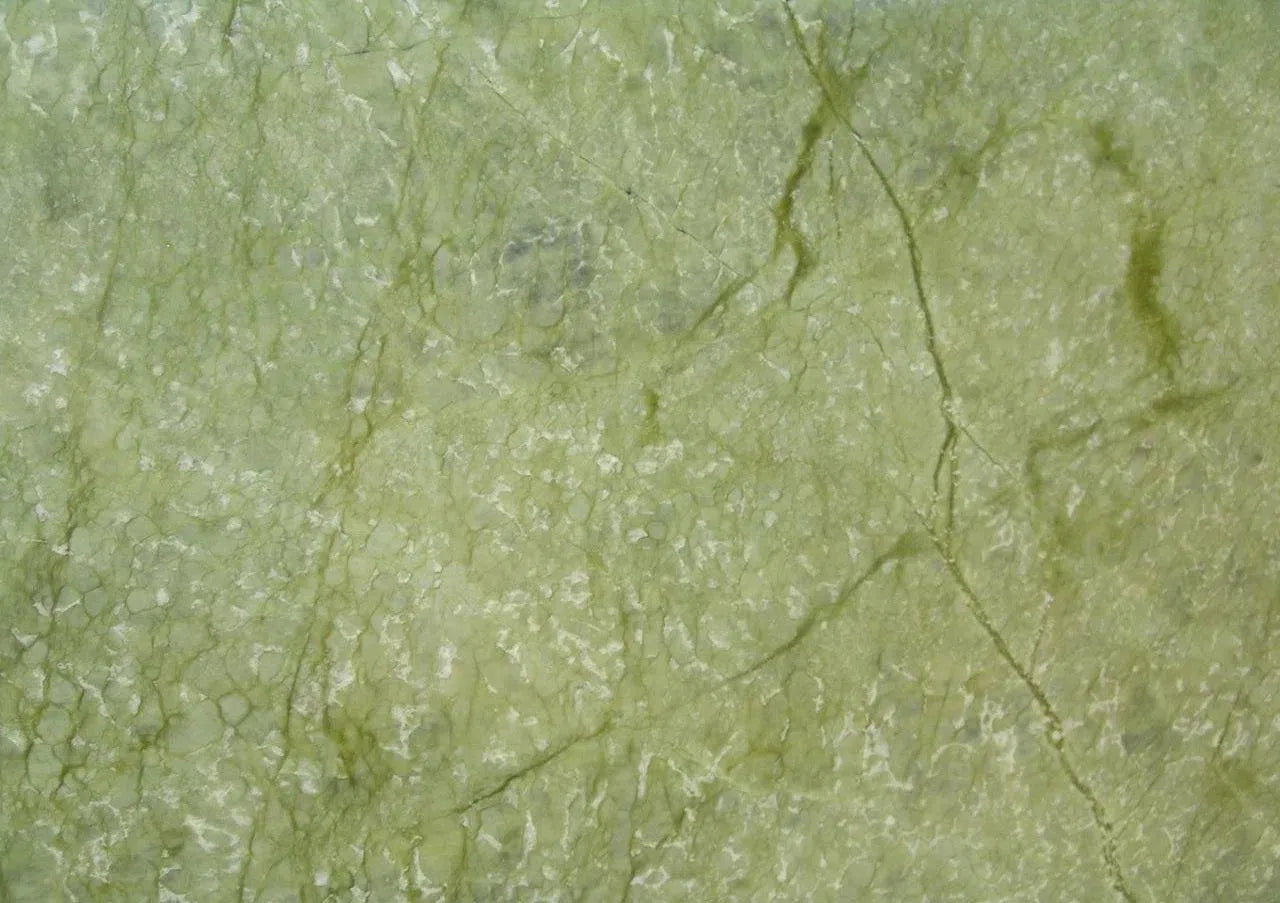
- Greens: Can result from serpentine or chlorite.
- Blues and Grays: May be due to graphite or other minerals.
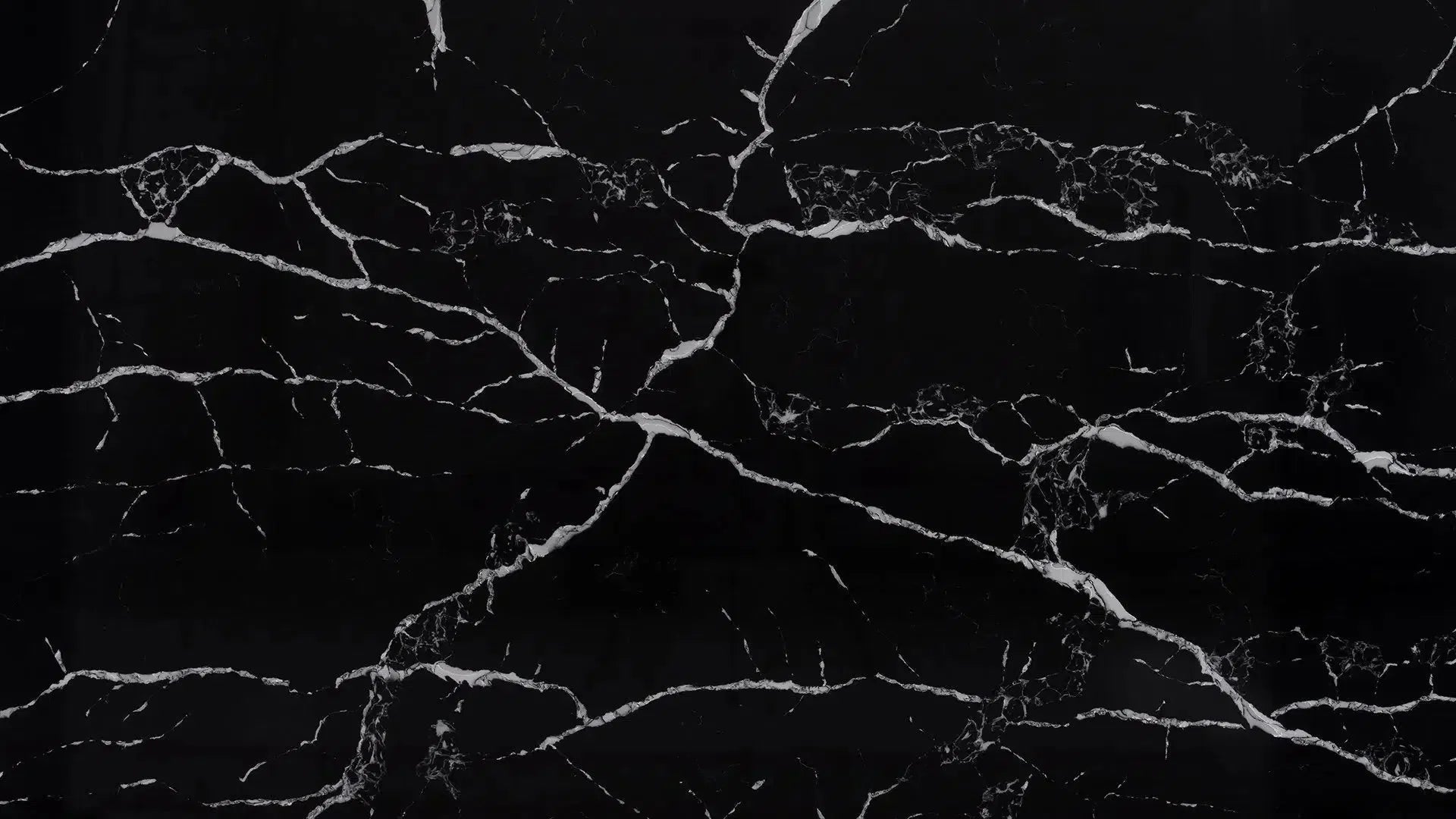
- Blacks: Often from organic materials or graphite.
-
Yellows and Browns: Typically from iron compounds.
This wide spectrum means there's a marble to suit almost any design aesthetic.
The Lustrous Finish of Polished Marble
One of marble's most prized qualities is its ability to achieve a high-gloss, polished finish. When a marble surface is ground and buffed, the interlocking crystals are smoothed to a mirror-like sheen. This polish not only makes the stone look luxurious but also helps to protect it by creating a less porous surface. The way polished marble reflects light is a significant part of its timeless appeal. It brings a sense of depth and brilliance to any space.
Marble's Historical Significance in Art and Architecture
Marble has been a favored material for artists and builders for millennia. Ancient Greek and Roman sculptures, like the Venus de Milo and the Parthenon, showcase the enduring beauty and workability of marble. Its use in grand architecture, from palaces to temples, speaks to its perceived value and aesthetic qualities. This long history has cemented marble's status as a symbol of luxury, permanence, and artistic achievement. Many iconic structures across the U.S. feature this magnificent stone.
Varieties of Marble Found Worldwide
Marble is quarried in many regions across the globe, each producing unique varieties. Some well-known types include:
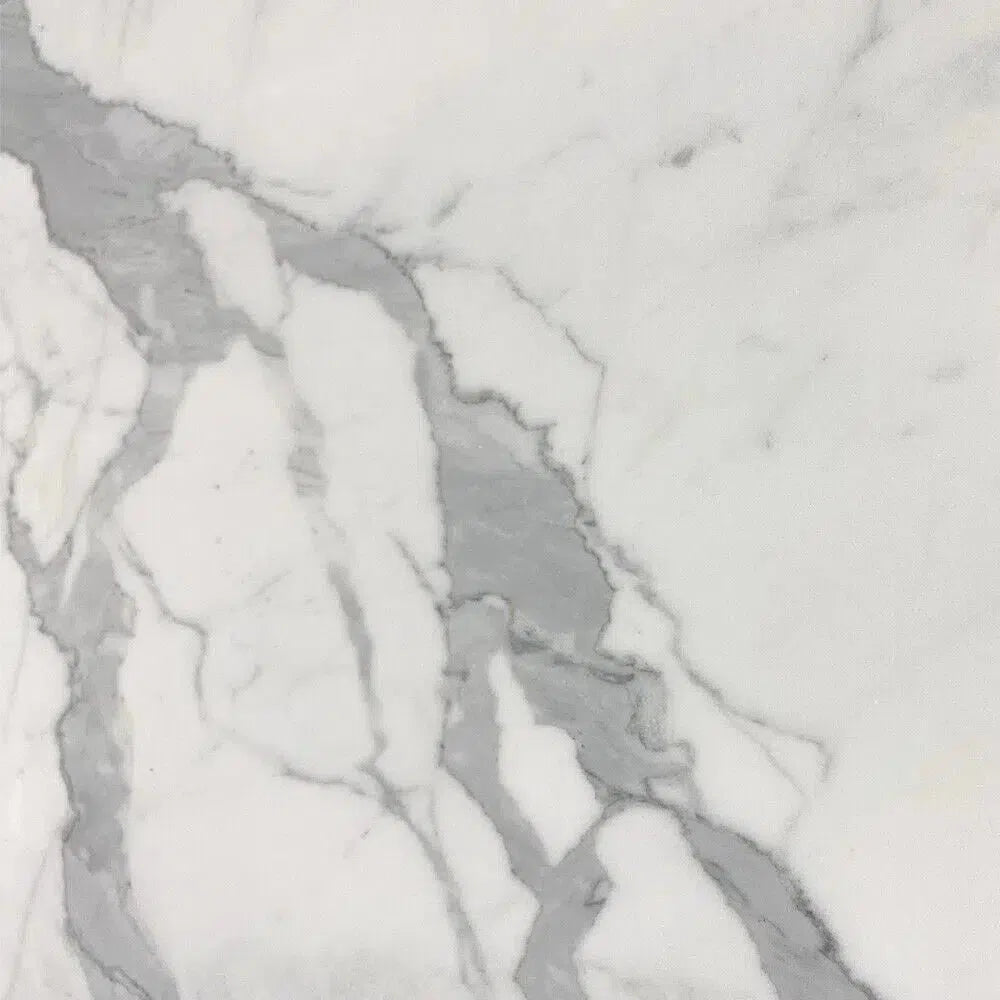
- Carrara Marble: From Italy, known for its soft white background and gray veining.
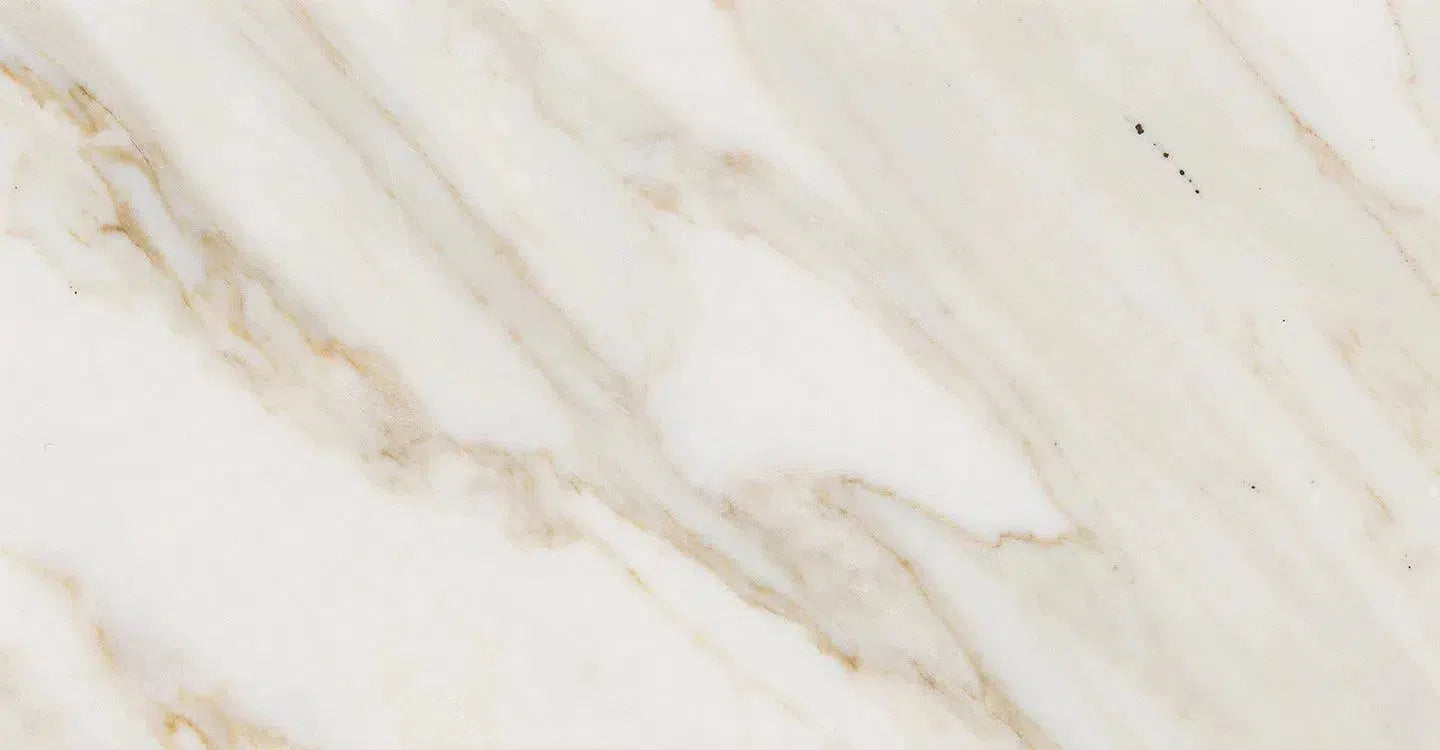
- Calacatta Marble: Also from Italy, typically whiter than Carrara with bolder, more dramatic veining.
- Thassos Marble: A pure white, crystalline marble from Greece.
- Crema Marfil: A popular beige marble from Spain.
-
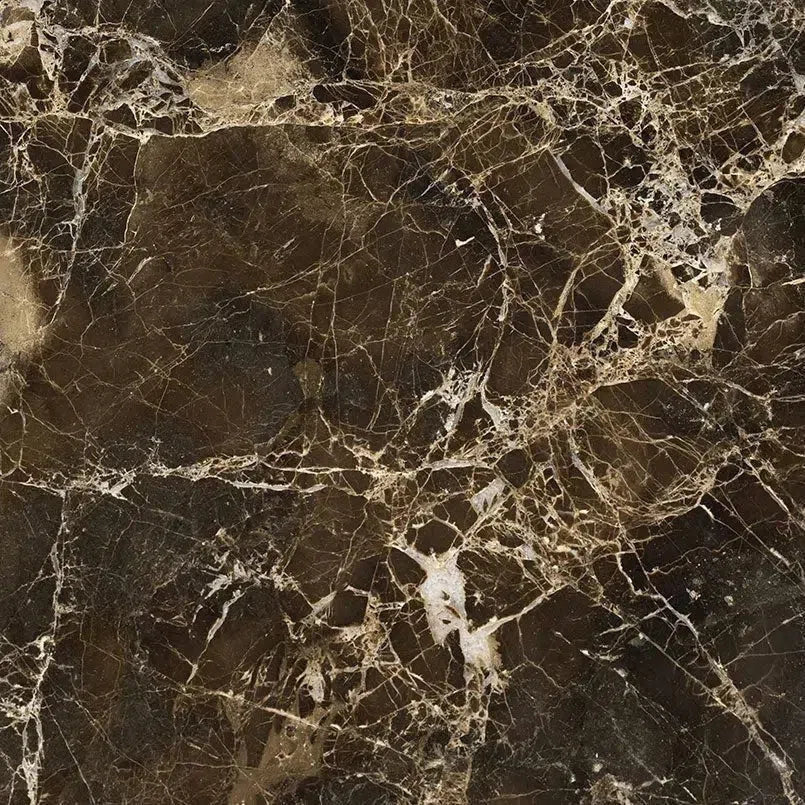
Emperador Marble: A dark brown marble from Spain with lighter veining.
Each variety offers a distinct look, making marble a versatile choice for designers and architects working on projects nationwide.
Is Dolomite Marble? Exploring the Core Question
It's a question that pops up a lot when people are looking at natural stone for their homes or projects: Is dolomite actually marble? It's easy to see why there's confusion. Both are beautiful, natural stones often used in similar ways, and sometimes they can even look quite alike. But geologically speaking, they're distinct. Let's break down why people get them mixed up and how to tell them apart.
Directly Addressing the Dolomite vs. Marble Query
So, to get straight to the point: no, dolomite is not marble. While they share some similarities, particularly in their chemical makeup as carbonates, they are fundamentally different types of rock. Marble is a metamorphic rock, formed deep within the earth under intense heat and pressure. Dolomite, on the other hand, is typically a sedimentary rock, formed from the accumulation of organic matter and minerals in ancient seabeds. This difference in origin leads to significant variations in their properties.
Why the Confusion Between Dolomite and Marble?
The confusion often stems from a few key areas. Firstly, both stones are primarily composed of carbonate minerals. Marble is mostly calcium carbonate (CaCO3), while dolomite is calcium magnesium carbonate (CaMg(CO3)2). This chemical similarity means they can react similarly to certain substances, like acids. Secondly, in the market, sometimes dolomite is sold or marketed under names that sound like marble, or its appearance can mimic certain types of marble, especially those with subtle veining or a consistent color. This can lead to misidentification, particularly for those not deeply familiar with geology. The fact that both are often polished to a high sheen also adds to the visual overlap.
The Crucial Chemical Differences
The most significant difference lies in their chemical composition. Marble is almost pure calcium carbonate (CaCO3). Dolomite, however, contains both calcium and magnesium in its mineral structure, specifically as calcium magnesium carbonate (CaMg(CO3)2). This addition of magnesium is not just a minor detail; it changes the stone's fundamental properties, including its hardness and resistance to chemical attack. This magnesium content is the defining factor that separates dolomite from true marble.
Comparing Mineralogical Makeup
Mineralogically, marble is essentially recrystallized calcite, a form of calcium carbonate. Dolomite is a distinct mineral, dolomite, which is a calcium magnesium carbonate. While both are carbonate minerals, their specific chemical formulas and crystal structures differ. This difference in mineralogy impacts everything from how the stone weathers to how it feels to the touch. Think of it like the difference between pure sugar (calcite) and a sugar-salt mixture (dolomite) – both are crystalline, but their properties are quite different.
Understanding the Formation Processes
Marble's journey begins with limestone (which is primarily calcium carbonate). When limestone is subjected to immense heat and pressure over millions of years, its calcite crystals recrystallize, forming the dense, often veined metamorphic rock we know as marble. Dolomite's formation is typically sedimentary. It often starts as limestone or other carbonate sediments that are then altered by magnesium-rich groundwater. This process, called dolomitization, replaces some of the calcium with magnesium, creating the mineral dolomite. This difference in formation – metamorphic for marble, sedimentary for dolomite – is a key distinction.
How to Tell Dolomite and Marble Apart
Visually, it can be tricky. However, there are some clues. Dolomite is generally harder and less porous than marble. This means it's often more resistant to etching and staining, making it a more practical choice for busy kitchens. Marble, while beautiful, is softer and more susceptible to damage from acids (like lemon juice or vinegar) and can stain more easily. A simple test is to place a drop of vinegar on an inconspicuous spot; marble will likely fizz and etch, while dolomite will show a much less pronounced reaction, if any. You can also check the Mohs hardness scale; marble typically scores a 3, while dolomite scores around a 4, making dolomite harder and more durable.
Common Misconceptions About Dolomite
One of the biggest misconceptions is that because dolomite is harder and more resistant, it's somehow a lesser stone. In reality, its unique properties make it an excellent choice for applications where durability is key. Another misconception is that all dolomite looks the same. Like marble, dolomite can vary widely in color and pattern depending on its geological origin and any impurities present. Some dolomites can have subtle veining that might resemble certain marbles, leading to further confusion.
The Practical Implications of the Distinction
Knowing the difference is important for practical reasons. If you're choosing a stone for a kitchen countertop, for example, dolomite's increased resistance to etching and staining might make it a more suitable and lower-maintenance option than many types of marble. For a fireplace surround or a decorative wall, where extreme durability might be less critical, the classic, often more dramatic veining of marble might be preferred. Understanding the properties of marble quality is vital for making the right choice for your specific project needs and lifestyle. It's about matching the stone's characteristics to its intended use.
Chemical Composition: The Defining Factor
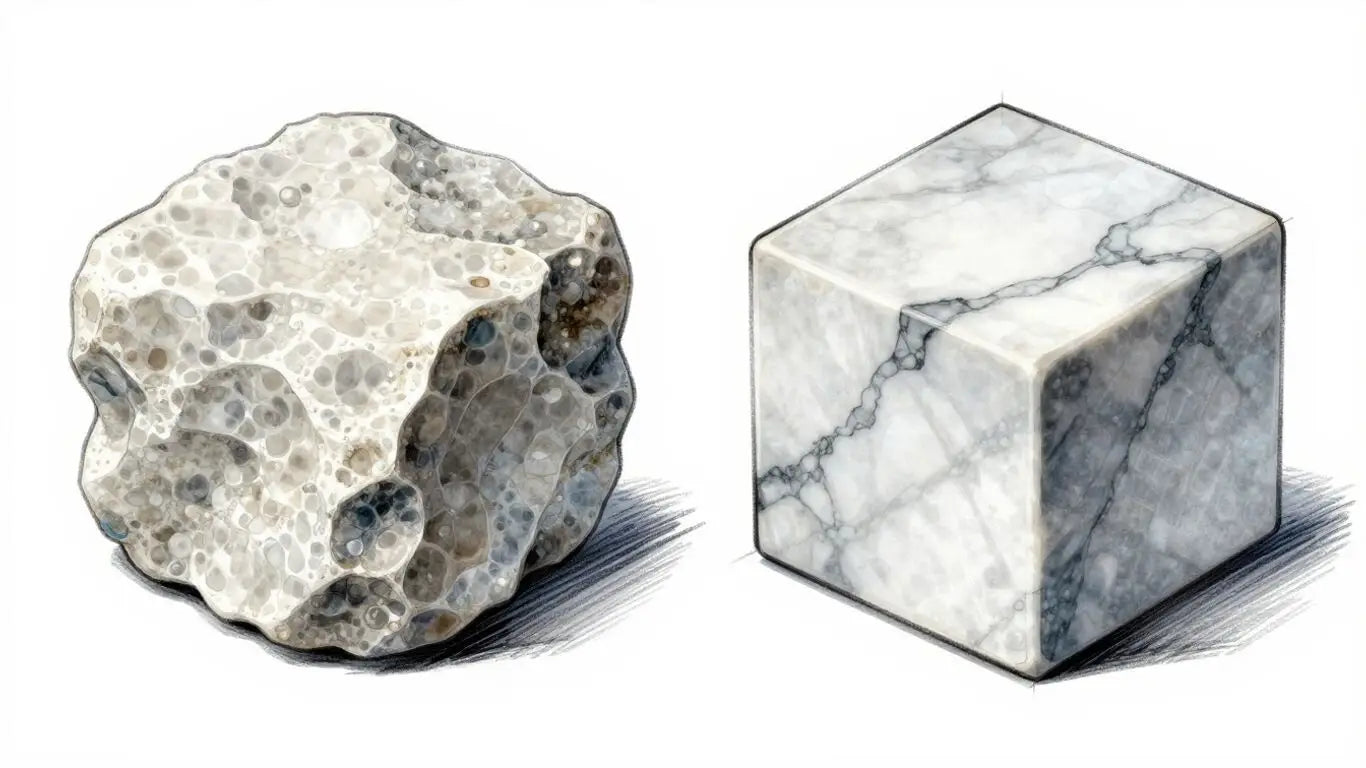
When we talk about natural stone, especially for design projects across the U.S., understanding what's actually in the stone is pretty important. It's not just about looks; the chemical makeup dictates how the stone will behave over time. This is where the real differences between dolomite and marble start to show.
Calcium Carbonate (CaCO3) in Marble
Marble, in its purest form, is primarily made of calcium carbonate (CaCO3). Think of it as chalk or limestone that's been put under immense heat and pressure. This recrystallization process creates the signature look of marble. Because it's so pure in CaCO3, it's also quite reactive. This is why you often hear about marble being susceptible to etching from acids, like lemon juice or vinegar. The higher the calcium carbonate content, the more sensitive the marble tends to be.
Calcium Magnesium Carbonate (CaMg(CO3)2) in Dolomite
Dolomite, on the other hand, has a different chemical formula: calcium magnesium carbonate (CaMg(CO3)2). This means it contains both calcium and magnesium. The presence of magnesium is a game-changer. It makes the stone inherently harder and less reactive than pure calcium carbonate. This is a key reason why dolomite is often favored for surfaces that see a lot of daily use, like kitchen countertops, offering a more robust option for busy homes.
The Role of Magnesium in Dolomite's Properties
That bit of magnesium in dolomite really changes things. It's like adding a protective element. This magnesium content contributes to dolomite's increased resistance to acids and scratching. So, while marble might develop a dull spot from a spilled glass of wine, dolomite is much more likely to shrug it off. This makes it a practical choice for high-traffic areas where durability is a priority.
Purity Levels in Natural Stone
No natural stone is ever 100% pure. Even the most beautiful marble or dolomite will have trace amounts of other minerals. These impurities can affect the color, veining, and even the performance of the stone. For instance, iron oxides can give marble reddish or brownish hues, while clay can make it softer. Understanding these variations helps in selecting the right stone for your specific project needs.
How Chemical Makeup Affects Durability
Simply put, the chemical makeup directly impacts how well a stone holds up. A stone rich in calcium carbonate (like calcitic marble) will wear differently than one with calcium magnesium carbonate (dolomite). Dolomite's chemical structure gives it an edge in terms of longevity and resistance to common household substances. This is why some designers recommend dolomitic marble for applications where a lower maintenance material is desired.
Acid Etching: A Test for Carbonates
One of the most common ways to differentiate between marble and dolomite, or even between different types of marble, is the acid test. A simple application of a mild acid, like vinegar or lemon juice, will cause calcium carbonate to react, creating a dull spot or etching. Dolomite, with its magnesium content, reacts much more slowly or not at all to the same acid. This test is a quick indicator of the stone's primary mineral composition.
Interpreting Chemical Analysis of Stones
For precise identification, especially in commercial settings or for large-scale projects, a professional geological analysis is the way to go. This involves laboratory testing that can accurately determine the mineral composition and purity of a stone. These analyses provide detailed reports that go beyond visual inspection, offering definitive data on the stone's properties.
The Impact of Impurities on Stone Appearance
Impurities aren't always a bad thing. Sometimes, they're what give a stone its unique character and beauty. The swirls, veins, and color variations we admire in marble are often the result of other minerals present during its formation. However, certain impurities can affect the stone's structural integrity or its susceptibility to staining and weathering, which is something to consider when choosing materials for your U.S. projects.
Formation Processes: A Tale of Two Stones
Marble's Metamorphic Transformation
Marble isn't born overnight; it's a product of intense geological change. It starts its life as limestone or, sometimes, dolomite. Then, deep within the Earth, it's subjected to immense heat and pressure over millions of years. This process, known as metamorphism, causes the original minerals in the rock to recrystallize. Think of it like baking – the ingredients change and fuse together into something new and often more beautiful. This transformation is what gives marble its characteristic crystalline structure and often stunning veining. The original sedimentary rock is essentially cooked and squeezed into a denser, more durable form. This is why marble is classified as a metamorphic rock, a testament to its dramatic geological journey. It's a process that requires specific conditions, making marble a material with a rich geological history. The recrystallization process is key to understanding marble's beauty.
Dolomite's Sedimentary Origins
Dolomite, on the other hand, typically begins its journey as a sedimentary rock. It forms when calcium carbonate in limestone is altered by magnesium-rich groundwater. This process, called dolomitization, essentially swaps out some of the calcium for magnesium, creating the mineral dolomite (calcium magnesium carbonate). Unlike marble, which undergoes a significant transformation under heat and pressure, dolomite's formation is more about chemical alteration of existing sediments. It's a process that happens closer to the Earth's surface, often in ancient seabeds where magnesium-rich waters circulate through calcium carbonate deposits. This difference in origin means dolomite has a different mineral composition from the start.
The Role of Heat and Pressure on Limestone
When limestone, the precursor to marble, is buried deep within the Earth, it encounters conditions that fundamentally change its structure. The immense pressure compacts the rock, while the elevated temperatures cause the calcium carbonate crystals to grow and interlock. This recrystallization is what defines marble. Without sufficient heat and pressure, limestone remains just that – limestone. It's this geological cooking process that differentiates marble from its sedimentary parent rock. The intensity and duration of these metamorphic conditions can also influence the final appearance of the marble, affecting crystal size and the clarity of veining.
Magnesite Interaction in Dolomite Formation
The formation of dolomite involves a specific chemical interaction. When magnesium ions from surrounding waters come into contact with calcium carbonate (found in limestone), they gradually replace some of the calcium atoms within the crystal structure. This results in the formation of dolomite, a mineral with the chemical formula CaMg(CO3)2. This process doesn't typically involve the high heat and pressure associated with metamorphism. Instead, it's a diagenetic process, meaning it occurs after the initial deposition of sediments, often facilitated by circulating groundwater. The presence of magnesium is the defining characteristic that sets dolomite apart from pure limestone and, consequently, from marble.
Geological Environments Favoring Each Stone
Marble forms in areas where tectonic activity has caused significant burial and uplift, creating the necessary heat and pressure. Think of mountain ranges or ancient collision zones. These environments are conducive to metamorphism. Dolomite, however, often forms in environments where magnesium-rich waters are abundant, such as shallow marine basins or lagoons. These are places where limestone sediments are deposited and then later altered by chemical processes. Understanding these distinct geological settings helps explain why these stones are found in different types of rock formations around the world. The conditions required for marble formation are quite specific.
Understanding the Time Scales Involved
Both marble and dolomite are products of geological time, but their formation processes occur over different scales and under different conditions. Marble's metamorphic transformation takes millions of years, requiring sustained periods of high heat and pressure. Dolomite's formation, while also a long process, is more about the gradual chemical exchange over time, often occurring as sediments are buried and lithified. The sheer duration and intensity of the metamorphic process for marble contribute to its unique crystalline structure and often dramatic appearance, setting it apart from the more chemically altered sedimentary origins of dolomite.
How Formation Influences Stone Characteristics
The way a stone is formed directly impacts its physical and chemical properties. Marble's metamorphic origin gives it a crystalline texture and often makes it harder and denser than its limestone precursor. The interlocking crystals contribute to its strength and its ability to take a high polish. Dolomite's sedimentary origin and the process of dolomitization result in a rock that is generally harder and less porous than limestone, but it lacks the recrystallized, interlocking crystal structure of marble. This difference in formation leads to variations in durability, how the stone reacts to acids, and its overall aesthetic qualities. The geological story behind each stone is written in its very structure.
The Impact of Burial and Diagenesis
Burial and diagenesis are key stages in the life of many rocks. For limestone destined to become marble, burial leads to the metamorphic phase – the intense heat and pressure. For dolomite, diagenesis involves the chemical alteration of limestone by magnesium-rich fluids. Diagenesis encompasses all the physical and chemical changes that occur after sediment deposition, before metamorphism. It's during this stage that limestone can be transformed into dolomite. Understanding these processes helps clarify why dolomite is considered a sedimentary or altered sedimentary rock, while marble is distinctly metamorphic. These processes are fundamental to understanding natural stone types.
Physical Properties: A Comparative Look
When you're looking at natural stones like dolomite and marble, their physical characteristics tell a big part of their story. It's not just about how they look, but how they behave. Think about how a material will hold up in your kitchen or bathroom – that's where these properties really matter.
Hardness Scales: Mohs and Beyond
One of the first things geologists look at is hardness. The Mohs scale is a common way to measure this, ranking minerals from 1 (talc) to 10 (diamond). Marble, being primarily calcite (calcium carbonate), typically scores around a 3 on the Mohs scale. This means it can be scratched by a copper coin. Dolomite, on the other hand, has a slightly higher hardness, usually around 3.5 to 4. While not a huge difference, this extra bit of hardness in dolomite can translate to better resistance against everyday wear and tear.
Density and Porosity Differences
Density and porosity are also key. Density tells you how much mass is packed into a certain volume, while porosity refers to the amount of empty space within the stone. Marble can vary in density, but it's generally less dense than dolomite. This often means marble can be more porous, too. Higher porosity can lead to more staining and water absorption, which is something to consider for surfaces like kitchen countertops. Dolomite tends to be denser and less porous, making it a bit more forgiving when it comes to spills.
The Effect of Composition on Strength
It all comes back to what the stone is made of. Marble's strength is tied to its calcite structure. Dolomite's strength comes from its calcium magnesium carbonate makeup. The presence of magnesium in dolomite contributes to its slightly increased hardness and density. This can make dolomite a more robust choice for areas that see a lot of activity. The chemical composition directly influences how the stone will perform over time.
Resistance to Abrasion and Wear
Because of its slightly higher hardness and density, dolomite generally shows better resistance to abrasion and wear compared to traditional calcite marble. This means it might hold up better against scratches and scuffs in high-traffic areas. While both stones can be polished to a beautiful sheen, dolomite might maintain that finish a bit longer with less visible wear in demanding environments.
How Water Absorption Varies
Porosity directly impacts how much water a stone will absorb. Marble, being more porous, will soak up liquids more readily if not properly sealed. This can lead to staining, especially from colored liquids like wine or coffee. Dolomite's lower porosity means it absorbs less water, making it naturally more resistant to staining. This is a significant advantage for applications like bathroom vanity tops or kitchen surfaces where moisture is common.
Thermal Expansion Characteristics
Both marble and dolomite are relatively stable when it comes to temperature changes, but there can be slight differences. Extreme temperature fluctuations, especially in outdoor applications, can cause any stone to expand or contract. However, for most interior uses, this property isn't a major concern. The differences in thermal expansion between marble and dolomite are usually minimal and unlikely to be a deciding factor for typical home projects.
The Influence of Crystal Structure
The way the mineral crystals are arranged within the stone also plays a role. In marble, the calcite crystals recrystallize and interlock. In dolomite, the dolomite crystals form a similar interlocking structure. The size and shape of these crystals can affect the stone's texture, how it takes a polish, and its overall strength. You might notice subtle differences in the grain and texture when comparing a slab of marble to a slab of dolomite, even if they look similar at first glance.
Visual Cues: Texture and Grain
While chemical and physical properties are measured scientifically, visual cues can also offer hints. Dolomite often has a more uniform grain and can sometimes appear slightly more granular than marble. Marble, especially classic Carrara or Calacatta, is known for its dramatic veining, which is a result of impurities and the recrystallization process. Dolomite's patterns can be more subtle or even absent, giving it a different aesthetic appeal. Paying attention to the texture and grain can help you distinguish between the two, even before looking at the technical specs.
Durability and Maintenance: Practical Considerations
When you're picking out stone for your home, it's not just about how it looks, right? You've got to think about how it's going to hold up over time, especially in busy spots. This is where dolomite and marble really start to show their differences.
Marble's Susceptibility to Etching and Staining
Let's be real, marble is gorgeous, but it's also pretty sensitive. Because it's mostly calcium carbonate, it can react to acids. Think about spills from things like lemon juice, vinegar, or even some cleaning products. They can leave a dull spot, called etching, on the surface. It's not a stain, but it changes the finish. Stains can also be an issue, especially with darker liquids like red wine or coffee, though sealing helps a lot with marble tile maintenance.
Dolomite's Enhanced Resistance Profile
Dolomite, on the other hand, has calcium magnesium carbonate. That magnesium makes it a bit tougher and less reactive to acids compared to pure marble. This means it's generally more resistant to etching from everyday kitchen mishaps. It's still a natural stone, so it's not completely immune, but it handles spills and acidic substances better than its marble counterpart.
Recommended Cleaning Agents for Each Stone
For both stones, the golden rule is to use pH-neutral cleaners. Harsh chemicals are a no-go. For marble, you'll want to wipe up spills immediately. A soft cloth with a bit of water is often all you need for daily cleaning. For dolomite, you have a bit more leeway, but sticking to gentle cleaners is still the best practice to keep its finish looking good.
Sealing Strategies for Longevity
Sealing is important for both materials, but perhaps even more so for marble. A good quality sealer penetrates the stone and helps block pores, making it harder for liquids to seep in and cause stains. How often you need to reseal depends on the type of stone, the sealer used, and how much traffic the area gets. It's a good idea to test your sealer periodically by dropping a little water on the surface; if it beads up, your seal is likely still good. If it soaks in, it's time to reseal.
Understanding Wear Patterns Over Time
Marble, with its softer nature, can develop a patina over time, which some people find adds to its charm. This means it might show subtle signs of wear, like softened edges or a slightly less polished look in high-traffic areas. Dolomite tends to wear more evenly and shows fewer of these visual changes, maintaining a more consistent appearance for longer periods.
Repairing Damage to Marble Surfaces
Minor etches on marble can sometimes be buffed out, especially on honed finishes. For deeper scratches or chips, you might need professional help or specialized repair kits. It's often a good idea to have a small amount of the original material or a matching epoxy on hand for quick fixes.
Maintenance for High-Traffic Areas
If you're considering these stones for areas that get a lot of use, like kitchen floors or entryways, think about the maintenance commitment. Dolomite's increased durability makes it a more forgiving option for these demanding spaces. Marble can absolutely be used, but it requires a more diligent approach to cleaning and immediate spill management to keep it looking its best. For homeowners looking for a balance of beauty and resilience, understanding these differences is key to making the right choice for your U.S. projects.
Choosing the Right Stone for Your Application
Ultimately, the best stone depends on your lifestyle and aesthetic goals. If you love the classic, luxurious look of marble and don't mind the extra care, it's a fantastic choice. If you need something that offers similar beauty but with a bit more resilience for a busy household, dolomite might be the more practical option. Both can bring natural beauty into your home, but they come with different care requirements. Remember, proper care is key to enjoying the beauty of any natural stone for years to come. This is why understanding the care involved is so important.
Aesthetic Qualities: Visual Distinctions
When you're looking at natural stone for your project, how it looks is a big part of the decision, right? It's not just about how strong it is or how easy it is to clean. The visual appeal is what draws you in. Marble and dolomite, while sometimes confused, have distinct looks that can really change the feel of a space.
The Classic Appeal of Marble Veining
Marble is famous for its dramatic veining. These lines and swirls aren't just random; they're the result of mineral impurities and pressure during the stone's formation. Think of them as the stone's unique signature. You'll see everything from fine, delicate threads to bold, sweeping patterns. This natural artistry is what makes marble feel so luxurious and timeless. It's why designers and homeowners alike are drawn to its classic beauty for everything from fireplace surrounds to statement walls.
Dolomite's Often More Subtle Patterns
Dolomite, on the other hand, tends to have a more understated look. While it can have some veining, it's usually less pronounced than in marble. You might see more subtle mottling or a more uniform grain. This doesn't mean it's boring, though! Dolomite offers a quieter elegance that can be perfect for a more minimalist or contemporary design. It provides a sophisticated backdrop without overpowering the rest of your decor.
Color Variations and Their Origins
Both stones come in a range of colors, but the reasons behind them differ. Marble's colors are often influenced by the original limestone and the types of impurities present. You can find whites, grays, blacks, pinks, greens, and even blues. Dolomite, being a distinct mineral, often presents in lighter shades like white, gray, or a pale pinkish-brown, though impurities can introduce other hues. The specific color can tell you a bit about where the stone came from and its geological history.
Surface Finishes: Polished, Honed, and Tumbled
How a stone is finished also plays a huge role in its appearance. A polished finish gives both marble and dolomite a high sheen, reflecting light and making colors pop. This is the classic, glamorous look. A honed finish offers a smoother, matte surface, which is more subdued and less reflective. It's great for areas where you want a softer look or to reduce glare. Tumbled finishes give a worn, rustic feel, softening the edges and creating an antique appearance. The choice of finish can dramatically alter the stone's overall aesthetic.
The Translucency Factor in Marble
One of the things that sets marble apart is its potential for translucency. High-quality marble, especially pure white varieties, can allow light to pass through it. This creates a beautiful, soft glow, particularly when backlit. It's a feature that adds a layer of depth and sophistication that's hard to replicate. Dolomite generally lacks this quality; it's typically more opaque.
How Light Interacts with Each Stone
Consider how light will hit the stone in your space. Polished marble can create a bright, reflective surface, making a room feel larger and more open. The veining in marble can also catch the light in interesting ways. Dolomite, with its often more uniform texture and less reflective surface (especially when honed), can absorb light differently, creating a calmer, more grounded feel. The way light plays on the surface is a key part of appreciating each stone's unique character.
Achieving a Luxurious Look
Both stones can contribute to a luxurious feel, but they do it in different ways. Marble often achieves this through its dramatic veining, rich colors, and potential for translucency. It's the material of palaces and high-end homes. Dolomite can also create a luxurious look, but it's usually through its clean lines, subtle patterns, and sophisticated finish. It offers a more modern, refined luxury.
The Unique Character of Natural Stone
Ultimately, both dolomite and marble are natural stones, meaning each piece is one-of-a-kind. No two slabs will ever be exactly alike. This variation is part of their charm. While marble might be known for its bold statements, and dolomite for its subtle sophistication, both offer a connection to the earth and a beauty that manufactured materials just can't match. Appreciating these visual distinctions helps you choose the perfect material for your specific design vision.
Applications in Design and Construction
When you're planning a project, whether it's a full home renovation or just a small update, the materials you choose make a big difference. Both dolomite and marble have their place, and knowing where each shines can help you get the look and performance you want.
Marble in Luxurious Interior Design
Marble has long been the go-to for spaces that need to feel truly special. Think grand entrances, elegant living rooms, or bathrooms that feel like a spa. Its natural veining and polished finish give it a timeless appeal that just screams luxury. It's fantastic for making a statement piece, like a fireplace surround or a dramatic accent wall. Because it's a softer stone, it's often best suited for areas that don't see constant, heavy wear, or where its beauty can be admired without too much risk of damage.
Dolomite's Suitability for Countertops
For kitchens and bathrooms, durability is key, and this is where dolomite often gets a nod. Its composition makes it more resistant to etching and staining than many traditional marbles. This means it can handle the daily grind of food prep, spills, and general use a bit better. While it might not have the same dramatic veining as some marbles, it offers a sophisticated look that's practical for high-traffic surfaces. It's a solid choice if you want a natural stone that looks great but can also take a bit of a beating.
Flooring Options with Marble and Dolomite
Both stones can be used for flooring, but with different considerations. Marble floors are stunning, especially in formal areas like dining rooms or entryways. However, they require careful maintenance to keep them looking their best, as they can be prone to scratching and etching from foot traffic and spills. Dolomite, with its slightly harder nature, can be a more forgiving option for flooring in areas with more activity, offering a similar natural stone aesthetic with potentially less upkeep.
Wall Cladding and Feature Walls
When it comes to vertical surfaces, both materials are excellent choices. Marble can create breathtaking feature walls or elegant wainscoting, adding a touch of classic grandeur. Dolomite can also be used for wall cladding, providing a durable and attractive finish. Its consistency can be beneficial for large wall areas where a uniform look is desired.
Outdoor Use Considerations
Using natural stone outdoors requires careful selection. While some marbles can be used in protected outdoor areas, they are generally not recommended for applications exposed to harsh weather, freeze-thaw cycles, or direct sunlight, as they can degrade over time. Dolomite, being generally more robust, might fare better in certain outdoor applications, but it's still important to check specific product recommendations and consider the climate.
Bathroom Vanity Tops
Both marble and dolomite are popular choices for bathroom vanities. Marble offers a luxurious feel, perfect for powder rooms or master bathrooms where a spa-like atmosphere is desired. Dolomite provides a more practical option, especially for family bathrooms, due to its better resistance to common bathroom products and moisture. The key is balancing the desired aesthetic with the expected daily use.
Kitchen Backsplashes and Surfaces
Backsplashes are a great place to incorporate natural stone without the same wear-and-tear concerns as a countertop. Both marble and dolomite can add a beautiful design element here. For kitchen countertops, dolomite's resistance to etching and staining often makes it a more practical choice for busy home cooks who want the beauty of natural stone without constant worry.
Architectural Elements and Sculptures
Historically, marble has been the material of choice for sculptures and intricate architectural details due to its workability and fine grain. While dolomite can also be carved, marble's unique properties have cemented its legacy in fine art and classical architecture. Today, both stones can be used for decorative architectural elements, but marble often holds a special place for its artistic heritage.
The Role of Impurities and Additives
Minerals Affecting Marble's Color
Marble, as we often see it, isn't just pure white. Its stunning array of colors and patterns comes from tiny amounts of other minerals that get mixed in during its formation. Think of it like a painter adding a drop of color to a white canvas – a little bit goes a long way. These minerals, often present in very small quantities, can dramatically change the final look of the marble. Iron oxides, for example, are common culprits for those beautiful pinks, reds, and yellows you might see. Other minerals can create subtle grey veining or even darker, more dramatic swirls. The specific combination and concentration of these impurities are what give each marble slab its unique character.
Iron Oxides and Other Pigments
Iron oxides are probably the most well-known mineral impurities that color marble. Depending on their chemical state and how they're distributed, they can create a whole spectrum of hues. Hematite, a common iron oxide, often lends a reddish or pinkish tint, while limonite can produce yellows and browns. Other metallic elements, like manganese, can contribute to grey or black veining. These pigments aren't just random; their presence is tied to the geological environment where the original limestone was formed and later metamorphosed. It’s a natural process that results in the rich visual tapestry we associate with high-quality marble.
The Impact of Clay and Silt on Stone
Besides metallic oxides, clay and silt are other common impurities found in the sedimentary rocks that eventually become marble. These fine-grained materials can affect both the color and the texture of the final stone. Clay minerals can introduce earthy tones, often contributing to grey, brown, or even greenish hues. Silt, which is essentially very fine sand, can make the stone feel slightly grittier if it's not fully recrystallized during metamorphism. While pure marble is prized, these less pure forms can still be beautiful and are often used in various applications. Understanding these components helps explain why some marble looks so different from others, even from the same quarry.
How Additives Influence Dolomite Formation
Dolomite, unlike marble, forms differently. While marble is metamorphosed limestone, dolomite rock often starts as limestone that gets altered over time through a process involving magnesium-rich waters. The presence of other minerals and elements during this diagenesis can influence the final dolomite. For instance, the rate at which magnesium replaces calcium in the original calcite can be affected by the surrounding sediment. This can lead to variations in the crystal structure and purity of the resulting dolomite. The original limestone composition also plays a role, as it might already contain other minerals that get incorporated into the dolomite structure.
Identifying Secondary Minerals
Sometimes, after the main rock has formed, other minerals can precipitate within its cracks and pores. These are called secondary minerals. In both marble and dolomite, you might find veins or patches of minerals like quartz, calcite (in dolomite), or even sulfides. These secondary minerals can add visual interest, creating distinct patterns or contrasting colors. For example, a marble might have veins of pure white calcite, or a dolomite might have sparkly flecks of pyrite. Identifying these secondary minerals can offer clues about the stone's geological history and the fluids that have passed through it over millennia.
The Effect of Impurities on Durability
Impurities don't just affect the look of a stone; they can also impact its durability. For instance, softer minerals mixed into marble might make it more susceptible to scratching or wear. Porous impurities can increase water absorption, potentially leading to issues in freeze-thaw cycles or making the stone more prone to staining. In dolomite, while generally harder than marble, certain impurities could create planes of weakness. Generally, a purer stone tends to be more predictable in its performance, but the specific type and distribution of impurities are key.
Visual Clues to Stone Composition
Often, you can get a good idea of a stone's composition just by looking closely. Subtle color variations, the presence of distinct veining, or even the texture can hint at the types of impurities present. For example, a marble with very fine, uniform grey lines might suggest the presence of specific clay minerals, while a stone with reddish streaks likely contains iron oxides. Dolomite might appear more uniformly crystalline or have a different luster compared to marble. Paying attention to these visual cues can help you appreciate the natural variations and make more informed choices for your projects.
Understanding Natural Stone Variations
It's important to remember that natural stone is, well, natural. No two pieces are exactly alike. The impurities and additives present during formation mean that even within the same quarry, you'll find variations in color, veining, and pattern. This is part of what makes natural stone so appealing – its inherent uniqueness. When selecting marble or dolomite, it's always best to view the actual slabs you'll be using to ensure you're happy with the specific characteristics and how they'll fit into your design. This is especially true when ordering for large projects across U.S. projects.
Testing Methods for Stone Identification
Figuring out if you're looking at dolomite or marble can sometimes feel like a puzzle, especially when they look so similar. Luckily, there are a few ways to tell them apart, even without a geology degree. These tests are pretty straightforward and can give you a good idea of what you're dealing with, whether you're picking out a new kitchen countertop or just curious about a stone sample.
The Vinegar Test: A Simple Indicator
This is probably the easiest test you can do at home. Grab a small amount of white vinegar – the kind you use for cooking. Put a few drops on an inconspicuous spot of the stone. If it fizzes or bubbles, that's a strong sign it's marble (or at least a limestone high in calcium carbonate). Marble reacts readily with acid. Dolomite, on the other hand, contains magnesium, which makes it less reactive. It might show a very slight reaction, or none at all, with vinegar. This simple acid test is a quick way to differentiate between the two.
Scratch Tests for Hardness Assessment
Hardness is measured on the Mohs scale. Marble typically falls around a 3-4, while dolomite is a bit harder, usually around a 3.5-4.5. You can try scratching the stone with common objects. For instance, a copper coin has a hardness of about 3.5. If the coin scratches the stone, it's likely marble. If the stone resists scratching by a coin but can be scratched by a steel knife (hardness around 5.5), it's probably dolomite. Be careful when doing this, and always test on a hidden area to avoid damage.
Observing Reaction to Acids
Beyond vinegar, stronger acids can provide a more definitive reaction. Hydrochloric acid (HCl) is often used in labs. Marble will react vigorously with HCl, producing a noticeable fizzing. Dolomite will react more slowly and less intensely, especially if it's pure. This difference in reaction speed and intensity is a key indicator.
Using a Magnifying Loupe for Detail
A simple magnifying glass or a jeweler's loupe can reveal details about the stone's structure. Look closely at the crystal structure. Marble often has interlocking calcite crystals that can appear more granular or sugary. Dolomite crystals might appear more distinct and sometimes have a slightly different shape or arrangement. You might also see evidence of the original sedimentary structure in some dolomite samples.
Color and Vein Pattern Analysis
While not a definitive test, color and veining can offer clues. Marble is famous for its dramatic, flowing veins, often in contrasting colors like gray, black, or gold against a white or off-white background. Dolomite can have veining, but it's often more subtle, less dramatic, and might appear as more uniform, cloudy patterns or fine lines. Dolomite also tends to be more consistently colored, often in shades of gray, white, or pinkish-brown, without the stark contrasts sometimes seen in marble.
Density Measurement Techniques
Density can also be a distinguishing factor. Dolomite is generally slightly denser than marble due to the presence of magnesium. You can estimate density by comparing the weight of two similarly sized pieces of stone. If one feels noticeably heavier, it might be dolomite. For more precise measurements, you'd need specialized equipment to measure volume and weight accurately.
Professional Geological Analysis
For absolute certainty, especially in critical applications, professional geological analysis is the best route. Geologists can perform detailed chemical and mineralogical tests, including X-ray diffraction (XRD), to precisely identify the stone's composition. This is often done for large-scale projects or when the exact properties of the stone are paramount.
Interpreting Test Results Accurately
It's important to remember that natural stone can be variable. Sometimes, a stone might have characteristics of both, or impurities can affect test results. Combining multiple tests often provides the most reliable identification. If you're making a significant investment, like for a custom countertop project across the U.S., consulting with a reputable stone supplier or a geologist is always a wise step. They can help you understand the nuances and make the best choice for your specific needs.
Market Perception and Terminology
It’s easy to get confused when shopping for natural stone, and a lot of that comes down to how things are marketed. Sometimes, what's called 'marble' in a showroom might actually be dolomite, or a stone with a similar look but a different geological story. This happens more often than you might think.
Why Dolomite is Often Marketed as Marble
There's a good reason why dolomite sometimes gets lumped in with marble, especially in the retail world. Visually, certain types of dolomite can look a lot like some marbles. They can have similar colors and even subtle veining that reminds people of classic marble. Because marble has such a strong reputation for luxury and elegance, some sellers might market dolomite as 'marble' to capitalize on that perception. It's a way to make the stone seem more desirable, even if it's not technically marble from a geological standpoint. This practice can lead to a lot of confusion for consumers trying to make an informed choice.
The Commercial Classification of Stones
In the business of selling stone, especially for kitchens and bathrooms, the lines can get blurry. Commercial classifications often prioritize appearance and perceived value over strict geological definitions. You'll see terms like 'Calacatta Gold' or 'Carrara' used to describe marble, but sometimes similar-looking stones that are technically dolomite or even quartzite might be given names that evoke those classic marble styles. It’s all about selling the look and feel that customers want. This means you might see a beautiful, durable stone that is geologically dolomite, but it's being sold under a name that suggests it's a more delicate, traditional marble.
Understanding Trade Names and Labels
Stone suppliers often use unique trade names for their products. These names are usually chosen to sound appealing and might not reflect the stone's actual mineral composition. For example, a stone might be called 'Fantasy Brown' or 'Daino Reale,' and while these sound lovely, they don't tell you whether it's marble, dolomite, or something else entirely. It’s important to look beyond the catchy name and try to understand the material itself. Always ask for clarification if a label seems vague or overly generic. Don't be afraid to ask your supplier about the stone's actual geological classification.
Consumer Expectations vs. Geological Reality
Most homeowners looking for 'marble' are picturing that classic, elegant look with distinct veining. They might not be aware of the differences in durability or maintenance between true marble and dolomite. When a stone that looks like marble but performs differently (like being more resistant to etching) is sold simply as 'marble,' it can lead to unmet expectations down the line. For instance, someone might expect their 'marble' countertop to etch easily like traditional marble, only to find their dolomite surface holds up much better. This disconnect between what consumers expect based on the label and the stone's actual properties is a common issue.
The Importance of Accurate Product Descriptions
Clear and honest product descriptions are key to avoiding misunderstandings. A good description will not only highlight the aesthetic qualities but also provide accurate information about the stone's composition and its practical characteristics. For U.S. projects, specifying whether a stone is marble, dolomite, or another type of natural stone helps customers understand its performance. For example, mentioning that a particular stone is a dolomitic marble (a term sometimes used commercially for dolomite that resembles marble) can signal its increased resistance to acids compared to pure calcium carbonate marble. This transparency builds trust and helps clients select the best material for their specific needs, whether it's for a high-traffic kitchen countertop or a decorative fireplace surround.
Navigating Stone Supplier Information
When you're looking at stone for your home renovation or new construction project across the U.S., it's wise to be a bit of a detective. Ask questions! Don't just rely on the name. Inquire about the stone's Mohs hardness, its porosity, and how it typically reacts to common household substances like lemon juice or vinegar. A reputable supplier should be able to provide this information or guide you to resources that do. If a supplier is hesitant to give details or uses vague terms, it might be a sign to look elsewhere. Remember, the more you know about the stone, the happier you'll be with the final result.
Educating Consumers on Stone Types
Ultimately, the responsibility also falls on us, the consumers, to educate ourselves. Understanding the basic differences between marble and dolomite, for instance, can save a lot of headaches. Knowing that dolomite is generally harder and more resistant to etching than marble means you can make a more practical choice for certain applications. It’s not about one stone being ‘better’ than the other, but about choosing the right stone for the job. For example, if you want a marble look for a busy kitchen but are worried about staining and etching, a dolomite that mimics marble's appearance might be a perfect fit. It offers a similar aesthetic with improved performance characteristics.
The Value of Transparency in Sales
When suppliers are upfront about the type of stone they are selling, it benefits everyone. Customers can make informed decisions based on accurate information, leading to greater satisfaction. This transparency is especially important when dealing with natural materials that have inherent variations. A supplier who clearly labels their dolomite as dolomite, even if it looks like marble, is building a reputation for honesty. This builds long-term customer loyalty and trust, which is far more valuable than a quick sale based on misleading terminology. For designers and architects working on U.S. projects, this clarity is non-negotiable for specifying materials correctly.
Dolomite's Unique Advantages
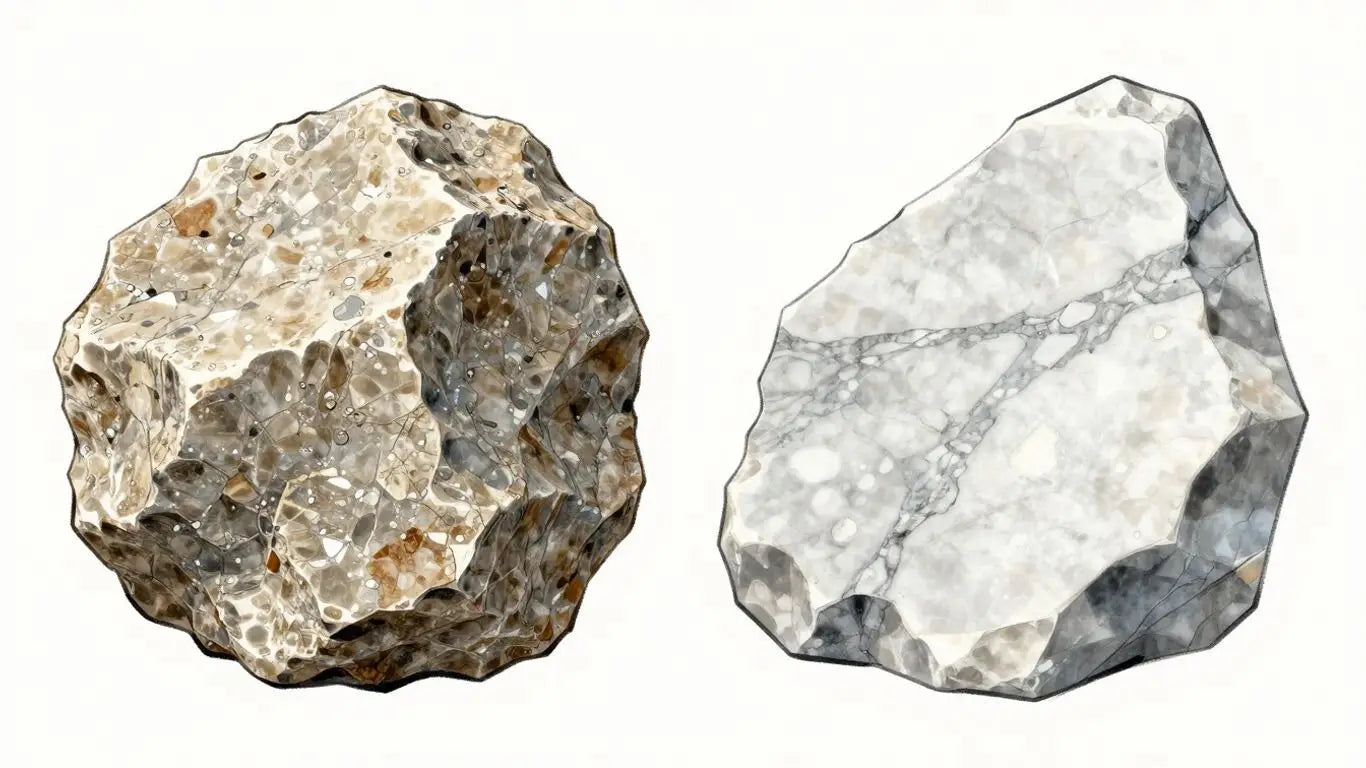
When you're looking at natural stones for your home or project, it's easy to get caught up in the classic appeal of marble. But let's talk about dolomite for a minute. It's got some serious benefits that often get overlooked, especially when people are trying to decide between it and marble. Dolomite offers a compelling blend of durability and aesthetic appeal that makes it a fantastic choice for many applications.
Superior Resistance to Etching
One of the biggest headaches with marble is its tendency to etch. You know, those dull spots that appear when acidic substances like lemon juice or vinegar come into contact with the surface? Dolomite, thanks to its higher magnesium content, is much less prone to this. This means surfaces like kitchen countertops or bathroom vanities made from dolomite can handle everyday spills and splashes with a lot more grace. You get that beautiful stone look without the constant worry of accidental damage from common household items.
Enhanced Durability for High-Use Areas
Because of its chemical makeup, dolomite is generally harder and more dense than many types of marble. This translates to better resistance against wear and tear. If you have a busy kitchen, a high-traffic entryway, or even a commercial space, dolomite can stand up to the demands better than softer marbles. It's a practical choice for areas that see a lot of action, helping your project maintain its good looks for longer.
Lower Porosity and Stain Resistance
While no natural stone is completely impervious to stains, dolomite typically has lower porosity than many marbles. This means it absorbs liquids less readily. For busy households, this is a big plus. Spills are less likely to soak in and leave permanent marks, making cleanup easier and reducing the risk of unsightly stains. This is especially important for surfaces like kitchen countertops where spills are common.
Cost-Effectiveness Compared to Some Marbles
While pricing can vary wildly based on rarity, origin, and specific type, dolomite can often be a more budget-friendly option than some of the more exotic or highly sought-after marble varieties. You can achieve a sophisticated, natural stone look without necessarily breaking the bank. This makes it an accessible choice for a wider range of projects and homeowners looking for quality without the premium price tag.
A Versatile Choice for Modern Homes
Dolomite isn't just about practicality; it's also quite versatile aesthetically. While it might not always have the dramatic veining of some marbles, it offers its own subtle beauty. It comes in a range of colors and patterns that can complement various design styles, from modern minimalist to more traditional looks. Its understated elegance can provide a sophisticated backdrop without overpowering a space.
Maintaining a Pristine Appearance
Combining its resistance to etching, staining, and general wear, dolomite makes it easier to keep surfaces looking their best. You won't need to be as vigilant with coasters or placemats as you might be with marble. This means less stress and more enjoyment of your beautiful stone surfaces. It's a material that works with your lifestyle, not against it.
Ideal for Busy Kitchens and Bathrooms
Think about the demands placed on kitchen countertops and bathroom vanities. They're exposed to water, food, cleaning products, and daily use. Dolomite's inherent properties make it particularly well-suited for these high-moisture and high-use environments. Its ability to resist etching and staining means it can handle the challenges of these rooms more effectively than many other natural stones.
A Practical Yet Elegant Option
Ultimately, dolomite offers a fantastic balance. You get the natural beauty and unique character that only real stone can provide, combined with practical advantages that make it a smart choice for everyday living. It's a material that doesn't force you to compromise between looks and performance, making it a truly compelling option for designers, architects, and homeowners across the U.S.
Marble's Enduring Allure
The Timeless Elegance of Natural Veining
Marble has a way of just feeling special, doesn't it? It's that natural veining, unique to every single slab, that gives it such a timeless look. You won't find two pieces exactly alike, and that's part of the charm. It’s this inherent variation that designers and homeowners love for creating spaces that feel truly one-of-a-kind. Whether it's a subtle whisper of gray or a bold, dramatic swirl, the patterns in marble have captivated people for centuries. It’s a material that speaks of history and luxury all at once.
A Symbol of Luxury and Sophistication
For a long time now, marble has been seen as the ultimate symbol of luxury. Think of grand old buildings, fancy bathrooms, and high-end kitchens – marble is often right there. It just has this inherent quality that makes any space feel more sophisticated and upscale. It’s not just about looks, though; it’s about the feeling it brings to a room. This material has been used for ages to signify wealth and good taste. When you choose marble, you're often choosing a statement piece that says a lot about the style and quality you value. It’s a material that really stands out.
The Unique Beauty of Each Slab
One of the most appealing things about marble is that no two slabs are ever identical. This isn't like manufactured materials where everything is uniform. Each piece of marble is a natural work of art, shaped by geological processes over millions of years. You might find variations in color, mineral inclusions, and those signature veining patterns. This uniqueness means that when you select marble for your project, you're getting something truly exclusive. It’s a chance to bring a piece of the earth’s artistry directly into your home or building. This individuality is a big reason why marble remains so popular for interior design trends.
Versatility in Classic and Contemporary Design
While marble often brings to mind classic, traditional styles, its versatility is pretty amazing. It can fit just as well into modern, minimalist designs as it does into more ornate settings. Think about a sleek, modern kitchen with a dramatic Calacatta marble island, or a classic bathroom with Carrara marble vanity tops. It can be polished to a high shine for a glamorous look, or honed for a softer, more understated feel. This adaptability makes it a go-to choice for architects and designers working on all sorts of projects across the U.S. It truly bridges the gap between old-world charm and contemporary aesthetics.
The Cool, Smooth Touch of Marble
There’s a certain tactile quality to marble that’s hard to replicate. Running your hand over a polished marble surface, you feel that distinct coolness and smoothness. It’s a sensory experience that adds to its luxurious appeal. This natural coolness also makes marble a comfortable material, especially in warmer climates or for surfaces like countertops and flooring that people interact with frequently. It’s a material that engages more than just the eyes; it’s pleasant to the touch, contributing to the overall sense of quality and comfort in a space.
Creating Statement Pieces
Marble is often chosen specifically for its ability to create a dramatic focal point. Whether it's a grand fireplace surround, a striking kitchen island, or a feature wall, marble has the presence to command attention. Its natural patterns and inherent beauty make it a perfect material for showcasing craftsmanship and design. When you want a space to have a real 'wow' factor, marble is often the material that delivers. It transforms ordinary surfaces into extraordinary works of art, making a lasting impression on anyone who sees it. It’s a material that truly allows for statement pieces.
A Coveted Material for Artistic Expression
Throughout history, artists and sculptors have turned to marble for its beauty and workability. From ancient statues to intricate carvings, marble has been the medium of choice for countless masterpieces. This artistic legacy continues today, with designers and fabricators using marble not just for functional surfaces but for decorative elements and sculptures. Its ability to be carved, shaped, and polished to perfection makes it ideal for detailed artistic work. This deep connection to art and history adds another layer to marble's enduring appeal, making it more than just a building material.
The Rich History Behind Marble Use
Marble isn't just a beautiful stone; it's a material steeped in history. For thousands of years, it has been used in some of the world's most iconic structures, from ancient temples and palaces to famous monuments and sculptures. This long and storied past gives marble a certain gravitas. When you use marble in a project, you're connecting to this rich heritage. It’s a material that has stood the test of time, both geologically and culturally. This historical significance contributes to its perceived value and its status as a timeless classic in the world of natural stone.
When Dolomite Mimics Marble's Appearance
It's easy to get them mixed up, right? Sometimes, a piece of dolomite can look surprisingly like marble. This happens more often than you might think, especially when you're just glancing at a slab or a photo. The visual similarities can be striking, leading to a bit of confusion for homeowners and designers alike. But don't worry, there are ways to tell them apart, even when they're putting on their best marble impression.
Subtle Veining Resembling Marble
Dolomite can sometimes feature delicate, wispy veining that strongly echoes the classic look of marble. While marble's veins are often a result of impurities or mineral deposits introduced during its metamorphic journey, dolomite's patterns can arise from variations in its mineral composition or slight impurities within the dolomite itself. These subtle lines can create a sophisticated, layered look that many associate with high-end marble.
Color Palettes That Align
Both dolomite and marble come in a range of colors, and sometimes, these ranges overlap significantly. You'll find dolomite in whites, creams, grays, and even subtle earthy tones that are very similar to common marble varieties. This overlap in color makes visual identification even trickier. For instance, a pure white dolomite might easily be mistaken for Carrara marble if you're not looking closely at other characteristics.
Achieving a Similar Polished Finish
When polished, dolomite can achieve a high sheen, much like marble. This lustrous surface is a key characteristic that draws people to both materials for applications like countertops and flooring. The way light reflects off a polished dolomite surface can be very similar to that of polished marble, contributing to the illusion of similarity. This makes the finish itself a less reliable indicator for distinguishing between the two.
The Role of Specific Dolomite Formations
Certain geological conditions can lead to dolomite formations that are particularly fine-grained or have a specific crystalline structure that mimics the appearance of marble. These formations might have undergone some degree of pressure or heat, though not enough to fully transform them into marble. The resulting stone can possess a density and visual uniformity that resembles metamorphic marble.
Visual Similarities in Certain Slabs
It's not uncommon to see slabs of dolomite that, at first glance, appear almost identical to marble. This is particularly true for dolomite that has a more uniform color and less pronounced veining. These visual doppelgangers are often the source of the confusion in the market. When appearance is the primary concern, and the subtle differences in composition or formation aren't immediately obvious, it's easy to see why dolomite might be marketed or perceived as marble. This is why understanding the underlying differences is so important for making the right choice for your project. If you're looking for a marble-like aesthetic with added resilience, consider dolomite countertops.
How to Spot the Subtle Differences
Even when dolomite looks a lot like marble, there are clues. Pay attention to the sharpness and clarity of the veining – marble veins often have a softer, more diffused look, while dolomite's can sometimes appear sharper or more crystalline. Also, consider the overall pattern; marble often has more dramatic, flowing patterns, whereas dolomite might be more consistent or subtly textured. A simple test, like the vinegar test (though not definitive), can sometimes reveal differences in their reaction to acid, highlighting their distinct chemical makeup. Remember, while appearance is important, the practical performance of the stone matters too. For a material that offers a similar look to marble but with greater durability, explore the benefits of dolomite for your U.S. projects.
When Appearance is the Primary Concern
If your heart is set on the classic elegance of marble but your practical needs lean towards something more robust, dolomite can be an excellent compromise. Many designers and homeowners are discovering that dolomite offers a sophisticated look that can rival marble, especially in applications where extreme durability is a plus. It's about finding the right balance for your specific needs and aesthetic goals. You can achieve a luxurious feel without the constant worry of etching or staining that can come with some types of marble.
The Art of Stone Selection
Choosing the right natural stone is a blend of art and science. While visual appeal is paramount, understanding the material's composition and formation process helps ensure you select a stone that will perform beautifully for years to come. Don't hesitate to ask suppliers for detailed information about the stone's origin and properties. This diligence will help you appreciate the unique character of each material, whether it's the timeless allure of marble or the resilient beauty of dolomite.
The Impact of Quarry Location
You know, when you're picking out stone for a project, it's not just about the type of rock itself. Where it comes from, the actual quarry, can make a pretty big difference. It’s like how wine grapes taste different depending on the soil and climate – stone is kind of the same way.
Geological Conditions at Different Quarries
Every quarry sits in a unique spot on Earth, and the rocks around it have been through different geological histories. This means the same type of stone, like dolomite or marble, can have slight variations from one quarry to another. Think about the pressure, heat, and the minerals present when the rock was forming. These conditions aren't uniform across the globe, so a quarry in Italy might produce marble with different characteristics than one in the U.S. Even within a single country, different regions have distinct geological makeup. For instance, the Sivec Mountains in North Macedonia are known for their fine-grained dolomitic marble deposits, which have specific geological traits analyzed in geological studies.
Variations in Dolomite Deposits
Dolomite, specifically, can show a lot of variety depending on its origin. Some deposits might be purer, with a higher concentration of the mineral dolomite (calcium magnesium carbonate), while others might have more impurities mixed in. These impurities, like clay or iron oxides, can affect the stone's color, texture, and even its strength. You might find dolomite that's a solid, uniform color, or you might get a slab with interesting patterns and color shifts, all because of what was happening geologically when that particular deposit was formed.
Regional Differences in Marble Formations
Marble, being a metamorphic rock, is particularly sensitive to its formation environment. The original rock (usually limestone) and the intensity of the heat and pressure it experienced will dictate the final marble. Quarries in different regions will have experienced different metamorphic events. This leads to variations in crystal size, the clarity of the veining, and the overall color palette. Some regions are famous for their pure white marble, while others are known for dramatic, colorful veining. The specific geological history of a region really shapes the marble that comes out of its quarries.
How Extraction Methods Influence Stone
Beyond the natural geology, how the stone is actually extracted from the quarry plays a role too. Different techniques can affect the stone's integrity. For example, using explosives might create micro-fractures that aren't visible but could impact the stone's long-term durability. More controlled methods, like wire saws, tend to preserve the stone's structure better. The way blocks are cut and handled at the quarry can also influence the final appearance and quality of the slabs you see at a supplier. This is why working with direct importers who source from reputable quarries is a good idea; they often have a better handle on quality control from the ground up.
The Influence of Surrounding Rock Strata
What's around the main deposit matters. The type of rock layers (strata) above and beside the dolomite or marble can leach minerals into the stone over time or influence its formation. This interaction can lead to unique colorations or mineral inclusions that become part of the stone's character. Sometimes, these surrounding rocks can even affect the porosity or density of the stone being quarried. It’s a complex geological dance that results in the unique stones we find.
Understanding Local Stone Characteristics
When you're looking at stone, understanding its origin can tell you a lot. For example, a marble from a specific region might be known for being softer and more prone to etching, while a dolomite from another area might be praised for its hardness and resistance. Knowing these local characteristics helps you choose the right stone for your project's needs. For instance, some stones have compressive strengths ranging widely, from 29 to over 72 MPa, and abrasion resistance can also vary significantly based on the specific material.
Sourcing Premium Natural Stone
Ultimately, the quarry location is a key factor in the quality and uniqueness of the natural stone you select. It influences everything from the color and veining to the physical properties and durability. When you're looking for high-quality materials, paying attention to where the stone comes from can help you make a more informed decision. We pride ourselves on sourcing only handpicked A+ top-quality stone, avoiding commercial-grade material, to bring you the best from quarries around the world.
The Global Network of Stone Quarries
It's fascinating to think about the journey these stones take. From deep within the earth at a specific quarry location, they travel across the globe to become part of our homes and buildings. Understanding the geological story behind each stone adds another layer of appreciation for its beauty and resilience. We work directly with quarries to ensure authenticity and consistent quality, offering a wide range of natural stones for your projects nationwide.
Choosing the Right Stone for Your Project
Picking the perfect natural stone for your home or building project can feel like a big decision. It's not just about looks, though that's a huge part of it. You've got to think about how the stone will hold up over time, especially in busy areas. Whether you're leaning towards the classic elegance of marble or the more robust nature of dolomite, understanding a few key things will make the process much smoother. We want you to feel confident in your choice, knowing it's the best fit for your specific needs and lifestyle. Let's break down what to consider.
Assessing Your Project's Needs
First off, what exactly is this stone going into? Is it a kitchen countertop that will see daily chopping, spills, and hot pans? Or perhaps a bathroom vanity that might deal with moisture and cleaning products? Maybe it's for a fireplace surround that needs to handle heat, or flooring in a high-traffic entryway. Each application puts different demands on the stone. Marble, with its beautiful veining, is stunning but can be more sensitive to acids and scratches, making it a popular choice for less demanding areas or for those willing to be extra careful. Dolomite, on the other hand, often offers better resistance, making it a practical pick for kitchens and bathrooms where durability is a top priority.
Considering Traffic and Usage Patterns
Think about who uses the space and how often. A busy family kitchen will have a different wear-and-tear profile than a guest bathroom or a formal dining room. For areas with heavy use, like kitchen countertops or main floor tiling, stones with higher durability and lower porosity are generally recommended. Dolomite's composition often gives it an edge here, resisting etching and staining better than many marbles. If you love the look of marble but are concerned about its practicalities, exploring dolomite or even certain types of quartzite might be a good compromise. It's all about matching the stone's properties to the reality of its use.
Balancing Aesthetics and Practicality
This is where the real art of selection comes in. You want a stone that looks amazing, but it also needs to function well for years to come. Don't let yourself be swayed solely by a beautiful pattern if the stone isn't suited for its intended environment. Sometimes, a slightly less dramatic stone that holds up better is the wiser choice. Consider the overall design of your space. Do you want a bold statement piece, or something more subtle that complements other elements? Samples are your best friend here – see how they look in your home's lighting.
Budgetary Considerations for Natural Stone
Natural stone prices can vary quite a bit. Factors like rarity, origin, color, and veining all play a role. While some marbles can be quite expensive, there are also more budget-friendly options. Similarly, dolomite can range in price. It's wise to get quotes for different types of stone you're considering early in the process. Remember to factor in installation costs, which can also differ based on the complexity of the project and the stone itself. We pride ourselves on offering handpicked A+ top-quality stone, not commercial grade, so you're always getting premium material, but we work to make it accessible.
Consulting with Design Professionals
If you're feeling overwhelmed, don't hesitate to bring in the experts. Architects, interior designers, and experienced stone suppliers can offer invaluable advice. They've seen countless projects and can help you understand the long-term implications of your choices. They can also point you towards specific types of marble or dolomite that might fit your aesthetic and practical requirements perfectly. They know the market and can help you find exactly what you're looking for.
Understanding Stone Warranties and Guarantees
While natural stone itself doesn't typically come with a long-term warranty in the way manufactured products do, reputable suppliers will stand behind their material quality. Ask about their policies regarding defects or issues that might arise shortly after installation. This is part of our commitment to providing luxury natural stone you can trust. We ensure you're getting authentic, premium products.
The Importance of Sample Viewing
Seeing a small sample is one thing, but understanding how a larger slab will look is another. If possible, visit a showroom or stone yard to view the actual slabs you might be purchasing. Natural variations are part of the beauty of stone, but seeing the full picture helps avoid surprises. This is especially true for marble, where veining can be quite dramatic and unique from one slab to the next. Requesting a sample is always a good first step, and we encourage it!
Making an Informed Decision
Ultimately, choosing between dolomite, marble, or another natural stone comes down to a thoughtful balance of beauty, function, and budget. By carefully considering your project's demands, usage patterns, and aesthetic goals, you can select a material that you'll love for years to come. Don't rush the process; take your time, ask questions, and trust your instincts. We're here to help you find that perfect piece of natural stone for your U.S. project, offering fast, reliable shipping nationwide.
The Future of Dolomite and Marble in Design
Evolving Design Trends
The world of interior design is always shifting, and natural stone is right there with it. We're seeing a move towards more natural, less processed looks. This means stones with unique patterns and subtle variations are becoming super popular. Both dolomite and marble fit this trend perfectly. Designers are looking for materials that tell a story, and these stones, with their natural origins, do just that. Think about how a unique marble vein or a dolomite's subtle texture can really make a space feel special. It’s not just about looks anymore; it’s about the character the stone brings.
Sustainable Sourcing Practices
People are more aware of where their materials come from these days, and that's a good thing. The focus is shifting towards stones that are sourced responsibly. This means quarries that care about the environment and have good practices are getting more attention. Both dolomite and marble can be sourced sustainably, and companies are working hard to show that. It’s about making sure we can enjoy these beautiful natural materials for years to come without harming the planet. This commitment to sustainability is becoming a big factor in choosing stone for projects across the U.S.
Innovations in Stone Fabrication
Technology is changing how we work with stone. New cutting techniques and finishing methods mean we can do more with dolomite and marble than ever before. We can achieve incredibly precise edges, create complex shapes, and even combine different stones in new ways. This opens up a lot of creative possibilities for designers and architects. Imagine intricate marble inlays or custom-molded dolomite features – it’s all becoming more achievable. These advancements mean that the practical limitations of working with stone are shrinking.
The Continued Demand for Natural Materials
Even with all the new manufactured materials out there, natural stone like marble and dolomite just keeps holding its own. There's something about the real thing that people can't replicate. The unique patterns, the feel, the history – it all adds up. For projects aiming for a high-end, authentic feel, natural stone is often the go-to. It brings a sense of luxury and permanence that synthetic materials struggle to match. This enduring appeal means we'll keep seeing these stones in beautiful homes and buildings.
Integrating Dolomite into Modern Aesthetics
Dolomite, in particular, is finding its place in modern design. Because it’s tougher than many marbles, it’s great for busy areas like kitchens and bathrooms. Designers are realizing that dolomite can offer that elegant look people love about marble, but with added practicality. Think of dolomite benchtops that look stunning but can handle daily life. Its natural variations mean each piece is unique, fitting well with the trend for personalized spaces. It’s a smart choice for homeowners who want beauty without constant worry. Dolomite offers a marble-like aesthetic with enhanced durability, making it an excellent choice for benchtops in family homes.
Preserving the Legacy of Marble
Marble has been used for centuries, and its classic beauty isn't going anywhere. While trends change, marble remains a symbol of timeless elegance. Architects and designers continue to find new ways to use it, from grand statement pieces to subtle accents. The focus is on appreciating its natural artistry and historical significance. Even as new materials emerge, marble's place in luxury design is secure. Its ability to add a touch of sophistication is unmatched.
The Role of Technology in Stone Identification
As we've discussed, telling dolomite and marble apart can be tricky. Technology is stepping in to help. Advanced testing methods and even digital imaging are making it easier to identify stones accurately. This is important for both consumers and professionals to make sure they're getting the right material for their project. Accurate identification means better performance and satisfaction down the line. It helps avoid confusion in the market and ensures projects meet their intended specifications.
A Harmonious Coexistence in the Market
Ultimately, the future isn't about one stone replacing the other. It's about understanding the unique strengths of both dolomite and marble and using them appropriately. Dolomite offers a durable, elegant option for high-traffic areas, while marble continues to be the choice for classic luxury and artistic expression. Designers and homeowners can use both to create beautiful, functional spaces. The market is big enough for both to thrive, each serving different needs and aesthetic goals. This variety is what makes natural stone so appealing.
Dolomite and marble are timeless choices for stunning designs. These natural stones bring a touch of elegance and luxury to any space, offering unique patterns and a beautiful finish that can transform your home or project. Discover how these classic materials continue to shape modern aesthetics and find the perfect piece for your next creation.
So, Is Dolomite Marble?
Alright, so we've gone over the nitty-gritty, and hopefully, it's a lot clearer now. Dolomite isn't exactly marble, even though it hangs out in the same family and can look pretty similar. It's tougher, which is a big deal if you're thinking about using it in your kitchen or a busy spot. Marble is beautiful, no doubt, but it can be a bit high-maintenance. Dolomite offers a nice middle ground – that classic stone look without quite as much fuss. When you're picking out stone for your home, knowing these differences really helps you choose what's best for your life and your style. It’s all about finding that perfect fit for your project, whether it’s the elegance of marble or the durability of dolomite.
Frequently Asked Questions
Is dolomite the same as marble?
No, dolomite and marble are not the same, though they can look similar. Marble is made mostly of a mineral called calcium carbonate. Dolomite is made of calcium magnesium carbonate. This difference in what they're made of changes how they act and how strong they are.
How can I tell the difference between dolomite and marble?
A simple way is to try a vinegar test. Marble will bubble and fizz when you put a little vinegar on it because it's very sensitive to acid. Dolomite doesn't react much, or at all, to vinegar. You can also look at the way they formed; marble comes from heat and pressure changing other rocks, while dolomite usually forms from sediments.
Is dolomite a type of marble?
Geologically speaking, no. Marble is a metamorphic rock made primarily of calcium carbonate. Dolomite is a distinct mineral, calcium magnesium carbonate, and rocks made mostly of it are called dolomite rocks. Sometimes, people in the stone business might call certain types of dolomite 'marble' because they look alike, but they are chemically different.
Is dolomite stronger than marble?
Dolomite is generally harder and less likely to be damaged by acids than marble. This means it holds up better to daily use, especially in busy kitchens or bathrooms, and doesn't etch (get dull spots) as easily. Marble is softer and more sensitive to spills and acidic foods.
What is marble made of?
Marble is mostly made of a mineral called calcite, which is calcium carbonate (CaCO3). It's formed when limestone, which is also calcium carbonate, is put under a lot of heat and pressure deep inside the Earth. This process changes the rock and makes it marble.
What is dolomite made of?
Dolomite rock is made mainly of a mineral called dolomite, which is calcium magnesium carbonate (CaMg(CO3)2). It forms when limestone or other carbonate rocks have magnesium added to them over time, often through water interaction.
Can dolomite be used for countertops?
Yes, dolomite is a great choice for countertops! Because it's tougher and resists stains and etching better than marble, it's a more practical option for kitchens and bathrooms where spills and wear are common. It can still look beautiful and elegant.
Does marble stain easily?
Marble can stain more easily than dolomite because it's more porous, meaning it can soak up liquids like wine, juice, or oil. If spills aren't wiped up quickly, they can leave marks. Dolomite is less porous and resists stains better.
What causes the veining in marble?
The beautiful lines or 'veins' you see in marble are caused by impurities and minerals that were present when the marble formed. These impurities, like iron or clay, were squeezed and heated along with the calcite, creating the unique patterns.
Why do some people call dolomite 'marble'?
Sometimes, dolomite can have a similar appearance to marble, with patterns and colors that people find attractive for design. Because of this visual similarity and the fact that both are natural stones used in similar ways, some sellers might use the term 'marble' loosely for marketing, even though they are geologically different.
Is dolomite a natural stone?
Absolutely! Dolomite is a naturally occurring mineral, and rocks made primarily from it are also natural. Like marble, granite, and quartzite, it's quarried from the earth and used for building and decoration.
Which stone is better for a kitchen: marble or dolomite?
For a kitchen, dolomite is often the better choice. It's much more resistant to etching from acidic foods like lemon juice or tomatoes and less likely to stain than marble. While marble offers a classic luxurious look, dolomite provides more durability for a high-use area like a kitchen.