





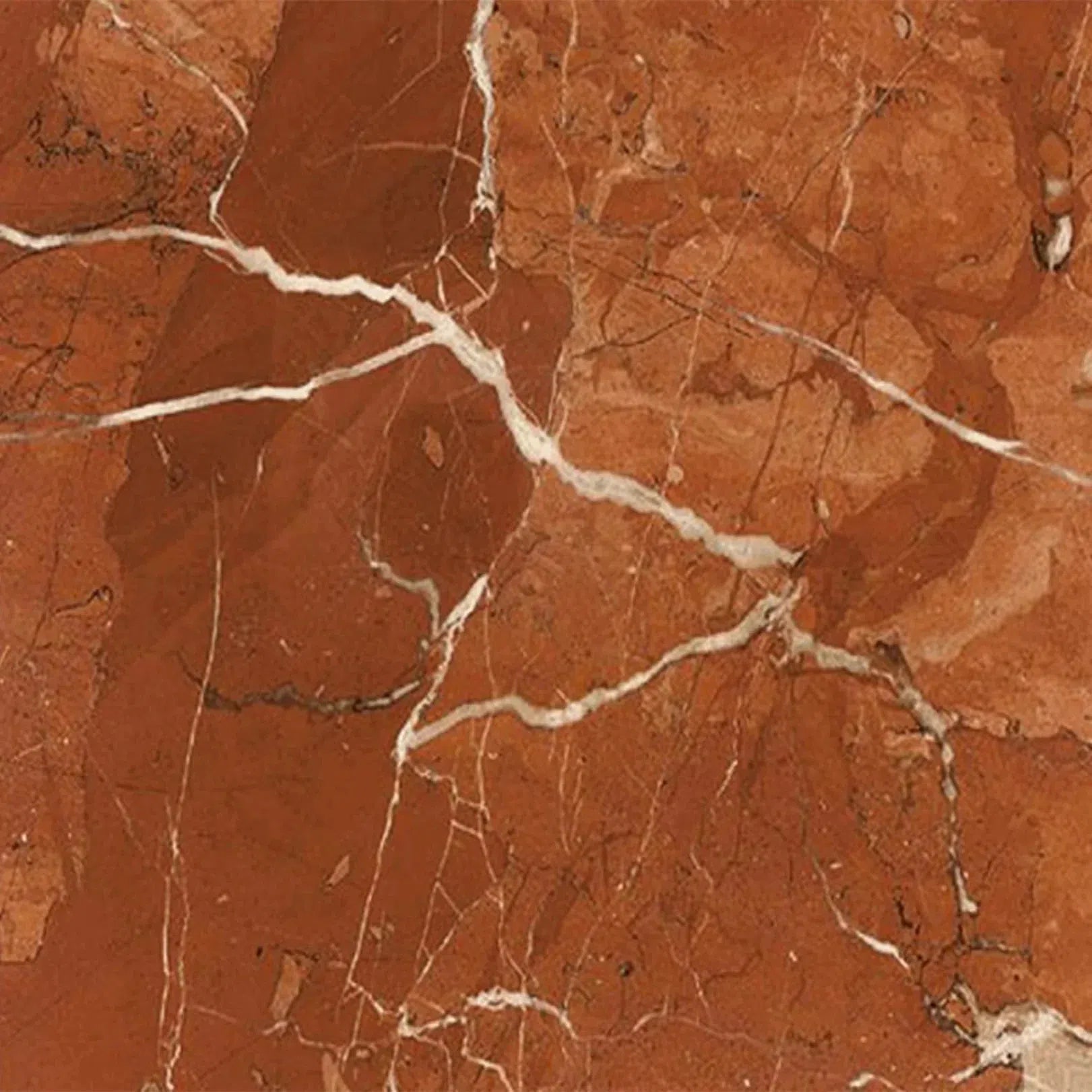
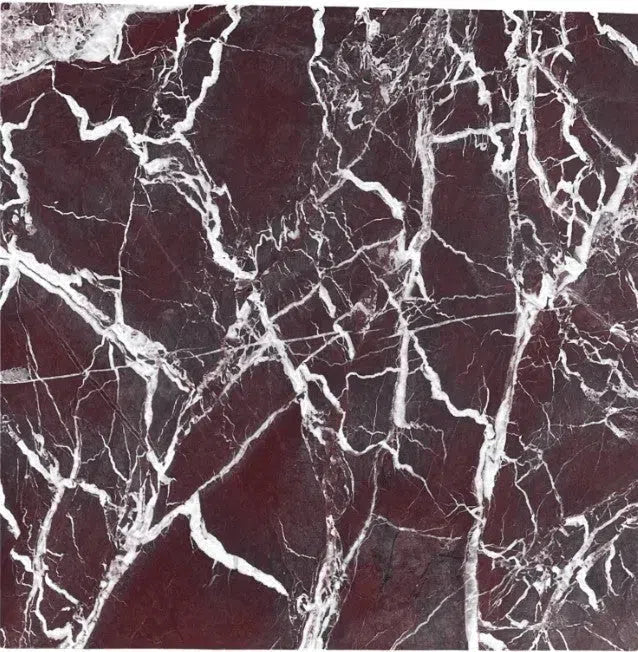


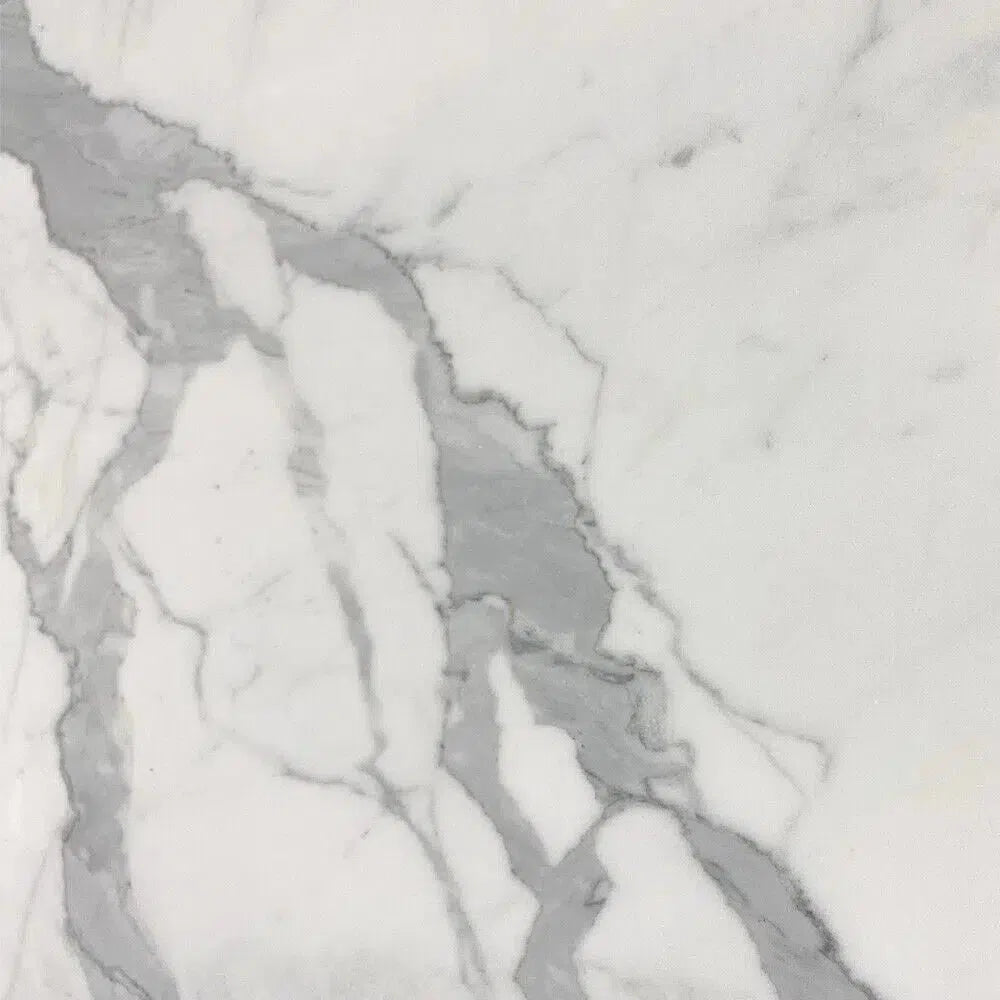

Key Takeaways
Marble hexagon tile brings natural movement, tactile depth, and a crisp geometric rhythm to both classic and contemporary interiors.
- Choose marble color and veining with the room’s light, cabinetry, and metal finishes in mind.
- Select polished, honed, or tumbled surfaces according to the look, maintenance needs, and location.
- Dry-lay mosaic sheets before installation so pattern, shade, and grout lines feel intentional.
- Use compatible mortar, grout, sealers, and transition details designed for natural stone.
- Order samples, allow for natural variation, and confirm quantities before purchasing.
Understanding marble hexagon tile
Marble hexagon tile combines the quiet variation of natural stone with a pattern that feels orderly without being rigid. The six-sided shape catches light along multiple edges, giving a floor, backsplash, or shower wall more movement than a simple square layout. It can feel traditional, modern, or softly Mediterranean depending on the stone, finish, and grout. For U.S. projects, it is also a practical format to discuss early with a tile installer because sheet dimensions and nominal sizing affect the final layout.
What makes hexagon tile different from standard tile shapes
A hexagon creates a continuous honeycomb-like field, so the eye moves across the surface rather than stopping at a strict grid. Small hexagons can read as a delicate texture, while larger ones make the geometry more obvious and architectural. Unlike rectangular tile, the shape has no single long direction, which makes it useful for compact rooms where a directional pattern might feel busy.
The edges also make grout part of the design. A close color match produces a quieter, almost woven surface; a contrasting grout outlines every facet and turns the floor into a stronger graphic element. The pattern should support the room, not compete with the marble’s natural character.
How natural marble creates a one-of-a-kind surface
Marble is formed from natural mineral structures, so no two pieces will have precisely the same movement, flecks, or tonal balance. One sheet may carry a pale cloud of gray while another has a more visible vein. Those differences are part of the appeal, but they should be considered during layout rather than treated as a defect.
This variation is especially visible in mosaics because many small pieces sit close together. A sample helps establish the general color family, while a larger selection of sheets gives a more honest sense of the finished installation. At Surfaces Galore, natural-stone projects are approached as material selections rather than perfectly uniform printed patterns, which is the right mindset for marble.
Common marble hexagon mosaic sizes and formats
Hexagon mosaics are commonly sold as individual pieces or as sheets mounted on mesh. The size changes the visual scale, installation speed, and amount of grout. Always confirm the sheet dimensions, thickness, coverage per carton, and whether the stated measurements are nominal before ordering.
| Format | Visual character | Common planning consideration |
|---|---|---|
| Small hexagon | Fine, detailed, softly textured | More grout and more visual activity |
| Medium hexagon | Balanced geometric rhythm | Versatile for floors, walls, and backsplashes |
| Large hexagon | Bold, open pattern | Requires careful centering and more visible cuts |
| Mesh-backed sheet | Faster pattern placement | Sheet joints need to disappear into the layout |
After comparing formats, sketch the room and mark drains, niches, corners, and cabinet lines. That simple drawing often reveals whether a small or medium pattern will look more natural than a larger one.
Where hexagon tile works best in residential and commercial spaces
In homes, marble hexagon tile works beautifully on bathroom floors, shower floors, powder-room walls, kitchen backsplashes, and entry areas. Its scale can make a small room feel detailed without requiring a large decorative motif. In commercial interiors, it can define a reception floor, boutique washroom, hospitality backsplash, or accent wall while keeping the material palette refined.
The surface and installation method must match the location. A wet floor needs an appropriate slip-conscious finish and carefully executed waterproofing, while a decorative wall can accommodate a more delicate polished surface. For inspiration beyond marble, the stone hexagon collection illustrates how different natural materials can change the mood of the same basic geometry.
Choosing the right marble color and style
Color is usually the first decision, but it should not be made in isolation. View samples beside flooring, paint, cabinetry, plumbing fixtures, and the room’s actual lighting. White marble may feel warm in afternoon sun and cooler under LEDs, while dark stone can shift from dramatic to subdued as the light changes.
Natural marble also rewards restraint. If the stone has strong movement, a simple room may be enough; if the veining is quiet, a more expressive pattern or darker grout can add interest. A sample is a starting point, not a guarantee of every sheet in the order.
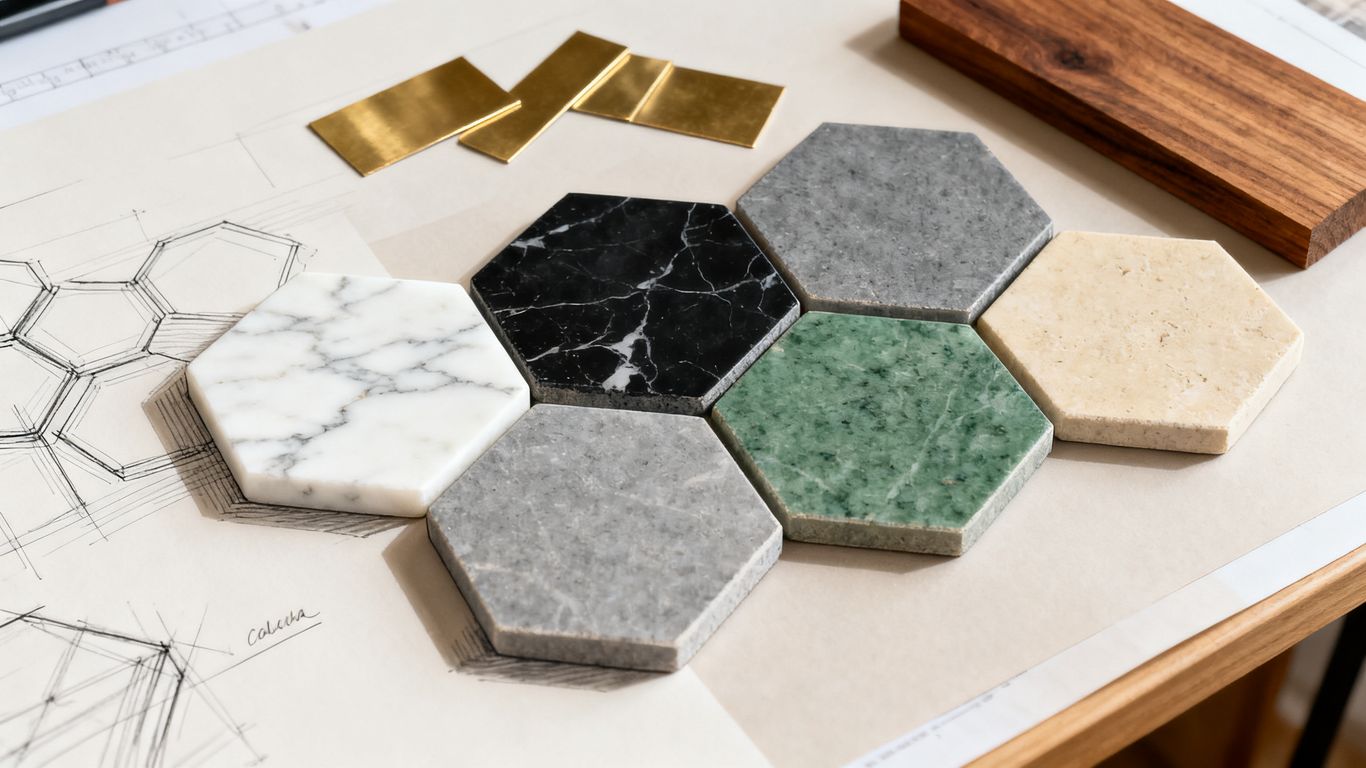
Classic white options such as Carrara, Calacatta, and Arabescato
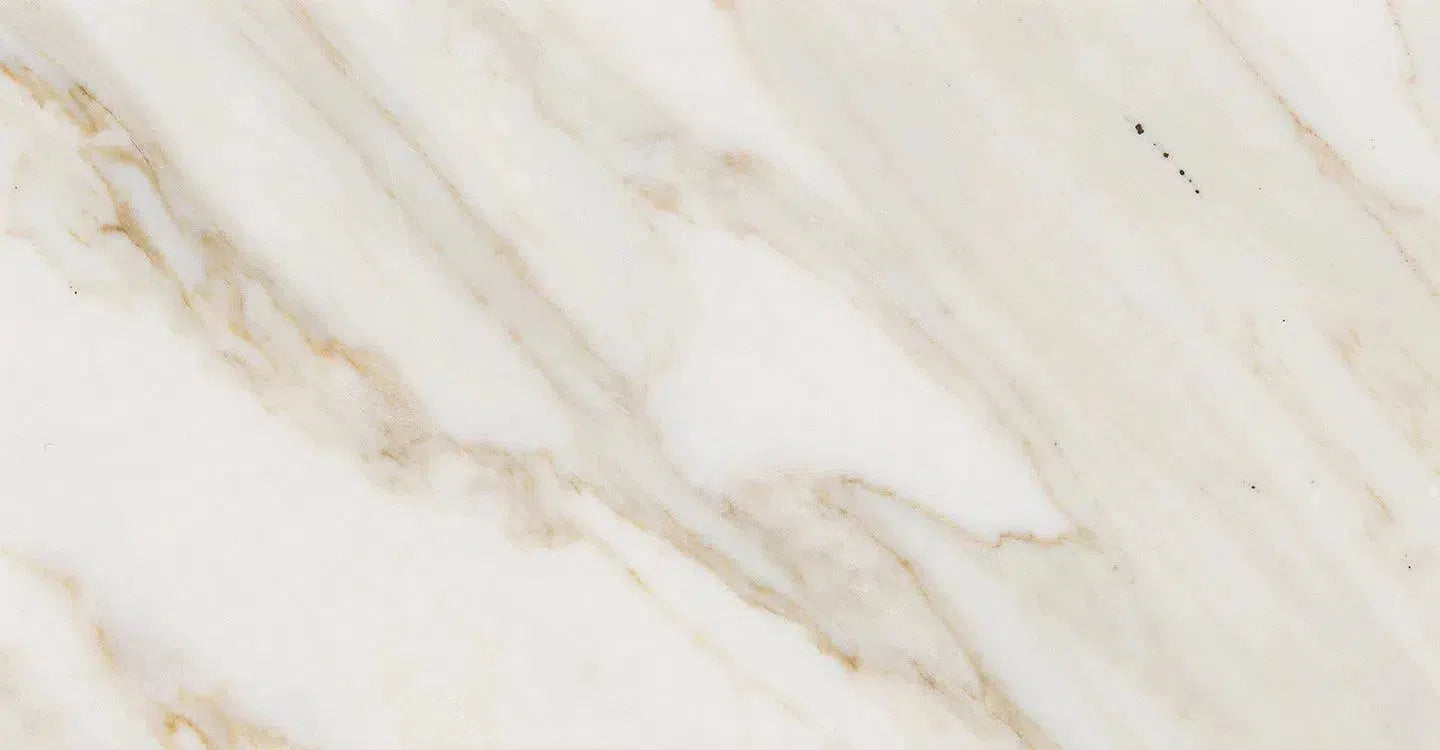
Carrara is known for a white to pale gray ground with softer gray movement, making it a flexible choice for everyday interiors. Calacatta generally feels more graphic when its veining is pronounced, while Arabescato can bring a bolder white-and-gray contrast. The right choice depends on whether the room needs a calm backdrop or a visible focal surface.
For a smaller space, a light marble can keep the composition airy while the hexagon pattern supplies detail. Compare several pieces together before deciding; the balance between background color and vein is often more meaningful than the name alone. An Arabescato hexagon tile can be a useful reference when considering a classic white bathroom scheme.
Dramatic black marble, including Nero Marquina
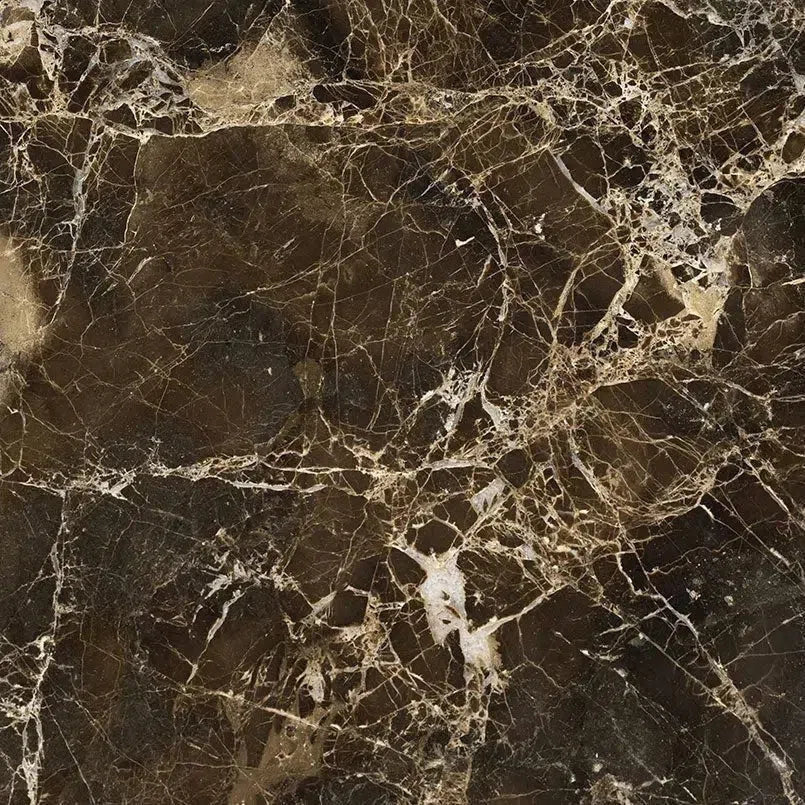
Nero Marquina is recognized for a deep black field with contrasting white veining, creating a strong, elegant effect. In a hexagon mosaic, that contrast becomes especially graphic because the grout traces the outline of each piece. It can anchor a pale bathroom, add depth to a kitchen backsplash, or frame a light wood vanity.
Use dark marble thoughtfully in rooms with enough visual balance. Light walls, warm timber, brushed metal, or pale grout can keep the composition from feeling heavy. A honed surface will soften the drama, while polished stone makes the black ground appear deeper and more reflective.
Gray, green, beige, and other distinctive marble tones
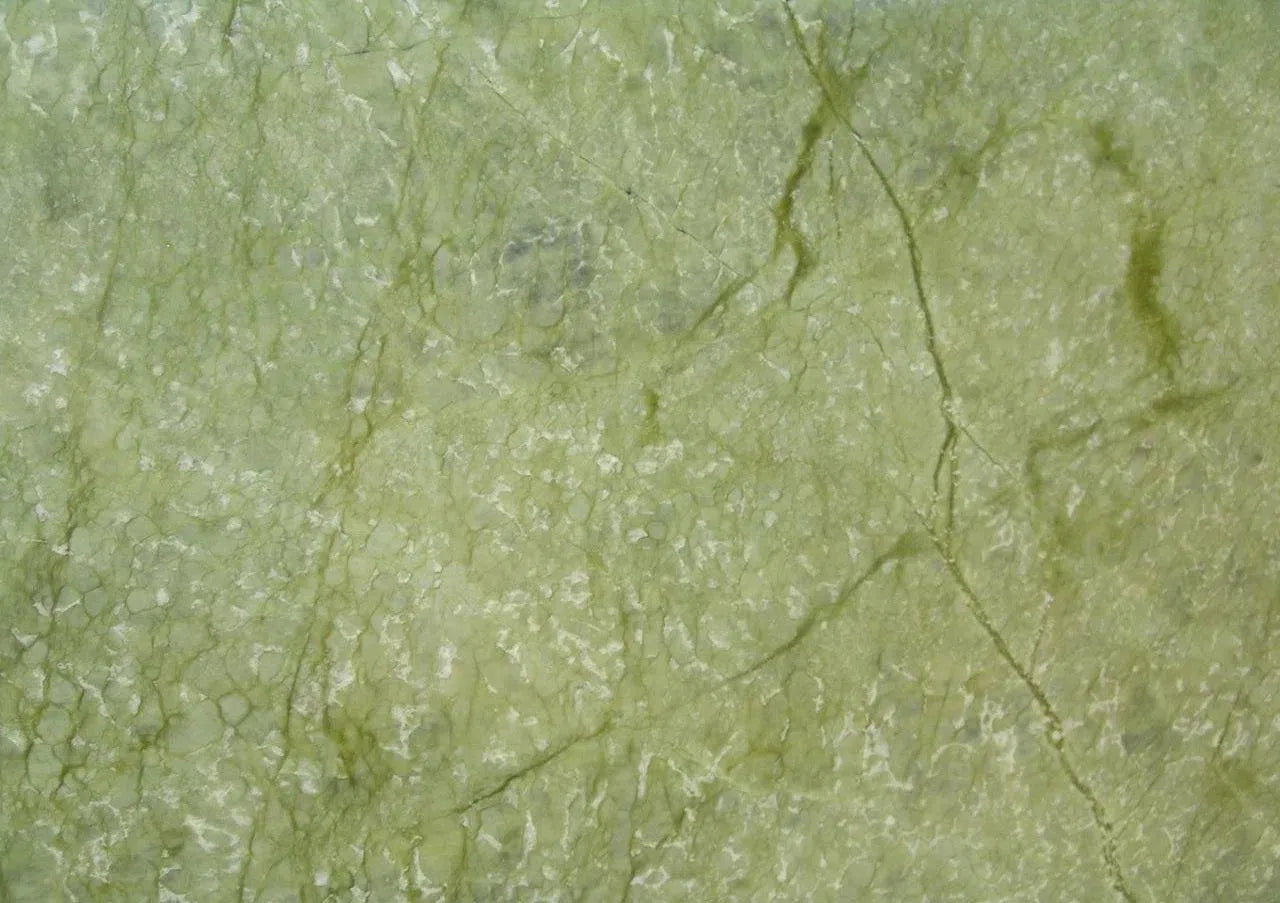
Gray marble ranges from silvery and quiet to charcoal and moody. Green options such as Ming Green introduce a gentle natural color, while beige marbles bring warmth that pairs easily with cream, oak, and aged brass. Distinctive tones can be wonderful in a small application where they act almost like artwork.
The broader natural-stone palette includes Bardiglio, Atlantic Gray, Dolomite, and other stones with different degrees of movement. Surfaces Galore’s Ming Green collection is not a substitute for a physical sample, but it is a reminder that color can create atmosphere as effectively as pattern.
Matching veining, contrast, and overall room style
Start by deciding what should lead: the hexagon shape, the marble movement, or another feature such as cabinetry. In a quiet room, strong veins can become the focal point. In a room with patterned wallpaper or ornate hardware, a calmer marble and closely matched grout may create a more comfortable balance.
For a restrained design, select grout close to the marble’s dominant background. For a decorative floor, use contrast carefully and check it beside the actual stone rather than a screen image. The goal is a relationship among color, line, and light—not a collection of competing statements.
Selecting the ideal finish and surface texture
Finish changes how marble looks and behaves. It affects reflection, tactility, the visibility of small marks, and the amount of visual attention given to the veining. The same stone can look formal when polished, calm when honed, or aged and relaxed when tumbled.
Think about use before appearance. A wall backsplash may welcome a luminous surface, while a frequently wet floor often calls for a less slick-feeling option and meticulous installation. Finish names can vary slightly among suppliers, so request a sample whenever the surface is central to the design.
Polished marble for a bright, luxurious appearance
Polished marble has a smooth, reflective surface that can brighten a room and make veining appear more pronounced. It suits backsplashes, feature walls, vanities, and formal floors where a crisp, luxurious impression is desired. The reflection can be beautiful beside glass, chrome, or glossy cabinetry.
Because the surface is visually vivid, polished marble benefits from careful cleaning and prompt attention to spills. In a wet or heavily trafficked area, confirm that the selected product and installation method are suitable for the intended use rather than choosing solely for shine.
Honed marble for a softer, more contemporary look
Honed marble has a matte or low-sheen appearance that feels quieter under changing light. It can make a white marble mosaic look more relaxed and can temper the contrast of black stone. The tactile finish works particularly well with pale oak, linen, plaster, and softly brushed metals.
Honed stone may show oil, water, or dark marks differently from polished stone, so care still matters. It is not maintenance-free, but its understated surface can be a good fit for homeowners who prefer natural depth over a mirror-like reflection. The honed Calacatta mosaic offers a useful visual point of comparison.
Tumbled finishes for vintage and European-inspired designs
Tumbled marble has softened edges and a more weathered appearance, giving the installation an established, collected feeling. It works well with antique-inspired bathrooms, European kitchens, warm limestone, and rustic wood. The irregularity can make a new renovation feel less formal.
Tumbled pieces are not necessarily uniform, and their softened edges influence grout coverage and cleaning. Before committing, look at several sheets together and consider whether the room’s trim, cabinetry, and hardware support the older character of the finish.
How finish affects slip resistance, maintenance, and light reflection
Finish is only one part of slip performance, but it deserves early attention on floors and shower surfaces. Ask the supplier and installer about the specific product, wet-area suitability, grout joints, slope, and waterproofing assembly. A finish that looks appropriate in a dry sample may feel different in a wet setting.
For a practical comparison, consider these questions during selection:
- How much reflected light does the room need?
- Will water, cosmetics, cooking oils, or tracked soil reach the surface?
- Is the room formal, relaxed, historic, or contemporary in character?
- Can the household follow a natural-stone cleaning and sealing routine?
These answers usually narrow the options faster than appearance alone. A beautiful finish is the one that continues to feel right after it has been used and cared for.
Designing with marble hexagon tile
Designing with marble hexagon tile is an exercise in proportion. The mosaic can quietly texture a room or become its defining feature, depending on scale, color, grout, and surrounding materials. It also gives designers a way to bring natural stone into a project without covering every surface in large slabs.
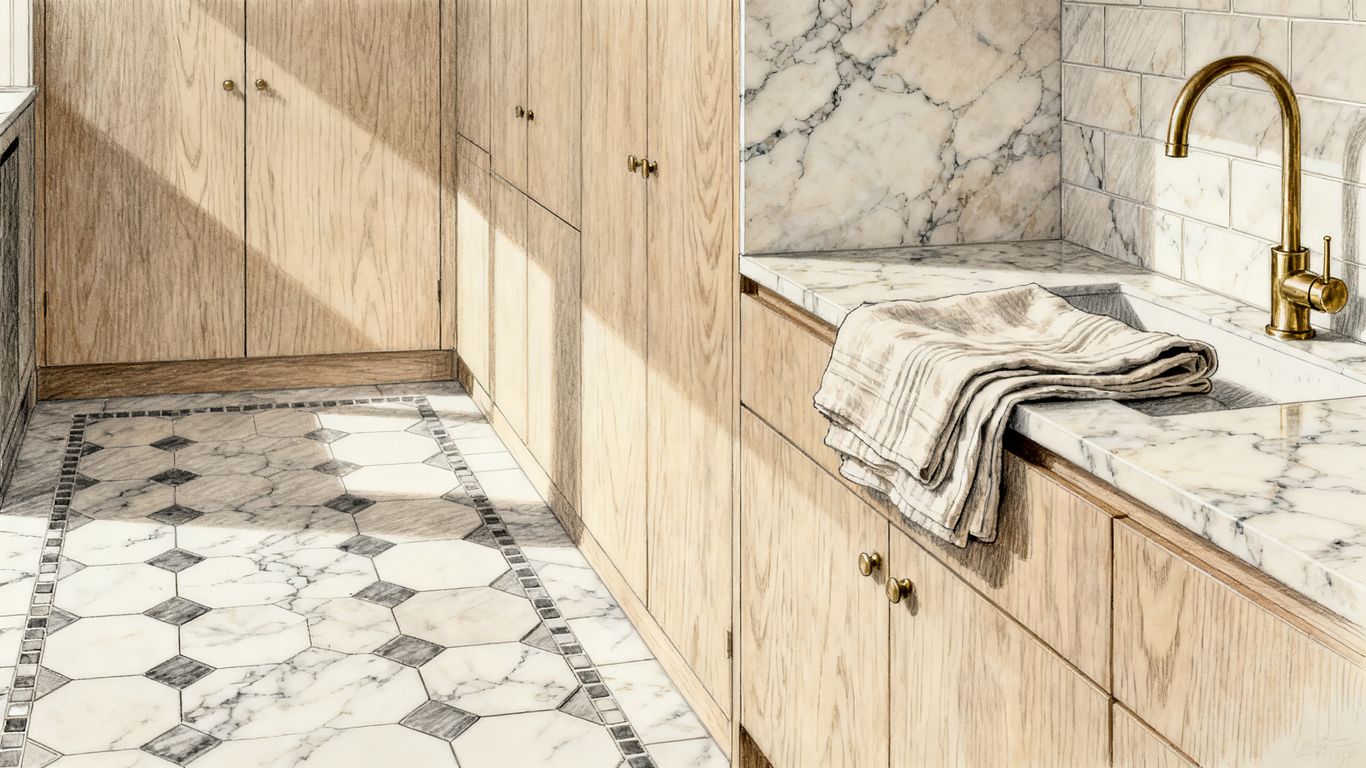
Keep the full composition in view. A marble floor may need a simple wall tile, while a decorative backsplash can carry more movement if the floor and cabinetry remain calm. For a classic European direction, marble and travertine can also be arranged in a checkerboard layout, a pattern used for floors, walls, backsplashes, and shower surrounds by Surfaces Galore.
Creating a refined bathroom floor or shower feature
A small or medium hexagon can give a bathroom floor a tailored, finished quality while providing frequent grout lines that visually break up the surface. On a shower wall, a more expressive marble can frame a niche or create a vertical feature without overwhelming the entire room. Coordinate the mosaic with the vanity top and trim so the room feels intentional.
Wet areas demand more than an attractive product. Confirm waterproofing, slope, drain compatibility, mortar, grout, and sealing with the installer. A sample board placed beside the faucet and vanity finish can reveal whether the marble reads warm, cool, soft, or stark in the actual room.
Building an elegant kitchen backsplash or accent wall
A marble hexagon backsplash adds pattern without requiring a complicated custom motif. It can sit behind open shelving, run between upper and lower cabinets, or appear as a small accent behind a range. In a kitchen with strong countertops, select a mosaic whose movement complements rather than duplicates the larger stone.
Polished white marble can reflect under-cabinet lighting, while honed or darker marble creates a quieter backdrop. Keep outlet cuts, cabinet ends, and exposed edges in mind from the beginning; these details often determine whether the finished backsplash looks tailored.
Combining hexagon marble with subway, checkerboard, or herringbone tile
Mixing patterns can work when one material clearly leads and the others provide supporting rhythm. Hexagon marble pairs naturally with a simple subway field, a restrained checkerboard, or a narrow herringbone accent. Keep either color, scale, or finish consistent so the room has a visual thread.
A checkerboard floor can supply the strong geometry while a hexagon mosaic stays in a shower niche or backsplash. Conversely, a quiet hexagon floor can support a more decorative wall. The Calacatta hexagon mosaic shows how a classic marble and simple shape can remain the focus without additional ornament.
Using grout color to emphasize or soften the geometric pattern
Grout is part of the drawing. A closely matched color blends the joints and lets the marble’s veining lead; a darker or lighter contrast makes the hexagons more legible. Before installation, spread several sample pieces with proposed grout colors and view them from across the room.
Very pale grout may require more frequent cleaning in busy areas, while a strongly contrasting grout can highlight small variations in sheet alignment. The best choice depends on whether you want a soft mineral surface or a clearly articulated honeycomb pattern.
Coordinating marble hexagon tile with wood, metal, and natural stone
Wood adds warmth to cool white or gray marble, while blackened steel and brushed brass can pull different notes from the same stone. Travertine and limestone create a softer, layered natural-stone palette; glass and polished metal make the marble feel more contemporary. Repeating one undertone across materials is often enough to make a mixed scheme feel connected.
Use physical samples whenever possible. A gray marble that looks neutral online may carry blue, green, or taupe undertones beside the room’s flooring. Even unrelated planning references, such as recommended reading, can be a useful reminder that the strongest design decisions begin with the way a space is actually experienced, not just photographed.
Planning installation for a lasting result
Installation quality has as much influence on the final appearance as the tile itself. Mosaic sheets can disguise small inconsistencies during planning, but they will not hide a poorly prepared substrate, uneven adhesive, or careless transitions. A written layout and a conversation with the installer can prevent expensive surprises.
Order enough material from the same lot when possible, and confirm lead time before demolition begins. For nationwide shipping and U.S. projects, also consider delivery access, inspection time, storage, and the possibility of replacement pieces arriving later than the main order.
Preparing the surface and confirming layout dimensions
The substrate should be clean, sound, suitably flat, and appropriate for the location. Measure walls and floors in more than one direction, then identify the centerlines, finished edges, door swings, drains, niches, and cabinet boundaries. The layout should be based on the visible finished area, not simply the room’s rough dimensions.
Ask the installer to confirm substrate preparation and waterproofing requirements before tile is ordered. If a floor has movement, moisture problems, or significant unevenness, those issues need to be addressed before the marble enters the room.
Dry-laying sheets to manage pattern alignment and variation
Dry-lay several sheets on a clean surface or directly in the room before applying mortar. This lets you distribute darker pieces, stronger veins, and tonal shifts instead of leaving an accidental cluster in one corner. It also exposes mesh joints, repeating sheet edges, and awkward cuts around fixtures.
A useful dry layout should include the first visible wall and the most prominent sightline. Step back, photograph the arrangement, and label sheets if the sequence matters. That small investment makes it easier to recreate a balanced composition during installation.
Choosing suitable mortar, grout, and edge treatments
Natural marble requires materials selected for the stone, substrate, and location. The installer should confirm mortar compatibility, coverage, open time, grout type, joint width, and whether a color-blocking or stain-related issue could occur. White or light mortar is often considered for light marble, but the final specification belongs with the tile professional and product instructions.
Edges need equal attention. Where the mosaic meets painted drywall, a countertop, a door casing, or another tile, choose a finished trim, stone edge, metal profile, or carefully polished termination. A clean edge makes a modest mosaic look far more deliberate.
Accounting for natural stone thickness, cuts, and transitions
Marble mosaics may not align flush with adjacent tile, hardwood, or prefabricated thresholds. Confirm thicknesses before installation and plan transitions where the floor height changes. Allow additional material for perimeter cuts, breakage, directional adjustments, and future repairs.
When estimating quantities, remember that nominal sizes are not always exact finished sizes. Keep a small amount of leftover material labeled and stored in a dry place. It may be invaluable if a piece is damaged years after the original installation.
When to hire a professional tile installer
Professional installation is especially sensible for shower floors, complex rooms, large projects, and layouts with prominent centered patterns. An experienced installer can evaluate the substrate, manage sheet joints, make clean cuts, and coordinate waterproofing and transitions. Ask to see comparable natural-stone work rather than relying only on a general renovation portfolio.
For broader renovation planning, even a facility cleaning checklist reinforces a useful principle: preparation and sequencing matter. Tile work benefits from the same discipline—confirm the conditions, protect finished surfaces, and do not rush the visible final steps.
Caring for and buying marble hexagon tile
Marble remains attractive when its care is treated as part of ownership rather than an occasional rescue project. Buying well means evaluating the material, the supplier, the packaging, the delivery schedule, and the support available if questions arise. It also means accepting that natural stone will change subtly with use.
A sample is valuable, but a larger group of pieces tells a fuller story. Review the stone in daylight and indoor light, and ask how the product is packed, labeled, inspected, and replaced if transit damage occurs. For a direct-import natural-stone supplier, those details are as important as the photograph on the product page.
Sealing marble before and after installation
Sealing can reduce the ease with which some liquids penetrate porous stone, but it does not make marble stain-proof or etch-proof. Follow the sealer manufacturer’s instructions and ask whether the product should be sealed before grouting, after grouting, or both. A test area should be used first to confirm that the appearance remains acceptable.
The timing depends on the stone, finish, grout, and site conditions. The installer should also verify that the surface is clean and completely dry before applying sealer. Keep records of the product used and the date so future maintenance is easier to plan.
Cleaning routines that protect the stone’s finish
Use a soft cloth or non-abrasive mop, clean water, and a cleaner labeled for natural stone. Wipe spills rather than allowing them to sit, especially near sinks, vanities, cooktops, and shower products. Avoid acidic household cleaners and abrasive powders unless the stone-care manufacturer specifically approves them.
A simple routine is usually more effective than aggressive cleaning. Dust and grit should be removed before mopping, and damp areas should have enough ventilation to dry. The finish will stay more consistent when cleaning products are gentle and used regularly.
Preventing stains, etching, chips, and moisture damage
Coasters, mats, prompt spill removal, and sensible storage can reduce everyday wear. Do not drag heavy objects across a marble floor, and use care around exposed mosaic corners. In showers, inspect caulk, grout, drains, and corners periodically so small moisture issues do not become larger repairs.
Etching is a chemical change rather than ordinary dirt, and it may require professional honing or refinishing. Chips and cracked pieces should be assessed before repair so the cause—impact, movement, or installation stress—is understood.
Ordering samples and evaluating natural variation
Order samples early and compare them with the room’s permanent materials. Look for background color, vein scale, mineral flecks, edge quality, thickness, and finish consistency. If possible, request several pieces or a representative sheet instead of judging an entire project from one small fragment.
Natural variation should be expected and discussed before purchase. The sample establishes direction, while the delivered material determines the final composition. Keep approval notes and photographs so everyone involved understands the intended color range.
Comparing quality, availability, shipping, and supplier support
Price per square foot is only one part of the decision. Compare thickness, mesh backing, finish, carton coverage, stock status, lead time, packaging, freight arrangements, sample policies, and the process for reporting damage. Ask whether replacement material will come from the same lot or a later production run.
A supplier’s support can be particularly helpful when a project includes several formats or a tight schedule. Before placing an order, browse stone options and gather the information your installer needs. If a delivery involves a longer route or a large commercial quantity, confirm receiving requirements and inspect cartons promptly.
A thoughtful buying process leaves room for the natural material to be itself while giving the project enough structure to succeed. That balance—variation within a clear plan—is what makes a marble mosaic feel lasting rather than overly manufactured.
Explore Marble Options
Bring your room concept to a natural-stone supplier with samples, measurements, and a clear sense of the finish and layout you want. Explore marble and mosaic selections for residential or commercial projects, then request guidance on availability, shipping, and installation planning.
Conclusion
Marble hexagon tile offers a rare combination of structure and softness: its geometry gives a room rhythm, while natural veining keeps the surface individual. Choose the stone, finish, grout, and installation details as one composition, and the result can feel elegant for years without losing the character that made marble appealing in the first place.
Frequently Asked Questions
Is marble hexagon tile suitable for bathroom floors?
Yes, it can be suitable for bathroom floors when the specific product, finish, substrate, waterproofing, slope, grout, and installation method are appropriate for the location. Confirm wet-area details with a qualified installer.
Which marble color is easiest to coordinate?
Soft white, light gray, and gently veined beige marbles are generally versatile because they work with many cabinet, paint, wood, and metal colors. Always compare samples in the room’s actual lighting.
Should marble hexagon tile be polished or honed?
Polished marble offers more reflection and a formal appearance, while honed marble has a softer, lower-sheen look. The choice should reflect the room’s style, maintenance expectations, and intended use.
How much extra tile should be ordered?
The amount depends on room shape, tile size, layout complexity, cuts, and product availability. Ask the installer or supplier to calculate a suitable allowance, and retain labeled leftovers for future repairs.
Does marble hexagon tile need to be sealed?
Many marble products benefit from sealing, but the correct timing and product depend on the stone, finish, grout, and installation. Sealing can reduce absorption but does not make marble immune to stains or etching.
Can hexagon marble be combined with other tile patterns?
Yes. It pairs well with simple subway layouts, restrained checkerboard designs, or herringbone accents when one pattern leads and the others support it. Coordinate scale, color, or finish to keep the composition cohesive.
How should marble hexagon tile be cleaned?
Remove grit and spills promptly, use a soft cloth or mop, and choose a cleaner labeled for natural stone. Avoid acidic and abrasive products, and follow the care instructions supplied for the specific marble.