










Key Takeaways
Marble mosaics bring natural stone character and detailed pattern into a room, but the right choice depends on where the tile will go and how it will be cared for.
- Natural veining means each marble mosaic has its own mix of tone and movement.
- Pattern, finish, and scale influence whether a mosaic feels quiet or becomes a focal point.
- Check dimensions, sheet coverage, availability, and natural-stone variation before ordering.
- Choose flooring with its intended use and surface grip in mind, and get installation advice for wet areas.
- Samples and a clear allowance for cuts can help avoid surprises during a renovation.
What makes marble mosaic tiles a distinctive choice
Marble mosaics combine the distinctive character of natural stone with the rhythm of smaller pieces. They can bring detail to a compact area without requiring a large expanse of patterned material. The phrase marble mosaic tiles australia often brings to mind pale stone, but the range of colors and veining makes room for much more than one familiar look.
How natural veining and color variation shape the finished look
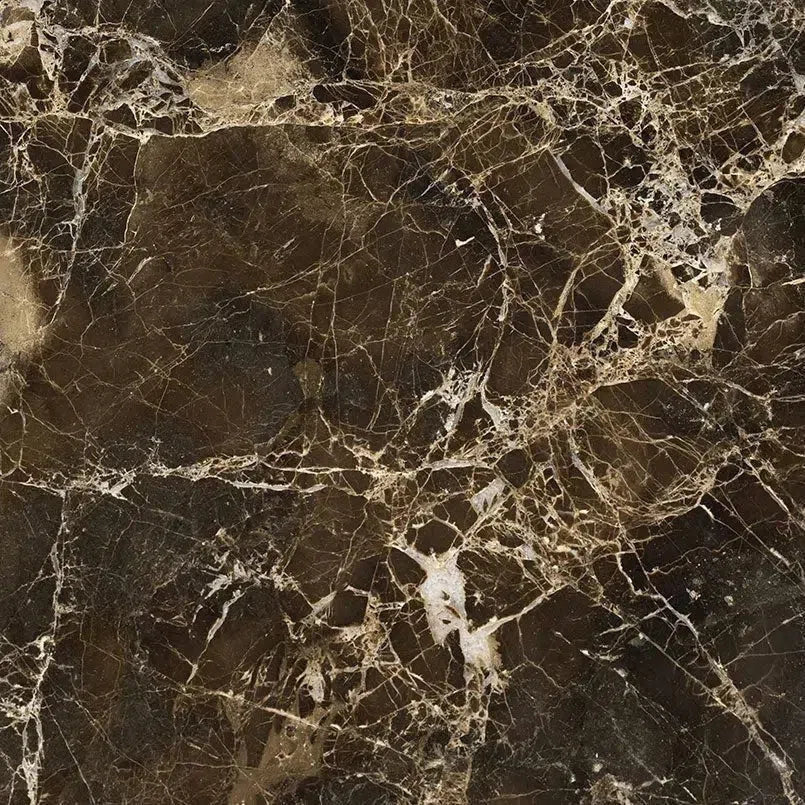
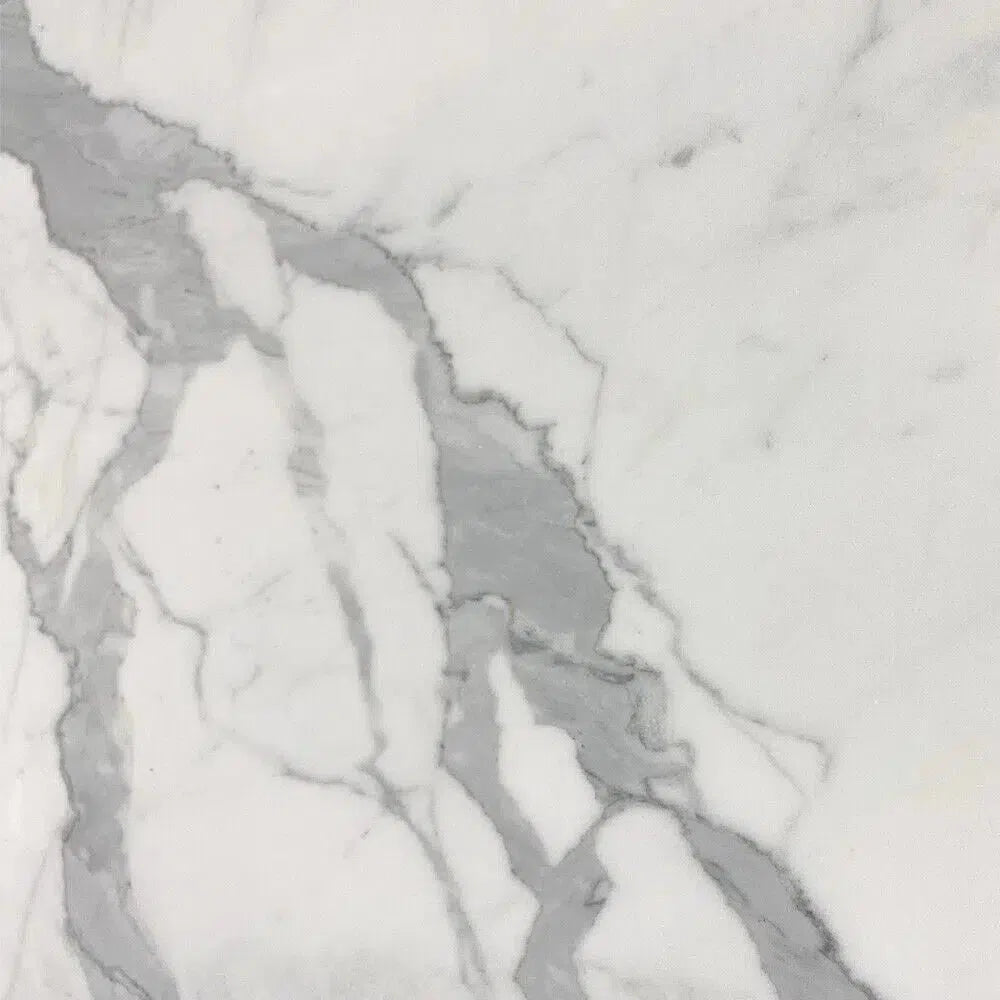
A mosaic breaks a larger stone pattern into small repeated pieces, so veining appears as a fine, varied texture rather than a single uninterrupted sweep. Depending on the stone, the finished surface may read as softly clouded, clearly striped, or full of contrast. Look at several pieces together, since the overall color rhythm matters more than any one tile.
Popular marble colors, from Carrara white to Nero Marquina black
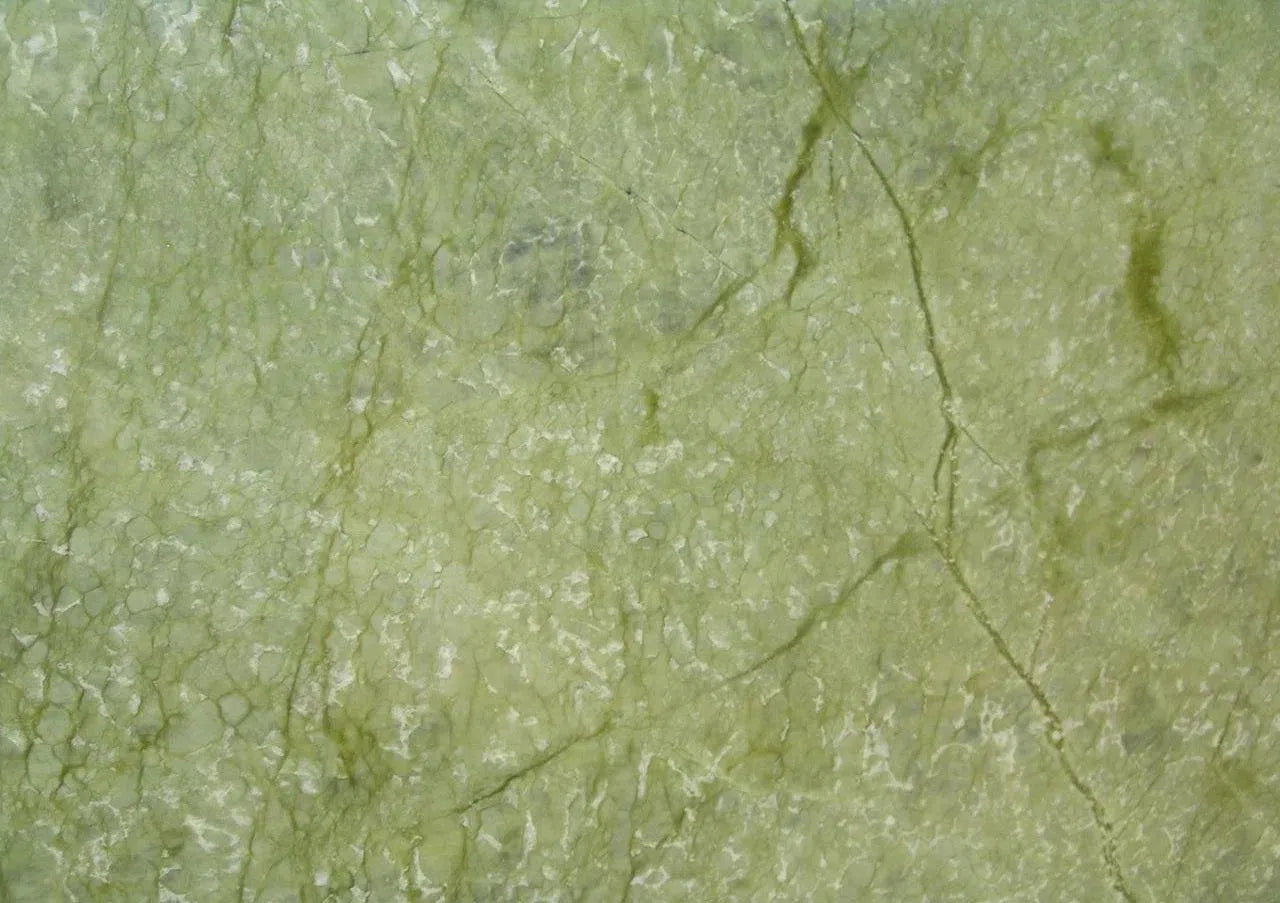
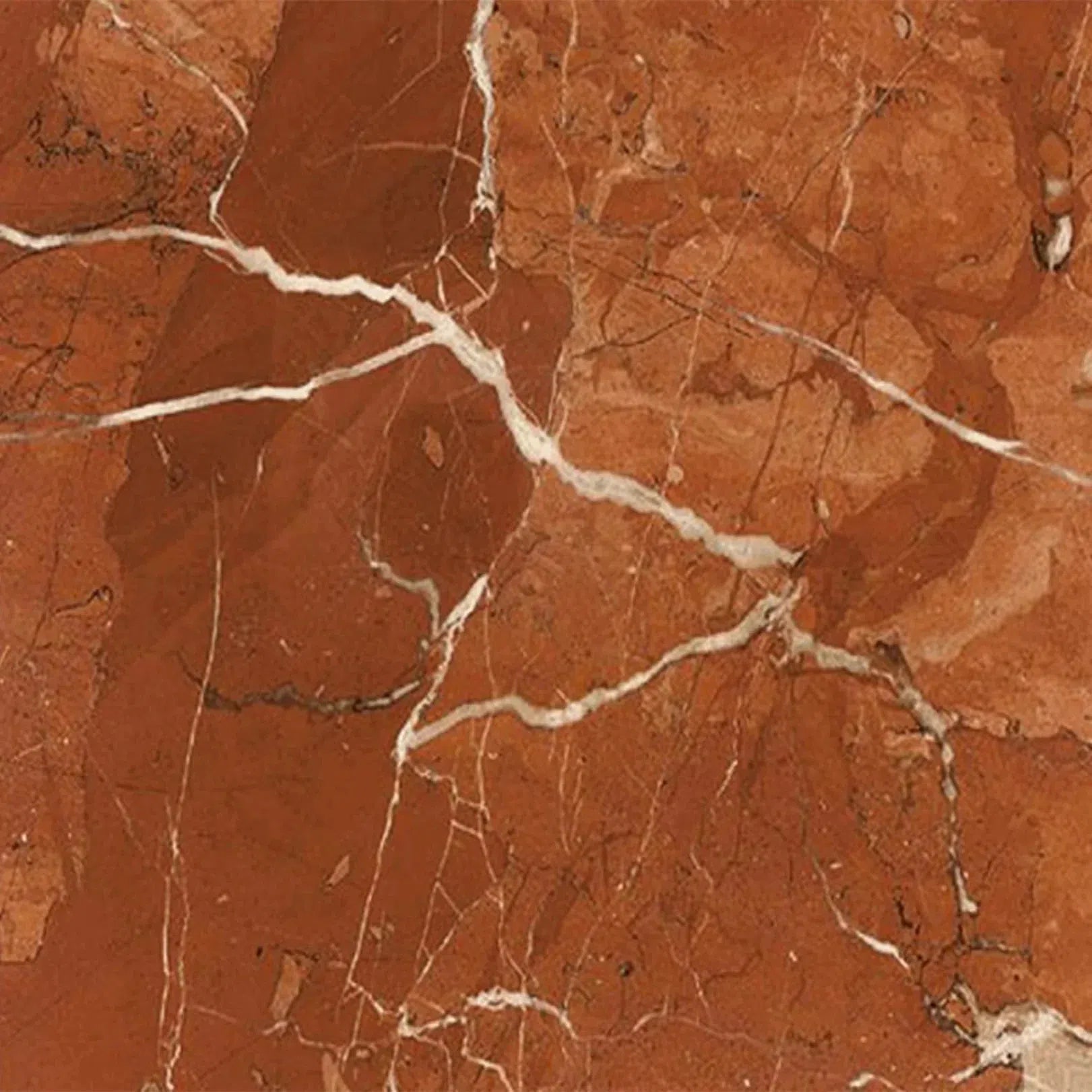
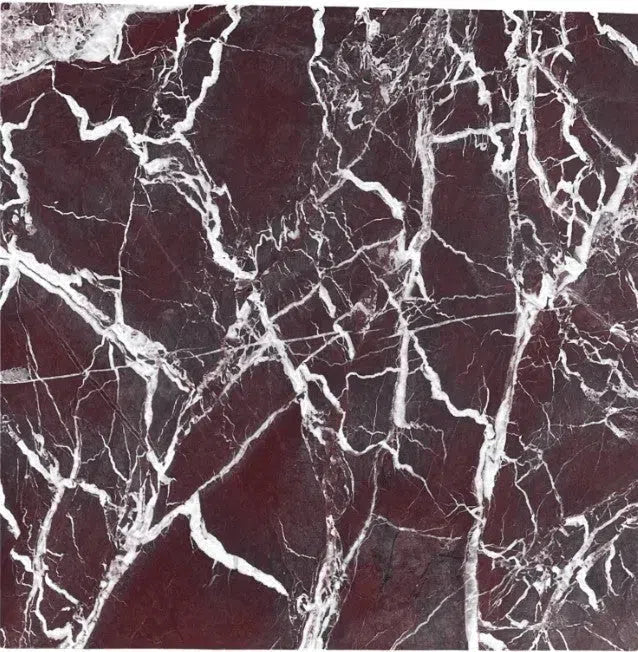
Carrara’s white ground and gray veining create a classic, light-toned effect, while Nero Marquina brings a deep black background with white veining. Other natural stone colors can shift a scheme toward warmer, greener, or grayer tones. At Surfaces Galore, the Custom-Made Mosaic Collection includes options such as Carrara Marble, Ming Green Marble, Bardiglio Marble, and Nero Marquina Black Marble, with customizable shapes, patterns, and finishes.
How mosaic patterns influence a room’s style and scale
A small-scale pattern can add movement to a backsplash or niche, while a more open layout may feel calmer across a larger wall. Herringbone and basket weave often give a space a sense of direction; round or hexagonal pieces create a different, more repeated texture. For a kitchen, even a practical detail such as an end-grain cutting board can inform the choice of wood and stone tones without making the backsplash too busy.
What to expect from natural stone variation
Natural stone varies in color, veining, and detail, and pieces from the same selection may not look identical. That variation is part of marble’s appeal, but it also means a photograph or single sample cannot show every piece in a larger order. Review product information and variation terms before committing, and consider asking how multiple sheets are likely to read when installed together.
Where marble mosaics work best
Marble mosaics can suit backsplashes, bathroom walls, shower floors, and decorative details, but each location has different practical demands. Think about water, cleaning, foot traffic, and how much visual attention you want the surface to attract. A small feature area can make a memorable impression without competing with every other finish in the room.
Create a focal point with a kitchen backsplash
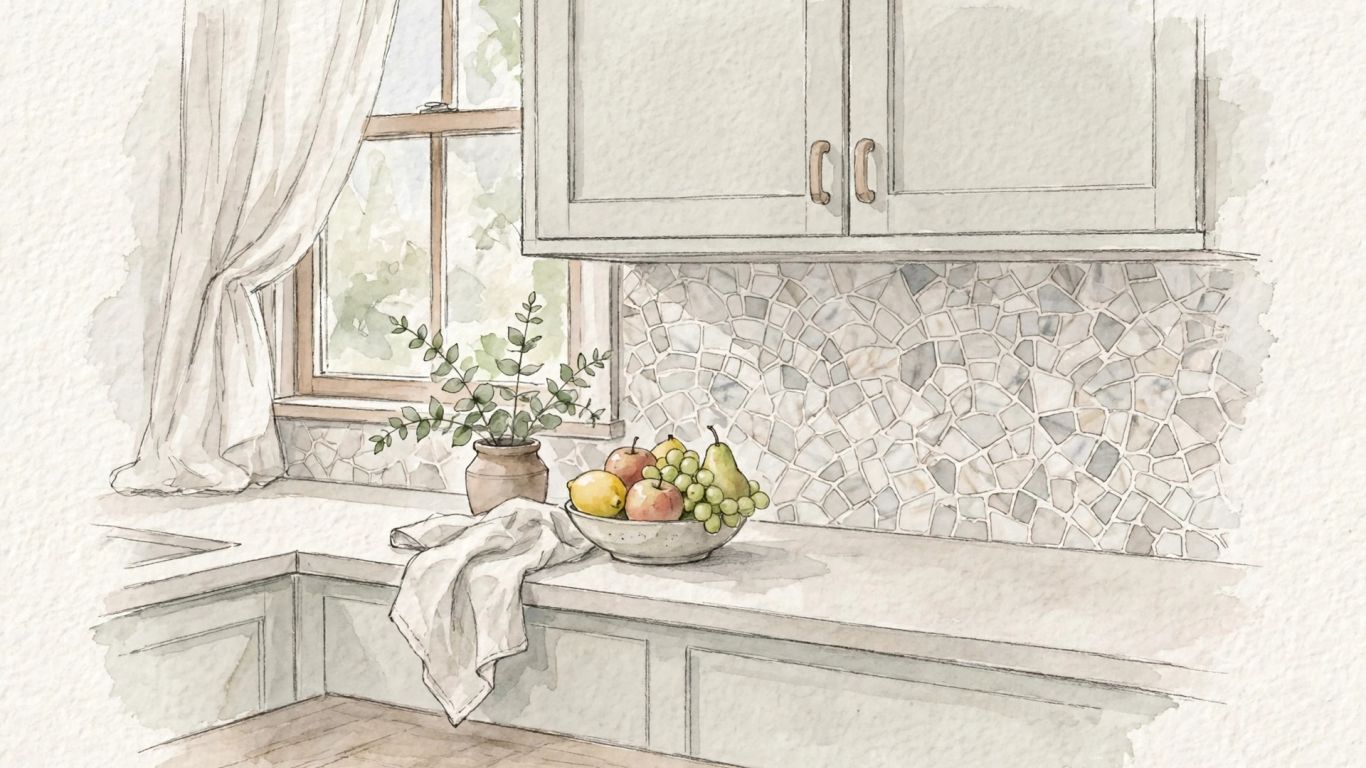
A backsplash is a natural place to use a detailed pattern because it occupies a defined area and can sit alongside simpler cabinetry and counters. Carrara White Mosaics are listed by Surfaces Galore for backsplash applications, including kitchens, offering one example of how a familiar pale stone can bring texture into the room. Before choosing, consider how the veining will meet the cabinet color, countertop, and grout.
Add texture to bathroom walls and shower niches
On bathroom walls, a mosaic adds close-up detail and can distinguish a niche or vanity wall from larger surrounding tiles. Marble mosaic options are also described for shower floors and accent areas, though a wet location calls for careful attention to product suitability, installation, and ongoing care. Keep the surrounding surfaces relatively quiet if the mosaic already has strong movement.
Choose floor mosaics with surface grip and use in mind
A floor needs more than an appealing pattern: its finish, layout, and intended use all matter. Ask a qualified tile professional to confirm whether the specific stone mosaic is appropriate for the location and what local requirements apply. Small pieces create more grout joints, but that alone is not a guarantee of slip resistance.
Consider feature walls and other decorative applications
A feature wall, fireplace surround, or small decorative panel can make room for an intricate design without covering every surface in it. The Custom-Made Mosaic Collection is described for backsplashes, walls, floors, and custom designs, with natural-stone choices and customizable patterns. For a commercial project, a thoughtfully placed accent can give a lobby or reception area character; practical cleaning plans matter there too, much like a facility cleaning checklist for shared spaces.
How to choose a pattern, finish, and color
Start with the feeling you want the room to have, then check that the chosen stone and finish suit its use. A mosaic may look understated on a sample board but more animated across a wall, especially when the pieces repeat at close intervals. It helps to compare the design with the fixed elements already in the space before making a final selection.
Compare herringbone, hexagon, basket weave, and penny round
Each pattern gives the stone a different visual pace: herringbone creates a directional zigzag, hexagon repeats a geometric outline, basket weave alternates pieces into a woven impression, and penny round relies on repeated circles. For an Australian project, mosaic shapes and colors can help you compare how these familiar formats are used in natural stone. Pattern names alone do not determine the finished scale, so check the actual piece and sheet dimensions.
Match polished, honed, or tumbled finishes to the space
A polished surface reflects more light, while honed stone has a less reflective appearance; tumbled finishes generally feel more softened in character. The right option depends on the design and the specific application, not simply on which finish looks appealing in a photograph. Confirm the finish available for the mosaic you are considering and ask whether it is suitable for the intended setting.
Coordinate mosaic colors with cabinets, fixtures, and larger tiles
Set the sample beside cabinet doors, metal finishes, countertop material, and any larger-format tile rather than judging it alone. White marble can read cool or warm depending on its veining and the light around it, while darker stone may make a small detail feel more pronounced. The aim is not to match every surface exactly, but to find a palette that feels connected.
Request samples to review the stone in your lighting
A sample lets you see the stone beside the materials and light that will actually surround it. Look at it at different times of day, and check both its overall tone and the variation between pieces. While planning a kitchen refresh, you might also be weighing water-use or maintenance questions; practical water-saving plumbing tips can be considered separately from the tile selection.
What to consider when buying in Australia
Buying for a project in Australia means checking the practical details as well as the design. Confirm the measurements and coverage, then ask about availability and delivery timing for the quantity you need. Product information and written terms are especially useful when natural stone variation is part of the order.
Confirm tile dimensions, thickness, and sheet coverage
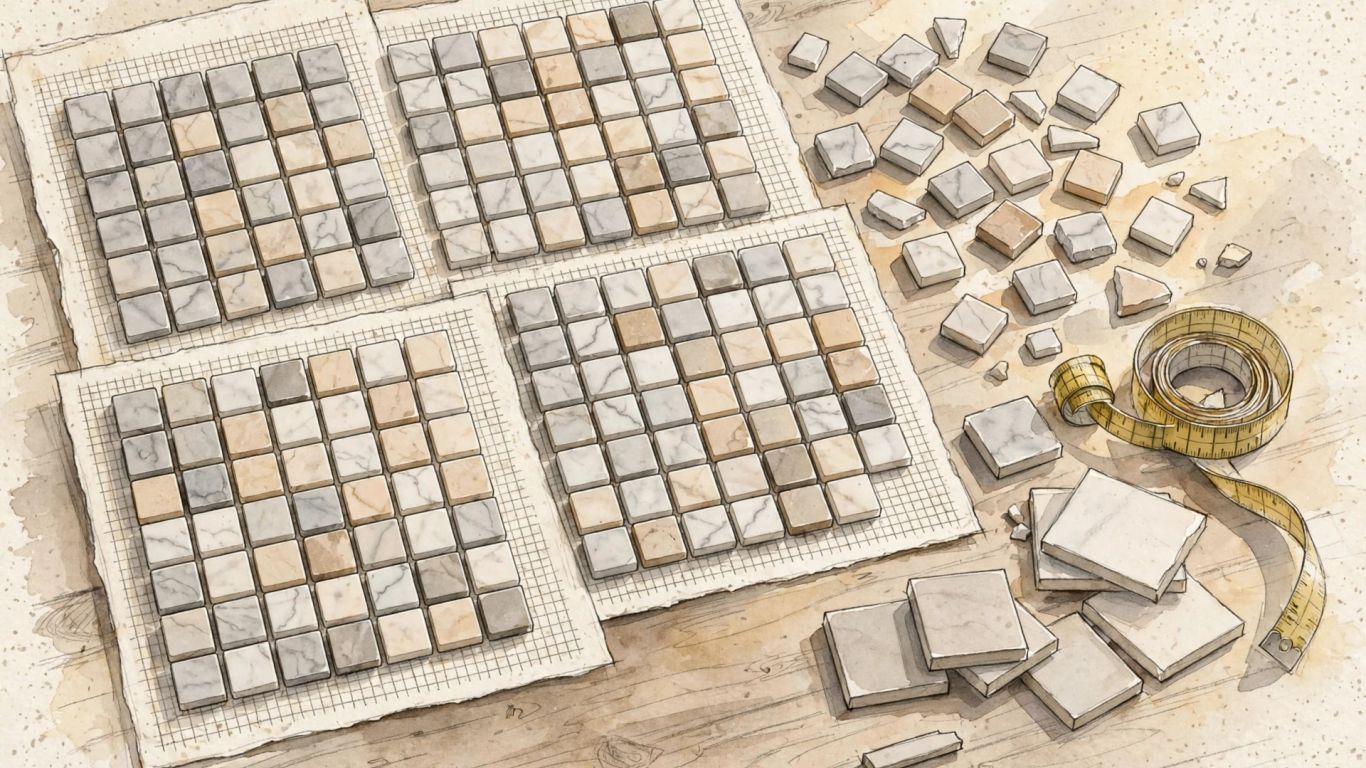
Mosaic sheets can differ in overall size, thickness, and the dimensions of their individual pieces. Check the stated sheet coverage and confirm whether listed measurements are nominal, since small differences can affect layout and quantity calculations. If the design meets another tile or trim, confirm that the materials can align as planned.
Check stock levels, lead times, and delivery options
Ask whether the full quantity is currently available, whether it is coming from one batch, and what delivery options apply to your location. If material is being made to order, timing can depend on production and availability; Surfaces Galore describes local California production for smaller custom orders with an estimated 10–15 day production time, while overseas lead times vary. For a project in Australia, confirm the specific seller’s terms rather than assuming those details apply to an Australian shipment.
Calculate material needs, cuts, and a suitable overage
A measured plan is a better starting point than estimating by eye, particularly around niches, corners, outlets, or angled edges. Before placing an order, clarify the layout and allowance for cuts with the installer. A simple comparison of the information to gather can keep those conversations focused:
| Detail to confirm | Why it matters |
|---|---|
| Area and sheet coverage | Helps estimate the base quantity |
| Pattern and edge layout | Affects cuts and placement |
| Stone variation | Helps set expectations for the finished mix |
| Extra material allowance | Provides a buffer for cuts or future repairs |
Use the table as a prompt for questions, not as a substitute for a measured takeoff. The needed allowance depends on the room shape, pattern, and installer’s plan.
Review the return policy and natural-stone variation terms
Before ordering, read the return terms and the description of natural variation, including any conditions for made-to-order or clearance material. Keep the product details and quantity confirmation with your project records. If you are coordinating tile choices with other household reading or decisions, Philly Family Life offers a separate reading list on family and personal well-being; it is unrelated to tile specifications, so keep the two research threads distinct.
How to plan installation and maintenance
Installation and care affect how a natural-stone mosaic looks over time. The small pieces and sheet backing call for careful alignment, while wet areas add questions about moisture, cleaning, and product compatibility. Plan those details before work begins rather than waiting until the tile is on the wall.
Use an installer experienced with natural stone mosaics
Choose an installer who has worked with natural stone mosaics and can discuss the substrate, sheet alignment, cuts, and transitions for your project. Ask how the pattern will be laid out at edges and around fixtures, where small shifts can become noticeable. An experienced professional can also advise whether the product is suitable for the specific floor or wall.
Select compatible adhesive, grout, and sealing products
Adhesive, grout, and sealer should be compatible with the stone, the location, and one another. Ask the tile supplier and installer to confirm the products they intend to use, and follow the product instructions. This is particularly useful when a light-colored stone is involved, because product residue or grout choice can affect the final appearance.
Plan for sealing and routine cleaning
Ask whether the particular marble needs sealing, which product is appropriate, and how often it should be reapplied. For regular cleaning, follow stone-care guidance and avoid assuming that a product suitable for ceramic tile is also suitable for marble. A written care plan is a simple way to help everyone in the household look after the surface consistently.
Address moisture, staining, and etching risks
Marble is a natural material, so discuss its exposure to water, spills, and cleaning products before choosing it for a busy area. Sealing can be part of a care plan, but it does not make stone immune to staining or etching. In showers and kitchens, good installation and prompt, stone-appropriate cleaning help manage everyday risks.
How to balance quality, design, and budget
A useful budget considers more than the cost of the mosaic itself. Pattern complexity, finish, the amount of cutting, installation, and ongoing care all contribute to the overall decision. Comparing options against the project’s priorities can help preserve the design intent without paying for details that will not matter in the finished room.
Compare stone type, finish, and mosaic complexity
Compare samples and product details rather than judging by the stone name alone. The variation, finish, piece shape, and arrangement all influence how much visual detail a mosaic brings to a space. For example, Calacatta Verde Royale Marble Mosaics are described for backsplashes, shower floors, accent walls, and other decorative elements; consider whether that range of applications suits the project you have in mind.
Account for installation and ongoing care costs
Include installation, preparation, cutting, sealing where recommended, and routine care when comparing budgets. A lower material price may not reflect the full project cost if the layout requires detailed cuts or the surface needs more involved maintenance. Request a complete estimate based on the actual site and product rather than relying on a general figure.
Decide when custom-made mosaics are worth considering
Custom production may be worth exploring when a project needs a particular size, shape, surface finish, or pattern. The Custom-Made Mosaic Collection describes customizable shapes, patterns, and finishes, with local California production for smaller quantities and overseas production for larger quantities. Ask for timing and material availability before building a schedule around a custom order.
Check product details before placing an order
Before you commit, confirm the stone, finish, dimensions, coverage, quantity, variation terms, and delivery details in writing. If you are comparing Australian project sources, Sydney marble mosaic options provide another point of reference for discussing product details and delivery. For a separate personal-care decision that may arise alongside a home project, Dr. Farhad Rejali provides information about hair restoration; it has no bearing on tile selection, so keep those decisions independent.
If you are ready to review stone for a project, explore marble options and compare the product details with your measurements and design plan.
Conclusion
The right marble mosaic balances the stone’s natural variation with the room’s pattern, finish, and practical demands. Take time to review samples, confirm the order details, and plan installation and care before committing; those careful choices make it easier to create a space that feels considered and personal.
Frequently Asked Questions
Are marble mosaic tiles suitable for bathrooms?
They can be used on bathroom walls, in niches, and in some shower-floor applications, but confirm the specific product’s suitability and plan for proper installation and care.
Do marble mosaic tiles need sealing?
Some marble products require sealing, but requirements vary. Check the manufacturer’s guidance for the specific stone and follow the recommended care instructions.
What is the difference between honed and polished marble?
Polished marble reflects more light and looks shinier, while honed marble has a less reflective surface. Check the available finish and suitability for your intended location.
Which marble mosaic pattern works best in a small room?
There is no single best pattern. Compare the actual piece and sheet scale with the room, and use a sample to judge how much visual movement feels comfortable.
How much extra mosaic tile should I order?
The amount depends on the room’s shape, the pattern, and the cuts required. Ask the installer to calculate the quantity and suitable allowance from a measured plan.
Can marble mosaics be used on floors?
Some are intended for floor use, but suitability depends on the particular product, finish, and setting. Confirm the details with the supplier and installer before ordering.
Will every marble mosaic sheet look the same?
No. Natural stone varies in tone and veining, so sheets may differ. Review product information and variation terms, and ask how the variation may appear across a larger installation.