








Key Takeaways
Natural stone can bring color, texture, and a sense of permanence to a bathroom, but the best result comes from choosing materials and layouts with the room’s light and use in mind.
- Compare stone by appearance, variation, finish, and suitability for the intended surface.
- Use tile size and pattern to shape how spacious or detailed the room feels.
- Treat shower floors, walls, and vanity details as parts of one coordinated design.
- Balance stone colors and patterns with fixtures, wood, lighting, and grout.
- Confirm installation, sealing, and cleaning guidance with qualified professionals.
Choose natural stone for your bathroom
The most successful natural stone bathroom ideas begin with the material itself: its color, veining, texture, and the way it changes across a larger surface. Marble, travertine, and limestone each have a distinct look, while individual pieces of the same stone can vary. Consider the room’s lighting and daily use alongside the style you want. A little time spent comparing samples can make the finished space feel considered rather than pieced together.
Compare marble, travertine, and limestone
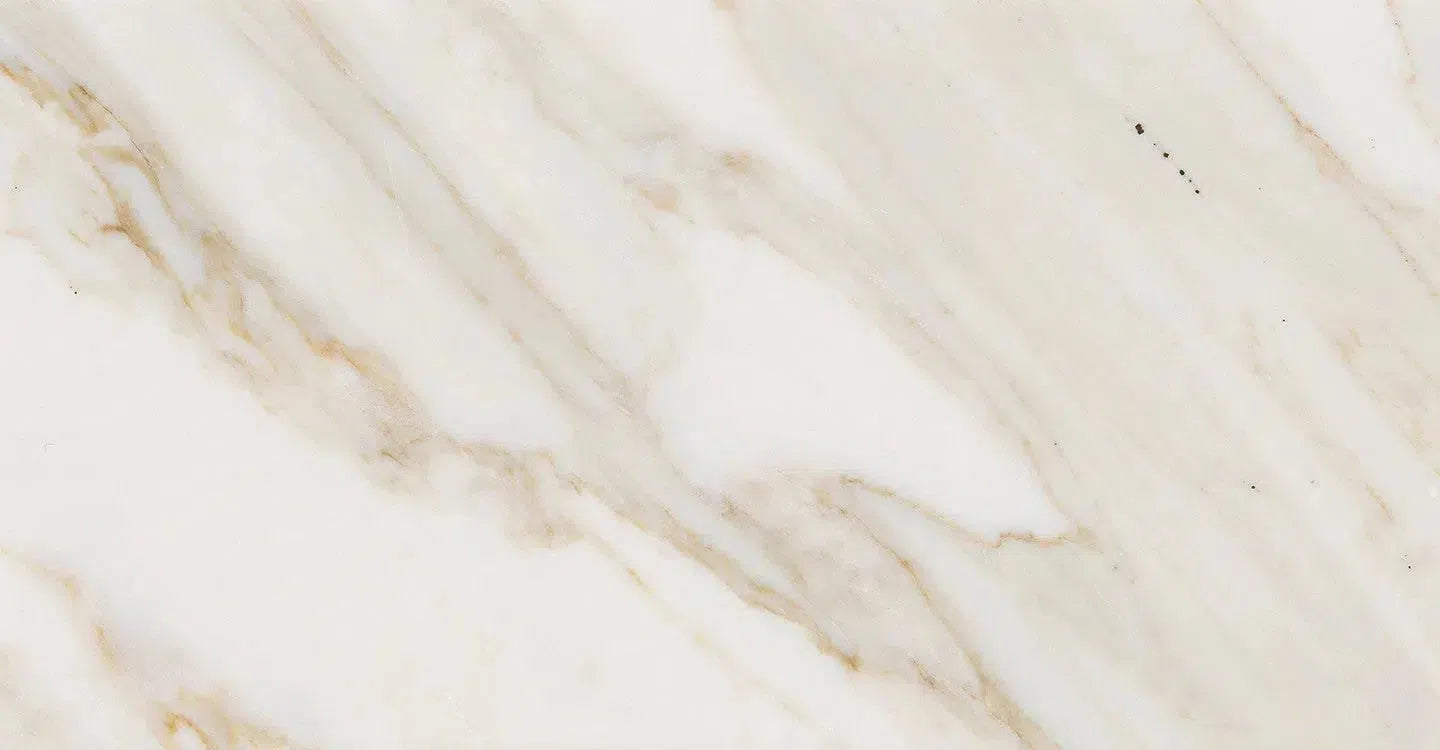
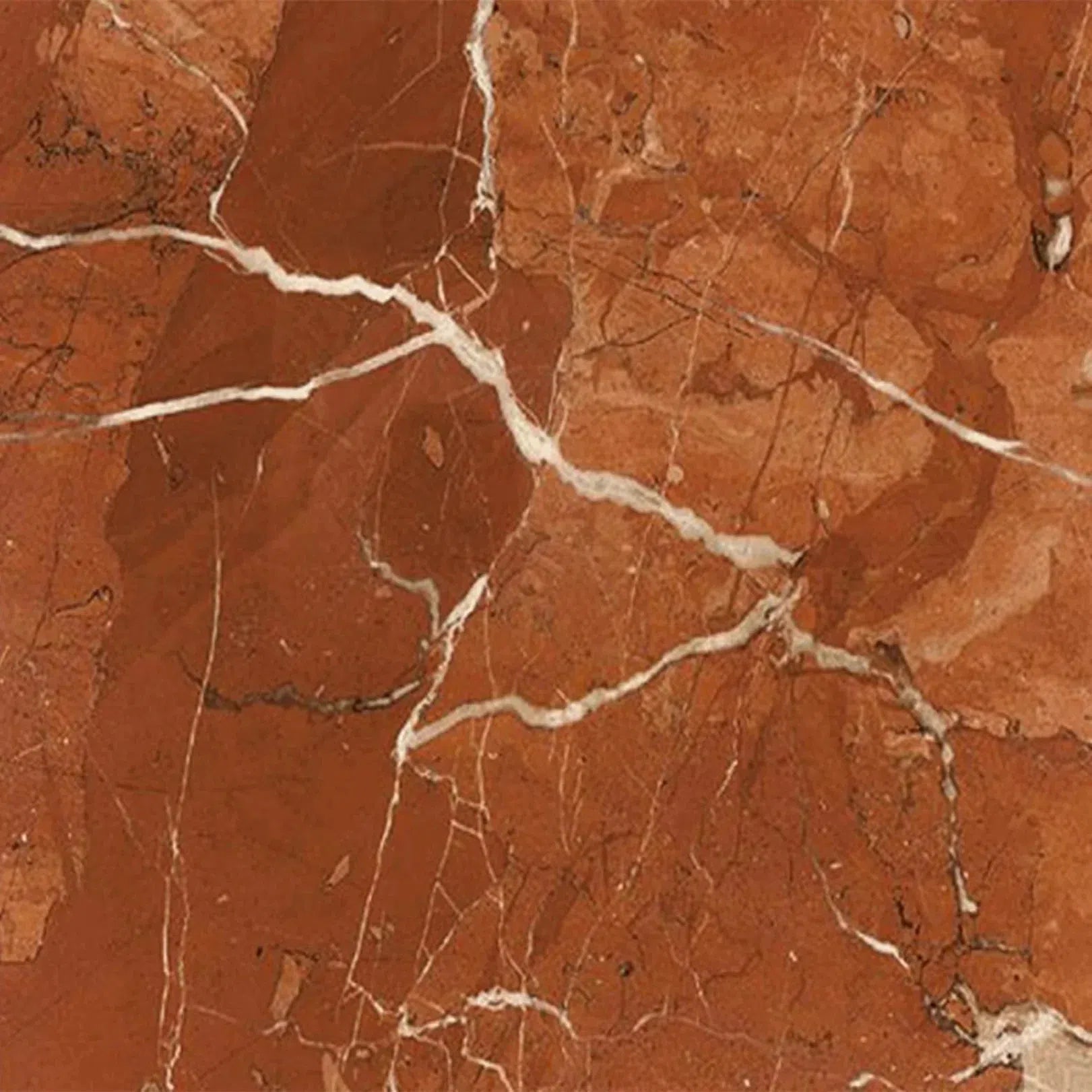
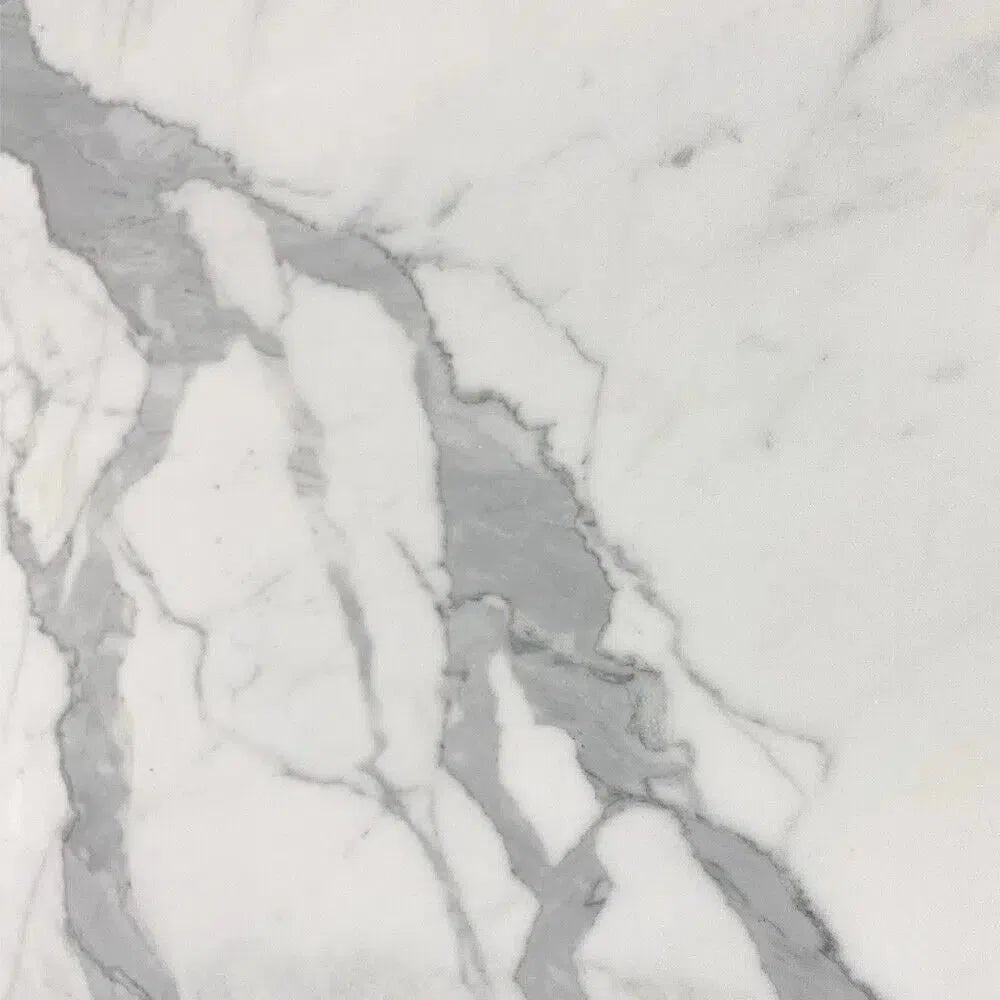
Marble often has flowing veins and a polished, classic presence, while travertine tends toward an earthy, softly layered look. Limestone can bring a quieter, more understated surface, sometimes with subtle fossils or markings. The right choice depends on whether you want the stone to lead the design or sit calmly alongside other finishes. Before deciding, compare samples under similar light and ask your installer about suitability for the specific application.
A simple comparison can help clarify the different visual directions without treating any material as a one-size-fits-all choice.
| Stone | Common visual character | Design direction |
|---|---|---|
| Marble | Distinctive veining and varied tones | Classic, expressive, or refined |
| Travertine | Earthy color and soft, natural variation | Warm, relaxed, or rustic |
| Limestone | Subtle markings and quieter color | Understated, organic, or traditional |
Think of these descriptions as a starting point, not a guarantee of how a particular batch will look. For example, Bordeaux Rustique Limestone from Surfaces Galore is described with soft beige tones, fossil markings, and natural variation, a character that can suit a warm, lived-in bathroom.
Match stone color and veining to your design style
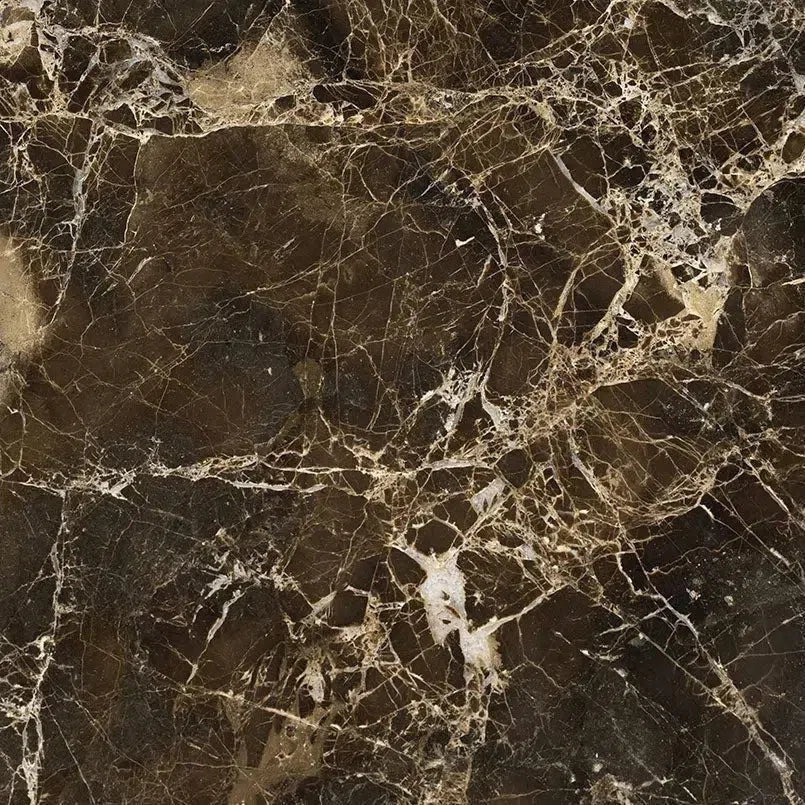
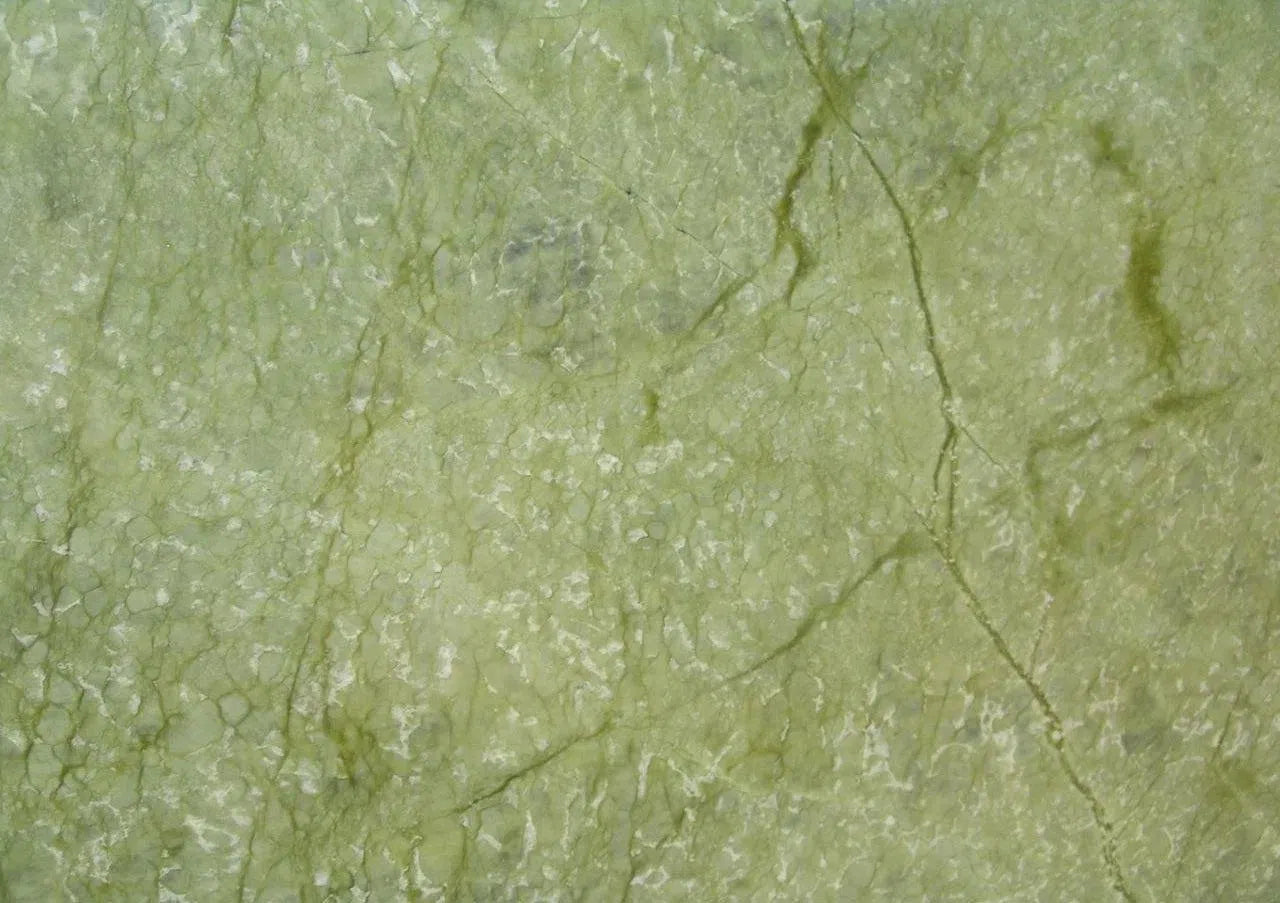
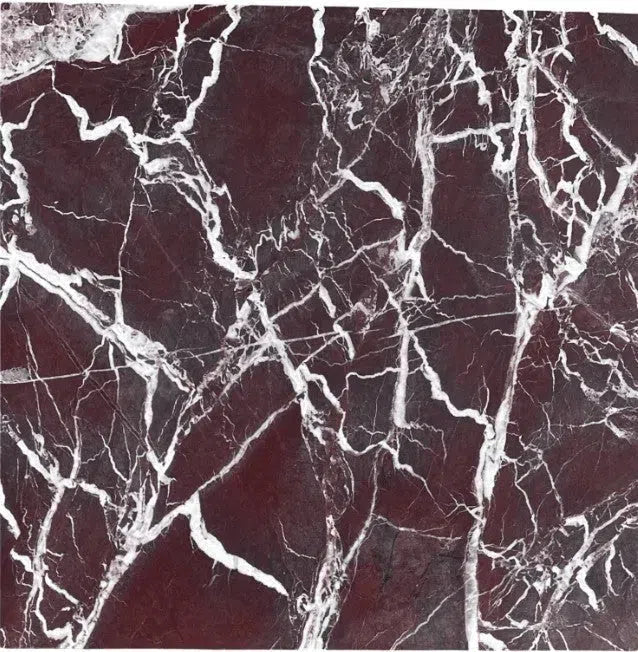
A pale stone with quiet veining can support a clean, airy room, while deeper color or stronger movement can make a compact surface feel intentional and dramatic. The surrounding materials matter just as much: wood can warm up cool stone, and simple fixtures can give an expressive slab room to breathe. If you are drawn to green, Ming Green Marble has a soft mint hue and subtle veining, while Pietra Notte marble is described with a charcoal-gray ground and white and silver veining. These examples show how color alone can set a very different mood.
Consider how natural variation affects the finished look
Stone is not printed to repeat a uniform pattern, so veining, tone, and surface markings may shift from piece to piece. That variation is part of its character, but it also means a small sample cannot show every detail of a larger installation. Ask to review multiple pieces together, especially when a wall or floor will have a prominent uninterrupted view. A useful design principle is to decide whether you want quiet continuity or visible movement before selecting the layout.
Order samples to check color in your bathroom’s lighting
A stone that reads warm in a showroom may look cooler under a bathroom’s daylight or evening bulbs. Place samples near the proposed floor, vanity, or shower, and view them at different times of day beside paint, tile, and metal finishes. For a more deliberate comparison, check each sample against a short list of practical design decisions:
- Does the stone work with the room’s fixed finishes?
- Does its pattern feel calm or busy at the planned scale?
- Does the surface look right in both daylight and artificial light?
- Can your installer confirm it suits the intended location?
Give yourself a little time with the samples rather than choosing from a single glance. For broader inspiration, spa-like stone bathroom ideas can help you picture how natural materials shape the atmosphere of a room.
Create a striking natural stone floor
A stone floor can quietly anchor the room or become its main decorative feature. Tile size, grout lines, surface texture, and pattern all affect how the floor reads, particularly in a bathroom where the footprint may be modest. Think about the view from the doorway and how the floor relates to the shower and vanity before settling on a layout. A well-scaled design can feel distinctive without making the room appear crowded.
Use large-format tiles for a clean, spacious feel
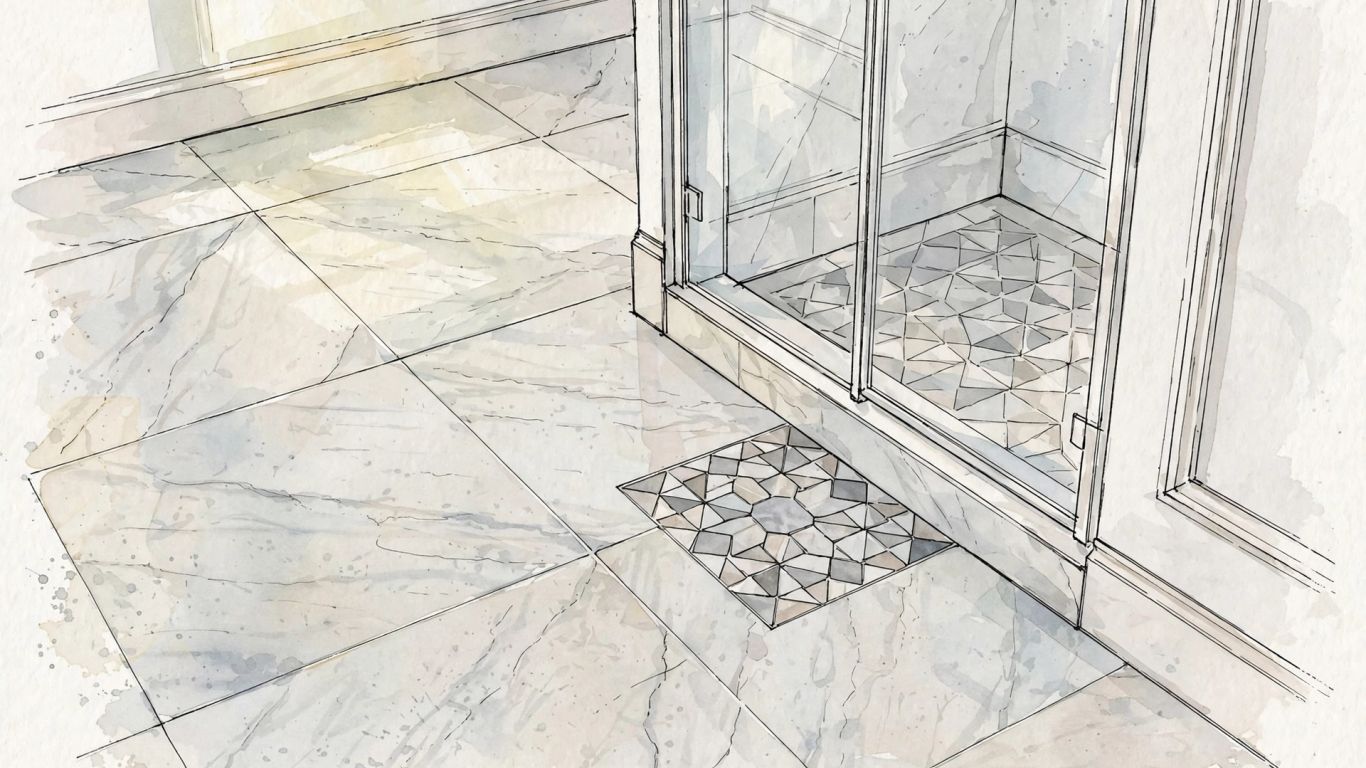
Larger tiles create fewer grout lines, which can make a floor feel visually open and more continuous. They can be especially appealing in a simple layout where the stone’s own color and veining provide enough interest. Room dimensions and the placement of drains, corners, and thresholds still matter; a large tile that requires many awkward cuts may not deliver the calm effect you want. Ask your installer to consider the planned layout before ordering.
Add texture with mosaics in wet areas
Small-format mosaics introduce more grout joints and can help a shower floor feel distinct from the larger tiles elsewhere. Their scale also offers a way to add a subtle shift in pattern without introducing a competing color. Confirm the chosen tile and finish are appropriate for the wet location, and review the complete assembly with your installer. Carrara White mosaics from Surfaces Galore are described for uses including shower floors and accent areas, offering one way to carry a classic stone into a smaller-scale detail.
Bring character with checkerboard, herringbone, or basket-weave patterns
A patterned floor can give a bathroom a sense of history or a crisp graphic focal point. Checkerboard creates a clear rhythm, while herringbone and basket-weave arrangements add movement through the direction and grouping of each piece. Keep the surrounding surfaces relatively restrained if the floor is doing most of the visual work. For another perspective on classic layouts, explore natural stone bathroom floor designs.
Coordinate floor scale with the size of the room
The pattern should suit both the room and the way you experience it. A small mosaic can add fine detail, while broad tile shapes may create a quieter visual field; neither choice is automatically right for every bathroom. Ask for a dry layout or clear drawing that shows the edges, cuts, and transitions. The best scale is the one that feels balanced from the doorway and remains practical around fixtures.
Design a natural stone shower and tub area
The shower and tub area can be treated as one composed zone rather than a collection of separate surfaces. Stone on walls, floors, niches, and ledges can relate through color or finish, even when tile sizes differ. Think about where the eye naturally rests and where water will land, then align the design with the installer’s recommendations. A restrained plan often lets the stone’s natural variation provide enough visual interest.
Extend stone across shower walls for a seamless look
Using the same stone across multiple shower walls can create a calm, continuous effect, especially when the color palette is already simple. Larger tiles may make the surface feel more unified, while a carefully planned joint layout keeps the result intentional. Check how the tile pattern will meet corners and fixtures before work begins. Good planning at these transitions helps the stone read as a deliberate surface rather than a series of unrelated pieces.
Make one wall a focal point with bold veining or color
A single feature wall gives expressive stone a clear place to stand out without asking every surface to compete. A strong vein pattern can draw the eye toward a tub or shower, while a distinctive color can shift the mood of the whole room. Keep neighboring finishes quieter and take time to review how adjacent pieces will meet. To compare varied approaches, browse stone tile bathroom inspiration.
Build a coordinated niche, shelf, or bench
A niche or bench can make the shower feel thoughtfully finished when its material and edges relate to the surrounding tile. Repeating a floor or wall stone in a smaller detail creates continuity, though a contrasting accent can also be effective when used sparingly. Coordinate dimensions, waterproofing, and edge treatment with your installer before selecting the stone pieces. Small details tend to be most successful when they are designed alongside the main layout.
Select shower-floor tile with texture and suitable slip resistance
The shower floor deserves its own material check because it encounters frequent water and needs to work with the slope and drain. A smaller tile may help accommodate the floor’s shape, but size alone does not establish whether a surface is suitable. Discuss the stone, finish, grout, and installation system with a qualified professional, and follow guidance for the specific product. A practical choice can still feel elegant when its color and pattern connect with the rest of the room.
Add stone to the vanity and bathroom details
Stone need not cover every surface to make the bathroom feel distinctive. A vanity top, backsplash, threshold, or small mosaic can introduce natural pattern where it has the most impact. Repeating one stone in two or three places can create a visual thread, while differences in scale keep the room from feeling overly matched. Consider the edges and transitions early; they shape the finished look as much as the main surface.
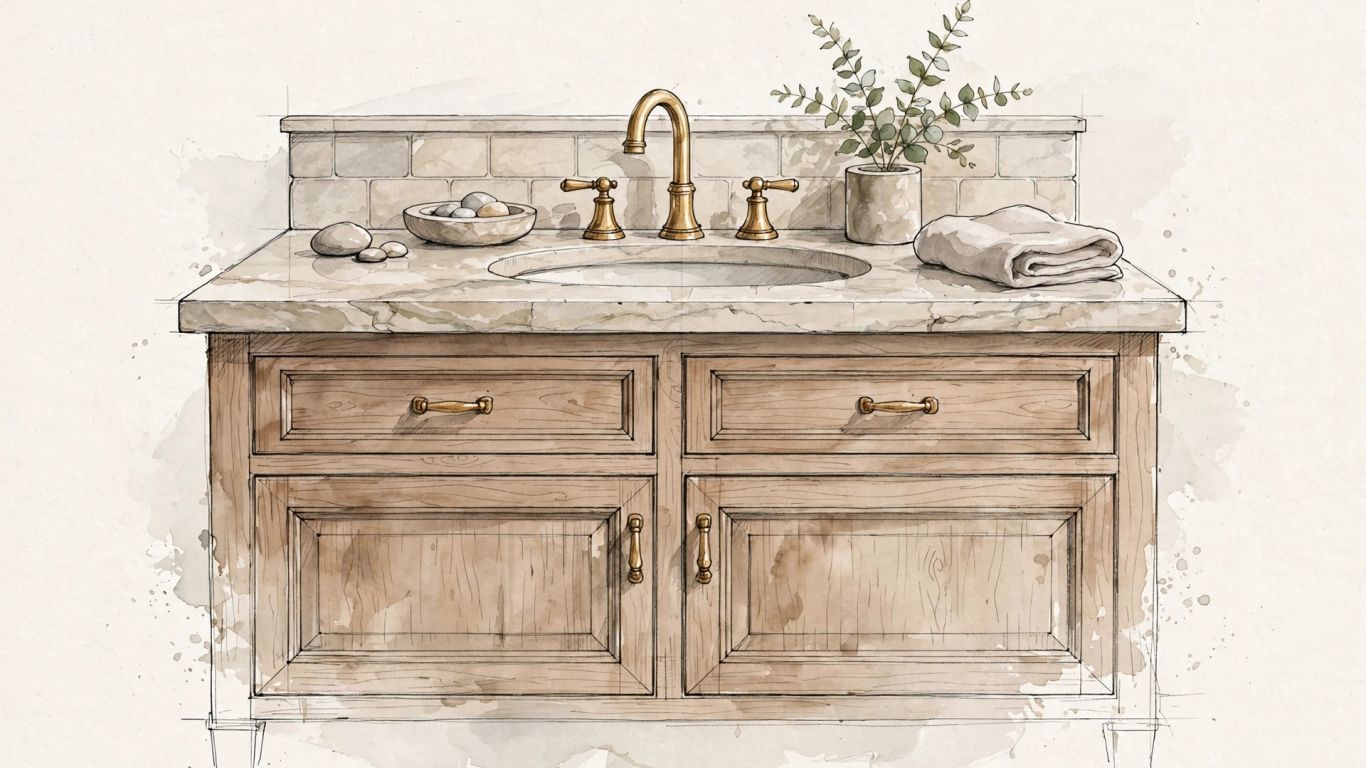
Choose a stone vanity top as a focal point
A vanity top gives the stone a useful, visible role and can set the palette for nearby walls and fixtures. For a more continuous effect, choose a top whose tones relate to the floor; for contrast, pair a quieter floor with a more expressive surface. Carrara White slabs from Surfaces Galore are described as suitable for countertops, including vanity applications in the product information. Review actual material samples and confirm fabrication details with the professionals handling the project.
Pair a stone backsplash with complementary wall tile
A backsplash can frame the vanity and protect the wall while adding a distinct band of texture. It may match the countertop for a calm, uninterrupted composition or use a related tile in a different size to add depth. Keep grout and adjoining wall color in view when judging the sample, since both can change how the stone reads. For additional design references, see timeless stone bathroom designs.
Use trim, thresholds, or a sill to create a finished edge
Transitions deserve the same attention as broad surfaces. A stone threshold or sill can make a change in material feel resolved, while trim can give an exposed edge a cleaner finish. Ask the installer which edge treatment suits the chosen stone, adjoining materials, and layout. Similar attention to material and detail can be useful when considering custom fireplace surrounds, even though a bathroom calls for its own moisture-conscious specifications.
Add a small-scale mosaic or accent for visual interest
A mosaic can bring a little pattern to a niche, backsplash, or narrow accent without taking over the room. Choose colors that appear elsewhere in the design, then let the changed scale create the distinction. Surfaces Galore’s Custom-Made Mosaic Collection is described for backsplashes, walls, floors, and custom designs, with customizable shapes, patterns, and finishes. Keep the accent focused so the larger stone surfaces still have space to breathe.
Build a cohesive color palette and layout
A bathroom feels coherent when the stone, fixtures, lighting, and other finishes share a few visual cues. Those cues might be warm undertones, a repeated metal finish, or a consistent level of contrast rather than an exact match. Begin with the stone that matters most to you, then choose supporting materials around it. As you plan, practical references such as a farmhouse cutting board guide can offer a reminder that wood tones and grain influence how warm materials sit together, even outside the bathroom.
Balance warm beige stone with wood and brass
Beige stone can create a soft foundation for warm wood and brass-toned fixtures. To keep the room from feeling too uniform, vary the texture: a quieter stone surface can sit beside more pronounced wood grain, or a simple vanity can balance a more marked tile. Check the materials together in the bathroom’s light before finalizing finishes. A subtle contrast is often more lasting than trying to make every warm tone identical.
Pair cool gray stone with crisp white or matte black
Gray stone can feel airy alongside white surfaces or graphic when paired with matte black details. Atlantic Gray Marble, for example, is described with soft gray tones and veining, and with uses that include bathroom vanities, flooring, and wall cladding. Let the degree of contrast guide how much black or white to repeat around the room. A small number of consistent accents can make the palette feel intentional.
Mix tile patterns without overwhelming the room
More than one pattern can work when each has a clear role. A large-format field tile might establish the background, while a small mosaic marks a niche or a patterned floor supplies the focal point. Try keeping patterns in a shared color family and varying their scale rather than combining several equally bold designs. When sample pieces are spread out together, it becomes easier to notice if the room needs one quieter surface.
Use lighting to highlight stone texture and natural veining
Lighting changes the way color and pattern appear, so review stone under the fixtures you plan to use as well as in daylight. Side lighting may bring out surface texture, while a more even source can make a strongly veined wall feel less pronounced. Plan illumination around mirrors, niches, and focal surfaces rather than relying on one overhead fixture. The final effect should be comfortable to use and pleasant to look at throughout the day.
Plan for installation and ongoing care
Natural stone can be a long-term part of a bathroom, but the result depends on choosing an appropriate material and installing it carefully. Ask questions before ordering about the intended use, finish, variation, and ongoing maintenance. Coordinate the stone decision with the installer and other trades, especially where waterproofing, transitions, and drains are involved. For a broader look at care considerations, review stone bathroom tile and care alongside product-specific instructions.
Confirm the stone and finish are suitable for each application
A stone suitable for one surface is not automatically the right choice for every part of the bathroom. Confirm the material and finish for the floor, wall, vanity, or shower separately, and ask how the proposed installation affects upkeep. Make the decision with the actual product information and professional advice in hand. This is also the time to check that the selected size and finish work with the room’s layout.
Discuss sealing and waterproofing with your installer
Sealing and waterproofing are related parts of the project, but they address different aspects of the installation. Ask the installer which products and methods are recommended for the selected stone and where the waterproofing system will be applied. Agree on who is responsible for each step before work starts. Clear expectations help keep the design choices aligned with the construction plan.
Choose pH-neutral cleaners and avoid harsh products
Use cleaning guidance written for the actual stone and finish rather than assuming every natural material responds the same way. A pH-neutral cleaner is commonly recommended for stone care, while acidic or abrasive products may be unsuitable; verify the advice with the supplier or stone-care professional. Test any product as directed, and follow the care instructions that come with the material. For project coordination beyond the surfaces themselves, accurate online appointment booking can make it easier to arrange consultations with the relevant professionals.
Maintain grout and reseal stone as recommended for the material
Routine care is usually simpler when it follows a clear schedule based on the stone, grout, and level of use. Keep grout clean and address maintenance needs according to the installer’s or manufacturer’s recommendations, including whether and when resealing is appropriate. Do not assume every stone needs the same interval or treatment. As you gather samples and organize design decisions, a little satisfying organizing inspiration can even make the planning stage feel less scattered; just keep the actual material choices grounded in product guidance.
Conclusion
A thoughtful stone bathroom comes together through a balance of material, scale, color, and care. Choose stone that suits both the atmosphere you want and the surface where it will be installed, then let considered layouts and carefully chosen details bring the room into focus.
Explore natural stone: browse stone options from American Stone Center for bathroom and other U.S. projects, with nationwide shipping available.
Frequently Asked Questions
Is natural stone a good choice for a bathroom?
Natural stone can be used in many bathroom settings, but the right material and finish depend on the application. Confirm suitability, installation requirements, and ongoing care with the supplier and installer.
Which natural stone is best for a bathroom floor?
There is no single best choice for every floor. Compare the stone’s appearance and finish, then ask a qualified installer whether it is appropriate for the room and the intended use.
Can natural stone be used in a shower?
Many stone products are used on shower walls and floors, but suitability varies by material, finish, and installation. Review product guidance and waterproofing requirements with your installer before selecting tile.
How do I choose a stone color for a small bathroom?
Consider how the color looks in the room’s available light and how it relates to the fixtures and wall finishes. Samples viewed in place can help you judge whether a tone feels open, warm, or dramatic.
Do natural stone tiles vary from piece to piece?
Yes. Natural stone can show differences in color, veining, and markings. Review multiple pieces when possible so you understand how variation may appear across a larger installation.
How should I clean natural stone in a bathroom?
Follow the care instructions for the specific stone and finish. Ask a stone-care professional or supplier which cleaner is suitable, and avoid products that the product guidance identifies as harsh or incompatible.
Does natural stone need to be sealed?
Sealing recommendations depend on the stone, finish, and use. Ask your installer or supplier whether sealing is appropriate and how often maintenance should be reviewed for the selected material.