







Key Takeaways
- Natural stone look tile offers convenience while authentic stone provides unmatched individuality.
- Manufacturing technology for imitations has advanced significantly but rarely captures subtle organic translucency.
- Maintenance requirements vary largely based on stone porosity and the chosen surface finish.
- Real stone offers a timeless aesthetic that tends to hold its perceived value significantly longer than synthetics.
- Proper selection relies on understanding your specific lifestyle needs and the unique characteristics of each mineral.
The rise of stone look aesthetics in interior design
The popularity of stone-inspired designs stems from a desire for elegance combined with modern project flexibility. Contemporary homes often prioritize materials that provide a polished look with minimal effort, leading many to explore options that emulate granite or marble. This shift reflects a move toward clean, sophisticated environments that remain welcoming and functional for busy households.
The consumer demand for organic textures
Modern homeowners increasingly seek connections to nature within their living spaces through tactile, organic surfaces. The presence of stone-inspired textures creates a grounding effect that softens the stark lines of modern architecture and provides a sense of permanent, earthy stability in new builds.
How manufacturing processes mimic natural movement
Advanced digital printing now allows producers to capture detailed, repeating patterns that approximate the random beauty of mineral deposits. High-resolution imaging is layered onto durable clay bases to create a visual depth that was quite difficult to replicate only a decade ago.
Achieving a high-end designer look on different budgets
While the market offers natural stone look tile that is accessible for every project scope, the primary goal remains visual impact. Savvy designers often mix premium and standard options, focusing high-investment areas on authentic materials while utilizing realistic lookalikes in secondary traffic zones.
Balancing trendy patterns with long-term home value
Designing with longevity in mind involves choosing classic styles that transcend seasonal trends. While it is tempting to chase the latest high-contrast graphics, investing in patterns that provide enduring aesthetic appeal helps ensure the renovation remains relevant as interior design preferences evolve over the coming decades.
Comparing porcelain mimics to authentic natural stone
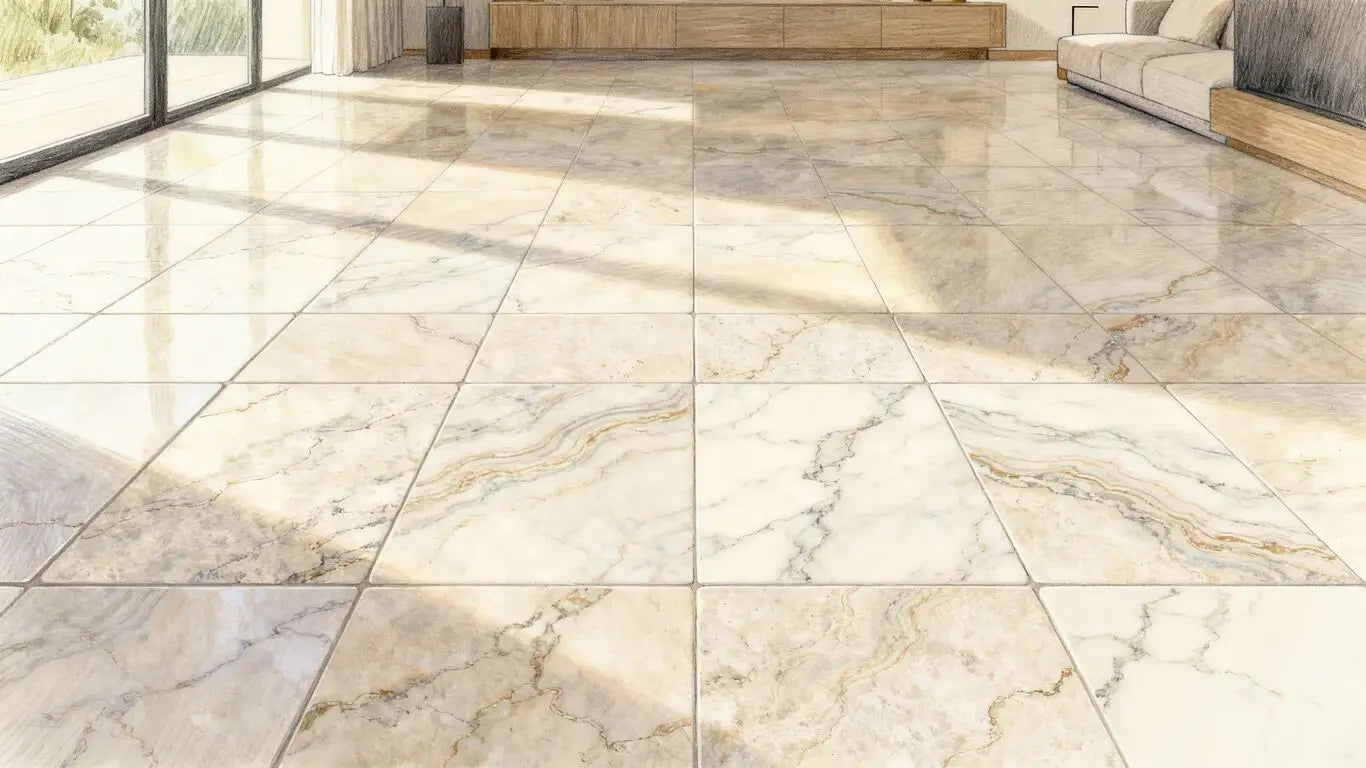
Authentic natural stone remains the gold standard for those prioritizing individual character over uniform consistency. Genuine materials have an inherent depth that reacts uniquely to ambient light throughout the day, providing an authentic atmosphere that manufactured items rarely achieve. When choosing, it helps to consider the fundamental structural differences between man-made and earth-formed surfaces.
Understanding the structure of ceramic and porcelain imitations
Ceramic and porcelain materials are engineered for consistency and moisture resistance in a controlled factory setting. Because they are baked as dense slabs, they provide a uniform surface that remains virtually impenetrable under normal household conditions, especially when compared to porous natural stone surfaces.
The geological origins of genuine marble, limestone, and travertine
Genuine stones are born from immense pressure and time deep within the earth, resulting in unique characteristics that vary from block to block. Natural stone tile selections from providers like Surfaces Galore celebrate these mineral origins, ranging from the classic veining of Italian marble to the rich, fossilized markings of porous travertine.
Why digital printing struggles to capture true depth and translucency
Even at the highest resolutions, digital printing provides a surface-level representation of stone rather than genuine crystalline structure. Real marble possesses a specific degree of light-refractive quality, known as translucency, which allows light to penetrate the surface slightly, a trait artificial substitutes lack.
Recognizing the difference between mass-produced symmetry and natural variation
Mass-produced tiles often rely on a limited set of screens to create their "random" appearance. Genuine stone ensures that no two pieces are identical, offering a natural stone tile aesthetic that inherently celebrates the raw, unrepeatable geometry found only in nature.
Evaluating durability and daily maintenance requirements
Daily upkeep is a critical factor for anyone weighing the cost of materials against their intended lifestyle. For those who prioritize a low-difficulty standard of hygiene, understanding the sealing and cleaning needs of various surfaces is essential in the early stages of planning a renovation.
The reality of maintenance for modern porcelain tiles
Modern porcelain requires very little intervention, essentially needing only standard mild cleaners to look pristine. It is perfect for those who want to avoid the potential of staining or etching entirely while still enjoying the visual patterns of stone.
Debunking common myths about caring for natural stone
Many people fear that natural stone is too delicate for home use, yet high-quality stone like Premium marble tile collections has graced historic buildings for centuries. With modern sealers, even lighter materials remain perfectly protected in most kitchen or bath environments, provided they are managed with common sense.
The evolution of sealers and protective treatments for stone surfaces
Chemical science has provided advanced penetrating sealers that sit inside the pores of the stone, repelling liquids without altering the surface appearance. Modern stone care is far more user-friendly than it was even twenty years ago, ensuring reliable peace of mind.
Preparing for the natural patina that comes with authentic stone
Some users embrace the soft changes that occur over time as stone interacts with its environment. If you view stone look tile alternatives as static, think of authentic material as living, where small marks tell the history of your home:
| Surface Type | Maintenance Level | Best Use Area |
|---|---|---|
| Polished Marble | Moderate | Bathrooms |
| Honed Travertine | Requires Sealing | Entryway |
| Porcelain Mimic | Low | Heavy Traffic |
Maintaining your surfaces effectively is just part of the process; much like Systemic design leadership teaches us to avoid redundant effort, you should design your maintenance routine to be as simple as possible from the start.
Aesthetic depth and the power of unique stone characteristics
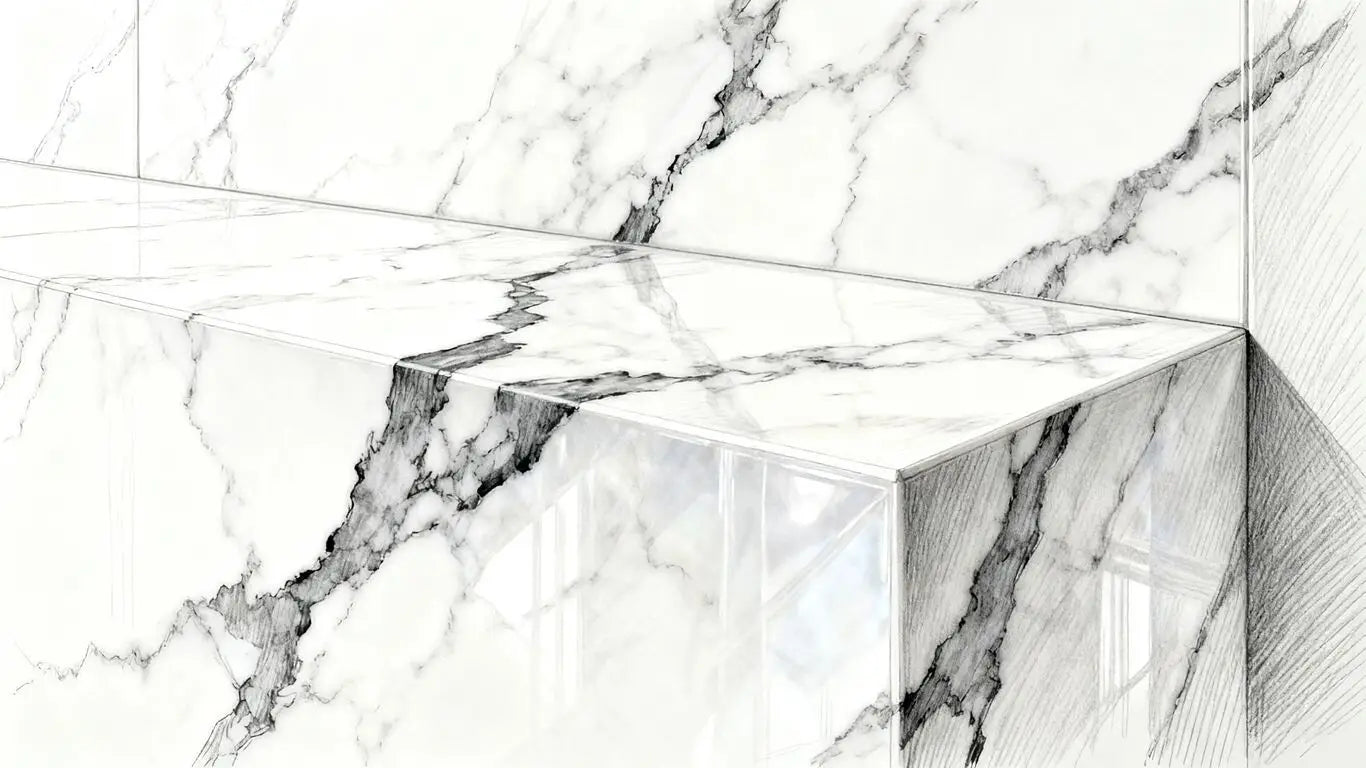
Visual depth in interiors is rarely achieved through perfectly smooth, repetitive surfaces alone. True, one-of-a-kind stone slabs provide a depth of color and crystalline variation that creates a sophisticated base for any luxury design scheme. The way these materials feel to the touch or look when the light hits the veining at sunrise adds a layer of refinement that can make a standard room feel like a work of art.
The visual impact of one-of-a-kind veining and movement
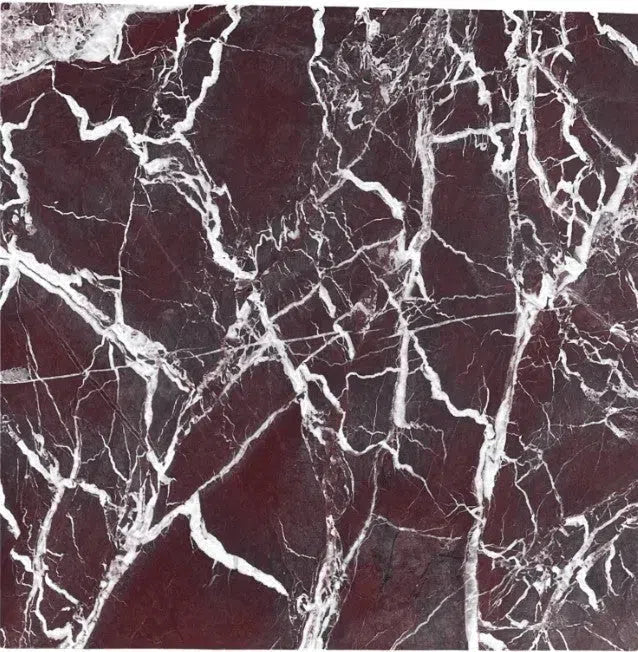
There is a profound difference between a printed pattern and the jagged, unpredictable veins found in a slab of marble. This movement acts as a focal point, drawing the eye across the floor and giving the space a sense of character that feels intentional and curated rather than assembly-line fast.
Why the "warmth" of real stone cannot be replicated by synthetics
Real stone is a geothermal creation, acting as a thermal mass that holds the coolness or warmth of the room. It feels substantial underfoot in a way that thin porcelain tiles, even with advanced texturing, cannot hope to match.
Choosing between polished, honed, and tumbled finishes for your space
Finish selection determines how the stone interacts with interior lighting. A polished finish creates a reflected mirror effect, whereas a honed finish provides a matte, velvety look that feels more traditional and soft, often preferred for creating a cozy, high-end atmosphere.
Matching your interior design style to specific natural stone varieties
We recommend reviewing the unique mineral profiles available to ensure the stone supports your design goals:
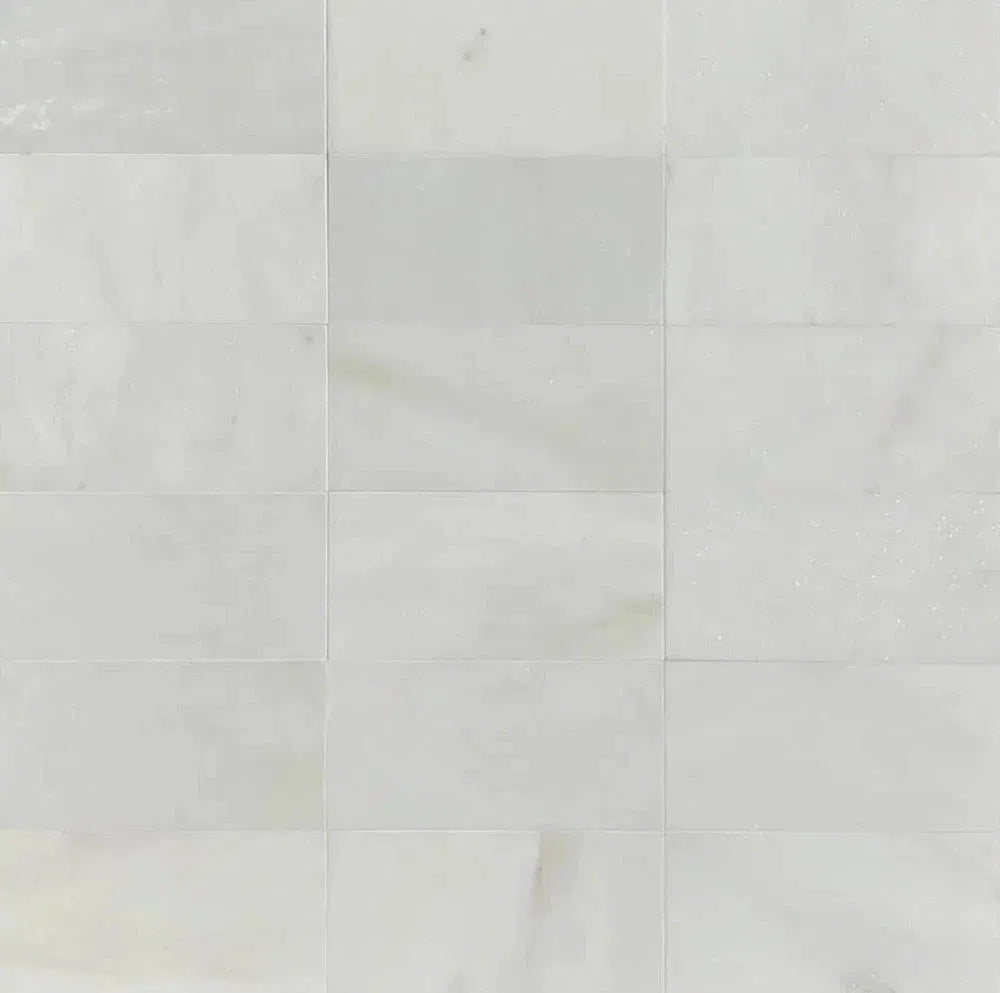
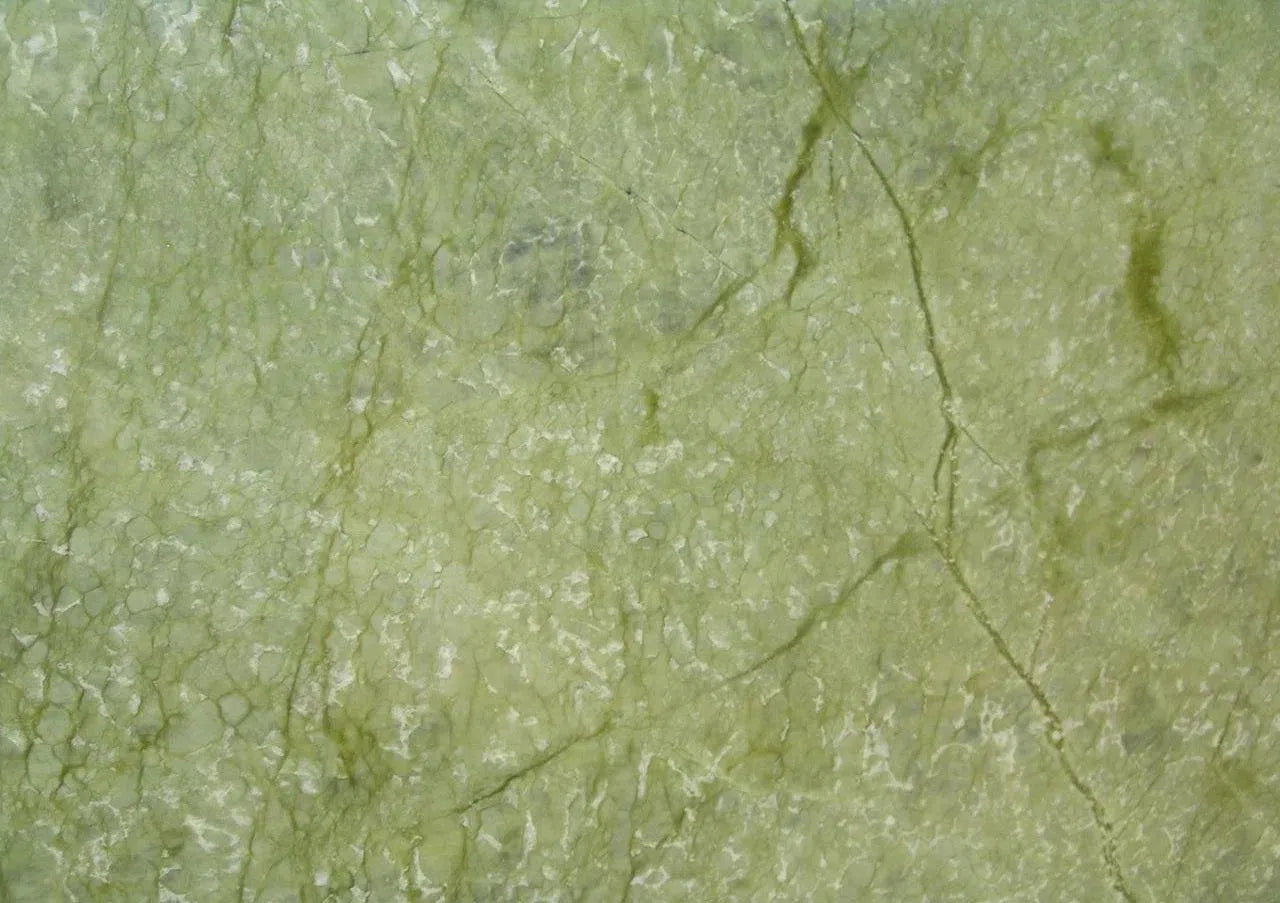
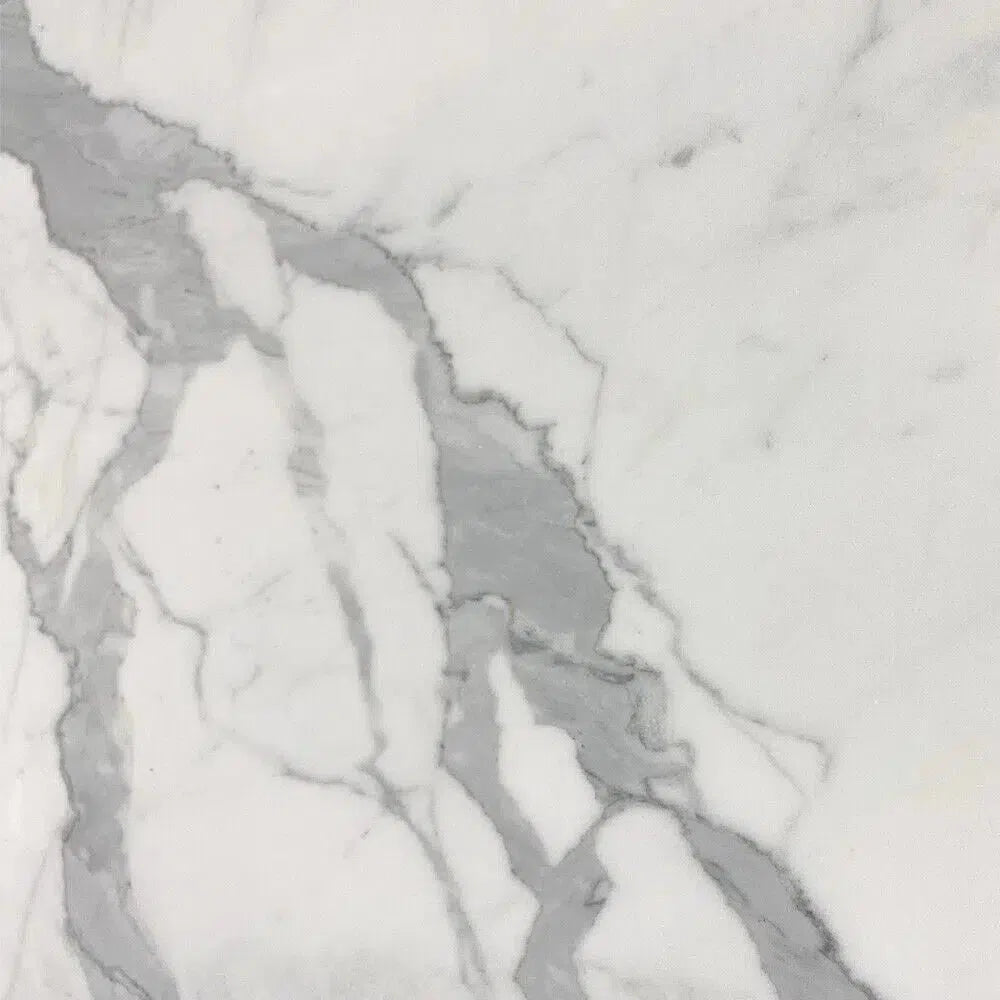
- Bright, pure white stones for clean, minimalist kitchens.
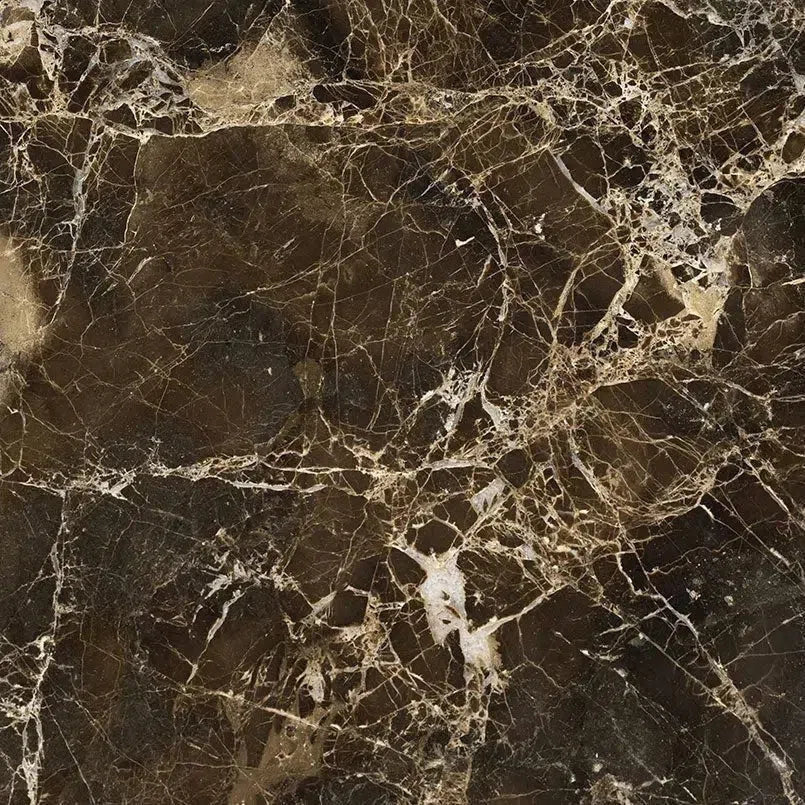
- Charcoal or dark gray stones for moody, executive study rooms.
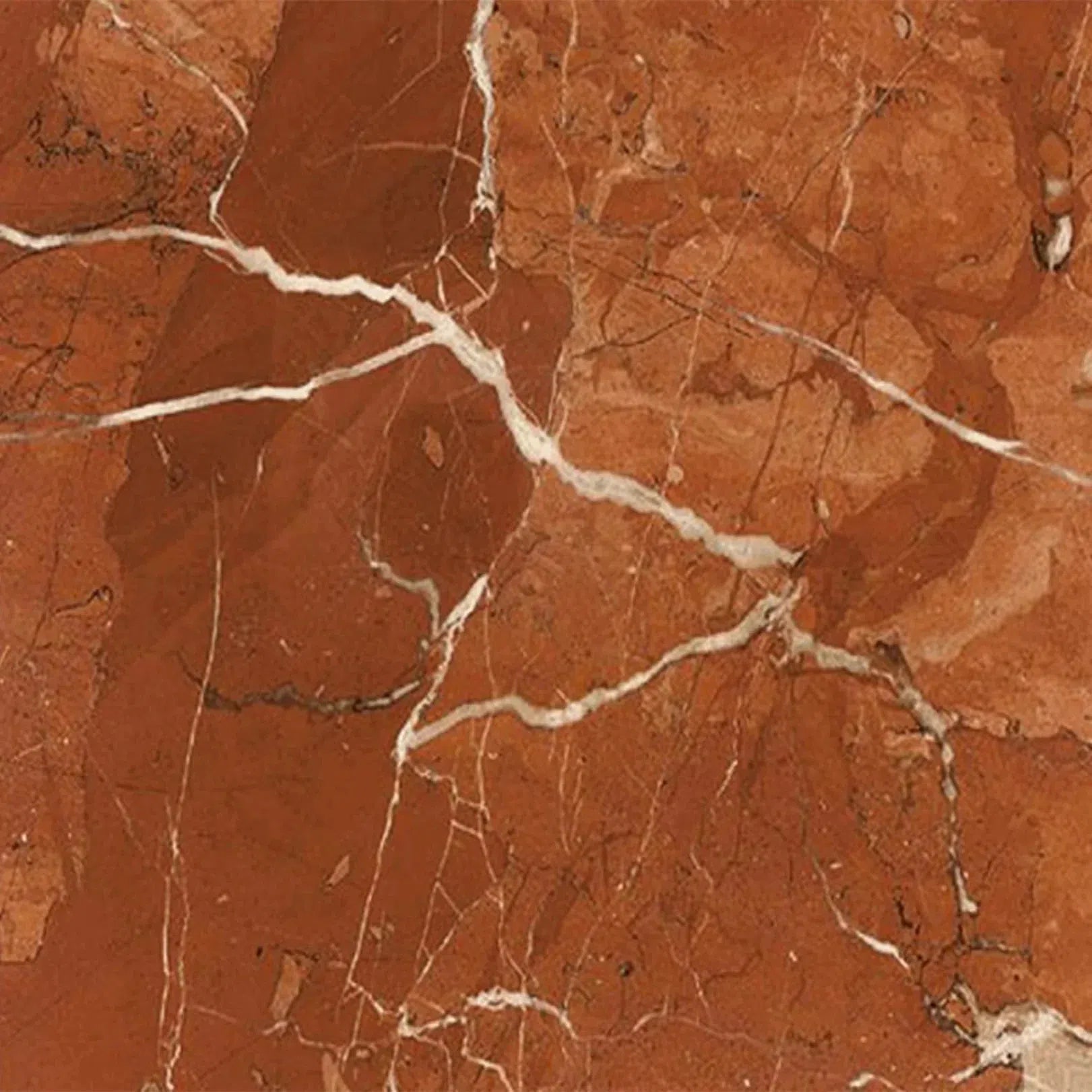
- Earthy beige or rust-toned stones for organic, Mediterranean-style backsplashes.
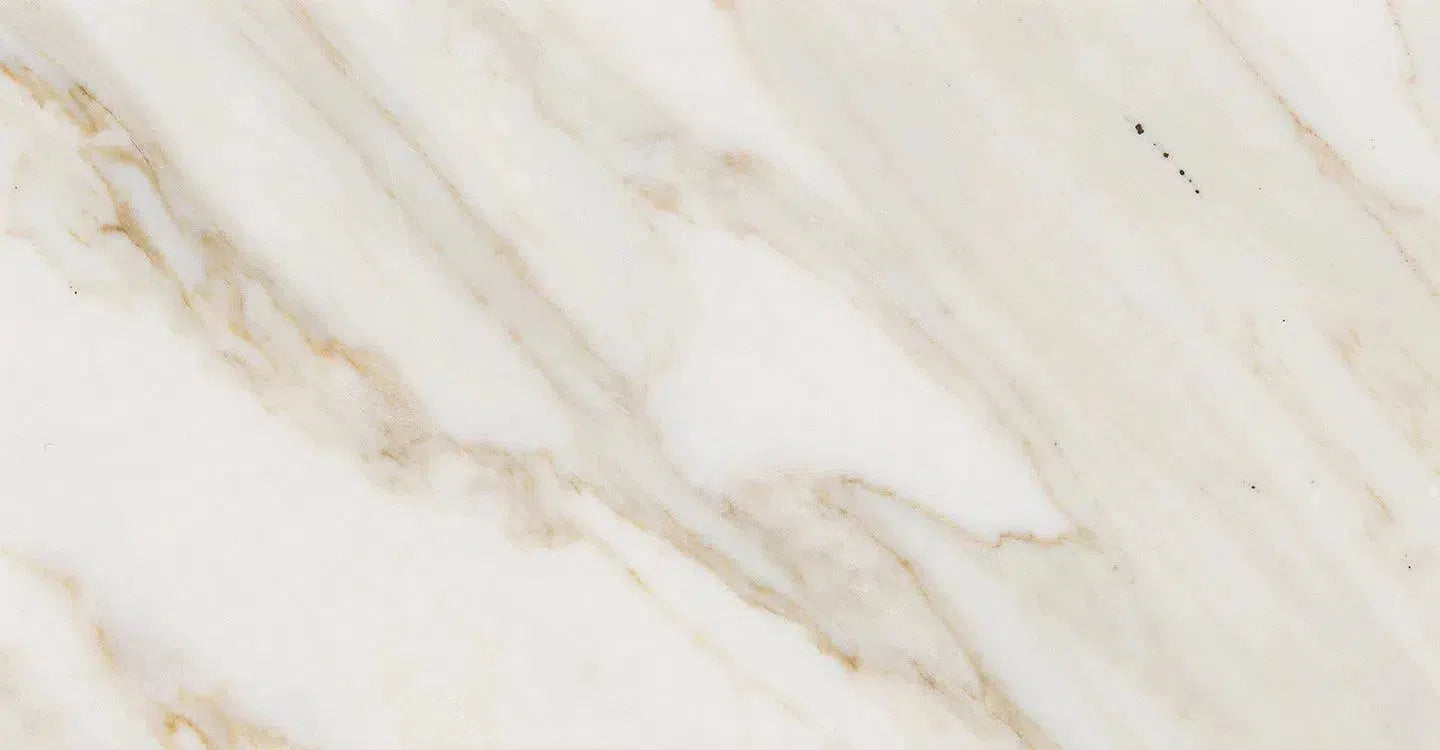
- Bold, gold-veined marbles for grand foyer statements.
The role of natural stone in increasing property value
When evaluating a property upgrade, one must consider the generational impact on home value and marketability. Luxury buyers look for authentic materials that represent an investment in quality, and they often notice when a material has been substituted for a cost-saving alternative.
Why luxury buyers favor authentic materials over lookalikes
Properties that use real, imported stone signal a commitment to quality throughout the building process. It acts as an assurance to potential future buyers that the home was built to last and finished with high-end, classic materials that carry inherent permanence.
The prestige of using imported marble compared to manufactured options
Imported materials like Statuary White Marble or fine limestone carry a sense of global design heritage. They offer an architectural weight that manufactured goods simply do not reach, providing an air of old-world quality that attracts discerning buyers.
Viewing stone flooring and surfaces as a generational investment
Because stone can be refinished, sealed, and polished again after decades of wear, it represents a lifetime surface. If you need help with your stone selection, explore Surface renovation advice to manage your long-term plans effectively.
Enhancing architectural significance through premium materials
Premium, authentic material choices contribute significantly to the perceived worth of a room. Whether it is an entryway foyer or a fireplace hearth, the presence of real stone adds a structural integrity and prestige that helps set a home apart in a crowded real estate market.
Selecting the right stone for your project and lifestyle
Choosing the right material requires a blend of aesthetic taste and functional honesty. If you are starting out, use Electronic project checks or Scope comparison tools to define your needs, and remember that Kitchen storage logic for materials matters just like it does for your appliances. Be realistic about your daily habits so you can enjoy your choice for years to come.
Determining the best applications for marble, travertine, and limestone
Consider local wear patterns when choosing. Marble is a classic choice for low-traffic rooms, whereas dense travertine holds up beautifully on well-traveled floors when sealed correctly.
Selecting stone for high-traffic areas vs. feature walls
For entryways or halls, prioritize the stone's hardness or provide protective staging. In contrast, feature walls or bathroom backsplashes are excellent locations to show off more expressive, delicate, or high-veining stones that you wouldn't necessarily use on a busy kitchen work surface.
How to evaluate samples in your own lighting
Always view your material samples in the exact room where you plan to install them, checking how they look during both morning daylight and evening artificial lighting. Sunlight transforms color, and a stone that looks perfect in a showroom might change its warmth drastically when framed by your current wall paint.
Transitioning from the "look" of stone to the experience of authentic quality
Eventually, many designers move away from the mimicry of trends and toward the comfort of genuine materials. Authentic stone provides an experience, a physical sense of weight, and an emotional connection to the earth that serves as the final step in a truly refined interior.
Conclusion
Choosing between the convenience of modern lookalikes and the enduring beauty of genuine stone is a personal decision that defines the character of your home. By understanding the specific needs of your space and the unique qualities of natural materials, you can invest in a finish that brings authenticity, elegance, and long-term value to your living environment without compromise.
Frequently Asked Questions
Is natural stone difficult to clean?
Most natural stones are surprisingly manageable, requiring only a basic pH-neutral cleaner to maintain their appearance over time.
Does stone tile increase the resale value of a house?
Yes, authentic materials made from real stone are widely viewed by potential buyers as signs of quality that can enhance the perceived value of a property.
Can I use marble in my kitchen?
Marble is a classic choice for kitchen surfaces, though it should be recognized that it may require extra care to prevent and manage acidic etching or staining.
Are stone look tiles always cheaper than real stone?
While lookalikes are often more budget-friendly, the long-term value and durability of authentic, high-grade stone tiling make it a competitive choice for serious renovations.
How often do I need to seal natural stone?
Sealing frequency varies based on material porosity and usage, but in most residential settings, a quality protective sealant can last for several years.
Can different stone types be mixed in one room?
Yes, mixing stone varieties often creates a rich, textural depth, though it is important to ensure the finishes and tones complement each other aesthetically.
What is the advantage of a honed finish?
A honed finish removes the highly reflective polish of a stone, providing a sophisticated, matte appearance that feels soft, velvety, and classic to the touch.