







Key Takeaways
This guide explores the transformative potential of natural stone in interior design through the lens of one of its most versatile materials. By understanding the properties, installation nuances, and maintenance needs of stone pieces, you can elevate any bathroom into a customized, relaxing sanctuary.
- Pebble shower tile offers a natural, tactile grip that enhances safety in wet areas.
- Proper substrate preparation is critical for longevity in high-moisture environments.
- Sliced pebble finishes provide a modern, flat surface preferred for contemporary aesthetics.
- Regular sealing ensures that natural stone retains its original color and structural integrity.
- Professional installation techniques, including site-grouting, create the look of a continuous natural riverbed.
The aesthetic appeal of pebble shower tile
Nature-inspired design elements bring an immediate sense of calm to residential spaces. A carefully chosen pebble shower tile adds organic layers to a room, breaking the monotony of traditional porcelain and ceramic surfaces. By bringing the outdoors in, designers create spaces that feel grounded and intentional.
Incorporating natural textures into modern bathrooms
Integrating natural textures allows for a subtle, sophisticated approach to bathroom design that emphasizes comfort. Homeowners who appreciate pebble shower tile find that its varied, non-uniform surface provides a unique visual rhythm in minimalist spaces. The raw beauty of these stones provides a refreshing contrast to the harsh lines of contemporary fixtures.
Creating a spa-like atmosphere at home
Transforming an ordinary bathroom into a private retreat relies on sensory experiences that evoke relaxation. Many designers utilize the calming influence of earth tones because they mimic the tranquil environment of a luxury spa. Achieving this aesthetic often involves balancing warm and cool elements, which allows the natural stone to act as a centerpiece for a truly serene retreat.
Color and shape variations for personalized design
Personalizing a bathroom space becomes a truly rewarding creative process when you select from the wide spectrum of natural stone hues available. Whether you prefer monochromatic gray scales or diverse earth tones, variety in pebble size and shape creates a one-of-a-kind appearance. The versatility of these stones allows them to complement various interior styles, ranging from rustic farmhouse to ultra-sleek, clean-lined modern ensembles.
Understanding pebble tile varieties and finishes
Selecting the right finish defines both the visual effect and the tactile sensation under your feet. Surfaces Galore is a direct importer of natural stone surfaces and provides a vast selection for home renovation projects, helping you navigate these stylistic choices. Understanding that each stone reacts differently to light and water is essential for your design success.
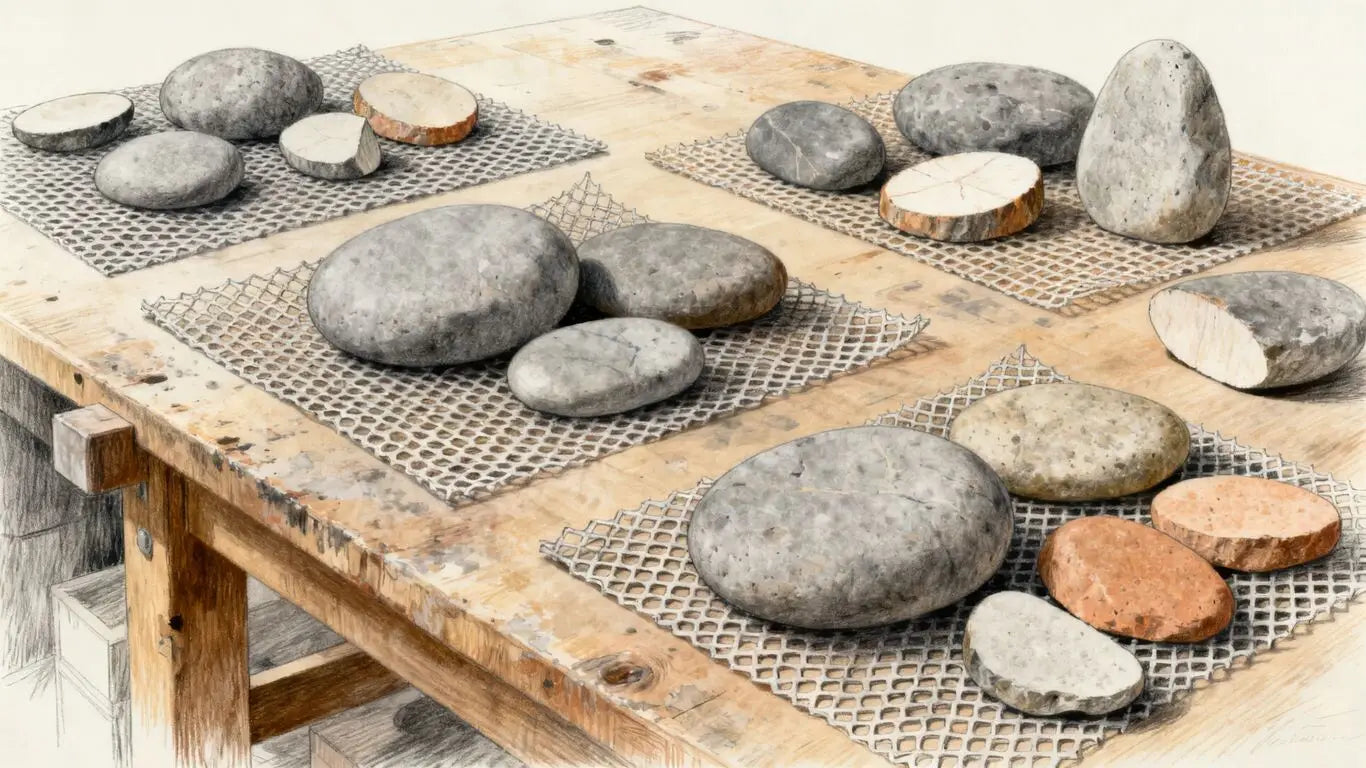
Sliced versus rounded pebble surfaces
Rounded pebbles are classic, offering a soft feel, while sliced options provide a flat walking surface that many renovators prefer for a refined look. The Pebble Stone Sliced Mixed Tile serves as a great example of how a matte, unglazed finish can create a sophisticated backdrop. If you desire a smooth and consistent walking surface, a sliced finish is the practical choice for a high-traffic master shower.
Comparing interlocking mesh-backed sheets
Modern mesh-backed sheets have revolutionized the installation process for intricate mosaic layouts. To understand your options, refer to this breakdown of typical pebble tile configurations:
| Configuration | Floor Feel | Aesthetic Note |
|---|---|---|
| Rounded Pebbles | Massage Effect | Soft, organic |
| Sliced Pebbles | Flat Comfort | Modern, clean |
| Mosaic Patterns | Visual Detail | Intricate, bold |
Selecting the right sheet configuration ensures that the transition between tiles is hidden, preventing disjointed patterns and ensuring that the installation looks like a natural, continuous formation.
Matching stone types to your bathroom color palette
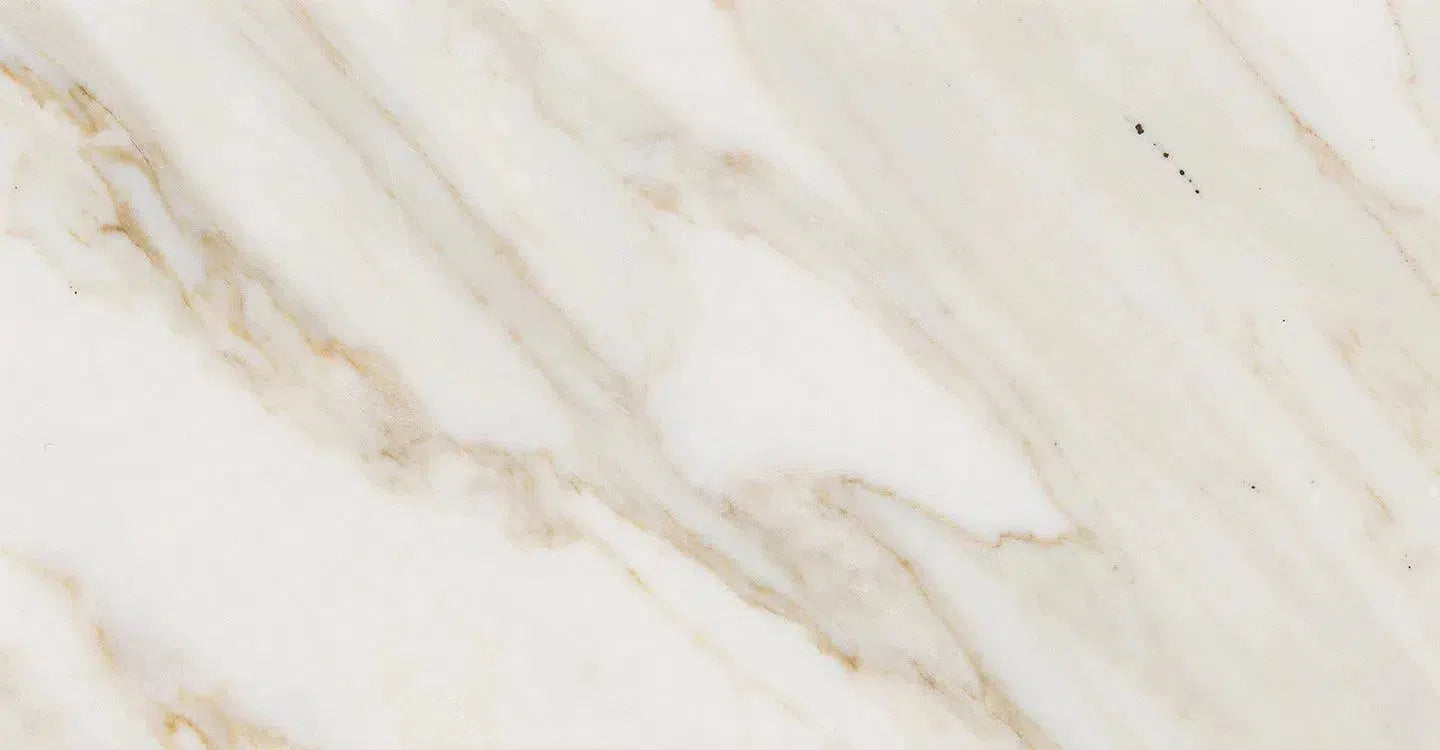
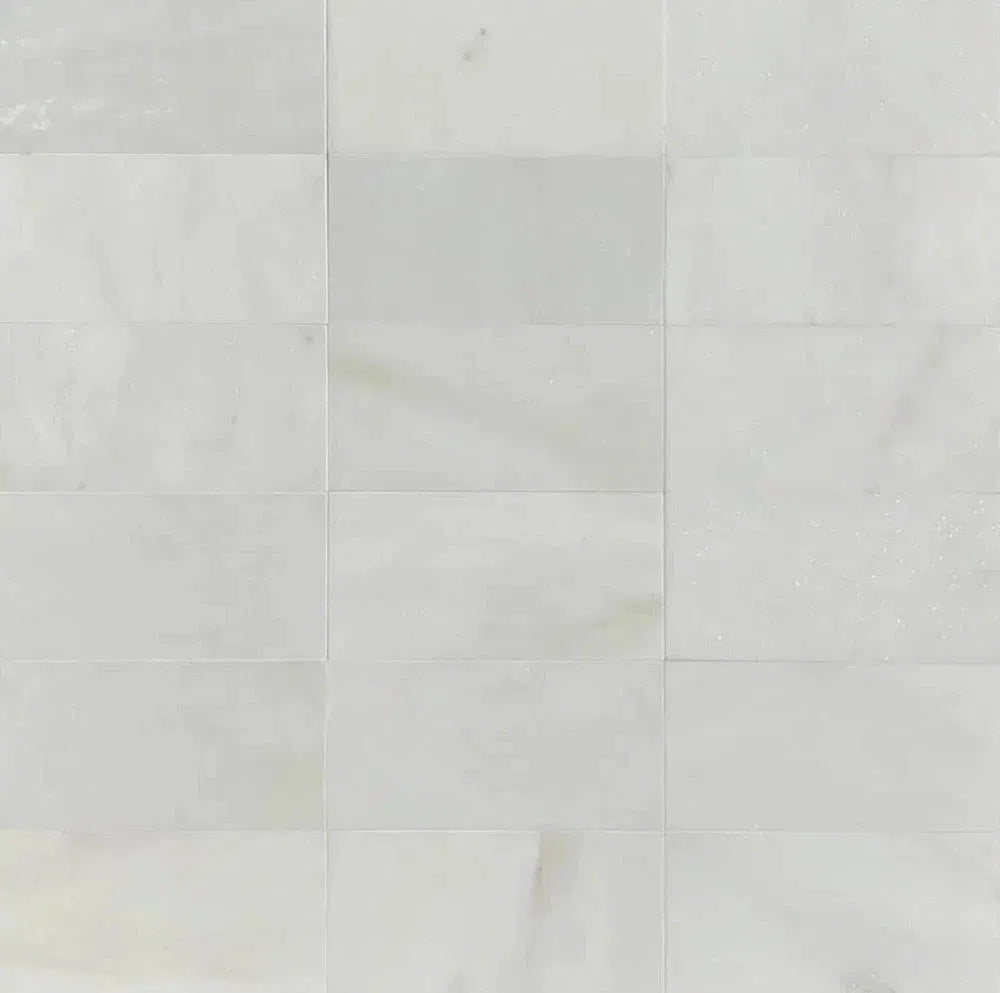
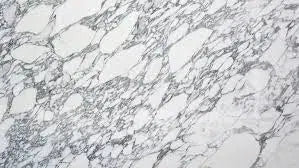
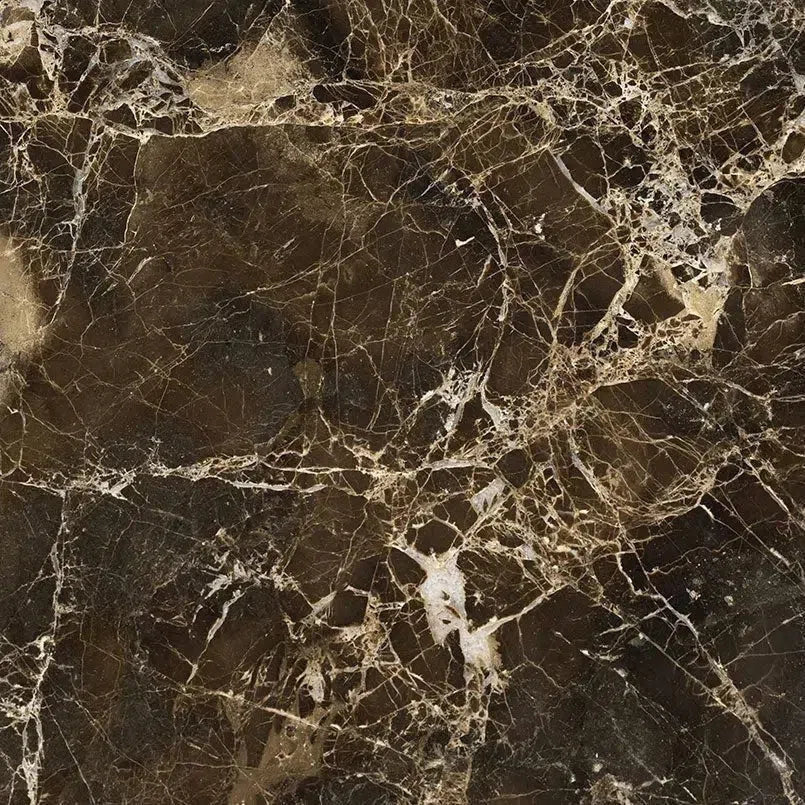
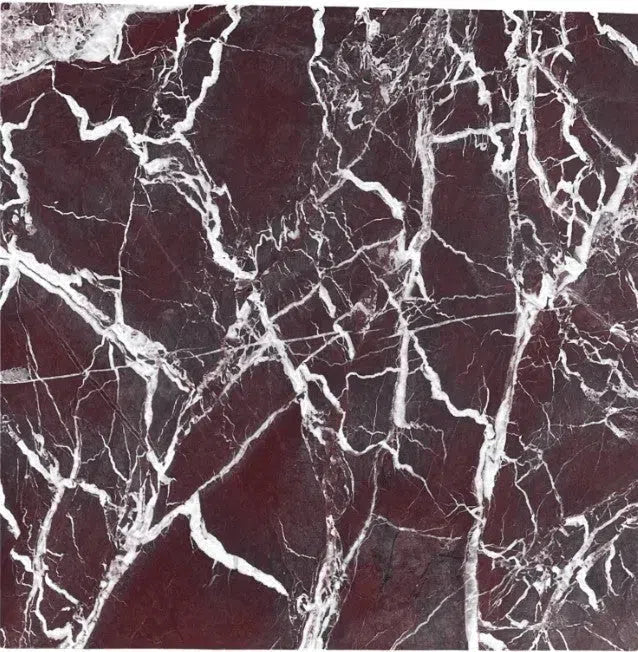
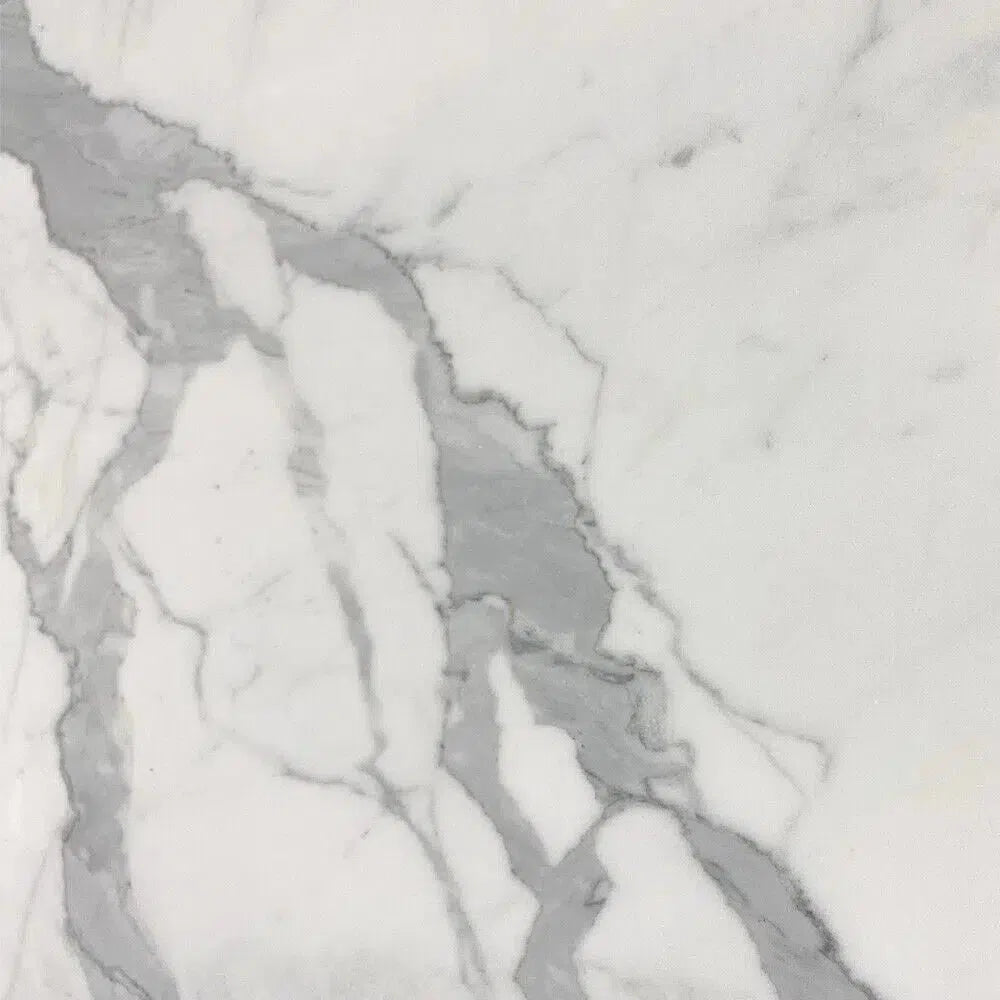
Color matching ensures that your pebble installation coordinates seamlessly with vanity materials and wall tiles. For those seeking brightness, our Carrara White marble brings timeless beauty to any bathroom, while darker stones from the Pietra Notte Marble Collection offer a moody, refined alternative. Designers often find that a balanced color scheme serves to enhance the overall harmony of the space.
Performance in wet environments
Managing moisture is the primary technical challenge when using natural stone in a shower stall. Proper drainage is non-negotiable for keeping stone surfaces pristine over several seasons. With correct planning, the natural porosity of stone becomes a manageable and attractive feature rather than a liability.
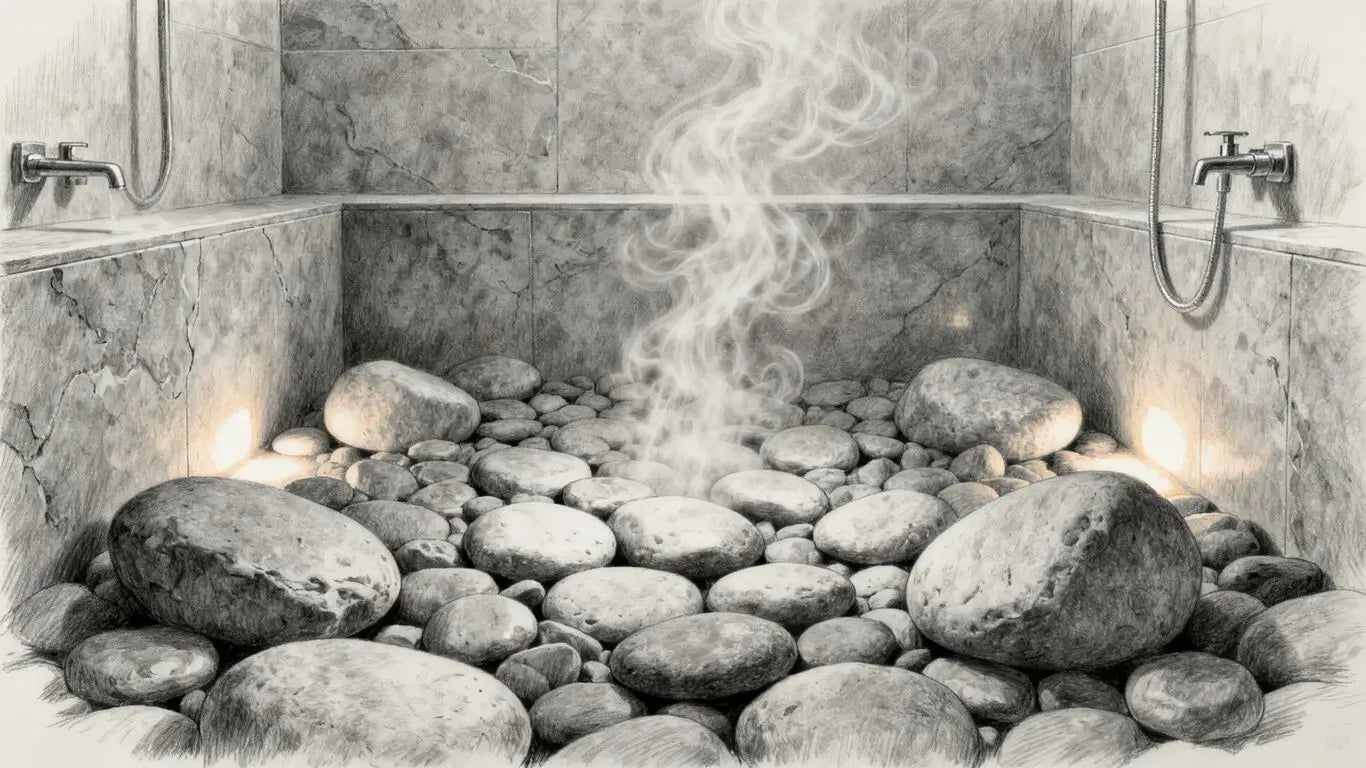
Ergonomic benefits and therapeutic foot massage properties
Standing on rounded natural stone mimics the experience of walking along a rocky stream, providing a natural massage to the soles of the feet. This unique tactile feedback promotes circulation and sensory engagement, turning quick morning showers into a deliberate wellness practice. Many home owners specifically source these stones to achieve this distinctive therapeutic tactile sensation in their daily routines.
Slip resistance and safety considerations
Safety is a paramount concern in any wet room, and natural stone provides a distinct advantage through its inherent surface variation. Unlike slick porcelain, the uneven topography of stone creates built-in grip. This makes for a more secure environment, especially for those looking for pebble shower floor ideas that don't sacrifice style for functionality.
Water drainage and grout joint management
Effective water management requires a sloped subfloor to prevent ponding in low spots. Because irregular stones create extensive grout lines, selecting a high-quality sealant for these joints is crucial for long-term health.
Expert installation techniques
Installing natural stone effectively requires patience and an understanding of the material's specific needs. A clean, level subfloor is the foundation upon which your entire project rests, so never rush the base preparation phase. Paying attention to these foundational steps will significantly influence the durability and appearance of your finished stone floor.
Preparing the shower floor substrate
Before you lay a single stone, the floor must be perfectly graded toward the drain for consistent runoff. If the substrate is compromised, shifting stone can cause cracking in the grout lines or even damage to the waterproofing layer below. Professional installers prioritize a structural waterproof membrane, which prevents moisture from ever reaching your home's framing.
Applying mortar for optimal stone adhesion
Choosing the correct mortar is essential for ensuring that each pebble remains firmly anchored to the shower pan. Use the following installation best practices:
- Ensure the substrate is clean and free of construction dust.
- Apply a thin-set mortar designed specifically for natural stone.
- Press sheets gently into the bed to avoid mortar squeezing up into the pebble surface.
- Clean any residual mortar from the stone surface immediately before it hardens.
Following these steps helps maintain a professional finish while guaranteeing that each individual stone remains securely held in place.
Grouting techniques for a seamless, natural look
Applying grout around rounded stones requires a specialized technique that differs from standard flat tiling. Instead of using a traditional float, professional installers often use a piping bag to fill crevices precisely. This controlled application prevents excessive coverage on the stones themselves and ensures a clean, natural look that mimics organic riverbeds.
Preventing common installation pitfalls
Common issues such as grout clouding or stone staining often arise from using the wrong cleaning tools during application. Avoiding acidic cleaners and using pH-neutral soap is essential, especially while working with sensitive stones like limestone or marble. Consistent vigilance during the drying process ensures your project remains in peak condition for years.
Long-term maintenance of natural stone pebbles
Natural stone requires a commitment to routine care to preserve its inherent beauty, but the results are well worth the effort. By establishing a simple maintenance schedule early on, you prevent the accumulation of minerals that can dull the stone's appearance. Consistent care is the secret to extending the life of your investment.
Selecting the right sealant for stone protection
Sealant acts as a sacrificial barrier against soapy buildup and hard water, and it must be applied correctly to be effective. For those unsure where to start, consider resources from TileBar.com which emphasize the importance of using high-quality penetrative sealants. Always reapply treatment according to the manufacturer’s schedule to ensure continuous protection against environmental damage.
Daily cleaning routines to prevent soap and residue buildup
Incorporating a quick daily rinse into your post-shower routine significantly reduces the amount of soap film that adheres to the stones. A simple squeegee pass across the walls and a thorough warm water rinse are often all that is required to sustain a high level of cleanliness. Keeping the surface free of mineral-laden water prevents the dulling effects of daily use.
Dealing with hard water and mineral deposits on natural stone
In regions with hard water, mineral deposits can become a difficult nuisance to remove if left unaddressed for too long. If you notice buildup, use only gentle, stone-safe cleaners to avoid etching the surface. Staying on top of these deposits is the easiest way to ensure the stone retains its natural color and luster.
Conclusion
Creating a shower space with pebble tile allows for a deep aesthetic and tactile transformation, blending the raw, undomesticated beauty of natural materials with the comfort of a high-end bathroom. Achieving this look is simple once you address proper drainage, sealing, and material choice, and if you are ready to start view our collection today for inspiration.
Frequently Asked Questions
Is pebble tile difficult to install?
While the installation is more labor-intensive than standard tiles, the process relies on consistent mortar application and precise grouting; it is accessible to those with experience working with natural stone mosaics.
Can I use pebble tile in a steam shower?
Yes, provided the stone is properly sealed and the shower is waterproofed to handle high-humidity environments, natural stone is durable enough for most steam-related projects.
Does pebble tile require special grout?
It is highly recommended to use sanded or non-sanded grout tailored for natural stone, ensuring the mixture is compatible with the porosity of the specific stone type you select.
How often should natural stone pebbles be sealed?
Generally, natural stone should be professionally sealed every 12 to 24 months, depending on the frequency of shower use and the water quality in your specific area.
Can I use store-bought cleaners on my pebble floor?
Avoid generic, acidic store-bought cleaners as they can easily damage the mineral structure of natural stone; always opt for pH-neutral cleaners specifically formulated for marble or travertine.
Are pebble tiles comfortable for daily use?
Many users find the rounded texture acts as a therapeutic massage for their feet, making them feel refreshing and pleasant compared to cold, flat ceramic surfaces.
Do pebble tiles hold water or lead to mold growth?
When properly installed with a sloped floor and regular sealing, pebble tiles do not hold water; mold typically results from poor drainage or lack of maintenance, not the stone itself.