
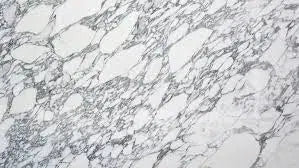

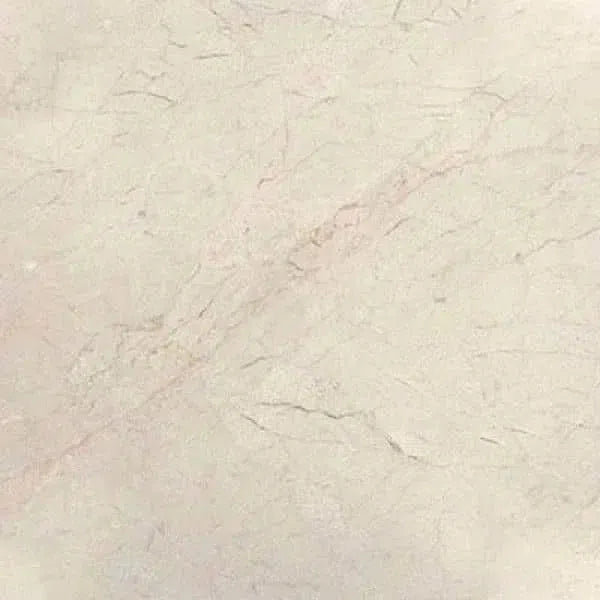
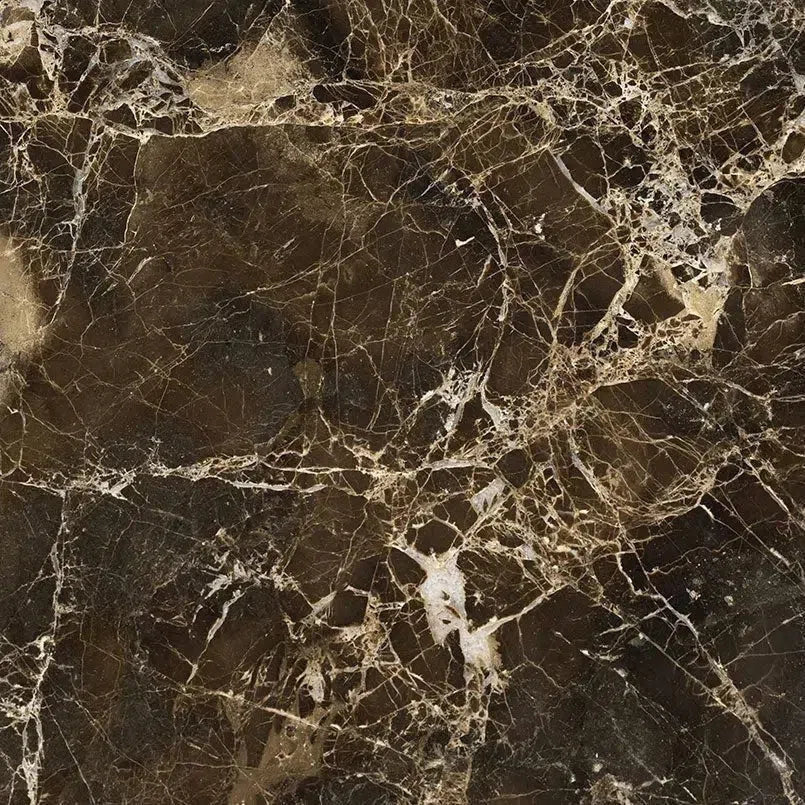
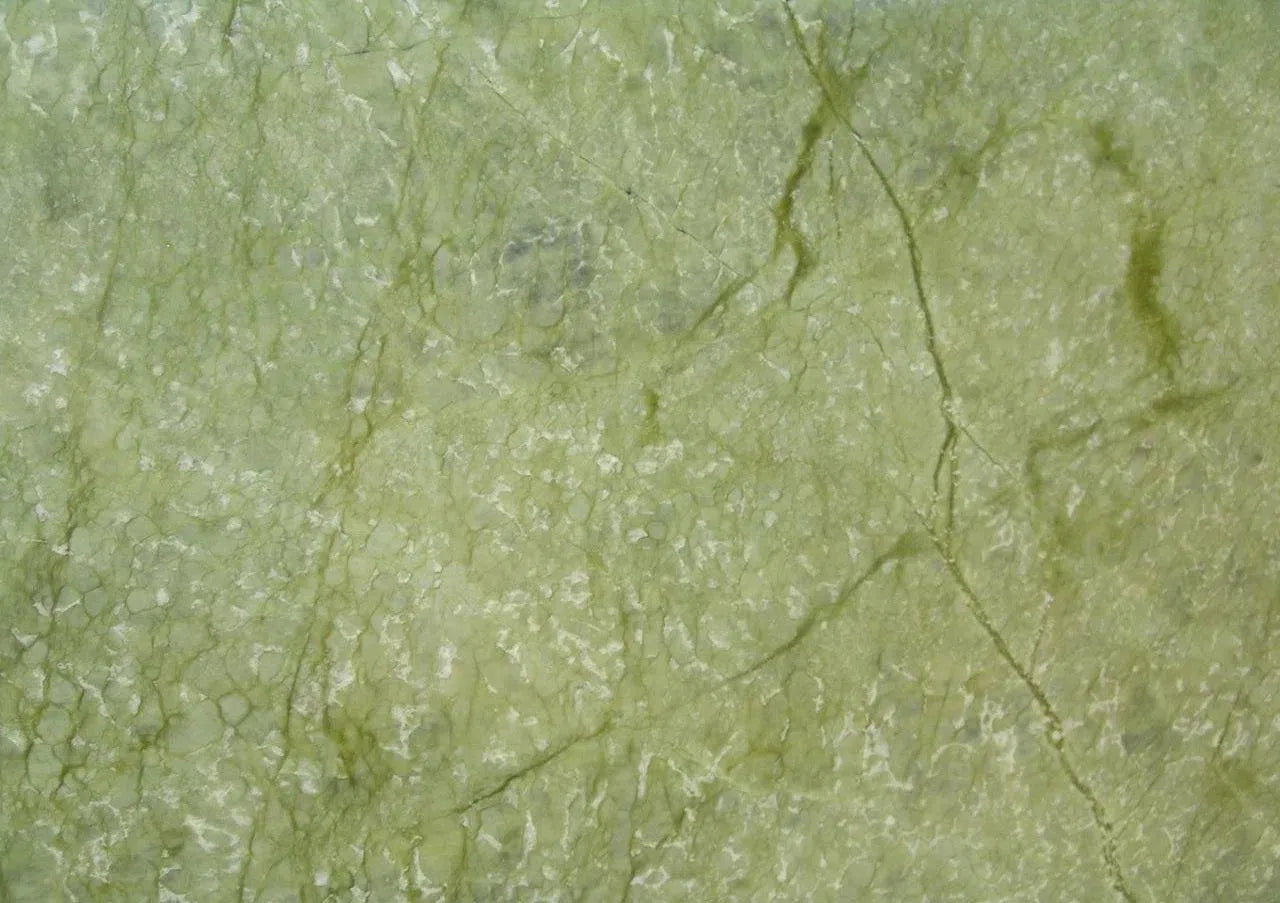

So, you're thinking about adding a little something extra to your floors? A tile floor border idea can really make a space pop. It’s like adding a frame to a picture, you know? It just pulls everything together and makes it look finished. Whether you're going for something fancy or just a bit of subtle detail, there are tons of ways to do it. Let's look at some cool tile floor border ideas that can totally change how your home looks.
Key Takeaways
- Marble borders offer timeless elegance, with options like Carrara for subtle beauty or Calacatta Gold for a bolder statement.
- Travertine borders bring warm, earthy tones and can create a rustic or modern feel depending on the finish.
- Geometric patterns, like herringbone or chevron, add visual interest and a modern touch to tile floor borders.
- Mosaic borders, using glass, metal, or stone, can introduce intricate details, shimmer, and artistic flair.
- Playing with contrasting colors and textures in your tile floor border ideas can create a dramatic or harmonious look.
- The finish of your border tiles—polished, honed, or textured—significantly impacts the overall style and practicality.
- Consider specific room needs, like durability in entryways or a spa-like feel in bathrooms, when choosing tile floor border ideas.
- Combining different materials, like stone with metal accents or wood-look tiles with stone, can result in striking and unique border designs.
Classic Marble Tile Floor Border Ideas
Marble. Just the name sounds fancy, right? It's one of those materials that just screams luxury and timeless style. When you're thinking about adding a border to your tile floor, marble is a top-tier choice. It's been used in fancy buildings and homes for ages, and for good reason. It looks amazing and really makes a space feel more put-together.
Timeless Elegance with Carrara Marble Borders
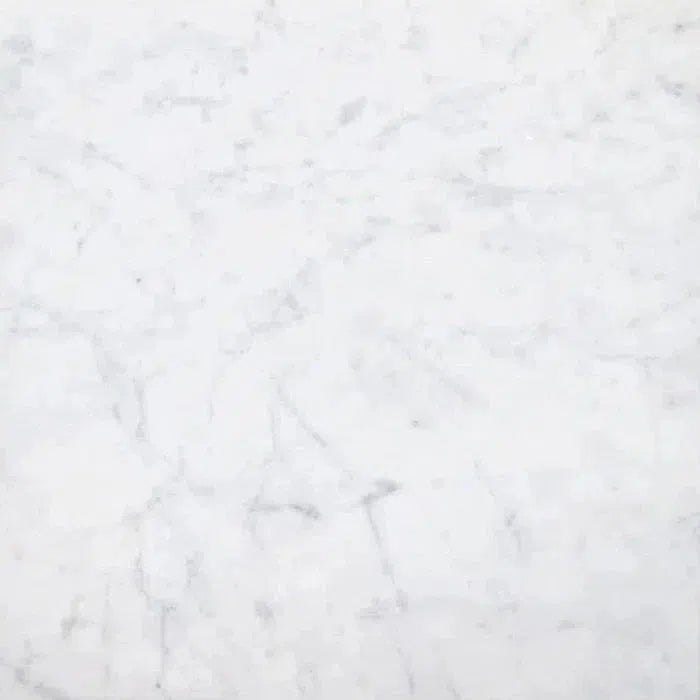
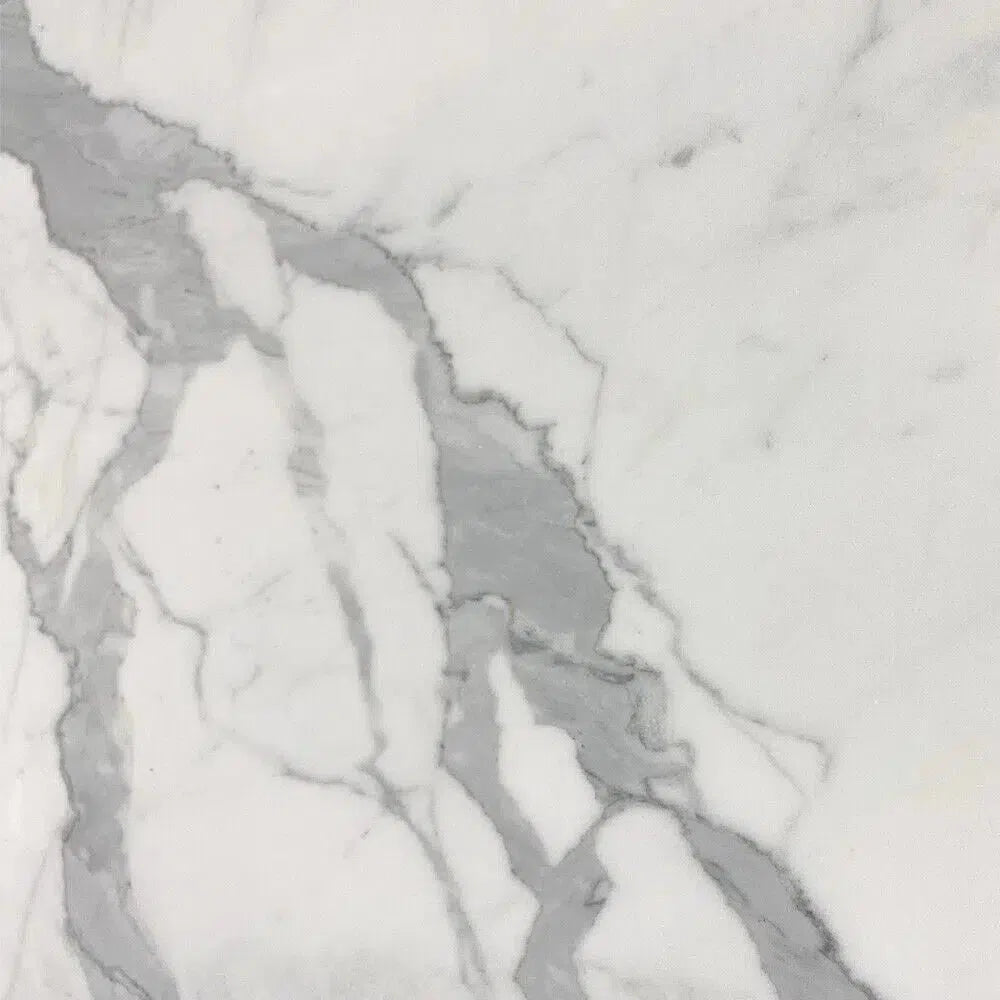
Carrara marble is probably what most people picture when they think of classic marble. It's got that soft white or grayish-white background with those beautiful, feathery gray veins. It's not flashy, but it's definitely elegant. Using Carrara for your floor border gives a sophisticated look that works with pretty much any decor style, from super modern to more traditional. It's a safe bet if you want something that won't go out of style.
Dramatic Statements with Calacatta Gold Marble
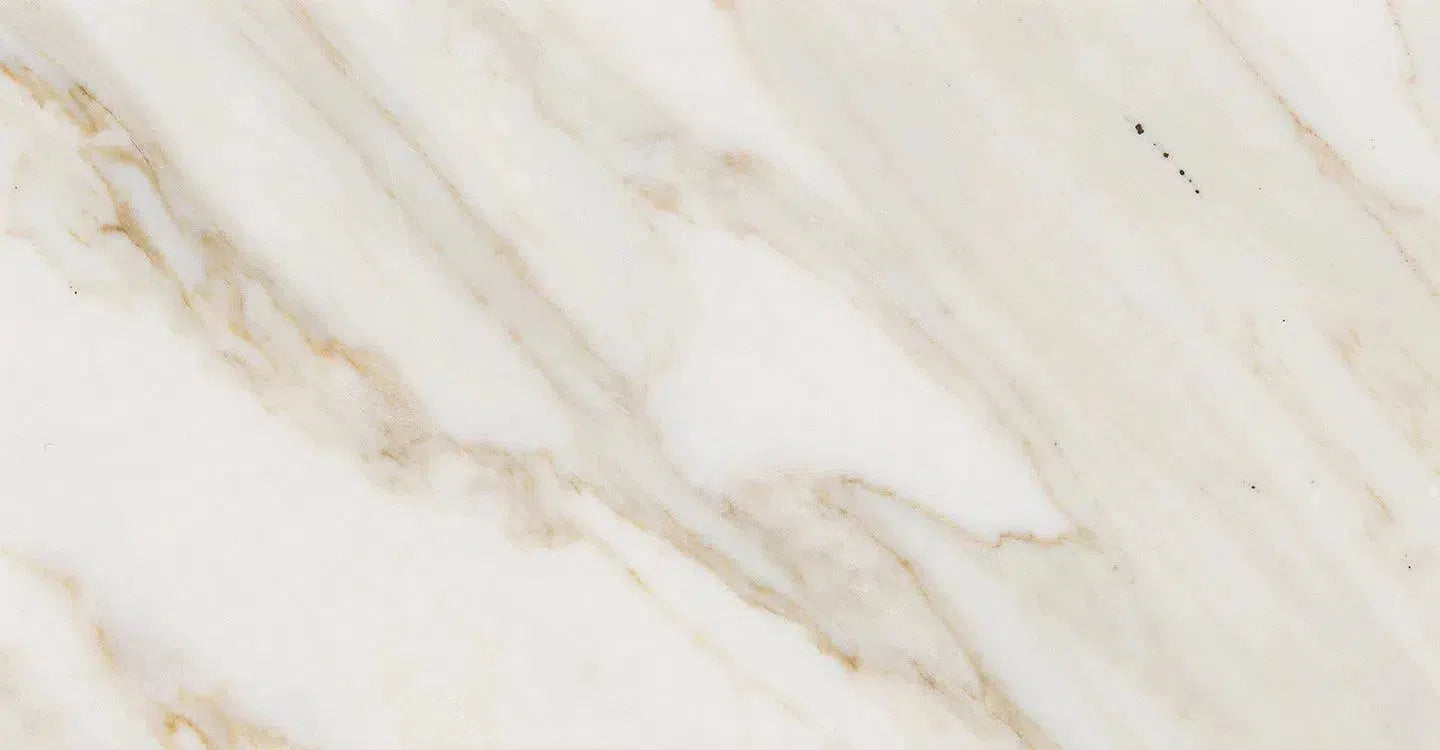
If you want something a bit more eye-catching, Calacatta Gold marble is the way to go. This marble is usually whiter than Carrara, and its veins are bolder, often with warm, golden undertones. These dramatic veining patterns can really make your floor border pop. It's a statement piece that adds a touch of opulence and warmth, perfect for entryways or dining rooms where you want to impress.
Sophisticated Charm of Emperador Dark Marble
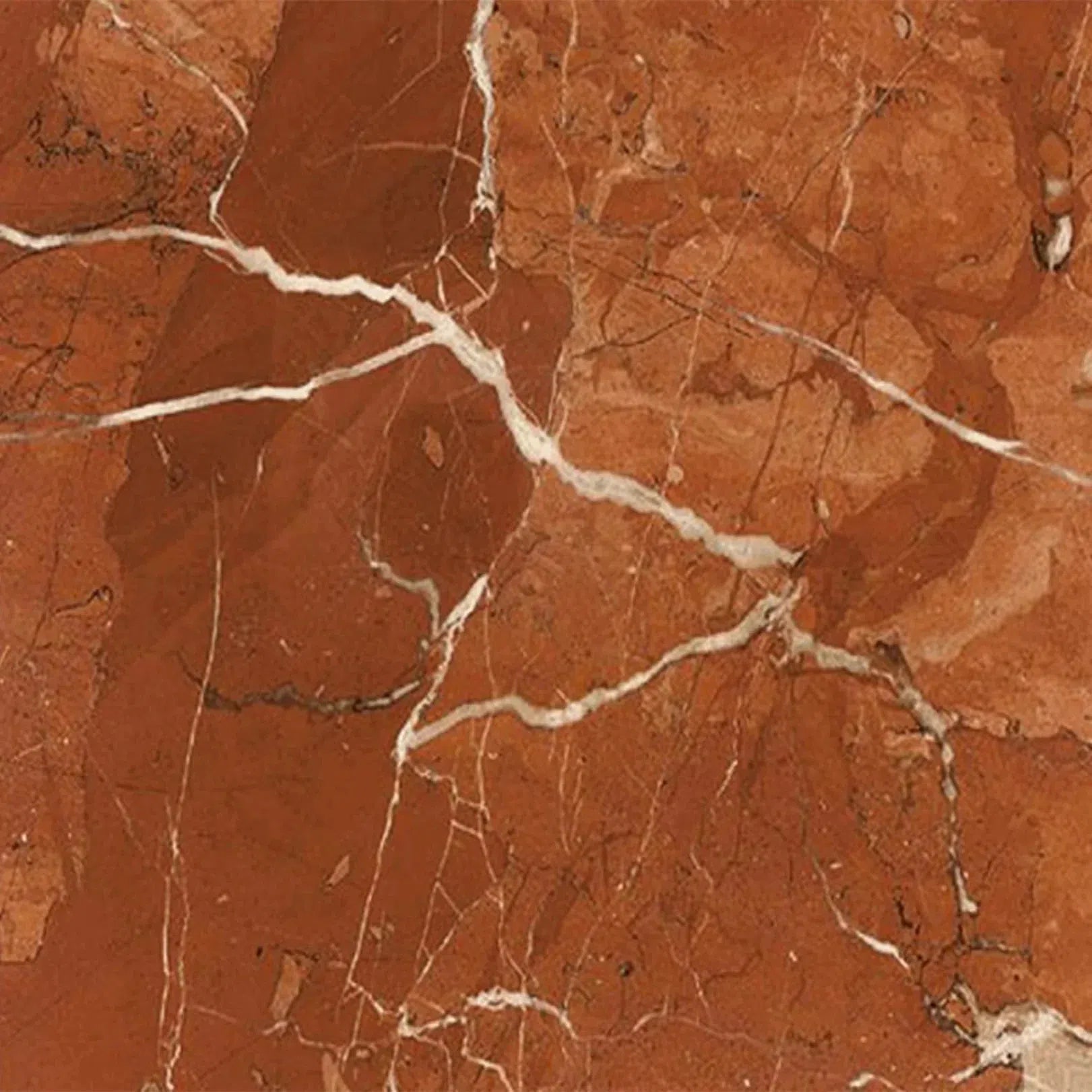
For a richer, moodier vibe, consider Emperador Dark marble. This Spanish marble features deep chocolate browns and rich burgundies, often with lighter, creamy veining. It brings a sense of warmth and depth to a space. A border of Emperador Dark marble can ground a room and add a layer of sophisticated charm, especially when paired with lighter field tiles.
Versatile Beauty of Crema Marfil Marble
Crema Marfil is another popular choice, known for its creamy, beige tones and subtle veining. It's incredibly versatile and has a warm, inviting feel. This marble works well in almost any room, from kitchens and bathrooms to living areas. Its neutral color makes it easy to pair with different tile colors and styles, offering a soft, elegant finish.
Creating Intricate Patterns with Marble Mosaics
Marble isn't just for simple straight borders. You can get really creative with marble mosaics. Think small, intricate patterns or even custom designs. These can add a unique artistic touch to your floor. Whether it's a delicate floral pattern or a geometric design, marble mosaics bring a level of detail that's hard to match.
The Luxury of Honed vs. Polished Marble Borders
When choosing marble, you'll often see two main finishes: polished and honed. Polished marble has a high shine, reflecting light and making the colors and veining really stand out. It feels very luxurious. Honed marble, on the other hand, has a smooth, matte finish. It's less reflective and gives a softer, more understated look. The finish you choose can significantly change the overall feel of your marble border.
Integrating Marble Borders with Natural Stone Tiles
Marble borders look fantastic when paired with other natural stone tiles. Imagine a travertine floor with a marble border, or a limestone floor accented with a marble inlay. This combination highlights the unique beauty of each stone type and creates a layered, high-end look. It’s a great way to add visual interest and depth to your flooring design.
Designing with Marble Inlays for a Custom Look
For the ultimate personalized touch, consider marble inlays. These are custom-cut pieces of marble, often in different colors or shapes, set into the floor to create a specific design. You could have initials, a family crest, or an abstract pattern. Marble inlays are a fantastic way to make your floor truly one-of-a-kind and add a significant wow factor to your home. We source handpicked A+ top-quality marble, ensuring your custom design is crafted from premium material, not commercial grade. Our direct importer advantage means you get authentic luxury stone at a better price, with fast, reliable shipping nationwide for your U.S. projects.
Travertine Tile Floor Border Ideas
Travertine, with its warm, earthy tones and natural texture, brings a unique charm to any space. Using travertine for your tile floor borders can create a sense of grounded elegance, whether you're aiming for a rustic feel or a more modern look. It's a material that speaks of natural beauty and enduring quality, perfect for adding character to your home's design.
Warm Earth Tones of Travertine Borders
Travertine naturally comes in a range of beautiful, muted colors – think creamy beiges, soft tans, and gentle ivories. These shades are incredibly versatile, blending well with almost any color palette. A border made from travertine can add a subtle yet distinct frame to your main flooring, giving it a finished and intentional look. It’s like adding a natural frame to a beautiful piece of art. This warmth is especially welcoming in living areas and entryways, setting a cozy and inviting tone from the moment someone steps inside.
Creating a Rustic Feel with Tumbled Travertine
For those who love a more aged, handcrafted aesthetic, tumbled travertine is the way to go. The tumbling process softens the edges and creates a slightly irregular surface, giving the stone a worn-in, antique appearance. When used as a border, tumbled travertine evokes a sense of history and rustic charm, reminiscent of old-world villas or cozy country homes. It pairs wonderfully with natural wood elements or other textured materials, really leaning into that comfortable, lived-in vibe. This texture adds a tactile dimension that polished stones just can't replicate.
Modernizing Spaces with Honed Travertine Edges
While travertine is often associated with rustic styles, it can absolutely be modernized. Honed travertine, which has a smooth, matte finish, offers a sleek and sophisticated look. When used for borders, honed travertine provides clean lines and a refined appearance that complements contemporary design. It’s a great choice if you want the natural beauty of stone without a high-gloss finish. This understated elegance works well in kitchens and bathrooms, offering a durable and stylish edge to your floor.
The Natural Texture of Travertine Versailles Patterns
The Versailles pattern, also known as French pattern, is a classic arrangement of different sized travertine tiles. While often used for the entire floor, breaking it down to use as a border can create a truly unique and luxurious effect. Imagine a border composed of these interlocking shapes, framing a simpler field tile. It adds a layer of complexity and visual interest that is both sophisticated and eye-catching. This pattern brings a sense of architectural detail and old-world craftsmanship to your design.
Combining Travertine Borders with Other Natural Stones
Travertine doesn't have to stand alone. It can be beautifully combined with other natural stones to create striking contrasts or harmonious blends. For instance, a travertine border could frame a floor of darker slate or a more richly veined marble. Or, you could use a contrasting travertine color for the border against a lighter field tile. This interplay of materials adds depth and personality to your floor design. Consider pairing it with marble accents for a classic, high-end look.
Achieving a Seamless Look with Travertine Mosaics
For a border that feels truly integrated and detailed, travertine mosaics are an excellent option. Small travertine tiles, often in intricate patterns or simple linear arrangements, can create a border that is both delicate and durable. These mosaics can mimic the look of a more complex inlay without the extensive labor. They offer a subtle texture and a refined finish, perfect for adding a touch of understated luxury. A travertine and marble diamond tile border is a great example of this intricate detail.
Designing Outdoor Living Areas with Travertine Borders
Travertine is a fantastic choice for outdoor spaces like patios and pool decks due to its natural slip resistance (especially in tumbled or honed finishes) and its ability to stay relatively cool underfoot. Using travertine for borders in these areas not only looks beautiful but also adds a practical element. It can help define seating areas, frame pathways, or simply add a decorative edge to your outdoor flooring. The natural colors blend wonderfully with garden landscapes.
The Durability and Appeal of Travertine Tile Borders
One of the biggest draws of travertine is its durability. It's a strong, resilient stone that holds up well to foot traffic and the elements, making it ideal for borders that often see more wear. Beyond its toughness, travertine offers an undeniable aesthetic appeal. Its natural variations in color and texture mean that no two borders will ever be exactly alike, providing a unique and authentic touch to your home. It’s a material that ages gracefully, becoming more beautiful over time.
Natural Stone Tile Floor Border Ideas
When you want a floor that feels truly special, natural stone is a fantastic choice. It brings a unique character to any room, and using it for borders takes things up another notch. We're talking about materials that have been around forever, looking good through the ages.
Granite is tough stuff. Seriously, it's hard to scratch or damage, which makes it a great pick for busy areas like entryways or kitchens. You can find granite in so many colors and patterns, from speckled black and white to softer grays and even some with hints of pink or green. A granite border can add a really solid, grounded feel to your floor. It’s a classic look that doesn’t really go out of style.
Elegant Simplicity of Limestone Borders
Limestone offers a softer, more muted look compared to granite. It has a natural, earthy vibe that works well in many home styles, especially those aiming for a relaxed, organic feel. Limestone borders often come in shades of beige, cream, and light gray. They can create a subtle frame for your main flooring, adding a touch of understated elegance. It’s a material that whispers luxury rather than shouts it.
Unique Character of Slate Tile Borders
If you're looking for something with a bit more texture and drama, slate is worth considering. Slate tiles have a natural cleft surface, meaning they aren't perfectly flat. This gives them a rustic, almost rugged appearance. Slate comes in a range of deep, rich colors like charcoal, deep green, brown, and even some with hints of blue or purple. A slate border can add a lot of visual interest and a strong sense of place, particularly in homes with a more traditional or country feel.
The Richness of Onyx for Luxurious Borders
Onyx is where you go when you want pure luxury. This stone is known for its translucent quality, meaning light can pass through it, and its dramatic veining. Onyx borders can make a statement like no other. Imagine light softly glowing through an onyx inlay – it’s pretty spectacular. While it’s a softer stone and might need more care, for areas where you want to impress, onyx is a top-tier choice. It’s often used in high-end homes and commercial spaces for a reason.
Exploring the Versatility of Quartzite Borders
Quartzite is another natural stone that’s gaining popularity, and for good reason. It’s incredibly durable, often even more so than granite, and it has a beautiful, often subtle, crystalline appearance. Quartzite borders can offer a clean, modern look or a more natural, textured feel depending on the finish. It’s a versatile stone that can adapt to many design aesthetics, from minimalist to more elaborate styles. You can find quartzite in whites, grays, pinks, and even blues.
Designing with Contrasting Natural Stone Colors
One of the most effective ways to make a natural stone border pop is by using contrasting colors. Think of a dark granite border against a light travertine field tile, or a creamy limestone framing a darker slate. This contrast draws the eye and defines the space beautifully. It’s a design trick that adds depth and visual excitement to your floor.
Incorporating Natural Stone Textures in Borders
Don't just think about color; texture plays a huge role too. A border made of tumbled travertine, with its softened edges and matte finish, will feel very different from a polished granite border. Mixing textures can add another layer of interest. For example, a smooth, polished stone border could frame a field of textured slate. This play of textures makes the floor more dynamic and engaging to look at and touch.
The Direct Importer Advantage for Premium Stone
When you're looking for high-quality natural stone, buying from a direct importer can make a big difference. Companies that import directly often have access to a wider selection of premium, handpicked stones. They can also offer better pricing because you're cutting out the middleman. This means you can get those luxurious granite, marble, or onyx borders for your U.S. projects without breaking the bank. It’s a smart way to get top-tier natural stone tiles for your home.
Choosing natural stone for your borders means you're investing in a material that's not only beautiful but also built to last. It adds a touch of timeless elegance and a connection to the earth that manufactured materials just can't replicate. Whether you're designing a new home or renovating an existing space, natural stone borders are a choice you'll appreciate for years to come.
Geometric Tile Floor Border Designs
Geometric tile borders bring a structured and modern feel to any floor. They're all about clean lines and precise patterns, making a strong visual statement without being overly fussy. Think of them as the sharp tailoring of the tile world – precise, intentional, and always stylish. These designs can range from simple, repeating shapes to complex, interlocking patterns that draw the eye and add a unique character to your space. They work particularly well in contemporary homes but can also add a surprising twist to more traditional settings.
Bold Statements with Chevron Pattern Borders
The chevron pattern, with its V-shaped zigzags, creates a dynamic sense of movement across the floor. It's a classic geometric design that can make a hallway feel longer or a room feel wider. When used as a border, it adds a sophisticated energy, especially when paired with solid field tiles. The direction of the chevrons can even influence the perceived flow of the room, guiding the eye in a specific direction. It’s a pattern that’s both timeless and modern, offering a lot of visual punch.
Creating Visual Interest with Herringbone Borders
Similar to chevron, the herringbone pattern uses rectangular tiles laid in a V-shape, but with a distinct offset. This creates a more intricate, woven look that adds texture and depth. A herringbone border can introduce a subtle complexity that grounds the overall design. It’s a pattern that has seen a resurgence in popularity, appearing everywhere from floors to backsplashes, and it brings a touch of artisanal craftsmanship to your tile work.
The Precision of Square and Rectangular Inlays
Sometimes, the simplest geometric shapes offer the most impact. Borders made from precisely cut square or rectangular tiles, often in contrasting colors or materials, create a clean, architectural look. These inlays can be as simple as a single row of contrasting squares or as complex as a series of nested rectangles. They offer a sense of order and refinement, perfect for spaces where a minimalist yet impactful design is desired. This approach highlights the quality of the materials and the skill of the installation.
Dynamic Effects with Basketweave Borders
The basketweave pattern mimics the look of woven material, typically using rectangular tiles laid in pairs to create a square or rectangular motif. As a border, it adds a subtle texture and a touch of visual softness. It’s a design that feels both classic and slightly rustic, bringing a grounded, handcrafted feel to the floor. It pairs well with natural stone field tiles or even wood-look tiles for a layered effect.
Modern Appeal of Linear Geometric Borders
Linear geometric borders focus on straight lines and simple shapes, often using long, thin tiles or creating patterns with the edges of larger tiles. Think of designs that emphasize parallel lines, grids, or simple stepped patterns. These borders offer a sleek, contemporary aesthetic that complements modern architecture and minimalist interiors. They provide definition without overwhelming the space, creating a clean frame for your flooring.
Combining Geometric Shapes for Unique Designs
Why stick to just one shape? Combining squares, rectangles, chevrons, or even hexagons can lead to truly unique and personalized border designs. This approach allows for a high degree of creativity, enabling you to craft a border that is entirely your own. It’s a way to add a bespoke touch to your project, turning a simple floor into a work of art. The key is to maintain a sense of balance and visual harmony, even with complex combinations.
Using Contrasting Tile Colors in Geometric Borders
Color contrast is a powerful tool in geometric border design. Pairing dark tiles with light ones, or using a bold accent color against a neutral background, makes the geometric patterns pop. This contrast can define the border clearly and add a significant graphic element to the floor. It’s an effective way to add personality and visual interest, turning a functional border into a decorative feature. Consider how the colors will interact with the overall color scheme of the room.
The Artistry of Custom Geometric Tile Layouts
For those seeking something truly unique, custom geometric layouts are the way to go. This involves working with a designer or installer to create a one-of-a-kind pattern tailored to your specific space and style. It could involve intricate inlays, complex tessellations, or a combination of different geometric motifs. This level of personalization transforms a standard floor into a statement piece. While it requires more planning and potentially a higher budget, the result is a floor border that is absolutely exclusive and reflects your personal taste.
Mosaic Tile Floor Border Inspirations
Mosaic tile borders are like the jewelry for your floors. They add that special something that can really make a space pop. Whether you're going for a subtle accent or a bold statement, mosaics offer incredible detail and artistry. They're perfect for adding a unique touch to any room in your home, from kitchens and bathrooms to entryways.
Intricate Details with Glass Mosaic Borders
Glass mosaics bring a vibrant splash of color and light to your floor borders. Their reflective quality can make a space feel larger and brighter. Think about using them in a bathroom to add a touch of spa-like luxury or in a kitchen to create a cheerful accent. The sheer variety of colors and finishes available means you can match almost any decor.
The Shimmer of Metallic Mosaic Accents
For a touch of modern glamour, metallic mosaic tiles are a fantastic choice. They catch the light beautifully and add a sophisticated, contemporary feel. These borders work well in dining rooms or entryways where you want to make a striking first impression. They pair nicely with both natural stone and porcelain tiles.
Creating Flow with Pebble Mosaic Borders
Pebble mosaics offer a more organic, natural look. Their rounded shapes and earthy tones bring a sense of calm and tranquility to a space. They're excellent for creating a spa-like atmosphere in bathrooms or for adding a unique texture to outdoor living areas. These borders can truly transform a simple patio into a serene retreat.
Artistic Expression Through Custom Mosaic Designs
Why settle for off-the-shelf when you can have something truly one-of-a-kind? Custom mosaic designs allow you to bring your personal vision to life. You can work with designers to create patterns, images, or color schemes that are completely unique to your home. This is where you can really let your creativity shine and create a floor border that tells a story. Explore custom mosaic designs to see the possibilities.
Using Mixed Material Mosaics for Texture
Combining different materials within a mosaic border adds incredible depth and visual interest. Think about mixing glass with stone, or metal with ceramic. This juxtaposition of textures and finishes creates a border that is both dynamic and sophisticated. It’s a great way to add a tactile element to your floor design.
The Charm of Penny Round Mosaic Borders
Penny round mosaics have a playful yet elegant charm. Their small, circular shape creates a unique pattern that can be both subtle and eye-catching. They work well in a variety of settings, from vintage-inspired kitchens to modern bathrooms. They offer a different kind of texture and visual rhythm compared to other mosaic styles.
Designing with Small Format Mosaic Tiles
Small format mosaics, like the penny rounds or even smaller glass tiles, are perfect for creating intricate patterns and detailed designs. They allow for a high level of precision, making them ideal for complex borders or for adding delicate accents. When used as a border, they can frame a room beautifully without overwhelming the main field tile.
Adding a Touch of Glamour with Crystal Mosaics
Crystal mosaics, often made from clear or colored glass, offer a dazzling sparkle. They can add a luxurious and glamorous feel to any floor. These are perfect for areas where you want to create a high-end look, such as a master bathroom or a formal living area. The way they interact with light is simply stunning.
When considering mosaic borders, think about the overall style of your room. A busy mosaic might be perfect for a minimalist space needing a focal point, while a simpler glass mosaic could complement an already ornate design. The key is balance and thoughtful integration.
Color and Contrast in Tile Floor Borders
The colors and how they contrast in your tile floor borders can really change the whole feel of a room. It's not just about picking pretty tiles; it's about how they work together to make a statement or blend in.
Making a Statement with Bold Color Borders
Sometimes, you just want your floor border to grab attention. Using bright, bold colors is a surefire way to do that. Think deep blues, vibrant reds, or even striking greens. These aren't colors you see every day in floor borders, which is exactly why they make such a strong impression. They can turn a simple floor into a work of art, especially in spaces where you want a lot of personality. A bold border can be the main design feature of a room.
Subtle Sophistication with Neutral Tone Borders
Not everyone wants their floor to shout. Neutral tones like beige, cream, gray, and soft browns offer a more understated elegance. These colors are super versatile and work with almost any decor style. They create a calm, sophisticated look without being boring. You can use different shades of the same neutral color to add a bit of depth, or pair a light neutral with a slightly darker one for a gentle contrast. It’s all about creating a refined atmosphere.
The Impact of High Contrast Border Designs
High contrast borders are all about drama. Think black and white tiles, or a very dark stone against a very light one. This kind of pairing really defines the space and adds a sharp, graphic look. It's a classic choice that never really goes out of style. It works well in both modern and traditional settings, depending on the specific tiles you choose. It’s a bold move, but the results can be stunning.
Achieving Harmony with Complementary Colors
Complementary colors are those opposite each other on the color wheel, like blue and orange, or red and green. Using them in a border can create a lively, dynamic effect. The key is to use them thoughtfully. Maybe one color is dominant, and the other is used as an accent. This approach adds visual interest without being overwhelming. It’s a way to bring energy into a space through your flooring.
Using Monochromatic Schemes for Unified Borders
A monochromatic scheme uses different shades and tints of a single color. This creates a very cohesive and sophisticated look. For example, using various shades of gray, from light silver to deep charcoal, can create a border with subtle variation and a lot of depth. It’s a clean, modern approach that makes the space feel put together and intentional.
The Allure of Black and White Tile Borders
Black and white is a timeless combination for a reason. It’s classic, chic, and incredibly versatile. Whether you go for a bold checkerboard pattern or a more intricate design using black and white tiles, the effect is always striking. It works in kitchens, bathrooms, entryways, and really anywhere you want a touch of timeless style. It’s a safe bet that always looks good.
Incorporating Earthy Hues for Warmth
Earthy tones like terracotta, ochre, deep browns, and muted greens bring a sense of warmth and groundedness to a space. These colors often come from natural stone materials like travertine or certain types of slate. Borders in these colors can make a room feel more inviting and cozy. They are particularly effective in living areas, dining rooms, or any space where you want to create a comfortable atmosphere.
Designing with Jewel Tones for Opulence
For a truly luxurious feel, consider jewel tones. Think emerald green, sapphire blue, ruby red, or deep amethyst. These rich, saturated colors can add a touch of opulence and drama to your floor border. They work especially well with materials like polished marble or glass mosaics. A jewel-toned border can transform an ordinary room into something extraordinary, making a grand statement.
Texture and Finish for Tile Floor Borders
When you're thinking about tile floor borders, it's easy to get caught up in the color and pattern. But don't forget about the feel and look of the surface itself – the texture and finish. These details can really change how a border looks and even how it performs.
The Smooth Elegance of Polished Finishes
A polished finish is all about shine. Think of a mirror; that's the kind of reflectivity you get. This look is super smooth and makes colors pop, giving your border a really luxurious feel. It's great for areas where you want a bit of glamour, like a fancy entryway or a dining room. Polished tiles reflect light, making spaces feel brighter and larger. However, they can be a bit slippery when wet, so keep that in mind for bathrooms or kitchens where spills are common.
The Natural Grip of Honed and Matte Surfaces
Honed finishes are the opposite of polished. They have a smooth, flat look but without the shine. It's more of a soft sheen, which gives a sophisticated, understated vibe. Matte finishes are similar but even less reflective, offering a very natural, earthy appearance. Both honed and matte surfaces provide better traction than polished ones, making them a safer choice for busy areas or rooms prone to moisture. They hide water spots and smudges better too, which means less frequent cleaning.
Adding Depth with Textured Tile Borders
Textured tiles are where things get interesting. These aren't just smooth surfaces; they have a raised pattern or a rough feel. Think of tiles that look like they've been hammered, brushed, or even have a slight ripple. This texture adds a tactile dimension to your border, making it more engaging to look at and touch. It can create a really unique look, especially when paired with a simpler field tile. Textured borders can also help mask minor imperfections or wear over time, which is a nice bonus.
The Rustic Charm of Tumbled and Antiqued Finishes
If you're going for a vintage or rustic feel, tumbled and antiqued finishes are your best friends. Tumbled tiles are put through a process that rounds their edges and gives them a worn, soft look, like they've been around for ages. Antiqued finishes often involve special treatments to make the tile look aged, sometimes with subtle color variations or distressed marks. These finishes work wonderfully with natural stone tiles like travertine or certain types of marble, bringing a sense of history and warmth to your floor design.
Combining Different Textures for Visual Interest
Why stick to just one finish when you can mix and match? Combining different textures in your border design can create a really dynamic and eye-catching effect. For example, you could use a smooth, honed tile for the main part of the border and then add a small strip of a more textured or mosaic tile as an accent. This contrast draws the eye and adds layers to your floor. It's a way to get creative and make your border truly one-of-a-kind. You can find some amazing options for bathroom tile design inspiration that play with texture.
The Reflective Quality of High-Gloss Borders
High-gloss finishes are similar to polished but often even more intense. They offer a very dramatic, almost liquid-like shine. These are perfect for creating a statement border that really stands out. They bounce light around the room, which can make a space feel more open and airy. However, just like polished tiles, they can be slippery and show every fingerprint or water spot. They require diligent cleaning to maintain that dazzling look. Consider them for areas where the wow factor is key and safety isn't the primary concern.
Achieving a Natural Stone Feel with Textured Tiles
Many textured tiles are designed to mimic the look and feel of natural stone. This is a great way to get the aesthetic of materials like slate or rough-cut granite without the associated cost or maintenance. These tiles can have a slightly uneven surface, pits, or variations in color that give them an authentic, organic appearance. They are excellent for creating a grounded, natural vibe in your home, especially in kitchens or living areas. You can explore various bathroom tile design ideas that incorporate these natural textures.
The Practicality of Slip-Resistant Border Finishes
For any area where safety is a concern – think bathrooms, kitchens, entryways, or outdoor spaces – slip-resistant finishes are a smart choice. These tiles have a surface designed to provide better grip, reducing the risk of slips and falls. They might have a slightly rougher texture or a specific pattern that increases friction. While they might not have the high shine of polished tiles, their practical benefits are undeniable. Many manufacturers now offer beautiful tile options with excellent slip resistance, so you don't have to sacrifice style for safety.
Tile Floor Border Ideas for Specific Rooms
Adding a tile border can really change how a room feels, and it's not just about looks. It can help define spaces, especially in open-plan homes, or just add a bit of polish to an area. Let's look at how borders can work in different parts of your house.
Elevating Kitchens with Stylish Tile Borders
In the kitchen, borders can do more than just look good. They can help separate the cooking area from a dining space or add a decorative touch around an island. Think about using a durable material like porcelain for the main floor and then a contrasting natural stone for the border. This adds visual interest without sacrificing practicality. A border can also frame a specific zone, like the area in front of the sink or stove, making it feel more intentional. For a high-traffic kitchen, choosing a border material that's easy to clean is a smart move. Some homeowners even use a border to subtly guide the eye towards a beautiful backsplash or a unique appliance.
Creating Spa-Like Bathrooms with Elegant Borders
Bathrooms are a great place to get a little fancy with tile borders. You can use them to create a sense of luxury, almost like a mini-spa. Imagine a border of intricate mosaic tiles around the main shower area or a simple, clean line of marble separating the floor from the wall tiles. This can make a small bathroom feel more spacious and put-together. For wet areas, make sure the border material has good grip. A border can also be used to define a vanity area or a freestanding tub. It’s a way to add a personal touch to a space that’s all about relaxation.
Adding Grandeur to Entryways and Hallways
Your entryway is the first impression guests have of your home, so making it special is key. A well-designed tile border can make a grand entrance feel even more impressive. Think about a bold pattern or a contrasting color that welcomes people in. In hallways, borders can help guide traffic and add a decorative element to what can sometimes be a long, plain space. A border can make a hallway feel wider or more defined. For durability, especially in entryways where dirt and moisture are common, choose materials that can handle a lot of foot traffic. Some people even use a border to create a "rug" effect with tiles, adding warmth and style.
Enhancing Living Areas with Decorative Borders
Living rooms and family rooms can benefit from the subtle sophistication a tile border can bring. It can help define seating areas or add a decorative frame around a fireplace hearth. If you have an open-plan living space, a border can help visually separate the living area from a dining or kitchen space without using walls. This creates distinct zones while maintaining an open feel. Consider using a border that complements your furniture and decor. A border can add a touch of elegance or a pop of color, depending on your style. It’s a way to add personality to a room where you spend a lot of time.
Designing Functional and Beautiful Laundry Rooms
Laundry rooms often get overlooked, but a tile border can make this utilitarian space more enjoyable. You can use a border to add a splash of color or a bit of pattern, making chores feel a little less mundane. It can also help define the laundry area within a larger space, like a mudroom. For a functional laundry room, durability and ease of cleaning are important. A border can add a decorative touch without compromising on practicality. Some homeowners use a border to create a visual separation between the washer/dryer area and a folding or utility sink zone. It’s a simple way to add some style to a hardworking room. Check out these mudroom tile ideas for more inspiration on functional entry spaces.
Outdoor Patio and Deck Tile Border Concepts
Bringing tile borders outside can extend your home's style to your patio or deck. A border can define the edge of your outdoor living space, making it feel more intentional and finished. You can use contrasting colors or patterns to create a unique look that complements your landscaping. For outdoor areas, it's important to choose materials that can withstand the elements, like porcelain or certain types of natural stone. A border can also help create different zones on a larger patio, perhaps separating a dining area from a lounging space. It’s a way to add a decorative touch to your outdoor oasis, making it feel more like an extension of your home.
The Impact of Borders in Small Powder Rooms
Even in a small powder room, a tile border can make a big difference. It can add a touch of elegance and make the space feel more thoughtfully designed. A simple border around the perimeter or a more decorative pattern can add visual interest without overwhelming the small space. Consider using a border to draw attention to a beautiful vanity or a unique sink. For powder rooms, you can often get away with more delicate or decorative border materials since they don't see as much heavy traffic. It’s a great place to experiment with bolder designs or luxurious materials. A well-placed border can make a small room feel more special.
Creating Cohesive Designs Across Open Floor Plans
In homes with open floor plans, tile borders are fantastic for defining different areas without using walls. You can use a border to visually separate the kitchen from the dining area, and then use a different, complementary border in the living room space. This creates distinct zones while maintaining a sense of flow throughout the home. The key is to choose border designs that work together. You might use the same border material but in different patterns, or use contrasting colors that tie the different areas together. This approach adds visual interest and structure to large, open spaces, making them feel more organized and intentional. It’s a smart way to add personality and definition to modern living.
Customization and Personalization in Borders
Tired of the same old floor designs? You're in luck! Customizing your tile floor borders can really make your space feel like yours. It's all about adding those personal touches that reflect your style and personality. Think beyond the standard patterns; we're talking about borders that tell a story.
Crafting Unique Designs with Custom Inlays
Custom inlays are where things get really interesting. Imagine intricate patterns or even images created by carefully placing different tile shapes and colors. This is how you get a truly one-of-a-kind look. It takes skill, sure, but the result is a floor that's a work of art. We work with handpicked A+ top-quality stone, so you know the material itself is premium.
Personalizing Spaces with Monogrammed Borders
Want to add a personal signature to your home? Monogrammed borders are a fantastic way to do it. Whether it's your family initial or a special symbol, having it incorporated into your floor design adds a touch of class and exclusivity. It’s a subtle detail that makes a big statement.
The Art of Commissioning Bespoke Tile Borders
Commissioning bespoke tile borders means you're getting something made just for you. This is the ultimate in personalization. You can work with designers to translate your vision into reality, choosing every tile, color, and pattern. It’s a collaborative process that results in a floor that’s perfectly suited to your home and taste. We don't sell commercial grade – only premium materials.
Incorporating Family Crests or Symbols
This is a really special way to connect your home's design to your heritage or family. Imagine your family crest or a meaningful symbol subtly integrated into your floor border. It’s a conversation starter and a beautiful nod to your roots. It’s about creating a space that feels deeply personal and connected.
Designing Borders to Complement Architectural Styles
Your floor border shouldn't just look good on its own; it should work with the rest of your home's architecture. A modern home might suit sleek, minimalist borders, while a historic house could benefit from more traditional motifs. Matching the border to the building's style creates a cohesive and harmonious look throughout the entire property.
Translating Artwork into Tile Border Patterns
Got a favorite painting or a piece of art you love? You can actually translate that inspiration into your tile border design. Think about the colors, shapes, and flow of the artwork and how that can be represented in tile. It’s a creative way to bring your aesthetic preferences right down to your floor.
The Direct Importer Advantage for Custom Stone
As a direct importer, we have access to a wide range of premium natural stones. This means you have more options for your custom border projects. You get authentic, high-quality materials without the middleman markup, making unique designs more accessible. This direct importer advantage ensures you get the best value for luxury natural stone you can trust.
Working with Designers for Tailored Border Solutions
Collaborating with interior designers can bring your custom border ideas to life. They have the eye for detail and the technical knowledge to ensure your personalized border not only looks stunning but also fits perfectly within the overall design scheme of your home. They can help you choose the right materials and patterns to achieve that perfect, tailored look.
Material Combinations for Striking Borders
Mixing and matching different tile materials can really make your floor border pop. It’s a way to get a custom look without always needing a custom price tag. Think about what you want the border to do: is it a subtle frame, or a bold statement piece? The materials you choose will answer that.
Marrying Marble and Travertine for Classic Appeal
Marble and travertine are natural partners. They both bring a sense of timelessness and natural beauty to a space. Using a creamy Crema Marfil marble with a warm, tumbled travertine border can create a look that feels both grounded and luxurious. This combination works especially well in entryways or living areas where you want to make a good first impression. The subtle variations in natural stone mean no two borders will ever be exactly alike.
Juxtaposing Natural Stone with Ceramic or Porcelain
Want the look of natural stone but need to watch the budget? Pairing natural stone field tiles with a border made of high-quality ceramic or porcelain can be a smart move. For example, you could use a beautiful granite for the main floor and then use a porcelain tile that mimics the look of slate for the border. This gives you the durability and visual interest of stone where it counts, while saving a bit on the border. It's a practical way to get a high-end feel. You can find some great options for budget-friendly tile borders that use this strategy.
The Sophistication of Metal Accents in Borders
Metal accents can add a modern, sophisticated touch to any tile border. Think about thin metal strips, like brushed nickel or oil-rubbed bronze, inlaid between natural stone tiles. This works particularly well in contemporary kitchens or bathrooms. A border of dark porcelain tiles with thin, gleaming brass inlays can create a dramatic and chic effect. It’s a way to introduce a bit of shine and geometric precision.
Integrating Glass Tiles for Sparkle and Color
Glass tiles are fantastic for adding a splash of color and light to a border. Imagine a border of neutral-toned porcelain tiles with a row of iridescent glass mosaics running through it. This can bring a vibrant energy to a space, especially in areas like a kitchen backsplash that extends to the floor or a bathroom floor. The way glass catches the light can really make the border stand out.
Combining Wood-Look Tiles with Stone Borders
For a unique blend of warmth and natural texture, consider pairing wood-look tiles with stone borders. A floor with realistic wood-look porcelain planks can be beautifully framed by a border of natural slate or travertine. This combination brings the cozy feel of wood together with the earthy character of stone, creating a look that’s both rustic and refined. It’s a great way to add depth and visual interest to a room.
Creating Depth with Mixed Material Mosaics
Mixed material mosaics are perfect for creating borders with a lot of texture and detail. Think about mosaics that combine small pieces of natural stone, glass, and even metal. These can be used as a single, impactful border row or as a more intricate pattern. The variety of materials adds a tactile quality and a visual richness that’s hard to achieve with single-material tiles. It’s a way to get a truly custom feel.
The Durability of Porcelain Paired with Natural Stone
Porcelain is known for its toughness and resistance to moisture and stains. Pairing porcelain field tiles with a natural stone border can offer the best of both worlds: the low maintenance of porcelain for the main floor and the unique beauty of natural stone for the decorative border. This is a practical choice for high-traffic areas or rooms like bathrooms and kitchens where durability is key. You get the aesthetic appeal of stone without compromising on practicality.
Designing with Contrasting Material Textures
Don't shy away from mixing textures. A border of smooth, polished marble next to a field tile with a rougher, honed finish can create a really interesting visual dynamic. Or, consider a tumbled travertine border against sleek, modern porcelain. The contrast in textures adds another layer of sophistication and visual appeal to your floor design. It makes the border more than just a line; it becomes a design element in its own right.
The Role of Scale and Proportion in Borders
When you're thinking about tile floor borders, it's not just about the pattern or the material. You also have to consider how big or small everything is, and how it all fits together. This is where scale and proportion come into play, and honestly, they make a huge difference in how your whole floor looks.
Choosing Border Width for Room Size
The width of your border tile is a big deal, especially when you look at the size of the room. In a really big room, a super thin border might just get lost. It won't really stand out or define the space the way you want it to. On the other hand, in a smaller room, a really wide border can make the space feel even smaller. It can overwhelm the area. So, you want to find a balance. A wider border can work well in larger spaces to add definition, while a more modest width is often better for smaller areas to keep things feeling open.
Balancing Border Design with Field Tile Scale
Think about your main floor tile, the 'field tile'. The border needs to look good next to it, not fight with it. If you have really large field tiles, a border that's too small or too busy might look out of place. It's like putting a tiny picture frame around a giant painting. You want the border to complement the field tile, not compete with it. The scale of the border should feel right in relation to the scale of the main tiles. This helps create a cohesive look.
The Impact of Large Format Tiles on Border Design
Large format tiles are really popular right now. They give a floor a clean, modern look with fewer grout lines. When you use these big tiles, your border design might need to adapt. A very intricate, small-patterned border might look a bit lost next to a huge 24x24 or larger tile. Sometimes, a simpler, bolder border works better. Or, you might use a larger border tile itself to keep the scale consistent. It's all about making sure the border doesn't get overshadowed by the main tiles.
Using Smaller Tiles for Intricate Border Details
Sometimes, you want that detailed, fancy border. This is where smaller tiles really shine. Think about mosaic tiles or small accent pieces. They're perfect for creating complex patterns, curves, or even little inlays that would be impossible with larger tiles. These smaller tiles allow for a lot of detail and can add a real custom touch. They're great for adding a bit of flair without taking over the whole floor. You can find some amazing natural stone tile options that work well for these detailed borders.
Creating Visual Flow with Consistent Border Widths
Consistency is key. If your border width changes randomly throughout a room, it can look a bit messy. It disrupts the visual flow. It's usually best to keep the border the same width all the way around. This creates a clean, intentional look. It guides the eye around the room in a smooth way. This applies whether you're using a simple single-row border or a more elaborate multi-tile design.
Proportioning Borders in Relation to Furniture
Don't forget about your furniture! Where you place your furniture can affect how the border looks. A border that's perfectly proportioned might look different if it's mostly hidden under a sofa. Sometimes, designers plan the border so it's visible in walkways or around the perimeter of the room, framing the main living space. Think about how the border will interact with the furniture layout before you finalize the design.
The Effect of Border Placement on Room Perception
Where you put the border can actually change how you see the room. Placing a border around the perimeter of a room can make it feel larger and more defined. It creates a sort of 'frame' for the space. If you use a border to divide a larger open-plan area into different zones, it helps organize the space visually. It can make a big room feel more functional and less like one giant, undifferentiated area.
Achieving Harmony Through Balanced Design Elements
Ultimately, it's all about balance. The border should feel like a natural part of the overall floor design, not an afterthought. It needs to work with the size of the room, the size of the field tiles, and the style of your home. When scale and proportion are right, the border adds character and polish without being distracting. It just makes the whole floor look more complete and thoughtfully designed. It's a subtle detail that really pays off.
Modern and Contemporary Tile Floor Border Styles
When you're aiming for a clean, current look in your home, the border of your tile floor plays a big part. Modern and contemporary styles often focus on simplicity, bold lines, and interesting textures. It's not just about filling space; it's about making a statement that feels fresh and up-to-date. We're talking about designs that work well in newer homes or renovations where you want a sleek finish.
Sleek Lines with Minimalist Border Designs
Minimalism is all about less is more, and that really applies to tile borders. Think simple, clean lines that don't draw too much attention but add a polished touch. Often, this means using a single row of a contrasting tile or a border that matches the main tile but has a slightly different finish. The goal is a subtle definition that keeps the floor looking uncluttered and spacious. It’s about creating a quiet elegance that lets the rest of your decor shine.
The Boldness of Large Format Geometric Borders
Large format tiles are super popular right now, and they can make a big impact when used in borders too. Imagine geometric patterns made with bigger tiles – think sharp angles and defined shapes. This approach can really make a floor pop, especially in larger rooms where a smaller, more intricate border might get lost. It gives a strong, graphic feel that’s very much in line with modern design trends. These bold geometric borders can become a real focal point.
Incorporating Metallic Finishes for a Chic Look
Metallic accents can add a touch of modern luxury without being over the top. Think borders made with tiles that have subtle metallic flecks, or even thin metal strips (like brushed nickel or matte black) laid between tiles. These details catch the light and add a sophisticated shimmer. They work particularly well with neutral-colored tiles, providing a bit of contrast and a high-end feel. It’s a way to add a bit of glam without going full disco ball.
Abstract Patterns for Avant-Garde Spaces
For those who love to push the boundaries, abstract patterns offer a unique way to design a floor border. This could involve irregular shapes, unexpected color combinations, or patterns that don't follow traditional geometric rules. It’s a way to inject personality and artistry into your flooring. These borders are best suited for spaces where you want the floor to be a conversation starter, perhaps in a creative studio or a very modern living area. It’s about embracing the unconventional.
Using Contrasting Colors for a Graphic Impact
Color contrast is a powerful tool in modern design. A border in a starkly different color from the main field tile can create a dramatic, graphic effect. Black and white is a classic combination, but you could also use deep blues, grays, or even a vibrant accent color. This technique is great for defining spaces or highlighting specific areas of a room. The key is to choose colors that complement each other while still providing that strong visual separation.
The Simplicity of Single-Row Accent Borders
Sometimes, the most modern approach is the simplest. A single row of accent tiles can provide just enough definition without overwhelming the space. This could be a row of mosaic tiles, a textured tile, or a tile in a complementary color. It’s a subtle way to add interest and break up a large expanse of flooring. This style is incredibly versatile and works in almost any contemporary setting.
Designing with Matte Black or White Tiles
Matte finishes are very much on-trend in contemporary design. Using matte black or matte white tiles for a border offers a sophisticated, understated look. Matte black can create a sharp, modern edge, especially against lighter flooring. Matte white offers a clean, airy feel. These finishes absorb light rather than reflect it, giving a soft, velvety appearance that feels very current and chic.
Creating a Seamless Transition with Integrated Borders
In some modern designs, the border isn't a stark contrast but rather a subtle integration. This might involve using the same tile for the main floor and the border, but with a different pattern or layout for the border itself. Or, it could be a border tile that has a very similar color but a slightly different texture. The aim is to create a fluid, continuous look that makes the floor feel unified and expansive. It’s about a smooth flow from one area to the next.
Traditional and Classic Tile Floor Border Motifs
When you want your tile floor to have that timeless, sophisticated look, classic motifs are the way to go. These designs have been around for ages, and for good reason – they just work. They add a layer of detail and character that really makes a space feel finished and elegant. Think of them as the jewelry for your floor.
Timeless Appeal of Greek Key Borders
The Greek key, or meander, is a really old pattern that looks like a continuous line forming a geometric, maze-like design. It's super versatile. You can use it in a single row for a subtle touch or make it a wider border for a more pronounced statement. It works well with almost any tile style, from classic marble to more modern porcelain. It’s a design that speaks of history and order.
The Elegance of Dentil and Egg-and-Dart Motifs
These are architectural details that translate beautifully to tile borders. Dentil motifs look like a row of small, square blocks, almost like teeth. Egg-and-dart is a bit more complex, featuring alternating oval (egg) and pointed (dart) shapes. Both add a refined, almost formal feel. They look particularly stunning when paired with natural stone tiles like limestone or travertine, giving a sense of old-world charm.
Creating Intricate Medallions as Border Centers
While not strictly a border motif in the same way as a repeating pattern, medallions are often used within a border design to create a focal point. These are usually circular or square designs, often featuring intricate patterns, floral elements, or even custom logos. They act as a grand centerpiece, drawing the eye and adding a significant touch of luxury. Imagine a marble floor with a Greek key border that culminates in a stunning, detailed medallion at the entrance.
Floral and Vine Patterns for a Romantic Touch
If you're going for a softer, more romantic aesthetic, floral and vine patterns are perfect. These can range from simple, repeating leaf designs to elaborate scrolling vines and blooming flowers. They bring an organic feel to the floor and work wonderfully in spaces like bathrooms, sunrooms, or dining areas. Pairing these with softer colored tiles can create a truly serene atmosphere.
The Classic Charm of Checkerboard Borders
The checkerboard pattern is a simple yet incredibly effective classic. Whether you use two contrasting colors (like black and white, or a dark stone with a light one) or variations of the same color family, it creates a strong visual line. It’s a bold choice that adds a graphic punch and works in both traditional and more contemporary settings. It’s a design that’s both playful and sophisticated.
Incorporating Scalloped or Curved Edge Designs
Moving away from straight lines, scalloped or curved edge borders offer a softer, more decorative look. These can be achieved with specific tile shapes or by using mosaic tiles arranged in a wave-like pattern. They add a touch of femininity and can soften the overall feel of a room. These are great for bathrooms or areas where you want a less rigid design.
Using Traditional Stone Colors for Authenticity
When working with classic motifs, using traditional stone colors really helps to nail the authentic look. Think creamy beiges for Crema Marfil, deep browns for Emperador Dark, or classic whites and grays for Carrara and Calacatta marble. Even with ceramic or porcelain tiles, choosing colors that mimic these natural stones will give your classic border motif the genuine feel it deserves. This is key for that luxury natural stone aesthetic.
The Enduring Beauty of Art Deco Inspired Borders
Art Deco, with its geometric shapes, strong lines, and often opulent feel, offers some fantastic border inspiration. Think stepped patterns, sunbursts, and bold, contrasting color combinations. These borders have a glamorous, vintage vibe that can make a real statement, especially in entryways or living areas. They often incorporate metallic accents too, adding to their luxurious appeal.
Lighting's Influence on Tile Floor Borders
You've picked out the perfect tiles, planned a stunning border design, and now you're wondering about the finishing touches. Don't forget about lighting! How you illuminate your tile floor borders can completely change their look and feel. It's not just about seeing where you're walking; it's about making that border pop.
Highlighting Borders with Recessed Lighting
Recessed lighting, those little cans in the ceiling, can be angled to shine directly onto your border. This is a great way to draw attention to intricate patterns or the unique texture of your tiles. Think about how a spotlight makes a piece of art stand out – it's the same idea for your floor. Strategically placed recessed lights can turn a simple border into a focal point.
The Dramatic Effect of Uplighting on Textured Borders
Uplighting is a bit less common for floors, but it can create some really dramatic effects, especially with textured tiles. Imagine small lights placed at the base of a wall, shining upwards. If you have a border with a lot of relief, like tumbled travertine or a deeply carved natural stone, uplighting can cast shadows that really emphasize that texture. It adds a layer of depth and visual interest that you just don't get with flat lighting.
Using Accent Lights to Showcase Inlaid Designs
If your border features custom inlays, like a monogram or a specific pattern, accent lighting is your best friend. These are usually smaller, more focused lights. You can position them to hit just the inlay, making it stand out from the rest of the border. It’s like framing a picture – the light draws the eye exactly where you want it. This is a fantastic way to show off unique border tiles that have a personal touch.
How Natural Light Interacts with Border Finishes
Don't underestimate the power of good old natural light. The way sunlight hits your floor throughout the day can dramatically alter the appearance of your border. A polished marble border will reflect light differently in the morning than it will in the afternoon. Honed or matte finishes will absorb light, creating a softer look. Consider the direction of your windows when planning your border and lighting. You might want to place a border with a lot of sparkle where it can catch the sun.
Creating Ambiance with Dimmable Border Lighting
For maximum control, consider dimmable lighting. This allows you to adjust the mood of the room. Bright and focused lighting might be great for everyday use or when you're entertaining, highlighting the border's details. Dimming the lights can create a more relaxed, intimate atmosphere. It’s all about flexibility and setting the right scene for any occasion.
The Role of Under-Cabinet Lighting in Kitchen Borders
In kitchens, under-cabinet lighting often casts light downwards, which can also illuminate the floor border near the cabinets. This is particularly effective if your border runs along the perimeter of the kitchen. It adds a practical layer of light while also drawing attention to the border's design. It’s a subtle way to integrate lighting that serves a dual purpose.
Illuminating Borders in Hallways for Safety and Style
Hallways can be tricky spaces. Borders here aren't just for looks; they can also improve safety. Low-level lighting, perhaps small puck lights or even strategically placed LED strips along the border, can clearly define the edges of the hallway, especially at night. This adds a stylish touch while also preventing trips and falls. It’s a smart design choice for areas with a lot of foot traffic.
Choosing Lighting to Enhance Border Material Color
Different types of light can affect how colors appear. Warm lighting tends to bring out reds and yellows, making earthy tones look richer. Cool lighting can make blues and grays appear more vibrant. When selecting your border tiles, think about the type of lighting you'll use. If you have a border with deep jewel tones, you'll want lighting that makes those colors truly shine. For bathroom tile design inspiration, consider how lighting affects the mood and color perception in a spa-like setting.
Durability and Maintenance of Tile Borders
Adding a tile border to your floor is a fantastic way to add character and style. But let's talk about keeping it looking good for years to come. It’s not just about picking a pretty pattern; you've got to think about how it will hold up and what it takes to keep it clean.
Selecting Durable Materials for High-Traffic Areas
When you're planning a border, especially for busy spots like entryways or kitchens, material choice is key. You want something that can take a beating without looking worn out too quickly. Think about porcelain or dense natural stones like granite. These are tough cookies that resist scratches and stains pretty well. For areas that see less foot traffic, like a guest bathroom, you might have more flexibility with softer stones or even some types of ceramic.
Understanding the Maintenance Needs of Natural Stone
Natural stone borders, while beautiful, do need a bit more attention. Marble, for instance, is gorgeous but can be porous and prone to etching from acidic substances like lemon juice or vinegar. Travertine has natural pits that can collect dirt if not sealed properly. Granite is generally quite durable, but even it benefits from regular sealing. Knowing the specific needs of your chosen stone is half the battle.
Choosing Grout Colors to Complement Border Tiles
Grout is like the frame for your picture. A dark grout can hide dirt and stains better, making it a practical choice for high-traffic areas. It can also make the border tiles pop, creating a more defined look. On the other hand, a lighter grout can give a softer, more blended appearance, but it will require more diligent cleaning to keep it looking fresh. Consider epoxy grout for areas prone to spills, as it's less porous and more stain-resistant than cement-based grout.
Sealing and Protecting Your Tile Borders
Sealing is your best friend when it comes to protecting tile borders, especially natural stone. A good quality sealer fills the tiny pores in the stone, making it harder for liquids and dirt to seep in. How often you need to seal depends on the type of stone and the sealer used, but generally, every 1-3 years is a good ballpark. You can test if it's time by dripping a little water on the surface; if it beads up, you're good. If it soaks in, it's time to reseal.
The Longevity of Porcelain and Ceramic Borders
Porcelain and ceramic tiles are workhorses. They're fired at very high temperatures, making them dense, hard, and very resistant to moisture and stains. This makes them an excellent choice for borders in kitchens, bathrooms, or entryways where spills and heavy foot traffic are common. They generally require less maintenance than natural stone, often just needing a simple sweep and mop.
Easy-Care Options for Busy Households
If you've got kids, pets, or just a generally hectic life, you'll want border materials and grout that are forgiving. Porcelain tiles are a top pick here. For grout, consider darker colors or epoxy grout. Some newer grout products are also designed to be more stain-resistant right out of the bag. The goal is to spend less time scrubbing and more time enjoying your beautiful floors.
Addressing Wear and Tear on Floor Borders
Even the toughest borders can show signs of wear over time. Scratches might appear on polished surfaces, or grout lines might darken. Small chips can sometimes happen if heavy objects are dropped. For minor scratches on polished stone, a stone polishing compound might help. For grout, a good deep clean or even regrouting can make a big difference. If a tile is badly damaged, it can usually be replaced by a skilled installer.
Ensuring a Long-Lasting and Beautiful Installation
Proper installation is the foundation for durability. This means ensuring the subfloor is stable, the tiles are set with the correct adhesive, and the grout is applied evenly. Using the right type of adhesive and grout for your specific tile material and location is also important. A professional installer can make sure all these steps are done right, which really pays off in the long run for both looks and longevity.
The Impact of Tile Size on Border Design
The size of your tiles plays a surprisingly big role in how your floor border looks and how it affects the overall feel of the room. It's not just about the pattern or the color; the dimensions of the tiles themselves can change everything. Think about it: a border made of tiny mosaic pieces will have a totally different vibe than one using large, chunky stones.
How Large Field Tiles Influence Border Choices
When you're working with large format field tiles, say 18x18 inches or even bigger, your border design needs to keep up. A very narrow or intricate border might get lost next to these substantial tiles. Often, larger field tiles call for a bolder border to create a balanced look. This could mean using larger border tiles themselves, or a border that has a more substantial width. It’s about making sure the border doesn't look like an afterthought but a deliberate design element that complements the main field tile. You want a border that has presence, not one that just fades into the background. Consider how these large tiles can make a space feel more open, and let your border design work with that expansive feeling [ccda].
Using Smaller Tiles to Create Intricate Border Patterns
On the flip side, smaller tiles are your best friend when you want to get detailed. Think about mosaic tiles, or even small cut pieces of natural stone. These allow for really complex patterns, curves, and inlays that just aren't possible with larger tiles. If you're dreaming of a border that looks like a piece of art, using smaller tile units is the way to go. This approach can add a lot of visual interest and a custom feel to your floor, especially in areas where you want to draw the eye. It’s a great way to add personality to a project.
The Visual Effect of Narrow vs. Wide Border Tiles
Border width is a big deal. A narrow border, maybe just one or two small tiles wide, can act as a subtle accent. It's good for defining an area without being too loud. Wide borders, on the other hand, make a statement. They can really anchor a room and create a strong visual frame. The choice between narrow and wide often depends on the room's size and the overall design style. In a small room, a super wide border might feel overwhelming, while in a large space, a narrow one might seem insignificant. It's all about proportion.
Integrating Mosaics Seamlessly with Field Tiles
Mosaic tiles, especially when used in borders, offer a fantastic way to blend different colors and textures. You can create a smooth transition from your main floor tiles to the border by picking mosaic colors that echo the field tile. Or, you can go for a high contrast look. The small size of mosaic pieces allows for a lot of flexibility in design. They can follow curves, create intricate patterns, and add a touch of sparkle or unique texture. It’s a way to get that custom look without necessarily breaking the bank, especially if you're working with a direct importer for your materials.
Achieving a Cohesive Look with Matching Border Thickness
Consistency is key for a polished look. When your border tiles have the same thickness as your field tiles, everything sits flush. This creates a smooth surface that's not only easier to walk on but also looks more professional. If there's a significant difference in thickness, it can create a tripping hazard and just doesn't look as clean. It’s worth paying attention to the tile specifications to make sure your border and field tiles are compatible in terms of depth.
The Role of Tile Shape in Border Design
Don't forget about shape! A border made of square tiles will look very different from one made of rectangular or hexagonal tiles. Hexagons, for instance, can create a more organic, flowing border, while squares and rectangles lend themselves to more geometric and structured designs. Think about how the shape of the border tile will interact with the shape of your field tile. Sometimes a contrasting shape can add visual interest, while other times, sticking to similar shapes can create a more unified feel. For example, small hex tiles can add a lot of detail to a bathroom floor [8108].
Creating a Sense of Scale with Border Tile Dimensions
Tile dimensions directly influence the perceived scale of your room. Larger tiles, with fewer grout lines, can make a space feel bigger and more open. Conversely, smaller tiles, especially in a border, can add detail and make a room feel more intimate or complex. If you have a large room, a border made of larger tiles can help maintain that sense of spaciousness. In a smaller room, a more detailed border using smaller tiles might add character without making the space feel cramped, provided it's well-designed.
Balancing Visual Weight Between Field and Border Tiles
Visual weight is about how much attention a tile or pattern draws. A border made of dark, highly patterned, or very large tiles will have more visual weight than a border of small, light-colored, or simple tiles. You need to balance this weight with your field tiles. If your field tiles are very simple and understated, a bold, heavy border can work well. If your field tiles are already quite busy, you might want a lighter, more subtle border so the two elements don't compete. It’s about creating harmony, not a visual tug-of-war.
Budget-Friendly Tile Floor Border Solutions
You don't need a massive budget to add a touch of class to your floors. Borders can make a big difference, and there are plenty of ways to get that designer look without breaking the bank. It's all about smart choices and knowing where to look.
Smart Choices for Affordable Natural Stone Borders
Natural stone might sound expensive, but it doesn't always have to be. Sometimes, simpler cuts or less common stone types can offer a beautiful, natural look at a lower price point. Think about travertine or certain types of limestone. These stones bring warmth and texture, and when used for borders, they can really define a space. Look for stones that are readily available in your region, as this often means lower shipping costs. You can find some great deals if you know where to shop. We only offer handpicked A+ top-quality natural stone products, and the direct importer advantage means better pricing for you.
Maximizing Impact with Economical Ceramic Borders
Ceramic and porcelain tiles are often more budget-friendly than natural stone, and they come in a huge variety of styles. You can find ceramic tiles that mimic the look of marble, wood, or even concrete. For borders, consider using a simple, solid color ceramic tile that contrasts with your main flooring. A thin band of a dark color against a light field tile, or vice versa, can create a sophisticated look without costing a fortune. Sometimes, a simple geometric pattern using two contrasting ceramic colors can be very effective. These tiles are also generally easier to maintain than natural stone, which is a bonus.
Creative Uses of Accent Tiles for Border Effects
Accent tiles are usually smaller, more decorative tiles designed to add a pop of interest. Instead of a full border made of expensive material, you can use a row or two of accent tiles interspersed with your main flooring. Think about glass mosaic tiles or small, patterned ceramic pieces. Even a single row of these can draw the eye and add a custom feel. This approach lets you incorporate a bit of luxury or unique design without committing to a large area of a pricier material. It's a great way to get creative bathroom floor tile border ideas without a huge investment.
DIY-Friendly Border Installation Techniques
If you're comfortable with a bit of DIY, you can save significantly on installation costs. Simple border designs, like a single row of contrasting tile or a basic geometric pattern, are often manageable for a confident DIYer. Make sure you have the right tools and take your time with measurements and cuts. Watching tutorials and understanding the basics of tile setting can make a big difference. For more complex designs, though, it's usually best to hire a professional.
The Value of Direct Importer Pricing for Borders
Buying directly from an importer, like American Stone Center, cuts out the middleman. This means you often get better prices on materials, including those perfect for borders. Since we source stone directly from quarries worldwide, we can offer premium quality at a more accessible price. This direct importer advantage is key for budget-conscious projects looking for authentic materials.
Designing Borders That Offer High Visual Return
When working with a budget, focus on designs that give you the most visual impact for your money. A well-executed border, even a simple one, can make your entire floor look more polished and intentional. Consider how a border can define different zones in an open-plan living space or add a touch of elegance to a bathroom tile floor. Sometimes, less is more, and a clean, simple border can be far more striking than an overly complicated one.
Unique Tile Floor Border Applications
Tile floor borders aren't just for decoration; they can actually serve some practical purposes in your home design. Think about how you can use them to make your space work better for you.
Creating Defined Zones with Floor Borders
Borders can be a really smart way to visually separate different areas in a room, especially in open-plan living spaces. For example, you could use a distinct border to mark off the dining area from the living room, or to create a cozy nook for a reading chair. It's like drawing a line on the floor without actually building a wall. This helps give each part of the room its own identity and purpose. Using a border to define zones can make a large, open space feel more organized and intentional.
Using Borders to Frame Architectural Features
Got a cool fireplace, a built-in bookshelf, or a unique doorway? A tile border can draw attention right to it. Imagine a beautiful natural stone border laid out in a pattern around a fireplace hearth. It makes that feature pop and become a real focal point in the room. It’s a subtle way to highlight the best parts of your home's architecture.
The Decorative Potential of Stair Riser Borders
Don't forget about your stairs! Adding a decorative tile border to the risers (the vertical part of the step) can add a surprising amount of style. You can use a contrasting color or a mosaic pattern to make your staircase a real statement piece. It’s a detail that guests will definitely notice and appreciate.
Integrating Borders into Shower Floor Designs
While we're talking about floors, think about your shower. A tile border can add a touch of luxury and definition to your shower floor. It can help guide the eye and add a decorative element that complements the wall tiles. This is especially effective in larger walk-in showers where you want to add some visual interest.
Designing Borders for Transitional Spaces
Transitional spaces, like hallways or entryways, often need a little something extra to make them feel complete. A well-designed tile border can make these areas feel more welcoming and intentional. It can guide people into the main living areas and set the tone for the rest of your home. Think of it as a stylish welcome mat made of tile.
The Artistic Possibilities of Wall Tile Borders
While this article focuses on floor borders, it's worth noting that the same principles can apply to walls. A decorative tile border can add a unique touch to a backsplash, a shower wall, or even a feature wall. It's a way to bring the border concept into other parts of your home for a cohesive look.
Using Borders to Enhance Outdoor Living Spaces
Your patio or deck can also benefit from tile borders. Using durable, outdoor-rated tiles, a border can define seating areas, frame a fire pit, or simply add a decorative touch to the perimeter. It makes your outdoor space feel more like an extension of your indoor living area.
Creating a Focal Point with an Elaborate Border
Sometimes, you just want your floor to be a work of art. An elaborate, custom-designed border can achieve this. Think intricate patterns, contrasting materials, or even inlaid designs. This is where you can really let your personality shine and create a truly unique look for your home. An elaborate border can transform a simple room into a showstopper.
Choosing the Right Professional for Border Installation
Getting your tile floor borders just right is a big part of the overall look. It’s not just about picking pretty tiles; it’s about how they’re put in place. A skilled installer makes all the difference between a border that wows and one that just… sits there. When you're investing in beautiful tile work, especially for something as detailed as a border, you want it done by someone who knows their stuff. This isn't a job for a beginner, and definitely not a DIY project for most people unless you've got a lot of experience.
The Importance of Experienced Tile Installers
Think about it: tile borders often involve intricate patterns, precise cuts, and working with different materials. An experienced installer has seen it all. They know how to handle delicate natural stones, how to create clean lines, and how to make sure the grout work is perfect. They understand the subfloor preparation needed to prevent cracking and shifting down the road. Finding someone with a proven track record in tile installation is key to a lasting, beautiful result.
Finding Specialists in Natural Stone Installation
If you're using natural stone for your borders – like marble, travertine, or granite – you'll want an installer who specializes in these materials. Natural stone can be tricky. It's porous, can stain easily, and requires specific adhesives and sealants. A specialist knows the nuances of each stone type. They’ll know how to cut marble without chipping it and how to properly seal travertine to protect its natural beauty. Look for professionals who highlight their work with natural stone projects specifically.
Questions to Ask Potential Tile Contractors
Before you hire anyone, have a conversation. Ask them about their experience with tile borders. How long have they been installing tile? Can they show you examples of borders they’ve done? What kind of warranty do they offer on their labor? Don't be afraid to ask for references. A good contractor will be happy to answer your questions and provide proof of their work. It’s also a good idea to ask about their process for handling unexpected issues that might come up during installation.
Understanding Installation Costs and Quotes
Costs can vary a lot depending on the complexity of the border design, the type of tile, and your location. Get detailed quotes from at least three different installers. Make sure each quote breaks down the costs for labor, materials (if they're supplying them), and any prep work needed. Don't just go for the cheapest option; consider the value and quality the installer brings. A slightly higher price for a truly expert job is often worth it in the long run.
The Value of a Detailed Installation Plan
A professional installer will work with you to create a clear plan before they start. This plan should cover:
- The exact layout and pattern of the border.
- The type and quantity of tiles and grout needed.
- The timeline for the project.
- Any specific site preparation required.
- How they will protect your existing floors and furniture.
Having this plan in writing helps avoid misunderstandings and ensures everyone is on the same page.
Working with Contractors for Custom Border Designs
If you have a unique or custom border design in mind, it's even more important to find the right professional. Look for installers who have experience with custom work, inlays, or mosaic patterns. They should be able to interpret your vision and translate it into a stunning reality. Some larger home improvement stores, like The Home Depot, also offer installation services that can sometimes accommodate custom requests, though it's always best to confirm the specifics of their custom capabilities.
The right installer isn't just a technician; they're an artist who brings your design to life. Their attention to detail, understanding of materials, and skillful execution are what transform a good tile job into a great one. Investing time in finding this professional is a critical step in achieving the floor border you've always wanted.
When it's time to get a new border installed, picking the right pro makes all the difference. You want someone who knows their stuff and will do a great job. Don't just pick the first name you see; do a little digging to find the best fit for your project. For expert advice and to see the quality work we do, visit our website today!
Ready to Add That Finishing Touch?
So, we've looked at some pretty cool ways to use tile borders to make your floors pop. It’s not just about filling space; it’s about adding a bit of personality and style. Whether you’re going for something simple and classic or a bit more bold, a well-chosen border can really change how a room feels. Think about the kind of vibe you want – calm and collected, or maybe something with a bit more flair. And remember, when you're picking out your tiles, especially if you're leaning towards natural stone like marble or travertine, quality really matters. Companies that import directly, like American Stone Center, often have top-notch stuff that looks amazing and lasts. They can help you find just the right piece to make your floor design truly special. Don't be afraid to experiment a little; that border is your chance to show off your taste.
Frequently Asked Questions
What is a tile floor border?
A tile floor border is like a decorative frame for your floor. It's a line of different tiles, often a special color, pattern, or material, that goes around the edge of the main floor tiles or divides different sections of the floor.
Why should I add a border to my tile floor?
Adding a border can make your floor look much fancier and more put-together. It's a great way to add a pop of color, a unique design, or just a clean edge that makes the whole room feel more special.
What are some popular materials for tile borders?
Many materials work well! Marble and travertine give a fancy, natural stone look. You can also use ceramic or porcelain tiles in different colors or patterns. Even glass or metal tiles can add a cool sparkle.
Can I use different colors for my border?
Absolutely! Using contrasting colors is a popular way to make your border stand out. Think of a dark border with light floor tiles, or a bright color to liven up a neutral space.
How do I pick the right border for my room?
Consider the size of your room and the main tiles. For smaller rooms, a simpler border might be best. For larger spaces, you can be more adventurous with patterns or bolder colors. It should match the overall style of your home.
What's the difference between a honed and polished marble border?
Polished marble has a shiny, smooth surface that reflects light, looking very elegant. Honed marble is more matte, with a softer sheen, and can feel a bit more natural and less slippery.
Are tile borders hard to clean?
Generally, tile borders are as easy to clean as the rest of your tile floor. The main thing is to keep the grout lines clean. Some materials, like natural stone, might need special cleaners to keep them looking their best.
Can I put a tile border outside on a patio?
Yes, you can! Just make sure to use tiles that are made for outdoor use, meaning they can handle weather changes like rain, sun, and freezing temperatures without cracking or fading.
What is a mosaic tile border?
A mosaic border is made up of very small tiles, like tiny glass, stone, or ceramic pieces. These can create really detailed and intricate patterns, adding a lot of visual interest.
How wide should a tile border be?
The width depends on your taste and the size of the room. A narrow border can add a subtle touch, while a wider border can make a bolder statement. It's good to have it look balanced with the main tiles.
Can I create a custom border design?
Definitely! You can work with tile stores or designers to create a unique border using special inlays, patterns, or even your own symbols. This makes your floor truly one-of-a-kind.
Do borders work in small bathrooms or kitchens?
Yes, they can! In small spaces, a border can help define areas or add a touch of style without overwhelming the room. A simple, elegant border often works best.