




Key Takeaways
Selecting the right surfacing material involves balancing aesthetic desires with practical needs. Here are five points to consider when choosing between tile types:
- Porcelain offers exceptional durability for high-traffic areas.
- Inkjet printing creates realistic veining and color depth.
- Proper layout and grout selection enhance the natural stone effect.
- Porcelain requires significantly less long-term maintenance than natural marble.
- Balancing material costs with installation quality ensures a lasting result.
Why choose porcelain over natural stone tile
Deciding between various flooring materials is a defining moment for any renovation. For many, the choice of a porcelain tile that looks like natural stone offers the best of both worlds, pairing the sophisticated allure of geological beauty with the technical advantages of modern engineering. Surface Galore focuses on providing materials that help designers and homeowners achieve their vision while ensuring the longevity of their investment.
Superior durability and moisture resistance
Porcelain is fired at extremely high temperatures, resulting in a dense, low-porosity material that is far less susceptible to water absorption than many natural cousins. This makes it an ideal selection for areas prone to humidity like bathrooms. Consider that if you prepare to transform your bathroom with these surfaces, moisture resistance becomes a primary benefit. This structural integrity means you do not have to worry about the deep soaking of liquids that might plague more porous natural stones.
Lower maintenance and cleaning requirements
Unlike natural materials that often demand specific sealing cycles and pH-neutral cleaners to avoid surface damage, modern porcelain requires very little intervention. It is a low-maintenance surface solution for households that prefer to spend time living in their space rather than scrubbing floors. You can find detailed support through our stone look tile resources, which confirm that daily upkeep involves little more than a damp cloth and mild soap.
Consistent appearance and design predictability
Natural stone is unique, which is its greatest beauty and sometimes a practical frustration during installation. With high-quality porcelain, you get the aesthetic charm of natural patterns with a level of manufacturing precision that simplifies layout planning. It is easier to maintain a unified look across large floor plans when the slabs offer more predictable variations than their rugged, wilder counterparts.
Cost-effective alternative for luxury aesthetics
Choosing high-grade porcelain allows you to achieve the appearance of expensive marble or rare slate at a lower price point. When you balance your budget goals with the desired high-end design finishes, you often find that porcelain provides a wider range of options that fit within realistic renovation project limits. It is a smart choice for those who want the prestige of stone without the associated overhead of quarried material procurement and installation.
Understanding manufacturing technologies for stone-look aesthetics

The ability of modern technology to replicate the tactile and visual signatures of the earth is quite impressive. By leveraging stone look porcelain manufacturing, producers can now capture the light-reflective qualities and the deep, rich veining that once defined only the most exclusive, expensive marble slabs. These techniques allow us to offer products that retain the soul of natural material while providing reliable, everyday performance.
High-definition inkjet printing processes
Today's manufacturing relies on high-resolution inkjet printing that applies patterns directly onto the tile surface. This method allows for hundreds of unique design variations within a single production run, effectively preventing the look of repetitive patterns and artificial "stamping."
Texture and finish replication techniques
Texture is what separates a truly convincing piece from a flat ceramic imitation. By using physical molds that mimic the irregularities of natural stone clefts, manufacturers create a surface that mirrors the tactile essence of the environment. Table 1 shows a comparison of common finish impacts:
| Finish Type | Best Use Case | Texture Feel |
|---|---|---|
| Polished | Living Areas | Glossy/Smooth |
| Honed | Bathrooms | Satin/Soft |
| Cleft | Outdoor/Entry | Rugged/Uneven |
These textures help designers achieve a specific ambiance, influencing how light interacts with your flooring or walls.
Edge treatments for a realistic profile
Rectified edges provide a clean, sharp finish that allows for very tight grout lines. These straight edges contribute to a seamless, continuous appearance that is often associated with high-end stone slab installations rather than standard household tiles.
Material composition and density differences
Porcelain is composed of refined clays and minerals that are pressed and fired into an exceptionally hard mass. This density results in a material that is tough enough to withstand heavy commercial use, making it an excellent candidate for the Tile, Porcelain & Natural Stone inquiries we receive regularly regarding heavy-duty domestic projects.
Selecting the right style for your interior space
When choosing your tiles, you have to think about how they will interact with the rest of your home's decor. Whether you are aiming for the airy brightness of a spa-like retreat or the cozy warmth of a rustic living room, there is a variety of styles to consider. Exploring our natural stone vs tile comparison can help guide you toward the right finish depending on your space requirements.
Mimicking marble elegance for bathroom designs
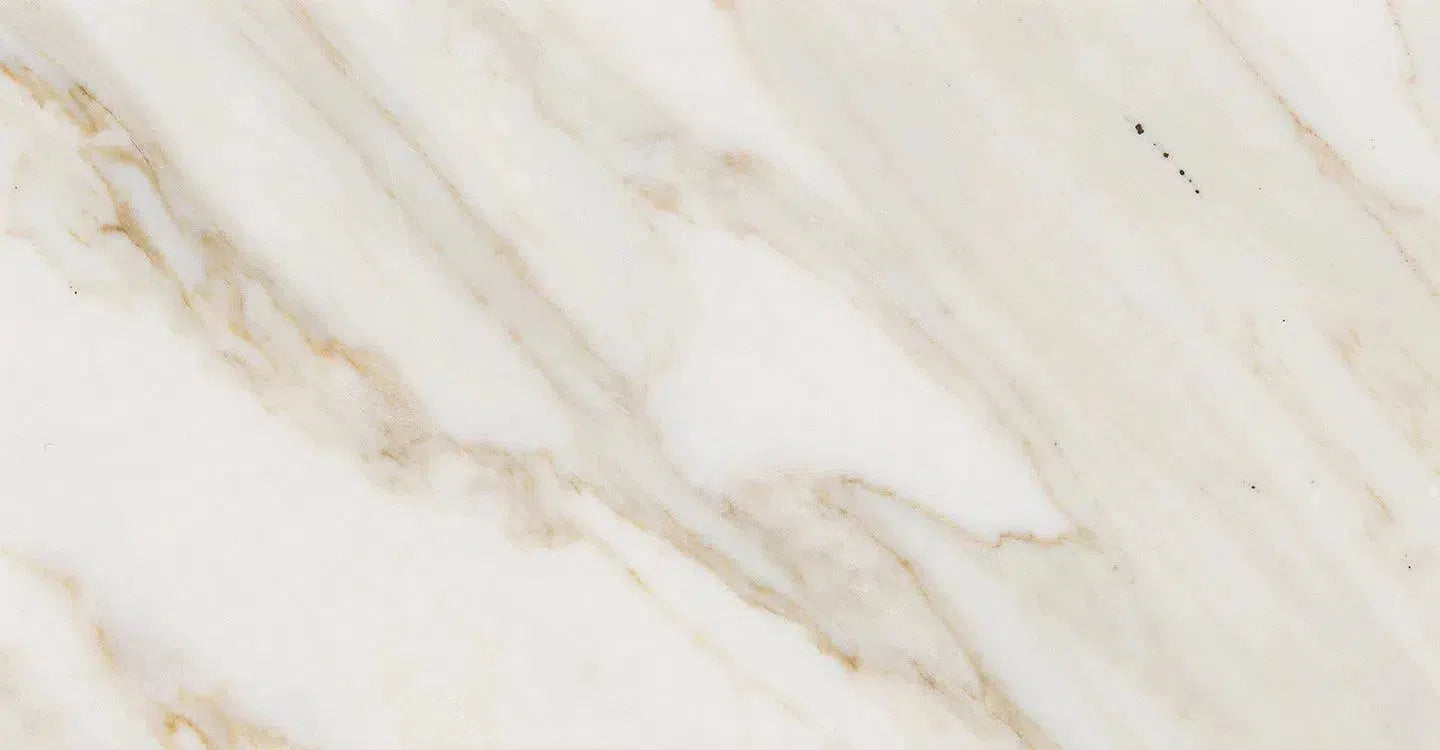
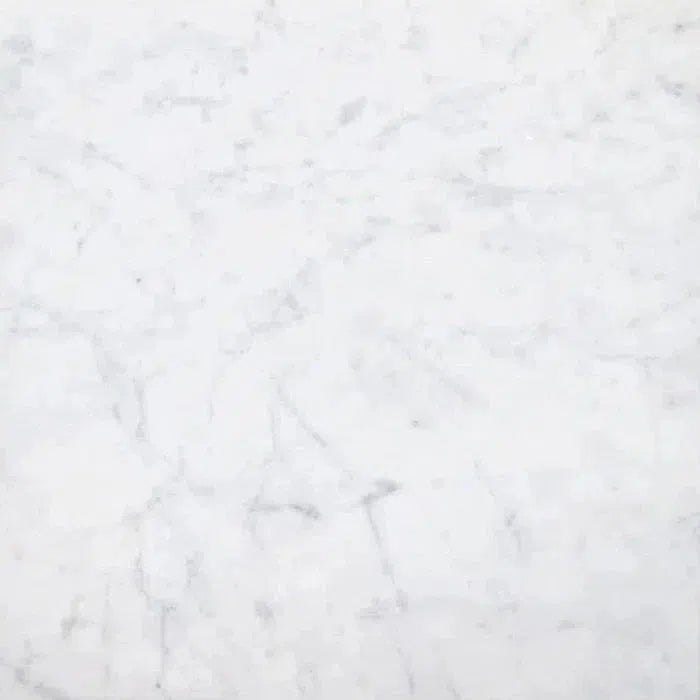
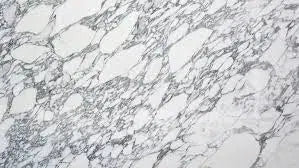
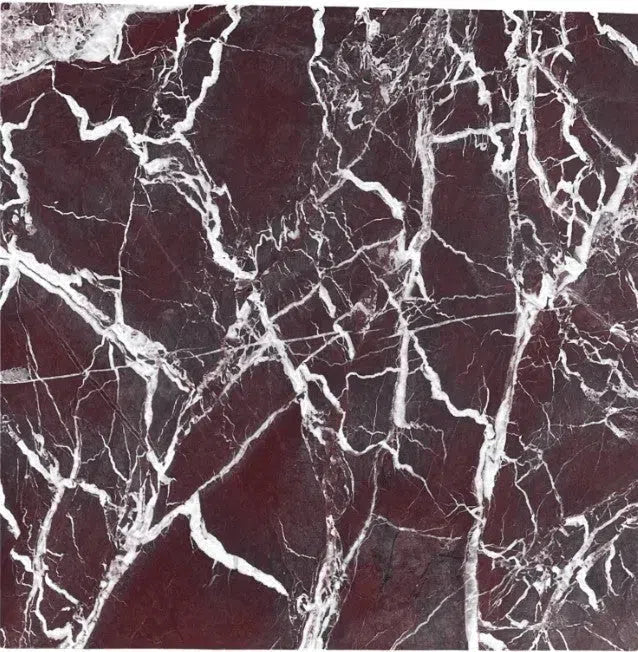
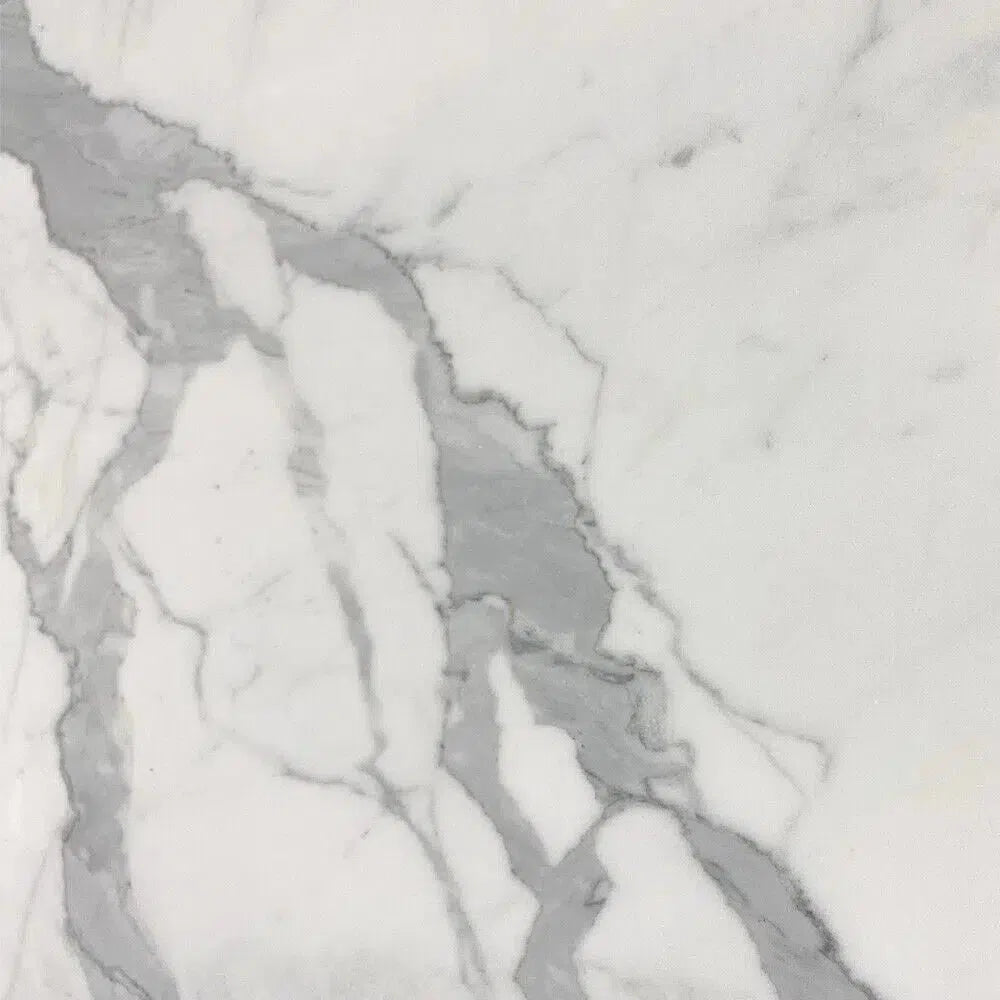
Marble-look tiles capture the classic, veined character of Italian imports. This is a popular choice for homeowners who want to introduce timeless white and gray palettes into their personal sanctuary.
Replicating rustic travertine for living areas
Rustic travertine styles bring earth-toned warmth and subtle surface pits that feel grounded and comforting. These styles pair exceptionally well with soft textiles and wooden furniture to create a welcoming atmosphere.
Capturing slate textures for rugged modern looks
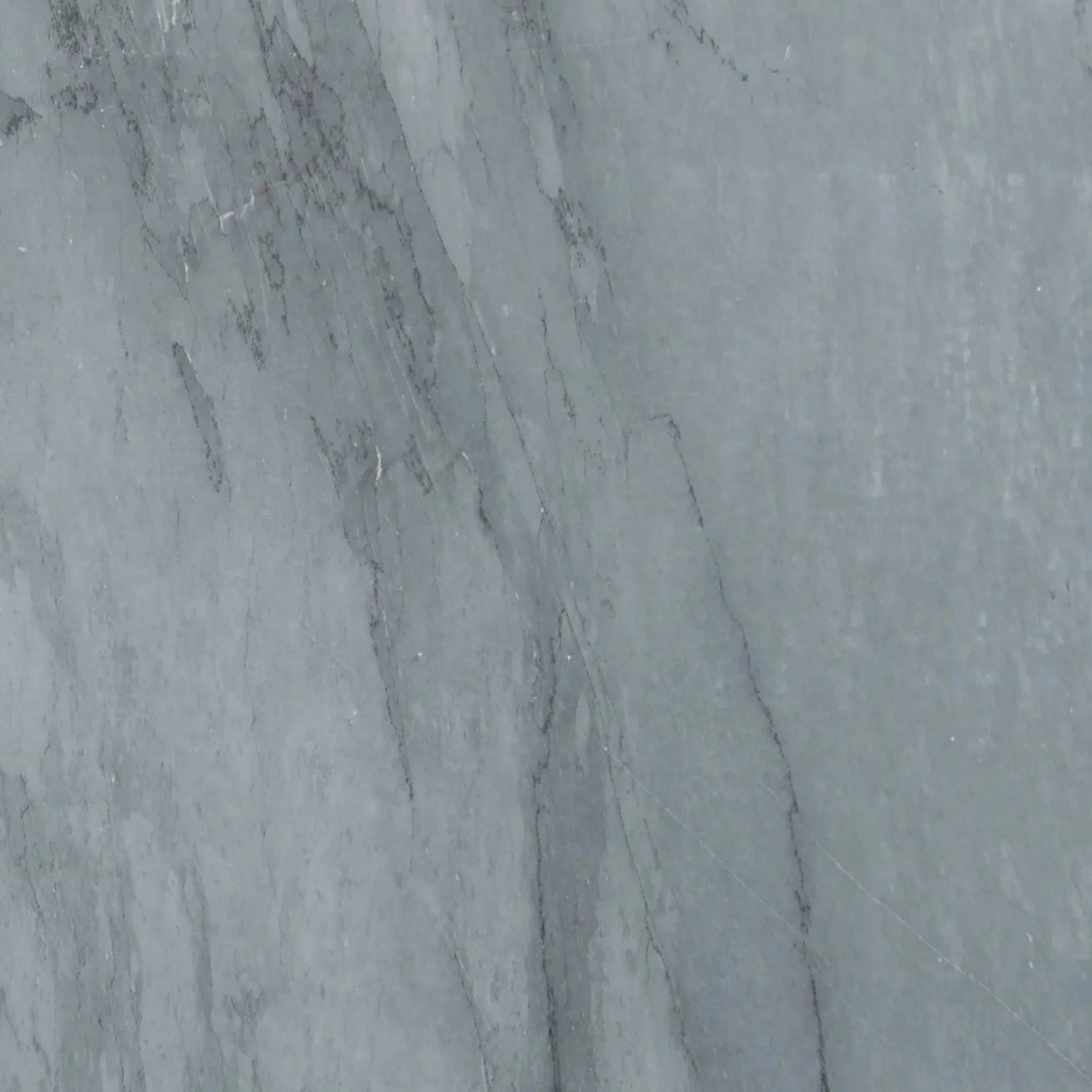
Slate-inspired dark tiles provide a moodier, more architectural feel that works wonders in entryway mudrooms or modern kitchen backsplashes. They deliver contrast that makes lighter cabinetry or wall colors pop with sophisticated drama.
Selecting finishes that match natural wear patterns
Durability is often linked to the finish selection. Here is why choosing the right surface matters:
- Polished surfaces catch light but might wear differently in heavy foot traffic.
- Honed surfaces provide better grip and diffuse light for a softer look.
- Matte finishes hold up best by masking minor scratches over many years of use.
Selecting based on where the tile is placed is essential for longevity.
Key considerations for installation and layout

Proper installation is the bridge between a beautiful product and a disappointing floor. Even if you choose a premium material, poor craftsmanship or incorrect substrate preparation will hinder the outcome. Often, homeowners might look at global search trends to see how others are laying out their patterns to maximize visual impact.
Planning for grout color and joint width
Matching grout color to the tile is a simple trick to create a larger, continuous visual flow. Using tighter, rectified joints also minimizes the appearance of breaks, making the installation look more like a singular, solid slab.
Assessing substrate requirements for porcelain tiles
Porcelain is heavy and somewhat brittle before it is set; it requires a perfectly flat, clean, and rigid substrate to prevent future cracks. Ensure that the floor underneath is properly leveled during the prep phase.
Implementing patterns for a more natural effect
Designers often favor varied tile orientation to break up artificial repetitions. Mixing sizes in an off-set or brick pattern can yield a more organic, hand-laid look.
Understanding moisture prevention and standard sealing
While porcelain does not need the heavy-duty sealing required by natural materials, you should always verify the tile manufacturer's recommendations for grout protection. Treating your grout ensures that the entire assembly stays stain-resistant for years.
Evaluating durability and long-term performance
Porcelain tile stands as a remarkably stable choice for residential homes, especially when comparing its life cycle against other soft flooring materials. Think of it as a set-it-and-forget-it solution that resists the wear and tear of active daily life, ensuring your natural stone look tiles perform well for decades.
Scratch and abrasion resistance ratings
Porcelain is classified by its PEI rating, which helps identify if a tile holds up to foot traffic. High-traffic areas should use tiles with a higher PEI rating to avoid surface dullness caused by everyday dust and debris.
Slip-resistance factors for high-traffic areas
Safety is a subtle but vital component of design. Tiles in wet zones such as bathrooms or laundry rooms should always fulfill specific slip-resistance requirements to help keep your family safe.
Avoiding common installation pitfalls with large-format tiles
Large tiles are beautiful but move differently as a house naturally settles. Using the correct mortars and spacing is critical to avoid edge lifting.
Managing porcelain tile lifespans in residential homes
Properly laid, porcelain is perhaps the most enduring hard surface in a home. It does not require any extraordinary care beyond simple cleaning, proving its worth over many years compared to natural stone that might require periodic resurfacing.
Comparing costs and sourcing high-quality materials
The cost of a renovation is often a primary driver. By understanding the true price difference between material costs and final installed costs, you can make a smarter decision that aligns with your financial strategy.
Factoring in installation labor versus material price
Labor prices can often exceed the material price, especially with complex patterns or large-format slabs. It is wise to have a transparent conversation with your installer before sourcing materials.
Recognizing quality indicators in porcelain manufacturing
When evaluating a supplier like Surfaces Galore, look for clarity in the product's finish, the boldness of the print, and the precision of the edges. A high-quality tile will feel heavy, look consistent, and have no noticeable warping in the center.
Balancing budget constraints with high-end design goals
Sometimes, spending a bit more on the tile allows you to save on future maintenance costs or replacement labor, which justifies the initial expense.
Sourcing from specialized importers versus big-box stores
Working with specialized importers provides access to a wider inventory of unique, authentic-looking stones. You get a curated set of options rather than just looking at what is mass-marketed.
Conclusion
Choosing porcelain that mimics natural stone balances your dream aesthetic with the realities of modern maintenance. Surfaces Galore is here to simplify that journey by providing durable, beautiful, and authentic-looking stone finishes. Whether you are aiming for a classic marble checkerboard or a rugged, slate-like entryway, the right choice of tile will serve as the foundation of your home for many years.
Frequently Asked Questions
Can porcelain tile be installed outdoors?
Yes, provided you choose a material with the correct slip-resistance rating and density suitable for exterior exposure, such as freeze-thaw durability.
How does porcelain compare to real marble tile?
Porcelain is significantly harder, less porous, and does not require sealing, whereas real marble is more prone to staining, etching, and scratching over time.
Will the pattern on porcelain tile look fake?
Because of modern HD inkjet processes, modern porcelain tiles offer extremely natural variation that is often difficult to distinguish from stone at a glance.
Can I install tile over old vinyl flooring?
While possible in some cases, it is generally recommended to remove old layers to ensure the best bond between the tile mortar and the subfloor.
Does porcelain tile need to be sealed?
No, the tile itself does not require sealing, though the porous grout between the tiles should be sealed to keep it from picking up dirt and moisture.
What grout width should I use for a stone look?
For a more natural and high-end "slab" aesthetic, most installers recommend the smallest possible grout joint, often as little as 1/16 of an inch.
How do I maintain porcelain floor tiles?
Regular sweeping or vacuuming followed by mopping with pH-neutral soap is sufficient for keeping porcelain tiles clean and looking brand new.
Need Help Selecting Your Stone?
Our team is here to help you bring your design vision to life. Shop our exclusive collection today and elevate your space with timeless beauty that lasts for generations.