





Key Takeaways
Preserving your stone floors requires a proactive approach centered on pH-neutral care and immediate spill management to protect your long-term investment.
- Identify if your stone is calcareous or siliceous to select appropriate cleaning agents.
- Use dust mops and soft brushes to remove abrasive grit before it damages the surface.
- Avoid all DIY solutions containing vinegar or citrus, as these cause permanent etching on natural stone.
- Implement a consistent sealing schedule based on your specific stone type and traffic levels.
- Seek expert restoration for deep stains or structural damage that standard cleaningCannot resolve.
Understanding the basics of natural stone vulnerability
Identifying your specific stone type
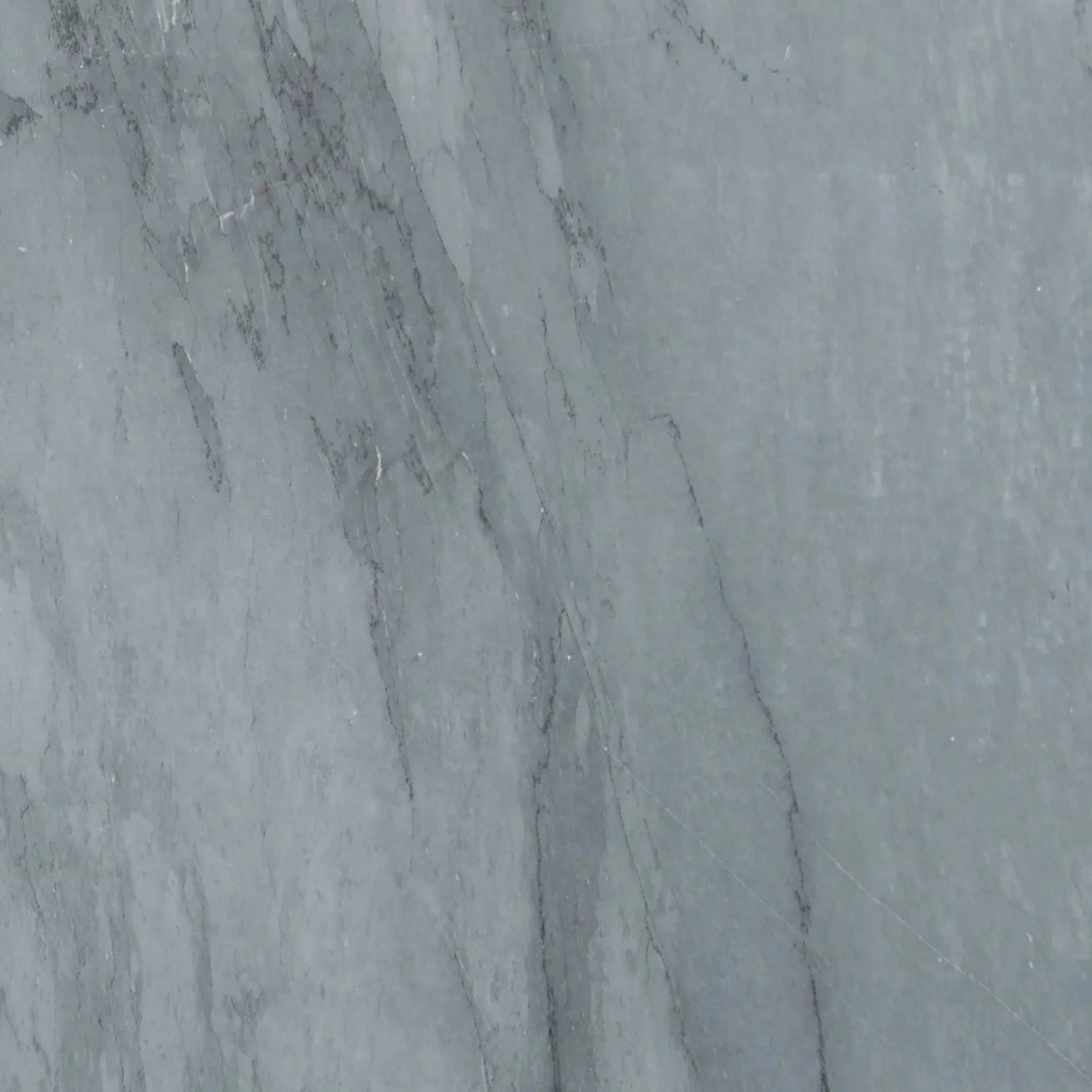
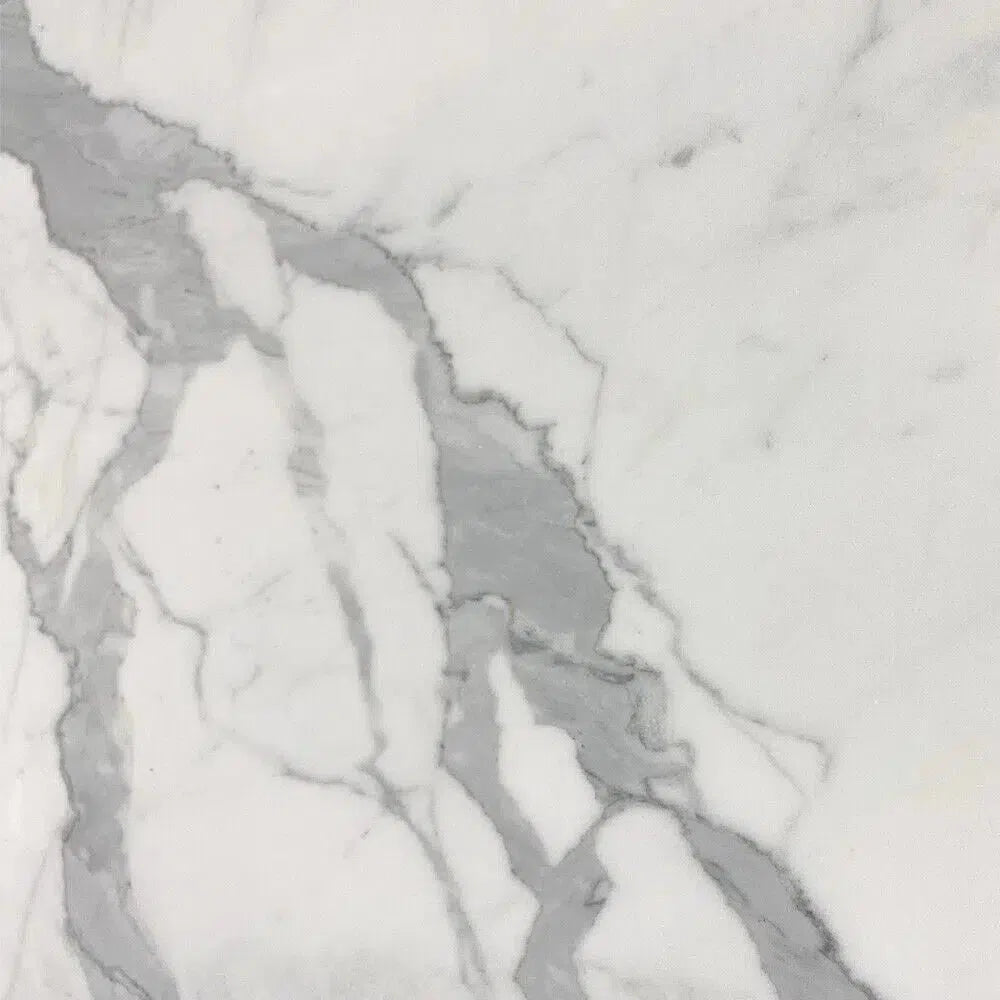
Every natural stone surface, whether it is a dense granite or a porous marble, requires specific care based on its geologic origin. Calcareous stones like marble, limestone, and travertine are composed of calcium carbonate, making them highly sensitive to acidic elements. Understanding your stone's specific classification via natural stone care is the first step in ensuring its longevity. Siliceous stones, including granite and slate, offer more resistance to external wear but still require gentle treatment to maintain their luster.
Why acidic cleaners damage natural stone surfaces
When harsh, acidic cleaners land on calcareous surfaces, they trigger a chemical reaction that literally eats away at the mineral composition. This process, known as etching, creates dull spots that can ruin the visual appeal of a floor in seconds. Homeowners who opt for specialized cleaning products specifically designed for natural surfaces avoid these permanent aesthetic issues by using formulations that do not interfere with the stone's chemical structure.
The importance of pH-neutral cleaning solutions
Using a pH-neutral cleaner is the safest way to maintain the integrity of your stone's finish. These products effectively lift dirt and oils without stripping away sealants or dimming the natural shine of the material. Many professionals suggest using Granite Gold® to ensure that the floor remains streak-free while providing the gentle care that luxury surfaces demand.
Daily maintenance habits for stone longevity

Sweeping and dust mopping techniques
Frequent sweeping is the simplest way to prevent sand and microscopic dirt from scratching your flooring. By dragging a soft, non-treated dry dust mop across high-traffic areas, you remove the abrasive particles that act like sandpaper under foot traffic. For those managing a rental property, following Airbnb design tips can help you decide where to place these supplies.
Selecting the right tools to avoid surface scratches
Using the correct cleaning tools is essential for maintaining the pristine condition of your floors. Beyond basic mops, owners should stock:
- Microfiber dust mops for daily removal of grit.
- Soft-bristled floor brushes to clear stone crevices.
- Neutral, non-abrasive floor wash for weekly cleaning.
- Soft cotton rags for immediate spot cleaning.
These tools ensure that your cleaning process effectively removes debris without leaving behind micro-abrasions that degrade the stone surface over time.
How to manage high-traffic areas effectively
High-traffic corridors and entryways are the most susceptible to wear and tear. You can protect these zones by placing large slip-resistant rugs to capture incoming debris. For property owners maintaining stainless steel items nearby, refer to an expert guide to ensure your cleaning routine covers all kitchen finishes thoroughly.
Deep cleaning techniques for soiled natural stone
Preparing a gentle and safe cleaning solution
When your stone requires a deeper clean, consistency and the right chemicals are paramount. Surfaces Galore experts recommend mixing a high-quality pH-balanced cleaner into a bucket of warm, distilled water to avoid waterborne mineral deposits. Here is how different cleaners compare when maintaining your home investment:
| Product Type | Ease of Use | PH Level | Recommended Use |
|---|---|---|---|
| Concentrated Wash | High | Neutral | Deep floor cleaning |
| Ready-to-Use Spray | High | Neutral | Countertops and walls |
| Natural Soap Bases | Medium | Slightly Basic | Occasional light dusting |
Selecting the correct chemical balance ensures that you are effectively removing grime while safeguarding the finish of your stone.
Effective mopping methods for porous surfaces
Mopping should be done using a damp method rather than a soaking one. Because porous stones can absorb liquids, using a mop that is barely damp ensures you lift surface impurities without leaving layers of moisture behind. This technique prevents soap scum buildup and keeps the stone looking vibrant.
Drying techniques to prevent water spots and streaks
Water spots are common annoyances that occur when moisture is allowed to sit on the surface. Once you have mopped, use an absorbent microfiber cloth or a clean towel to dry the area immediately. This simple extra step produces the same polished look you see in Surfaces Galore showrooms after a professional clean.
Managing common stains on natural stone tiles

Identifying stain origins like oils or organic matter
Determining where a stain originated is vital for picking the correct treatment method. Organic stains caused by coffee or food behave differently than oil-based stains, which often penetrate deeper into the stone's pores. Some homeowners who prefer non-toxic beauty may try natural DIY poultice ingredients, while others choose retail stone-specific products for more consistent outcomes. Surfaces Galore provides resources designed to guide you through this assessment process so you can address problems quickly.
Applying a poultice for stubborn discolorations
For deep-seated stains that resist regular wiping, a poultice is the most effective solution. You apply a thick paste made of water and a bleaching or stain-lifting agent directly to the blemish, covered with plastic wrap, and allow it to dry slowly. This draws the stain out from the pores without requiring harsh mechanical scrubbing.
When to seek professional restoration for extensive damage
If you find deep cracking, widespread etching, or structural chips, it is safer to bring in a professional stone technician. Major repairs often require diamond grinding and professional-grade sealing waxes that aren't available to the average consumer. For those sourcing rare goods, finding eBay selling guides might help clarify where to hire specialized local contractors.
The essential role of stone sealing and maintenance
Understanding the function of impregnating sealers
An impregnating sealer works by penetrating the stone surface to fill the microscopic pores that would otherwise allow liquids to penetrate. This barrier repels spills to the surface, providing extra time for cleanup. As noted by Surfaces Galore staff, a quality sealer is a critical component for maintaining the longevity of natural stone.
How to test your stone's current seal condition
Testing your seal is straightforward: place a few drops of water on the surface and wait fifteen minutes. If the water beads up, your sealant is working well; if the water darkens the surface, the sealer has worn away and needs reapplication. This simple test is a core part of the periodic maintenance plan recommended by experts for all methylene blue brands of users interested in detailed home research.
Recommended frequency for re-sealing various stone types
Frequency depends entirely on stone porosity and traffic flow. Generally, light-colored stones like marble or limestone may require sealing annually, while denser granites can go two or more years between treatments. Always consult your installer or the STONE-TECH® guidelines to tailor your schedule to your stone's needs.
Mistakes to avoid during natural stone tile cleaning
Dangers of using vinegar and citrus-based cleaners
In the world of stone maintenance, vinegar is a major hazard. Its high acidity etches the calcite in your stone, creating dull patches that look like water marks. Even if it cuts grease, it simply causes more damage to the floor underneath.
Problems associated with excessive water saturation
Natural stone can be sensitive to oversaturation, particularly during the deep cleaning phase. If water sits in the gaps between stones or penetrates porous tiles from above, it can attract mold or cause efflorescence. Always keep your mop wrung out to a damp, not dripping, state.
Scratch prevention via floor protectors and rugs
Preventing damage is easier than repairing it. By placing felt pads under all furniture legs and slip-resistant rugs in hallways, you reduce the mechanical friction that causes surface scratches. Regular care using the detailed instructions provided for heavy cleaning will keep your surface in top condition for years.
Conclusion
Consistency, proper pH-neutral tools, and timely sealing are the pillars of long-term natural stone care that keep surfaces looking as refined as the day they were installed. By understanding the unique geological composition of your tile and avoiding harsh chemical shortcuts, you secure an investment that offers lasting beauty and structural elegance for your home.
Frequently Asked Questions
Can I use bleach on natural stone floors?
No, bleach should never be used on natural stone as it is often too harsh and can cause discoloration or chemical damage to the surface.
Why does my stone floor look dull after mopping?
This is often caused by soap residue buildup or the use of cleaners that were not formulated for pH-neutral stone care.
How often should I deep clean my kitchen floor?
For a typical household, a thorough deep clean should occur every few months, depending on how much traffic the area receives.
Is it safe to use steam mops on marble?
Steam mops generally produce too much localized moisture and heat, which can damage the seal or cause micro-fractures in softer, porous stones.
What do I do if I spill red wine on my floor?
Blot the spill immediately with a clean, dry cloth rather than wiping it, as wiping will spread the liquid and push it deeper into the stone pores.
Are all natural stones equally porous?
No, stones like granite are significantly denser than stones like marble or limestone, resulting in much lower absorption rates over time.
Can I remove scratches from stone tiles myself?
Minor surface scuffs can sometimes be buffed out with specialized polishing powders, but deep scratches typically require a professional with mechanical grinding tools.