




Key Takeaways
Choosing the right natural surface requires a blend of aesthetic taste and structural understanding, especially when working with textured stone. These five points encapsulate the journey of selecting and maintaining your stone surfaces.
- Tumbled travertine tile offers a unique, aged aesthetic defined by softened edges and a matte, tactile surface.
- Regular sealing is the most important step in protecting the porous structure of natural travertine from household spills.
- Proper subfloor preparation remains the foundation for any durable, high-traffic installation.
- Natural variations in color and pattern are hallmarks of authentic, high-quality volcanic stone.
- Applying specialized cleaners ensures that your installation retains its character without sustaining chemical surface damage.
Understanding the essence of tumbled travertine tile
What is the tumbling process?
The creation of this material involves a rhythmic, machine-based shaking process where rough-cut tiles are rotated with abrasive materials, such as rocks or sand. This physical interaction gently chips away at the sharp, factory-cut edges and scuffs the smooth surfaces, effectively mimicking the natural wear process that takes centuries in the field. This method results in a product that feels lived-in and comfortable from the moment it is installed, rather than clinical or overly manufactured.
Characteristics of the aged stone aesthetic
When we look at tumbled travertine tile, the primary allure is its undeniable warmth. Owners often remark on the soft, earthy texture that seems to capture light differently than a slick, polished floor. Because of the inherent pitting and open-cell structure of the limestone, each piece offers a distinct topographical map of mineral deposits accumulated over ages, which contributes to an authentic and comforting environment within your home.
Differences between honed, polished, and tumbled finishes
Choosing a finish dictates the visual volume of a design space. A polished surface reflects light for a modern, glossy effect, whereas honed travertine remains matte and smooth, often filling the natural pores to create a sleek surface. When you compare these to the tumbled variety, you find that a tumbled finish leaves the surface pores open and the edges rounded, providing a much higher degree of grip and a softer, more traditional visual weight compared to the alternatives found at The Tile Shop.
Why natural variation is a signature of high-quality stone
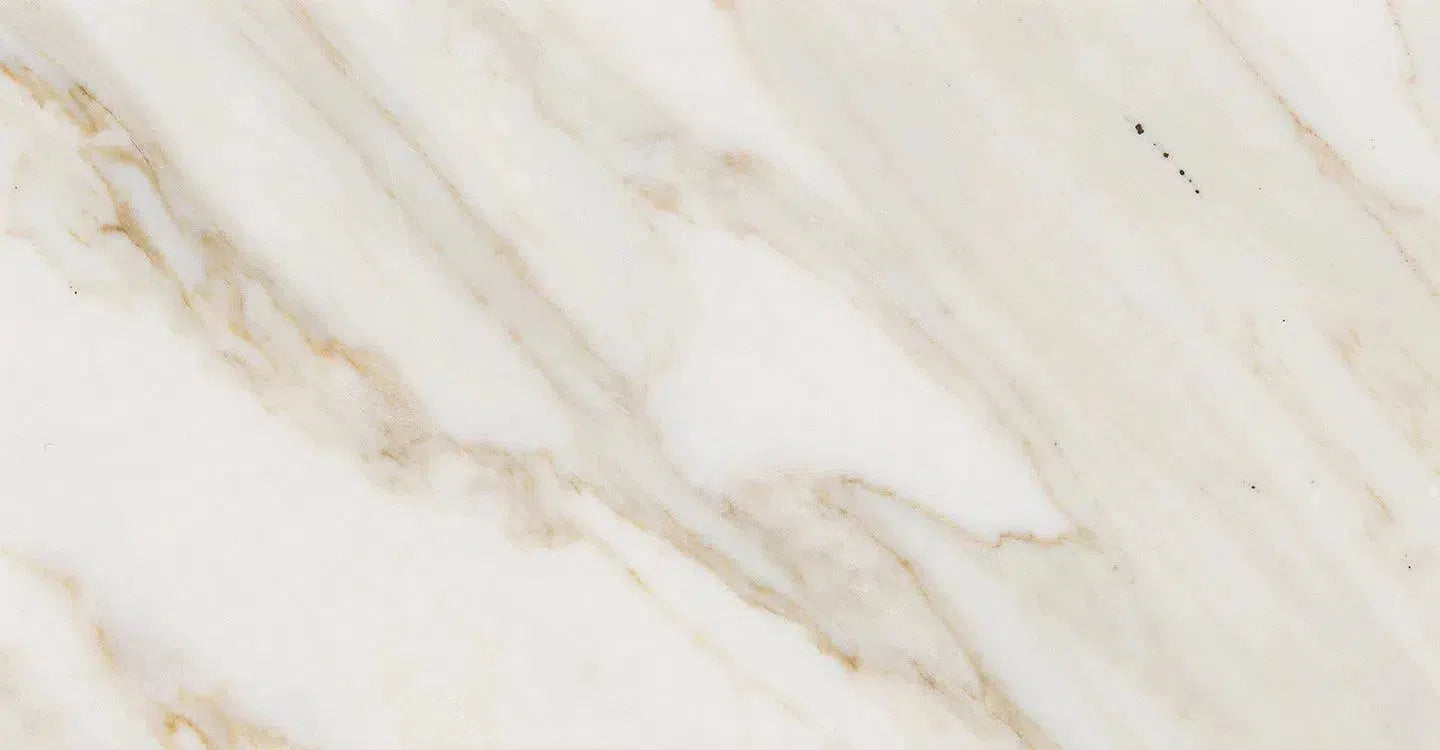
Authentic stone, like the products found in the Ivory Travertine Collection from Surfaces Galore, inherently carries the irregularities of the earth. You might find streaks of rust, deep brown capillaries, or varying beige tones that shift under different lighting. When designers accept these variances, they embrace the uniqueness of every slab, knowing that no two rooms will ever look identical, which is a major draw for those seeking bespoke, high-end interiors.
Interior design applications for your home
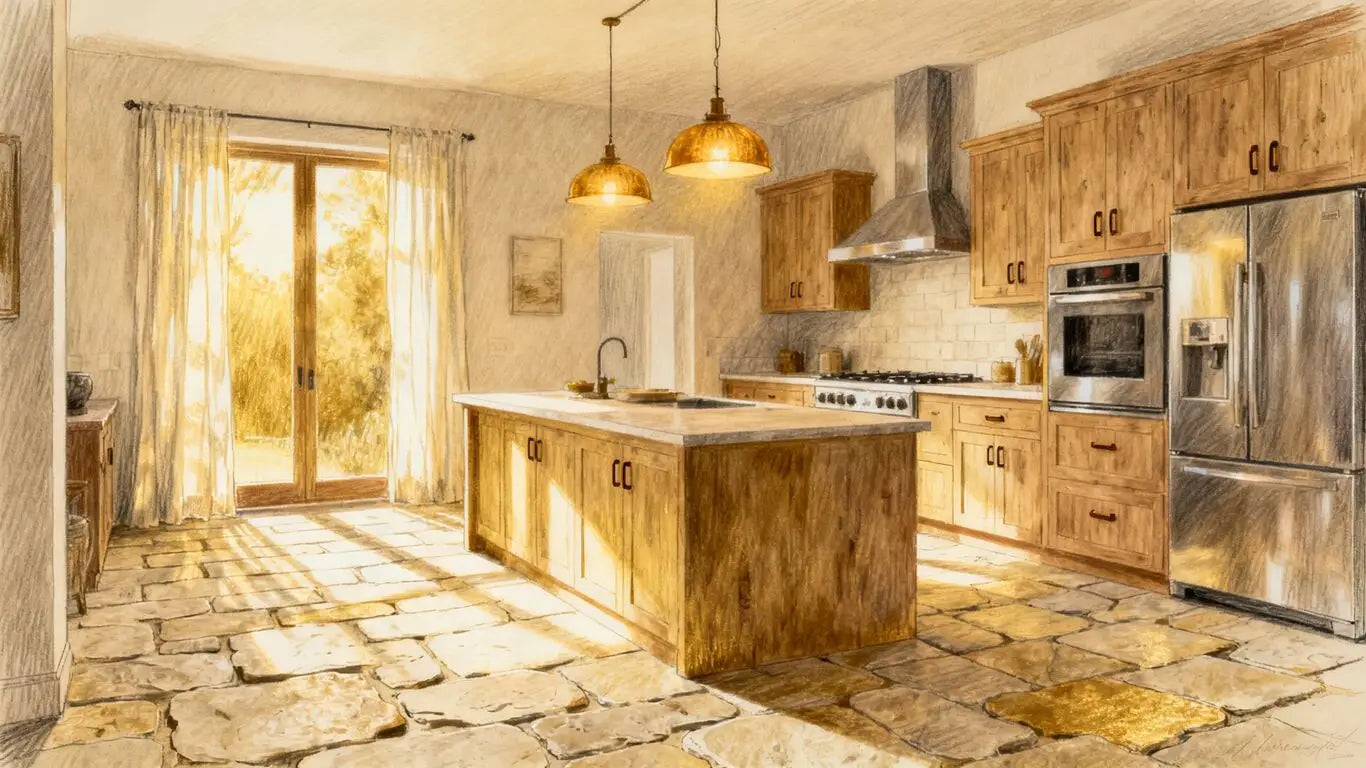
Bringing the outdoors inside with natural stone creates a seamless, grounded connection to your living space. Selecting the right material, such as 4x4 Walnut Travertine, transforms standard flooring into a textured narrative of style and warmth across your primary rooms.
Creating a rustic floor in living areas
A rustic floor anchors a room by creating a sense of history and permanence. By utilizing larger format tiles in a staggered layout, you can emphasize the stone's texture, ensuring that your living space feels like a retreat. Incorporating natural stone in these areas adds both value and a quiet, calming influence that synthetic materials simply cannot replicate.
Installing a timeless kitchen backsplash
Using stone in the kitchen creates a hardworking focal point that demands attention. The textured nature of this stone allows for a softer silhouette against modern, clean-lined cabinetry. Consider the following common kitchen backsplash layouts that highlight the beauty of natural travertine:
- Horizontal brick bond for a structured, classic farmhouse appearance.
- Diagonal "diamond" setting to introduce dynamic lines and visual movement.
- Herringbone arrangement to provide a focal point that draws the eye upward.
- Random mosaic mix that allows for a variety of earthy, warm color tones.
Elevating bathroom walls and shower surrounds
Bathrooms become private sanctuaries when wrapped in natural stone. Because travertine is porous, it thrives in spaces where it is properly sealed, offering a tactile sensation on shower walls that feels inherently premium. It is a decision that moves beyond basic utility, prioritizing a spa-caliber experience in the comfort of your own home.
Choosing tiles for high-traffic entryways
Entryways see the most turnover in a home, and stone is uniquely qualified for this challenge. Its durability ensures that it withstands daily foot traffic while maintaining its charm. If you are ever unsure about how these heavy choices affect your home's long-term utility, reflecting on the lessons in The Numbers Were Right can help you weigh durability against aesthetic preference.
Enhancing outdoor spaces with natural stone
Selecting slip-resistant stone for pool decks
Safety is paramount when working with water-facing zones, which is why a coarse, tumbled finish is an ideal choice for pool coping and decks. The naturally distressed surface provides essential traction even when wet, ensuring that elegance does not come at the expense of functional safety. This is a critical consideration for any outdoor renovation meant to last.
Designing durable patios and garden pathways
Outdoor stone must resist expansive weathering patterns while remaining visually cohesive with your landscaping. Using 12-inch or 18-inch pavers allows for easier leveling and drainage, which is just as important in a garden path as it is on a yacht deck. Properly installed natural stone can serve as a timeless frame for your greenery, lasting far longer than wood or concrete.
Weathering expectations for exterior installations
Nature will naturally modify the appearance of external stone over time, a process often welcomed by those who appreciate the patina of age. While the stone will remain sound, surface colors may mellow as they are exposed to sunlight and seasonal moisture. We recommend professional, nationwide shipping options to ensure that the batch of stone you receive is consistent in its original tonality, easing the wear process.
Integrating natural stone with soft landscaping
The contrast between rigid stone edges and soft, flowing gardens creates high visual impact. By lining pathway edges with gravel or ground covers that bleed into the stone, you soften the hardscape’s transition. This synergy between the built environment and the organic earth makes your home feel as though it were designed into its surroundings rather than placed upon them.
Essential installation tips for natural stone
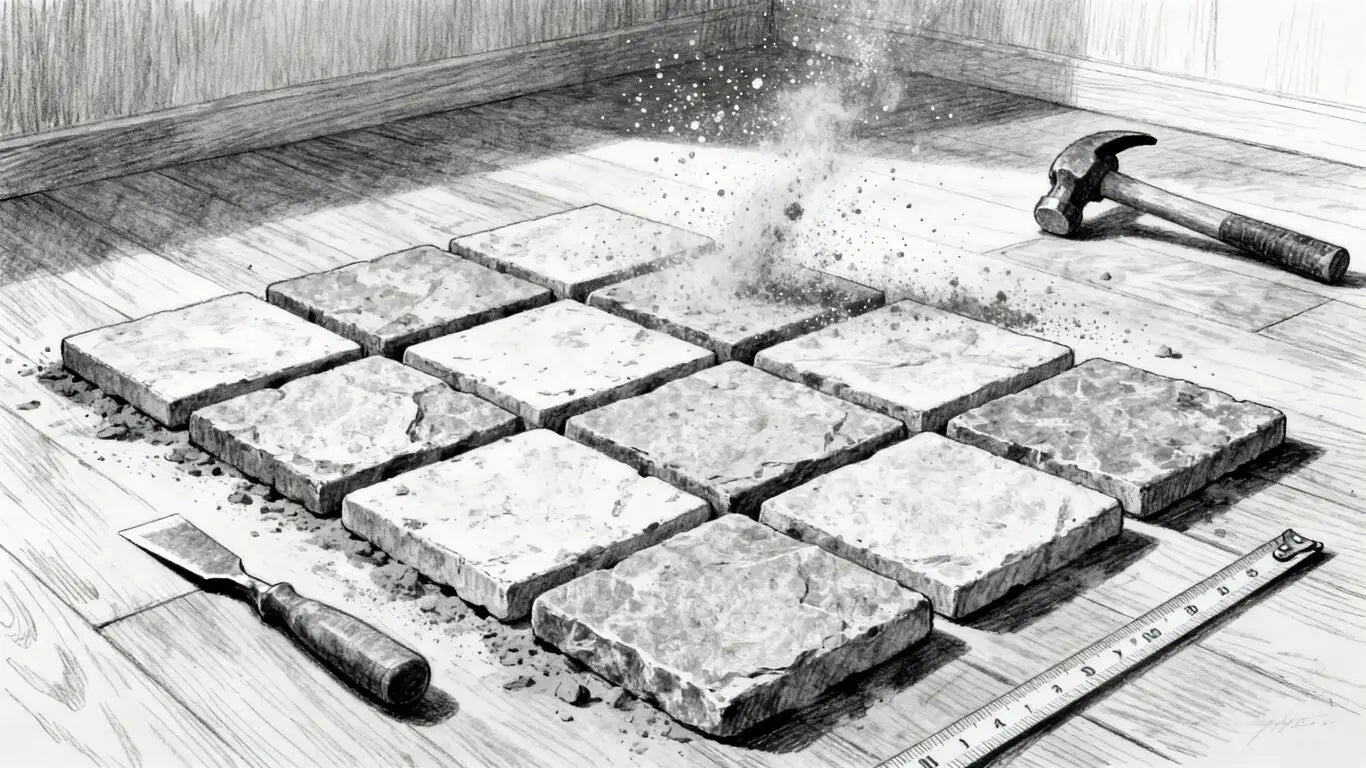
Precision during the installation phase determines whether your investment reaches its full potential. While the aesthetic is rustic, the technical execution requires strict adherence to industry standards to avoid common pitfall issues that can arise in any major home renovation.
Preparing your subfloor for heavy travertine
The weight of high-quality, authentic natural stone is significant, and your subfloor must be rigid to prevent structural shifting. Installing an uncoupling membrane or a sturdy cement board underlayment is essential to isolate the tile from minor movements in the foundation. This prep work ensures that the stone remains stable and crack-free for decades.
Selecting the correct thin-set mortar for natural stone
Stone requires specific bonding agents designed for natural materials. You must verify that your mortar is a high-grade modified thin-set suitable for heavier stone, as this prevents common issues like slab detachment. The following table provides a breakdown of installation variables that impact your choice of settings.
| Installation Factor | Importance | Impact on Result |
|---|---|---|
| Subfloor Rigidity | Critical | Prevents cracks in heavy stone |
| Mortar Compatibility | High | Ensures a permanent, solid bond |
| Grout Width | Variable | Affects visual flow and drainage |
| Sealing Pre-Grout | Mandatory | Protects finish during cleaning |
Implementing proper spacing and grout techniques
Uniformity in spacing provides a cohesive look, but the grout color is the silent hero of the design. Selecting a grout shade that matches the dominant color of the stone allows the texture to do the talking, whereas contrasting grout highlights the geometric pattern of the tiles. Always use grout release agents to protect the porous edges of the stone from staining during the application process.
Addressing levelness and potential lippage during installation
Lippage—where one edge of a tile sits higher than the next—is particularly noticeable with natural stone due to its irregular surface. Utilizing a leveling system during the mortar-curing phase is a low-effort way to guarantee a flat finish. This attention to detail will define the long-term beauty of the project.
Sealing and long-term maintenance protocols
Understanding the necessity of penetrating sealers
A penetrating sealer is the backbone of your stone's defenses against domestic life, as it blocks liquids from entering the pores without fundamentally altering the stone's appearance. Surfaces Galore consistently emphasizes that a high-quality sealant keeps the material breathable while providing a barrier. Neglecting this simple step can lead to irreversible staining.
Developing a routine cleaning schedule for stone
Consistency is better than intensity. A simple, dry dust mop used daily prevents grit from being ground into the surface by foot traffic, which is a common cause of premature wear. Follow this with a weekly pH-neutral cleaner to maintain the luster and hygiene of the natural stone surfaces throughout your home.
Identifying safe cleaning agents to avoid surface damage
Many household cleaners rely on acidic bases, including vinegar or citric acid, which will literally dissolve the calcium carbonate in your travertine. Using these products is a mistake that ruins the surface integrity immediately. Always check labels and ensure that any product specifically states it is safe for marble or travertine before you clean your floors.
Managing natural wear and minor surface repairs
Over many years, you may encounter small chips or surface scuffs, which are perfectly normal in a high-traffic area. These do not necessarily signify a failure of the material but rather the patina of a well-lived home. Minor voids can often be filled with a color-matched stone epoxy, allowing the tile to blend back into the surrounding pattern perfectly.
Styling tips for a sophisticated look
Pairing earth-toned travertine with modern decor
Mixing the organic warmth of travertine with sleek, modern decor creates a "transitional" aesthetic that feels both fresh and established. You might anchor a minimalist modern living room with deep, rich travertine patterns to inject personality into a space that risks feeling too cold. If you find the process of balancing these elements challenging, choose to explore natural stone in controlled, monochromatic palettes.
Mixing textures for a custom interior design
Design is rarely successful when every surface feels identical. By mixing the soft, rough edges of your floor tiles with refined metallic fixtures or smooth Bianco Dolomite accent areas, you create a complex, professional-grade interior. This variety keeps the eye moving and ensures that no single corner of your home feels stagnant.
Choosing the right grout color for consistent aesthetics
Consistency doesn't always have to mean blending in. If you want the grid of the layout to be the main visual feature, a bold, slightly darker grout creates a deliberate statement, similar to traditional architecture. If your goal is a "single-surface" look where the floor feels like one contiguous block of stone, color-match your grout to the lighter beige or ivory tones within the material.
Incorporating accent tiles to break up patterns
Sometimes, a single field tile needs a moment of interruption. Introducing decorative marble inserts, contrasting geometric stones, or even small mosaic medallions can provide a sophisticated accent that breaks up the monotony of a repeating pattern. These custom touches make a standard room feel curated, as if it was designed specifically for your own architectural vision.
Conclusion
Tumbled travertine tile is more than a building material; it is a way to pull the ancient beauty of volcanic earth directly into your daily life. By respecting its porous nature with proper sealing, embracing the charm of its natural variations, and choosing high-quality selections for your installations, you create a home environment that is as durable as it is visually captivating. Whether you are building from scratch or renovating a space that has seen better days, the warmth and architectural prestige of this stone ensure your design will remain relevant, elegant, and uniquely yours for years to come.
Frequently Asked Questions
Can tumbled travertine tile be installed in a high-moisture bathroom?
Yes, this stone is a popular choice for bathroom floors and showers provided it is professionally sealed before and after installation to prevent water penetration.
Does tumbled stone require a different cleaning routine than polished marble?
Because the surface of tumbled stone is textured and open-pored, it may trap dust more easily, meaning it benefits from more frequent dry-dusting compared to the wipe-and-forget surface of polished material.
Is it normal for my travertine tiles to have small natural holes in them?
Absolutely, as these "pitting" marks are a fundamental geological characteristic of travertine and add to the antique, rustic aesthetic the stone is known for.
What happens if I accidentally use an acidic cleaner on my travertine floor?
Acidic cleaners will etch the surface, creating dull, white marks by removing the mineral polish or texture, and should be permanently removed from your cleaning cabinet.
Can this stone be used for outdoor walkways in freezing climates?
Yes, but you must ensure the stone is installed with the correct adhesive and proper slope to prevent standing water from freezing and expanding within the natural cavities.
Should I buy more tile than I need for my space?
It is industry standard to purchase at least 10–15% more material than the total area of your space to account for cuts, potential matching of natural variances, and future repairs.
How does the thickness of these tiles impact the installation process?
Thicker stone requires higher-depth mortar beds and more careful planning to ensure the transition between different flooring types remains perfectly flush or safe for users.