








Key Takeaways
Enhancing your living environment with premium materials requires careful planning, from selecting unique natural stones to ensuring proper installation techniques for long-term endurance. Here are the central themes for your next renovation project:
- Natural stone brings timeless elegance and individual character to any home space.
- Checkerboard and geometric patterns offer sophisticated design possibilities for foyers and dining rooms.
- Professional installation, including proper substrate preparation, is critical for preventing common flooring failures.
- Working with direct importers provides access to authentic stone varieties and more competitive pricing for high-end projects.
- Consistent maintenance, including routine sealing, is essential for protecting the beauty and resale value of your investment.
Understanding natural stone varieties
Exploring natural stone varieties allows homeowners to infuse their spaces with materials that tell a unique geologic story. Whether you prefer the dramatic veining of marble or the earthy, textured warmth of other stones, understanding these options is the first step toward crafting an interior that feels personal and permanent.
The unique characteristics of marble
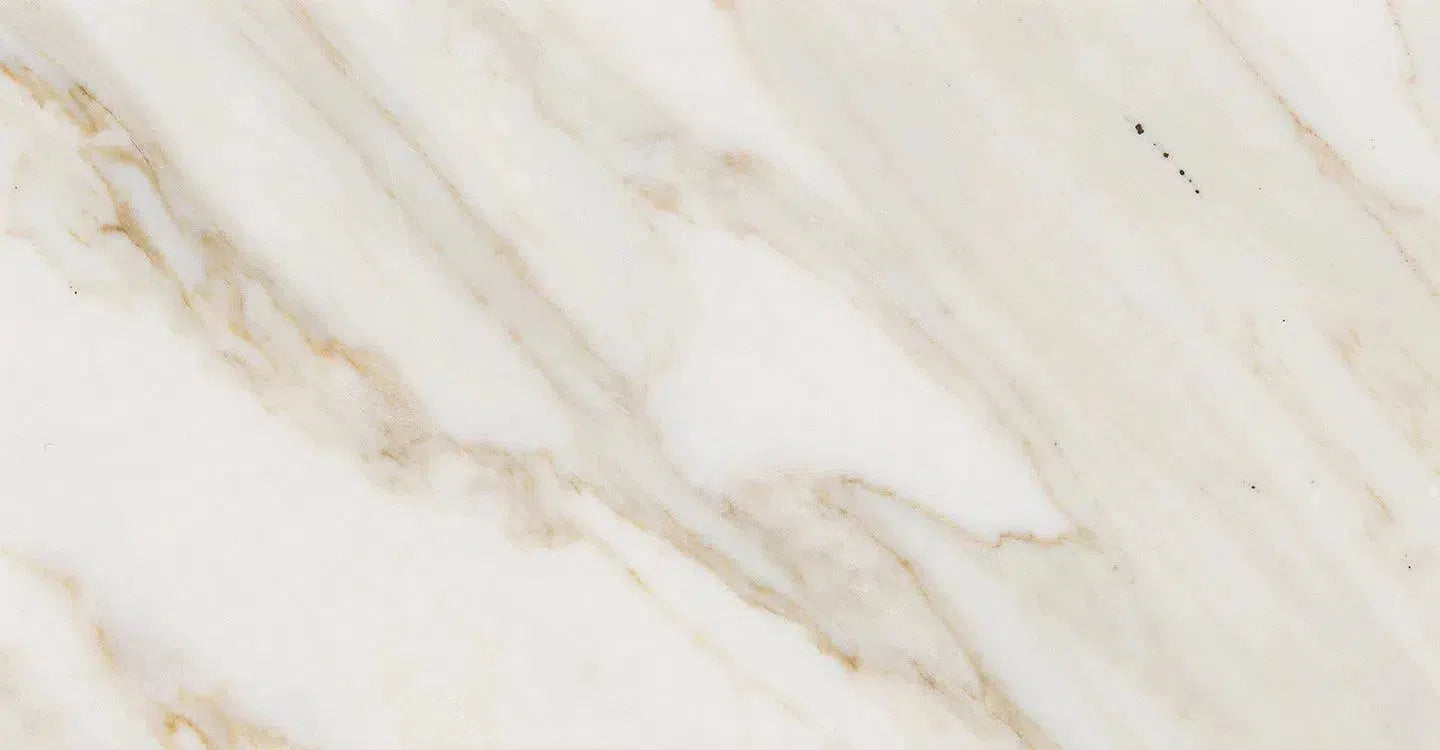
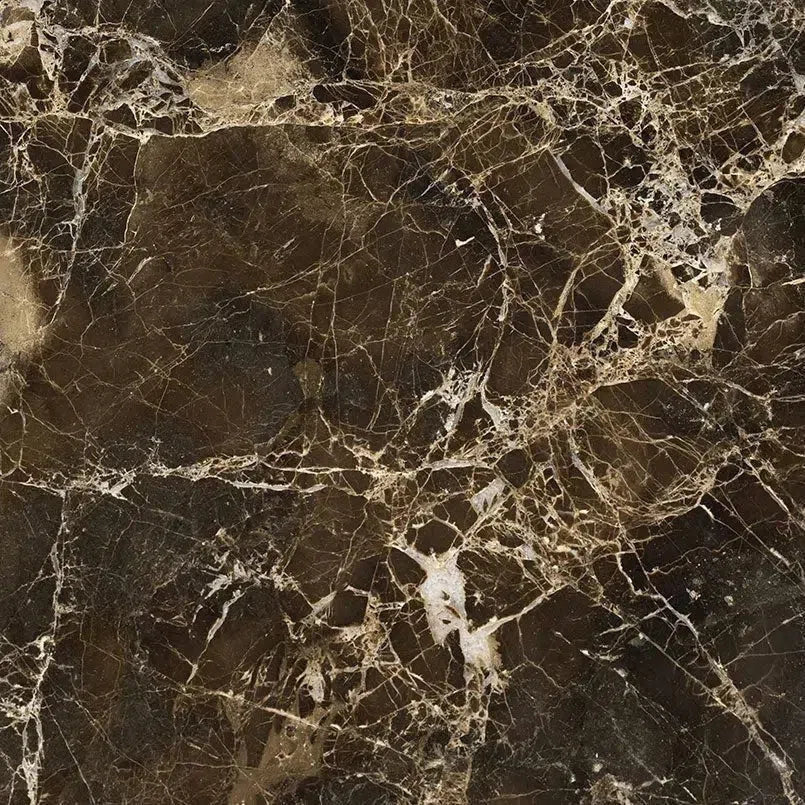
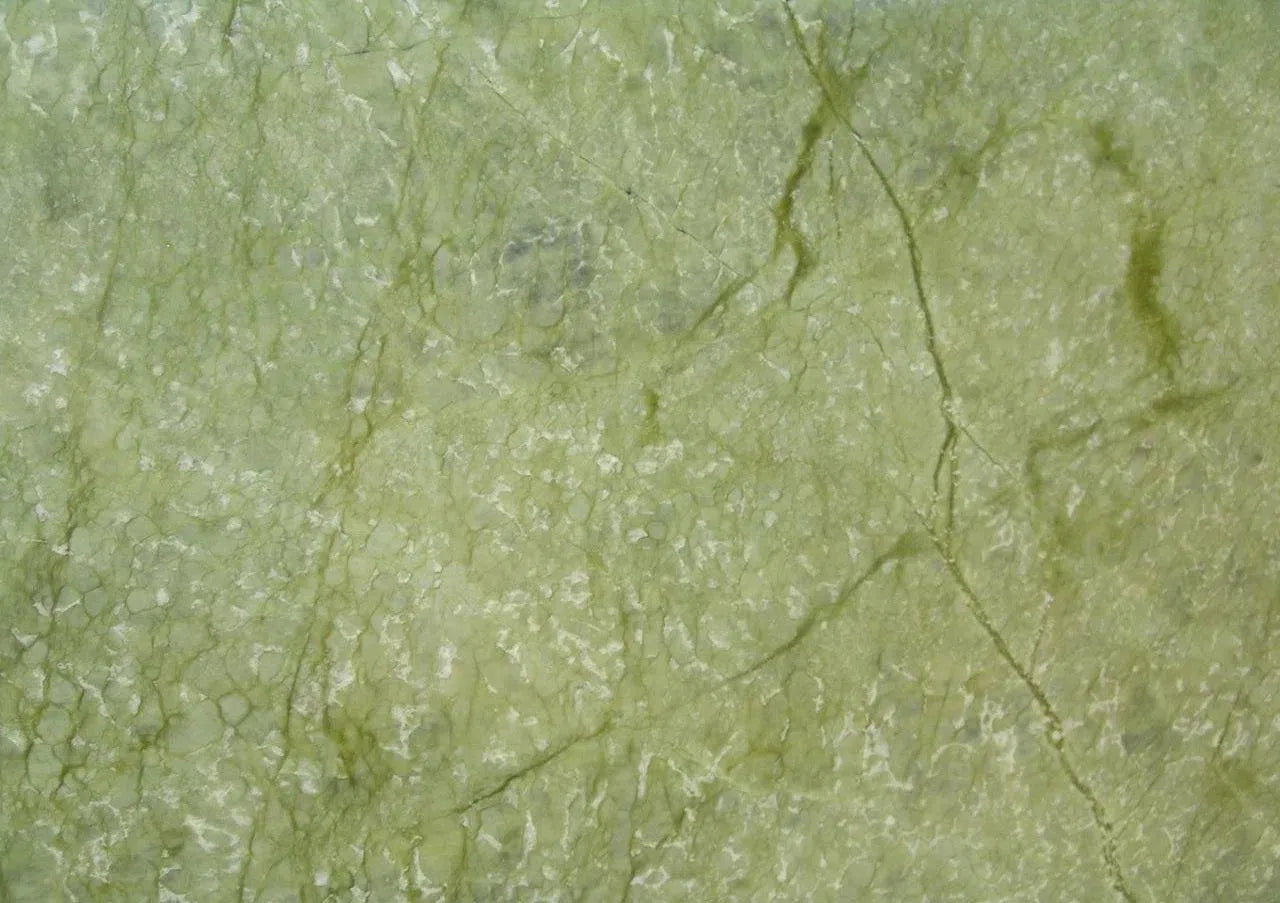
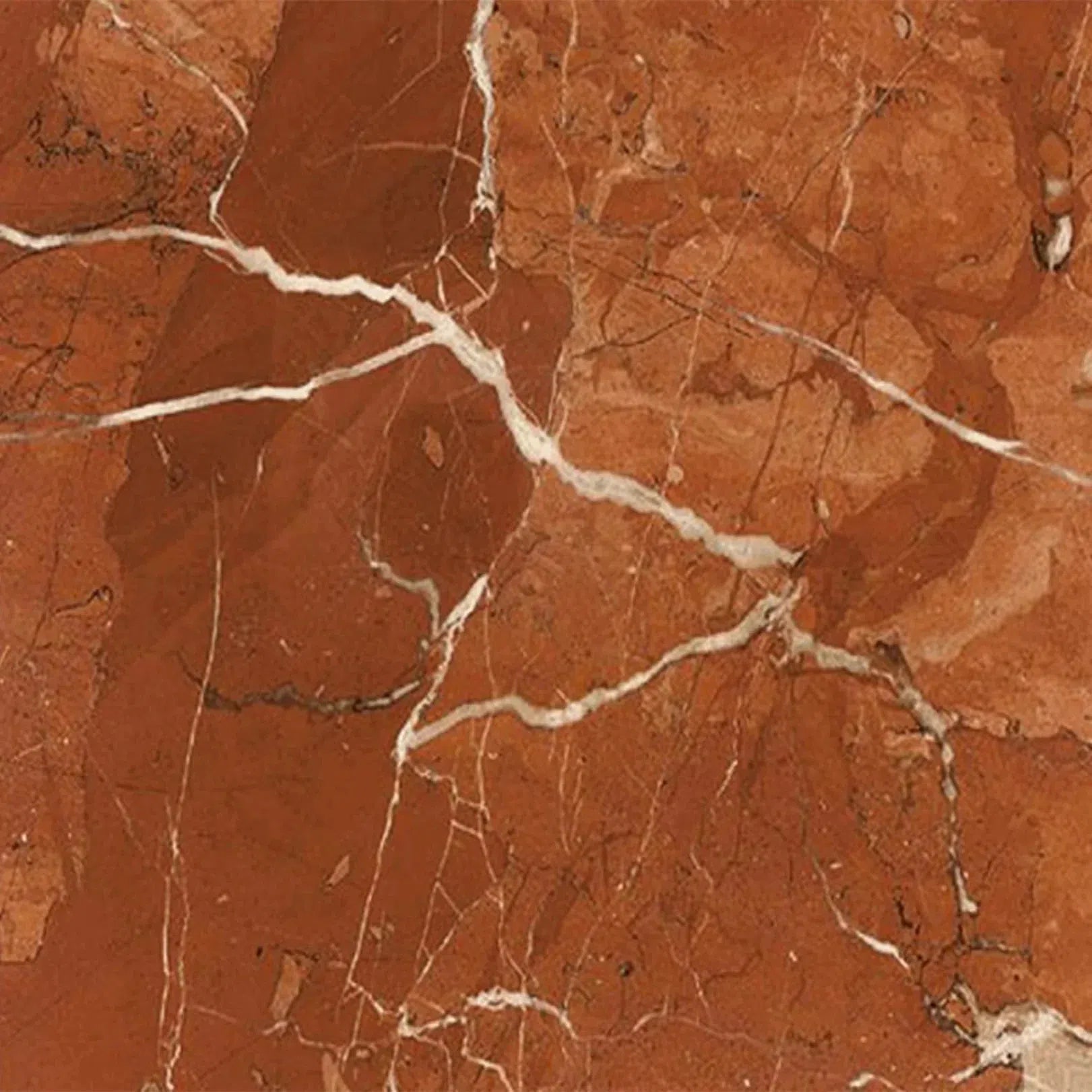
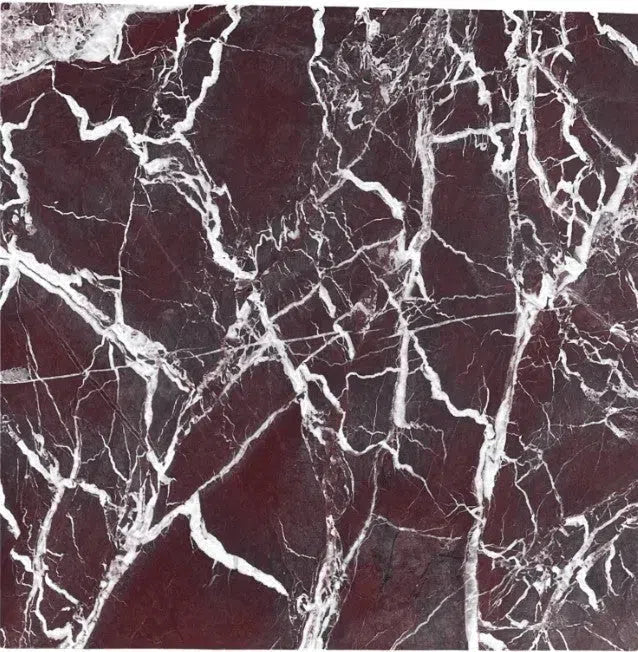
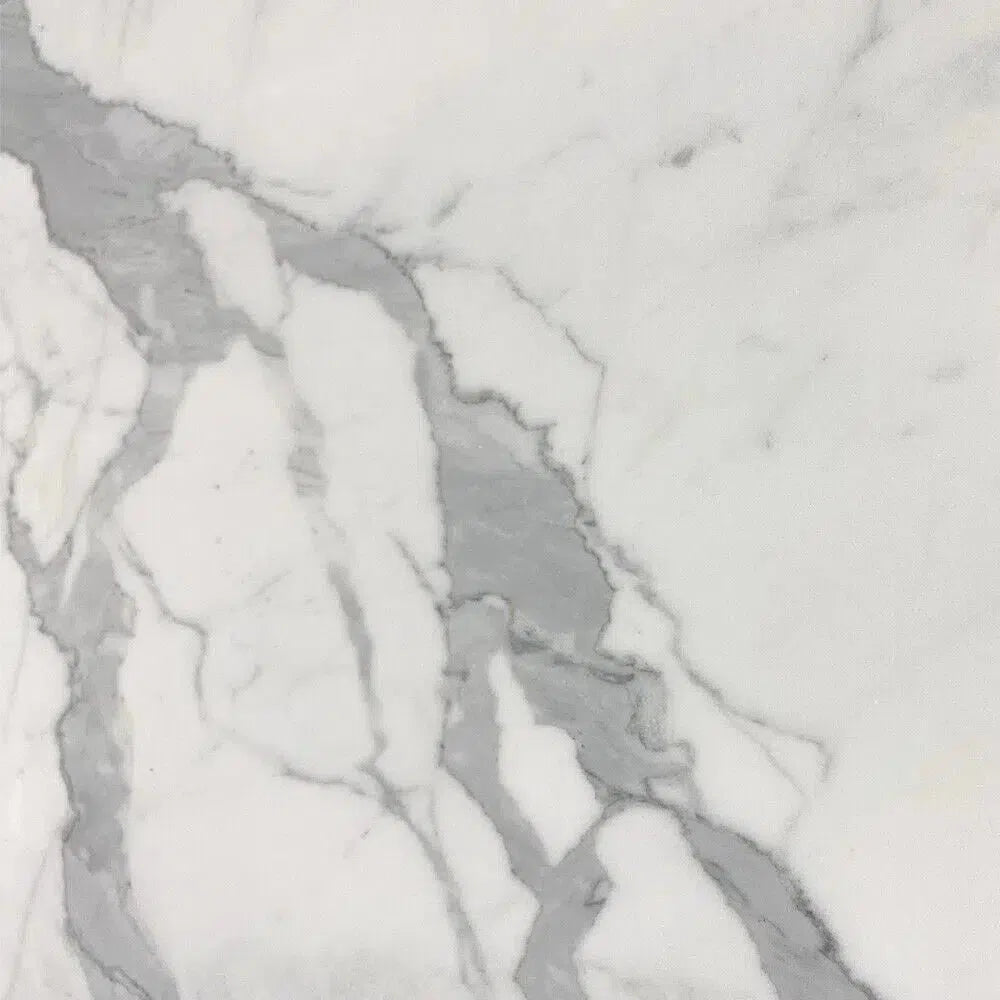
Marble is celebrated for its luminosity and unparalleled veining, which adds a sense of luxury to any room it occupies. Surfaces Galore sources stone that captures this classic aesthetic, offering options like Carrara or Calacatta marble that have been favored by architects for centuries. Integrating the Stonework Natural Stone Tile Collection into your design ensures you are working with premium material that reflects light and brings an airy quality to cramped or dim spaces.
Benefits of travertine for indoor and outdoor use
Travertine stands apart due to its naturally porous surface and warm, inviting color palette that bridges the gap between indoor comfort and outdoor resilience. This sedimentary stone is highly versatile, perfect for creating cohesive transitions between your patio and living room areas. When selected in a honed finish, it provides a subtle grip that feels comfortable underfoot while maintaining an upscale appearance that resists the aging effects of sunlight better than synthetic alternatives.
Choosing limestone for an organic aesthetic
Limestone provides a neutral, matte canvas that excels in creating an organic and minimalist atmosphere in various home styles. Its soft texture and subtle earth tones make it an ideal choice for homeowners who want their furniture and art to take center stage without the distraction of high-contrast stone patterns. Because it is somewhat softer than other igneous or metamorphic rocks, it is best suited for low-traffic living areas where its quiet, muted beauty can remain untouched for years.
Design trends in tile and stone flooring
Selecting the right layout and finish is just as vital as choosing the material itself. Incorporating professional design patterns can drastically alter the perceived size and mood of your home, turning standard flooring into a striking piece of architectural art for your interiors.

The timeless appeal of checkerboard marble
Checkerboard flooring creates a high-contrast visual effect that draws the eye and highlights the grand scale of an entryway or dining room. By utilizing the Patterned Tile Collection from our catalog, you can achieve a design that feels both historical and fashion-forward. This layout is particularly effective in traditional homes where a sense of formal elegance is desired, yet modern color pairings can keep the space feeling current and energetic.
Utilizing geometric mosaics for high-end entryways
Geometric mosaics offer a way to inject complex personality into smaller spaces, such as mudrooms or powder rooms. When you work with specialists like Tile & Stone Works, you can access intricate cut patterns that act as a focal point, grounding the room with luxury. These detailed installations often serve as the main attraction of an entryway, welcoming guests with a level of detail that standard tile sheets simply cannot replicate.
Playing with finishes: Honed vs. polished surfaces
Choosing between a polished or honed finish dictates not only the shine of your floor but also its maintenance profile and tactile experience. A polished finish creates a high-gloss, reflective surface that is stunning under artificial lighting but shows scuffs more easily, whereas a honed finish provides a softer, matte appearance that hides minor daily wear with ease. Many designers choose honed stone for family homes to ensure that the beauty of the material remains low-maintenance despite busy daily foot traffic.
Selecting stone for specific home areas
Different zones of the home face unique environmental stresses, including moisture, heavy foot traffic, and temperature fluctuations. Being intentional about which stone you place where will ensure your project remains functional for years to come.
Creating a luxury bathroom retreat
Bathrooms require materials that are both moisture-resistant and aesthetically soothing to transform a daily routine into a spa-like experience. Our team at Surfaces Galore often suggests lighter marble colors to enhance the sense of space and cleanliness, ensuring that even a small bath feels like an expansive getaway. Using natural stone for shower surrounds or vanity backsplashes builds a consistent, high-end theme that boosts the comfort level of the primary suite.
Sourcing durable stone for high-traffic kitchens
Kitchens represent the heart of the home, demanding surfaces that are both beautiful and capable of withstanding the rigors of food preparation. When sourcing through Stonework, you access materials selected for denseness and resistance, which is essential for busy cooking areas. It is recommended to choose slabs or tiles with low porosity to ensure spills are cleaned easily without etching the surface.
Elevating outdoor patios and pool decks with slip-resistant tile
Safety is paramount when working with outdoor stone, particularly in areas prone to wet conditions like pool decks. Slip-resistant finishes are not just a design choice but a functional necessity, providing the necessary traction to prevent accidents while exposed to weather. With the right selection of travertine or marble, you can create a seamless extension of your home's aesthetic, ensuring the patio looks just as polished as your interior formal areas.
Planning your installation process
Successful stone projects rely on a foundation of careful planning and expert execution. From substrate testing to precise layout planning, every detail you address early on prevents costly repairs in the future.
Determining the best layout patterns for your space
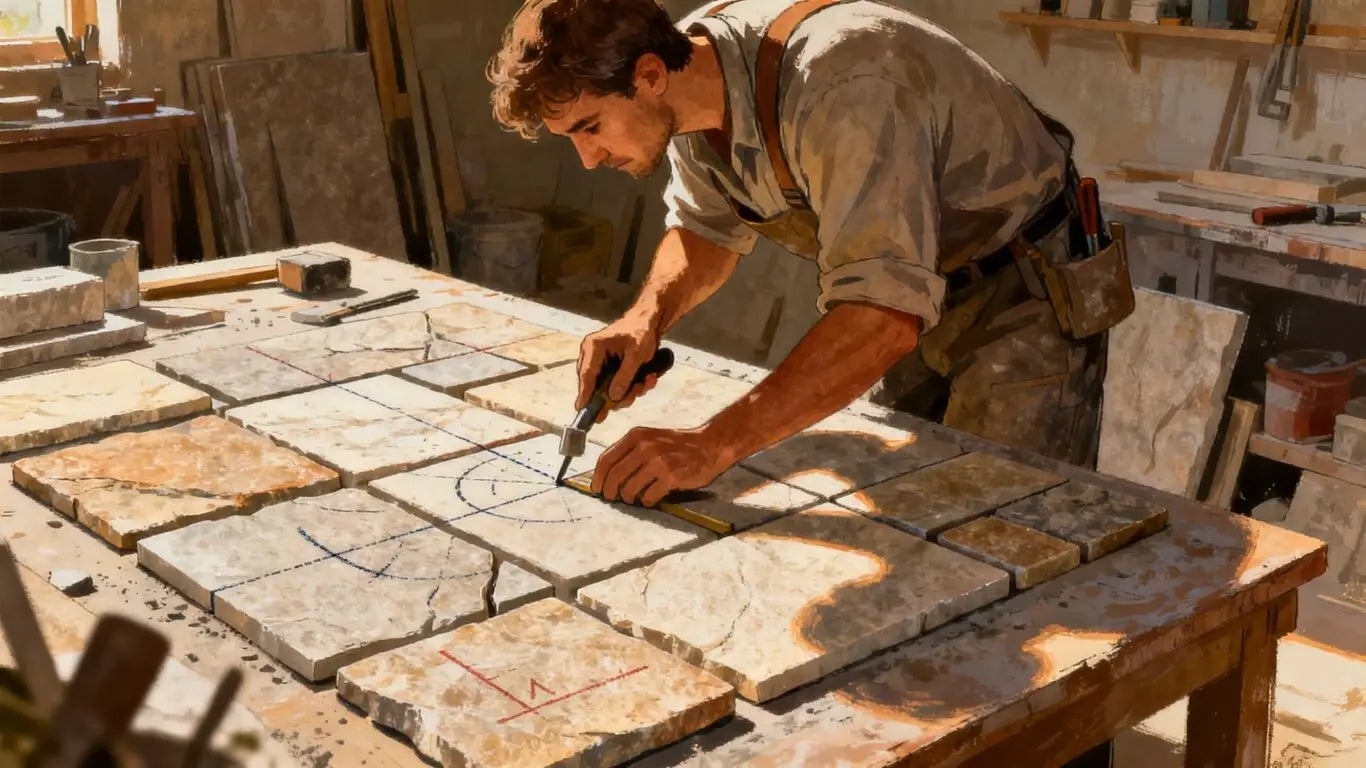
Layout planning is a critical step that determines how patterns like herringbone or Versailles translate from your plan to your floor. Choosing a pattern should consider the dimensions of your room to minimize awkward cuts:
- Diagonal layouts make narrow rooms feel wider and more expansive.
- Straight grids provide a classic, structured, and orderly look.
- Versailles patterns use varying sizes to add rustic texture.
- Border accents can define specific zones within an open floor plan.
These layout choices help establish the character of the space, allowing you to control the flow and focus of your home's design before a single tile is set.
Understanding substrate requirements for natural stone
Before installation, the subfloor must be evaluated to ensure it can support the weight and movement inherent to natural stone materials. This table illustrates how different substrates interact with stone flooring:
| Substrate Type | Suitability | Prep Requirement |
|---|---|---|
| Concrete Slab | Excellent | Leveling compound required |
| Radiant Heated | Conditional | Requires uncoupling membrane |
| Plywood/Subfloor | Requires Reinforcement | Use cement backer board |
Selecting the correct substrate is crucial, as even the finest marble can crack if the floor underneath it experiences too much flex or moisture transmission.
Professional sealing techniques to ensure long-term durability
Professional sealing acts as an invisible barrier, protecting the porous structure of your stone from moisture and staining agents. This process should be incorporated into your installation schedule, typically involving an initial coat before grouting and a final treatment after the grout has fully cured. Consistent sealing not only preserves the color and finish of your stone but also simplifies routine maintenance routines, ensuring your floors stay in peak condition.
Working with direct importers and stone specialists
Partnering with a professional source provides more than just materials; it offers guidance for your specific aesthetic goals and ensures quality control. By skipping retail middlemen, you connect directly with the supply chain, which is essential for high-end renovation success.
The advantages of sourcing from a direct importer
Surfaces Galore operates as a direct importer, which means we bring choice materials directly from international quarries to your project. This approach not only ensures you receive premium, authentic stone rather than over-priced alternatives, but it also allows for better communication regarding the specifics of your material shipment. Direct sourcing simplifies the supply chain, reducing the chance of logistical errors that commonly occur when dealing with multiple intermediaries.
Customizing your renovation with bespoke mosaic options
Custom mosaic work is a specialized field that allows you to integrate personalized patterns into your floors or walls, turning standard rooms into galleries of craftsmanship. Working with partners like Tile & Stone Works ensures that these intricate details are cut, labeled, and shipped with precision, making complex patterns much easier to install on the job site. These bespoke elements are often the final touches that separate a generic renovation from a truly curated designer home.
Managing lead times for high-end material procurement
High-end stone is a natural product that takes time to harvest, process, and ship across global borders. Managing lead times is an important part of your overall project schedule, and it is better to finalize your material choices months before your planned start date. By maintaining open lines with your supplier, you can navigate potential supply delays and ensure that your project keeps moving forward without costly pauses caused by missing tiles.
Maintaining the beauty of your stone surfaces
Once your beautiful stone is installed, consistent care determines how well it will age over the decades. A simple, disciplined approach to maintenance prevents damage and keeps the surface looking as fresh as it did on the day you opened the crating.
Routine cleaning protocols for natural stone tiles
Cleaning stone tiles only requires gentle, pH-neutral cleaners specifically designed for organic surfaces. Never use acidic soaps or harsh household detergents, as these can strip the finish and eventually degrade the mineral composition of the stone. A simple damp mop with water and a stone-friendly surfactant is usually enough to keep dust and grime from dulling your floors and walls.
Identifying and preventing common staining and etching
Prevention is always easier than restoration when it comes to stone damage. Spills from common items like wine, lemon juice, or heavy oils should be dabbed up immediately to prevent the liquid from penetrating the porous surface and creating a stain. Etching, which looks like a dull gray mark, occurs when acid comes into contact with calcium-based stones like marble; using cutting boards and coasters consistently is the best way to keep your countertops pristine.
Best practices for deep preservation and routine sealing
Deep preservation involves periodic deep cleaning and re-sealing to ensure the integrity of your stone remains intact over time. Depending on how much traffic the area gets, you should look into resealing your stone annually or bi-annually, especially in areas like bathrooms where water contact is inevitable. Maintaining this routine preserves the natural sheen of your investment and keeps it looking vibrant for years.
Conclusion
Elevating your home through the thoughtful application of tile and stone works is a journey that rewards planning, appreciation for natural materials, and professional execution. Whether you are aiming for a classic checkerboard foyer or a tranquil travertine bathroom, the quality of your materials and the care taken during installation will provide lasting value for your home. By leaning on the expertise of direct importers and specialists, you can ensure your vision becomes a reality, resulting in an environment that is both beautiful and built to stand the test of time.
Frequently Asked Questions
How often should natural stone flooring be sealed?
It is generally recommended to apply a high-quality stone sealer every one to two years, though this can vary depending on the traffic patterns and the specific type of stone in your home.
Can natural stone be installed over existing tile?
While it is technically possible in some instances, it is usually recommended to remove old tile and ensure a clean, level substrate to avoid height differences and potential structural failures in your new floor.
Why does some marble have more veining than others?
Marble is a metamorphic rock formed under heat and pressure, and the intensity and frequency of veining are determined by the unique mineral impurities trapped within the stone during the creation process at the quarry.
Can I use travertine in a busy kitchen?
Yes, travertine is durable enough for kitchen applications provided that it is properly sealed and that spills are wiped up promptly to prevent them from soaking into the natural pores of the stone.
Is marble too cold for main living area flooring?
Marble is naturally cool to the touch, which can be a significant benefit in warmer climates, and it can be successfully paired with radiant floor heating systems for added comfort during colder seasons.
What is the primary difference between honed and polished marble?
Polished marble has a reflective, high-gloss surface that emphasizes color intensity, while honed marble has a matte, satin-like finish that provides a softer look and better grip for high-activity areas.
Are natural stone tiles suitable for use with exterior pool decks?
Yes, many varieties of travertine and marble are excellent for outdoor decks because they naturally resist heat absorption, but you must ensure the selected tiles have an appropriate finish that provides sufficient grip to remain slip-resistant when wet.