








Key Takeaways
Choosing the right surfacing material transforms your home design by adding layers of depth and history. These takeaways highlight the essential considerations for integrating natural stone into your living spaces.
- Tumbled marble imparts a soft, weathered aesthetic that works well in diverse design styles.
- Indoors, these tiles excel in bathrooms and kitchens where a slip-resistant, tactile texture is desired.
- Regular sealing protects your stone investment and ensures longevity in high-traffic environments.
- Outdoor applications require careful selection of stone varieties that can withstand freeze-thaw cycles.
- Proper layout planning and tile blending ensure a uniform color distribution and visual harmony.
The unique charm of tumbled marble tiles
Tumbled marble brings a soul to modern rooms that polished high-gloss surfaces often miss. Achieving this vintage, worn look requires a specific manufacturing journey that transforms standard stone into a softened masterpiece of texture.
The tumbling process explained
The creation of tumbled stone begins with raw, cut blocks that are placed into rubber-lined drums containing water, sand, and abrasive grit. As the drum rotates, the pieces rub against each other, grinding down sharp corners and edges until they achieve a smooth, rounded finish. This process creates a beautiful antique character that mimics centuries of natural wear, resulting in a look that feels both established and inviting.
Why texture matters in modern design
In our increasingly smooth world, physical texture provides essential sensory feedback that makes a house feel like a home. By incorporating materials like Comfy Spaces, you create an emotional connection through touch, where uneven stone surfaces underfoot or on walls offer grounding experiences that flat porcelain cannot replicate.
Differences between tumbled, honed, and polished finishes
While polished marble is high-sheen and reflective, tumbled marble sits on the opposite end of the spectrum with a matte, open-pored finish. Honed stone offers a middle ground, providing a flat matte surface without the heavy rounding of the edges that the tumbling process introduces.
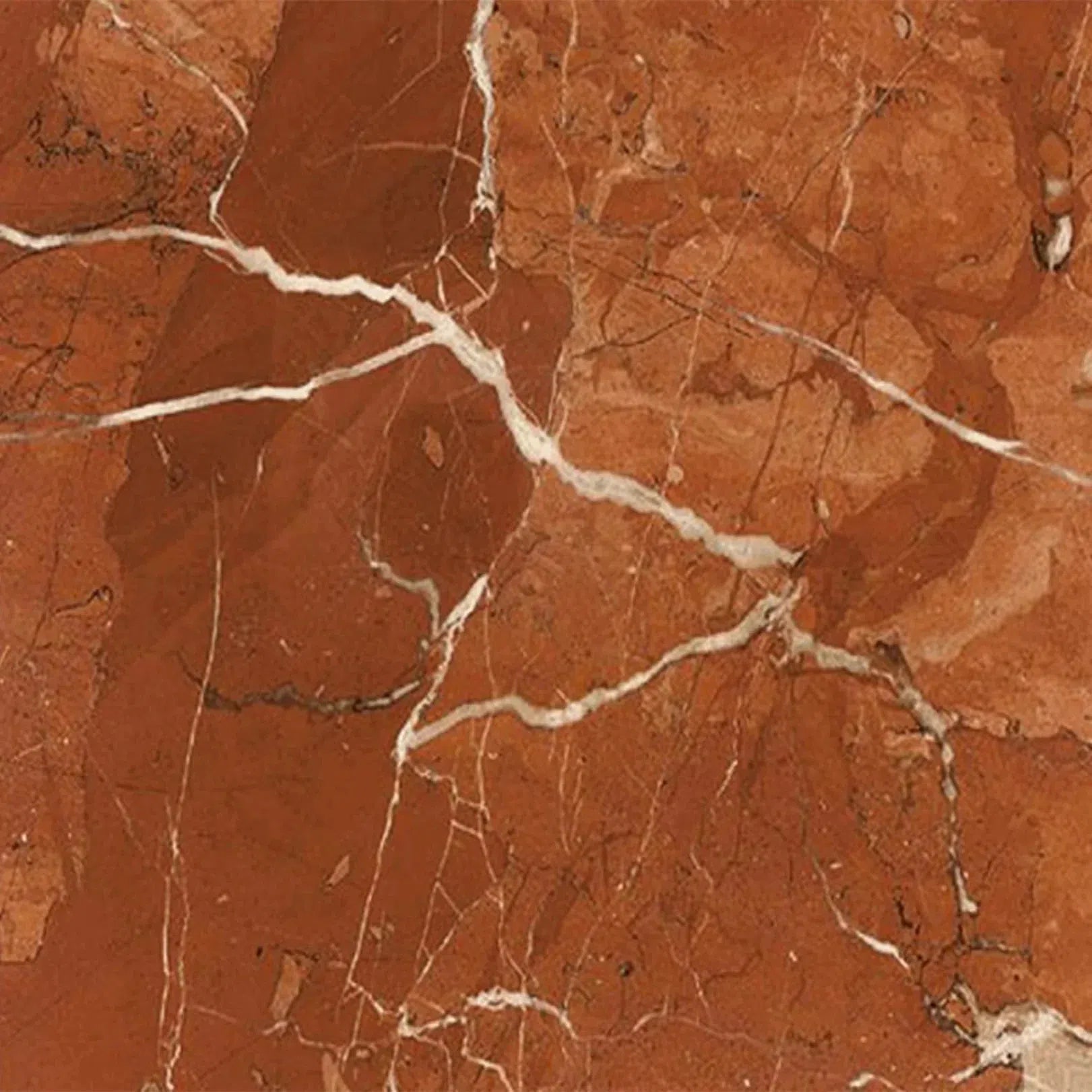
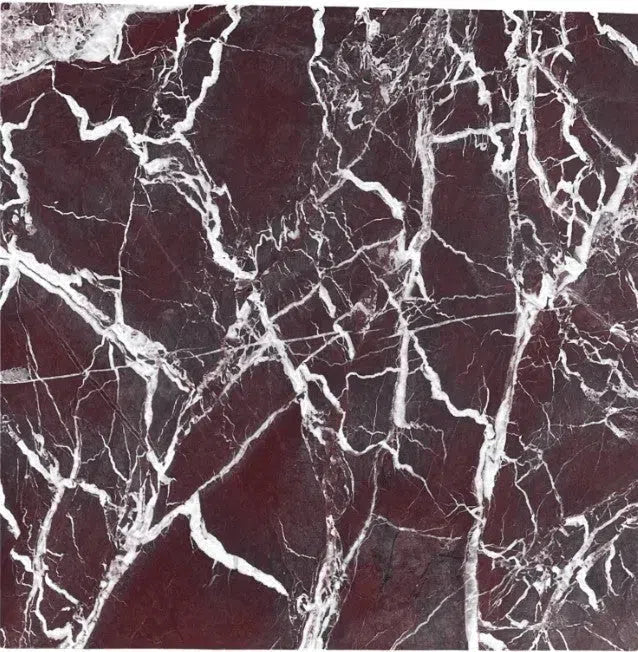
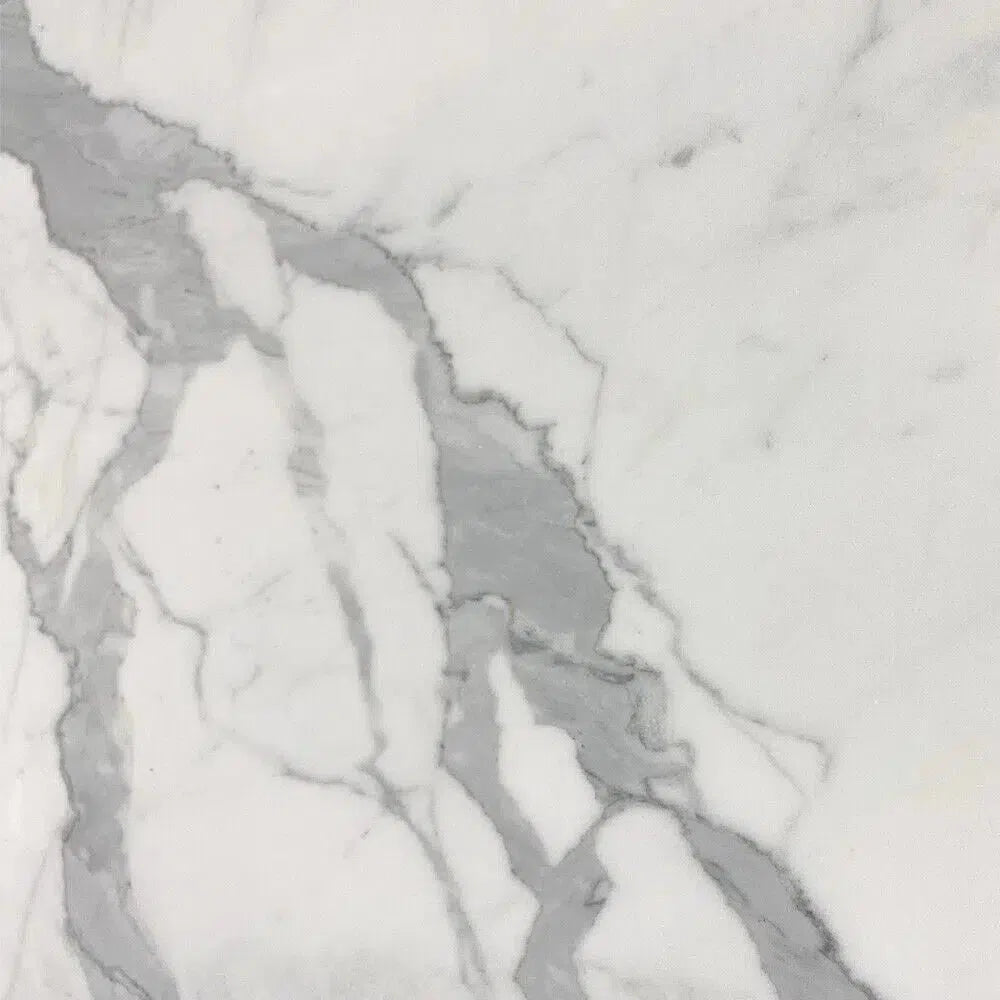
Color variations and natural stone aesthetics
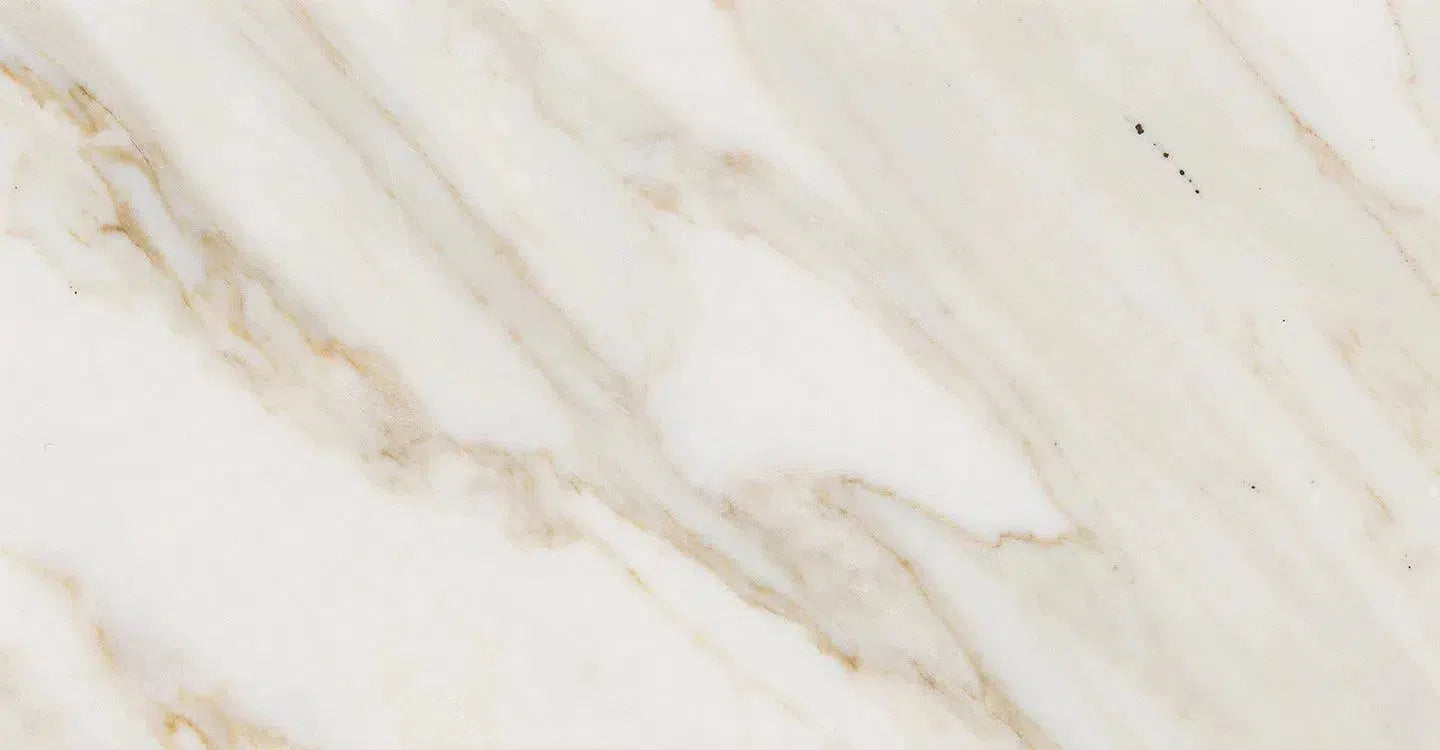
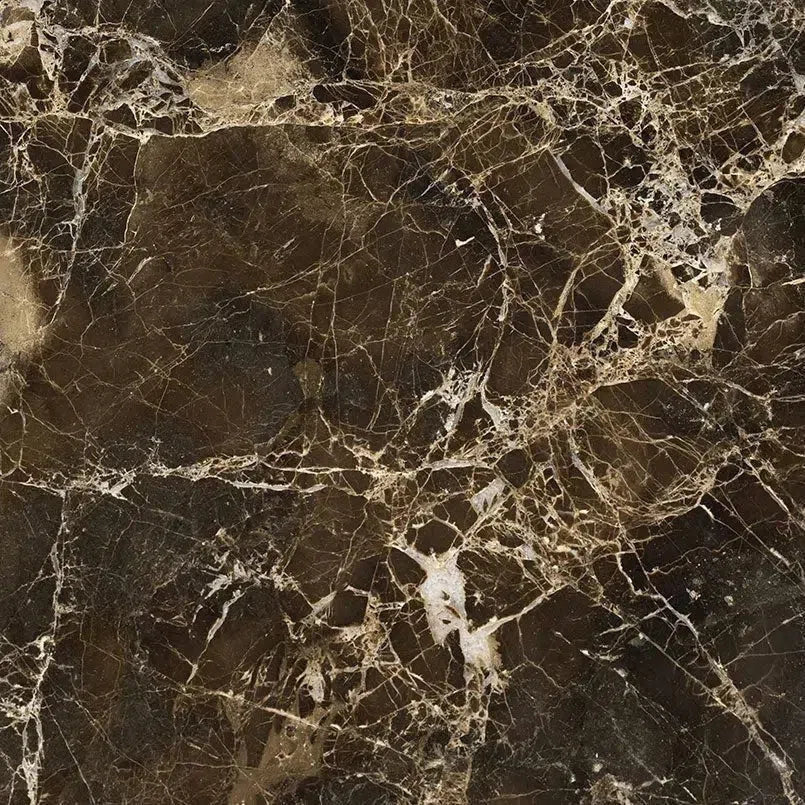
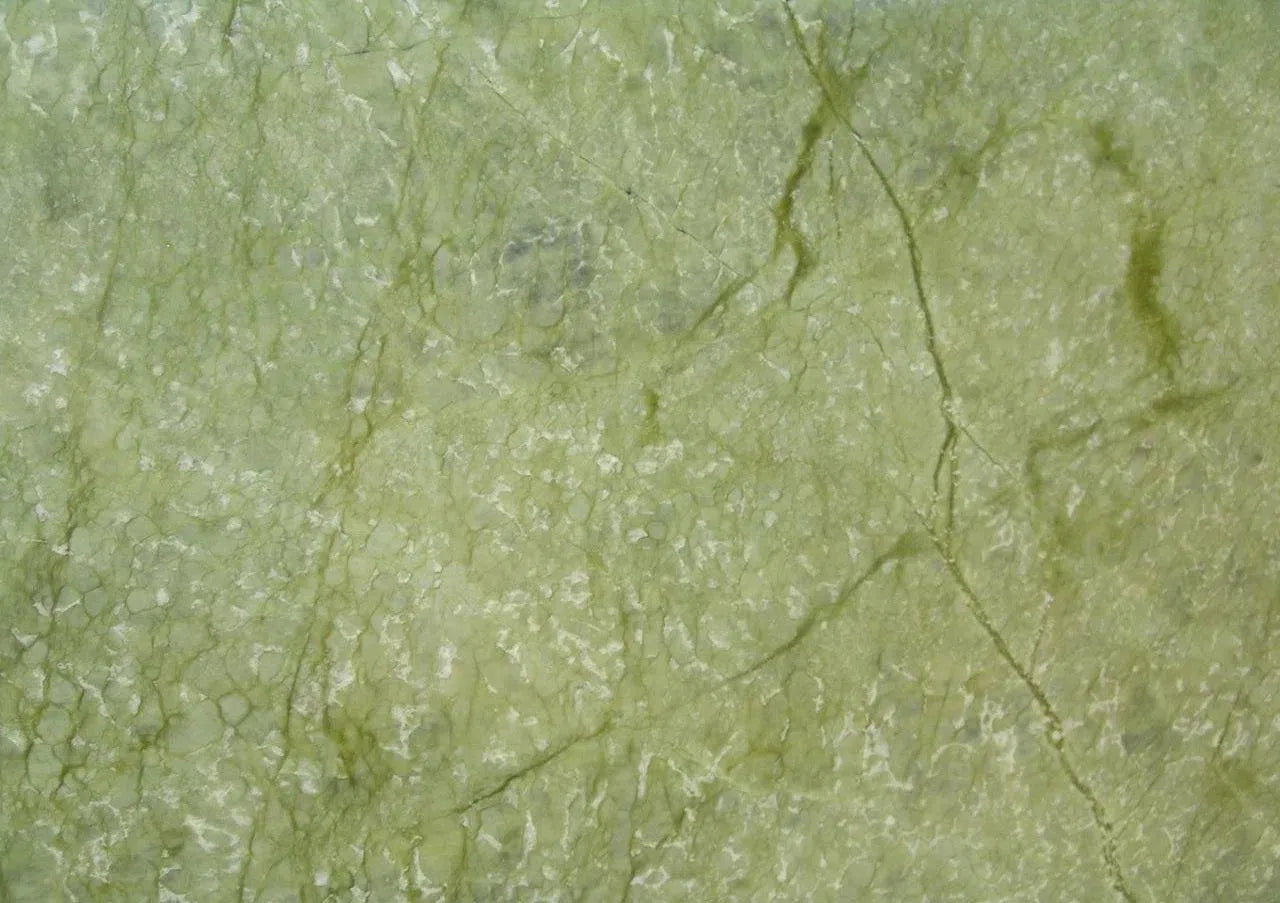
Each stone piece carries a unique map of mineral deposits and historical veining, meaning no two installations are ever identical. When looking for high-quality items, many homeowners rely on Surfaces Galore as a direct importer to ensure they receive authentic stones that maintain these delicate color variations rather than over-processed imitations.
Where to install tumbled marble tiles indoors

Indoor installations offer the best protection for porous natural stones while allowing you to capitalize on their thermal properties. Choosing specific areas allows the unique tactile finish to shine without sacrificing daily utility, provided you understand the basic moisture management of your home, such as using an effective DIY dehumidifier where necessary.
Elevating kitchen backsplashes with rustic appeal
Using tumbled marble in a kitchen transforms a functional workspace into a design-focused retreat. When paired with high-quality fixtures, the backsplash acts as a foundational rustic element, and if you require architectural support, partners like Emily's Interiors, Inc. provide comprehensive design consultation to ensure layout precision.
Creating a spa-like bathroom floor
Bathroom flooring demands materials that are safe and slip-resistant, making the rounded edges of tumbled tiles an excellent choice. The textured surface provides extra grip compared to smooth options, creating a serene, spa-inspired atmosphere. To manage the high humidity inherent in these spaces, consider how you control home humidity through ventilation to keep your stone pristine.
Enhancing fireplace surrounds and hearths
Fireplace surrounds gain a sense of history when dressed in tumbled stone, which naturally complements the flickering orange glow of a fire. The natural heat resistance of marble makes it ideal for fire proximity, provided you use the proper bonding agents for your installation.
Using tiles for elegant entryways and mudrooms
Entryways benefit from the durability of natural stone, which handles the foot traffic of daily arrivals with ease. By choosing a durable stone option from suppliers like Castelli Marble Inc., you ensure that cleaning mud and debris remains a simple task rather than an exhaustive chore.
- Use large tiles for small entryways to create an illusion of space.
- Consider a light color palette to brighten dark, windowless hallways.
- Incorporate a durable stone threshold to protect the transition from outdoors.
- Seal the stone before the first season of use to prevent salt stains.
Using tumbled marble tiles in outdoor design
Choosing stones for the outdoors requires an understanding of how they handle the environment. Whether creating a walkway or upgrading a pool deck, the stone must balance aesthetic appeal with practical climate resilience.
Durable patio and walkway solutions
Patio surfaces need to handle constant exposure to the sun and occasional torrential rain without losing integrity. Tumbled options provide a reliable, grip-friendly surface that aging, weathered wood might otherwise struggle to maintain over time.
Natural integration with garden landscapes
Stone tiles blend seamlessly into garden designs, bridging the gap between manicured architecture and raw nature. The soft tones of tumbled marble can be paired with permanent trim lighting to create a glowing transition into your garden at twilight.
Pool decking and safety considerations
The porous nature of tumbled marble ensures it stays cooler underfoot than dark concrete or ceramic tiles during high heat. Always ensure your installer uses a non-slip sealer that maintains the traction needed for wet pool areas.
Selecting weather-resistant stone varieties
Not all stones are created equal; in colder regions, avoid stones with high water absorption rates to prevent cracking. Look for low-porosity travertine or marble varieties specifically sourced for high-density durability.
Design palettes and material pairings

Creating a cohesive palette involves balancing the inherent character of the stone with the surrounding furniture and fixtures. The muted, aged finish of tumbled stone makes it a versatile player, easily adapting to both high-contrast modern spaces and softer, traditional layouts defined by timeless elegance.
Complementing wood tones and natural textures
Pairing warm, earthy tumbled marble with rustic wood cabinetry creates a grounded, organic kitchen atmosphere. The slight imperfections in the stone highlight the natural grain of oak or walnut cabinetry, creating a balanced and tactile visual result.
Using tumbled marble in monochromatic schemes
Monochromatic palettes avoid looking sterile when you layer different textures together. Using tumbled marble allows you to maintain a singular color story while introducing depth through the stone's physical surface variance rather than shifting hues.
Combining tumbled marble with decorative mosaics
Decorative mosaics can break up large, singular fields of tumbled stone. We suggest the following common combinations to achieve depth:
| Material pairing | Aesthetic outcome | Best application |
|---|---|---|
| Tumbled marble + Glass | Bright, clean contrast | Bathroom backsplashes |
| Tumbled marble + Copper | Industrial, warmth | Kitchen hearths |
| Tumbled marble + Limestone | Natural, fluid transition | Entire floor layouts |
Selecting these pairings allows you to create specific focal points within a larger, more neutral room design.
Harmonizing with metallic or matte fixtures
Matte black fixtures often provide the sharpest contemporary contrast to the soft, dusty surface of tumbled marble. This modern aesthetic allows for a clean transition, referencing the Cookie Policy guidelines regarding preferences for functional vs aesthetic site elements which often parallel design preferences.
Professional installation considerations
Installing natural stone effectively requires careful preparation to prevent future cracking or shifting. Because this material is porous and heavy, the quality of the base is just as important as the stone quality itself.
Preparing the subfloor for natural stone
A rigid subfloor is critical for marble. If there is any flex, the stone will likely crack at the joints. Professionals usually recommend a cement backer board to ensure the entire floor remains stable and completely level over time.
Choosing the right mortar and grout
Always use mortar labeled specifically for natural stone to avoid staining the back of porous tiles. Using standard gray mortar can bleed through lighter stones, so a white thin-set mortar is generally considered the safest practice for lighter varieties.
Patterns and layouts for maximum visual impact
Beyond standard grid patterns, consider a herringbone or Versailles layout to increase the visual interest of the floor. These patterns distract from the grout lines and emphasize the natural character of individual tiles.
Managing layout variations and tile blending
Before installation begins, take the time to dry-lay a significant portion of the tiles. Mixing tiles from different boxes ensures that any batch-specific color variations are evenly distributed across the entire installation.
Care, sealing, and maintenance tips
Properly maintained tumbled stone will develop a beautiful patina over time rather than just wearing down. Dedication to a consistent care routine ensures the stone remains the highlight of your home for years to come.
The importance of high-quality stone sealers
A premium penetrating sealer is your best defense against deep staining. Because the stone is porous, the sealer fills the voids slightly, allowing you to wipe away spills like wine or oil before they penetrate deep into the material.
Daily cleaning routines for natural stone
Daily care should be kept simple, using only water or a neutral-pH cleaner designed for stone. Avoid the urge to vacuum with high-suction floor heads, as this can dull the surface of the natural material over time.
Avoiding harsh chemicals and acidic cleaners
The biggest enemy of marble is anything acidic, including lemon juice, vinegar, and heavy-duty bathroom cleaners. These will etch the surface immediately, leaving dull spots that essentially strip away the natural stone beauty.
Repairing and refreshing older tumbled surfaces
If you find older stone, you can easily refresh it by hiring professionals to deep-clean or re-hone the surface. A light re-sealing every few years often brings back the original depth and richness of a tired, dusty floor.
Conclusion
Integrating tumbled marble tiles into your home design is a powerful way to add tactile richness and a sense of historic permanence to your interiors. By choosing pieces that align with your lifestyle and maintaining them through proper sealing and care, you secure a design feature that gains character with age rather than losing it. Whether you are aiming for a rustic kitchen aesthetic or a modern monochromatic sanctuary, the versatility of natural stone remains an unmatched option for any homeowner seeking quality that lasts for generations.
Frequently Asked Questions
Is tumbled marble suitable for high-traffic entryways?
Yes, tumbled marble is highly durable, making it an excellent choice for entryways. We recommend choosing a harder density variety and ensuring it is properly sealed to protect against tracking in outside debris and moisture.
What is the difference between honed and tumbled marble?
Honed marble has a flat, matte appearance with sharp, clean edges achieved through grinding. Tumbled marble, by contrast, has rounded, softened edges and an intentionally rustic texture created through a mechanical tumbling process.
Can tumbled marble be used in a shower?
Yes, it is often preferred for shower floors because the natural texture and rounded edges provide excellent traction, making it much safer than polished alternatives. Just remember to use a high-quality sealant to manage water exposure.
How often should I seal my tumbled marble floor?
Typically, we recommend resealing once every one to two years depending on foot traffic. You can test if it needs sealing by leaving a few drops of water on the surface; if it beads up, the sealant is still working, but if it soaks in, it is time to reapply.
Are there specific cleaning supplies I should avoid?
You must stay away from acidic or abrasive cleaners, such as vinegar, lemon juice, or coarse scrubbing sponges. These agents leave permanent etches on the stone surface and can strip away the protective sealant.
Will tumbled marble tiles fade over time?
Marble is a natural stone and will not fade like plastic materials. However, if exposed to extreme direct sunlight for decades, the mineral pigments may shift slightly, though most homeowners find this aging process simply adds to the stone's beauty.
Can I install these tiles over existing floor tiles?
While it is technically possible if the existing floor is completely level and secure, we generally recommend removing old tiles to ensure the subfloor is properly prepared. Adding extra layers can cause issues with door clearance and creates an uneven transition at floor seams.