








Key Takeaways
Selecting the right materials for a hearth project requires balancing aesthetic goals with functional performance under heat. These core concepts will help you navigate your stone selection and installation planning for a lasting finish.
- Natural stone brings organic beauty and incredible heat resistance properties.
- Proper sealing is non-negotiable to protect against soot and smoke damage.
- Using heat-rated mortars ensures structural integrity during thermal expansion cycles.
- Your choice of finish, such as honed or polished, dictates the maintenance requirements.
- Direct-import sourcing can significantly improve your budget for high-end material selections.
Why choose natural stone for fireplace surrounds
Choosing the right material for your fireplace involves looking at both style and substance, as this feature often defines the character of an entire room. Selecting a natural stone tile for fireplace applications provides a sense of permanent, grounded luxury that synthetic materials struggle to replicate. Relying on professional experts like Surfaces Galore ensures that you are picking authentic stone built to handle the unique demands of a hearth.
Exceptional heat resistance and durability
Stone is inherently suited for high-heat environments because it is a geologically formed material that has already undergone intense pressure and heat. When installed correctly, it remains stable even as your fireplace cycles through drastic temperature changes during the winter months, preventing the warping or cracking issues often seen with wood or lower-quality manufactured surfaces.
Enhancing home value with premium stone finishes
Investing in high-quality architectural stone is one of the most effective ways to boost your property's market appeal. Prospective buyers often seek out the presence of real marble or travertine as a sign of high-end home construction, viewing it as a permanent stylistic upgrade that justifies a higher valuation.
Creating a timeless focal point in any living space
Beyond basic functionality, stone acts as a primary design element that draws the eye and anchors your furniture arrangement. Whether you opt for a dramatic slab or intricate tile work, the natural variation in veining and color ensures that your fireplace becomes a one-of-a-kind art piece rather than just a source of warmth.
Types of natural stone best suited for high-heat areas
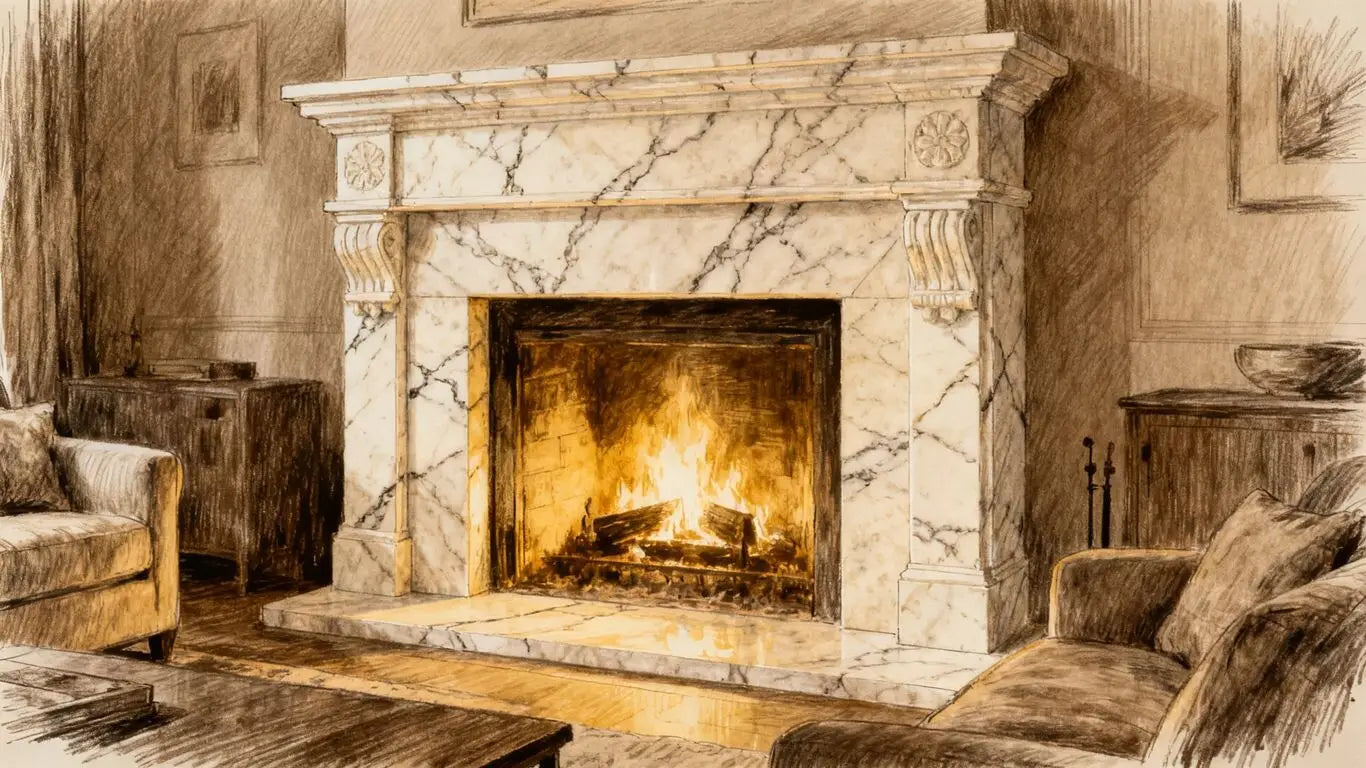
Selecting the correct variety of stone depends on your tolerance for maintenance and the specific color palette of your interior. Each category of stone brings its own unique physical properties to the table, necessitating a clear understanding of their performance in proximity to fire. Utilizing natural stone tile for these areas allows you to embrace variations in texture that contribute to the room's overall narrative and warmth.
Marble for a sophisticated luxury aesthetic
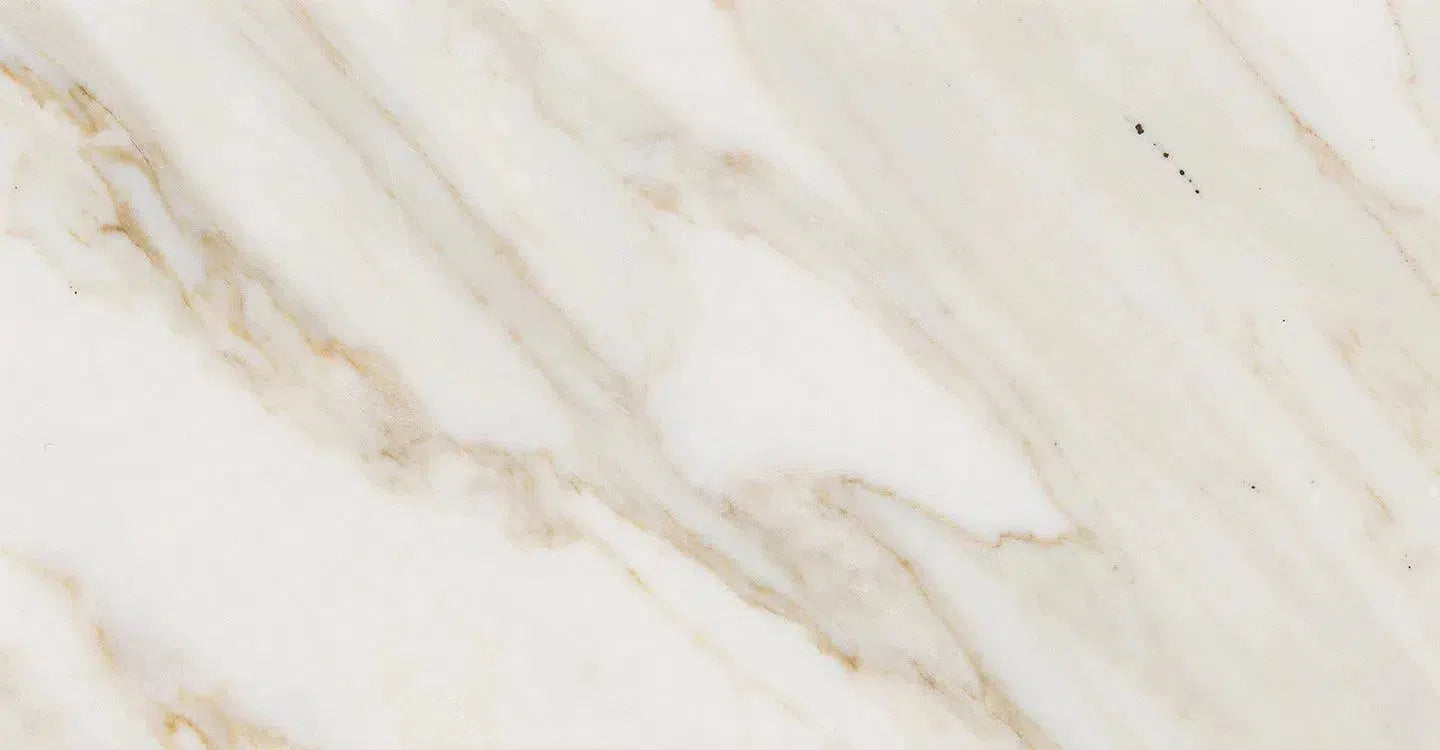
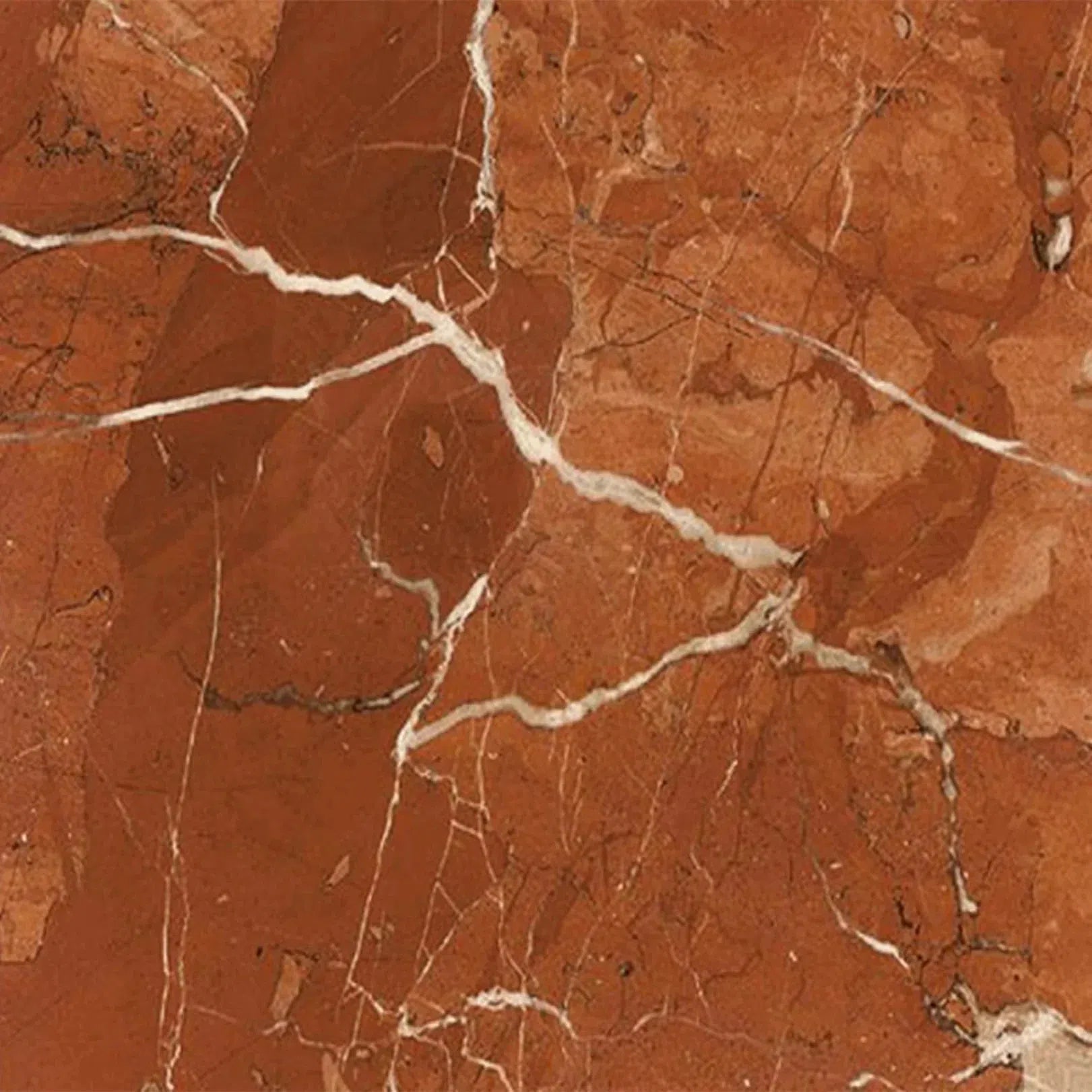
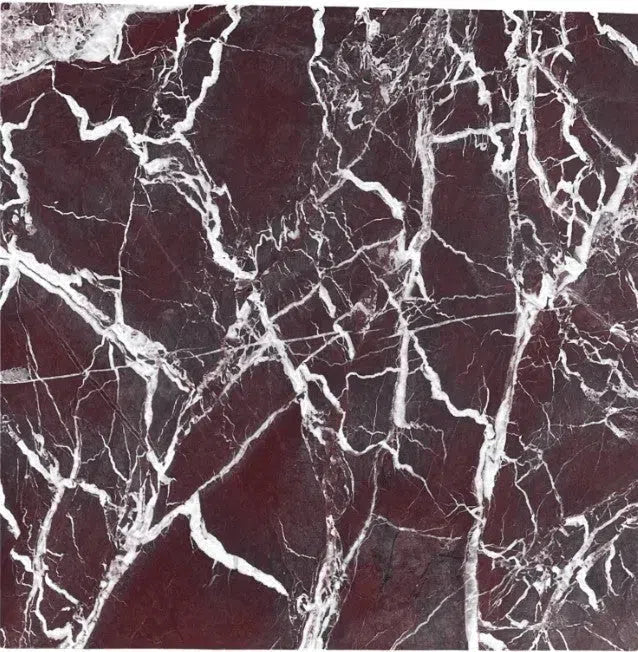
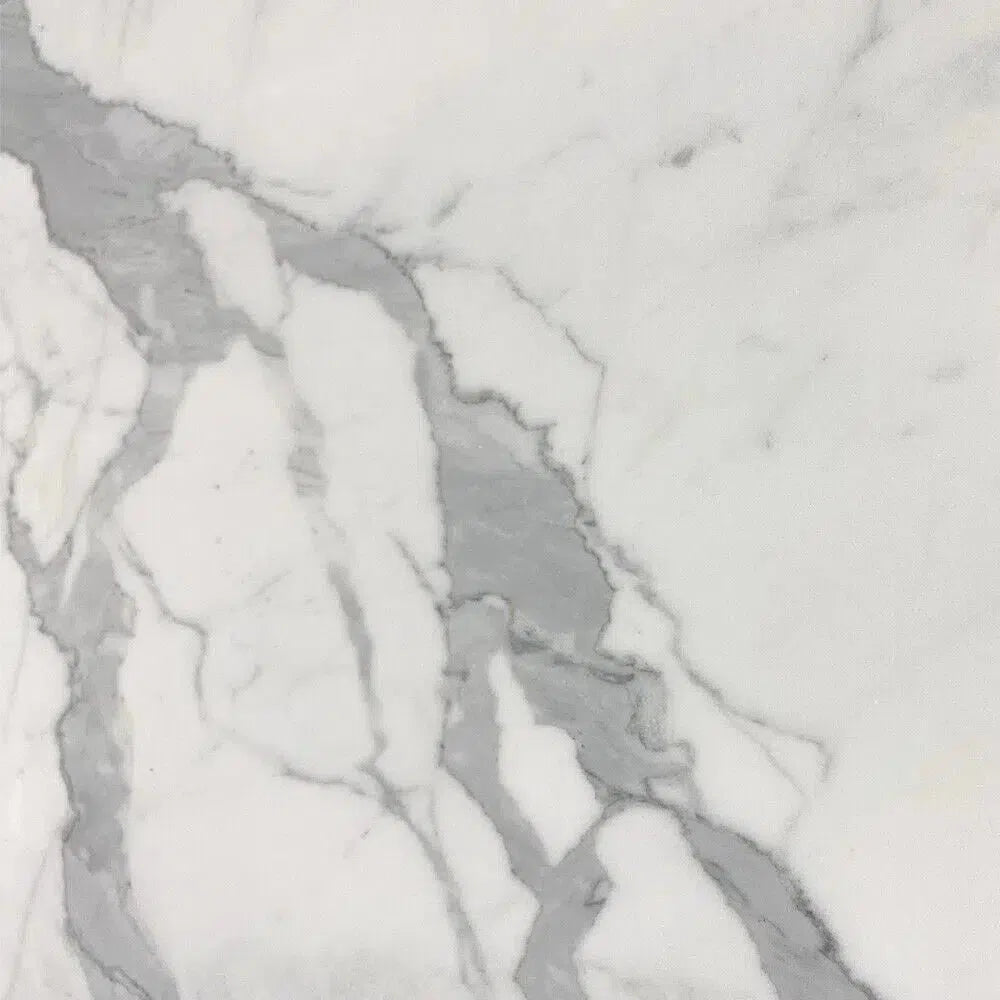
Marble is the classic choice for those who desire a sleek, high-end look with dramatic veining. It remains cool to the touch and provides a smooth surface that is easy to wipe down, though it typically requires consistent sealing to prevent etching or staining from soot particles.
Travertine for textured and rustic appeal
Travertine offers deep, warm tones and a surface texture that feels both ancient and comforting. Its naturally porous structure catches the soft glow of a fire, enhancing the room's atmosphere with earthy, tactile charm that feels perfectly at home in traditional or modern farmhouse settings.
Limestone for soft and organic interior palettes
Limestone is favored for its incredibly soft color range, providing a neutral backdrop that complements almost any decor. Its matte finish creates a grounded, peaceful feel, making it an excellent selection for homeowners who want to prioritize a calm, minimalist tone within their living areas.
Comparing porosity and thermal tolerance of natural stones
Understanding how different rocks sit on the hardness and porosity scales helps prevent installation failures. Use the guide below to compare baseline properties for common fireplace materials:
| Stone Type | Porosity Level | Main Texture | Best Use |
|---|---|---|---|
| Marble | Low-Medium | Polished/Honed | Living Room Focal Point |
| Travertine | High | Tumbled/Filled | Rustic Entryway/Hearth |
| Limestone | High | Soft/Matte | Organic Feature Wall |
This comparison highlights why sealing is critical for porous stones like limestone and travertine, while highlighting the density benefits that make marble a popular choice for high-end fireplace surrounds.
Design aesthetics: matching stone to your home’s style
Integrating the fireplace into your existing home aesthetic requires a thoughtful approach to color and scale. You want to maintain a cohesive look where the masonry feels like an intentional continuation of your wall textures and floor materials rather than an afterthought or a clashing element.
Selecting marble finishes for modern minimalist designs
For modern homes, opt for honed marble surfaces that provide a consistent, low-sheen finish. This choice reduces glare while highlighting the natural elegance of the stone, ensuring the fireplace remains a sophisticated part of a minimalist architecture rather than a distracting centerpiece.
Using rugged limestone for farmhouse or traditional mantles
Limestone with a honed or tumbled edge provides a worn-in, vintage feel that pairs exceptionally well with heavy wooden mantles and natural textures. The key here is embracing the slight imperfections in the stone, which add to the perceived craftsmanship of the space.
Incorporating geometric mosaics for eye-catching accents
If you prefer a bold statement, consider using mosaics to add intricate visual interest to the surround. These patterns allow you to blend colors and shapes, turning a standard fireplace wall into a functional geometric masterpiece that dictates the surrounding color scheme for furniture and textiles.
Blending stone colors with existing room decor
When finalizing your material choice, consider these essential planning steps to keep your design unified:
- Take multiple samples of the stone into the room to view them in different lighting cycles.
- Consider the color of your crown molding and baseboards to ensure the stone tone doesn't compete.
- Think about your future paint color plans to ensure the stone remains a neutral base.
- Balance the stone's intensity with the scale of the fireplace itself to prevent overwhelming the room.
These considerations help ensure that the materials chosen for your fireplace work in harmony with the rest of your home design, preventing a disjointed final composition.
Technical considerations for fireplace installation
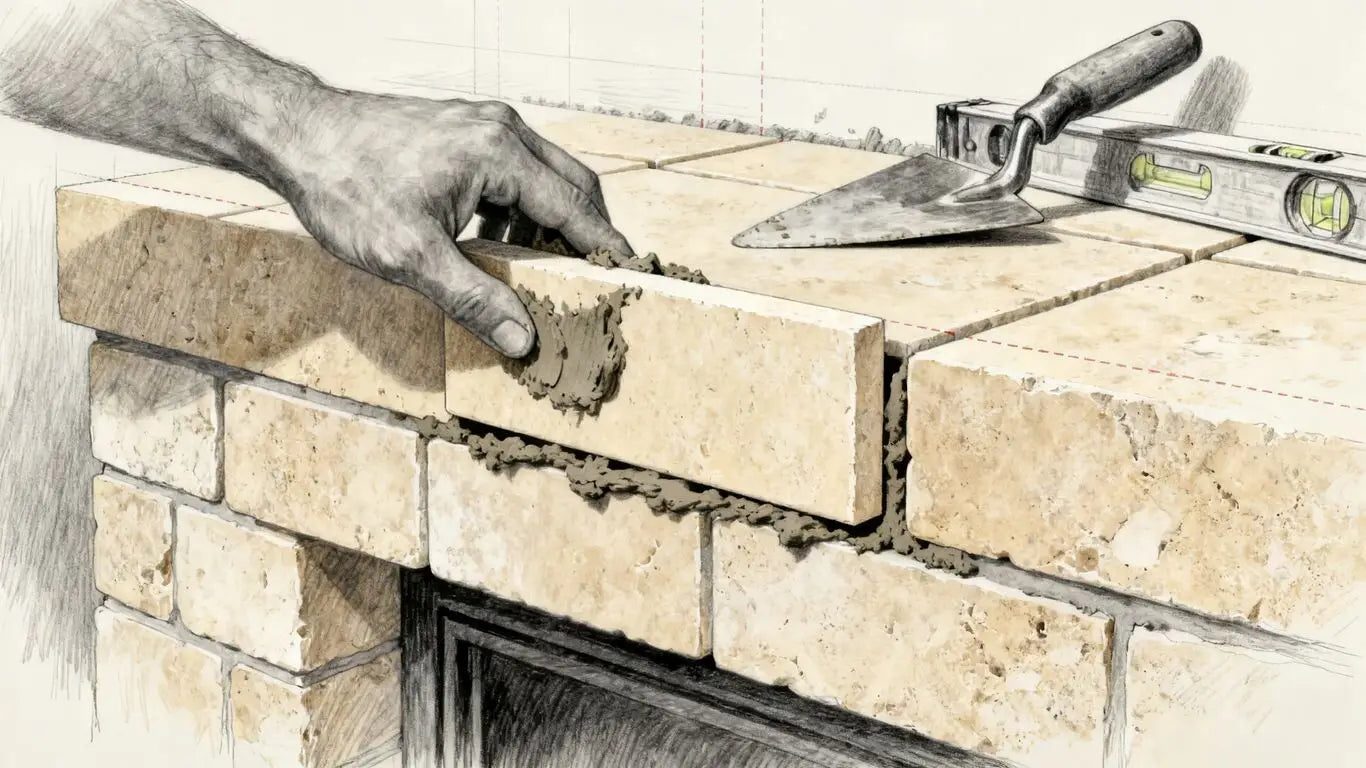
Success in a fireplace renovation is usually determined by the preparation work behind the visible surface. While the aesthetics draw you in, the mechanical connection and thermal stability provided by the installation materials are what keep that beauty intact over many years of heavy use.
Choosing the right heat-resistant mortar and thin-set
Standard tile adhesives are often insufficient for areas exposed to direct fireplace heat. It is essential to use high-quality mortar specifically rated for heat resistance, which allows the stone to expand and contract slightly without losing its bond to the firebox structure.
Managing thermal expansion and movement in stone surrounds
Because your stone fireplace will expand when hot and contract when cold, you must leave slight gaps at the joints. These expansion joints are usually filled with flexible color-matched caulk rather than rigid grout, preventing the fireplace tiles from popping off or cracking during peak winter use.
Best practices for setting patterns and tight grout lines
For a seamless, luxurious finish, choose a narrow grout line that matches the color of your stone. This minimizes visual clutter and creates a monolithic appearance that makes the fireplace look as if it were constructed from a single slab of natural rock.
Assessing the load-bearing requirements of stacked stone
Stacked stone provides a beautiful, textured look, but it can be significantly heavier than thin tile. Always ensure the structure behind the drywall is properly braced with cement backer board capable of supporting the weight of the stone, keeping your installation safe and secure for the long term.
Professional maintenance and sealing best practices
Keeping your fireplace looking pristine requires a routine that respects the unique mineralogy of your chosen tile. Without adequate protection, natural stone can absorb minute particles from smoke, leading to gradual discoloration that is much more difficult to remove once it has set in deep.
The importance of sealing stone against soot and smoke
Penetrating sealers are vital for fireplace tiles because they fill the micropores of the rock without changing its appearance. This created barrier ensures that any airborne soot sits on the surface, making it easily removable with a light dusting or vacuuming rather than soaking into the structure of the tile.
Daily cleaning routines for maintaining natural stone luster
For day-to-day upkeep, use a soft, dry cloth to remove debris. Avoid acidic cleaners, as they can etch the surface of marble and limestone, leading to dull spots that are difficult to correct once they have appeared on the face of your stone tiles.
Removing stubborn stains without damaging the stone surface
Should you encounter deeper staining from soot buildup, utilize a stone-specific poultice or a concentrated neutral-pH cleaner. These products are carefully designed to pull the stain out of the porous mineral layers without stripping away the natural color or leaving behind harsh chemical residues.
When to reapply professional-grade stone sealants
Depending on the frequency of your fireplace usage, you should perform a water test once a year. If water droplets no longer bead up on the surface of your tile, it is time to thoroughly clean the area and reapply your chosen professional-grade sealant to maintain long-term protection.
Budgeting and sourcing quality fireplace tiles
Navigating the costs of natural stone involves more than just looking at the price per square foot; you must factor in shipping, the complexity of the installation pattern, and wastage. Engaging with a specialty marble tile supplier who understands architectural stone is key to balancing quality and cost-effectiveness.
Evaluating the benefits of direct-import stone suppliers
Direct importers remove unnecessary intermediaries, allowing you to access premium material at a significantly better price. This is particularly advantageous for large-scale fireplace surrounds where you want high-grade stone that isn't inflated in price by multiple layers of distribution.
Understanding the price difference between marble, limestone, and travertine
While marble is often priced at a premium due to its refinement and labor-intensive quarrying, limestone and travertine can offer more affordable ways to achieve a luxury result. Compare the total project cost rather than just the raw tile price to determine which stone best fits your overall budget.
Calculating shipping and lead times for large-format projects
Because stone is dense and heavy, shipping costs can fluctuate significantly based on your location. Always confirm lead times early in the process, especially if you are sourcing unique, large-format pieces that may require specialized freight handling to arrive safely at your home.
Selecting the right tile format to minimize material waste
Using standard, manageable tile sizes can significantly reduce the amount of waste generated during cuts. An experienced installer will help you plan your grid to ensure you get the absolute best use out of the total square footage purchased, minimizing costs on excess material.
Conclusion
Choosing natural stone for your fireplace is a lasting decision that elevates the warmth, beauty, and overall value of your residence. By understanding the distinct properties of your chosen materials and following professional installation and sealing practices, you can create a feature that remains both a visual standout and a sturdy architectural focal point for decades, bringing timeless character to the heart of your home.
Frequently Asked Questions
Is natural stone safe for gas fireplace surrounds?
Natural stone is excellent for gas fireplaces because it is heat-resistant and durable. Just ensure that the stone is installed with the correct heat-rated adhesive to handle the thermal expansion of the fireplace unit.
How often should I seal my stone fireplace tiles?
It is recommended to check the condition of your sealer annually. If water is no longer beading on the surface of the stone, it is time to thoroughly clean the tile and apply a fresh coat of high-quality, penetrating sealer.
Can I install stone tile directly onto existing drywall?
Installing stone directly onto drywall is generally discouraged because of the weight of the stone and the moisture-prone nature of the area. Using an appropriate cement backer board is the standard professional method for ensuring a secure and long-lasting installation.
Why does some natural stone show more soot than others?
More porous stones like travertine and limestone have tiny openings on their surface that catch soot particles from the smoke. Properly sealing these surfaces makes the soot rest on top where it can be wiped away easily, protecting the tile from permanent discoloration.
Should I choose a polished or honed finish for my fireplace?
This choice is largely aesthetic, but it impacts maintenance. A polished finish is often easier to clean but can show scratches or etching more clearly if the stone is acidic-sensitive, while a honed finish offers a softer, more rustic look that hides minor imperfections better over time.
Are there specific grout types for natural stone fireplaces?
Yes, you should use a high-quality grout that is specifically designed for natural stone to avoid staining or harsh chemical reactions. Often, a flexible color-matching caulk or grout is used in the joints to accommodate thermal movement.
Is it normal for stone tiles to have variations in color?
Natural stone is a product of geography and time, meaning every piece will have inherent variations in color, veining, and texture. This natural uniqueness is precisely what gives stone fireplaces their premium, luxurious, and one-of-a-kind appearance.