








Key Takeaways
Designing a marble tile bathroom requires careful consideration of aesthetics, material durability, and proper installation techniques to ensure long-lasting elegance. Use these points to guide your project planning:
- Select your marble type based on the specific moisture levels and desired aesthetic impact.
- Choose finishes like honed or polished to balance slip resistance with visual reflection.
- Implement a professional-grade waterproofing system to protect your structures from chronic moisture.
- Follow a consistent cleaning routine with pH-neutral products to maintain the stone's integrity.
- Incorporate decorative elements or layout patterns to define the space's character and scale.
Choosing the right marble type for bathroom environments
Selecting the perfect stone involves balancing the inherent beauty of natural materials with the practical demands of a wet room. When you explore our collection, you will find that different stones bring unique moods and physical characteristics to your bathroom floors and walls. Understanding these differences ensures your marble tile bathroom remains as functional as it is stunning.
Comparing water resistance across marble varieties
Density is the primary factor when evaluating how different marbles react to water. Denser stones generally show lower absorption rates, making them better candidates for areas subjected to frequent splashing, such as around sinks or inside showers.
Analyzing veining patterns to define your design aesthetic
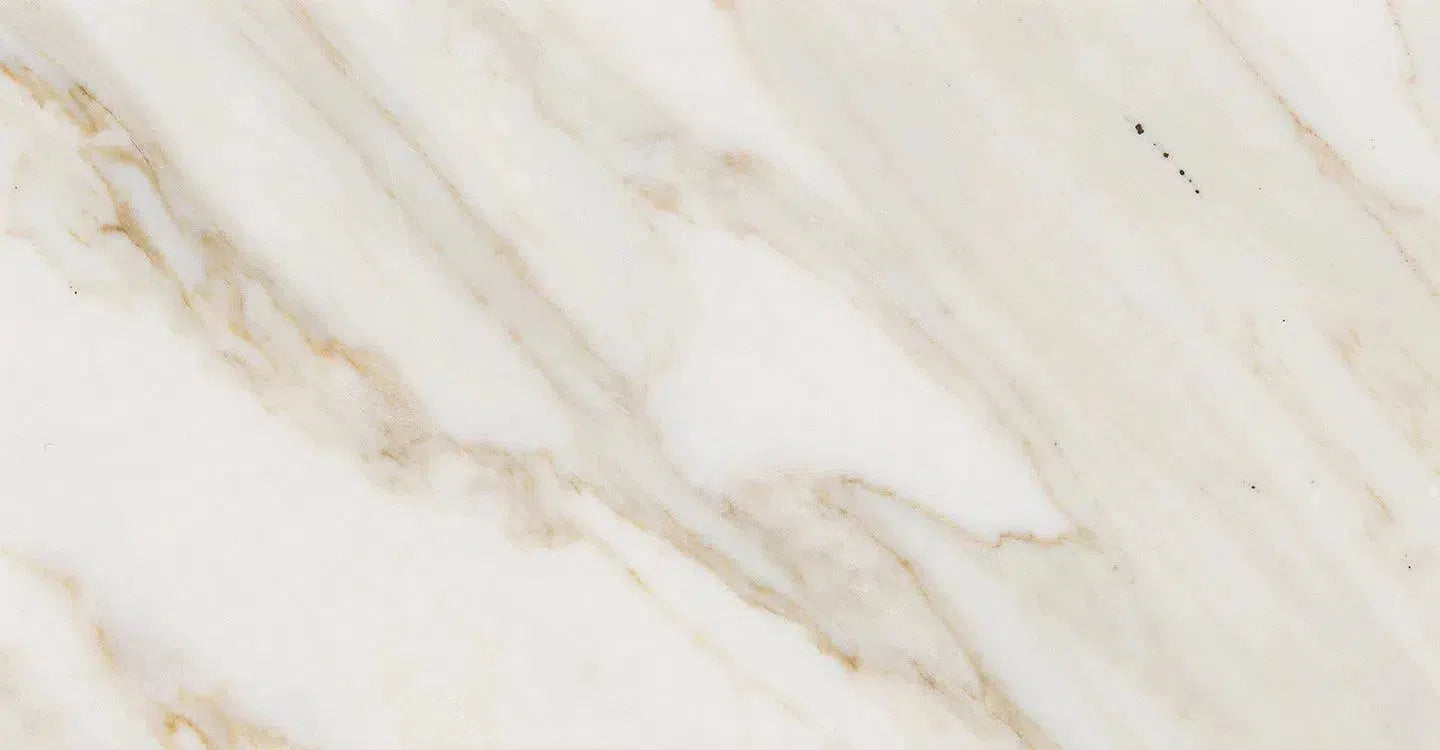
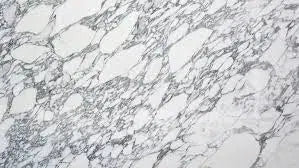
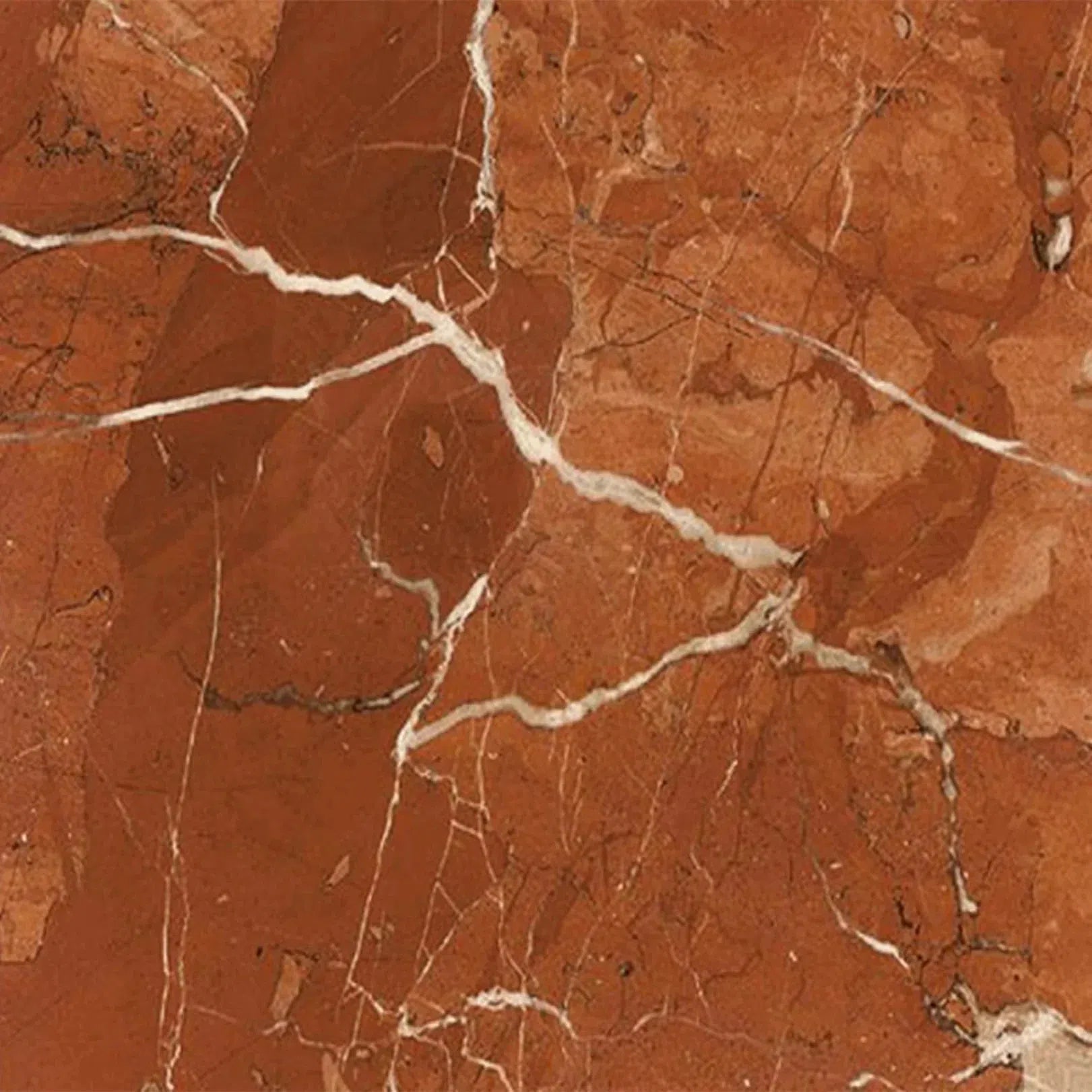
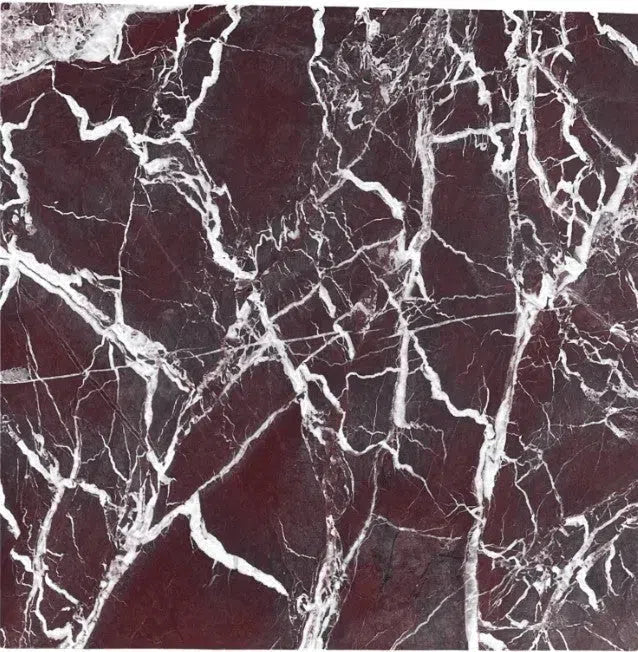
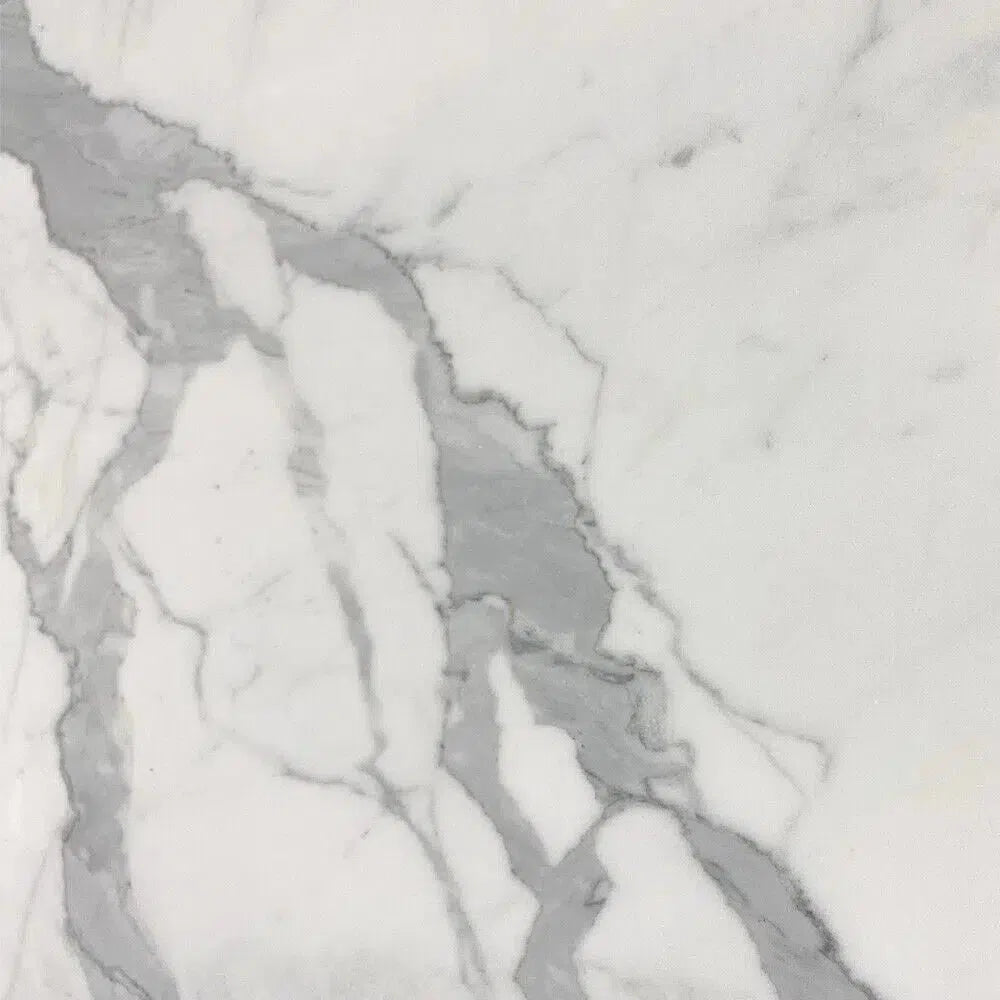
Veining adds movement and drama to your space, transforming plain surfaces into organic art. Whether you prefer the subtle, wispy gray lines of a classic Carrara white or the bold, sprawling gold of Calacatta Gold, the pattern dictates the room's total energy.
Matching stone color profiles to your bathroom's scale and lighting
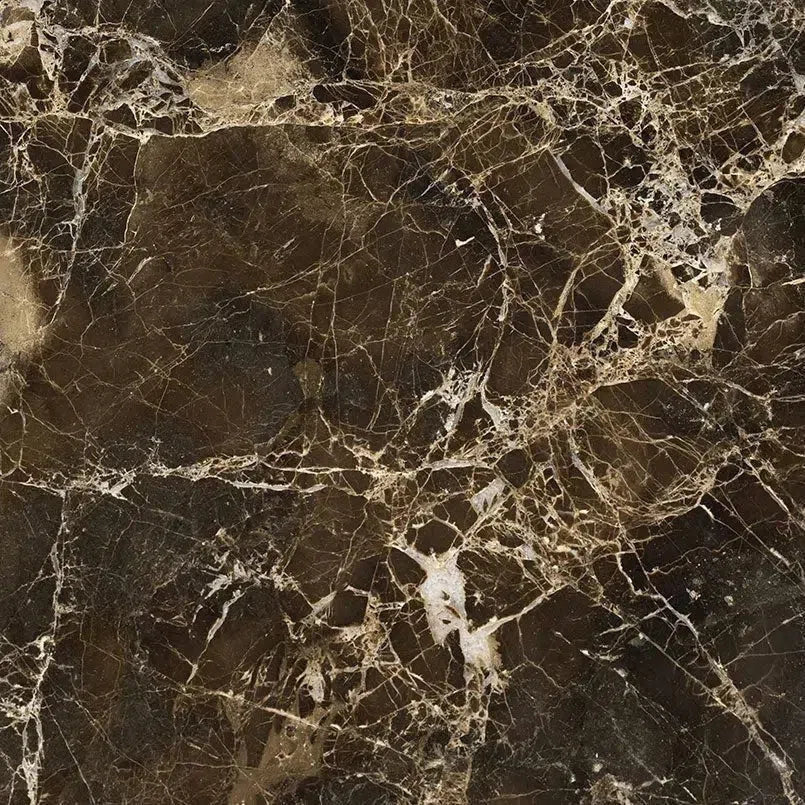
Light-colored marbles tend to expand the perceived size of smaller bathrooms, while darker marbles, like those in our all marble tiles selection, offer a sense of intimacy and depth. Consider both the natural light available and your artificial lighting setup to ensure the stone tone doesn't feel too heavy.
Selecting the perfect finish for safety and style
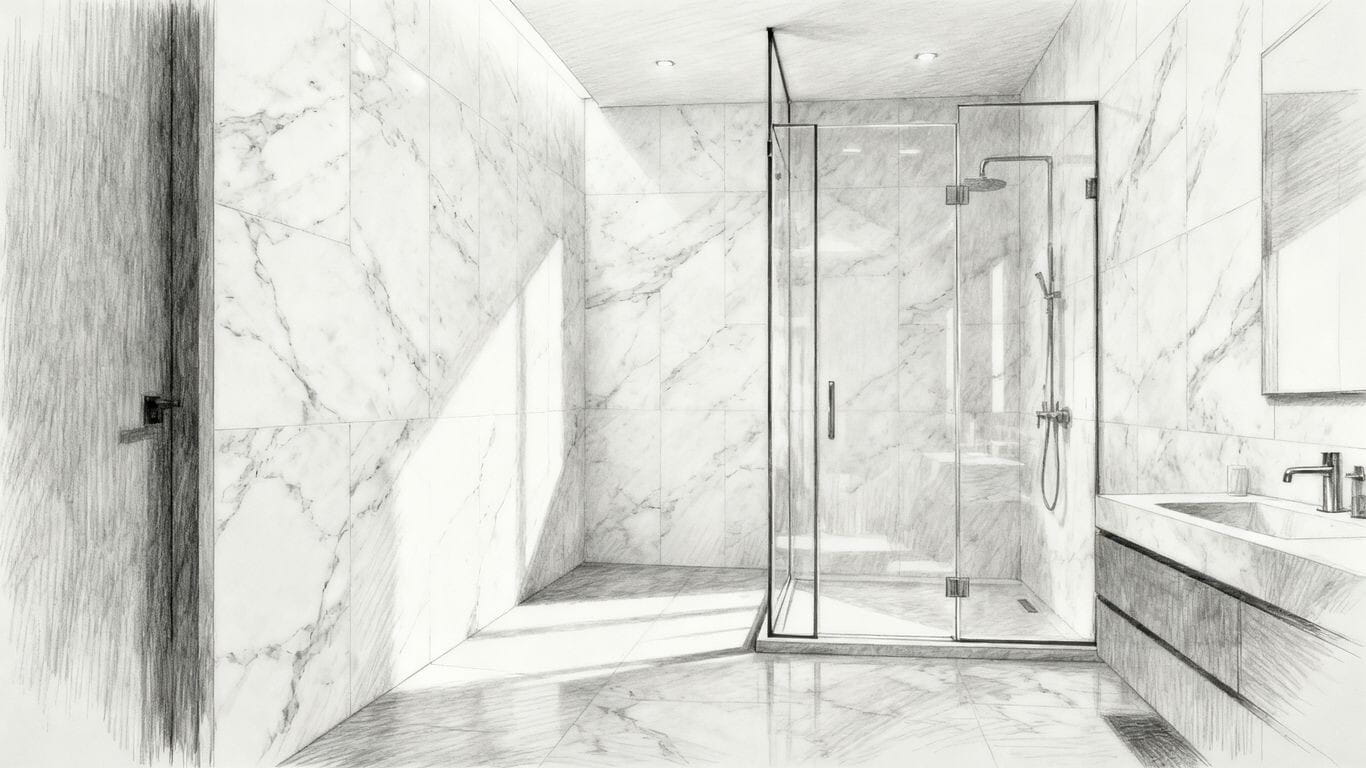
Choosing a surface finish is as much about safety as it is about style, particularly in spaces that get wet. A finish determines how light interacts with the stone and how much traction you have when navigating the room.
Benefits of a honed finish for shower floors and slip resistance
A honed finish creates a soft, matte appearance that is naturally less slippery than a high-gloss polish. For a shower floor, this is often the preferred choice to ensure safety while still enjoying the refined, earthy feeling of genuine natural stone tile underfoot.
Achieving a high-end reflective look with polished wall tiles
Polished marble wall tiles reflect light beautifully, which helps brighten smaller bathrooms and gives the room a crisp, clean aesthetic. The glossy surface is easier to wipe down, though it demands more frequent upkeep to prevent soap scum buildup.
Utilizing tumbled marble for rustic or traditional bathroom themes
Tumbled marble provides a textured, weathered feel that works wonderfully in traditional or aged-style renovations. Its antique appearance adds historical warmth, creating a space that feels lived-in and comfortable rather than overly sterilized.
Popular marble tile layout patterns for your remodel
Layout choices play a massive role in how we perceive the geometry of a room. By playing with orientation and scale, you can manipulate the visual flow and character of your marble tile bathroom design.
Creating timeless appeal with classic checkerboard layouts
A checkerboard layout uses two contrasting marble tones to create a bold, graphic look. You can create this using classic combinations, and it remains a perennial favorite for those seeking to ground a luxurious bathroom with a touch of historic European charm.
Using herringbone and mosaic patterns to add visual kinetic energy
Herringbone patterns pull the eye along the floor, making narrow or compact spaces feel longer and more dynamic. This adds a sense of movement to an otherwise still room, which works exceptionally well if you keep the rest of your fixtures relatively simple.
Enhancing small bathrooms with large-format marble tiles
If you want to make a floor seem larger, using larger tiles helps reduce grout lines and creates a more unified, seamless appearance. While smaller tiles can feel busy, larger formats simplify the visual clutter in tight corners. Consider the following layout advantages when planning your floor installation:
| Layout Pattern | Visual Effect | Best For |
|---|---|---|
| Herringbone | Kinetic/Dynamic | Narrow/Long Spaces |
| Checkerboard | Classic/Bold | Large/Grand Bathrooms |
| Large-Format | Open/Seamless | Compact Modern Baths |
These layout choices can be summarized as follows:
- Herringbone directs traffic and extends room dimensions.
- Large-format tiles minimize visual breaks to expand space.
- Checkerboard provides a traditional high-contrast design focal point.
Essential technical considerations for moisture-prone areas
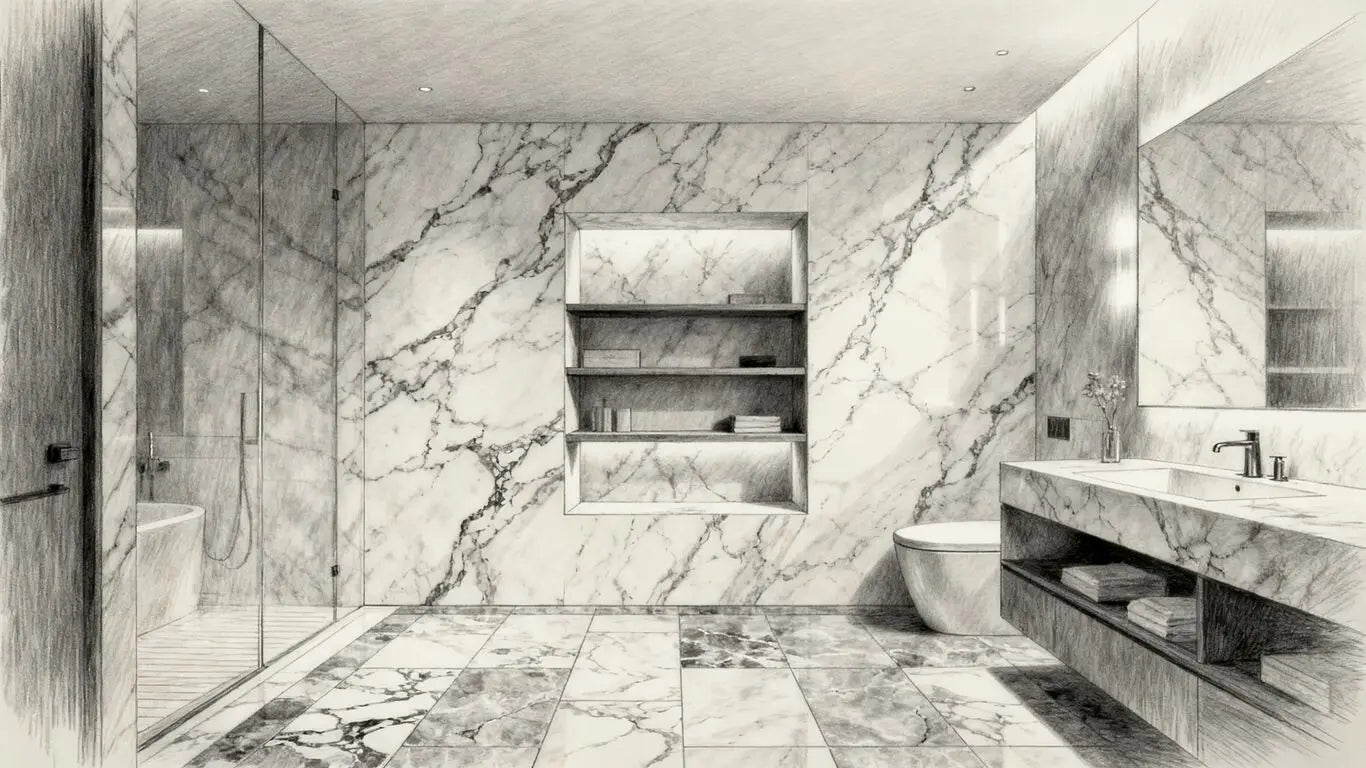
Technical preparation is the backbone of any lasting stone installation. If you ignore the hidden systems behind your tiles, even the most expensive stone can suffer from warping or discoloration over time.
Selecting the proper cement backer boards for heavy natural stone
Natural stone is significantly heavier than standard ceramic, requiring a robust support system like fiber-reinforced cement backer board. This provides a stable, non-flexible foundation that prevents cracking at grout joints under the weight of the stone.
Ensuring effective waterproofing systems beneath your marble layer
Waterproofing prevents liquid from reaching the underlying structure, which is crucial for preventing mold growth behind your walls. Modern membrane systems are standard for high-end renovation, ensuring that luxury marble tiles remain stable for years.
Calculating the necessary slope and drainage for stone shower floors
Proper drainage slope must be integrated early in the layout phase to ensure water flows efficiently toward the drain. If the slope is insufficient, water will pool, causing potential issues for natural stone tile maintenance in the long term, especially if you rely on professional help like California Appliance Repair to keep your home's systems running well.
Maintenance and care to preserve the longevity of your marble
Marble is a porous material that demands respect, but keeping it in prime condition is manageable with the right daily habits. Consistent care ensures that your investment continues to pay off in pure aesthetic value.
Implementing professional-grade sealing to prevent water absorption
Applying a high-quality sealant immediately after installation provides a critical barrier against oils and moisture. This doesn't make the stone invulnerable, but it gives you valuable time to wipe up spills before they penetrate the surface.
Adopting a regimen of pH-neutral cleaners to avoid surface etching
Acidic cleaners are the natural enemy of marble, so verify that your cleaning products are pH-neutral to prevent etching. Using consistent, gentle care will keep the polish vibrant, and you should also be mindful of cookie policies and information security when looking for specialized cleaning advice online.
Managing light wear and tear in high-traffic master bathrooms
Expect some degree of patina as your bathroom ages, as this is part of the character of natural stone. You can manage light scratches with mild honing pads or by contacting specialists who can refinish the surface to restore its initial soft glow.
Enhancing your design with marble decorative accents
Decorative accents are the final polish on a luxury bathroom, allowing you to showcase personality. These extras often define the unique look and feel of a space, moving it from standard to bespoke.
Structuring custom marble niches for integrated shower storage
Building a niche into your shower wall allows for functional storage that matches your field tiles perfectly. This removes the need for clunky shelving units and keeps your shower line of sight clean and minimal.
Applying decorative moldings and liners for an architectural finish
Baseboards, chair rails, and pencil liners serve as perfect frames for your wall tile, grounding the upper and lower sections of a wall. They add a layer of complexity that feels intentional and high-end.
Crafting a focal point with intricate waterjet marble medallions
Waterjet technology allows for precise, fluid shapes that can be inset into a floor or wall as a feature. These details can turn a bathroom into a signature room, especially if you use them to highlight the entry or vanity area, or check out a pickleball birthday gift for friends while you plan.
Conclusion
Creating a stunning marble tile bathroom is a process that rewards thoughtful planning, high-quality materials from experts, and long-term commitment to stone maintenance. By balancing the bold, natural variance of your marble type with the right safety finishes and precise technical installation, you end up with a sanctuary that truly stands the test of time.
Frequently Asked Questions
Does marble tile get slippery in a bathroom?
Polished marble can be quite slick when wet, but honed or tumbled finishes provide increased traction. Choosing the right texture for your floors will help you create a safer environment without sacrificing the look of your design.
Can I use marble tiles for a shower floor?
Yes, marble is a popular choice for shower floors as long as the material is properly sealed and the finish is appropriate for wet spaces. Honed finishes or small-format mosaics are often recommended to provide natural slip resistance.
How often should I seal my marble bathroom tile?
Typically, a high-quality sealant should be applied during installation and reapplied every six to twelve months depending on the daily traffic and the specific stone type. Periodic testing of the surface's water absorption can tell you when a fresh coat is needed.
What should I clean my marble with regularly?
Always use pH-neutral cleaners specifically designed for natural stone to avoid etching. Avoid vinegar, lemon-based cleaners, and abrasive scrubbing sponges, as these can strip the finish and dull the shine of your marble tiles.
Is it normal for marble to change color over time?
Some marble may develop a slight patina or color variation due to natural oxidation and exposure to moisture. This is generally considered a hallmark of the stone's authenticity and growth into its permanent environment.
Can marble be installed over existing bathroom tiles?
While technically possible, installing marble directly over existing tiles is rarely recommended as it creates excessive height at transitions and may lead to stability issues. A clean installation over a fresh cement backer board is the professional standard for longevity.
What decorative marble items add the most value?
Custom niches, marble moldings, and feature medallions typically have the highest impact on perceived luxury. These custom elements not only provide visual focal points but also demonstrate a high level of craftsmanship that elevates the entire room.
Need premium stone for your next home renovation? View our collection to find the perfect slabs for your vision.