







Key Takeaways
Designing with a classic checkerboard layout provides homeowners with an opportunity to blend historical elegance with contemporary durability. By selecting the right natural stone materials and paying attention to installation details, you can create a floor or accent wall that serves as a masterpiece in your home.
- The 12x12 checkerboard tile pattern offers timeless versatility for both modern and traditional home styles.
- Natural stone, such as premium marble or travertine, is essential for achieving a high-end, long-lasting finish.
- Proper surface preparation is the foundation for a professional, level checkerboard installation.
- Mixing dramatic stone colors or opting for neutral palettes allows for total creative control over the final aesthetic.
- Regular sealing and the use of pH-neutral cleaners are necessary to maintain the stone's natural beauty for a lifetime.
The timeless appeal of 12x12 checkerboard tile
There is something fundamentally satisfying about the geometric precision of a 12x12 checkerboard tile layout. This classic design is never out of style, and it offers an extraordinary visual impact that can elevate even the most understated rooms. Whether you lean toward traditional luxury or modern minimalism, this pattern serves as a cornerstone of sophisticated architectural design.
Historical significance in European architecture
The checkered floor has long been a hallmark of grand European palazzos and historic public buildings. Architects have favored this arrangement for centuries because it provides a sense of order and rhythmic beauty that grounds a space, especially in high-ceilinged entryways where the repetition of light and dark stone creates a sense of profound history and permanence.
Why the 12x12 size remains the gold standard for interiors
The 12x12 inch dimension is often considered the ideal scale for residential spaces because it feels intentional without overwhelming the room. It is small enough to fit comfortably in hallways or tight kitchen corners, yet sufficiently sized to show off the natural veining and color depth of premium natural stone. This size strikes a perfect balance between intricate pattern work and easy maintenance.
Enhancing small and large rooms with geometric patterns
Geometric layouts like the checkerboard can be used to trick the eye, making a room feel expansive or cozy depending on the orientation. By aligning the tiles on a diagonal, you can draw the eyes toward the corners, which makes a narrow corridor feel considerably wider. This technique is particularly effective in smaller bathrooms where you want to maximize the appearance of floor space while maintaining a high-fashion look.
Choosing the right natural stone for your project
Surfaces Galore offers a curated selection of materials that are perfectly suited for checkerboard layouts, ranging from classic marbles to rustic travertine options. Careful selection of your stone is the most vital step in your journey to finding the perfect checkerboard floor, as the stone you choose determines both the aesthetic and the performance of your room.
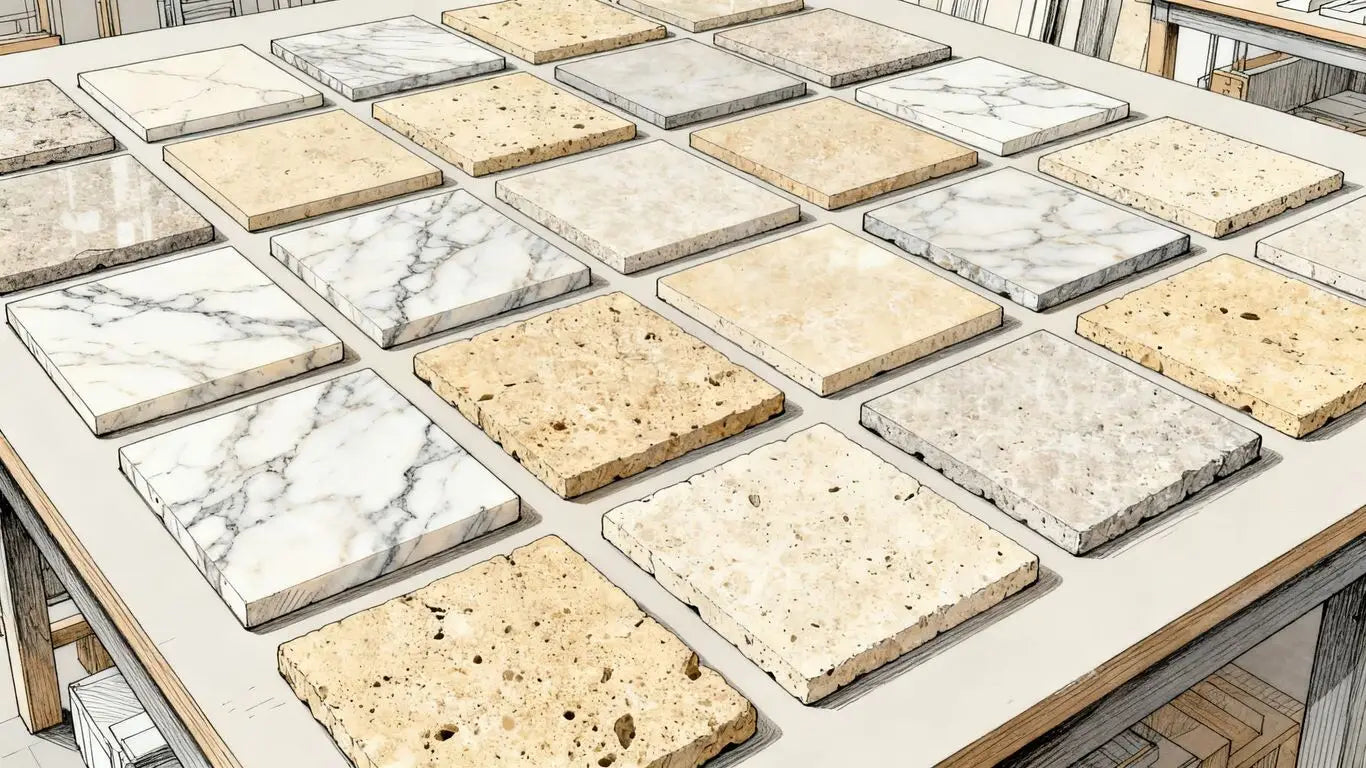
Comparing marble varieties for subtle contrast
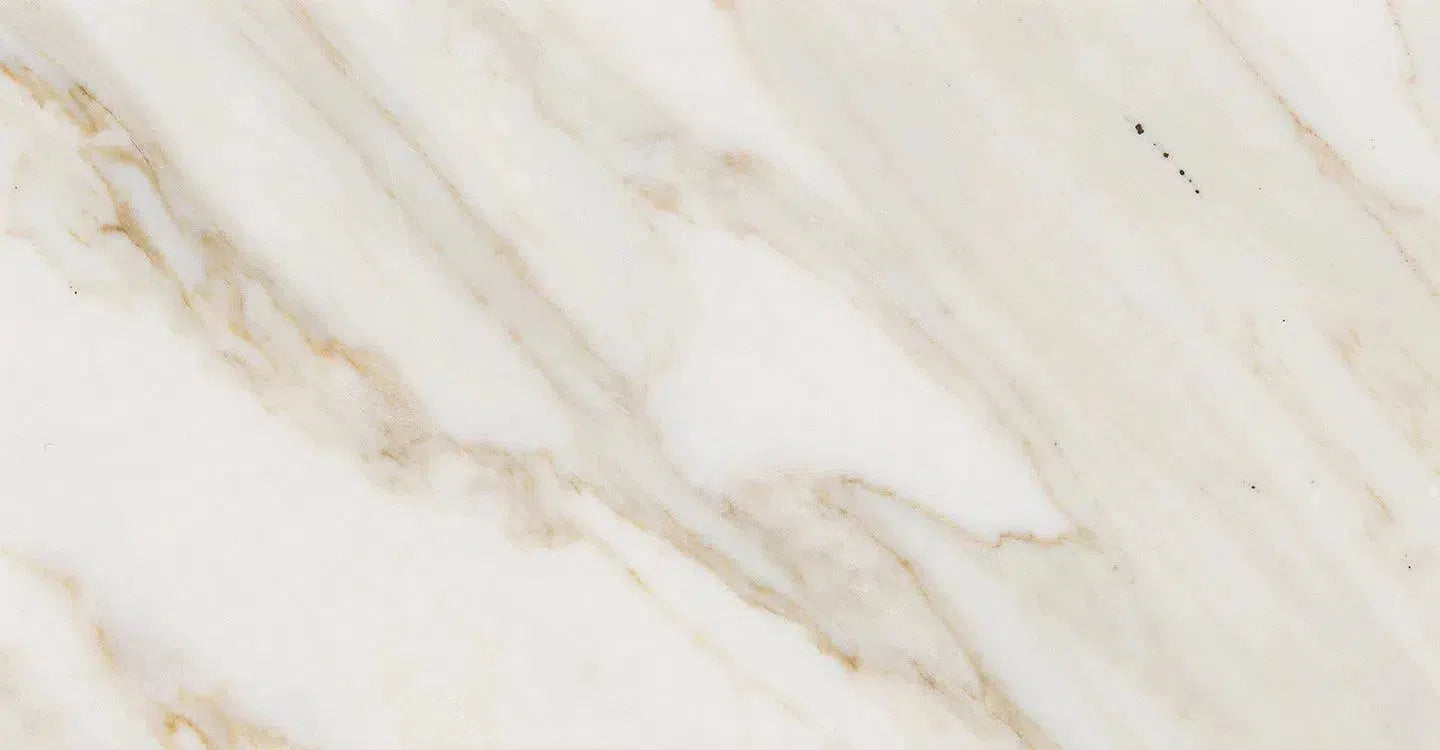
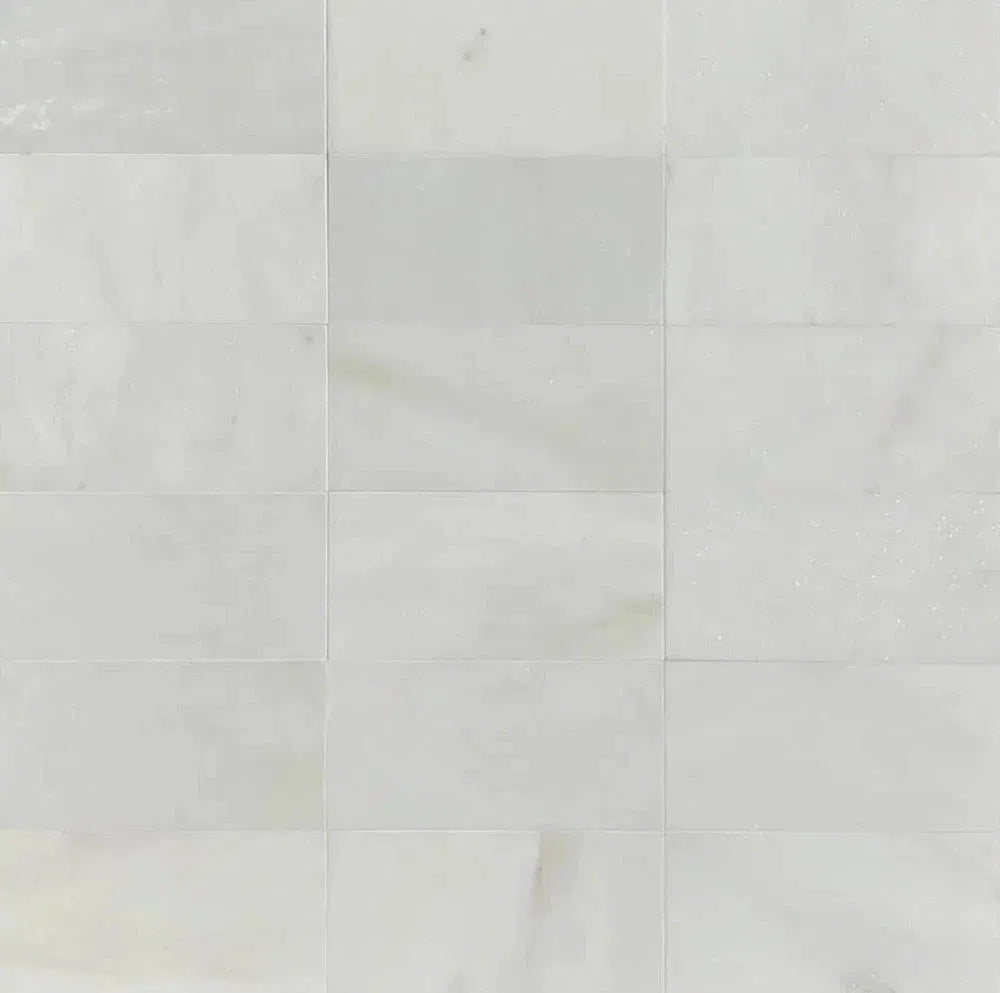
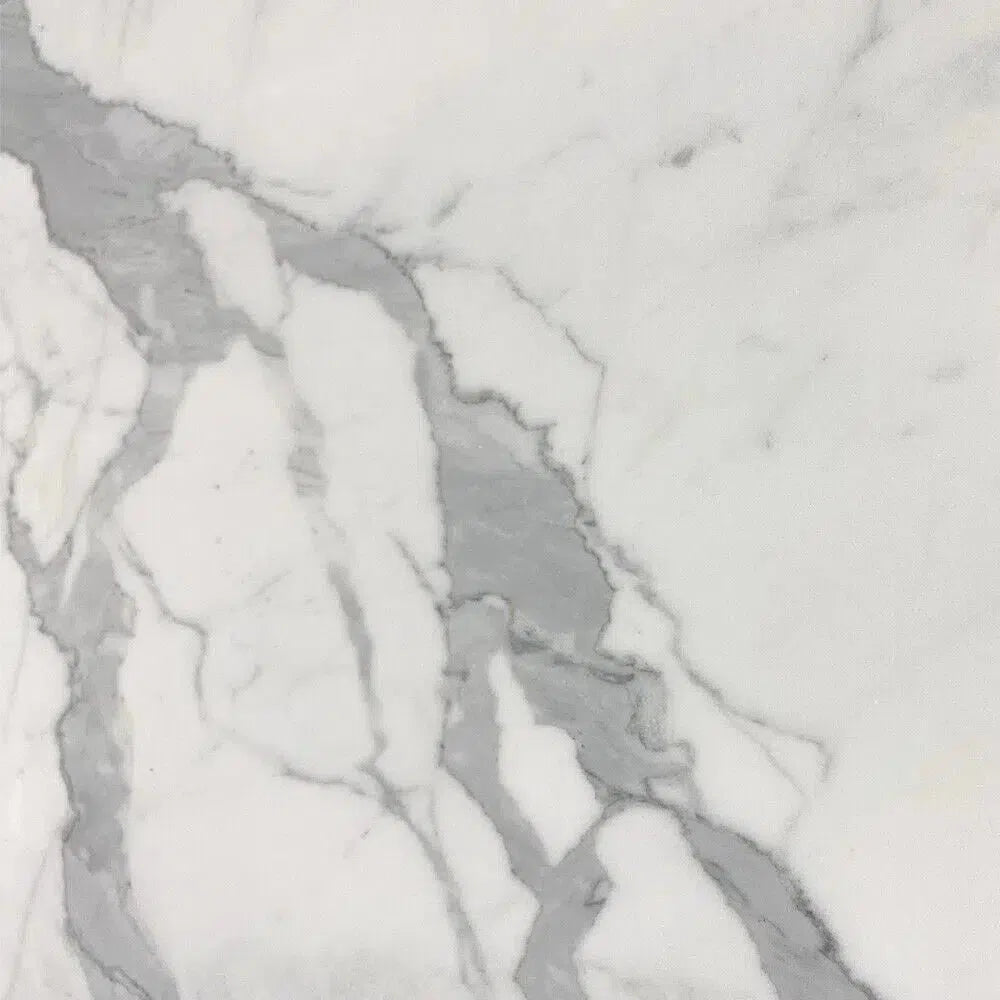
When you are aiming for a refined look, consider pairing two marble types with similar veining but different base tones. Many designers find that combining a white Carrara with a subtle gray options creates a sophisticated look that is not overly dramatic. This pair allows the natural patterns of the marble to take center stage, providing a classic touch that feels both high-end and welcoming.
Benefits of travertine for natural texture and durability
Travertine is a fantastic choice if you want to bring warmth into your project without sacrificing strength. Because it is naturally porous, it offers an earthy charm that marble sometimes lacks, making it ideal for sun-drenched kitchens or outdoor spaces. When used as a checkerboard tile, it ages gracefully, developing a slight patina that only serves to enhance its rustic beauty over time.
Understanding how finish types impact slip resistance and sheen
The way a tile is finished significantly influences how it performs underfoot and how much light it reflects. Review the following options to understand how to match your needs to the surface treatment:
| Finish Type | Best Use | Key Benefit |
|---|---|---|
| Polished | Living areas | High reflection and elegance |
| Honed | Bathrooms | Improved slip resistance |
| Brushed | Patios | Weathered, non-slip texture |
Selecting a matte or honed finish is particularly important in areas prone to moisture, as this ensures your checkerboard tile remains safe while retaining its stylish presence.
Creative placement: where to install 12x12 checkerboard layouts
Putting patterned stone in the right place transforms an ordinary room into a designer space. You can view our custom options to see how various stone colors and shapes come together to define a room, whether it is a quiet bathroom sanctuary or a high-energy foyer.
Making a grand statement in residential foyers
The entryway is the first thing guests see, and a checkerboard floor creates an immediate, lasting impression of architectural importance. By choosing high-contrast stones, you can signal to visitors that your home respects tradition while embracing timeless aesthetic quality.
Creating a spa-like retreat in bathroom flooring and shower surrounds
By keeping the color palette soft and consistent, you can use these stones to bring a tranquil, clean feeling to your bathroom. Some owners prefer to run the pattern consistently from the main floor into the shower stall for a seamless look. Utilizing checkerboard wall tiles in these areas adds texture that beautifully reflects light, especially in small, windowless rooms.
Elevating kitchen backsplashes and heavy-traffic floors
Kitchens require materials that look good and hold up under constant use, and the checkerboard layout is a clever solution for this requirement. Consider the following advantages for installing in your culinary workspace:
- It effectively hides minor dust and debris between cleanings.
- The pattern adds a dynamic, visual focal point to custom backsplashes.
- It provides a durable surface that withstands dropped utensils and kitchen spills.
- It coordinates effortlessly with both modern stainless appliances and traditional cabinetry.
After installation, you will find that these floors become the most talked-about feature of your home.
Extending your design concept to outdoor patios and terraces
Extending your indoor design to the patio is a simple way to make a home feel significantly larger. If you choose weather-resistant stone like travertine, the checkerboard pattern looks just as natural outside as it does in your grand foyer, creating a fluid transition between your living areas.
Balancing color palettes for sophisticated results
Color impacts mood, so selecting your stone requires thinking about how you want the room to feel during different times of the day. Using Surfaces Galore materials allows you to mix and match colors precisely, as they are a direct importer of high-quality stone that lets you achieve your unique design vision.
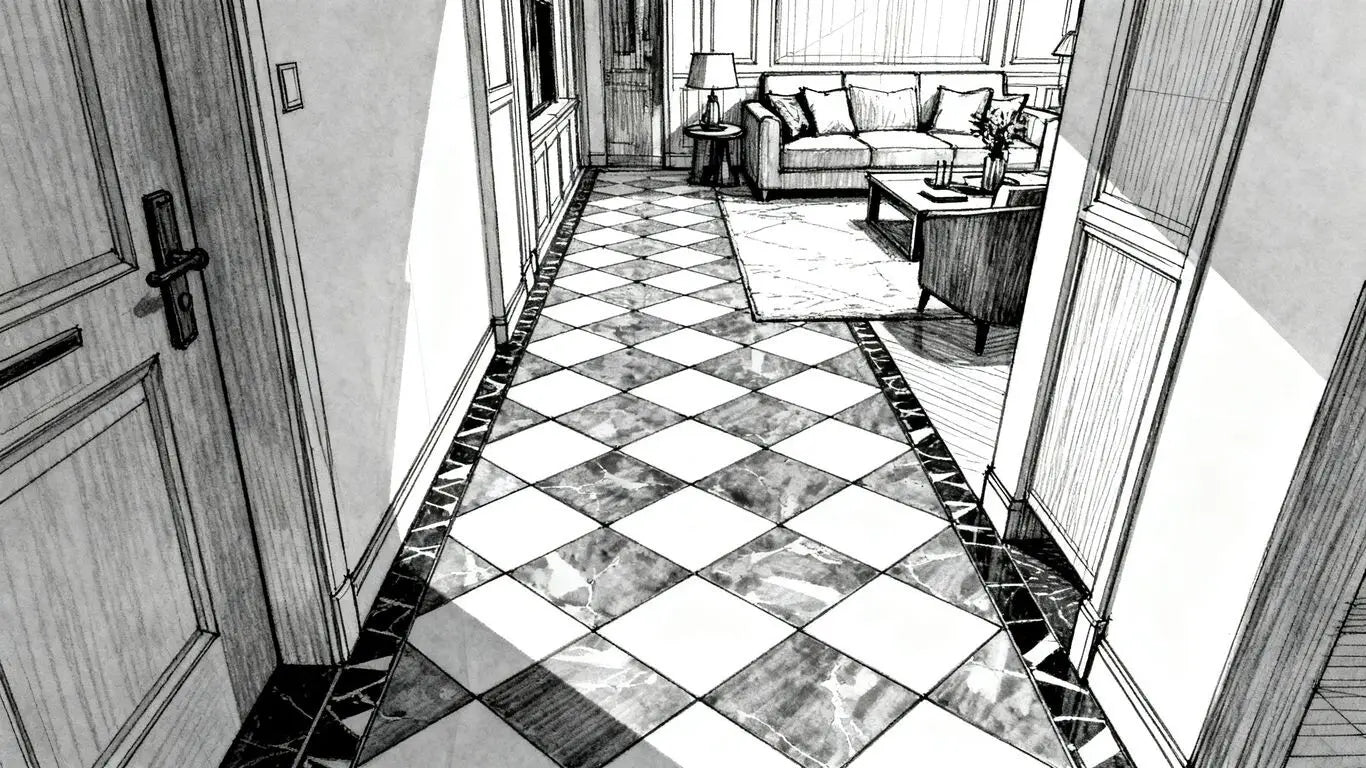
Achieving a traditional luxury look with black and white stone
Black and white remains the quintessential checkerboard combination because the color contrast is absolute. This look works perfectly in historic homes where you want to emphasize architectural features. It is a bold, clean choice that makes all other furniture in the space look more deliberate.
Creating modern warmth with beige and brown earth tones
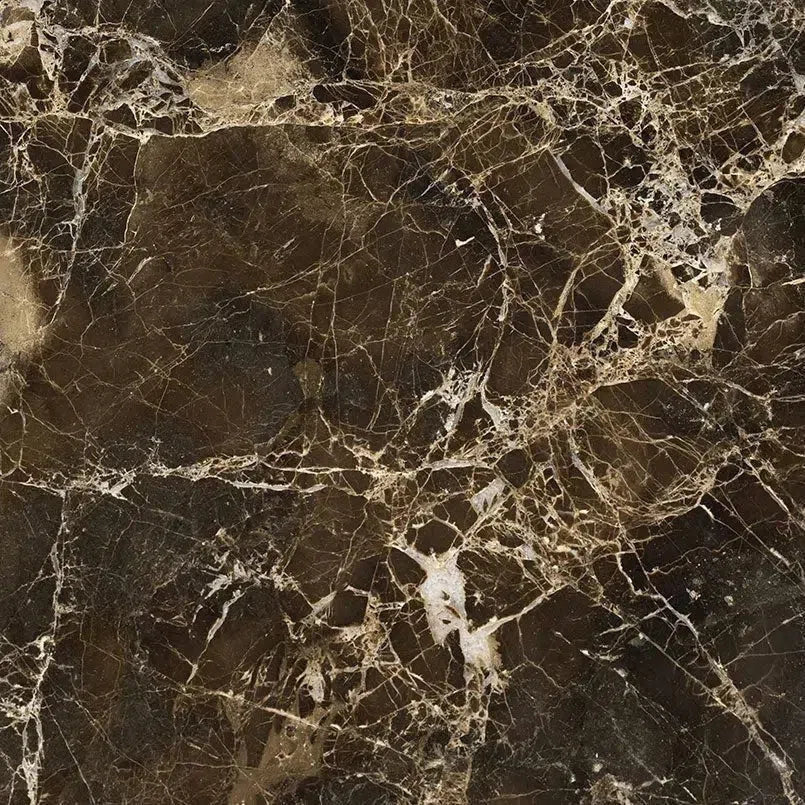
If black and white feels too sharp, try a combination of various earth tones like ivory and walnut. These pairings lend a soft, lived-in feeling to your home while still retaining the geometric structure you love. It feels grounded, natural, and incredibly inviting for a family room or breakfast nook.
Mixing dramatic, rare marble colors for a bespoke designer statement
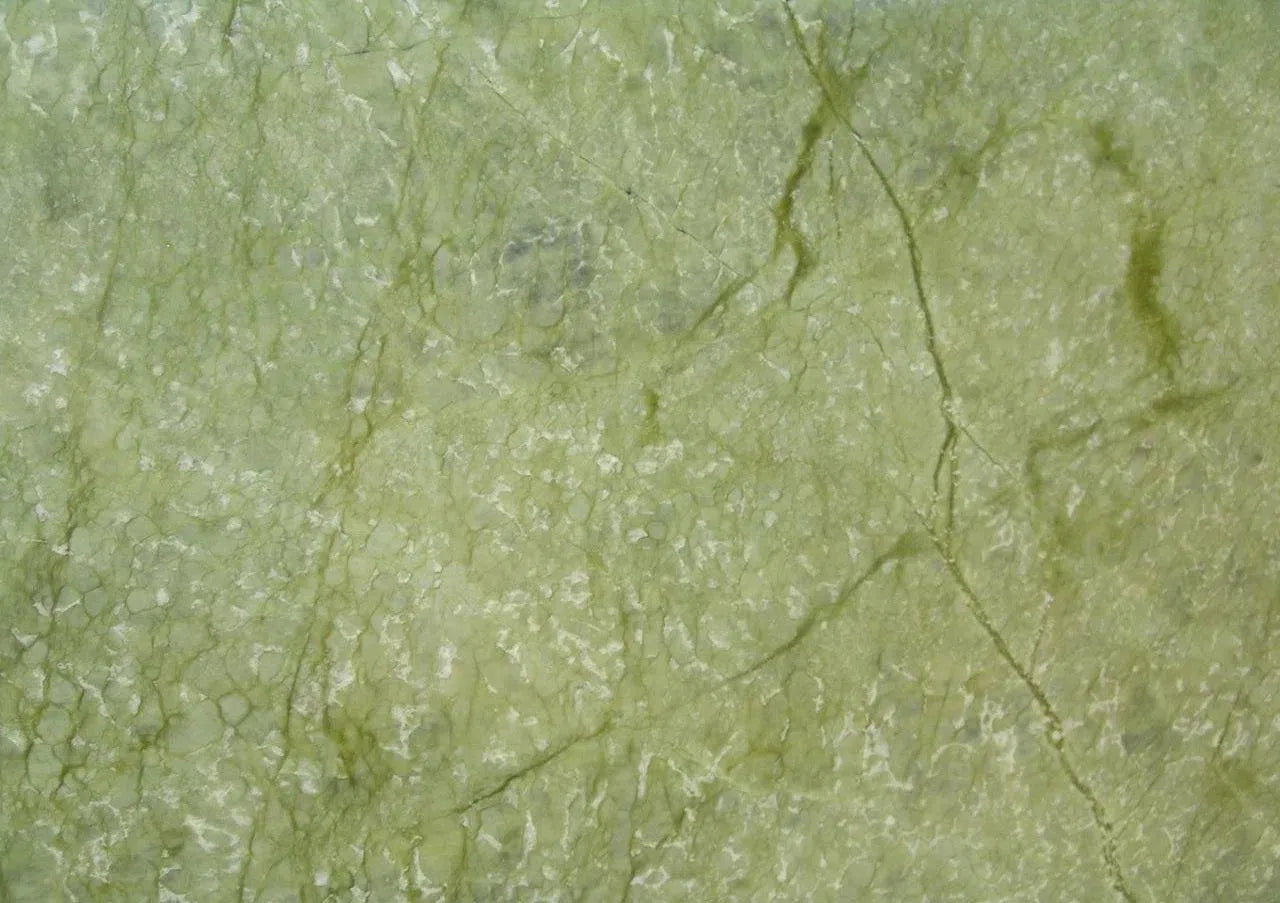
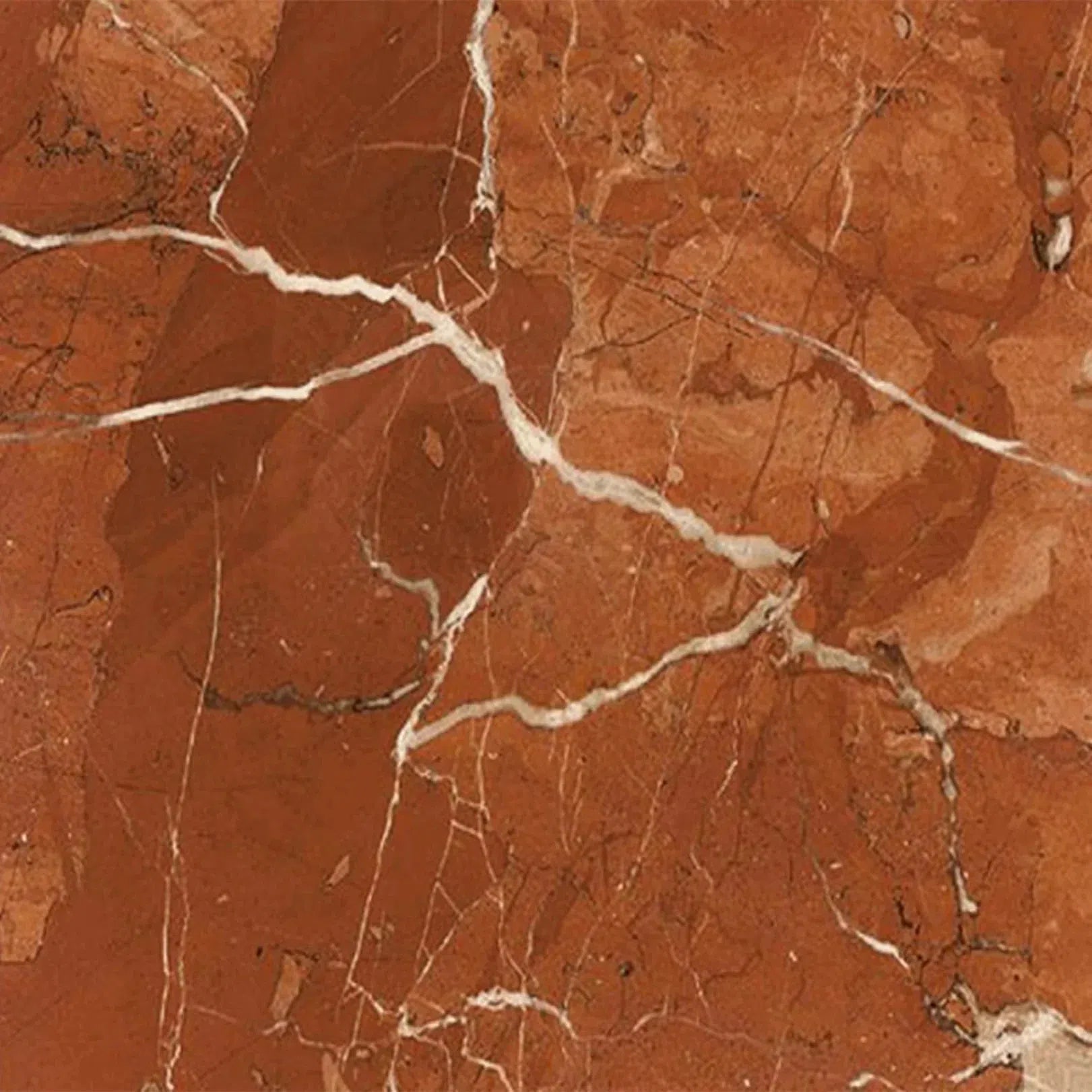
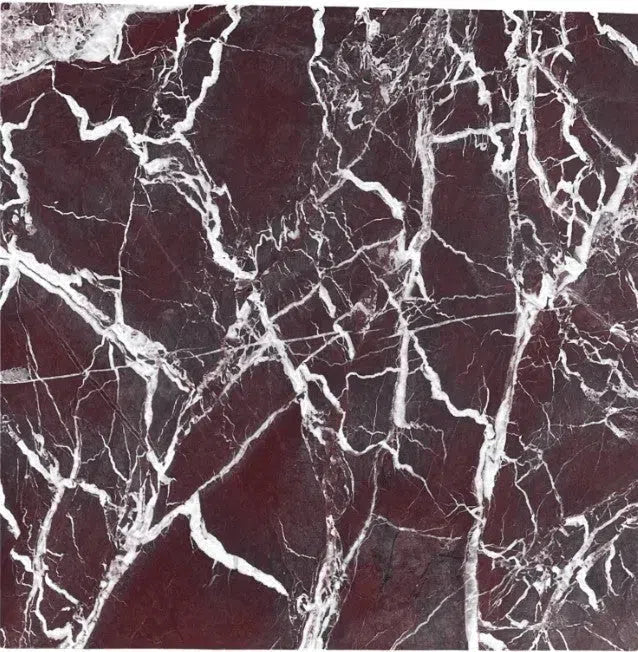
For a truly unique result, you might look at stones with unusual veining or colors like deep greens or rich reds. Mixing these rarer materials requires a discerning eye, but the result is a one-of-a-kind installation that acts as a piece of art. Many decorators find that sourcing through a direct importer provides the variety needed to make these bold choices possible.
Essential installation considerations for stone tiles
Even the most expensive stone can look poorly installed if the preparation is neglected. Successful projects rely on a flat surface and precise alignment to ensure the checkerboard pattern appears intentional rather than messy.
Preparing a level subfloor for flat, consistent surfaces
Natural stone is rigid, which means that any imperfections in the subfloor will eventually cause the stone to crack. It is essential to ensure that your subfloor is perfectly level, as this ensures your tiles sit flush. Taking the time to patch and level before laying a single piece of stone is the secret to a professional result.
Selecting the right grout color and width for a seamless grid
Grout does more than hold the tiles in place; it defines the lines of your grid. Selecting a grout that is close in color to the lightest tile will help the overall pattern appear as a single, large flowing surface. Conversely, choosing a contrasting grout can highlight the pattern of the individual tiles, giving the floor a crisp, graphic appearance.
Managing nominal size variations common in imported stone
Since these stones are natural products, there will always be slight variations in size. Professional installers often dry-lay the floor first to account for these minor differences. By adjusting the grout width slightly between these tiles, you can maintain perfect alignment without sacrificing the integrity of the pattern.
Techniques for aligning the pattern at 45-degree or straight angles
Deciding between a straight or diagonal layout changes the entire geometry of the room. A straight layout is classic and efficient, while a diagonal one adds a layer of complexity and perceived depth. Use a laser level to ensure your starting lines are perfectly square, regardless of which direction you choose for your final grid.
Maintaining the beauty of your stone floor
Once your beautiful floor is installed, you want it to look just as pristine years down the road. Surfaces Galore is committed to providing materials that last, but proactive care from the homeowner is always required to preserve that deep, rich color and polished finish.
Best practices for initially sealing porous natural stone
Always apply a high-quality sealant immediately after installation and before the room sees any foot traffic. Natural stone is porous by nature, and a good seal prevents stains from soaking into the surface, ensuring liquids reside on the top where they can be easily wiped away.
Implementing daily cleaning routines to preserve the original luster
Keeping your floor free of grit is the most effective way to prevent scratches over time. A quick dry sweep with a soft-bristled broom every day keeps the stone dust from becoming abrasive underfoot. This simple daily habit goes a long way toward keeping the surface looking brand-new for years.
Dealing with spills to prevent long-term staining
Accidents happen, but when liquids like coffee or oil land on your natural stone, time is of the essence. Always blot rather than rub to prevent the liquid from pushing deeper into the pores. A swift reaction is the best defense against any potential damage.
Selecting the correct pH-neutral cleaners for natural stone longevity
Harsh chemicals are the enemy of natural stone, and Surfaces Galore recommends avoiding anything acidic or abrasive. Stick to gentle, pH-neutral cleaners specifically designed for marble and travertine. By using the right products, you can maintain the natural beauty of your expensive materials without risking the finish.
Conclusion
Designing with a 12x12 checkerboard layout is a rewarding process that brings a sense of structural beauty to your home. Whether you opt for a dramatic, high-contrast entrance or a soft, earthy kitchen floor, focusing on these simple principles ensures your investment stands the test of time.
Frequently Asked Questions
Can checkerboard tile be used in small bathrooms?
Yes, checkers are often used in small spaces to create visual interest. Aligning them on a diagonal can even help a confined space feel significantly larger than it is.
Is marble more delicate than travertine for flooring?
Both materials are durable natural stones, but marble generally offers a denser, more polished appeal, while travertine provides a slightly more porous, naturally textured surface.
Should I install my tiles on a diagonal or straight?
This is a design preference. Straight layouts feel orderly and classic, while diagonal layouts add energy and help camouflage rooms that are not perfectly square.
Will the color of the stone look exactly like it does in photos?
Natural stone is a product of earth, so color and veining will naturally vary from piece to piece. Always review samples to see the true character of the material under your own home lighting.
How do I prevent grout lines from staining?
Using a quality penetrating sealer during installation helps fill the pores in both the stone and the grout, making the lines less receptive to absorbing spills or dirt.
Can I use floor tiles on my shower walls?
Many stone tiles intended for floors can be safely transitioned to shower walls, provided that the surface is properly waterproofed and prepared by a qualified professional.
Does checkerboard tile require special cleaning equipment?
A soft broom and a pH-neutral cleaner are all you need. Always avoid vacuum cleaners with hard plastic wheels or beater bars that could scratch the delicate surface of your stone.