







Key Takeaways
Designing with premium stone requires planning to ensure the final result lives up to your expectations for beauty and functionality.
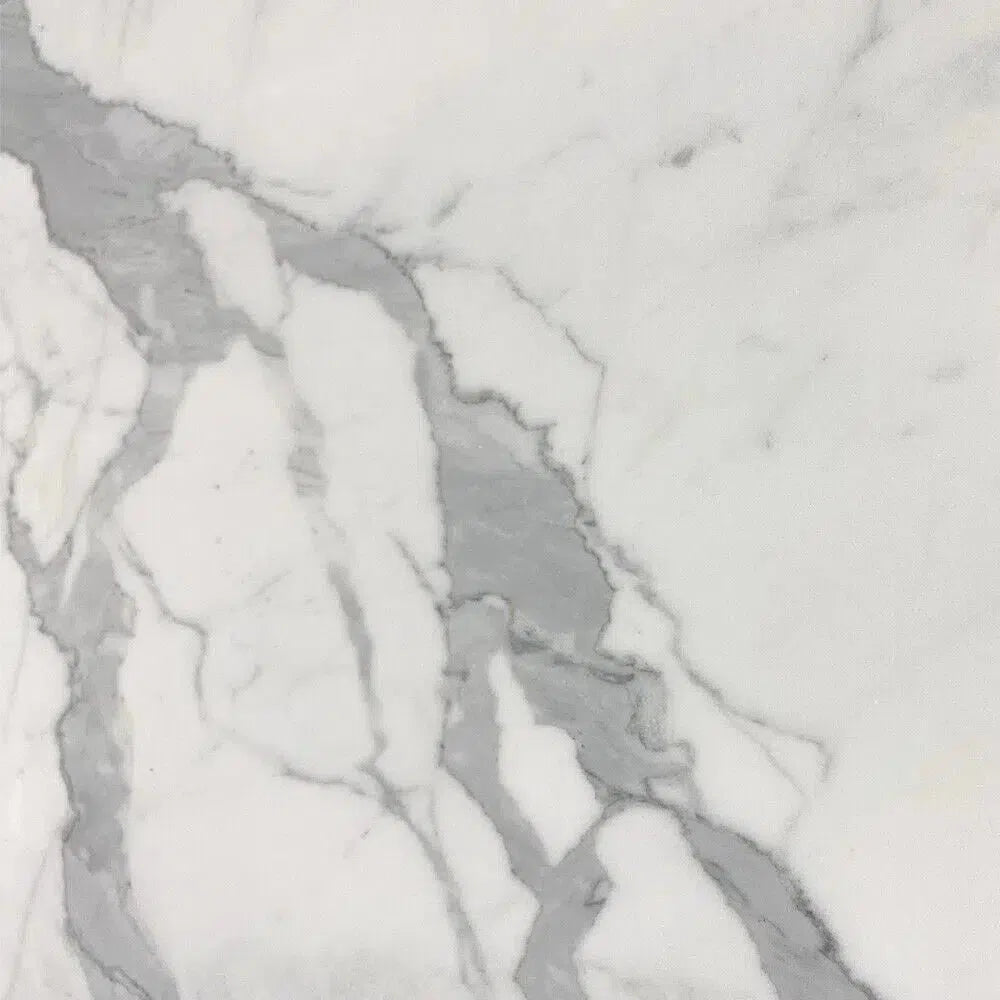
- Calacatta marble provides a distinct high-end look characterized by its bright white background and dramatic, organic veining.
- Selecting the right format, from traditional subways to expansive slabs, impacts both the visual rhythm and the maintenance of your kitchen.
- Professional-grade sealing is non-negotiable to protect the porous surface of your natural stone from daily cooking hazards.
- Regular, gentle maintenance routines preserve the natural luster of your stone surfaces without damaging their reflective quality.
- Partnering with experienced contractors ensures your installation captures the full, intended value of your stone.
Understanding the appeal of Calacatta marble for your backsplash
The unique aesthetic of white and veined stone
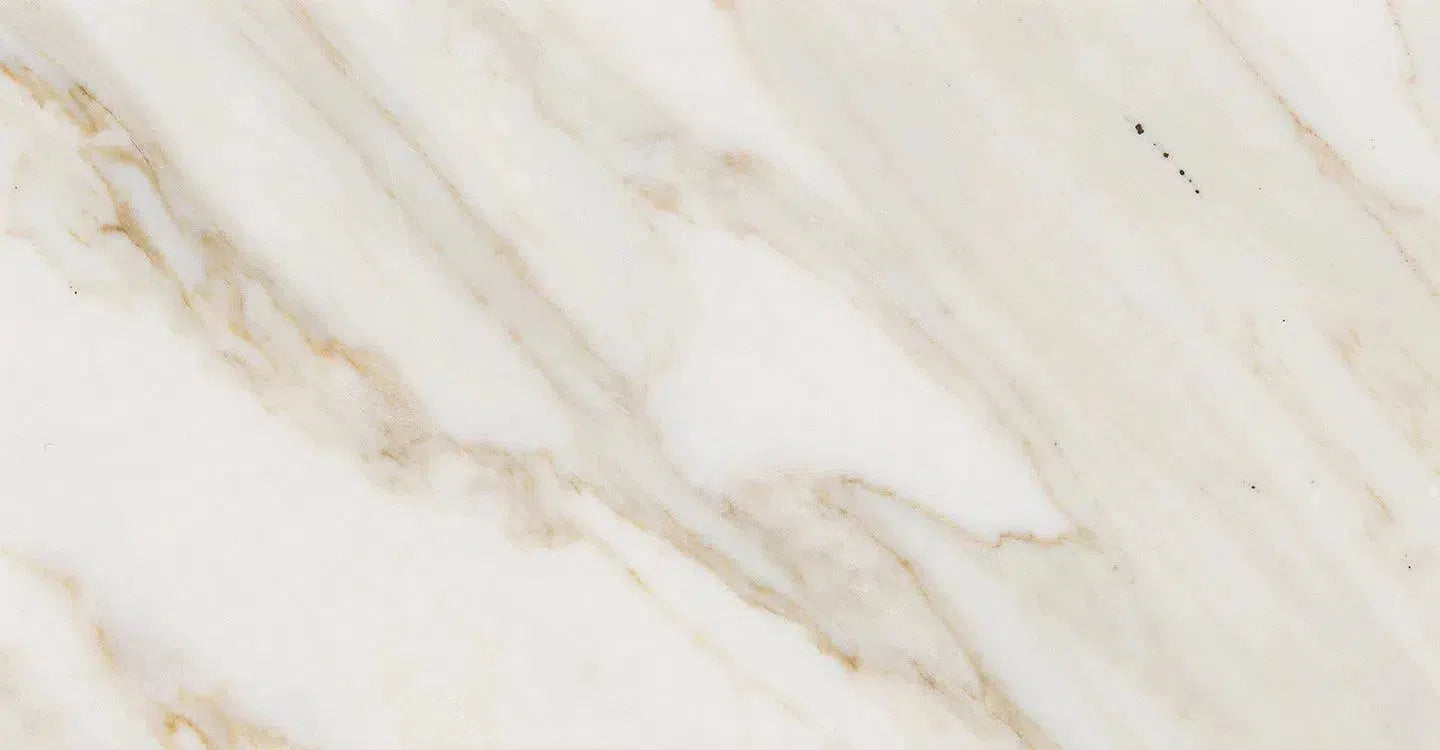
When homeowners look for a timeless luxury material, they often gravitate toward the striking contrast of natural stone. A stunning aesthetic appeal is the hallmark of Calacatta varieties, which feature a pure, luminous white base interrupted by bold, swirling movements. This distinctive contrast transforms a humble kitchen wall into a gallery-worthy feature that radiates both light and character.
Distinguishing Calacatta Gold from other luxury variations
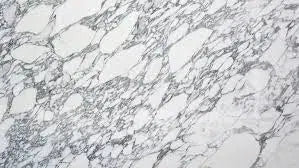
While many stones offer a white base, Calacatta Gold stands apart due to its specific mineral inclusions that produce soft, warming golden highlights. Other stones might trend toward gray, but this specific variety brings a sun-drenched richness that feels both traditional and incredibly refined. Homeowners who appreciate Carrara White marble for its subtlety often upgrade to Calacatta for this enhanced, deliberate sense of drama.
Why natural stone remains a premium design choice
Natural stone brings a level of authenticity that synthetic products struggle to replicate. Each piece of marble contains geological history, ensuring that the movement in your home is entirely unique to your wall. As a direct importer of natural stone, Surfaces Galore consistently finds that clients prioritize the tactile warmth and visual depth that only authentic stone provides for their renovation projects.
Enhancing kitchen brightness through natural light reflection
One of the most practical benefits of installing a light-toned marble is its ability to bounce ambient light throughout the workspace. Because the surface of this stone is capable of reflecting light effectively, even smaller or dim kitchens can feel significantly more open. When paired with proper under-cabinet lighting, the inherent shimmer of the stone creates an inviting, bright atmosphere that makes daily chores feel more like a luxury experience.
Choosing the right format for your kitchen space
Subway tiles for a classic, timeless look
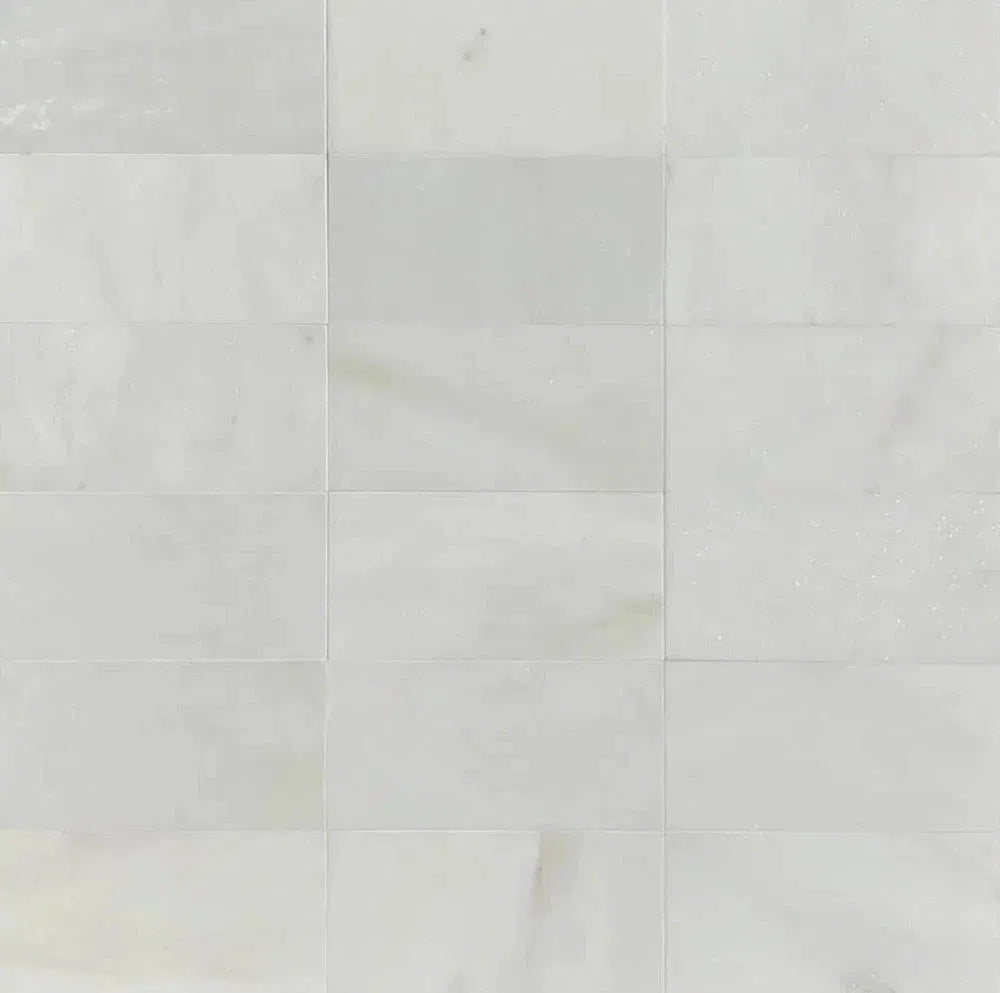
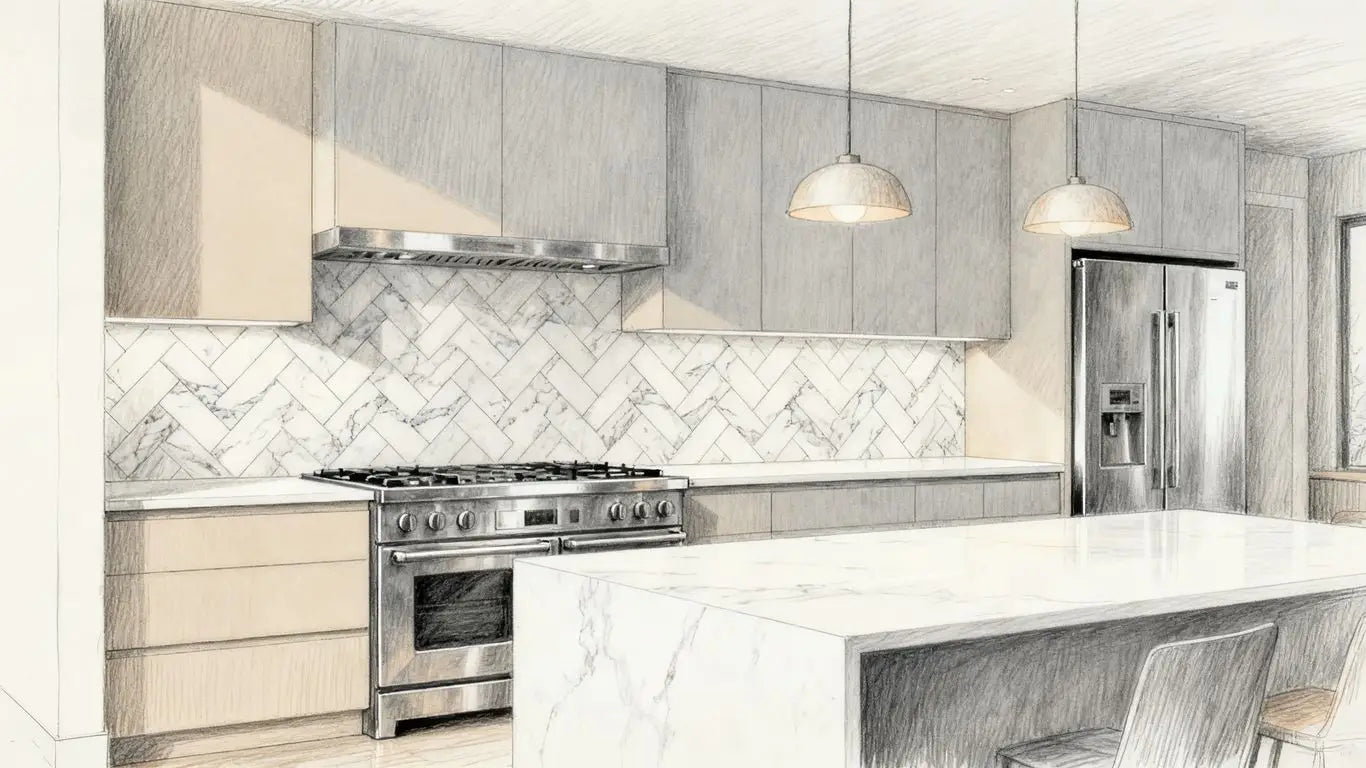
Subway tiles offer a rhythm and clarity that anchors a kitchen aesthetic without dominating the space. Many designers prefer this classic subway tile because it brings a sense of historical groundedness to even the most contemporary homes, offering a clean, simple canvas for the complex veins of the marble to shine.
Intricate mosaic patterns for sophisticated focal points
For those who prefer a more personalized touch, mosaics allow for a high degree of artistic expression. Whether you want to highlight a specific artistic focal point above your stove or bring geometric interest to your entire perimeter, mosaic sheets provide a way to control the flow of the stone veining. The complexity of these small-format designs creates a textured visual interest that feels remarkably artisanal.
Slab backsplashes for a seamless, modern profile
Using a full-height slab for your backsplash minimizes visible lines, allowing the veining to flow uninterrupted across the entire wall. This format requires careful slab selection to ensure the movement matches your vision. It is a bold, clean choice that makes cleaning significantly easier by removing the interstitial spaces found in tiled surfaces.
The impact of finish types like honed versus polished
The way a stone is finished alters how you perceive its color and texture, making the finish selection a critical decision for your kitchen environment.
| Finish Type | Best Use | Maintenance Level |
|---|---|---|
| Polished | High-light Reflection | Moderate |
| Honed | Soft, Matte Feel | Low-to-Moderate |
| Brushed | Rustic, Textured | Low |
Selecting the right finish ensures that your material performs well under the specific lighting conditions of your home, while also reflecting your personal preference for shine versus matte refinement.
Design considerations for a cohesive installation
Coordinating your stone with countertop materials
Success in a kitchen design often comes down to how well your stone performs alongside your other surfaces. Using Calacatta Gold marble effectively often involves pulling color notes from the stone's veins to dictate the choice of granite or quartz countertops. This creates a balanced look where the backsplash acts as a natural extension of the primary workspace footprint.
Managing the weight and thickness of natural marble
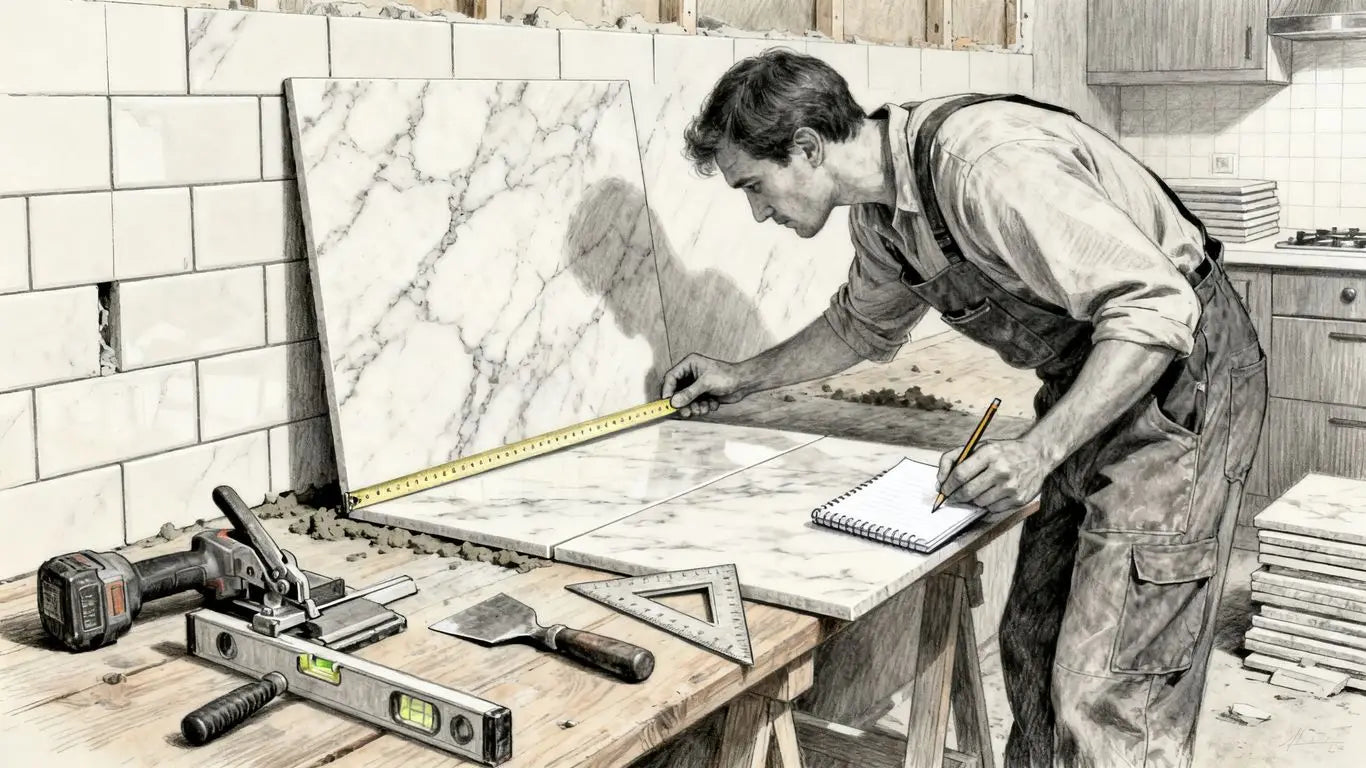
Natural marble carries significant weight, which necessitates checking that your wall substrate is properly framed. Most stone tiles are standardized, yet larger, thicker tiles or slab sections require specific adhesive supports. A Panel A Calacatta or similar marble-effect solution can serve as a lightweight alternative where structural load is a primary concern for the homeowner.
Determining the ideal backsplash height for visual balance
Balancing height is essential; you must decide whether to stop at the bottom of the cabinets or run the stone all the way to the ceiling. A full-height installation creates a dramatic, modern statement, while a shorter backsplash keeps the walls feeling neutral and light. By assessing your ceiling height and cabinetry style, you can determine which approach creates the most harmonious visual balance for your specific floor plan.
Creating pattern continuity across wall surfaces
Achieving beauty in a marble installation requires staging, where experts ensure that the veining flows as naturally as possible. This continuity helps the kitchen feel like a unified piece of architecture rather than a collection of separate puzzle pieces. When the installer keeps track of the grain, the finished wall displays a sense of intentionality that is the hallmark of a high-end project.
Proper care and sealing for luxury marble
The importance of professional-grade sealers
Because marble is naturally porous, penetration from liquids can lead to permanent changes in its look. Utilizing a professional-grade penetrating sealer, as recommended by the team at Surfaces Galore, creates an invisible barrier that allows you more time to wipe away spills before they soak into the mineral core of the stone.
Establishing a cleaning routine to prevent staining
To ensure your investment remains pristine over the years, follow these basic care steps for daily maintenance:
- Use only pH-neutral cleaners specifically designed for natural stone surfaces.
- Wipe down surfaces immediately after cooking, especially when acidic ingredients are present.
- Avoid using scouring pads or abrasive brushes that could create microscopic scratches.
- Periodic re-sealing should be performed based on the stone's porosity and usage levels.
- Keep common household chemicals and heavy dyes away from your backsplash area.
Implementing this routine makes caring for real stone a simple part of your daily kitchen habit, ensuring it looks brand new for decades.
Mitigating risks from acidic materials in the kitchen
Acidic substances represent the greatest threat to a marble backsplash, as they can etch the surface almost instantly. Lemons, vinegar, and wine leave dull spots that indicate chemical reactions with the calcium carbonate in the stone. By choosing a lower-sheen finish, such as honed or brushed, you can make these inevitable aesthetic changes less noticeable over the long term.
Long-term preservation of the stone’s natural luster
Over time, even the most carefully maintained stone will show signs of its history, and that is part of its charm. Preservation is about regular deep cleaning and occasional professional polishing if you desire to restore the original deep shine. By treating your stone as a living material, you ensure it ages gracefully alongside your home.
Professional tips for a lasting kitchen renovation
Hiring experienced stone installation specialists
Working with natural materials, especially those with such delicate veining, is a specialized skill. An experienced contractor knows how to cut, polish, and set the stone while maintaining the integrity of the natural pattern. Trusting a professional protects your materials from costly cutting errors and ensures a precise fit along counter edges.
Managing expectations for unique color and veining variations
Natural stone is never identical from batch to batch, which is both a perk and a practical reality to keep in mind. You should treat the material as an individual expression of nature, meaning your final installation may vary slightly from the showroom samples. This individuality is what makes a space feel high-end and bespoke rather than mass-produced.
Inspecting and staging your material prior to installation
Before any adhesive is applied, your installer should dry-lay the tiles to review the color and veining progression. As noted in the process guidance provided by Surfaces Galore, this stage is crucial for ensuring the stone pieces complement each other. This is the moment to verify that the color temperature across all tiles matches your current design intent.
Addressing health and safety best practices during the process
Cutting marble produces fine stone dust, which requires proper ventilation and respiratory protection for anyone involved. During an installation, ensure your space is well-ventilated and that the team follows industry standards for debris management. Prioritizing safety throughout the process ensures that your luxury upgrade remains a positive and healthy experience for everyone.
Conclusion
Designing with a luxury marble backsplash elevates your home by grounding it in a timeless, natural material that ages with the building. Through careful selection of your stone style, thoughtful consideration of your format, and a committed approach to long-term maintenance, you create a space that offers both significant aesthetic value and genuine functionality. Whether your goal is a grand modern statement or a soft, organic workspace, the beauty of this stone ensures a lasting impression that honors both craftsmanship and quality.
Frequently Asked Questions
Is marble too delicate for a busy kitchen backsplash?
Natural marble is a durable material that has been used in kitchens for centuries. While it is more porous than man-made alternatives and sensitive to acidic foods, proper sealing and timely cleaning make it a very manageable choice for active spaces.
How often should I reseal my natural stone?
It is generally recommended to reseal your marble every six to twelve months, depending on the level of cooking activity in your kitchen. A simple water-drop test can indicate if your stone needs another coat if water stops beading on the surface.
Can I use different stone finishes in the same kitchen?
Yes, mixing finishes can create a subtle, sophisticated layered look, such as using polished marble for a backsplash and honed finishes for lower-traffic areas. This adds textural complexity without compromising the cohesive appearance of your design.
What makes Calacatta marble different from Carrara?
Calacatta marble typically features a brighter, white background with much more dramatic and bolder veining compared to the softer, more subdued gray-on-gray veining typically seen in Carrara. Both are from the same region, but they offer distinct visual impacts.
Does sunlight affect the color of marble over time?
Natural stone is generally colorfast, meaning it does not fade like paint or certain synthetic materials under UV exposure. However, prolonged direct sunlight might emphasize the stone's texture, so be aware of how natural light plays across its surface.
Can I install a new marble backsplash over an old one?
It is generally best practice to remove existing backsplash materials before installing new stone to ensure a perfectly flat, clean substrate. Applying stone over old tiles may result in an uneven finished look and could lead to issues with the mortar bond.
What do I do if my marble gets an etch mark?
If a spill causes a dull etch mark, the surrounding shine is usually the only thing affected; it is not a deep stain. You can often address these marks using a dedicated stone-safe polishing powder, or simply embrace them as a sign of the marble's natural patina.