

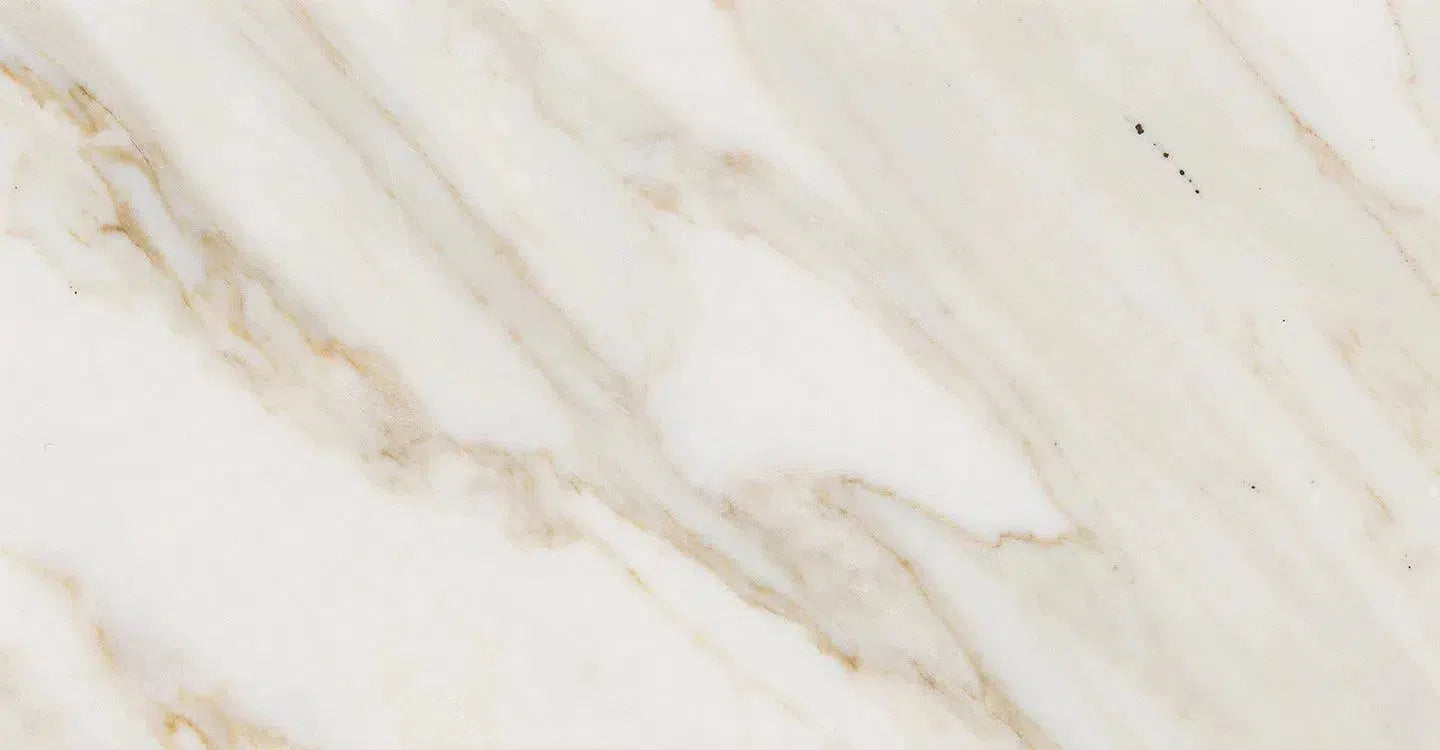

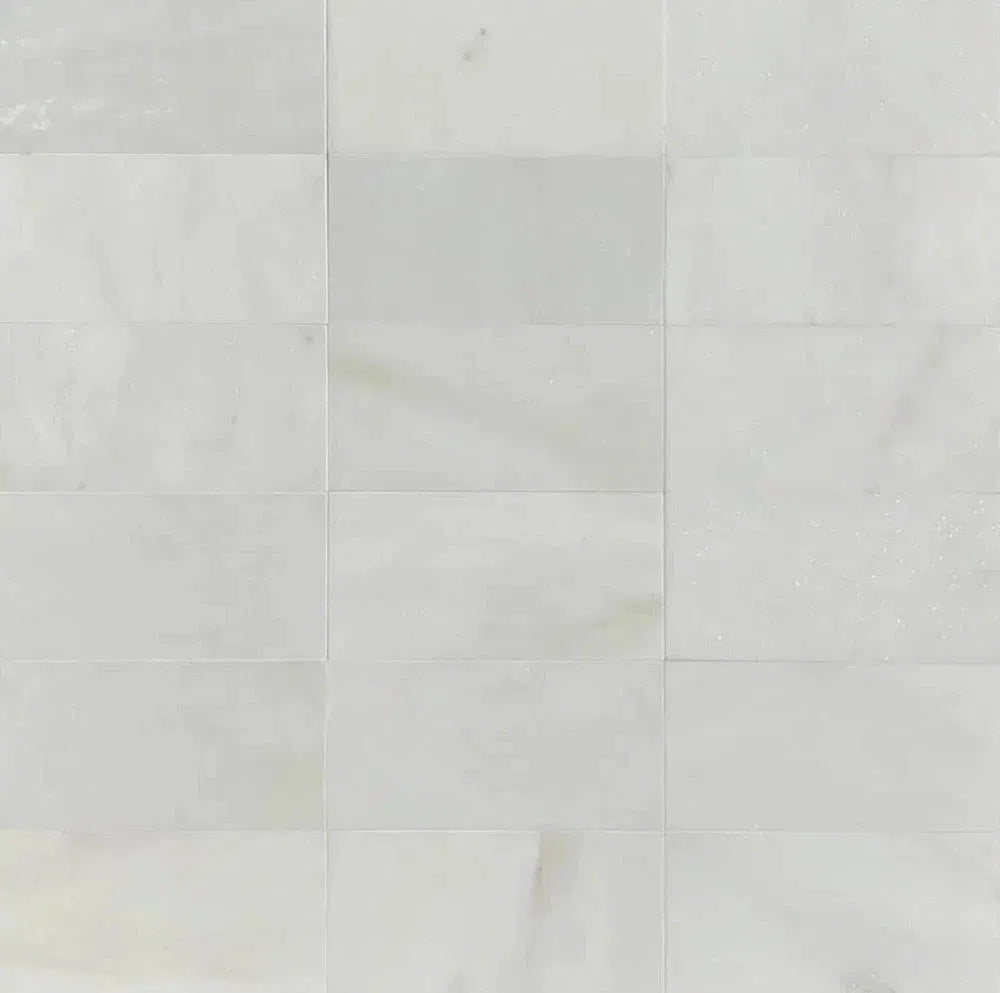


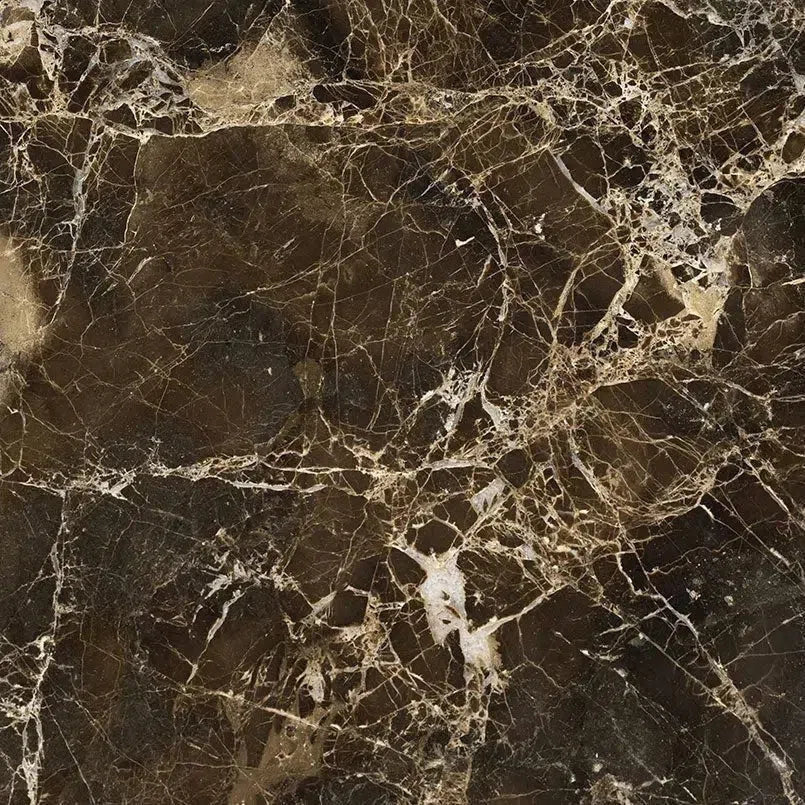



Thinking about redoing your bathroom? A quartz tile bathroom might be just what you need. These spaces look great and hold up well to daily life. Whether you want something modern, classic, or a mix of both, quartz tile gives you lots of options. It’s tough, easy to clean, and comes in colors and styles that fit any taste. If you’re not sure where to start, don’t worry—this guide breaks things down into simple steps. From picking the right tiles to keeping them looking good for years, you’ll find tips that make the whole process easier.
Key Takeaways
- Quartz tile bathrooms are strong and stand up to busy households.
- They resist stains and scratches, so cleaning is simple.
- The non-porous surface helps keep water out, which is great for wet areas.
- Tiles come in many colors and patterns to match any style.
- Choosing the right size and finish can make your bathroom feel bigger or cozier.
- Lighting and fixtures can bring out the best in your quartz tile bathroom.
- Direct importers like American Stone Center offer top-quality, handpicked tiles.
- Sampling tiles before buying helps you see what works best in your space.
Designing a Quartz Tile Bathroom That Reflects Your Style
Creating a bathroom that feels uniquely yours is all about thoughtful design choices. With quartz tiles, you have a fantastic canvas to work with, offering both beauty and practicality. Let's explore how to make your bathroom a true reflection of your personal taste.
Choosing Color Palettes for Lasting Beauty
The colors you select for your bathroom tiles will set the entire mood. Think about the feeling you want to evoke. Do you prefer a serene, spa-like atmosphere or something more vibrant and energetic? Neutrals like soft grays, warm beiges, and crisp whites are always a safe bet for a timeless look. They provide a calming backdrop and make it easy to change up decor later. For a bolder statement, consider deep blues, earthy greens, or even subtle blush tones. The key is to choose colors that you find genuinely appealing and that will stand the test of time.
Incorporating Patterns for Visual Interest
Patterns can add a lot of personality to your bathroom. You don't have to go overboard; even a simple patterned accent can make a big difference. Consider a classic herringbone or chevron layout for a touch of elegance. For a more contemporary feel, try a geometric pattern or a mosaic tile in a specific area, like a shower niche or behind the vanity. Mixing different tile sizes within a pattern can also create a dynamic look.
Combining Modern and Classic Design Elements
Your bathroom doesn't have to fit neatly into one style box. Blending modern and classic elements can create a sophisticated and unique space. For instance, pair sleek, modern fixtures with classic subway tiles or a traditional marble-look quartz. Or, opt for a modern vanity with ornate hardware. This juxtaposition adds depth and character, making the space feel curated rather than generic.
Maximizing Light and Space With Tile Placement
How you place your tiles can significantly impact how light interacts with your bathroom and how spacious it feels. Using larger tiles, especially in lighter colors, can make a small bathroom appear larger because there are fewer grout lines. Placing tiles vertically can draw the eye upward, making ceilings seem higher. In shower areas, consider how light will reflect off the tile surface – a slightly glossy finish can help bounce light around, making the space feel brighter.
Mixing Textures for Added Depth
Texture plays a vital role in creating a rich and inviting atmosphere. Don't be afraid to mix different textures in your bathroom design. You could pair smooth, polished quartz tiles on the floor with a textured or matte finish on the walls. Consider adding natural elements like wood accents or woven baskets to introduce contrasting textures. This layering of textures adds a tactile dimension that makes the space more interesting and comfortable.
Personalizing With Signature Accents
This is where your bathroom truly becomes your own. Think about adding personal touches that speak to your interests. This could be a unique piece of art, a collection of vintage accessories, or even a custom-built vanity. Even small details, like choosing hardware in a distinctive finish or selecting a one-of-a-kind mirror, can make a significant impact. The goal is to infuse your personality into the design.
Integrating Fixtures to Complement Quartz
Your fixtures – faucets, showerheads, lighting, and hardware – are the jewelry of your bathroom. They should harmonize with your quartz tiles, not compete with them. Consider the undertones of your quartz. If your tiles have warm, earthy tones, brass or brushed gold fixtures might be a beautiful choice. For cooler grays or whites, chrome, brushed nickel, or matte black fixtures often work well. Pay attention to the style of the fixtures as well; modern designs pair best with contemporary tiles, while more traditional styles complement classic patterns.
Understanding the Unique Qualities of Quartz Tile Bathrooms
When you're thinking about bathroom tiles, quartz really stands out. It's not just another pretty face; this material brings some serious benefits to your wet spaces. Let's break down why quartz tile is such a smart choice for your bathroom renovation.
Superior Durability for Busy Households
Bathrooms see a lot of action, right? From morning rushes to evening wind-downs, the floors and walls need to hold up. Quartz tile is built tough. It can handle the daily wear and tear without looking worn out. This makes it a fantastic option for families with kids or pets, or really any busy household. You get that high-end look without the constant worry about damage.
Stain and Scratch Resistance Explained
Spills happen. Toothpaste drops, makeup mishaps, or even just water spots can be a pain to clean. Quartz tile is engineered to resist most common household stains. Its dense structure means liquids and messes don't soak in easily. This also means it's pretty good at fending off scratches, keeping your bathroom looking fresh for longer. It’s a big step up from materials that can easily get marred.
The Non-Porous Advantage in Wet Environments
Bathrooms are, well, wet. Showers, sinks, and humidity mean moisture is always around. Quartz tile is non-porous. This is a huge deal because it means water, mold, and mildew have a really hard time getting a foothold. This quality is key for maintaining a hygienic bathroom environment. It's a practical benefit that saves a lot of cleaning headaches down the line. For a truly water-resistant surface, consider Silestone Quartz.
Allergy-Friendly and Easy to Maintain
If allergies are a concern in your home, quartz tile is a good pick. Because it's non-porous, it doesn't harbor allergens like dust mites or mold spores. Cleaning is usually a breeze – a simple wipe-down with mild soap and water often does the trick. You won't need harsh chemicals to keep it looking good, which is better for your health and the environment.
Engineered Strength for Longevity
Quartz tile is an engineered product. This means its strength and consistency are controlled during manufacturing. It's made by combining natural quartz crystals with resins and pigments. This process results in a material that's incredibly strong and reliable. You're getting a tile that's designed to last for years, maintaining its appearance and structural integrity.
Consistent Aesthetic Across Tiles
One of the challenges with natural stone can be variation between tiles. While some appreciate this uniqueness, others prefer a more uniform look. Quartz tile offers a consistent color and pattern from one tile to the next. This makes planning your design much simpler and helps achieve a cohesive, polished finish throughout your bathroom.
Comparing Quartz to Other Stone Materials
When you look at other natural stones like marble or granite, quartz offers a different set of advantages. While natural stones have their own beauty, they often require more sealing and careful maintenance to prevent staining and etching. Quartz, on the other hand, provides a similar luxurious look with significantly less upkeep. It’s a practical choice for a high-traffic area like a bathroom, offering superior durability without sacrificing style.
Selecting the Perfect Tiles for Your Quartz Tile Bathroom
When you’re designing a standout space, your choice of quartz tiles will set the stage for everything else. Picking the right option means thinking beyond just looks. Let’s break down all the details that matter, so your bathroom renovation runs smooth and looks sharp for years.
Identifying Handpicked A+ Top-Quality Options
You’ll want tiles that not only look good but are reliable. Here’s what makes for a premium pick:
- Only opt for hand-selected, top-rated products for consistency
- Avoid standard or commercial-grade material
- Source from suppliers known for luxury, not compromise
Investing in excellent materials gives your bathroom style and durability.
Choosing the Right Tile Size and Shape
Think about the vibe you want. Large-format tiles create a seamless look and fewer grout lines, great for making a room feel spacious. Mosaics offer more detail and can make features stand out. Rectangles work well for modern designs, while hexagons or smaller shapes add a unique touch. Take your bathroom’s size into account—small rooms often benefit from bigger tiles, which trick the eye into thinking there’s more space.
Evaluating Surface Finishes and Gloss Levels
What do you picture when you step into the space—shiny and reflective or smooth and understated? High-gloss finishes bounce light and look sleek but show water spots. Matte finishes offer a soft appearance and hide smudges, perfect for minimalist or relaxed themes. A subtle texture can also add slip resistance, handy for wet areas.
| Finish Type | Look | Practical Benefit |
|---|---|---|
| Glossy | Reflective | Brighter, can show marks |
| Matte | Understated | Hides spots, slip-resistant |
| Textured | More natural | Extra grip, unique touch |
Ensuring Color Consistency for Cohesive Looks
If tiles are slightly off in shade, it can be distracting over a full room. When working from different boxes or batches, shades sometimes vary. Always:
- Buy enough for your project in one order
- Check batch numbers for a perfect match
- Ask for photos or samples before a big purchase
Weighing Edge Profiles for Seamless Installations
Edges come in square, beveled, or rounded shapes. Each affects the way the joints look, and the installation process. For a clean, modern style, go for square edges. Beveled ones give a more traditional feel. Consistent edge profiles matter for a tidy, high-end finish.
Understanding Direct Importer Advantages
Choosing a direct importer gives you access to exclusive options, often at better prices. These suppliers usually:
- Offer a wider variety sourced from top quarries
- Provide nationwide shipping, which is a plus for U.S. projects
- Maintain consistent quality across every order
If you need ideas for picking finishes that work great in both kitchens and bathrooms, check out these design ideas for white, grey, and gold quartz countertops.
Sampling Before Making Final Decisions
Before you settle on a tile, order a sample. Touch it. See how it looks in your room’s lighting.
A sample in your hands tells you far more than a photo ever could—making sure you get the look and feel you actually want.
Ready to transform your space? Get started with premium quartz tiles and expert service tailored for your next bathroom project.
Mastering Quartz Tile Bathroom Layouts
Transforming your bathroom with quartz tile? The layout plays a huge role in how the whole space feels and functions. Planning every detail helps make your renovation not just beautiful but practical, too. Let’s walk through creative, approachable ways to lay out your new bathroom for top results on any U.S. project—whether a city loft, suburban home, or custom new build.
Creating Functional Flow With Tile Placement
Finding the right flow doesn’t mean making things complicated. Think about how you move around the space first—right from stepping in, to reaching the sink, shower, or tub. Lining up tiles along the longest wall draws your eye through the room, which makes even small baths feel open.
- Place rectangular tiles in a running bond for a streamlined path.
- Use diagonal layouts for a hint of energy, especially in tight rooms.
- Consider barrier-free showers to link wet and dry areas for universal comfort.
When you lay out your space with intention, every zone feels purposeful—not just tacked on.
Highlighting Architectural Features
Use quartz tile layouts to call attention to what makes your bathroom unique. Got a bay window, alcove tub, or dramatic ceiling? Wrap those features in tile or use contrasting borders to put the focus where you want it.
- Accent a shower niche or arched doorway with a different tile pattern.
- Frame the tub surround to set it apart from the rest of the floor.
- Try feature walls to showcase behind-vanity mirrors or statement lights.
Zoning Wet and Dry Areas Effectively
Functional bathrooms manage water well. Layouts should separate splashing zones from dry places—this extends the life of both your grout and subfloor. Lay smaller, slip-resistant tiles in showers, and install larger-format tiles in dry areas.
- Designate each zone visually by breaking up with tile size or color.
- Use glass barriers for a clear transition between spaces.
- Consider curved or angled transitions for a custom feel.
Designing for Small Space Efficiency
When square footage is tight, it’s all about smart tile strategy. Install glossy, lighter tiles, like white quartz-look subway tiles, to bounce light and visually expand the room.
- Use continuous tile lines from floor to wall for a lifted look.
- Place mirrors near light-colored tiles to double the impact.
- Avoid busy patterns if you want a serene, uncluttered feel.
Maximizing Visual Impact With Borders
Borders aren’t just old-school—they create definition and polish. Even a slim border can break up monotony or highlight certain parts of the bathroom.
- Outline the floor perimeter with a contrasting band.
- Add a pop of color as a feature frame behind your vanity.
- Use metallic or stone insert trims for luxury appeal.
Pairing With Grout Colors for Subtle Effects
Grout matters more than most people think—especially with quartz tiles. Slightly darker grout hides dirt and gives a tidy look, while matching grout makes tile patterns almost seamless.
- For a contemporary look, choose grout that matches tile color.
- For bold definition, pick high-contrast grout shades.
- Epoxy grouts offer stain resistance, perfect for high-traffic homes.
Utilizing Vertical Surfaces for Dramatic Statements
Don’t stop at the floor—run tiles up the wall for vertical wow-factor. Taller backsplashes, full shower walls, or an accent strip draw the eye up and create a spa-like calm.
Vertical tile placement makes even the smallest U.S. bathrooms feel more open and inviting. Try stretching tile from vanity backsplash all the way up, or tile an entire shower surround for a seamless, easy-to-clean finish.
Ready to plan your dream quartz tile bathroom? Reach out today for help on layout ideas, nationwide shipping, and the perfect materials for your project.
Curating Lighting to Accentuate Quartz Tile Bathrooms
Lighting is one of those details that can totally shift the feel of a bathroom. The way you light up your quartz tile will decide if it simply blends in or takes center stage. Great lighting brings out the natural shine, color, and pattern in premium tile—even in compact spaces. When working with clients nationwide, make sure to consider lighting as a key part of your design, as it can increase the perceived size, warmth, and value of any bathroom.
Placement of Overhead Fixtures for Ambiance
- Overhead lighting matters—it’s the base layer that sets the overall brightness.
- Position fixtures to avoid harsh shadows, and use dimmable options so the vibe is adjustable.
- Flush mounts or recessed lights are especially good for a polished look that highlights surface details.
For small modern bathrooms, thoughtful lighting placement can make everything look richer and more inviting.
Task Lighting for Vanity Spaces
- Place lights at face level to prevent unflattering shadows when you're using the mirror.
- Sconces on each side of the vanity keep things even—especially important for makeup application or shaving.
- Backlit mirrors can add a clean, modern touch and minimize glare.
Using LED Strips to Highlight Features
- LED strips bring subtle emphasis to niches, under vanities, or along toe kicks.
- Flexible and energy-efficient, these are easy to work into new builds or updates.
- They make feature walls or special fixtures really pop after dark.
Enhancing Natural Light Reflection
- Reflective quartz tile surfaces bounce sunlight around, making things feel open.
- Place mirrors to double the daylight, and avoid blocking windows with bulky treatments.
- Even a small skylight or upper window can make a big difference in a windowless bathroom.
Creating Mood With Dimmer Controls
- Dimmers allow for quick changes—from bright and fresh in the morning to calm and cozy at night.
- Install dimmer switches for all main lights, including overhead and sconces.
- This flexibility is especially helpful in homes where the bathroom serves as both spa and busy family area.
Pairing Fixtures With Tile Undertones
- Warm-toned bulbs and fixtures can soften cooler-colored quartz, and vice versa.
- Look for fixture finishes (like matte black, brass, or chrome) that harmonize with your preferred tile colors.
- For a pulled-together look, pick one or two metal finishes for everything from lights to faucets.
Selecting Fixtures to Highlight Surface Textures
- The right fixture spreads light evenly to highlight the unique shimmer or to bring out subtle veining in your tile.
- Avoid bare bulbs that can flatten textures—opt for frosted or shaded bulbs where possible.
- Consider a focal pendant or chandelier for a luxe touch in master baths.
| Lighting Layer | Why It Matters |
|---|---|
| Overhead Fixtures | Sets overall brightness and helps see details |
| Vanity/Task Lighting | Ensures clarity for grooming tasks |
| Accent/LED Strips | Highlights features—makes quartz pop |
| Dimmers | Offers control over mood and function |
Working with a lighting plan from square one lets your quartz tile truly shine. It’s a must for designers and renovators aiming for high-end, resale-friendly results. For U.S. projects and nationwide shipping, ask about lighting fixture compatibility to keep your renovation on track.
Caring for Your Quartz Tile Bathroom for Generations
Keeping your quartz tile bathroom looking its best for years to come is surprisingly straightforward. These tiles are known for their resilience, but a little regular attention goes a long way in preserving their beauty and function.
Simple Cleaning Methods for Daily Use
For everyday upkeep, a soft cloth or sponge with warm water and a mild, non-abrasive cleaner is usually all you need. Wipe down surfaces after use to prevent water spots and soap scum from building up. This simple habit is key to maintaining a fresh look. Avoid harsh scrubbing pads or abrasive cleaners, as they can dull the finish over time.
Addressing Stains Without Harsh Chemicals
Quartz tile is highly resistant to stains, but if something does spill, address it promptly. For most common bathroom spills like toothpaste or hairspray, a damp cloth is sufficient. If a more stubborn mark appears, try a gentle cleaner specifically designed for stone surfaces. You can often find good options for quartz countertops that work well for tiles too. Always test any cleaner in an inconspicuous area first.
Preserving Luster With Gentle Products
To keep your tiles shining, stick to pH-neutral cleaners. Many household cleaners contain strong chemicals that can degrade the sealant (if applied) or even etch the surface of the quartz over time. A simple solution of water and a tiny bit of dish soap can work wonders. Rinse thoroughly with clean water afterward to remove any residue.
Preventing Water Spots and Grime Build-Up
Water spots are common in bathrooms, especially in areas with hard water. Wiping down shower walls, floors, and vanities after each use can significantly reduce their appearance. For areas prone to build-up, like around faucets or drains, a weekly wipe-down with a microfiber cloth is effective. Consider a squeegee for shower doors and walls.
Managing Grout Maintenance Efficiently
While quartz itself is non-porous, the grout between the tiles can be more susceptible to staining and mildew. Use a grout cleaner specifically formulated for your grout type. For most cementitious grouts, a soft brush and a mild cleaner will do. If you have epoxy grout, it's even more resistant. Regular cleaning prevents the need for harsh treatments later on.
Seasonal Deep Cleaning Guidance
Twice a year, consider a more thorough cleaning. This is a good time to inspect grout lines for any cracks or wear. You might also want to reapply a sealant to grout if it seems to be absorbing water, though this is less common with modern grout types. Spring is an excellent time for this kind of maintenance, getting your bathroom ready for the warmer months.
Expert Tips for Longevity
- Wipe up spills immediately.
- Use soft cloths and non-abrasive cleaners.
- Rinse surfaces thoroughly after cleaning.
- Address grout maintenance proactively.
- Avoid placing hot items directly on the tile surface.
Maintaining your quartz tile bathroom doesn't require a lot of effort, but consistency is key. A few minutes of care each week will keep your bathroom looking beautiful for decades.
Incorporating Quartz Tile Bathrooms Into Whole-Home Aesthetics
Blending your bathroom's look with the rest of your home isn't just about using the same materials—it's about making every room feel connected. If you're planning a remodel or new build, taking the time to coordinate colors, textures, and materials throughout your home now saves time and headaches later. A thoughtfully planned quartz tile bathroom helps tie in with your home's style, no matter where you live in the U.S. or what your current setup is.
Coordinating With Adjoining Flooring
Making sure the flooring of your bathroom flows into hallways or nearby bedrooms keeps your design feeling smooth. Consider:
- Picking similar or complementary tones for bathrooms and shared corridors
- Transitioning using a border or trim tile for a subtle breakup
- Choosing matte or gloss finishes to match your home’s overall vibe
Bringing together coordinating porcelain floor or wall tiles with your quartz tiles can really boost that sense of harmony.
Linking Bathroom and Bedroom Design
Bathrooms next to a primary bedroom? Matching colors or subtle pattern echoes work well. Simple ways to link spaces:
- Carry an accent color from the bedroom into bathroom decor
- Repeat materials in vanity tops or lighting fixtures
- Choose hardware in the same metal finish
Evoking Continuity in Open-Concept Spaces
Open floor plans are popular, and even in traditional layouts, people want spaces to feel connected. Tips:
- Keep two or three recurring finish colors throughout common areas
- Introduce repeat patterns—like rectangles or hexagons—in both living areas and bathrooms
- Use similar baseboard styles or trims for seamless transitions
It’s surprising how repeating a color or geometric shape can make a home feel custom-built, even with different room sizes and layouts.
Blending With Other Luxury Stone Elements
Your quartz tile is natural, so don’t be afraid to mix other stones for added richness. Marble, travertine, and even select natural stone mosaics blend especially well in larger homes. Stick to similar undertones, and choose grout colors that flow with other areas—like kitchen backsplashes or fireplace surrounds.
Creating Flow Between Shower and Bath Zones
Keep the look from feeling broken up by:
- Using the same tile on floors and shower walls
- Introducing an accent band that carries across both wet and dry areas
- Extending tile onto partial walls or benches
Pairing With Hardware and Accessories
Metals matter here. Coordinated towel bars, showerheads, and drawer pulls help your quartz tile stay the focus, rather than fighting for attention. Consider sticking to one finish throughout the home, or using a mix of brushed and polished metals if you want subtle variety.
Maintaining Visual Harmony Throughout the Home
Keep your eyes (and your samples) on the big picture: matching tones, repeating textures, and echoing patterns allow each bathroom—and the rest of your house—to shine. This approach is as important for new builds as it is for custom renovations. For extra inspiration, take a look at 2026 bathroom renovation trends and see how others are creating cohesive spaces.
Ready to create a bathroom that fits perfectly with your whole-home vision? Contact us to review samples, discuss shipping options across the U.S., or tap into expert advice for integrating quartz tile into your next project.
Trending Color Schemes for Quartz Tile Bathrooms
Choosing the right colors for your bathroom tiles can really set the mood. It's not just about looks; it's about how the space feels when you're in it. With quartz tiles, you have a fantastic canvas to play with, offering a wide range of shades and patterns that can transform your bathroom into a personal sanctuary or a sleek, modern space. Let's explore some popular color schemes that are making waves in bathroom design across the U.S.
Exploring Cool Greys and Neutrals
Cool grays and neutral tones are a go-to for a reason. They offer a sophisticated, calming base that works with almost any decor style. Think soft dove grays, deep charcoal, or even a light, airy greige. These colors are incredibly versatile, making them a safe bet for a timeless look. They pair well with almost any accent color, from crisp white towels to brushed nickel fixtures. This makes them a popular choice for homeowners looking for a design that won't go out of style quickly.
Integrating Bold Accents for Modern Flair
If you're looking to add some personality, don't shy away from bold accents. While the main tiles might be neutral, consider using a contrasting color for a feature wall, a shower niche, or even just the grout. Deep blues, emerald greens, or even a rich terracotta can add a pop of color and visual interest. This approach allows you to stay current with trends without committing to a fully colored space, which can be harder to update later.
Romantic Warm Tones for Inviting Spaces
Warm tones bring a sense of comfort and coziness to a bathroom. Think creamy beiges, soft sandy hues, or even subtle blush tones. These colors can make a bathroom feel more intimate and spa-like. They work particularly well with natural wood elements and brass or gold hardware, creating an inviting atmosphere. It’s like bringing a bit of the warmth of natural stone into your home.
Contrasting Light and Dark Tiles
Playing with contrast is a classic design move that always makes an impact. Pairing light, bright tiles with darker ones can create a dramatic effect. This could be a black and white checkerboard pattern for a retro vibe, or a more subtle contrast with a dark grey floor and light grey walls. This technique can also help define different zones within the bathroom, like separating the vanity area from the shower.
Incorporating Metallics With Stone
Metallics aren't just for fixtures anymore. Some quartz tiles come with subtle metallic flecks or veining, adding a touch of glamour and depth. These can catch the light beautifully, making your bathroom feel more luxurious. Think of subtle silver, gold, or copper tones woven into the stone pattern. This works especially well with modern and art deco-inspired designs.
Designing With Nature-Inspired Hues
Bringing the outdoors in is a big trend, and nature-inspired colors are perfect for this. Consider earthy greens, muted blues reminiscent of water, or warm terracotta shades. These colors can create a serene and grounding atmosphere. They pair wonderfully with natural materials like wood and plants, making your bathroom feel like a tranquil retreat.
Coordinating With Paint and Fixtures
When selecting your quartz tile colors, always consider the other elements in your bathroom. How will the tile color look with your vanity paint, your chosen hardware finishes (like chrome, brushed nickel, or matte black), and your lighting? A cohesive color scheme ties everything together. For example, a cool grey tile might look stunning with matte black fixtures and a crisp white vanity, while a warm beige could be complemented by brushed gold hardware and a natural wood vanity.
Elevating Accessibility in Quartz Tile Bathrooms
Creating a bathroom that everyone can use comfortably is important, not just for compliance but also for everyday use. Designing for accessibility doesn't mean losing out on style—you can still achieve a modern, beautiful look that works for all ages and abilities. With nationwide shipping and expert guidance for U.S. projects, it's easier than ever to source the right features for your space.
Choosing Slip-Resistant Tile Finishes
Safety starts with the right tile finish. In bathrooms, slip-resistant options make a big difference—especially in wet areas. Many people overlook how crucial texture is until they experience a near miss or a fall. Look for surfaces rated for residential or commercial wet zones. Often, a matte finish brings both style and grip.
- Prioritize slip resistance ratings for shower floors.
- Select finishes that are both safe and easy to clean.
- Test samples before making your choice.
Thoughtful Shower Entry Design
A zero-threshold shower entry keeps things simple; there's no lip to trip on. Rolling shower chairs or walkers can move smoothly into these spaces. A gentle slope ensures water stays put without making it hard to enter.
Incorporating Grab Bars Seamlessly
Nobody wants a hospital feel in a new bathroom. These days, grab bars come in finishes that match your faucets and towel racks. You can pick modern or classic styles—and place them exactly where you need extra support, like near the shower or toilet. It’s smart, practical, and doesn’t interrupt your design.
Selecting Contrasting Edge Details
Edge contrast helps everyone—especially folks with low vision—find their way around. Use a border, trim, or contrasting tile color around showers, vanities, or step-downs. Even a slightly darker or lighter shade can help with visual cues.
Designing With Universal Height Fixtures
Standard heights don’t fit everyone. Sinks and toilets with universal height are easier on the knees and more comfortable for taller people or wheelchair users. You don’t have to do a full remodel—sometimes, swapping out a few pieces makes all the difference.
Employing Wide Pathways for Comfort
Tight spaces are a pain. Widening the walking paths around vanities, tubs, and toilets prevents bumps and squeezes. Plan for at least 36 inches of clearance whenever possible. This also means easier cleaning and a more open feel.
Ensuring Easy Maintenance for All Users
Accessible design isn’t just about layout. Choose surfaces that wipe clean and don’t require bending or special products. Large-format tiles mean fewer grout lines to scrub. If you’ve ever felt the hassle of cleaning fiddly corners, you’ll appreciate the simplicity.
A well-planned accessible bathroom blends comfort with style, making life easier without sacrificing beauty.
Many modern bathroom design trends support accessibility with creative layouts and user-centered decisions.
When planning your next project—whether it’s a small home upgrade or a large nationwide renovation—consider how these details improve daily life for everyone using the space. It pays off in comfort, peace of mind, and long-term value.
Luxury Finishing Touches for Quartz Tile Bathrooms
Including Statement Mirrors and Sconces
Mirrors are more than just functional; they're key design elements. A large, ornate mirror can become a focal point, reflecting light and making your bathroom feel bigger. Pair it with stylish sconces that cast a warm glow, complementing the natural beauty of your quartz tiles. Think about the frame material – brushed nickel, matte black, or even a touch of brass can really change the mood.
Opting for High-End Faucets and Fixtures
The details matter when you're aiming for a luxury feel. Upgrading your faucets, showerheads, and handles can make a big difference. Consider finishes that work well with your tile's undertones. For instance, a brushed gold faucet can add warmth to a grey quartz, while a polished chrome fixture offers a clean, modern look. These small changes add a significant touch of sophistication.
Bringing in Natural Stone Accessories
Extend the natural beauty of your bathroom with accessories made from complementary materials. Think soap dishes, toothbrush holders, or decorative trays crafted from marble, travertine, or even a coordinating natural stone. This creates a cohesive look that ties back to the main quartz feature.
Curating Plush Towels and Trays
Soft, high-quality towels and elegant trays can transform the feel of your bathroom. Opt for thick, absorbent towels in colors that either blend with or provide a pleasing contrast to your tiles. A well-placed tray on the vanity or near the tub can hold essentials while adding a polished touch.
Adding Art and Decorative Pieces
Don't shy away from personalizing your space. A carefully chosen piece of art, a small sculpture, or even a decorative vase can inject personality and style. Consider pieces that echo the colors or textures found in your quartz tiles for a harmonious design.
Utilizing Spa-Inspired Elements
Bring the tranquility of a spa into your home. This could mean incorporating elements like a teak shower mat, a luxurious bath caddy, or even a small plant that thrives in a humid environment. These touches create a relaxing atmosphere, making your bathroom a true sanctuary.
Customizing With Personalized Details
Finally, add those unique touches that make the space truly yours. This might be monogrammed towels, a custom-made vanity tray, or a unique piece of hardware. Personalization is the ultimate luxury, turning a beautiful bathroom into one that feels uniquely designed for you.
Creating Spa-Like Retreats With Quartz Tile Bathrooms
Sourcing Calming Tones and Textures
Transforming your bathroom into a spa-like sanctuary is all about creating an atmosphere of peace and relaxation. Quartz tiles offer a fantastic canvas for this. Think about soft, muted colors – gentle grays, warm beiges, or even subtle off-whites. These tones help to create a serene backdrop that calms the senses. The texture of the tile also plays a big role. A matte finish can feel more grounded and natural, while a subtle texture can add a tactile element that feels luxurious underfoot. Choosing tiles that mimic natural stone can bring an organic, tranquil feel to your space.
Integrating Steam Showers and Soaking Tubs
No spa retreat is complete without the right fixtures. A steam shower can turn your daily routine into a therapeutic experience, releasing tension and purifying the skin. Pair this with a deep soaking tub, perhaps one with ergonomic curves, for ultimate relaxation. These elements are key to replicating that high-end spa feel right in your home. Consider how the quartz tiles will complement these features; a consistent color palette can make the entire area feel more cohesive and luxurious. You can find inspiration for these kinds of spa-like elements in modern bathroom design concepts.
Layering Soft Lighting for Tranquility
Lighting is everything when it comes to setting a mood. For a spa-like bathroom, you want soft, diffused light. Avoid harsh overhead lights. Instead, opt for recessed lighting on dimmers, sconces that cast a warm glow, or even LED strip lighting tucked away under vanities or behind mirrors. The goal is to create a gentle ambiance that promotes relaxation. Quartz tiles, especially those with a slight sheen, can beautifully reflect this soft light, making the room feel even more inviting. Think about how different light sources can highlight the unique patterns and textures of your chosen tiles.
Selecting Aromatherapy-Friendly Elements
Engage all the senses in your spa retreat. Incorporating elements that support aromatherapy can significantly boost the relaxation factor. This could mean installing a discreet diffuser, choosing bath products with calming scents like lavender or eucalyptus, or even selecting tiles that don't hold onto strong odors. Quartz's non-porous nature is a big plus here, as it resists absorbing smells. Consider adding a small shelf or niche in your shower to hold essential oils or bath salts, making them easily accessible.
Embracing Minimalist Storage Solutions
Clutter is the enemy of tranquility. A spa-like bathroom should feel open and uncluttered. Opt for minimalist storage solutions that keep items out of sight. Think floating vanities with drawers, built-in cabinets, or sleek wall-mounted shelves. This approach not only looks cleaner but also makes cleaning the bathroom much easier. Quartz tiles are low-maintenance, so pairing them with simple, easy-to-clean storage units makes sense. This focus on simplicity can be seen in many serene bathroom designs.
Designing for Relaxation and Rejuvenation
Every design choice should contribute to a feeling of calm and renewal. This means considering not just the aesthetics but also the functionality. Are the pathways clear? Is the temperature comfortable? Are there elements that encourage you to slow down and unwind? A well-designed spa bathroom is a personal retreat, a place to escape the stresses of daily life. The durability and timeless beauty of quartz tiles mean your spa retreat will remain a source of peace for years to come.
Utilizing Greenery for a Serene Touch
Bringing a touch of nature indoors can significantly enhance the spa-like atmosphere. Plants not only add a splash of color but also purify the air and create a sense of calm. Choose plants that thrive in humid environments, like ferns or orchids, and place them strategically on shelves or in decorative pots. The natural look of quartz tiles often pairs beautifully with the organic forms of plants, creating a harmonious and refreshing space.
Efficient Planning for Quartz Tile Bathroom Renovations
Thinking about a bathroom remodel with quartz tiles? It’s a smart choice for durability and style. But before you start picking out tiles, getting the planning right is super important. A little prep work now can save you a lot of headaches later. Let's break down how to approach your renovation smoothly.
Establishing Budgets for Premium Outcomes
First things first: money. Figure out what you can realistically spend. Quartz tiles are a premium material, and that comes with a price tag. Your budget needs to cover not just the tiles themselves, but also installation, potential plumbing or electrical work, grout, sealants, and any unexpected issues that pop up. It’s wise to set aside a contingency fund, maybe 10-15% of your total budget, for those surprise costs. This way, you won't be caught off guard if something unexpected happens during the project.
Managing Timeline Expectations
Renovations rarely go exactly as planned. While we aim for fast, reliable service, projects can take time. Be realistic about how long your bathroom remodel will take. Factor in time for design decisions, ordering materials (especially if you're looking for specific, handpicked A+ top-quality options), delivery, and the actual construction work. Delays can happen due to material availability or contractor schedules. Communicate openly with your team about timelines and potential roadblocks.
Preparing Your Space for Installation
Before the installers arrive, your bathroom needs to be ready. This means clearing out personal items, removing old fixtures, and ensuring the space is accessible. If you're doing any demolition yourself, make sure debris is properly disposed of. A clean, prepared space makes the installation process much more efficient and less disruptive.
Coordinating With Trusted Professionals
Unless you're a seasoned DIYer, you'll likely need professionals. This could include tile installers, plumbers, electricians, and maybe even a designer. Do your homework: check references, look at portfolios, and get multiple quotes. Building a good working relationship with your contractors is key to a successful renovation. Make sure everyone is on the same page regarding the design, materials, and timeline.
Securing Permits and Approvals
Depending on the scope of your renovation, you might need building permits. This is especially true if you're moving plumbing or electrical lines. Check with your local municipality to understand what permits are required. Skipping this step can lead to fines or problems when you try to sell your home later.
Guiding Through Material Procurement
When it comes to selecting your quartz tiles, remember that we don't sell commercial grade—only premium. We source handpicked A+ top-quality stone directly from quarries worldwide. This direct importer advantage means you get authentic, luxury natural stone you can trust, often with better pricing than you'd find elsewhere. Work with your supplier to understand lead times for your chosen tiles and any other materials like grout or adhesive.
Ensuring Post-Installation Support
Once the tiles are laid and the fixtures are in, your work isn't quite done. Discuss with your contractor about the final walkthrough and any warranty information. It’s also a good time to get advice on proper care and maintenance for your new quartz tiles to keep them looking great for years to come. Understanding how to clean and protect your investment will pay off in the long run.
Choosing Between Matte and Gloss Quartz Tile Finishes
The finish you select for your bathroom tiles does more than just catch the eye. It changes how the room feels, how simple it is to maintain, and even the safety underfoot. Matte and gloss quartz tile finishes each bring something distinct, and deciding between them will shape your bathroom’s character for decades to come.
Understanding Reflective Qualities
When it comes to light reflection, gloss finishes bounce light around a room, making small or dark bathrooms appear brighter and larger. Matte tiles, however, absorb light, which gives surfaces a subtler look and can help create a tranquil, spa-like setting. If your project is located in an area with limited natural light, gloss may be an ideal choice. For a soft, modern feel, matte is the way to go. For a bit more context on this, see how finish impacts your options at consider the finish.
Assessing Maintenance Needs
Gloss tiles show smudges, water spots, and fingerprints a little quicker than matte tiles. That doesn’t mean they’re hard to clean—just that you might find yourself wiping them down more frequently.
- Gloss: Wipe clean with a damp cloth. May require frequent upkeep to look pristine.
- Matte: Conceals dust and fingerprints. Smaller maintenance effort between deep cleans.
- Both: Non-porous, so neither harbors mold or bacteria.
If low-maintenance is your top priority, a matte finish can help keep your bathroom looking fresh without extra effort.
Comparing Slip Resistance for Safety
In bathrooms, where things tend to get wet, slip resistance matters. Matte finishes often deliver more grip, which can be a safer choice, especially for households with kids or older adults. Gloss finishes, while stylish, are generally more slippery when wet.
Evaluating Suitability for Various Themes
Matte tiles lean contemporary, balancing simplicity with a calm vibe. Gloss tiles shine in both classic and modern bathrooms, especially if you want an elegant, high-end look. Consider what fits your broader vision:
- Matte finish: Modern, relaxed, or industrial style homes
- Gloss finish: Timeless, luxe, or statement-making spaces
Pairing With Complementary Materials
Think about how your tile finish plays off other materials in the room.
- Matte blends well with natural woods and brushed metal fixtures
- Gloss complements shiny chrome, glass, and glossy countertops
Match your finish to your faucet and hardware choices for a tailored, finished feel throughout the space.
Highlighting Differences in Feel and Look
Gloss tiles often feel smoother to the touch, with a polished slickness that some people love. Matte tiles offer a bit of texture and a muted, tactile surface that’s cozy and understated. There’s no right answer here—it’s about personal preference and the atmosphere you want to create.
| Feature | Matte Finish | Gloss Finish |
|---|---|---|
| Look | Subtle, modern | Reflective, bright |
| Maintenance | Hides marks | Shows water spots |
| Slip Resistance | More grip | Less grip when wet |
| Style Compatibility | Contemporary/Industrial | Classic/Luxe/Modern |
Deciding Based on Room Lighting
If your bathroom gets tons of natural light, matte won’t dull the space. But if it’s a bit dim, a gloss finish can maximize any available brightness. Test a small sample in your space with both finishes before making a decision.
Whether your quartz tile project is part of a new build or a long-awaited remodel, choosing between matte and gloss will shape how your bathroom looks, feels, and functions for years. For nationwide shipping and support on U.S. projects, work with suppliers who really know their finishes and can get you fast samples before you commit.
Overcoming Common Design Challenges in Quartz Tile Bathrooms
Even with the beauty and practicality of quartz tiles, sometimes design projects hit a snag. It's totally normal to run into a few hurdles when planning a bathroom renovation, especially when you're trying to make everything look just right. Let's talk about some common issues and how to sort them out.
Working With Awkward Spaces
Bathrooms, particularly in older homes, can sometimes have odd layouts or tight corners. This doesn't mean you can't have a stunning quartz tile bathroom. Think about using smaller tiles in tight spots to make the space feel more open. Sometimes, a well-placed accent tile can draw the eye away from an unusual angle. Consider custom solutions for built-in storage that fit perfectly into nooks and crannies. This makes the most of every inch.
Blending With Existing Architecture
If you're renovating a historic home or a place with a distinct architectural style, you'll want your new quartz tile bathroom to fit in. It’s not about making it look old, but about creating a connection. For instance, if you have Victorian trim, you might choose quartz tiles with a classic pattern or a more traditional color. If your home is modern, lean into clean lines and minimalist designs. It’s all about finding that balance so the bathroom feels like it belongs.
Solving Storage Limitations Stylishly
Storage is always a big one in bathrooms. Limited space can make it tough to keep things tidy. Floating vanities can give the illusion of more floor space. Wall-mounted cabinets or shelves are great for keeping toiletries organized without taking up much room. You can also look at recessed medicine cabinets, which are practically invisible but offer a good amount of storage. Think vertically – shelves that go up the wall can hold a lot.
Maximizing Impact in Compact Rooms
Small bathrooms don't have to feel cramped. Using larger format tiles can actually make a small room feel bigger because there are fewer grout lines. Light colors are your friend here, as they reflect light and make the space feel airy. A well-placed mirror can also do wonders for making a compact bathroom feel more expansive. Don't forget about the shower; using the same tile on the walls and floor can create a continuous look.
Incorporating Universal Design Elements
Designing a bathroom that works for everyone, now and in the future, is smart. This means thinking about accessibility. For example, choosing tiles with a bit of texture can help prevent slips. Walk-in showers with no curb are much safer and easier to use. If you're planning for grab bars, consider how they'll look with your tile choice. Even simple things like lever-style faucets are easier to operate than knobs. It’s about thoughtful planning that benefits all users.
Maintaining a Cohesive Look
Sometimes, the challenge is keeping the whole bathroom design consistent, especially when mixing different materials or finishes. If you're using quartz tiles on the floor and walls, pick a grout color that ties them together. If you have a bold vanity, maybe keep the tile work more subdued. The goal is a unified feel. Think about the overall color palette and stick to it. This is where samples become really helpful; you can see how different elements look together before committing.
Achieving Balance With Contrasting Finishes
Mixing finishes, like matte and glossy tiles, can add a lot of visual interest. The trick is to do it thoughtfully. For instance, you might use a matte finish on the floor for safety and a glossy finish on the walls for a bit of shine. Or, use a contrasting tile for a shower niche or an accent strip. The key is to create a deliberate contrast, not a chaotic one. A good rule of thumb is to stick to two or three main finishes to avoid overwhelming the space. This approach can make your bathroom feel custom and high-end, reflecting the quality you'd expect from premium quartz and porcelain slab countertops.
When tackling design challenges, remember that planning is half the battle. Sketching out your ideas and looking at lots of inspiration photos can help you visualize solutions before you start buying materials. Don't be afraid to ask for advice from professionals or even friends who have renovated before.
Installing Quartz Tile Bathrooms Like a Professional
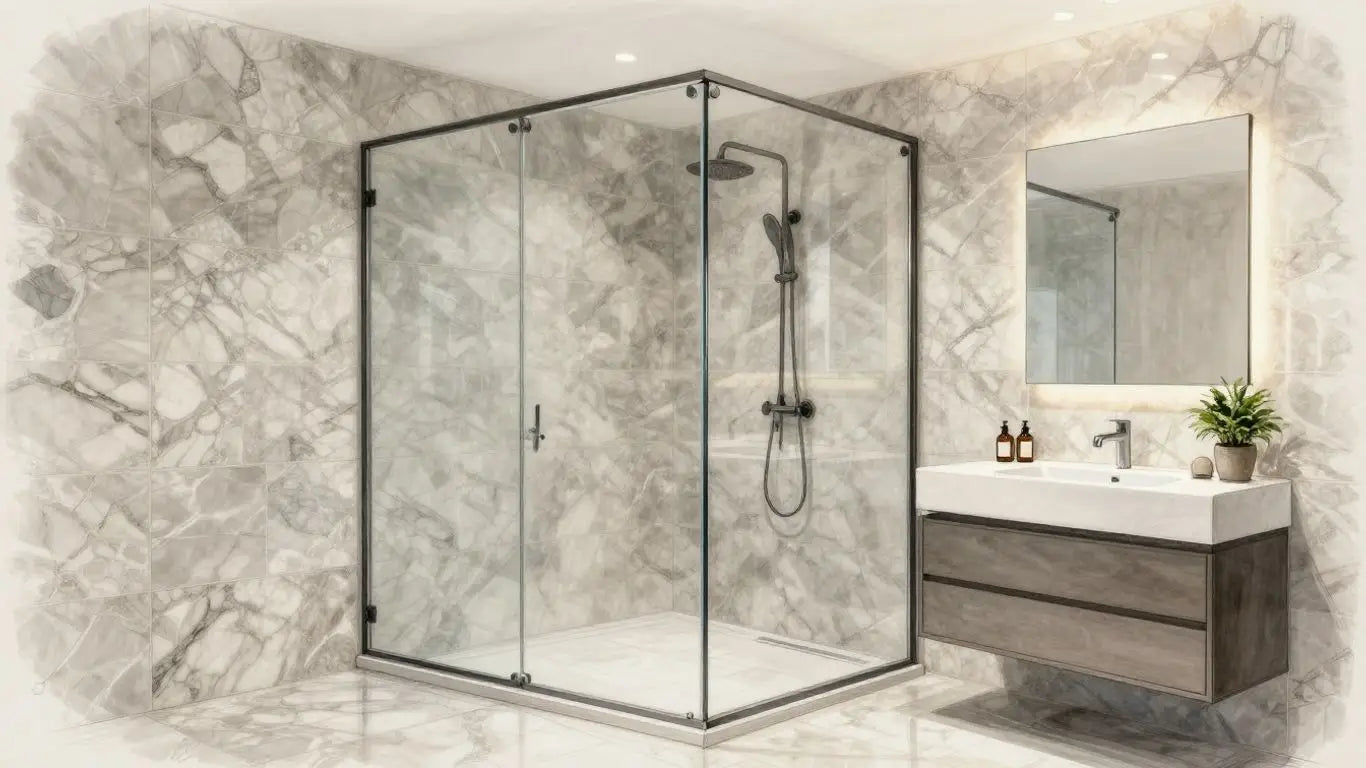
Getting your quartz tiles installed correctly is a big deal. It's not just about making it look good right now; it's about making sure it lasts for years without problems. Think of it like building a house – the foundation and how you put it together really matter.
Preparing Substrates for Seamless Results
Before any tile goes down, the surface underneath needs to be just right. This means the subfloor or wall needs to be clean, dry, and totally flat. Any bumps or dips can cause tiles to crack later on, or worse, lead to water getting where it shouldn't. For wet areas like showers, a proper waterproofing membrane is a must. It's like a raincoat for your walls and floor, stopping moisture from seeping into the structure.
Best Practices for Tile Cutting and Placement
Cutting quartz tiles requires the right tools, usually a wet saw with a diamond blade, to get clean edges. Measure twice, cut once, as they say. When placing the tiles, start from the center of the room or the most visible wall and work your way out. This way, any cuts you have to make at the edges will be less noticeable. Use tile spacers to keep the gaps between tiles consistent – this is where your grout will go later, and even spacing makes a huge difference in the final look.
Ensuring Waterproofing and Proper Drainage
This is especially important for shower floors and walls. A good waterproofing system prevents water damage, mold, and mildew. This usually involves applying a liquid membrane or sheet membrane over the substrate before tiling. For shower floors, a slight slope towards the drain is critical. Without it, water will pool, leading to all sorts of issues. Proper drainage is non-negotiable for a long-lasting bathroom.
Grouting Without Gaps or Discoloration
Once the tiles are set and the adhesive is dry, it's time for grout. Choose a grout that's suitable for wet areas and resistant to stains. Mix it according to the manufacturer's instructions – too much water can weaken it. Apply the grout generously, making sure to fill all the gaps between the tiles. Use a grout float to press it in firmly. After it starts to set, clean off the excess grout with a damp sponge, rinsing the sponge frequently. Be careful not to pull the grout out of the joints. Different grout colors can dramatically change the look of your tile, so pick wisely.
Applying Sealants (If Necessary)
While quartz tiles themselves are non-porous and don't need sealing, the grout lines do. Grout can absorb moisture and stains over time. Applying a quality grout sealer will protect it and make cleaning much easier. Follow the sealer's instructions for application and drying times. This step adds an extra layer of defense against common bathroom issues.
Coordinating With Plumbers and Electricians
If your renovation involves moving plumbing fixtures or electrical outlets, good communication is key. Make sure the tile installation schedule aligns with when these professionals need access. For example, fixtures like faucets and showerheads need to be installed after tiling, but the rough plumbing needs to be in place beforehand. Coordinating these steps prevents delays and ensures everything fits perfectly.
Conducting Quality Checks After Completion
Before you call the job done, do a thorough walk-through. Check for any loose tiles, uneven grout lines, or chips. Make sure all fixtures are working correctly and there are no leaks. A professional installer will often have a checklist to go through, confirming every detail meets the standard. This final inspection guarantees you're happy with the result and that the installation is sound.
Maximizing Value With a Quartz Tile Bathroom Investment
Thinking about a bathroom remodel? If you're considering quartz tiles, you're not just choosing a beautiful material; you're making a smart investment. A well-designed quartz tile bathroom can significantly boost your home's appeal and market value. It's about creating a space that's both luxurious and practical, something buyers really look for.
Enhancing Resale Appeal and Market Value
When it comes to selling your home, first impressions matter. A modern, stylish bathroom with high-quality finishes like quartz tiles can make a big difference. Buyers often see a renovated bathroom as a sign of a well-maintained home. This can translate directly into a higher asking price and a quicker sale. It's a tangible upgrade that speaks volumes about the care you've put into your property. For U.S. projects, a premium bathroom is always a draw.
Selecting Timeless Versus Trendy Features
While it's tempting to go with the latest fads, sticking to timeless designs will pay off in the long run. Think classic color palettes and clean lines. These elements have a broader appeal and are less likely to feel dated in a few years. A neutral base with carefully chosen accent pieces allows for personalization without sacrificing long-term value. This approach ensures your bathroom remains attractive to potential buyers for years to come.
Calculating Return on Renovation Costs
It's smart to have a budget, of course, but also consider the return on your investment. While quartz tiles might have a higher upfront cost than some alternatives, their durability and aesthetic appeal often justify the expense. Studies show that bathroom renovations, especially those using quality materials, tend to have a strong return on investment. It's about balancing cost with the lasting benefits and increased home value.
Highlighting the Eco-Friendly Benefits
Many homeowners today are looking for sustainable options. Quartz is an engineered stone, often made with natural quartz crystals and resins. This manufacturing process can be more controlled and potentially less impactful than traditional quarrying for some natural stones. Furthermore, the longevity of quartz tiles means less frequent replacement, reducing waste over time. Mentioning these aspects can appeal to environmentally conscious buyers.
Emphasizing Low Maintenance as a Selling Point
One of the biggest draws of quartz tiles is how easy they are to care for. Their non-porous surface means they resist stains and are simple to clean. This is a huge plus for busy families or anyone who doesn't want to spend a lot of time scrubbing. Highlighting the low maintenance aspect can be a significant selling point, as it promises a hassle-free living experience.
Tapping Into Demand for Premium Spaces
There's a consistent demand for homes with updated, high-end features. Bathrooms, in particular, are spaces where buyers are willing to pay a premium. A quartz tile bathroom signals quality and luxury, meeting the expectations of today's discerning homebuyers. It positions your home as a desirable property in the competitive U.S. real estate market.
Effectively Marketing Your Upgraded Home
When it's time to sell, make sure to showcase your beautiful quartz tile bathroom. High-quality photos in your listing will draw attention. During showings, point out the durability, ease of maintenance, and timeless style. This attention to detail can help potential buyers envision themselves living in and enjoying the space, ultimately contributing to a successful sale.
Showcasing Creative Patterns for Quartz Tile Bathrooms
When it comes to designing a bathroom that truly stands out, the patterns you choose for your quartz tiles can make all the difference. Forget boring, straight lines; there's a whole world of design possibilities waiting to be explored. Getting creative with tile patterns can transform a standard bathroom into a personalized sanctuary. It's about more than just covering the floor or walls; it's about adding visual interest and a unique flair that reflects your personal style.
Installing Herringbone and Chevron Layouts
Herringbone and chevron patterns are timeless classics for a reason. They add a dynamic, almost architectural feel to any space. Herringbone, with its zigzag effect, creates a sense of movement and depth, making it perfect for drawing the eye. Chevron, on the other hand, offers a more linear, arrow-like appearance that can make a room feel longer or wider, depending on its orientation. These patterns work exceptionally well on shower floors or as accent walls, bringing a sophisticated touch to your U.S. projects.
Combining Vertical and Horizontal Lines
Don't be afraid to mix things up! Using vertical lines can make your ceilings appear higher, while horizontal lines can widen a narrow space. Consider using a combination of both in different areas of your bathroom. For instance, you might run tiles horizontally on the main walls and vertically in a shower niche or behind the vanity. This play of lines adds subtle complexity without overwhelming the space.
Mixing Large and Small Tile Formats
Another way to add visual texture is by combining different tile sizes. Imagine large-format tiles on the floor for a clean, expansive look, paired with smaller mosaic tiles in a shower or as a backsplash. This contrast in scale can create focal points and add layers of interest. It’s a great way to break up monotony and introduce a more curated feel to your bathroom design.
Blending Border and Feature Tiles
Borders and feature tiles are excellent for defining spaces or adding a decorative element. You could use a contrasting tile to create a border around the main field of tiles, or install a striking feature tile in a specific area, like around a freestanding tub or as a backdrop for your vanity. This technique helps to ground the design and add a polished finish.
Experimenting With Accent Walls
Accent walls are a fantastic way to make a statement without committing to a pattern throughout the entire room. A wall clad in a bold patterned quartz tile can become the focal point of your bathroom. This is particularly effective in smaller bathrooms where a full pattern might feel too busy. Consider the wall behind your vanity or the back wall of your shower for maximum impact.
Curating Mosaic Inspirations
Mosaics offer incredible versatility. Whether you're using small, intricate patterns or larger, more abstract designs, mosaics can add a touch of luxury and artistry. They are perfect for shower floors, creating a unique texture underfoot, or for detailed backsplashes. The sheer variety of mosaic designs means you can find something to match almost any aesthetic, from classic hotel styles to modern minimalist looks.
Layering Multiple Patterns Tastefully
For the truly adventurous designer, layering multiple patterns can create a rich, complex look. This requires a careful hand to ensure the patterns complement rather than clash. You might use a subtle pattern on the floor and a more dominant pattern on a wall, or use different patterns within the same area but with a unifying color palette. The key is balance and thoughtful selection of new tile products to avoid visual chaos.
Understanding the Direct Importer Advantage in Quartz Tile Bathrooms
When you're looking to create a truly special bathroom with quartz tiles, thinking about where those tiles come from can make a big difference. Going direct to the importer cuts out a lot of middlemen. This means you're more likely to get better prices and have a clearer line of communication about the product. It's like cutting out the extra steps in a recipe – you get a more direct, often better, result.
Ensuring Consistent Quality Every Shipment
One of the biggest headaches in any renovation is getting tiles that don't quite match. When you work with a direct importer, they're usually the ones selecting the stone from the quarry. This hands-on approach means they're focused on picking out only the best. We're talking about handpicked A+ top-quality materials, not just whatever's available. They don't deal in commercial-grade stuff; it's all premium. This focus on quality control at the source helps make sure that what you get in one shipment is pretty much the same as what you got in the last one. It makes planning and installation much smoother.
Accessing Unique Stones From Global Quarries
Direct importers often have relationships with quarries all over the world. This isn't just about getting standard options. It means they can bring in unique colors, patterns, and types of stone that you might not find through a regular distributor. If you're after something really distinctive for your bathroom, working with someone who sources globally opens up a lot more possibilities. You might find that perfect shade or texture that really makes your design stand out.
Achieving Better Pricing on Premium Products
Cutting out the layers of distributors and wholesalers usually means lower costs for you. When an importer buys directly from the quarry, they can often get better rates. They then pass some of those savings on to their customers. So, you can end up getting those high-quality, premium quartz tiles for a more reasonable price than if you bought them through multiple retail channels. It's a win-win: you get luxury materials without the inflated price tag.
Streamlining the Supply Chain for Faster Delivery
When you're on a renovation schedule, waiting around for materials can be a real drag. Direct importers often have more streamlined operations. They manage the shipping and logistics themselves, which can lead to quicker processing and delivery times. Some even offer fast, reliable, and often same-day shipping for in-stock items. This means your project can keep moving forward without unnecessary delays.
Receiving Tailored Product Recommendations
Because direct importers are so close to the product, they often have a deeper knowledge of their inventory. They can offer more specific advice and recommendations based on your project needs. If you're unsure about which tile would work best for a particular bathroom style or function, they can guide you based on their direct experience with the materials. It's like getting advice from the source.
Building Lasting Relationships With Suppliers
Working directly with an importer can also mean building a relationship over time. This can be beneficial for future projects or if you need specific materials down the line. They get to know your preferences and your business, which can lead to even better service and potentially special access to new or limited-run materials. It's more personal than just a transactional purchase.
Experience With Nationwide Shipping Services
Many direct importers have developed robust systems for shipping their premium stone products across the country. They understand the challenges of transporting delicate materials and have processes in place to ensure safe arrival. This means even if you're not located near their main warehouse, you can still access their high-quality selection with confidence. Their experience in nationwide shipping means luxury stone is accessible for U.S. projects of all sizes.
Pairing Quartz Tile Bathrooms With Luxury Hardware Selections
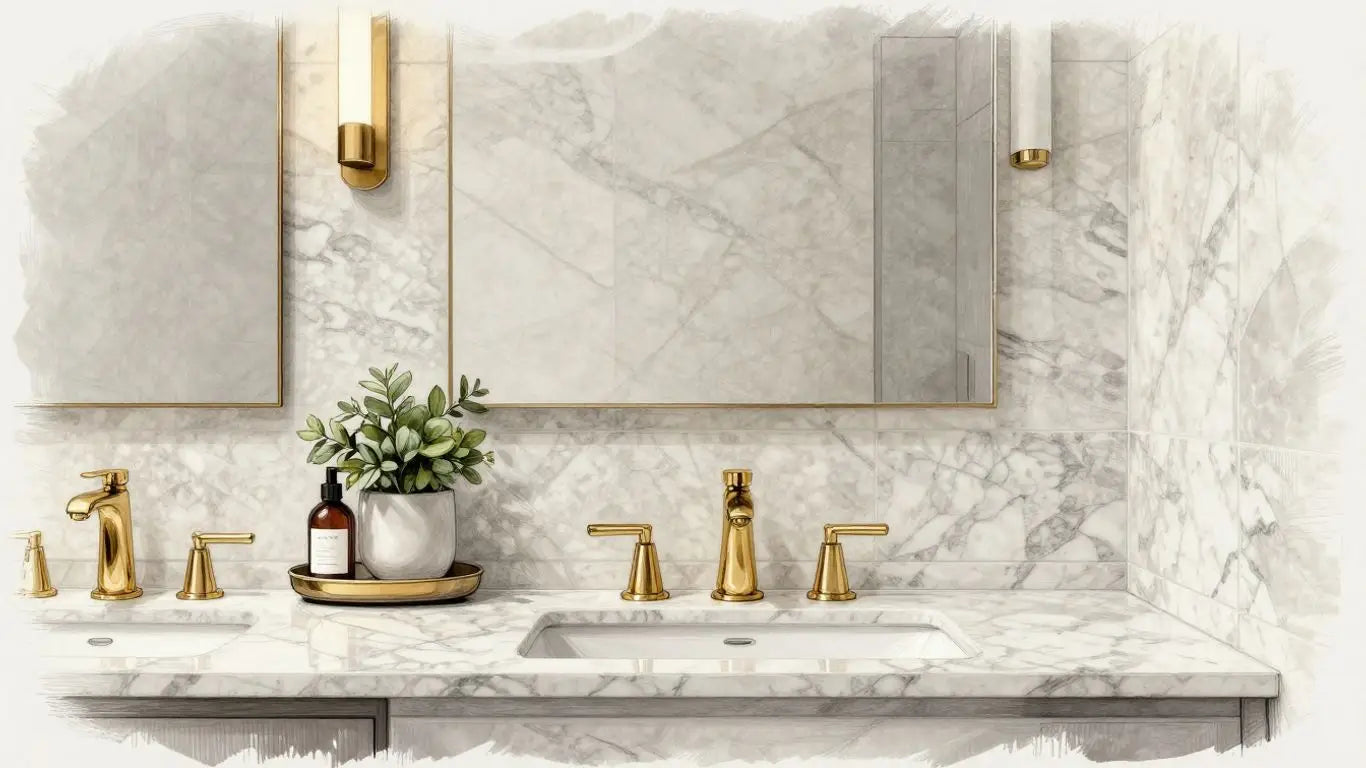
When you’re designing a bathroom with quartz tile, selecting the right hardware is just as important as choosing the tile itself. The right finishes and styles set the tone, turning a regular bath into a truly high-end, stylish space. Whether your project is in a city condo, a suburban home, or a remote retreat—shipping nationwide makes luxury possible anywhere in the U.S.
Selecting Handles and Pulls That Shine
Drawer handles and cabinet pulls are like jewelry for your bath. Look for quality finishes like polished nickel, matte black, or brass that feel good in your hand. If you’re inspired by a wider variety of looks, the Q Premium Natural Quartz collection features designs that coordinate beautifully with unique hardware styles.
Looking for hardware inspiration? Consider these ideas:
- Choose classic shapes for timeless appeal
- Try elongated bars for a modern edge
- Mix and match metallics for a bit of drama
Matching Metal Finishes to Stone Undertones
Matching the hardware’s metal finish with your quartz tile’s undertones is a subtle detail that makes a big impact. If your tile has cool grays, brushed chrome works well. Warmer stones pair nicely with gold or bronze tones.
The right pairing creates a sense of flow and sophistication in the bathroom—tying everything together from the tile up to the taps.
Coordinating Towel Bars and Robe Hooks
Don’t let towel bars and hooks be an afterthought—they should blend seamlessly with the other hardware. For a truly coordinated look, keep all metal finishes consistent throughout the space or select complementary hues that reflect your overall theme.
Upgrading to Designer-Grade Faucets
Faucets can really set the mood in a quartz tile bathroom. Choose statement pieces that feel sculptural or understated, depending on your style. If you've got hard water or want something that truly shines, check out a curated selection of luxury bathroom faucets perfect for both looks and everyday wear.
Blending in Shower Niches With Hardware
If your bathroom has built-in niches for shampoos or soaps, coordinate the niche trim or shelving with your main hardware. Small but noticeable details like these show attention to every part of the design.
Showcasing Built-In Storage Solutions
Quartz tile bathrooms often have custom vanities or built-in shelving. Opt for sleek, minimal hardware on these to keep your look streamlined. Functional doesn’t have to mean boring—there are plenty of designer-grade options out there that are sturdy and attractive.
Finishing With Signature Drain Covers
Wrap up your hardware choices by picking a drain cover that matches the rest. Choose a finish that pulls in the tones of the rest of your fixtures for a cohesive, finished appearance.
A coordinated hardware package transforms your quartz tile bathroom into a space that feels polished and done. Choose wisely to add value and enjoyment for years to come.
Sourcing Ethical and Sustainable Quartz Tile for Bathrooms
Sustainability isn't just a trend—it's reshaping how we design our homes, especially bathrooms. Responsible sourcing of quartz tile can lessen environmental impact while delivering a beautiful, healthy space. Here’s how to make the right choices when planning your next bathroom project, whether you’re a homeowner in Boston or an interior designer overseeing nationwide shipping for U.S. projects.
Verifying Supplier Certifications and Standards
Start by checking if your supplier holds valid environmental certifications. Third-party certifications demonstrate a real commitment to sustainable practices. Look for:
- ISO 14001 Environmental Management
- GREENGUARD Gold Certification
- Ethical sourcing or Fair Trade documentation
A certified supplier is more likely to follow ethical practices from quarry to your home.
Understanding Eco-Friendly Mining Practices
Eco-friendly mining means limiting water waste, minimizing emissions, and conserving energy throughout the extraction process. Ask your supplier about their commitment to restoration and responsible land use. Some even invest in ecosystem recovery, leaving land better than they found it. Exploring the carbon footprint of sustainable tile options gives a good overview of what to look for in eco-friendly mines.
Choosing Responsibly Sourced Materials
Responsible sourcing involves tracking the material's journey from origin to installation. Transparency in the supply chain helps you avoid materials linked to unethical labor or environmental harm. Many U.S. projects now request this information as standard.
Reducing Construction Waste in Renovations
Renovation can result in significant waste, but small steps can make a difference:
- Opt for precise measurements—order only what you need.
- Reuse or recycle broken tile for mosaics or landscaping.
- Work with contractors who offer eco-conscious disposal services.
Prioritizing Durable, Long-Lasting Products
Quartz tile isn’t just stylish—it's built to last. Choosing durable products reduces the need for frequent refinishing or replacement, cutting down on waste and extra costs. If you haven’t yet, check how Quartz countertops offer an eco-friendly choice for busy bathrooms and kitchens.
Incorporating Recycled Materials Thoughtfully
Some suppliers offer quartz tiles with recycled glass or stone fragments. These blends maintain performance while supporting resource conservation. Always ask about the percentage of recycled content to get the best match for your sustainability goals.
| Material Type | Average Recycled Content (%) |
|---|---|
| Standard Quartz Tile | 0 |
| Eco Mix Quartz | 10-30 |
| Post-Consumer Blend | 20-50 |
Supporting Transparency in the Stone Industry
Support brands that are open about their sourcing, labor, and production. They’re more likely to work with partners who treat workers fair and protect the environment.
Choosing ethical and sustainable quartz tile is about more than the final look—it’s about contributing to a more responsible and livable world, one bathroom at a time.
Looking for premium quartz tile with a clean conscience? Connect with vendors who prioritize sustainability, ethical practices, and reliable nationwide shipping—so your project stands out in quality and values, wherever you are in the U.S.
Highlighting Unique Quartz Tile Bathroom Inspirations From Real Homes
Bringing fresh inspiration into your bathroom project ensures your space feels truly your own. Luckily, real homes across the U.S. have already paved the way with bold, clever, and enduring uses of quartz tile. Each design offers cues you can personalize, whether you're renovating or building from scratch. Let’s see what makes these styles stand out—and how you can adapt them for your next project with nationwide shipping options in mind.
Translating Classic Hotel Styles
Luxury hotels are known for clean lines, timeless color schemes, and spa-worthy detail. Homeowners have brought this vibe home by installing large-format quartz tiles combined with polished chrome fixtures and symmetrical vanities. Choosing oversized tiles reduces grout lines, creating a relaxed, seamless look that feels sophisticated but not fussy.
- Neutral, light-toned tiles for an airy mood
- Pairing with high-shine hardware for a professional finish
- Sectioned lighting that mimics hotel powder rooms
Looking for an upscale, stress-free atmosphere? Replicating hotel-like layouts in residential bathrooms keeps things inviting and easy to clean.
Eliciting Urban Loft Vibes
Industrial-inspired bathrooms aren't just for converted city apartments. Many designers are blending quartz tiles with exposed brick, matte black fixtures, and minimalistic storage. The trick is in balancing the hard surface of the tile with warm features. Try integrating a reclaimed wood vanity or an open-shelf unit.
- Stick to neutral or grayscale quartz tile
- Add rough edges: concrete accents or metal shelves
- Use frameless mirrors and subtle accent lighting
Mirroring Warm Coastal Retreats
Homes near the ocean often pair calming tile styles with textures and light, sandy colors. To capture this look—inspired by real-life renovations—use white or pale-beige quartz with light wood elements. Glass shower doors and brushed nickel tapware dial up the open, beachy mood.
- Pale, non-glossy tile to echo weathered driftwood
- Rattan or woven baskets for storage
- Airy pendant lighting and seashell-inspired details
Channeling Sophisticated Minimalism
Minimalist bathrooms are gaining ground everywhere, with real homeowners preferring less clutter and more breathing space. In these spaces, quartz tiles extend from floor to walls with little trim or interruption. Fixtures are clean-lined—think floating vanities and inset shelving.
- Uniform color across tiles for a unified effect
- Subtle texture, like gentle veining, for interest
- Hidden hardware and wall-mounted faucets
Evoking Rustic Farmhouse Charm
Don’t let the word "rustic" fool you—modern farmhouse bathrooms use quartz tile for a practical upgrade with a homey touch. Soft earth tones and subtle patterning support a relaxed look, while vintage-style fixtures bring nostalgia.
- Simple, rectangular tile in soft hues
- Open shelving in natural wood, maybe with baskets
- Statement mirrors with thick wooden frames
If you need more farmhouse inspiration, you might enjoy these traditional bathroom ideas, featuring color palettes and unique organizing tricks.
Showcasing Opulent Old-World Elegance
Drawing from classic European manors, some bathrooms shine with bold tile patterns, dramatic veining, and gold or bronze fixtures. This style involves a bit more planning but pays off with that wow factor.
- Jewel-toned or marble-look quartz tiles
- Ornate mirrors and classic-style light fixtures
- Decorative borders along floors or in shower walls
Blending Global Influences Creatively
Homeowners with travel-inspired tastes combine tiles from various styles—Moroccan patterns, Italian marble-look, or Japanese-inspired simplicity. Simply pick one motif for the main tile and support it with subtle, coordinating textures elsewhere.
- Feature walls with unique inlays or border tiles
- Mixed finishes: matte and gloss in one room
- Accent pieces collected during travels or from artisan sources
No matter your vision, real home projects show that unique combinations and personal details bring lasting joy to a bathroom. When planning your U.S. project, remember that handpicked, top-quality natural stone tile can be delivered nationwide, making it simpler than ever to turn your dream into reality.
Looking for bathroom ideas? Quartz tiles can make your bathroom look amazing, just like in these real homes. See how these unique designs can inspire your own space. Ready to find the perfect tiles for your dream bathroom? Visit our website today to explore a wide selection of beautiful options!
Wrapping Up: Your Bathroom, Reimagined
So, there you have it. Giving your bathroom a fresh look with natural stone tiles isn’t just about style—it’s about making a space that feels good every day. Whether you’re planning a full remodel or just swapping out a few details, picking the right materials can make all the difference. At American Stone Center, we’re all about helping you find handpicked, top-quality stone that fits your vision. We know how important it is to get things right, from the first idea to the final tile. If you’re ready to start, or even if you just have a few questions, our team is here to help. Your dream bathroom is closer than you think—sometimes, it just takes the right stone to bring it to life.
Frequently Asked Questions
What makes American Stone Center different from other tile suppliers?
We only offer handpicked, A+ top-quality natural stone. We don’t sell commercial grade materials—just premium products. As a direct importer, we bring stone straight from quarries to your home, ensuring great value and consistency.
How quickly will my order ship?
Most orders are shipped the same day you place them. We work hard to make sure your tiles arrive fast and safely, with every shipment fully insured.
Can I see a sample before I buy?
Yes! You can request a sample to check the color and texture before making your final choice. Just ask our team or order directly from our website.
Are natural stone tiles easy to keep clean?
Yes, our natural stone tiles are simple to maintain. A gentle cleaner and soft cloth are all you need for daily care. Avoid harsh chemicals to keep your tiles looking new.
What if my tiles are damaged during shipping?
If your order arrives with any damage, don’t worry. All shipments are fully insured, so you’re covered. Just contact us and we’ll help right away.
Do you help with choosing the best tile for my bathroom?
Absolutely! Our experts are always ready to guide you in picking the right stone, size, and finish for your project. We want you to feel confident in your decision.
Is natural stone safe for people with allergies?
Yes, natural stone is a great choice for allergy-friendly spaces. It doesn’t trap dust or allergens and is easy to keep clean.
How do I know your tiles are high quality?
Every tile we offer is handpicked and carefully checked for quality. We only sell top-grade stone, so you can trust that your bathroom will look beautiful and last a long time.
Can I use these tiles in a small bathroom?
Yes, natural stone tiles work well in bathrooms of all sizes. Our team can help you choose the right size and layout to make your space feel bigger and brighter.
How do I keep grout lines clean?
Cleaning grout is easy with a mild cleaner and a soft brush. Regular care prevents buildup and keeps your bathroom fresh.
Do you offer help after my tiles are installed?
Yes, we’re here for you even after your project is done. If you have questions about care or need more advice, just reach out to our team.
Where do your stones come from?
We import our natural stones directly from trusted quarries around the world. This way, you get unique, authentic tiles with every order.