






Blue grey subway tile is a smart choice for adding style and calm to your home. Here’s what to remember when planning your next project.
Key Takeaways
- Blue grey subway tile suits both modern and classic styles.
- It pairs nicely with wood, marble, and metal finishes.
- Different shades and finishes let you match any color scheme.
- Tile layout, like herringbone or vertical stack, changes the room’s look.
- Grout color can make the tiles stand out or blend in.
- Works well in kitchens, bathrooms, and even outdoors.
- Blue grey tiles are easy to clean and low-maintenance.
- Budget options and DIY installs make this style accessible to everyone.
Embracing Sophistication with Blue Grey Subway Tile
There's something about blue grey subway tile that just feels right in a modern space. This shade combines the cool calmness of blue with the versatile subtlety of gray, creating an understated yet refined look. It's a color that's not too cold and not too bold—just the sweet spot for those chasing a "quiet luxury" vibe that doesn't try too hard. You’ll notice designers love it for open kitchens, sleek bathrooms, or even accent walls, where you want to make a statement without overwhelming the room. Blue grey tiles adapt beautifully, playing off both natural and artificial light for a crisp, tailored finish.
Blue grey subway tiles play well with a mix of natural surfaces. If you’ve got wooden shelving or floors, stone countertops, or even a hint of brass, these tiles tie everything together without clashing. Tile in this shade looks especially fresh next to light oak, marble, or even a bit of exposed brick. Whether you’re going for farmhouse, coastal, or urban loft, the pairings are adaptable and timeless.
Some popular combinations:
- Blue grey tile + warm oak cabinetry
- Blue grey tile + marble countertop
- Blue grey tile + brushed nickel or black hardware
The power of color shouldn't be underestimated. A blue grey palette naturally sets a calm, collected mood. It’s cool enough to feel soothing, but because it’s not "pure gray," it avoids being dull or sterile. People often report that spaces with blue grey subway tile just feel more relaxed and sophisticated. Whether you’re unwinding after work or prepping for a dinner party, this color can shift the atmosphere in subtle but meaningful ways.
A wall or backsplash wrapped in blue grey subway tile transforms the room, bringing a soft energy that helps everyone feel at ease, morning to night.
Where does blue grey subway tile really shine? Well, pretty much anywhere, but especially:
- Kitchens needing a crisp, clean update
- Bathroom showers or tub surrounds for a spa-like feel
- Laundry rooms for a touch of style where it’s least expected
- Entryways or mudrooms that want some color without shouting
These tiles are popular in both high-traffic and statement spots, making them great for remodels or new builds nationwide.
Blue grey subway tiles aren’t just for ultra-modern renos—they straddle old and new smoothly. You can tuck them into a classic shaker kitchen, and they feel right at home with crown molding or traditional marble. On the other hand, put them with flat-front cabinets and stainless appliances, and suddenly everything is crisp and current. Blue tile is, quite literally, a bridge between design decades.
For more on mixing classic and modern, check out this overview of blue tile for every décor.
It’s not about being flashy—subtle luxury is all about the details. Blue grey subway tile brings a soft, tactile finish, especially if you go for matte or hand-pressed textures. It elevates ordinary routines—like making coffee or stepping out of the shower—with an understated sense of style. You won’t always notice it consciously, but the vibe will be there. It’s the backdrop that makes life feel a bit more thoughtful, every day.
Some standout design ideas for blue grey subway tile:
- Classic brick layout backsplash for a touch of tradition
- Vertical stack in a powder room for height and modernity
- Herringbone accent stripe in a shower niche
- Floor-to-ceiling installation around a fireplace or entry wall
| Layout Style | Recommended Area | Mood Created |
|---|---|---|
| Brick Offset | Kitchen Backsplash | Timeless |
| Vertical Stack | Bathroom Walls | Modern |
| Herringbone Strip | Shower Accent | Playful |
| Full Wall Coverage | Entryway/Fireplace | Dramatic |
No matter the application, blue grey subway tile supplies a look that’s both custom-feeling and approachable. Want that sweet spot between memorable and practical? This is it.
Selecting the Perfect Shade of Blue Grey Subway Tile
Choosing the right blue-grey subway tile can really make or break your design. It’s not just about picking a color; it’s about understanding how different shades and finishes will play in your space. Think of it like picking the perfect outfit – the right shade can make you look sophisticated, while the wrong one might just fall flat. We’ve got a whole range of options, from deep, moody blues to lighter, almost silvery greys, and each one brings a different vibe to the room.
Navigating the Blue-Grey Spectrum
The world of blue-grey isn't just one flat color. It’s a whole spectrum, and understanding it is key. You've got tones that lean more towards blue, giving a cool, calming feel, and others that are decidedly more grey, offering a neutral yet sophisticated base. Then there are those that perfectly balance both, creating a complex, chameleon-like shade that shifts with the light. For instance, a tile like the Montauk Fog Subway Tile offers a satin finish with a pearlescent allure, leaning towards a softer, almost misty blue-grey. On the other hand, a tile with a deeper, more saturated tone might bring a bolder statement, like the Ellie 2.5x8 Matte Ceramic Tile in Denim, which provides a rich, muted blue that works well in many settings.
Popular Glaze and Finish Options
Beyond the color itself, the finish of your blue-grey subway tile makes a big difference. Glossy finishes reflect light, making spaces feel brighter and larger. They’re also generally easier to wipe clean, which is a plus for busy kitchens or bathrooms. Matte finishes, however, offer a more subdued, sophisticated look. They absorb light rather than reflecting it, giving a softer, more textured appearance. Think about the Montauk Fog Subway Tile again; its satin finish is a great example of a subtle sheen that isn't overly glossy. You can even mix finishes, like using a band of glossy tile against a matte wall for a bit of visual interest.
Matching Tile Tones to Your Interior Palette
When you’re picking out your blue-grey tiles, always consider what else is in the room. Are your cabinets a warm wood tone, or are they sleek white? Is your countertop a busy natural stone, or a solid color? A lighter blue-grey might pair beautifully with dark wood cabinets, offering a nice contrast. A deeper, more charcoal-like blue-grey could look stunning against crisp white cabinetry. It’s all about creating harmony. If you’re unsure, a neutral blue-grey is often a safe bet because it tends to work with a lot of different colors and materials. For example, Carrara White tile is often paired with grey accents to create a classic look.
Comparing Blue Grey Variations Across Brands
It’s worth noting that the same shade name can look quite different from one brand to another. What one company calls 'Slate Blue' might be a touch lighter or greener than another's 'Slate Blue'. It’s a good idea to get samples from a few different manufacturers you’re considering. Lay them out in the room where you plan to use them, and see how they look at different times of day. This is especially important for blue-grey, as it can really change its appearance with the lighting.
How Lighting Affects Perceived Color
Speaking of lighting, it’s a huge factor. Natural daylight will show the true color of the tile, but artificial light can cast different tones. Warm incandescent bulbs might make a blue-grey tile look a bit warmer, while cool LED lights can make it appear more blue or even slightly grey. If your space gets a lot of natural light, you might be able to get away with a deeper shade. If it’s a bit darker, a lighter, more reflective blue-grey might be a better choice to keep things from feeling too dim.
Creating Depth with Mixed Blue Grey Tiles
Don't be afraid to play with variations within the blue-grey family. You could use a few different shades in the same installation, perhaps in a pattern, or even just mix them randomly. This can add a lot of visual interest and depth to your walls or floors. Imagine a backsplash where some tiles are a soft dove grey and others are a slightly deeper, more blue-toned grey. It creates a subtle, sophisticated texture that’s more engaging than a single, flat color. This approach can really make a space feel custom and unique.
Coordinating Tile Shade with Grout Color
Finally, think about your grout. The grout color you choose will either blend in with your blue-grey tiles or make them pop. A white or light grey grout will create a more subtle, cohesive look, letting the tile itself be the star. A darker grout, like charcoal or even black, will outline each tile, creating a more graphic, high-contrast effect. For a truly seamless look, matching the grout color as closely as possible to the tile is often the way to go. Conversely, using a contrasting grout can really highlight the pattern you’ve chosen, whether it’s a classic brick lay or something more intricate. Exploring subway tile colors can give you more ideas on how grout impacts the final look.
Modern Patterns and Layouts for Blue Grey Subway Tile
Transforming a room with blue grey subway tile comes down to how you arrange each piece. These modern layout patterns shape the whole look and feel of a space, whether you’re updating a kitchen backsplash or making a statement in a bathroom. Below, we’ll go in depth into each pattern, giving designers, architects, and homeowners creative ideas for U.S. projects—plus options for nationwide shipping.
Classic Horizontal Brick Patterns
The traditional running bond, or offset, is truly a staple among subway tile layouts. Tiles are staggered by half their length, resulting in a timeless appearance that feels familiar yet refined. This pattern is especially useful for disguising wall imperfections and brings a balanced rhythm to backdrops, walls, or even floors.
- Steady, familiar visual lines
- Great for tiling large areas
- Works well in both historical and contemporary homes
Vertical Stack for Contemporary Flair
Stacking tiles vertically is simple, but it completely changes the mood. Blue grey tones emphasize height and modern lines, making ceilings look taller—perfect for smaller spaces. If you’re after a minimalist, urban feel, this arrangement is a solid pick.
- Emphasizes vertical space
- Ideal for accent stripes
- Helps narrow rooms appear more spacious
Herringbone and Chevron for Movement
If you want a little drama, herringbone and chevron layouts deliver eye-catching movement. Each tile meets at an angle, creating a zigzag that draws the eye. Blue grey shades deepen this effect, making for a standout shower wall or kitchen feature—see more inspiration in the latest subway tile trends for 2025.
- Adds texture and energy
- Works well as a bold feature or backsplash
- Can break up monotonous surfaces
Grid Stacking for Clean Lines
Setting tiles in a perfect grid, sometimes called a stack bond, can feel fresh and structured. Every corner lines up, giving an orderly, less fussy look. With blue grey hues, this technique gives spaces a calm, precise finish.
- Best for modern, clean designs
- Lets colors and grout lines take center stage
- Easy to pair with minimal countertops or open shelving
Basket Weave Layouts in Feature Walls
Basket weave layouts weave rectangular tiles together, offering visual interest that’s never overwhelming. A blue grey basket weave looks tailored and soft at the same time—ideal for accent walls, nooks, or powder rooms.
- Layers patterns without overpowering
- Adds depth and dimension
- Looks great with subtle variations in tile shade
Mixing Patterns for Unique Statement
Don’t be afraid to get creative! Combine layouts—maybe grid at the bottom, herringbone as a border, or a mix of two blues—for a custom look. Planning mixed layouts is about balance:
- Choose 1–2 dominant patterns
- Use grout and color to add or tone down contrast
- Map out the design on paper before installing
Influence of Layout on Spatial Perception
How you set tile changes not only the vibe but the actual feel of a room. Horizontal lines create calm and width; vertical layouts make interiors feel taller. More complex patterns can energize an area, while simple grids calm things down.
| Pattern | Best For | Effect on Space |
|---|---|---|
| Horizontal | Wide walls, tradition | Calm, expands width |
| Vertical | Short ceilings | Adds height, modern look |
| Herringbone | Small features | Dynamic, breaks monotony |
| Grid | Sleek kitchens | Clean, uncluttered feel |
| Basket Weave | Accent walls | Rich, textured surfaces |
If you ever feel unsure about mixing tile patterns, remember that blue grey subway tile has a way of blending classic order with creativity—making even bold combinations feel deliberate instead of busy.
Choosing the right layout pattern is just as important as the color or finish. Each brings its own impact to light, mood, and the project’s overall character. Whatever you choose, blue grey subway tile offers flexibility that’s suited for both new builds and renovations across the U.S. Have your project shipped anywhere nationwide and let modern tile patterns transform your space. Ready to start planning? Reach out for a personalized quote and design consultation today.
Pairing Blue Grey Subway Tile with Countertops and Cabinetry
When you're working with blue grey subway tile, the choices you make for your countertops and cabinetry can really make or break the whole look. It's all about finding that balance, you know? You want things to feel cohesive, but also have enough contrast to keep it interesting.
Marble and Quartz Pairings
Marble and quartz are pretty popular choices, and for good reason. They bring a touch of class that works well with the sophisticated vibe of blue grey. Think about a classic white marble with subtle grey veining, like Carrara White marble. It's a safe bet that looks good almost everywhere. Or, if you want something a bit bolder, a quartz with a more dramatic pattern can really make the blue grey tile pop. The key is to let the tile be the star, while the countertop adds a complementary layer of texture and color.
Contrasting with Dark Wood Cabinets
Going with dark wood cabinets, like a deep walnut or espresso, against blue grey subway tile can create a really rich, grounded feel. It's a look that feels both modern and a little bit traditional. You just have to be careful that it doesn't feel too heavy. Maybe use a lighter shade of blue grey tile, or make sure there's enough light in the room. A dark wood cabinet can really make a blue backsplash stand out.
Blending with Sleek White Finishes
If you're aiming for a super clean, modern aesthetic, pairing blue grey subway tile with sleek white cabinets is a no-brainer. It's bright, airy, and always looks fresh. This combo is especially great for smaller kitchens or bathrooms where you want to maximize the sense of space. It’s a classic combination that just works.
Enhancing Metallic and Brushed Nickel Hardware
Don't forget the hardware! Little details like cabinet pulls and faucet finishes can tie everything together. Brushed nickel or matte black hardware often looks fantastic with blue grey subway tile. They add a subtle touch of shine or a grounding element without being too flashy. It’s these small touches that really pull a design together.
Accentuating Natural Stone Countertops
Natural stone countertops, beyond just marble, can bring a unique texture and depth. Consider a granite with flecks of grey and blue, or even a soapstone for a darker, moodier vibe. These materials have their own natural variations that can complement the subtle shifts in tone within the blue grey tile. It’s about layering those natural elements.
Harmonizing with Open Shelving Trends
Open shelving is still a big trend, and it gives you a chance to really show off your countertop and backsplash. If you're using blue grey subway tile on the backsplash, consider pairing it with wood or white open shelves. This allows the tile to be a prominent feature while keeping the overall look uncluttered. You can even use open shelving to display items that pick up on the blue grey tones.
Tips for Integrated Color Schemes
- Consider the undertones: Blue grey isn't just one color. Some have more blue, some more green, some more grey. Make sure your cabinet and countertop colors complement these undertones.
- Think about the finish: A glossy tile might pair well with a matte cabinet finish, and vice versa. Mixing finishes adds visual interest.
- Don't forget the grout: The grout color you choose will significantly impact how the tile and surrounding elements look together. A contrasting grout can highlight the tile pattern, while a matching grout creates a more blended look.
- Test samples: Always get samples of your tile, cabinet finish, and countertop material to see them together in your space and under your home's lighting before making a final decision.
Blue Grey Subway Tile for Backsplash Transformation
The backsplash is a prime spot to showcase your style, and blue grey subway tile offers a fantastic way to do just that. It’s a color that feels both grounded and sophisticated, making it a go-to for kitchens and bathrooms across the U.S. Whether you’re aiming for a calm, spa-like vibe or a more dramatic statement, this tile can really change the feel of your space.
Design Tips for Eye-Catching Backsplashes
Creating a backsplash that wows doesn't have to be complicated. It's all about the details and how you put them together. Think about the overall look you want for your kitchen or bathroom and how the backsplash can tie it all in.
- Consider the scale: For smaller kitchens, a classic 3x6 subway tile might feel just right. If you have a larger space or a more modern aesthetic, you might look at longer subway tiles, like 4x12 or even larger formats, to make a bigger impact.
- Play with pattern: While the standard horizontal brick pattern is always a winner, don't be afraid to explore other layouts. A vertical stack can make ceilings feel higher, and a herringbone pattern adds a touch of intricate design.
- Think about contrast: Blue grey is a versatile color, but how it pairs with your countertops and cabinetry is key. Darker cabinets might call for a lighter blue grey to keep things from feeling too heavy, while white cabinets can handle a deeper, moodier shade.
Choosing Grout for Highlighting Subway Patterns
The grout color you pick can totally change the look of your blue grey subway tile. It’s like the frame around a picture – it can either blend in or stand out.
- For a seamless look: Use a grout color that's very close to your tile shade. This makes the tile pattern almost melt into the wall, creating a smooth, continuous surface. It’s a great way to achieve that subtle luxury feel.
- For a bold statement: Opt for a contrasting grout color. White grout against dark blue grey tile, or a charcoal grout against a lighter blue grey, will really make each tile pop and emphasize the pattern you've chosen. This is a popular choice for kitchen backsplashes where you want a bit of visual interest.
- Consider the shade: Even within the blue grey family, there's a spectrum. A cool, almost blue-toned grey might look great with a slightly bluer grout, while a warmer, greyer blue might pair better with a more neutral grey grout.
Combining Blue Grey with Glass or Metallic Accents
Blue grey subway tile is a fantastic base, but adding other materials can really make your backsplash sing.
- Glass accents: Think about incorporating glass subway tiles in a similar blue grey shade, or even a contrasting color like a soft white or a metallic silver. This can add a bit of shimmer and depth.
- Metallic touches: A few rows of metallic tiles – perhaps in brushed nickel, polished chrome, or even a warm brass – can add a touch of glamour. This works especially well if your hardware or light fixtures have similar metallic finishes.
- Natural stone: Pairing blue grey subway tile with a countertop made of marble or quartz can create a sophisticated look. For instance, a Bardiglio marble countertop with its deep grey tones would be a stunning complement.
Backsplash Height and Installation Techniques
Where you stop your tile and how you install it matters. Extending the tile all the way to the ceiling can make a small kitchen feel much grander. For a clean finish, consider using a Schluter strip or a coordinating trim piece at the top edge. If you're going for a DIY approach, make sure you have the right tools and take your time. Proper spacing and leveling are key to a professional-looking result.
Creative Edge and Border Designs
Don't forget the edges! A simple pencil liner or a more decorative mosaic border can add a finished look. You can also use a different tile pattern, like a herringbone or a basket weave, for a small section to create a focal point. This is where you can really let your personality shine through.
Connecting Backsplash with Wall Color
Your backsplash doesn't exist in a vacuum. Think about how it relates to the paint color on your walls. A soft blue grey tile might look lovely with a crisp white wall, or a deeper blue grey could create a cozy feel against a warmer neutral.
Showcasing Appliances with Tile Placement
Consider how your backsplash interacts with your appliances. If you have a statement range hood, you might want to extend the tile behind it all the way up. For standard appliances, a backsplash that runs behind them can create a cohesive look.
The right backsplash can transform a functional space into a design statement. Blue grey subway tile offers a versatile and elegant foundation for countless styles, from modern farmhouse to sleek contemporary. It’s a choice that brings both beauty and practicality to your home, and with nationwide shipping, it’s accessible for projects all across the U.S.
Elevating Bathroom Retreats with Blue Grey Subway Tile
Blue grey subway tile can really transform a bathroom from just a functional space into a personal sanctuary. It’s a color that feels both calming and sophisticated, making it a top pick for anyone looking to create a spa-like atmosphere right at home. This shade offers a nice middle ground – not as stark as pure white, but not as heavy as dark grey or black. It’s versatile enough to work with many different styles, from modern minimalist to a more relaxed coastal vibe.
Spa-Inspired Shower Walls
Imagine stepping into a shower that feels like a high-end spa. Blue grey subway tiles are perfect for this. They create a serene backdrop that’s easy on the eyes. You can go for a clean, vertical stack layout for a modern look, or a classic brick pattern for something a bit more traditional. The subtle variations in blue grey tones can mimic natural stone, adding a touch of organic luxury. Using a slightly larger subway tile, like 4"x12", can also make the space feel more expansive and less busy. For a truly spa feel, consider pairing them with natural materials like wood accents or even a touch of marble. If you're looking for bathroom tile ideas, blue grey subway tile is a fantastic starting point.
Calm and Serene Vanity Backdrops
Behind the vanity, blue grey subway tiles offer a peaceful visual. They provide a clean, easy-to-wipe surface that also looks great. This color works well with various vanity finishes, whether you have a sleek white countertop, a warm wood vanity, or even a dramatic dark stone. The tile acts as a subtle frame for your sink and mirror, adding a layer of polish without being overwhelming. It’s a great way to add personality to a smaller space like a powder room.
Accent Stripes and Niche Insets
Don't feel like you have to tile the entire bathroom in blue grey. You can use it strategically. A simple accent stripe of blue grey subway tile running horizontally around the room can add a sophisticated detail. Or, use it to line shower niches, making them a focal point for displaying your favorite products. This approach allows you to incorporate the color without committing to a full wall, offering a more dynamic and custom look. It’s a smart way to break up larger expanses of plain tile or paint.
Mosaic Floor Pairings
While subway tile is often used on walls, it can also make a statement on the floor, especially in smaller areas like a shower floor or a powder room. However, for a full bathroom floor, pairing blue grey subway tiles on the walls with a complementary mosaic on the floor can be stunning. Think about a mosaic with subtle blue, grey, and white tones, or even a geometric pattern. This creates visual interest and texture underfoot. For example, a basket weave mosaic in a complementary shade can add a tactile element that contrasts nicely with the smooth subway tile walls. You can find more subway tile bathroom ideas that incorporate these kinds of pairings.
Layering with Slate or Marble Surfaces
Blue grey subway tile plays exceptionally well with other natural materials. Pairing it with slate tiles, perhaps on the floor or as a shower accent, can bring in a rustic, earthy feel. The texture of slate contrasts beautifully with the smooth finish of the subway tile. Similarly, marble, especially white marble like Carrara or a grey marble like Bardiglio Imperiale, can add a layer of pure luxury. Imagine blue grey subway tile walls meeting a marble vanity top or a marble mosaic shower floor. This combination creates a high-end look that feels both grounded and refined.
Waterproofing and Maintenance Tips
When using subway tile in a bathroom, especially in wet areas like showers, proper waterproofing is key. Ensure the substrate behind the tile is properly sealed. For maintenance, blue grey subway tile is generally quite forgiving. A simple wipe-down with a damp cloth and mild cleaner usually does the trick for daily upkeep. For grout lines, which can sometimes be a challenge, consider using a good quality grout sealer to prevent staining and make cleaning easier. Regular cleaning will keep your blue grey tiles looking fresh and new for years.
Luxury Details for Guest Bathrooms
Even a guest bathroom can feel like a luxurious retreat with the thoughtful use of blue grey subway tile. Consider using a slightly more textured or handmade-look subway tile for a touch of artisanal charm. Adding elegant fixtures, like brushed nickel or matte black faucets, can further define the style. Even small touches, like a well-placed niche with a marble shelf or a decorative border tile, can make a big difference in creating a high-end feel. It’s all about creating a space that feels intentional and inviting.
Incorporating Blue Grey Subway Tile in Kitchen Design
Blue grey subway tile brings a sophisticated and modern feel to the heart of your home – the kitchen. It’s a versatile choice that can adapt to many styles, from farmhouse charm to sleek contemporary looks. This color offers a nice middle ground, not as stark as pure white and not as intense as navy, making it a comfortable yet stylish option for a busy space like the kitchen.
Modern Farmhouse Inspirations
For a modern farmhouse kitchen, blue grey subway tile can replace the traditional white or cream. Imagine it as a backsplash behind your range, paired with warm wood cabinets and perhaps some open shelving displaying rustic pottery. The subtle blue undertones in the tile can pick up on other accents in the room, like hardware or even a vintage rug. It creates a look that feels both lived-in and current. This approach offers a fresh take on a beloved style, bringing a touch of calm to the kitchen's often bustling atmosphere. Consider using a tile with a slightly handmade look to really lean into that farmhouse vibe.
Island Accent Walls
Your kitchen island can become a real showstopper with blue grey subway tile. Instead of just painting it, clad the sides of the island in these tiles. This creates a focal point that draws the eye and adds a layer of texture and color. It works especially well if your island is a different color than your main cabinetry, providing a beautiful contrast. This is a fantastic way to add personality without overwhelming the entire kitchen. It’s a design choice that feels intentional and adds significant visual interest. You could even extend this tile up to the countertop level for a truly integrated look.
Open Concept Layouts
In open-concept homes, the kitchen often flows directly into living or dining areas. Using blue grey subway tile in the kitchen backsplash helps to visually define the kitchen space while still maintaining a cohesive feel with the rest of the home. Its neutral yet distinct color can act as a bridge between different design elements in adjacent rooms. For instance, if your living room has cool-toned decor, the blue grey tile will tie in nicely. It’s a way to make the kitchen feel like a deliberate part of the overall design, not just a separate functional zone. This tile can help create a sense of flow, making the entire space feel more unified and thoughtfully designed.
Seamless Integration with Flooring
When selecting flooring, think about how it will interact with your blue grey subway tile backsplash. A natural stone tile, like Atlantic Gray Marble, can offer a beautiful, subtle contrast that complements the blue grey tones. Alternatively, a wood-look tile can bring warmth and balance to the cooler tile color. The goal is to create a harmonious palette where the floor and backsplash work together. Consider the grout color too; a slightly darker grout can define the tile pattern, while a lighter grout can make the backsplash feel more expansive. This thoughtful pairing makes the whole kitchen feel more put-together.
Balancing Blue Grey with Warm Wood
One of the most successful pairings for blue grey subway tile is warm wood cabinetry. The natural warmth and texture of wood provide a perfect counterpoint to the cooler, more modern feel of the blue grey tile. Think about shaker-style cabinets in a medium oak or walnut finish. This combination creates a balanced aesthetic that feels both inviting and stylish. It’s a classic pairing that works in many kitchen styles, from transitional to modern farmhouse. The wood adds a layer of organic texture that prevents the kitchen from feeling too sterile, while the tile keeps it feeling fresh and updated.
Lighting to Enhance Subtle Tones
Proper lighting is key to making blue grey subway tile shine in your kitchen. Under-cabinet LED strips can highlight the tile's texture and color, especially in the evening. Pendant lights over an island or sink can provide task lighting while also drawing attention to the backsplash. Consider how natural light hits the tile throughout the day; some shades of blue grey can appear more blue in certain lights, while others might lean more grey. Playing with different light temperatures can subtly alter the perceived color of the tile, allowing you to fine-tune the kitchen's mood. Good lighting makes all the difference in how a tile color performs.
Functional and Beautiful Backsplashes
Ultimately, a kitchen backsplash needs to be both functional and beautiful. Blue grey subway tile excels at both. It’s durable, easy to clean (especially with a good grout sealer), and offers a timeless aesthetic that won't quickly go out of style. Whether you choose a glossy finish to reflect light or a matte finish for a softer look, this tile provides a practical yet stylish surface that protects your walls from splashes and stains. It’s a smart choice for any kitchen renovation or new build, offering a lasting impact. You can find navy blue subway tile options that offer a similar depth and style, providing even more choices for your design.
Creative Mixing: Combining Blue Grey Subway Tile with Other Materials
Blue grey subway tile is a fantastic choice on its own, but have you thought about what else you can pair it with? Mixing materials can really take your design from nice to absolutely stunning. It’s all about creating layers and textures that make a space feel more dynamic and interesting. Think about how different elements can play off each other – the cool tones of the tile against the warmth of wood, or the sleekness of metal. It really opens up a lot of possibilities.
Pairing with Patterned Cement Tiles
Combining blue grey subway tile with patterned cement tiles can create a really unique look. The subway tile offers a clean, modern base, while the cement tile brings in intricate designs and a touch of bohemian or vintage flair. This works especially well for backsplashes or accent walls where you want a focal point. You could use the blue grey subway tile on the main backsplash and then a patterned cement tile around a range hood or as a border. It’s a way to add personality without overwhelming the space. Just make sure the color palettes complement each other; look for cement tiles that have hints of blue, grey, or neutral tones that tie into your subway tile.
Harmonizing with Natural Stone Accents
Natural stone is a classic pairing for a reason. Think about using blue grey subway tile alongside marble or granite. For instance, a kitchen backsplash with blue grey subway tile could look amazing with marble countertops. The veining in the marble adds a layer of luxury and visual interest that contrasts beautifully with the uniform look of the subway tile. You could also use natural stone for flooring or as a feature wall in a bathroom. Materials like Atlantic Gray Marble, with its soft grey tones and subtle veining, can create a serene and sophisticated atmosphere when paired with blue grey tiles. It’s a combination that feels both grounded and elegant.
Industrial Touches with Exposed Brick
For a more industrial vibe, consider mixing blue grey subway tile with exposed brick. The raw, textured look of brick offers a fantastic contrast to the smooth, clean lines of subway tile. This pairing is perfect for loft-style apartments or spaces aiming for an urban feel. You could have a brick accent wall in a living area with a blue grey subway tile fireplace surround, or use the subway tile in the kitchen and let a brick wall be the star in an adjacent dining space. The warmth of the brick can balance the cooler tones of the blue grey tile, creating a really inviting yet edgy atmosphere.
Softening Spaces with Wood Features
Wood is a go-to material for adding warmth and softness to any design, and it pairs wonderfully with blue grey subway tile. Imagine blue grey subway tile in a bathroom with a warm wood vanity. The natural grain and color of the wood create a cozy contrast to the tile's cool, modern feel. In a kitchen, you could use blue grey subway tile for the backsplash and complement it with wooden open shelving or cabinetry. This combination brings a sense of balance, making the space feel both stylish and comfortable. It’s a great way to achieve that sought-after modern farmhouse or Scandinavian look.
Combining with White or Charcoal Tile
Sometimes, the best way to highlight your blue grey subway tile is by pairing it with other tile colors. Using white tile alongside blue grey can create a fresh, airy feel, especially in smaller spaces. A classic white subway tile border above a blue grey backsplash, for example, adds definition. Alternatively, pairing blue grey with charcoal or black tile can create a more dramatic and sophisticated look. Think of a checkerboard pattern using blue grey and black tiles for a bold floor, or a charcoal tile accent wall against a blue grey tiled shower. This approach allows you to play with color blocking and create visual depth.
Organic Texture Introductions
Beyond wood and stone, think about other organic textures. Materials like woven seagrass, rattan, or even textured plaster can add another layer of interest when used alongside blue grey subway tile. For example, a bathroom with blue grey subway tile walls could feature a rattan-lidded storage basket or a textured linen shower curtain. These elements bring a natural, tactile quality that softens the tile’s coolness and adds a touch of bohemian or coastal charm. It’s about creating a sensory experience in the space.
Contrasting Polished and Matte Finishes
Don't forget about finishes! Mixing polished and matte surfaces can add a surprising amount of depth and sophistication. If your blue grey subway tile has a glossy finish, consider pairing it with matte-finished wood, stone, or even other matte tiles. This contrast catches the light differently and creates visual interest. For example, a polished blue grey subway tile backsplash in a kitchen would look stunning against matte black cabinetry or a matte finish natural stone countertop. It’s a subtle detail that makes a big impact on the overall feel of the room.
Choosing the Right Grout Color for Blue Grey Subway Tile
So, you've picked out some gorgeous blue-grey subway tiles for your project. That's awesome! But hold on, there's one more big decision to make: the grout color. It might seem like a small detail, but trust me, it can totally change the look of your tile. It's like the frame for a picture – it either complements it or distracts from it.
Subtle Grout for Seamless Looks
If you're going for a really smooth, almost blended look where the tiles just melt into the wall, you'll want a grout that's pretty close in color to your blue-grey tiles. Think of it as creating a continuous surface. This works especially well if you have a lot of intricate patterns or if you want the tile itself to be the main star without any harsh lines breaking it up. It gives off a really calm, sophisticated vibe. It's a popular choice for modern bathrooms and kitchens where you want that clean, minimalist feel. This approach makes the tile pattern less busy and the overall space feel larger.
Bold Grout Accents to Outline Patterns
On the flip side, if you want those beautiful blue-grey tiles to really pop and have their pattern stand out, a contrasting grout color is the way to go. White or a very light grey grout against darker blue-grey tiles can create a really crisp, graphic look. It defines each tile, making the layout – whether it's a classic brick pattern or something more complex like herringbone – super clear. This is great if you want to add a bit of visual interest or a slightly more traditional feel. It's a classic look that never really goes out of style.
Coordinating Grout with Surrounding Elements
Don't forget about what's around your tile! Think about your cabinets, countertops, or even the wall color. If you have white cabinets, a white or light grey grout can tie things together nicely. If you have dark wood cabinets, a slightly darker grey grout might look more cohesive. Sometimes, picking a grout color that echoes a secondary color in a natural stone countertop can also create a really harmonious design. It’s all about making everything work together, you know?
Textured Grout for Added Dimension
This is a bit more of an advanced move, but some grouts come with added textures or aggregates. These can add a subtle tactile quality to your wall or floor. For blue-grey tiles, a grout with a bit of a sandy texture could bring out a more natural, earthy feel, while a smoother, more refined grout would lean into a sleek, modern aesthetic. It's a small detail, but it can add another layer of interest to your design.
How Lighting Affects Perceived Color
It's also worth remembering that the lighting in your space will change how the grout color looks. What might seem like a perfect match in the store's bright lights could look a little different in your home's natural light or under warmer artificial lighting. It's always a good idea to get a grout sample and test it out in the actual room where it will be installed. This is especially true when you're working with blue-grey tiles because grey tones can shift quite a bit depending on the light.
Grout Sealing and Upkeep
No matter what color you choose, sealing your grout is a good idea, especially in areas like kitchens and bathrooms that get a lot of moisture and potential stains. Lighter grout colors, in particular, can benefit from sealing to help prevent them from getting discolored over time. Darker grout colors tend to hide dirt and soap scum a bit better, which can be a plus for maintenance. For example, beige and sand-colored grout are surprisingly effective at hiding dirt and soap scum, even more so than black or grey.
Effect on Cleaning and Maintenance
- Light Grout: Can make a space feel brighter and more open, but may show dirt and stains more easily. Requires more frequent cleaning and good sealing.
- Dark Grout: Offers a dramatic contrast and hides dirt and discoloration well, making it lower maintenance in high-traffic or high-moisture areas.
- Matching Grout: Creates a seamless, monolithic look that can make the space feel larger and more cohesive.
- Contrasting Grout: Defines the tile pattern, adding visual interest and a graphic quality to the design.
Choosing the right grout color is a balancing act between aesthetics and practicality. Think about the overall mood you want to create and how much maintenance you're willing to do. It's a small detail that makes a big difference in the final look of your blue-grey subway tile installation.
Lighting Strategies for Blue Grey Subway Tile Installations
When you're working with blue grey subway tile, the right lighting can really make it pop. It's not just about seeing the space; it's about how the light plays with the tile's color and texture. Think of it like this: the same tile can look totally different depending on whether you've got bright, direct light or a softer, ambient glow.
Natural Light and Color Reflection
Natural light is your best friend when it comes to showcasing blue grey subway tile. Big windows or skylights can really bring out the subtle nuances in the tile's color. The way natural light hits the surface will affect how the blue and grey tones appear throughout the day. Glossy finishes will reflect more light, making the space feel brighter and larger, while matte finishes will absorb light, creating a more subdued and sophisticated look. If you have a smaller or darker bathroom, maximizing natural light is key to making it feel more spacious. Light, soft tones can help with this, bouncing light around the room.
Using Under-Cabinet LED Strips
For kitchens and bathrooms, under-cabinet LED strips are a game-changer. They cast a direct light onto your backsplash, highlighting the tile's pattern and color without creating harsh shadows. This is especially effective for blue grey subway tile, as it can bring out the depth of the color. It also adds a layer of functional task lighting where you need it most.
Highlighting Wall Texture with Spotlights
If your blue grey subway tile has a bit of texture, spotlights can be used to really emphasize that. Aiming them strategically can create subtle shadows and highlights, giving the tile a more dynamic and dimensional appearance. This works wonders in areas like a feature wall or a fireplace surround.
Adjusting Ambient Light for Mood
Ambient lighting sets the overall mood of a room. Dimmers are fantastic for this. You can go from bright and energizing during the day to soft and relaxing in the evening, all with a simple adjustment. For blue grey tiles, this means you can shift the feel of the space from cool and modern to warm and inviting.
Showcasing Glossy vs. Matte Surfaces
It's important to consider the finish of your tile when planning your lighting. Glossy blue grey subway tiles will reflect light more intensely, creating a bright, almost mirror-like effect. This can make a space feel larger and more open. Matte finishes, on the other hand, absorb light, offering a softer, more velvety appearance. They tend to hide imperfections better and provide a more understated elegance. When choosing your tile, think about how the light will interact with the finish you select.
Correcting for North- or South-Facing Rooms
Rooms facing north tend to get cooler, bluer light, while south-facing rooms get warmer, yellower light. This can impact how your blue grey tile looks. In a north-facing room, you might want to use warmer light sources or slightly warmer-toned tiles to balance the cool light. In a south-facing room, the natural warmth might complement the blue grey tones nicely, but you might want to ensure your lighting doesn't make the grey look too yellow.
Strategic Placement of Fixtures
Where you place your light fixtures matters a lot. Wall sconces can add a decorative element and provide soft, indirect light. Pendant lights can serve as both a light source and a design feature, drawing attention to specific areas. Recessed lighting offers a clean, minimalist look and provides general illumination. For blue grey subway tile, think about how each fixture will cast light and shadow on the tile's surface to achieve the desired effect.
Blue Grey Subway Tile for Feature and Accent Walls
Blue grey subway tile isn't just for backsplashes or shower walls. It can really make a statement when used as a feature or accent wall. Think about your entryway – a wall covered in this tile can create a dramatic first impression. Or maybe your fireplace needs a modern update? Blue grey subway tile can give it a sophisticated, updated look that feels both current and timeless.
Entryway Impact Statements
When guests walk into your home, you want them to feel welcomed and impressed. An entryway accent wall clad in blue grey subway tile can achieve just that. It sets a tone of understated elegance right from the start. Consider a vertical stack pattern for a sleek, modern feel, or perhaps a classic brick lay for a touch of warmth. This tile choice can transform a simple hallway into a stylish transition space.
Fireplace Surround Design Ideas
Is your fireplace looking a bit dated? Blue grey subway tile offers a fantastic way to give it a contemporary makeover. It provides a durable and heat-resistant surface that’s also incredibly chic. Imagine the cool tones of the tile contrasting with the warmth of a fire – it creates a beautiful focal point in any living room. You could go for a matte finish for a subtle look or a slight sheen to catch the light.
Media Wall Applications
For a modern media room or living area, a blue grey subway tile accent wall behind your television can add texture and depth. It breaks up the monotony of a plain wall and can even help absorb sound slightly. This application is especially effective in spaces aiming for a sophisticated, almost lounge-like atmosphere. It’s a practical choice too, offering an easy-to-clean surface.
Blending Tiles with Built-Ins
Built-in shelving or cabinetry can be beautifully complemented by a blue grey subway tile feature wall. The tile can act as a sophisticated backdrop, making your displayed items pop. This is a great way to add visual interest to a more functional area of your home, like a home office or a custom closet. It adds a layer of design that feels intentional and polished.
Creating Focal Points in Open Layouts
In open-concept homes, defining different zones can be tricky. A blue grey subway tile accent wall can serve as a visual anchor, clearly delineating a living area, dining space, or even a reading nook. It draws the eye and adds architectural interest without the need for physical barriers. This technique helps to create a more structured and aesthetically pleasing flow throughout the home.
Vertical or Horizontal Emphasis
How you lay the tile matters. A vertical installation can make ceilings feel higher, drawing the eye upward, which is fantastic for smaller rooms or spaces with lower ceilings. Conversely, a horizontal layout can make a space feel wider. Choosing the orientation of your blue grey subway tile is a simple yet effective way to manipulate the perception of space. For a truly unique look, consider mixing orientations within the same feature wall.
Designing with Varying Tile Size
Don't limit yourself to just one size. Using different sizes of blue grey subway tile on a feature wall can add complexity and visual intrigue. For instance, you could use a standard subway tile for the main area and then incorporate smaller mosaic tiles or larger format tiles in a specific section for contrast. This approach allows for a highly customized and artistic statement piece. You might even consider pairing blue grey subway tile with patterned cement tiles for an unexpected, artistic flair.
Flooring with Blue Grey Subway Tile: Practical and Stylish Solutions
While subway tile is often thought of for walls, it can also make a surprisingly stylish and durable flooring choice, especially in that sophisticated blue-grey hue. Think beyond the backsplash and consider how these tiles can ground your space with both practicality and a modern aesthetic. Blue-grey subway tiles offer a unique blend of the calming nature of blue with the grounded neutrality of grey, creating a versatile foundation for many design styles across the U.S.
Durability in High-Traffic Areas
Porcelain blue-grey subway tiles are a fantastic option for areas that see a lot of foot traffic. They are known for their toughness and resistance to wear and tear, making them a smart choice for entryways, hallways, and even busy kitchens. Unlike softer materials, they hold up well against scuffs and scratches, meaning your floor will look good for years to come. This makes them a practical choice for both busy family homes and commercial spaces. Their inherent durability means less worry about frequent replacements or costly repairs.
Visual Flow from Wall to Floor
Using blue-grey subway tiles on both the walls and the floor can create a wonderfully cohesive and expansive feel in a room. This approach blurs the lines between vertical and horizontal surfaces, making smaller spaces feel larger and more open. It’s a design trick that adds a layer of sophistication and intentionality to your interior. Imagine a shower enclosure where the walls and floor are clad in the same tile – it creates a seamless, spa-like retreat. This continuity can also be used to connect different areas of a home, guiding the eye and creating a unified design narrative.
Non-Slip Textures for Bathrooms
When considering blue-grey subway tiles for bathroom flooring, slip resistance is key. Many tiles come with textured finishes or are specifically designed with a matte surface to provide better grip, even when wet. This is especially important in shower areas or around tubs. Look for tiles with a higher Coefficient of Friction (COF) rating to ensure safety. Pairing these with a properly sealed grout will also help prevent moisture issues, keeping your bathroom floor both safe and beautiful. For a truly spa-like bathroom, explore bathroom tile ideas that incorporate these practical safety features.
Creative Inlays and Borders
Don't limit yourself to a standard grid pattern. Blue-grey subway tiles can be used to create stunning visual interest through inlays and borders. Consider a checkerboard pattern using two complementary shades of blue-grey, or perhaps a contrasting border of a different material like natural stone. For instance, a border of Bardiglio marble could add a touch of classic luxury around a field of blue-grey subway tiles. These decorative elements can define zones within a larger space or add a unique focal point to an entryway or kitchen floor.
Pairing with Radiant Heating Systems
For ultimate comfort, especially in colder climates across the U.S., blue-grey subway tiles are an excellent choice to pair with radiant heating systems. Porcelain and natural stone tiles are highly conductive, meaning they efficiently transfer heat from the underfloor system into your room. This creates a warm, cozy environment underfoot, making tile flooring a luxurious and practical option even in the chilliest months. It’s a fantastic way to add comfort without sacrificing style.
Grout Options for Floor Installation
The grout color you choose for your blue-grey subway tile floor can significantly impact the overall look. A darker grout can create a more dramatic, high-contrast effect, emphasizing the tile pattern and adding a graphic quality. Conversely, a lighter or color-matched grout will create a more subtle, seamless appearance, making the floor feel more expansive. For floor installations, it's also important to use a high-quality, durable grout that is resistant to stains and moisture, especially in kitchens and bathrooms. Epoxy grouts are a great option for high-traffic areas due to their superior durability and stain resistance.
Transitional Flooring to Adjacent Rooms
Blue-grey subway tiles can serve as a beautiful bridge between different rooms or design styles. Their neutral yet sophisticated tone allows them to transition smoothly from a kitchen to a dining area, or from a hallway into a living space. This continuity helps create a harmonious flow throughout your home. If you're looking to connect spaces, consider how the blue-grey tile can complement existing flooring in adjacent rooms, whether it's hardwood, carpet, or another tile type. This thoughtful integration makes your entire home feel more thoughtfully designed.
Outdoor Living with Blue Grey Subway Tile
Blue grey subway tile isn't just for indoors anymore. You can bring that same sophisticated, modern look to your outdoor spaces. Think about transforming your patio, balcony, or even an outdoor kitchen area with these versatile tiles. They offer a stylish way to upgrade your exterior living areas, making them more inviting and durable.
Enhancing Patio and Balcony Spaces
Your patio or balcony can become a true extension of your home with the right tile. Blue grey subway tiles can create a chic foundation for outdoor seating areas or a stylish backdrop for your potted plants. They provide a clean, contemporary look that complements outdoor furniture and landscaping. Imagine enjoying your morning coffee on a beautifully tiled balcony, feeling like you're in a private oasis. This tile choice can make even small spaces feel more luxurious and intentional. For inspiration on refreshing your exterior, check out innovative patio and garden tile concepts.
Weather-Resistant Materials
When choosing tiles for outdoor use, durability is key. Many blue grey subway tiles are made from materials that can withstand the elements, including temperature fluctuations, moisture, and UV exposure. Look for porcelain or ceramic tiles specifically rated for outdoor use. These materials are less likely to crack, fade, or stain compared to indoor-only options. This means your outdoor space will look great for years to come, with minimal upkeep.
Integrated Outdoor Kitchen Backsplashes
An outdoor kitchen is a fantastic addition to any home, and a blue grey subway tile backsplash can tie the whole look together. It provides a practical surface that's easy to clean – perfect for the inevitable splashes and spills that come with outdoor cooking. The cool tones of blue grey can also help to visually balance the warmth of a grill or a wooden countertop. It’s a way to add a touch of elegance to a functional space.
Poolside Accent Walls
If you have a pool, blue grey subway tiles can create stunning accent walls or borders. Their color can evoke the feeling of water, blending beautifully with the pool environment. They offer a sophisticated alternative to traditional pool tiles, adding a modern flair. Remember to select tiles with appropriate slip resistance and water-resistant properties for poolside applications.
Blending with Landscape Elements
Blue grey subway tiles are surprisingly versatile when it comes to blending with nature. Their muted tones can complement the greens of your garden, the browns of natural wood, or the grays of stone features. This allows your tiled areas to feel like a natural part of your outdoor landscape, rather than an imposition. You can create a cohesive look that feels both stylish and grounded.
Seasonal Decor Harmony
One of the great things about a neutral color like blue grey is its adaptability. It serves as a perfect canvas for seasonal decor. Whether you're adding colorful cushions for summer, warm throws for autumn, or festive lights for winter, the blue grey tile will make your decorations pop. It provides a sophisticated backdrop that doesn't compete with your chosen accents.
Maintenance in Varying Climates
Maintaining outdoor tile in different climates is important. Blue grey subway tiles, especially those made from durable materials like porcelain, generally require simple cleaning. Regular sweeping and occasional washing with mild soap and water are usually sufficient. For areas with harsh winters, ensure the tiles and grout are properly sealed to prevent frost damage. This thoughtful approach helps preserve the beauty and integrity of your outdoor installations.
Sustainable and Eco-Friendly Blue Grey Subway Tile Choices
When you're looking to add a touch of modern elegance with blue grey subway tile, it's also a great time to think about making choices that are better for the planet. Luckily, there are more eco-friendly options available now than ever before, letting you create a beautiful space without a heavy environmental footprint.
Recycled Glass Tile Options
One of the most popular ways to go green is by choosing tiles made from recycled materials. Recycled glass tiles are a fantastic example. They take post-consumer glass, like old bottles and windows, and transform it into stunning new tiles. This process not only diverts waste from landfills but also often results in unique color variations and a beautiful, subtle shimmer that adds character to your design. You can find these in various shades of blue and grey, fitting perfectly into your design scheme.
Low-VOC Glaze Benefits
Volatile Organic Compounds (VOCs) are chemicals that can be released into the air from certain products, and they aren't great for indoor air quality or the environment. Many tile manufacturers are now focusing on using low-VOC or zero-VOC glazes. This means the finishes on your blue grey subway tiles are safer for your home and produced with fewer harmful emissions. It’s a small detail that makes a big difference for a healthier living space.
Certifications for Sustainability
Looking for certifications can help you identify truly sustainable options. Standards like LEED (Leadership in Energy and Environmental Design) or GREENGUARD certification indicate that a product has met rigorous environmental and health standards. When a tile has these labels, you know it’s been manufactured with sustainability in mind, from the materials used to the production process. It takes some of the guesswork out of choosing.
Local vs. Imported Tile Sourcing
Consider where your tiles are coming from. Sourcing tiles locally, if possible, can significantly reduce the carbon footprint associated with transportation. While many beautiful tiles come from overseas, exploring options from domestic manufacturers or even local artisans can be a more eco-conscious choice. It also often means supporting smaller businesses and communities.
Eco-Conscious Maintenance Products
Keeping your blue grey subway tile looking its best is important, and you can do that sustainably too. When it comes to cleaning, opt for natural, biodegradable cleaning solutions instead of harsh chemical cleaners. Many brands now offer eco-friendly tile cleaners that are effective without leaving behind harmful residues. For sealing porous surfaces, look for water-based sealants with low VOCs.
Longevity and Life Cycle Considerations
Choosing durable, high-quality tiles is inherently a sustainable practice. When tiles are built to last, they don't need to be replaced as often, reducing waste and the resources needed for manufacturing and installation over time. Blue grey subway tiles, with their timeless appeal, are a great choice for long-term design projects. Investing in quality means fewer replacements down the line.
Green Design Accents
Think about how your tile choice fits into a larger green design strategy. Pairing your blue grey subway tile with other sustainable materials, like reclaimed wood or recycled metal accents, can create a cohesive eco-friendly aesthetic. Even small touches, like using low-flow fixtures in a bathroom with a blue grey tile backsplash, contribute to a more sustainable home. It’s all about making mindful choices throughout your project.
Caring for Your Blue Grey Subway Tile Surfaces
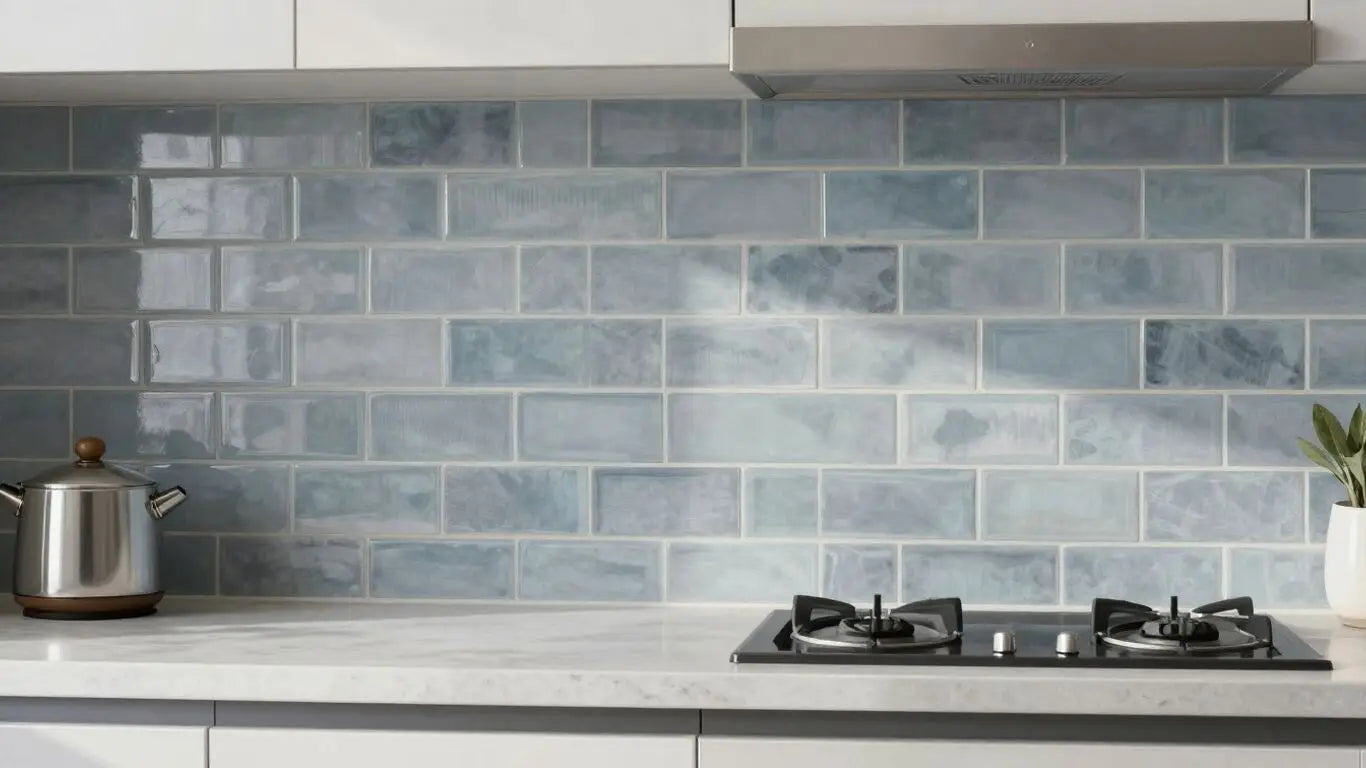
Keeping your blue grey subway tile looking its best doesn’t have to feel like another never-ending chore. Good habits and the right products make all the difference in protecting your investment—whether you’re working on a kitchen, bathroom, or commercial project with nationwide shipping needs.
Routine Cleaning Best Practices
Wipe your tiles regularly with a soft sponge and gentle cleanser to maintain their subtle shine and natural color.
- Use warm water and a drop of mild dish soap or a general bathroom cleaner.
- Avoid anything abrasive: stay away from steel wool, hard scrub brushes, and harsh chemicals.
- Dry tiles afterward with a clean, soft towel to prevent water spots or streaks.
You’ll notice how much easier regular cleaning is, thanks to the smooth finish and minimal grout lines of subway tile. A quick wipe-down can keep your space fresh and inviting with very little effort.
If you’re still unsure which products are safest, you can always check advice on how to clean blue-green subway tiles for peace of mind: clean blue-green subway tiles.
Stain Prevention Techniques
Tiles themselves are usually non-porous, but grout and edges might be a different story! Here are three ways to cut down on stains:
- Clean up spills as soon as you notice them, especially from things like oil, coffee, or tomato sauce.
- Use protective mats or trays near coffee makers, stovetops, and vanity areas.
- Seal grout lines if your installation is in a high-splash zone (kitchens and showers in particular).
Sealing Porous Surfaces
Not all blue grey tiles are the same—some matte finishes or handmade tiles need extra attention. If your tile is more porous or unglazed, applying a high-quality tile and grout sealer can:
- Prevent moisture absorption
- Block stains from everyday use
- Prolong the clean, uniform look that’s so important in design projects
Addressing Chips and Cracks
Sometimes, tiles get nicked or chipped. Don’t panic. Here’s a quick plan:
- For tiny chips, a matching touch-up paint or filler will camouflage the area.
- If the damage is larger, it may be best to swap out the tile. Keep extra tiles from your original installation for this purpose.
- Always use a reputable installer for fresh repairs to blend seamlessly.
Dealing with Mold or Mildew
Bathrooms and kitchens deal with lots of humidity. To keep mold out of grout and corners:
- Make sure there’s enough ventilation in the space.
- Wipe dry after showers or heavy splashing.
- Use a grout-safe mold cleaner if stubborn spots appear.
You can find more advice on the best ways to keep your tiles clean and looking sharp by checking into simple cleaning tips for blue subway tiles: regular cleaning with a soft cloth.
Long-Term Maintenance Scheduling
- Inspect grout and caulk every six months for cracking or discoloration.
- Reapply sealer to grout lines every 1–2 years, depending on exposure.
- Schedule deep cleans quarterly for commercial or high-traffic residential projects.
Keeping a maintenance routine helps your blue grey subway tile surfaces stay timeless and inviting in any interior.
Recommended Products for Shine and Safety
- Use neutral pH tile cleaners—avoid bleach-based or acidic cleaners that might etch the surface.
- Opt for microfiber cloths for streak-free drying and regular dusting.
- Select grout sealers and mold treatments labeled safe for use on colored, non-porous ceramic or porcelain tiles.
| Task | Best Product Type | Frequency |
|---|---|---|
| Basic Cleaning | Mild soap, soft sponge/cloth | Weekly |
| Grout Sealing | Penetrating grout sealer | 12–24 months |
| Stain Removal | Non-abrasive tile cleaner | As needed |
| Shine Touch-up | pH-neutral tile polish (optional) | Monthly/as needed |
Keeping up with these habits will save headaches—and keep your space worthy of any modern design showcase! If you’re ready to transform your next U.S. project, start by choosing the right subway tile and then protect it for years to come.
Luxury Inspirations: Designer Spaces Featuring Blue Grey Subway Tile
When you want a space that feels truly special, looking at how designers use materials can spark some amazing ideas. Blue-grey subway tile isn't just for practical backsplashes; it's a sophisticated choice that high-end designers are incorporating into stunning projects across the U.S. These aren't just pretty pictures; they're blueprints for creating rooms that feel both luxurious and livable.
Showcase Projects by Leading Architects
Architects often use blue-grey subway tile to add subtle depth and a modern edge to their designs. Think about how a deep, muted blue-grey can ground a space, offering a sophisticated alternative to stark white or busy patterns. It's a color that plays well with natural light, making rooms feel airy yet grounded. For instance, a project in San Marcos featured a blue-grey subway tile backsplash that perfectly complemented the surrounding natural materials, creating a cohesive and elegant look. This tile's ability to bridge the gap between bold and subtle makes it a favorite for creating refined, architectural statements.
Luxury Hotels and Spa Influences
High-end hotels and spas frequently turn to blue-grey subway tile for its calming and spa-like qualities. Imagine stepping into a bathroom where the shower walls are clad in a soft, matte blue-grey tile. It creates an immediate sense of tranquility. This is often paired with natural stone accents, like marble, to add a layer of opulence. The cool tones of blue-grey are known to promote relaxation, making it an ideal choice for spaces designed for unwinding. It’s about creating an atmosphere that feels both serene and indulgent.
Penthouse Kitchen Examples
In penthouse kitchens, blue-grey subway tile often appears in more dramatic applications. Picture a sleek, modern kitchen with dark cabinetry, where a glossy blue-grey subway tile backsplash provides a striking contrast. This combination, like the one seen with deep black cabinets against gleaming blue-grey tile, creates a West Coast vibe that's both chic and inviting. It’s a way to add color and texture without overwhelming the space, keeping the focus on the overall sophisticated design.
Bathroom Retreats with Custom Details
When designing a bathroom retreat, blue-grey subway tile can be used to create a custom feel. Consider using it for shower walls, perhaps with a unique layout like a vertical stack or a herringbone pattern to add visual interest. It can also be used for vanity backsplashes, paired with natural stone countertops. For example, Atlantic Gray Marble, with its soft grey tones and intricate veining, pairs beautifully with blue-grey tiles, adding a layer of natural luxury. This combination creates a spa-like ambiance that’s perfect for a personal sanctuary.
Blending Blue Grey with Precious Metals
To truly achieve a luxurious look, designers often pair blue-grey subway tile with accents of precious metals. Think brushed nickel, polished chrome, or even subtle touches of brass or gold. These metallic finishes catch the light and add a touch of glamour that complements the cool tones of the blue-grey. This pairing works exceptionally well in kitchens and bathrooms, where hardware and fixtures can easily incorporate these luxurious details. It’s a way to add sparkle and refinement without being over the top.
Integrated Lighting Design
Lighting plays a huge role in how luxury spaces feel, and designers are mindful of this when using blue-grey subway tile. Strategic lighting can highlight the tile's texture, color variations, and the grout lines, adding depth and dimension. Under-cabinet LED strips can illuminate a kitchen backsplash, while subtle spotlights can draw attention to a feature wall in a bathroom. The interplay of light and shadow on the tile's surface can transform a simple material into a dynamic design element, making the entire space feel more curated and sophisticated.
Feature Walls in Public Spaces
Beyond residential projects, blue-grey subway tile is making its mark in commercial spaces like boutique hotels and upscale restaurants. A feature wall clad in this tile can create a memorable first impression in a lobby or add a sophisticated backdrop in a dining area. Its versatility allows it to adapt to various aesthetics, from modern minimalist to classic elegance. The durability of subway tile also makes it a practical choice for high-traffic areas, ensuring that luxury and longevity go hand-in-hand. For example, a striking checkerboard pattern using contrasting marble tiles can create a dramatic entryway floor, showcasing the tile's adaptability. Marble and travertine tiles are often used in these high-impact areas.
Budget-Friendly Blue Grey Subway Tile Transformations
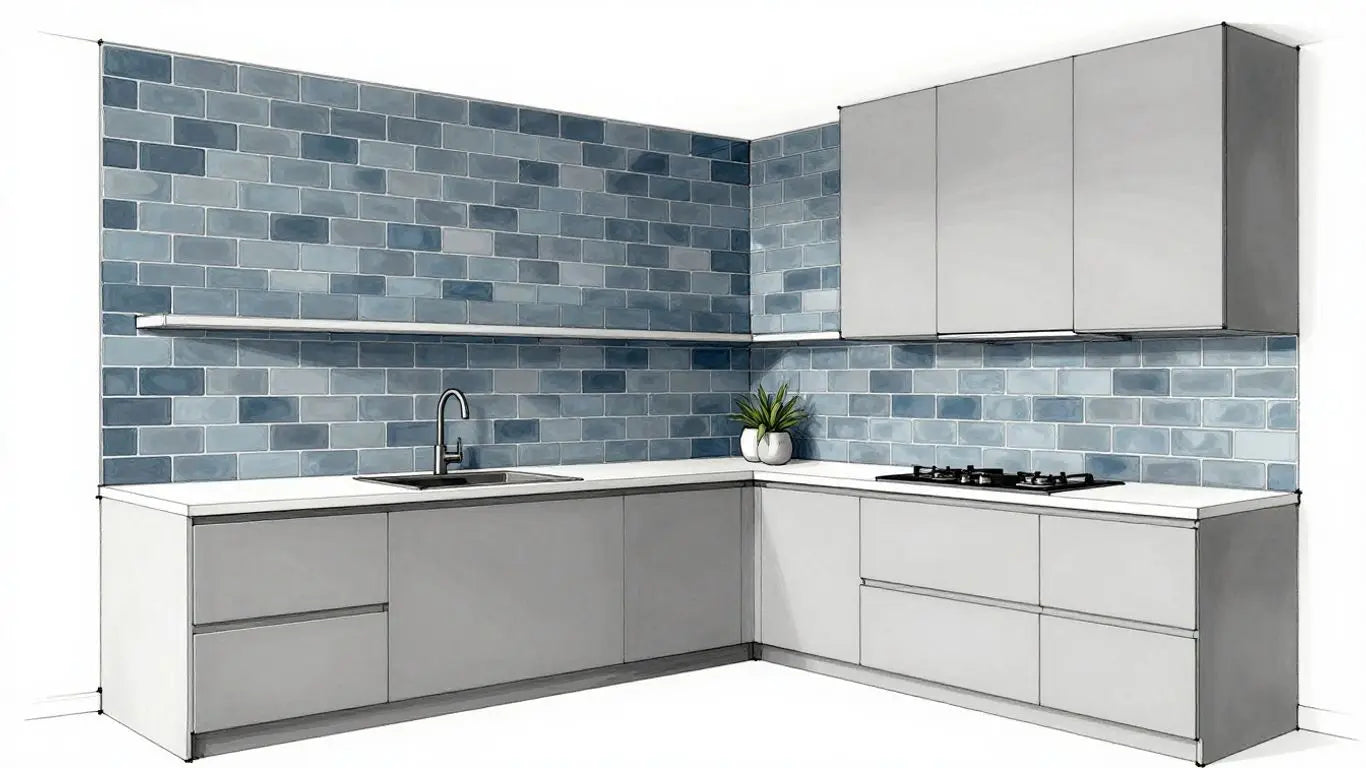
Who says transforming your home with stylish blue grey subway tile has to break the bank? You can absolutely achieve a high-end look without the hefty price tag. It’s all about smart choices and knowing where to find value. We're talking about making your space look amazing, whether you're renovating a whole kitchen or just sprucing up a small bathroom.
Affordable Tile Options and Alternatives
Finding budget-friendly subway tiles is easier than you might think. Many retailers offer fantastic options that mimic the look of more expensive materials. Look for ceramic tiles with a blue-grey glaze; they often provide the same visual appeal as natural stone or glass tiles but at a fraction of the cost. Sometimes, you can find great deals on overstock or clearance items, especially if you're flexible with the exact shade or finish. For instance, some beautiful blue glass subway tiles are available for under $9.99 per square foot, offering a lovely color and texture for a stylish update Gemstone blue glass subway bathroom tile.
DIY Installation Tips
One of the biggest costs in any renovation is labor. If you're comfortable with a bit of DIY, installing subway tile yourself can save a significant amount of money. Start with a smaller, less visible area like a powder room backsplash to get the hang of it. There are tons of online tutorials and guides that break down the process step-by-step. Remember to get the right tools and materials, like a good tile saw, adhesive, and grout, and take your time. Patience is key to a professional-looking finish.
Pre-Made Panels and Sheets
For an even quicker and simpler DIY installation, consider pre-made tile panels or sheets. These often come with interlocking edges or a mesh backing that makes them easier to align and adhere to the wall. This can be a real time-saver, especially for larger areas, and it helps ensure a consistent look. Some of these panels even feature a mosaic-style arrangement of smaller subway tiles, giving you a complex look with minimal effort.
Maximizing Impact in Small Areas
Don't underestimate the power of tile in small spaces. A well-chosen blue grey subway tile can make a powder room or a small kitchen backsplash feel much more luxurious. Focus on creating a strong visual statement. Consider using a slightly darker shade of blue grey for a more dramatic effect, or opt for a glossy finish to reflect light and make the space feel bigger. Even a simple horizontal brick pattern can look incredibly chic when done right.
Blending with Existing Decor
To keep costs down, try to work with your existing decor. Blue grey subway tiles are incredibly versatile and pair well with a wide range of colors and materials. If you have white cabinets, a blue grey backsplash will add a pop of color and sophistication. If your countertops are a neutral stone like marble, the blue grey tile can complement the veining beautifully. Think about how the tile will interact with your current furniture, paint colors, and hardware to create a cohesive look without needing to replace everything.
Cost-Effective Grout and Sealers
Don't forget the grout! The color of your grout can dramatically change the look of your subway tile. While contrasting grout can make the tile pattern pop, a grout color that closely matches the tile can create a more seamless, high-end appearance for less. Also, investing in a good quality grout sealer is a budget-friendly way to protect your tile and make it easier to clean in the long run, preventing costly repairs or replacements down the line.
Design Hacks for Unique Looks
Want a custom look without the custom price? Try mixing different shades of blue grey subway tiles within the same installation for a subtle gradient effect. Or, consider using a less common layout, like a vertical stack or a herringbone pattern, which can add visual interest without requiring more expensive tile. Sometimes, a simple change in pattern can make an ordinary tile look extraordinary. You can also find affordable ways to add decorative borders or accents using contrasting tile colors or even simple trim pieces.
Current Trends in Blue Grey Subway Tile Design
Blue grey subway tiles are shaping fresh design landscapes in homes and commercial spaces across the U.S., thanks to their ability to work with both modern and traditional themes. If you’re considering these trending tiles for your next renovation or design project, here’s what’s making headlines in showrooms and on social media right now.
Emerging Color Blends and Gradients
Designers are moving far beyond solid blues or grays. Blended tones—think watercolor washes or ombré gradients—bring a subtle artistic touch, making every installation a little different. Tiles now often feature layered glazes that create depth and interest, which can really liven up a basic backsplash or accent wall. These evolving palettes pair well with both wood and metal fixtures, offering more flexibility for future updates.
Matte vs. Glossy Finish Preferences
Surface finish plays a big part in the overall feel. While glossy tiles have staying power for their light-bouncing quality (brightening smaller kitchens or bathrooms), soft matte finishes are quickly rising in popularity. Matte blue grey subway tiles help hide water spots and fingerprints—a practical perk for busy households. Homeowners find that mixing both finishes in a single space adds a quiet level of complexity without overwhelming the eye.
Table: Finish Trends with Blue Grey Subway Tile
| Finish Type | Popularity (2026) | Best Locations |
|---|---|---|
| Glossy | High | Backsplashes, Showers |
| Matte | Increasing | Bathroom Walls, Mudrooms |
| Satin | Moderate | Feature Walls |
Extended Length and Unusual Proportions
Forget the old 3-by-6. Longer planks (such as 2-by-10 or 4-by-12 inches) now claim the spotlight, bringing a more modern, linear look. Some brands even offer skinny, elongated rectangles for a sleek effect, while larger-format tiles make small baths feel less crowded. Homeowners looking for something eye-catching often ask for uniquely sized blue grey subway tiles to set their space apart.
Mixing with Geometric Mosaics
Pairing blue grey subway tiles with smaller geometric mosaics—hexagons, penny rounds, or basketweave inserts—brings pattern and movement to any wall or floor. This combo attracts designers aiming for a custom, one-of-a-kind touch and helps break up large expanses, especially in shower surrounds or statement fireplaces. Curious about new ways to combine textures? Check out design inspiration for shower tiles and see what’s trending now.
Soft Edges and Handmade Looks
Handcrafted or "imperfect" blue grey tiles are another big trend, adding personality to any room. Their slightly wavy surfaces and softly rounded edges hint at artisanal work. The result is a relaxed vibe with a nod to tradition, while still feeling clean and fresh. These tiles are favorites for kitchens that blend contemporary and farmhouse details.
Interactive Tile Visualizers
Homeowners and architects are now using AI-powered tools to preview blue grey subway tile layouts in their room photos before ordering. These web-based visualizers let you swap shades, grout, and patterns quickly. They’re especially handy for big projects, letting anyone test thousands of combinations from their phone or tablet, including samples that ship nationwide.
Influence of Social Media on Choices
Instagram and TikTok have become key for discovering what’s hot. Designers post real kitchen and bathroom reveals, often tagging brands and specific collections. Hashtags like #BlueGreyTile are easy ways for anyone to discover today’s preferred shades, unique patterns, and layout tricks.
Staying updated on trends helps homeowners get more value and satisfaction. Blue grey subway tiles are especially good for adding a cool, current look without being too wild—meaning your remodel still feels fresh years from now.
Ready to try a new look in your home or next big project? Explore blue grey subway tiles and experiment with current patterns, finishes, and colors—there’s a combination for every taste and budget, with products available for nationwide shipping and U.S. commercial needs.
Innovative Layouts: Beyond the Classic Subway Brick
While the classic horizontal brick pattern for subway tile is a timeless choice, there's a whole world of creative layouts waiting to be explored. Moving beyond the standard arrangement can dramatically change the feel of a space, adding movement, dimension, and a unique personality. If you're looking to make a statement with your blue grey subway tile, consider these innovative patterns.
Diagonal Set Installations
Laying subway tiles on a diagonal, typically at a 45-degree angle, instantly adds a dynamic flair. This pattern can make a room feel larger and more expansive, as the angled lines draw the eye outward. It's a fantastic way to add visual interest to a backsplash or a feature wall without being overly complicated. The diagonal layout works particularly well in smaller spaces where you want to create an illusion of more room.
Geometric Shapes and Angles
For a truly modern and artistic look, consider incorporating geometric patterns. This could involve creating chevrons, herringbone, or even more complex tessellations. The herringbone pattern, for example, creates a beautiful zigzag effect that adds texture and depth. A chevron pattern offers a more pointed, arrow-like design that can guide the eye. These patterns require a bit more precision during installation but the visual payoff is significant, turning a simple tile into a work of art.
Incorporating Tile Trim and Molding
Don't forget the edges! Using decorative tile trim or molding can frame your subway tile layout beautifully, adding a finished and polished look. This is especially effective when creating a distinct border or accent. For instance, a simple pencil liner or a more ornate chair rail can define a backsplash area or add a touch of classic elegance to a shower surround. It’s a detail that designers often use to tie a whole room together.
Lattice and Waterjet Mosaic Pairings
To introduce intricate detail and a touch of luxury, consider pairing your blue grey subway tiles with lattice or waterjet mosaic designs. Lattice patterns offer an open, airy feel, while waterjet mosaics can create stunning, complex designs using contrasting materials and colors. These elements can be used as accent panels within a larger subway tile installation or as standalone feature pieces. Imagine a stunning waterjet mosaic above a range or as a shower niche – it’s a surefire way to add a custom, high-end feel.
Combining Vertical and Horizontal Lines
Why choose one direction when you can use both? Mixing vertical and horizontal subway tile patterns within the same installation can create a visually dynamic and engaging design. For example, you could run subway tiles horizontally on the main wall and then switch to a vertical stack pattern for an accent column or a niche. This approach breaks up monotony and adds architectural interest, making the space feel more curated and intentional.
Creating Optical Illusions with Tile
Layouts can play tricks on the eye, and subway tile is no exception. A vertical stack bond, for instance, can make ceilings appear higher, while a horizontal brick pattern can widen a narrow space. Diagonal layouts can also create a sense of depth and movement. By carefully selecting your pattern and orientation, you can subtly influence the perception of your room's dimensions, making it feel more spacious or balanced.
Guidance for Unconventional Layouts
When venturing into less common layouts, planning is key. Always create a detailed drawing or even a small mock-up before committing to the full installation. Consider the size and shape of your room, the amount of natural light, and the overall style you're aiming for. Don't be afraid to consult with a professional installer, especially for intricate patterns like herringbone or chevron, to ensure a flawless finish. Remember, the goal is to create a look that is both beautiful and functional, transforming your space with unique tile patterns.
Blue Grey Subway Tile in Commercial and Hospitality Design
When it comes to commercial and hospitality spaces, the right tile choice can make a huge difference. It’s not just about looks; it’s about durability, maintenance, and creating an atmosphere that welcomes guests and keeps them coming back. Blue grey subway tile is a fantastic option for these environments because it hits all those marks. It’s sophisticated, versatile, and can handle a lot of foot traffic.
Elevating Reception Areas
The lobby or reception area is the first impression. Using blue grey subway tile here can set a tone of modern elegance and professionalism. Think about a feature wall behind the reception desk. A classic horizontal brick pattern in a deep blue grey can look really sharp. It’s a subtle way to add color and texture without being overwhelming. This kind of tile is also easy to clean, which is a big plus in high-traffic areas. We've seen projects where Atlantic Gray marble was used in a subway pattern for reception walls, and it just looked incredibly polished.
Striking Cafe and Retail Backsplashes
In cafes and retail stores, backsplashes are prime real estate for branding and visual appeal. Blue grey subway tile offers a chic backdrop that doesn't compete with merchandise or menu boards. A matte finish in a medium blue grey can create a calming, contemporary vibe. It’s a great way to add a touch of style that feels both modern and approachable. For a more unique look, consider a vertical stack pattern. It gives a clean, modern feel that works well in smaller spaces like coffee bars or checkout counters.
Restroom Accent Walls
Restrooms in commercial spaces often get overlooked, but they’re a key part of the guest experience. Blue grey subway tile can transform a standard restroom into something special. Imagine using it on an accent wall, perhaps with a subtle pattern like a herringbone. This adds visual interest and a touch of luxury. It’s also a practical choice because it’s easy to wipe down and maintain, which is important for hygiene. A darker shade of blue grey can add a moody, sophisticated feel, while a lighter tone can make the space feel brighter and more open.
Office Feature Walls and Public Spaces
Offices and other public areas can benefit from the understated elegance of blue grey subway tile. A feature wall in a common area, break room, or even a conference room can add character and depth. A basket weave pattern in a soft blue grey can create a warm, inviting texture. This tile is durable enough for busy environments and offers a timeless look that won’t go out of style quickly. It’s a solid choice for creating spaces that feel both professional and comfortable.
Branding with Custom Patterns
For businesses that want to really stand out, custom patterns with blue grey subway tile are a great idea. You can work with manufacturers to create unique layouts or even incorporate subtle logos or designs within the tile work. This adds a personalized touch that reinforces brand identity. Think about a geometric pattern or a custom mosaic that uses different shades of blue grey to create a unique visual effect. This level of detail can make a space truly memorable.
Durability for High Traffic
One of the biggest advantages of subway tile, especially in commercial settings, is its durability. It’s designed to withstand heavy use, making it ideal for floors, walls, and backsplashes in places like hotels, restaurants, and retail stores. Blue grey tones tend to hide minor scuffs and dirt better than very light or very dark solid colors, which means less frequent deep cleaning. This makes it a practical and cost-effective choice over time. Many of our subway tile options are specifically chosen for their resilience in demanding environments.
Enhancing Guest Experience Through Color
Color psychology plays a role in how people feel in a space. Blue grey is known for its calming and sophisticated qualities. In hospitality, this can translate to a more relaxed and enjoyable experience for guests. Whether it’s a hotel lobby, a restaurant dining area, or a spa waiting room, the right shade of blue grey can contribute to a positive atmosphere. It’s a neutral yet engaging color that pairs well with many other design elements, allowing for flexibility in decor.
Custom, Artistic, and Handcrafted Blue Grey Subway Tile
When you want your space to truly stand out, going with custom, artistic, and handcrafted blue grey subway tiles is the way to go. Forget those mass-produced tiles; we're talking about pieces that have a story, a unique touch that you just can't get from a factory line. It’s about bringing a bit of soul into your design, making it personal and totally one-of-a-kind.
Selecting Artisanal Handmade Tiles
Handmade tiles are where the magic really happens. Each one is shaped and glazed by an artisan, meaning there will be slight variations in color, texture, and even shape. This isn't a flaw; it's what gives them character. Think of tiles that have that subtle, imperfect charm, like the ones you might find in a historic Spanish tile studio. These variations add depth and a handcrafted feel that factory tiles just can't replicate. They often have a softer edge and a more organic look, which can really warm up a space.
Commissioning Custom Glazing or Patterns
If you have a very specific vision, commissioning custom glazing or patterns is your best bet. You can work directly with an artist to choose the exact shade of blue-grey, the type of finish (matte, satin, glossy), and even decide on unique patterns or textures. This is perfect for creating a cohesive look throughout your home or for a specific statement piece. Imagine a custom glaze that perfectly matches your accent color or a subtle pattern that adds visual interest without being overwhelming.
Incorporating Hand-Painted Details
For an extra layer of artistry, consider tiles with hand-painted details. This could be anything from delicate floral motifs to bold geometric designs, all applied by hand. These tiles turn your walls into a canvas. They can be used sparingly as accent pieces or more extensively to create a mural-like effect. It’s a fantastic way to add a personal touch and a real focal point to areas like a kitchen backsplash or a bathroom feature wall.
Unique Finish Applications
Beyond standard glazes, there are unique finish applications that can make your blue-grey subway tiles truly special. Think about crackled glazes that give an antique feel, iridescent finishes that catch the light in unexpected ways, or even textured surfaces that add a tactile dimension. These finishes can dramatically change the look and feel of the tile, transforming a simple subway shape into something extraordinary. For example, a crackled glaze can give a modern tile a vintage vibe, while an iridescent finish can add a subtle shimmer that plays with the light throughout the day.
Supporting Local Artisans and Makers
Choosing to work with local artisans and makers not only gets you a unique product but also supports small businesses and traditional craftsmanship. It's a more sustainable choice, often involving less transportation and a more direct connection to the creation process. Plus, you get to know the story behind your tiles, which adds another layer of appreciation to your design. It feels good to know your beautiful tile came from someone passionate about their craft, right here in the U.S.
Balancing Artistry with Practicality
While artistic tiles are stunning, it's important to balance that artistry with practicality. Consider the tile's durability, maintenance requirements, and suitability for the intended space. For high-traffic areas like kitchen backsplashes or bathroom floors, you'll want a finish that's easy to clean and resistant to stains. Many artisanal tiles are made with durable ceramic or porcelain, but it's always good to check. For instance, a matte finish might hide water spots better in a bathroom than a high-gloss one. You can achieve a spa-like feel in your bathroom with creative layouts, like those seen in subway tile bathroom ideas, even with handcrafted tiles.
When selecting handcrafted tiles, remember that slight variations are part of their charm and uniqueness. Embrace these imperfections as they contribute to the authentic, artisanal quality of your design.
Future Directions and Innovations in Blue Grey Subway Tile
The world of tile is always changing, and blue grey subway tile is no exception. We're seeing some really cool stuff on the horizon that will make these tiles even more interesting and useful. It’s not just about looks anymore; it’s about smarts and sustainability too.
Technological Advances in Tile Manufacturing
Manufacturing is getting pretty advanced. Think about tiles that can change color or pattern on command. Some might even have tiny sensors or lights built right in. This means your walls could adapt to your mood or the time of day. It’s like having a dynamic piece of art that’s also a functional surface. We're also seeing improvements in how tiles are made, leading to more consistent quality and interesting textures that weren't possible before. This push for innovation means we can expect tiles that are not only beautiful but also incredibly versatile for modern design projects.
New Surface Textures and Materials
Get ready for tiles that feel as good as they look. We're moving beyond just smooth glazes. Expect to see more tiles with interesting textures, like subtle ripples, matte finishes that hide fingerprints, or even surfaces that mimic natural materials with uncanny realism. Some manufacturers are experimenting with new composite materials that offer enhanced durability and unique visual effects, pushing the boundaries of what a simple subway tile can be. This focus on tactile and visual variety means more options for creating truly unique spaces.
Smart Tile Features for Home Tech
Imagine your tiles doing more than just covering a wall. Smart tiles are starting to appear, integrating technology directly into the design. This could mean tiles that respond to touch, change color based on room temperature, or even display subtle patterns that shift throughout the day. While still in early stages, this integration of tech could lead to truly interactive and responsive living spaces, making your home feel more alive and connected. It’s a glimpse into a future where every surface has the potential for added functionality.
Integrated Lighting Systems
Lighting is key to how we see tile, and the future is all about integrating it. Instead of just relying on overhead fixtures, we might see subway tiles with built-in LED strips or subtle backlighting. This can highlight the tile's texture, create a soft ambient glow, or even be used to create dynamic visual effects. Imagine a backsplash that subtly glows at night or a shower wall that changes its mood lighting. This thoughtful integration of light can completely transform the atmosphere of a room, making blue grey subway tile installations even more dramatic and captivating.
Personalization and Modular Designs
Customization is becoming a huge deal. With advancements like 3D printing, manufacturers can create unique tile shapes, sizes, and intricate patterns tailored to your specific vision. Modular designs are also on the rise, allowing you to mix and match different tile types, colors, and textures within a single installation. This means you can create truly one-of-a-kind looks, whether it's a complex mosaic or a simple yet striking pattern. It’s all about making your space reflect your personal style, moving away from one-size-fits-all solutions.
Greater Emphasis on Sustainability
Eco-friendly options are no longer a niche market; they're becoming standard. Future blue grey subway tiles will likely feature more recycled materials, like reclaimed glass or post-consumer waste. Manufacturing processes will continue to focus on reducing energy consumption and minimizing waste. Look for tiles with certifications that prove their environmental credentials. This commitment to sustainability means you can create a beautiful space while also making a responsible choice for the planet. It’s a win-win for design and the environment.
Predicted Color Trends for Years Ahead
While blue grey is a strong contender now, the color palette for subway tiles is always evolving. We might see shifts towards even more nuanced grey tones, perhaps with subtle undertones of green or purple. Gradients and ombré effects could become more popular, offering a softer transition between colors. Expect a continued interest in both matte and high-gloss finishes, with manufacturers finding new ways to achieve these looks sustainably. The trend towards bold dark colors is likely to continue, but we'll also see a rise in softer, more muted shades for a calming effect. Ultimately, the future promises a wider, more sophisticated range of colors and finishes to suit every taste.
The future of blue grey subway tile is bright, blending cutting-edge technology with a strong commitment to sustainability and personalization. These innovations promise to make our spaces more dynamic, beautiful, and environmentally conscious.
Blue grey subway tiles are becoming super popular for kitchens and bathrooms! They offer a cool, modern look that's different from the usual. Think about how these tiles can make your space feel fresh and stylish. We're seeing new ways people are using them, like mixing them with other textures or creating unique patterns. It's exciting to see what designers come up with next!
Conclusion
Blue grey subway tile brings a fresh, modern look to any room. It’s simple, stylish, and works well with many colors and materials. Whether you want a calm bathroom, a sharp kitchen, or a standout accent wall, these tiles are a smart pick. With so many patterns, finishes, and grout choices, you can really make your space your own. And the best part? Blue grey subway tile fits almost any budget and is easy to keep clean. If you’re thinking about a home update, this tile is a great place to start.
Frequently Asked Questions
What makes blue grey subway tile popular?
It’s popular because it looks clean, modern, and works with lots of colors and styles.
Can I use blue grey subway tile in my bathroom shower?
Yes! These tiles are great for showers and are easy to keep clean.
What grout color should I pick for blue grey tiles?
Light grout blends in for a smooth look, while dark grout makes the pattern pop.
Are there different finishes for blue grey subway tiles?
Yes, you can get glossy, matte, or textured finishes depending on the look you want.
Is blue grey subway tile good for kitchen backsplashes?
Absolutely. It’s easy to wipe clean and looks sharp behind counters.
How do I clean blue grey subway tiles?
Just use mild soap and water. Avoid harsh cleaners to keep them looking good.
Will blue grey subway tile go out of style?
No, it’s a classic color that stays trendy and fits new design ideas.
Can I install blue grey subway tile myself?
Yes, many people do DIY installs. Just follow the instructions and take your time.
Does lighting change how the tile looks?
Yes, natural and artificial light can make the blue or grey tones look stronger or softer.
What materials can I pair with blue grey subway tile?
Try pairing with wood, marble, quartz, or even metal for a custom look.
Is it safe to use blue grey subway tile outside?
Some types are made for outdoor use. Check the label to be sure before installing outside.
Is blue grey subway tile expensive?
There are options for every budget, from affordable ceramic to high-end stone.