






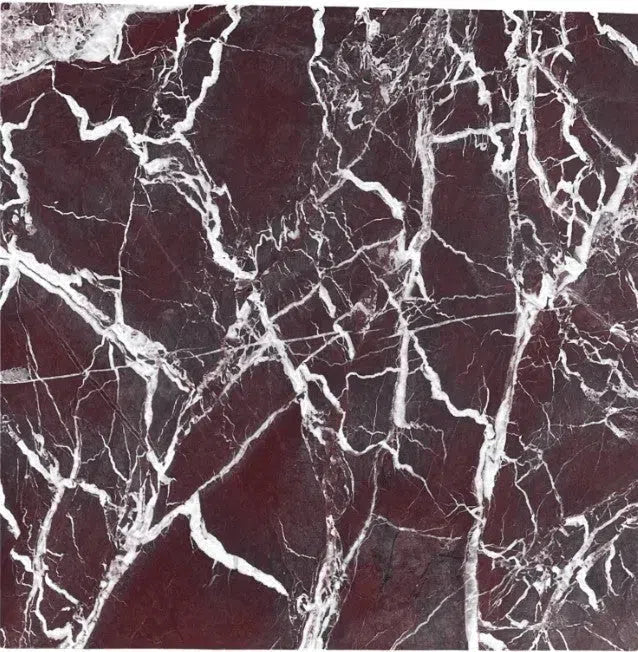


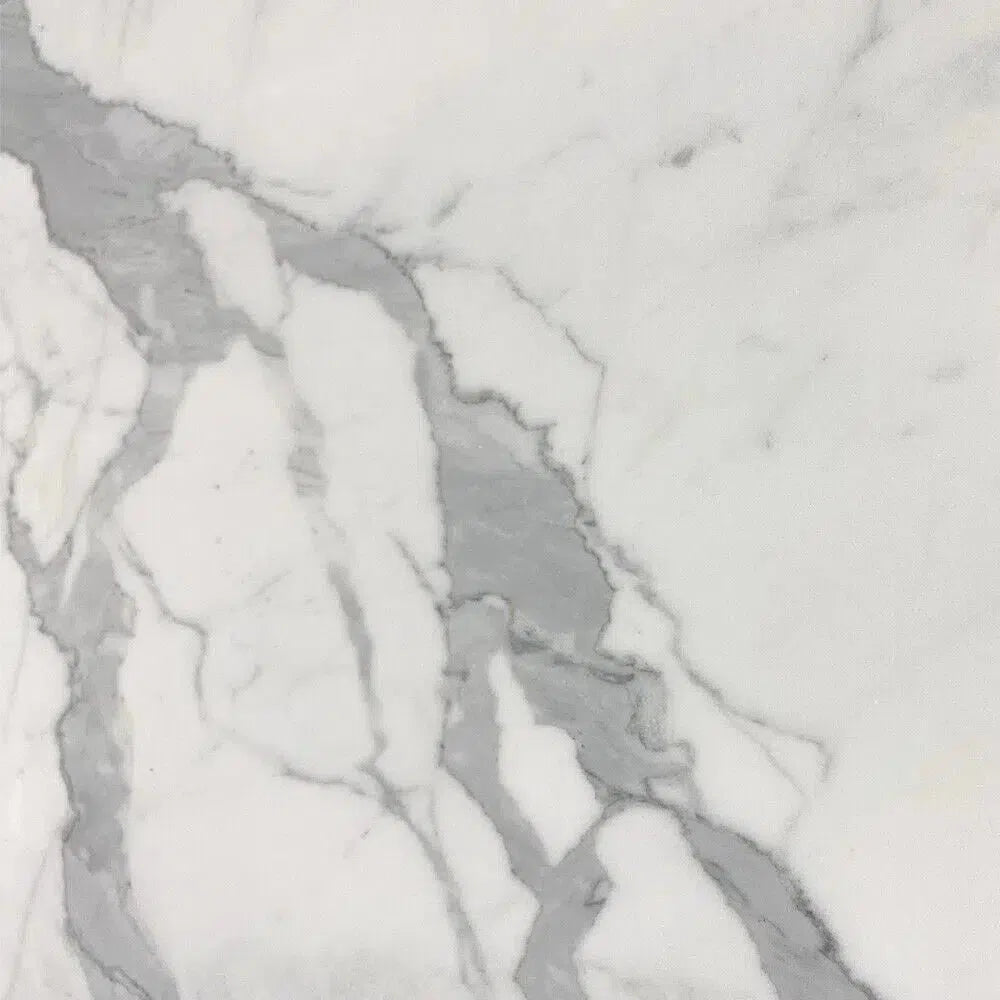

Many people wonder if the beautiful, sturdy granite they see in their homes or in buildings actually contains gold. It's a fascinating thought, isn't it? Granite is a common rock, and gold is a precious metal, so the idea of them being together sparks curiosity. This article aims to explore that very question: does granite have gold in it? We'll look at what granite is made of, how gold forms, and whether these two things commonly cross paths in the Earth's crust.
Key Takeaways
- Granite is an igneous rock primarily composed of quartz, feldspar, and mica, known for its strength and beauty, not for significant gold content.
- Gold is typically found in hydrothermal veins, often associated with quartz, and in placer deposits, not as a primary component of granite itself.
- While trace amounts of gold can be found in various rocks due to geological processes, granite is not considered a significant or economically viable source of gold.
- The formation of granite and the deposition of significant gold deposits usually occur under different geological conditions.
- Other stone types like marble, sandstone, and limestone also do not typically contain gold as a primary element.
- Historical sites like Great Zimbabwe demonstrate advanced societies that utilized gold extensively, but this was through mining and trade, not from granite deposits.
- Ancient civilizations employed various methods for gold extraction, focusing on known gold-bearing ores and deposits, not granite.
- The true value of granite lies in its durability, aesthetic appeal, and widespread use as a building material, rather than any potential for gold.
The Allure of Granite: More Than Meets the Eye
Granite, a name familiar in homes across the U.S. for its use in countertops and flooring, holds a deeper story than its common applications might suggest. This igneous rock, formed deep within the Earth's crust, possesses a unique character shaped by immense heat and pressure over millions of years. Its visual appeal, marked by a distinctive speckled pattern and a wide range of colors, has made it a favored material in design and construction for centuries. But granite's story is not just about aesthetics; it's a narrative of geological processes, historical significance, and enduring strength that continues to capture attention.
Understanding the Composition of Granite
Granite is primarily composed of quartz and feldspar, with smaller amounts of mica, amphiboles, and other minerals. This mineral makeup is what gives granite its characteristic hardness and durability. The specific proportions and types of these minerals, along with how they cool and crystallize, determine the final appearance and properties of the granite slab. Different mineral inclusions can lead to a spectrum of colors, from soft pinks and grays to deep blacks and vibrant reds, making each piece unique.
Exploring the Earth's Crust
Granite is a fundamental component of the Earth's continental crust. It forms from the slow cooling of magma deep beneath the surface. This slow cooling process allows large crystals to form, giving granite its coarse-grained texture. Much of the bedrock beneath our feet, especially in mountainous regions, is granite. Its presence is a testament to the powerful geological forces that have shaped our planet over eons.
The Natural Beauty of Granite
The visual appeal of granite lies in its natural patterns and colors. The interlocking crystals of quartz and feldspar create a unique, often speckled or swirled, appearance. This natural variation means that no two granite surfaces are exactly alike, offering a sense of individuality and organic beauty to any space. Whether used in a modern kitchen or a classic architectural facade, granite brings a touch of the Earth's artistry.
Granite's Role in Construction
For ages, granite has been a go-to material for construction projects demanding strength and longevity. Its resistance to weathering and abrasion makes it suitable for a wide range of applications, from building foundations and monuments to paving stones and decorative elements. The sheer durability of granite means structures built with it can withstand the test of time, a quality highly sought after in architectural design.
A Foundation of Strength and Durability
When it comes to physical properties, granite stands out. It has a high compressive strength and is very resistant to scratching and heat. This makes it an ideal material for high-traffic areas and surfaces that experience wear and tear, such as kitchen countertops, bathroom vanities, and flooring. Its robust nature means it can handle daily use without significant degradation.
The Aesthetic Appeal of Granite
Beyond its practical strengths, granite offers a timeless aesthetic. The variety of colors and patterns available allows designers and homeowners to find a granite that perfectly complements their style. From the subtle elegance of a light gray granite to the dramatic statement of a black galaxy, its natural beauty adds a sophisticated touch to interior and exterior designs alike. It's a material that speaks of quality and permanence.
Granite in Modern Design
In contemporary design, granite continues to be a popular choice. Architects and interior designers frequently specify granite for its blend of natural beauty, exceptional durability, and versatility. It's used not only in kitchens and bathrooms but also in feature walls, fireplace surrounds, and outdoor landscaping. Its ability to be polished to a high sheen or finished in a more natural, honed texture provides designers with numerous creative possibilities for U.S. projects and beyond.
Unraveling the Mystery: Does Granite Have Gold In It?
It's a question that sparks curiosity, especially when we think about the natural world's hidden treasures. Many people wonder if the sturdy, beautiful granite they see in countertops or buildings might also contain flecks of gold. Let's break down this common query and look at what geology tells us.
Addressing the Common Question
The idea that granite might hold gold is a persistent one. It likely stems from the fact that both granite and gold are found within the Earth's crust. However, their presence together in significant quantities is not a given. Granite is an igneous rock, formed from slowly cooled magma deep within the Earth. Gold, on the other hand, often forms under different geological conditions, frequently associated with hydrothermal activity or specific types of mineral deposits.
The Search for Precious Metals
Prospectors and geologists have spent centuries searching for precious metals. Their work involves understanding complex geological processes and identifying areas where specific minerals are likely to concentrate. This search isn't random; it's guided by scientific knowledge about how and where gold forms and accumulates.
Geological Formations and Mineral Deposits
Gold doesn't just appear anywhere. It typically forms in specific geological environments. These include:
- Hydrothermal veins: Hot, mineral-rich fluids circulating through rock fractures can deposit gold.
- Placer deposits: Gold eroded from its original source can be washed downstream and concentrated in riverbeds or ancient streambeds.
- Lode deposits: Gold can be found within the original rock formation where it was deposited, often in association with quartz.
Understanding Ore Veins
Ore veins are essentially mineral-filled cracks or fissures in rocks. They are formed when mineral-rich water flows through these openings and deposits its dissolved minerals as the water cools or evaporates. Gold is often found in quartz veins, which are common in many geological settings, including those where granite is present.
The Science Behind Mineral Extraction
Extracting gold from the earth is a complex process. It involves identifying gold-bearing ore, mining it, and then using various chemical and physical methods to separate the gold from the surrounding rock and other minerals. These methods can include crushing, grinding, and using chemicals like cyanide to dissolve the gold, which is then recovered.
Dispelling Myths About Granite
One common myth is that any granite containing visible specks is valuable because those specks are gold. In reality, these specks are often mica or other metallic minerals that give granite its characteristic sparkle. True gold has a distinct yellow color and malleability that these other minerals lack.
The Reality of Gold Occurrence
While granite itself is not typically a primary source of gold, it's not entirely impossible for trace amounts of gold to be present in granite formations. This can happen if the magma from which the granite cooled contained trace amounts of gold, or if gold-bearing hydrothermal fluids later flowed through the granite. However, finding economically significant amounts of gold directly within common granite is extremely rare. The geological conditions that favor substantial gold deposition are usually different from those that create typical granite bodies.
Granite's Geological Origins and Gold Potential
Formation of Igneous Rocks
Granite is an igneous rock, meaning it forms from the cooling and solidification of molten rock, or magma. This process typically happens deep within the Earth's crust. As magma slowly cools over thousands or even millions of years, minerals begin to crystallize and arrange themselves into the characteristic granular texture of granite. The specific minerals present and the rate of cooling influence the final appearance and properties of the granite.
The Role of Magma and Cooling
The journey of granite begins with molten rock beneath the Earth's surface. This magma is a complex mixture of elements and compounds. When this magma is slowly pushed upwards and cools gradually, it allows for the formation of larger, well-defined crystals. This slow cooling is a key factor in granite's distinctive crystalline structure. Different types of magma and varying cooling rates can lead to variations in granite's color and mineral composition.
Crystalline Structures in Granite
Granite is composed primarily of three main minerals: quartz, feldspar, and mica. Quartz typically appears as glassy, gray or white crystals. Feldspar, often found in shades of pink, white, or gray, is usually the most abundant mineral. Mica, commonly seen as black or silvery flakes, adds a touch of sparkle. The interlocking nature of these mineral crystals gives granite its renowned strength and durability. The size of these crystals can vary, influencing the overall texture of the stone.
Associated Minerals in Granite
While quartz, feldspar, and mica are the main components, granite can also contain smaller amounts of other minerals. These can include amphibole, pyroxene, and even trace amounts of various metallic elements. The presence and concentration of these associated minerals depend heavily on the specific geological conditions under which the granite formed. Sometimes, these associated minerals can provide clues about the granite's origin and potential for hosting other valuable elements.
The Possibility of Trace Gold
It's a common question: does granite contain gold? While granite itself is not typically considered a primary gold ore, it's not entirely impossible for trace amounts of gold to be present. Gold is a naturally occurring element found throughout the Earth's crust. In some rare geological circumstances, the processes that formed granite could have also incorporated minute quantities of gold into the magma. However, these amounts are usually so small that they are not economically viable to extract.
Factors Influencing Gold Deposition
Gold deposition is a complex geological process. Gold is often found in association with hydrothermal activity, where hot, mineral-rich fluids circulate through rock formations. These fluids can deposit gold in veins or fractures. While granite can sometimes act as a host rock for these gold-bearing veins, the gold is usually found in the veins themselves, not disseminated throughout the granite mass. The specific chemical environment and the presence of other minerals play a significant role in where gold tends to concentrate.
Geological Surveys and Exploration
Geological surveys and exploration are vital for identifying areas with a higher potential for gold deposits. Geologists use various techniques, including mapping rock formations, analyzing soil and stream sediments, and employing geophysical methods, to locate promising areas. While granite formations are widespread, specific geological settings are more conducive to gold mineralization. Understanding these settings helps direct exploration efforts toward areas where gold is more likely to be found in economically significant quantities, often in conjunction with other rock types or specific geological structures.
The Presence of Gold: A Rare Occurrence in Granite
Gold's Affinity for Specific Rock Types
While granite is a common and beautiful stone, it's not typically where you'd look for significant gold deposits. Gold has a preference for certain geological environments. It often forms in association with hydrothermal activity, meaning hot, mineral-rich fluids circulating through the Earth's crust. These fluids can deposit gold in cracks and fissures, creating what are known as ore veins. Granite itself is an igneous rock, formed from slowly cooled magma, and while it can contain trace amounts of many minerals, it's not usually the primary host for large gold concentrations.
Hydrothermal Veins and Gold
Hydrothermal veins are the superstars when it comes to gold. Think of them as natural plumbing systems within the Earth. As hot water, often under high pressure, moves through rock, it dissolves minerals. When conditions change, like a drop in temperature or pressure, these dissolved minerals precipitate out and form solid deposits. Gold, being a relatively heavy and chemically stable element, often gets carried along in these fluids and deposited within these veins. These veins are frequently found in or near areas of volcanic or tectonic activity, where the heat and fluid circulation are most intense.
Granite as a Host Rock
Sometimes, these gold-bearing hydrothermal fluids can flow through granite. In such cases, the granite can act as a host rock, meaning the gold deposits are found within it. However, it's important to understand that the gold isn't typically part of the granite's original formation. Instead, it's a later addition, deposited by external processes. The famous Jiaodong gold deposit in China, for instance, is a massive example of a granite-hosted gold deposit, containing vast resources. This shows that while rare, it's not impossible for granite to be associated with significant gold.
The Likelihood of Finding Gold
So, what are the chances of finding gold in a random piece of granite? Generally, quite low. Most granite used for countertops or building materials will contain only minuscule, undetectable amounts of gold, if any. The geological conditions required for substantial gold deposition are specific and not universally present. Finding gold in granite usually requires extensive geological surveys and exploration in areas known for gold mineralization. It's not something you'd expect to discover by simply looking at a granite slab.
Distinguishing Gold-Bearing Granite
Distinguishing granite that might contain gold from ordinary granite isn't something that can be done with the naked eye. Geologists use a variety of techniques, including geochemical analysis and detailed mapping of geological structures, to identify areas with gold potential. The presence of specific associated minerals, like quartz veins, sulfides, or certain alteration patterns in the rock, can be indicators. However, even with these indicators, confirmation requires laboratory testing.
Economic Viability of Extraction
Even if trace amounts of gold are found in granite, extracting it might not be economically feasible. Mining operations are only profitable if the concentration of the valuable mineral is high enough to justify the costs of extraction. For gold, this usually means finding deposits measured in grams per ton, or even higher. Most granite simply doesn't reach these concentrations. The economics of gold mining are complex, and the cost of processing large volumes of rock for very small amounts of gold can be prohibitive.
Historical Accounts of Gold in Granite
While historical accounts often speak of vast gold wealth, like that associated with Great Zimbabwe, the specific geological context of where that gold was found is key. Great Zimbabwe, for example, was a center for trade and processing of gold sourced from nearby regions, not necessarily from the granite structures themselves. The narrative of gold is often intertwined with human history, but the geological reality of where gold forms and how it's extracted remains a scientific matter. Understanding the difference between a material's use and its origin is important when discussing these topics.
Exploring Other Stone Types and Their Gold Content
While granite is a popular choice for countertops and building projects across the U.S., it's natural to wonder about the presence of precious metals in other common stone types. Many stones have fascinating geological stories, and some are indeed associated with mineral wealth, though not always in the way one might expect.
Marble and Its Mineralogy
Marble, a metamorphic rock, forms when limestone is subjected to heat and pressure. Its composition is primarily calcite (calcium carbonate). While calcite itself doesn't contain gold, the geological processes that create marble can sometimes involve mineral-rich fluids. In rare instances, hydrothermal veins carrying gold might pass through or near limestone deposits before metamorphism, potentially leading to trace amounts of gold within the marble. However, marble is not considered a primary source for gold extraction.
Travertine's Unique Formation
Travertine is a type of limestone deposited by mineral springs, especially hot springs. Its formation involves the precipitation of calcium carbonate. Because it forms in water, it can sometimes trap other minerals present in the water. If the water source flows through gold-bearing areas, travertine could theoretically contain microscopic gold particles. Still, like marble, it's not a rock typically mined for gold.
The Composition of Sandstone
Sandstone is a sedimentary rock made primarily of sand-sized mineral or rock grains. Quartz is a very common component. Gold, being a heavy element, can sometimes be found in placer deposits, which are formed by the erosion of gold-bearing rocks and the subsequent concentration of gold particles by water. Therefore, sandstone layers that formed in ancient riverbeds or coastal areas might contain traces of gold, especially if those areas were downstream from gold-producing geological formations. The presence of gold in sandstone is usually a result of sedimentary processes rather than the rock's inherent composition.
Limestone and Its Geological Significance
Limestone, the parent rock for marble, is a sedimentary rock rich in calcite. Its formation often occurs in marine environments. While pure limestone doesn't contain gold, the geological settings where limestone forms can sometimes be associated with other mineral deposits. Certain types of limestone, particularly those formed in areas with volcanic activity or hydrothermal alteration, might have trace amounts of gold. The famous pyramids of Giza, for example, are made of limestone, and recent research suggests the casing stones might have been a form of reconstituted limestone, a process that involved different materials than simple quarrying.
Metamorphic Rocks and Gold
Besides marble, other metamorphic rocks like schist and quartzite can sometimes be associated with gold. Schist, for instance, often forms from shale or mudstone and can contain various minerals, including sulfides, which are frequently found alongside gold deposits. Quartzite, formed from sandstone, can also host gold if the original sandstone or subsequent hydrothermal activity introduced it.
Sedimentary Rocks and Precious Metals
Sedimentary rocks are a broad category, and their potential to contain gold varies greatly. As mentioned with sandstone, placer deposits are a key way gold ends up in sedimentary layers. Conglomerates, another type of sedimentary rock, are essentially cemented-together pebbles and cobbles. Some ancient conglomerate formations, like the Witwatersrand Basin in South Africa, are among the world's richest gold deposits, where gold was concentrated during the rock's formation.
Comparing Stone Properties
| Stone Type | Primary Composition | Typical Gold Association |
|---|---|---|
| Granite | Feldspar, Quartz, Mica | Trace amounts possible in associated hydrothermal veins |
| Marble | Calcite | Trace amounts possible if formed near gold-bearing veins |
| Sandstone | Quartz, Feldspar | Placer deposits, ancient riverbeds |
| Limestone | Calcite | Trace amounts in specific geological settings |
| Schist | Mica, Quartz, Feldspar | Often found with sulfides, associated with gold deposits |
| Conglomerate | Cemented Grains | Major deposits in specific geological basins (e.g., Witwatersrand) |
It's important to remember that finding gold in these stones is typically in trace amounts, not concentrated enough for economic extraction like in dedicated gold ore deposits. For homeowners and designers across the U.S. looking for beautiful and durable materials for their projects, the aesthetic and structural qualities of stones like granite, marble, and sandstone are their primary value, rather than any potential for precious metal content.
The Great Zimbabwe: A Testament to Stone and Gold
Ancient African Civilizations
Great Zimbabwe, a remarkable ancient city in modern-day Zimbabwe, stands as a powerful symbol of a sophisticated African civilization that flourished between the 11th and 15th centuries. It was the capital of a vast kingdom, a hub of trade, and a testament to the ingenuity and wealth of its people. While often overshadowed by other ancient wonders, its historical significance is increasingly being recognized.
Architectural Marvels of Stone
The most striking feature of Great Zimbabwe is its monumental stone architecture. The Great Enclosure, with its towering, mortarless walls, is the largest ancient stone structure in sub-Saharan Africa. These structures, built with immense skill, served as administrative centers, royal residences, and ceremonial spaces, showcasing advanced engineering capabilities and a deep understanding of construction.
The Role of Gold in the Economy
Gold was the lifeblood of the Kingdom of Zimbabwe. The region was rich in gold deposits, and the rulers controlled vital trade routes that connected the interior to the Indian Ocean coast. This allowed them to export gold and ivory to Swahili cities, and in return, acquire goods like silks, beads, and porcelain from Arabia, India, and China. It's estimated that between the 12th and 15th centuries, the city may have exported over 20 tons of gold, a staggering amount that fueled its prosperity.
Trade Routes and International Commerce
Great Zimbabwe was a key player in international trade networks. Its strategic location allowed it to dominate trade routes, facilitating the exchange of goods across vast distances. The artifacts found at the site, such as imported beads and pottery, are evidence of its extensive commercial reach and its integration into a global economy of the time.
Evidence of Sophisticated Societies
At its peak, Great Zimbabwe was home to nearly 20,000 people, a significant population for a pre-colonial African city. The scale of its construction, its complex trade relationships, and its organized society all point to a highly developed civilization. The city's very existence challenges earlier, prejudiced notions that such achievements were beyond the capabilities of indigenous African peoples.
The Legacy of Great Zimbabwe
Today, Great Zimbabwe is a UNESCO World Heritage Site and the namesake of the modern nation of Zimbabwe, meaning "house of stone." The Zimbabwe Bird, found at the site, is a national emblem. Despite the looting of many artifacts by early European explorers, who wrongly attributed the city's construction to foreign civilizations, efforts are underway to reclaim and recontextualize its history. The site serves as a powerful reminder of Africa's rich past and its contributions to global civilization.
Reassessing Historical Narratives
Recent archaeological work and scholarly research are actively working to correct the historical record, presenting Great Zimbabwe not as an enigma, but as a central piece in the story of human civilization. By highlighting its economic power, architectural achievements, and extensive trade networks, these efforts aim to give this ancient African kingdom its rightful place in history. The ongoing research into Great Zimbabwe's decline and reoccupation continues to shed light on its complex past.
Gold Extraction in Ancient Civilizations
Early Mining Techniques
Ancient civilizations, long before modern machinery, developed ingenious methods to extract precious metals, particularly gold. These techniques often involved manual labor and a deep understanding of the natural environment. Early miners would often follow gold-bearing veins into the earth, using simple tools like hammers and chisels made from harder stones or bronze to break apart rock. In alluvial deposits, found in riverbeds, gold was often separated from sediment using panning techniques, where water was used to wash away lighter materials, leaving the heavier gold behind. These methods, while labor-intensive, were remarkably effective for their time.
The Value of Gold Throughout History
Gold has held a unique place in human history, valued not just for its beauty but also for its rarity, durability, and resistance to corrosion. Across cultures and millennia, gold has served as a medium of exchange, a store of wealth, and a symbol of power and divinity. Its use in coinage, jewelry, and religious artifacts underscores its enduring significance. The desire for gold has driven exploration, trade, and even conflict throughout recorded history.
Artisanal Gold Mining Practices
Artisanal gold mining, much like that practiced in ancient times, continues to be a significant source of gold globally. These small-scale operations often rely on traditional methods passed down through generations. Miners might work in small groups, using picks, shovels, and sluice boxes to extract and process ore. While these practices can provide livelihoods for many communities, they also present challenges related to safety, environmental impact, and the use of mercury in some processing methods.
The Economic Impact of Gold
The discovery and extraction of gold have profoundly impacted economies throughout history. The influx of gold into a region could lead to rapid economic growth, but also to inflation and social upheaval. Gold rushes, like those in California and Australia, transformed landscapes and demographics, creating new cities and industries. The global gold market continues to be a major economic force, influencing international trade and investment.
Tools and Technologies Used
Ancient gold extraction relied on a surprisingly sophisticated, albeit basic, set of tools. Hammers and picks, often made from stone or early metals like copper and bronze, were essential for breaking rock. Chisels helped in prying out gold-bearing quartz. For alluvial gold, wooden or clay bowls were used for panning, utilizing water's density difference to separate gold. Later developments included the use of bellows to improve furnace temperatures for smelting, and more refined tools for shaping and working the metal.
The Social Significance of Gold
Beyond its economic value, gold carried immense social and cultural weight in ancient societies. It was often associated with royalty, the gods, and the afterlife. The ability to adorn oneself or one's deities with gold signified status, piety, and power. The craftsmanship involved in creating intricate gold artifacts also represented a high level of artistic and technical skill within these civilizations.
Historical Records of Gold Trade
Historical records, from ancient texts to archaeological findings, provide evidence of extensive gold trade networks. Civilizations like the Egyptians, Romans, and various African kingdoms engaged in the trade of gold, often over long distances. These trade routes facilitated the exchange of not only gold but also other goods, ideas, and technologies, shaping the course of history and connecting disparate cultures.
The Pyramids of Giza: A Stone Casting Debate
The construction of the Great Pyramids of Giza has long been a subject of fascination and debate among historians, archaeologists, and scientists. While the conventional understanding suggests these monumental structures were built using massive, quarried limestone blocks, some research proposes a different, perhaps more advanced, method: casting.
Theories on Pyramid Construction
The prevailing theory, held by many Egyptologists, posits that the pyramids were assembled block by massive block, quarried from local sites and transported using ramps and sheer manpower. However, this explanation faces several challenges that have fueled alternative hypotheses.
Analyzing Limestone Casing Stones
Professor Michel Barsoum, a materials scientist, led research that examined the composition of the casing stones of the pyramids. His team's findings indicated that the atomic structure and chemical makeup of these stones were not consistent with naturally quarried limestone. Specifically, they observed amorphous structures and the presence of silicon dioxide nanoscale spheres, elements not typically found in natural limestone deposits in the Giza region.
The Concept of Reconstituted Limestone
Barsoum's research suggests that the pyramid stones might have been created using a form of "earth cement" or reconstituted limestone. This theory proposes that the ancient Egyptians mixed readily available materials like limestone, lime, and diatomaceous earth to create a castable material. This would explain the remarkable precision and tight fit observed between some of the blocks, a feat difficult to achieve with purely chiseled stone.
Nanoscale Spheres in Stone
A particularly striking discovery was the presence of silicon dioxide nanoscale spheres within the pyramid stones. These tiny spheres, measured in billionths of a meter, are indicative of a manufactured material rather than a naturally occurring one. This finding lends significant weight to the theory that the stones were cast.
Implications for Ancient Technology
If the casting theory holds true, it implies a level of technological sophistication among the ancient Egyptians that is far beyond what is commonly assumed. It raises questions about their understanding of materials science and engineering, suggesting they may have been early pioneers in what we now understand as geopolymer or concrete technology.
The Role of Earth Cements
The potential use of earth cements in pyramid construction has broader implications. Barsoum notes that the raw materials for such a process are widely available, and the method could be more cost-effective and environmentally friendly than modern cement production, which contributes significantly to CO2 emissions. This ancient technology, if proven, could offer insights for future sustainable building practices.
Scientific Scrutiny of Ancient Stone Materials
When examining ancient structures, particularly those built with stone, scientific analysis plays a huge role in understanding their construction and composition. For years, the prevailing thought was that massive stone blocks, like those used in the Great Pyramids of Giza, were simply quarried and moved into place. However, modern scientific techniques have started to challenge these long-held beliefs, suggesting a more complex story.
Electron Microscopy and Analysis
One of the key tools in this re-evaluation is the electron microscope. This powerful instrument allows researchers to look at materials at a microscopic level, revealing details about their structure and composition that are invisible to the naked eye. By analyzing samples of the casing stones from the pyramids, scientists have been able to identify incredibly fine structures and chemical signatures. These observations have led some researchers to propose that certain blocks might have been cast, rather than solely quarried. This idea suggests a sophisticated understanding of materials science by ancient builders.
Chemical Composition of Building Blocks
Chemical analysis of ancient stones can tell us a lot about where they came from and how they were formed. Studies have looked at the specific elements present in the stone and their proportions. For instance, the chemical makeup of some pyramid stones has been found to be quite different from natural limestone deposits found nearby. This discrepancy raises questions about the origin of the materials used in construction. The specific sample chemistries found in some analyses simply do not appear anywhere in nature, pointing towards an artificial creation process.
Amorphous Structures in Rocks
Natural rocks typically have a crystalline structure, meaning their atoms are arranged in a regular, repeating pattern. However, scientific analysis has sometimes revealed amorphous structures within ancient building stones. Amorphous materials lack this ordered atomic arrangement. The presence of amorphous phases, particularly in the binding agents within the stone, is unusual for naturally occurring sedimentary rocks like limestone. This finding further supports the idea that these materials may have been manufactured using techniques that resulted in non-crystalline components.
The Uniqueness of Sample Chemistries
When scientists analyze samples from ancient sites, they often compare them to known natural materials. In some cases, the chemical fingerprints of the ancient stones are so distinct from any known natural source that it suggests a manufactured origin. This uniqueness in sample chemistries is a strong indicator that the materials were not simply extracted from a quarry but were likely created through a process involving specific ingredients and methods. It's a fascinating thought that these ancient Egyptians might have been early innovators in material science, perhaps even early nanotechnologists, given the scale of the structures they created.
Challenging Conventional Wisdom
These scientific findings often go against established theories about ancient construction methods. For example, the lack of discovery of any quarrying tools, like copper chisels, at sites like the Giza plateau, despite the vast amounts of stone moved, is a puzzle. If massive blocks were carved, one would expect to find evidence of the tools used. The scientific scrutiny of these materials provides potential answers to such long-standing questions, suggesting that the methods employed were perhaps more advanced than previously assumed. The possibility of using earth cements, for example, could explain the close fit of some blocks and the absence of traditional tools.
The Ingenuity of Ancient Builders
Ultimately, the scientific examination of ancient stone materials highlights the incredible ingenuity of past civilizations. Whether through quarrying and meticulous shaping or through innovative casting techniques, the ability to construct monumental structures like the pyramids is a testament to their skill and knowledge. The ongoing scientific inquiry into these materials continues to reveal the complexity and sophistication of ancient engineering, pushing us to reconsider what we thought we knew about the past. Understanding these ancient techniques could even offer insights for future sustainable building practices, as the raw materials for early forms of concrete are readily available worldwide.
Understanding Earth Cements
The concept of 'earth cements' is central to some of the newer theories regarding ancient stone construction. These are essentially early forms of concrete or cementitious materials made from readily available natural components like limestone, lime, and diatomaceous earth. The scientific analysis of ancient stones has revealed evidence of these binding agents, suggesting that the blocks themselves might have been cast in place. This method would not only explain the precise fitting of some blocks but also potentially account for the absence of traditional quarrying tools. The environmental benefits of such ancient methods, compared to modern cement production, are also a significant point of discussion for contemporary building material choices.
The Enduring Mystery of Granite and Gold
Granite's Ubiquity in Nature
Granite is a common sight, forming the backbone of many mountain ranges and appearing in countless construction projects across the U.S. and beyond. Its widespread presence makes it seem like a material that could hold many secrets, perhaps even precious metals. This commonality, however, often leads to assumptions about its composition that don't quite hold up when we look closer.
The Rarity of Gold Deposits
Gold, on the other hand, is quite rare. It doesn't just pop up anywhere. Finding significant amounts of gold usually requires very specific geological conditions. Think about the famous gold rushes of the past; they happened in very particular locations where the earth's processes had concentrated gold over millions of years. It's not something you'd expect to find scattered randomly throughout any old rock.
Geological Processes Favoring Gold
Gold typically forms in association with hydrothermal activity, often deep within the Earth's crust. Intense heat and pressure, combined with mineral-rich fluids, are needed to create the veins and deposits where gold accumulates. These fluids often travel through existing rock formations, depositing gold as they cool or react with the surrounding minerals. This is a very different process from how granite itself is formed.
The Unlikelihood of Gold in Common Granite
Granite is an igneous rock, formed from the slow cooling of magma deep beneath the Earth's surface. While the minerals that make up granite (like quartz, feldspar, and mica) are present in the Earth's crust, the specific conditions that concentrate gold are generally not present during typical granite formation. So, while a speck of gold might theoretically be present in a vast granite deposit, it's highly improbable to find it in economically viable quantities within common granite.
Focusing on Specific Geological Zones
When prospectors look for gold, they don't just randomly sample rocks. They focus on areas known for gold mineralization, often associated with specific types of rock formations, fault lines, and hydrothermal alteration zones. These are the places where the geological 'recipe' for gold deposits is more likely to be found. Granite might be present in these areas, but it's usually the other associated rocks or the veins cutting through them that hold the gold.
The Importance of Scientific Inquiry
It's easy to get caught up in the romantic idea of finding gold in everyday materials. However, scientific inquiry and geological surveys are key to understanding where gold is actually found. These studies involve detailed mapping, chemical analysis, and understanding the complex history of the Earth's crust. Relying on scientific evidence helps us separate wishful thinking from reality when it comes to mineral resources.
Separating Fact from Fiction
Ultimately, the idea of granite being a significant source of gold is largely a myth. While trace amounts of gold might exist, as they do in many geological materials, granite is not a primary gold-bearing ore. The real value of granite lies in its incredible durability, stunning natural beauty, and its widespread use as a premier building and design material. Focusing on its actual properties allows designers, architects, and homeowners to appreciate granite for what it truly is: a strong, beautiful, and reliable natural stone.
Debunking Misconceptions About Granite's Gold Content

Common Misunderstandings Clarified
It's a persistent idea that granite, a common and beautiful stone, might be a hidden source of gold. Many people wonder if the flecks they see in granite countertops or the large granite formations in nature could contain valuable amounts of gold. This notion often stems from the fact that gold is found in the Earth's crust, and granite is a significant component of that crust. However, the reality is far more nuanced. Granite itself is not typically a primary source for gold extraction. While trace amounts of gold can be found in almost any rock, the concentrations in common granite are usually too low to be economically viable.
The Difference Between Trace Elements and Ore
When we talk about elements within rocks, it's important to distinguish between trace elements and ore deposits. Trace elements are present in extremely small quantities, often measured in parts per million or even parts per billion. Gold can exist as a trace element in many types of rock, including granite. Ore, on the other hand, refers to rock that contains a sufficient concentration of a valuable mineral (like gold) to make its extraction profitable. For gold, this usually means concentrations measured in grams per ton or even ounces per ton. Common granite simply doesn't reach these levels.
Why Granite Isn't a Primary Gold Source
Gold typically forms in specific geological environments and is often associated with hydrothermal activity. This means that hot, mineral-rich fluids circulate through existing rock formations, depositing gold and other metals in veins or disseminated throughout. While granite can be involved in these processes, it's often the surrounding or intersecting rock types, like quartz veins or certain types of metamorphic rock, that are the actual gold hosts. Granite can sometimes be found near gold deposits, leading to the misconception that the granite itself is the source.
The Role of Prospecting and Exploration
Finding gold requires careful prospecting and geological exploration. Geologists look for specific indicators, such as the presence of quartz veins, certain sulfide minerals, or geological structures known to trap gold. They use various techniques, including geological mapping, geochemical sampling, and geophysical surveys, to identify areas with a higher probability of containing economically significant gold deposits. Simply finding granite doesn't signal a gold find; it's the specific geological context and associated minerals that matter.
Understanding Geological Context
The geological context is everything when it comes to mineral deposits. Gold deposits are not randomly distributed. They are the result of complex geological processes that have occurred over millions of years. For instance, many significant gold deposits are found in association with ancient volcanic activity or in areas where tectonic plates have interacted. While granite forms deep within the Earth under immense heat and pressure, its formation process doesn't inherently concentrate gold in the way that hydrothermal systems do.
The Economics of Gold Mining
Gold mining is a business, and profitability is key. The cost of exploration, extraction, and processing must be less than the value of the gold recovered. Even if a granite deposit were found to contain a slightly higher concentration of gold than average, it would likely still not be economically feasible to mine it compared to known, high-grade gold ores found in other rock types. The infrastructure and technology required for mining are substantial, and they are only deployed where there is a clear economic incentive.
Educating Consumers on Stone Properties
For homeowners and designers selecting granite for countertops or other applications, understanding its properties is important. Granite is prized for its durability, heat resistance, and unique aesthetic beauty. Its value lies in these physical and visual characteristics, not in any potential for gold content. When choosing granite, focus on its quality, color, pattern, and how it fits your design vision. The idea of finding gold within your kitchen countertop is, unfortunately, a myth.
Granite's True Value: Durability and Aesthetics
While the idea of finding gold in granite might spark curiosity, the true value of this remarkable stone lies in its inherent durability and timeless aesthetic appeal. For homeowners, designers, and architects across the U.S., granite offers a blend of strength and beauty that few other materials can match. It's a material that stands the test of time, making it a wise investment for a variety of projects, from kitchen countertops to building facades.
Beyond the Search for Gold
Let's be clear: granite is not a primary source for gold. Its geological formation, while sometimes occurring in proximity to gold deposits, doesn't typically concentrate precious metals within its crystalline structure. The real treasure of granite is found in its physical properties and visual characteristics. This natural stone provides a foundation of strength and resilience that is hard to beat.
The Practical Applications of Granite
Granite's versatility is one of its most significant assets. It's used in countless applications, each benefiting from its robust nature:
- Countertops: A popular choice for kitchens and bathrooms due to its resistance to heat, scratches, and stains.
- Flooring: Durable and attractive, granite tiles can withstand heavy foot traffic in both residential and commercial spaces.
- Wall Cladding: Adds a touch of elegance and protection to building exteriors and interiors.
- Paving: Its strength makes it ideal for driveways, patios, and walkways.
- Monuments and Sculptures: The stone's ability to hold intricate detail and withstand weathering makes it suitable for artistic and commemorative purposes.
Timeless Beauty in Design
The aesthetic appeal of granite is undeniable. Its unique patterns, colors, and flecks create a distinctive look that can complement any design style, from modern minimalist to rustic traditional. Each slab is a natural work of art, offering a depth and character that manufactured materials often lack. Whether you're looking for a sleek black granite or a vibrant speckled variety, there's a granite to suit every taste.
A Material for Generations
When considering materials for a project, longevity is key. Granite is renowned for its exceptional durability, meaning it can last for generations with proper care. Unlike some materials that degrade over time or require frequent replacement, granite maintains its structural integrity and visual appeal for decades. This makes it an economical choice in the long run, as it reduces the need for costly repairs or replacements. For instance, granite countertops are a durable choice, maintaining their structural integrity and aesthetic appeal for decades.
The Importance of Quality Sourcing
To truly appreciate granite's value, sourcing high-quality material is paramount. Reputable suppliers ensure that the granite is properly quarried, cut, and finished, guaranteeing its performance and beauty. Understanding the origin and characteristics of the stone helps in making an informed decision for any project, whether it's a small renovation or a large-scale architectural endeavor.
Enhancing Home and Architectural Spaces
Incorporating granite into a home or architectural design instantly adds a sense of luxury and permanence. It's a material that speaks of quality and sophistication. From the practical demands of a busy kitchen to the visual statement of a building's facade, granite consistently performs and impresses. Its natural variations mean that no two installations are exactly alike, providing a truly bespoke finish.
The Enduring Appeal of Natural Stone
Ultimately, granite's true value lies in its natural origins. It's a testament to the earth's geological processes, offering a connection to nature that synthetic materials cannot replicate. Its combination of strength, beauty, and longevity makes it a preferred choice for those who seek quality and lasting style in their projects across the United States.
The Science Behind Stone Identification
Identifying different types of stone, especially for construction and design projects across the U.S., involves a mix of observation and scientific analysis. It's not always as simple as looking at a sample; sometimes, you need to dig a bit deeper to understand what you're really working with. This is where geologists and materials scientists come in, using various techniques to classify rocks accurately.
Mineralogical Analysis Techniques
At its core, stone identification relies on understanding its mineral makeup. Different minerals have distinct physical and chemical properties that allow them to be identified. Techniques like visual inspection under magnification and basic hardness tests are often the first steps. For instance, quartz is harder than feldspar, and this difference can be a clue.
Spectroscopy and Chemical Testing
More advanced methods involve spectroscopy, which analyzes how a material interacts with light. Techniques like X-ray fluorescence (XRF) can determine the elemental composition of a stone, revealing the presence and proportions of various elements. This is particularly useful when dealing with stones that look similar but have different origins or properties. Chemical testing can also confirm the presence of specific compounds, helping to distinguish between, say, a natural limestone and a manufactured cementitious material.
Understanding Rock Classifications
Rocks are broadly classified into three main types: igneous, sedimentary, and metamorphic. Granite, for example, is an igneous rock formed from the slow cooling of magma. Understanding these classifications helps in predicting a stone's general characteristics, such as its durability and appearance. For projects nationwide, knowing the rock type is key to selecting the right material for the job.
Identifying Key Granite Minerals
Granite itself is defined by a specific mineral assemblage. Typically, it contains quartz, feldspar (both potassium feldspar and plagioclase feldspar), and mica. The relative proportions of these minerals, along with accessory minerals like amphibole or zircon, dictate the specific type of granite. For example, granitic rocks are categorized based on the proportions of quartz, plagioclase, and potassium feldspar. Variations in these minerals can lead to different colors and textures, impacting its aesthetic appeal for countertops or building facades.
Distinguishing Granite from Other Stones
It's important to differentiate granite from stones that might look similar but have different properties, like marble or quartzite. Marble is a metamorphic rock formed from limestone, and it's generally softer and more prone to etching than granite. Quartzite is also very hard, but its formation process and mineral composition differ from granite. Proper identification prevents issues down the line, whether you're sourcing materials for a home renovation or a large-scale architectural project.
The Role of Geologists in Identification
Geologists play a vital role in accurate stone identification. They possess the knowledge and tools to analyze rock samples, considering factors like texture, grain size, and mineral composition. Their expertise is invaluable for architects, designers, and builders who need to be certain about the materials they are using for U.S. projects, ensuring both structural integrity and aesthetic success.
Ensuring Material Authenticity
For homeowners and designers alike, ensuring the authenticity of the stone, especially granite, is important. This means verifying that what is sold as granite actually meets the geological definition and possesses the expected durability and beauty. Reputable suppliers often provide documentation or certifications regarding the origin and type of stone, giving peace of mind for any project, big or small.
Gold's Geological Companions
Minerals Often Found with Gold
Gold doesn't typically hang out by itself in the Earth's crust. It often forms associations with other minerals, which can sometimes act as helpful indicators for prospectors. Think of them as gold's buddies, often found in the same geological neighborhoods. These companions can give clues about the conditions under which gold was deposited.
The Role of Sulfide Minerals
Sulfide minerals are frequently found alongside gold deposits. Minerals like pyrite (iron sulfide, often called
The Economic Significance of Gold Deposits
Global Gold Production and Markets
Gold has always held a special place in human economies, acting as a store of value and a medium of exchange for centuries. Today, its economic importance is still massive. Countries like China, Australia, and Russia are major players in global gold production, extracting tons of the precious metal each year. These production levels directly influence international markets, affecting prices and investment strategies worldwide. The demand for gold isn't just for jewelry; it's also sought after by central banks for reserves and by industries for electronics and dentistry.
The Value of Gold Reserves
When we talk about gold deposits, we're not just talking about what's being mined right now. We're also talking about the gold that's still in the ground, waiting to be discovered and extracted. These reserves are incredibly important for a nation's economic stability and potential. Countries with large gold reserves often have more financial flexibility and can attract foreign investment. Think of it like a savings account for a country – it provides a safety net and a potential source of wealth for future generations. The sheer amount of gold still hidden within the Earth's crust represents a significant, albeit often untapped, economic asset.
Factors Influencing Gold Prices
Gold prices can be quite volatile, and a lot goes into determining what an ounce of gold is worth on any given day. Things like global economic uncertainty, inflation rates, and even political stability can cause gold prices to swing. When people are worried about the economy, they often turn to gold as a safe haven, driving up demand and prices. Conversely, if the economy is booming and people feel confident, they might invest in riskier assets, which can lower gold prices. It's a complex interplay of supply, demand, and global sentiment.
The Impact of Mining on Economies
Gold mining is a huge industry that can have a massive impact on local and national economies. For communities where gold mines operate, it can mean jobs, infrastructure development, and increased tax revenue. However, it's not always straightforward. Mining operations require significant investment and can also have environmental consequences that need careful management. The economic benefits are often most pronounced when the mining process adds value locally, rather than just extracting raw materials.
Historical Economic Power of Gold
Looking back, gold has been a driving force behind empires and economies for millennia. From the ancient world to the age of exploration, control over gold resources often meant political and economic dominance. Many historical trade routes were established to facilitate the movement of gold, and its discovery fueled exploration and colonization. The allure of gold has shaped human history in profound ways, influencing everything from warfare to the development of financial systems.
Modern Gold Commodity Trading
In today's world, gold is traded as a commodity on global markets. This means that its price is determined by the constant buying and selling of gold futures and options. Major financial centers like New York, London, and Shanghai are hubs for this trading activity. The ease with which gold can be bought and sold makes it a liquid asset, meaning it can be converted into cash relatively quickly. This liquidity is a key reason why gold remains a popular investment.
The Role of Gold in Investment
For many investors, gold is a way to diversify their portfolios and protect against risk. It's often seen as an asset that performs differently from stocks and bonds, which can help balance out overall investment risk. Whether it's through physical gold bars, gold coins, or gold-backed exchange-traded funds (ETFs), gold continues to be a significant part of many investment strategies. Its historical track record as a store of value makes it a go-to option during uncertain economic times.
Granite as a Building Material

Strength and Resilience in Construction
Granite is a popular choice for building projects across the U.S. because it's really tough. It's an igneous rock, meaning it formed from cooled magma, which gives it a dense structure. This makes it incredibly resistant to scratching, heat, and general wear and tear. Think about countertops in busy kitchens or flooring in high-traffic areas; granite holds up well. Its natural strength means structures built with it can last for a very long time, often outliving other building materials. This durability is a big reason why architects and designers often select granite for projects that need to stand the test of time.
Applications in Countertops and Flooring
When people think of granite in homes, they often picture kitchen countertops. It's a practical choice, resisting stains and heat from cooking. Beyond kitchens, granite flooring is also common, especially in entryways or commercial spaces where durability is key. Its varied patterns and colors can also add a lot of visual appeal to a space. Many homeowners appreciate that granite offers a unique look for their surfaces, something that manufactured materials can't always replicate. It's a material that combines function with a natural, sophisticated aesthetic.
Exterior Cladding and Paving
Granite isn't just for interiors; it's also used on the outside of buildings. As exterior cladding, it protects the structure from weather while looking good. You'll see it on the facades of many commercial buildings and even some homes. Granite is also used for paving stones, walkways, and driveways. Its ability to withstand weather, including freeze-thaw cycles, makes it a reliable option for outdoor applications. Projects across the nation utilize granite for its longevity and classic appearance in these exterior uses.
The Longevity of Granite Structures
Structures made with granite have a reputation for lasting for centuries, even millennia. Ancient structures around the world, some built with granite, still stand today. This speaks volumes about the material's inherent durability. When you choose granite for a building project, you're often investing in a material that will likely outlast many other components of the structure. This long lifespan reduces the need for frequent replacements, making it an economical and sustainable choice over the long run.
Maintenance and Care of Granite
While granite is very durable, it does require some basic care to keep it looking its best. Most granite surfaces are sealed when installed to protect against stains. Regular cleaning with mild soap and water is usually sufficient. It's best to avoid harsh chemicals or abrasive cleaners, as these can damage the sealant or the stone itself over time. Wiping up spills promptly also helps maintain the granite's appearance and integrity. Proper care ensures that granite continues to perform and look good for many years.
The Environmental Considerations of Granite
Granite is a natural material, quarried from the earth. The process of quarrying and transporting granite does have environmental impacts, including energy consumption and land disturbance. However, compared to some manufactured materials, its natural origin and extreme longevity can be seen as environmental benefits. Because it lasts so long, it doesn't need to be replaced as often, reducing waste. When considering the full lifecycle of building materials, granite's durability is a significant factor in its environmental profile.
Sourcing and Importing Granite
Granite is available from quarries all over the world, including significant sources within the United States. Many projects source granite domestically to reduce transportation costs and environmental impact. However, unique colors and patterns are often imported from countries like Brazil, India, and Italy. When selecting granite, it's worth considering where it comes from, as this can affect cost, availability, and the carbon footprint of the material. Reputable suppliers can provide information about the origin of their stone.
The Quest for Precious Metals in Earth's Crust
Exploration Techniques for Mineral Deposits
Prospecting for valuable minerals, including gold, is a complex process that involves a variety of scientific methods and on-the-ground exploration. Geologists and mining companies employ sophisticated techniques to identify areas with a high potential for mineral deposits. This often starts with regional geological mapping to understand the rock types and structures present in a given area. Certain rock formations and geological environments are known to be more conducive to hosting precious metals.
The Science of Prospecting
Prospecting goes beyond just looking for visible signs of minerals. It involves detailed scientific analysis. Geochemical surveys, for instance, analyze soil, rock, and stream sediment samples for trace amounts of elements associated with gold deposits. Geophysics plays a role too, using methods like magnetic surveys, electrical resistivity, and seismic surveys to detect anomalies beneath the surface that might indicate the presence of ore bodies. These scientific approaches help narrow down vast areas to more specific targets for drilling and further investigation.
Understanding Ore Genesis
Ore genesis refers to the natural processes by which mineral deposits are formed. For gold, this often involves hydrothermal activity, where hot, mineral-rich fluids circulate through the Earth's crust. These fluids can dissolve and transport gold, redepositing it in veins or other structures as the fluids cool or their chemistry changes. Understanding these formation processes is key to predicting where gold might be found. Different types of gold deposits form under different geological conditions, and knowing these helps guide exploration efforts.
The Role of Geochemistry
Geochemistry is a cornerstone of modern mineral exploration. By studying the chemical composition of rocks, soils, and water, geochemists can identify patterns that signal the presence of mineralization. For gold, this might involve looking for associated elements like arsenic, antimony, or tellurium, which often occur alongside gold deposits. Analyzing the ratios and distribution of these elements can provide clues about the underlying geological processes and the potential for economic gold concentrations.
Mapping Potential Resource Areas
Once promising areas are identified through initial surveys, detailed mapping and sampling are conducted. This involves creating precise geological maps that show the distribution of rock units, faults, and mineral occurrences. Core samples from exploratory drilling are meticulously analyzed to determine the grade and extent of any discovered mineralization. This data is then used to build 3D models of the potential ore body, which are critical for assessing its economic viability and planning future mining operations. The goal is to accurately delineate the boundaries and characteristics of a potential resource.
Technological Advancements in Mining
Technology continues to revolutionize mineral exploration and extraction. Advanced remote sensing technologies, like satellite imagery and airborne geophysical surveys, allow for the rapid assessment of large areas. Downhole logging tools provide real-time data during drilling, while sophisticated modeling software helps geologists interpret complex geological data. In extraction, new techniques are being developed to access deeper or lower-grade deposits more efficiently and with less environmental impact. These innovations are vital for making mining operations sustainable and profitable.
The Future of Mineral Exploration
The future of mineral exploration will likely involve even greater integration of data science, artificial intelligence, and automation. Machine learning algorithms can analyze vast datasets to identify subtle patterns that human geologists might miss. Exploration will also need to focus on sustainability and minimizing environmental footprints, driving innovation in exploration methods and extraction technologies. As demand for minerals continues, the quest to find new deposits in challenging environments will drive further technological advancements.
Granite's Place in the Natural World
Granite is a common sight, a familiar rock that forms a significant part of our planet's crust. It's an igneous rock, meaning it formed from the cooling and solidification of molten rock, or magma. This process typically happens deep beneath the Earth's surface, allowing the minerals within the magma to cool slowly and form large, interlocking crystals. This slow cooling is what gives granite its characteristic coarse-grained texture, where you can usually see individual mineral grains with the naked eye.
Ubiquitous Igneous Rock
Granite is one of the most widespread intrusive igneous rocks found globally. It makes up a substantial portion of the continental crust, often forming large mountain ranges and plateaus. Its prevalence means that granite formations are found on nearly every continent, playing a key role in shaping the Earth's landscapes over millions of years. Think of it as a foundational element in the planet's geological makeup.
Formation Under Intense Pressure
The formation of granite occurs under significant pressure deep within the Earth. As magma slowly cools and crystallizes, the minerals present arrange themselves into a solid structure. This environment, far below the surface, is crucial for the development of granite's distinct crystalline appearance. The slow cooling process allows for the growth of larger crystals, primarily quartz and feldspar, which are the defining components of granite. Understanding this formation process helps explain why granite is so durable.
The Mineral Assemblage of Granite
Granite is primarily composed of quartz and feldspar, with smaller amounts of mica and amphibole minerals. The specific proportions of these minerals can vary, leading to different types and colors of granite. For instance, the presence of pink feldspar can give granite a rosy hue, while a higher quartz content might make it appear more translucent. This mineral mix is key to granite's strength and resistance to weathering.
Granite's Contribution to Landscapes
Over geological time, the uplift and erosion of the Earth's crust expose these deep-seated granite formations at the surface. As these massive bodies of granite are weathered and eroded, they contribute significantly to the soil and sediment that form new landscapes. Many iconic mountain ranges and rock formations are composed of granite, showcasing its enduring presence and impact on the natural world. The durability of granite means it often forms prominent features that resist erosion longer than surrounding rocks.
Erosion and Weathering of Granite
While granite is known for its toughness, it is not immune to the forces of erosion and weathering. Physical processes like freeze-thaw cycles and chemical weathering, such as the dissolution of feldspar, gradually break down the rock over vast periods. This slow disintegration releases minerals into the environment, contributing to soil formation and the transport of materials by rivers and glaciers. Even the hardest rocks eventually yield to these persistent natural forces.
Granite's Role in the Rock Cycle
Granite fits into the broader rock cycle, a continuous process of transformation between igneous, sedimentary, and metamorphic rocks. As an igneous rock, granite can be weathered into sediment, which can then be compacted and cemented to form sedimentary rock. If subjected to enough heat and pressure, granite itself can transform into metamorphic rock. This constant cycling highlights the dynamic nature of Earth's geology and how rocks are continuously reshaped.
The Earth's Granitic Crust
Granite is a cornerstone of the Earth's continental crust. It's the most common plutonic rock found there, providing a stable foundation for continents. The composition of this crust, rich in granite, influences everything from tectonic plate movement to the distribution of mineral resources. The sheer abundance of granite underscores its fundamental importance in the geological structure of our planet. Exploring the properties of granite offers a window into the processes that have shaped Earth over billions of years, and its presence is a constant reminder of the powerful geological forces at play. For those looking for durable and beautiful materials for their projects, understanding the natural origins of granite provides valuable context.
The Truth About Gold in Granite
It's a question that pops up now and then: does granite, that popular and sturdy material used in everything from kitchen countertops to building facades, actually contain gold? Many people wonder if the very stone they interact with daily might hold a hidden treasure. The short answer is that while gold can be found in the Earth's crust, granite is not typically a primary source for it.
Direct Answers to a Common Query
When we talk about gold in rocks, it's important to distinguish between trace amounts and economically viable deposits. Granite, as an igneous rock formed from molten magma, generally doesn't form under the specific geological conditions that favor significant gold concentration. Gold usually forms in hydrothermal veins or is associated with specific types of metallic ore deposits, which are often found in different rock formations or in conjunction with other minerals.
Granite's Composition vs. Gold Ores
Granite is primarily composed of minerals like quartz, feldspar, and mica. While quartz is also a mineral often found alongside gold, the granite itself doesn't usually contain gold in quantities that would make extraction worthwhile. Gold's affinity is more for certain types of metamorphic rocks or specific types of volcanic and sedimentary environments where hydrothermal fluids have deposited it. The geological processes that create granite are different from those that concentrate gold.
The Improbability of Significant Gold
Concentrations of gold in unmineralized rocks, including granite, are typically very low, often measured in parts per billion (ppb). For instance, average values might range from 0.5 to 5 ppb. To put that into perspective, finding even a few grams of gold per ton of granite would be exceptionally rare and unlikely. The geological context is key; gold is usually found in specific ore veins or deposits, not dispersed throughout common rock types like granite.
Focusing on Verified Gold Sources
Prospectors and mining operations focus on geological areas known to host gold. These often include regions with a history of hydrothermal activity, such as areas with quartz veins, or specific types of volcanic or sedimentary rocks. While exploration might occur in diverse geological settings, granite formations are not usually the primary target for large-scale gold extraction. If you're interested in gold, it's more productive to look into regions historically known for gold mining or specific geological formations associated with precious metal deposits.
The Importance of Accurate Information
It's easy to get caught up in the romantic idea of finding gold in everyday materials, but scientific evidence points to a different reality for granite. Understanding the geological processes behind rock formation and mineral deposition helps clarify why granite isn't a go-to source for gold. Accurate information is vital for anyone interested in geology or precious metals.
Dispelling Persistent Myths
Misconceptions about gold in granite likely stem from the fact that quartz, a component of granite, is also found in gold-bearing veins. However, the presence of quartz alone doesn't mean gold is present in significant amounts. It's crucial to differentiate between the minerals that make up a rock and the specific conditions required for precious metals to concentrate.
Granite's True Value Proposition
While granite may not be a source of gold, its value lies in its incredible durability, strength, and natural beauty. It's a material prized for its aesthetic appeal and long-lasting performance in construction and design. From elegant countertops to robust building exteriors, granite offers timeless elegance and resilience, making it a cornerstone of many U.S. projects. Its practical applications far outweigh any speculative notions of hidden gold.
Many people wonder if gold can be found in granite. While granite is a beautiful stone, it's not typically a source for gold. Gold is usually found in different types of rock formations. If you're interested in learning more about where gold is typically found or want to explore our stunning marble and stone collections, visit our website today!
So, Does Granite Have Gold?
After digging into the details, it's clear that while granite itself isn't a direct source of gold, the presence of gold often goes hand-in-hand with the geological processes that form granite. Think of it like this: the same underground conditions that create granite can also create pockets or veins of gold. So, while you won't find gold in the granite rock itself, granite formations can be a good sign that gold might be nearby. It’s a fascinating connection that shows how the earth’s history is written in its stones, even if it doesn't always mean striking it rich directly from the rock.
Frequently Asked Questions
Can you actually find gold in granite?
While granite is a common rock found all over the Earth, it's very unlikely to find significant amounts of gold directly within it. Gold usually forms in different kinds of rock formations or in special cracks called veins.
Why do people think granite might have gold?
Sometimes, gold can be found in areas where granite also exists. This might lead people to believe that granite itself holds the gold, but it's usually the surrounding rocks or the veins nearby that contain the precious metal.
What kind of rocks usually have gold?
Gold is most often found in rocks like quartz, especially in areas where hot water has flowed through cracks in the Earth's crust. These special cracks are called hydrothermal veins.
Is granite a type of rock where gold is typically found?
No, granite is not a typical place to find gold. Granite is an igneous rock, meaning it formed from cooled magma. Gold is more commonly associated with rocks that have been changed by hot water or are found in specific types of ore deposits.
Could there be tiny, tiny bits of gold in granite?
It's possible that granite might contain extremely small traces of gold, so small they are almost impossible to see or measure without special equipment. However, these amounts are far too little to be considered a gold deposit.
What makes gold form in certain places?
Gold often forms when hot, mineral-rich water moves through cracks in rocks. As the water cools or its chemistry changes, the gold settles out and can build up over long periods.
Are there other stones that are more likely to have gold?
Yes, rocks like quartz are much more likely to contain gold. Other types of rocks that have been heavily altered by heat and pressure, or that are found near known gold deposits, are also better places to look.
Why isn't granite a good place to look for gold?
Granite forms deep within the Earth from molten rock. The processes that bring gold into the crust and concentrate it usually happen in different geological settings, often involving water and heat acting on other types of rocks.
What does 'trace amounts' of gold mean?
Trace amounts means there's only a very, very small amount of gold present, like a tiny speck. It's not enough to be valuable or worth mining.
How do scientists know where to find gold?
Scientists use many methods, like studying maps of the Earth's geology, looking for specific types of rocks and minerals, and using special tools to detect chemical signs of gold deposits.
Is granite valuable for other reasons?
Absolutely! Granite is highly valued for its beauty, strength, and durability. It's commonly used in building, for things like kitchen countertops, flooring, and decorative elements in homes and buildings.
So, granite is not a gold mine?
That's correct. While granite is a strong and beautiful natural material, it is not a source for mining gold. The search for gold requires looking at different geological formations and rock types.