





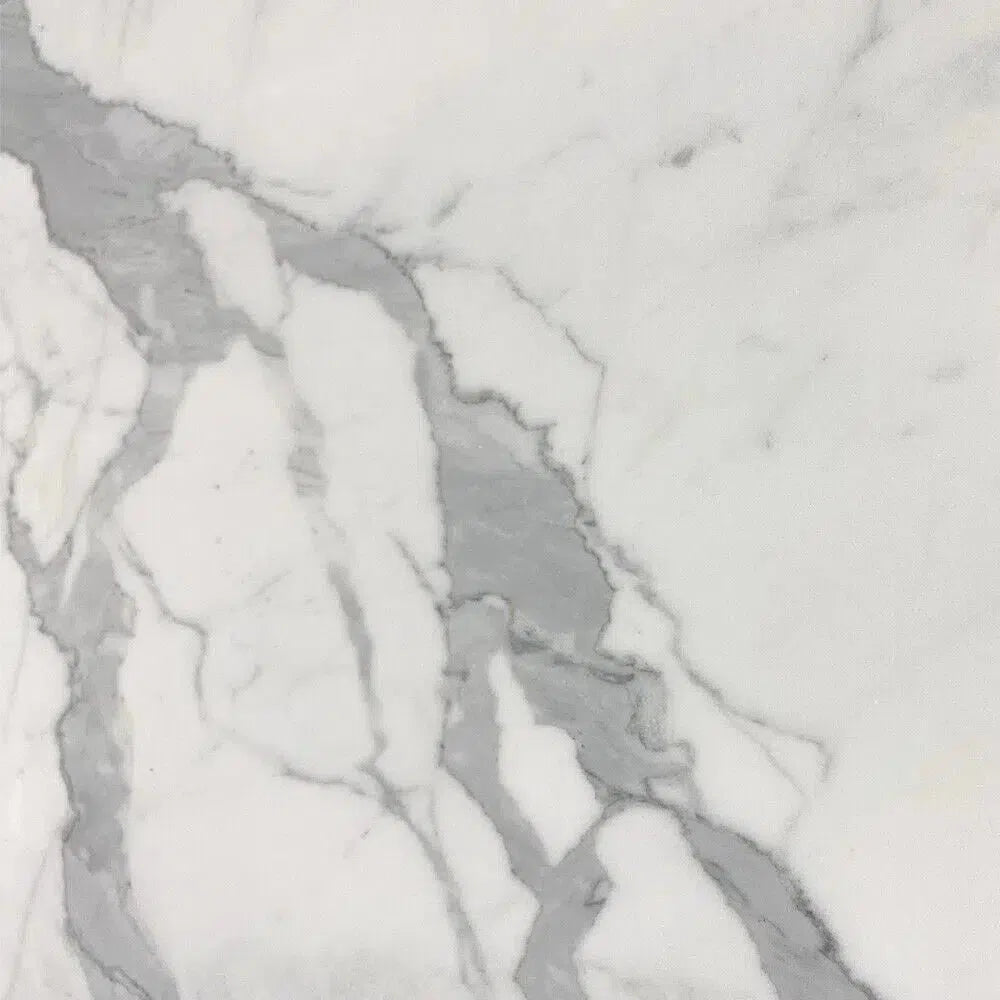

Ever wondered how that beautiful marble countertop or floor came to be? It's not magic, but a pretty cool geological story happening deep within the Earth. Basically, it's all about heat and pressure working on existing rocks over a really, really long time. Think of it like baking a cake, but instead of flour and eggs, you've got rock, and the oven is the planet's core. Let's break down how marble made its way from underground to our homes.
Key Takeaways
- Marble starts as limestone, which is made of calcite, often formed from ancient sea creatures' shells and skeletons settling on the ocean floor.
- Intense heat and pressure deep inside the Earth, usually from tectonic plate activity, transform limestone into marble through a process called metamorphism.
- During metamorphism, the original calcite crystals in limestone recrystallize, growing into larger, interlocking grains that give marble its characteristic texture and strength.
- The color and veining in marble come from impurities like clay, silt, sand, iron oxides, or chert mixed into the original limestone or introduced during the metamorphic process.
- Different geological settings, such as mountain-building zones or areas near magma, provide the necessary heat and pressure for marble formation.
- The formation of marble is a slow process, often taking millions of years, highlighting the vast timescales of geological change.
- While heat causes recrystallization, pressure helps shape the marble, influencing its crystal alignment and overall structure.
- Marble is identified by its calcite composition (which reacts to acid) and its unique crystalline texture, distinguishing it from other natural stones like granite.
The Genesis Of Marble: Understanding Metamorphism

Marble, that beautiful stone you see in fancy buildings and elegant homes, doesn't just appear out of nowhere. It's actually the result of a long, slow process deep within the Earth called metamorphism. Think of it as a natural transformation, where existing rocks get changed by heat and pressure over millions of years. This geological process creates a beautiful and durable material with various applications. Understanding metamorphism is key to appreciating how marble forms.
The Earth's Fiery Heart: A Foundation For Stone
Deep beneath our feet, the Earth is a hot and dynamic place. This internal heat is the primary engine driving many geological processes, including the creation of marble. It's this intense heat, radiating from the planet's core, that sets the stage for rock transformation.
Pressure's Embrace: Transforming Sediments
Imagine layers upon layers of rock and sediment piling up over vast stretches of time. The weight of all that material creates immense pressure. This pressure squeezes the rock, compacting it and changing its structure. It's like pressing a sponge – the water gets squeezed out, and the sponge becomes denser.
Heat's Alchemy: Recrystallization Begins
When heat and pressure combine, something magical happens to the minerals within the rock. They start to rearrange themselves, forming new crystals. This process is called recrystallization. For marble, this typically involves the mineral calcite, found in limestone, reforming into larger, interlocking crystals.
The Role Of Time: Geological Eras At Play
Geological processes move at a snail's pace. The formation of marble isn't an overnight event; it takes millions upon millions of years. Think about the vastness of geological time – entire mountain ranges rise and fall in the span it takes for a rock to become marble.
Understanding Parent Rocks: Limestone's Crucial Part
Most marble starts its life as limestone. Limestone is a sedimentary rock, often formed from the shells and skeletons of marine organisms that settled on ancient seabeds. The composition of this original limestone plays a big role in the final marble's characteristics.
The Science Behind Marble Formation
At its core, marble formation is a story of chemical and physical changes. Heat causes atoms within minerals to vibrate more intensely, allowing them to move and bond differently. Pressure forces these atoms closer together, creating a denser, more solid structure. It’s a delicate balance of forces.
How Marble Made: The Metamorphic Journey
So, how is marble made? It's a journey through metamorphism. Starting as limestone, it's subjected to the intense heat and pressure found deep within the Earth's crust. Over eons, the calcite crystals within the limestone recrystallize, growing larger and interlocking to form the solid, often beautiful, marble we recognize today. This process is a testament to the slow, powerful forces shaping our planet, resulting in beautiful natural stone for projects nationwide.
Limestone's Transformation Into Exquisite Marble
Marble, that beautiful, veined stone you see in fancy homes and historic buildings, doesn't just appear out of nowhere. It starts its life as something much more common: limestone. Think of it as a geological glow-up. This whole process is a slow, powerful dance of heat and pressure happening deep within the Earth. It's pretty wild when you think about it – ordinary rock getting completely remade into something so elegant. We're talking about a transformation that takes millions of years, a true testament to nature's patient artistry. Understanding this journey helps us appreciate the luxury natural stone we use in our projects.
From Seabeds To Stone: The Origins Of Limestone
Before it becomes marble, the raw material is limestone. Most limestone forms at the bottom of ancient oceans. Over vast stretches of time, tiny marine organisms like shells and coral skeletons, along with mineral deposits, settled on the seafloor. These layers accumulated, one on top of another, for eons. Imagine a massive, slow-motion deposition of calcium carbonate.
The Compaction Process: Layer Upon Layer
As more and more sediment piled up, the weight of the overlying material started to squeeze the lower layers. This immense pressure, known as lithostatic pressure, began to compact the sediments. Water was squeezed out, and the particles got closer and closer together. This is how the soft, muddy seafloor material gradually hardened into solid rock.
Chemical Reactions Under Pressure
Deep within the Earth, the conditions change dramatically. The intense pressure and rising temperatures start to alter the chemical makeup of the limestone. While the primary mineral is calcite (calcium carbonate), impurities and other minerals present begin to react. This is where the groundwork for marble's unique characteristics is laid.
The Crystallization Of Calcite
This is the main event. The heat and pressure cause the original calcite crystals in the limestone to recrystallize. Instead of the fine-grained, often fossil-rich structure of limestone, the calcite grains grow larger and interlock. This recrystallization is what gives marble its characteristic crystalline texture and its ability to take a high polish. The more intense the heat and pressure, the larger and more interlocking the calcite crystals become.
How Marble Made: The Limestone Precursor
So, to recap, marble is essentially transformed limestone. The original sedimentary rock, formed from marine deposits, undergoes metamorphism. This means it's changed by heat and pressure without melting completely. The key takeaway is that limestone is the essential parent rock for most marble formations found across the U.S. and worldwide.
Factors Influencing Marble's Texture
Several things affect how the final marble looks and feels. The original composition of the limestone plays a big role – what other minerals were mixed in? The intensity and duration of the heat and pressure are also critical. Higher temperatures and longer exposure tend to create larger, more uniform crystals, leading to a different texture than marble formed under less extreme conditions. This is why you see such a variety in marble finishes.
The Purity Of Calcite And Its Impact
Pure limestone, made up almost entirely of calcite, will transform into pure white marble. Think of the classic Carrara marble. However, most limestone isn't perfectly pure. The presence of other minerals and impurities is what gives marble its stunning colors and distinctive veining. Iron oxides, for example, can create reds and pinks, while carbonaceous materials might result in grays and blacks. These elements are what make each slab of marble a unique piece of art, perfect for designer projects.
The journey from a seabed deposit to a polished slab of marble is a profound geological narrative. It highlights how immense natural forces, over unimaginable timescales, can reshape the very fabric of our planet's crust, turning simple sedimentary rock into a material prized for its beauty and durability.
The Crucial Role Of Heat In Marble Creation
Heat is a major player when it comes to turning regular rock into beautiful marble. Think of it like baking – you need the right temperature for things to transform. In the Earth’s crust, this heat comes from a few different places, and it's what really gets the process going.
Geothermal Gradients: Earth's Internal Heat
The deeper you go into the Earth, the hotter it gets. This is called the geothermal gradient. As rocks get buried deeper under layers of other rock and soil, they get exposed to this rising heat. It’s a slow, steady warming that happens over millions of years, and it’s the first step in cooking up some marble.
Proximity To Magma: Intense Thermal Energy
Sometimes, molten rock, or magma, comes up from deep within the Earth. When this hot magma gets close to existing rock layers, it transfers a lot of heat. This is called contact metamorphism. The rocks near the magma get a really intense blast of heat, which can quickly change their mineral structure. It’s like putting a pot on a super hot stove – the change is much faster and more dramatic.
The Melting Point Threshold
Marble formation happens before the rock actually melts. Rocks have different melting points, and the heat involved in metamorphism is usually high enough to cause minerals to recrystallize, but not so high that they turn into liquid. If the rock were to melt completely, you’d end up with igneous rock, not marble. The sweet spot for marble is that intense heat that encourages mineral change without full liquefaction. Research shows igneous rocks can heat up to around 800°C, with peaks reaching 1000°C, giving us a sense of the temperatures involved in geological processes [f11a].
Recrystallization Dynamics
When limestone gets hot enough, its calcite crystals start to change. The original, often fine-grained calcite in limestone begins to fuse and reform into larger, interlocking crystals. This recrystallization is what gives marble its characteristic grainy texture and its ability to take a polish. The heat provides the energy for these mineral grains to move, grow, and rearrange themselves into a more stable, crystalline structure.
How Marble Made: Heat's Indispensable Touch
Without sufficient heat, limestone would just remain limestone. It’s the thermal energy, whether from deep burial or nearby magma, that drives the metamorphic process. This heat is the catalyst, breaking down old structures and allowing new, larger calcite crystals to form, ultimately creating the durable and beautiful stone we know as marble.
Distinguishing Marble From Other Stones
Heat plays a role in distinguishing marble from other stones. For instance, granite, an igneous rock, forms from molten material that has cooled and solidified. While both can be found in projects nationwide, their formation processes differ significantly. Marble's heat-induced recrystallization gives it a different texture and reaction to acids compared to granite, which forms directly from cooling magma.
The Impact Of Heat Intensity
The amount of heat a rock is exposed to affects the final marble. Lower heat might result in less recrystallization, while very high heat can lead to different mineral compositions or even partial melting. The intensity and duration of the heat exposure are key factors in determining the texture, grain size, and overall quality of the resulting marble, influencing its suitability for various U.S. projects.
Pressure's Influence On Marble's Structure
You know, when we think about marble, we often picture its smooth, elegant surface. But what gives it that strength and unique look? A lot of it comes down to pressure. Deep within the Earth, rocks are squeezed and contorted, and this immense pressure plays a huge role in how marble forms and what it looks like.
Tectonic Plate Collisions: Immense Forces
Earth's crust isn't one solid piece; it's made up of massive plates that are constantly moving. When these tectonic plates collide, the forces involved are unbelievable. Imagine two giant slabs of rock crashing into each other – the pressure generated can be thousands of times greater than what we experience every day. This kind of pressure is a major driver in metamorphism, the process that turns limestone into marble. It's like a giant geological hug that squeezes and reshapes the rock.
Deep Burial Effects: Lithostatic Pressure
Even without plate collisions, just being buried deep underground creates a lot of pressure. Think about all the rock and soil piled on top of a layer of limestone. This weight exerts a steady, even pressure from all sides, known as lithostatic pressure. It's not as dramatic as a collision, but over millions of years, this constant squeezing can compact the rock and start the process of recrystallization, which is key to forming marble.
The Formation Of Foliation
Sometimes, under intense pressure, minerals within the rock can align themselves in a particular direction. This creates a layered or banded appearance called foliation. While pure marble is often non-foliated (meaning it doesn't have these distinct layers), some metamorphic rocks that are related to marble can show foliation. It really depends on the original rock and the specific pressures and temperatures it experienced.
Crystal Alignment And Grain Size
Pressure doesn't just squeeze rocks; it also influences the size and arrangement of the mineral crystals within them. As the calcite crystals in limestone are put under pressure, they can grow larger and interlock more tightly. This interlocking structure is what gives marble its strength and contributes to its ability to take a polish. The way these crystals align under pressure directly affects the final texture and appearance of the marble. Sometimes, you might see elongated crystals or a preferred orientation, all thanks to the squeezing forces at play.
How Marble Made: Pressure's Shaping Power
So, pressure is a sculptor. It takes the relatively soft limestone and, through immense squeezing over vast stretches of time, helps transform it into the dense, crystalline marble we admire. It's not just about heat; pressure is equally important in rearranging the mineral grains and giving marble its characteristic structure and durability. For projects across the U.S., understanding this geological foundation helps appreciate the quality of the natural stone we source.
Understanding Stress And Strain
Geologists talk about 'stress' (the force applied to the rock) and 'strain' (the resulting deformation). In marble formation, the stress from tectonic forces or deep burial causes strain in the limestone. This strain leads to changes at the microscopic level – crystals deform, break, and then recrystallize, often in new, more stable arrangements. It’s a slow, continuous process.
The Interplay Of Pressure And Temperature
It's important to remember that pressure rarely acts alone. It almost always works in tandem with heat. High pressure and high temperature together are what drive the most significant metamorphic changes. While pressure can initiate recrystallization, it's the combination with heat that really gets the calcite crystals growing and interlocking to form solid marble. Think of it as a two-part geological recipe.
For designers and architects planning projects nationwide, the structural integrity imparted by these geological pressures means marble offers a lasting beauty and resilience that's hard to match. We ensure our handpicked A+ top-quality marble is ready for your next U.S. project.
The Mineral Composition Of Marble
Marble, that beautiful stone you see in fancy buildings and sculptures, isn't just one thing. Its look and feel come down to what it's made of, mostly. Think of it like baking a cake – the ingredients really matter.
Calcite: The Primary Building Block
At its core, marble is almost always made of calcite. This is a mineral that's calcium carbonate (CaCO3). When limestone gets put under heat and pressure deep in the Earth, the tiny calcite crystals in it start to grow and rearrange. They form a much bigger, interlocking structure. This recrystallization is what turns regular limestone into the solid, often sparkly marble we recognize. Pure calcite marble is usually white, like the famous Carrara marble. It's pretty straightforward.
Impurities: The Source Of Color And Veining
But what about all those colors and wavy lines? That's where impurities come in. These are other minerals or organic materials that were mixed in with the original limestone. They don't just sit there; they get caught up in the recrystallization process and become part of the marble's structure. Different impurities create different effects:
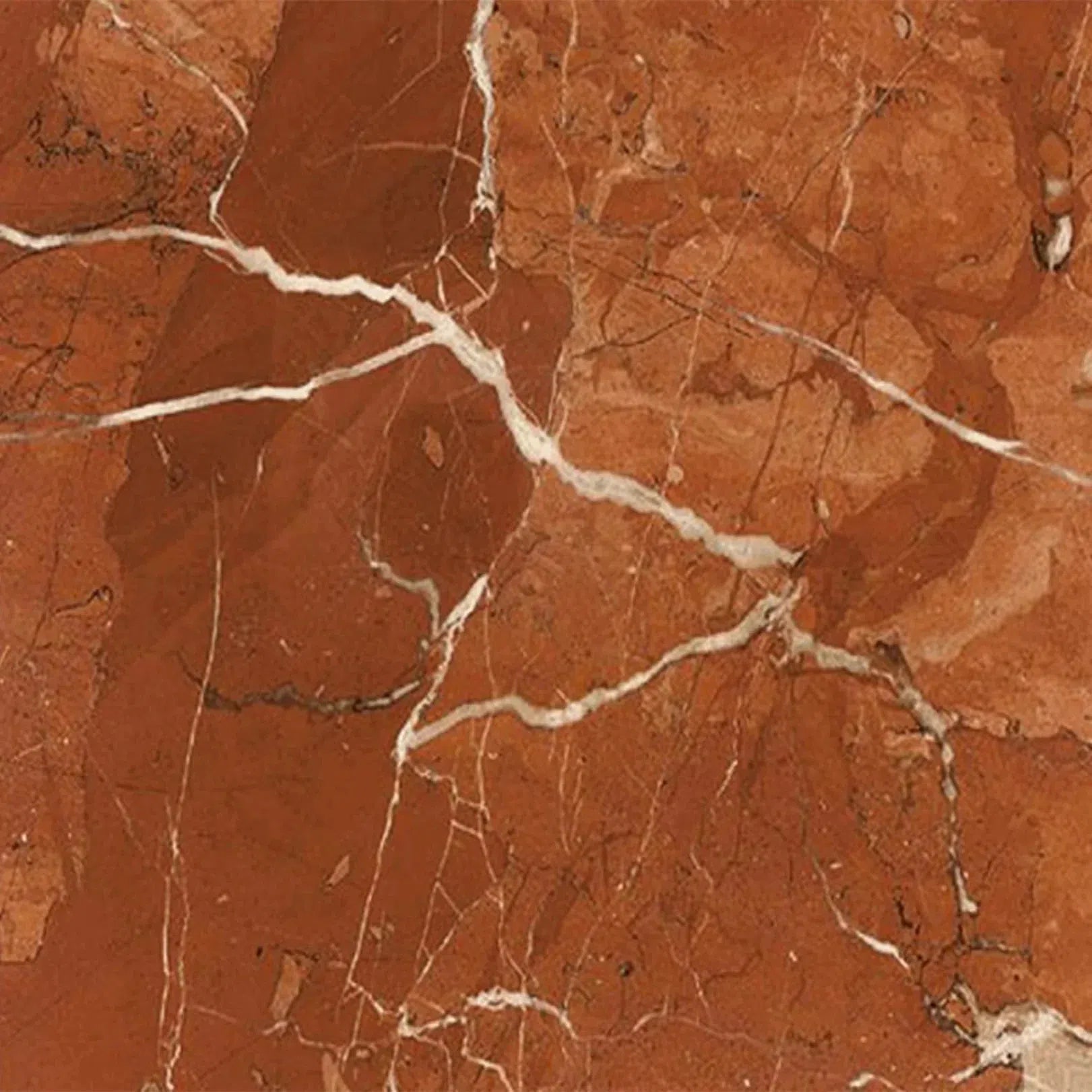
- Iron Oxides: These are common and can create beautiful shades of pink, red, orange, and yellow. Think of a sunset captured in stone.
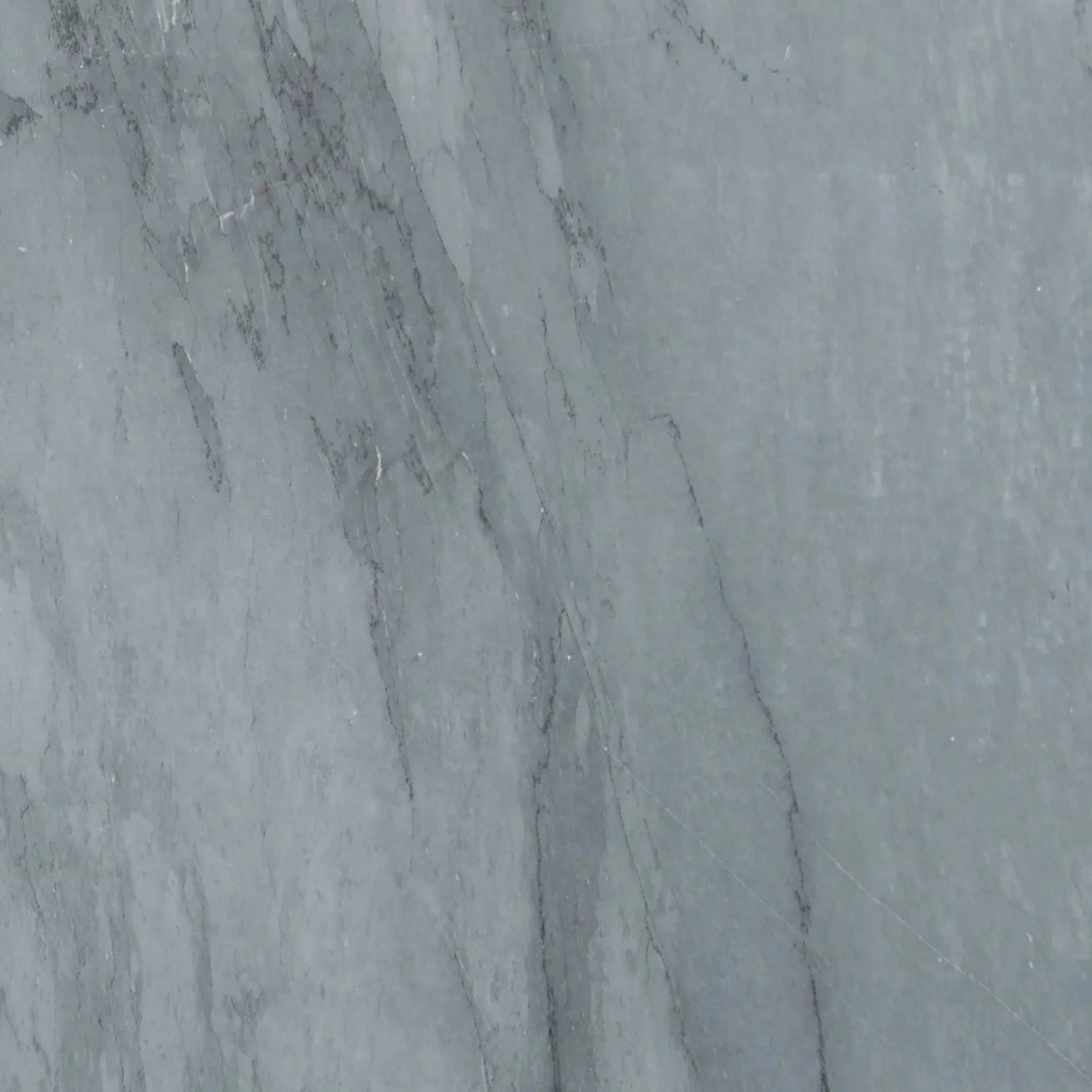
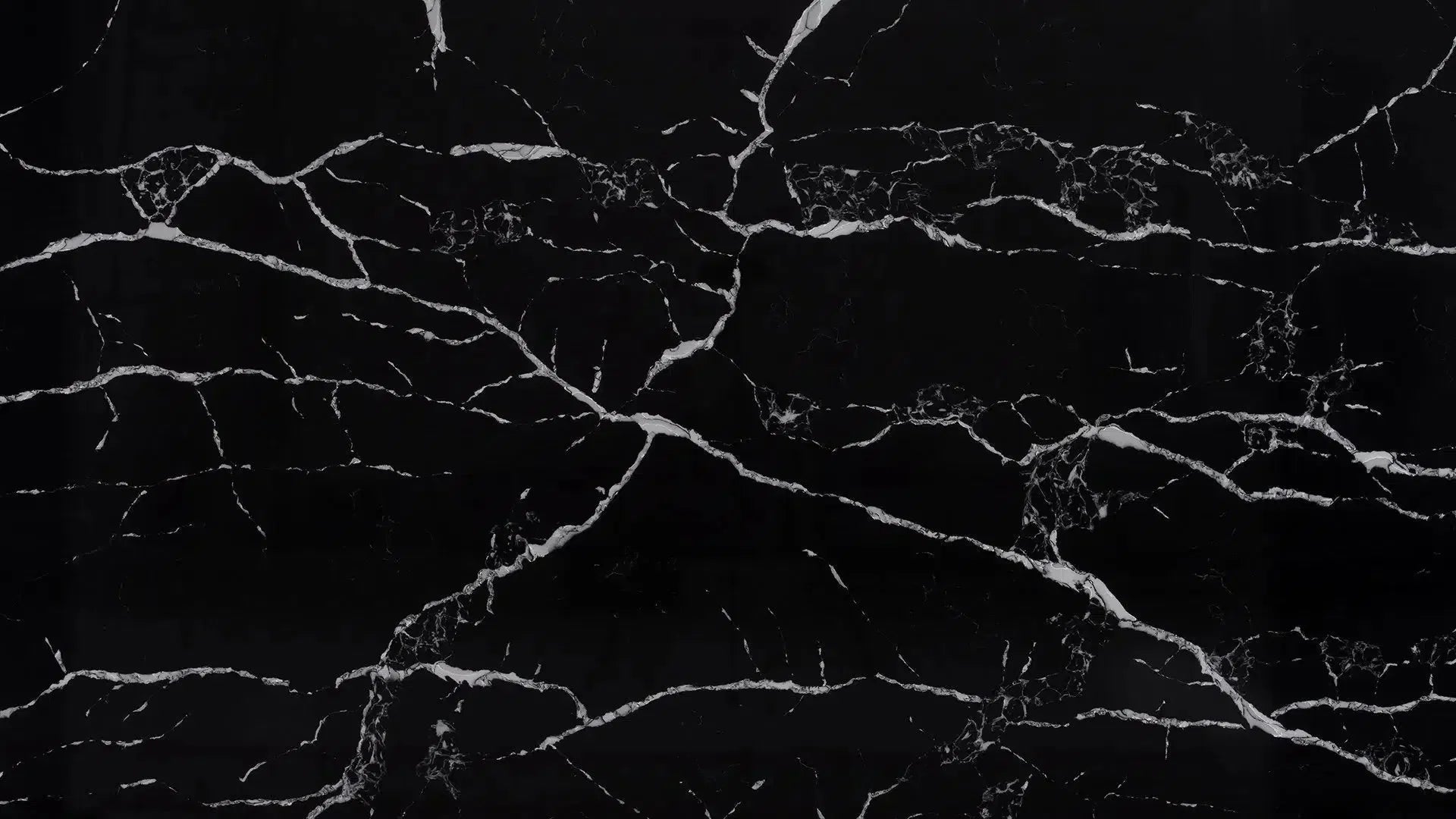
- Carbonaceous Materials: Bits of organic matter, like ancient plant or animal remains, can turn the marble gray or even black. Sometimes they create soft, smoky patterns.
- Serpentine and Chlorite: These minerals often give marble a greenish hue, sometimes with swirls or veins that look like moss or leaves.
Dolomite's Contribution: Dolomitic Marble
Sometimes, the original limestone has a lot of magnesium mixed in with the calcium. When this transforms, it forms a mineral called dolomite. Marble made from this is called dolomitic marble. It's still a type of marble, but it can have slightly different properties, sometimes being a bit harder or less reactive to acids than pure calcite marble.
Trace Elements And Their Effects
Even tiny amounts of other elements, called trace elements, can affect the marble's final appearance. These might be things like manganese, aluminum, or silica. They can subtly shift the color or create unique patterns that make each block of marble one-of-a-kind. It’s these little details that give marble its character.
How Marble Made: Mineralogical Insights
Understanding the mineral makeup is key to appreciating marble. It tells us about the original conditions of the limestone and the geological forces that shaped it. Pure calcite marble is a sign of a relatively clean original sediment, while the presence of other minerals points to a more complex geological history. It's like reading a story written in stone.
The Purity Spectrum Of Marble
Marble exists on a spectrum of purity. At one end, you have almost pure white calcite marble. At the other, you have marbles with significant amounts of other minerals, leading to dramatic colors and veining. Most marble falls somewhere in between, offering a wide range of aesthetic possibilities for designers and architects across the U.S. projects.
Identifying Marble By Its Minerals
Geologists and stone experts can identify marble by looking at its mineral composition, often using tools like a microscope or X-ray diffraction. For homeowners and designers, though, it's more about recognizing the visual cues that come from these minerals – the color, the pattern of the veins, and the overall texture. This mineralogical makeup is what gives each marble its unique personality and suitability for different design applications. We source handpicked A+ top-quality stone, ensuring you get the premium quality marble you desire for your luxury natural stone projects.
Veining And Coloration In Natural Marble
Marble isn't just a solid block of stone; it's a canvas painted by nature's own processes. The beautiful patterns and colors we see, the distinctive veining, are all part of its geological story. Understanding what creates these features helps us appreciate the unique character of each slab.
Mineral Inclusions: The Origin Of Patterns
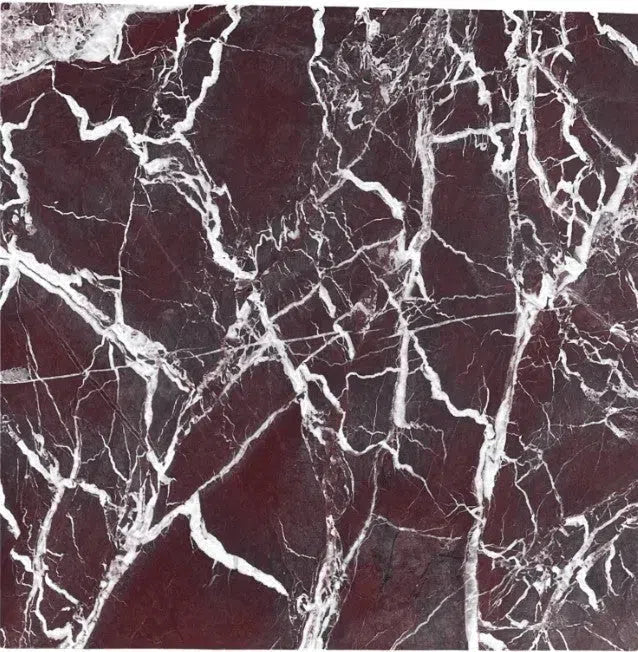
The patterns, or veins, in marble come from other minerals that got mixed in with the original calcite during its formation. Think of it like a swirl of cream in coffee, but on a geological timescale. These minerals were present in the parent rock or were introduced by fluids moving through the rock over millions of years. The way these minerals are distributed dictates the final look of the marble, creating everything from subtle wisps to bold, dramatic lines. It's these inclusions that give each piece of marble its individual personality.
Iron Oxides: Reds, Pinks, And Yellows
When iron is present in the rock during metamorphism, it often oxidizes, leading to a spectrum of warm colors. Small amounts of iron oxides can create soft pinks and subtle yellows. Higher concentrations, or different oxidation states, can result in deeper reds and even oranges. These colors are a direct result of the chemical reactions happening deep within the Earth, where iron compounds interact with oxygen and other minerals.
Carbonaceous Materials: Grays And Blacks
Organic materials, like ancient plant or animal matter, can get trapped in the limestone precursor. During metamorphism, these carbon-based materials transform into graphite or other carbon forms. This results in the beautiful grays, deep blues, and even solid blacks seen in some marble varieties. The presence and distribution of these carbonaceous inclusions are what give marbles like Nero Marquina their striking appearance.
Serpentine And Chlorite: Greens And Blues
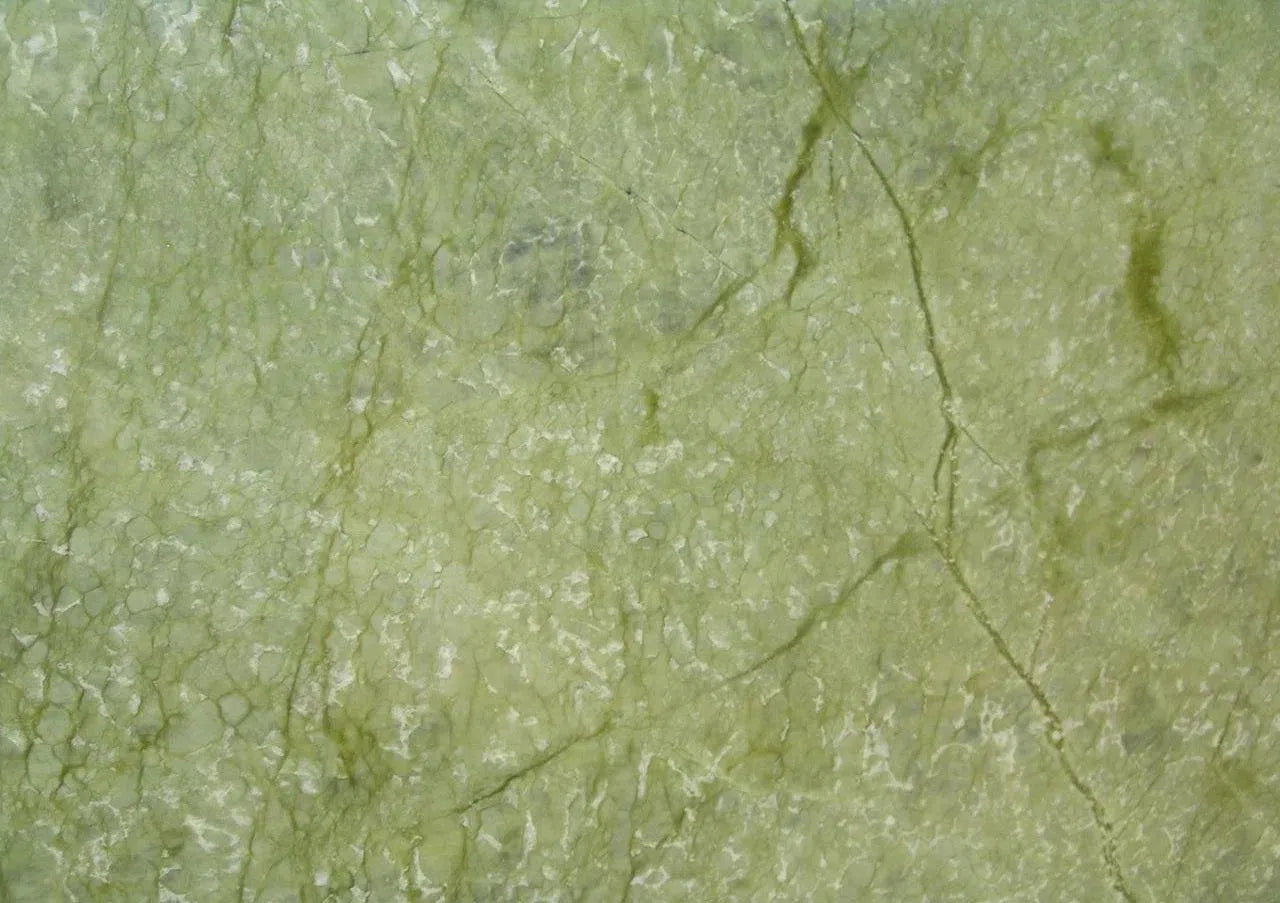
Sometimes, the original limestone might have contained clay minerals or other silicates. Under the heat and pressure of metamorphism, these can transform into minerals like serpentine and chlorite. These minerals are responsible for the lovely green hues and sometimes even bluish tones found in certain marbles. The interaction of these silicate minerals with the calcite creates a unique visual texture and color palette.
How Marble Made: The Artistry Of Nature
Marble formation is a slow, intricate process. The parent rock, usually limestone, is subjected to immense heat and pressure. This causes the calcite crystals to recrystallize, forming a denser, interlocking structure. During this transformation, impurities and other minerals present in the original rock get caught up in the recrystallization process. These trapped minerals are what create the distinctive veining and coloration that make each marble slab a unique work of art. The specific minerals present, their concentration, and how they are distributed all contribute to the final aesthetic. It's a testament to the dynamic geological forces at play beneath our feet, shaping stone over eons. For projects across the U.S., understanding these natural variations is key to selecting the perfect natural stone for your design.
Understanding The Veining Process
Veining occurs when fluids carrying dissolved minerals move through fractures or weak zones in the rock. As the fluids cool or react with the surrounding rock, these minerals precipitate out, filling the cracks and forming the visible veins. Sometimes, the veins are simply a result of the original impurities in the limestone being stretched and distorted during the metamorphic process. The direction and thickness of the veins can tell a story about the stresses the rock experienced during its formation.
The Rarity Of Pure White Marble
Pure white marble, like the famous Carrara, is a result of exceptionally pure limestone with very few impurities. When this pure limestone undergoes metamorphism, the resulting marble is predominantly calcite, giving it that clean, bright white appearance. The absence of significant mineral inclusions means there are no distracting colors or patterns, just the pure, crystalline structure of calcite. This purity is what makes it so sought after for classic and timeless designs.
The Geological Settings For Marble Formation
Marble, that beautiful stone you see in fancy buildings and sculptures, doesn't just pop up anywhere. It forms under very specific conditions deep within the Earth. Think of it as a geological recipe that requires just the right ingredients and environment. Understanding where marble comes from helps us appreciate its rarity and beauty even more. We source only handpicked A+ top-quality natural stone, and knowing its origins is part of that premium experience.
Convergent Plate Boundaries: Mountain Building
When tectonic plates collide, the Earth's crust gets pushed and squeezed. This immense pressure is a key ingredient for metamorphism, the process that turns limestone into marble. Imagine two giant hands pressing together – that's kind of what's happening, but on a planetary scale. These collisions create mountain ranges, and often, the rocks within these ranges have undergone the intense heat and pressure needed for marble formation. This is why you'll find some of the world's most stunning marble deposits in areas that were once active plate boundaries.
Subduction Zones: Intense Heat and Pressure
Subduction zones are where one tectonic plate slides beneath another. This process plunges rocks deep into the Earth, subjecting them to extreme heat and pressure. While some rocks might melt completely, others, like limestone, can transform into marble. The conditions here are pretty intense, leading to significant recrystallization of the calcite within the limestone. This is a major pathway for creating high-quality marble, often found in the mountain belts associated with these zones.
Contact Metamorphism: Near Igneous Intrusions
Sometimes, hot magma from deep within the Earth pushes its way up into existing rock layers. This heat 'bakes' the surrounding rock, causing changes. This is called contact metamorphism. If the hot magma comes into contact with limestone, the heat alone can cause the calcite to recrystallize, forming marble. The intensity of the heat and how long it's applied will affect the final marble. This process can happen in various geological settings, not just at plate boundaries.
Regional Metamorphism: Widespread Transformation
This type of metamorphism affects large areas of rock, usually due to the immense pressures and temperatures associated with mountain-building events at convergent plate boundaries. Unlike contact metamorphism, which is localized around an intrusion, regional metamorphism involves widespread changes over hundreds or even thousands of square kilometers. The limestone is subjected to prolonged heat and pressure, leading to the formation of extensive marble deposits. Many of the famous marble quarries, like those in Carrara, Italy, are located in regions that experienced significant regional metamorphism.
How Marble Made: Locating Marble Deposits
Finding marble deposits involves looking for specific geological clues. We're talking about areas with a history of tectonic activity, mountain formation, or proximity to ancient volcanic or intrusive igneous rocks. Geologists study rock formations, fault lines, and the overall geological history of a region to pinpoint where these ideal conditions once existed. Our direct importer advantage means we source from quarries in these prime locations worldwide.
The Significance Of Metamorphic Belts
Metamorphic belts are zones within the Earth's crust where rocks have been significantly altered by heat and pressure. These belts are prime real estate for finding marble. They represent areas where past geological events, like continental collisions, have created the perfect environment for transforming limestone into marble. Understanding these belts helps us locate and access the premium natural stone our clients expect.
Ancient Seabeds And Continental Margins
Limestone, the precursor to marble, often forms in ancient seabeds from the accumulation of marine organisms' shells and skeletons. When tectonic forces cause these ancient seabeds to be uplifted and buried, they become part of continental margins or mountain ranges. These settings provide the necessary burial depth and subsequent geological activity for metamorphism to occur, eventually leading to the formation of marble. It’s a long journey from a seabed to the luxurious marble used in U.S. projects today.
Ready to bring the timeless beauty of natural marble into your home or project? As direct importers of handpicked, A+ quality stone, we offer an unparalleled selection. We don’t sell commercial grade — only premium marble for discerning tastes. Explore our collections and experience the direct importer advantage with fast, reliable shipping across the nation. Chat with our experts today to find the perfect marble for your design!
From Quarry To Creation: Extracting Marble
So, you've seen those stunning marble countertops or elegant marble floors, right? Ever wonder how that beautiful stone actually gets from deep within the earth to your project? It all starts with the quarry. This isn't just about digging; it's a careful, skilled process that sets the stage for the marble's entire journey.
Identifying Promising Geological Sites
Finding the right spot for marble isn't random. Geologists look for specific rock formations, often in areas where ancient seabeds or mountain-building events have occurred. They're searching for those tell-tale signs of metamorphosed limestone, where heat and pressure have done their work over millions of years. It’s like being a treasure hunter, but the treasure is a massive block of stone.
The Art Of Quarrying: Precision Extraction
Once a site is chosen, the real work begins. Modern quarrying uses sophisticated techniques to extract marble blocks without damaging the stone. Think diamond wire saws that can cut through rock like butter, or specialized drilling and wedging methods. The goal is to get large, intact blocks that can then be further processed. This careful approach is key to getting that high-quality, natural stone you see in showrooms nationwide.
Minimizing Environmental Impact
Quarrying can have an impact, so responsible operators focus on minimizing it. This includes managing water runoff, controlling dust, and planning for land reclamation after extraction is complete. It’s about balancing the need for this beautiful material with respect for the environment. Many quarries are now designed with sustainability in mind, aiming to restore the land once operations cease.
Selecting Blocks For Quality
Not every block pulled from the earth is the same. Experienced quarry managers and geologists inspect each block for flaws, consistent veining, and color. They're looking for the best pieces that will meet the high standards expected for premium natural stone projects across the U.S. This selection process is vital for ensuring the final product is truly exceptional.
How Marble Made: The Extraction Phase
This phase is where the raw material is brought to the surface. It involves:
- Site Assessment: Geologists confirm the presence and quality of the marble deposit.
- Drilling and Blasting (Controlled): In some cases, controlled blasting might be used to break up larger sections, but often, less invasive methods are preferred.
- Cutting and Lifting: Large blocks are precisely cut using specialized equipment like diamond wire saws and then carefully lifted out of the quarry using heavy machinery.
- Initial Inspection: Blocks are examined for quality, color consistency, and structural integrity.
The Importance Of Sustainable Quarrying
Sustainable practices are becoming more important. This means thinking about the long-term health of the site and the surrounding area. It involves responsible resource management and planning for the future, ensuring that marble remains available for generations to come. It’s a commitment to both quality and environmental stewardship.
Understanding Quarrying Techniques
Different quarries might use slightly different methods depending on the specific geology and the type of marble being extracted. Some common techniques include:
- Wire Sawing: Using a diamond-impregnated wire to cut through the stone.
- Block Cutting: Employing large, specialized saws to cut blocks from the quarry face.
- Pneumatic Splitting: Using air pressure to carefully split rock.
These methods are designed to preserve the integrity of the marble blocks and prepare them for their next stage of transformation.
The journey from a raw block in the earth to a polished surface in your home is a testament to both nature's artistry and human ingenuity. Each step, from identifying the geological potential to the final cut, plays a role in revealing the stone's inherent beauty.
The Crystallization Process: Forming Marble Grains
So, how does all that transformed limestone actually turn into the beautiful, solid marble we know? It all comes down to crystallization. Think of it like sugar crystals forming in a candy recipe, but on a massive geological scale.
Nucleation and Growth of Crystals
When the heat and pressure do their work, the original calcite in the limestone starts to change. It doesn't just melt and reform; instead, the existing calcite grains rearrange and grow. This process begins with tiny nucleation points, where new crystal structures start to form. From these points, the calcite crystals expand outwards, like a slow-motion bloom. These growing crystals push against each other, interlocking to create the solid stone.
The Interlocking Nature of Grains
This interlocking is key to marble's strength. Unlike sedimentary rocks where grains might be loosely cemented, marble's crystals are fused together. Imagine tiny puzzle pieces fitting perfectly. This tight bond is what gives marble its density and makes it feel so solid underfoot. It’s this structure that allows us to quarry large blocks for projects across the U.S.
Factors Affecting Crystal Size
The size of the final marble grains isn't random. It depends a lot on how long the rock was subjected to heat and pressure, and how intense those conditions were. Longer exposure or higher temperatures generally lead to larger, more visible crystals. This is why you see such variation in marble textures, from fine-grained to coarse. It’s a direct result of the specific geological journey each piece of stone took.
The Development of Marble's Luster
That beautiful sheen you see on polished marble? That comes from the smooth, flat surfaces of the interlocking calcite crystals. When light hits these surfaces, it reflects uniformly, creating a bright, glassy appearance. The more perfectly the crystals are formed and the smoother the finish, the more brilliant the luster. This is part of what makes marble such a sought-after material for designers and homeowners.
How Marble Made: The Microscopic View
Looking at marble under a microscope reveals a dense network of interlocking calcite crystals. You won't see the original fossil fragments or sediment layers that were present in the limestone. Instead, you see a mosaic of mineral grains that have grown and fused together. This transformation is a testament to the immense power of geological forces.
Understanding Grain Boundaries
Where two crystals meet is called a grain boundary. In well-formed marble, these boundaries are tight and strong. However, if impurities were present or the metamorphic process wasn't uniform, these boundaries might be weaker. This can affect the stone's overall durability and how it behaves over time, especially in projects requiring long-lasting beauty.
The Impact of Cooling Rates
While heat and pressure are the main drivers, the rate at which these conditions subside can also play a role. Rapid cooling might result in smaller crystals, while a slower cooling process allows more time for crystals to grow larger and potentially develop more complex interlocking patterns. This subtle factor contributes to the unique characteristics found in marble from different regions.
Distinguishing Marble From Other Natural Stones
So, you're looking at beautiful stone for your project, maybe a kitchen backsplash or a bathroom vanity, and you're wondering, "Is this really marble?" It's a common question, and for good reason. The world of natural stone is vast, and some look quite similar at first glance. But marble has its own unique characteristics that set it apart. Understanding these differences is key to choosing the right material for your design.
The Acid Test: Calcite's Reaction
One of the most straightforward ways to identify marble is its reaction to acid. Marble is primarily composed of calcite, a form of calcium carbonate. When a mild acid, like vinegar or lemon juice, is applied to marble, it fizzes. This is a chemical reaction where the acid dissolves the calcite. Other stones, like granite, are much harder and don't contain significant amounts of calcite, so they won't react. This test is pretty reliable for distinguishing marble from many other stones, though it's always best to test in an inconspicuous area.
Hardness Differences: Mohs Scale Comparison
Marble isn't the hardest stone out there. On the Mohs scale of mineral hardness, marble typically ranks around a 3 to 4. This means it can be scratched by a steel knife. Compare this to granite, which usually scores a 6 to 7 on the Mohs scale. This difference in hardness is why marble can be more prone to etching and scratching in high-traffic areas if not properly cared for. Knowing this helps set expectations for maintenance and use.
Visual Cues: Veining and Texture
Visually, marble often has a distinctive look. While granite can have speckles and patterns, marble is known for its elegant, often swirling veins. These veins are caused by impurities and minerals that were present when the stone was formed under heat and pressure. The texture of marble is generally smoother and more uniform than the granular texture of granite. You might also notice a softer, more luminous quality to marble's surface, especially when polished. The color variations can be quite striking, from pure white to deep greens and reds, often influenced by the mineral composition of the original rock.
Porosity and Absorption Rates
Marble is a porous stone, meaning it can absorb liquids. This is related to its crystalline structure and the presence of micro-fissures. While it's more porous than granite, it's generally less porous than travertine, which has visible holes. The porosity of marble means it can stain if spills aren't wiped up promptly. Sealing your marble surfaces regularly is a good practice to help minimize absorption and protect against stains. This is a vital step for maintaining the beauty of your stone, especially for kitchen countertops or bathroom surfaces.
How Marble Made: Key Identification Markers
To sum it up, here are the main points to look for:
- Acid Test: Fizzing indicates calcite, common in marble.
- Hardness: Marble is softer (Mohs 3-4) and can scratch more easily than granite.
- Appearance: Look for characteristic veining and a softer luster.
- Porosity: Marble can absorb liquids, so sealing is important.
Marble Versus Granite
Granite is an igneous rock, formed from cooled magma. It's much harder, denser, and less porous than marble. While granite can have beautiful patterns, they are typically more crystalline and speckled, lacking the distinct, flowing veins often seen in marble. Granite is a great choice for busy kitchens because of its durability and resistance to heat and scratches. If you're looking for a low-maintenance, super-tough surface, granite is often the go-to. However, for a softer, more classic look with elegant veining, marble is often preferred.
Marble Versus Travertine
Travertine is a type of limestone, a sedimentary rock, that forms in hot springs. It's often confused with marble because it's also primarily calcite and can have a similar appearance. However, travertine is characterized by its distinctive holes and pits, which are formed by gas bubbles escaping as the stone solidifies. These holes are often filled in during the finishing process, but they can still be visible. Travertine is generally softer than marble and also requires regular sealing. While both offer a natural stone aesthetic, travertine has a more rustic, textured feel due to its natural voids.
Choosing the right stone is a big decision for any project. Whether you're working on a U.S. project or planning nationwide shipping, understanding these differences will help you select the perfect material. If you're still unsure, don't hesitate to reach out to our stone experts. We're here to help you find the ideal natural stone for your design needs.
The Time Scale Of Marble Formation
Millions Of Years In The Making
Marble isn't something that happens overnight. It's a product of incredibly slow geological processes, taking millions of years to form. Think about the Earth's crust – it's constantly shifting and changing, but at a pace we can barely perceive in our daily lives. The conditions needed for marble to develop, like intense heat and pressure, don't just appear and disappear quickly. They are part of long-term geological cycles.
The Slow Pace Of Geological Change
Geological change is measured in epochs and eras, not days or weeks. For limestone to transform into marble, it needs to be subjected to specific conditions for vast stretches of time. This slow transformation is what gives marble its unique crystalline structure and durability. It’s a patient process, and the resulting stone is a testament to that.
Comparing Formation Times
Different types of marble can form under varying geological pressures and temperatures, which affects how long the process takes. Some might form in a few million years, while others could take tens or even hundreds of millions of years. The parent rock, the depth of burial, and the intensity of the metamorphic event all play a role in the final timeline. The sheer age of marble is one of its most fascinating qualities.
The Significance Of Deep Time
Understanding the concept of 'deep time' is key to appreciating marble. It helps us grasp that the Earth is ancient and that the materials we use have a history stretching back eons. This perspective can change how we view natural resources and their formation. It’s a reminder of the immense power and patience of nature.
How Marble Made: A Patient Process
Marble formation is a prime example of metamorphism. It starts with sedimentary rock, usually limestone, buried deep within the Earth. Over millions of years, the heat and pressure from surrounding rock and tectonic activity cause the calcite in the limestone to recrystallize. This recrystallization process, driven by time and geological forces, is what creates the interlocking crystals that define marble's texture and strength. We source only handpicked A+ top-quality stone, reflecting this long and careful creation process.
Understanding Geological Epochs
Marble found today often originated in ancient geological periods, like the Paleozoic or Mesozoic eras. These rocks have witnessed continents drift, mountains rise and fall, and vast oceans form and disappear. Studying marble can even offer clues about the ancient environments in which it was formed. It's like reading a history book written in stone.
The Enduring Nature Of Marble
Because marble forms under such intense conditions and over such long periods, it becomes a very stable and durable material. This enduring nature means that once formed, marble can last for millions of years, resisting erosion and weathering to a significant degree. This longevity is why marble has been used in construction and art for centuries, and why we can still find and appreciate marble deposits formed in ancient times.
Variations In Marble Types Worldwide
Marble isn't just one thing; it's a whole family of stones, each with its own story and look. The geology where it forms, the specific minerals present, and even how it was squeezed and heated over millions of years all play a part in what makes each type unique. When you're looking at marble for a project, understanding these differences can help you pick the perfect material. We're talking about stones that have traveled vast distances and endured incredible forces to get to us.
Carrara Marble: Italian Elegance
When people think of classic marble, they often picture Carrara. This is the iconic white marble from the Carrara region in Italy. It's known for its soft, cloudy white background with delicate, feathery gray veining. It's a favorite for sculptures and high-end architectural projects because of its subtle beauty and smooth finish. The consistent, light veining makes it incredibly versatile for many design styles. It's a testament to the rich geological history of the Apuan Alps.
Calacatta Marble: Bold Veining
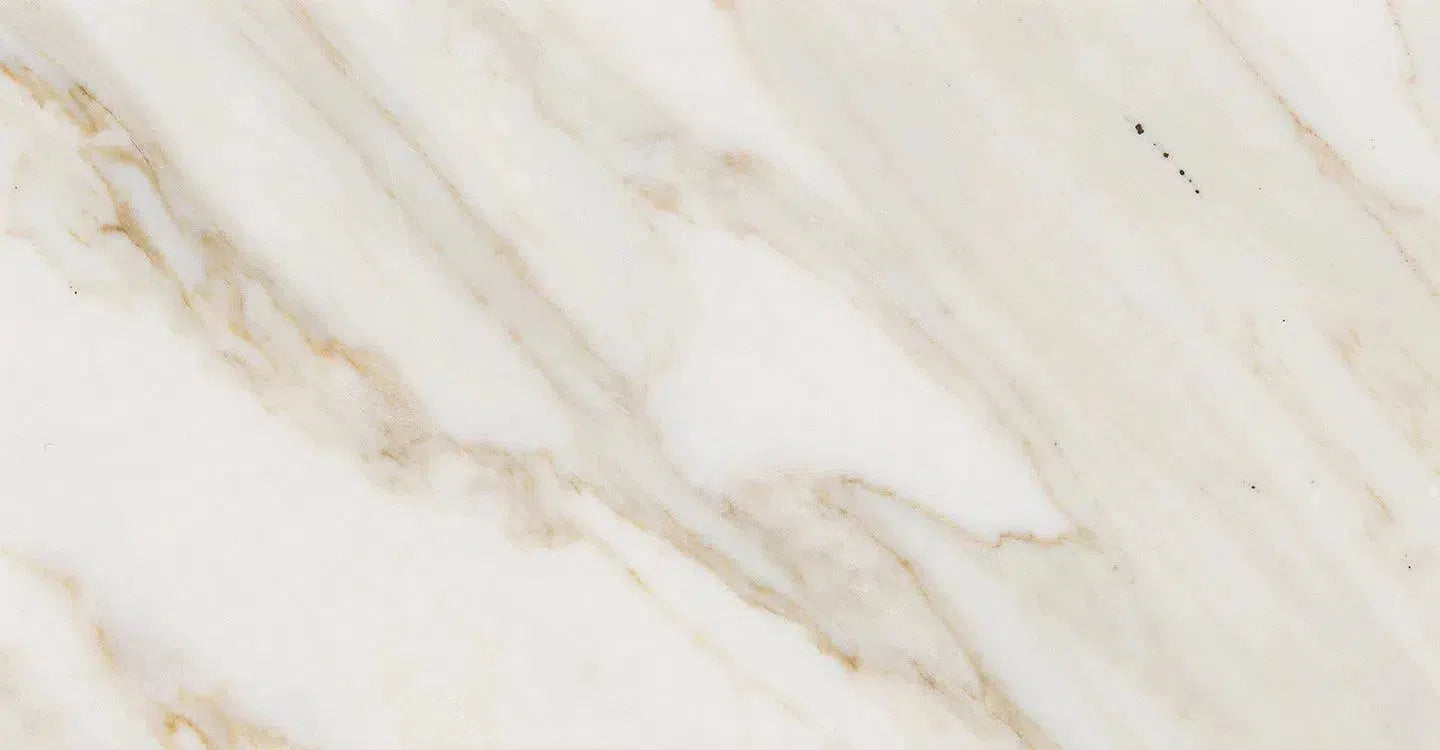
Calacatta marble, also from Italy, is a bit more dramatic than Carrara. It typically has a brighter white background and features much bolder, thicker veining that can range in color from deep gray to gold and even brown. These striking patterns give it a luxurious and distinctive appearance. If you want your marble to make a statement, Calacatta is a fantastic choice. It's often used for feature walls or countertops where its unique character can really shine.
Emperador Marble: Spanish Richness
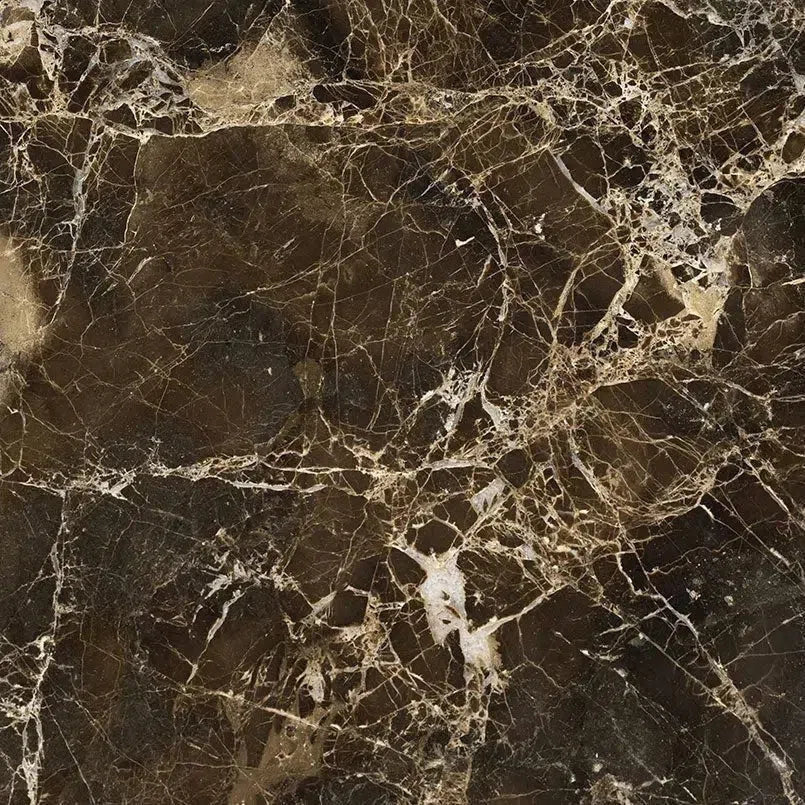
From Spain comes Emperador marble, which offers a completely different aesthetic. This stone is characterized by its rich brown tones, ranging from light to dark chocolate, often interspersed with lighter cream or white veining and occasional fossil fragments. It brings a sense of warmth and depth to any space. It's a popular choice for flooring and wall cladding, especially in more traditional or opulent designs. The deep colors are a result of mineral impurities present during its formation.
Crema Marfil: Subtle Warmth
Another Spanish gem, Crema Marfil, is celebrated for its warm, creamy beige background. It usually features subtle, fine veining in shades of white, light brown, or even pink. This marble exudes a soft elegance and is incredibly popular for its ability to create a serene and inviting atmosphere. It's a go-to for bathrooms, kitchens, and living areas where a neutral yet sophisticated look is desired. Its consistent color makes it easy to work with for large-scale installations.
How Marble Made: Global Diversity
These variations aren't random; they're the direct result of specific geological conditions. The parent rock, the intensity and duration of heat and pressure, and the presence of different minerals and impurities all contribute to the final look. For instance, iron oxides often lead to warmer colors like pinks and reds, while carbonaceous materials can create grays and blacks. The specific tectonic settings where these rocks formed also dictate the mineral composition and, consequently, the marble's appearance. Understanding this global diversity helps us appreciate the natural artistry involved in creating marble.
Regional Geological Influences
Different regions have distinct geological histories, which directly impacts the marble found there. Italy's Apuan Alps, for example, have a unique metamorphic history that yields the classic Carrara and Calacatta. Spain's geological makeup, influenced by different tectonic forces and mineral deposits, gives rise to the warm tones of Emperador and Crema Marfil. Even within a single country, variations can occur based on the specific metamorphic belts and the proximity to ancient geological events. This means that marble quarried from different locations, even if it looks similar, might have subtle differences due to its origin.
The Unique Characteristics Of Each Type
Each type of marble brings its own set of characteristics to the table. Carrara offers understated elegance, Calacatta provides dramatic flair, Emperador brings earthy richness, and Crema Marfil delivers gentle warmth. When selecting marble, consider the overall design vision. Do you need a subtle backdrop or a striking focal point? The choice of marble can significantly influence the mood and style of a space. We pride ourselves on sourcing handpicked A+ top-quality stone, ensuring that whatever type you choose, it represents premium quality for your project.
The Impact Of Water On Marble Genesis
Water might not be the first thing you think of when picturing the intense heat and pressure that form marble, but it plays a surprisingly big role. It's not just about the dramatic geological forces; water acts as a quiet, yet powerful, agent in the whole process. Think of it as a facilitator, helping things along in ways you might not expect.
Water As A Solvent And Catalyst
Water, especially when it's hot and under pressure deep within the Earth, becomes a fantastic solvent. It can dissolve minerals that would otherwise stay put. This dissolving action is key because it allows minerals to move around and recrystallize. It's like having a tiny, super-efficient cleaning crew and moving service all rolled into one, working within the rock.
Dissolution And Reprecipitation
When limestone, the parent rock of marble, is subjected to heat and pressure, water helps break down the original calcite crystals. This dissolved calcite then gets redeposited elsewhere, forming new, larger, and more interlocking crystals. This cycle of dissolving and reforming is what transforms a fine-grained limestone into the coarse, crystalline structure we recognize as marble. This recrystallization is the heart of marble formation.
Hydrothermal Alteration Processes
Sometimes, hot water circulating through rock fractures can significantly alter the minerals present. This is called hydrothermal alteration. In the context of marble, these hot, mineral-rich fluids can introduce new elements or change the existing ones, influencing the final color and mineral composition of the stone. It's how some of those unique colors and patterns get introduced into the marble.
The Role Of Groundwater In Metamorphism
Even groundwater, not necessarily super-heated, can contribute. As it seeps through rock layers over vast stretches of time, it can carry dissolved minerals and facilitate chemical reactions. While not as dramatic as deep-earth hydrothermal fluids, this slow, steady interaction is part of the long geological story that leads to marble.
How Marble Made: Water's Subtle Role
So, while pressure and heat are the main drivers, water is the unsung hero. It acts as a solvent, a transport medium, and a catalyst for chemical changes. Without water's involvement, the transformation of limestone into marble would be a much slower, and perhaps less intricate, process. It's a reminder that even seemingly simple elements can have profound geological impacts.
The Influence Of Fluid Inclusions
Tiny pockets of water, or other fluids, trapped within mineral crystals are called fluid inclusions. These little time capsules can tell geologists a lot about the conditions under which the marble formed – the temperature, pressure, and chemical makeup of the fluids present. They offer direct evidence of water's role in the genesis of the stone.
Water's Effect On Mineral Solubility
Different minerals dissolve and recrystallize at different rates depending on the water's temperature, pressure, and chemical environment. This differential solubility is what allows certain minerals to be transported and redeposited, contributing to the formation of specific marble textures and the separation of impurities that can lead to veining. Understanding how minerals behave in water helps us understand the final look of the marble we admire.
Understanding Marble's Metamorphic Grade
Marble doesn't just appear; it's a product of a geological process called metamorphism, and the intensity of that process really matters. Think of it like baking a cake – you need the right temperature and time for it to turn out perfectly. In marble's case, the 'metamorphic grade' tells us how much heat and pressure the original rock, usually limestone, was subjected to. This grade directly influences the final look and structure of the marble you see.
Low-Grade Metamorphism: Initial Changes
When limestone experiences low-grade metamorphism, it's like a gentle warming and slight squeezing. The original calcite crystals in the limestone start to grow a little, becoming slightly larger and more interlocking. You might not see a huge visual difference at this stage, but the rock is beginning its transformation. It’s the very first step in turning a sedimentary rock into a metamorphic one. The texture is still relatively fine, and the original sedimentary features might still be somewhat visible.
Medium-Grade: Significant Recrystallization
As the heat and pressure increase to a medium grade, the changes become more pronounced. The calcite crystals in the limestone grow considerably larger and begin to fuse together more thoroughly. This process, called recrystallization, is what gives marble its characteristic granular texture and its ability to take a polish. The interlocking nature of these larger crystals is what makes marble strong and gives it that beautiful luster when finished. Impurities present in the original limestone start to become more visible as distinct patterns or colors.
High-Grade: Complete Transformation
At the highest grades of metamorphism, the original limestone is thoroughly transformed. The calcite crystals become very large, and the rock develops a coarse, crystalline texture. If there were any impurities, they might have reacted to form new minerals, leading to more complex veining and coloration. In some cases, extreme heat and pressure can even lead to partial melting, though this is beyond the typical formation of most marbles we encounter. The higher the metamorphic grade, the more dramatic the recrystallization and the coarser the grain of the resulting marble.
The Relationship Between Grade and Texture
It's pretty straightforward: higher metamorphic grade generally means larger, more interlocking crystals. This directly affects the marble's texture. Low-grade marbles might feel smoother and have a finer grain, while high-grade marbles will feel more granular and might even have visible crystal facets. This texture is what determines how well a marble can be polished and how it will look in a design project. For instance, a marble with a very coarse grain might not achieve the same mirror-like finish as one with a finer, medium-grade texture.
How Marble Made: Assessing Metamorphic Intensity
Geologists assess metamorphic grade by looking at the size and type of mineral crystals present. They can also examine the rock's fabric – how the crystals are arranged. In marble, this means looking at the calcite grains. Are they small and tightly packed, or large and clearly defined? The presence of certain accessory minerals, formed from impurities during metamorphism, also gives clues about the intensity of the heat and pressure.
Factors Determining Metamorphic Grade
Several things decide how much heat and pressure a rock gets. Deep burial is a big one; the deeper the rock, the hotter and more compressed it is. Proximity to magma intrusions also adds intense heat. Tectonic plate collisions, like those that form mountain ranges, create immense pressure over vast areas. The specific geological setting where the limestone is located dictates the conditions it experiences, and thus, its final metamorphic grade.
The Spectrum of Marble Qualities
Understanding metamorphic grade helps us appreciate the variety in marble. A marble from a region with moderate metamorphism might have a different look and feel than one from an area that experienced intense geological activity. This variation is why different marbles, like Carrara or Calacatta, have their unique characteristics. We source only handpicked A+ top-quality marble, ensuring premium material for your U.S. projects, whether you're in New York or California. Our direct importer advantage means you get authentic, luxury natural stone without commercial-grade compromises. We don't sell anything less than the best for your design needs.
The Role Of Faults And Folds In Marble Deposits
You know, when you think about marble, you probably picture those smooth, elegant surfaces in fancy homes or historic buildings. But getting that stone from deep within the Earth to your project involves some pretty wild geological drama. One of the big players in shaping where and how marble forms are faults and folds.
How Geological Structures Influence Marble
Think of the Earth's crust like a giant, slow-moving puzzle. When these puzzle pieces, called tectonic plates, grind against each other, the rocks get pushed, pulled, and squeezed. This immense pressure doesn't just create mountains; it also causes rocks to bend and break. These bends are called folds, and the breaks are faults. For marble, these structures are super important because they can bring deep rock layers closer to the surface, making them accessible for quarrying, and they also influence the rock's internal structure.
How Marble Made: Structural Geology's Input
Marble, as we know learned, is born from limestone that's been cooked and squeezed. The geological processes that create folds and faults are often the very same ones that provide the heat and pressure needed for metamorphism. Imagine layers of limestone buried deep underground. As tectonic forces push these layers together, they can buckle and fold, creating anticlines (upward folds) and synclines (downward folds). These folds can expose deeper, hotter rock layers or create areas where heat and pressure are concentrated, perfect for turning limestone into marble. Faults, on the other hand, are fractures where rocks have moved past each other. These can act as pathways for hot fluids, which can further alter the limestone, or they can bring different rock types into contact, influencing the final marble's composition. Understanding these geologic formations helps us predict where good marble deposits might be found.
The Significance Of Rock Fractures
Faults aren't just big breaks; they often create a network of smaller fractures within the rock. These fractures can affect the quality of the marble. Sometimes, they are filled with other minerals, creating the beautiful veining we see. Other times, they can weaken the stone, making it more prone to breaking during quarrying or installation. Quarry operators need to carefully assess these fractures to select the best blocks for use. It's a bit like picking out the perfect piece of fruit – you want one without bruises or blemishes.
Mapping Marble Formations
Geologists use their knowledge of faults and folds to map out potential marble deposits. By studying the large-scale geological structures of an area, they can infer where the conditions for marble formation were most favorable. This is a bit like following clues to find hidden treasure. For designers and architects looking for specific types of marble, understanding these geological underpinnings can help in sourcing unique materials for U.S. projects. We pride ourselves on offering handpicked A+ top-quality stone, and knowing where to look is part of that process.
Preserving The Beauty: Marble's Durability
Marble is known for its beauty, but how does it hold up over time? It’s not just about how it looks when it's first installed; it's about its lasting power. The strength of interlocking crystals is a key factor in marble's impressive longevity. When you look at marble up close, you see these tiny crystals all meshed together. This structure makes it pretty tough, resisting everyday wear and tear.
The Strength Of Interlocking Crystals
Think of marble as a natural mosaic. The calcite crystals that form marble grow into each other, creating a dense, solid material. This interlocking nature means there aren't many weak points for damage to start. It’s this internal structure that gives marble its resilience.
Resistance To Weathering
Marble has a decent ability to stand up to the elements, though it's not invincible. Outdoors, it can withstand a good amount of exposure, but it's more susceptible to acid rain, which can etch its surface over time. Indoors, however, its resistance to weathering is quite good, especially when properly cared for. This is why it's such a popular choice for interior design projects across the U.S.
The Importance Of Proper Care
Taking care of your marble is really important if you want it to last. It’s not like granite, which is much harder. Marble is softer and can scratch or stain if you’re not careful. Regular cleaning with pH-neutral cleaners is a must. Spills should be wiped up right away, especially acidic ones like wine or lemon juice. For surfaces like countertops or bathroom vanities, sealing is a big deal. Professional resealing is recommended periodically to maintain its stain-resistant and water-repelling qualities after the initial sealing [2a99].
Understanding Marble's Lifespan
With the right care, marble can last for generations. Many historic buildings and sculptures made of marble are still standing today, looking beautiful after hundreds or even thousands of years. This shows just how durable this natural stone can be. It’s a material that truly stands the test of time.
How Marble Made: A Lasting Legacy
Marble's durability is directly tied to its geological formation. The intense heat and pressure deep within the Earth that create marble also forge its strong, crystalline structure. This process, taking millions of years, results in a stone that is not only beautiful but also remarkably enduring. It’s a testament to the slow, powerful forces of nature.
The Natural Resilience Of Marble
Marble's natural resilience comes from its composition. Primarily calcite, it's a material that has been shaped by geological forces over vast timescales. While it requires a bit more attention than some other stones, its inherent strength and beauty make it a worthwhile investment for any project. It’s a material that ages gracefully, developing a unique patina over time.
Factors Affecting Marble's Longevity
Several things can impact how long your marble lasts. The type of marble matters – some are denser and more resistant than others. The environment it's in plays a role too; a high-traffic area will see more wear than a low-traffic one. And, of course, how well it's maintained is probably the biggest factor. Proper sealing and cleaning can make a huge difference in its lifespan. For those looking to add a touch of luxury to their homes nationwide, understanding these factors is key to a lasting installation.
The Science Of Marble Polishing And Finishing
Achieving A Smooth Surface
So, you've got this beautiful slab of marble, maybe for a kitchen backsplash or a bathroom vanity. It's already pretty impressive, right? But to really make it shine and protect it, there's a whole process involved. It's all about getting that surface just right. Think of it like sanding wood – you start rough and get progressively finer. The goal here is to smooth out any imperfections left from the quarrying and initial cutting.
The Role Of Abrasives
This is where the magic really happens. You can't just rub marble with a cloth and expect it to gleam. You need abrasives. These are materials that are harder than the marble itself, and they work by grinding away tiny bits of the stone. We're talking about things like carborundum, diamond, or even emery. The type and grit size of the abrasive are super important for the final look. The right abrasive can transform a dull surface into a mirror-like finish. You can find a variety of these materials used in stone finishing nationwide.
Enhancing Natural Luster
Polishing isn't just about making the stone smooth; it's about bringing out its inherent beauty. As the abrasives get finer and finer, they start to polish the calcite crystals within the marble. This creates a reflective surface that makes the colors and veining pop. It's this luster that gives marble its luxurious feel. Different marbles will have different levels of natural luster, depending on their mineral composition and crystal structure.
Different Finishing Techniques
Polishing is just one way to finish marble. There are others, too, each giving a different look and feel. Honing, for example, creates a smooth, matte finish that's less reflective than polished marble. It's a great choice if you want a softer look or are concerned about glare. Then there's brushing, which gives a textured, slightly worn appearance, often used for a more rustic or antique style. Each technique has its place, depending on the design and the specific marble.
- Polished: High gloss, mirror-like finish. Best for low-traffic areas where you want maximum visual impact.
- Honed: Smooth, matte finish with little to no shine. Good for high-traffic areas and a more subdued aesthetic.
- Brushed: Textured, slightly worn look. Adds character and a tactile surface.
- Leathered: Similar to brushed but with a softer, more undulating texture, mimicking the feel of leather.
The process of finishing marble is a careful balance of mechanical action and material science. It requires precision to achieve the desired aesthetic without damaging the stone's integrity. The choice of finish significantly impacts both the appearance and the maintenance requirements of the marble installation.
Marble's Place In Earth's Geological History
Marble isn't just a beautiful building material; it's a storybook of our planet's past. When you look at a piece of marble, you're seeing a record of immense geological forces and ancient environments. These stones have witnessed the slow, steady march of time, capturing moments from Earth's history within their crystalline structure. Understanding marble formation is like reading a chapter in Earth's autobiography.
Ancient Rock Formations
Many marble deposits are found in some of the oldest rock formations on Earth. These rocks have survived countless geological events, from mountain building to continental drift. They often originate from ancient seabeds, where layers of sediment, including the shells and skeletons of marine organisms, were deposited over millions of years. These original sediments are the raw material that will eventually become marble.
Evidence Of Past Environments
The mineral composition and texture of marble can tell us a lot about the conditions under which it formed. For instance, the presence of certain impurities can indicate the type of environment the original limestone was in. Were there volcanic activities nearby? Was the water rich in certain minerals? These details help geologists reconstruct ancient landscapes and climates. It's fascinating to think that the marble in your kitchen might have once been part of a prehistoric ocean floor.
Marble As A Geological Record
Marble acts as a natural archive. The way the calcite crystals have grown, the patterns of veining, and the presence of any trapped minerals all provide clues about the metamorphic process. Geologists study these features to understand the temperature, pressure, and duration of the metamorphism. This information helps us piece together the tectonic history of a region, revealing past collisions of continents or the formation of ancient mountain ranges. The geologic time scale provides the framework for understanding these vast periods.
Tracing Tectonic Events Through Marble
Marble deposits are often found in areas that have experienced significant tectonic activity, like mountain belts. The immense pressures and heat associated with plate collisions are exactly what's needed to transform limestone into marble. By studying the distribution and characteristics of marble deposits, scientists can map out ancient plate boundaries and understand the forces that shaped our continents over eons. It's a tangible link to the dynamic processes that continue to mold our planet.
How Marble Made: A Window To The Past
Marble formation is a slow process, often taking millions of years. The original limestone needs to be subjected to specific geological conditions – heat and pressure – deep within the Earth. These conditions are typically found in tectonically active zones. The resulting marble, with its unique crystalline structure and often striking veining, is a direct product of these ancient geological events. It’s a beautiful reminder of the Earth's long and complex history.
The Significance Of Fossiliferous Marble
Sometimes, marble retains evidence of its origins as limestone, including fossils. These fossiliferous marbles are particularly valuable to geologists. They offer direct proof of the original sedimentary environment and the types of life that existed at that time. Finding a fossil within a marble slab connects us directly to a prehistoric world, making the stone not just a material, but a historical artifact.
Understanding Stratigraphy
Marble layers are often found within larger sequences of rock layers, known as strata. The position of these marble layers within the stratigraphy helps geologists date the surrounding rocks and understand the sequence of geological events. This layered approach to studying rock formations is a cornerstone of geology, and marble plays its part in telling that story. It helps us build a timeline of Earth's history, one rock layer at a time.
The Future Of Marble Formation And Availability
Marble, a stone born from immense geological forces over millions of years, has captivated us with its beauty and durability. But what does the future hold for its formation and availability? Understanding this requires looking at ongoing geological processes and how we interact with these natural resources.
Ongoing Geological Processes
While the dramatic mountain-building events that create ideal conditions for marble formation are slow, they haven't stopped. Tectonic plates continue to shift, collide, and subduct, generating the heat and pressure needed for metamorphism. New marble deposits are, in geological terms, constantly being formed, though at a pace imperceptible to human lifespans. These processes are part of Earth's continuous cycle of creation and transformation.
The Finite Nature Of Quarry Resources
Even though geological processes continue, the marble we access today comes from specific, finite deposits. Once a quarry is depleted, it's gone. This means that while nature keeps making marble deep within the Earth, the easily accessible, high-quality veins that we quarry are limited. This scarcity is a key factor in the value and desirability of natural marble for projects across the U.S.
Sustainable Sourcing Practices
Because quarry resources are finite, responsible sourcing is becoming more important. This involves:
- Minimizing waste during extraction.
- Rehabilitating quarry sites after use.
- Choosing suppliers who prioritize environmental stewardship.
- Exploring and developing new, responsibly managed quarry locations.
This approach helps ensure that future generations can also benefit from this natural material.
The Enduring Appeal Of Natural Stone
Despite the challenges of availability, the appeal of natural marble remains strong. Its unique veining, rich colors, and timeless elegance are qualities that engineered materials struggle to replicate. For designers, architects, and homeowners undertaking projects nationwide, the authenticity of real marble is often unmatched.
How Marble Made: Looking Ahead
Looking ahead, the story of marble formation is one of patience and geological time. While new marble is being created deep within the Earth, our access to it depends on careful quarrying and sustainable practices. The future availability will likely involve a greater emphasis on responsible sourcing and appreciating the finite beauty of the marble we have.
The Role Of Conservation
Conservation plays a role not just in quarrying but also in how we use and care for marble in our homes and buildings. Proper maintenance and understanding marble's properties can extend the life of existing installations, reducing the immediate demand for new material.
Predicting Future Marble Deposits
Geologists continue to study Earth's crust, identifying areas with the right geological history – past volcanic activity, ancient mountain ranges, and specific rock formations – that indicate potential marble deposits. While predicting exact locations and quality is complex, ongoing geological research helps in locating new sources for this prized natural stone.
Thinking about how marble is made and if there will be enough for everyone? Scientists are looking into new ways marble might form and how we can keep using this beautiful stone. It's fascinating to learn about the earth's processes that create such unique materials. Want to know more about where marble comes from and what the future holds? Visit our website to explore the amazing world of natural stone!
From Earth's Depths to Your Home
So, there you have it. Marble isn't just a pretty rock; it's a testament to the incredible forces shaping our planet over millions of years. From the intense heat and pressure deep underground to the slow, steady transformation of limestone, nature has a way of creating something truly special. It’s pretty amazing to think about the journey each slab takes before it ends up as a beautiful part of your home. Next time you see a marble surface, remember the ancient geological story it carries within it. It’s a piece of Earth’s history, crafted by time and pressure, ready to bring a touch of timeless elegance to your space.
Frequently Asked Questions
How is marble actually made by the Earth?
Marble starts as limestone, which is mostly made of tiny shells and sea creatures. When this limestone gets buried deep underground, it's squeezed by tons of rock and heated up by the Earth's core. This intense heat and pressure change the limestone's tiny pieces into bigger, sparkling crystals, forming marble.
What's the main ingredient in marble?
The main ingredient is a mineral called calcite. Think of it like the building blocks. Pure marble is mostly just calcite crystals packed together. When other minerals sneak in, they give marble its cool colors and patterns.
Why does marble have veins and colors?
Those beautiful lines and colors, called veins, happen when other minerals mix with the calcite during the squeezing and heating process. Things like iron or clay can create reds, greens, grays, or even black streaks, making each piece of marble unique.
Does it take a long time for marble to form?
Oh yes, a very, very long time! Marble formation happens over millions of years deep inside the Earth. It's a slow process of rocks being changed by heat and pressure, so it's a true product of deep time.
Can you tell marble apart from other stones like granite?
Yes! A simple test is to put a drop of acid (like vinegar) on it. Marble, because of its calcite, will fizz and bubble. Granite, which is much harder, won't react. Also, marble usually has softer, wavy veins, while granite has more speckled patterns.
Where does marble usually form in the Earth?
Marble often forms where huge pieces of the Earth's crust push against each other, like in mountain ranges. It can also form when hot magma from deep inside the Earth heats up nearby limestone.
What does 'metamorphism' mean for marble?
Metamorphism is the fancy word for the change that happens to rocks. For marble, it means limestone is transformed into a new, harder, crystalline rock through heat and pressure. It's like a rock's makeover!
Is all marble the same color?
Not at all! Pure marble is often white, but impurities are what give it all sorts of colors like pink, green, gray, black, and yellow. The type and amount of these impurities create the amazing variety we see.
How do miners get marble out of the ground?
Miners use special tools and techniques to carefully cut large blocks of marble from the earth, often in quarries. They try to extract it without damaging the stone, preserving its natural beauty.
What makes marble shiny and smooth after it's mined?
After marble is cut, it's polished using special machines and abrasive materials. This process smooths out the surface and brings out the natural sparkle of the calcite crystals, giving it that beautiful, reflective finish.
Can water affect how marble forms?
Water plays a role! It can act like a natural solvent, helping to dissolve and then re-deposit minerals. This can influence the way crystals grow and can sometimes contribute to the patterns and textures found in marble.
Why is some marble considered more valuable than others?
Value often comes down to rarity, the beauty of its veining and color, and its purity. Famous types like Carrara or Calacatta marble are highly prized for their distinct looks and the specific geological conditions under which they formed.