

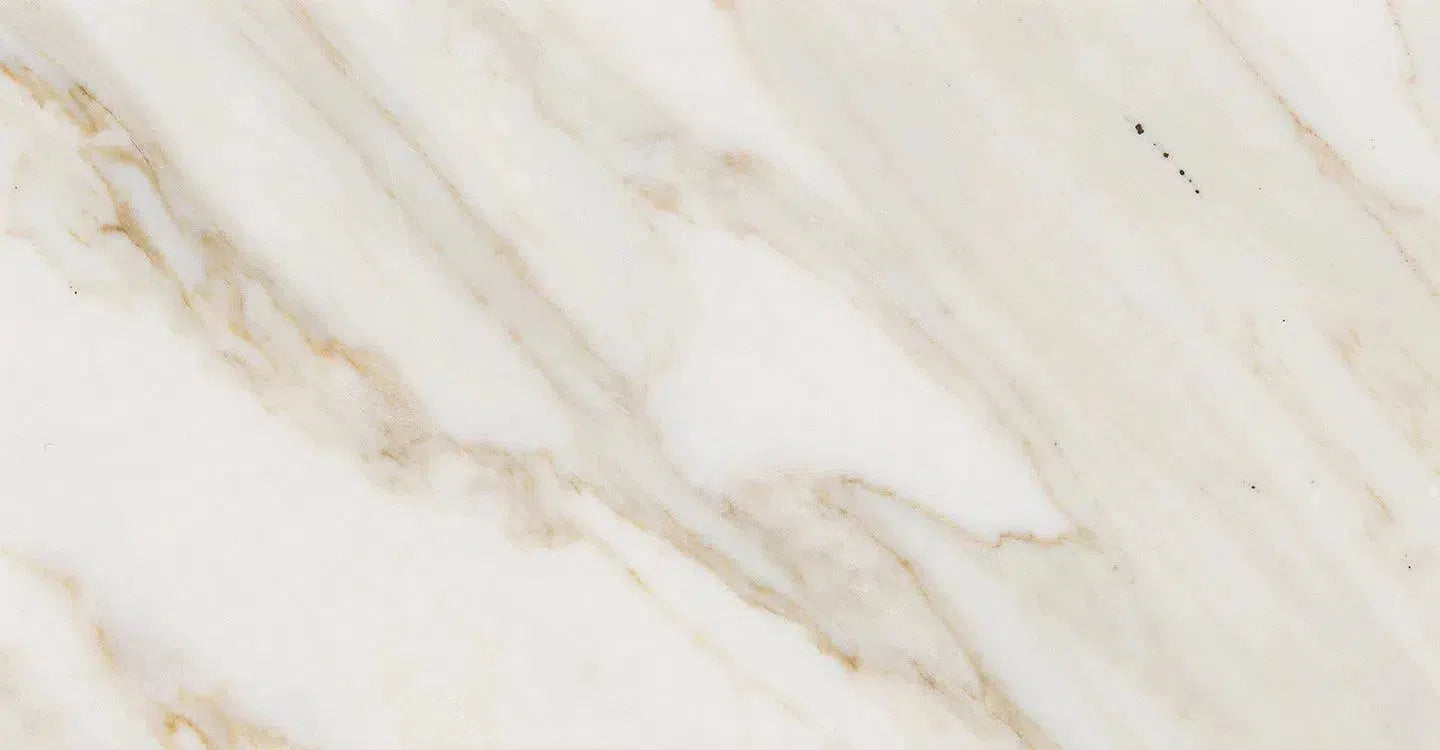




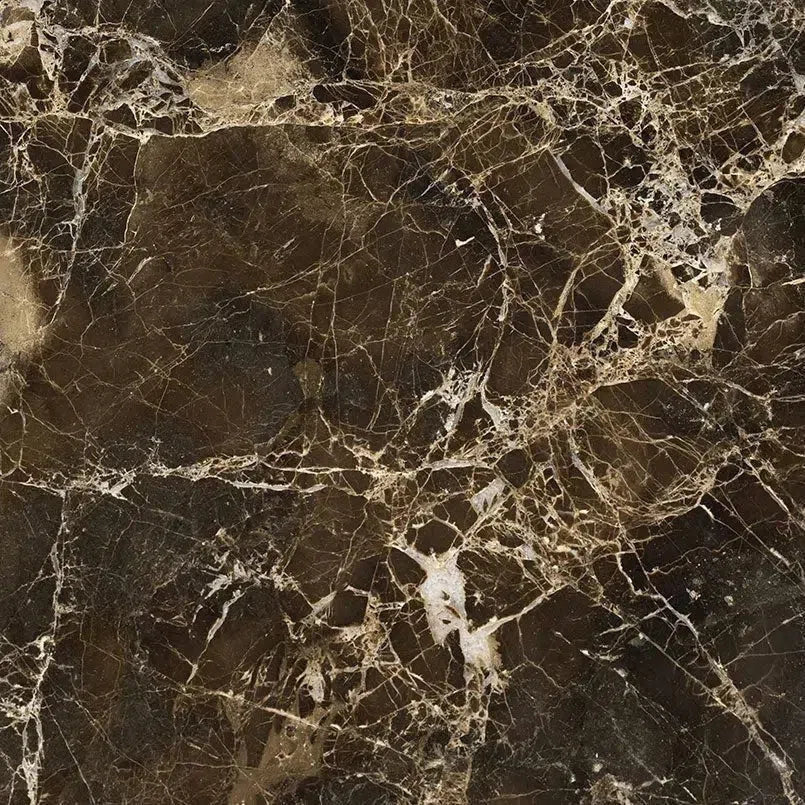
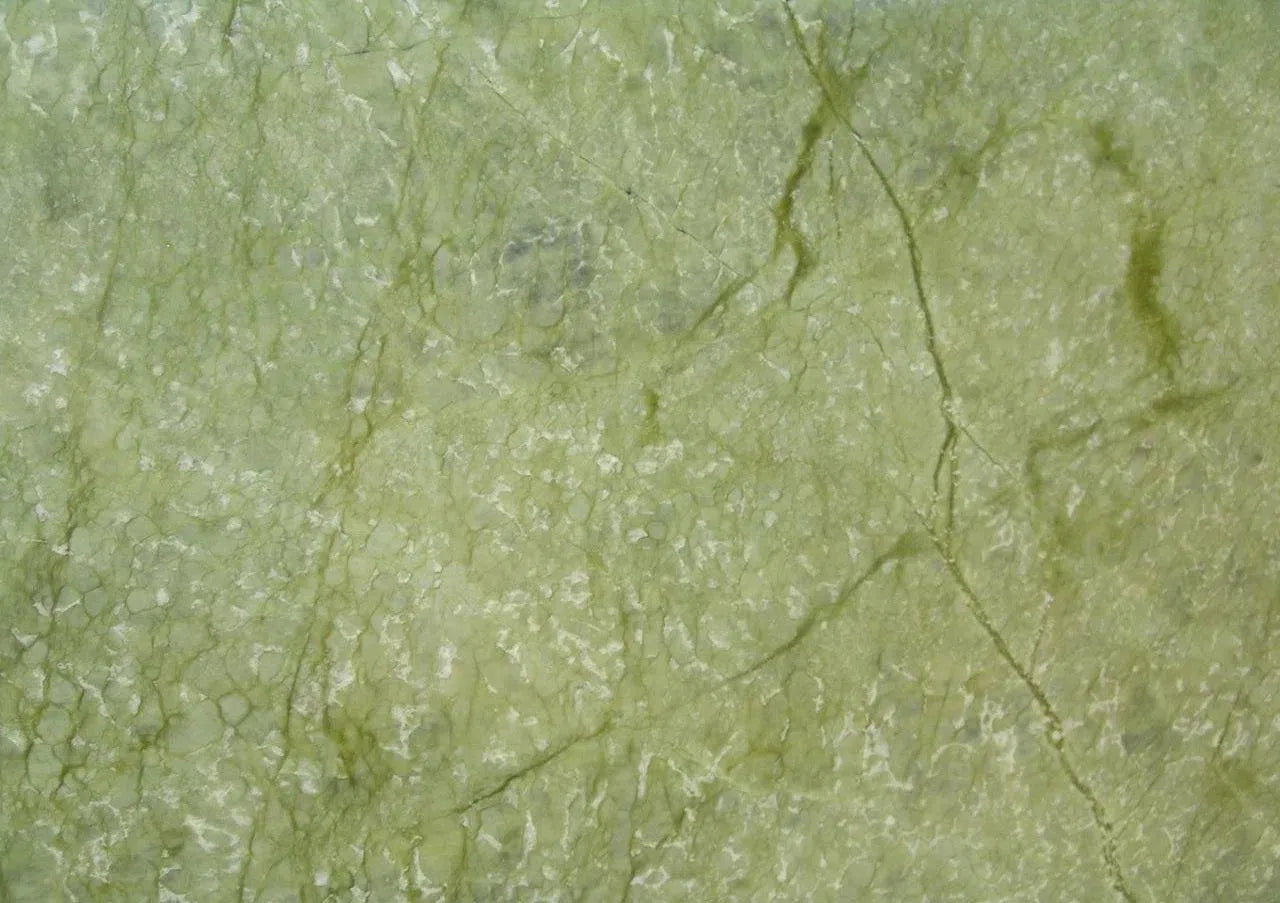
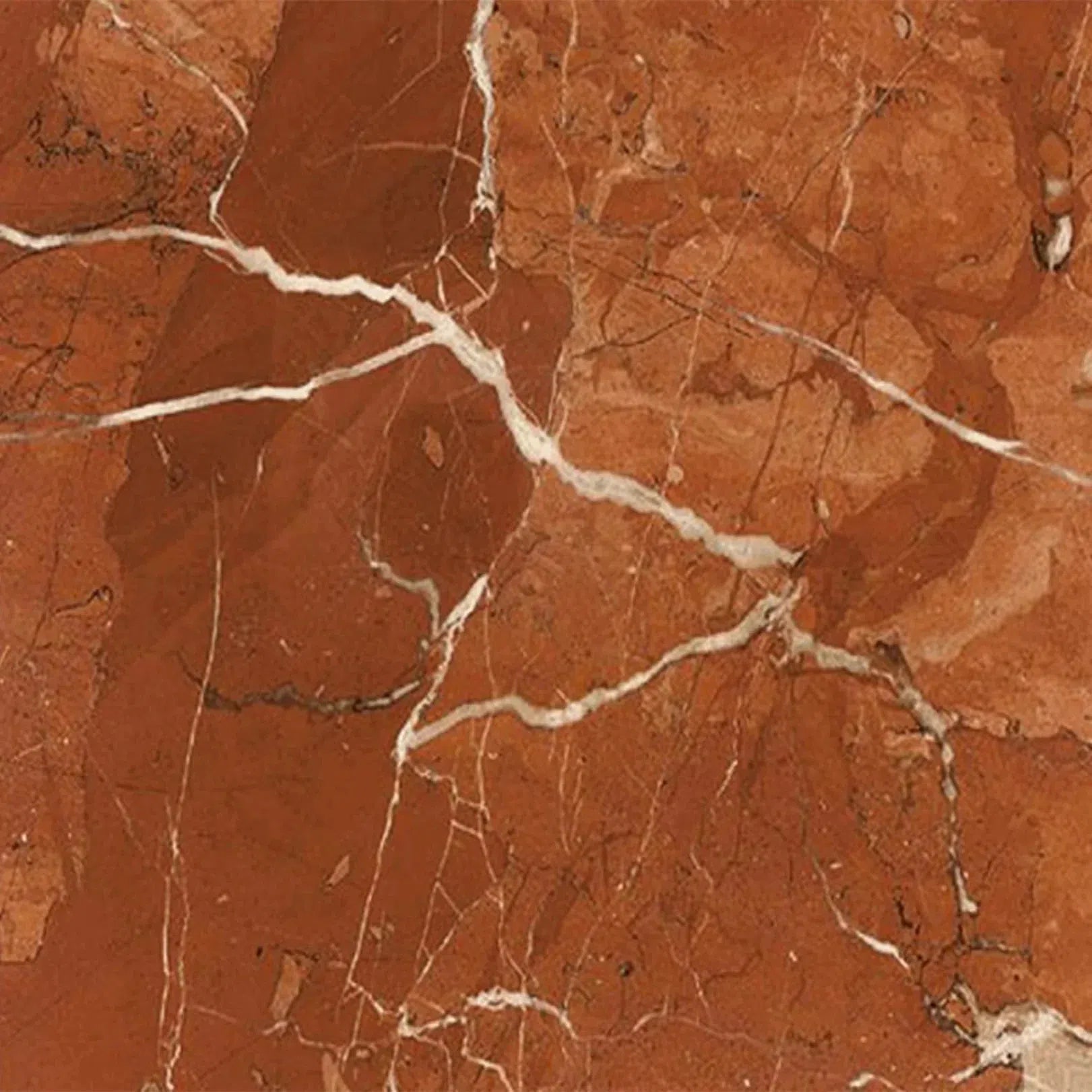
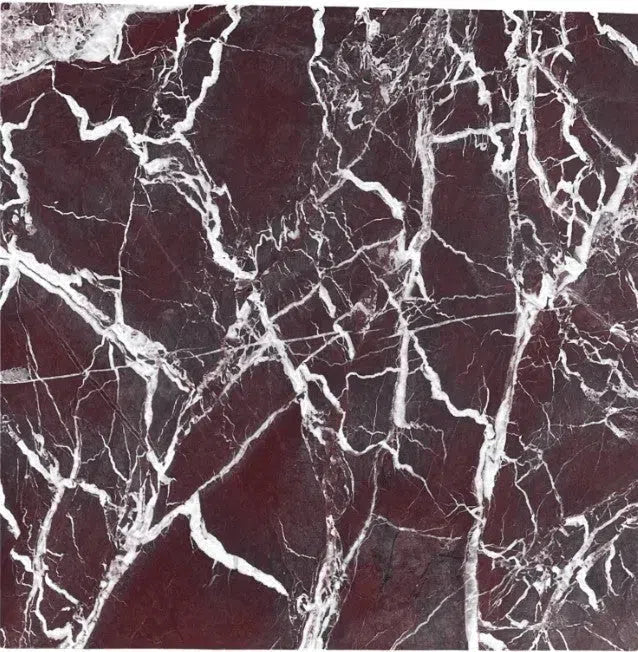

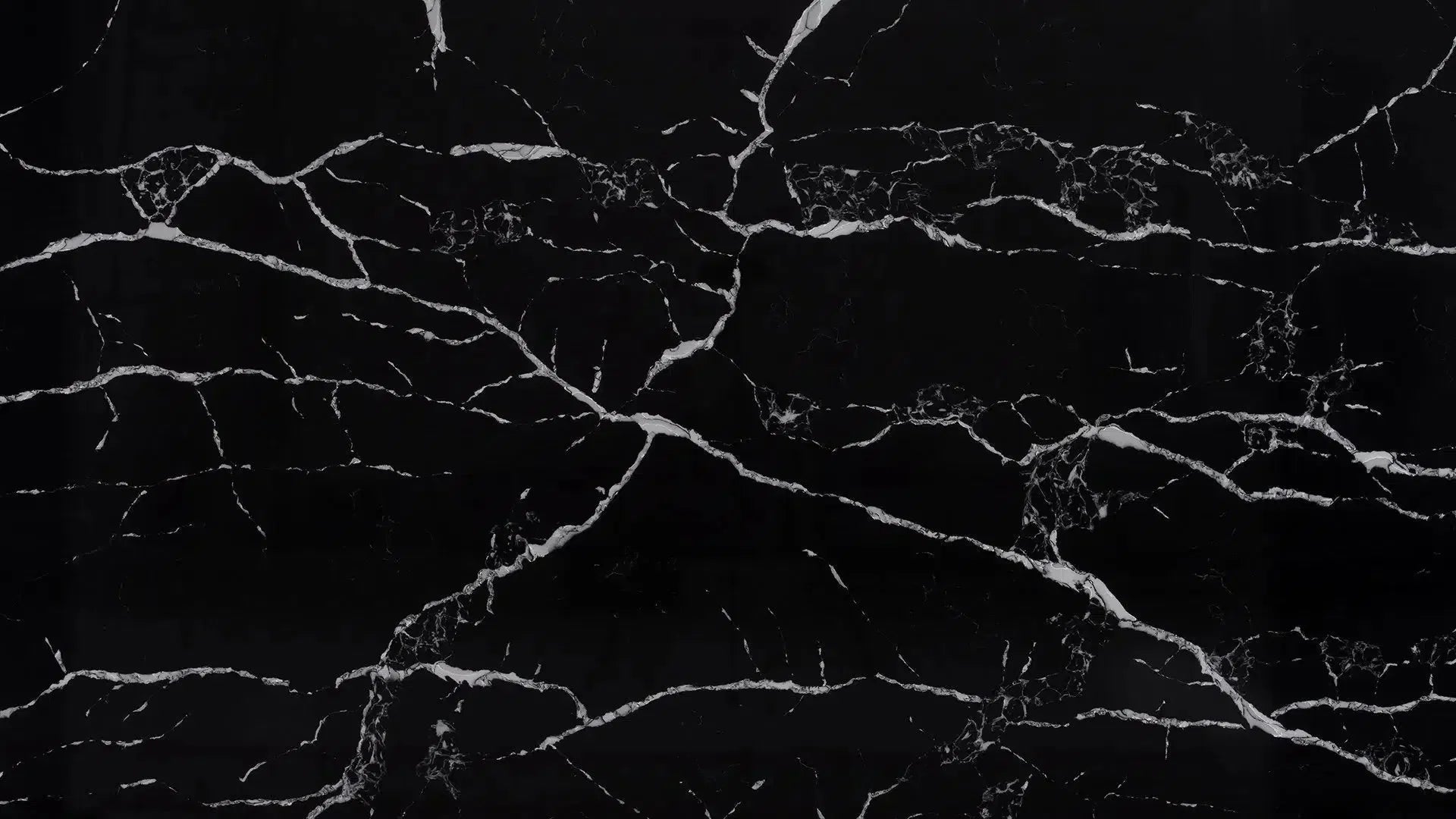
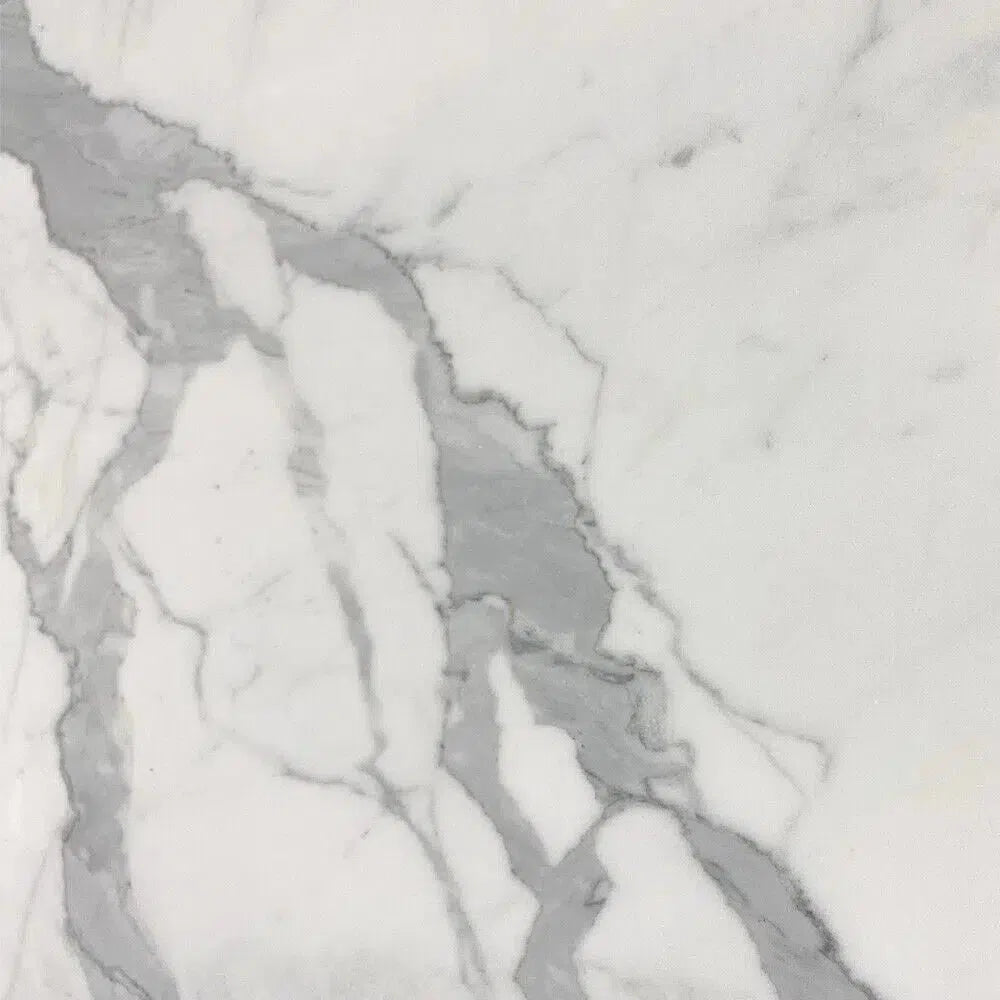

So, you're wondering, what is dolomite marble? It's a natural stone that gets a lot of attention, and for good reason. It looks fantastic and can really make a space shine. But it's also a bit different from what some people expect when they hear the word 'marble.' Let's break down what makes this stone unique, how it's formed, and why it's a popular choice for so many projects. We'll cover everything from its composition to how to care for it, so you can get a clear picture of this beautiful material.
Key Takeaways
- Dolomite marble is a metamorphic rock, primarily composed of the mineral dolomite (calcium magnesium carbonate), distinguishing it from calcite-based marbles.
- Its formation involves geological processes under heat and pressure, altering the original dolomitic limestone.
- Key characteristics include a unique crystalline structure, varying grain sizes, and often a softer appearance than traditional marble.
- While visually similar to marble, its dolomite mineral content offers different properties, including a slightly better resistance to etching from acids.
- Dolomite marble is found in various regions globally, with quarries producing stones of different colors and patterns.
- Historically, its beauty has made it a favored material in architecture and art, though often mistaken for true marble.
- Identifying genuine dolomite marble involves looking at its composition, hardness, and how it reacts to certain tests, like acid.
- It's a versatile material used in kitchens, bathrooms, flooring, and decorative elements, offering a blend of aesthetic appeal and practical performance.
Understanding Dolomite Marble: A Comprehensive Overview
When you hear the word 'marble,' you probably picture those classic, elegant surfaces found in grand buildings and luxurious homes. But not all marble is created equal. Today, we're going to talk about a specific type that's gaining a lot of attention for its unique qualities: dolomite marble. It's a stone that bridges the gap between traditional marble and other durable natural stones, offering a beautiful and practical choice for many projects across the U.S.
What is Dolomite Marble?
Dolomite marble is a metamorphic rock that looks a lot like traditional marble but has a key difference in its mineral composition. While true marble is primarily made of calcite (calcium carbonate), dolomite marble contains a significant amount of dolomite mineral, which is a calcium magnesium carbonate. This subtle shift in minerals gives it distinct properties that set it apart.
The Geological Formation of Dolomite Marble
Like other marbles, dolomite marble is formed deep within the Earth under immense heat and pressure. It starts as sedimentary rock, often limestone or dolostone, which then undergoes metamorphism. This process causes the original minerals to recrystallize, creating the interlocking crystalline structure we associate with marble. The presence of magnesium in the original rock is what leads to the formation of dolomite within the metamorphic stone.
Key Characteristics of Dolomite Marble
So, what makes dolomite marble stand out? For starters, it tends to be harder and less porous than many calcitic marbles. This means it can be more resistant to etching and staining, which is a big plus for busy kitchens and bathrooms. You'll often find it in a range of beautiful colors and patterns, from soft whites and grays to richer, more dramatic hues, often with distinctive veining.
Dolomite Marble vs. True Marble
The main distinction lies in the mineral makeup. True marble is almost entirely calcite. Dolomite marble, on the other hand, has a substantial dolomite component. This difference affects its hardness, porosity, and how it reacts to acids. While both are beautiful, dolomite marble often offers a bit more resilience for everyday use. Understanding these differences is key when selecting stone for kitchen environments.
The Unique Properties of Dolomite
The magnesium content in dolomite is the game-changer. It contributes to a denser, more durable stone. This makes it a fantastic option for surfaces that see a lot of action. Think of it as having some of the elegance of marble with some of the toughness of other natural stones.
Where is Dolomite Marble Found?
Dolomite marble deposits can be found in various locations around the world. Quarries in Italy, Greece, and parts of the United States are known for producing high-quality dolomite. The specific characteristics, like color and veining, can vary significantly depending on the geological conditions of the region where it's quarried.
Historical Significance of Dolomite Marble
While perhaps not as historically prominent as some classic Italian marbles, dolomite has been used in construction and art for centuries. Its durability and beauty have made it a favored material in various architectural styles, contributing to the lasting appeal of many structures.
Identifying Genuine Dolomite Marble
Distinguishing dolomite marble from other stones can sometimes be tricky, as they can look very similar. A key indicator is its slightly higher resistance to acids compared to pure calcite marble. Often, its density and a slightly different feel can also be clues. For critical projects, consulting with a stone professional is always the best approach to confirm authenticity and quality.
The Composition and Structure of Dolomite Marble
When we talk about dolomite marble, we're really talking about a stone that's a bit different from your typical marble. It's all about what it's made of and how those bits are put together. Understanding this helps you appreciate why it looks and acts the way it does.
The Role of Dolomite Mineral
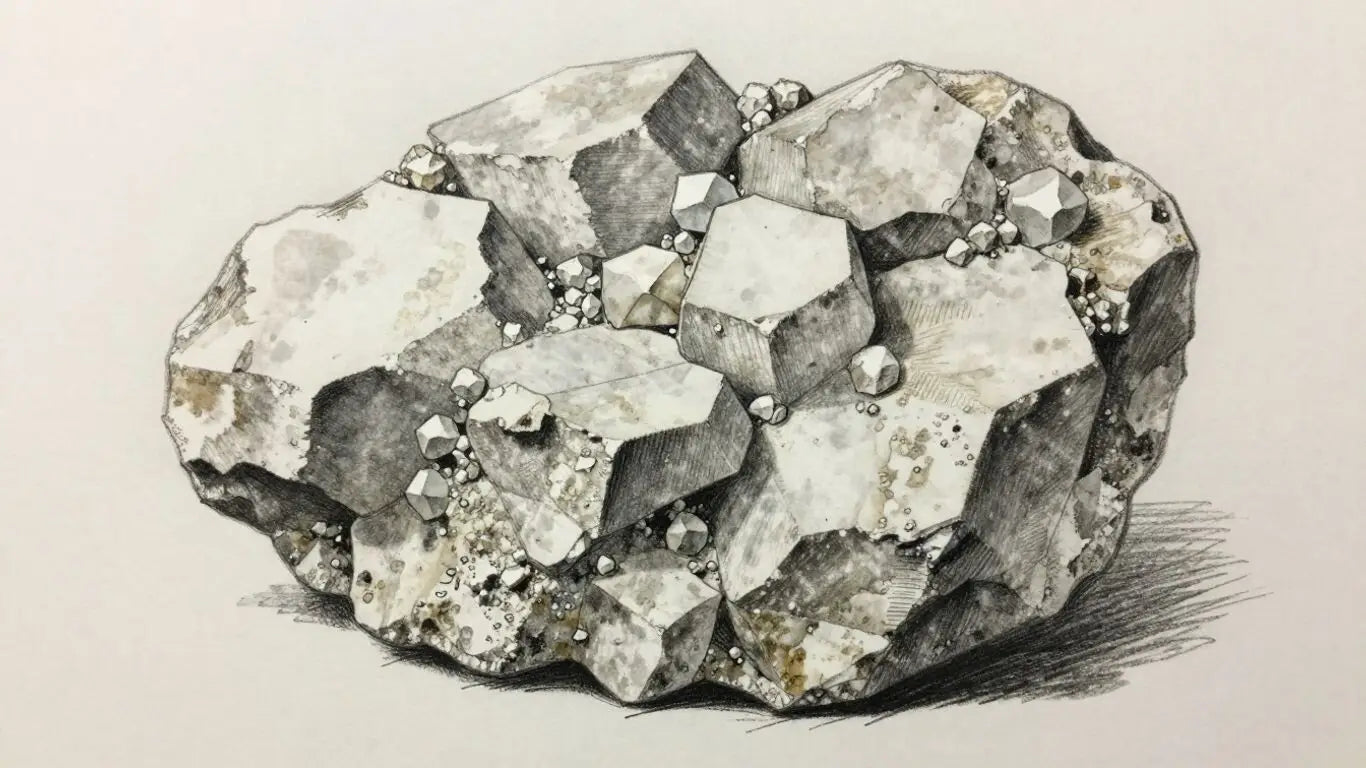
The star player here is the mineral dolomite itself. Unlike true marble, which is primarily calcite (calcium carbonate), dolomite marble gets its name because it contains a significant amount of the mineral dolomite. This mineral is a calcium magnesium carbonate. This difference in mineral composition is the root of many of its unique properties. The presence of magnesium carbonate is what sets it apart. This mineral typically crystallizes as druzes or clusters of small, white to tan, rhombohedral crystals, often exhibiting a distinctive "saddle"-like shape [fd80].
Calcium Carbonate and Magnesium Carbonate
So, what does that mean in plain terms? True marble is almost pure calcium carbonate. Dolomite marble, on the other hand, has a mix. It's not just one or the other; it's a combination. The ratio can vary, but generally, you're looking at a stone where both calcium carbonate and magnesium carbonate play a role. This blend is key to its character.
Crystal Structure and Grain Size
The way these minerals form crystals affects the stone's look and feel. In dolomite marble, the crystals are often interlocking. This structure can influence how the stone reflects light and how durable it is. The grain size can also vary, leading to different textures and appearances. Some dolomite marble might have finer grains, appearing smoother, while others might be coarser.
Metamorphism and Recrystallization
Like true marble, dolomite marble is a metamorphic rock. This means it was formed under heat and pressure deep within the Earth. This process causes the original minerals to recrystallize. In dolomite marble, the dolomite mineral itself recrystallizes, often forming larger, more visible crystals. This recrystallization is what gives the stone its characteristic crystalline appearance and strength.
Variations in Dolomite Marble Composition
It's not a one-size-fits-all situation. The exact composition of dolomite marble can change depending on where it was formed and the specific geological conditions. You might find some pieces with a higher magnesium content than others. These variations can lead to subtle differences in color, hardness, and how the stone reacts to different treatments. It's this natural variation that makes each slab unique.
The Impact of Impurities on Appearance
Just like in any natural stone, impurities can sneak in and add character. These can be other minerals or organic materials present during the stone's formation. They might show up as streaks, spots, or different colorations within the stone. While sometimes seen as flaws, these impurities often contribute to the unique beauty and distinctive patterns that make dolomite marble so sought after for design projects across the U.S.
Porosity and Density Explained
How porous a stone is tells you how much liquid it can absorb. Dolomite marble is generally less porous than many other natural stones, including some types of calcite marble. This lower porosity means it's less likely to stain and can be easier to maintain. Its density is also related to this, contributing to its overall robustness. This is a big plus for applications like kitchen countertops.
Understanding Dolomite Marble's Hardness
When we talk about hardness, we're usually referring to its resistance to scratching. Dolomite marble sits somewhere in the middle. It's harder than many limestones but generally not as hard as granite. This moderate hardness means it can be scratched if not cared for properly, but it's still a very practical choice for many uses. Its resistance to acids, however, is often better than that of calcite marble.
The geological process of dolomitization, where calcium carbonate transforms into calcium magnesium carbonate, is central to understanding dolomite marble. This transformation results in a stone with a unique mineral makeup that influences its physical and aesthetic qualities, making it a distinct material in the world of natural stone.
Distinguishing Dolomite Marble from Other Stones
So, you're looking at stone for your project and you've heard the term 'dolomite marble.' It sounds fancy, right? But what exactly makes it different from, say, regular marble or even limestone? It's not always obvious, and honestly, it can get a little confusing. Let's break down how to tell them apart.
Dolomite Marble vs. Calcite Marble
When people talk about marble, they often mean calcite marble, like the classic Carrara or Calacatta. The main difference is in their mineral makeup. Calcite marble is primarily calcium carbonate (CaCO3). Dolomite marble, on the other hand, has a significant amount of magnesium carbonate (MgCO3) mixed in with the calcium carbonate. This difference might seem small, but it affects the stone's properties. Dolomite marble tends to be a bit harder and less porous than calcite marble. This means it can be more resistant to etching from acids, which is a big deal in kitchens. For architects and designers working on U.S. projects, understanding this distinction is key for selecting the right material for specific applications. Dolomitic marbles are more resistant to kitchen environments than calcitic varieties like Carrara, though no marble is completely acid-resistant.
The Difference Between Dolomite and Limestone
Limestone is a sedimentary rock, meaning it formed from the accumulation of organic material and minerals over time, usually in water. It's primarily calcium carbonate. Dolomite, the mineral, is calcium magnesium carbonate. When limestone undergoes geological processes, it can transform into dolomite rock. So, dolomite marble is essentially a metamorphosed form of dolomitic limestone. The key takeaway here is that limestone is generally softer and more porous than dolomite marble. You'll often find limestone used for decorative elements or in areas with less wear and tear, while dolomite marble can handle more demanding uses.
Identifying Dolomite Marble's Unique Etching Resistance
One of the most practical ways to spot dolomite marble is its resistance to etching. Acids, like lemon juice or vinegar, can easily etch calcite marble, leaving dull spots. Dolomite marble, due to its magnesium content, holds up better against these common household acids. It's not completely immune, but the difference is noticeable. This makes it a more forgiving choice for busy kitchens and bathrooms. While no marble is completely acid-proof, dolomite offers a significant advantage in daily use.
Acid Test: A Practical Comparison
Want to test a sample? You can perform a simple acid test. Apply a small amount of diluted acid (like vinegar or lemon juice) to an inconspicuous area of the stone. If it fizzes vigorously and etches easily, it's likely calcite marble or limestone. If it fizzes only slightly or not at all, and shows minimal etching, it's probably dolomite marble. This test can give you a good indication, but always remember that professional identification is the most reliable method.
Visual Cues for Differentiation
Visually, dolomite marble often has a slightly different appearance than calcite marble. It can sometimes appear denser and may have a more uniform, less translucent look. The veining patterns can also differ; while both can have beautiful veining, dolomite marble's veins might appear more subtle or have a different color saturation. However, these visual cues are not always definitive, as variations exist within both types of stone.
Texture and Feel: Subtle Clues
Sometimes, the texture and feel can offer clues. Dolomite marble often feels a bit harder and less 'chalky' than some calcite marbles. When polished, it can achieve a very bright, reflective surface. However, these are subtle differences and can be influenced by the finishing process. It's best not to rely solely on touch.
The Importance of Professional Identification
While these tips can help you get a better idea, the best way to be absolutely sure is to consult with a stone professional. They have the tools and experience to accurately identify the type of stone you're looking at. This is especially important when making a significant investment in materials for your home or commercial project. We sell only natural stone products, and our team can help you distinguish between the various types available.
Common Misconceptions About Dolomite Marble
A common misconception is that all marble is the same and equally susceptible to damage. Another is that dolomite marble is a type of granite or quartz. It's important to remember that dolomite marble is a distinct category of natural stone with its own unique characteristics and benefits. Understanding these differences helps you make informed decisions for your design projects nationwide.
The Aesthetic Appeal of Dolomite Marble
Dolomite marble brings a certain kind of beauty to any space. It's not just a building material; it's like bringing a piece of natural art into your home or project. When you're thinking about design, the look of your stone matters a lot, and dolomite marble really delivers.
Color Palettes and Variations
Dolomite marble isn't just one color. You can find it in a range of shades, from soft whites and creams to gentle grays and even some warmer, earthy tones. The exact color depends on where it was quarried and what minerals might be mixed in. This variety means you can usually find a dolomite marble that fits the specific look you're going for, whether that's bright and airy or something a bit more subdued.
Veining Patterns and Their Significance
The veins in dolomite marble are what give it so much character. These aren't just random lines; they're formed by natural processes over millions of years. Some dolomite marbles have subtle, delicate veining that adds a touch of elegance without being too loud. Others might have bolder, more dramatic patterns that can really become the focal point of a room. The way these veins flow across the stone can guide the eye and influence the overall feel of the design.
Surface Finishes: Polished, Honed, and More
How you finish the surface of your dolomite marble also plays a big role in its appearance. A polished finish gives it a high shine, reflecting light and making the colors and veins pop. It looks very luxurious. A honed finish, on the other hand, is more matte. It has a softer, more understated look and can hide minor scratches better. There are other finishes too, like brushed or leathered, each giving the stone a different texture and feel.
How Light Interacts with Dolomite Marble
Natural stone, especially marble, has a way of interacting with light that's hard to replicate. Dolomite marble, with its crystalline structure, can subtly reflect and refract light. This gives it a depth and a gentle glow that changes depending on the lighting conditions in the room. In bright sunlight, it might seem to sparkle, while under softer evening light, it can appear warm and inviting.
Creating Timeless Elegance with Dolomite
There's a reason marble has been used in beautiful buildings and homes for centuries. Dolomite marble carries that same sense of timelessness. It adds a touch of classic sophistication that doesn't really go out of style. Whether you're designing a modern kitchen or a traditional bathroom, dolomite marble can bring a level of elegance that feels both current and enduring.
The Sophistication of Dolomite Marble
Using dolomite marble in your design signals a certain level of taste. It's a material associated with quality and refinement. Its natural beauty and unique patterns make each piece one-of-a-kind, adding an exclusive feel to your project. It's the kind of material that makes people notice and appreciate the details.
Designing with Dolomite Marble's Natural Beauty
When you're designing with dolomite marble, you're working with nature's own artistry. The goal is often to let the stone's inherent beauty shine. This might mean using larger slabs to showcase dramatic veining or choosing a more subtle pattern for a background element. It’s about finding the right balance so the stone complements, rather than overpowers, the rest of your design.
Achieving a Luxurious Look with Dolomite
If you're aiming for a high-end, luxurious feel, dolomite marble is a solid choice. Its natural variations, rich colors, and the way it takes a finish all contribute to a premium appearance. It's a material that can make even everyday spaces feel special and grand. For projects across the U.S., from California kitchens to New York bathrooms, dolomite marble offers that sought-after look of quality and luxury.
Applications of Dolomite Marble in Design
Dolomite marble isn't just a pretty face; it's a workhorse in the design world. Its unique blend of beauty and resilience makes it a top pick for all sorts of projects, from kitchens that see a lot of action to elegant bathrooms and even outdoor spaces. Let's look at where this stone really shines.
Kitchen Countertops: Durability Meets Style
When you're thinking about kitchen countertops, you need something that can handle spills, heat, and daily use. Dolomite marble fits the bill. While it's a marble, its higher magnesium content gives it a bit more toughness than traditional calcite marbles. This means it's less likely to etch from acidic foods like lemon juice or tomatoes, which is a big plus in a busy kitchen. It offers a luxurious look without the extreme fragility some people worry about with marble. You can get it in a polished finish for a sleek, modern vibe or a honed finish for a softer, more matte appearance. It really brings a touch of class to the heart of the home.
Bathroom Vanities and Surfaces
Bathrooms are another area where dolomite marble truly excels. Its natural beauty is perfect for creating a spa-like atmosphere. Think of a vanity top that feels cool and smooth to the touch, or shower walls that look like they belong in a high-end hotel. While it's more resistant to etching than some other marbles, it's still a good idea to wipe up water and spills promptly, especially in a humid bathroom environment. The visual appeal is undeniable, turning a functional space into a personal retreat.
Flooring Solutions for Elegant Spaces
Imagine walking on floors that have the natural elegance of dolomite marble. It's a fantastic choice for entryways, living rooms, and dining areas where you want to make a statement. Its durability means it can hold up to foot traffic, though it's always wise to use rugs in high-traffic zones to protect any natural stone floor. The way light plays off its surface can make a room feel larger and more open. Plus, it pairs well with almost any decor style, from classic to contemporary.
Wall Cladding and Feature Walls
Want to add a dramatic focal point to a room? Dolomite marble as wall cladding or for a feature wall is a showstopper. It can transform a plain wall into a piece of art. Whether it's behind a fireplace, as a dramatic headboard in a bedroom, or framing a television, the natural veining and color variations create a unique and sophisticated look. It adds depth and texture that paint or wallpaper just can't match.
Decorative Accents and Sculptures
Beyond large surfaces, dolomite marble is also used for smaller decorative items. Think custom-made tabletops, elegant pedestals, or even small sculptures. Its workability allows skilled artisans to carve intricate details, showcasing the stone's natural patterns and colors. These pieces can add a touch of luxury and artistry to any interior design scheme.
Outdoor Patios and Landscaping
While generally used indoors, some types of dolomite marble can be suitable for outdoor applications like patios or pool surrounds, depending on the specific stone's properties and climate. Its natural appearance blends well with outdoor environments. However, it's important to consult with a stone professional about its suitability for your specific climate, as freeze-thaw cycles can affect some natural stones. Proper sealing and maintenance are key for longevity in outdoor settings.
Commercial and High-Traffic Areas
In commercial spaces like hotels, restaurants, and boutiques, dolomite marble makes a strong impression. It conveys a sense of quality and permanence. While it requires care, its relative durability compared to softer marbles makes it a viable option for lobbies, reception desks, and even bar tops, provided a good maintenance plan is in place. The visual impact of dolomite marble in a commercial setting speaks volumes about the establishment's commitment to quality.
Integrating Dolomite Marble into Interior Design
When planning your design, consider how dolomite marble can tie everything together. Its natural variations mean that no two installations will ever be exactly alike, offering a truly unique finish. Whether you're aiming for a minimalist look with subtle veining or a bold statement with dramatic patterns, there's a dolomite marble to suit your vision. It's a material that ages gracefully, often becoming more beautiful over time.
Care and Maintenance for Dolomite Marble
Keeping your dolomite marble looking its best is pretty straightforward, honestly. It’s not like some super high-maintenance material that needs constant fussing. With a little bit of regular attention, you can keep that beautiful stone looking great for years. Think of it like taking care of any nice piece of furniture – a little wipe-down here, a gentle clean there, and it stays lovely.
Daily Cleaning Practices
For everyday upkeep, you really just need a soft cloth and some warm water. If you want to use a cleaner, make sure it’s a pH-neutral one. Avoid anything acidic or abrasive, like vinegar, lemon juice, or harsh scrubbing pads, because those can dull the finish or even etch the surface over time. Just a quick wipe after use is usually enough to prevent spills from setting in. It’s a simple habit that makes a big difference in the long run.
Effective Stain Removal Techniques
Sometimes, spills happen, and that’s okay. If you notice a stain, the key is to act fast. For most common spills, a damp cloth with a bit of mild dish soap should do the trick. Blot the stain gently rather than rubbing, which can spread it. If it’s a tougher stain, you might need a poultice. You can make one by mixing baking soda with water to form a paste, applying it to the stain, covering it with plastic wrap, and letting it sit for 24-48 hours before wiping it away. This draws the stain out of the stone. For persistent issues, consider a specialized stone stain remover, but always test it in an inconspicuous spot first.
Protecting Against Etching and Abrasion
Etching is basically a dull mark left by acidic substances. Since dolomite marble is a bit more resistant than traditional marble, it handles minor acidic encounters better, but it’s still not invincible. The best defense is prevention. Use coasters under glasses, especially if they contain acidic drinks like wine or citrus juice. Use cutting boards in the kitchen, and try not to slide heavy pots or pans across the surface. A quick wipe-up of any spills immediately is your best friend here. It’s all about being mindful during daily use.
Sealing Dolomite Marble: When and How
Sealing isn't always a strict requirement for dolomite marble, as it's naturally less porous than calcite marble. However, it can offer an extra layer of protection, especially in high-use areas like kitchens or bathrooms. If you decide to seal it, use a quality impregnating sealer designed for natural stone. Apply it according to the manufacturer's instructions, usually involving wiping it on, letting it penetrate, and then buffing off any excess. A good test to see if it needs resealing is to put a few drops of water on the surface; if they bead up, the seal is likely still good. If they soak in quickly, it's probably time to reseal. You can find impregnating sealers online or at stone supply stores.
Choosing the Right Cleaning Products
This is super important. Stick to pH-neutral cleaners. Think of cleaners specifically made for natural stone. You can find these at most home improvement stores or stone suppliers. If you can't find a dedicated stone cleaner, a tiny amount of mild dish soap mixed with water is usually a safe bet. Never use general-purpose cleaners, bleach, ammonia, or acidic products like vinegar or window cleaner. These can break down the sealant (if you have one) and damage the stone's surface over time, leading to dull spots or discoloration.
Addressing Scratches and Minor Damage
Minor scratches can sometimes be buffed out, especially on polished surfaces. For very light scratches, you might try a polishing compound specifically for stone. If the scratch is deeper, it might require professional attention. Sometimes, a skilled fabricator can re-polish the area to blend it in. For small chips or edge damage, a stone repair epoxy might be an option, but it's best to consult with a professional to ensure a good match and a durable repair. It’s usually better to prevent scratches in the first place by being careful with heavy or rough objects.
Long-Term Preservation Strategies
Beyond daily care, think about the overall environment. Avoid placing extremely hot pans directly on the surface without a trivet, as rapid temperature changes can stress the stone. Keep the area around your dolomite marble clean and dry to prevent moisture buildup, especially in bathrooms. If you have outdoor applications, ensure proper drainage to avoid freeze-thaw damage in colder climates. Regular inspections can help you catch any potential issues early on, before they become major problems. It’s about consistent, gentle care.
Maintaining the Lustrous Finish
The finish of your dolomite marble—whether polished, honed, or something else—will influence how it looks and how you care for it. Polished surfaces show scratches more readily but offer a high shine. Honed surfaces have a softer, matte look and can hide minor imperfections better. To maintain a polished finish, use a soft cloth for dusting and cleaning, and consider a stone polish product occasionally. For honed finishes, the same gentle cleaning applies, but avoid abrasive cleaners that could further dull the surface. The goal is always to preserve the natural beauty and integrity of the stone, no matter the finish. You can find stone care products that are specifically designed for this purpose.
The Durability and Performance of Dolomite Marble
When you're picking out stone for your home, especially for busy spots like kitchens or bathrooms, you really want to know how it's going to hold up. Dolomite marble, while beautiful, has a performance profile that's a bit different from what some people expect from 'marble.' It's not quite as delicate as some calcite marbles, but it's not as tough as granite either. Understanding its strengths and weaknesses is key to making sure it lasts and looks great for years to come.
Resistance to Acids and Stains
Dolomite marble generally shows better resistance to acids and staining compared to traditional calcite marbles. This is because its composition, with magnesium carbonate, makes it less reactive. However, it's not completely immune. Common household acids like lemon juice or vinegar can still etch the surface if left for too long. Spills, especially from oily or colored substances, should still be wiped up promptly to avoid staining. Think of it as having a good defense, but not an impenetrable one.
Scratch Resistance Compared to Other Marbles
On the Mohs hardness scale, dolomite typically ranks a bit higher than pure calcite marble. This means it's generally more resistant to scratching. While you still shouldn't be dragging heavy pots across it, it can handle daily use a bit better than softer marbles. It's a good middle ground for those who love the marble look but need a bit more resilience for everyday life.
Impact of Porosity on Performance
Like most natural stones, dolomite marble has some level of porosity. This means it can absorb liquids if not properly sealed. Higher porosity can lead to a greater risk of staining and can also affect how the stone performs under different conditions. Regular sealing is really important to minimize this absorption and keep the stone looking its best. The density of the dolomite also plays a role here; denser pieces tend to be less porous.
Thermal Shock Resistance
Dolomite marble holds up reasonably well against changes in temperature. It's not likely to crack or shatter if a hot pan is placed on it for a brief moment, unlike some materials that are very sensitive to heat. However, prolonged exposure to extreme heat is never a good idea for any natural stone. It's a solid performer in environments where temperature fluctuations are common.
Suitability for Kitchen Environments
Given its improved resistance to acids, stains, and scratches compared to calcite marble, dolomite is often considered a suitable choice for kitchen countertops and backsplashes. Its ability to withstand daily wear and tear makes it a practical option for busy home cooks. It offers a beautiful aesthetic without demanding constant, high-level vigilance.
Longevity in High-Traffic Areas
For areas that see a lot of foot traffic or constant use, dolomite marble can be a durable choice, especially when compared to softer stones. Its inherent hardness and the protective qualities of a good sealant contribute to its longevity. With proper care and maintenance, dolomite surfaces can maintain their beauty for many years, even in demanding settings.
Understanding Wear and Tear Over Time
Natural stone, including dolomite marble, will show signs of wear over time. This isn't necessarily a bad thing; it can add character and a sense of history to your space. Minor scratches or dulling in high-use areas are normal. Regular cleaning and occasional professional polishing can help manage this wear and keep the stone looking fresh.
The Advantage of Dolomite's Composition
The key advantage of dolomite marble lies in its composition. The presence of magnesium carbonate alongside calcium carbonate gives it a slightly harder, less reactive surface than pure marble. This makes it a more forgiving material for everyday use, blending the classic elegance of marble with a more practical performance profile for homeowners across the U.S. projects.
Sourcing Premium Dolomite Marble
Finding the right dolomite marble for your project is kind of like finding a needle in a haystack, but way more beautiful. You want that perfect slab, the one that speaks to your design vision, and getting it from the right place makes all the difference. It’s not just about picking something that looks good; it’s about knowing where it came from and that you’re getting the best quality available.
The Importance of Direct Importers
When you're looking for top-tier natural stone, going with a direct importer is usually the smartest move. Think about it: they cut out the middlemen. This means they can often get you better prices because there aren't extra markups along the way. Plus, direct importers tend to have a closer relationship with the quarries, which can lead to more consistent quality control. They’re the ones who are really hands-on with the stone from the start. We're talking about getting premium dolomite slabs directly from the source, which is a big deal for ensuring authenticity and quality.
Identifying A+ Top-Quality Stone
Not all dolomite marble is created equal. You’ll want to look for what’s often called 'A+ top-quality' stone. This isn't just marketing speak; it refers to material that meets very high standards for color consistency, veining, structural integrity, and finish. It means the stone has been carefully selected and is free from significant flaws or imperfections. We don't sell standard or commercial-grade material; every piece we carry represents the highest level of luxury natural stone you can trust.
What to Expect from Trusted Suppliers
When you find a supplier you can rely on, they’ll be transparent about their sourcing and quality. They should be able to tell you where the stone comes from and provide detailed information about its characteristics. You should also expect them to have a good selection, allowing you to compare different slabs and patterns. A good supplier will also offer fast, reliable, and often same-day shipping, so your project stays on track. They’ll have a clear process for handling any issues, though with less than 5% of orders experiencing breakage, it's rare.
Ensuring Authenticity and Origin
It’s important to know that what you’re buying is genuine dolomite marble and not something else masquerading as it. Trusted suppliers will provide documentation or clear information about the stone's origin. This authenticity is key, especially when you're investing in a material for its unique beauty and performance. Knowing the specific quarry or region can also give you insight into the stone's particular characteristics and color variations.
The Value of Handpicked Selections
Many premium suppliers pride themselves on handpicking their selections. This means they don't just take whatever the quarry offers; they carefully choose the best pieces. This attention to detail is what separates a good supplier from a great one. It’s this commitment to quality that ensures you get a stunning Dolomite Polished Marble Tile or slab that truly stands out.
Navigating the Selection Process
Choosing the right slab can feel a bit overwhelming, but it doesn't have to be. Here’s a simple way to approach it:
- Define your needs: What room is it for? What's the overall design style?
- Consider the color and veining: Look at samples and photos, but try to see full slabs if possible.
- Ask questions: Don't hesitate to ask the supplier about durability, maintenance, and origin.
- Check for consistency: Examine the slab for any cracks, chips, or color variations that might be problematic.
- Trust your gut: Ultimately, choose the stone that you love the most.
Partnering with Reliable Stone Centers
Building a relationship with a reliable stone center is beneficial. They can offer advice, provide samples, and help you find exactly what you're looking for. They understand the nuances of different stones and can guide you toward the best choice for your specific project, whether it's for a kitchen, bathroom, or a larger architectural feature. Their goal is to help you find luxury natural stone you can trust.
Achieving Competitive Pricing
While premium quality often comes at a higher price point, working with direct importers and reputable suppliers can help you achieve competitive pricing. They manage to balance quality with cost-effectiveness by streamlining the supply chain and focusing on high-volume, high-quality sourcing. This means you get the best of both worlds: exceptional material without an exorbitant price tag.
Dolomite Marble in Luxury Interiors
When you're aiming for that truly high-end look in your home, the materials you choose make all the difference. Dolomite marble, with its unique character and refined appearance, is a go-to for designers and homeowners looking to add a touch of opulence. It’s not just about looking good; it’s about creating spaces that feel special and stand the test of time.
Creating Opulent Kitchen Backsplashes
Think about your kitchen. It's often the heart of the home, and a dolomite marble backsplash can really make it sing. Forget plain tiles; imagine a wall of polished dolomite, catching the light and adding a sophisticated shimmer behind your stove or sink. It’s a statement piece that’s also practical. We're talking about a material that can handle the heat and splashes of everyday cooking while looking absolutely stunning. It’s a way to bring timeless elegance right into your culinary space.
Elevating Bathroom Designs
Bathrooms are where many people go to relax and unwind, and dolomite marble fits perfectly into that spa-like vibe. Picture a vanity top made from a beautiful piece of dolomite, perhaps with subtle veining. It feels cool and smooth to the touch, and it instantly makes the whole room feel more luxurious. Whether you're going for a full renovation or just a small update, using dolomite for shower walls or flooring can transform a basic bathroom into a private sanctuary. It’s a material that holds up well to moisture, too, which is a big plus in a bathroom setting.
Designing Statement Living Areas
In the living room, dolomite marble can be used in so many ways to create a focal point. A fireplace surround made from a dramatic slab of dolomite can become the absolute star of the room. Or perhaps you're thinking about custom-built shelving or even a coffee table with a dolomite top. These elements add a sense of grandeur and permanence. It’s about creating a space that feels both comfortable and incredibly chic, a place where guests will notice the quality and style.
The Role of Dolomite in Luxury Homes
What really sets dolomite apart in luxury interiors is its subtle variation and depth. Unlike some stones that can be a bit too uniform, dolomite often has a beautiful complexity in its color and veining. This natural artistry means that every piece is unique. It’s this individuality that designers crave when creating bespoke, high-end environments. When you choose dolomite, you're not just picking a material; you're selecting a piece of natural art that adds character and a story to your home.
Achieving an Exclusive Aesthetic
To get that truly exclusive feel, it’s all about the details. Using dolomite marble for things like window sills, decorative inlays, or even as accents on furniture can make a big difference. It shows a commitment to quality and a refined taste. When paired with other high-quality materials, like rich wood or fine metals, dolomite marble really shines. It contributes to an overall atmosphere of understated elegance and lasting value. You can find some beautiful Bianco Dolomite marble that fits this aesthetic perfectly.
Showcasing Craftsmanship and Authenticity
Luxury is often about the skill involved in its creation, and dolomite marble is a perfect canvas for showcasing fine craftsmanship. Whether it's the precision of the cuts, the smoothness of the finish, or the way the veining is matched across different pieces, the quality of the fabrication is key. Using authentic, natural dolomite marble also speaks to a desire for genuine materials in a world of synthetics. It’s a choice that reflects an appreciation for the earth’s natural beauty and the skill required to bring it into our homes.
The Timeless Appeal of Natural Stone
There's a reason why natural stone, like dolomite marble, has been used in beautiful buildings and homes for centuries. It possesses an enduring quality that synthetic materials just can't replicate. Its beauty doesn't fade with trends; it simply becomes more appreciated over time. This timeless appeal means that investing in dolomite marble for your luxury interior is not just about current style, but about creating a legacy of beauty that can be enjoyed for generations.
Transforming Spaces with Premium Materials
Ultimately, using premium materials like dolomite marble is about transformation. It’s about taking a space and making it feel more special, more inviting, and more valuable. Whether it's a grand entryway, a sophisticated kitchen, or a serene bathroom, dolomite marble has the power to elevate the entire design. It’s a choice that speaks to quality, durability, and a sophisticated sense of style, making any project feel truly luxurious.
The Environmental Considerations of Dolomite Marble
Natural Stone Extraction Processes
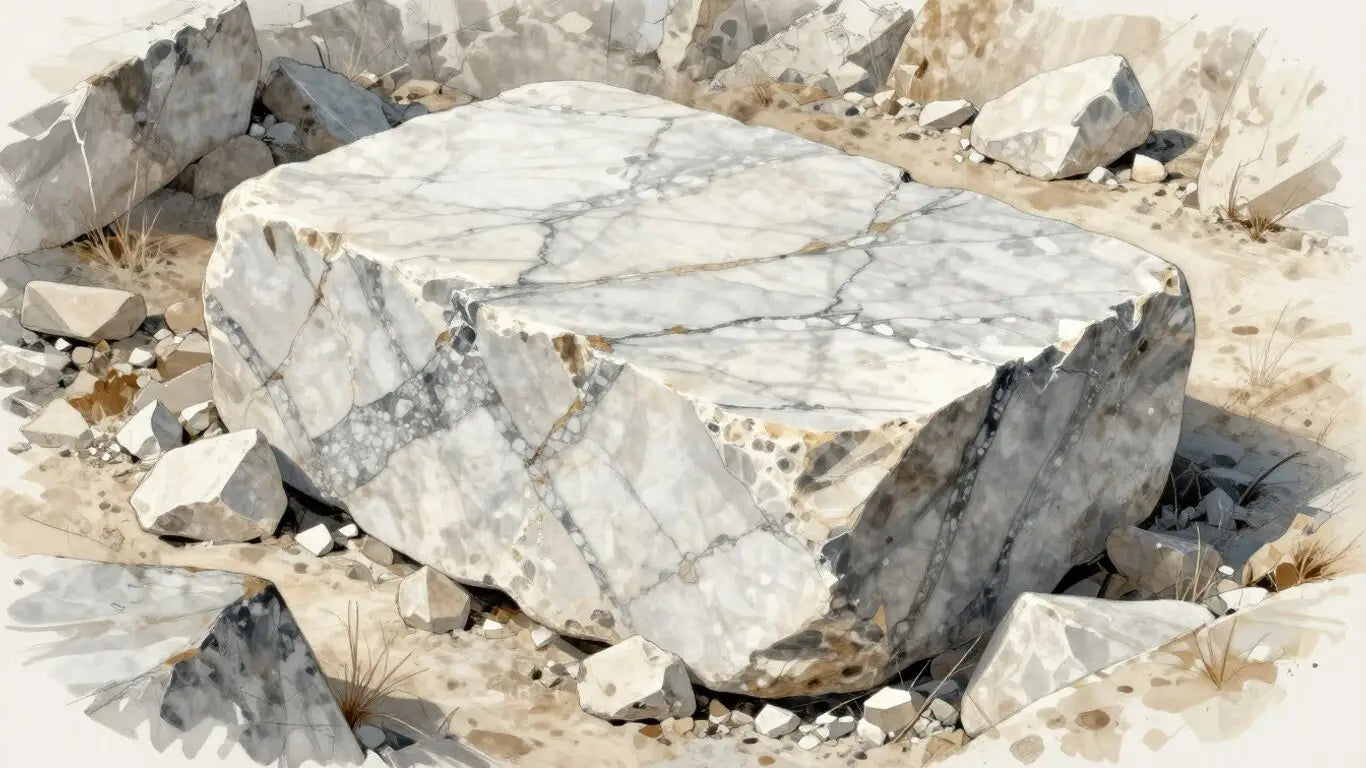
Quarrying any natural stone, including dolomite marble, involves processes that interact with the environment. This typically includes removing overburden, drilling, and using heavy machinery to extract blocks. While these operations are necessary to access the beautiful stone, responsible quarries focus on minimizing their footprint. This means careful planning to reduce land disturbance and manage water runoff. We work with suppliers who are mindful of these impacts.
Sustainability in Quarrying Practices
Sustainability in quarrying is about more than just extraction; it's about long-term stewardship. This involves practices like land reclamation, where areas are restored after extraction, and water management systems to prevent pollution. Many quarries are now implementing advanced techniques to reduce energy consumption and waste. It’s about ensuring that the land can be used for other purposes or returned to its natural state once operations cease. We prioritize sourcing from quarries that demonstrate a commitment to these sustainable methods.
The Lifespan and Recyclability of Dolomite Marble
One of the most significant environmental advantages of dolomite marble is its incredible longevity. Unlike manufactured materials that may need frequent replacement, a well-maintained dolomite marble installation can last for generations. This inherent durability means less waste over time. Furthermore, natural stone is inherently recyclable; old installations can be repurposed for landscaping, aggregate, or even crushed and used in new construction materials, closing the loop.
Reducing Environmental Impact
Minimizing the environmental impact of using dolomite marble involves several considerations. Choosing local suppliers when possible can reduce transportation emissions. Opting for stone from quarries with strong environmental certifications also plays a role. Even the way the stone is fabricated can impact waste; efficient cutting and fabrication processes mean less material ends up as scrap. We aim to provide information that helps you make informed choices for your project.
Choosing Responsibly Sourced Materials
When selecting dolomite marble for your U.S. project, look for suppliers who are transparent about their sourcing. This means understanding where the stone comes from and the quarry's practices. We are a direct importer, which allows us to have a closer relationship with our quarry partners and verify their commitment to responsible extraction. This direct connection helps us ensure that the beautiful stone you receive is also sourced with environmental awareness.
The Enduring Nature of Natural Stone
Natural stone, by its very definition, is a product of the earth that has formed over millions of years. Its enduring nature is a testament to its resilience. When you choose dolomite marble, you're selecting a material that doesn't rely on energy-intensive manufacturing processes like many synthetic alternatives. It's a material that has already existed for eons, and with proper care, will continue to grace your spaces for decades.
Comparing Environmental Footprints
When comparing dolomite marble to other building materials, its environmental footprint often stands out favorably. Manufactured materials can require significant energy for production, release volatile organic compounds (VOCs), and may have shorter lifespans, leading to more frequent replacement and waste. Dolomite marble, being a natural, durable material, generally has a lower lifecycle environmental impact. It's a choice that aligns with a desire for both beauty and responsible material selection.
The Beauty of Earth's Natural Resources
Ultimately, dolomite marble is a gift from the earth. Its unique patterns, colors, and textures are the result of natural geological processes. Appreciating its origin means recognizing its inherent value and beauty. By choosing natural stone, you are bringing a piece of the earth's artistry into your home or commercial space, a choice that is both aesthetically pleasing and, when sourced responsibly, environmentally considerate. We are proud to offer this premium natural stone for your projects nationwide.
Dolomite Marble: A Wise Investment
When you're looking at materials for your home or a client's project, it's easy to get caught up in the initial price tag. But thinking long-term, dolomite marble really shines as a smart choice. It's not just about looking good; it's about a material that holds its own over time.
Enhancing Property Value
Adding dolomite marble to your home can really make it stand out. It's a material that buyers recognize as high-quality. Think about kitchens and bathrooms – these are key areas where a beautiful, durable stone like dolomite can make a big difference when it's time to sell. It signals a level of care and quality that people are willing to pay more for. This natural stone adds a touch of luxury that often translates directly into increased property value.
The Long-Term Durability Factor
Dolomite marble is known for its toughness. Compared to some other natural stones, it holds up better against daily wear and tear. This means fewer worries about chips, scratches, or needing frequent repairs. For busy households or commercial spaces, this resilience is a huge plus. You get a surface that looks great for years without constant upkeep.
Cost-Effectiveness Over Time
While the upfront cost might be a bit more than some alternatives, dolomite marble often proves more economical in the long run. Because it's so durable and resistant to damage, you avoid the costs associated with frequent replacements or repairs. Opting for inexpensive tile can lead to unforeseen expenses. Investing in high-quality marble and travertine from Surfaces Galore ensures enduring beauty and value, ultimately proving more cost-effective than cheaper alternatives. Investing in high-quality marble is key.
A Timeless Design Choice
Trends come and go, but the classic beauty of natural stone, like dolomite marble, never really fades. It has a way of making any space feel more sophisticated and elegant. Whether your style is modern, traditional, or something in between, dolomite marble can fit right in. It's a design element that adds lasting appeal.
Investing in Quality and Authenticity
When you choose dolomite marble, you're choosing a genuine piece of the earth. We only offer handpicked A+ top-quality natural stone products. We don’t sell commercial grade — only premium. This commitment to quality means you're getting a material that is not only beautiful but also authentic. It’s a decision that reflects a preference for lasting quality over fleeting trends.
Reducing Replacement Costs
Because dolomite marble is so durable, the need for replacements is significantly reduced. This saves you money and hassle down the line. Think about it: how often do you want to be re-tiling a floor or replacing a countertop? With dolomite, you can expect it to last, minimizing those future expenses.
The Return on Investment in Natural Stone
From a financial perspective, using dolomite marble is a sound investment. It contributes to the aesthetic appeal and perceived value of a property, and its longevity means fewer maintenance and replacement costs. This combination makes it a smart financial decision for homeowners and developers alike.
Building Trust Through Premium Materials
Using premium materials like dolomite marble builds confidence in your project. It shows a commitment to quality that clients and homeowners appreciate. It’s about creating spaces that are not only beautiful but also built to last, using materials that have a proven track record of performance and appeal. This builds trust and satisfaction.
Exploring Different Types of Dolomite Marble
When you start looking into dolomite marble, you quickly realize it's not just one single thing. It's a whole family of stones, each with its own look and feel. Think of it like different kinds of wood – they all come from trees, but a maple is very different from an oak. Dolomite marble is similar, with variations that come from where it's quarried and what else is mixed in with the dolomite mineral.
Variations in Color and Pattern
The colors you'll find in dolomite marble can range quite a bit. You might see soft whites and creams, but also grays, beiges, and even some warmer, earthier tones. The patterns, or veining, are where things get really interesting. Some dolomite has very subtle, delicate lines, while others show bold, dramatic streaks. It really depends on the geological history of the specific deposit. For example, Bianco Dolomite is a popular choice, known for its clean white base and soft, often gray veining. It’s a classic look that works well in many design schemes. You can find Bianco Dolomite marble in various finishes to suit your project.
Regional Differences in Dolomite Deposits
Where a dolomite marble comes from makes a big difference in its appearance. Quarries in different parts of the world, or even different regions within a country, will yield stones with unique characteristics. These differences are due to the specific mineral compositions and the geological processes that formed the stone over millions of years. It's like how wine grapes taste different depending on the soil and climate they grow in. This is why it's always a good idea to know the origin of your stone if you're looking for something very specific.
Unique Veining Characteristics
The veining in dolomite marble is often what draws people to it. These aren't just random lines; they are the result of mineral impurities or fractures that were filled in over time. The way these veins form can create stunning visual effects. Some might be thin and wispy, adding a delicate touch, while others are thick and bold, making a strong statement. The contrast between the vein color and the base stone color also plays a big role. A dark vein on a light background will have a very different impact than a light vein on a darker stone.
The Influence of Quarry Location
Think about it: a quarry nestled in the mountains might produce a stone with a different mineral makeup than one near the coast. The local geology dictates the exact composition of the dolomite marble. This means that a stone quarried in Italy might have a slightly different character than one from the United States, even if they look similar at first glance. Understanding the quarry location can give you clues about the stone's potential color, veining, and even its durability. It's part of the story of the stone.
Discovering Rare and Exotic Dolomite
While common types of dolomite marble are widely available, there are also rarer, more exotic varieties out there. These might have unusual color combinations, exceptionally striking veining, or unique crystalline structures. Finding these special stones can be a real treasure hunt for designers and homeowners looking for something truly one-of-a-kind. They often come with a higher price tag, but the exclusivity and beauty can be well worth it for a statement piece.
Understanding Specific Dolomite Collections
Many suppliers organize their dolomite marble into specific collections, often named after their origin or a particular aesthetic. For instance, you might see a "Carrara Collection" or a "Calacatta-Inspired" line. While these names can be helpful, it's important to remember that true dolomite marble has specific mineral properties. Always check the specifications to ensure you're getting the dolomite you expect, rather than a different type of marble that just shares a similar name. This is especially true for kitchen applications where dolomite countertops offer a more forgiving surface.
Matching Dolomite to Your Design Vision
When you're choosing dolomite marble, think about the overall look you want to achieve. Do you want something bright and airy, or dark and dramatic? Subtle and understated, or bold and eye-catching? The variety within dolomite marble means you can likely find a stone that fits your vision. Consider the room's lighting, the other materials you're using, and the mood you want to create. It’s about finding that perfect piece that just feels right.
The Diversity Within Dolomite Marble
Ultimately, the beauty of dolomite marble lies in its diversity. Each slab is a unique work of art created by nature. Whether you're drawn to the classic elegance of a white dolomite with soft gray veins or something more unusual, there's a type of dolomite marble out there for almost any project. It’s this natural variation that makes it such a sought-after material for creating spaces that are both beautiful and personal.
The Role of Dolomite Marble in Architectural Design
Dolomite marble has a long history in architecture, and for good reason. It’s a stone that brings a certain gravitas and timeless beauty to any structure. Architects and designers have turned to it for centuries to create spaces that feel both grand and inviting. It’s not just about looks, though; the material itself has properties that make it a practical choice for many building projects across the U.S.
Timeless Architectural Applications
Think about some of the most iconic buildings you’ve seen. Many of them feature natural stone, and dolomite marble often plays a starring role. Its ability to be shaped and polished means it can be used in a variety of ways, from large structural elements to intricate decorative details. This versatility is a big part of why it remains a go-to material for architects working on both classic and modern designs. It’s a material that doesn’t really go out of style, which is a huge plus in the world of building and design.
Creating Grand Entrances
First impressions matter, and a grand entrance sets the tone for an entire building. Dolomite marble is frequently used for entryways, lobbies, and foyers. Imagine stepping into a space with polished dolomite marble floors and perhaps columns clad in the same material. It immediately communicates a sense of quality and permanence. The subtle variations in its color and veining mean that each installation is unique, adding character to the space. For projects nationwide, sourcing high-quality Bianco Dolomite marble can truly transform an entryway.
Designing Elegant Fireplace Surrounds
Fireplaces are often the heart of a room, and a dolomite marble surround can make it a true focal point. The stone’s natural beauty complements the warmth of a fire, creating a cozy yet sophisticated atmosphere. Whether you opt for a simple, clean design or something more ornate, dolomite marble can handle it. Its durability means it can withstand the heat and potential soot, while its aesthetic appeal ensures it remains a beautiful feature for years to come. It’s a material that adds a touch of luxury to living rooms, studies, and master bedrooms.
Incorporating into Custom Furniture
Beyond walls and floors, dolomite marble is also used in custom furniture pieces. Think of a stunning coffee table with a dolomite marble top, or a sleek console table. These pieces can become conversation starters and add a high-end feel to any interior. The stone’s cool surface and unique patterns bring an artistic element to functional items. When paired with materials like wood or metal, dolomite marble furniture offers a beautiful contrast and a sense of grounded elegance.
The Impact on Interior Aesthetics
In interior design, dolomite marble has a significant impact. It can make a space feel larger, brighter, and more luxurious. Its neutral color palettes often work well with a wide range of decor styles, making it a flexible choice. Whether used for a full kitchen renovation or just a small accent wall, the presence of dolomite marble tends to lift the overall aesthetic of a room. It brings a natural, organic element that synthetic materials often can't replicate.
Balancing Form and Function
One of the key reasons architects favor dolomite marble is its balance of form and function. It looks fantastic, but it’s also a robust material. While it requires some care, its inherent hardness and density make it suitable for areas that see a good amount of use. This means designers don't have to sacrifice practicality for beauty. They can create spaces that are not only visually appealing but also built to last, which is a major consideration for any significant architectural project.
Achieving Sophisticated Design Statements
Using dolomite marble allows architects and designers to make bold, sophisticated statements. A large-scale application, like a marble-clad lobby or a dramatic staircase, can define the character of a building. The material’s natural patterns, like its distinctive veining, add depth and visual interest that draws the eye. It’s a material that speaks of quality and refined taste, helping to create spaces that are memorable and impressive.
The Enduring Appeal in Architecture
Ultimately, the enduring appeal of dolomite marble in architecture lies in its natural beauty and inherent quality. It’s a material that connects us to the earth and brings a sense of permanence and luxury. As design trends come and go, natural stone like dolomite marble remains a constant, offering a foundation of timeless elegance. For architects and homeowners across the country, it continues to be a preferred choice for creating spaces that are both beautiful and built to stand the test of time.
Understanding the Hardness of Dolomite Marble
When you're looking at natural stone for your home or project, hardness is a big deal. It tells you how well a stone will hold up to daily life, especially in busy areas. Dolomite marble, while beautiful, has a specific hardness that's good to know about.
The Mohs Hardness Scale Explained
The Mohs scale is the standard way geologists measure how hard minerals are. It's a simple scale from 1 to 10, where 1 is super soft (like talc) and 10 is super hard (like diamond). A harder mineral can scratch a softer one. So, if you have a stone with a Mohs rating of 7, it can scratch anything with a rating below 7, but it can't scratch something with a rating of 8 or higher.
Dolomite Marble's Position on the Scale
Dolomite marble typically falls in the range of 3.5 to 4 on the Mohs scale. This puts it in a similar hardness category to calcite marble, which is also around 3 to 4. It's softer than granite or quartz, which are much higher on the scale. This means dolomite marble is more susceptible to scratching and etching than those harder materials.
Comparing Hardness to Other Stones
It's helpful to see where dolomite marble stands next to other popular natural stones:
| Stone Type | Mohs Hardness (Approximate) |
|---|---|
| Dolomite Marble | 3.5 - 4 |
| Calcite Marble | 3 - 4 |
| Limestone | 3 - 4 |
| Travertine | 4 - 5 |
| Granite | 6 - 7 |
| Quartz (Engineered) | 7 |
As you can see, dolomite marble is on the softer side compared to granite or engineered quartz. This is an important factor when deciding where to use it in your home.
Implications for Durability
Because dolomite marble isn't the hardest stone out there, its durability depends a lot on where it's installed and how it's cared for. In areas with less foot traffic or where it won't face a lot of direct impact, like a guest bathroom vanity or a decorative fireplace surround, it can last for ages. However, for high-traffic spots like kitchen countertops or busy bathroom floors, you'll need to be more mindful of its care to prevent damage.
Resistance to Scratching and Denting
Given its Mohs rating, dolomite marble can be scratched by harder objects. Things like keys, metal cookware, or even abrasive cleaning pads can leave marks if you're not careful. It's also more prone to chipping or denting if heavy items are dropped on it. This is why using cutting boards in the kitchen and coasters for drinks is really important when you have dolomite marble surfaces.
How Hardness Affects Maintenance
The hardness of dolomite marble directly influences how you need to maintain it. Because it can scratch more easily, you'll want to stick to gentle cleaning methods. Avoid abrasive cleaners or scrub brushes. Wiping up spills quickly is also key, especially acidic ones, as they can etch the surface, which is different from a scratch but can look similar.
The Advantage of a Harder Surface
While dolomite marble isn't as hard as some other stones, its composition still offers benefits. It's generally more resistant to acids than pure calcite marble, which is a plus. This means it might handle minor spills a bit better. The key is understanding its properties and working with them, not against them. For projects where a softer, more natural stone is desired, dolomite marble is a great choice, especially when you're looking for premium quality natural stone.
Ensuring Long-Lasting Beauty
To keep your dolomite marble looking its best, think about sealing it regularly. A good sealant can help fill in some of the pores and offer a bit of protection against stains and etching. Choosing the right finish also plays a role; a honed finish might show minor scratches less than a high-gloss polished finish. With proper care and attention, dolomite marble can maintain its beauty for many years.
The Porosity of Dolomite Marble
When we talk about natural stone, porosity is a big deal. It basically refers to how much a stone can absorb liquids. Think of it like a sponge – some materials soak up a lot, while others barely take anything in. Dolomite marble, thankfully, tends to be on the less porous side compared to some other natural stones.
Defining Stone Porosity
Porosity in stone is measured by the volume of pore space within the material. This pore space can be interconnected or isolated. Higher porosity means more potential for liquids, oils, and other substances to seep into the stone. This is why some stones are more prone to staining than others. Understanding a stone's porosity is key to knowing how to care for it.
Dolomite Marble's Porosity Levels
Dolomite marble generally exhibits lower porosity. This is partly due to its mineral composition, which includes both calcium carbonate and magnesium carbonate. This composition often results in a denser stone with smaller, less interconnected pores. This characteristic makes it a more forgiving material for everyday use, especially in busy households across the U.S. projects.
Impact on Stain Resistance
Because dolomite marble has lower porosity, it's naturally more resistant to stains. Liquids are less likely to penetrate the surface quickly, giving you more time to wipe up spills before they can cause damage. This is a significant advantage for surfaces like kitchen countertops or bathroom vanities where spills are common. You can find some beautiful dolomite options for your kitchen countertops.
The Role of Sealing in Porous Stones
While dolomite is less porous, sealing is still a good idea. Sealing fills in any remaining microscopic pores, creating an extra barrier against potential stains and moisture. It's like giving your stone an added layer of protection. For most dolomite applications, a quality impregnating sealer is recommended.
Comparing Porosity to Other Materials
Compared to materials like unsealed natural limestone or even some types of granite, dolomite marble typically has lower porosity. This means it's generally less susceptible to staining and etching. However, it's still important to remember that it's a natural material and requires proper care.
How Porosity Affects Cleaning
A less porous stone like dolomite is easier to clean. Spills tend to sit on the surface rather than soaking in immediately. This makes routine cleaning straightforward – usually, a soft cloth and a pH-neutral cleaner are all you need. You won't have to worry as much about deep-set stains.
Minimizing Absorption Risks
To further minimize absorption risks, always wipe up spills promptly. Even with a less porous stone, prolonged exposure to certain liquids, especially acidic ones, can still cause issues. Regular maintenance and prompt attention to spills are the best ways to keep your dolomite looking its best.
Achieving a Non-Porous Surface
While no natural stone is completely non-porous, dolomite marble comes close. With proper sealing and regular maintenance, you can achieve a surface that is highly resistant to absorption, making it a practical and beautiful choice for a wide range of design applications throughout your home.
Dolomite Marble for Kitchen Projects
When you're planning a kitchen renovation, you want materials that look good and can handle the daily grind. Dolomite marble is a really interesting option for kitchens, and for good reason. It brings a touch of elegance that's hard to beat, but it also holds up pretty well to kitchen life.
Why Dolomite Marble Excels in Kitchens
Dolomite marble offers a fantastic balance for kitchen spaces. It's not quite as delicate as some traditional marbles, making it a more practical choice for areas that see a lot of action. The unique composition of dolomite marble gives it a bit more resilience, which is a big plus in a busy kitchen environment. It can handle the spills, the heat, and the general hustle and bustle that comes with cooking and entertaining.
Resistance to Heat and Stains
One of the biggest worries in a kitchen is how surfaces will react to heat and potential stains. While no natural stone is completely impervious, dolomite marble generally performs better than many other marbles when it comes to resisting common kitchen mishaps. Its slightly denser structure means it's less likely to absorb liquids quickly, giving you a bit more time to wipe up spills before they become a problem. For heat, it's always wise to use trivets, but dolomite can handle moderate heat better than some softer stones.
Creating Beautiful Countertops
Kitchen countertops are the workhorses of the kitchen, and dolomite marble can be a stunning choice. Imagine preparing meals on a surface that's both beautiful and functional. The natural patterns and colors can add a unique character to your kitchen that manufactured materials just can't replicate. It provides a luxurious feel without being overly fussy, making it a popular pick for homeowners looking for that perfect blend of style and practicality.
Designing Practical Kitchen Backsplashes
Beyond countertops, dolomite marble is also a fantastic material for kitchen backsplashes. It protects your walls from splashes and grease while adding a decorative element. A dolomite backsplash can tie the entire kitchen design together, creating a cohesive and high-end look. Whether you opt for a simple slab or a more intricate tile pattern, the natural beauty of the stone will shine through.
Maintaining a Pristine Kitchen Appearance
Keeping a kitchen looking its best is key, and dolomite marble makes it easier. Regular cleaning with a pH-neutral cleaner is usually all that's needed for daily upkeep. For tougher spots, specific stone cleaners can be used. The key is consistent, gentle care. While it's more forgiving than some marbles, it's still a natural stone, so avoiding harsh chemicals and abrasive scrubbers will help maintain its beauty for years to come.
The Blend of Functionality and Elegance
Ultimately, dolomite marble for kitchens is about achieving that perfect marriage of form and function. You get the visual appeal and timeless elegance that only natural stone can provide, coupled with a level of durability that makes it suitable for the demands of a working kitchen. It's a choice that speaks to quality and a refined sense of style, transforming your kitchen into a space that's both a joy to cook in and a pleasure to behold.
Choosing the Right Finish for Kitchen Use
When selecting dolomite marble for your kitchen, consider the finish. A polished finish offers a high-gloss, reflective surface that can make a kitchen feel brighter and more spacious. However, it can also show water spots and fingerprints more readily. A honed finish, on the other hand, has a more matte, velvety appearance and is generally more forgiving when it comes to smudges and minor imperfections. Both are beautiful, but the honed finish might be a bit more practical for busy kitchen environments.
A Luxurious Yet Resilient Choice
For homeowners across the U.S. looking to add a touch of luxury without sacrificing practicality, dolomite marble is a standout option for kitchen projects. It's a material that offers a sophisticated aesthetic while providing the resilience needed for everyday use. It’s a smart investment for a kitchen that needs to look stunning and perform reliably.
Dolomite Marble in Bathroom Renovations
Thinking about a bathroom refresh? Dolomite marble can really transform your space into something special. It’s not just about looks, though. This stone brings a certain kind of durability that’s pretty important for bathrooms, where things can get a bit steamy and wet.
Creating Spa-Like Bathroom Retreats
Imagine stepping into a bathroom that feels like a high-end spa. Dolomite marble can help make that happen. Its natural beauty, with soft colors and interesting veining, adds a calming and luxurious feel. It’s a fantastic way to make your bathroom feel like a personal sanctuary. Whether you're looking at vanity tops or wall tiles, the natural patterns bring a unique elegance that manufactured materials just can't replicate. It’s about bringing a piece of nature’s artistry right into your home.
Durable Vanity Tops
When it comes to bathroom vanity tops, you need something that can handle daily use. Dolomite marble is a solid choice here. It’s tougher than many other marbles, meaning it holds up better against minor scratches and daily wear. While it's not completely impervious, its composition gives it a good level of resilience. This means your vanity top can look great for years, even with regular use. It’s a practical material that doesn’t skimp on style.
Elegant Shower Walls and Floors
Using dolomite marble for shower walls and floors can create a truly cohesive and high-end look. The stone’s natural resistance to moisture is a big plus in a shower environment. When properly sealed, it can withstand the humidity and water exposure common in bathrooms. Think about the visual impact of a floor or walls clad in beautiful, natural stone – it’s a statement of quality and refined taste. You can find stunning options like Bianco Dolomite marble that work perfectly for these applications.
Resistance to Moisture and Humidity
Bathrooms are inherently humid places, and that’s where dolomite marble shines. While all natural stones benefit from proper sealing, dolomite’s mineral composition makes it naturally more resistant to moisture absorption compared to some softer marbles. This is a key factor for longevity in a bathroom setting, helping to prevent issues down the line. It’s a material that’s well-suited for the unique challenges of a bathroom environment.
Achieving a High-End Bathroom Look
There’s just something about natural stone that screams luxury. Dolomite marble, with its subtle variations and sophisticated appearance, can instantly upgrade your bathroom’s aesthetic. It offers a timeless appeal that won’t go out of style. Whether you prefer a polished, glossy finish or a more subdued honed look, dolomite marble provides a foundation for a truly high-end design. It’s a material that designers and homeowners alike turn to for a touch of class.
Maintaining Cleanliness and Hygiene
Keeping a bathroom clean is always a priority. Dolomite marble, when properly maintained, is quite hygienic. Its relatively low porosity (especially when sealed) means it’s less likely to harbor bacteria or stains compared to more porous materials. Regular cleaning with pH-neutral cleaners is usually all that’s needed to keep surfaces pristine. This ease of maintenance is a significant benefit for busy households.
The Timeless Appeal in Bathrooms
Trends come and go, but natural stone like dolomite marble has an enduring appeal. It brings a classic elegance that transcends fleeting fads. Investing in dolomite marble for your bathroom renovation means you’re choosing a material that will look beautiful for decades. It adds a sense of permanence and quality to your home that’s hard to match. It’s a choice that speaks to lasting style and value.
Transforming Your Bathroom Space
Ultimately, using dolomite marble in your bathroom renovation is about transformation. It’s about taking an everyday space and turning it into something extraordinary. From the soft glow of a polished vanity to the textured feel of a honed floor, the impact is undeniable. It’s a material that allows for a wide range of design possibilities, from minimalist modern to classic traditional. The result is a bathroom that is both beautiful and functional, a true reflection of your personal style.
The Unique Veining of Dolomite Marble
When you look at dolomite marble, one of the first things that catches your eye is the veining. It's not just random lines; it's like nature's own artwork etched into the stone. These veins are what give each slab its own personality, making it truly one-of-a-kind. You won't find two pieces exactly alike, and that's part of the appeal.
Understanding Natural Veining Patterns
Veins in dolomite marble are essentially mineral deposits that formed over millions of years. Think of them as cracks or fissures in the original rock that got filled in with other minerals, often quartz or other types of calcite. The way these minerals seeped in and solidified created the intricate patterns we see today. The color and thickness of these veins can vary a lot, depending on the specific minerals present and the geological conditions during formation.
How Veins Form in Dolomite Marble
It all starts with the original dolomite rock. As it undergoes metamorphism, it can develop fractures. Groundwater, rich in dissolved minerals, then flows through these fractures. Over time, the minerals precipitate out of the water and fill the cracks, hardening into the veins. Sometimes, impurities present in the original dolomite rock also contribute to the color and character of the veins, adding to the stone's unique look.
The Artistic Quality of Marble Veins
These veins aren't just geological features; they're a big part of why people love marble for design. They add depth, movement, and a sense of history to the stone. A slab with bold, dramatic veins can become a real focal point in a room, while subtler, more delicate veining can add a touch of understated elegance. It's this natural artistry that designers and homeowners are drawn to.
Selecting Veining to Complement Your Design
When you're picking out dolomite marble for a project, the veining is something you'll want to consider carefully. Do you want something with strong, contrasting lines that make a statement? Or perhaps a softer, more muted pattern that blends in? The veining can really influence the overall feel of your space. For a modern kitchen, you might go for clean, straight veins, while a more traditional bathroom might suit swirling, organic patterns.
Variations in Vein Density and Color
It's amazing how much variation there can be. Some dolomite marble has very dense veining, almost like a tapestry of lines. Others might have just a few sparse, delicate threads. The colors can range from soft grays and whites to deeper blacks, browns, and even hints of green or gold, all depending on the mineral content. This wide range means there's likely a dolomite marble out there to match almost any design aesthetic.
The Impact of Veining on Visual Flow
The direction and pattern of the veins can also affect how a space feels. Long, linear veins can make a room feel larger or guide the eye through the space. Swirling patterns can add a sense of energy and movement. When planning your layout, think about how the veining will run across different pieces and how it will connect visually. Matching the veining across seams is an art form in itself.
Creating a Statement with Bold Veins
If you're looking to make a dramatic impact, choose dolomite marble with striking, prominent veining. These slabs can serve as a natural piece of art, especially when used for a feature wall, a large island countertop, or a fireplace surround. It’s a way to bring a bold, natural element into your design that’s sure to be a conversation starter.
The Natural Artistry of Dolomite
Ultimately, the veining in dolomite marble is a testament to the incredible processes of nature. It’s a reminder that you’re working with a material that has a story millions of years in the making. This natural artistry is what sets dolomite marble apart and makes it such a sought-after material for luxury projects across the U.S. and beyond.
Dolomite Marble: A Trusted Natural Stone
When you're looking for natural stone for your home or project, you want something reliable. Something that looks good and holds up over time. That's where dolomite marble really shines. It's a stone that many designers and homeowners have come to trust, and for good reason.
Reliability in Natural Stone Selection
Choosing natural stone can feel like a big decision. There are so many options, and it's hard to know which ones will perform best. Dolomite marble stands out because it's known for its dependable qualities. It's not a stone that's going to surprise you with unexpected issues. It offers a solid foundation for any design, blending beauty with practical performance. This makes it a go-to choice for many projects across the U.S. when durability is a key concern.
The Trustworthiness of Dolomite
What makes dolomite marble so trustworthy? It comes down to its composition. Unlike some other marbles, dolomite is a harder, denser stone. This means it's less prone to etching and scratching, which are common concerns with softer stones. You can feel more confident using it in busy areas like kitchens or bathrooms. It's a material that truly lives up to its reputation for resilience. We pride ourselves on sourcing only the best, offering handpicked A+ top-quality stone for your projects.
Building Confidence with Quality Materials
When you invest in dolomite marble, you're investing in quality. It's a material that doesn't compromise on looks or function. This confidence extends to the sourcing process as well. As a direct importer, we ensure that the stone you receive is authentic and of the highest grade. We don't deal in commercial-grade materials; our focus is solely on premium natural stone. This commitment means you can be sure you're getting a product that will last and impress.
Ensuring Long-Term Satisfaction
Projects are long-term investments, and the materials you choose should reflect that. Dolomite marble is selected for its ability to maintain its beauty and integrity over many years. This translates to fewer worries about wear and tear and more enjoyment of your space. It's a choice that pays off, reducing the need for frequent repairs or replacements. You can expect consistent performance and lasting appeal, making it a smart choice for any U.S. project.
The Reputation of Dolomite Marble
Over time, certain materials build a strong reputation. Dolomite marble has earned its place as a reliable and desirable stone. Its unique properties, like increased resistance to acids and stains compared to calcite marble, make it a practical choice for everyday living. This reputation isn't just based on looks; it's built on consistent performance and durability. It's a stone that architects and designers trust for its predictable behavior and elegant finish.
Why Choose Dolomite for Your Project
So, why should you consider dolomite marble for your next project? It offers a fantastic balance of aesthetic appeal and robust performance. Whether you're designing a kitchen, a bathroom, or a high-traffic commercial space, dolomite can handle it. Its natural beauty adds a touch of luxury, while its inherent strength provides peace of mind. It's a material that truly works hard while looking beautiful. We offer fast, reliable, and often same-day shipping nationwide.
A Foundation of Trust and Quality
Ultimately, choosing dolomite marble is about building on a foundation of trust and quality. It's a natural stone that has proven its worth time and again. From its geological formation to its application in stunning interiors, it consistently delivers. You can rely on its durability, its beauty, and its ability to stand the test of time. It’s a material that truly represents the best of what natural stone has to offer, providing luxury natural stone you can trust.
The Assurance of Premium Natural Stone
When you select dolomite marble, you're not just getting a surface; you're getting a piece of the earth's artistry, backed by a commitment to premium quality. It's a choice that assures you of a material that is both beautiful and built to last. This stone is a testament to the enduring appeal and reliability of natural materials, making it a wise and confident selection for any discerning project. We are dedicated to providing the best in marble and travertine.
The Future of Dolomite Marble in Design
Evolving Design Trends
The design world is always shifting, and natural stone, including dolomite marble, is right there with it. We're seeing a move away from super minimalist looks towards spaces that feel more personal and lived-in. Think about interiors that tell a story, where each element has a purpose and a bit of character. Dolomite marble fits perfectly into this, offering a timeless beauty that can adapt to various styles. It’s not just about a surface; it’s about creating an atmosphere. This shift means that materials like dolomite are becoming even more relevant as designers look for ways to add depth and warmth to projects across the U.S. Interior design is evolving for 2026.
Incorporating Natural Stone Authenticity
People are really drawn to genuine materials these days. There's a desire for authenticity, and natural stone like dolomite marble delivers that in spades. It brings a piece of the earth's history right into our homes and buildings. This authenticity is something manufactured materials just can't replicate. As we look to the future, this appreciation for real, natural elements will only grow, making dolomite marble a go-to choice for those seeking genuine beauty and a connection to nature.
The Enduring Popularity of Marble
Marble, in its many forms, has always been a symbol of luxury and timelessness. Dolomite marble is part of this legacy. Its unique characteristics and visual appeal mean it's not just a trend; it's a classic. Even as design styles change, the inherent elegance of marble ensures its continued popularity. It’s a material that designers and homeowners trust for its ability to create sophisticated and lasting spaces, whether for a kitchen countertop or a grand entryway.
Innovations in Stone Fabrication
Technology is changing how we work with stone. New fabrication techniques are making it easier to achieve intricate designs and custom finishes with dolomite marble. This means we can expect to see even more creative applications of this beautiful material. From complex inlays to perfectly matched book-matched slabs, advancements in fabrication are opening up new possibilities for architects and designers working on projects nationwide. This allows for a more tailored and precise use of premium natural stone.
Sustainable Design Practices
Sustainability is a big topic, and natural stone plays a role in it. Dolomite marble, being a natural product, has a long lifespan and can be a responsible choice when sourced correctly. As the industry focuses more on eco-friendly practices, quarries and fabricators are adopting methods to minimize environmental impact. Consumers are also increasingly looking for materials that align with their values, and the enduring nature of dolomite marble makes it a strong contender for sustainable design projects.
The Role of Dolomite in Modern Aesthetics
Dolomite marble is finding its place in modern design by offering a sophisticated yet approachable look. It can be styled in many ways, from classic to contemporary. Its subtle variations in color and veining add character without being overwhelming. This versatility allows it to blend well with other materials and design elements, making it a flexible choice for current interior trends that favor warmth and personality. It's a material that feels both current and timeless, fitting into the narrative approach to home decor.
Anticipating Future Applications
Looking ahead, we can expect dolomite marble to be used in even more innovative ways. Beyond traditional uses like countertops and flooring, think about its application in custom furniture, artistic installations, and even exterior cladding where its durability can shine. The ongoing exploration of its properties and the creativity of designers will undoubtedly lead to new and exciting applications for this versatile stone.
Continuing the Legacy of Natural Beauty
Ultimately, the future of dolomite marble in design is bright because it taps into something fundamental: our appreciation for natural beauty. It’s a material that connects us to the earth and adds a sense of permanence and elegance to our surroundings. As design continues to evolve, the inherent qualities of dolomite marble—its strength, its beauty, and its authenticity—will ensure it remains a favored choice for creating spaces that are both stunning and enduring.
Dolomite marble is becoming super popular in design projects. Its unique look adds a special touch to any space, making it a top choice for many. Thinking about using this beautiful stone in your next project? Explore our collection and see how dolomite can transform your home or business. Visit our website today to find the perfect marble for you!
Wrapping Up Your Dolomite Marble Journey
So, we've looked at what makes dolomite marble, well, dolomite marble. It's a bit different from your typical marble, but that's kind of its charm, right? It’s strong, it looks good, and it can really make a space feel special. Whether you're thinking about using it for a kitchen counter or a bathroom floor, it’s a solid choice. Remember, getting the right stone is important, and finding a supplier you can trust makes all the difference. We hope this guide helped clear things up and maybe even got you excited about the possibilities. Happy designing!
Frequently Asked Questions
What exactly is dolomite marble?
Dolomite marble is a type of natural stone that looks a lot like regular marble. It's made mostly from a mineral called dolomite, which is a mix of calcium and magnesium. While it's beautiful and often used for decoration, it's a bit different from true marble.
How is dolomite marble formed?
This stone is created deep inside the Earth over millions of years. It starts as limestone or dolostone, which then gets squeezed and heated by intense pressure and heat. This process, called metamorphism, changes the rock's structure, making it harder and giving it that unique, often sparkly, appearance.
What makes dolomite marble different from regular marble?
The main difference is in their mineral makeup. True marble is mostly calcium carbonate, while dolomite marble has a significant amount of magnesium carbonate mixed in. This difference affects how the stone reacts to acids and how durable it is.
Is dolomite marble good for kitchen countertops?
Yes, it can be! Dolomite marble is generally tougher and more resistant to etching (when acids leave dull marks) than regular marble. This makes it a more practical choice for busy kitchens where it might come into contact with things like lemon juice or vinegar.
How do I clean and care for dolomite marble?
Cleaning is pretty simple. Use a soft cloth with mild soap and water for daily messes. It's important to wipe up spills quickly, especially acidic ones, and avoid harsh cleaners or abrasive pads that could scratch the surface.
Does dolomite marble stain easily?
It's more resistant to staining than many other natural stones because it's less porous. However, it's still a good idea to seal it and clean up spills right away to keep it looking its best.
Can dolomite marble get scratched?
Dolomite marble is quite hard, so it's pretty resistant to scratches compared to softer stones. But, like any natural stone, it's not impossible to scratch. Using cutting boards and being mindful of heavy or rough objects will help prevent damage.
What kind of colors and patterns can I expect with dolomite marble?
You'll find a wide range of beautiful colors, from soft whites and creams to grays and even subtle hints of other colors. The veining patterns can vary greatly, from delicate wisps to bold, dramatic lines, making each piece unique.
Is dolomite marble expensive?
The price can vary depending on its rarity, color, and the complexity of its veining. While it's a premium natural stone, its durability can make it a worthwhile investment that adds value to your home over time.
Where can dolomite marble be used in a home?
It's incredibly versatile! You can use it for kitchen countertops, bathroom vanities, flooring, wall tiles, fireplace surrounds, and even decorative accents. Its beauty and durability make it suitable for many different areas.
How can I tell if a stone is dolomite marble or something else?
Genuine dolomite marble often has a slightly different feel and appearance than true marble. It might be a bit harder and less likely to etch. If you're unsure, it's always best to ask a stone professional or supplier for their expert opinion.
Does American Stone Center sell dolomite marble?
American Stone Center specializes in high-quality natural stones, including marble and travertine. They are a direct importer, meaning they bring beautiful, handpicked A+ quality stone directly from quarries, ensuring you get premium, authentic materials for your projects.