

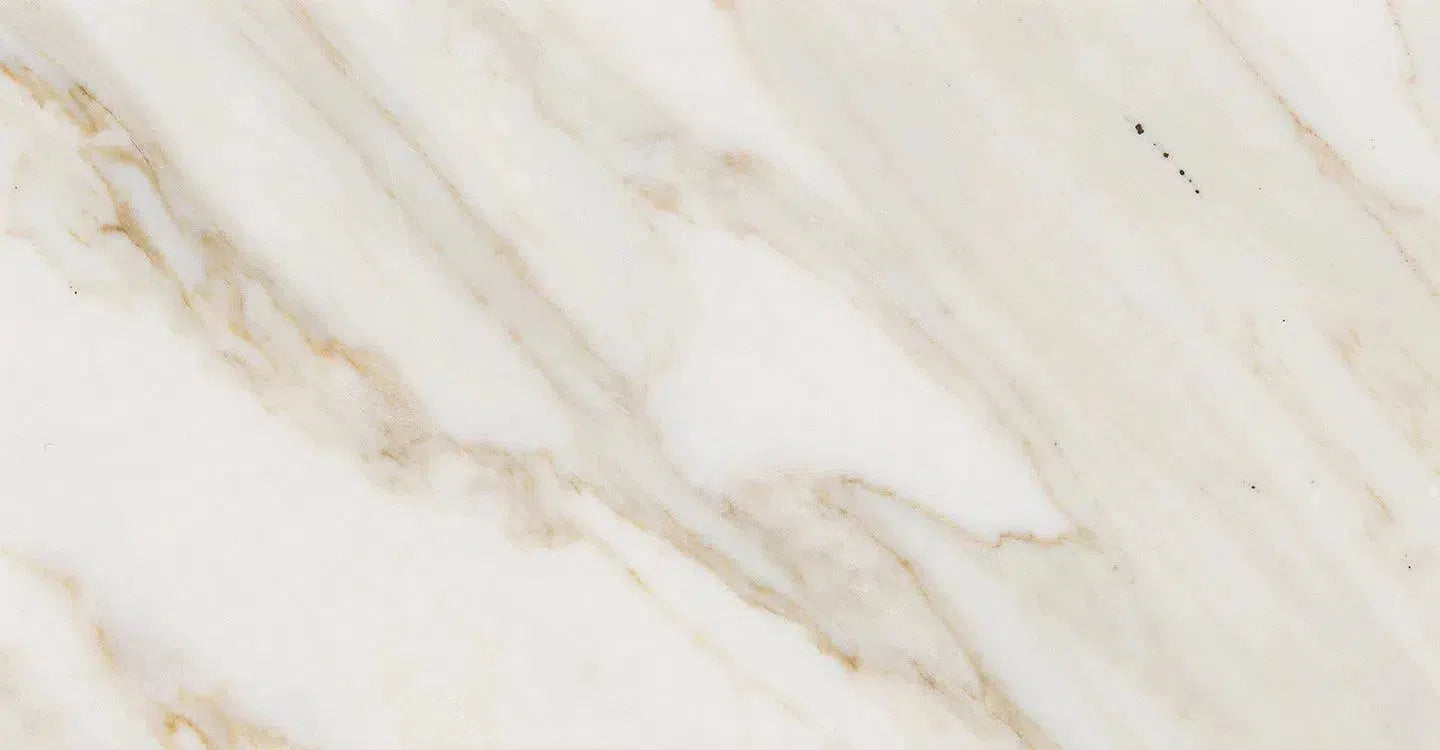




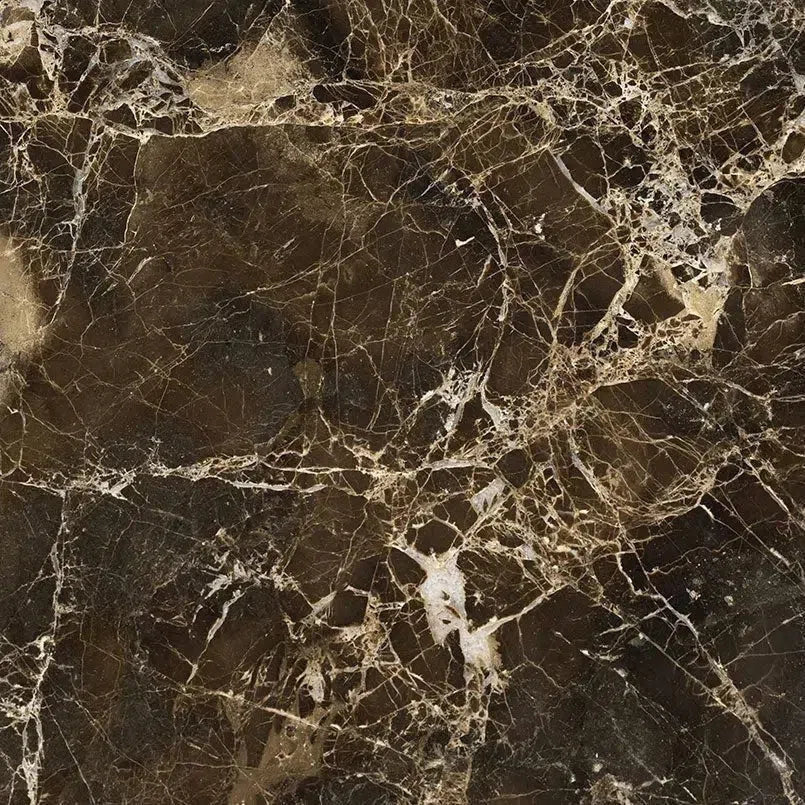
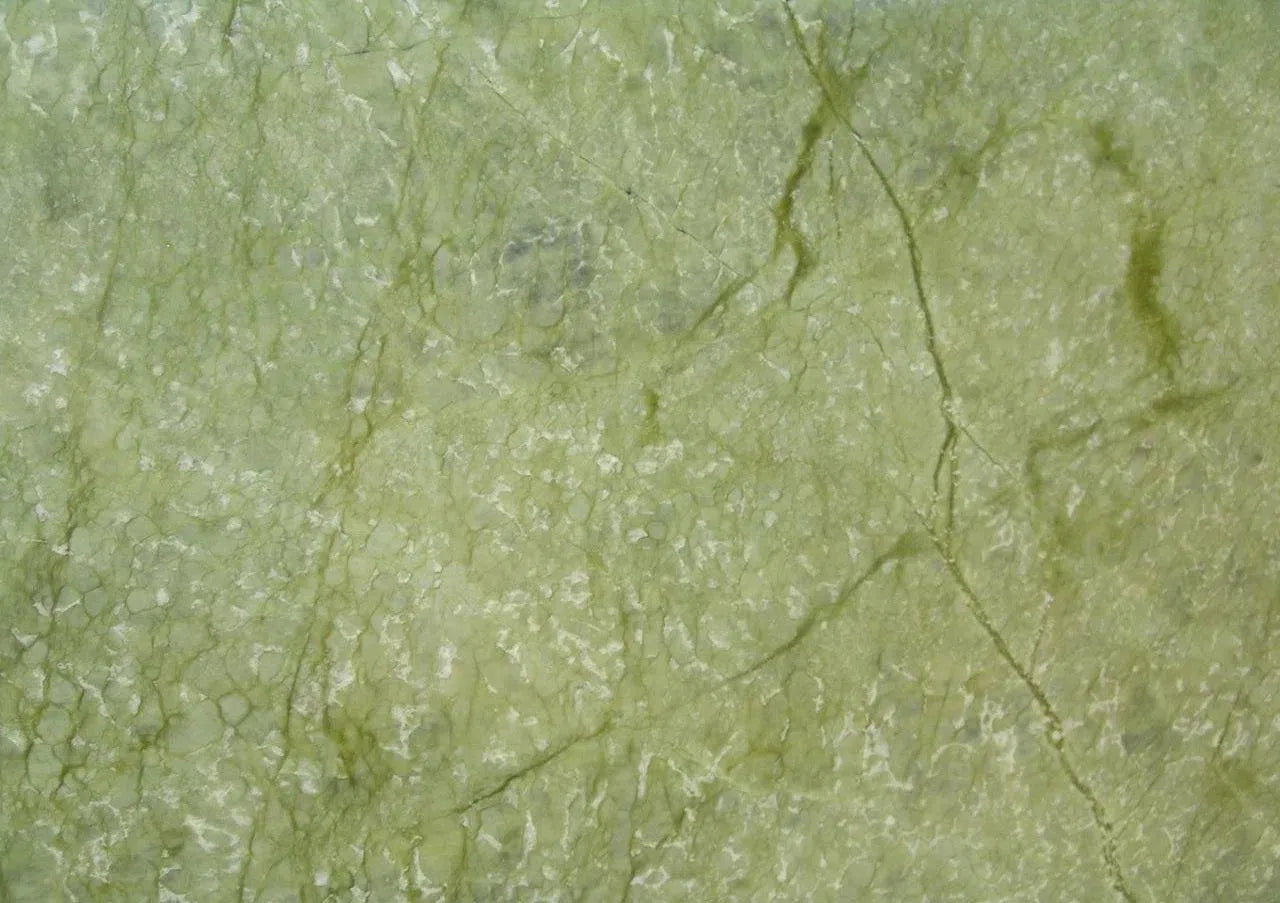



So, you've got a gorgeous marble tile shower, and you're wondering how to keep it looking its best. It's not as tricky as you might think, but marble does need a little extra love compared to, say, your standard ceramic tile. We're going to walk through the whole process, step-by-step, so you can get that spa-like shine back without damaging your beautiful stone. Let's get started on learning how to clean marble tile shower surfaces properly.
Key Takeaways
- Marble is a natural stone with unique needs; always use pH-neutral cleaners to avoid damage.
- Gather soft cloths, non-abrasive brushes, and microfiber towels for gentle cleaning.
- Prepare your shower by clearing it, rinsing debris, and ensuring good ventilation.
- Wash marble tiles gently, working in sections and avoiding too much water.
- Address grout lines separately with a dedicated cleaner and soft brush.
- Tackle soap scum and water spots with mild solutions and gentle wiping.
- Dry all surfaces immediately after cleaning to prevent water spots and streaks.
- Regular maintenance, including sealing, is key to preserving your marble shower's beauty.
Understanding Your Marble Shower's Unique Needs
Marble showers are beautiful, no doubt about it. That natural veining and elegant look can really make a bathroom feel special. But, let's be real, marble isn't like your typical ceramic tile. It's a natural stone, and that means it has its own set of quirks and needs. If you're not careful, you can end up doing more harm than good when you try to clean it.
The Natural Beauty of Marble
Marble is formed over millions of years under intense heat and pressure. This process creates those unique patterns and colors we love. Each slab is different, meaning your shower will have a look that's truly one-of-a-kind. It’s this natural variation that gives marble its luxurious appeal.
Why Marble Requires Special Care
Because it's a natural material, marble is softer and more porous than many other tile options. This makes it susceptible to etching, staining, and dulling if the wrong cleaning products or methods are used. Harsh chemicals can permanently damage the stone's surface. Think of it like skin – it needs gentle treatment to stay healthy and looking its best.
Identifying Different Marble Finishes
Marble can come in a few different finishes, and knowing which one you have is important for cleaning. The most common are polished and honed.
- Polished Marble: This finish has a high gloss, reflecting light and making the colors appear richer. It's beautiful but also shows water spots and etching more readily.
- Honed Marble: This finish is smoother and has a matte or satin appearance. It's less reflective than polished marble and can be a bit more forgiving when it comes to minor surface marks.
The Porous Nature of Natural Stone
Marble is naturally porous. This means it can absorb liquids, including water, soap residue, and cleaning solutions. If spills or moisture sit on the surface for too long, they can seep into the stone, leading to stains or discoloration. This is why quick clean-ups and proper drying are so important.
Common Shower Grime and Buildup
Showers, in general, deal with a lot of the same issues: soap scum, hard water spots, and general dirt. In a marble shower, these can be trickier to handle. Soap scum can cling to the surface, and mineral deposits from hard water can leave dull marks. Over time, these can build up and detract from the marble's natural shine.
Preventing Damage from Harsh Cleaners
This is a big one. Many common household cleaners, especially those with acidic ingredients (like vinegar or lemon-based cleaners) or alkaline ingredients (like bleach or ammonia), can react badly with marble. They can etch the surface, leaving dull spots that are difficult to remove. Always check the label to ensure a cleaner is safe for natural stone.
The Importance of Gentle Cleaning Methods
When it comes to cleaning marble, gentler is always better. Using soft cloths, pH-neutral cleaners, and avoiding abrasive scrubbing will help preserve the stone's integrity and beauty. The goal is to clean effectively without causing any damage that will require more intensive repairs down the line. It's about maintenance, not harsh intervention.
Gathering Your Essential Cleaning Supplies
Before you start scrubbing your beautiful marble shower, it’s important to have the right tools. Using the wrong products can actually damage the stone, so let’s make sure you’re prepped.
Selecting the Right pH-Neutral Cleaner
This is probably the most important item on your list. Marble is sensitive to acids and strong alkalis, which can etch the surface, leaving dull spots. You need a cleaner specifically designed for natural stone, or at the very least, one that is labeled as pH-neutral. Think of it like this: you wouldn't use harsh drain cleaner on your skin, right? Same idea here. Look for cleaners that explicitly state they are safe for marble or natural stone. Many brands offer these, and they’re usually found in the same aisle as general bathroom cleaners, but always double-check the label.
Choosing Soft, Non-Abrasive Cloths
When it comes to wiping down your marble, you want to be gentle. Forget those scratchy sponges or steel wool pads – they’re a big no-no for marble. Instead, opt for soft cloths. Microfiber cloths are fantastic because they’re super absorbent and won't scratch the surface. Old, soft cotton t-shirts or towels can also work in a pinch, as long as they’re clean and free of any rough seams or textures.
The Role of Soft Bristle Brushes
For areas that need a little more attention, like grout lines or textured marble, a soft bristle brush is your friend. Again, the key word here is soft. You're not trying to scour the stone; you're just trying to gently lift away grime. A toothbrush with soft bristles can be great for tight spots, or you can find larger soft-bristle brushes designed for cleaning delicate surfaces. Avoid anything with stiff or wire bristles at all costs.
Gathering Microfiber Towels for Drying
After cleaning and rinsing, drying is a critical step to prevent water spots and streaks. Microfiber towels are ideal for this. They absorb a lot of water without leaving lint behind, and they’re gentle on the marble. Have a few clean, dry ones ready to go so you can quickly dry all the surfaces.
Essential Tools for Grout Care
Grout can be a bit trickier. While a soft brush is good for general cleaning, sometimes you might need something a bit more targeted for stubborn grout stains or mildew. A dedicated grout brush (often with a slightly firmer, but still not harsh, bristle) can be helpful. You might also want some cotton swabs or old toothbrushes for getting into those tiny grout lines.
Water Source and Its Impact
Believe it or not, the water you use can make a difference. If you have very hard water, it can leave mineral deposits that contribute to dullness and water spots. In areas with extremely hard water, you might consider using distilled water for your final rinse. It’s an extra step, but it can help keep your marble looking its best.
Protective Gear for Your Safety
While marble cleaners are generally mild, it’s always a good idea to protect yourself. Wearing rubber gloves will keep your hands from drying out, especially if you have sensitive skin. If you’re using a spray cleaner, a quick spritz of eye protection might be a good idea, just in case. It’s better to be safe than sorry when you’re working with cleaning supplies.
Preparing Your Marble Shower for Cleaning
Before you even think about spraying cleaner, a little prep work goes a long way. It makes the actual cleaning part much smoother and helps protect your marble. Think of it like getting your workspace ready before starting a big project.
Clearing the Shower Space
First things first, take everything out of the shower. This means shampoo bottles, soap dishes, razors, loofahs – you name it. Move them to a dry spot outside the shower area. This gives you clear access to all the tile and grout surfaces without anything getting in the way or getting accidentally splashed with cleaner. It’s amazing how much stuff can accumulate in a shower, and getting it all out makes a huge difference.
Rinsing Away Loose Debris
Give your shower a good rinse with plain water. Use your showerhead or a cup to wash away any loose dirt, hair, or soap residue. This step removes the surface gunk so your cleaner can focus on the tougher grime and buildup that’s actually stuck to the marble and grout. It’s like sweeping the floor before mopping – you don’t want to just push dirt around.
Pre-treating Stubborn Stains
Got any spots that look particularly grim? Now’s the time to give them a little extra attention. For really tough soap scum or mildew, you might want to apply a bit of your chosen marble cleaner directly to the spot and let it sit for a few minutes. This pre-treatment helps break down the grime before you start scrubbing the whole shower. Just make sure whatever you use is safe for marble; we’ll talk more about that in a bit.
Ensuring Proper Ventilation
Open up that bathroom window or turn on the exhaust fan. Cleaning products, even gentle ones, can create fumes. Good ventilation is important for your health and helps the surfaces dry faster afterward. It makes the whole cleaning experience much more pleasant, trust me.
Protecting Surrounding Areas
While marble is tough, other things in your bathroom might not be. If you have wood vanities, painted walls, or delicate fixtures nearby, consider covering them with an old towel or a plastic sheet. This is especially important if you’re using a stronger pre-treatment or if you’re worried about overspray. Better safe than sorry, right?
Checking Cleaner Compatibility
This is a big one. Before you go slathering any cleaner all over your beautiful marble, do a quick test. Find an inconspicuous spot, maybe in a corner or behind a bottle you usually keep there, and apply a small amount of your cleaner. Let it sit for a few minutes, then wipe it off and check for any discoloration, etching, or dulling. Always confirm your cleaner is safe for natural stone and specifically for marble.
A Quick Visual Inspection
Take a final look around. Are there any areas that seem particularly dirty? Do you see any spots that might need extra attention? This quick check helps you plan your cleaning strategy and ensures you don’t miss any spots. It’s like doing a final walkthrough before guests arrive – you want everything to look its best.
The Gentle Art of Marble Tile Washing
Washing your marble shower isn't like cleaning your kitchen sink. Marble is a natural stone, and it needs a softer touch. Using the wrong cleaner or scrubbing too hard can actually damage the surface, leaving it dull or even etched. So, let's get into how to wash your marble tiles the right way.
Applying Your Chosen Cleaner
Start by making sure you've got a cleaner that's specifically made for natural stone, or at the very least, a pH-neutral option. You don't want anything acidic like vinegar or anything too alkaline, as these can really harm the marble. Spray the cleaner directly onto the tile surface. Don't go overboard; a light, even coating is all you need to start.
Working in Small, Manageable Sections
Don't try to clean the whole shower at once. It's much better to work in small areas, maybe a few tiles at a time. This way, the cleaner doesn't dry on the surface before you have a chance to rinse it off, which can leave streaks or spots. Focus on one wall or a section of the floor before moving on.
Gentle Scrubbing Techniques
This is where the soft bristle brush or a soft cloth comes in. Gently scrub the marble tiles in a circular motion. You're not trying to scour the surface; you're just trying to lift away any soap scum or light grime. Let the cleaner do most of the work. If you're dealing with a particularly stubborn spot, you might need to apply a little more pressure, but always be mindful of the marble's delicate nature.
Avoiding Excessive Water Saturation
Marble doesn't like to sit in water for too long. When you're cleaning, try not to flood the shower floor or let water pool on the walls. Use just enough water to rinse the cleaner away effectively. Too much water can seep into the stone and grout, potentially causing issues down the line.
Rinsing Thoroughly After Cleaning
This step is super important. After you've scrubbed a section, you need to rinse it completely. Use a clean cloth dampened with plain water, or a gentle spray from your showerhead if it's not too powerful. Make sure all traces of the cleaner are gone. Leftover cleaner can attract dirt or leave a hazy film on the marble.
The Importance of Immediate Rinsing
Don't let the cleaner sit on the marble for extended periods, even within your small sections. As soon as you've finished scrubbing an area, rinse it. This prevents the cleaner from drying and potentially etching or dulling the stone. Think of it as a quick one-two punch: clean, then rinse immediately.
Spot Cleaning as Needed
Sometimes, you'll notice a small spot that needs a little extra attention. Instead of re-cleaning the entire section, just focus on that one area. Apply a bit of your pH-neutral cleaner directly to the spot and gently work it with a soft cloth or brush. Rinse and dry that spot specifically. This saves time and avoids over-cleaning the surrounding marble.
Tackling Grout Lines with Precision
Understanding Grout Composition
Grout is the material that fills the spaces between your marble tiles. It's usually a cement-based mixture, which means it's porous and can absorb moisture and stains over time. Because it's not as hard as marble, it can wear down or get dirty more easily. Knowing what your grout is made of helps you pick the right cleaning approach.
Using a Dedicated Grout Cleaner
When it comes to cleaning grout, especially in a marble shower, you really want to use something made specifically for it. Regular bathroom cleaners might be too harsh for the marble itself, or they might not be strong enough for built-up grime in the grout lines. Look for a cleaner that's designed to lift dirt and stains from grout without damaging surrounding stone. Many of these are pH-neutral, which is good for marble. You can find these at most home improvement stores. Some are sprays, others are pastes. For tough jobs, a paste might work better.
Applying Cleaner to Grout Only
This is where a little care goes a long way. You don't want to just spray cleaner all over your marble shower. Try to apply the grout cleaner directly onto the grout lines. A small brush or even a syringe can help with this. This way, the cleaner does its job on the grout without sitting on the marble tiles for too long, which could cause etching or dulling. It's a bit more work, but it protects your beautiful marble.
Soft Brushing for Grout Maintenance
Once the cleaner has had a moment to work, it's time to gently scrub. Use a soft-bristled brush – think an old toothbrush or a grout brush. Avoid anything stiff or wire, as that can scratch the grout and even the marble. Work the brush back and forth along the grout lines. You're not trying to scrub the paint off the walls; you're just trying to loosen up the dirt and grime that's settled in there. This gentle abrasion is usually enough to lift most common buildup.
Wiping Away Excess Cleaner
After you've scrubbed, you'll have a bit of a mess with dirty cleaner. Grab a clean, damp cloth – a microfiber one is great for this – and wipe away the excess cleaner and loosened dirt. You might need to rinse your cloth and wipe a few times to get everything up. Don't let the dirty cleaner just sit there; it can leave its own residue.
Rinsing Grout Lines Diligently
This step is super important. After wiping, you need to rinse the grout lines thoroughly. Use clean water and a cloth, or a spray bottle filled with water. Make sure you get all the cleaner residue out. If you leave cleaner behind, it can attract more dirt or even damage the grout over time. A good rinse means the grout is clean and ready to be dried.
Addressing Mold and Mildew on Grout
Mold and mildew love damp shower environments, and grout lines are prime real estate for them. If you spot any, you'll need to be a bit more aggressive, but still careful. For mild cases, a paste of baking soda and water can work wonders. Apply it, let it sit for a bit, then scrub gently. For tougher spots, you might need a specialized mold and mildew remover, but always check if it's safe for use around natural stone. Bleach solutions can be effective, but use them sparingly and ensure good ventilation. Always rinse thoroughly after treating mold and mildew.
Addressing Soap Scum and Water Spots
Soap scum and water spots are common annoyances in any shower, but they can be particularly tricky on marble. Because marble is a natural stone, it needs a gentle approach to avoid damage. Let's break down how to tackle these issues without harming your beautiful shower.
Understanding Soap Scum Formation
Soap scum isn't actually soap; it's a combination of soap residue and minerals from your hard water. When these mix, they create a film that clings to surfaces. In a shower, this film can build up over time, making your marble look dull and grimy. It's especially noticeable on darker marble or when it forms on grout lines.
Utilizing pH-Neutral Solutions
This is where choosing the right cleaner really matters. Acidic or alkaline cleaners can etch or dull your marble, so always opt for a product specifically labeled as pH-neutral. These cleaners are designed to lift grime without reacting negatively with the stone. You can often find good options at your local home improvement store, or even make your own. A simple solution of water and a mild dish soap can work wonders for light scum. For tougher jobs, a dedicated pH-neutral cleaner is your best bet.
The Power of Gentle Abrasion
Once you've applied your cleaner, a bit of gentle scrubbing is usually needed. Forget steel wool or stiff brushes; these will scratch your marble. Instead, use a soft cloth, a sponge with a non-abrasive scrubbing side, or a soft-bristled brush. Work in small circles, applying just enough pressure to lift the scum. You're not trying to scour the surface, just coax the grime away.
Targeted Application for Spots
Water spots are essentially mineral deposits left behind after water evaporates. They can be more stubborn than soap scum. For these, you might need to let your pH-neutral cleaner sit for a few minutes to break down the minerals. If a spot is particularly persistent, you can try applying the cleaner directly to it with a cloth or sponge, letting it dwell a bit longer before gently wiping.
Wiping Away Residue Effectively
After scrubbing, it's important to wipe away all the loosened scum and cleaner residue. Use a clean, damp cloth to rinse the area thoroughly. Make sure you get into all the nooks and crannies, especially around fixtures and grout lines. If you leave cleaner residue behind, it can attract more dirt or even leave its own marks.
Preventing Future Water Stains
The best way to deal with water spots is to prevent them from forming in the first place. This means drying your shower after each use. It sounds like a lot of work, but it makes a huge difference. Keep a squeegee and a microfiber towel handy.
The Role of Squeegeeing
Using a squeegee after every shower is probably the single most effective thing you can do. It removes the bulk of the water, significantly reducing the amount of moisture left to evaporate and form spots. Follow up with a quick wipe-down of any remaining droplets with a microfiber towel. This simple habit will keep your marble looking its best and save you a lot of cleaning time down the road.
Dealing with Tougher Stains on Marble
Identifying the Stain Type
Sometimes, regular cleaning just won't cut it. You might notice a stubborn mark on your marble shower that needs a bit more attention. The first step is figuring out what kind of stain you're dealing with. Is it an organic stain, like from soap residue or mildew? Or is it an inorganic stain, perhaps from rust or hard water deposits? Knowing the source helps you pick the right method to get rid of it without damaging the stone. For instance, organic stains often respond to hydrogen peroxide, while rust stains might need a specific rust remover. Getting this right is key to effective stain removal.
Creating a Poultice for Absorption
A poultice is like a special paste that draws stains out of porous materials like marble. It's a really effective way to tackle deep-set marks. You'll mix an absorbent material with a cleaning agent to create a thick, spreadable paste. Think of it as a mini-exfoliation treatment for your shower walls.
Materials for Poultice Creation
There are a few common materials you can use to make a poultice. For the absorbent part, you can use things like:
- White paper towels
- Cotton balls
- Diatomaceous earth
- Kaolin clay
For the cleaning agent, it depends on the stain. For organic stains, a bit of hydrogen peroxide works well. For general grime or unknown stains, a pH-neutral cleaner is a safer bet. You can even use plain water for some issues. The goal is to create a paste that's not too runny and not too dry.
Applying the Poultice Correctly
Once you have your poultice ready, apply it directly to the stained area. You want to cover the stain completely, making sure the paste is about a quarter to half an inch thick. Extend the poultice slightly beyond the edges of the stain. Then, cover the poultice with plastic wrap and tape down the edges. This keeps the poultice moist and allows it to work its magic over time.
Allowing the Poultice to Dry
This is where patience comes in. You need to let the poultice sit and dry completely. This can take anywhere from 24 to 48 hours, sometimes even longer. As the poultice dries, it pulls the stain out of the marble and into the absorbent material. You'll notice it changing color as it absorbs the stain.
Removing the Dried Poultice
Once the poultice is totally dry, it's time to remove it. Gently scrape off the dried paste using a plastic putty knife or a spatula. Be careful not to scratch the marble surface. After scraping, wipe the area clean with a damp cloth. You might need to rinse it a couple of times to get all the residue off.
Assessing the Stain's Removal
After removing the poultice and rinsing the area, let the marble dry completely. Then, take a good look at the stain. Has it faded? Is it gone? Sometimes, tougher stains might require a second or even a third poultice application. Don't get discouraged if it's not perfect the first time. Consistent, gentle treatment is the best approach for stubborn marks. If the stain persists after multiple attempts, it might be time to consider professional help.
The Crucial Step of Drying Your Shower
After all that scrubbing and rinsing, you might think you're done. But hold on a second! The drying process for your marble shower is actually super important. Leaving water to just sit there, especially on natural stone, can lead to all sorts of problems down the line. It’s not just about making it look shiny; it’s about protecting your investment.
Why Immediate Drying is Key
Water, particularly hard water with minerals, can leave behind spots and dullness on marble if it evaporates on its own. For marble, this isn't just an aesthetic issue; it can actually etch the surface over time. Getting rid of that moisture quickly is your best defense against water spots and potential etching. Think of it as giving your marble a quick pat dry after a bath to prevent water rings.
Using Clean Microfiber Towels
When it comes to drying, your choice of towel matters. Forget those old bath towels that might leave lint behind or have harsh textures. Microfiber towels are the way to go for marble. They're soft, super absorbent, and won't scratch the delicate surface. Plus, they pick up any lingering cleaning residue too. You'll want a few of these on hand.
Wiping Down All Surfaces
Don't just focus on the floor or the shower walls. You need to wipe down everything. This includes:
- The marble tiles themselves
- The glass shower doors or panels
- The fixtures (faucets, showerheads)
- The edges and corners where water likes to hide
- The grout lines
Being thorough here really makes a difference in the final look and the long-term health of your shower.
Ensuring No Water Residue Remains
This is where you really need to pay attention. Go over all the surfaces again, looking for any drips or damp spots. Pay special attention to areas where water might pool, like around the drain or where tiles meet. The goal is a completely dry surface. If you notice any streaks, it usually means there was some cleaning product residue left behind, so give it another gentle wipe.
Drying Grout Lines Thoroughly
Grout can be a bit of a sponge, holding onto moisture. Make sure you press your microfiber towel into the grout lines to soak up any trapped water. If you skip this, you might find yourself dealing with mildew issues later on, which is a whole other headache you don't want.
Allowing for Air Circulation
Once everything is wiped down, open up the shower door or curtain. If you have an exhaust fan, turn it on for a bit. Good air circulation helps any remaining trace moisture evaporate quickly. This step is simple but really helps prevent that damp, musty smell from setting in and keeps your marble looking its best. For ongoing maintenance, consider using a squeegee after each shower to remove excess water.
The Benefit of a Dry Shower Environment
Ultimately, a dry marble shower is a happy marble shower. It means fewer water spots, less risk of etching, and a reduced chance of mold and mildew growth. It keeps that natural shine looking fresh and preserves the beauty of your stone for years to come. It’s a small effort that pays off big time in the long run.
Maintaining Your Marble Shower's Shine
Keeping your marble shower looking its best isn't a one-time job; it's about building good habits. A little consistent effort goes a long way in preserving that natural luster and preventing bigger issues down the line. Think of it like tending to a prized possession – regular care keeps it beautiful.
Regular Cleaning Schedules
Consistency is really the name of the game here. You don't need to scrub your shower every single day, but having a plan makes it manageable. A good routine prevents grime from setting in and becoming a real headache to remove later.
Daily Squeegee Use
This is probably the simplest, yet most effective, habit you can adopt. After each shower, take a few seconds to run a squeegee over the walls and glass. This simple action removes most of the standing water, which is the main culprit behind water spots and soap scum buildup. It’s a quick step that makes a huge difference in the long run.
Weekly Deep Cleaning
Once a week, dedicate a bit more time to a thorough clean. This involves using your pH-neutral cleaner and giving the tiles and grout a proper wash. It’s not about harsh scrubbing, but about making sure all surfaces are clean and free of any lingering residue.
Addressing Spills Immediately
If something spills in the shower – maybe a bottle of shampoo or conditioner tips over – wipe it up right away. Some products can stain or etch marble if left to sit. A quick wipe with a damp cloth is usually all it takes.
Avoiding Harsh Chemicals
This bears repeating because it's so important. Never use acidic cleaners (like vinegar or lemon-based products) or harsh alkaline cleaners on your marble. These can damage the stone, causing dull spots or etching that are difficult to repair. Stick to products specifically designed for natural stone or those labeled pH-neutral.
The Importance of Sealing
Sealing your marble is like giving it a protective coat. It helps to prevent stains from penetrating the stone. How often you need to reseal depends on the type of sealant used and how much the shower is used, but it's a vital part of maintenance.
Periodic Professional Assessment
While you can handle most of the day-to-day care, it’s a good idea to have a professional take a look every year or two. They can spot potential issues you might miss and advise on any specific treatments your marble might need to keep it looking its best for years to come. They can also handle any deeper cleaning or restoration if needed.
Understanding Marble Sealing for Protection
The Purpose of Marble Sealant
Marble is a beautiful natural stone, but it's also porous. This means it can absorb liquids, which can lead to stains and damage over time. Sealing your marble shower creates a barrier that helps prevent these issues. Think of it like waterproofing your stone. A good sealant fills the tiny pores in the marble, making it much harder for things like soap scum, hard water minerals, and even colored liquids to soak in and cause permanent marks. This protection is key to keeping your shower looking its best for years to come.
When to Reapply Sealant
How often you need to reapply sealant depends on a few things, like how much you use the shower and what kind of products you use in it. A good rule of thumb is to check it every 6 to 12 months. You can do a simple water test: sprinkle some water on the marble. If it beads up and sits on the surface, your sealant is still working. If the water soaks in and darkens the stone, it's time to reseal.
Choosing the Right Sealing Product
Not all sealants are created equal, and you want one that's specifically made for natural stone, especially for a wet area like a shower. Look for penetrating sealers. These soak into the stone rather than just forming a layer on top. They are usually water-based and low-VOC, which is better for your health and the environment. Avoid sealants that promise a high-gloss finish, as these can sometimes make marble slippery, which is the last thing you want in a shower.
Preparing Marble for Sealing
Before you can seal your marble, it needs to be perfectly clean and dry. Any dirt, soap scum, or old sealant residue will prevent the new sealant from penetrating properly. Give your shower a thorough cleaning using a pH-neutral cleaner. Make sure to rinse it well and let it dry completely. This might take 24 hours or more, depending on your bathroom's humidity. Patience here really pays off.
Applying Sealant Evenly
Applying sealant is usually straightforward. Most penetrating sealers come in a spray bottle or can be applied with a clean cloth or brush. Work in small sections, applying a thin, even coat. Don't let the sealant pool or drip. You want to cover the entire surface of the marble tile and grout. Follow the product's instructions carefully, as application methods can vary.
Allowing Sealant to Cure
After applying the sealant, it needs time to cure, which is when it fully hardens and becomes effective. This usually takes at least 24 to 48 hours, but check the product label for specific times. During this curing period, try to keep the shower dry and avoid using it. This allows the sealant to bond properly with the stone.
Testing the Sealant's Effectiveness
Once the sealant has cured, perform the water test again. Sprinkle a little water on the surface. If it beads up nicely, you've done a great job! If it soaks in, you might need to apply another coat or check if the product was right for your marble. A properly sealed shower will resist stains and water spots much better, keeping your marble looking beautiful.
Common Mistakes to Avoid When Cleaning
So, you've got this gorgeous marble shower, right? It looks amazing, like a little piece of a spa in your own home. But then comes cleaning day, and if you're not careful, you can actually do more harm than good. It's easy to make a few slip-ups that can dull that shine or even damage the stone. Let's talk about what not to do.
Using Acidic or Alkaline Cleaners
This is a big one. Marble is a natural stone, and it's sensitive. Think of it like a delicate skin; it doesn't react well to harsh chemicals. Acidic cleaners, like those containing vinegar or lemon juice, will etch the surface, leaving dull spots. Alkaline cleaners, like bleach or ammonia, can also damage the sealant and the stone itself over time. Always opt for a pH-neutral cleaner specifically designed for natural stone. Using the wrong cleaner is probably the quickest way to ruin that beautiful finish.
Employing Abrasive Scrubbers
Those tough scrub brushes or steel wool pads might seem like they'd be great for getting rid of soap scum, but they're a marble's worst enemy. They can scratch the surface, no matter how careful you are. Even some sponges have a rough side that can cause micro-scratches. Stick to soft cloths, microfiber towels, or very soft-bristled brushes. You want to clean the marble, not give it a facelift it didn't ask for.
Letting Water Sit on the Surface
Water, especially hard water with mineral deposits, can leave spots and stains on marble if left to air dry. It might not seem like a big deal, but over time, these minerals can build up and become difficult to remove. It's like leaving a wet coffee cup on a wooden table – eventually, you'll see a ring. Wipe down your shower surfaces after each use, or at least regularly, to prevent water spots. A quick squeegee session can make a world of difference.
Neglecting Regular Maintenance
Waiting until your shower is visibly grimy to clean it is a mistake. Regular, gentle cleaning prevents the buildup of soap scum, mildew, and hard water stains that become much harder to tackle later. Think of it like brushing your teeth; doing it daily prevents bigger dental problems. A quick rinse and wipe-down after showering can save you a lot of scrubbing later. This consistent care is key to maintaining your shower tiles for a decade.
Using Colored Cleaning Cloths
This might sound a little odd, but it's worth mentioning. Some colored cloths, especially older ones or those that haven't been washed many times, can transfer dye onto your marble. This is particularly true if the marble is wet. You might end up with streaks of color that are tough to get out. Always use white or light-colored, lint-free cloths for cleaning your marble surfaces.
Over-Wetting Marble Surfaces
Marble is porous, meaning it can absorb liquids. While a quick rinse is necessary, letting water pool or saturate the stone for extended periods isn't ideal. Too much water can potentially seep into the stone or grout, leading to issues down the line. It's about using just enough water to rinse away the cleaner and grime, and then getting the surfaces dry.
Skipping the Drying Process
This ties back into letting water sit. After cleaning and rinsing, it's vital to dry the marble thoroughly. Microfiber towels are excellent for this because they absorb a lot of water and don't leave lint behind. Skipping this step means you're essentially leaving the door open for water spots and mineral buildup, undoing some of the good work you just did. A dry shower is a happy shower, especially when it's made of natural stone.
Enhancing Your Marble Shower's Longevity
Keeping your marble shower looking its best for years to come isn't about complicated rituals; it's about consistent, gentle care. Think of it like maintaining a classic car – regular attention prevents bigger, more expensive problems down the road. The goal is to protect that natural beauty and prevent damage before it starts.
Consistent Gentle Cleaning Practices
This is the bedrock of marble longevity. Daily or near-daily wipe-downs make a huge difference. After each shower, a quick wipe with a microfiber cloth can remove excess water and soap residue before it has a chance to set. This simple habit prevents water spots and soap scum buildup, which are common culprits in dulling marble's shine. For a more thorough clean, stick to mild, pH-neutral cleaners. Using anything acidic or abrasive, like vinegar or harsh scrubbing pads, can etch the surface, leaving it looking dull and worn. Remember, marble is a natural stone, and it deserves a gentle touch. For everyday cleaning, a soft cloth with mild, soapy water is often all you need to maintain its perfect shine [7dc5].
Prompt Stain Removal
Accidents happen, and when they do, acting fast is key. Whether it's a spilled bottle of shampoo or a stray makeup smudge, address stains immediately. The longer a substance sits on the marble, the deeper it can penetrate the porous surface. For tougher stains, a poultice can be a lifesaver, drawing the stain out of the stone. The trick is to identify the stain type first to choose the right poultice materials.
Adequate Ventilation
Moisture is marble's nemesis in a shower environment. Good ventilation helps to dry out the shower space quickly after use, reducing the chances of mold, mildew, and water spots. If your bathroom doesn't have a strong exhaust fan, consider leaving the door open after showering or using a small fan to circulate air. This simple step significantly cuts down on the moisture that can damage your stone over time.
Regular Sealing Applications
Marble is naturally porous, meaning it can absorb liquids. Sealing creates a barrier that helps prevent stains and water damage. The frequency of resealing depends on the type of sealant used and the amount of wear the shower gets, but it's a vital part of long-term care. Don't wait until you see water soaking into the stone; be proactive. Marble tile requires regular resealing by a professional to maintain its stain-resistant and water-repelling qualities after the initial sealing [1212].
Avoiding Heavy Foot Traffic
While this might seem obvious for a shower, it's worth mentioning. Avoid dragging heavy objects or even rough-textured bath mats directly on the marble surface for extended periods. These can cause scratches or wear down the sealant over time. Opt for softer mats and be mindful of what's placed in the shower.
Using Appropriate Bath Accessories
Choose accessories made from materials that won't scratch or stain your marble. Metal caddies or soap dishes, if left to rust or corrode, can leave permanent marks. Consider glass, plastic, or sealed wood options. Also, ensure any bottles stored in the shower have tight-fitting caps to prevent leaks and spills.
Controlling Humidity Levels
Beyond just ventilation, consider the overall humidity in your bathroom. If it's consistently high, it can contribute to moisture issues. Using a dehumidifier in the bathroom, especially in humid climates, can help maintain a drier environment, which is beneficial for your marble.
Troubleshooting Persistent Issues
Even with the best care, sometimes marble showers can present a few stubborn problems. Don't worry, most of these can be tackled with the right approach. It's all about understanding what you're dealing with and using gentle, effective methods.
Dealing with Etching Marks
Etching happens when acidic substances react with the calcium carbonate in marble, leaving dull spots. It's not a stain, but rather a surface change. For light etching, you might be able to buff it out with a marble polishing powder. For more noticeable etching, it might require professional attention, but often, a good marble cleaner can help minimize the appearance. The key is to act fast if you suspect an acidic spill.
Addressing Deep-Set Stains
Sometimes, stains just seem to sink right into the stone. This is where a poultice comes in handy. You can make one using an absorbent material like diatomaceous earth or even paper towels mixed with a cleaning agent. The idea is to create a paste that you apply to the stain, cover it, and let it dry. As it dries, it pulls the stain out of the marble. You might need to repeat this process a few times for really tough stains. This is a great way to tackle oil-based or organic stains without harsh chemicals. You can find more information on creating a poultice.
Restoring Dull Areas
Dullness can be caused by a few things – mineral deposits, soap scum buildup, or even light etching. Start by giving the area a good clean with your pH-neutral cleaner. If that doesn't work, you might need to try a marble polishing compound. These are specifically designed to bring back the shine without damaging the stone. Always follow the product instructions carefully and work in small sections.
Managing Mold and Mildew Growth
Mold and mildew love damp environments, and shower corners can be prime real estate for them. For mild cases, a solution of water and a bit of hydrogen peroxide can work wonders. For tougher spots, a dedicated mold and mildew remover safe for natural stone is your best bet. Make sure to ventilate the bathroom well during and after cleaning. Addressing this promptly prevents it from spreading and becoming a bigger issue.
Repairing Minor Chips or Cracks
Small chips or cracks can sometimes be filled using a marble repair epoxy or a color-matched filler. These kits are available at most home improvement stores. Clean the area thoroughly before applying the filler, and follow the kit's instructions precisely. For larger or more significant damage, it's usually best to consult a stone restoration specialist.
When to Call a Professional
If you've tried gentle methods and the issue persists, or if you're dealing with extensive damage like deep cracks, large chips, or widespread etching, it's time to bring in the pros. Stone restoration companies have specialized tools and knowledge to handle complex marble issues without causing further harm. They can often restore your shower to its former glory. Remember, sometimes it's better to invest in professional help than risk damaging your beautiful marble further.
Understanding Marble's Natural Variations
It's important to remember that marble is a natural product. Variations in color, veining, and even slight imperfections are part of its unique charm. What might look like a flaw could just be a natural characteristic of the stone. Before attempting any aggressive cleaning or repair, take a moment to consider if the issue is truly a problem or simply part of the stone's natural beauty. Using mild cleaning solutions is always the safest bet.
The Benefits of a Well-Maintained Marble Shower
Taking good care of your marble shower isn't just about keeping it looking nice; it actually brings a lot of good things your way. It's more than just a bathroom fixture; it's a statement piece that, when looked after, really pays off.
Elevated Bathroom Aesthetics
A clean, well-maintained marble shower instantly makes your whole bathroom feel more luxurious. The natural veining and polished surface of marble have a way of making any space feel more upscale. It’s that touch of natural elegance that designers and architects often look for in high-end projects across the U.S.
Increased Property Value
When it comes time to sell your home, features like a pristine marble shower can really catch a buyer's eye. It signals quality and good upkeep, which can translate directly into a higher asking price and a quicker sale. It’s an investment that shows.
A Healthier Living Environment
Marble, when properly sealed and cleaned, is a non-porous surface that doesn't easily harbor bacteria or mold. Regular cleaning prevents the buildup of grime and mildew, contributing to better air quality in your bathroom and a healthier space for you and your family.
Long-Term Cost Savings
While marble might seem like a big upfront cost, taking care of it prevents expensive repairs down the line. Avoiding harsh chemicals and abrasive cleaning methods means you won't damage the stone, saving you money on restoration or replacement.
Preserving Natural Stone Beauty
Marble is a beautiful natural material, and proper maintenance helps keep its unique character and luster intact for years. Consistent gentle cleaning practices are key to preserving this natural beauty.
Creating a Spa-Like Atmosphere
There's something incredibly relaxing about a clean, sparkling shower. A well-maintained marble shower can transform your daily routine into a more spa-like experience, offering a moment of calm and luxury.
Pride in Your Home's Appearance
Simply put, it feels good to have a beautiful home. Knowing that your marble shower is always looking its best adds to your overall satisfaction with your living space. It’s a detail that makes a difference.
Choosing the Right Cleaning Products for Marble
Prioritizing pH-Neutral Formulations
When it comes to cleaning your marble shower, the most important thing to remember is that marble is a natural stone, and it’s sensitive. Using the wrong cleaner can actually damage the surface, leading to etching or dullness. That’s why you absolutely need to stick to products that are pH-neutral. Think of it like this: acidic cleaners (like vinegar or lemon juice) will eat away at the marble, and highly alkaline cleaners can also cause problems. You want something gentle, something that cleans without stripping away the stone's natural beauty. Many general household cleaners are too harsh, so always check the label.
Understanding Cleaner Ingredients
Before you grab just any bottle off the shelf, take a moment to look at the ingredients. You'll want to avoid anything with harsh chemicals, acids, or strong alkalis. Common culprits to steer clear of include ammonia, bleach, and anything containing high levels of sulfates or phosphates. Instead, look for cleaners specifically formulated for natural stone or those that clearly state they are pH-neutral. Sometimes, simpler is better when it comes to the ingredients list for marble care.
Avoiding Household Staples
It might be tempting to reach for that bottle of vinegar or baking soda you already have under the sink, but for marble showers, it’s best to resist. While these might be great for other cleaning tasks, they can be detrimental to marble. Vinegar is acidic and can etch the surface, leaving dull spots. Baking soda, while a mild abrasive, can still be too harsh for polished marble if used improperly or too frequently. Stick to products designed for stone to avoid these common household cleaning mistakes.
Specialized Marble Cleaners
There are many cleaning products on the market today that are made specifically for natural stone, including marble. These are usually your safest bet. They are formulated to clean effectively without harming the stone's finish. You can find them at most home improvement stores or specialty cleaning supply shops. Look for brands that are well-regarded in the natural stone care community. These specialized cleaners often come in spray bottles, making application straightforward.
The Effectiveness of Natural Alternatives
If you prefer to go the more natural route, there are options, but you still need to be careful. A simple solution of water and a few drops of mild, pH-neutral dish soap can work for daily cleaning. For tougher jobs, some people use a diluted solution of hydrogen peroxide for grout or very specific stain treatments, but always test this in an inconspicuous area first. The key is always to dilute and test.
Reading Product Labels Carefully
This step is non-negotiable. Before you buy or use any cleaning product on your marble shower, read the label thoroughly. It should clearly state if the product is safe for natural stone and what its pH level is. If it doesn't mention marble or natural stone, or if it warns against use on such surfaces, put it back on the shelf. Don't guess; read the instructions and warnings.
Testing Cleaners in an Inconspicuous Area
Even with products labeled as safe for marble, it's always a smart move to test them first. Find a small, hidden spot in your shower – perhaps behind a fixture or in a corner near the floor. Apply a small amount of the cleaner and let it sit for the recommended time, then rinse and dry. Check for any signs of discoloration, etching, or dullness. If the spot looks good, you can proceed with cleaning the rest of your shower with confidence.
Advanced Techniques for Marble Care
Understanding Honing and Polishing
Marble can come in different finishes, and two common ones you'll encounter are honed and polished. Polished marble has a high gloss, reflecting light and giving a very sleek look. Honed marble, on the other hand, has a softer, more matte finish. It's less reflective and can hide minor scratches better. When cleaning, the technique might vary slightly. For polished marble, you want to maintain that shine, so gentle buffing is key. Honed marble is a bit more forgiving, but you still need to avoid anything that could scratch its surface. The finish of your marble significantly impacts how you should approach cleaning and maintenance.
The Role of Impregnating Sealers
While regular sealers create a barrier on the surface, impregnating sealers work differently. They penetrate the pores of the marble, offering protection from within. This is especially useful in a shower environment where moisture is constant. Think of it like treating the stone itself, rather than just coating it. This type of sealing can help prevent stains from setting in deep and makes the stone less susceptible to water damage. It's a more robust form of protection for your natural stone.
Using Microfiber Mops for Floors
When it comes to cleaning your marble shower floors, a microfiber mop can be a game-changer. These mops are designed to be gentle yet effective. They can pick up dirt and grime without scratching the delicate surface of the marble. Plus, they don't hold excessive water, which is important for preventing water spots and potential damage. Using a damp, not soaking wet, microfiber mop with your pH-neutral cleaner is a solid approach for keeping your shower floor looking its best. It’s a simple step that makes a big difference in the long run.
Steam Cleaning Considerations
Steam cleaning can be tempting because it uses just water and heat to clean. However, with marble, you need to be cautious. High heat and prolonged exposure to moisture from steam can potentially damage the sealant or even the stone itself over time. If you do opt for steam cleaning, make sure to use a low setting and keep the steamer moving. Never let the steam linger in one spot. It’s best to test this method in an inconspicuous area first or consult with a professional before using it on your entire shower.
Professional Marble Restoration
Sometimes, despite your best efforts, marble can develop issues like etching, deep stains, or dullness that simple cleaning can't fix. This is where professional marble restoration comes in. Professionals have specialized tools and knowledge to address these more serious problems. They can re-polish dull surfaces, remove tough stains, and even repair minor chips or cracks. It’s an investment, but it can bring your marble shower back to its former glory. For projects across the U.S., finding a reputable restorer is key.
DIY vs. Professional Cleaning
Deciding between DIY cleaning and hiring a professional depends on the condition of your marble and your comfort level. For routine cleaning and minor issues, DIY methods with the right products are usually sufficient. However, if you're dealing with significant etching, deep-set stains, or widespread dullness, professional help might be the better option. Professionals have access to stronger, specialized products and equipment that can achieve results beyond typical home cleaning. It’s about knowing when to tackle it yourself and when to call in the experts for marble care.
Maintaining Marble's Original Finish
Marble is beautiful because of its natural variations and unique finish. Whether it's polished to a high shine or honed to a soft sheen, the goal is to preserve that original look. This means being consistent with gentle cleaning, avoiding harsh chemicals, and addressing spills or stains immediately. It’s about respecting the stone and understanding its properties. Over time, consistent care will keep your marble looking as stunning as the day it was installed, maintaining its inherent elegance.
Creating a Routine for Marble Shower Upkeep
Keeping your marble shower looking its best isn't about a one-time deep clean; it's about building habits that protect its natural beauty over time. Think of it like a skincare routine for your bathroom – consistent, gentle care makes all the difference. Establishing a regular upkeep schedule means you'll spend less time scrubbing away tough grime and more time enjoying your luxurious space. Plus, it helps prevent those annoying issues that can crop up if marble is left unattended.
Daily Quick Wipe-Downs
This is your first line of defense. After each shower, take a moment to quickly wipe down the walls and floor. This simple step removes excess water and soap residue before they have a chance to dry and set.
- Grab a clean microfiber towel.
- Wipe down all wet surfaces, including tiles, fixtures, and glass doors.
- Pay attention to corners and grout lines where water tends to linger.
This daily habit is the single most effective way to prevent water spots and soap scum buildup.
Weekly Targeted Cleaning
Once a week, dedicate a bit more time to a thorough but gentle clean. This is when you'll use your pH-neutral cleaner to tackle any soap scum or light grime that the daily wipe-downs might have missed.
- Apply your pH-neutral cleaner to the damp marble surfaces. Don't spray directly onto the stone if you can help it; spray onto your cloth or sponge first.
- Gently scrub using a soft cloth or a soft-bristled brush. Work in small sections.
- Rinse thoroughly with clean water.
- Dry completely with a clean microfiber towel.
Monthly Deep Cleaning Sessions
About once a month, you'll want to give your marble shower a more intensive clean. This might involve addressing grout lines more directly or using a specialized cleaner if you notice any specific issues like mild discoloration.
- Focus on grout lines with a soft grout brush.
- Check for any areas that might need a bit more attention.
- Consider using a marble-specific stain remover if you've identified a particular spot.
Remember, the key is always to use products specifically designed for natural stone. Harsh chemicals, even those found in some common household cleaners, can etch or dull the surface of your marble, leading to costly repairs down the line. Always opt for pH-neutral formulations.
Seasonal Sealing Checks
Marble is porous, and while sealing helps, it's not a permanent fix. Depending on usage and the type of sealant used, you'll need to reapply it periodically. A good rule of thumb is to check your sealant's effectiveness every 6-12 months. You can do this by sprinkling a little water on the surface. If the water beads up, your sealant is still working. If it soaks in and darkens the stone, it's time to reapply sealant.
Incorporating Cleaning into Daily Habits
Make cleaning part of your routine. It doesn't have to be a chore. Keep your cleaning supplies handy, perhaps in a caddy just outside the shower. This makes it easy to grab what you need for that quick daily wipe-down or a more focused weekly clean. The less effort it takes, the more likely you are to stick with it. Think of it as a small investment in maintaining the luxury of your marble shower.
Protecting Your Marble from Daily Wear

Marble showers are beautiful, no doubt about it. But they do need a little extra attention to keep them looking their best day in and day out. Think of it like caring for a fine piece of furniture; you wouldn't just let anything happen to it, right? The same goes for your marble. A little bit of proactive care can go a long way in preventing damage and keeping that natural stone looking gorgeous.
Minimizing Exposure to Soaps
Soaps, especially those with dyes or harsh chemicals, can leave residue or even etch the surface of your marble over time. It's a good idea to try and keep soap dishes or caddies from sitting directly on the marble itself. Consider using a soap-free body wash or a liquid soap that rinses away cleanly. The goal is to reduce the amount of soap scum that forms in the first place.
Preventing Hair Product Buildup
Shampoos, conditioners, and styling products often contain ingredients that can leave a film on marble. This buildup can dull the shine and attract dirt. After using these products, give the surrounding marble a quick rinse with water. It takes just a few seconds and can make a big difference in preventing sticky residue.
Avoiding Metal Objects on the Surface
Metal cans, razors, or even some decorative items can scratch or leave rust marks on marble. These marks can be tough to remove. Try to keep such items off the marble surfaces. Using a shower caddy that hangs or has its own stand is a smart move. This simple step helps protect your marble tile from unsightly damage.
Using Shower Mats Wisely
While mats can protect your feet from cold tiles, some rubber or plastic mats can trap moisture against the marble, potentially leading to discoloration or mold growth. If you use a mat, make sure it's made of a material that allows air to circulate and that you lift it regularly to let the shower floor dry completely. Some natural fiber mats are a better option.
Ensuring Proper Drainage
Standing water is marble's enemy. Make sure your shower's drain is working efficiently and isn't clogged. Water that sits for too long can seep into the stone, causing staining or weakening its structure over time. Regularly check and clean your drain to keep water flowing freely.
Limiting Harsh Chemical Exposure
This is a big one. Avoid using common household cleaners, especially those containing vinegar, lemon juice, bleach, or ammonia. These acidic or alkaline substances can etch the marble, leaving dull spots that are hard to fix. Stick to cleaners specifically designed for natural stone.
Controlling Humidity Levels
High humidity in the bathroom can encourage mold and mildew growth, which can affect both your grout and potentially the marble. Using an exhaust fan during and after showers helps remove excess moisture. Leaving the bathroom door open after use can also aid in drying out the space.
The Long-Term Value of Marble Shower Maintenance
Taking care of your marble shower isn't just about keeping it looking good day-to-day; it's a smart investment in your home's future. Consistent, gentle care pays off in ways you might not immediately think about.
Preserving Investment Value
Marble is a premium material. When you maintain it properly, you're protecting the value of that investment. A well-kept marble shower signals quality and attention to detail to potential buyers, which can make a big difference when it's time to sell. Think of it like keeping a classic car in top shape – it holds its value much better.
Preventing Costly Repairs
Little things, like not wiping up water spots or using the wrong cleaner, can lead to bigger problems down the line. Etching, staining, or even cracks can develop if marble isn't cared for. Regular maintenance, like sealing and gentle cleaning, stops these issues before they start, saving you a lot of money and hassle compared to fixing major damage. It’s much easier to prevent problems than to fix them.
Maintaining Aesthetic Appeal
Let's be honest, a clean, shiny marble shower just looks fantastic. It adds a touch of luxury to your bathroom. Consistent cleaning and proper care ensure that the natural beauty of the marble is always on display. This means your bathroom remains a beautiful, relaxing space for years to come, rather than becoming dull or worn-looking.
Ensuring Durability Over Time
Marble is a natural stone, and like all natural materials, it needs the right conditions to last. Proper sealing, for instance, helps protect the stone from moisture and stains. When you follow a good maintenance routine, you're helping the marble withstand the daily wear and tear of a busy bathroom, ensuring it stays strong and beautiful for decades. Marble can be a worthwhile investment for your home, offering longevity with consistent care and maintenance [8c10].
Creating a Lasting Impression
Your bathroom is often one of the first places guests see. A sparkling marble shower makes a statement about your home and your standards. It shows you care about the details and appreciate quality. This attention to detail contributes to the overall positive impression of your home.
The Satisfaction of a Pristine Space
Beyond the monetary value, there's a personal satisfaction that comes from having a beautiful, well-maintained space. Stepping into a clean, gleaming marble shower can be a little daily luxury. It’s a testament to your effort and care, making your home feel more like a sanctuary.
Taking care of your marble shower is super important for keeping it looking great for a long time. Regular cleaning and sealing can stop stains and damage before they start. Want to learn more about how to keep your shower stunning? Visit our website for expert tips and advice!
Keep That Marble Sparkling
So there you have it – a simple way to keep your marble shower looking its best. It’s not too complicated, right? Just a little regular attention goes a long way in preventing those stubborn water spots and dullness. Remember, using the right cleaners and being gentle with your beautiful stone means it’ll stay gorgeous for years. Think of it like taking care of a nice piece of furniture; a bit of care makes all the difference. If you ever have more questions or need top-quality marble for your next project, check out American Stone Center. They’ve got the good stuff, and they know their stone.
Frequently Asked Questions
What's the best way to clean my marble shower?
Always use a cleaner that's gentle and doesn't have harsh chemicals, like one made for natural stone. Think of it like washing a delicate shirt – you don't want to ruin it. Scrubbing too hard or using the wrong soap can damage the marble.
Why is marble so sensitive to cleaning products?
Marble is a natural stone, kind of like a soft rock. It has tiny holes, making it porous. Strong cleaners, especially acidic ones (like vinegar or lemon juice), can eat away at the surface, causing dull spots or etching. It's best to stick to mild, pH-neutral cleaners.
How often should I clean my marble shower?
For everyday upkeep, a quick wipe-down with a soft cloth after showering helps a lot. A more thorough cleaning once a week is usually good. This prevents soap scum and water spots from building up and becoming tough to remove.
What should I do about soap scum on marble?
Soap scum can be tricky. Try using a pH-neutral cleaner specifically made for stone. You can gently scrub it with a soft brush or cloth. Sometimes, a paste made from baking soda and water can help lift it, but test it first in a hidden spot.
Can I use vinegar or lemon juice to clean my marble shower?
Definitely not! Vinegar and lemon juice are acidic, and they will etch your marble, leaving dull marks that are hard to fix. It's super important to avoid anything acidic or harsh when cleaning your beautiful marble.
How do I get rid of water spots on marble?
Water spots happen when minerals in the water dry on the surface. The best way to avoid them is to dry your shower thoroughly after each use with a soft towel or squeegee. If spots appear, gently clean with your pH-neutral cleaner and dry immediately.
What is a poultice, and when do I use it?
A poultice is like a special mud pack for stone stains. You mix an absorbent material (like baking soda or diatomaceous earth) with a liquid cleaner or water to make a paste. You apply it to a stain, cover it, and let it dry. As it dries, it pulls the stain out of the marble. It's used for tough, set-in stains.
How do I prevent stains on my marble shower?
The best prevention is to be mindful. Wipe up spills right away, especially colored liquids like wine or juice. Make sure to dry the shower after use to prevent water spots, and consider sealing your marble periodically, which creates a protective barrier.
Is it necessary to seal my marble shower?
Yes, sealing is highly recommended! Marble is porous, and a good sealant helps protect it from absorbing liquids and getting stained. It doesn't make it waterproof, but it gives you more time to clean up spills before they cause damage.
How often should I reseal my marble shower?
You should reseal your marble shower about once a year, or whenever you notice that water is no longer beading up on the surface. You can test this by splashing a little water on the marble; if it soaks in quickly, it's time to reseal.
What kind of cloths or brushes should I use?
Always use soft materials. Microfiber cloths are excellent for cleaning and drying because they are gentle and absorbent. For grout or stubborn spots, a soft-bristled brush is best. Never use steel wool or stiff-bristled brushes, as they will scratch the marble.
What if I have mold or mildew in my grout?
For light mold or mildew, you can try a solution of warm water and a bit of pH-neutral soap. If that doesn't work, a specialized grout cleaner or a paste of baking soda and hydrogen peroxide can be effective. Always rinse thoroughly afterward and ensure good ventilation.