

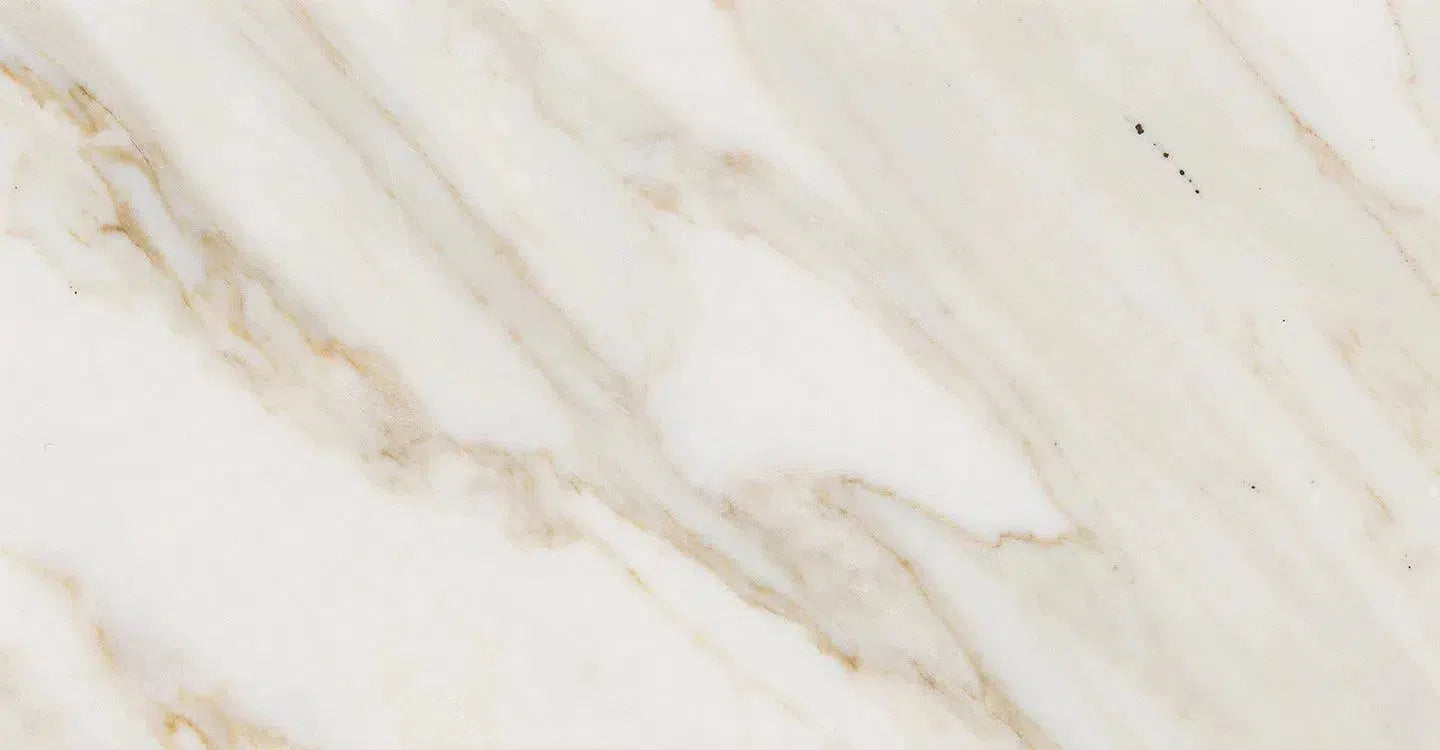




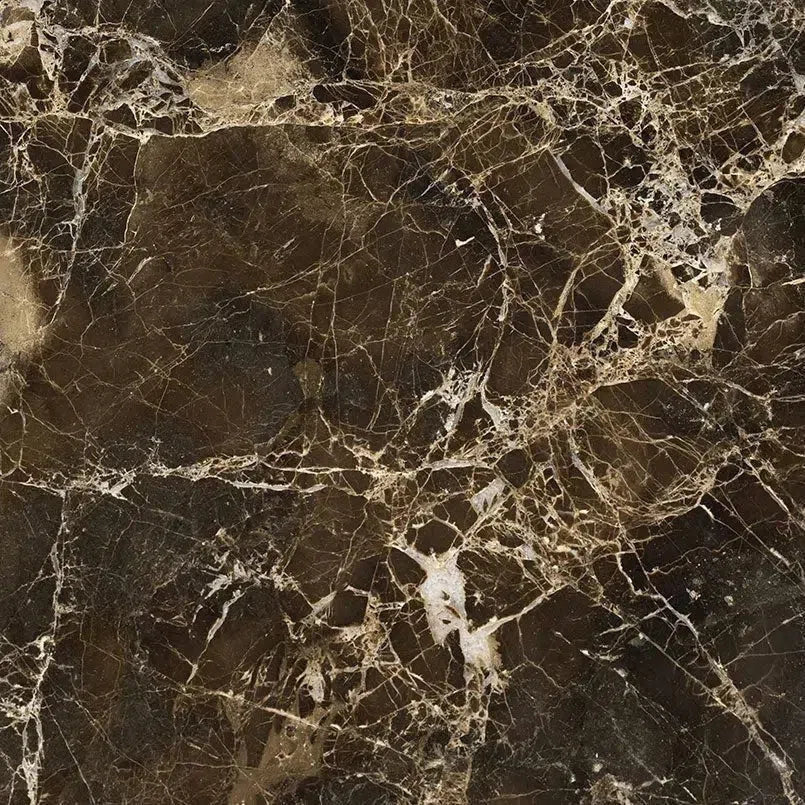
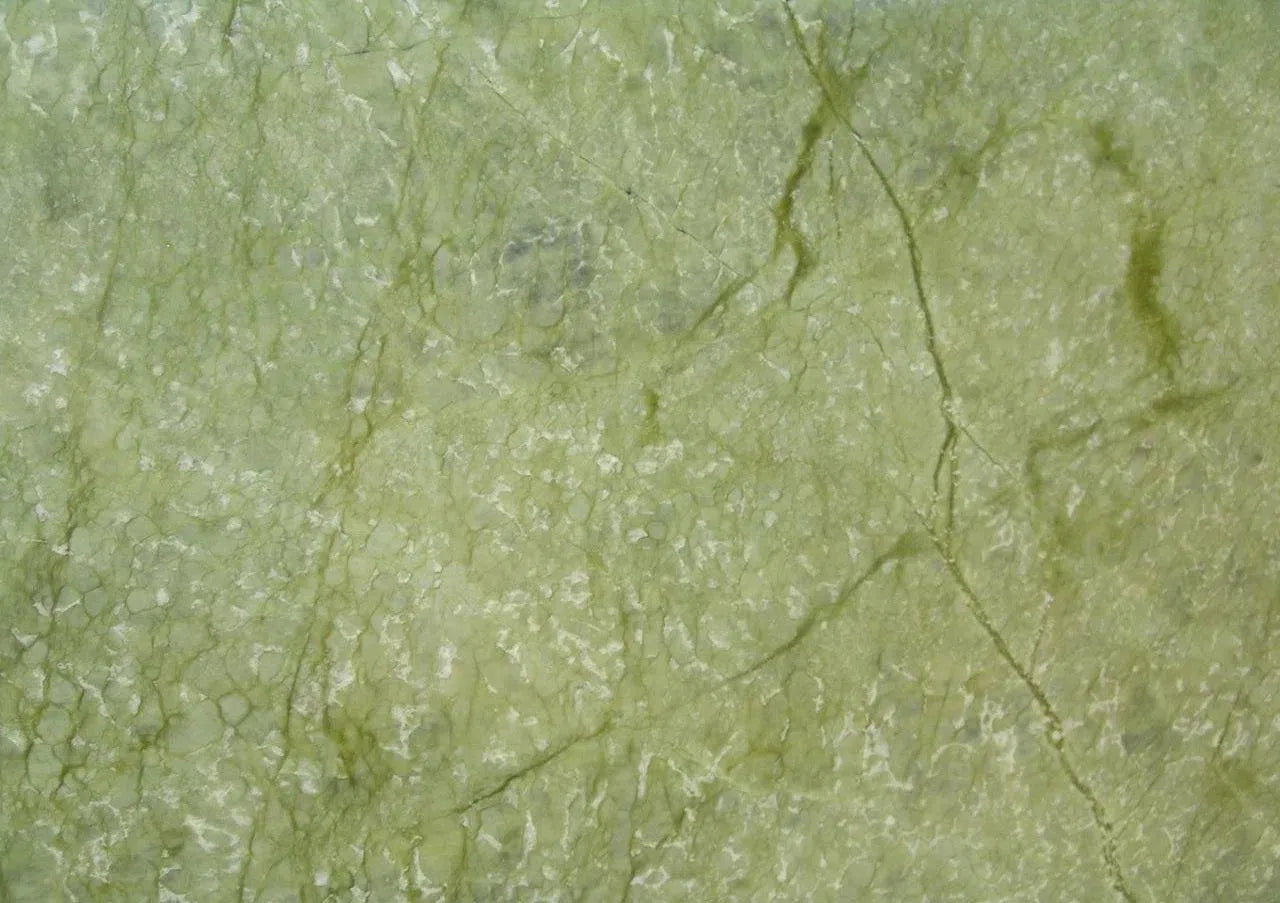
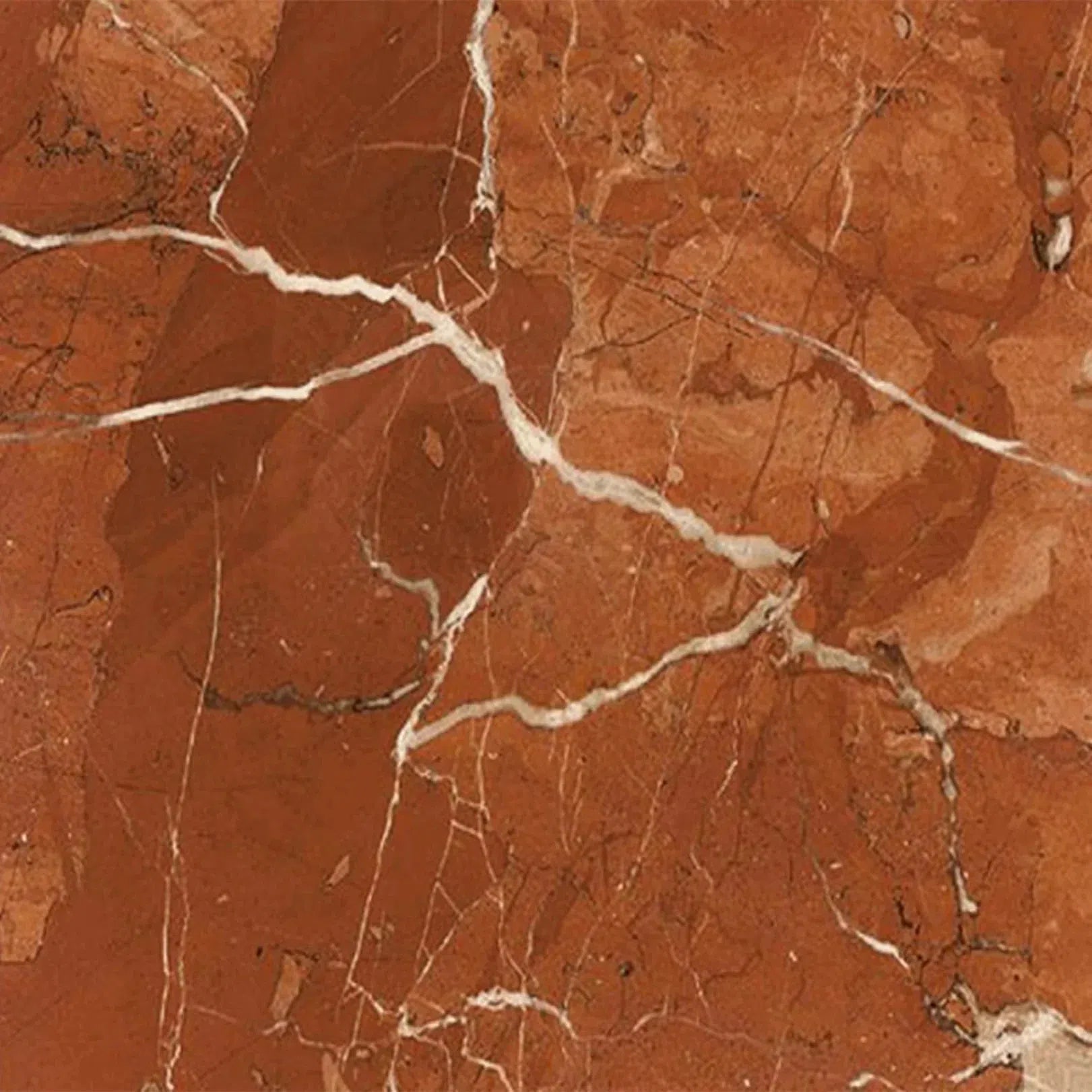
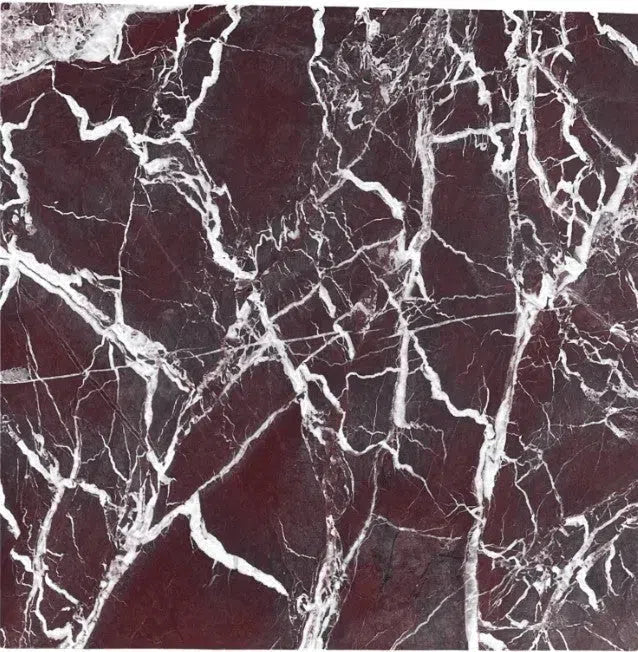

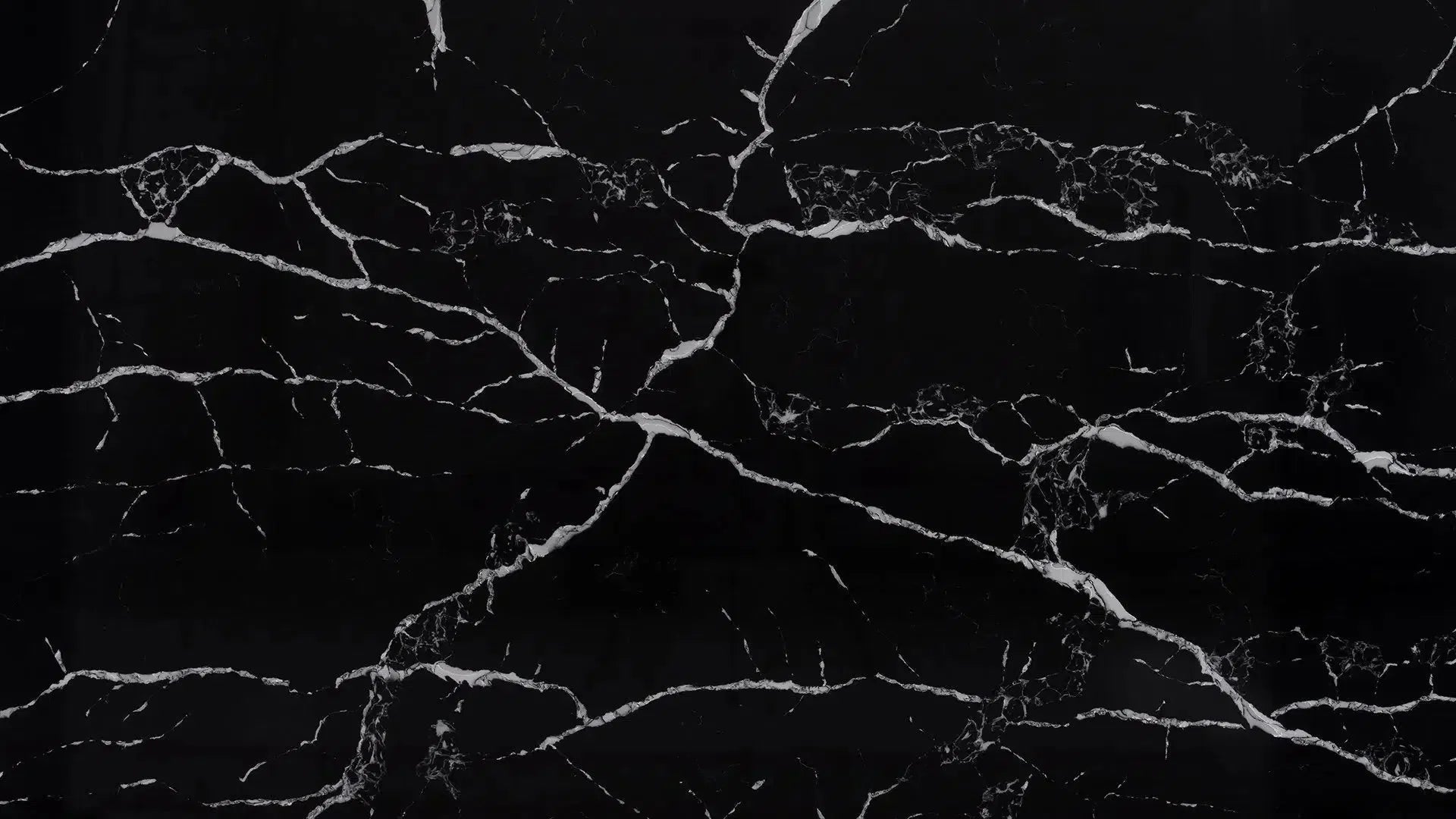
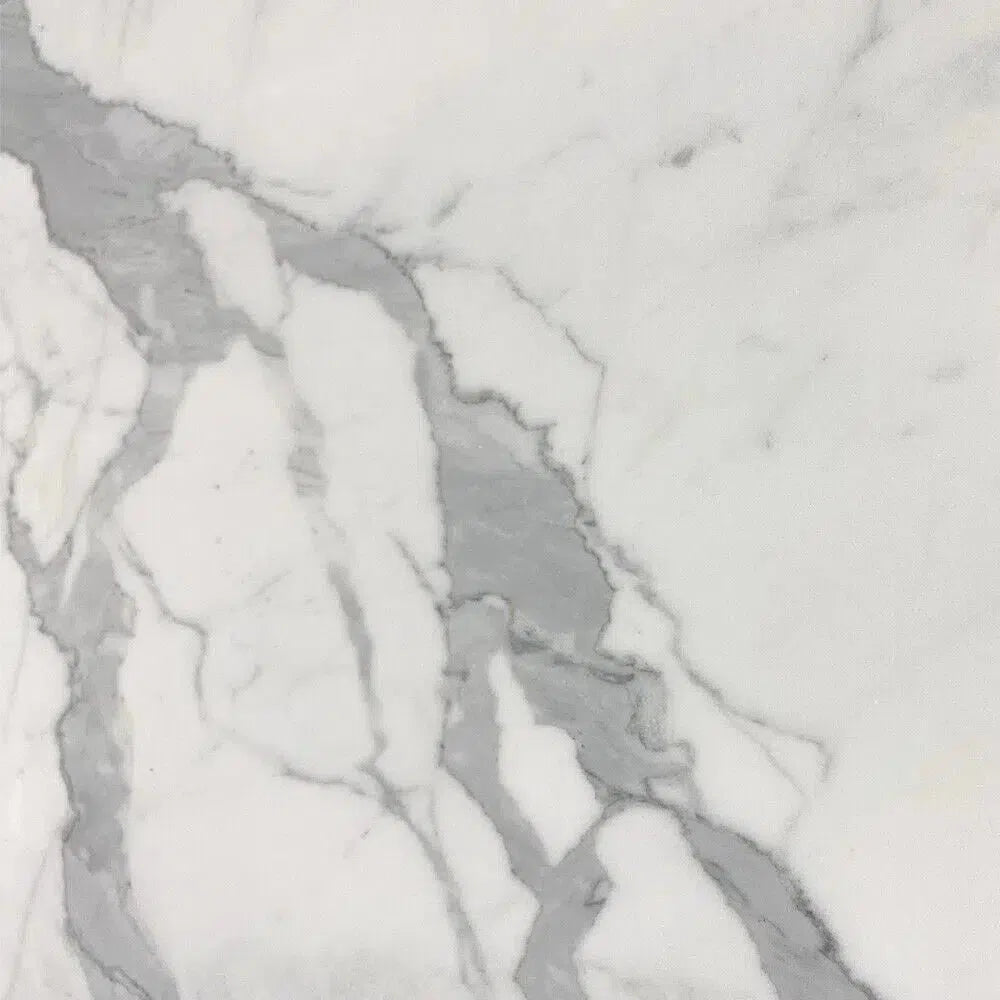

So, you're looking at some beautiful stone for your home, maybe for a kitchen counter or a bathroom vanity, and you've heard the terms 'dolomite' and 'marble' thrown around. It can get confusing, right? People often wonder, 'is dolomite marble?' Well, the short answer is no, they're not the same thing, even though they look pretty similar sometimes. They come from different places, are made of slightly different stuff, and act a bit differently too. Let's break down what makes them distinct.
Key Takeaways
- Dolomite and marble are distinct types of natural stone, not interchangeable.
- Marble is a metamorphic rock primarily composed of calcium carbonate.
- Dolomite is a sedimentary or metamorphic rock, mostly made of the mineral dolomite (calcium magnesium carbonate).
- While both can be white and veined, their chemical makeup differs significantly, especially the presence of magnesium in dolomite.
- Dolomite is generally harder and more resistant to etching from acids than marble.
- Marble's formation involves intense heat and pressure, leading to a crystalline structure.
- Dolomite often has a more uniform appearance, while marble can display dramatic veining.
- Understanding these differences helps in choosing the right stone for durability and aesthetic needs.
Distinguishing Dolomite From Marble: A Geologist's Perspective
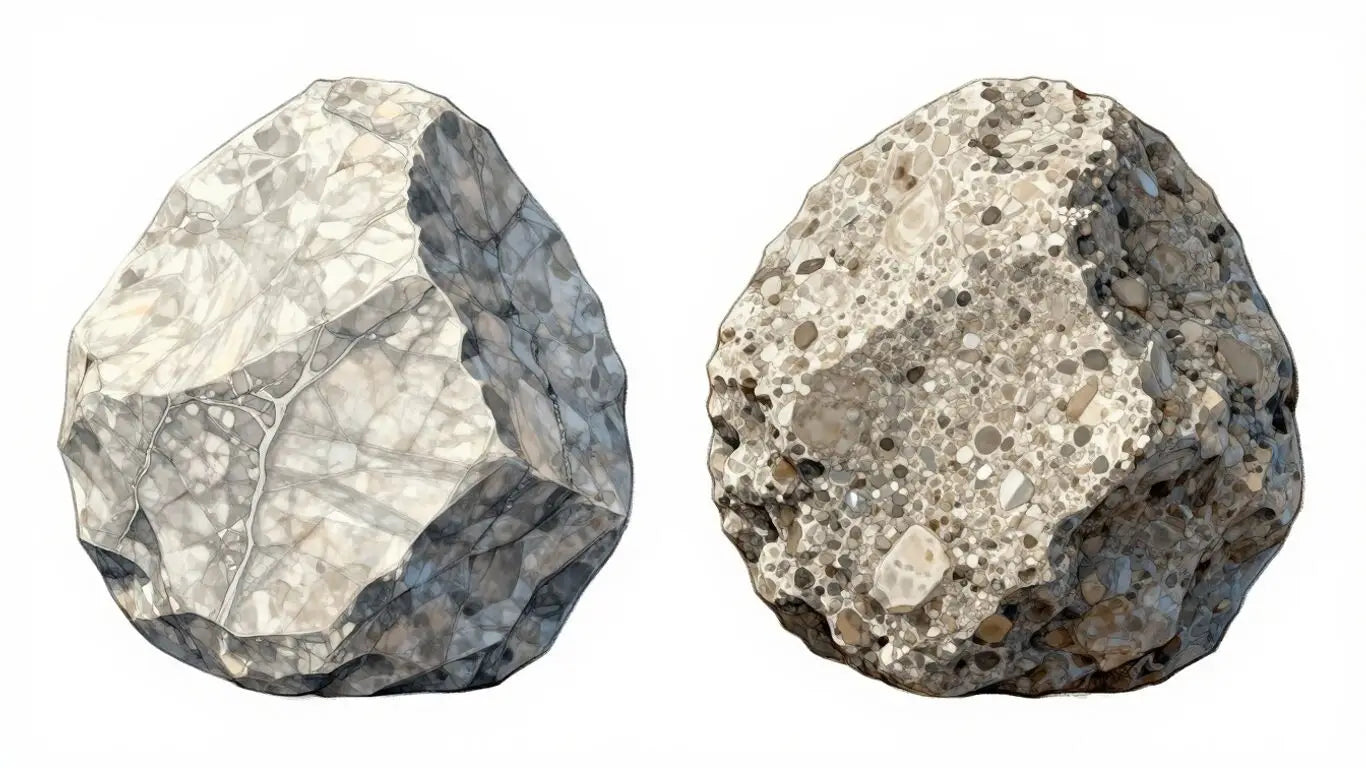
It's easy to see why people get dolomite and marble mixed up. They can look pretty similar, especially when you're just glancing at them. But from a geologist's point of view, they're actually quite different. Think of it like confusing a poodle with a golden retriever – both are dogs, but they're not the same breed.
The Mineral Composition of Dolomite
Dolomite is a mineral, and it's also the name of a rock made primarily from this mineral. The key ingredient here is a compound called dolomite, which is calcium magnesium carbonate. The formula is CaMg(CO3)2. That magnesium part is a big deal. It means that for every calcium carbonate molecule, there's also a magnesium carbonate molecule in there. This specific chemical makeup gives dolomite its own set of characteristics.
Understanding the Formation of Marble
Marble, on the other hand, is a metamorphic rock. This means it started out as something else – usually limestone – and then got changed by heat and pressure deep within the Earth. The main mineral in marble is calcite, which is pure calcium carbonate (CaCO3). So, while both rocks are carbonates, the presence of magnesium in dolomite is the main difference. Marble is essentially recrystallized limestone.
Key Chemical Differences Explained
The chemical difference boils down to that magnesium. Pure marble is just CaCO3. Dolomite rock is mostly the mineral dolomite, CaMg(CO3)2. This difference might seem small, but it affects how the stones react to things like acids and how durable they are. It's the reason why dolomite is not a type of marble, even though they share some visual traits.
The Role of Calcium Carbonate
Calcium carbonate is the building block for both marble and limestone (which turns into marble). In marble, it's the star of the show, making up almost the entire rock. In dolomite, calcium carbonate is present, but it's mixed with magnesium carbonate. This partnership between calcium and magnesium is what defines dolomite.
Identifying Dolomite's Unique Structure
Dolomite crystals often have a slightly different shape than calcite crystals found in marble. They can appear more rhombohedral, meaning they have a diamond-like shape. Also, dolomite rock itself can sometimes have a more granular texture compared to the often finer, interlocking crystals of marble. You might notice a subtle difference in how light reflects off the surface.
How Marble Achieves Its Crystalline Form
When limestone is subjected to heat and pressure, the original calcite crystals get rearranged and grow larger. This process, called recrystallization, creates the signature interlocking crystalline structure of marble. It's this transformation that gives marble its often beautiful, sometimes dramatic, veining and its characteristic luster when polished. The original fossils or impurities in the limestone get caught up in this new crystalline matrix.
The Impact of Impurities on Appearance
Impurities play a huge role in how both stones look. In marble, things like iron, clay, or silica can create the stunning veins and colors we associate with it – think of Carrara or Calacatta. Dolomite can also have impurities, but its base mineralogy means its color palette might be a bit more subdued, often appearing in shades of white, gray, or even pinkish hues. The way these impurities are distributed leads to very different visual patterns.
Dolomite's Distinct Mineral Identity
Ultimately, dolomite is its own mineral and rock type. It's not a variation of marble. While they might end up in similar places in a kitchen or bathroom, their geological origins and chemical makeup set them apart. Understanding these differences helps in choosing the right natural stone for your project, considering its performance and care needs.
Is Dolomite Marble? Unpacking the Core Question
It's a question that pops up a lot, especially when you're looking at natural stone for your home projects: Is dolomite marble? While they might look similar at first glance and share some characteristics, the short answer is no, dolomite is not marble. They are distinct geological materials, each with its own unique identity and properties. Understanding these differences is key to making the right choice for your design needs.
Why the Confusion Between Dolomite and Marble?
The confusion often stems from their shared mineral family and appearance. Both are carbonate rocks, meaning they are primarily made up of carbonate minerals. This chemical kinship means they can sometimes look alike, especially when polished. People might see a white, veined stone and immediately think 'marble,' without considering the finer geological details. It's like confusing two cousins who look alike but have totally different personalities and life stories.
The Shared Characteristics That Cause Misidentification
One of the main reasons people get them mixed up is their appearance. Both dolomite and marble can be found in a range of colors, though white and light shades are common for both. They can also both exhibit veining, which adds to their natural beauty. This visual overlap is a big part of why they get confused. You might see a beautiful slab with elegant lines and assume it's marble, when it could very well be dolomite.
Examining the Surface Similarities
When you look at a polished surface, the similarities can be even more pronounced. Both stones can achieve a high-gloss finish, making them look luxurious and sophisticated. This polished sheen is a desirable trait for many applications, from countertops to bathroom vanities. Because they can both be finished to look so similar, it's easy to see why the misidentification happens. It takes a closer look, or sometimes a simple test, to tell them apart.
How Their Origins Differ Significantly
Their formation processes are where the real divergence lies. Marble is a metamorphic rock, meaning it's formed deep within the Earth under intense heat and pressure. It starts as limestone (which is mostly calcium carbonate) and gets transformed over millions of years. Dolomite, on the other hand, is typically a sedimentary rock. It forms when limestone or marine deposits react with magnesium-rich groundwater, a process that adds magnesium to the calcium carbonate structure. This difference in origin leads to different mineral compositions.
The Critical Factor: Mineral Content
This is the heart of the matter. Marble is primarily composed of the mineral calcite, which is pure calcium carbonate (CaCO3). Dolomite, however, is composed of the mineral dolomite, which is calcium magnesium carbonate (CaMg(CO3)2). The presence of magnesium is the key differentiator. This seemingly small chemical difference has a big impact on the stone's properties, like its hardness and how it reacts to acids. Understanding this mineral content is the most accurate way to distinguish between the two chemical similarities.
Dolomite's Place in the Rock Family
Dolomite is classified as a distinct mineral and rock type. While it's often found in sedimentary environments, it can also be a component of metamorphic rocks. Its unique chemical makeup, calcium magnesium carbonate, sets it apart from pure calcium carbonate rocks like limestone and marble. It's a solid, reliable material with its own set of advantages.
Marble's True Geological Classification
Marble is definitively a metamorphic rock. Its formation involves the recrystallization of original carbonate minerals, most commonly calcite, in the presence of heat and pressure. This process gives marble its characteristic crystalline structure and often its beautiful veining, which comes from impurities within the original limestone. It's a classic example of metamorphism in action, resulting in a stone prized for its beauty and elegance.
Answering the 'Is Dolomite Marble?' Query Directly
So, to put it plainly: no, dolomite is not marble. They are related, sharing a common ancestor in calcium carbonate, but the addition of magnesium in dolomite creates a fundamentally different material. While they might share some visual traits, their geological origins and mineral compositions are distinct. Knowing this helps you appreciate each stone for its own merits and make informed decisions for your projects across the U.S. and beyond. If you're looking for a durable and beautiful stone, both have their place, but they are not interchangeable. You can find a wide selection of natural stone options when you source premium natural stone.
The Physical Properties: How They Compare
When you're looking at natural stone for your home or project, understanding its physical traits is super important. It's not just about looks; how a stone behaves day-to-day makes a big difference. Let's break down how dolomite and marble stack up against each other in terms of their physical characteristics.
Hardness Scales: Mohs and Beyond
The Mohs scale is a common way geologists measure how hard a mineral is. It ranks minerals from 1 (talc) to 10 (diamond). Marble typically scores around a 3 to 4 on this scale, making it relatively soft. Dolomite, on the other hand, usually falls between a 3.5 and 4.5. This means dolomite is generally a bit harder than marble, offering slightly better resistance to scratches and general wear.
Dolomite's Resistance to Etching
Etching happens when a surface is damaged by acids, often leaving a dull mark. Because dolomite has a higher magnesium content, it tends to be more resistant to etching than marble. This is a significant advantage, especially for surfaces that might come into contact with acidic substances, like kitchen countertops.
Marble's Susceptibility to Acids
Marble, being primarily calcium carbonate, reacts more readily with acids. Even common household items like lemon juice, vinegar, or certain cleaners can cause etching. This means marble requires more careful handling and specific cleaning products to maintain its polished appearance. This difference in acid resistance is one of the most practical distinctions for homeowners.
Porosity and Sealing Requirements
Both dolomite and marble are porous stones, meaning they can absorb liquids. However, marble is generally considered more porous than dolomite. This higher porosity means marble is more prone to staining and often requires more frequent sealing to protect its surface. Dolomite, while still benefiting from sealing, might not need it as often.
The Feel and Texture of Each Stone
While both can be polished to a high sheen, there can be subtle differences in feel. Marble often has a cooler, smoother feel due to its crystalline structure. Dolomite can sometimes feel slightly warmer or have a more granular texture, depending on its specific formation and finish. These are often minor differences, but noticeable to the touch.
How Density Affects Durability
Density plays a role in a stone's overall durability. While both are dense materials, slight variations can occur. Generally, the slightly higher hardness and lower porosity of dolomite contribute to its reputation for being a bit more robust in high-traffic or demanding environments compared to marble.
Visual Cues: Veining and Color Variations
Visually, marble is famous for its dramatic veining, created by mineral impurities during its formation. These veins can be wispy, bold, or intricate, giving each slab a unique artistic quality. Dolomite often has a more uniform appearance, sometimes with subtle mottling or less pronounced veining. While dolomite can have color variations, they are typically less dramatic than the swirling patterns seen in many marbles. You can explore different marble and travertine options to see these visual differences firsthand.
Surface Treatments and Their Impact
Both dolomite and marble can be finished in various ways, including polished, honed, or leathered. A polished finish brings out the color and veining but also highlights etching and scratches more. A honed finish offers a more matte, subtle look and can be more forgiving. The chosen finish significantly impacts how the stone looks and how it performs over time, regardless of whether it's dolomite or marble.
Formation Processes: A Tale of Two Stones
Metamorphism: The Birth of Marble
Marble's story begins deep within the Earth, where immense heat and pressure work their magic on existing rock. Think of it as a geological transformation. Limestone, a common sedimentary rock, is the primary ingredient. When subjected to these intense conditions over millions of years, the calcite crystals within the limestone recrystallize. This process rearranges the mineral structure, creating the interlocking, crystalline pattern that gives marble its characteristic look and feel. It’s a slow, powerful process that results in a stone known for its beauty and often dramatic veining, which comes from impurities present during its formation.
Sedimentary Origins of Dolomite
Dolomite, on the other hand, has a different starting point. It forms primarily from a mineral called dolomite, which is a calcium magnesium carbonate. While it can originate from the alteration of limestone (where magnesium-rich waters interact with calcium carbonate), it also forms directly in marine environments. Dolomite rock is essentially a sedimentary rock, often forming in layers on ancient seabeds. Unlike marble, which is born from heat and pressure, dolomite is typically laid down by chemical precipitation or through the biological activity of organisms in shallow, salty waters. This gives it a distinct mineral identity and a different set of physical properties.
The Influence of Heat and Pressure
Heat and pressure are the sculptors of marble. These forces, generated by tectonic plate movement and deep burial, are what cause the original limestone to change. The higher the temperature and pressure, the more significant the recrystallization. This is why you see such a wide variety in marble's appearance; the exact conditions of its formation play a huge role. Think of it like baking – different temperatures and times yield different results. For marble, this means varying grain sizes and the development of its signature patterns.
How Dolomite Rock Forms Over Time
Dolomite rock's formation is a more gradual process, often tied to specific environmental conditions. It can form when magnesium-rich groundwater percolates through limestone, gradually replacing some of the calcium with magnesium. This process, called dolomitization, can happen over vast stretches of time. Alternatively, dolomite can precipitate directly from seawater, especially in environments with high evaporation rates and magnesium concentrations. This direct precipitation is a key difference from marble's metamorphic origin. The result is a rock composed primarily of the mineral dolomite.
The Role of Ancient Seabeds
Many dolomite deposits, like those found in vast quarries across the U.S., owe their existence to ancient seabeds. Over eons, layers of sediment, including the remains of marine organisms and chemical precipitates, accumulated. In these environments, the conditions were just right for the formation of dolomite. The presence of magnesium in the seawater and the specific chemical reactions that occurred allowed dolomite to form, either directly or by altering existing calcium carbonate sediments. These ancient marine settings are the cradle for much of the dolomite we use today.
Understanding Recrystallization in Marble
Recrystallization is the heart of marble formation. When limestone is subjected to heat and pressure, its original calcite crystals begin to break down and reform. They grow larger and interlock in a new, more stable crystalline structure. This process eliminates the original sedimentary textures and creates the dense, often luminous quality of marble. The impurities within the original limestone, such as clay, silt, or organic matter, get caught up in this recrystallization, leading to the beautiful and varied veining and coloration that marble is famous for.
Dolomite's Transformation Potential
While dolomite is primarily a sedimentary rock, it's not entirely immune to transformation. Under extreme geological conditions – much like those that form marble – dolomite can also undergo metamorphism. This process can lead to the formation of a metamorphic rock called dolomitic marble. However, this is a distinct process from the formation of standard dolomite rock or typical marble. It highlights that while their primary formation paths differ, geological forces can influence both stone types.
Comparing the Geological Timelines
The timelines for dolomite and marble formation are vast, spanning millions of years. Marble formation is a relatively rapid event within geological terms, occurring over thousands to millions of years as tectonic forces build and subside. Dolomite formation, particularly through dolomitization, can be a much slower, more drawn-out process, sometimes taking tens of millions of years as groundwater slowly alters limestone or as sediments accumulate and lithify. Both processes are a testament to the slow, powerful forces shaping our planet over immense periods.
Identifying Dolomite in Your Home
So, you've got some natural stone in your house, maybe a countertop or a floor, and you're wondering if it's dolomite or marble. It's a common question, honestly. They look pretty similar at first glance, and sometimes even experts can get them mixed up without a closer look. But there are ways to tell them apart, and you don't necessarily need a geology degree to do it. Let's break down some simple tests and observations you can make right at home.
Practical Tests for Homeowners
When you're trying to figure out what kind of stone you have, a few straightforward tests can give you a pretty good idea. These aren't complicated and don't require special equipment. It's all about observing how the stone reacts to everyday substances.
The Vinegar Test: A Simple Indicator
This is probably the most well-known test, and for good reason. Grab a bottle of plain white vinegar from your kitchen. Find an inconspicuous spot on your stone – maybe the underside of a countertop overhang or a corner of a floor tile. Put a single drop of vinegar on the stone and wait a few minutes. Marble will typically fizz or bubble noticeably, a clear sign it's reacting with the acid. Dolomite, on the other hand, is much less reactive. You might see a very slight reaction, or almost nothing at all. This difference in reaction is a big clue. If you see significant fizzing, you're likely looking at marble. If there's little to no reaction, it's probably dolomite. This test is a great way to start differentiating your natural stone products.
Observing Surface Reactions
Beyond the fizzing, pay attention to what happens to the surface after the vinegar test. With marble, the acid can actually start to etch the stone, leaving a duller spot where the vinegar was. It might feel slightly rougher to the touch. Dolomite, being more resistant, usually won't show this etching effect. The surface should look and feel pretty much the same after the vinegar evaporates. This resistance to etching is one of the key practical advantages of dolomite.
Recognizing Dolomite's Subtle Sheen
While both stones can be polished to a high shine, sometimes there's a subtle difference in their luster. Dolomite often has a slightly more subdued, almost waxy sheen compared to the bright, glassy polish that marble can achieve. It's not always obvious, and depends a lot on how it was finished, but it's something to keep an eye out for. Think of it as a less flashy sparkle.
When to Consult a Stone Professional
Sometimes, even with these tests, you might still be unsure. Maybe the stone is sealed, or the reaction is borderline. That's perfectly okay! If you're undertaking a major renovation or are just really curious, bringing in a stone professional is always a good idea. They have the tools and experience to identify stone types with certainty. They can also advise on the best care for whatever stone you have.
Understanding Manufacturer Specifications
If you're in a newer home or have had renovations done, check your paperwork. The manufacturer or installer should have provided specifications about the materials used. This is often the easiest way to know for sure. Look for details about the type of stone, its origin, and any specific treatments it received. This information can save you a lot of guesswork.
Common Applications for Dolomite
Knowing where you typically find dolomite can also help. Because it's generally more durable and less prone to etching than marble, dolomite is often used in areas where it might see more wear and tear. Think kitchen countertops, bathroom vanities in busy households, or even flooring in high-traffic areas. While marble is beautiful, its delicate nature often lends itself more to areas where it can be admired with less risk of damage, like fireplace surrounds or accent walls.
Distinguishing from Other Natural Stones
It's also worth remembering that there are other natural stones out there, like granite or quartzite, which have their own unique properties. If your stone isn't reacting to vinegar and doesn't quite look like typical marble, it might be one of these other materials. Granite, for instance, is much harder and less porous than either marble or dolomite. Understanding the basic differences between these common stones can help you narrow down the possibilities.
Marble's Unique Characteristics for Design
Marble has this timeless appeal, doesn't it? It's a material that designers and homeowners alike often gravitate towards when they want something truly special. It brings a certain level of sophistication to a space that's hard to replicate.
The Allure of Marble's Natural Veining
One of the most striking features of marble is its veining. These aren't just random lines; they're like natural artworks, formed over millions of years. Each slab is unique, meaning the patterns you see won't be found anywhere else. This individuality is a big part of why marble is so sought after. You get a piece that's truly one-of-a-kind for your project. Whether it's a subtle, delicate pattern or a bold, dramatic swirl, these veins add depth and character that can really make a design pop. It's this natural artistry that makes marble a versatile and stylish material for interior design.
Achieving a Polished, Luxurious Finish
Marble is known for its ability to take a high polish. When finished, it has a smooth, reflective surface that just feels luxurious. This polish not only looks great but also makes the stone easier to clean on a day-to-day basis. The way light bounces off a polished marble surface can really brighten up a room and give it a more open feel. It's this lustrous quality that contributes to marble's reputation for elegance.
Color Palettes Available in Marble
While many people think of white marble, the reality is that marble comes in a surprisingly wide range of colors. You can find shades of grey, black, pink, green, and even blues, often with those characteristic veins running through them. These color variations come from different mineral impurities present during the stone's formation. This broad palette means you can find a marble to suit almost any design scheme, from classic to contemporary.
The Timeless Elegance of Marble
There's a reason marble has been used in architecture and design for centuries. It possesses an inherent elegance that doesn't seem to go out of style. Think of ancient sculptures or grand historic buildings – marble was often the material of choice. This long history lends it a sense of permanence and classic beauty that can make any space feel more refined and sophisticated. It's a material that speaks of quality and enduring style.
Considering Marble for High-Traffic Areas
When thinking about marble for areas that get a lot of use, like kitchen countertops or busy entryways, it's important to be aware of its properties. While beautiful, marble is softer than some other natural stones and can be more prone to etching and scratching if not properly cared for. However, with the right sealing and a mindful approach to maintenance, it can still be a viable and stunning choice. Many homeowners embrace the slight patina that can develop over time as a sign of the stone's use and history.
The Patina Effect Over Time
Instead of looking worn out, the aging of marble can often result in what's called a patina. This is a natural softening of the surface and a slight dulling that occurs with use. For some, this patina is part of marble's charm, adding character and a sense of history to the stone. It's a visual reminder of the life and activity that has taken place around it. Embracing this natural evolution is key to loving marble in the long run.
Maintenance Regimens for Marble Surfaces
Keeping marble looking its best involves a few key practices. Regular cleaning with a pH-neutral cleaner is important to avoid damaging the stone. Spills should be wiped up promptly, especially acidic ones like wine or citrus juice, to prevent etching. Sealing the marble periodically also helps protect it from stains and moisture. While it requires a bit more attention than some materials, the beauty it brings is often considered well worth the effort.
Why Marble Remains a Coveted Material
Ultimately, marble remains a coveted material because of its unique combination of natural beauty, luxurious feel, and historical significance. Its ability to transform a space with its veining, color, and polished finish is unparalleled. While it has specific care requirements, the aesthetic payoff is immense. For those seeking a touch of timeless elegance and a connection to natural artistry, marble continues to be a top choice for design projects across the U.S.
Dolomite's Practical Advantages in Application
Enhanced Durability for Everyday Use
Dolomite offers a really solid option for homeowners looking for a stone that can keep up with daily life. Unlike some softer stones, dolomite tends to be more resistant to scratches and chips. This means you don't have to be quite as worried about everyday wear and tear, making it a great choice for busy households. It’s a stone that’s built to last.
Greater Resistance to Stains and Etching
One of the standout features of dolomite is its resilience against common household spills and acidic substances. While marble can easily show water spots or etch marks from things like lemon juice or vinegar, dolomite holds up much better. This makes it a more forgiving material, especially in areas like the kitchen where spills are more likely to happen. You get a lot of the beauty of natural stone without the constant worry about damage. This increased resistance to etching and staining makes it a more practical option for various applications where durability is key. This stone is a practical choice.
Ideal for Kitchen Environments
Given its durability and resistance to stains and etching, dolomite is particularly well-suited for kitchen countertops and backsplashes. It can handle the demands of food preparation, cooking, and general kitchen activity without showing significant signs of wear. This makes it a popular choice for those who want a beautiful natural stone surface that is also functional and easy to maintain in a high-use area. Dolomite countertops offer a compelling alternative to marble, boasting superior scratch resistance and enhanced durability. This makes them an excellent choice.
Lower Maintenance Requirements
Compared to marble, which often requires specialized cleaning products and frequent sealing, dolomite is generally easier to care for. Routine cleaning with mild soap and water is usually sufficient to keep it looking its best. While sealing is still recommended to provide an extra layer of protection, it typically doesn't need to be done as often as with marble. This means less time spent on upkeep and more time enjoying your beautiful stone surfaces.
Cost-Effectiveness Compared to Marble
While still a premium natural stone, dolomite often comes with a more accessible price point than marble. This makes it an attractive option for those who desire the look and feel of natural stone but are working with a tighter budget. You can achieve a sophisticated aesthetic without the significant investment often associated with marble.
Versatility in Design Styles
Dolomite comes in a range of colors and patterns, though it often has a more uniform appearance than marble. This can be a significant advantage for designers and homeowners looking for a clean, consistent look. It can complement a wide variety of interior design styles, from modern and minimalist to more traditional settings. Its subtle beauty can add a touch of elegance without overpowering the overall design scheme.
Long-Term Value and Resilience
When you choose dolomite, you're investing in a material that offers both aesthetic appeal and practical longevity. Its inherent durability means it can withstand the rigors of daily life for many years, maintaining its beauty and integrity. This resilience translates into long-term value for your home, providing a beautiful and functional surface that you can rely on.
A Practical Choice for Busy Households
Ultimately, dolomite stands out as a practical choice for busy households. It strikes a good balance between natural beauty and everyday usability. If you're looking for a stone that offers a sophisticated look with less demanding maintenance and greater resistance to common issues, dolomite is definitely worth considering for your next project.
The Chemical Makeup: A Deeper Dive
When we talk about dolomite and marble, it's easy to get them mixed up, especially since they both feel like they belong in the same category of beautiful natural stone. But when you look at what they're made of, chemically speaking, you start to see the real differences. It’s not just about looks; it’s about what’s happening at the molecular level.
Calcium Magnesium Carbonate in Dolomite
Dolomite is a mineral, and its chemical name tells you a lot: calcium magnesium carbonate. This means it's made up of both calcium carbonate and magnesium carbonate. Think of it as a double act. The formula is CaMg(CO₃)₂. This combination is what gives dolomite its unique properties, making it a bit different from its close cousin, calcite, which is pure calcium carbonate.
Pure Calcium Carbonate in Marble
Marble, on the other hand, is a metamorphic rock that's primarily formed from calcite. Calcite's chemical formula is CaCO₃. So, pure marble is essentially pure calcium carbonate. Any impurities or other minerals present during its formation can affect the final color and veining, but the base ingredient is calcium carbonate. This purity is a big reason why marble behaves the way it does, especially when it comes to reactions with acids.
The Significance of Magnesium Content
The magnesium in dolomite is a game-changer. It changes the crystal structure and makes dolomite a harder, less reactive stone compared to pure calcium carbonate. This difference in chemical makeup is why dolomite is often preferred for surfaces that see a lot of use, like kitchen countertops, because it holds up better against everyday wear and tear. The presence of magnesium also affects how the stone forms and its overall density.
Reactivity with Acids: A Key Differentiator
This is where the chemical differences really show up in practical terms. Because marble is mostly calcium carbonate, it's quite reactive with acids. Think about common household items like vinegar or lemon juice. These acids will etch the surface of marble, leaving dull spots. Dolomite, with its magnesium content, is much more resistant to acid etching. This makes dolomite a more forgiving choice for busy kitchens and bathrooms. While both stones can be etched, the reaction is significantly less pronounced in dolomite.
Understanding Dolomite's Chemical Stability
Dolomite's chemical stability comes from that magnesium. It's a more robust mineral structure. This stability means it's less likely to break down or react with substances it comes into contact with. It’s a solid performer, which is why it’s found in so many applications where durability is key. It’s a stone that’s built to last without a lot of fuss.
How Marble Responds to Chemical Exposure
Marble's response to chemicals is more dramatic. Acids cause a chemical reaction that essentially dissolves a tiny layer of the stone, leading to etching. Even some cleaning products can cause issues if they aren't pH-neutral. This sensitivity is part of marble's charm for some – it develops a patina over time – but it also means it requires more careful maintenance. Understanding this chemical similarity to calcite helps explain its behavior.
The Impact of Trace Elements
While the main components are calcium carbonate (marble) and calcium magnesium carbonate (dolomite), trace elements and other minerals can be present in both. These can influence the color, patterns, and even the subtle variations in hardness. For example, iron can give marble reddish or brownish hues, while other minerals might create the dramatic veining we associate with it. Dolomite can also have variations, but its core structure is generally more uniform due to its specific mineral composition.
Chemical Formulas and Their Meaning
Let's break down the formulas again:
- Marble: Primarily CaCO₃ (Calcium Carbonate)
- Dolomite: CaMg(CO₃)₂ (Calcium Magnesium Carbonate)
The presence of Mg (Magnesium) in dolomite's formula is the key difference. It means that for every calcium carbonate unit, there's also a magnesium carbonate unit. This slight change in composition has a significant impact on the physical and chemical properties of the resulting stone, influencing everything from its hardness to its resistance to acids.
Visual Cues: What to Look For
Sometimes, telling dolomite from marble just comes down to looking closely. They can appear quite similar at first glance, especially to the untrained eye. But once you know what to look for, the differences become pretty clear. It’s like spotting the subtle details that make each stone unique.
Dolomite's Often More Uniform Appearance
Dolomite tends to have a more consistent look. You might notice that the patterns and colors are spread out more evenly across the surface. It doesn't usually have the dramatic, swirling veins that marble is famous for. Think of it as having a more subdued, even-toned personality. This uniformity can be a big plus if you're going for a clean, modern aesthetic.
Marble's Dramatic and Varied Veining
Marble, on the other hand, is known for its striking veining. These lines, which can be thick, thin, straight, or squiggly, are a result of impurities and minerals that were present when the marble formed. The more dramatic and varied the veining, the more likely you're looking at marble. These patterns add a lot of character and a sense of luxury to any space. It’s this natural artistry that makes marble so sought after for designer projects.
Subtle Differences in Luster
While both stones can be polished to a high sheen, there can be slight differences in their luster. Dolomite often has a slightly softer, more satin-like finish, even when polished. Marble, especially pure marble, can achieve a very bright, almost glassy shine. It’s a subtle difference, but sometimes the way light reflects off the surface can give you a clue.
Color Saturation and Depth
Marble often exhibits richer color saturation and a deeper visual complexity. The veining and mineral inclusions in marble can create layers of color that seem to have a lot of depth. Dolomite's colors might appear a bit more muted or less intense by comparison. This isn't always the case, as both stones come in a wide range of colors, but it's a general tendency to keep in mind.
The Granular Structure of Each Stone
If you look very closely, you might be able to see the granular structure. Dolomite crystals are typically more uniform in size and shape. Marble, having undergone metamorphism, often has a more interlocking, crystalline structure where the grains have recrystallized and fused together. This can sometimes give marble a slightly different texture under magnification.
How Light Reflects Off the Surfaces
Pay attention to how light interacts with the stone. Marble's crystalline structure can cause light to scatter and reflect in a way that gives it a luminous quality. Dolomite might reflect light more directly, appearing brighter but perhaps less
Durability and Longevity Considerations
When you're picking out stone for your home, whether it's for a kitchen countertop or a bathroom vanity, you want it to last, right? It’s not just about looks; it’s about how well the stone holds up over time. This is where understanding the differences in durability between dolomite and marble really comes into play. They might look similar, but their performance can be quite different.
Comparing Scratch Resistance
One of the first things people worry about is scratching. Nobody wants a beautiful stone surface that gets marred easily. Generally, dolomite tends to be a bit more resistant to scratches than marble. This is because of its mineral makeup. While both are carbonates, the presence of magnesium in dolomite gives it a slightly tougher structure. This means that for busy areas where daily wear and tear is a concern, dolomite might have an edge.
Dolomite's Performance Against Acids
This is a big one, especially for kitchens. Acids, found in things like lemon juice, vinegar, and even some cleaning products, can etch marble quite easily. Etching isn't a stain; it's actually a dulling or roughening of the stone's surface. Dolomite, while still a carbonate and susceptible to acids, is typically more resistant than marble. This makes it a more forgiving option for surfaces that might come into contact with acidic substances. For homeowners who want a lower-maintenance kitchen, this difference is significant.
Marble's Tendency to Chip or Crack
Marble, with its often softer composition and sometimes more pronounced veining, can be more prone to chipping or cracking, especially on edges or corners. This doesn't mean marble is fragile, but it does require a bit more care. If you have a household with young children or a lot of activity, you might find yourself being more cautious with marble surfaces to prevent accidental damage. Dolomite, being a bit harder, can sometimes withstand minor impacts better.
The Importance of Proper Sealing
No matter which stone you choose, sealing is important, but it's absolutely critical for marble. A good quality sealant penetrates the stone and helps to block pores, making it less likely to absorb liquids and stain. While dolomite also benefits from sealing, its inherent resistance means that the sealant might last a bit longer or require less frequent reapplication compared to marble. Think of it as adding an extra layer of protection to an already robust surface.
Lifespan in Residential Settings
Both dolomite and marble can last for generations if properly cared for. However, the day-to-day durability can influence how long they look their best without needing significant intervention. In a residential setting, where spills and daily use are common, dolomite's greater resistance to etching and staining can mean a longer period of pristine appearance with less worry. Marble, while beautiful, might develop a patina over time, which some people love, but others prefer to avoid.
Performance in Commercial Applications
In commercial spaces, like restaurants or high-traffic public areas, durability is paramount. Here, the increased hardness and resistance of dolomite often make it a more practical choice. While marble can certainly be used, it requires a more rigorous maintenance schedule and careful handling to maintain its appearance. For projects where longevity and minimal upkeep are key, dolomite offers a practical advantage.
Factors Affecting Long-Term Wear
Several things impact how well your stone wears over time. The quality of the stone itself plays a role – denser, purer materials tend to last longer. How the stone is installed, the type of sealant used, and, of course, how it's maintained all contribute. Even the specific finish applied (polished, honed, etc.) can affect how wear is perceived. For instance, a honed finish on marble might hide minor etching better than a high-gloss polish.
Investing in Stone That Lasts
Choosing between dolomite and marble isn't just about aesthetics; it's about investing in a material that fits your lifestyle and your expectations for longevity. While marble offers a timeless, classic beauty, dolomite provides a similar look with enhanced resilience for everyday life. Understanding these durability differences helps you make an informed decision for your next home project, ensuring you select a stone that will not only look stunning but also stand the test of time.
Maintenance and Care: Keeping Your Stone Pristine
Keeping your natural stone looking its best is pretty straightforward, but it does require a little attention. Whether you've chosen dolomite or marble for your project, a few simple habits can make a big difference in how long it stays beautiful.
Daily Cleaning Routines for Dolomite
For dolomite, daily care is mostly about wiping up spills as they happen. A soft cloth or a damp sponge is usually all you need for everyday messes. Avoid abrasive cleaners or scrub pads, as these can dull the surface over time. For tougher spots, a mild dish soap mixed with water can work wonders. Just be sure to rinse thoroughly with clean water afterward and dry the surface to prevent water spots.
Specific Care for Marble Surfaces
Marble needs a bit more gentle handling. Because it's softer and more porous than dolomite, it's more susceptible to etching and staining. The key is to use pH-neutral cleaners specifically designed for natural stone. Anything acidic, like vinegar or lemon juice, can cause dull spots that are hard to fix. Wiping up spills immediately is non-negotiable with marble. Think of it like a delicate fabric – the longer a spill sits, the more likely it is to leave a mark.
Recommended Cleaning Agents
When it comes to cleaning agents, simplicity is best. For both dolomite and marble, a soft cloth dampened with warm water is your first line of defense. If more cleaning power is needed:
- For Dolomite: A mild, pH-neutral dish soap or a stone-specific cleaner is perfectly fine.
- For Marble: Stick strictly to pH-neutral cleaners. Many brands offer stone cleaners that are safe and effective.
- Avoid: Never use general household cleaners, especially those containing ammonia, bleach, or acids. These can damage the stone's finish.
What to Avoid When Cleaning
There are a few things you absolutely want to steer clear of when cleaning your stone surfaces. Harsh chemicals are a big no-no. This includes things like:
- Vinegar and lemon juice (acidic)
- Ammonia-based cleaners
- Bleach
- Abrasive powders or scouring pads
- General-purpose bathroom or kitchen cleaners
Using the wrong products can lead to etching, staining, or a dull appearance that detracts from the stone's natural beauty. It's always better to be safe than sorry when it comes to caring for these natural materials.
The Role of pH-Neutral Cleaners
Using pH-neutral cleaners is really important, especially for marble. These cleaners have a balanced pH level that won't react with the calcium carbonate in the stone. This means they clean effectively without causing etching or dulling the surface. You can find many stone-specific cleaners that fit this bill. For dolomite, while it's a bit more forgiving, sticking to pH-neutral options is still a good practice to maintain its finish.
Dealing with Spills and Stains Promptly
This is probably the most critical step in stone care. For marble, spills should be blotted up immediately. Don't wipe, as that can spread the spill. For tougher stains, you might need a poultice, which is a paste that draws the stain out of the stone. Dolomite is more resistant, but prompt cleanup is still the best policy to prevent any potential issues. It’s a good idea to keep a soft cloth handy for quick cleanups.
When to Consider Professional Restoration
Sometimes, despite our best efforts, a stain might be stubborn, or an etch mark might appear. If you're dealing with significant damage or persistent stains that you can't remove yourself, it might be time to call in a professional stone restorer. They have the tools and knowledge to address deeper issues and bring your stone back to its former glory. For marble, this might be needed more often than for dolomite, especially if it's in a high-use area. You can find stone care professionals nationwide for your U.S. projects.
Ensuring the Longevity of Your Investment
Taking good care of your dolomite or marble is like investing in the long-term beauty of your home. Regular, gentle cleaning, prompt spill management, and using the right products will help your stone last for decades. Remember, these are natural materials, and a little bit of consistent care goes a long way in preserving their unique charm and value. If you're looking for durable and beautiful stone, exploring options like dolomite can be a smart choice for busy households. Learn more about stone care.
Applications in Interior Design
When you're planning out a new kitchen or bathroom, or maybe just giving a living room a facelift, the materials you choose really make a difference. Natural stone, like dolomite and marble, can totally change the feel of a space. It's not just about looks, though; how the stone performs in different areas of your home is a big deal.
Dolomite for Kitchen Countertops
Dolomite is a pretty solid choice for kitchen countertops. It holds up well against daily use, which is pretty important in a kitchen, right? Think about all the chopping, spills, and general hustle and bustle that happens there. Dolomite can handle a lot of that without showing it too much. It's a practical option that still brings a touch of natural beauty to your cooking space.
Marble in Luxurious Bathroom Vanities
Marble, on the other hand, often finds its way into bathrooms, especially on vanities. It has this classic, elegant look that just screams luxury. While it needs a bit more care than dolomite, its beauty is undeniable. A marble vanity can really make a bathroom feel like a spa.
Flooring Options: Dolomite vs. Marble
For flooring, it's a bit of a toss-up depending on the area. Dolomite can be a good choice for high-traffic areas because it's a bit more forgiving. Marble flooring, especially in areas prone to moisture or heavy foot traffic, might require more diligent sealing and maintenance to keep it looking its best. It's beautiful, but you have to be prepared for the upkeep.
Wall Cladding and Accents
Both stones can be used for wall cladding and decorative accents. Dolomite can offer a more subtle, uniform look, while marble can bring dramatic veining and color variations that act as a real statement piece. Imagine a marble accent wall in a dining room or a dolomite feature in a more minimalist design.
Fireplace Surrounds and Mantels
Fireplace surrounds are another area where these stones shine. They add a sense of warmth and permanence. Marble often brings a traditional, stately feel, while dolomite can offer a more contemporary or understated elegance. The heat resistance of both makes them suitable for this application.
The Impact on Overall Room Aesthetics
Ultimately, the stone you choose sets the tone for the entire room. Marble tends to lend itself to more traditional, opulent, or classic designs. Dolomite can fit into a wider range of styles, from modern and minimalist to rustic, offering a more versatile backdrop.
Choosing the Right Stone for Each Space
When you're deciding, think about how you use each room. Is it a high-use area like a kitchen? Dolomite might be your go-to. Is it a space where you want pure, unadulterated luxury and are willing to put in a bit more care, like a master bathroom? Marble could be the perfect fit. It’s all about matching the stone's properties to the room’s function and your lifestyle.
Balancing Beauty and Practicality
It really comes down to finding that sweet spot between how gorgeous the stone looks and how well it fits into your daily life. You want something that you'll love looking at for years to come, but also something that won't be a constant source of worry. Considering both the aesthetic appeal and the practical performance is key to making a successful design choice.
The Economic Factor: Pricing and Value
Understanding Dolomite's Market Price
Dolomite often comes in at a more accessible price point compared to marble. This makes it a really attractive option for homeowners and designers looking to get a natural stone look without the higher investment. Think of it as getting a lot of natural beauty for your dollar. Because it's generally more abundant and sometimes easier to quarry, the costs associated with extracting and processing dolomite tend to be lower. This translates directly into savings for the end consumer. It’s a practical choice for projects where budget is a significant consideration, but quality and natural appeal are still paramount.
The Premium Cost of Marble
Marble, on the other hand, carries a reputation for luxury, and its price tag reflects that. Its formation process, often requiring specific geological conditions and longer timelines, along with its inherent beauty and historical significance, contributes to its higher cost. The rarity of certain marble types and the intricate processes involved in quarrying and finishing can also drive up prices. When you choose marble, you're often paying for its unique character, its storied past, and the undeniable elegance it brings to a space. It’s an investment in a timeless material that has graced some of the world's most iconic buildings and homes.
Factors Influencing Stone Pricing
Several things can affect how much either dolomite or marble will cost. The specific type or variety of stone plays a big role – some marbles are much rarer and more expensive than others. The thickness of the slab, the complexity of the edge profile you choose, and any special finishes (like a honed or leathered look) can also add to the final price. Even the location where the stone is quarried and the shipping distance can impact the cost. It’s not just about the raw material; fabrication and installation are significant parts of the overall expense. Understanding these variables helps in budgeting accurately for your project.
Long-Term Value Proposition
While marble might have a higher upfront cost, both dolomite and marble can offer excellent long-term value. Their durability means they can last for decades, if not centuries, with proper care. This longevity can make them more cost-effective over time compared to materials that need frequent replacement. A well-maintained natural stone surface can increase a property's value and provide lasting satisfaction. The key is choosing the right stone for the application and ensuring it's installed and cared for correctly. Investing in quality natural stone is an investment in your home's enduring appeal and functionality.
Cost of Installation and Fabrication
Don't forget that the cost of getting the stone into your home is a big part of the equation. Fabrication, which includes cutting the stone to size, shaping edges, and creating cutouts for sinks or cooktops, requires specialized equipment and skilled labor. Installation involves carefully fitting the stone in place, ensuring it's level and secure. These services add a significant amount to the total project cost. For both dolomite and marble, getting quotes from reputable fabricators and installers is important. The interior design industry is seeing a rise in projects that value these natural materials.
Comparing Initial Investment vs. Lifespan
When you're weighing dolomite against marble, it's helpful to think about the initial investment versus how long the stone will last. Dolomite might be cheaper to buy and install, making it a great choice for budget-conscious projects or areas that see a lot of use. Marble, with its higher price, is often chosen for its unparalleled aesthetic appeal in areas where it can be showcased, like a master bathroom vanity or a formal living space. However, both stones, when properly maintained, can provide beautiful surfaces for many, many years. It really comes down to balancing your budget, your design vision, and your expectations for durability and maintenance.
The 'Direct Importer Advantage'
Sourcing stone directly from quarries, like we do, can make a noticeable difference in pricing. As a direct importer, we cut out the middlemen, which means we can offer premium quality stone at more competitive prices. This direct relationship also allows us to maintain strict quality control, ensuring that you receive only the best, handpicked A+ top-quality stone. We don’t sell commercial grade – only premium materials. This advantage means you get access to beautiful, authentic natural stone without the inflated costs often associated with multiple distribution layers. It’s a way to achieve that luxurious look you desire while being mindful of your budget.
Achieving Quality Without Compromise
Ultimately, the goal is to find the right stone that meets your aesthetic desires and practical needs without breaking the bank. Whether you lean towards the practical elegance of dolomite or the timeless luxury of marble, there are options available to suit various budgets and project scopes. By understanding the pricing factors, considering the long-term value, and working with knowledgeable suppliers, you can make an informed decision. You can achieve a high-quality, beautiful natural stone installation that you'll enjoy for years to come. We are committed to providing luxury natural stone you can trust for your U.S. projects.
Expert Insights on Stone Selection
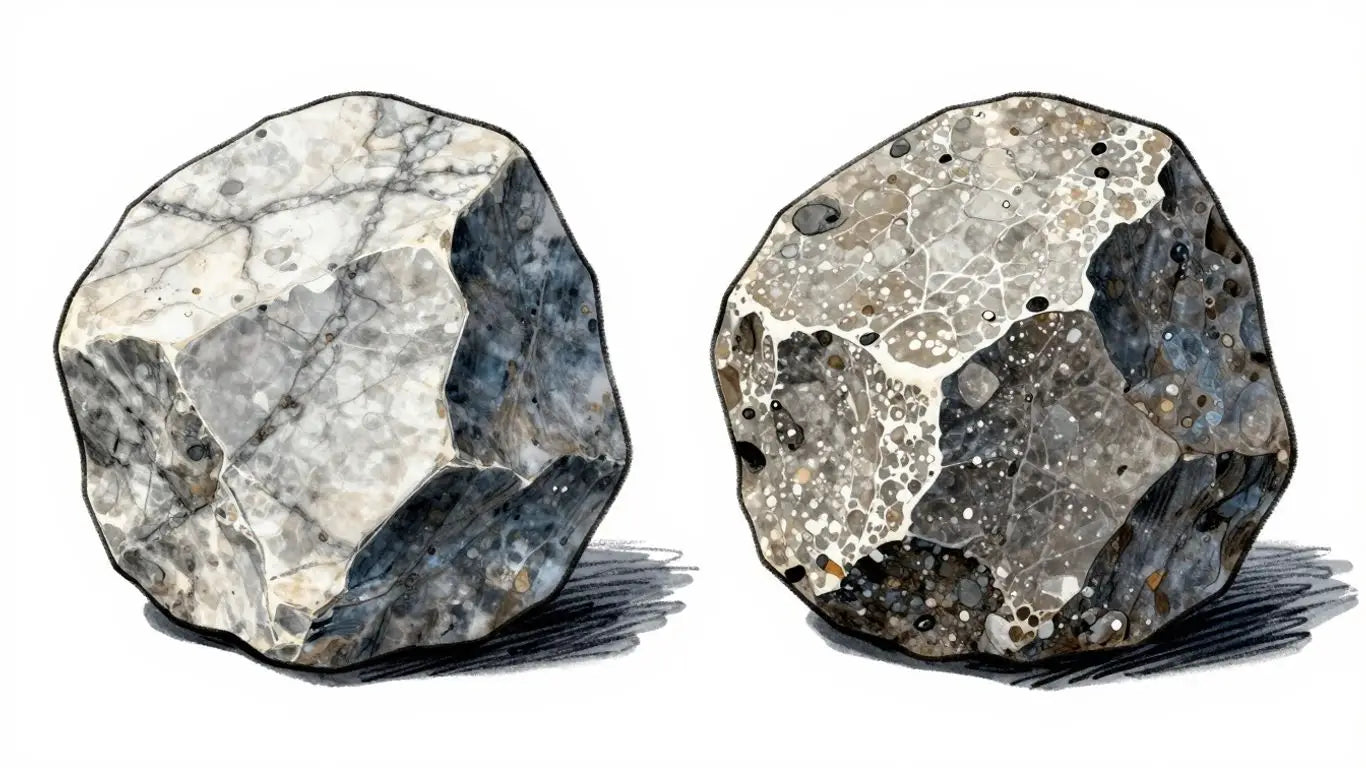
Choosing the right natural stone for your project can feel like a big decision, and honestly, it is. It’s not just about picking something that looks pretty; it’s about finding a material that fits your lifestyle, your budget, and your design goals. We talk to designers, architects, and homeowners every day, and we've picked up a few things along the way.
When to Choose Dolomite for Durability
If you're looking for a stone that can handle a bit more action, especially in busy areas like kitchens, dolomite often makes a lot of sense. It's generally tougher than marble and less prone to etching from acids, which is a big plus for everyday use. Think about countertops or high-traffic flooring where you need something that holds up well without constant worry. Dolomite offers a practical elegance that stands up to daily life. It’s a solid choice when you need resilience without sacrificing natural beauty.
Why Marble Remains a Designer Favorite
Marble has this timeless appeal that's hard to beat. Its veining is often more dramatic and unique, giving each slab a one-of-a-kind character. While it does require more careful maintenance, its luxurious look is what designers often seek for statement pieces, like bathroom vanities or fireplace surrounds. It brings a sense of classic sophistication to any space. For those who appreciate the finer things and are willing to care for them, marble is often the go-to for that high-end feel. You can explore a variety of kitchen countertop materials that include marble.
Consulting with Stone Specialists
This is where we come in! Our team has seen a lot of projects, and we know the ins and outs of different stones. We can help you understand the subtle differences between dolomite, marble, and other natural stones. Don't hesitate to ask us questions. We're here to guide you through the selection process, making sure you get a material that truly fits your needs. We can help you select slabs that align with your design vision.
Understanding Project Requirements
Before you even start looking at stones, think about what the space will be used for. Is it a kitchen that sees a lot of cooking and spills? Or a bathroom that's more of a quiet retreat? Knowing the demands of the area will help narrow down your choices significantly. For example, a busy kitchen might benefit more from dolomite's durability, while a master bath might be the perfect place for marble's classic beauty.
The Importance of Samples
Pictures online are great, but they don't tell the whole story. Seeing and touching a physical sample is super important. It lets you check out the color, the texture, and how it looks in your home's lighting. Samples help you get a real feel for the stone before you commit to a whole slab. You can even request a sample to see it up close.
Making an Informed Decision
Ultimately, the best stone for you is one that you love looking at and that works for your life. It’s a balance between aesthetics, durability, and budget. Weigh the pros and cons, consider the advice from specialists, and trust your gut. We want you to be happy with your choice for years to come.
Trusting Your Instincts on Aesthetics
While technical specs and durability are important, don't forget about what truly catches your eye. If a particular slab of marble or dolomite speaks to you, and you can make it work with the practicalities of your project, go for it! Your home should reflect your personal style, and the stone you choose is a big part of that. Sometimes, the most beautiful choice is the one that just feels right.
Partnering for Your Design Needs
We pride ourselves on being more than just suppliers; we're partners in your design journey. We source only handpicked A+ top-quality natural stone, meaning you won't find commercial-grade material here. This direct importer advantage means you get authentic, premium quality stone. We're committed to transparency and building trust, ensuring you get the luxury natural stone you can rely on for your U.S. projects. We even offer nationwide shipping for your convenience.
Debunking Common Misconceptions
Is All White Stone Marble?
It's easy to see a beautiful white slab and immediately think 'marble.' But hold on a second! Not all white natural stone is marble. Dolomite, for instance, can also come in white and look quite similar at first glance. The real difference lies in what they're made of. Marble is mostly calcium carbonate, while dolomite has calcium magnesium carbonate. So, while they might share a color, their geological makeup is different. It’s like confusing a poodle with a Bichon Frise – both are fluffy white dogs, but they're distinct breeds.
The Myth of Dolomite's Fragility
There's a lingering idea that dolomite is somehow less tough than marble. Honestly, this isn't really true. In many ways, dolomite can be more resistant to etching and staining than marble, especially in kitchen environments. While marble is known for its susceptibility to acids, dolomite holds up better. This makes it a really practical choice for busy households that still want that natural stone look without constant worry. Don't let outdated myths about fragility steer you away from dolomite's practical benefits.
Can Dolomite Be Polished Like Marble?
Absolutely! Dolomite can achieve a beautiful, high-gloss polish, much like marble. While the process might require slightly different techniques due to its unique mineral structure, the end result is a stunning, reflective surface. You can get that luxurious sheen that many people associate with marble. So, if you're looking for a polished finish, dolomite is definitely a contender.
Are Veins Exclusive to Marble?
Veining is a hallmark of marble, giving it that dramatic, artistic look. However, you can also find veining in dolomite. The patterns might be different, sometimes more subtle or less dramatic than what you'd see in marble, but they are present. The presence of veins doesn't automatically mean it's marble. It's more about the type and intensity of the veining, along with the stone's overall composition, that helps distinguish them.
The Misunderstanding of 'Natural Stone'
'Natural stone' is a broad term. It covers a huge range of materials quarried from the earth, including granite, quartzite, marble, and dolomite. People sometimes use 'natural stone' interchangeably with 'marble,' which isn't accurate. Think of it like 'fruit' – apples, oranges, and bananas are all fruits, but they're very different. Similarly, marble and dolomite are both natural stones, but they have unique properties and origins. Understanding the specific type of natural stone you're looking at is key. For example, marble is formed through metamorphism, a process involving heat and pressure, while dolomite has sedimentary origins.
Addressing Confusion About Stone Types
This confusion often stems from visual similarities and the fact that both are carbonate-based stones. They can look alike, especially when polished. However, their chemical makeup is the main differentiator. Marble is primarily calcium carbonate (CaCO3), whereas dolomite is calcium magnesium carbonate (CaMg(CO3)2). This difference in magnesium content is significant. It affects how the stone reacts to acids and its overall durability. So, while they might seem similar, their chemical compositions set them apart.
Clarifying 'Is Dolomite Marble?'
To answer directly: No, dolomite is not marble. While both are beautiful natural stones and share some visual characteristics, they are geologically distinct. Dolomite is its own mineral, a calcium magnesium carbonate, and marble is a metamorphic rock primarily composed of calcium carbonate. They come from different formation processes and have different physical and chemical properties. It's important to know the difference for proper selection and care.
Building Confidence Through Knowledge
Knowing the difference between dolomite and marble isn't just for geologists; it's super helpful for homeowners, designers, and architects. It helps you pick the right material for the right application. Want a kitchen countertop that can handle spills? Dolomite might be a better fit. Dreaming of a luxurious bathroom vanity with dramatic veining? Marble could be your pick. Understanding these stones means you can make informed decisions, get the look you want, and ensure your investment lasts. We source only A+ top-quality stone to ensure you get the best for your project.
The Role of Impurities in Stone Appearance
You know, when you look at a slab of marble or dolomite, it's rarely just one solid color. That's because natural stones are almost never perfectly pure. They've got these little bits and pieces of other minerals mixed in, and these bits really change how the stone looks. It’s kind of like baking – a tiny bit of extra spice can totally change the flavor.
How Minerals Affect Marble's Color
Marble, in particular, is famous for its color variations, and that's largely thanks to impurities. Think about calcite, the main ingredient in marble. If it's super pure, you get that classic, bright white marble. But add in things like iron oxides, and suddenly you've got pinks, reds, or even yellows. Clay minerals can introduce grays and blacks, and serpentine can give it a greenish tint. These trace minerals are what give marble its unique personality and visual depth. It’s not just a white rock; it’s a canvas painted by geological history. This is why understanding the differences and similarities between these stones is so important for designers and homeowners alike.
Dolomite's Purity and Its Visual Impact
Dolomite, chemically speaking, is a bit different from marble. It's a calcium magnesium carbonate. While pure dolomite is a white mineral, it often contains impurities too, though sometimes in different ways than marble. These can affect its appearance, but generally, dolomite tends to be a bit more uniform in color compared to the dramatic veining you often see in marble. It might have a slightly different sheen or texture because of these variations.
The Formation of Distinctive Veining
Veins in marble aren't just random lines; they often form when mineral-rich fluids seep into cracks or fissures within the stone during its formation or subsequent geological activity. These fluids deposit minerals, creating the patterns we admire. Sometimes, these veins are just different concentrations of the same minerals already in the stone, or they can be entirely new minerals introduced from the surrounding environment. It’s a fascinating process that makes each slab unique.
Understanding Fossil Inclusions
Sometimes, especially in older marble or dolomite formations, you might find fossil inclusions. These are remnants of ancient marine life that were present when the rock was forming. They can appear as small shells, fragments, or even outlines within the stone. While they are technically impurities or inclusions, they add a layer of history and character that many find appealing. It’s a little piece of the past embedded in your design.
The Effect of Iron and Other Elements
Iron is a big player when it comes to stone color. As mentioned, iron oxides can create a whole spectrum of warm colors. Other elements, like manganese, can contribute to grays and blacks. Even small amounts of these can have a noticeable effect, especially when they are concentrated in certain areas or form specific patterns. It’s a reminder that geology is all about chemistry in action.
Achieving Unique Aesthetic Qualities
These impurities are not always seen as flaws; in fact, they are often what make natural stone so desirable. The subtle variations in color, the unique veining, and the occasional inclusion all contribute to the natural beauty of marble and dolomite. They are the fingerprints of the earth, making each piece of stone one-of-a-kind. This is why designers and architects often seek out specific types of marble for their distinct looks, knowing that mineral impurities play a huge role in the final appearance.
Variations Within Dolomite Deposits
Just like marble, different dolomite quarries can yield stone with varying characteristics. The specific geological conditions under which the dolomite formed will dictate the types and amounts of impurities present. This means that even within what's classified as 'dolomite,' you can find a range of appearances, from very clean and light to more heavily colored or textured. It’s always good to look at samples from the specific batch you’re considering.
The Beauty of Natural Inhomogeneity
Ultimately, it's this natural inhomogeneity – the presence of impurities and variations – that gives natural stone its appeal. Unlike manufactured materials that aim for perfect uniformity, natural stone celebrates its imperfections. These variations are what create the rich textures, dramatic patterns, and subtle color shifts that make marble and dolomite so captivating for interior design projects across the U.S. When you choose natural stone, you're choosing a piece of the earth's artistry.
Understanding Stone Terminology
When you're looking at natural stone for your home or project, you'll hear a lot of terms thrown around. It can get confusing fast, especially when people mix up words like dolomite and marble. Let's clear some of that up so you know exactly what you're getting.
Defining 'Dolomite'
Dolomite is a specific mineral, but it's also used to describe a type of rock. As a mineral, it's made up of calcium magnesium carbonate. When we talk about dolomite rock, it's a sedimentary rock that's primarily composed of this mineral. It's known for being a bit harder and less reactive than pure limestone, which is mostly calcium carbonate. Think of it as a tougher cousin to limestone.
Defining 'Marble'
Marble, on the other hand, is a metamorphic rock. This means it started out as something else – usually limestone – and was changed by heat and pressure deep within the Earth. The process recrystallizes the calcium carbonate, giving marble its characteristic look, often with beautiful veining. Pure marble is essentially a recrystallized form of calcium carbonate.
The Difference Between Rock and Mineral
This is a key point. A mineral is a naturally occurring, inorganic solid with a definite chemical composition and a specific crystal structure. Think of quartz or feldspar. A rock, however, is an aggregate of one or more minerals, or sometimes organic matter. So, dolomite can be both a mineral and a rock, while marble is classified as a rock. Understanding this basic geological distinction is helpful when comparing natural stone products.
Geological Classification Systems
Geologists use systems to classify rocks based on how they form and what they're made of. Rocks fall into three main categories: igneous (formed from cooled magma or lava), sedimentary (formed from accumulated particles), and metamorphic (formed from existing rocks changed by heat and pressure). Dolomite is typically sedimentary, while marble is metamorphic. This classification helps us predict their properties.
Common Industry Terms Explained
In the stone industry, terms can sometimes be used loosely. For instance, 'limestone' might be used broadly, but geologically, it's distinct from dolomite. Similarly, 'granite' is often used for any hard, speckled stone, even if it's technically a different type of igneous rock. Knowing the precise geological definition helps avoid misunderstandings.
Avoiding Ambiguous Language
When you're shopping for stone, pay attention to how it's described. Is it called 'dolomitic marble'? That term can be confusing because marble is metamorphic and dolomite is typically sedimentary. It might refer to a marble that has dolomite impurities, or it could be a misnomer. Always ask for clarification if something sounds unclear.
Clarifying 'Is Dolomite Marble?'
So, to answer the big question directly: no, dolomite is not marble. They are different types of stone with different origins and properties. While they share some visual similarities and are both carbonate-based, their geological classification and formation processes set them apart. This distinction matters for durability, maintenance, and appearance in your project.
Building Confidence Through Knowledge
By understanding these basic terms, you can feel more confident when discussing stone options with suppliers or designers. You'll be better equipped to choose the material that best suits your needs, whether that's the practical resilience of dolomite or the classic beauty of marble. Don't hesitate to ask questions – it's your project, and you deserve to know what you're working with.
The Impact of Sealing and Protection
When you're looking at natural stone for your home, whether it's dolomite or marble, you've probably heard about sealing. It's a pretty important step, especially for certain types of stone, and it makes a big difference in how your stone holds up over time. Think of it like putting a protective coat on something valuable – it keeps it looking good and prevents damage.
Why Sealing is Crucial for Marble
Marble is beautiful, no doubt about it. That classic veining and luxurious feel are hard to beat. But, marble is also quite porous. This means it can soak up liquids, and that's where problems can start. Spills from wine, juice, or even oil can seep into the stone, leaving stains that are tough to remove. Acids, like those found in lemon juice or vinegar, can also react with the calcium carbonate in marble, causing etching – those dull spots that look like the shine has been zapped away. Sealing marble creates a barrier that helps prevent these liquids from penetrating the surface. This gives you a little more time to wipe up spills before they cause permanent damage. It's not a magic shield, but it's a really good first line of defense. Most sealers offer around five years of durability, so it's a worthwhile investment for your marble surfaces.
Does Dolomite Require Sealing?
Dolomite, on the other hand, is generally less porous and more resistant to acids than marble. Because of its chemical makeup, it doesn't etch as easily. This means that while sealing isn't as absolutely critical for dolomite as it is for marble, it can still offer some benefits. A sealant can help make the surface even more resistant to staining, especially from oily substances. It can also make cleaning a bit easier. So, while you might get away with not sealing dolomite in some situations, it's often recommended to seal it anyway, especially if it's going into a high-use area like a kitchen. It's a good idea to check with your supplier or installer about the specific type of dolomite you have and their recommendations.
Types of Sealants Available
There are a few main types of sealants you'll come across. Impregnating sealers are the most common for natural stone. They soak into the pores of the stone and create a barrier from within. They don't typically change the look or feel of the stone, which is great if you want to maintain its natural appearance. Topical sealers, on the other hand, form a protective layer on top of the stone. These can offer a higher level of protection but might alter the finish, sometimes giving it a slight sheen. When choosing a sealer, look for one that's specifically designed for natural stone and consider how easy it is to apply. Many sealers offer around five years of durability, so it's a good idea to plan for reapplication. Choosing the right marble sealer is key.
Application Techniques for Best Results
Applying a sealant correctly is just as important as choosing the right one. The process usually involves a few steps:
- Clean the stone thoroughly: Make sure the surface is free of dirt, dust, and any existing sealers or residues.
- Apply the sealant: Use a clean cloth, applicator pad, or sprayer, depending on the product. Work in small sections, applying an even coat.
- Allow it to penetrate: Let the sealant soak into the stone for the time recommended by the manufacturer. This is usually between 10-30 minutes.
- Wipe off excess: Before the sealant dries completely, wipe away any excess product from the surface. This prevents a hazy buildup.
- Allow it to cure: Let the stone cure for the recommended time, usually 24-72 hours, before using the surface. During this time, it's best to keep it dry.
Frequency of Re-Sealing
How often you need to re-seal depends on the type of stone, the type of sealant used, and how much wear and tear the surface gets. For marble, which is more porous, you might need to re-seal every 1-3 years. Dolomite, being less porous, might only need it every 3-5 years, or even less frequently if it's not in a high-traffic area. A simple test is to sprinkle a little water on the surface. If it beads up, the sealant is still working. If it soaks in and darkens the stone, it's time to re-seal. Regular sealing is key to maintaining the beauty and integrity of your natural stone surfaces.
Protecting Against Stains and Moisture
Beyond just etching, sealants help protect against moisture penetration, which can lead to other issues like mold or mildew in damp environments. For both dolomite and marble, a good sealant acts as a shield, making your investment last longer and look better. It's a simple step that pays off significantly in the long run, keeping your stone looking pristine for years to come. We offer a wide range of premium natural stone products, and our team can help you understand the best protection methods for your specific project. We provide nationwide shipping for your convenience.
Aesthetic Considerations for Your Project
When you're planning a project, whether it's a kitchen remodel or a new bathroom design, how the stone looks is a big part of the decision. It's not just about how durable it is; it's about the vibe it creates.
Achieving a Classic Look with Marble
Marble has this timeless quality that just screams elegance. Think of those grand old buildings or luxurious hotel lobbies – marble is often the star. Its natural veining can be dramatic, creating a focal point that draws the eye. If you're going for a sophisticated, traditional, or even a glamorous feel, marble is a solid choice. It has a way of making any space feel more upscale. For instance, a classic Carrara marble countertop can instantly transform a kitchen into something out of a magazine.
The Modern Appeal of Dolomite
Dolomite, on the other hand, often presents a more understated beauty. It can have a cleaner, more uniform appearance, which fits really well with modern and minimalist design styles. If you prefer a look that's less busy and more streamlined, dolomite might be perfect. It still offers that natural stone character but with a subtler presence. It's a great option when you want the quality of natural stone without overpowering the rest of your decor.
Matching Stone to Interior Design Styles
Your choice of stone should really play well with your overall design theme. For a rustic farmhouse kitchen, you might lean towards a dolomite with a more natural, less polished finish. If your home is filled with sleek, contemporary furniture, a marble with bold veining could add a striking contrast, or a more subdued dolomite could complement the clean lines.
Creating Focal Points with Natural Stone
Both dolomite and marble can be used to create stunning focal points. A dramatic marble fireplace surround can become the heart of a living room. Similarly, a well-chosen dolomite island countertop can anchor a kitchen space. Consider the scale of the area you're working with; a large, busy pattern might overwhelm a small space, while a more uniform stone could get lost in a vast area.
The Influence of Light on Stone Color
Don't forget how light affects the stone. Natural light can make marble's veining pop, while artificial lighting might bring out different undertones. Dolomite can sometimes have a softer sheen that works well in spaces with less natural light. It's a good idea to see samples of the stone in the actual lighting conditions of your project space if possible.
Considering the Scale of Your Project
For larger areas like extensive flooring or expansive countertops, the pattern and color consistency of dolomite can be a real advantage, preventing a 'too busy' look. Marble, with its unique patterns, might be better suited for smaller applications or as an accent piece where its individual beauty can be appreciated without becoming overwhelming. When looking at options, remember that we source handpicked A+ top-quality stone, avoiding commercial grade for a truly premium feel.
The Emotional Connection to Materials
Ultimately, the stone you choose should feel right. Natural stone has an organic quality that connects us to the earth. Whether you're drawn to the classic luxury of marble or the practical elegance of dolomite, selecting a material that you love spending time around is key. It's about creating a space that feels both beautiful and comfortable.
Selecting Stone That Resonates
Think about how you use the space. A busy family kitchen might benefit from the resilience of dolomite, while a formal dining room might call for the refined elegance of marble. We can help you find the perfect fit for your U.S. projects, offering direct importer advantages for quality and value. If you're unsure, requesting a sample is always a good step to visualize color and texture.
Sourcing Premium Natural Stone
The Advantages of Direct Importers
When you're looking for natural stone, especially something like marble or dolomite for your home or project, where you get it from really matters. We work directly with quarries. This means we cut out the middlemen. This direct connection helps us get you better prices and makes sure the quality is what you expect. It also means we know exactly where the stone is coming from, so you get the real deal.
Ensuring A+ Top-Quality Stone
We don't mess around with just any stone. We only pick out the best. Think of it like hand-selecting the finest ingredients for a gourmet meal. We're talking about A+ top-quality stone, every single time. You won't find any standard or commercial-grade stuff here. Our focus is purely on premium materials that look great and last.
Why Commercial Grade Isn't Our Standard
Commercial grade materials are often made to a lower standard to save costs. That's not what we're about. We believe that for projects that matter, you need stone that stands out. So, we skip the commercial grade and stick to the high-quality options. It's about giving you something special, not just something functional.
Authenticity and Traceability
Knowing the origin of your stone adds to its story and value. Because we import directly, we can trace our stone back to its source. This authenticity is important, especially when you're investing in natural materials for your design. You can be confident you're getting genuine marble or dolomite, not a substitute.
Building Trust Through Transparency
We want you to feel good about your purchase. That's why we're open about how we source our stone and what makes it special. We believe that being upfront builds trust. You can ask us questions, and we'll give you honest answers about our products and processes.
Nationwide Shipping for Your Convenience
No matter where you are in the U.S., we can get our premium stone to you. We handle shipping across the country. Most orders ship out fast, often within 8 hours, and all shipments are insured. So, you can order with confidence, knowing your stone will arrive safely and without much delay.
Partnering for Your Design Needs
Choosing the right stone can be a big decision. We're here to help you through it. Whether you're a designer, architect, or homeowner, we can work with you to find the perfect stone for your project. We want to be more than just a supplier; we want to be a partner in bringing your vision to life.
Discovering Timeless Beauty
Natural stone has a way of bringing a timeless elegance to any space. From the dramatic veining of marble to the subtle character of dolomite, these materials add a unique touch that manufactured products just can't replicate. We're passionate about helping you find that perfect piece of natural beauty for your home or commercial project.
Finding the best natural stone for your project can be tricky. We make it simple to discover top-quality marble and other natural stones. Explore our amazing selection and find the perfect piece for your home or business. Visit our website today to see all the beautiful options we have available!
So, Is Dolomite Marble?
Alright, so we've talked about marble and dolomite, and hopefully, it's clearer now. Remember, marble is that classic, softer stone, great for certain looks but needs careful handling. Dolomite, on the other hand, is tougher, more like granite in some ways, making it a bit more forgiving for busy homes. They both look amazing, of course, but knowing the difference helps you pick the right material for your project. Whether you're dreaming of a kitchen that shines or a bathroom that feels like a spa, understanding these stones means you'll get a result you love for years to come. It’s all about choosing what fits your life and your style best.
Frequently Asked Questions
Is dolomite the same as marble?
No, dolomite and marble are not the same, though they look similar. Marble is made mostly of calcium carbonate, while dolomite is made of calcium magnesium carbonate. This difference in what they're made of affects how they behave.
How can I tell if a stone is dolomite or marble at home?
A simple test is to put a little bit of vinegar on the stone. Marble will bubble up because it reacts with the acid in vinegar. Dolomite usually won't bubble much, or at all, because it's more resistant.
Is dolomite a good choice for kitchen countertops?
Yes, dolomite is often a great choice for kitchens. It's tougher and less likely to get stained or etched (damaged by acids) than marble, making it more practical for busy cooking areas.
Does marble stain easily?
Marble can stain more easily than dolomite because it's more porous, meaning it can soak up liquids. It's also more sensitive to acidic foods and drinks, which can leave marks called etches.
What makes marble look so unique?
Marble gets its beautiful, swirly patterns, called veining, from minerals and impurities that were present when it formed deep inside the Earth. These patterns make each piece of marble one-of-a-kind.
Is dolomite more durable than marble?
Generally, yes. Dolomite is harder and less likely to scratch or be damaged by acids compared to marble. This makes it a more durable option for areas that see a lot of use.
How is marble formed?
Marble is created when limestone or dolomite rock is heated and squeezed deep underground over millions of years. This process, called metamorphism, changes the rock into a crystalline form.
How is dolomite formed?
Dolomite rock typically forms in ancient seabeds when limestone reacts with magnesium-rich water. It's a sedimentary process, meaning it forms from layers of sediment over time.
Can dolomite be polished to a shiny finish like marble?
Yes, dolomite can be polished to a beautiful, shiny finish, similar to marble. While it has a slightly different look, it can achieve that desirable glossy appearance.
Why is marble often more expensive than dolomite?
Marble is often more expensive because it's seen as more luxurious and is more delicate to work with and maintain. Its unique beauty and rarity also contribute to its higher price.
Do I need to seal dolomite countertops?
While dolomite is more resistant than marble, sealing it is still a good idea. Sealing helps protect it further from stains and makes it even easier to clean and maintain.
What are some common uses for dolomite?
Dolomite is used for many things, including countertops, flooring, and decorative elements in homes. Its toughness makes it suitable for areas where durability is important.