








Key Takeaways
Choosing the right flooring involves balancing timeless beauty with long-term maintenance requirements. These five points outline the essential considerations for selecting and implementing porcelain marble look tile.
- Porcelain marble look tile utilizes advanced digital printing to mimic the intricate veining of natural marble.
- Superior durability and resistance to moisture make these tiles an excellent choice for bathrooms and kitchens.
- Select finishes—such as polished, honed, or textured—based on your specific slip-resistance needs and lighting conditions.
- Large-format tiles require professional subfloor preparation to prevent lippage and ensure a perfectly level surface.
- Consistent batching across porcelain collections offers better visual uniformity than natural stone for expansive residential projects.
Understanding the aesthetic appeal of porcelain marble look tile
Achieving the luxurious look of classic stone without the delicate nature of real material has changed how homeowners renovate. Porcelain materials provide a durable alternative that captures the elegance of high-end surfaces, appealing to those who desire aesthetic sophistication in their daily life. While we at Surfaces Galore focus on natural stone, these porcelain alternatives have become a frequent request for busy households seeking a low-maintenance style.
The evolution of high-definition digital printing
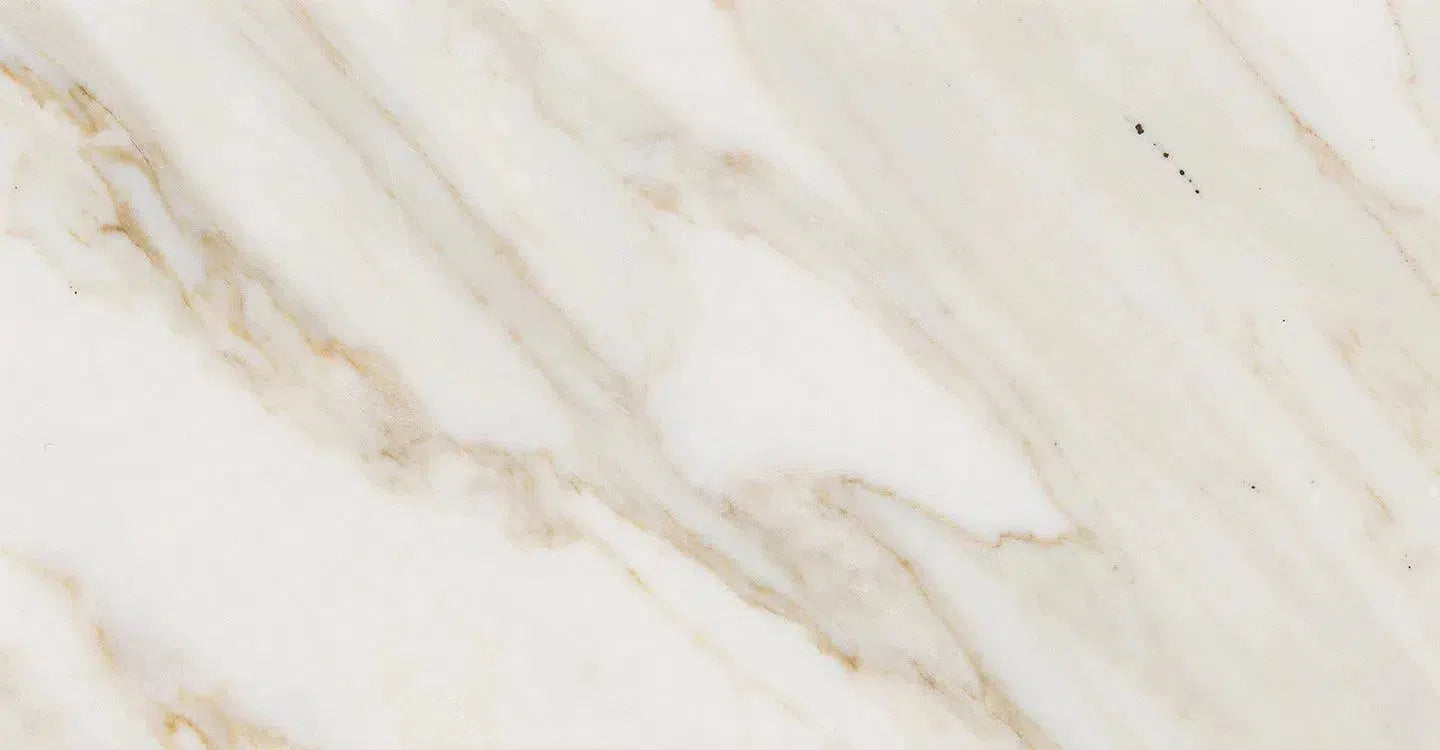
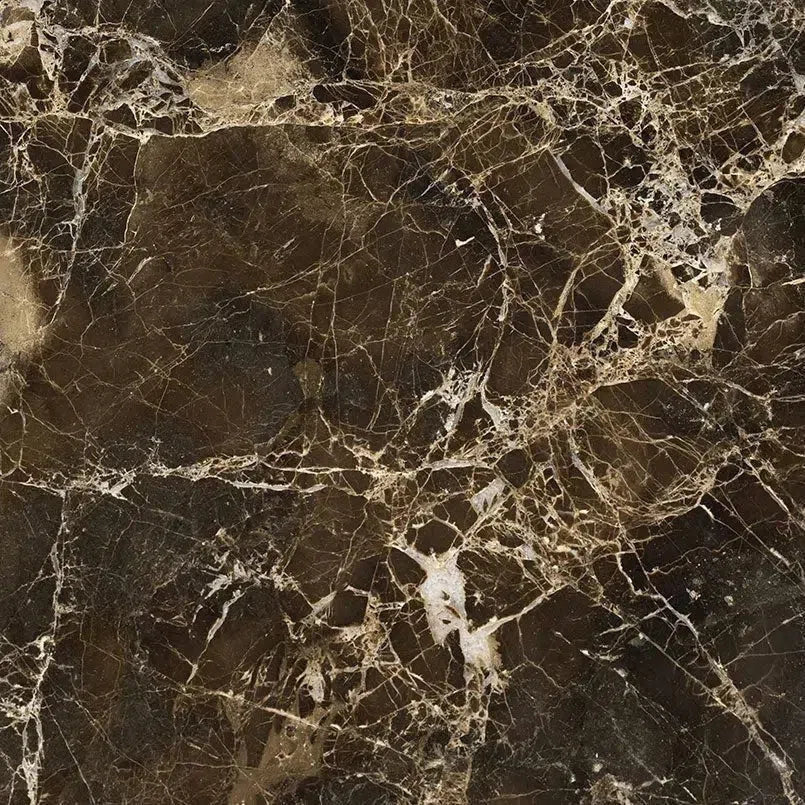
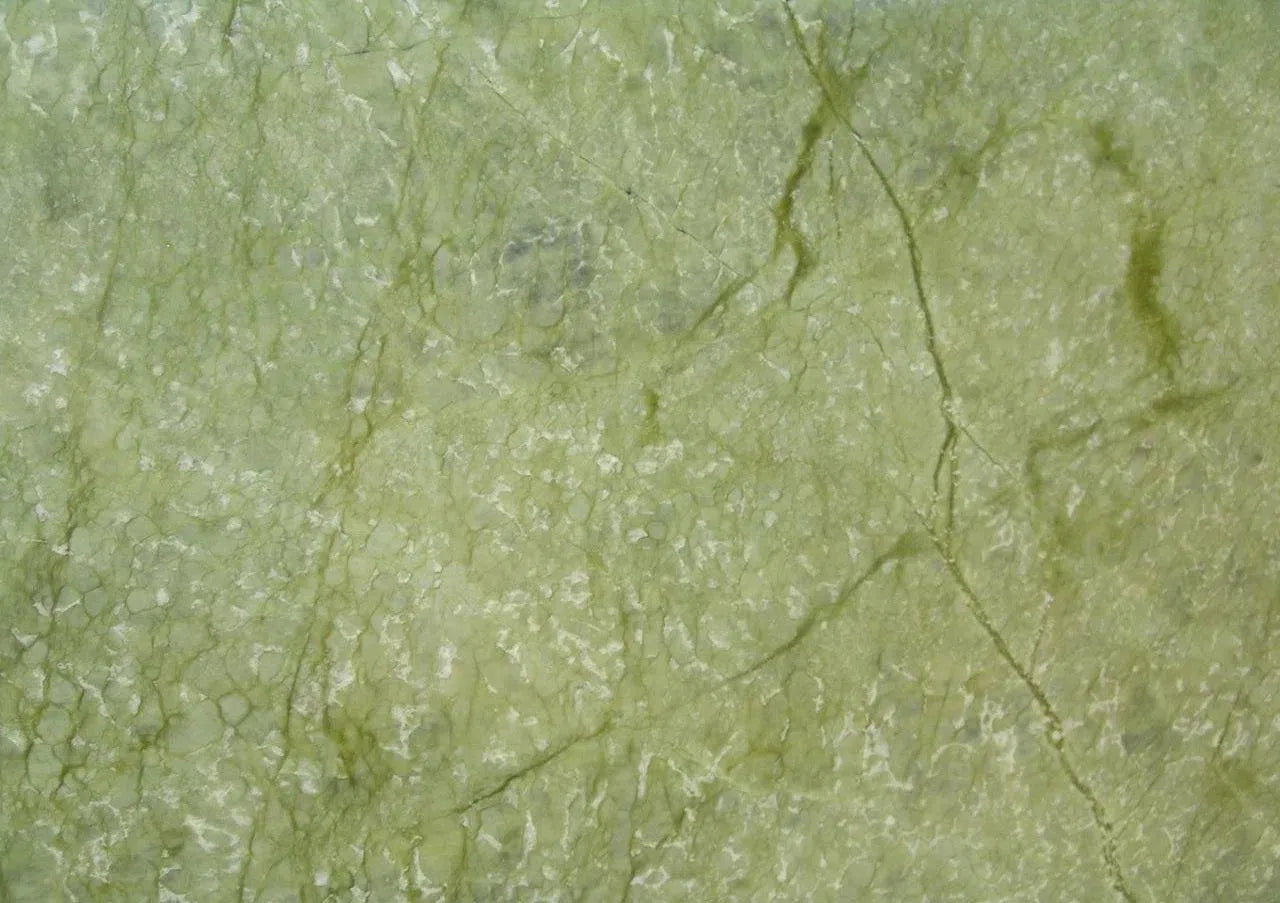
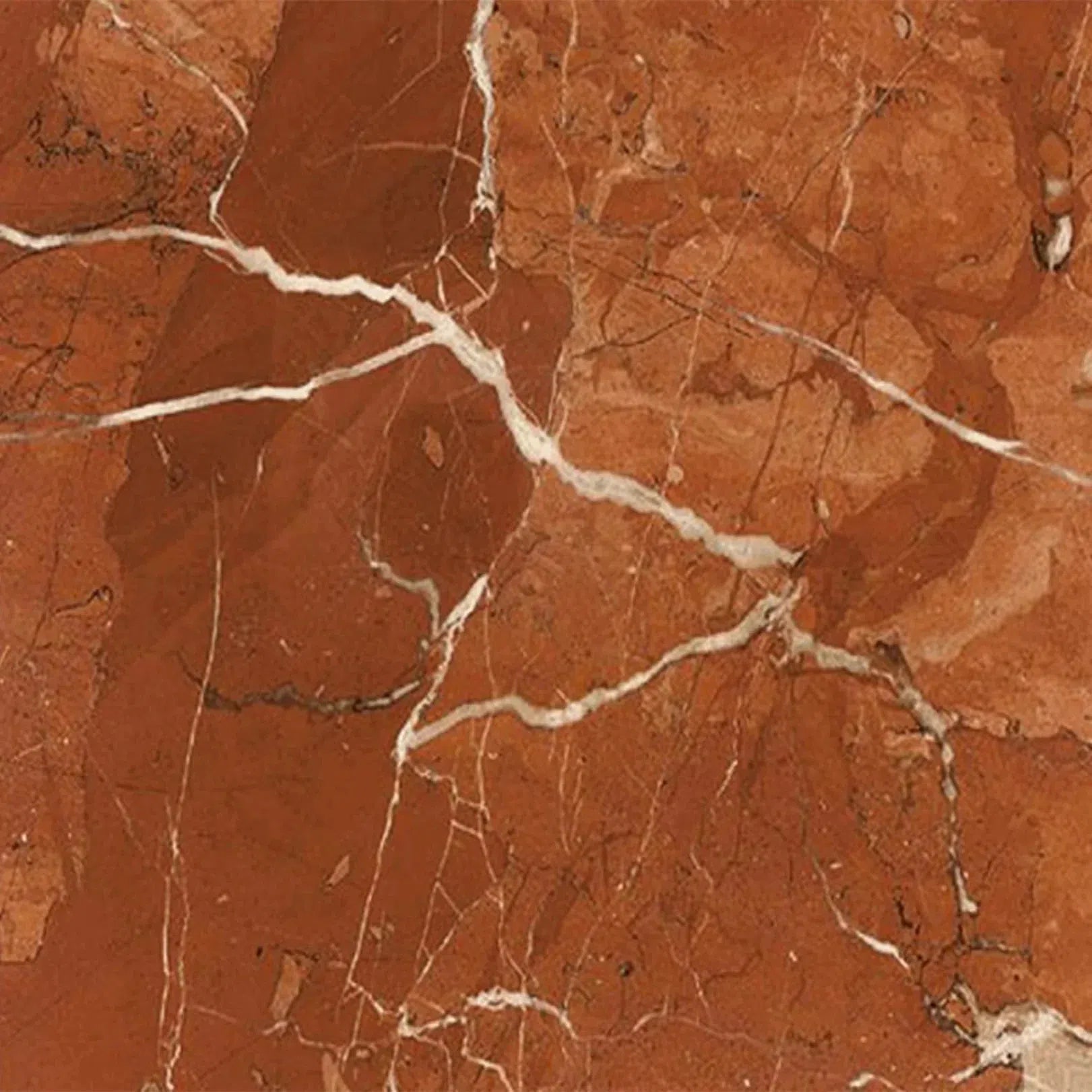
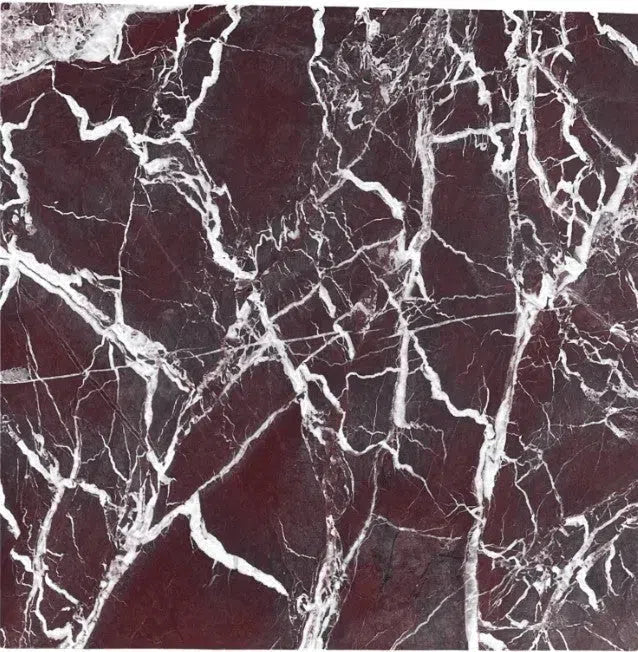
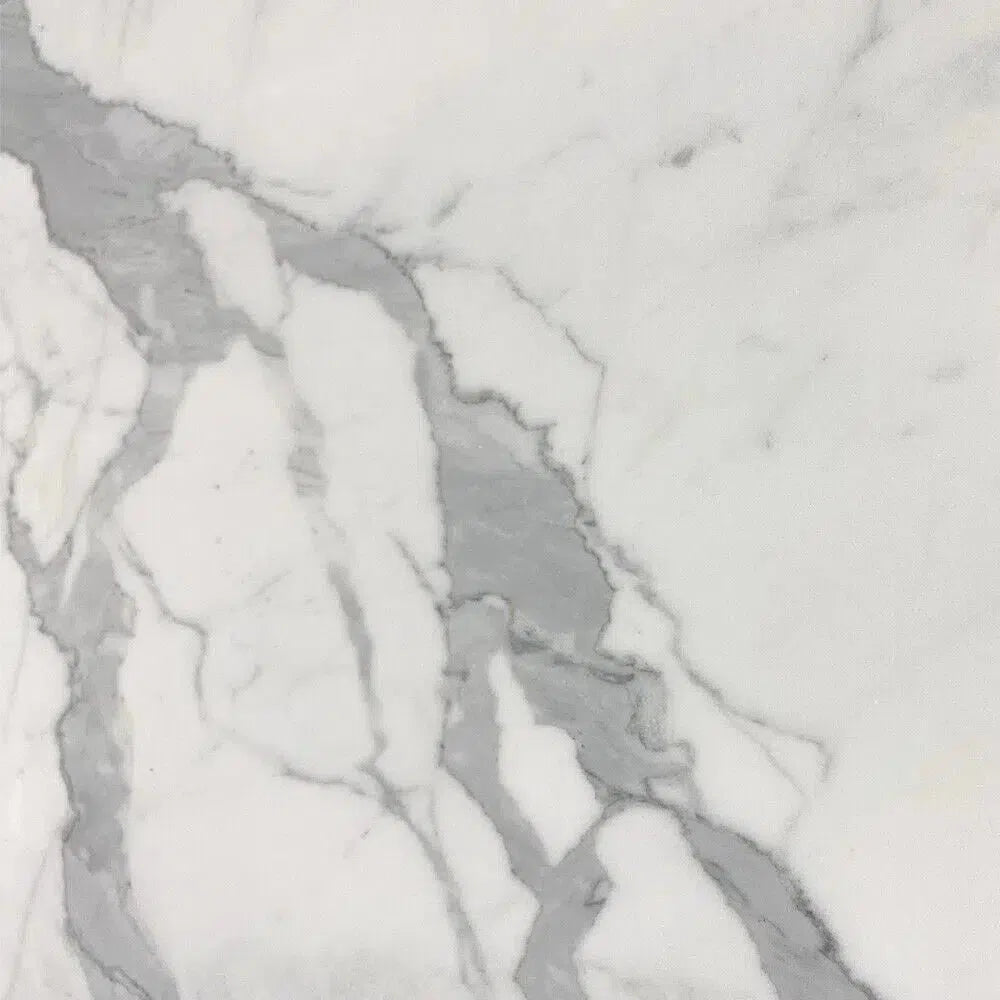
High-definition inkjet technology has transformed blank porcelain slabs into canvases that beautifully replicate natural stones like Carrara or Calacatta. Manufacturers use multi-layer printing to create complex patterns, ensuring each tile captures the depth found in nature. This level of detail allows for a seamless appearance of stone even in expansive installations.
Mimicking the veining of rare Italian stones
The ability to recreate the subtle movement of rare Italian marbles enables designers to achieve a high-end look without sourcing exotic materials with high maintenance needs. Digital design software mapping accurately places veins to imitate the organic irregularities of natural quarries. This technology provides incredible consistency for projects requiring a specific vein structure across a larger space.
Aesthetic versatility across modern and traditional interiors
Porcelain marble look tile adapts effortlessly to various design schemes, from minimalist contemporary lofts to opulent traditional estates. You can pair these surfaces with matte metal fixtures or warm wood tones to shift the mood of a room. This flexibility makes it a favorite for designers and architects who need a material that bridges the gap between classic charm and current trends.
Comparing visual depth to genuine natural marble
While natural stone possesses a translucent quality inherited from internal crystal structures, porcelain achieves depth through surface glazing and advanced light-refractive textures. The visual distinction has narrowed considerably with modern manufacturing, yet porcelain offers superior, consistent hardness. For a professional commercial litigation strategy or a simple kitchen refresh, your choice of material depends on balancing this visual depth against the practical demands of your lifestyle.
Key benefits of porcelain versus natural stone

Choosing between manufactured porcelain and quarried stone is a fundamental step in any renovation project. While natural products offer unique character, porcelain brings a set of predictable physical advantages to the table. These materials are built for performance in the home, offering a reliable surface that handles the stresses of daily foot traffic with grace.
Superior durability for high-traffic residential areas
Modern porcelain tiles are fired at extreme temperatures, resulting in incredible density that resists chips and cracks. Unlike stone that may be prone to etching, these tiles maintain their integrity under the weight of heavy furniture and high foot traffic. This robustness makes them an easy selection for selling homes when you want to ensure the floors remain pristine until the closing date.
Lower water absorption rates for bathroom and kitchen use
Porcelain is virtually impervious to water, making it a functional hero in wet zones like bathrooms and showers. Because it absorbs less than 0.5 percent moisture, it prevents the internal damage or mold traps common in more absorbent materials. This makes it an ideal choice for luxurious bathrooms.
Resistance to staining and household chemical damage
Surface glazes on porcelain provide a protective barrier against common kitchen spills like acidic lemon juice or wine. You do not need to worry about the constant resealing required for porous natural stones. This ease of maintenance allows for a stress-free environment where you can focus on the beauty of your space rather than fear of accidental damage.
Consistent color and pattern batching for large-format projects
Manufacturing processes allow for precise pattern control that ensures colors match perfectly across an entire palette. For large-format designs, this uniformity prevents the jarring color shifts sometimes found in natural stone delivery. Consider porcelain tile slabs if you are looking to create a singular, uninterrupted look throughout your ground floor.
| Feature | Porcelain Tile | Natural Stone |
|---|---|---|
| Maintenance | Low | Moderate/High |
| Water Absorption | Below 0.5% | Varies by Type |
| Consistency | Uniform | Unique Varies |
The reliability provided by these manufactured tiles allows for confident planning, especially when your design requires a specific aesthetic thread to run throughout your home.
Selecting the right finish for your specific space
Choosing a finish is the final touch that defines how a room feels underfoot and looks under the lights. Reflective surfaces pull in ambient light to brighten tight corners, while matte options offer a more grounded, organic presence. Understanding how these light-interactive surfaces perform is key to a space that looks curated and intentional.
Polished finishes for high-glamour reflective surfaces
High-gloss polishing gives a mirror-like finish that heightens the contrast in veining, creating a stunning focal point. These tiles are perfect for grand entryways or dining rooms where you want to emphasize architectural scale. It is helpful to use a dermatologist-approved guide to care for your skin similarly to how you would care for these high-sheen surfaces—with attention to gentle, non-abrasive treatment.
Honed finishes for a soft and organic tactile experience
Honed finishes offer a matte, satin-like feel that reduces harsh light glare while maintaining the elegance of the stone look. This choice provides a more approachable aesthetic that feels softer to the touch, often preferred in transitional or modern bedroom suites. The lack of reflection allows the details of the pattern to speak without the distraction of mirror highlights.
Textured surfaces for enhanced slip resistance in wet zones
Safety is paramount where water is common, such as around pools or in walk-in showers. Textured tiles provide necessary grip while still mimicking the look of rugged, natural stones that have been weathered by time. This is a practical design decision for weight loss programs centered on healthy living, such as creating a safe home workout sanctuary.
Matching finish to room lighting and intended use
Before finalizing your purchase, observe how natural daylight and artificial light hit your samples throughout the day. A high-sheen finish might be too intense under aggressive pendant lighting, while a matte finish could dull the life of a windowless mudroom. Test your preferred marble look tiles in the actual room to confirm how the light interacts with the finish.
Planning your installation layout and pattern design

Layout planning is where your vision truly comes together as a cohesive architectural plan. Large formats often require specialized handling to maintain the integrity of the print pattern. A strong layout respects the natural flow of the space while ensuring visual logic for anyone entering the room.
Strategies for managing large-format tile alignment
Working with tiles larger than 24 inches demands precise subfloor preparation because any variance in the floor height leads to uneven edges. Using a leveling system during the installation holds the edges of adjacent tiles in place as the mortar cures. Professional attention to these details ensures a lasting, luxury feel.
Achieving seamless transitions with directional vein matching
For tiles featuring continuous patterns, directional matching is vital to avoid a chaotic, chopped-up look. By carefully planning the direction of the veins, you can create the illusion of large, natural slabs that follow the floor's architectural lines. This technique rewards the patience spent during the layout phase with a significantly elevated result.
Integrating decorative mosaics and border tiles effectively
Small-format inserts serve as wonderful accent points that break up the monotony of large fields of tile. Whether creating a defined zone for a shower pan or framing an entryway, these pieces act as an anchor for the eye. Many designers prefer using Tineco floor cleaning tools to keep these intricate patterns and grout lines free of debris after the project is complete.
The impact of grout line width on visual continuity
Keeping grout lines as thin as possible is essential for achieving the look of continuous natural stone slabs. Using a color-matched grout creates a nearly invisible connection point between the porcelain pieces. A well-executed thin line allows the eye to travel across the floor without interruption.
Installation best practices for a professional finish
Success in your project often hinges on the technical execution of the subfloor and the choice of mortar. While the tile provides the aesthetic beauty, the structural foundation ensures that the beauty lasts for decades. Investing in a professional installer who understands the nuances of high-density porcelain can save you time and future headaches.
Preparing subfloors for rigid porcelain installations
Porcelain is a rigid material that cracks if the subfloor flexes or moves under weight. Ensuring your subfloor is stable, cured, and completely level is the most vital step in preventing long-term cracks. A flat surface eliminates stress points, allowing your beautiful porcelain marble look tile to lie perfectly flat across the entire room.
Selecting the appropriate thin-set mortar for high-density porcelain
Standard thin-set is rarely sufficient for the dense nature of modern porcelain. Utilizing a polymer-modified mortar ensures that the tile binds securely even on non-porous surfaces. It helps to follow manufacturer order links to ensure you have the proper adhesive supplies before the installer arrives.
Preventing lippage issues during the laying process
Lippage, or the uneven edge between tiles, ruins the high-end look of a porcelain-cased room. Your installer must use a professional-grade leveling wedge system to guarantee that every transition is smooth to the touch. The goal is a uniform, monolithic slab appearance that feels like natural art.
Establishing proper expansion gaps for long-term structural integrity
Even strong materials experience minor thermal expansion, especially in sunny rooms with large windows. Leaving properly calculated expansion gaps along the wall perimeter prevents the tiles from buckling against the vertical surfaces. These gaps are then hidden easily by baseboard molding for a polished finish.
Maintaining your porcelain marble look tile
While porcelain stays cleaner than marble, it still benefits from a consistent care routine to retain its luster. A few focused habits go a long way in ensuring the glaze remains as vivid as the day it was installed. By preventing debris build-up, you protect the surface integrity and maintain that fresh, showroom appearance for years to come.
Establishing a daily cleaning routine for surface longevity
Sweep or vacuum regularly to ensure that dirt or small bits of gravel are not ground into the glaze during daily foot traffic. This simple, proactive step preserves the surface finish against micro-scratches over time. Consistent cleaning also helps identify maintenance needs before they become visible issues.
Identifying safe cleaning agents that protect the surface glaze
Use gentle, pH-neutral cleaners specifically designed for tile surfaces rather than harsh chemical formulas. A quick mop with warm water and a neutral solution is almost always sufficient to handle daily surface grime. Avoid cleaners that leave a waxy residue, as this can cloud the high-definition print and attract fingerprints.
Managing grout maintenance and hygiene in high-moisture rooms
In areas like steam showers or kitchens, grout can trap surface residue that dulls the room's overall freshness. Utilizing a penetrating grout sealer periodically helps shed moisture and dirt, while a soft-bristle brush keeps the lines looking crisp. Regular maintenance here keeps your marble look tile installations appearing professional and hygienic.
Simple steps for addressing minor surface scratches or debris
If you find a minor blemish or scratch, do not despair. Most surface debris responds well to gentle buffing with a specialized tile-safe pad that pulls residue out of the microscopic texture. If the damage is deeper, a small touch of color-matched repair putty can fill and buff the area back to a seamless appearance.
Conclusion
Porcelain marble look tile offers an exceptional combination of the aesthetic beauty of traditional stone and the modern, pragmatic performance required for a busy lifestyle. By carefully selecting your finish, focusing on precise installation techniques, and adhering to a gentle cleaning routine, you can create a luxurious environment that remains timeless for years to come. Whether you are renovating an entire luxury home or refreshing a single vanity area, this material provides a reliable and stunning foundation for your design vision.
Frequently Asked Questions
Can porcelain marble look tile be used in outdoor spaces?
Yes, porcelain is an excellent choice for many outdoor areas because it is frost-resistant and durable. You should look for versions with a higher slip-resistance rating to ensure safety in weather-exposed zones like patios or pool decks.
Is it possible to mix porcelain tile with real natural stone?
Combining materials is a common design technique to create feature walls or unique borders. Just keep in mind that the two materials have different maintenance and sealing requirements, so place them in areas where cleaning protocols won't conflict.
Does poreclain tile need to be sealed like natural marble?
Porcelain itself does not require sealing because it is essentially glass-like and non-porous. However, the grout lines between the tiles are porous and should be sealed regularly to prevent stains and mold buildup.
How does the thickness of porcelain compare to stone slab?
Porcelain is typically much thinner than traditional stone slabs, which makes it easier to install in rooms where floor height transitions are a concern. Despite being thinner, its high density makes it incredibly strong and suitable for flooring, walls, and even countertops.
Can I install radiant floor heating underneath porcelain tile?
Porcelain performs exceptionally well with radiant heating systems because of its high density and excellent thermal conductivity. It warms up efficiently and holds the heat while remaining stable against the constant temperature fluctuations.
How do I hide the edges of the tile on an exposed corner?
Using a coordinating bullnose piece or metal profile trim is the most common way to finish an exposed edge. This protects the side of the tile while providing a clean, architectural look that frames the installation effectively.
Is porcelain tile susceptible to scratching from heavy furniture?
Porcelain is highly resistant to scratching from furniture, but it remains a good practice to use felt protectors on the legs of heavy items. This simple precaution prevents potential surface abrasions and keeps your floor looking pristine for a long time.