







Key Takeaways
Designing the ideal bathroom environment involves a careful selection of durable, moisture-resistant surfaces that also provide a high-end visual appeal. Understanding the nuances of natural stone and proper install techniques ensures a long-lasting, beautiful result for your home.
- Natural marble and travertine offer unique, organic textures that age beautifully over time.
- Moisture management is non-negotiable for bathroom longevity, requiring professional sealing techniques.
- Geometric patterns like checkerboards and hexagons add sophisticated depth to smaller visual footprints.
- Professional subfloor preparation is essential to support the weight of authentic natural stone.
- Selecting proper mortar and finish treatments is the final step in ensuring long-term aesthetic success.
Choosing the right material for bathroom floors
Selecting the foundation for your bathroom flooring tiles design requires balancing physical strength with your personal visual preferences for the room. Whether you are aiming for a classic look to sell your Miami house more quickly or simply want to elevate your daily routine, natural stone remains a premium choice. Importers like Surfaces Galore provide a direct link to international quarries, ensuring you receive the high-quality materials needed to create a unique space.
Comparing marble for timeless luxury
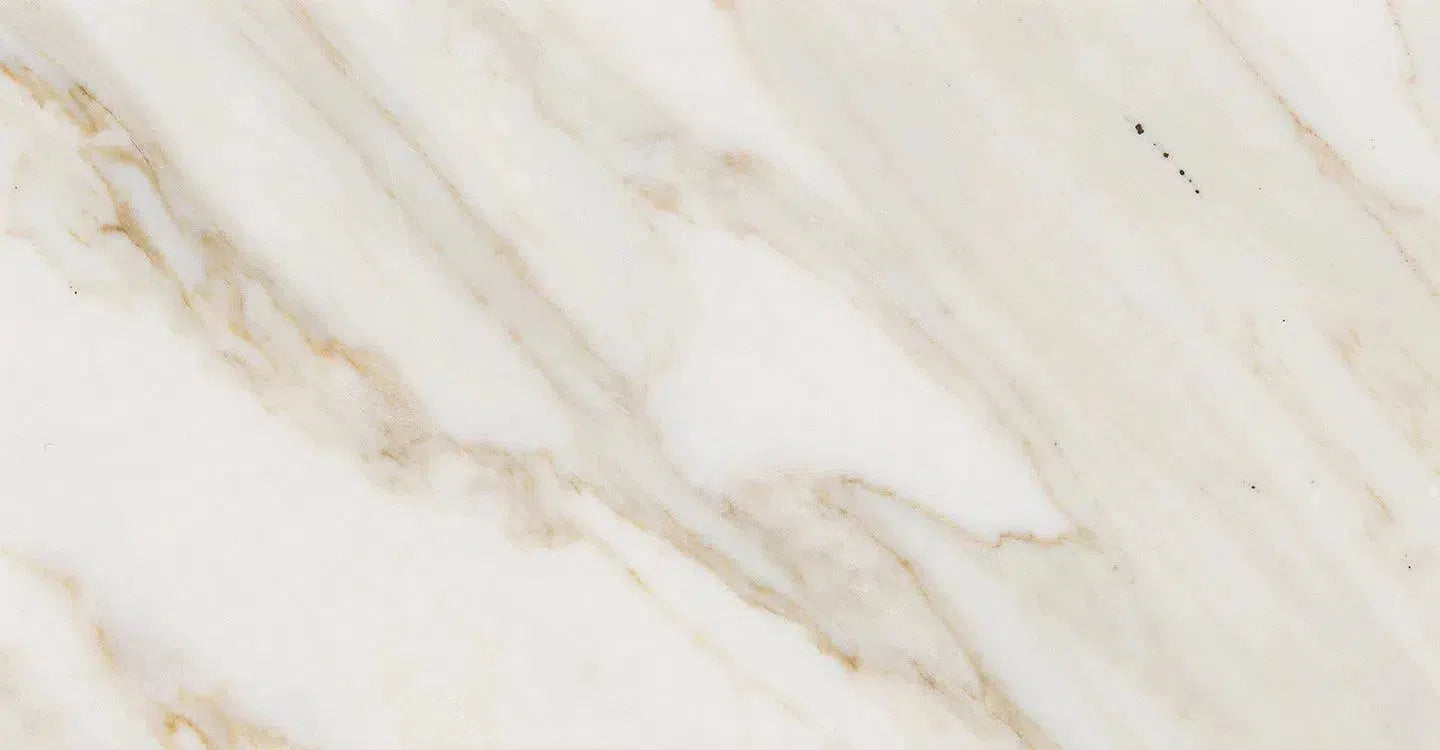
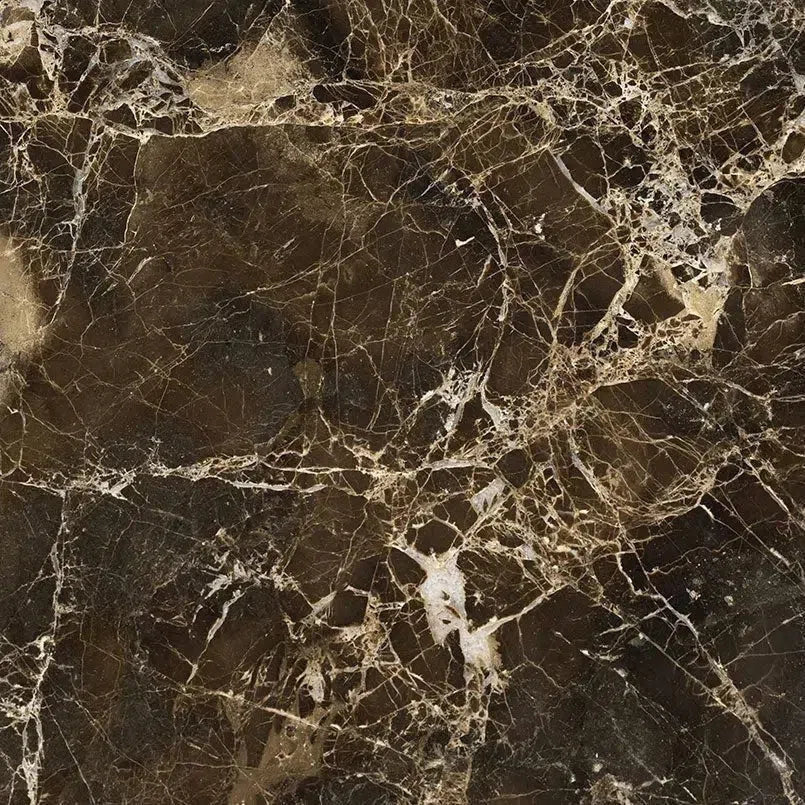
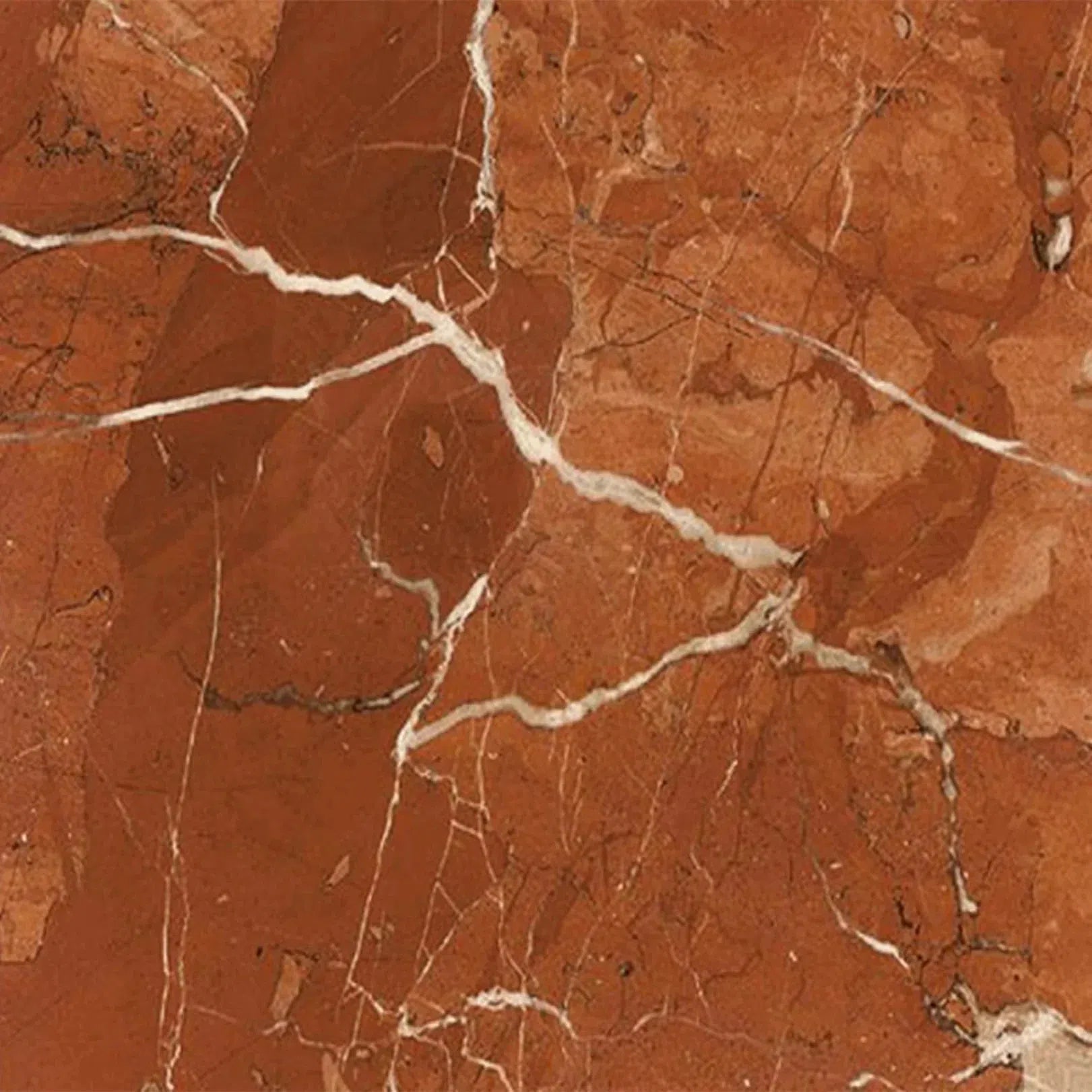
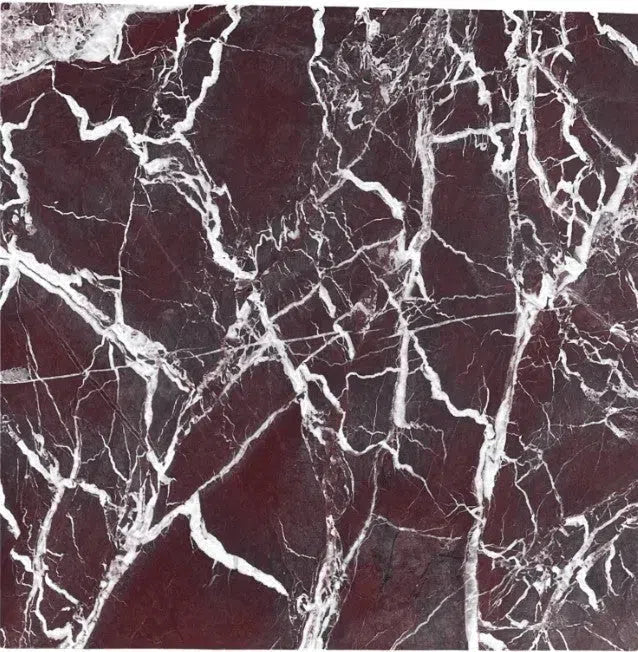
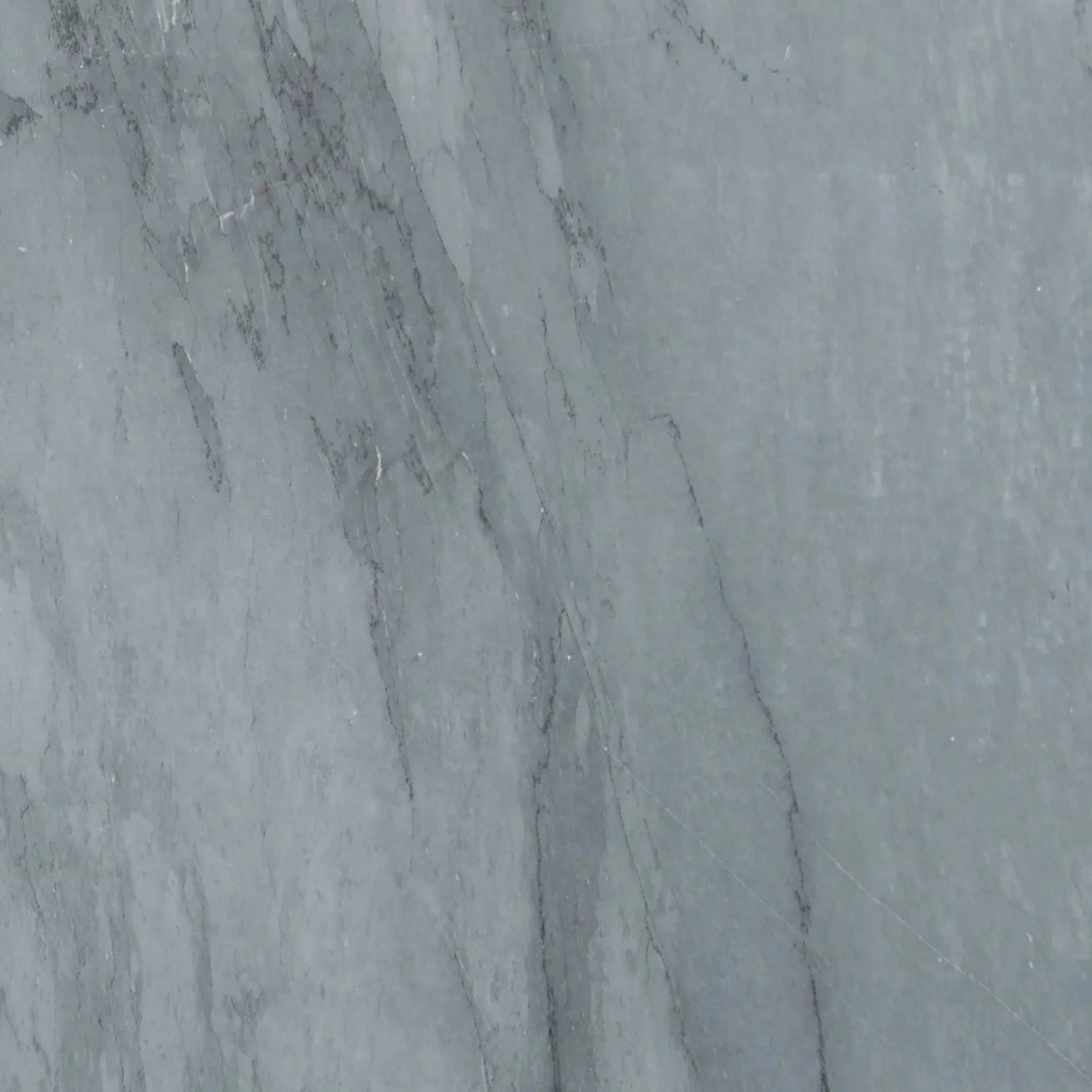
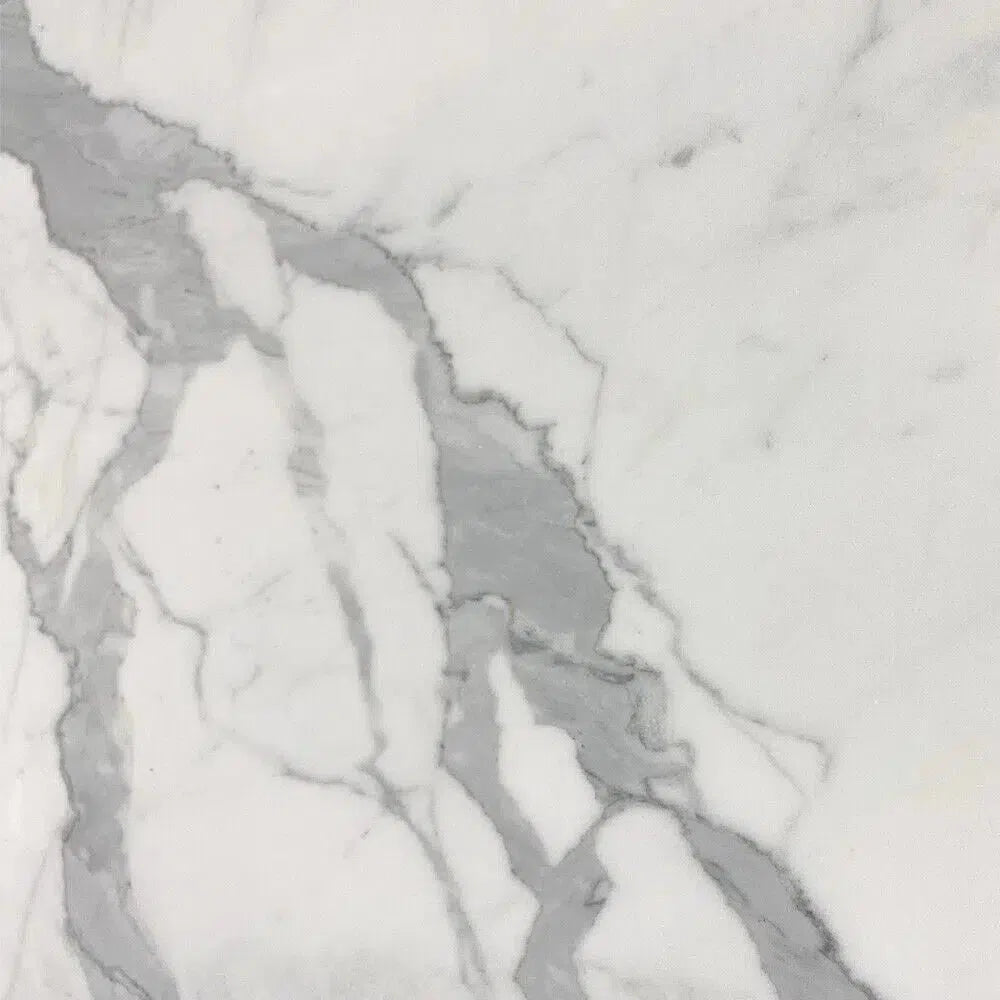
Marble has long served as a hallmark of luxury, bringing a level of sophistication and artistry that synthetic materials Struggle to replicate. Every tile possesses its own rhythm of veining, creating a custom floor that feels like a piece of history. For those who appreciate consistent quality, the marble options from Surfaces Galore integrate seamlessly into various design languages, from the crisp, clean look of white stone to darker, dramatic varieties.
Benefits of travertine for organic textures
Travertine offers a softer, more earthy aesthetic that introduces a warm and welcoming atmosphere to any bath space. Its naturally porous texture provides a tactile experience that feels grounding and serene underfoot. Because each piece is carved by natural geological forces, you benefit from a surface that feels authentically organic, providing a perfect balance to the harder, smoother fixtures typically found in modern bathroom furniture.
Understanding moisture resistance and slip factors
When working with natural stone, understanding the physical properties of the environment is vital for maintaining the integrity of your floor and your personal safety. Proper care keeps your bathroom looking pristine, and much like how you might track your progress in the Nikol Beauty Rewards Program, managing floor maintenance is about being diligent. Consider these fundamental aspects of tile selection:
- Water absorption ratings vary significantly between stone types, so polished surfaces react differently than honed options.
- Slip-resistant finishes serve as an essential safety feature in wet zones like showers and near vanity areas.
- Routine testing of the stone's permeability helps prevent long-term water damage to the subfloor.
- Proper sealing applications are required to prevent moisture ingress.
Exploring popular tile patterns and layouts
Finding the right layout can transform the perception of your bathroom's scale and energy. Whether you favor bold contrast or understated geometry, the placement of the stone itself creates movement that guides the eye throughout the room.
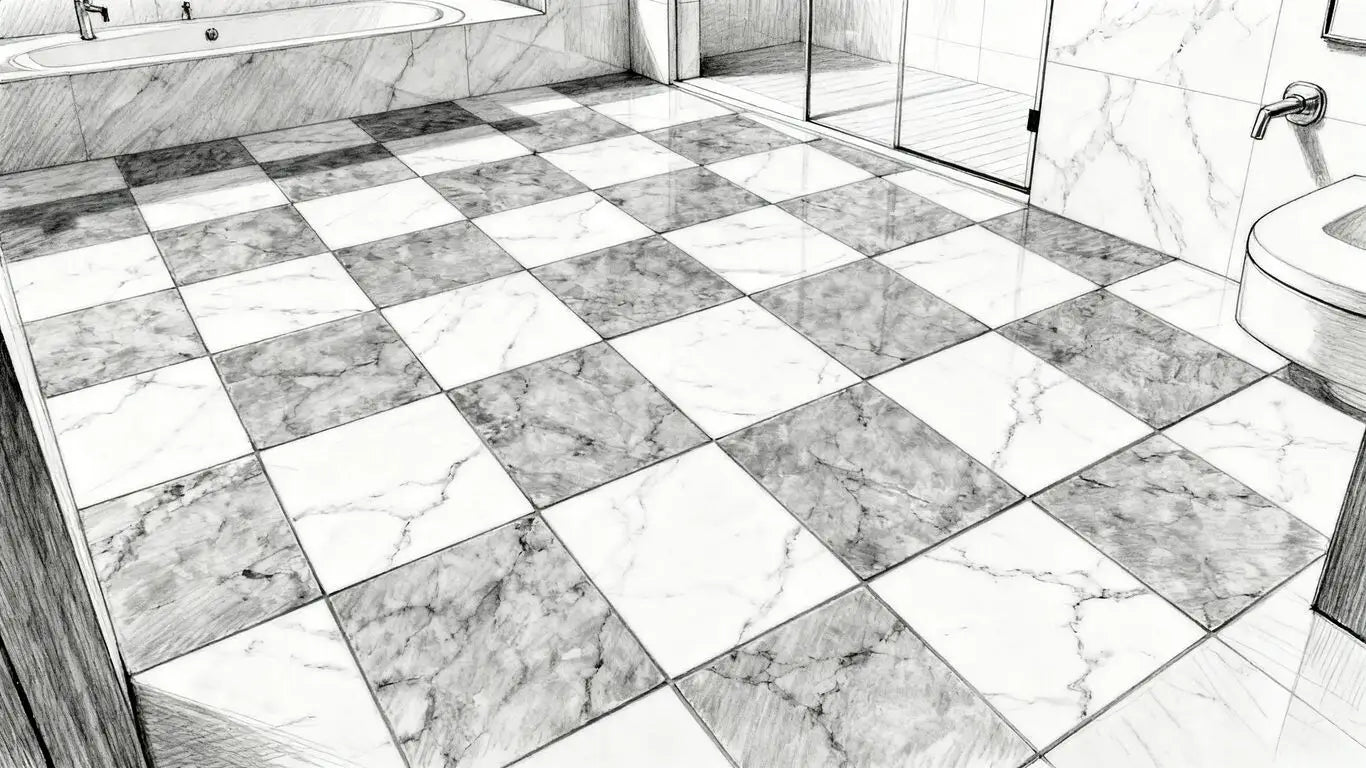
The timeless appeal of checkerboard designs
Checkerboard layouts are a classic design choice that offers an immediate sense of elegance and antiquity. By alternating between dark and light natural stones, you can draw on bathroom floor ideas to create a visual statement that feels both bespoke and architecturally rooted. Surfaces Galore specializes in sourcing stones that work beautifully for this pattern, balancing high-contrast marbles to reach a perfect level of refinement.
Creating movement with herringbone mosaics
Herringbone patterns introduce a zig-zag directional flow that makes even modest floor footprints appear dynamic and expansive. This layout is particularly striking in monochromatic stone, where the subtle play of light against the angled edges creates a quiet, textured surface. By utilizing Squarespace as a research tool for visual portfolios, many homeowners find that this specific layout is a favorite for those wanting a modern, yet time-tested, appeal.
Modern precision with hexagon and geometric tiles
Hexagonal tiles bring a sense of modern, calculated precision to the bathroom environment, breaking away from standard grids to add sophisticated structure. These shapes work exceptionally well in small powder rooms where they add visual depth without overwhelming the architecture. Choosing stones with subtle veining helps the geometric lines stand out while maintaining the natural, artisanal quality that makes such designs feel so luxurious.
Balancing aesthetics with functional performance
Integrating the functional requirements of a bathroom with your design vision ensures that your space remains both beautiful and highly performing. When you invest in premium natural stone, it is worth the additional effort to properly seal and maintain the material so it lasts for generations. The functional performance of your floor depends on the initial selection and the upkeep you provide once installed.
Managing porosity and stone sealing requirements
Natural stones are porous, which means they must be treated with high-quality sealants to keep them safe from bathroom soaps, cleaners, and humidity. Using a protective barrier helps maintain the original color of the stone and prevents staining from common household products. The table below outlines how common stone types generally perform under standard bathroom conditions.
| Stone Type | Porosity Level | Sealing Frequency | Best Application |
|---|---|---|---|
| White Marble | Moderate | Annual | Vanity and Floor |
| Travertine | High | Semi-Annual | Shower and Floor |
| Nero Marble | Low | Annual | Feature Floors |
Selecting the right finish for safety and comfort
Beyond visual appeal, the surface texture you choose impacts safety significantly. Honed or brushed finishes often perform better than high-gloss polishes in areas prone to dampness. These finishes provide a matte texture that feels more secure and comfortable for everyday use, while still showcasing the internal beauty and natural character of the chosen stone.
Coordinating floor tile with wall and shower treatments
Consistency in design creates a cohesive narrative across your bathroom, turning it into a complete, curated retreat. You might choose to carry the tile from the floor up into the shower surround to create a seamless border, or select contrasting wall tiles to define specific zones. Proper planning in this phase ensures that your materials complement, rather than compete with, each other in the final installation.
Incorporating natural stone colors and veining
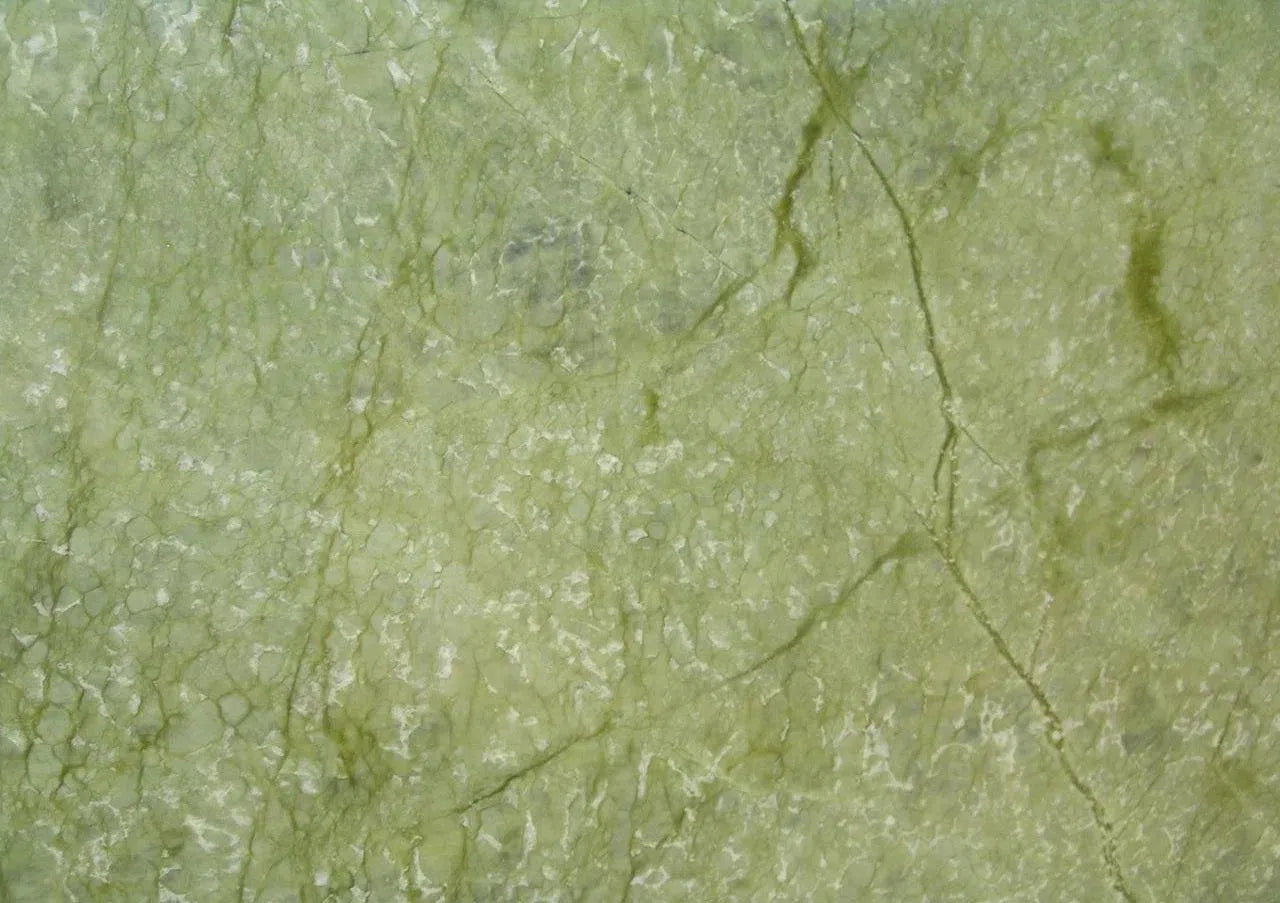
Natural color variation is the signature of authentic marble and travertine. Designing with these materials allows you to tap into the raw elegance of geological formations, where bold lines and subtle blends create unique palettes.
Leveraging bold marble for dramatic impact
Selecting stones like Nero Marquina or Calacatta Gold allows for a dramatic, high-focus aesthetic that defines the whole room as a masterpiece. These bold colors and deep veining patterns act as structural artwork, allowing even minimalist fixtures to feel like part of a luxury design collection.
Using light tones to enhance smaller bathrooms
In tighter spaces, utilizing light-toned stones can significantly increase the perceived volume, making the bathroom feel more open and airy. Utilizing lighter whites and creams prevents the space from feeling cramped while allowing the natural light to play beautifully across the veining.
Customizing accent colors with mosaic inserts
If you want a highly personal touch, mosaic inserts can introduce splashes of unique color or intricate patterns that act as a focal point. These small, decorative elements of stone can be used as borders or centers to create a sense of bespoke craftsmanship.
Best practices for professional tile installation
Achieving a professional finish requires patience and a deep understanding of the materials you have chosen to install. Much like needing specialized mental health treatment for addressing complex needs, high-quality natural stone deserves an installer who treats the process with as much care as the material's origin. For instance, just as one ensures that renovlies or similar protective wall treatments are applied with absolute precision to manage room moisture, the installer must be equally diligent with your flooring.
Preparing the subfloor for natural stone weight
Natural stone possesses significant density and weight compared to standard ceramic or vinyl options. A reinforced subfloor structure is crucial to prevent cracking over time, ensuring a rigid base that supports the thickness of your chosen slab or tile. Proper framing and substrate layering are the foundation for any enduring floor.
Mastering mortar selection for different tile types
Mortar is the adhesive bond that keeps your stone secure and level. Using the incorrect type of mortar can cause discoloration or structural failure, so matching your mortar to your stone—specifically regarding marble or travertine—is a non-negotiable step in the build. It requires a mortar designed for high-performance and proper adhesion to prevent lifting.
Essential tips for precision grouting and finishing
Grout selection is the final polish on your project, affecting the overall visual spacing and clean lines of the design. A matching grout color can make small patterns appear seamless, while a contrasting grout serves to highlight the specific geometry of your tiles. Taking time to wipe surfaces clean immediately during installation prevents residue from setting on natural surfaces.
Conclusion
Achieving the perfect balance between luxury and utility through thoughtful bathroom flooring tiles design is an investment in your home. By choosing high-quality natural stone, respecting the material's specific needs for sealing and installation, and focusing on a consistent aesthetic vision, you create an environment that feels both sophisticated and inherently comfortable. Whether using the bold contrast of dark marble or the soft, organic warmth of travertine, these timeless materials transform a standard room into an architectural retreat that you can enjoy for many years.
Frequently Asked Questions
Is marble too slippery for bathroom floors?
Marble can be slippery, especially in a high-gloss finish. To enhance safety, choose a honed or brushed finish, which provides more traction and feels natural under bare feet.
Do I need to seal natural stone tiles?
Yes, sealing is absolutely essential for natural stone to prevent water penetration and staining. A high-quality stone sealer should be applied during installation and refreshed periodically according to the product guidelines.
How do I choose between marble and travertine?
Marble generally offers a more formal, luxury appearance, while travertine provides a textured, rustic, and organic feel. Your choice should depend on the overall energy you want to cultivate in the space.
Are large or small tiles better for small bathrooms?
Both can work, but large tiles often reduce the number of grout lines, creates the illusion of more space. However, small mosaic tiles are an excellent way to add visual texture without making a room feel cramped.
Can I mix different types of natural stone?
It is possible to mix stones, provided they are compatible in thickness and sealing requirements. Mixing textures, like a white marble floor with stone mosaic inserts, is a popular way to create bespoke design elements.
How does subfloor condition impact tile durability?
If the subfloor is not properly level or reinforced, the weight of natural stone can cause tiles to shift, crack, or pull away from the mortar over time. A solid, stable subfloor is the foundation for all successful installations.
How often should natural stone flooring be cleaned?
Floors should be swept or vacuumed regularly to remove debris that can scratch the surface. Deep cleaning should be done with a non-acidic stone-safe cleaner to maintain the integrity of the finish and sealer.