
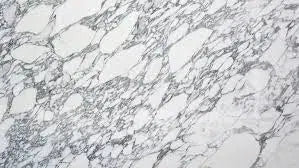


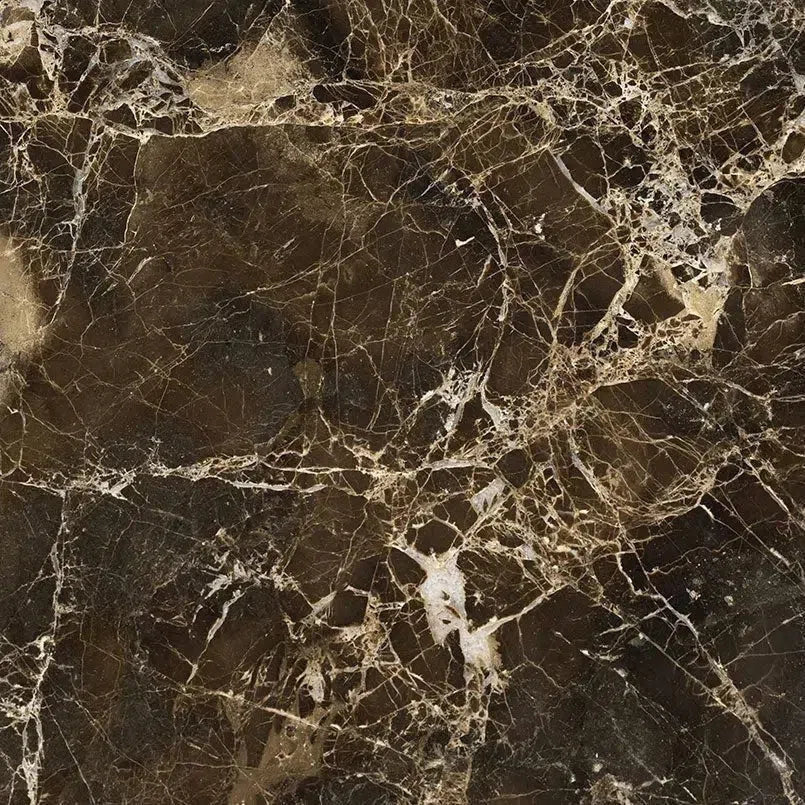
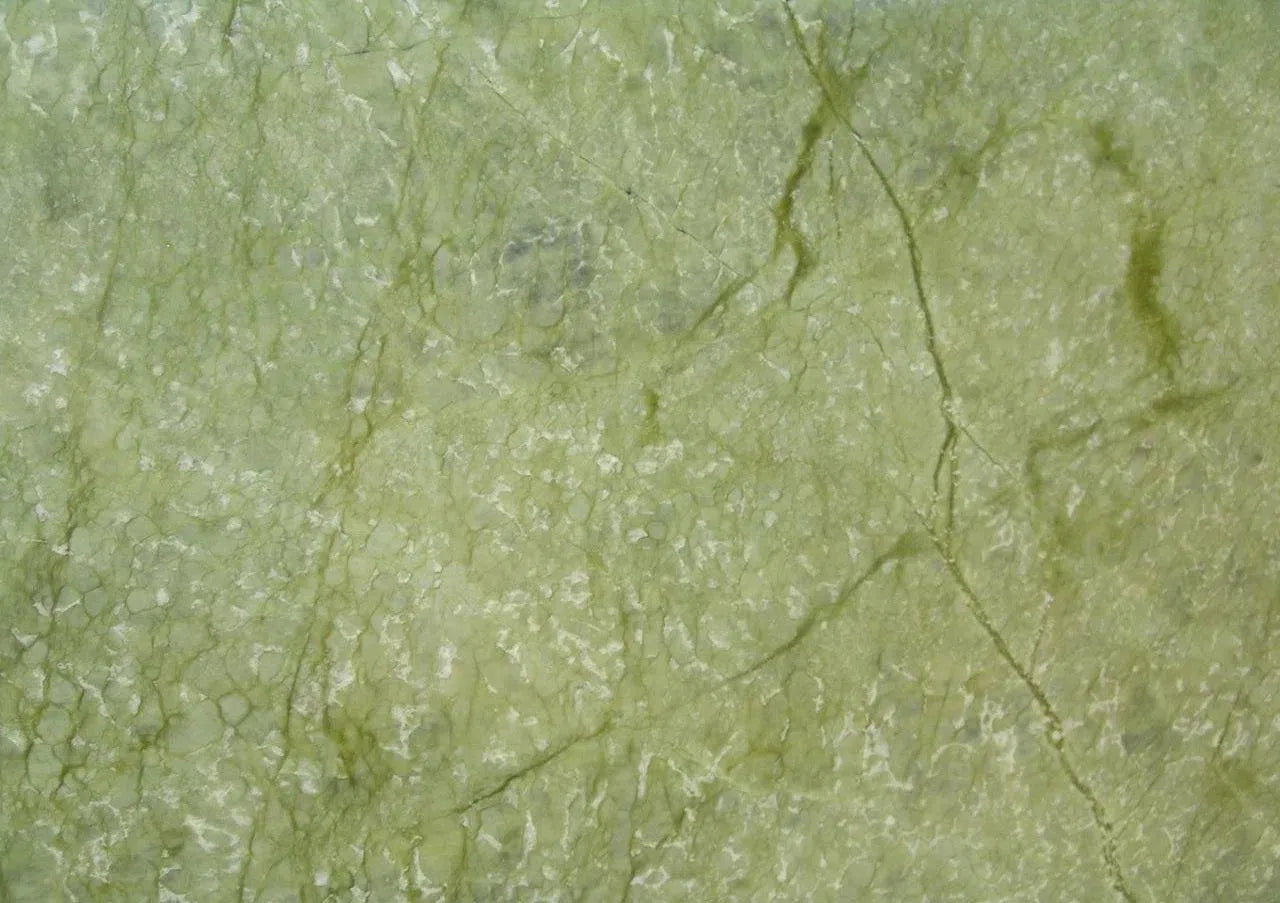
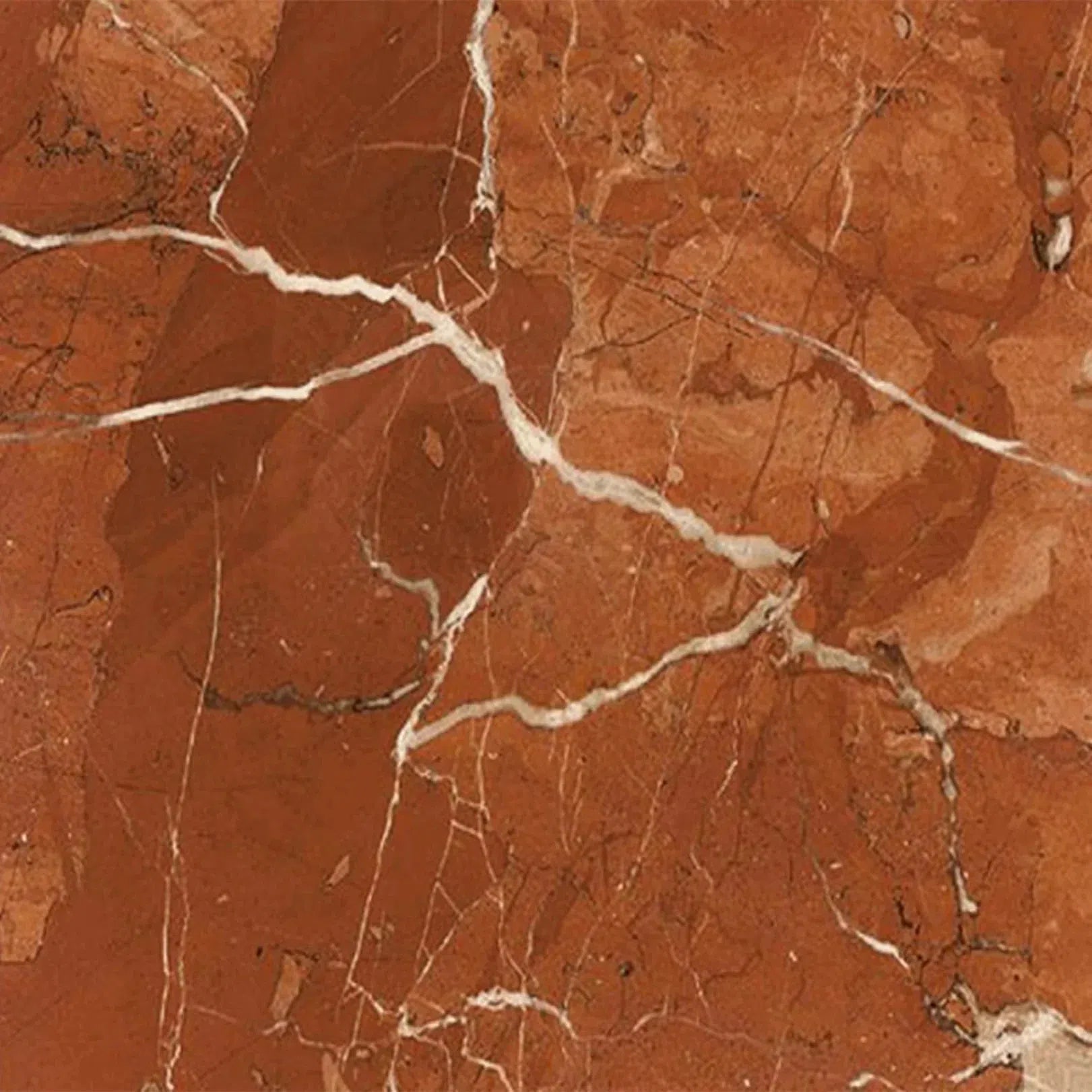

Thinking about updating your bathroom? Stone tile showers are a really popular choice right now, and for good reason. They look amazing and can totally change the feel of your bathroom. Whether you're going for something super fancy or more down-to-earth, there are tons of stone tile shower ideas out there. We'll look at some great options for 2026 that can make your bathroom feel like a brand new space.
Key Takeaways
- Natural stone tiles offer a timeless elegance and add significant value to your bathroom, making them a top choice for shower renovations.
- Marble and travertine are classic selections, each providing unique aesthetics from pristine luxury to warm, earthy tones.
- Exploring other stones like slate, granite, and limestone can introduce different textures and visual interests to your shower design.
- Consider the finish and size of stone tiles; large format tiles can create a more unified look with fewer grout lines.
- Proper installation and regular maintenance, including sealing, are vital for the longevity and beauty of your stone tile shower.
- Stone accents, like mosaics or unique curb designs, can add personalized touches and visual flair to your shower.
- Lighting plays a big role in highlighting the natural beauty and texture of stone, so plan your lighting carefully.
- Even with a budget in mind, strategic choices in stone variety, tile size, and accent placement can lead to stunning stone tile shower ideas.
Embrace Timeless Elegance With Natural Stone Showers
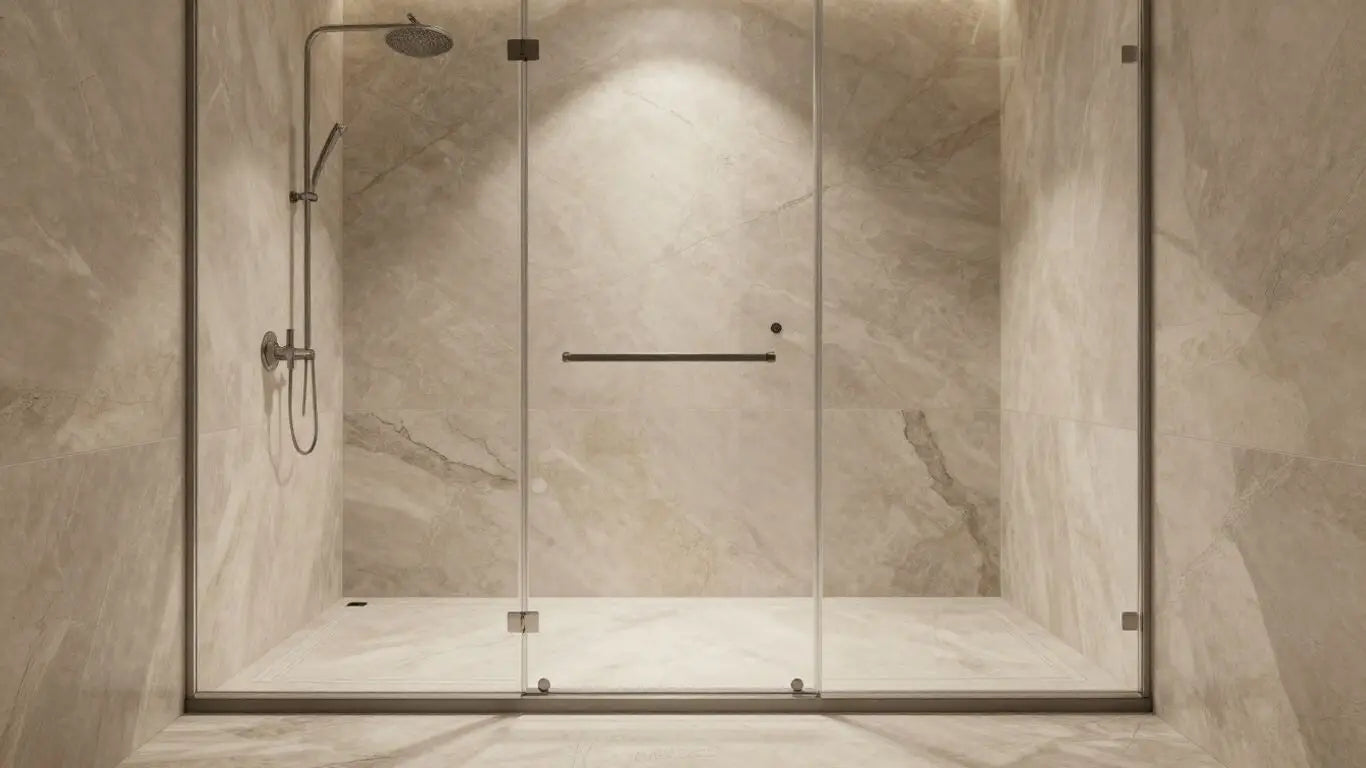
When it comes to bathroom renovations, few materials offer the enduring beauty and sophisticated appeal of natural stone. For 2026, the trend towards creating personal sanctuaries at home continues, and stone tile showers are at the forefront of this movement. They bring a touch of the earth's artistry right into your daily routine, transforming a functional space into a luxurious retreat. Choosing natural stone for your shower isn't just about aesthetics; it's an investment in lasting quality and timeless design.
Discover the Enduring Appeal of Stone Tile Showers
Natural stone has been used in architecture and design for centuries, and for good reason. Its inherent beauty, unique patterns, and durability make it a standout choice. Unlike manufactured materials, each piece of natural stone is one-of-a-kind, offering a distinct character that can't be replicated. This uniqueness translates into showers that are not only visually stunning but also deeply personal. Think about the subtle variations in color and texture – these are the hallmarks of genuine stone, adding depth and interest that manufactured tiles often lack. It’s a way to bring a piece of the natural world indoors, creating a calming and grounding atmosphere.
Why Natural Stone is the Premier Choice for Your Bathroom
So, why opt for natural stone over other materials? For starters, its durability is hard to beat. When properly installed and maintained, stone tiles can last for decades, maintaining their beauty and integrity. This makes it a cost-effective choice in the long run, despite a potentially higher upfront cost. Furthermore, natural stone adds significant value to your home. It's a material that speaks of quality and luxury, appealing to potential buyers should you ever decide to sell. The variety available is also a major draw. From the classic veining of marble to the earthy tones of travertine, there's a stone to match virtually any design vision. You can explore sophisticated bathroom shower tile concepts for 2026 that highlight these very qualities.
Elevate Your Space with Authentic Stone Shower Designs
Authentic stone shower designs are all about creating a statement. Whether you're drawn to the dramatic flair of dark marble or the subtle elegance of limestone, the right stone can completely transform your bathroom's ambiance. Consider how different stones can influence the mood of your space. For instance, lighter stones can make a small bathroom feel more open and airy, while darker, richer stones can create a cozy, spa-like feel. The interplay of light and shadow across the stone's surface adds another layer of visual interest. This is where the real magic happens – turning a simple shower into a focal point of your bathroom's design.
The Luxury of Marble in Your Personal Oasis
Marble is often synonymous with luxury, and for good reason. Its elegant veining and polished finish exude sophistication. In a shower, marble can create a truly opulent experience. Imagine stepping into a space clad in classic white Carrara or the dramatic swirls of Calacatta. It transforms your daily shower into a moment of indulgence. While it requires careful maintenance, the payoff in terms of sheer beauty and prestige is undeniable. It’s a material that has graced palaces and grand estates for centuries, and now it can bring that same level of refinement to your home.
Travertine's Warmth and Character for Your Shower
If you're looking for a warmer, more rustic feel, travertine is an excellent choice. Known for its distinctive natural pits and earthy tones, travertine brings a sense of grounded comfort to any space. Tumbled travertine, in particular, offers a charming, aged look that pairs beautifully with traditional or farmhouse-style bathrooms. Its natural variations in color, from creamy beige to rich tan, add depth and character. Travertine is also quite durable and can provide a unique texture that feels wonderful underfoot. It’s a fantastic way to incorporate elegant, natural palettes into your bathroom design.
Exploring the Unique Beauty of Various Stone Types
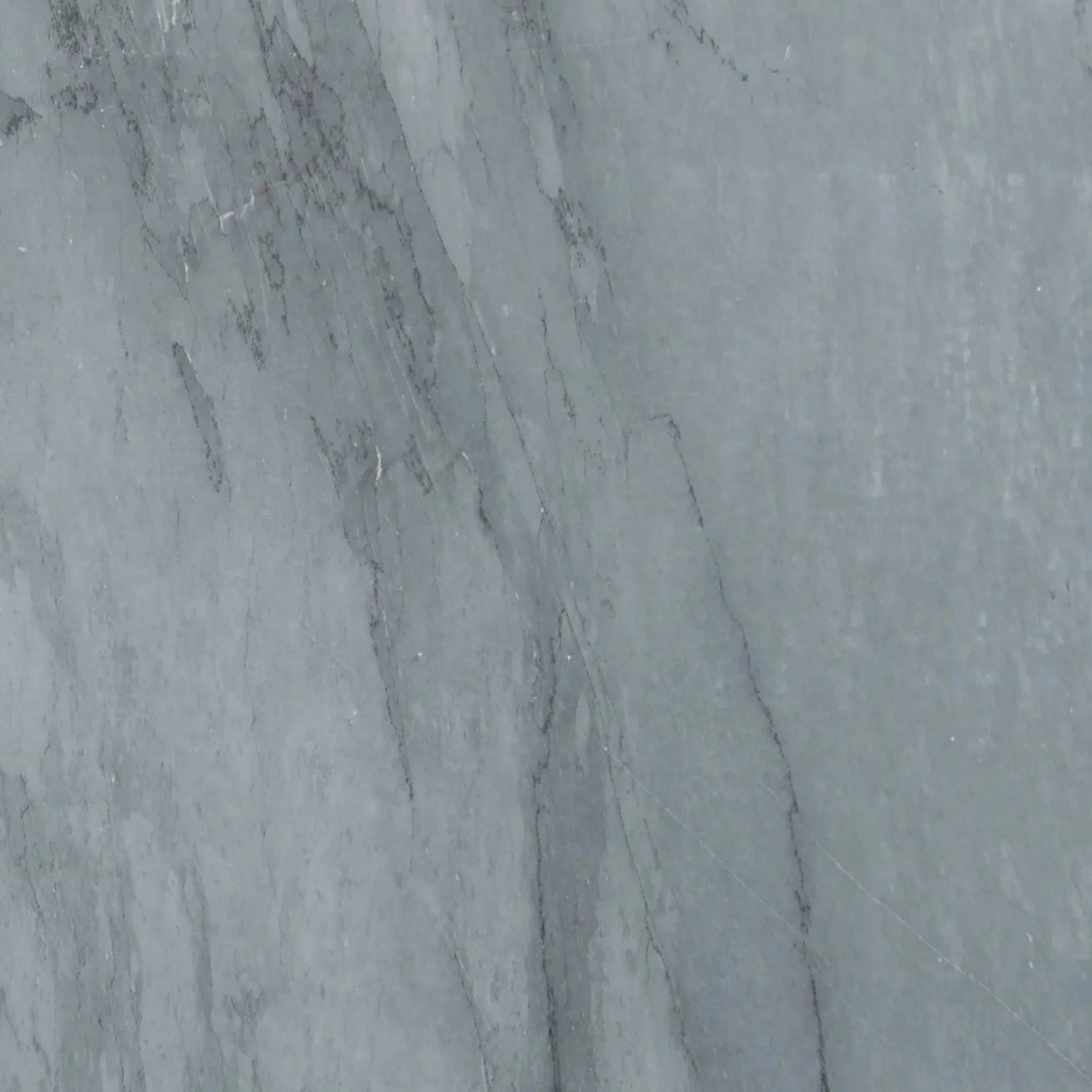
Beyond marble and travertine, a world of other natural stones awaits. Slate offers a rich, textured surface with deep, earthy colors, perfect for a more rugged aesthetic. Granite, known for its incredible durability and unique speckled patterns, can add a touch of modern sophistication. Limestone provides a softer, more subtle elegance, often appearing in muted tones that create a serene atmosphere. Each stone type possesses its own distinct personality and characteristics, allowing for a wide range of design possibilities. Understanding these differences is key to selecting the perfect stone for your vision.
Creating a Spa-Like Retreat with Stone Tile
Ultimately, the goal of many bathroom renovations is to create a personal spa-like retreat. Natural stone tile is instrumental in achieving this. The cool, smooth feel of polished stone, the natural textures, and the inherent beauty all contribute to a sense of calm and relaxation. When combined with thoughtful lighting and perhaps some natural elements like wood or plants, a stone shower can become your daily escape. It’s about creating an environment that soothes the senses and promotes well-being. The tactile experience of stone, combined with its visual appeal, makes it an ideal material for crafting such a tranquil space.
Curating Your Perfect Stone Tile Shower Experience
Choosing the right stone for your shower is more than just picking a pretty color; it's about creating a space that feels right for you, both in look and in how it holds up over time. Think of it as selecting the main character for your bathroom's story. We're talking about natural stone here, the real deal, not imitations. It brings a certain weight and authenticity that manufactured materials just can't match.
Selecting the Ideal Stone for Your Shower's Aesthetic
When you're looking at stone, consider the overall vibe you're going for. Do you want something bright and airy, or dark and moody? Maybe something with a lot of movement and pattern, or a more subdued, consistent look? Each stone type has its own personality. Marble often brings a classic, luxurious feel, while travertine offers a warmer, more earthy character. Slate can add a dramatic, textured element. It's about finding the stone that speaks to your personal style and the design of your entire bathroom.
Understanding the Nuances of Marble Varieties
Marble isn't just one thing. You've got Carrara, known for its soft, grey veining on a white background – a real classic. Then there's Calacatta, which usually has bolder, more dramatic veining, often in shades of grey and gold, on a whiter base. Each slab is unique, like a fingerprint. Even within the same type, the intensity and pattern of the veins can vary quite a bit. This variation is part of its charm, but it's something to keep in mind when planning your layout.
Harnessing the Earthy Tones of Travertine
Travertine brings a different kind of beauty to the table. It's known for its natural pits and pores, which give it a distinctive texture and a warm, inviting look. The colors typically range from creamy beiges to rich browns. If you're going for a more rustic or Mediterranean feel, travertine is a fantastic choice. It feels grounded and natural. You can get it in different finishes, too, from tumbled for a softer, aged look to polished for a smoother surface.
Considering the Durability and Maintenance of Stone
Let's be real, showers are wet places. Natural stone, while beautiful, needs a little care. Some stones are harder and less porous than others. For instance, granite is generally very durable and resistant to staining. Marble and limestone are softer and more porous, meaning they can etch or stain if not properly sealed and maintained. It’s important to know what you’re getting into. Regular sealing is key for most natural stones to protect them from water and soap scum. Think about how much time you're willing to put into upkeep.
Achieving a Seamless Look with Large Format Tiles
If you like a clean, modern look with fewer grout lines, large format tiles are your friend. Using bigger tiles, like 12x24 inches or even larger, can make a shower feel more expansive and less busy. It creates a more continuous surface, which can be really striking, especially with stones that have beautiful veining or patterns. Fewer grout lines also mean less area for mold and mildew to grow, which is a nice bonus.
Incorporating Accent Stones for Visual Interest
Don't feel like you have to use just one type of stone. You can create a really dynamic look by mixing and matching. Maybe use a larger format tile for the main shower walls and then a mosaic of the same stone, or a contrasting one, for the shower floor or a niche. Accent stones can add texture, color, or a pop of pattern without overwhelming the space. It’s a great way to add personality.
The Art of Pattern and Layout in Stone Shower Design
The way you lay your tiles makes a big difference. A simple stacked pattern can look very contemporary, while a subway tile layout offers a timeless appeal. For stone with strong veining, like marble, consider how the patterns will line up. Sometimes, designers will 'bookmatch' slabs, meaning they're cut and opened like a book to create a mirror-image pattern across a large surface. This takes skill and careful planning, but the result can be absolutely breathtaking. It’s all about how you want the stone’s natural beauty to be presented.
Luxurious Marble Stone Tile Shower Ideas
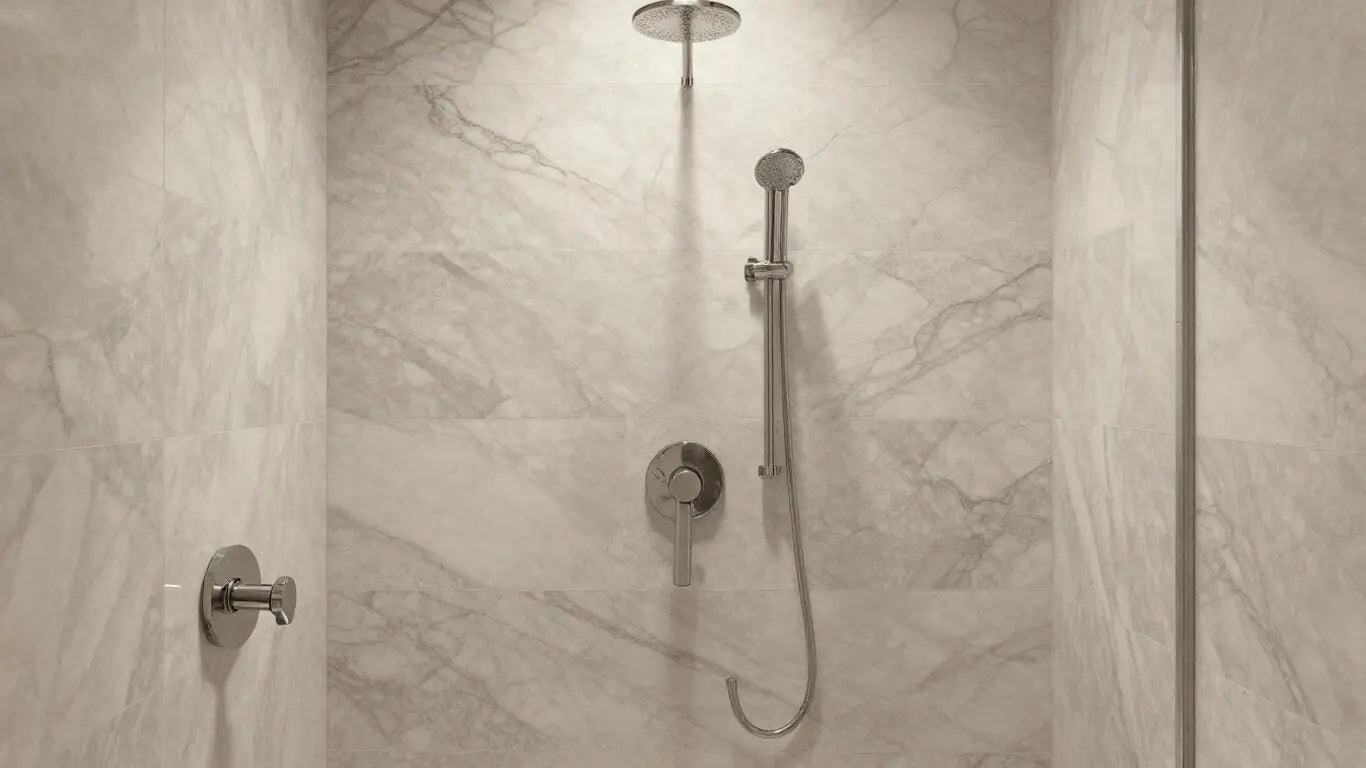
Marble. Just the name conjures up images of grand halls and timeless beauty. Bringing this classic material into your shower space is a surefire way to add a touch of opulence that feels both sophisticated and deeply personal. It’s a material that has graced palaces and museums for centuries, and for good reason. Its natural veining and subtle color variations mean that no two pieces are ever exactly alike, offering a truly unique finish for your bathroom.
Classic White Marble for a Pristine Sanctuary
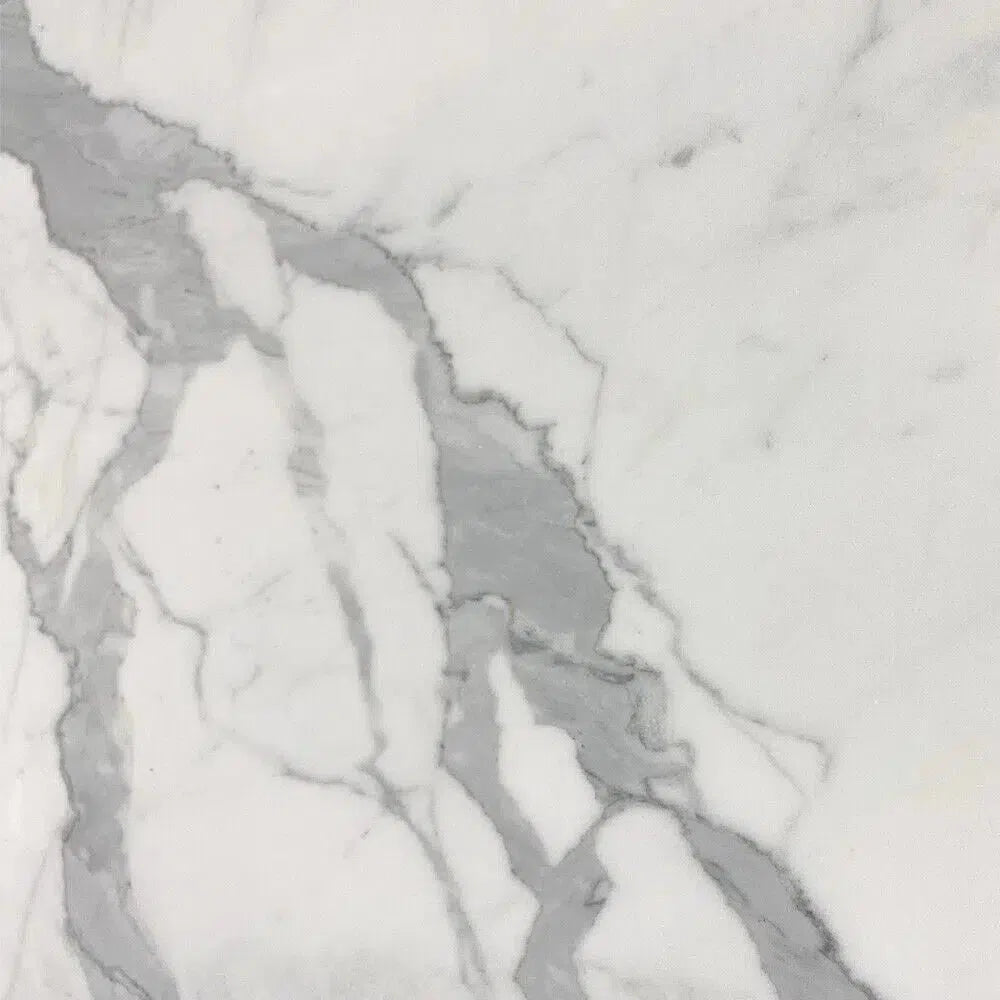
Imagine stepping into a shower that feels like a clean, bright sanctuary. Classic white marble, often with delicate grey veining, does just that. It reflects light beautifully, making your shower feel larger and more open. This choice is perfect for creating a spa-like atmosphere right in your home. It pairs well with almost any accent color or fixture, giving you a lot of design freedom. A white marble shower is an investment in enduring style.
Dramatic Veining in Dark Marble Showers
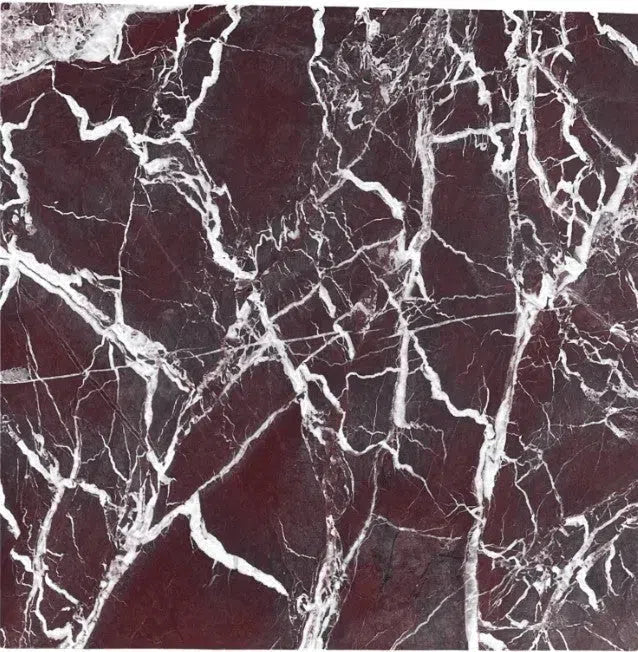
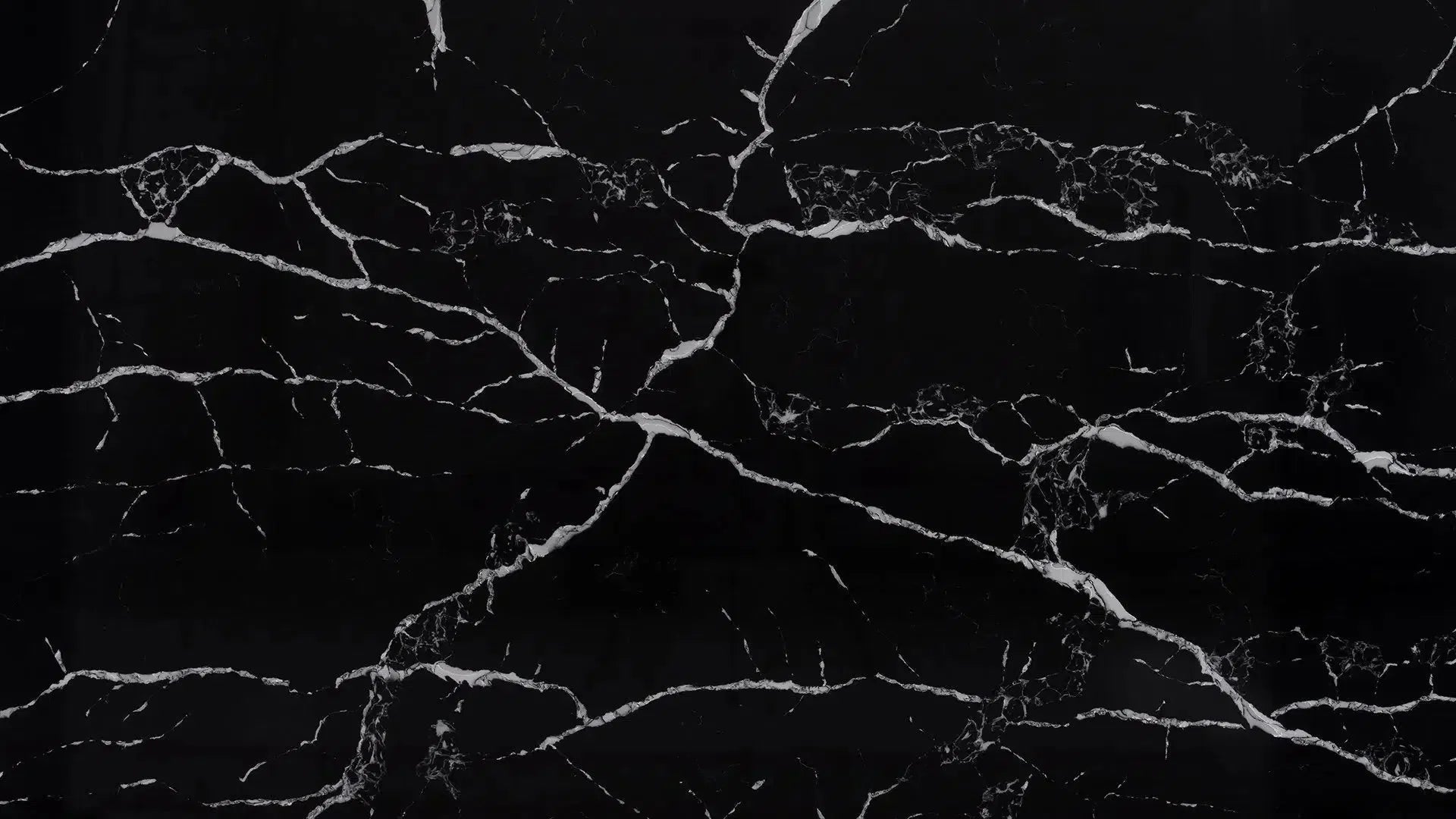
For those who prefer a bolder statement, dark marble varieties offer incredible drama. Think deep blacks, rich charcoals, or even dark greens and blues, all crisscrossed with striking white or gold veining. These marbles command attention and can transform a simple shower into a focal point of the entire bathroom. They work wonderfully in more contemporary or art deco-inspired designs. Consider using dark marble on just one or two walls to avoid overwhelming the space, or go all out for a truly luxurious effect.
Warm Cream and Beige Marble for a Soothing Ambiance
If cool tones aren't your preference, warm cream and beige marbles bring a cozy, inviting feel to your shower. These softer hues are incredibly versatile and create a calming environment. They often feature subtle, earthy veining that adds depth without being overpowering. This type of marble is excellent for creating a tranquil retreat where you can unwind after a long day. It complements natural wood tones and other warm materials beautifully.
The Sophistication of Calacatta Marble
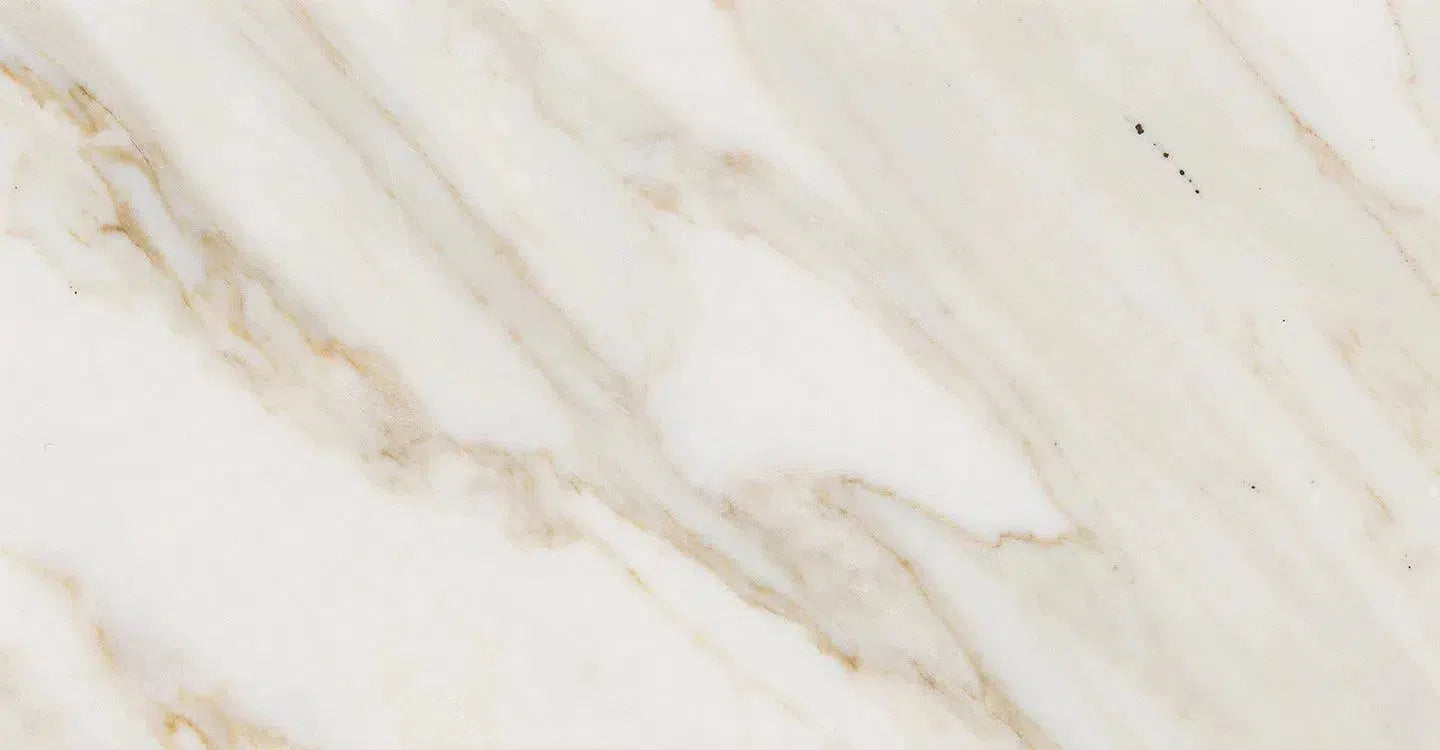
Calacatta marble is renowned for its bold, dramatic veining, often featuring thick, striking patterns of grey and sometimes gold against a pure white background. It’s a high-end choice that exudes luxury and exclusivity. Calacatta is often used in statement applications, and a shower clad in this material is no exception. Its distinctive look makes it a favorite among designers and homeowners seeking a truly premium finish. You can explore modern bathroom tile inspiration to see how such statement materials can be incorporated.
Carrara Marble: An Enduringly Popular Choice
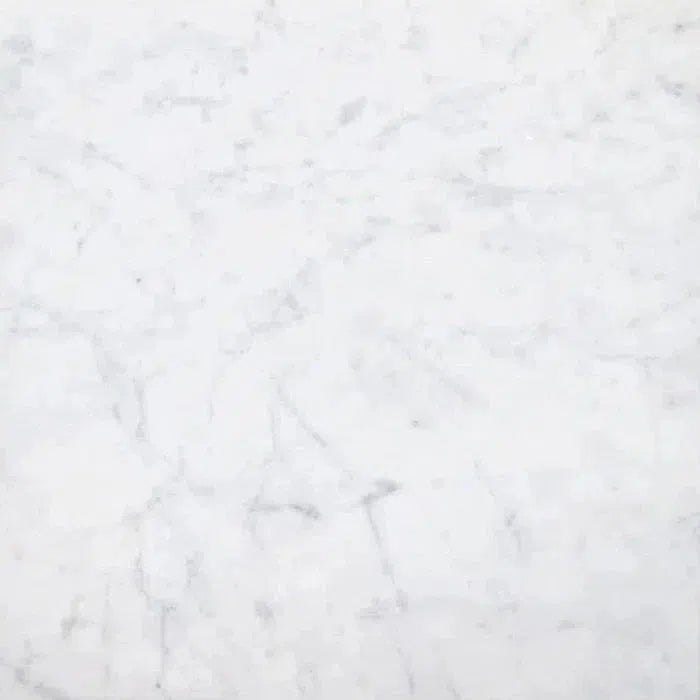
Carrara marble, originating from Italy, is perhaps one of the most recognized and beloved types of marble. It typically features softer, more feathery grey veining against a white or light grey background. Its consistent beauty and relatively accessible price point (compared to some other marbles) make it a popular choice for many projects. Carrara offers a timeless elegance that fits well in both traditional and modern bathroom designs. It’s a safe bet for a sophisticated look that won’t go out of style.
Creating a Monochromatic Marble Masterpiece
For a truly sleek and modern aesthetic, consider a monochromatic marble design. This involves using marble with very similar tones and minimal contrast, or even using the same marble on all surfaces – walls, floor, and even a built-in bench. This approach creates a seamless, unified look that feels incredibly sophisticated and clean. It’s a design choice that emphasizes the material itself, allowing its subtle textures and natural variations to shine.
Mixing Marble Finishes for Added Depth
Don't be afraid to play with different finishes of marble within the same shower space. For example, you could use polished marble on the walls for a high-sheen look and a honed or tumbled finish on the floor for better slip resistance and a more textured feel. Mixing finishes adds visual interest and tactile dimension to your shower, making it more dynamic and engaging. This approach can also help differentiate functional areas within the shower.
Captivating Travertine Stone Tile Shower Designs
Travertine offers a unique blend of warmth and character, making it a fantastic choice for shower designs. Its natural variations and earthy tones can transform a bathroom into a serene escape. If you're looking for a material that feels both grounded and luxurious, travertine is definitely worth considering for your next project.
Travertine's Natural Pores: A Unique Aesthetic
One of the defining features of travertine is its natural porosity. These small holes and pits give the stone a distinct, organic look that many people find appealing. This texture adds depth and visual interest, making each tile feel one-of-a-kind. While some prefer a more uniform surface, the natural character of travertine's pores is precisely what draws others to it. It’s a material that tells a story of its geological journey.
Tumbled Travertine for a Rustic Charm
For those aiming for a more aged or rustic feel, tumbled travertine is the way to go. The tumbling process rounds the edges and further softens the surface, giving it a worn-in, antique appearance. This finish works wonderfully in bathrooms with a farmhouse or Mediterranean vibe. It feels soft underfoot and adds a layer of cozy texture that’s hard to replicate with other materials. It’s a great way to bring a bit of history into your modern bathroom.
Polished Travertine for a Sleek, Modern Feel
On the other end of the spectrum, polished travertine offers a sophisticated and contemporary look. When polished, the stone's surface becomes smooth and reflective, bringing out its rich colors and subtle veining. This finish is ideal for bathrooms that lean towards a modern or minimalist aesthetic. It’s easier to clean than tumbled travertine and gives off a sense of understated luxury. You can find beautiful polished travertine options that will really make your shower shine.
Warm Earth Tones of Travertine for Cozy Showers
Travertine naturally comes in a range of warm, earthy colors – think creams, beiges, tans, and even some soft browns. These hues are incredibly inviting and create a cozy, spa-like atmosphere in the shower. They pair well with a variety of other bathroom elements, from wood vanities to crisp white fixtures. If you're aiming for a bathroom that feels like a personal retreat, the natural color palette of travertine is a perfect starting point. It’s a material that just feels good to be around.
Travertine in Classic Shell Patterns
Beyond standard tile layouts, travertine can be cut into various shapes and patterns, including classic shell designs. These patterns can add a unique decorative element to your shower walls or floor. A shell pattern, for instance, can evoke a sense of coastal tranquility or add a touch of old-world charm. It’s a way to get creative with your stone tile and make your shower truly stand out. Consider how these patterns might work with different shower tile ideas.
Combining Travertine with Other Natural Stones
Don't feel limited to using travertine alone! It pairs beautifully with other natural stones. For example, you could use travertine for the main shower walls and incorporate a contrasting marble or slate accent in a niche or as a border. This mix-and-match approach adds depth and visual interest. It allows you to play with different textures and colors, creating a more dynamic and personalized look. It’s all about finding that perfect balance.
Sealing and Maintaining Travertine for Longevity
Because travertine is a natural, porous stone, proper sealing is key to its longevity and ease of maintenance in a wet environment like a shower. Sealing helps protect against water absorption, staining, and etching. Regular resealing, typically every 6-12 months depending on use and the type of sealer, will keep your travertine looking its best. It’s a small step that makes a big difference in preserving the stone’s beauty and preventing potential issues down the line. This commitment to care ensures your shower remains a stunning feature for years to come, reflecting the latest bathroom tile trends.
Beyond Marble and Travertine: Exploring Other Stone Options
While marble and travertine often steal the spotlight in bathroom design, the world of natural stone offers a much wider palette of textures and colors. If you're looking to create a truly unique shower space, consider these other fantastic stone options.
The Richness of Slate for Textured Showers
Slate brings a distinct, earthy character to any shower. Its natural cleft surface offers a beautiful, slightly uneven texture that feels grounded and organic. Available in a range of deep, moody colors – think charcoal grays, deep greens, and even hints of rust – slate can create a dramatic and sophisticated look. It's a fantastic choice for those who want a shower that feels like a natural grotto. Because of its layered structure, slate can sometimes be more prone to flaking than other stones if not properly sealed and maintained, but its unique beauty is often worth the extra care. It pairs wonderfully with minimalist fixtures for a modern-rustic vibe.
Granite's Durability and Unique Patterns
Granite is renowned for its incredible durability, making it a practical choice for high-moisture areas like showers. It's highly resistant to scratching and staining, which means less worry about daily wear and tear. What's really captivating about granite is its incredible variety of patterns and colors. You can find everything from subtle, speckled designs to bold, swirling formations that look like abstract art. This makes each granite shower truly one-of-a-kind. If you're looking for a stone that can stand up to heavy use and still look amazing, granite is definitely worth a look. You can explore some sophisticated bathroom shower tile concepts for 2026 that feature granite's robust appeal.
Limestone's Subtle Elegance and Versatility
Limestone offers a softer, more understated elegance compared to granite or slate. It has a fine-grained texture and typically comes in neutral tones like beige, cream, and soft gray. This makes it incredibly versatile, fitting well into a wide range of design styles, from classic to contemporary. Limestone has a natural, matte finish that can create a serene and spa-like atmosphere. However, it is a softer stone and can be more susceptible to etching from acidic substances, so careful cleaning and sealing are important. Its subtle beauty provides a calming backdrop for your daily routine.
Onyx for Translucent, Dramatic Effects
For a truly show-stopping shower, onyx is the stone to consider. Onyx is famous for its translucency, meaning light can pass through it. When backlit, onyx tiles or slabs create a breathtaking, ethereal glow that transforms a shower into a luxurious sanctuary. The natural veining in onyx is often intricate and colorful, adding a layer of artistic beauty. While it's a more delicate stone and typically reserved for accent walls or areas where it can be protected, the visual impact is undeniable. It’s a statement material that speaks volumes about luxury and design.
The Cool Sophistication of Soapstone
Soapstone has a unique, velvety feel to the touch, hence its name. It's a non-porous stone, which means it's naturally resistant to staining and moisture, making it a great fit for showers. Soapstone darkens and develops a richer patina over time with use, which many homeowners find appealing. It typically comes in shades of gray and green, offering a cool, calming aesthetic. Its natural matte finish and subtle veining provide a sophisticated, understated look that’s perfect for a tranquil bathroom retreat. It’s a material that ages gracefully.
Choosing Stone Based on Your Bathroom's Style
When selecting a stone beyond marble and travertine, think about the overall vibe you want for your bathroom. Do you want something rugged and natural like slate? Or perhaps the dependable strength of granite? Maybe the soft, neutral tones of limestone are more your speed. For a dramatic statement, onyx is unparalleled. Consider how the stone's color, texture, and pattern will complement your existing bathroom elements, from vanity to fixtures. This thoughtful selection process is key to creating a cohesive and beautiful space. You can find inspiration in various bathroom shower tile concepts for 2026.
Understanding the Origin and Character of Each Stone
Each natural stone has a story, shaped by the earth over millennia. Understanding where a stone comes from and how it's formed can deepen your appreciation for its unique character. Slate, formed from shale, has those distinct layers. Granite, an igneous rock, cooled slowly from magma, creating its crystalline structure. Limestone is often formed from the remains of marine organisms. Onyx is a cryptocrystalline form of silica, often found in caves. Soapstone is a metamorphic rock rich in talc. Knowing this background can help you choose a stone that not only looks good but also has a character that speaks to you. This attention to detail is what separates a good renovation from a truly exceptional one. We are direct importers, sourcing stone directly from quarries around the world, which ensures better pricing and authentic products.
Achieving a High-End Finish with Stone Shower Walls
When you're aiming for that truly luxurious feel in your bathroom, the shower walls are where you can really make a statement. It’s not just about picking a pretty stone; it’s about how it’s applied and presented. Getting this right transforms a functional space into a personal retreat.
The Impact of Large Format Stone Tiles on Walls
Using larger tiles on your shower walls can make a big difference. Think about it: fewer grout lines mean a cleaner, more expansive look. It feels more modern and can make a smaller shower seem larger. We’re talking about tiles that might be 12x24 inches or even bigger. This approach really lets the natural beauty of the stone shine through without interruption. It’s a key element in creating that high-end finish.
Creating a Seamless Look with Minimal Grout Lines
This ties right into the large format tiles. Less grout isn't just about looks; it's also easier to clean. You're not scrubbing tiny lines of grout as much. When you use tiles that are close in color to the stone itself, the grout almost disappears. This gives you that continuous, flowing surface that feels really polished and sophisticated. It’s a subtle detail, but it adds a lot to the overall impression.
Showcasing Dramatic Veining on Shower Walls
Natural stone, especially marble, often has these incredible veining patterns. When you're designing your shower walls, you can really play this up. Think about how the light hits the stone. You can position tiles so that the veining flows across the wall, creating a natural work of art. It’s about understanding the stone’s unique character and making it the star of the show. This is where handpicked A+ top-quality stone really makes a difference.
The Beauty of Bookmatched Stone Slabs
For the ultimate luxury, consider bookmatched stone slabs. This is where two slabs are cut from the same block of stone and opened up like a book. The veining creates a mirror image across the seam, resulting in a stunning, symmetrical pattern. It’s a technique that requires precision and is usually done with larger pieces of stone, but the effect is absolutely breathtaking. It’s a premium choice that screams high-end design.
Incorporating Stone Tile Wainscoting
Wainscoting isn't just for older homes. In a bathroom, stone tile wainscoting can add a layer of texture and visual interest. You could have a different stone or finish on the lower half of the walls, perhaps a more durable or textured stone, and a different one above. It breaks up the wall space nicely and can add a classic or contemporary touch depending on the stone chosen.
Designing a Statement Wall with Unique Stone
Sometimes, one wall is all you need to make a big impact. You could choose a particularly striking marble with bold veining or a unique travertine for one wall in your shower. This 'statement wall' becomes the focal point, drawing the eye and adding a dramatic flair. The other walls can be a simpler, complementary stone to let this feature wall truly stand out.
The Role of Lighting in Highlighting Stone Texture
Don't underestimate the power of lighting. The right lights can bring out the depth, color, and texture of your stone walls. Spotlights can highlight veining, while softer, ambient lighting can create a more relaxing mood. Consider how light will interact with the finish of your stone – a polished finish will reflect light differently than a honed or tumbled one. Good lighting is key to appreciating the quality of your stone.
Designing Stunning Stone Tile Shower Floors
When you're thinking about a bathroom remodel, the shower floor often gets overlooked. But it's a really important part of the overall design, and it needs to be both beautiful and practical. For 2026, bathroom trends are leaning towards earthy neutrals and warm stone tones, making stone tile a fantastic choice for shower floors. It adds a touch of natural luxury that's hard to beat.
Prioritizing Safety and Slip Resistance
Let's be honest, safety is number one in a wet area like a shower. Stone can sometimes be slippery, but there are ways to get around that. The key is choosing the right type of stone and the right finish. Some stones naturally have more texture, and certain finishes are designed to provide better grip. It’s about finding that balance between a luxurious look and a secure footing.
Mosaic Stone Tiles for Enhanced Traction
Mosaic tiles, especially smaller ones, are a great option for shower floors. The increased grout lines between the small tiles create more texture underfoot, which naturally helps with slip resistance. Think about pebble mosaics or small square tiles. They not only add visual interest but also make the floor safer. Plus, they can be laid out in some really interesting patterns.
The Classic Appeal of Pebble Stone Floors
Pebble stone floors have a timeless charm. These are natural, smooth stones that are often set into a flexible backing to create tiles. They offer a unique, organic look and feel, and the irregular shapes of the pebbles provide excellent natural slip resistance. It’s like bringing a bit of a natural riverbed into your shower.
Creating Visual Interest with Patterned Stone
Don't shy away from patterns! Stone tiles can be laid in various patterns to add a dynamic element to your shower floor. Herringbone, basketweave, or even custom geometric designs can transform a simple shower into a focal point. Combining different stone colors or sizes within a pattern can also add depth and character.
Matching Floor Stone to Wall Stone
While you can certainly mix and match, matching your shower floor stone to your wall stone can create a very cohesive and spa-like feel. If you're using a dramatic marble on the walls, a simpler, complementary marble on the floor can tie everything together without being overwhelming. It’s a sophisticated approach that works well for many bathroom designs.
The Importance of Proper Sealing for Shower Floors
This is super important. Natural stone is porous, meaning it can absorb liquids. Proper sealing creates a barrier that protects the stone from water, soap scum, and stains. It makes cleaning easier and helps maintain the stone's appearance over time. You'll need to reseal periodically, but it's a small step for a big payoff in longevity.
Durability Considerations for High-Traffic Showers
If your shower gets a lot of use, durability is a major factor. Some stones, like granite or certain types of travertine, are naturally harder and more resistant to wear and tear than others. Considering how the shower will be used helps in selecting a stone that will stand up to daily life while still looking great. We only offer handpicked A+ top-quality natural stone products, so you know you're getting the best for your project.
Incorporating Stone Accents and Details
While large stone tiles can make a big statement, don't forget the power of smaller details. These accents can really tie your shower design together and add a touch of personality. Think of them as the jewelry for your bathroom.
Using Stone Mosaics for Shower Niches
Shower niches are perfect spots to add a little something extra. A mosaic tile in a contrasting color or a complementary texture can make this functional space a visual highlight. It’s a great way to break up larger expanses of tile and add visual interest. You can go with something bold or something subtle, depending on your overall style. We offer handpicked A+ top-quality stone products that are perfect for these smaller, detailed applications.
Creating a Dramatic Shower Curb with Stone
The shower curb is often overlooked, but it’s a prime spot for a stone accent. Using a thicker piece of natural stone, perhaps a remnant from your main tile selection or a contrasting color, can give your shower a more finished and luxurious look. It’s a small detail that designers often use to signal a higher level of craftsmanship.
The Elegance of Stone Tile Bench Seating
If you're planning a bench in your shower, covering it with stone tile is a natural choice. You can use the same stone as your walls for a cohesive look, or opt for a slightly different texture or color to make it a feature. Consider a slightly darker or more textured stone for the bench to add depth and prevent it from looking too stark. This adds both comfort and a high-end feel to your personal oasis.
Adding a Stone Tile Backsplash to Your Vanity Area
While this section focuses on the shower, extending a stone tile detail to the adjacent vanity area can create a beautiful flow. A simple stone backsplash behind the sink can visually connect the two spaces, making your bathroom feel more unified. It’s a way to bring a bit of the shower's luxury into the main bathroom space.
Integrating Stone Trim and Borders
Trim pieces and borders might seem old-fashioned, but they can be used in modern ways. A simple stone pencil liner or a more decorative mosaic border can define different areas within the shower, like the base or the top edge. This is especially effective if you're mixing different types or colors of stone.
The Subtle Impact of Stone Shower Drain Covers
Even something as functional as a shower drain can be an opportunity for a stone accent. Many modern shower drains come with options for stone inserts that match your tile. This small detail can make a big difference in creating a truly custom look. It shows attention to every little part of the design.
Mixing Textures and Finishes for Dynamic Accents
Don't be afraid to mix different finishes of the same stone, or even different types of stone, for your accents. For example, using a tumbled travertine for a niche against polished marble walls can create a beautiful contrast. This approach adds tactile interest and visual depth, making your shower feel more unique and custom-designed. We are a direct importer, which means we can source a wide variety of premium natural stones for your project.
The Practicalities of Stone Tile Shower Installation
Putting in stone tile in your shower might seem like a big job, and honestly, it is. But getting it right from the start makes all the difference for how your shower looks and how long it lasts. It’s not just about slapping tiles on the wall; there’s a bit more to it.
Choosing the Right Adhesive and Grout
When you're working with natural stone, especially in a wet area like a shower, the materials you use to stick the tiles down and fill the gaps matter a lot. You can't just grab any old tile adhesive. For stone, you'll want a high-quality, flexible thin-set mortar. This stuff is designed to handle the weight of stone and also allows for a little movement, which is good because natural stone can expand and contract.
As for grout, there are a few options. For a really clean look, especially with larger tiles, you might consider epoxy grout. It's super durable, doesn't stain easily, and is pretty much waterproof. However, it can be a bit trickier to work with. Traditional cementitious grout is more common and easier to use, but you'll want to make sure it's sealed well. Some people even opt for groutless systems, but that's a whole other conversation.
Ensuring Proper Waterproofing for Longevity
This is probably the most important step, and you really don't want to mess it up. Water getting behind your tiles can lead to mold, mildew, and structural damage. Before any tiles go up, the shower area needs a solid waterproofing system. This usually involves a liquid-applied membrane or a sheet membrane that covers the walls and floor, especially around the drain and where the walls meet the floor. Think of it as creating a waterproof barrier that protects everything behind the beautiful stone.
The Importance of Professional Installation
Look, I'm all for DIY projects, but when it comes to a stone shower, unless you've got serious tiling experience, hiring a pro is usually the way to go. Natural stone can be heavy and sometimes irregular, making it harder to cut and fit than standard ceramic tile. A skilled installer knows how to handle these materials, how to properly prepare the surfaces, and how to apply the waterproofing correctly. They also have the right tools for the job, which can make a big difference. Getting the installation right the first time saves you headaches and money down the road.
Understanding Substrate Preparation for Stone
Before you even think about adhesive, the surface the tiles will be attached to needs to be just right. This means the walls and floor should be clean, dry, and structurally sound. Any old adhesive, paint, or debris needs to be removed. For walls, you'll typically be tiling over cement board or a similar waterproof backer board, not directly onto drywall. This provides a stable and moisture-resistant base for your stone tiles. A solid foundation is key for any tile project, but it's even more critical when you're working with the weight and character of natural stone.
Dealing with Irregularities in Natural Stone
One of the things that makes natural stone so beautiful is its unique character. This often means tiles aren't perfectly uniform. Some might have slight variations in thickness or shape. A good installer knows how to account for this. They'll sort through the tiles, plan the layout carefully, and use techniques to make sure the finished surface is as flat and even as possible. This might involve using leveling systems or adjusting the amount of mortar in certain spots. It's part of the art of working with natural stone.
Allowing for Expansion and Contraction
Like I mentioned earlier, stone can expand and contract with changes in temperature and humidity. To prevent tiles from cracking or becoming loose, installers leave small gaps, called expansion joints, in strategic places. These are usually filled with flexible sealant. You'll often see these around the perimeter of the shower, where the tile meets other surfaces like the floor or ceiling, and sometimes in larger tiled areas. It's a small detail that plays a big role in the long-term health of your shower.
The Role of Experienced Installers in Achieving Perfection
When you're investing in beautiful natural stone for your shower, you want it to look amazing. That's where an experienced installer really shines. They understand the nuances of different stone types, how to lay out patterns for the best visual effect, and how to handle tricky cuts around fixtures. They're not just putting tiles up; they're creating a finished piece of art. Their attention to detail, from the waterproofing to the final grout lines, makes a huge difference in the overall quality and appearance of your new shower. For projects across the U.S., finding local pros who specialize in stone is a smart move.
Maintaining the Beauty of Your Stone Tile Shower
So, you’ve gone and done it – you’ve got a stunning natural stone shower. Beautiful, right? But like anything truly special, it needs a little TLC to keep looking its best. Don't worry, it's not rocket science, just a few simple habits.
Daily Cleaning Practices for Stone Surfaces
After you've enjoyed your shower, a quick rinse with clean water is a good start. This helps wash away any soap residue or water spots before they have a chance to set in. Then, grab a soft, lint-free cloth or a squeegee and give the walls and glass a quick wipe-down. This simple step prevents water spots and mineral buildup, keeping your stone looking fresh. It takes maybe two minutes, but it makes a world of difference in the long run. Think of it as a little daily spa treatment for your shower.
Choosing pH-Neutral Cleaners for Natural Stone
When it's time for a more thorough clean, you can't just grab any old bathroom spray. Many common cleaners are acidic or alkaline, and they can actually damage natural stone over time, dulling the finish or even causing etching. You need something gentle. Look for cleaners specifically labeled as pH-neutral or designed for natural stone. These are formulated to clean effectively without stripping away the stone's natural beauty. A good quality stone cleaner is a small investment that protects your larger investment.
The Importance of Regular Sealing
Natural stone, especially porous types like marble and travertine, needs to be sealed. Sealing creates a barrier that helps protect the stone from stains and moisture penetration. How often you need to reseal depends on the type of stone and how much it's used, but generally, it's a good idea to check it annually. You can do a simple water test: sprinkle a little water on the stone. If it beads up, your seal is good. If it soaks in and darkens the stone, it's time to reseal. We offer handpicked A+ top-quality stone products, and proper sealing is key to maintaining that premium quality.
Addressing Stains and Etching Promptly
Accidents happen. If you notice a stain or etching (that dull spot caused by acidic substances), don't delay. The sooner you address it, the easier it will be to fix. For stains, identify the type of stain and use an appropriate poultice. For etching on polished marble, you might need a specialized marble polishing powder. If you're unsure, it's always best to consult with a stone care professional. Remember, we are direct importers of luxury natural stone you can trust, and we want you to enjoy its beauty for years.
Deep Cleaning Techniques for Grout Lines
Grout can be a magnet for grime. For a deep clean, a stiff-bristled brush (not wire!) and your pH-neutral cleaner should do the trick. For stubborn areas, a paste made from baking soda and water can be effective. Gently scrub the grout lines, then wipe clean. If your grout is unsealed, consider sealing it after cleaning to make future maintenance easier.
Protecting Your Stone from Harsh Chemicals
This one's a bit of a no-brainer, but it bears repeating: avoid harsh chemicals. This includes things like bleach, ammonia, and abrasive cleaners. They can break down the sealant and damage the stone's surface. Stick to the gentle, stone-specific cleaners and methods we've discussed. It’s about preserving the natural elegance of your premium stone.
Long-Term Care for Enduring Radiance
Taking good care of your stone tile shower isn't just about cleaning; it's about understanding the material. By using the right products, performing regular maintenance like sealing, and addressing issues quickly, you'll keep your shower looking as magnificent as the day it was installed. It’s a commitment, sure, but the reward is a bathroom that exudes timeless luxury and character, a true testament to the quality of handpicked A+ top-quality stone.
Modernizing Your Bathroom with Stone Shower Ideas
In 2026, bathrooms are becoming more than just functional spaces; they're evolving into key design elements within the home. This shift means showers, in particular, are getting a serious style upgrade. Think clean lines, integrated features, and a general move towards more deliberate, cohesive bathroom design.
Sleek, Minimalist Stone Shower Designs
Forget fussy details. Modern bathrooms are all about simplicity and clean aesthetics. This translates to showers featuring large-format stone tiles with minimal grout lines, creating a smooth, uninterrupted look. The focus is on the natural beauty of the stone itself, with its subtle variations and textures taking center stage. Imagine a shower clad in a single type of marble or travertine, where the veining flows uninterrupted, giving the space a calm and uncluttered feel. This approach works particularly well with stones that have a consistent color palette, like certain types of limestone or honed marble.
Integrating Smart Technology with Stone Showers
Modernizing your bathroom isn't just about looks; it's also about function. Smart technology can be subtly integrated into your stone shower design. Think about built-in waterproof speakers for your morning playlist, or even smart shower controls that let you set the perfect temperature and water flow with a simple touch or voice command. These features can be hidden behind panels or integrated into the stone itself, maintaining that sleek, minimalist vibe. It’s about making your shower experience more convenient and luxurious without compromising the aesthetic.
The Appeal of Frameless Glass Enclosures
To truly showcase your stunning stone tile work, frameless glass shower enclosures are a must. They create an open, airy feel, allowing the stone to be the star of the show. Unlike traditional framed enclosures, frameless designs offer a clean, unobstructed view, making even smaller bathrooms feel more spacious. This is especially effective when using dramatic veining or intricate mosaic patterns in your shower. The glass acts as a clear window, inviting the eye to appreciate the artistry of the stone.
Creating a Spa-Like Experience at Home
Who needs a weekend getaway when you can have a spa in your own home? Modern stone showers are designed to be personal sanctuaries. This means incorporating features that promote relaxation and well-being. Think about adding a built-in bench made from the same stone, a rainfall showerhead, or even niche shelving for your favorite aromatherapy oils and bath products. The natural textures and colors of stone, like the warm tones of travertine or the cool elegance of marble, contribute to a calming atmosphere. It’s about transforming a daily routine into a luxurious ritual.
Contemporary Color Palettes for Stone Showers
While natural stone offers a wide range of colors, modern design often leans towards a more curated palette. Think sophisticated neutrals, soft grays, warm beiges, and crisp whites. These colors work harmoniously with the natural variations in stone, creating a serene and timeless look. For a bolder statement, consider darker stones like slate or granite, but balance them with lighter elements in the rest of the bathroom to avoid overwhelming the space. The key is to create a cohesive color story that feels both current and enduring.
The Fusion of Natural Stone and Modern Fixtures
Pairing natural stone with modern fixtures is a hallmark of contemporary bathroom design. Think sleek chrome or brushed nickel faucets, minimalist showerheads, and modern vanity hardware. These contemporary elements provide a sharp contrast to the organic beauty of the stone, creating a balanced and sophisticated look. The trick is to choose fixtures that complement, rather than compete with, the stone. For instance, a highly veined marble might pair best with simpler, more understated fixtures, while a more uniform stone could handle a more decorative faucet.
Designing for Small Bathrooms with Stone Tile
Don't think small bathrooms have to miss out on the luxury of stone. The key is strategic selection and placement. Light-colored stones, like pale travertine or white marble, can make a small space feel larger and brighter. Using large-format tiles also helps, as fewer grout lines create a more expansive illusion. Consider vertical tile layouts to draw the eye upward, adding a sense of height. Even a small shower can become a statement piece with the right stone choice and design approach. We offer handpicked A+ top-quality stone perfect for any project, and our direct importer advantage means you get premium quality without the premium markup. Plus, with fast, reliable, and often same-day shipping, your dream bathroom is closer than you think. Explore our collections to find the perfect stone for your modern sanctuary.
Creating a Rustic Charm with Stone Showers
If you're aiming for a bathroom that feels grounded, warm, and connected to nature, a rustic stone shower is the way to go. It’s about bringing the outdoors in, creating a space that feels both cozy and timeless. Forget sterile, modern looks; we're talking about textures and tones that tell a story.
Tumbled Stone Tiles for an Aged Look
Tumbled stone tiles have a unique, softened edge because they're put through a process that mimics natural wear and tear. This gives them a wonderfully aged appearance, like they've been part of your home for ages. They have a matte finish that feels great underfoot and looks fantastic in a shower setting. This finish is perfect for achieving that authentic, lived-in rustic vibe.
Natural Stone Mosaics with Earthy Hues
Mosaics are small pieces of stone, often arranged in patterns. When you use natural stone mosaics in earthy colors – think warm browns, deep greens, and muted grays – you create a visual texture that's really engaging. They're great for shower floors because they offer more grout lines, which can help with slip resistance, or for creating a feature wall that draws the eye. You can find some really beautiful rustic bathroom designs that incorporate these elements.
Incorporating Textured Stone for Tactile Appeal
Texture is key in rustic design. Think about stones with natural clefts or rougher surfaces. These aren't just for looking at; they add a sensory dimension to your shower. Running your hand over a textured stone wall can be a really grounding experience. It makes the shower feel more like a natural grotto than just a functional space.
The Warmth of Travertine in Rustic Settings
Travertine is a natural limestone that's practically synonymous with rustic charm. Its natural pits and voids give it a lot of character. Tumbled travertine, in particular, with its softened edges and earthy color variations, is a top choice for this style. It brings a warmth and a sense of history to any bathroom.
Slate's Natural Variation for an Organic Feel
Slate is another fantastic option for a rustic shower. It comes in a range of deep, moody colors – grays, blacks, greens, and even purples. What’s great about slate is its natural variation; no two pieces are exactly alike. This makes for a truly organic and unique shower design. Its natural cleft surface also provides good slip resistance, which is a plus for shower floors.
Designing a Shower That Evokes Nature
When designing your rustic stone shower, think about how the stone itself can mimic natural elements. You might choose stones with wavy patterns that resemble water or layered stones that look like rock formations. The goal is to create a space that feels like a natural sanctuary, a place to connect with the earth.
Pairing Rustic Stone with Wood Accents
To really complete the rustic look, pair your stone shower with natural wood elements. Think about a wooden vanity, a teak shower bench, or even exposed wooden beams if your bathroom layout allows. This combination of stone and wood is classic rustic and adds a layer of warmth and authenticity that's hard to beat. We offer handpicked A+ top-quality stone products that pair beautifully with these natural materials.
The Impact of Lighting on Stone Shower Aesthetics
Lighting is more than just a way to see; it's a design tool that can completely change how your stone shower looks and feels. The right lights can highlight the natural beauty of marble, travertine, or slate, making your bathroom feel like a luxurious spa. Think about how sunlight makes a diamond sparkle – good lighting does something similar for stone.
Enhancing Texture with Spot Lighting
Spotlights, often placed strategically above the shower area, are fantastic for bringing out the texture of stone tiles. They create shadows and highlights that emphasize the natural variations and finishes, like the tumbled look of travertine or the subtle cleft of slate. This makes the stone feel more dimensional and interesting. It’s like giving your shower walls a spotlight performance.
Ambient Lighting for a Relaxing Atmosphere
Ambient lighting provides a general, soft glow throughout the bathroom. In a shower, this usually means recessed ceiling lights or wall sconces that cast a diffused light. This type of lighting is key for creating a calm, spa-like environment. It’s less about highlighting specific features and more about setting a mood. Warm-toned bulbs work best here, making the space feel cozy and inviting.
The Role of Natural Light in Stone Showers
If you're lucky enough to have a window in your shower, embrace it! Natural light is unparalleled for showcasing the true colors and patterns of natural stone. It changes throughout the day, offering a dynamic display. However, be mindful of privacy. Frosted glass or strategically placed plants can help maintain seclusion while still letting in that beautiful daylight.
Backlighting Onyx for a Translucent Glow
Onyx is a special stone because it can be translucent. When you install lighting behind onyx tiles or slabs, it creates a stunning, ethereal glow. This technique is often used for statement walls or features within the shower, turning the stone into a luminous art piece. It’s a high-end look that really makes a statement.
Choosing Fixtures That Complement Stone Colors
The finish of your light fixtures matters too. Brushed nickel or chrome can offer a clean, modern contrast to warmer stones like travertine. Oil-rubbed bronze or matte black fixtures can add a touch of rustic elegance or modern drama, depending on the stone. Consider the undertones in your stone – if it has warm, earthy tones, brass or gold fixtures might be a beautiful match.
Creating Mood with Dimmable Lighting Options
Dimmer switches are a game-changer for shower lighting. They allow you to adjust the intensity of the light based on your needs. Bright light is great for cleaning or a morning wake-up, while dim, softer light is perfect for a relaxing evening soak. This flexibility lets you tailor the shower experience to your mood.
Illuminating Shower Niches and Details
Don't forget the smaller details! Small LED lights can be installed inside shower niches to highlight products or decorative items. Even the shower drain cover can be a place for subtle lighting. These little touches add layers of sophistication and draw the eye to the craftsmanship of your stone shower. We offer handpicked A+ top-quality stone products that deserve to be showcased.
Budget-Friendly Stone Tile Shower Ideas
Thinking about a stone shower but worried about the cost? You're not alone. Natural stone can seem like a splurge, but with smart choices and a little planning, you can bring that luxurious feel into your bathroom without breaking the bank. It’s all about being strategic with your selections and understanding where you can get the most impact for your money. We're talking about creating a beautiful, durable shower that feels high-end, even on a tighter budget. Let's explore how.
Strategic Use of Accent Stone Tiles
Accent tiles are your best friend when you want to incorporate the look of natural stone without covering every surface. Think about using a band of mosaic stone tile around the shower niche or as a decorative border. This adds a touch of elegance and texture where it counts most, drawing the eye without a huge material cost. You can also use a few carefully placed stone tiles on the shower floor, surrounded by more budget-friendly options. It’s a way to get that premium feel in key areas.
Exploring More Affordable Natural Stone Varieties
Not all natural stones come with a sky-high price tag. While marble and granite can be pricey, options like travertine and certain types of slate are often more accessible. Travertine, for instance, offers a beautiful, earthy look and can be quite cost-effective, especially in its tumbled finish. Some limestones also present a more budget-friendly entry into natural stone. Focusing on these stones can give you the authentic stone experience at a lower price point.
The Value of Large Format Tiles for Coverage
When you're tiling, fewer tiles often mean less labor and less grout to worry about. Large format tiles, like 12x24 or even larger, can cover more area quickly. This can translate to savings on both materials and installation time. Plus, with fewer grout lines, the shower can look more expansive and modern. It’s a practical choice that also contributes to a high-end aesthetic. You might find that using large format tiles in a more affordable stone type, like a basic travertine, gives you a sophisticated look.
DIY Installation Considerations for Cost Savings
If you're handy, taking on some of the installation yourself can significantly cut down on costs. While complex patterns or intricate cuts might be best left to professionals, simpler layouts with large format tiles can be manageable for a DIYer. Proper preparation is key here, so make sure you understand the waterproofing and substrate requirements before you start. If you're unsure, consider hiring a pro just for the critical waterproofing steps and tackle the tile setting yourself. This approach can save you a good chunk of the overall project cost.
Finding Quality Stone from Direct Importers
Buying directly from importers, like American Stone Center, can often mean better pricing because you're cutting out the middleman. Direct importers source stone straight from quarries, which can lead to more competitive prices and a wider selection of authentic materials. They often focus on premium, handpicked A+ quality stone, meaning you get top-tier products without the inflated retail markup. This is a smart way to access luxury natural stone you can trust for your U.S. projects.
Prioritizing Key Areas for Stone Investment
Instead of using stone everywhere, pick one or two focal points. Maybe it's the shower floor, or perhaps a striking accent wall. You could use a more budget-friendly tile, like classic subway tiles, on the main shower walls and then invest in a beautiful natural stone for a niche or the shampoo area. This way, you get the visual impact of stone where it matters most, making a statement without overspending. It’s about smart design choices that maximize your budget.
Smart Shopping for Stone Tile Deals
Keep an eye out for sales and promotions from tile suppliers. Sometimes, you can find great deals on overstock or discontinued items that are still perfectly beautiful. Visiting local stone yards or outlet centers can also yield treasures. Don't be afraid to ask about their best pricing or any upcoming sales events. Patience and smart shopping can lead to significant savings on your stone tile purchase, allowing you to achieve that stunning shower look for less.
Transforming Small Bathrooms with Stone Showers
Don't let a compact footprint get you down. Stone tile showers can actually make small bathrooms feel more spacious and luxurious. It’s all about smart choices and understanding how different stone types and layouts can play tricks on the eye. We're talking about creating a high-end feel, even in the tightest of spaces, with premium natural stone.
Light-Colored Stone to Maximize Space
Lighter stone colors are your best friend when working with a small bathroom. Think soft whites, creams, and pale grays. These hues reflect light, making the shower area appear larger and more open. They create a clean, airy feel that's perfect for compact rooms. Choosing a light, neutral stone is a simple yet effective way to visually expand your shower.
Using Large Format Tiles to Create an Illusion of Space
Large format tiles are a game-changer for small showers. Fewer grout lines mean a more continuous surface, which tricks the eye into seeing a bigger area. It gives a sleek, modern look without the visual clutter that smaller tiles can create. This approach is a favorite among designers looking to maximize the perceived size of a room.
Vertical Tile Layouts for Height Perception
Consider laying your stone tiles vertically. This draws the eye upward, making the ceiling seem higher and the shower feel taller. It’s a simple design trick that can have a significant impact on the overall sense of space. This works particularly well with rectangular tiles.
Incorporating Mirrored Elements with Stone
Pairing your stone tiles with mirrored surfaces can dramatically open up a small shower. A mirrored niche or even a mirrored accent tile can reflect light and the stone itself, creating a sense of depth. It adds a touch of glamour while making the space feel much larger than it is.
The Clarity of Frameless Glass Shower Doors
When it comes to enclosures, frameless glass doors are ideal for small showers. They create an uninterrupted visual line, allowing the stone tile to flow seamlessly from the shower walls into the rest of the bathroom. This lack of visual obstruction is key to making a small space feel more expansive. We offer a wide selection of premium natural stone perfect for any project.
Strategic Lighting to Brighten Compact Areas
Good lighting is non-negotiable in a small shower. Use bright, clean light to make the space feel open and inviting. Consider adding accent lighting within the shower niche or along the ceiling to wash the walls with light. This helps to highlight the natural beauty of the stone and prevent the area from feeling dim or cramped.
Choosing Stone with Subtle Patterns for Small Spaces
While bold patterns can be overwhelming in a small shower, subtle veining or textures can add interest without closing in the space. Look for stones with delicate patterns that add character without being too busy. This allows you to enjoy the natural beauty of stone while maintaining an open feel. You can find handpicked A+ top-quality stone that fits these requirements.
The Durability and Longevity of Stone Showers
When you're thinking about a new shower, you want something that looks great now, but also holds up over time. That's where natural stone really shines. Stone showers are known for their incredible durability and long lifespan, making them a smart investment for any bathroom renovation across the U.S.
Understanding the Natural Strength of Stone
Natural stone, whether it's marble, travertine, or granite, is formed over millions of years. This means it's inherently strong and resistant to a lot of the wear and tear that happens in a busy bathroom. Unlike some other materials, stone doesn't easily scratch or chip when properly cared for. It has a solid, substantial feel that just screams quality.
How Proper Installation Affects Lifespan
Even the toughest stone needs a good foundation. The way your shower is installed makes a huge difference in how long it lasts. This includes using the right adhesive, making sure the substrate is perfectly prepped, and getting the waterproofing just right. A professional installation means your stone tiles will be set securely, preventing issues like cracking or loosening down the road. It’s really about setting it up for success from the start. A properly constructed tile shower floor can last as long as the house itself, indicating a remarkable potential lifespan for quality tile installations [b8d3].
The Role of Sealing in Protecting Against Moisture
Moisture is the enemy of many bathroom materials, but natural stone can handle it well, especially when sealed. Sealing fills in the tiny pores that exist in most natural stones, making them less likely to absorb water. This protection is key to preventing stains and water damage, keeping your shower looking pristine for years. Think of it like giving your stone a protective shield.
Resistance to Wear and Tear Over Time
Stone showers stand up well to daily use. The constant spray of water, soap, and shampoo doesn't degrade the material itself. While some finishes might show minor wear over a very long time, the stone itself remains solid. This makes it a fantastic choice for high-traffic bathrooms or for homeowners who want a low-maintenance, high-reward material. It’s a material that truly ages gracefully.
Investing in Quality for Lasting Beauty
When you choose handpicked A+ top-quality stone, you're not just buying tiles; you're investing in a piece of natural art that's built to last. We don’t sell commercial grade — only premium materials sourced directly from quarries worldwide. This direct importer advantage means you get authentic, luxury natural stone you can trust, often with fast, reliable shipping. The initial investment in premium stone pays off in the long run through its enduring beauty and resilience.
Stone Showers as a Long-Term Home Improvement
Installing a stone shower is more than just a cosmetic upgrade; it's a significant home improvement. The durability and timeless appeal of natural stone can add real value to your property. Unlike trends that fade, the classic elegance of marble or travertine remains consistently desirable. It’s a choice that benefits your home’s aesthetic and its market value for years to come.
Factors That Contribute to Stone Shower Longevity
Several things work together to make a stone shower last:
- Material Quality: Starting with premium, dense stone is key.
- Skilled Installation: Proper techniques prevent future problems.
- Effective Sealing: Protects against moisture and stains.
- Regular Maintenance: Simple cleaning keeps it looking its best.
- Appropriate Use: Avoiding harsh chemicals protects the finish.
By paying attention to these factors, you can be confident that your stone shower will be a beautiful and functional part of your bathroom for decades. It’s a testament to the enduring power of natural materials when treated with care and respect.
Choosing the Right Stone Finish for Your Shower
Picking the right finish for your stone shower tiles is more than just about looks; it really affects how the stone feels and how it holds up over time. Think about the vibe you're going for in your bathroom. Are you aiming for something super sleek and modern, or maybe a bit more rustic and worn-in? The finish plays a big part in that.
Polished Finishes for a Luxurious Sheen
A polished finish is what most people think of when they picture fancy marble. It's buffed to a high shine, making the stone look really smooth and almost mirror-like. This finish really makes the colors and patterns pop, giving your shower a luxurious feel. It's great if you want that high-end, spa-like look. Just remember, polished stone can be a bit slippery when wet, so it's something to consider, especially for the shower floor.
Honed Finishes for a Smooth, Matte Appearance
If you like the look of natural stone but want something less shiny, a honed finish is a good choice. It's smooth to the touch, but it has a matte look instead of a high gloss. This finish is a bit more forgiving with water spots and minor scratches than polished stone. It gives off a more understated, sophisticated vibe. Many homeowners find this finish to be a nice balance between elegance and practicality.
Tumbled Finishes for a Vintage, Textured Look
For a shower with a bit of character and an aged feel, tumbled stone is the way to go. The tiles are put in a machine with other materials to knock off the sharp edges and create a worn, softened look. This gives them a rustic, almost antique appearance. It's perfect for creating a cozy, old-world charm in your bathroom. Because of the texture, tumbled stone can offer a bit more grip underfoot.
Natural Cleft Finishes for Organic Texture
Natural cleft finishes are all about embracing the stone's natural texture. This is common with stones like slate, where the finish highlights the natural layers and variations in the rock. It gives a very organic, earthy feel to your shower. The surface isn't perfectly smooth, offering a unique tactile experience. This finish is great for a shower that feels connected to nature.
Understanding Slip Resistance by Finish Type
Safety is a big deal in the bathroom, especially in the shower. Generally, finishes that are less smooth and have more texture offer better slip resistance. Tumbled and natural cleft finishes tend to be less slippery than polished ones. If you're considering polished stone for the floor, you might want to mix in some mosaic tiles or use a different finish for added traction.
Here's a quick look at how finishes generally compare:
| Finish Type | Slip Resistance | Appearance |
|---|---|---|
| Polished | Lower | High Gloss, Smooth |
| Honed | Medium | Matte, Smooth |
| Tumbled | Medium-High | Textured, Aged |
| Natural Cleft | High | Organic, Textured |
Matching Finish to Your Bathroom's Overall Style
Think about the rest of your bathroom. If you have modern fixtures and clean lines, a polished or honed finish might fit best. If your style is more farmhouse or rustic, tumbled or natural cleft finishes could be perfect. The goal is to create a cohesive look where the stone finish complements your design choices.
The Maintenance Differences Between Finishes
Different finishes also require slightly different care. Polished surfaces show water spots and smudges more easily, so they might need more frequent wiping. Honed finishes are a bit more forgiving. Tumbled and natural cleft stones, with their textured surfaces, can sometimes trap dirt more easily in their crevices, so a good cleaning routine is important. Regardless of the finish, proper sealing is key for all natural stone in a wet environment like a shower.
Creating a Cohesive Bathroom Design with Stone Showers
When you're planning a bathroom renovation, especially one that features a stunning stone tile shower, it's easy to get caught up in the details of the shower itself. But to really make your bathroom shine, you need to think about how that shower fits into the bigger picture. A cohesive design means everything works together, from the floor under your feet to the vanity across the room.
Harmonizing Stone Tile with Vanity and Fixtures
Your vanity and fixtures are key players in your bathroom's overall look. If you've chosen a dramatic marble for your shower, you might want to keep the vanity simpler to let the stone be the star. Think about a clean-lined wood vanity or a minimalist design. For fixtures, consider the undertones in your stone. Warm-toned marbles pair well with brass or brushed gold, while cooler marbles might look better with chrome or brushed nickel. The goal is to create a balanced look where the stone shower feels like a natural extension of the room, not an afterthought.
Selecting Complementary Paint and Decor Colors
Paint colors can make or break your stone shower's impact. Lighter, neutral tones often work best, allowing the natural beauty of the stone to stand out. Think soft whites, warm grays, or muted earth tones. These colors create a serene backdrop that highlights the texture and veining of your chosen stone. Avoid overly bright or competing colors that can make the space feel busy. You want the stone to be the focal point, and the surrounding colors to support it.
The Role of Flooring in the Overall Scheme
Don't forget the floor! Your shower floor and the main bathroom flooring should complement each other. If your shower features a busy mosaic, a simpler, larger format tile on the main floor can provide a nice contrast. Conversely, if your shower is a solid slab or large format tile, you might opt for a more patterned floor. Consider the material too; a natural stone shower might look fantastic with wood-look tile flooring for a touch of warmth, or you could stick with complementary natural stone for a truly luxurious feel. We offer handpicked A+ top-quality stone products that can help tie your whole bathroom together.
Integrating Stone into Other Bathroom Elements
Think beyond just the shower walls. You can bring elements of your stone tile into other parts of the bathroom for a more unified design. This could mean using a smaller mosaic of the same stone in a shower niche, creating a stone tile backsplash for your vanity, or even using a stone threshold for your shower door. These small touches add a layer of sophistication and reinforce the design theme throughout the space. It's about creating a consistent visual language.
Achieving Balance Between Stone and Other Materials
While stone is beautiful, too much of a good thing can sometimes be overwhelming. Balance is key. Mix your stone tiles with other materials like wood, metal, or even a well-chosen paint color. A wooden vanity, metal hardware, and soft textiles can provide warmth and contrast, preventing the bathroom from feeling too cold or sterile. This interplay of textures and materials makes the space more inviting and visually interesting. For example, a modern bathroom design for 2026 often emphasizes serene backdrops with stone-toned tiles in walk-in showers, complemented by the warmth and texture of floating wood vanities. Open niches add stylish storage and display opportunities, creating a harmonious and inviting space.
Designing Around a Statement Stone Shower
If your stone shower is the absolute showstopper, design the rest of the bathroom to support it. Keep other elements relatively simple and let the shower take center stage. This means choosing a vanity, lighting, and accessories that complement, rather than compete with, the stone. The focus should be on highlighting the unique beauty and character of your chosen stone, making it the undeniable focal point of your bathroom oasis.
Ensuring a Unified Aesthetic from Floor to Ceiling
From the floor tiles to the ceiling paint, every element should contribute to a harmonious whole. Consider how light will play off the different surfaces, how textures will interact, and how colors will blend. A well-designed bathroom with a stone shower feels intentional and put-together. It’s a space that feels both luxurious and comfortable, reflecting your personal style and attention to detail. Remember, we don’t sell commercial grade — only premium natural stone, ensuring your project has the best foundation.
Want to make your bathroom feel fancy and put-together? Using stone for your shower walls is a fantastic way to do it. It looks amazing and can really change the whole feel of your bathroom. Imagine stepping into a spa-like space every day! Discover the beauty and durability of natural stone for your next bathroom project. Visit our website to see all the stunning options available and find the perfect stone for your dream shower.
Ready to Build Your Dream Shower?
So, we've looked at some really cool ways to use stone tile in your shower. It's not just about making things look nice, though. Choosing the right stone means you're getting something that lasts, something that feels good every time you step in. Think about marble's classic look or travertine's earthy vibe – these aren't just trends, they're timeless choices. And when you're ready to make it happen, remember there are places that focus on bringing you top-quality, handpicked stone directly from quarries. They skip the middleman, which means you get great value and real, premium material, not just the usual stuff. Plus, getting it shipped fast and reliably makes the whole process way less stressful. It’s about creating a space that feels like a personal retreat, built with materials you can really count on for years to come.
Frequently Asked Questions
What makes natural stone tiles special for showers?
Natural stone tiles bring a touch of the outdoors inside, making your shower feel like a fancy spa. They look really beautiful and can last a super long time. Each tile is unique, so your shower will have its own special style.
Is marble a good choice for a shower?
Marble is a super popular choice because it looks so elegant and fancy. It has beautiful lines and colors that make any bathroom feel luxurious. Just remember, it needs a little extra care to keep it looking its best.
What's so great about travertine tiles?
Travertine tiles have a warm, earthy feel that's really inviting. They often have little holes and natural textures that give them a unique look, perfect for a cozy or rustic shower design. They're also quite durable.
Are stone tiles slippery in the shower?
Some stone finishes can be slippery, but there are ways to make them safer. Using tiles with more texture, like tumbled or natural cleft finishes, or choosing smaller mosaic tiles, can give you better grip. Always check the slip-resistance rating.
How do I keep my stone shower looking new?
To keep your stone shower looking great, clean it regularly with gentle, pH-neutral cleaners – avoid harsh chemicals. Sealing the stone every so often also helps protect it from water and stains. Think of it like giving your stone a protective coat.
Can I use large stone tiles in a small shower?
Yes, you can! Large stone tiles can actually make a small shower feel bigger. They have fewer grout lines, which creates a more open and seamless look. Lighter colored stones also help make the space feel brighter and more spacious.
What's the difference between polished and honed stone finishes?
A polished finish is shiny and smooth, giving a very glamorous look. A honed finish is smoother than a tumbled stone but has a matte, less shiny appearance. It’s a bit more understated and can hide water spots better.
Do I need to seal natural stone tiles?
Absolutely! Sealing natural stone is really important. It fills in the tiny pores in the stone, which helps prevent water, soap scum, and stains from soaking in. This keeps your shower looking cleaner and protects the stone itself.
What are some other types of stone besides marble and travertine?
There are many other beautiful stones! Slate offers a rich, textured look, granite is super tough and has unique patterns, and limestone has a soft, elegant appearance. Onyx can even be lit from behind for a dramatic effect.
Is professional installation necessary for stone shower tiles?
While some DIYers tackle it, professional installation is highly recommended for stone showers. They know how to properly prepare the surfaces, waterproof everything, and lay the tiles perfectly. This ensures your shower looks amazing and lasts for years without problems.
How can I add a special touch to my stone shower?
You can add unique details like mosaic stone tiles in shower niches, using a different stone for the shower curb, or creating a beautiful bench seat. Even small touches like stone trim or special drain covers can make a big difference.
Will my stone shower look like the pictures online?
Natural stone is unique, so no two tiles are exactly alike! While your shower will look similar to pictures, expect slight variations in color and veining. This natural difference is what makes your stone shower truly one-of-a-kind and beautiful.